
Bookbot

Platón

    Les informations sur cet auteur ne sont pas disponibles.

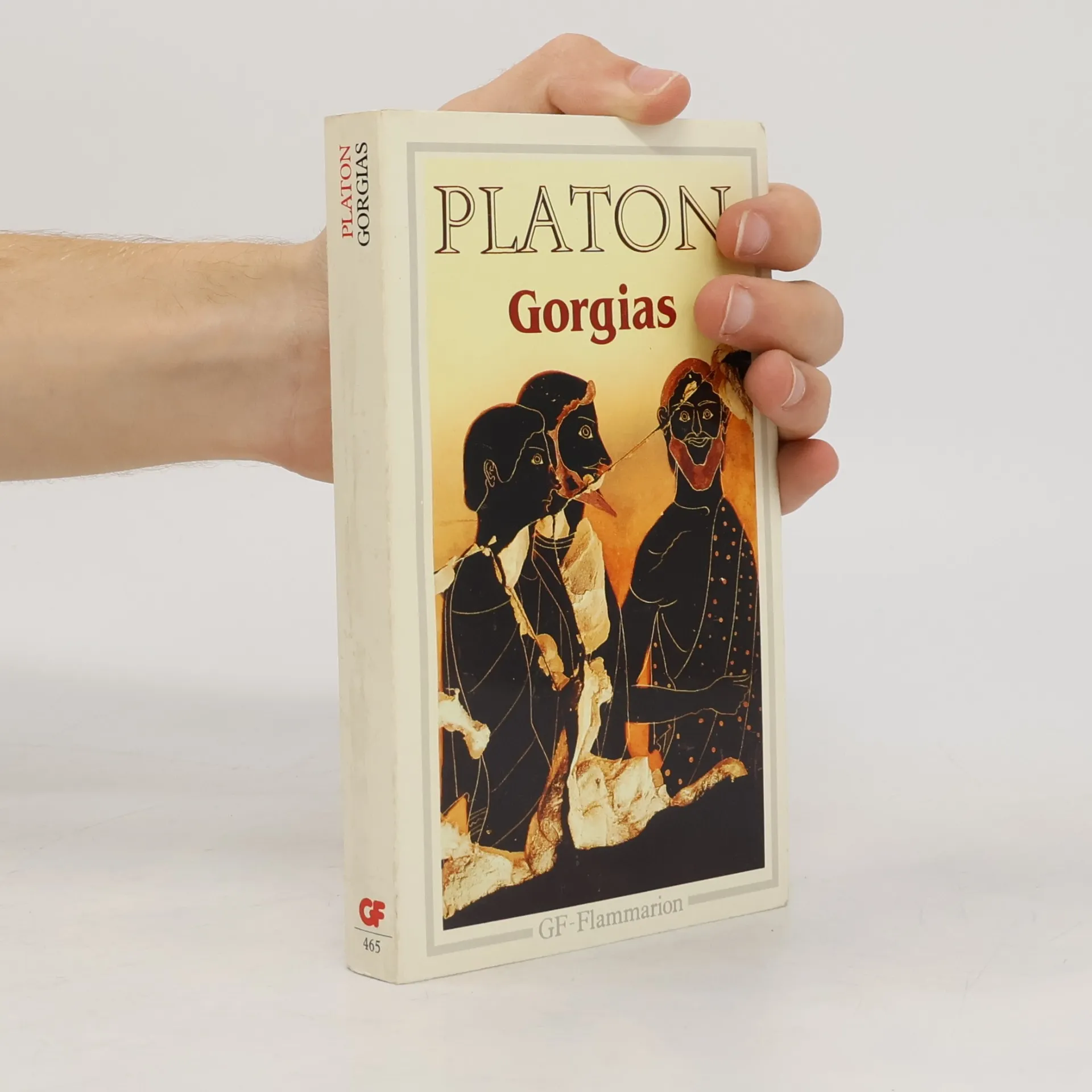
    Gorgias
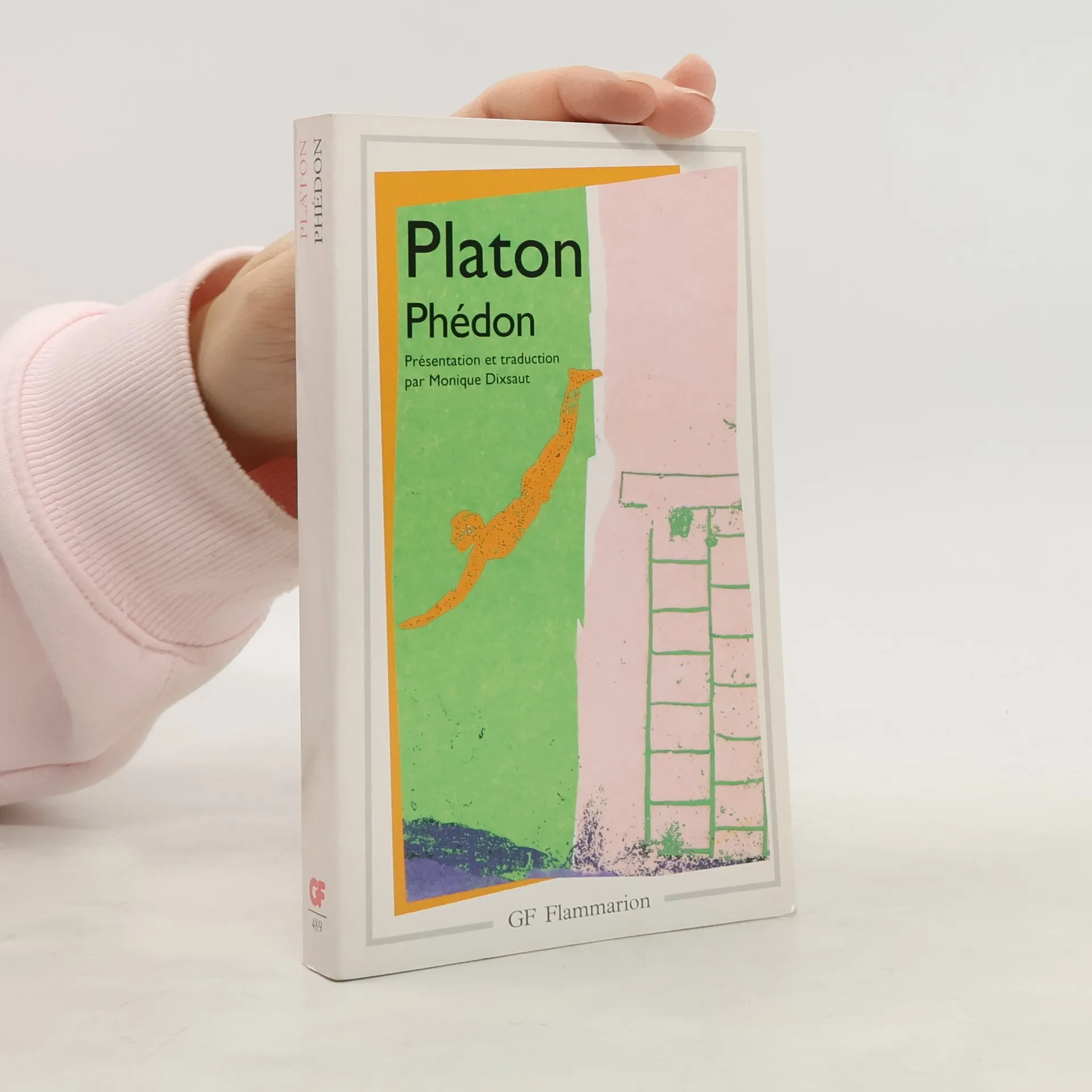
    Phédon
    Le Banquet
    La république
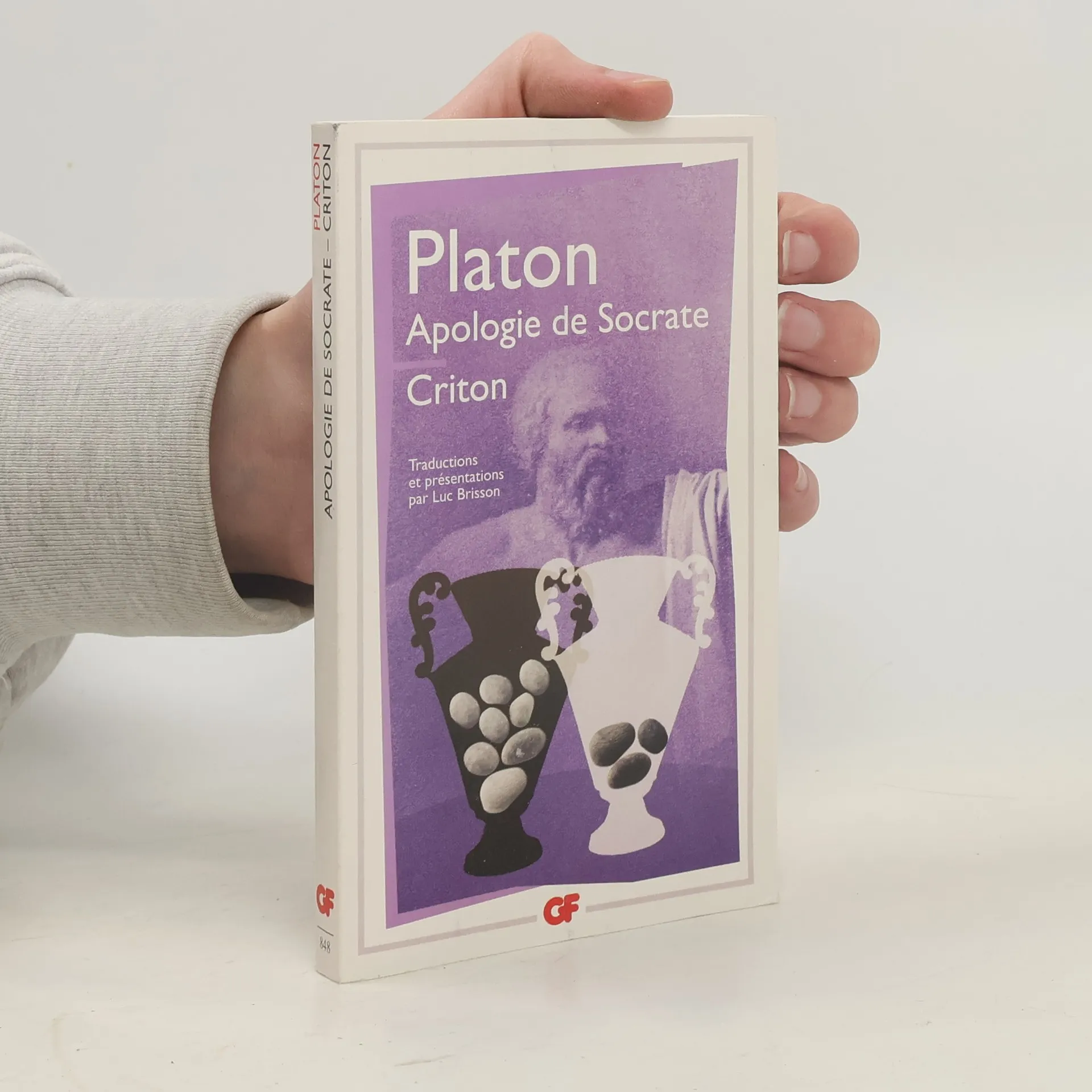
    Apologie de Socrate
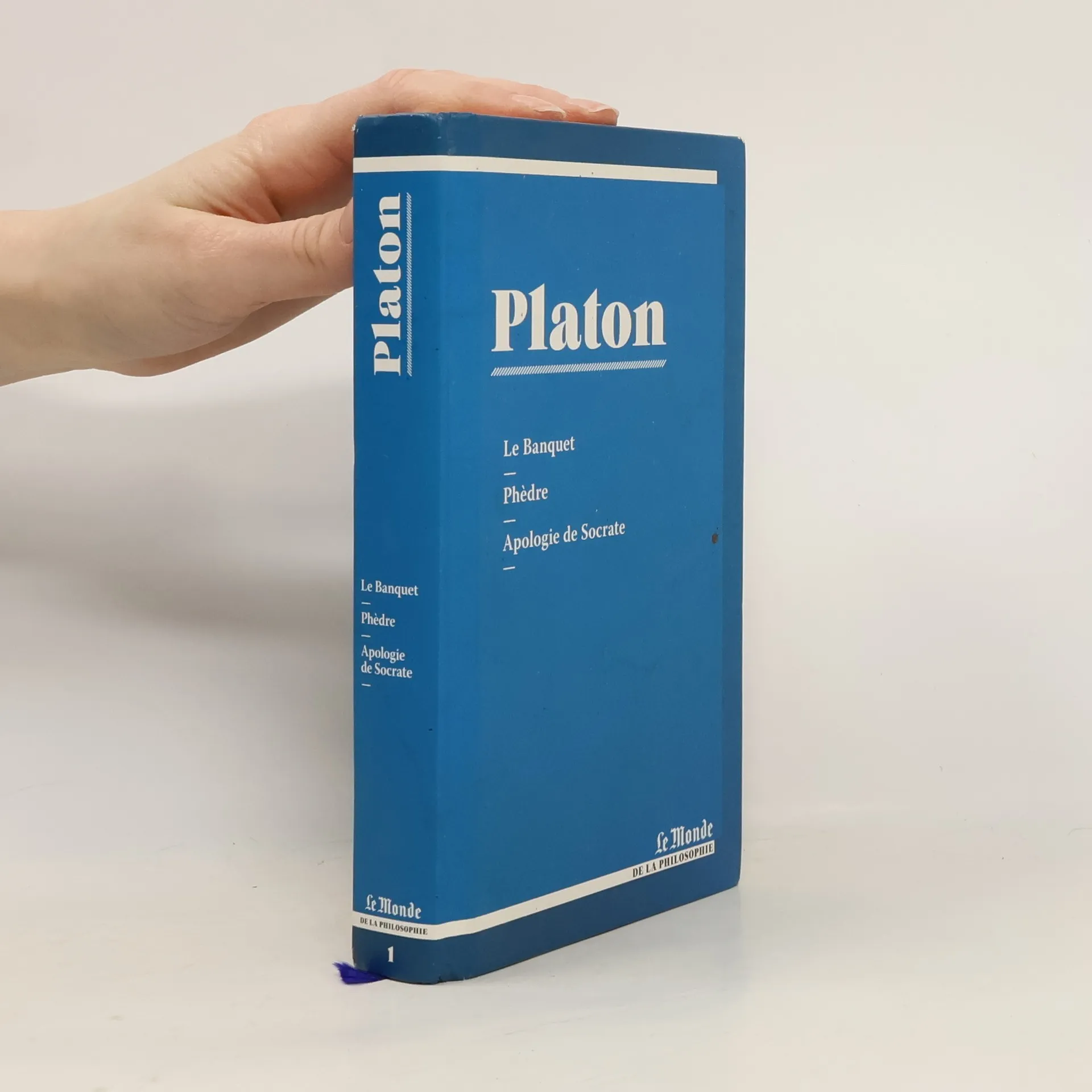
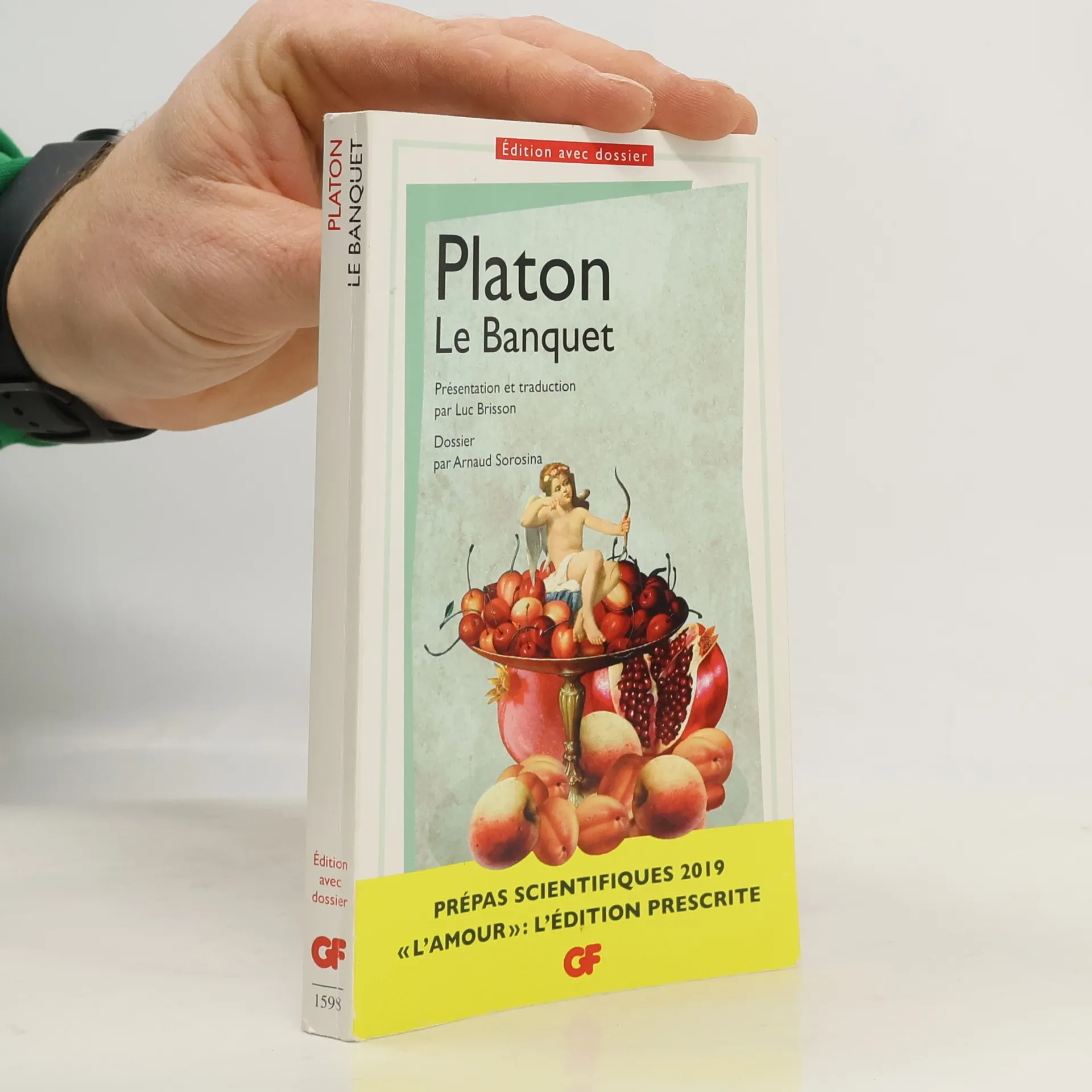
    Le Banquet
    • Le Banquet

      Prépas scientifiques - Édition avec dossier - 2019 «L'amour»: L'édition prescrite

      • 302pages
      • 11 heures de lecture

      Ils sont allongés sur des lits et parlent de l’amour et de la beauté. Leurs discours se succèdent, parfois se répondent, car il y a plusieurs amours et plusieurs manières de désirer le Beau. À ces hommes vivant en un temps et un lieu où l’éducation des garçons est indissociable de la sexualité qui règle les rapports du maître et du disciple, une étrangère, Diotime, oppose un modèle féminin de transmission du savoir. Dans ce célèbre dialogue, Socrate énonce les étapes de l’apprentissage du philosophe capable de se détacher du monde sensible pour devenir l’«amant» par excellence qui guide l’«aimé» dans sa quête du Vrai et du Beau.Dossier spécial : l'amour1. La conversion par l’amour : la quête de l’unité2. Les pronoms de l’amour : Je, Tu, Nous3. Les raisons de l’amour : comprendre, expliquer, justifier.
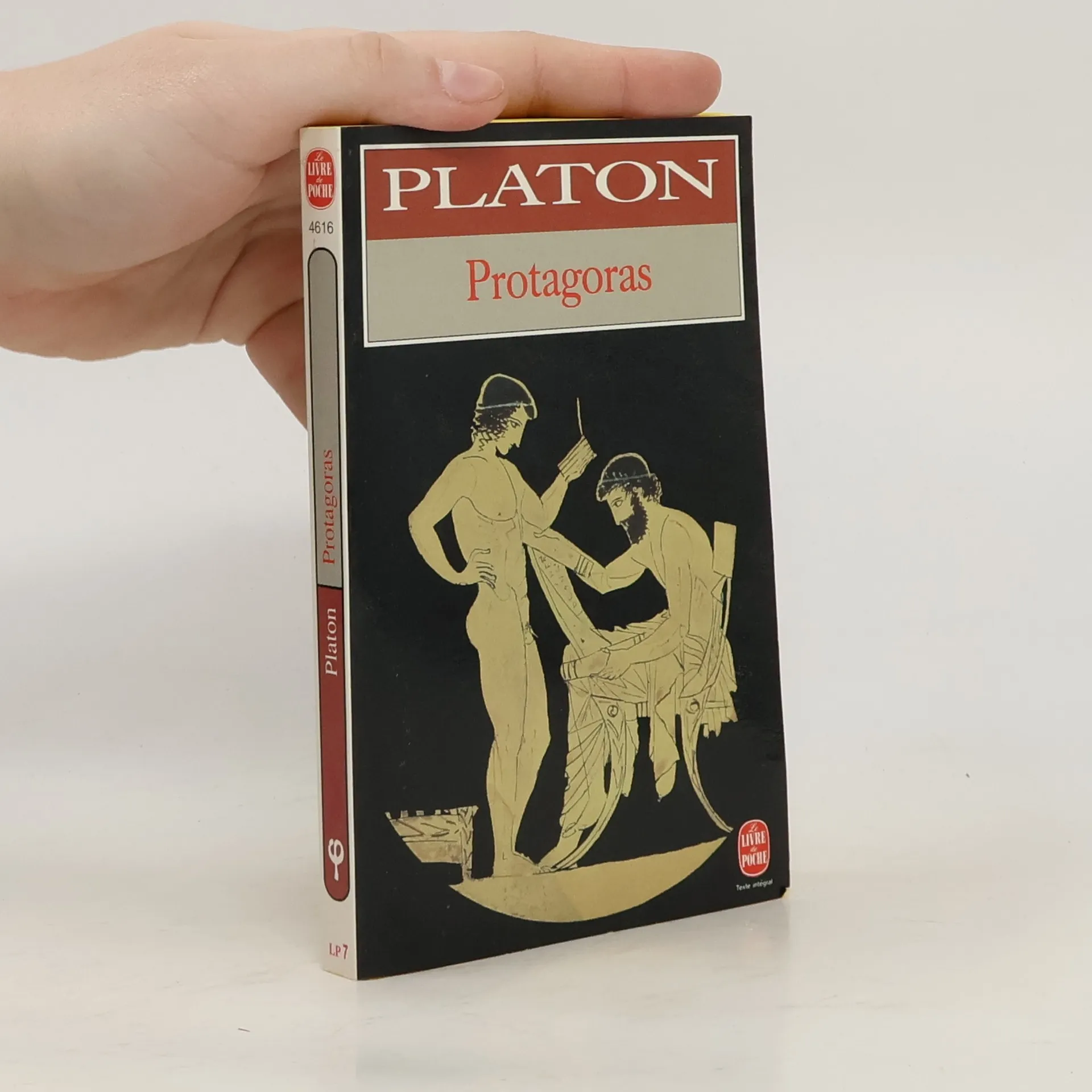
      Le Banquet
      4,2
    • Apologie de Socrate

      • 33pages
      • 2 heures de lecture

      Dans l'Apologie de Socrate, Platon rapporte les plaidoyers de Socrate lors de son procès en -399 à Athènes qui déboucha sur sa condamnation à mort. La défense se déroule en trois parties, toutes en lien direct avec la mort. Socrate se défend devant les juges, mais aussi devant toute la cité d'Athènes (composant le Tribunal de la Cité). Il répond aux trois chefs d'accusation déposés contre lui : corruption de la jeunesse, non-reconnaissance de l'existence des dieux traditionnels athéniens, et introduction de nouvelles divinités dans la cité.Il y eut trente jours d'intervalle entre la condamnation de Socrate et sa mort, pendant lesquels il resta enchaîné dans sa prison.

      Apologie de Socrate
      4,2
    • Tel un Shakespeare de la philosophie, Platon a produit ici comédies, violences, sublimes aperçus, que retient au sol l'ironie de Socrate, les bouffonneries même ( le juste est 729 fois plus heureux que le tyran ; l'eugénisme est lié au chiffre 12 960 000 ... ). La République jette le lecteur dans un fleuve d'Amazonie, un fleuve des mots aux fresques renouvelées, insolites, sans berge repérable, où donc il se plonge comme dans un Déluge de jouvence, ballotté, happé, roulé, perdant le souffle parfois, irrité et incapable de s'arrêter de lire - sur la divinité, sur soi, sur la vie politique, bien sûr, de façon terriblement actuelle et folle en même temps - amarré il restera cependant à ce point de passion et de raison, le désir, le désir du Meilleur. J.C.

      La république
      4,1
    • "Par Héra ! le charmant asile ! Ce platane est d'une largeur et d'une hauteur étonnantes. Ce gattilier si élancé fournit une ombre délicieuse, et il est en pleine floraison, si bien que l'endroit en est tout embaumé ; et puis voici sous le platane une source fort agréable, si je m'en rapporte à mes pieds; elle doit être consacrée à des nymphes et à Achéloüs, à en juger par ces figurines et ces offrandes. Remarque en outre comme la brise est ici douce et bonne à respirer; elle accompagne de son harmonieux chant d'été le chœur des cigales ; mais ce qu'il y a de mieux, c'est ce gazon en pente douce qui est à point pour qu'on s'y couche et qu'on y appuie confortablement sa tête."

      Le Banquet
      4,0
    • Phédon

      • 448pages
      • 16 heures de lecture

      Les textes et les thèmes fondamentaux de la philosophie et de la science.Le "Phédon" est le dernier volet de la trilogie consacrée à la mort de Socrate après l'"Apologie de Socrate" et le "Criton". Dans un ultime dialogue avec ses disciples, Socrate s'interroge sur l'immortalité de l'âme et son sens pour une vie consacrée à la philosophie. Plus profondément, il développe une nouvelle conception de l'âme et questionne la signification même de l'acte de penser. Enfin, Platon déploie tout son art de la fiction pour nous offrir l'émouvante description de la mort de Socrate.Cette édition comprend :une préface qui rend compte de la structure interne du dialogue, étudie comment Platon assimile et transforme les traditions orphiques et pythagoriciennes tout en en montrant la portée philosophique ;une traduction revue et accompagnée de notes ;un dossier abordant par thèmes les question soulevées par Socrate et leurs prolongements dans l'histoire de la philosophie. Pour poursuivre par-delà le temps ce dialogue avec Platon, sont convoqués Plotin, Nietzsche, Georges Dumézil, Jean-Pierre Vernant, Jan Patočka, Marcel Detienne, Paul Ricœur, Michel Foucault et de nombreux autres philosophes contemporains ou classiques.Édition établie et préfacée par Agnès Forestier-Nordmann, agrégée de philosophie, ancienne élève de l'ENS.
      Phédon
      4,0
    • Gorgias

      • 382pages
      • 14 heures de lecture

      Le ton du Gorgias est particulièrement violent, et pas seulement à l'égard de la rhétorique. Le dialogue formule une des critiques les plus radicales qui aient été adressées à la démocratie athénienne, à ses valeurs dominantes et à sa politique de prestige. En effet, Socrate s'en prend à tous les aspects de cette politique, du plus concret au plus idéologique. Mais l'essentiel de la critique vise la condition qui donne à la démocratie athénienne ses principaux caractères. Or cette condition est la même que celle qui assurait l'influence de la rhétorique. Il s'agit de la foule comme sujet dominant de la scène politique. Le gouvernement de la liberté est un gouvernement de la foule, c'est-à-dire de l'illusion, du faux-semblant et de la séduction. La critique de la rhétorique débouche donc directement sur la critique la démocratie.

      Gorgias
      4,0
    • Apologie de Socrate. Criton

      • 262pages
      • 10 heures de lecture

      En 399 avant Jésus-Christ, à Athènes, Socrate comparut devant le Tribunal de la cité. Accusé de ne pas reconnaître l'existence des dieux traditionnels, de créer de nouvelles divinités et de corrompre la jeunesse, il fut condamné à mort. De son procès, il nous reste peu de témoignages, mais celui que Platon nous livre dans l'Apologie de Socrate élève au rang de mythe fondateur de la philosophie un fait qui aurait pu demeurer banal au regard de l'histoire. Face à ses juges, Socrate mène sa défense en invoquant la pratique de la philosophie qui seule fait que la vie vaut d'être vécue. Plus tard, à nouveau, dans la prison où il attend l'exécution de la sentence, il oppose à son ami Criton, qui lui propose de fuir, le verdict du philosophe : mieux vaut affronter la mort plutôt que de contrevenir aux lois de la cité et ainsi commettre l'injustice. Si l'on en croit Platon, il fallait que Socrate meure pour que vive la philosophie.

      Apologie de Socrate. Criton
      3,9
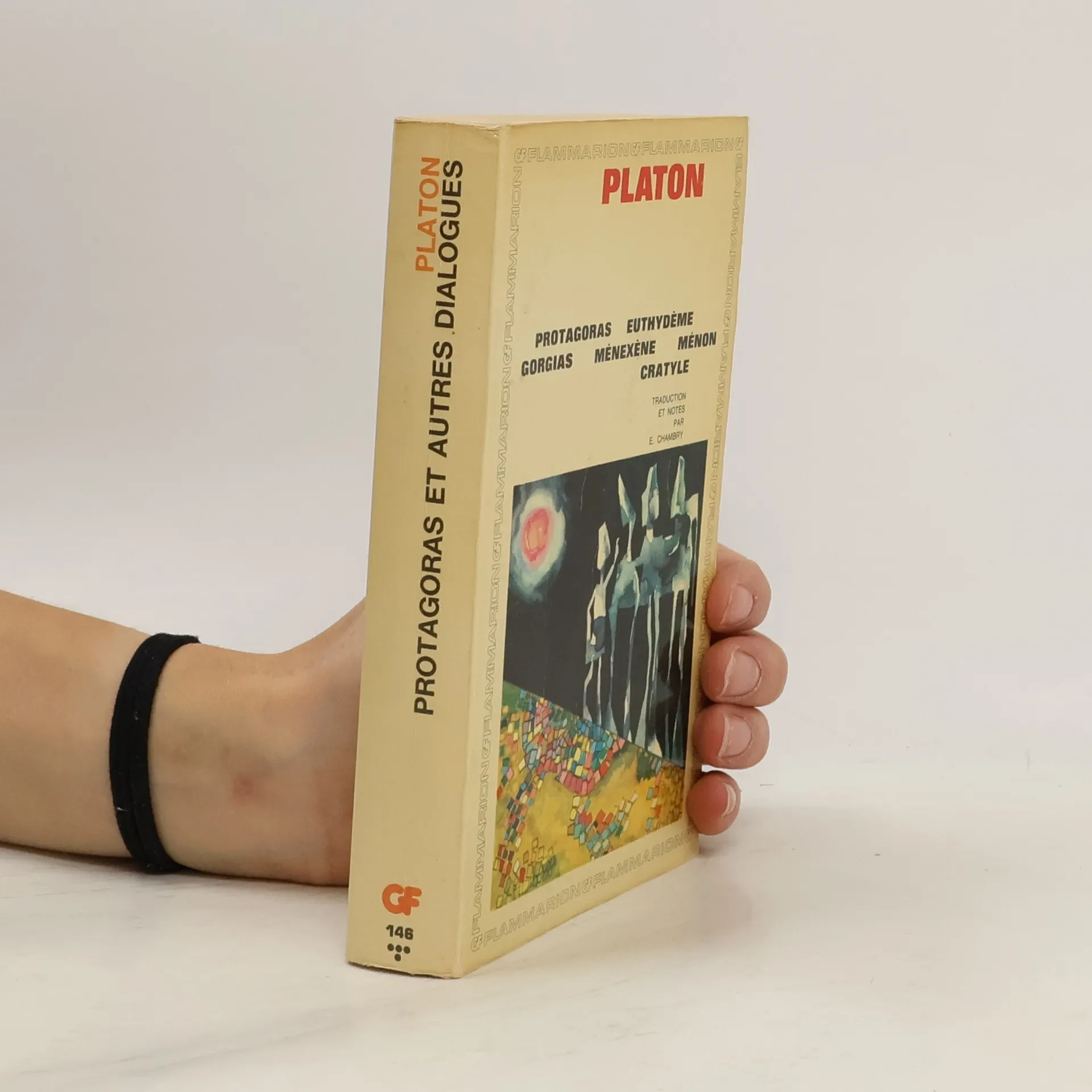
    • " Je t'affirme, dis-je, que je n'ai d'autre but en te faisant toutes ces questions que d'examiner les problèmes relatifs à la vertu et ce qu'est la vertu en elle-même. Car je suis persuadé que ce point éclairci jetterait une vive lumière sur l'objet de la longue discussion que nous venons d'avoir ensemble, moi prétendant que la vertu ne saurait être enseignée, toi, qu'elle peut l'être. [...] Si, en effet, la vertu était autre chose que la science, comme Protagoras a tâché de le prouver, il est clair qu'elle ne saurait être enseignée. Si au contraire elle se ramène exactement à la science, comme tu as à cœur de le prouver, Socrate, il serait bien extraordinaire qu'elle ne pût être enseignée." Protagoras

      Protagoras, euthydème, gorgias, ménexene , meénon, cratyle
      3,7
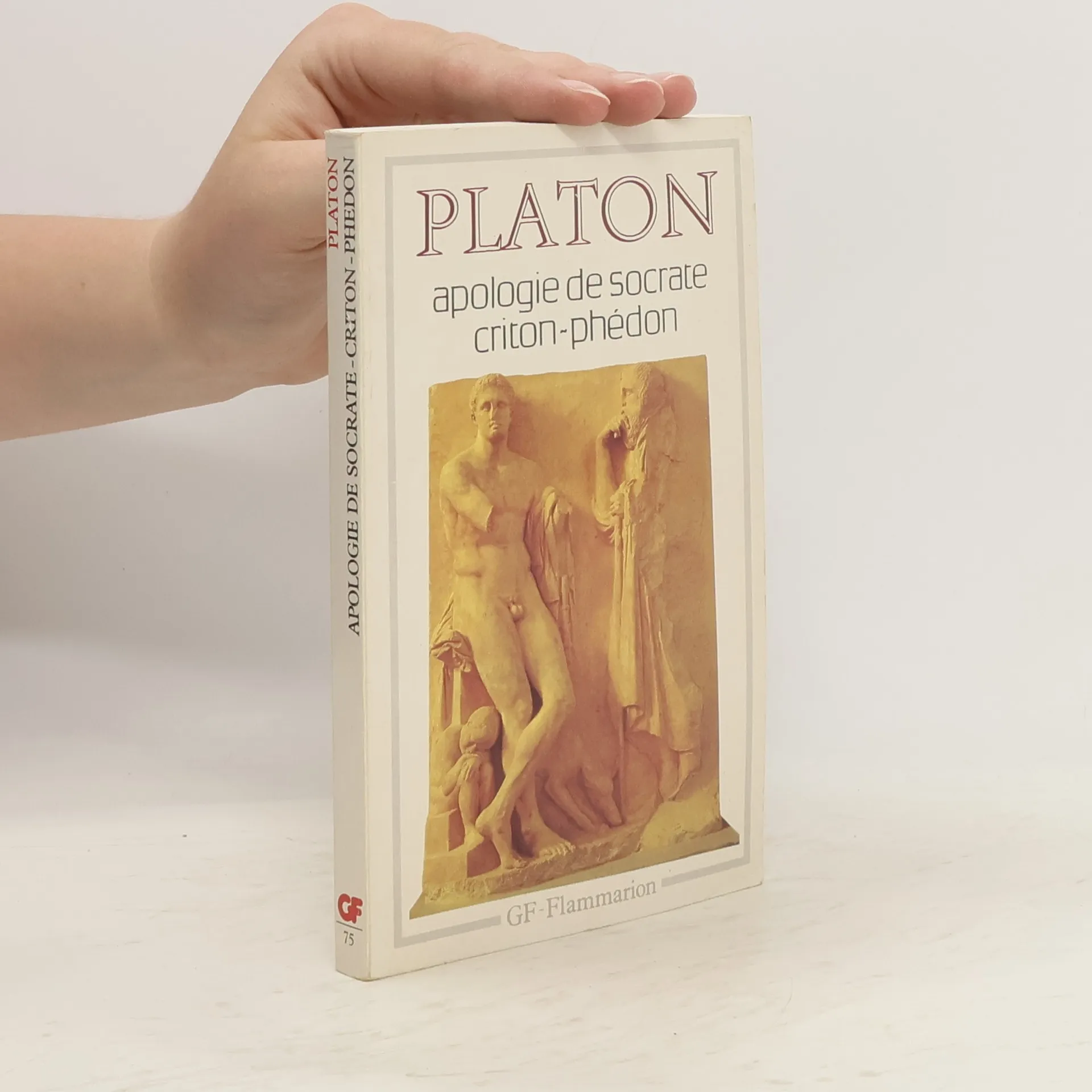
    • Pour retrouver la fonction entière du philosophe, il faut se rappeler que même les philosophes-auteurs que nous lisons et que nous sommes n'ont jamais cessé de reconnaître pour patron un homme qui n'écrivait pas, qui n'enseignait pas, du moins dans des chaires d'Etat, qui s'adressait à ceux qu'il rencontrait dans la rue et qui a eu des difficultés avec l'opinion et avec les pouvoirs, il faut se rappeler Socrate.

      Apologie de Socrate Criton-Phedon
      3,8
    • GF - 1327: Le Banquet

      • 272pages
      • 10 heures de lecture

      Ils sont allongés sur des lits et parlent de l'Amour et de la Beauté. Leurs discours se succèdent, parfois se répondent : car il y a plusieurs Amours et plusieurs manières de désirer le Beau. A ces hommes vivant en un temps et un lieu où l'éducation des garçons, est indissociable de la sexualité qui règle les rapports du maître et du disciple, une étrangère, Diotime oppose un modèle féminin de la procréation du savoir. A travers elle, Socrate dessine les étapes de l'apprentissage du philosophe capable de se détacher du monde sensible pour devenir l'" amant ", par excellence qui guide l'" aimé " dans sa quête du Vrai et du Beau. Par-delà les interprétations prudentes du Banquet que nous a léguées la tradition philosophique, cette traduction inédite invite à une lecture renouvelée dialogue : un Banquet parfois extravagant, à l'image de son objet, d'une richesse stylistique exubérante, souvent cru dans son langage, foisonnant enfin dans sa recherche du bonheur véritable.
      GF - 1327: Le Banquet
      3,7
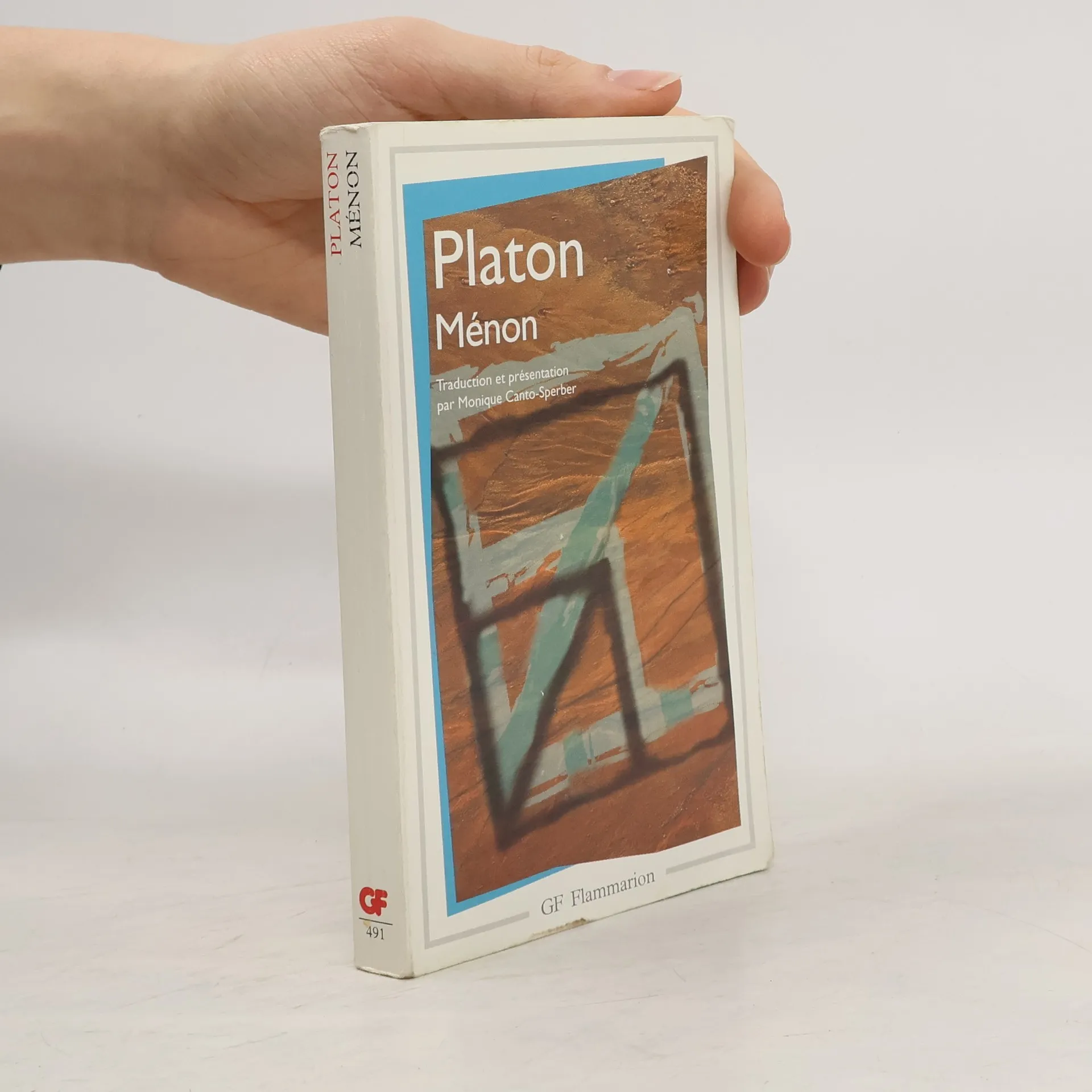
    • La première question de Socrate, « Comment devenir vertueux ? », cède la place à une autre question plus générale : « Comment apprendre ce qu'on ignore ? » En effet, l'homme ne peut ni apprendre ce qu'il sait, puisqu'il le sait déjà, ni apprendre ce qu'il ne sait pas, ignorant ce qu'il devrait apprendre. Aussi, tout apprentissage paraît impossible dans la mesure où il n'y a pas de transition entre le non-savoir absolu et le savoir. Socrate, dans Ménon, parvient à surmonter ce paradoxe en montrant que si l'homme est capable d'apprendre, c'est que toute éducation suppose la faculté innée de chercher ce que l'on ne sait pas. Ainsi, Socrate fait découvrir à un jeune esclave la notion de diagonale : tout se passe comme si celui-ci se ressouvenait de ce que pourtant il ne semblait pas connaître. L'esprit n'est pas un réceptacle vide où la vérité viendrait se déposer de l'extérieur, mais une puissance de connaître susceptible de s'actualiser par la réflexion. Le mythe de la réincarnation fournit ici une image permettant de saisir en quoi consiste l'acte de réfléchir : l'âme ayant contemplé dans une vie antérieure les Idées, les ayant oubliées lors de son incarnation, s'en ressouvient dans l'acte d'apprendre. Ainsi, « apprendre, c'est se ressouvenir ». --Paul Klein

      Ménon
      3,6
    • Apologie de Socrate, Criton

      Traductions et présentations par Luc Brisson

      • 272pages
      • 10 heures de lecture

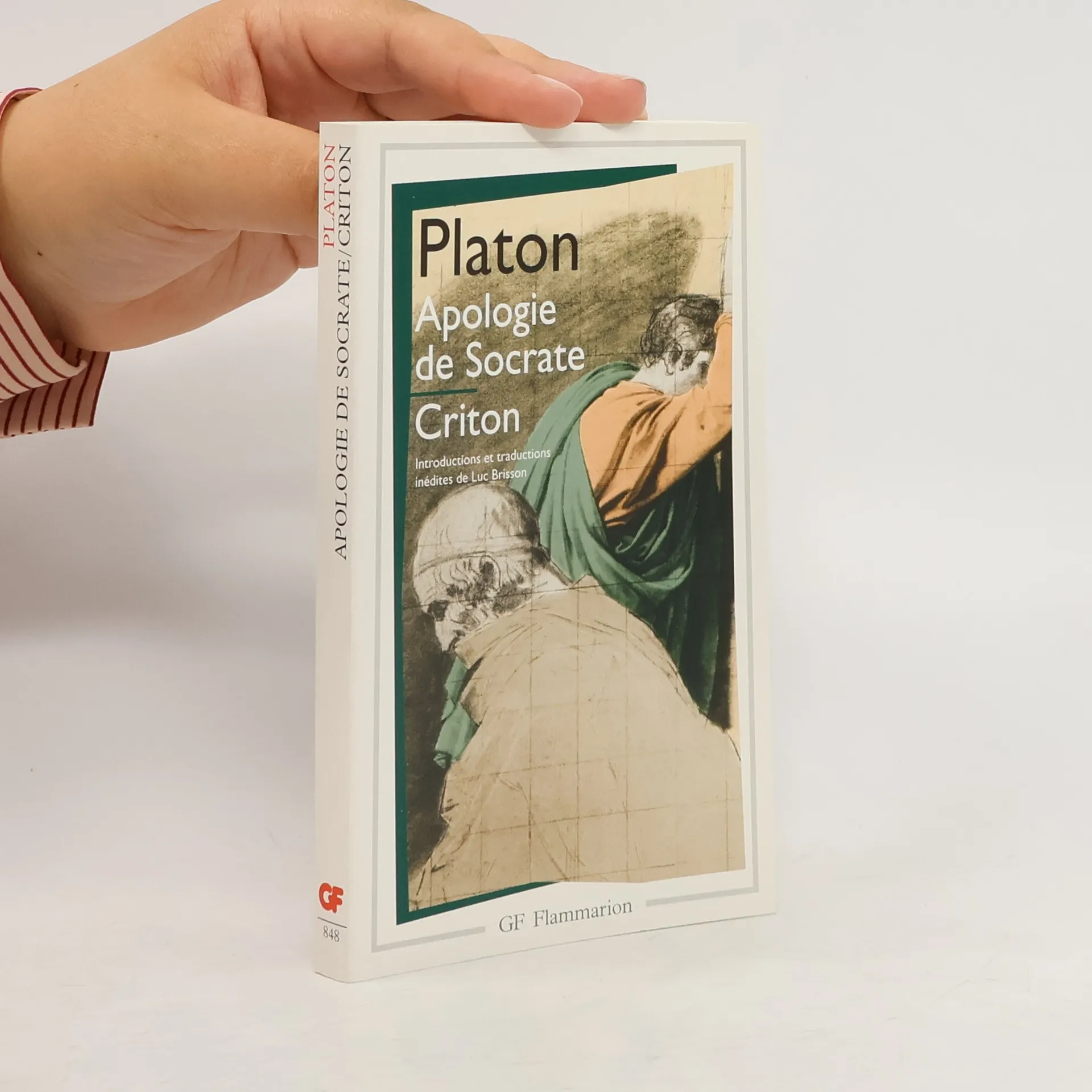
      En 399 avant notre ère, à Athènes, Socrate comparaît devant le Tribunal de la cité. Accusé de ne pas reconnaître l'existence des dieux traditionnels, de créer de nouvelles divinités et de corrompre la jeunesse, il est condamné à mort. De son procès, il nous reste peu de témoignages, mais celui que Platon nous livre dans l'Apologie de Socrate élève au rang de mythe fondateur de la philosophie un fait qui aurait pu demeurer banal au regard de l'histoire. Face à ses juges, Socrate mène sa défense en invoquant la pratique de la philosophie, qui seule fait que la vie vaut d'être vécue. Plus tard, dans la prison où il attend son exécution, Socrate oppose à son ami Criton, qui lui propose de fuir, le verdict du philosophe : mieux vaut affronter la mort que contrevenir aux lois de la cité et ainsi commettre l'injustice. Si l'on en croit Platon, il fallait que Socrate meure pour que vive la philosophie.

      Apologie de Socrate, Criton
      3,4
    • Qu'est-ce que la science ? Ou encore : au nom de quels critères un énoncé peut-il être présenté comme science ? A cette question, le Théétète apporte trois tentatives de réponse qui sont autant d'impasses : la science n'est ni sensation, ni opinion vraie, ni opinion vraie accompagnée d'une définition. Echec d'une discussion stérile, attente déçue de qui se croyait convié au spectacle d'un accouchement de la vérité ? Non, si l'on sait lire dans le Théétète la leçon du socratisme : la science, c'est de savoir que la science nous échappe. Le Théétète, en pratiquant l'impasse, s'érige en carrefour. S'y rencontrent, quand y est tentée une solution de l'énigme des irrationnelles, l'histoire des mathématiques ; celle, très platonicienne bien qu'encore la nôtre, de la philosophie ; les pouvoirs de la rhétorique , car c'est en elle, à bien entende le sophiste, qu'il nous faut apprendre à reconnaître la science ; la question, enfin, que Platon n'a cessé de poser : comment rétablir la dialectique dans ses droits ?

      Théétète
      3,4
    • La collection Connaître une oeuvre vous offre la possibilité de tout savoir du Banquet de Platon, grâce à une fiche de lecture aussi complète que détaillée. La rédaction, claire et accessible, a été confiée à un spécialiste universitaire. Cette fiche de lecture répond à une charte qualité mise en place par une équipe d'enseignants. Ce livre contient la biographie de Platon, la présentation de l'oeuvre, le résumé détaillé, les raisons du succès, les thèmes principaux et l'étude du courant philosophique de l'auteur.

      Fiche de lecture Le Banquet de Platon (analyse littéraire de référence et résumé complet)
    • La collection Connaître une oeuvre vous offre la possibilité de tout savoir de La République de Platon, grâce à une fiche de lecture aussi complète que détaillée. La rédaction, claire et accessible, a été confiée à un spécialiste universitaire. Cette fiche de lecture répond à une charte qualité mise en place par une équipe d'enseignants. Ce livre contient la biographie de Platon, la présentation de l'oeuvre, le résumé détaillé, les raisons du succès, les thèmes principaux et l'étude du courant philosophique de l'auteur.

      Fiche de lecture La République de Platon (analyse littéraire de référence et résumé complet)
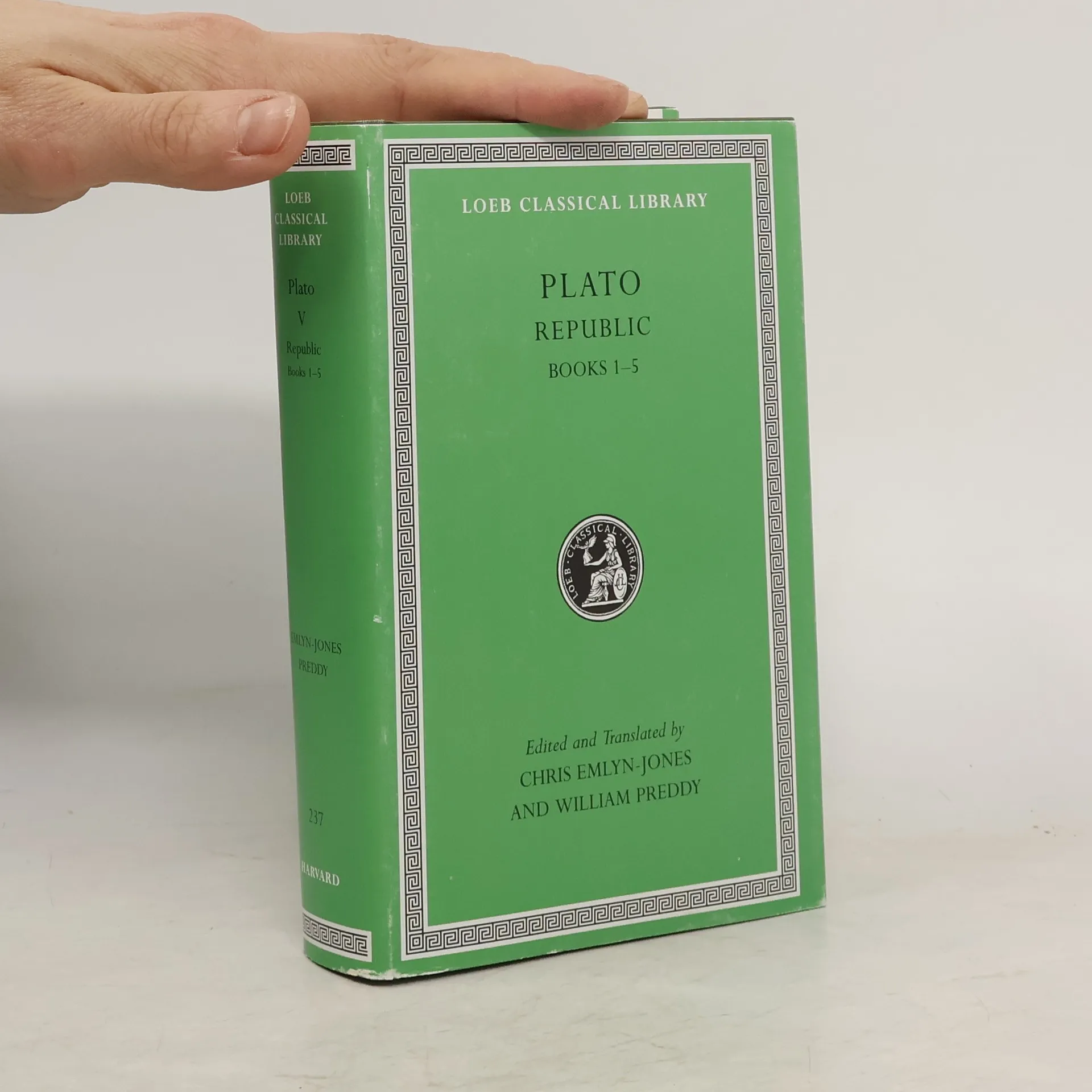
    • Republic, Volume I

      • 490pages
      • 18 heures de lecture

      Plato's Republic concerns righteousness both in individuals and in communities, and proposes an ideal state organized and governed on philosophical principles. This edition, which replaces Shorey's, offers text, translation, and annotation that are fully current with modern scholarship. The Loeb Classical Library edition of Plato is in 12 volumes.

      Republic, Volume I
      4,6
    • Plato VI.

      Republic I

      • 325pages
      • 12 heures de lecture
      Plato VI.
      4,3
    • Plato

      Five Dialogues: Euthyphro, Apology, Crito, Meno, Phaedo (Royal Collector's Edition) (Case Laminate Hardcover with Jacket)

      • 232pages
      • 9 heures de lecture

      The dialogues feature Socratic conversations that explore profound philosophical themes such as morality, justice, and the nature of knowledge. Through the lens of Socrates, Plato addresses critical questions about ethics and the soul, showcasing the influence of Socratic thought on his own philosophical development. Each dialogue serves as a platform for Socratic questioning, revealing insights into human behavior and the pursuit of truth.

      Plato
      5,0
    • Five Dialogues

      Euthyphro, Apology, Crito, Meno, Phaedo (Deluxe Library Edition)

      • 232pages
      • 9 heures de lecture

      Set in the weeks leading up to Socrates' trial, this dialogue features a conversation between Socrates and Euthyphro that delves into profound philosophical themes. The discussion explores the nature of piety and justice, challenging the characters to examine their beliefs and the implications of their definitions. Through their exchange, readers are invited to reflect on the complexities of moral concepts and the essence of virtue.

      Five Dialogues
      4,5
    • "The safest general characterization of the European philosophical tradition is that it consists of a series of footnotes to Plato." - Alfred North WhiteheadPlato's ideas on reason, justice, and religion have had profound impact on Western philosophy and politics. This beautiful jacketed hardback collects some of his most celebrated writings, including his iconic work The Republic . These Ancient Greek dialogues are written as conversations between Plato's mentor Socrates and various Athenian citizens, covering vast range of topics including the construction of communities, immortality of the soul, temperance, rhetoric and virtue. His writings have been studied for hundreds of years and yet remain strikingly pertinent in the modern world.• The Republic• Charmides• Meno• Gorgias• Parmenides• Symposium• Euthyphro• Apology• Crito• PhaedoABOUT THE The World Classics Library series gathers together the work of authors and philosophers whose ideas have stood the test of time. Perfect for bibliophiles, these gorgeous jacketed hardbacks are a wonderful addition to any bookshelf.

      World Classics Library: Plato
      4,5
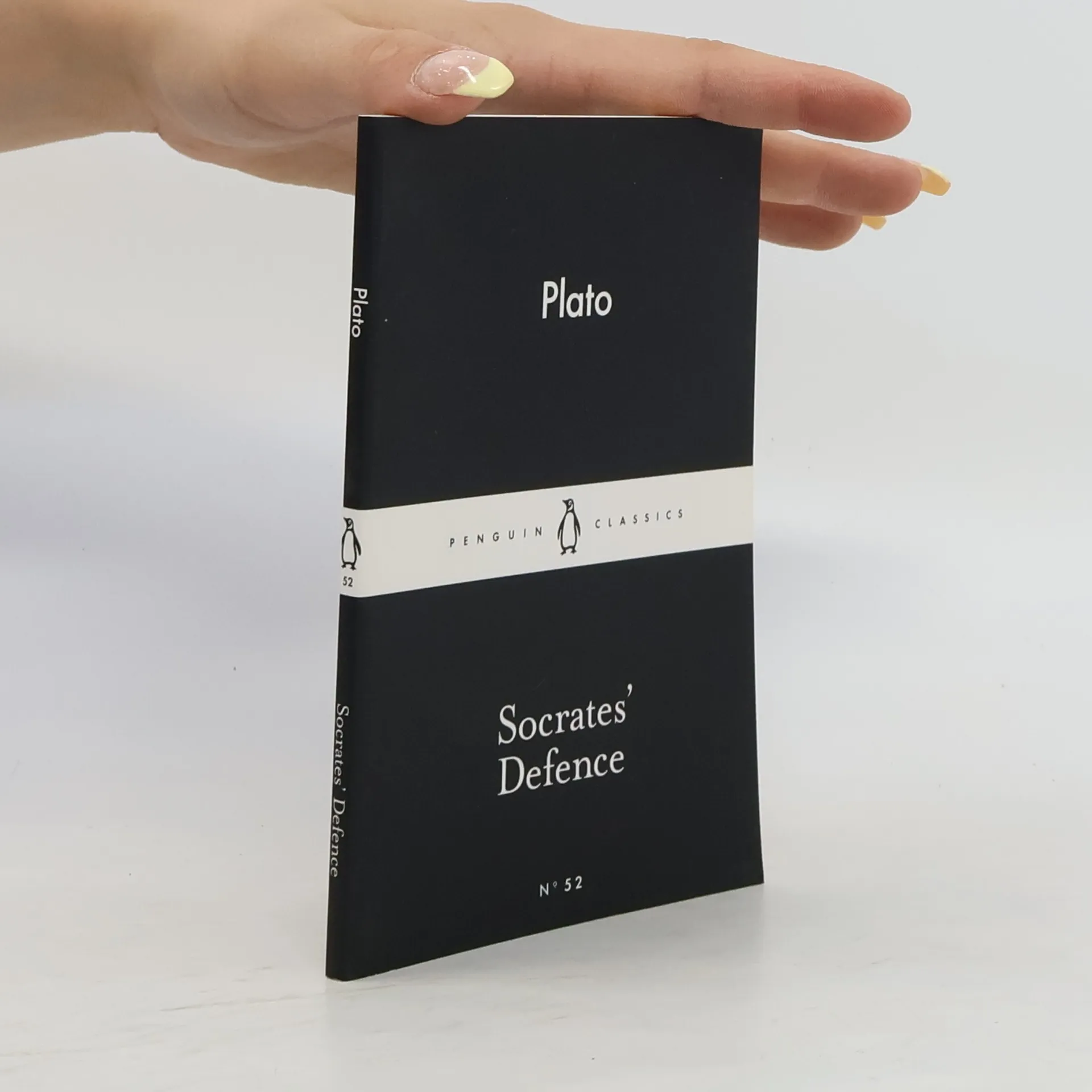
    • Socrates' defence

      • 64pages
      • 3 heures de lecture

      'I'll stop doing it as soon as I understand what I'm doing.' Somewhere between a historical account and work of philosophy, Socrates' Defence details the final plea of Plato's beloved mentor. Introducing Little Black Classics: 80 books for Penguin's 80th birthday. Little Black Classics celebrate the huge range and diversity of Penguin Classics, with books from around the world and across many centuries. They take us from a balloon ride over Victorian London to a garden of blossom in Japan, from Tierra del Fuego to 16th-century California and the Russian steppe. Here are stories lyrical and savage; poems epic and intimate; essays satirical and inspirational; and ideas that have shaped the lives of millions. Plato (474 BC-347 BC). Plato's works available in Penguin Classics are Republic, The Last Days of Socrates, The Laws, Phaedrus, Protagoras and Meno, Timaeus and Critias, Theaetetus, Early Socratic Dialogues, The Symposium and Gorgias.

      Socrates' defence
      5,0
    • Plato's Cosmology

      The Timaeus of Plato

      • 386pages
      • 14 heures de lecture

      The commentary on Plato's "Timaeus" offers profound insights into its metaphysical, astronomical, and biological themes, making it essential for serious scholars. First published in 1937, it has been hailed as a masterpiece of classical scholarship, influencing contemporary studies on Plato's cosmology. A.E. Taylor and Charles H. Kahn commend its indispensable contributions, highlighting its lasting significance in the field of philosophy and classical studies.

      Plato's Cosmology
      4,3
    • Alcibiades I

      • 60pages
      • 3 heures de lecture

      The dialogue features Socrates engaging with Alcibiades, an ambitious Athenian, to explore the essence of politics, virtue, and wisdom. Socrates challenges Alcibiades' arrogance and ignorance, emphasizing that true wisdom stems from self-knowledge rather than external achievements. Through probing questions, Socrates reveals Alcibiades' inconsistencies regarding morality and politics. This work not only highlights the philosophical underpinnings of ancient Athenian society but also reflects Plato's enduring influence on Western thought.

      Alcibiades I
      4,0
    • Works in this volume explore the relationship between two people known as love (eros) or friendship (philia). In Lysis, Socrates meets two young men at a wrestling school; in Symposium, he joins a company of accomplished men at a drinking party; and in Phaedrus, experimental speeches about love lead to a discussion of rhetoric.

      Lysis. Symposium. Phaedrus
      4,4
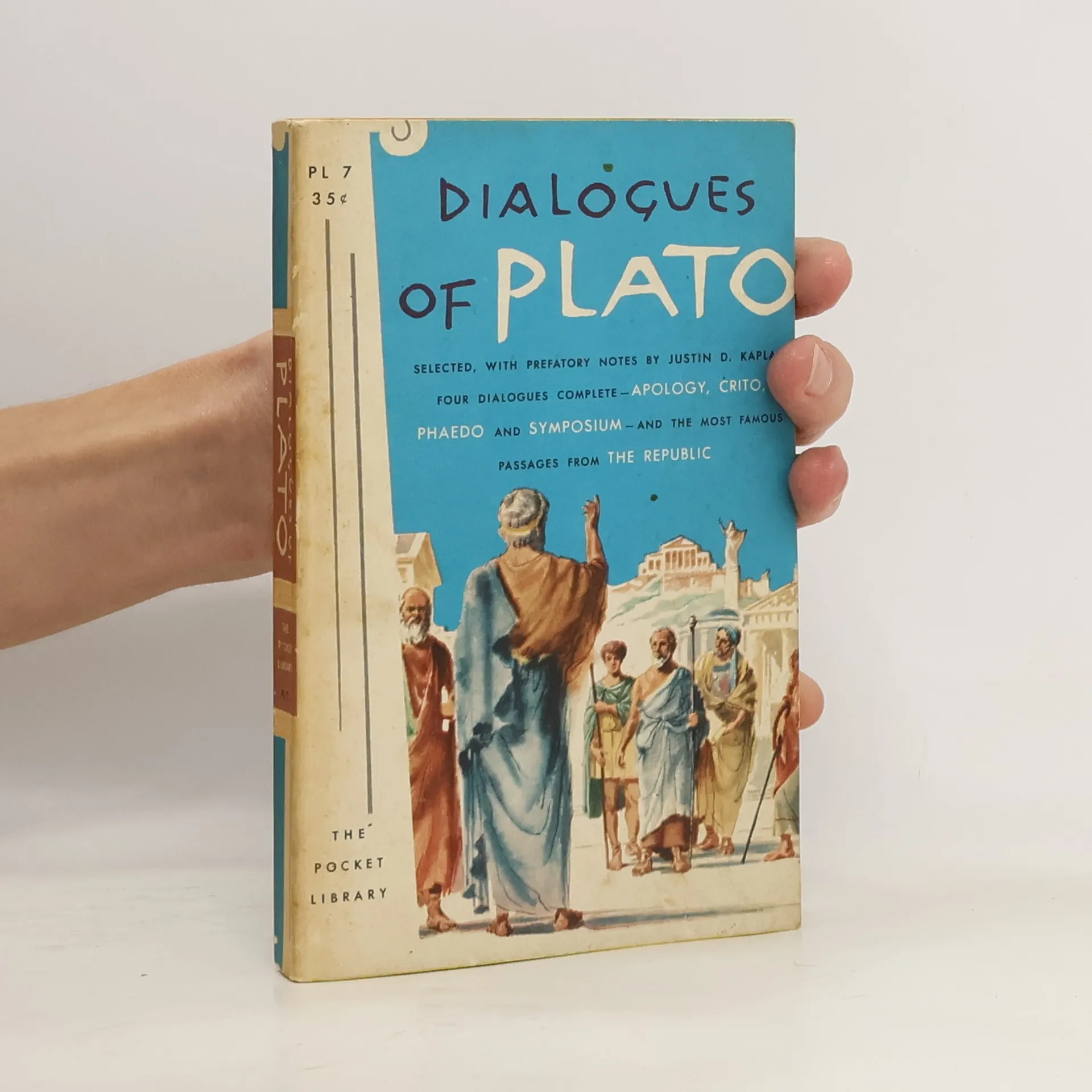
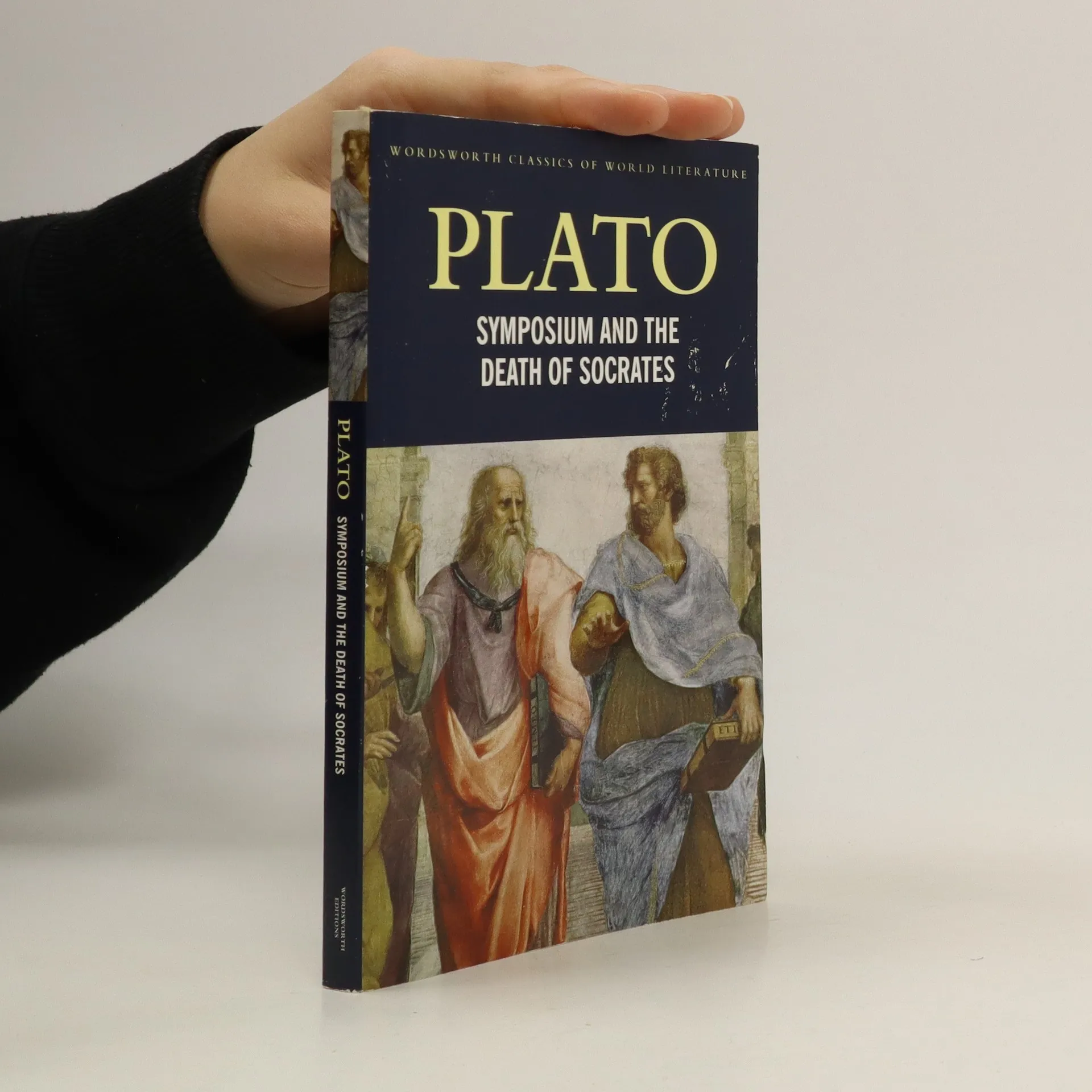
    • "Symposium" gives an account of the sparkling society that was Athens at the height of her empire. The other dialogues collected here under the title "The Death of Socrates" tell the tale of how Socrates was put on trial for impiety, found guilty and sentenced to death.

      Symposium And The Death Of Socrates
      4,3
    • Defence of Socrates, Euthyphro, Crito

      • 119pages
      • 5 heures de lecture

      These new translations present Plato's remarkable dramatizations of the momentous events surrounding the trial of Socrates on charges of irreligion and corrupting the young.

      Defence of Socrates, Euthyphro, Crito
      4,2
    • Apology, Crito, and Phaedo of Socrates

      • 100pages
      • 4 heures de lecture

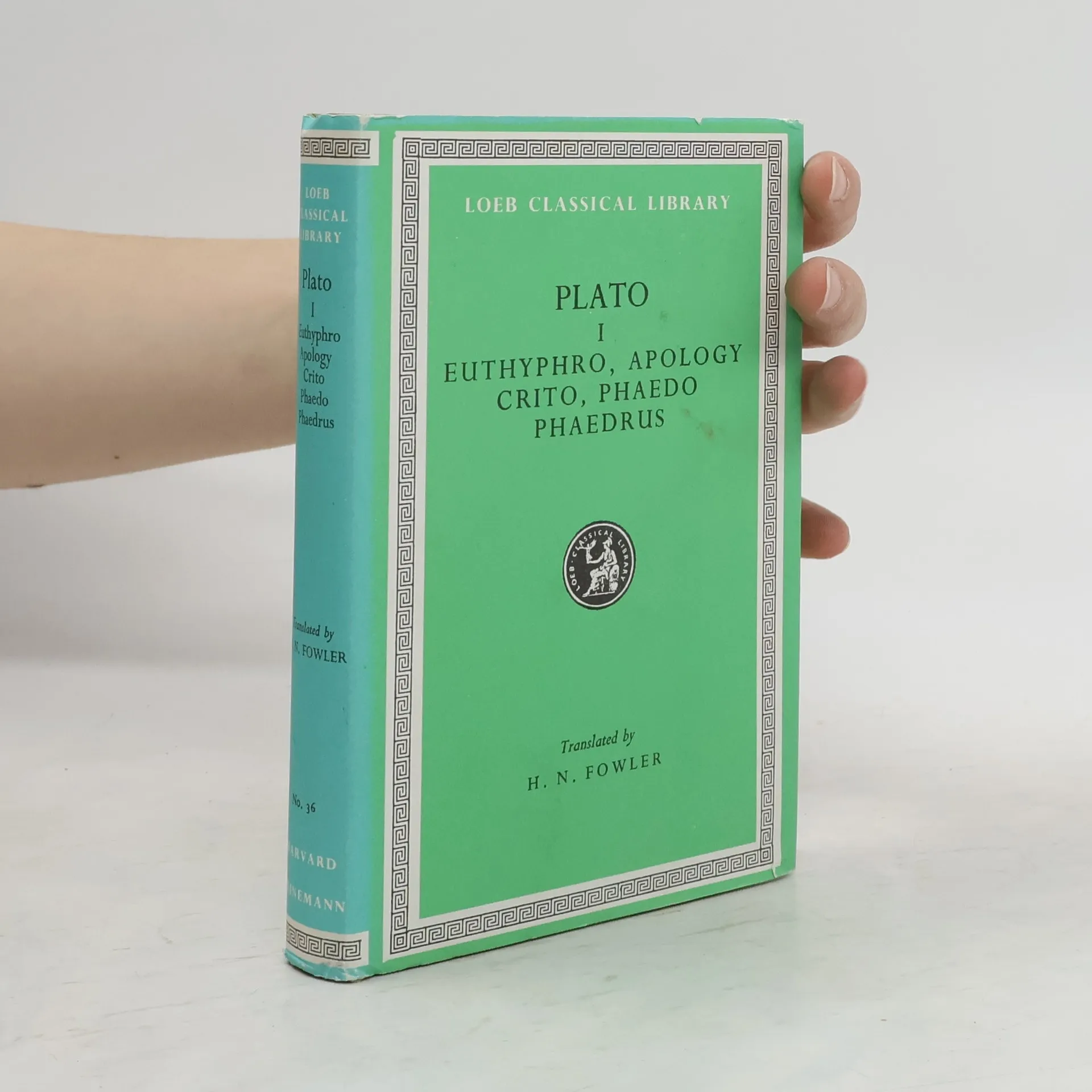
      The writings of Plato are numerous, and most are in the form of dialogues. This edition contains translations of three of his works: "The Apologia," "The Crito" and "The Phaedo," all of which have reference to the trial, imprisonment and death of Socrates."

      Apology, Crito, and Phaedo of Socrates
      4,1
    • Meno and Other Dialogues

      • 190pages
      • 7 heures de lecture

      In these four dialogues Plato considers virtue and its definition. Charmides, Laches, and Lysis investigate the specific virtues of self-control, courage, and friendship; the laterMeno discusses the concept of virtue as a whole, and whether it is something that can be taught.

      Meno and Other Dialogues
      4,2
    • Sophist

      • 122pages
      • 5 heures de lecture

      Engaging in a compelling dialectic, Socrates meets the mysterious Stranger from Elea to explore the complex relationship between being and appearance. This philosophical dialogue delves into profound questions surrounding truth, reality, and deception, making it a significant contribution to the study of ontology. Through their conversation, readers are invited to reflect on the nature of existence and the nuances of perception, highlighting timeless philosophical inquiries that resonate through the ages.

      Sophist
      4,1
    • Symposium attempts to find the ultimate manifestation of the love that controls the world, leading to mystic union with eternal & supercosmic beauty. Phaedrus discusses the psychology of love, resulting in the concept of the familiar Platonic "forms" as objects of transcendental emotion.

      Plato's Symposium and Phaedrus
      3,7
    • "This is a superb new translation that is remarkably accurate to Plato's very difficult Greek, yet clear and highly readable. The notes are more helpful than those in any other available translation of the Laws since they contain both the information needed by the beginning student as well as analytical notes that include references to the secondary literature for the more advanced reader. For either the beginner or the scholar, this should be the preferred translation." --Christopher Bobonich, Clarence Irving Lewis Professor of Philosophy, Stanford University

      Laws
      4,1
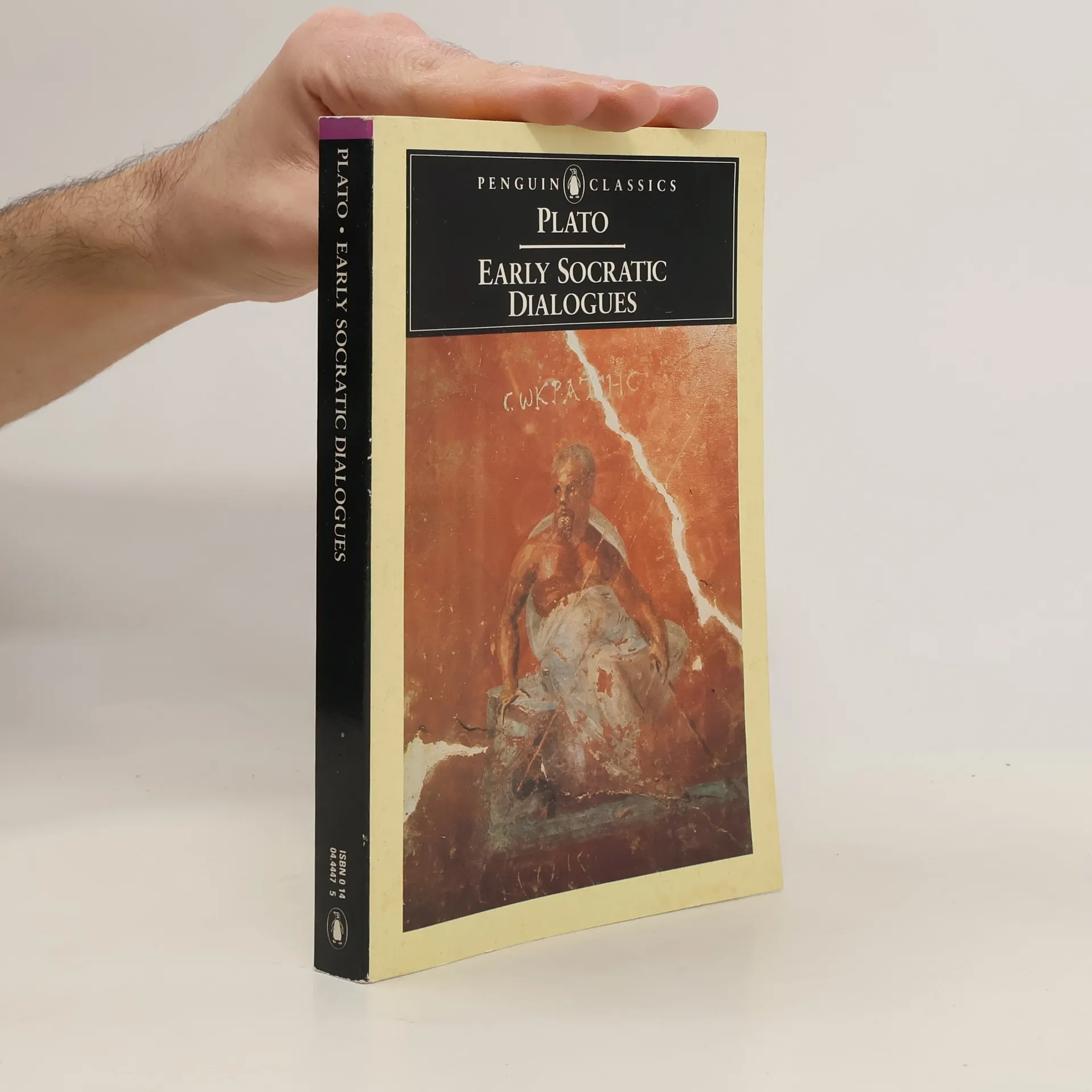
    • Ion/Laches/Lysis/Charmides/Hippias Major/Hippias Minor/EuthydemusRich in drama and humor, these dialogues provide the definitive portrait of Socrates (469-399 B.C.) and his times.Socrates, with his unique ability to tie his opponents in knots and spell out the contradictions in their ideas about friendship, courage, and other familiar topics, was the father of Western philosophy, ann inspiration - and a major irritant - to the Athenians of his day. After his trial and execution, Plato (c. 427-347 B.C.), his greatest pupil, wrote the early dialogues as an act of homage. Shorter and more accessible than the Republic and the other later masterpieces, they also give a much truer picture of the real Socrates and raise issues still keenly debated by philosophers; as such, they form an ideal introduction to Plato, to Greek thought and to philosophy.

      Early Socratic Dialogues
      4,1
    • The Dialogues of Socrates

      • 304pages
      • 11 heures de lecture

      Plato's dialogues provide a profound exploration of Socratic philosophy, emphasizing personal responsibility through engaging conversations with Athenians. This collection features six key dialogues: "Charmides" on restraint, "Symposium" on love, "Euthyphro" on piety, "Apology" presenting Socrates' defense, "Crito" on justice, and "Phaedo," which recounts Socrates' final moments. The elegant collector's edition is beautifully designed with gold embossing, gilded edges, and ivory pages, making it an ideal gift for both novice and seasoned philosophy enthusiasts.

      The Dialogues of Socrates
      4,1
    • Parmenides

      • 122pages
      • 5 heures de lecture

      Plato, an influential Athenian philosopher, established the Platonist school and the Academy, the first higher learning institution in the West. Renowned for his contributions to philosophy, he is a key figure alongside Socrates and Aristotle. His work laid the groundwork for Western thought and religion, with neoplatonism significantly impacting early Christian theology through figures like Augustine. His legacy continues to shape philosophical and spiritual discourse today.

      Parmenides
      4,1
    • Philebus

      • 132pages
      • 5 heures de lecture

      The dialogue explores the philosophical debate between hedonism and the pursuit of higher pleasures. Socrates engages with Protarchus, who defends the hedonistic viewpoint of Philebus, yet Socrates argues for a balanced life that harmonizes both physical and intellectual pleasures. Through this discussion, the text delves into the nature of happiness and the complexities of human fulfillment, ultimately questioning what constitutes the best life.

      Philebus
      4,0
    • Oxford World's Classics: Symposium

      A New Translation by Robin Waterfield

      • 160pages
      • 6 heures de lecture

      In his celebrated masterpiece, Symposium, Plato imagines a high-society dinner-party in Athens in 416 BC. The guests--including the comic poet Aristophanes and Plato's mentor Socrates--each deliver a short speech in praise of love. The sequence of dazzling speeches culminates in Socrates' famous account of the views of Diotima, a prophetess who taught him that love is our means of trying to attain goodness, and a brilliant sketch of Socrates himself by a drunken Alcibiades, the most popular and notorious Athenian of the time. Engaging the reader on every page, this new translation conveys the power, humor, and pathos of Plato's creation and is complemented by full explanatory notes and an illuminating introduction.

      Oxford World's Classics: Symposium
      4,0
    • How to Talk about Love

      An Ancient Guide for Modern Lovers

      • 208pages
      • 8 heures de lecture

      Delve into the exploration of love through a lively translation of Plato's Symposium, where prominent Athenians engage in a contest of speeches praising Eros, the Greek god of love. Key figures like Phaedrus, Pausanias, and Socrates present varied perspectives on love's nature, including its connection to physical attraction and divinity. The dialogue culminates in Alcibiades' tribute to Socrates as the embodiment of love. This edition enhances accessibility by featuring the original Greek alongside the translation, making Plato's profound insights more enjoyable for contemporary readers.

      How to Talk about Love
      3,9
    • Euthyphro

      • 36pages
      • 2 heures de lecture

      Set in the weeks leading up to Socrates' trial, this Socratic dialogue features a conversation between Socrates and Euthyphro that explores profound themes of piety and justice. Through their exchange, Plato delves into philosophical inquiries that ultimately lead to uncertainty and unresolved questions, characteristic of his early works. The dialogue invites readers to reflect on moral concepts while showcasing the complexities of ethical discourse.

      Euthyphro
      4,0
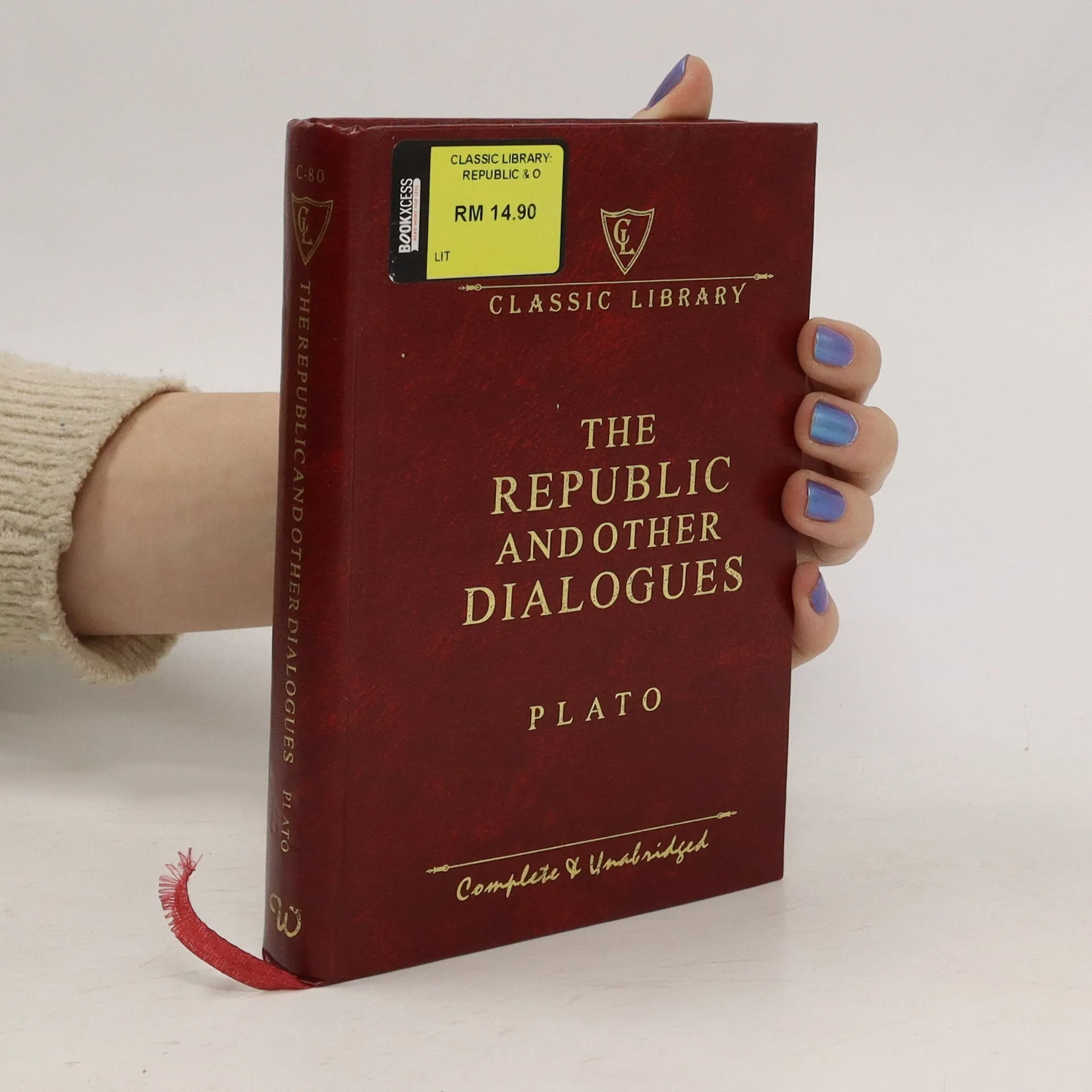
    • The Republic and Other Dialogues

      • 405pages
      • 15 heures de lecture

      These portable, handy sized classics are a great addition to your collection or they make a great gift item. All are hardcover editions in imitation red leather with golden foil stamping. Includes a red ribbon marker.

      The Republic and Other Dialogues
      3,7
    • This translation of Plato's classic work is published along with an extensive introductory essay, which situates the work in the context of the development of Greek science and discusses points of contemporary interest. schovat popis

      Timaeus
      3,9
    • ION

      • 30pages
      • 2 heures de lecture

      The book invites readers into a captivating narrative that promises to engage and intrigue. It offers a blend of compelling themes and rich character development, making it a noteworthy addition to your reading list. The exploration of its central ideas is designed to resonate with a wide audience, ensuring that it leaves a lasting impact. Prepare for an immersive experience that challenges perspectives and ignites curiosity.

      ION
      3,4
    • Taking the form of dialogues between Socrates, Timaeus, Critias and Hermocrates, these two works are among Plato's final writings. In Timaeus, he gives a thorough account of the world in which we live, describing a cosmos composed of four elements - earth, air, fire and water - which combine to give existence to all things. An exploration of the origins of the universe, life and humanity, which outlines not just physical laws but also metaphysical and religious principles, it remained a paradigm of science for two thousand years. The mysterious preamble to Timaeus contains the first account in literature of Atlantis, while the fragmentary Critias, unfinished by its author, provides a spellbinding description of the lost continent's ideal society, which Critias asserts was created by the god-like children of Poseidon himself.

      Timaeus and Critias
      3,9
    • Plato

      The Statesman

      • 124pages
      • 5 heures de lecture

      The new translation offers a clear and contemporary rendition of Plato's dialogue, tailored for students of political thought. It includes an introduction that contextualizes the argument within the evolution of Plato's ideas, providing essential philosophical and historical background. This approach enhances understanding for readers interested in political theory, making the text more accessible and relevant to modern discussions.

      Plato
      3,8
    • Phaedrus

      • 90pages
      • 4 heures de lecture

      "Set in the idyllic countryside outside Athens, the Phaedrus is a dialogue between the philosopher Socrates and his young friend Phaedrus, inspired by their reading of a clumsy speech by the writer Lysias about love. After first considering the virtues of romantic love, their conversation develops into a wide-ranging discussion on such subjects as the pursuit of beauty, the nature of humanity, the immortality of the soul and the attainment of truth, and ends with an in-depth consideration of the principles of rhetoric. Probably a work of Plato's maturity, the Phaedrus represents a high point in his achievement as a writer. It remains a fascinating exploration of love, mortality, destiny and what it means to be human."

      Phaedrus
      3,8
    • Statesman

      • 176pages
      • 7 heures de lecture

      Plato's Statesman is the second of a projected trilogy of dialogues, in which an unnamed stranger sets out to satisfy Socrates' desire for an account of sophist, statesman, and philosopher. (The third was never written.) It includes a clear English translation along with notes and supplementary materials.

      Statesman
      3,6
    • Cratylus

      Translated by Benjamin Jowett

      • 140pages
      • 5 heures de lecture

      Plato, an Athenian philosopher from Ancient Greece, is renowned for founding the Platonist school and the Academy, the first higher learning institution in the Western world. His contributions significantly shaped Western philosophy, alongside his teacher Socrates and student Aristotle. Often regarded as a pivotal figure in human history, he also played a crucial role in the development of Western religion and spirituality, influencing later thinkers like Plotinus and Augustine through the movement of neoplatonism.

      Cratylus
      3,6
    • Charmides

      or, Temperance

      • 68pages
      • 3 heures de lecture

      Plato, an Athenian philosopher of the Classical period, established the Academy, marking the beginning of higher education in the Western world. Renowned for his profound influence on philosophy, he is often regarded alongside Socrates and Aristotle as a cornerstone of Ancient Greek thought. His contributions extend beyond philosophy, impacting Western religion and spirituality, particularly through the neoplatonism of later thinkers like Plotinus and Porphyry, which significantly shaped Christian theology as seen in the works of Church Fathers such as Augustine.

      Charmides
      3,6
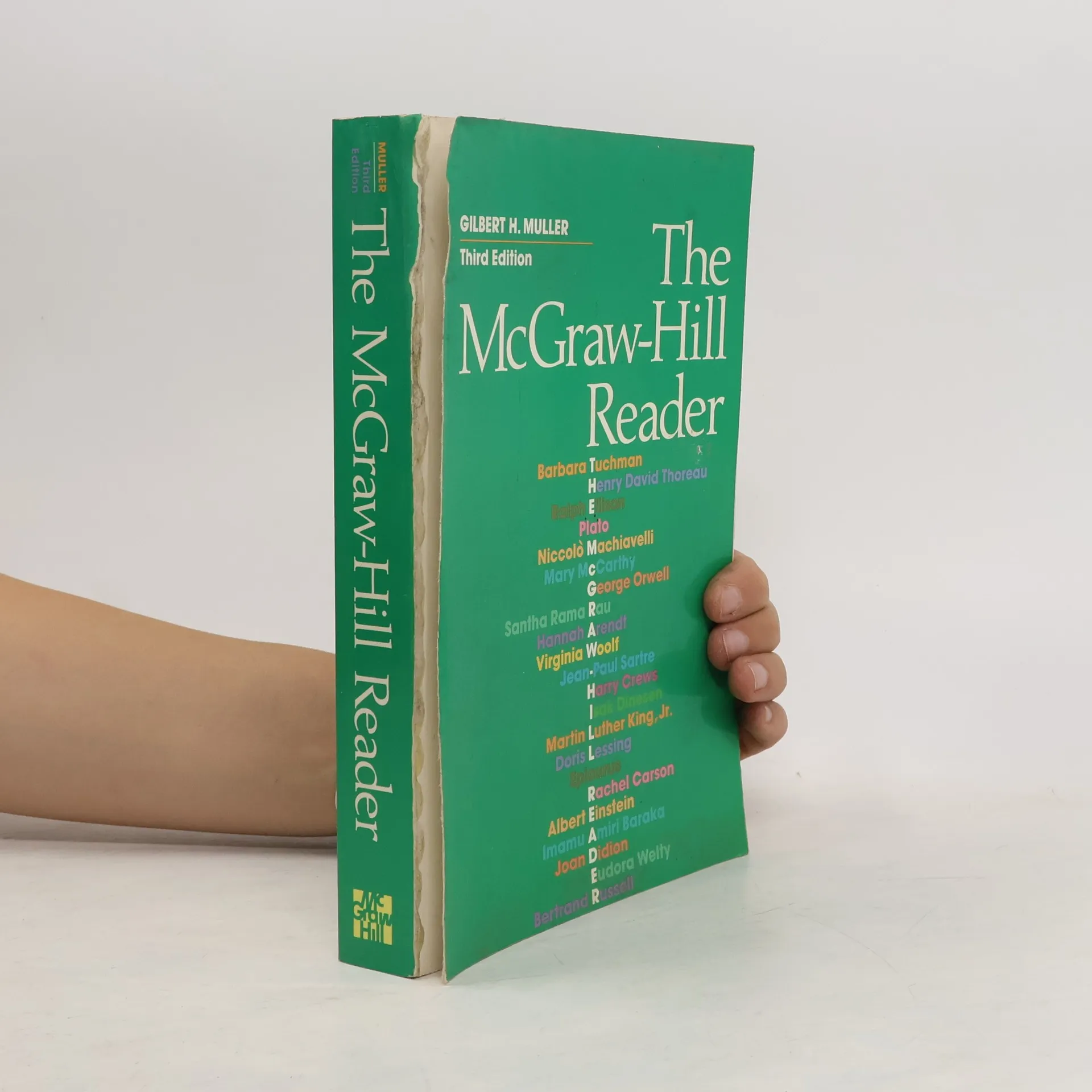
    • The McGraw-Hill Reader: Third Edition

      • 725pages
      • 26 heures de lecture

      Approaching a liberal arts tradition in the classroom, across the curriculum, and beyond, The McGraw-Hill Reader offers rich and diverse readings in education, the social sciences, business and economics, the humanities, and the sciences. This new eleventh edition offers a new focus on reading and composing across various media; it includes over 100 selections from prominent thinkers and writers; each essay was chosen to provoke critical thought and encourage effective writing.

      The McGraw-Hill Reader: Third Edition
    • The Republic is a Socratic dialogue, written by Plato around 380 BC, concerning justice, the order and character of the just city-state, and the just man. It is Plato's best-known work, and has proven to be one of the world's most influential works of philosophy and political theory, both intellectually and historically. In the book's dialogue, Socrates discusses with various Athenians and foreigners about the meaning of justice and whether the just man is happier than the unjust man. They consider the natures of existing regimes and then propose a series of different, hypothetical cities in comparison, culminating in Kallipolis, a hypothetical city-state ruled by a philosopher king. They also discuss the theory of forms, the immortality of the soul, and the role of the philosopher and of poetry in society.

      The Republic: Dialogue on Justice & Political System
    • The Republic is a Socratic dialogue, written by Plato around 380 BC, concerning the definition of justice, the order and character of the just city-state and the just man-for this reason, ancient readers used the name On Justice as an alternative title (not to be confused with the spurious dialogue also titled On Justice). The dramatic date of the dialogue has been much debated and though it might have taken place some time during the Peloponnesian War, "there would be jarring anachronisms if any of the candidate specific dates between 432 and 404 were assigned". It is Plato's best-known work and has proven to be one of the most intellectually and historically influential works of philosophy and political theory. In it, Socrates along with various Athenians and foreigners discuss the meaning of justice and examine whether or not the just man is happier than the unjust man by considering a series of different cities coming into existence "in speech", culminating in a city called Kallipolis, which is ruled by philosopher-kings and by examining the nature of existing regimes. The participants also discuss the theory of forms, the immortality of the soul, and the roles of the philosopher and of poetry in society.

      The Republic: a Socratic dialogue, written by Plato around 375 BC, concerning justice, the order and character of the just city-stat
    • Experience the timeless wisdom and insight of one of ancient Greece's greatest thinkers with this essential collection. Plato's Apology, Crito, and Phaedo are masterpieces of philosophy, offering insights into morality, justice, and the nature of reality. More's introduction provides helpful context and analysis, making this a perfect resource for students, scholars, and anyone seeking to deepen their understanding of Plato's work.

      The Judgment of Socrates: Being a Translation of Plato's Apology, Crito, and the Closing Scene of Phaedo. With an Introduction by P.E. More
    • Timaeus is one of Plato's dialogues, written c. 360 BC. Timaeus begins with a distinction between the physical world and the eternal world. The physical one is the world which changes and therefore, it is the object of opinion and unreasoned sensation. The eternal one never therefore, it is apprehended by reason. Participants in the dialogue include Socrates, Timaeus, Hermocrates, and Critias.Critias is one of Plato's late dialogues. It recounts the story of the mighty island kingdom Atlantis and its attempt to conquer Athens, which failed due to the ordered society of the Athenians.This case laminate collector's edition includes a Victorian-inspired dust jacket.

      Timaeus and Critias (Royal Collector's Edition) (Case Laminate Hardcover with Jacket)
    • Plato

      Complete Works Vol 1 (The Republic, Symposium, Apology, Phaedrus & Laws) (Hardcover Library Edition)

      • 1042pages
      • 37 heures de lecture

      Charmides Lysis Laches Protagoras Euthydemus Cratylus Phaedrus Ion Symposium Meno Euthyphro Apology Crito Phaedo Gorgias The Republic Timaeus Critias Parmenides Theaetetus Sophist Statesman Philebus Laws The Seventh Letter

      Plato
    • Plato

      Complete Works Vol 2 (Crito, Timaeus, Meno, Euthyphro & Gorgias)

      • 354pages
      • 13 heures de lecture

      Plato was a philosopher in Ancient Greece. He was an essential figure in the development of philosophy, especially the Western tradition, and he founded the Academy in Athens, the first institution of higher learning in the Western world.Plato's dialogues have been used to teach a range of subjects, including philosophy, logic, ethics, rhetoric, religion and mathematics. His lasting themes include Platonic love, the theory of forms, the five regimes, innate knowledge, among others. His theory of forms launched a unique perspective on abstract objects, and led to a school of thought called Platonism.This collection contains the following works by Crito,Timaeus,Meno,Euthyphro & Gorgias.

      Plato
    • Plato

      Complete Works Vol 2 (Crito, Timaeus, Meno, Euthyphro & Gorgias) (Hardcover Library Edition)

      • 354pages
      • 13 heures de lecture
      Plato
    • The Complete Works of Plato

      Socratic, Platonist, Cosmological, and Apocryphal Dialogues

      • 1184pages
      • 42 heures de lecture

      Meticulously translated by Benjamin Jowett, this comprehensive collection presents Plato's philosophical journey, spanning from early Socratic Dialogues to complex Cosmological Dialogues and the insightful Apocryphal Dialogues. Jowett's translation captures Plato's unique style and profound ideas, making ancient philosophy accessible to contemporary readers.

      The Complete Works of Plato
    • Exploring themes of justice and the ideal state, this Socratic dialogue delves into the nature of the just city-state and the characteristics of the just individual. As Plato's most renowned work, it has significantly shaped political theory and continues to influence discussions on governance and morality.

      The Republic (Royal Collector's Edition) (Case Laminate Hardcover with Jacket)
    • Apologie De Socrates

      Texte Grec (1896)

      • 88pages
      • 4 heures de lecture

      The trial of Socrates serves as the backdrop for this significant philosophical text, where the philosopher articulates his beliefs about life, death, and the essence of philosophy while defending himself against charges of impiety and corrupting the youth. Recognized as a cornerstone of Western philosophy, it emphasizes themes of free speech and critical thinking. This 1896 edition presents the original Greek text, contributing to its cultural importance and accessibility for modern readers, despite potential imperfections from its antiquarian nature.

      Apologie De Socrates
    • Complete Works of Plato

      A Philosophy Masterclass (Grapevine edition): A Philosophy Masterclass (Grapevine edition)e

      • 1008pages
      • 36 heures de lecture

      Delve into the profound explorations of love, justice, ethics, and reality through the dialogues of one of history's greatest philosophers. This comprehensive anthology showcases Plato's intellectual brilliance and his Socratic method, featuring conversations with notable figures that challenge readers to reflect on their beliefs. It serves as an invaluable resource for those interested in the foundations of Western philosophy, highlighting Plato's lasting impact on the pursuit of truth and wisdom. Ideal for both philosophers and seekers alike, this collection is essential for any library.

      Complete Works of Plato
    • Menexenus, and Meno

      Translated by Benjamin Jowett

      • 96pages
      • 4 heures de lecture

      Plato was a pivotal figure in Ancient Greek philosophy, known for founding the Academy, the first institution of higher learning in the Western world. His philosophical contributions, alongside those of his teacher Socrates and student Aristotle, have profoundly shaped Western thought. Often regarded as a co-founder of Western religion and spirituality, his ideas influenced later thinkers, especially during the neoplatonism movement, impacting the development of Christian theology through figures like Augustine.

      Menexenus, and Meno
    • The Platonist Dialogues

      The Transitional Dialogues of Plato

      • 664pages
      • 24 heures de lecture

      Delve into the profound ideas of Plato through a four-volume collection that explores his philosophical evolution. From Socratic inquiries to Plato's idealistic concepts, the volumes cover key themes such as ethics, politics, and metaphysics, providing valuable insights into his influential thought. This comprehensive compilation serves as both an essential resource for scholars and an accessible introduction for those new to philosophy, highlighting the enduring impact of Platonic ideas on Western intellectual history.

      The Platonist Dialogues
    • The Feast of Eros

      A Modern Adaptation of Plato's Symposium

      • 100pages
      • 4 heures de lecture

      A gathering of distinguished Athenians serves as the backdrop for profound and playful speeches on love, beauty, and truth, drawing from Plato's original work. Each participant builds on the previous ideas, culminating in Socrates' speech, which highlights the soul's journey through Diotima's teachings. Alcibiades' entrance adds a personal touch, contrasting the philosophical discourse with real-life experiences. The blend of humor, philosophical insights, and lively antics creates a captivating exploration of love, enhanced by integrated Stephanus pagination for easy reference.

      The Feast of Eros
    • Critias

      Translated by Benjamin Jowett

      • 38pages
      • 2 heures de lecture

      The book explores the life and contributions of Plato, an Athenian philosopher who established the Academy, the first higher learning institution in the West. It highlights his pivotal role in shaping Ancient Greek and Western philosophy alongside Socrates and Aristotle. Additionally, the text delves into Plato's influence on Western religion and spirituality, particularly through the lens of neoplatonism and its impact on early Christian thought as seen in the works of Church Fathers like Augustine.

      Critias
    • The Socratic Dialogues

      The Early Dialogues of Plato

      • 386pages
      • 14 heures de lecture

      Delve into the profound ideas of Plato through a four-volume collection that explores his philosophical evolution. Each volume addresses key themes such as ethics, politics, and metaphysics, beginning with Socratic inquiries and culminating in Plato's idealistic visions. This comprehensive overview not only highlights the depth of Platonic thought but also serves as a crucial resource for both seasoned scholars and those new to philosophy, showcasing the enduring impact of these ideas on Western intellectual history.

      The Socratic Dialogues