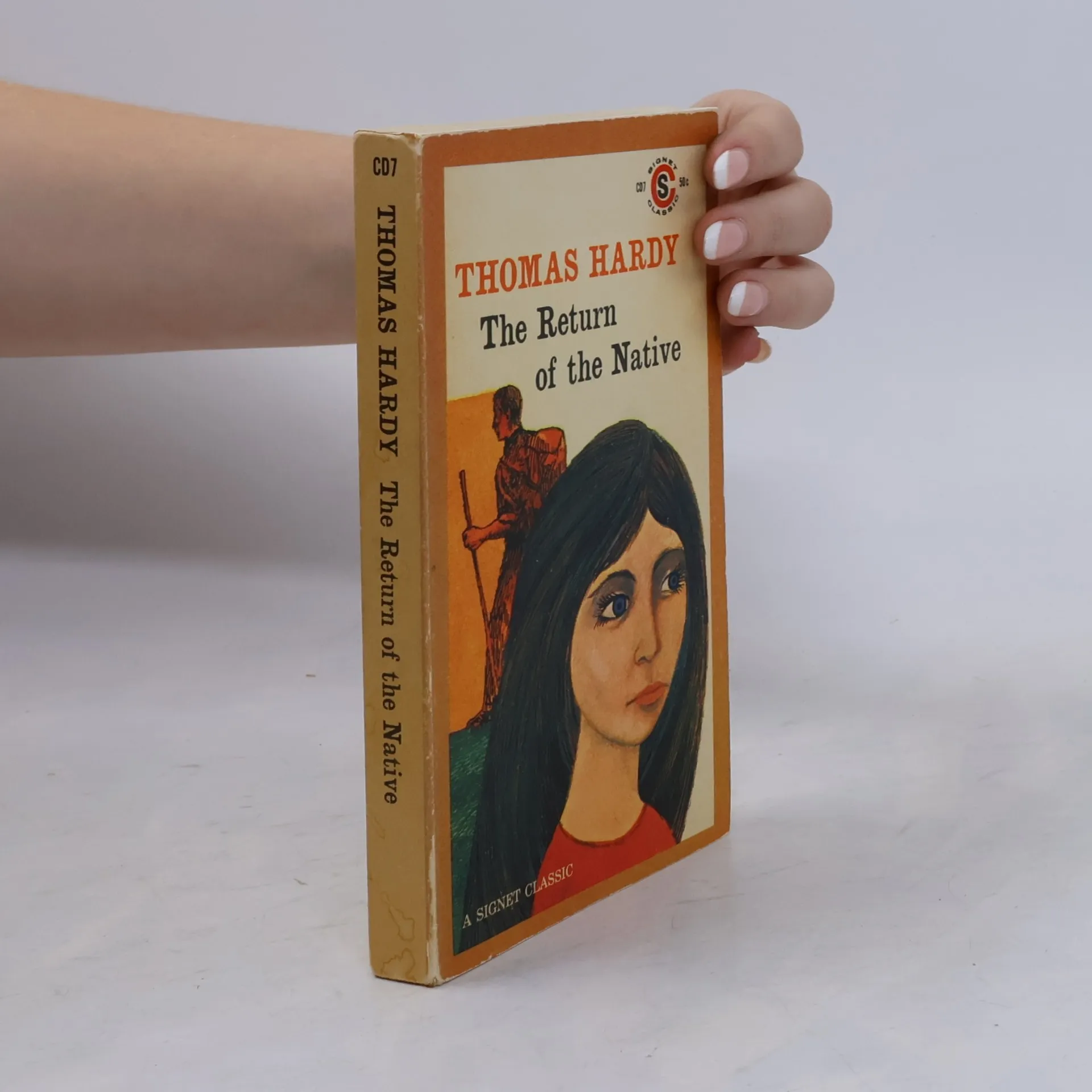
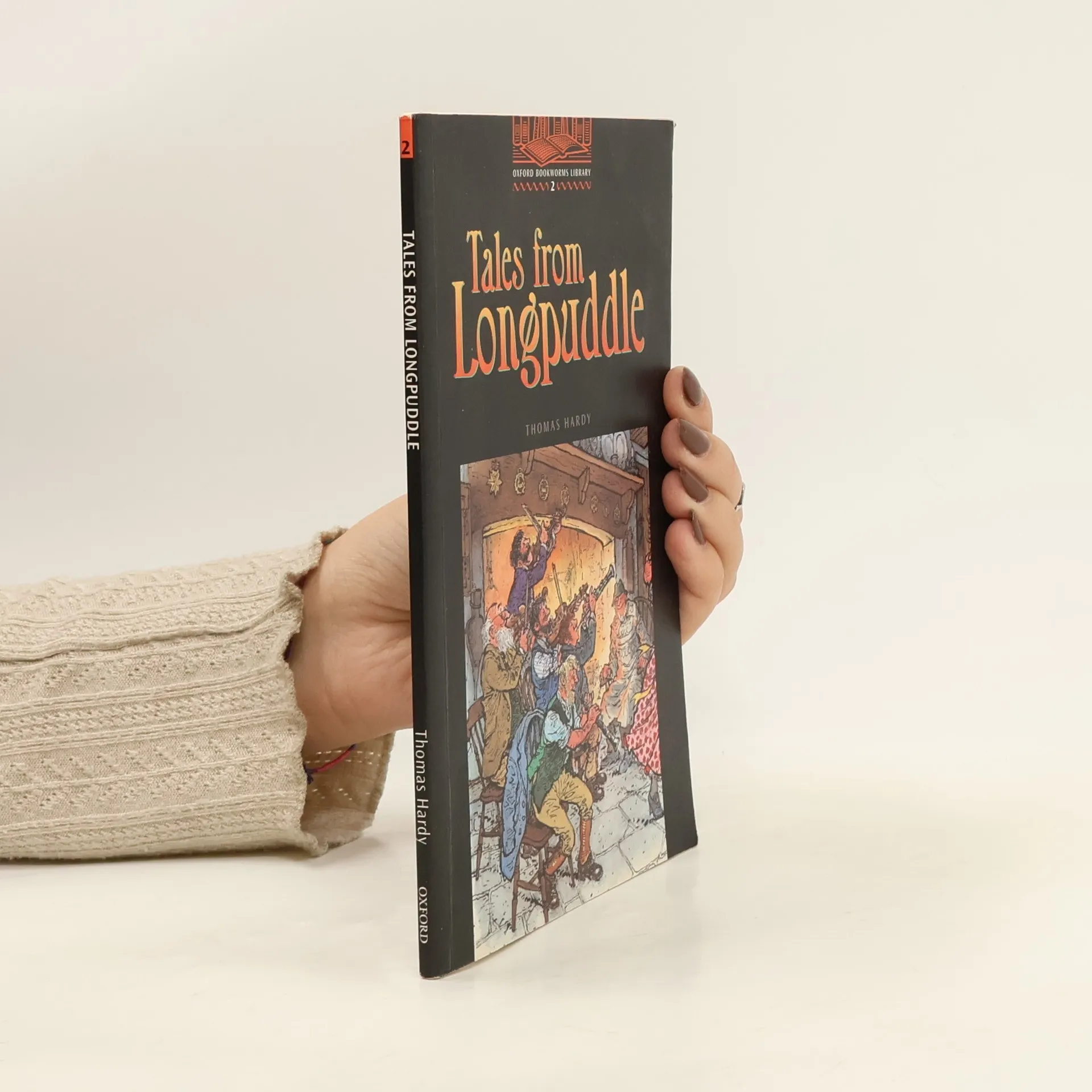
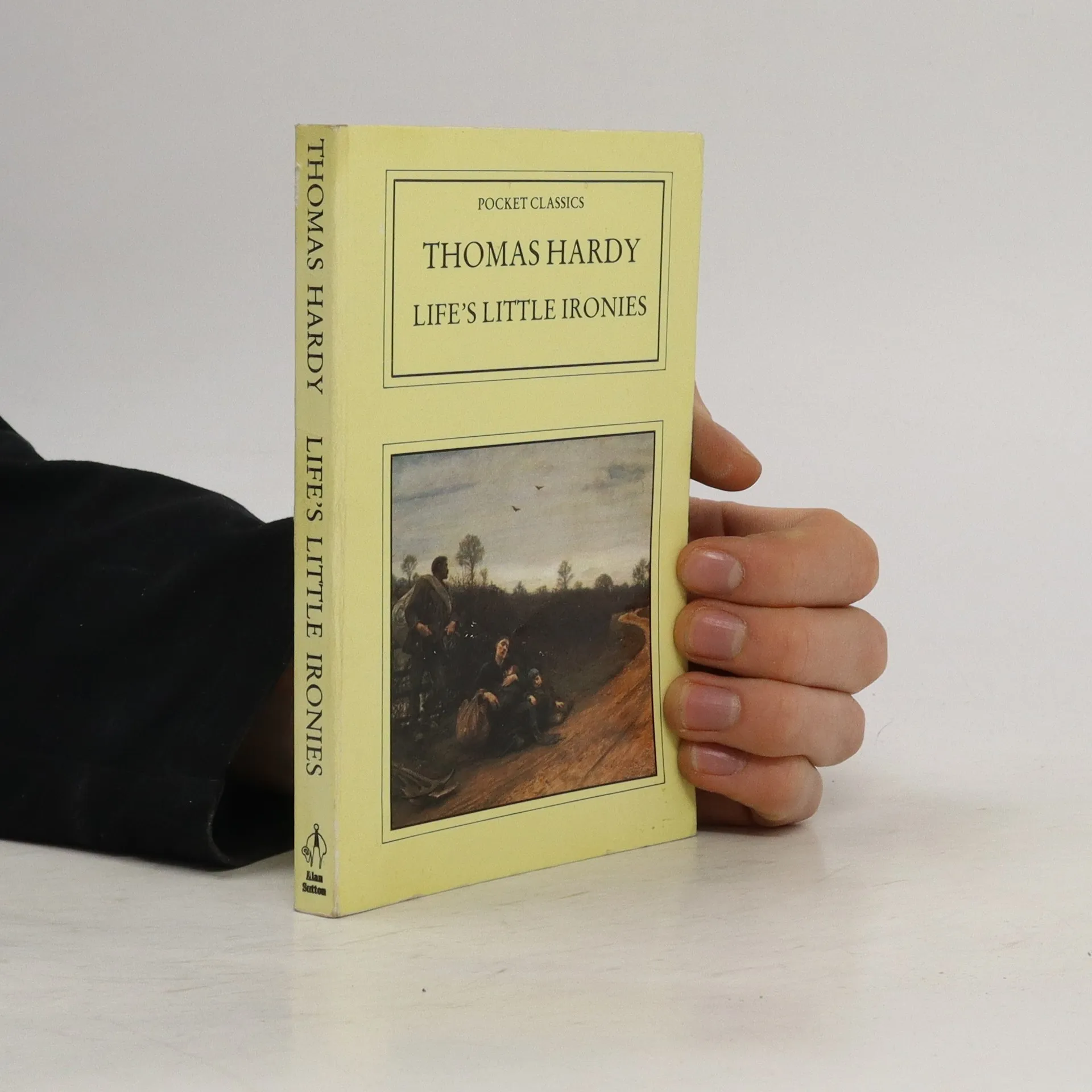
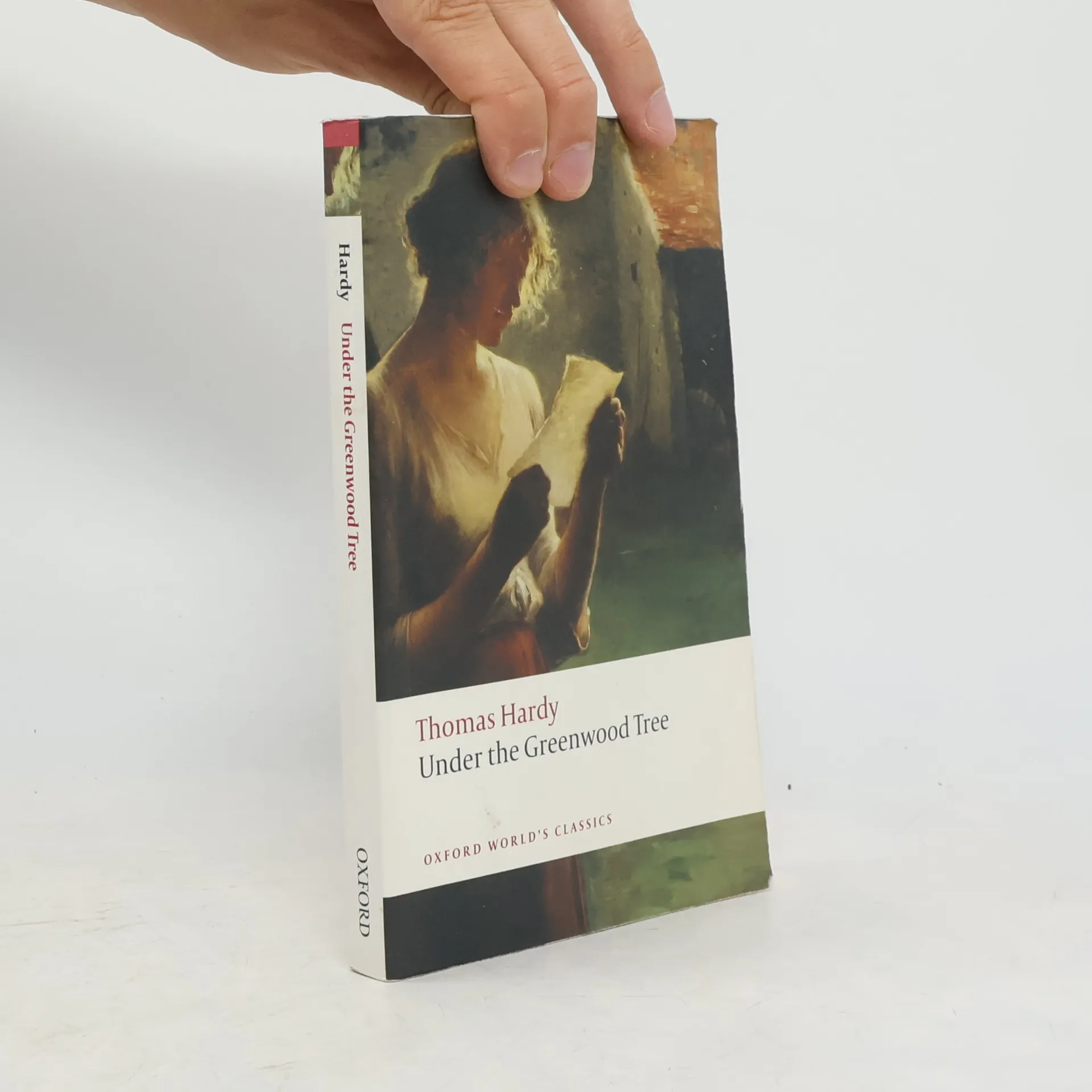
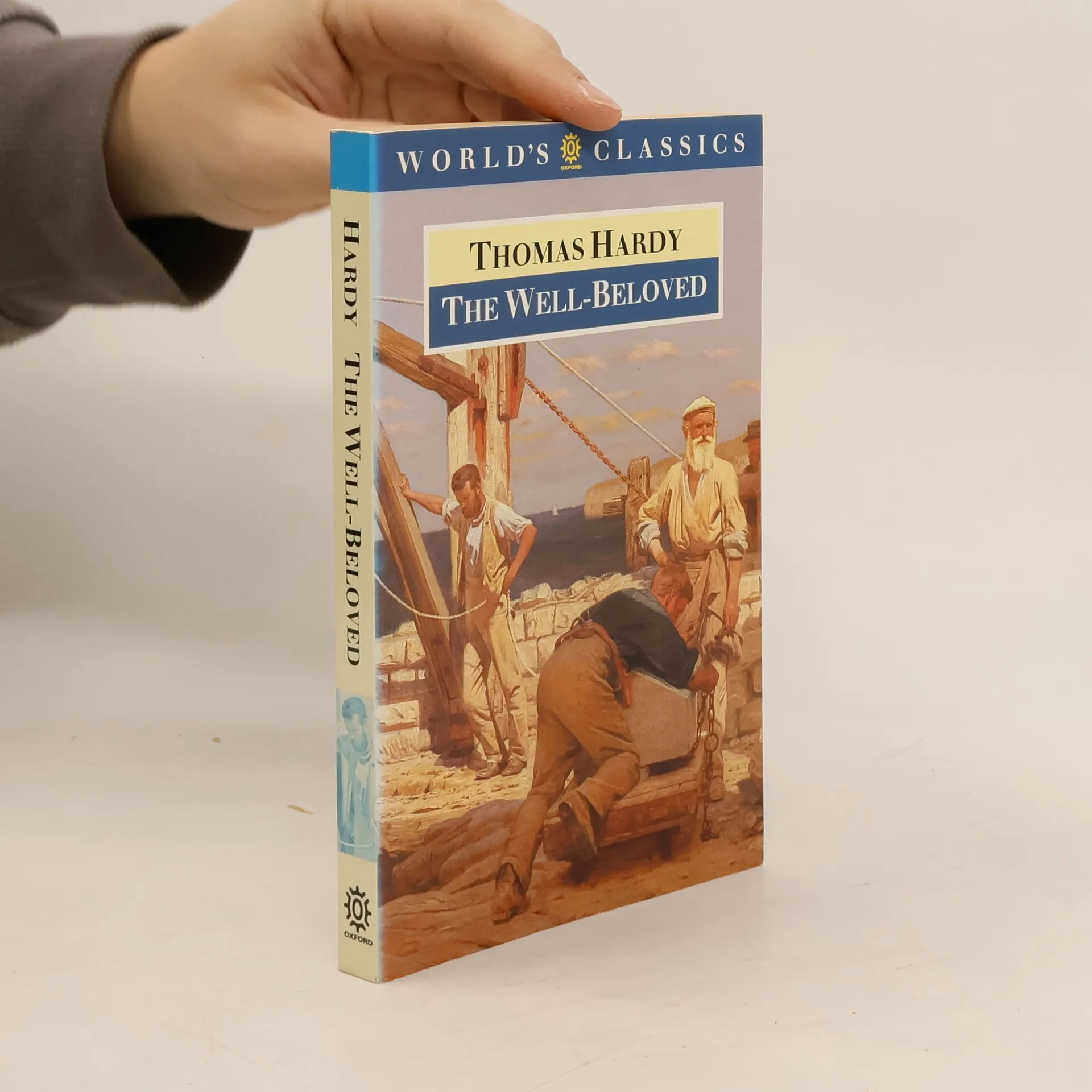
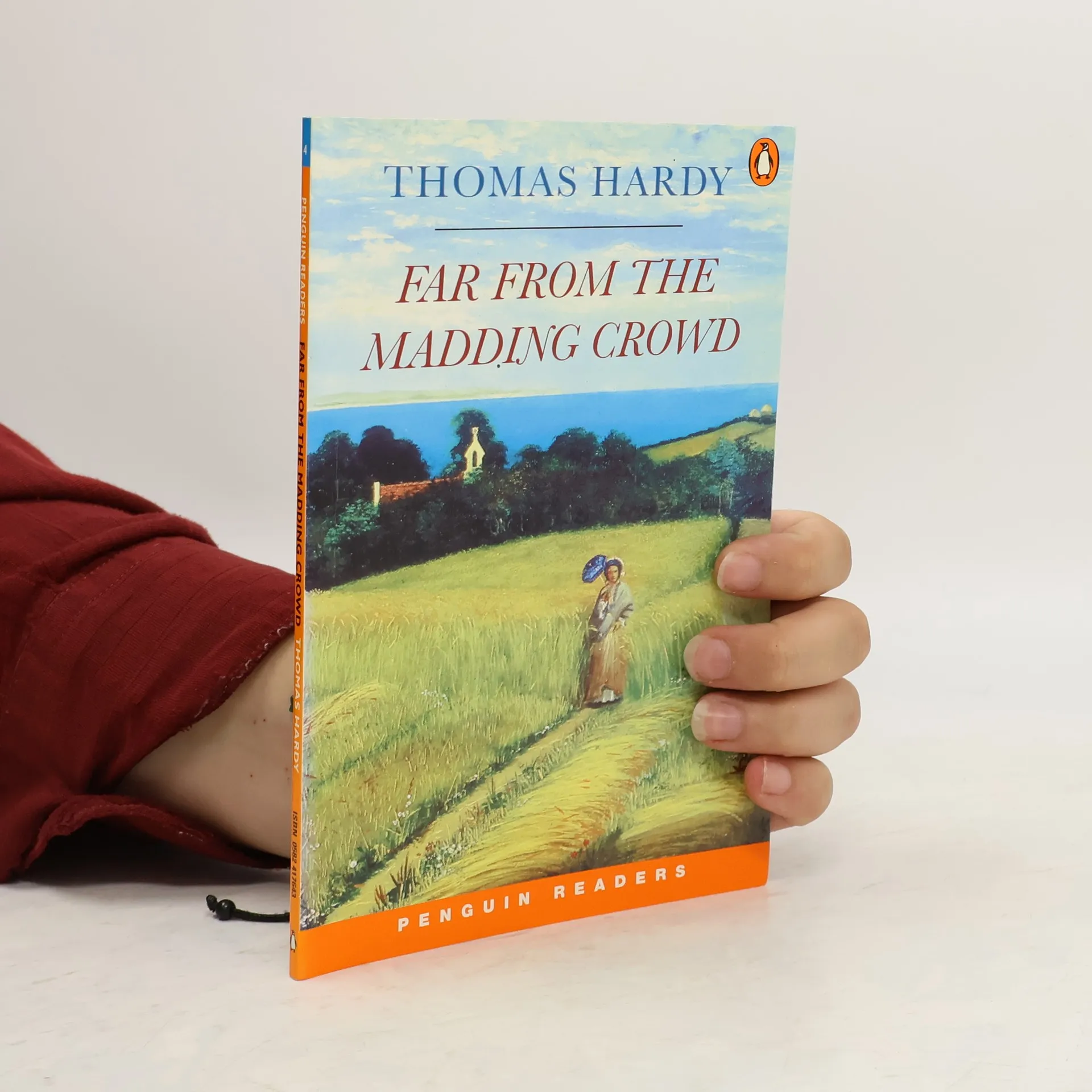
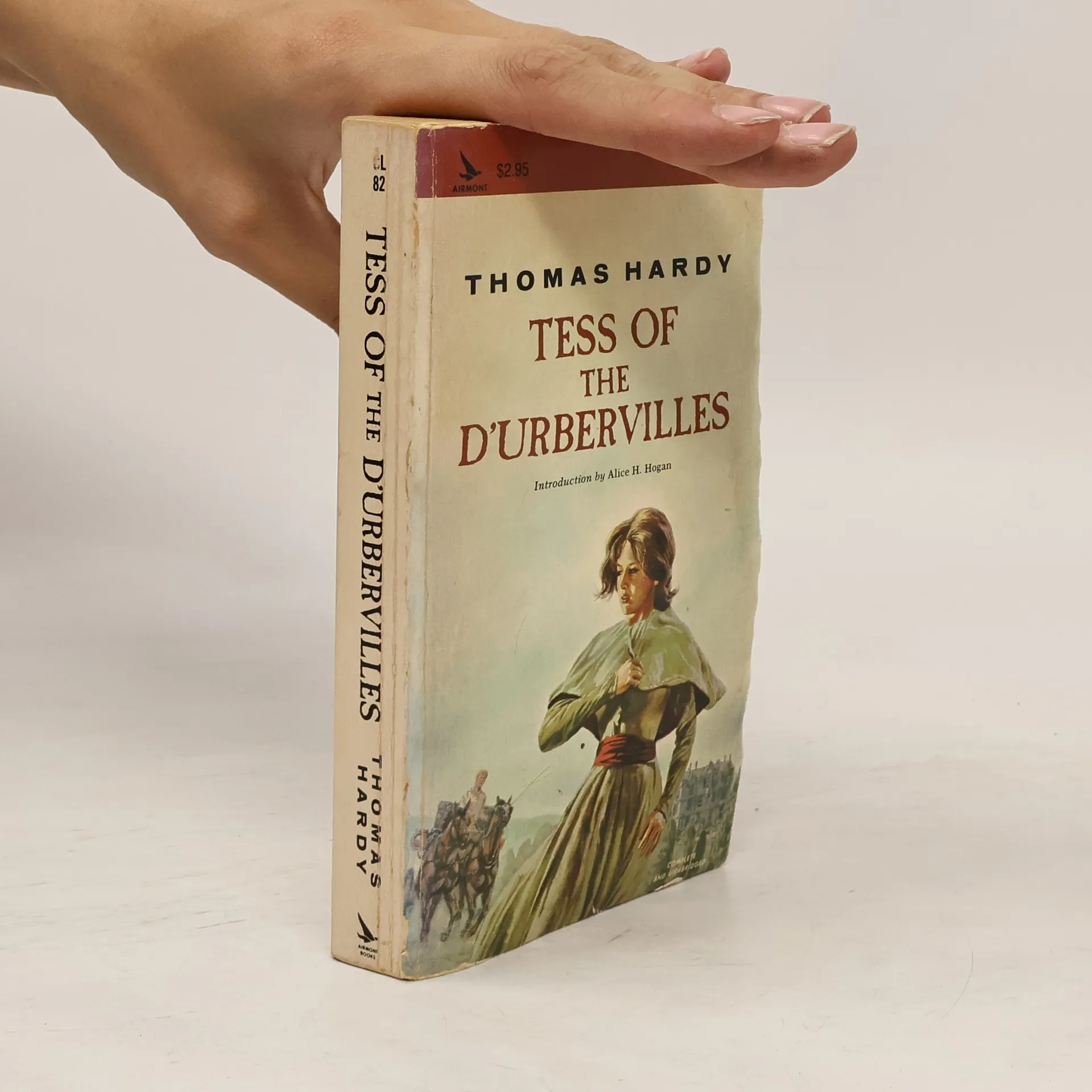
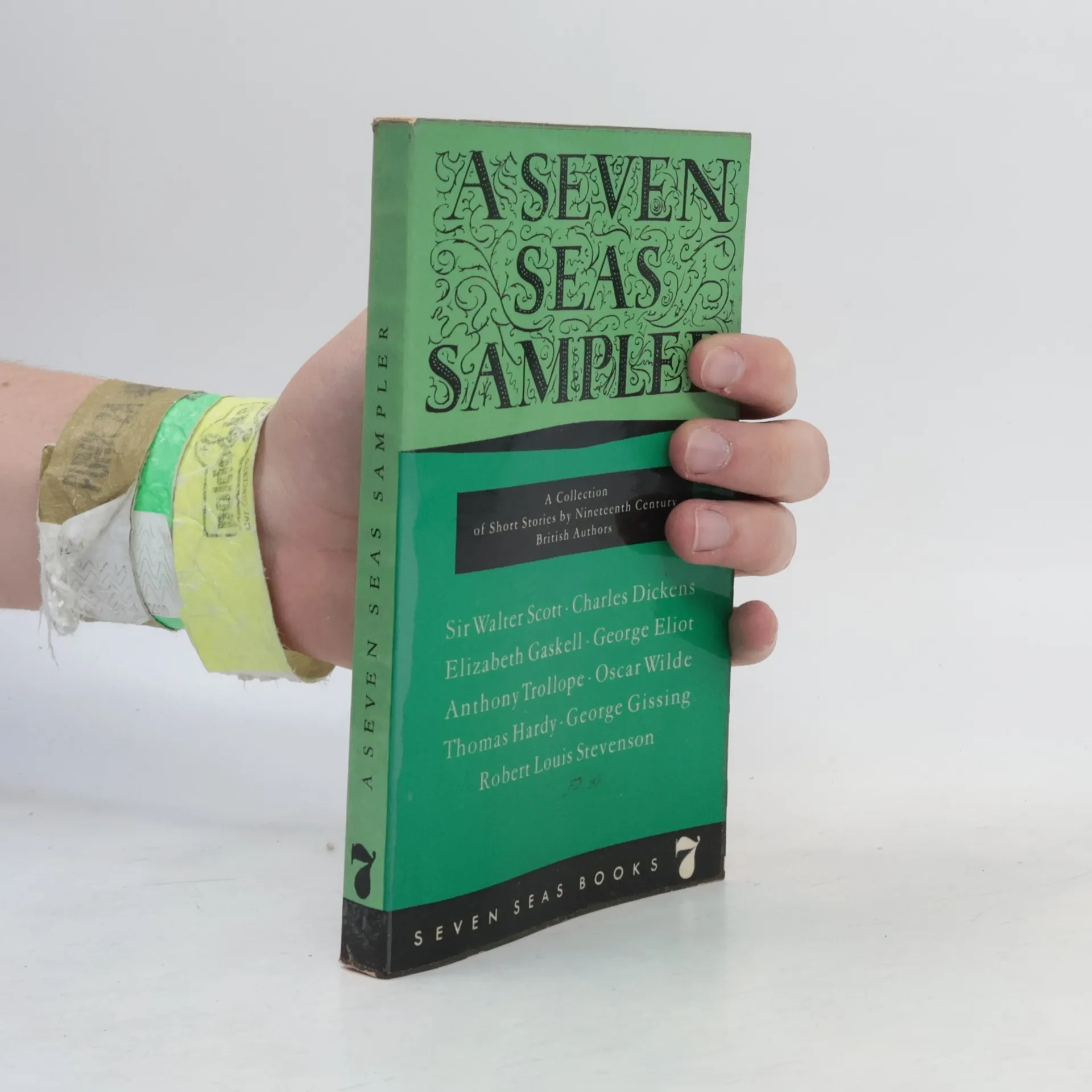
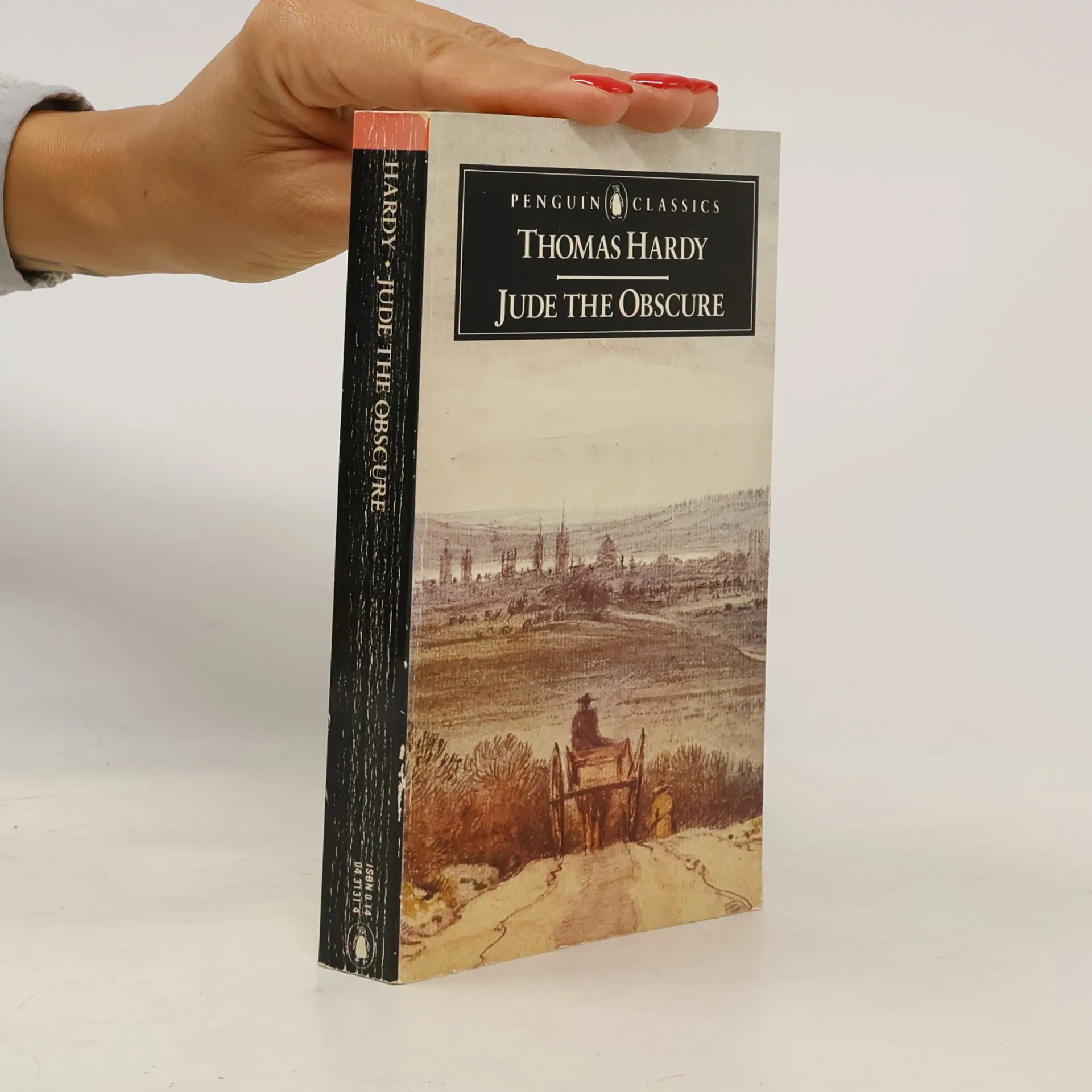
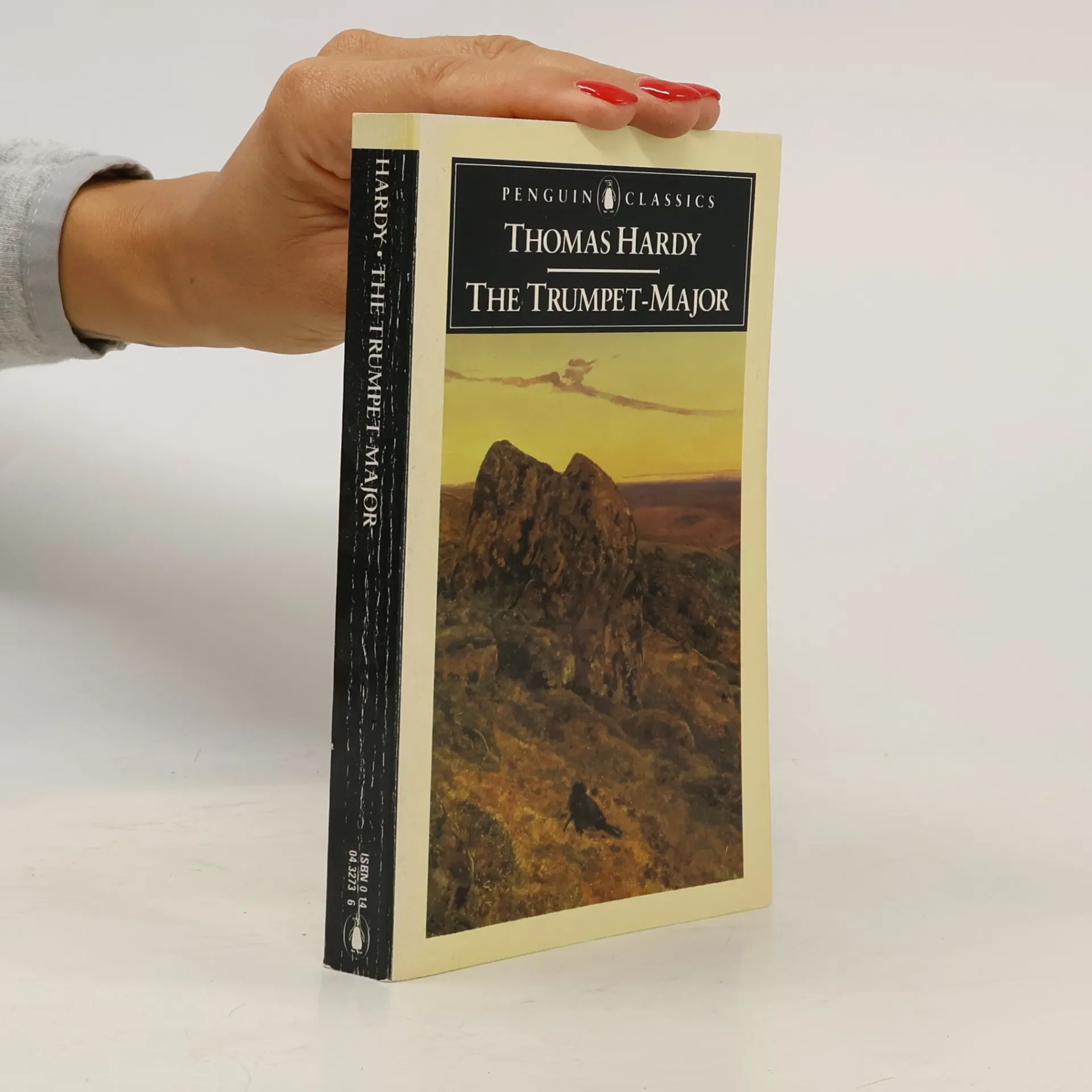
Thomas Hardy était un auteur anglais réputé pour ses romans, bien qu'il se considérait avant tout comme un poète. Ses œuvres, largement situées dans la région semi-fictive du Wessex, explorent souvent des personnages aux prises avec leurs passions et leurs circonstances. La poésie de Hardy, publiée plus tard dans sa vie, a obtenu une reconnaissance comparable à celle de ses romans. Il est également connu pour avoir popularisé le procédé littéraire du 'cliffhanger', qu'il a littéralement employé dans l'un de ses romans.
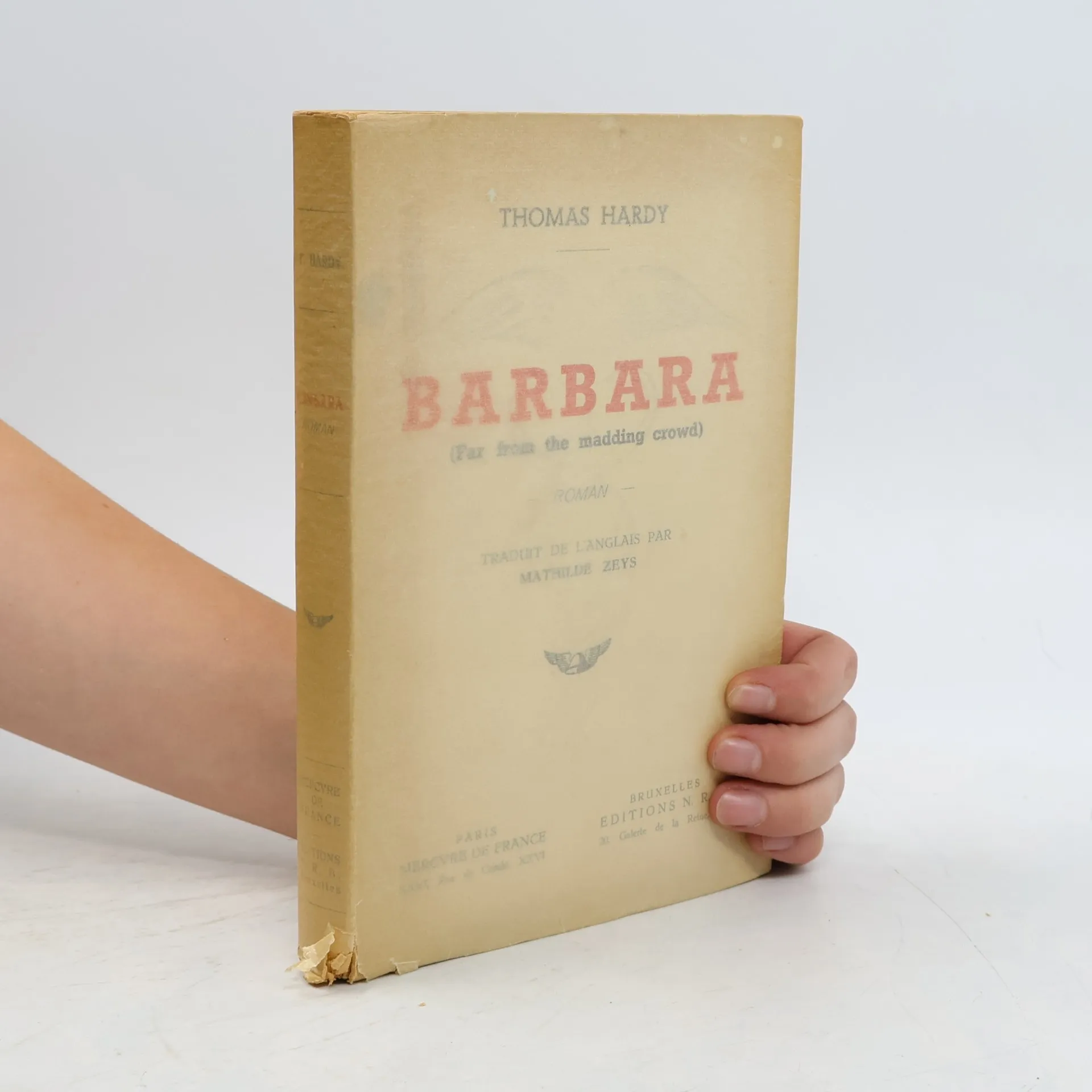
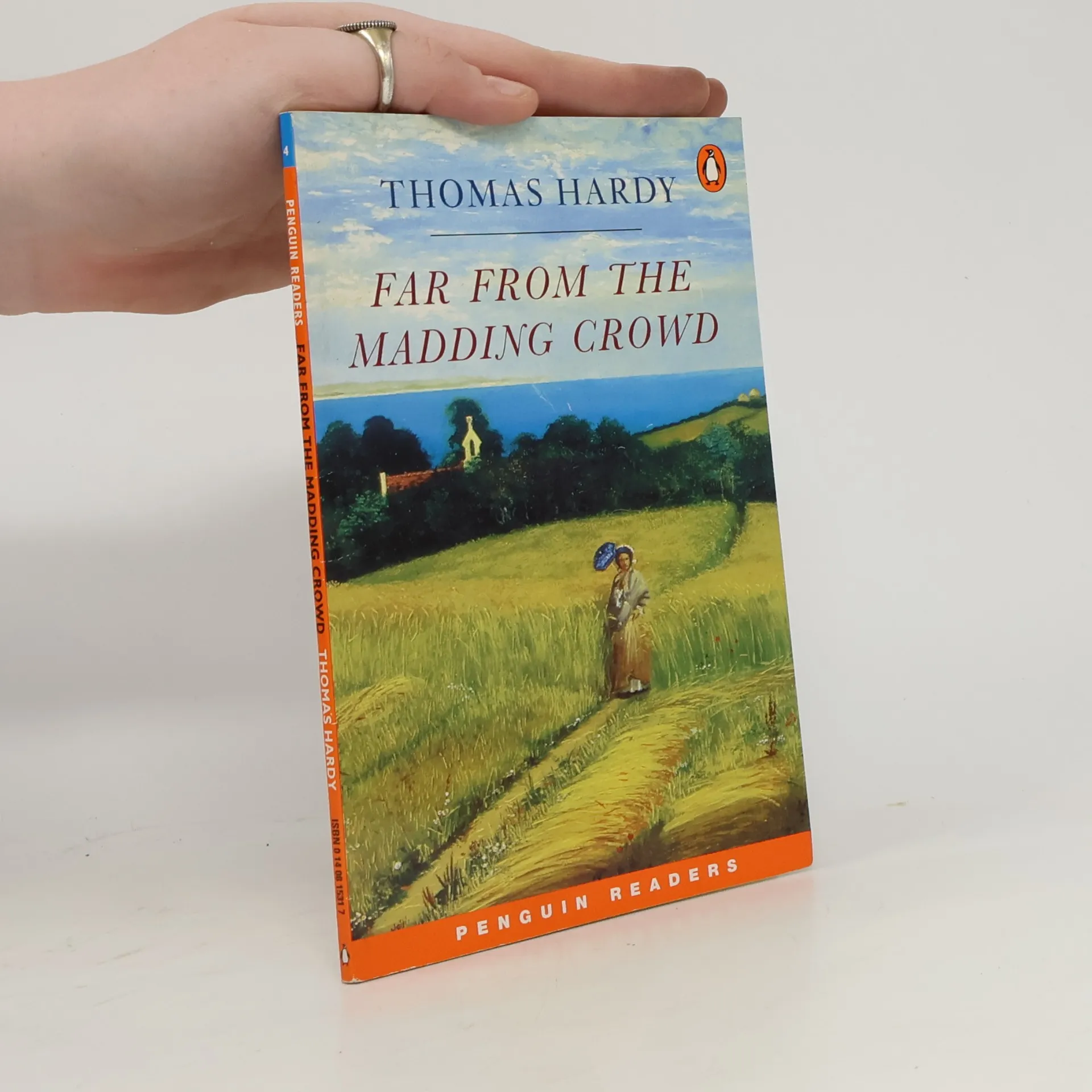
Réalisme et poésie se côtoient dans ce grand classique anglais où Thomas Hardy dépeint admirablemnt la nature et la vie des paysans en cette fin du XIXème siècle. Fresque victorienne où les personnages sont scrutés jusqu'à l'âme dans un décor brossé avec tendresse. Presque cent ans plus tard, ce récit a inspiré à Roman Polanski un de ses plus beaux films.
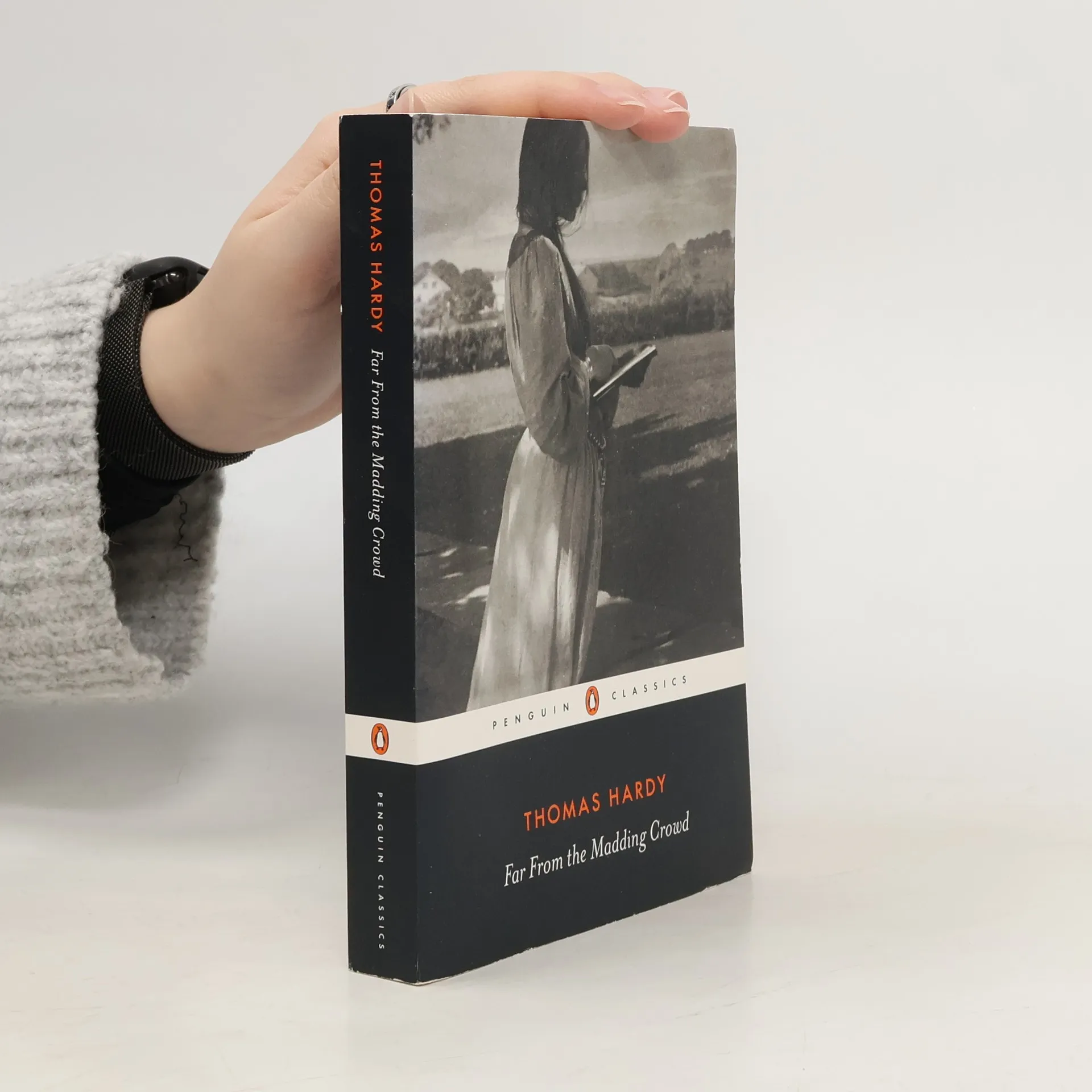
Ayant perdu toutes ses bêtes par la faute d'un chien mal dressé, le jeune berger Gabriel Oak se trouve ruiné. Le voilà réduit à trouver du travail dans une ferme qu'il vient de sauver d'un incendie. Il ignore qu'elle appartient à Bathsheba Everdene, une jeune femme venue s'installer au pays avec sa tante... et qui a repoussé ses avances avec hauteur. Sans un regard pour Gabriel, la belle héritière est convoitée par un prospère exploitant, William Boldwood, mais aussi par son rival, le fringant sergent Francis Troy - sans savoir qu'une domestique est enceinte de ses oeuvres. Quel espoir l'honnête Gabriel pourrait- il encore nourrir ? A peine s'il compte sur la folie des hommes pour lui ouvrir le coeur de Bathsheba... Finira-t-elle par reconnaître que le plus digne d'elle n'est pas de sa condition ? L'Angleterre rurale est le décor d'enjeux passionnels scrutés avec une attention naturaliste par Thomas Hardy dans ce roman de 1874, qui fut son premier grand succès.
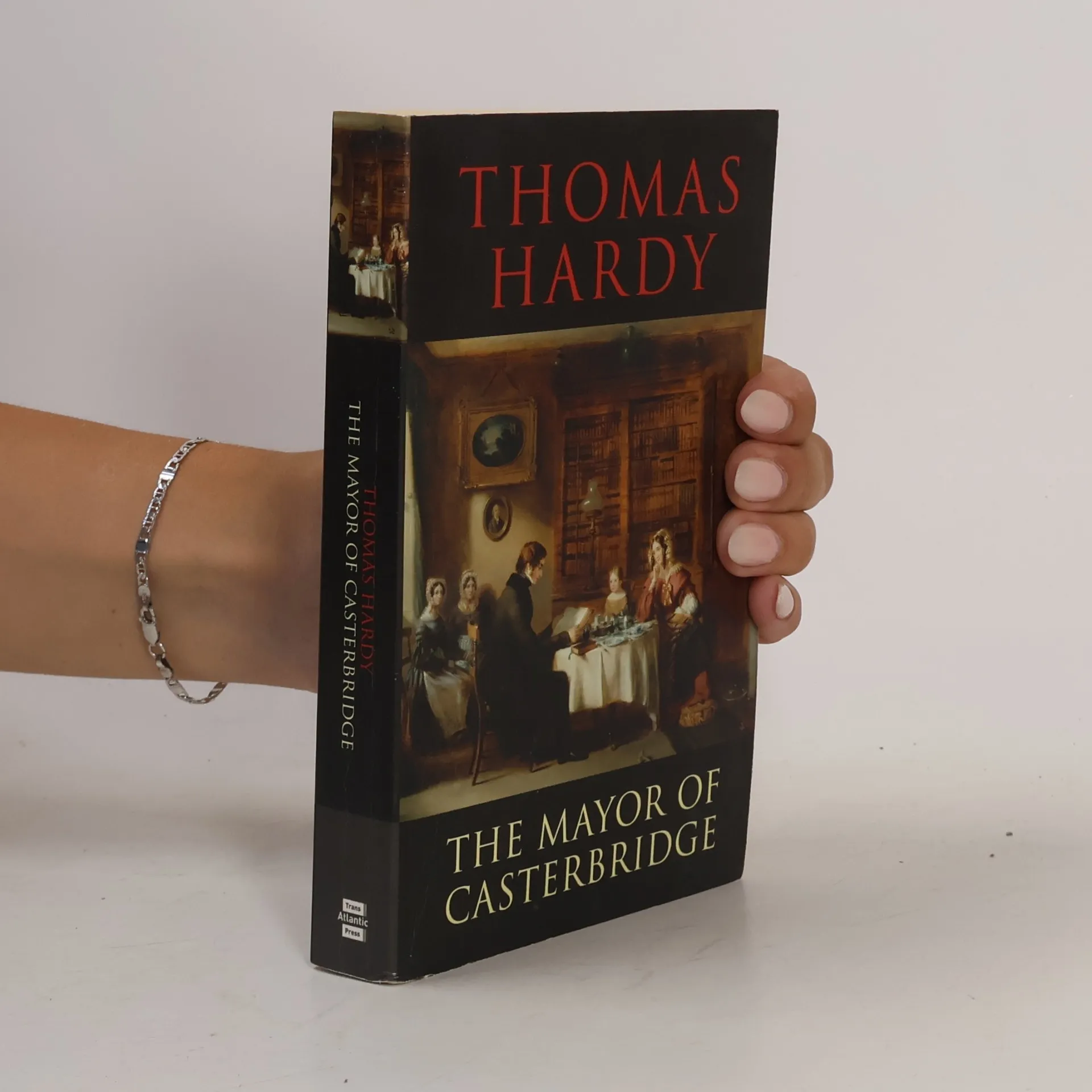
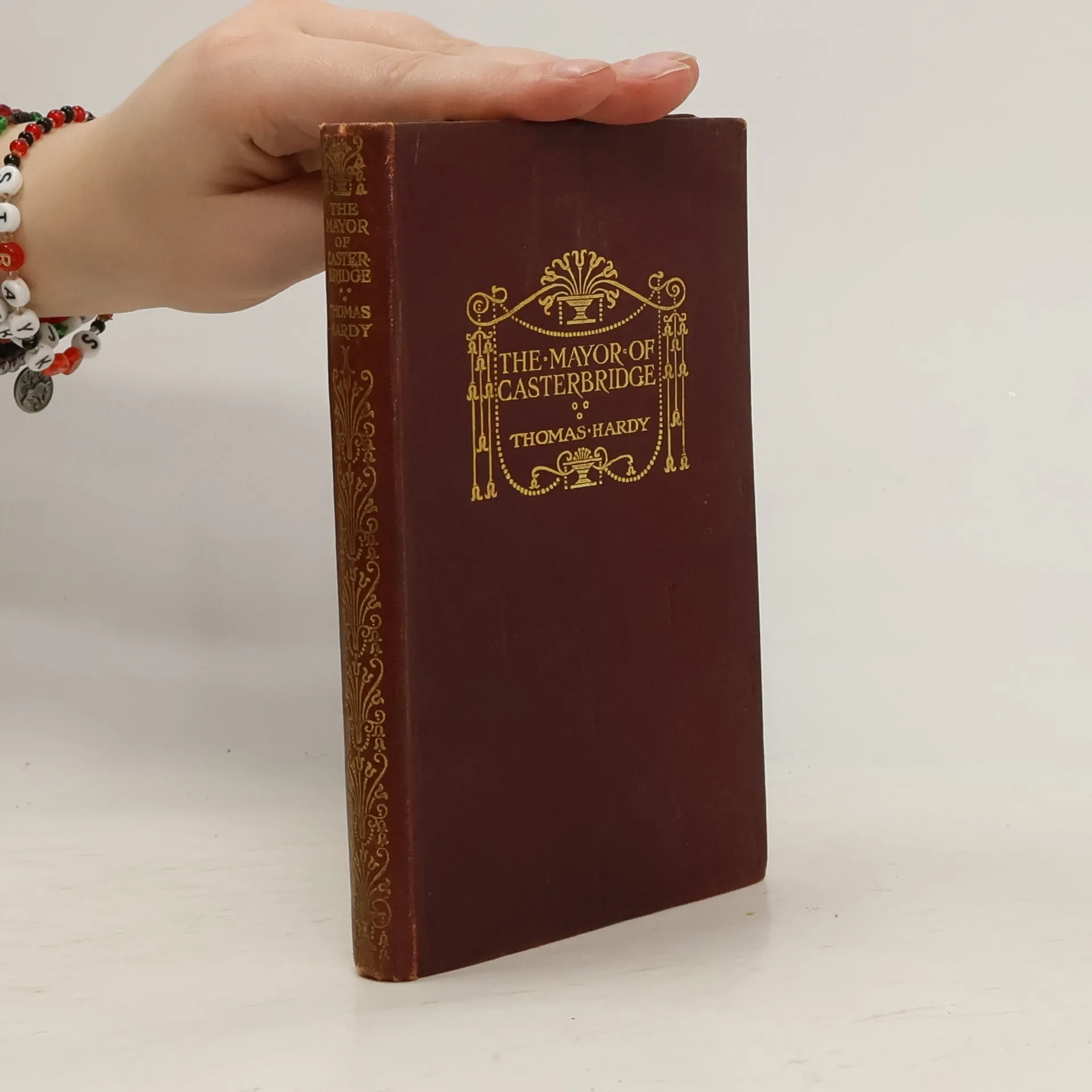
This is a reproduction of a book published before 1923. This book may have occasional imperfectionssuch as missing or blurred pages, poor pictures, errant marks, etc. that were either part of the original artifact, or were introduced by the scanning process. We believe this work is culturally important, and despite the imperfections, have elected to bring it back into print as part of our continuing commitment to the preservation of printed worksworldwide. We appreciate your understanding of the imperfections in the preservation process, and hope you enjoy this valuable book.++++The below data was compiled from various identification fields in the bibliographic record of this title. This data is provided as an additional tool in helping to ensure edition identification: ++++ The Mayor Of Casterbridge: A Story Of A Man Of Character Thomas Hardy Harper, 1905
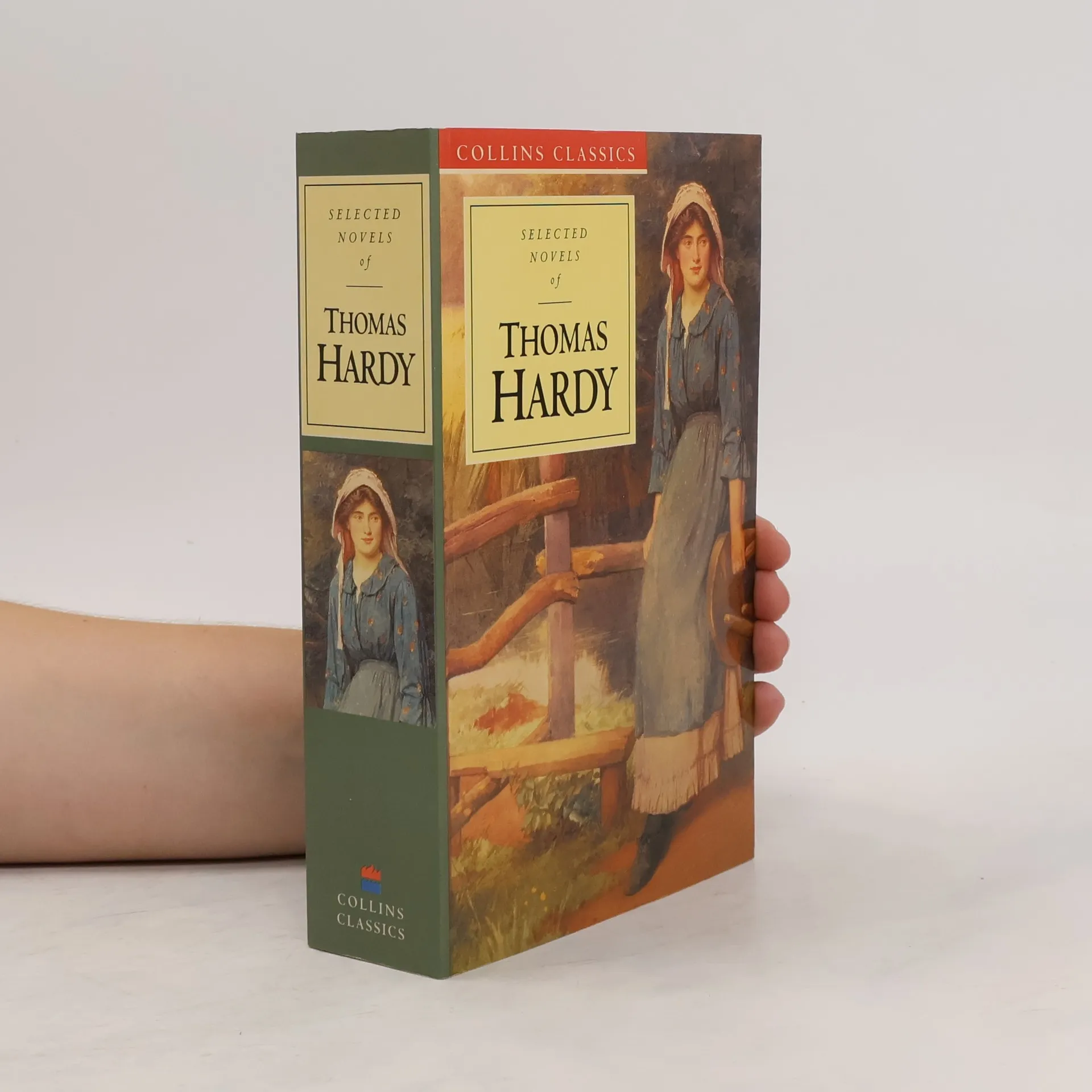
The volume includes five of Hardy's best-loved novels, Under the Greenwood Tree, Far from the Madding crowd, The Mayor of Casterbridge, Tess of the D'Urbervilles, and Hardy's own favourite The Woodlanders.These much loved novels demonstrate the full range and power of Hardy's greatest fiction, including tragic heroes and heroines such as Michael Henchard and Tess, the bittersweet romance of Bathsheba and her lovers, and Hardy's matchless evocation of the shifting patterns of English rural life.
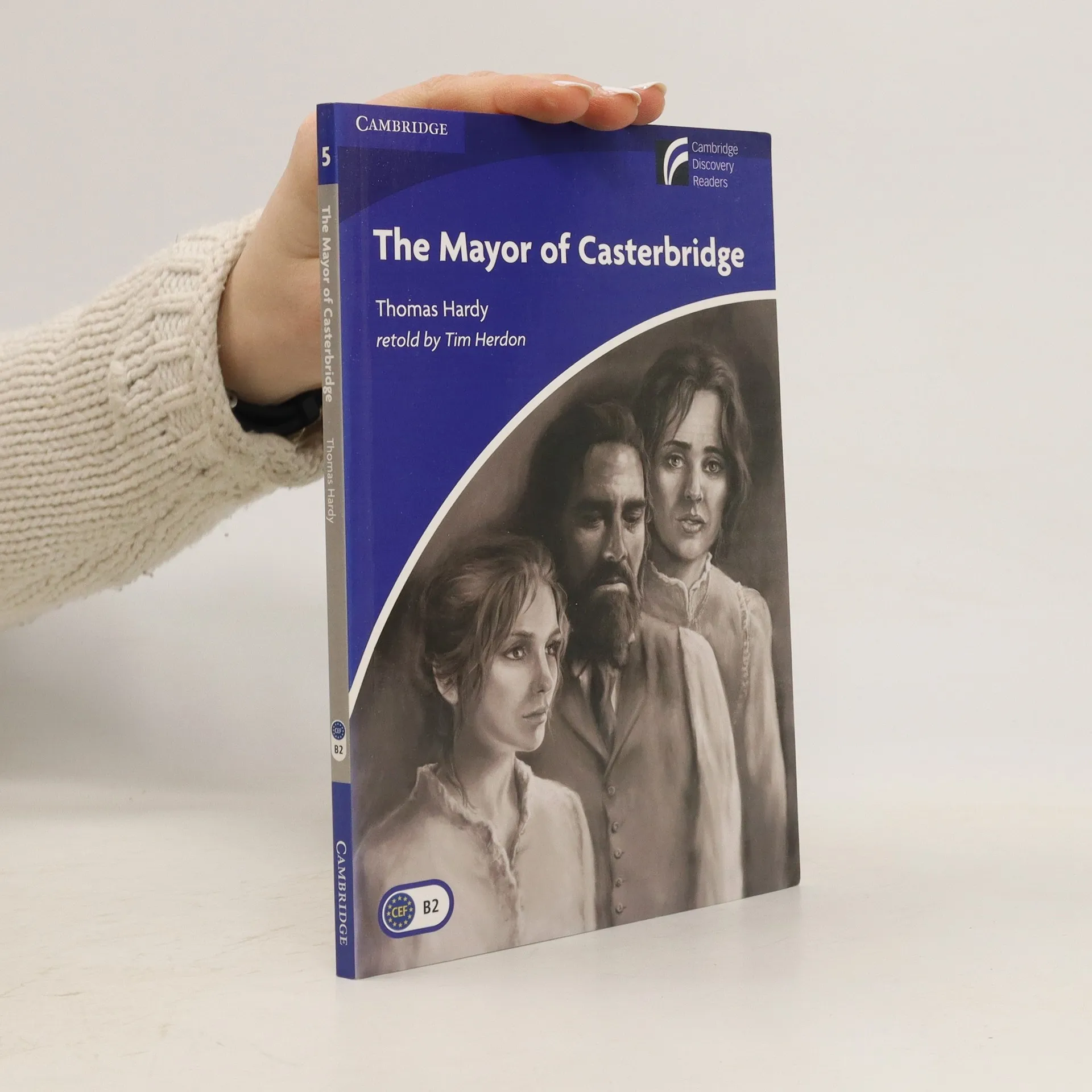
Word count 33,060 Read at a comfortable level with word count and CEFR level on every cover Illustrations, photos, and diagrams support comprehension Activities build language skills and check understanding Glossaries teach difficult vocabulary Free editable tests for every book
This poetic collection reveals Thomas Hardy's lyrical prowess and deep contemplation of the human condition. Published in the early 20th century, it highlights his versatility as a writer, showcasing a seamless transition from prose fiction to verse. The anthology features a blend of satirical elements and reflective pieces, offering readers insight into Hardy's thoughts and emotions during a transformative era in literature.
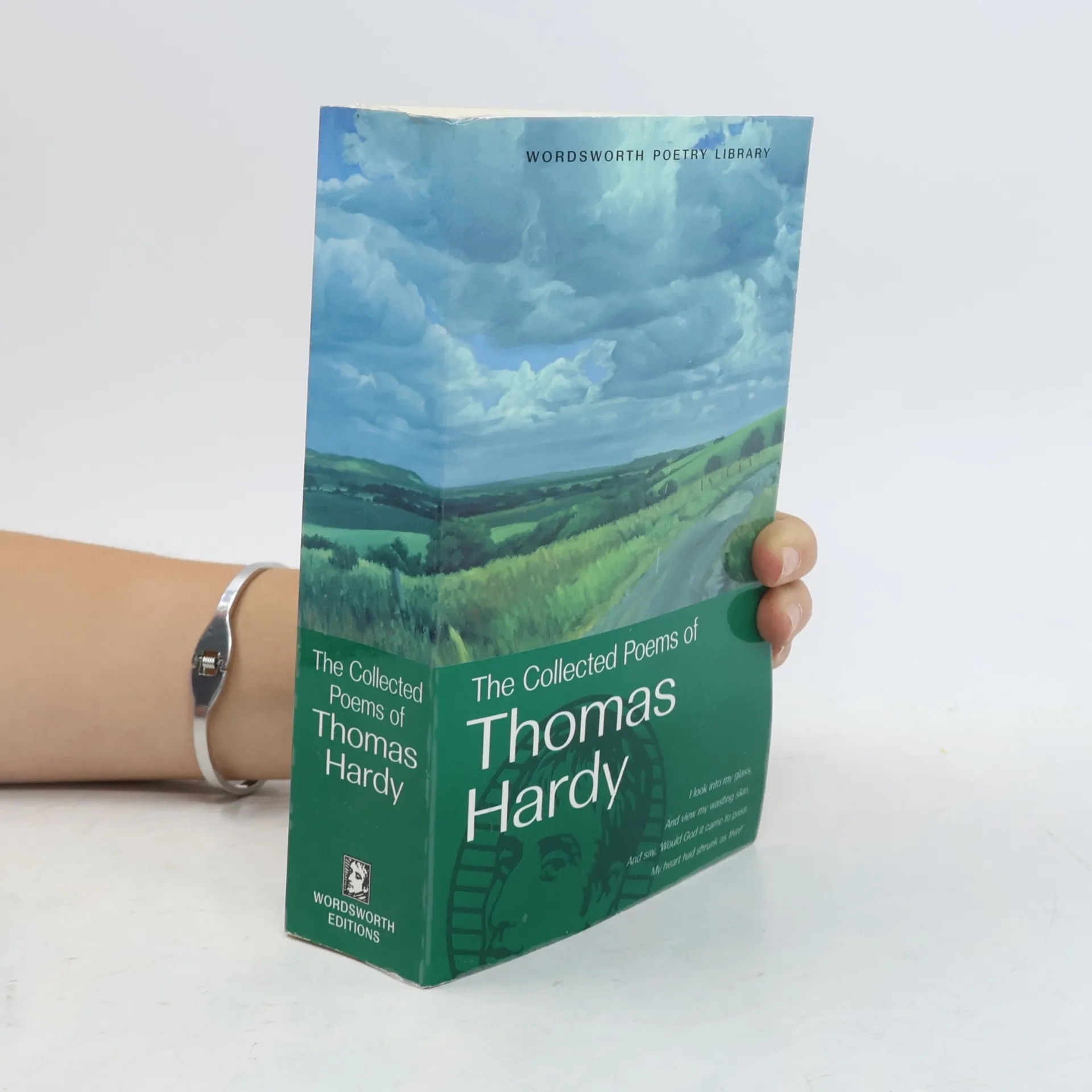
This work comprises a collection of the poetic works of Thomas Hardy. Hardy's poetry spanned over 50 years from the last half of the 19th century to the period after World War I, and ranges from pessimistic works to those which were witty and fanciful.
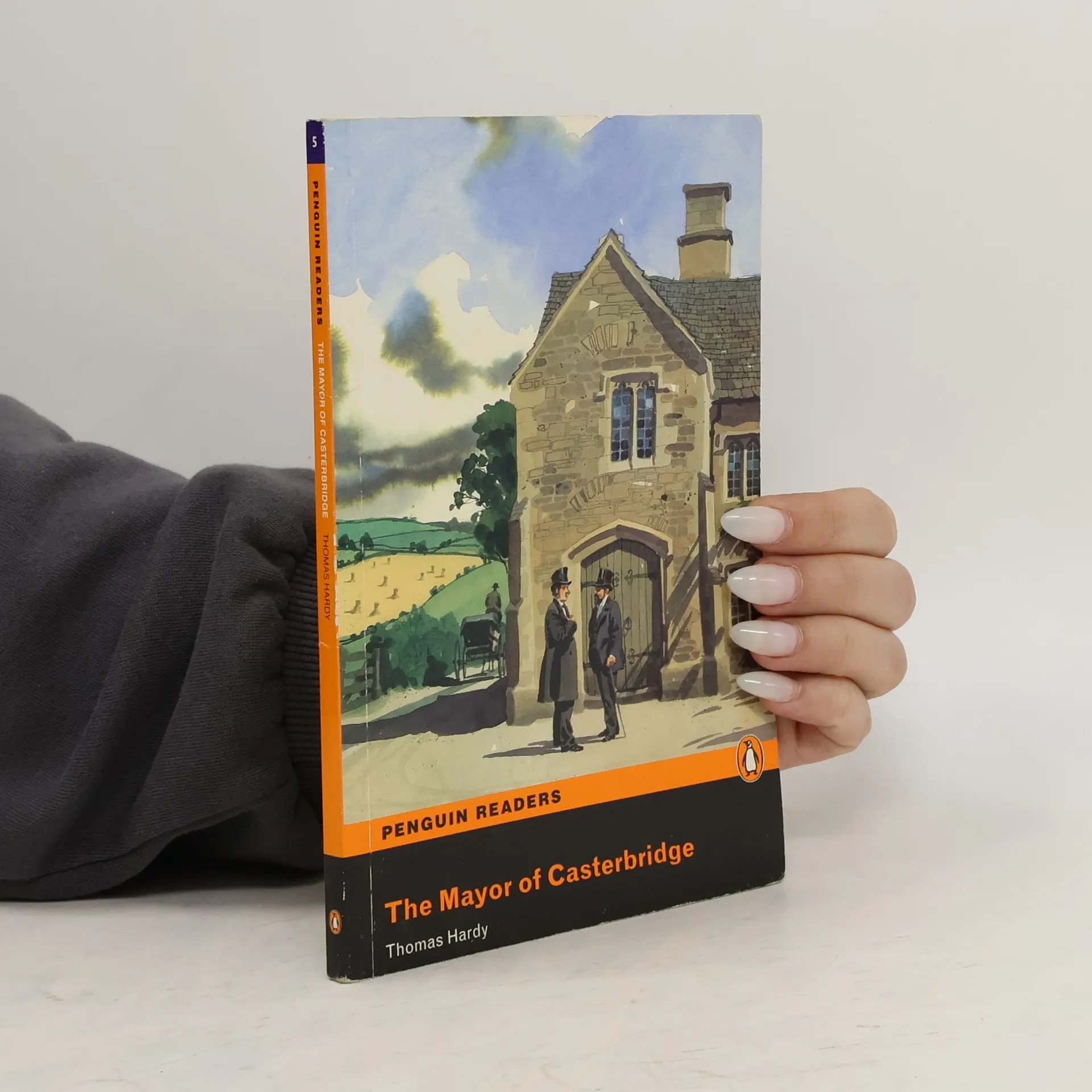
Classic / British EnglishMichael Henchard is a wealthy and respected man, but
he has a terrible secret. Twenty years ago, when he was unemployed and
penniless, he sold his wife to a sailor. Now she is looking for him again.
Why? And what will happen when she finds him?
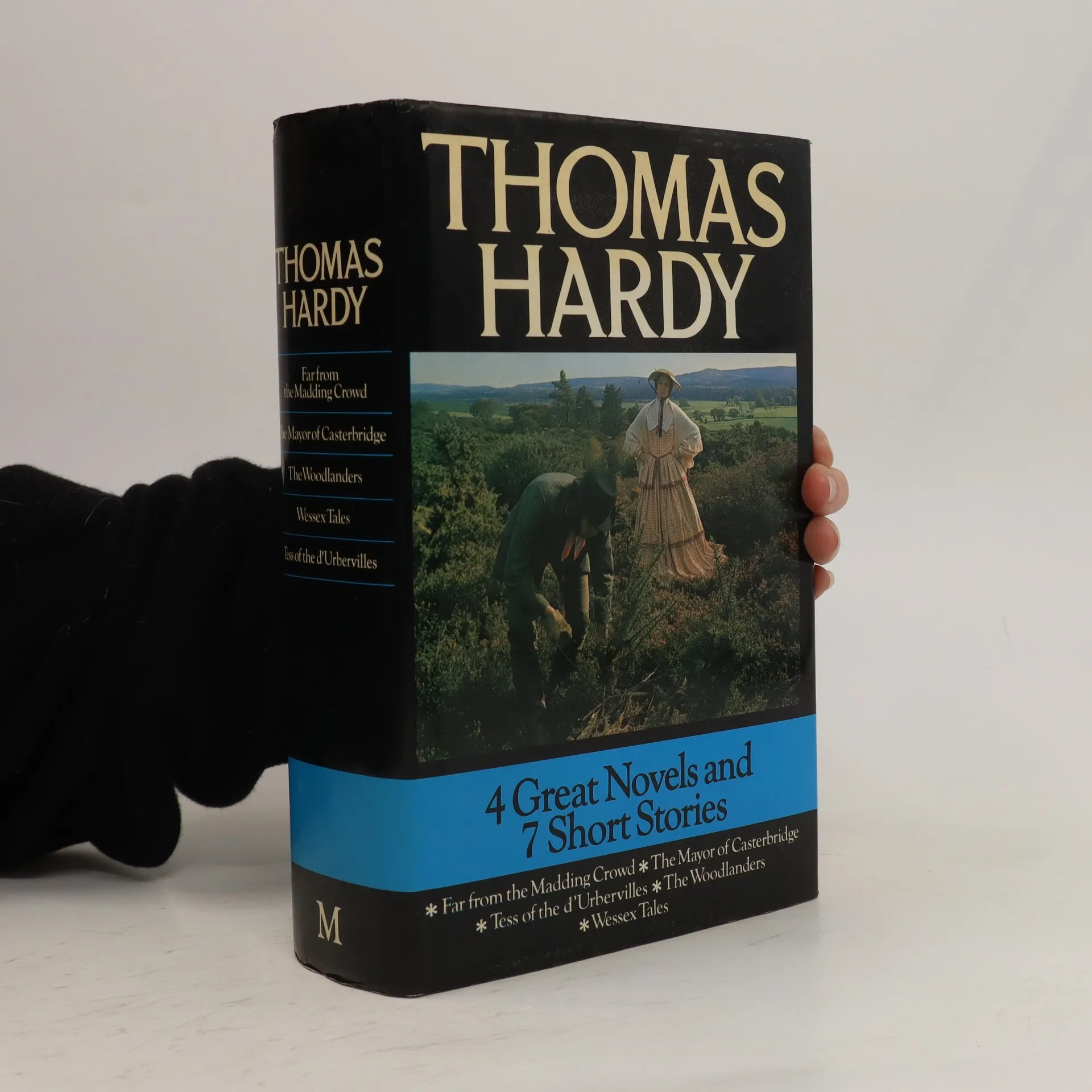
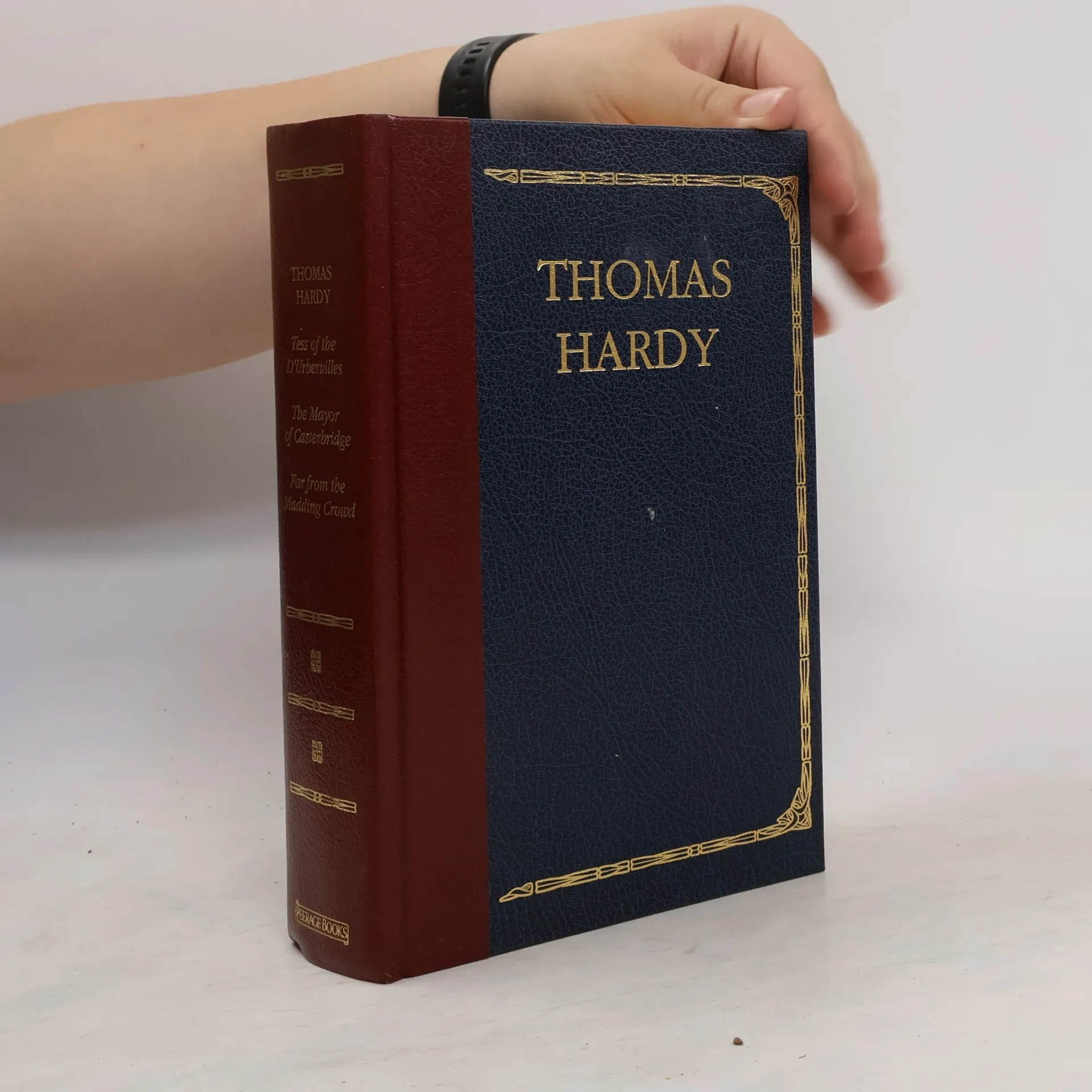
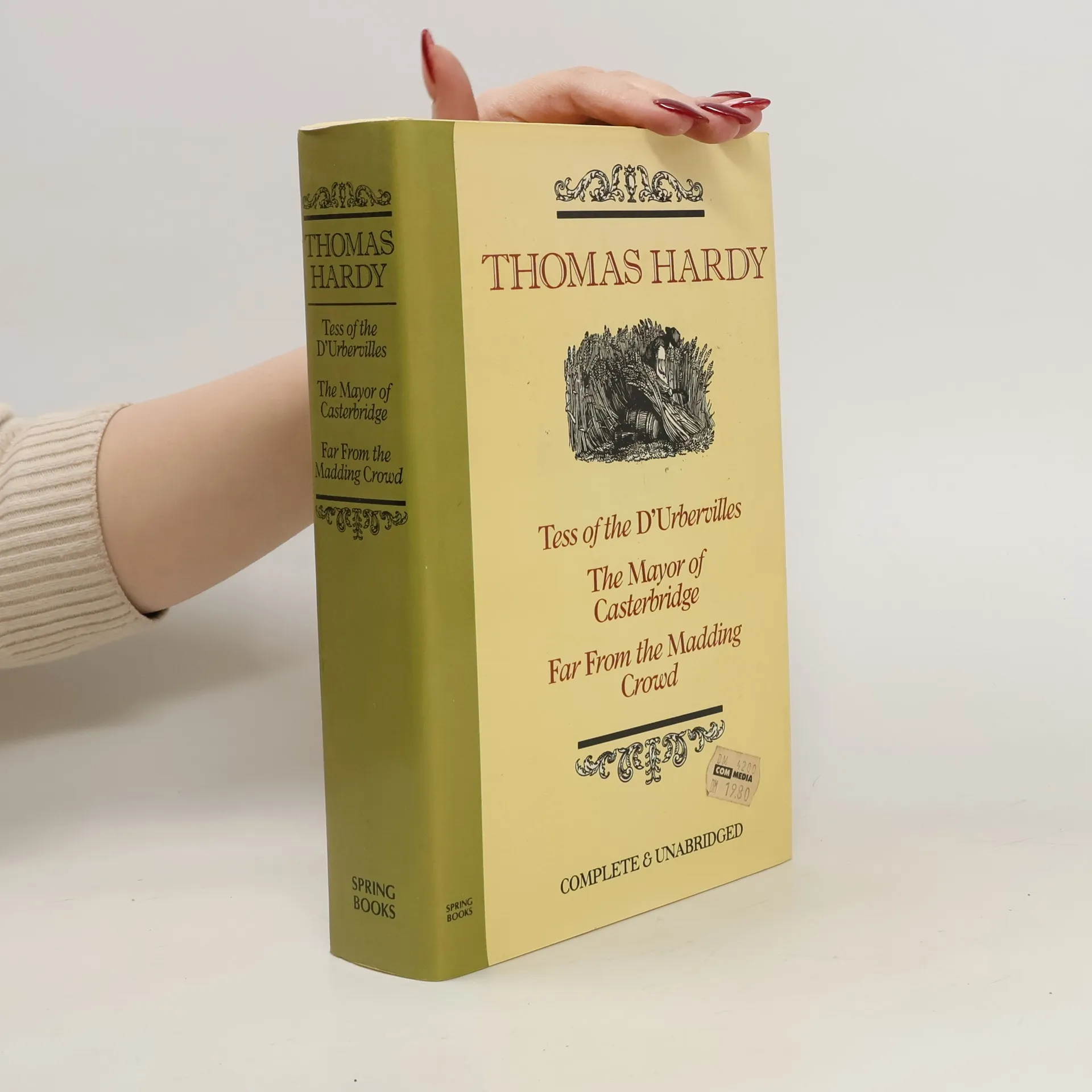
The quintessential Victorian novelist of unforgettable characters caught in their inescapable with unfailing honesty and lyrical writing, Thomas Hardy captured his heroes' intimate relationship with the natural and social environment. Here are three of his finest works, presented in their entirety. Tess of the Durbervilles tells the tragic tale of a poor young girl's coming of age and her traumatic relationships with two the wealthy and cold Alec D'Urberville and the beautiful, but unforgiving Angel Clare. Michael Henchard, the title character of The Mayor of Casterbridge , reaches the pinnacles of power-only to lose everything through folly and bad luck. Set in Hardy's beloved Wessex, and always attentive to the struggles of everyday life in the farming community, Far From the Madding Crowd centers on Bathsheba Everdene and the men who love her.
This poetry collection features Thomas Hardy's reflections on life's transience and the human experience, capturing societal changes of his era. The verses explore themes of love, loss, and complex relationships, providing an intimate look at the emotional landscape of humanity. Hardy's elegant language and introspective tone highlight his poetic craftsmanship, offering profound contemplation of existence's challenges. This anthology stands as a significant contribution to English literature and poetry, resonating with timeless relevance.
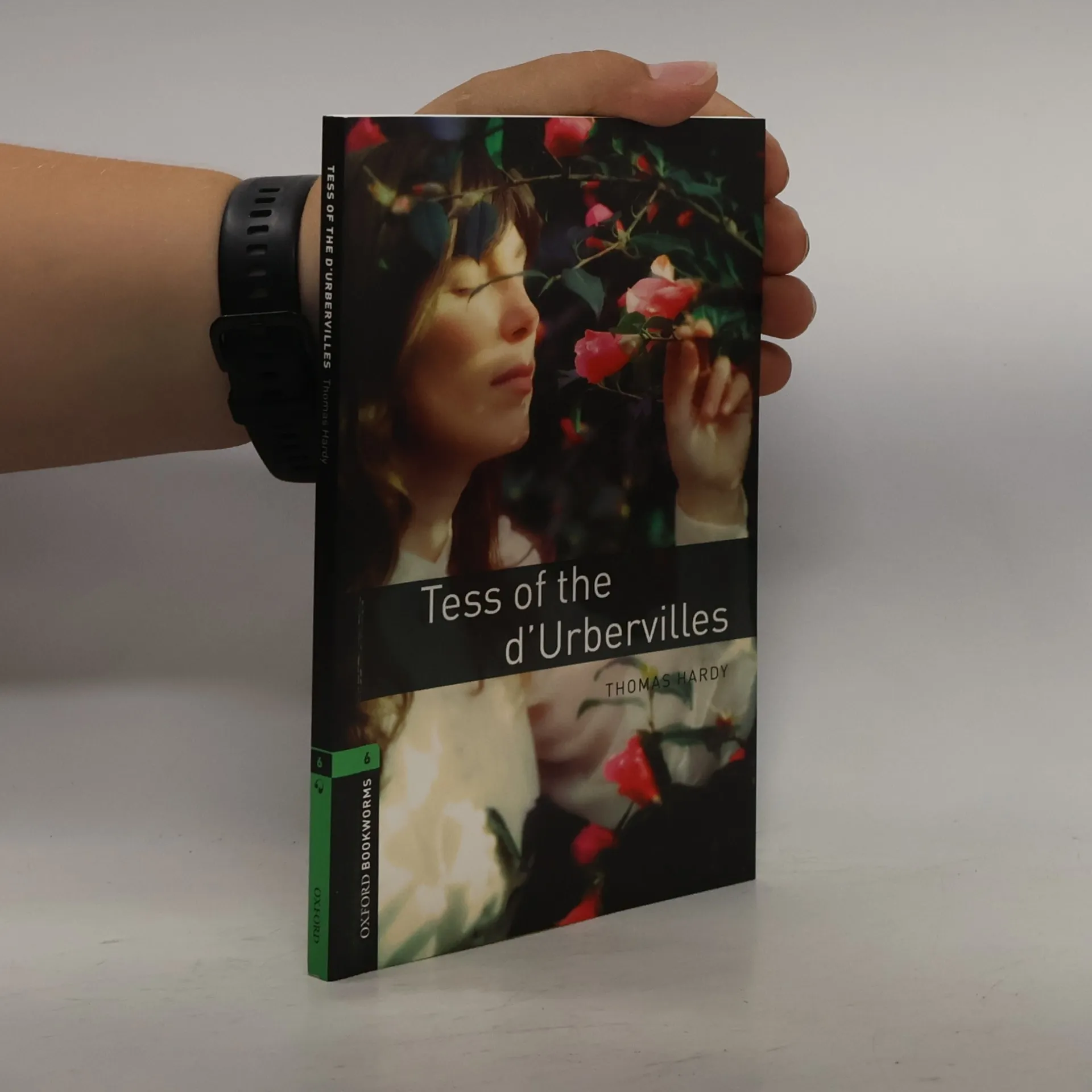
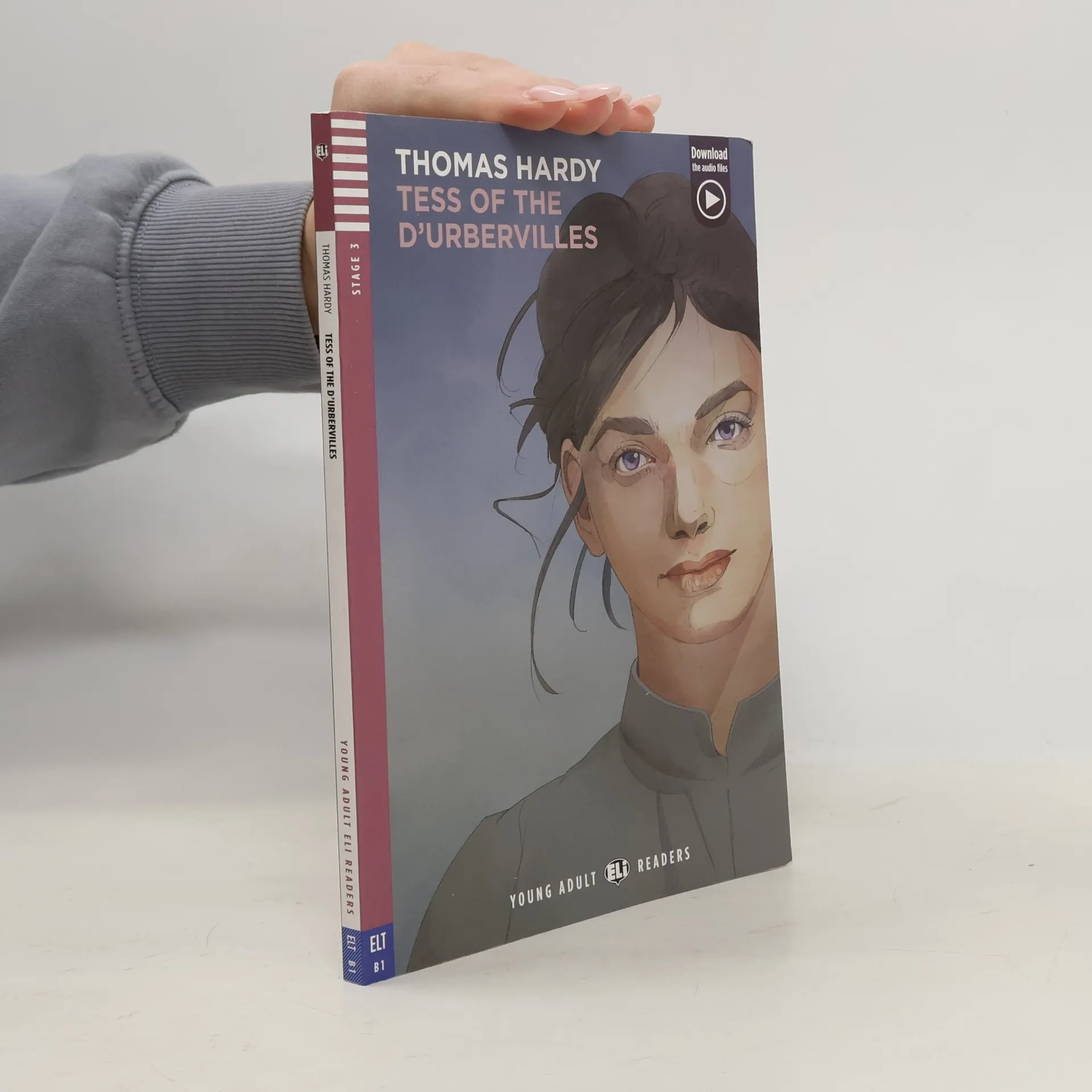
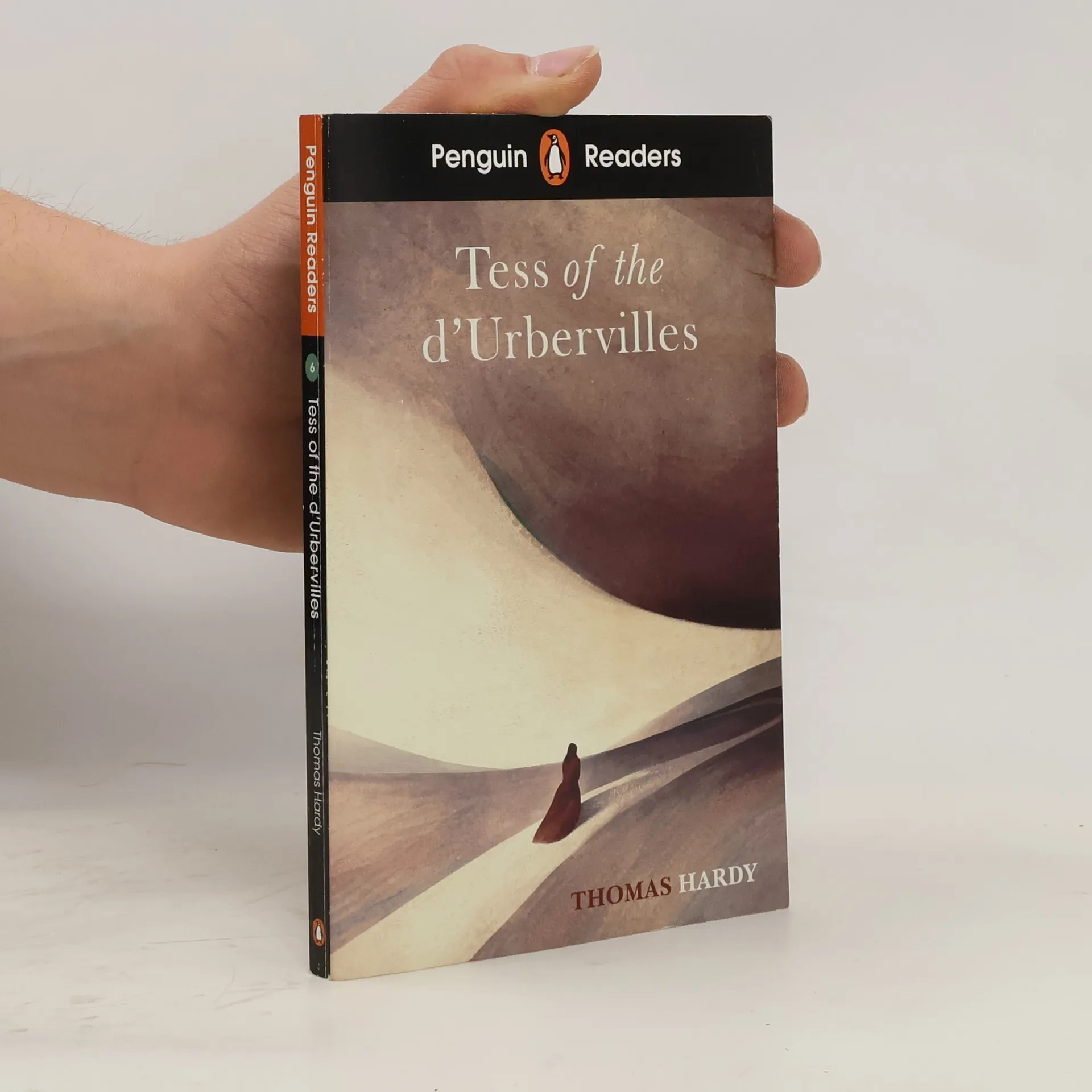
STAGE 3 - 1000 headwords | B1 | Preliminary | Classic A Pure Woman Faithfully
Presented” The story, set in a poor rural area of England in the 19th century,
centres around Tess Durbeyfield, a sweet, innocent, country girl who is a
victim of fate and her own beauty. When her lazy father finds out that his
ancestors were the noble d’Urberville family, he dreams of winning back this
glory for his own family. Tess, 16 years old at the start of the story and the
eldest of seven children, is pushed by her parents to go and work for Alec
d’Urberville who will change Tess’s life in a dramatic way. In the middle of
the chaos caused by Alec d’Urberville, Tess meets Angel Clare. Will he love
her forever as he promises, without judging her for her past? Or will Alec
d’Urberville become her master? Read and find out. Syllabus Grammar and
structures Present simple and continuous, past simple and continuous, present
and past perfect simple. Future with go-ing to and will. Passive forms. Modal
verbs. Verb + infinitive, verb + ing. Phrasal verbs. First and second condi-
tional. Comparatives and superlatives. In this Reader you will find:
Information about Thomas Hardy and his times | Focus on section about
Stonehenge | Glossary of difficult words | Comprehension and extension
activities including B1 Preliminary style activities Tags Classic literature |
Relationships | Fate | Judgement
With unfailing honesty and lyrical writing, Thomas Hardy captured his heroes' intimate relationship with the natural and social environment. Here are three of his finest works, uncut. "Tess of the Durbervilles" tells the tragic tale of a poor girl's coming of age and traumatic relationships with two men. Michael Henchard, in "The Mayor of Casterbridge," reaches the pinnacles of power-only to lose everything. Set in Hardy's beloved Wessex, "Far From the Madding Crowd" centers on Bathsheba Everdene and the men who love her.
Gabriel Oak is only one of three suitors for the hand of the beautiful and spirited Bathsheba Everdene. He must compete with the dashing young soldier Sergeant Troy and respectable, middle-aged Farmer Boldwood. And while their fates depend upon the choice Bathsheba makes, she discovers the terrible consequences of an inconstant heart.
Thomas Hardy is one of the sacred figures in English writing, a novelist with
a world reputation, but above all a great poet. This work is a selection of
Hardy's love poems.
Thomas Hardy's first love was always poetry, but it was not until 1898, when he was fifty-eight years old and had already established his reputation with fourteen novels and over forty short stories, that his first book of poetry, Wessex Poems, was published. For the final thirty years of his life he abandoned fiction and devoted himself entirely to poetry. ... The Complete Poems, appearing for the first time in paperback, was edited by James Gibson for the New Wessex series and includes all of Hardy's prolific output of over 900 poems -- his eight books of verse, all the uncollected poems, 'Domicilium' and the songs from The Dynasts. --PAPERMAC.
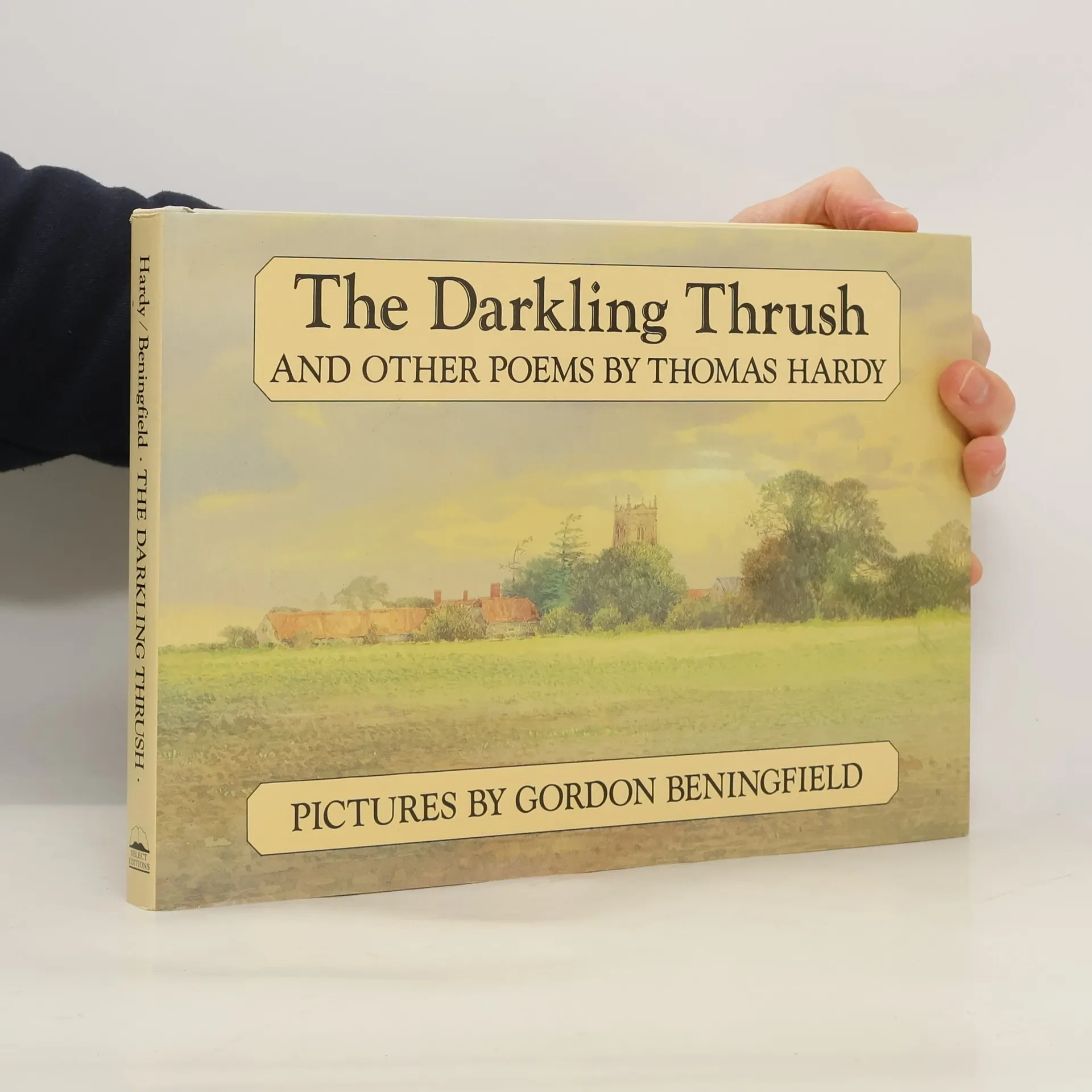
FIRST EDITION. 1985 Select Editions oblong hardcover, British import. Thomas Hardy. “The Darkling Thrush” is a poem by the English poet and novelist Thomas Hardy. The poem describes a desolate world, which the poem’s speaker takes as cause for despair and hopelessness. However, a bird (the “thrush”) bursts onto the scene, singing a beautiful and hopeful song—so hopeful that the speaker wonders whether the bird knows something that the speaker doesn’t. -
A tale of mystery, entanglement, surprise and moral obliquity in which Cytherea has taken a position as lady's maid to the eccentric arch-intriguer, Miss Aldclyffe. On discovering that the man she loves, Edward Springrove, is already engaged to his cousin, Cytherea comes under the influence of Miss Aldclyffe's steward Manston.
A Pair of Blue Eyes, though early in the sequence of Hardy's novels, is lively and gripping. Its dramatic cliff-hanging episode, for example, is at once tense, ironic, feministic and erotic.
Macmillan Readers v této pokročilosti můžete číst asi po dvou letech studia
angličtiny, knihy mají 80 až 69 stran. K porozumění vám postačí slovní zásoba
1 400 slov. Kniha je balena s poslechovým CD a obsahuje 8 stran cvičení. věk
15+ Jeden z největších románů Hardyho, daleko od hlučícího davu vypráví příběh
života a osudových lásek odvážné a krásné Betsabé Everdene... Popis: Macmillan
Readers v této pokročilosti můžete číst asi po dvou letech studia angličtiny,
knihy mají 80 až 69 stran. K porozumění vám postačí slovní zásoba 1 400
slov.One of Hardy's greatest novels, Far from the Madding Crowd tells the
story of the life and loves of the brave and the beautiful Bathsheba Everdene.
// Attention: If no attachments (CDs, booklets etc.) are shown in the photo, they are not included.
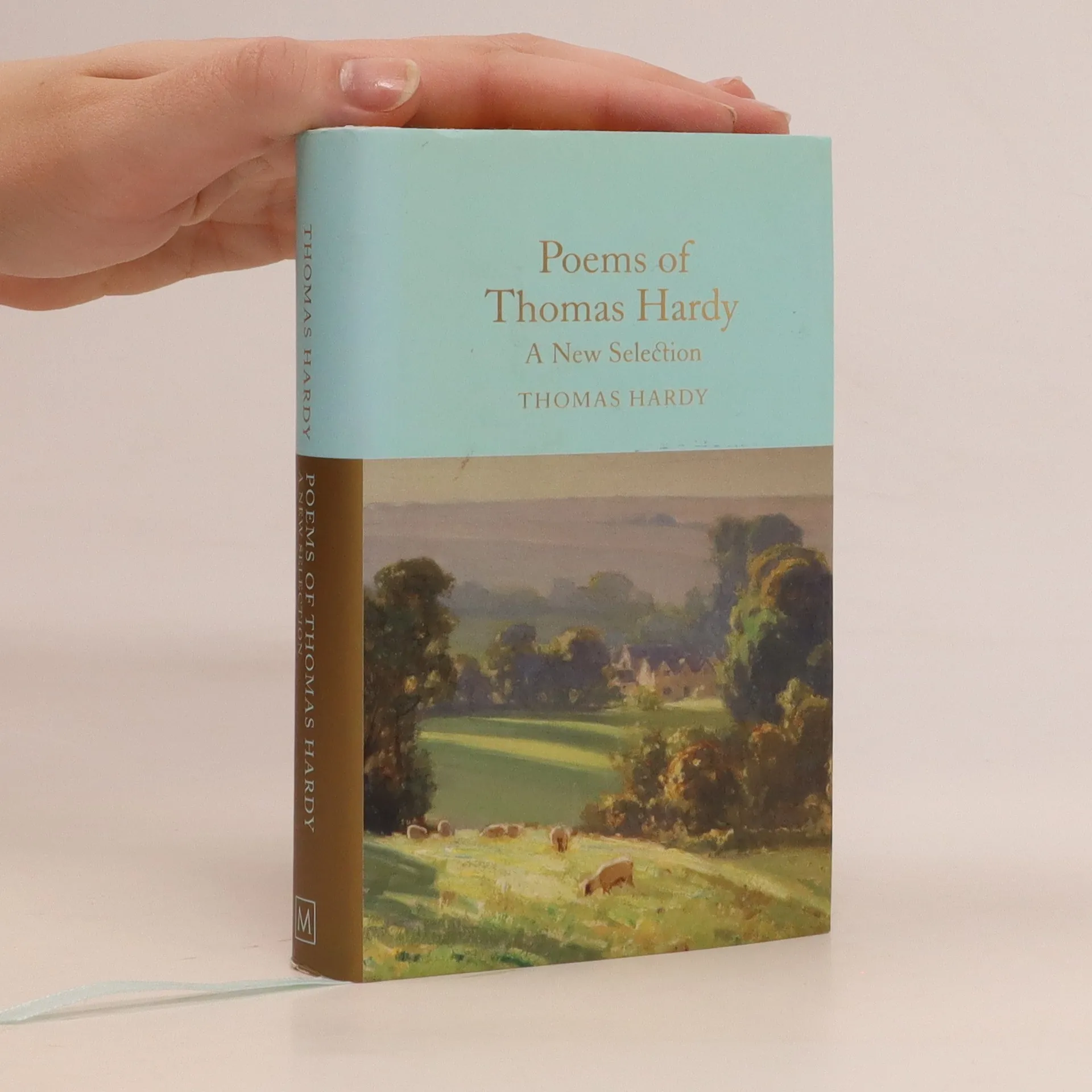
Designed to appeal to the book lover, the Macmillan Collector's Library is a series of beautifully bound pocket-sized gift editions of much loved classic titles. Bound in real cloth, printed on high quality paper, and featuring ribbon markers and gilt edges, Macmillan Collector's Library are books to love and treasure. Thomas Hardy saw himself, first and foremost, as a poet and he composed poetry throughout his prolific and acclaimed novel-writing years. In 1896, dismayed by the criticism he received on publication of Jude the Obscure, he astonished his worldwide readership by announcing that he would write no more novels. From 1898, until his death in 1928, Hardy published eight volumes of poetry - beginning with Wessex Poems and Other Verses - and this entirely new selection gives us the best from each volume. Now regarded as a bridge between the Victorian era and Modernism, his poetry is lyrical and soul-searching with subjects ranging from the poignant grief at the death of his wife to his experiences of war. Edited and introduced by Ned Halley.
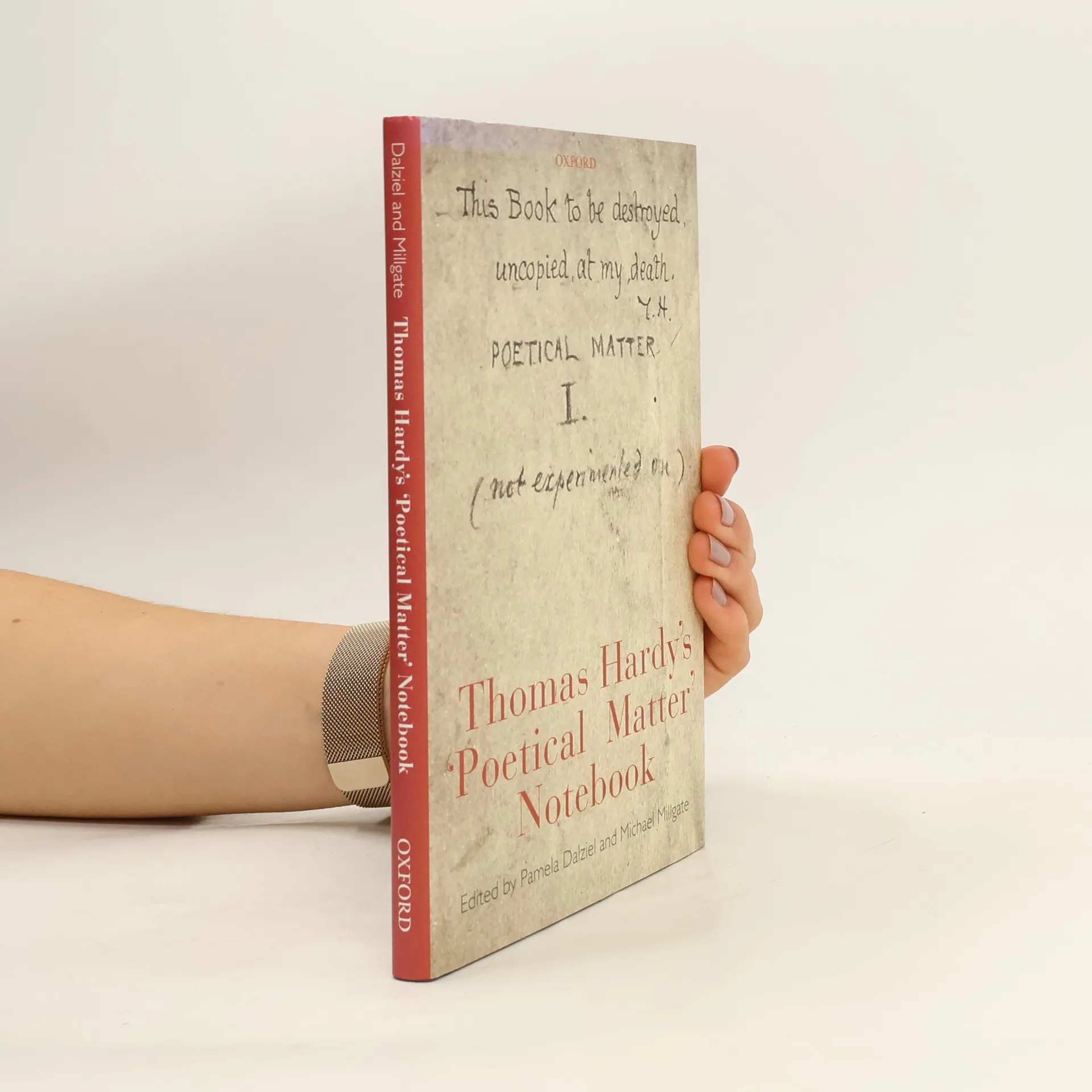
Thomas Hardy's "Poetical Matter" notebook, the last published from a select group of his surviving notebooks, has been meticulously edited with comprehensive scholarly annotation. This notebook includes numerous notes copied from old pocket-books that were later destroyed, allowing it to reflect all periods of Hardy's life. It is particularly valuable for enhancing biographical knowledge of his final years and preserving intimate records, such as his vivid memories of childhood in Bockhampton and his impressions of a woman seen during a 1868 pleasure steamer trip. Its uniqueness lies in its role as a late working notebook focused specifically on verse. Florence Hardy, his widow, noted his late-life creative surge, feeling he could write indefinitely. "Poetical Matter" serves as direct evidence of his active engagement with poetry, showcasing his thoughts on new poems up until shortly before his death at eighty-seven. The notebook is rich with new ideas for poems and sequences, illustrating Hardy's creative process as he worked through initial concepts, gathered notes, tentative prose, verse fragments, metrical schemes, and rhyme patterns, ultimately leading to the drafts from which completed poems would emerge.
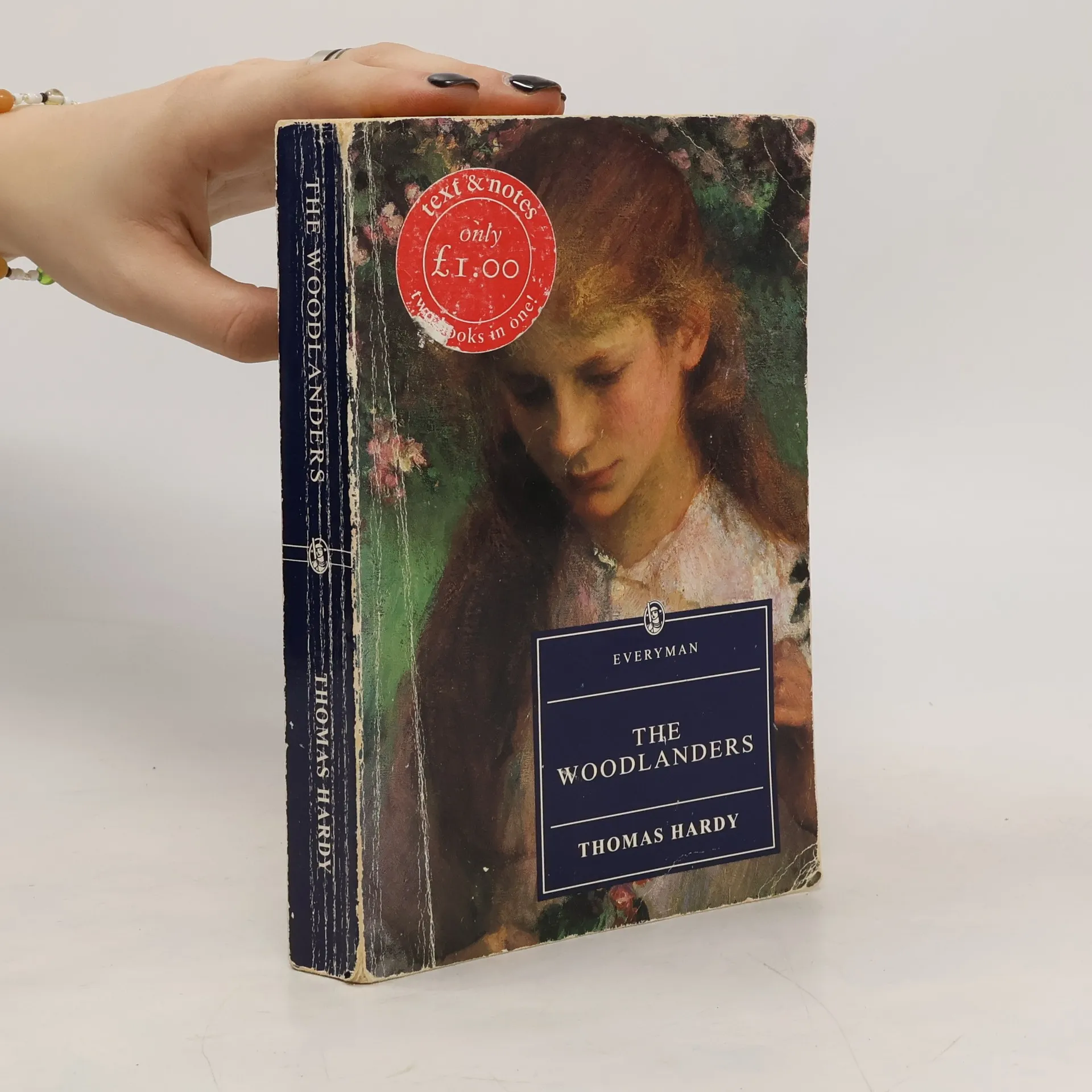
When country-girl Grace Melbury returns home from her middle-class school she feels she has risen above her suitor, the simple woodsman Giles Winterborne. Though marriage had been discussed between her and Giles, Grace finds herself captivated by Dr Edred Fitzpiers, a sophisticated newcomer to the area - a relationship that is encouraged by her socially ambitious father. Hardy's novel of betrayal, disillusionment and moral compromise depicts a secluded community coming to terms with the disastrous impact of outside influences. And in his portrayal of Giles Winterborne, Hardy shows a man who responds deeply to the forces of the natural world, thought they ultimately betray him.
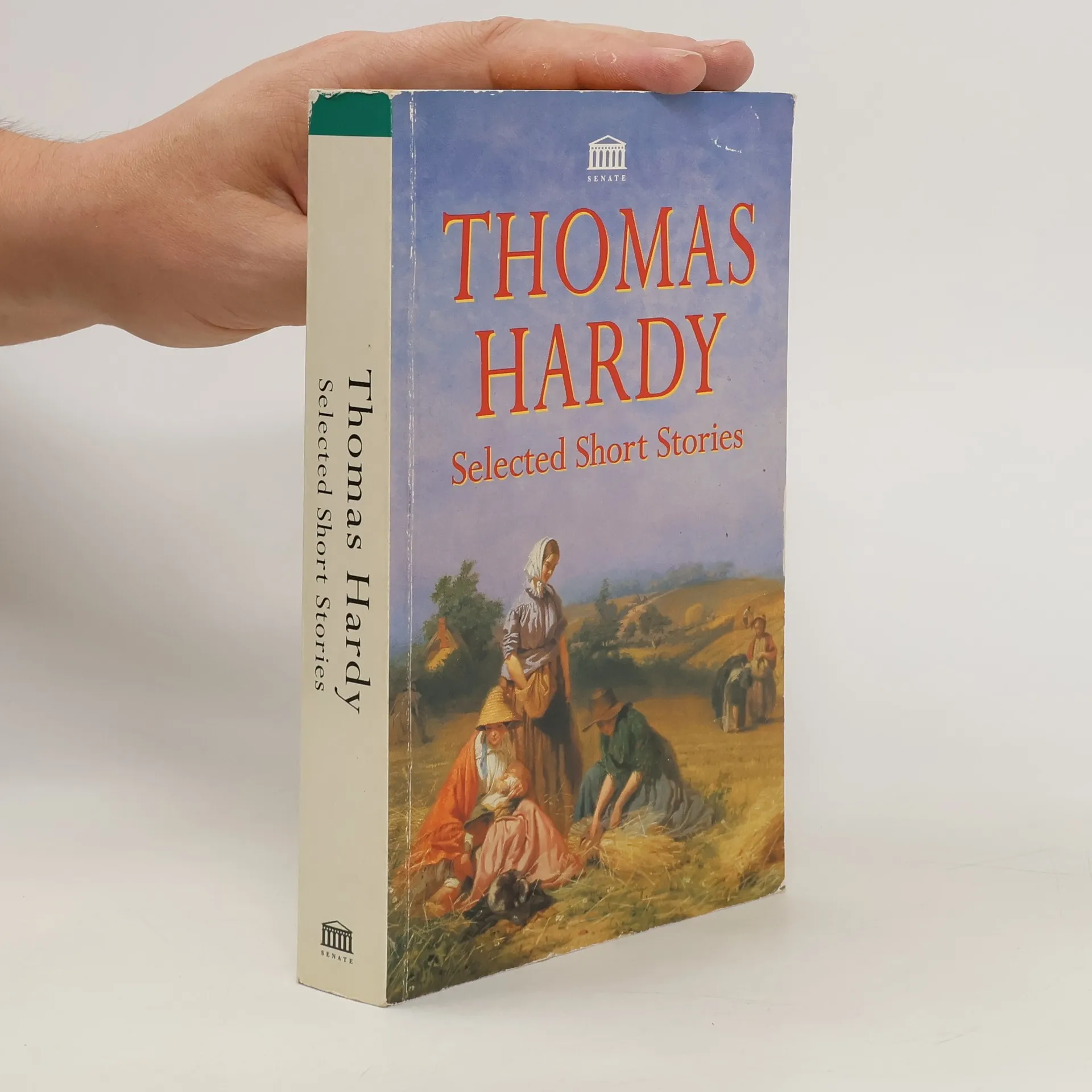
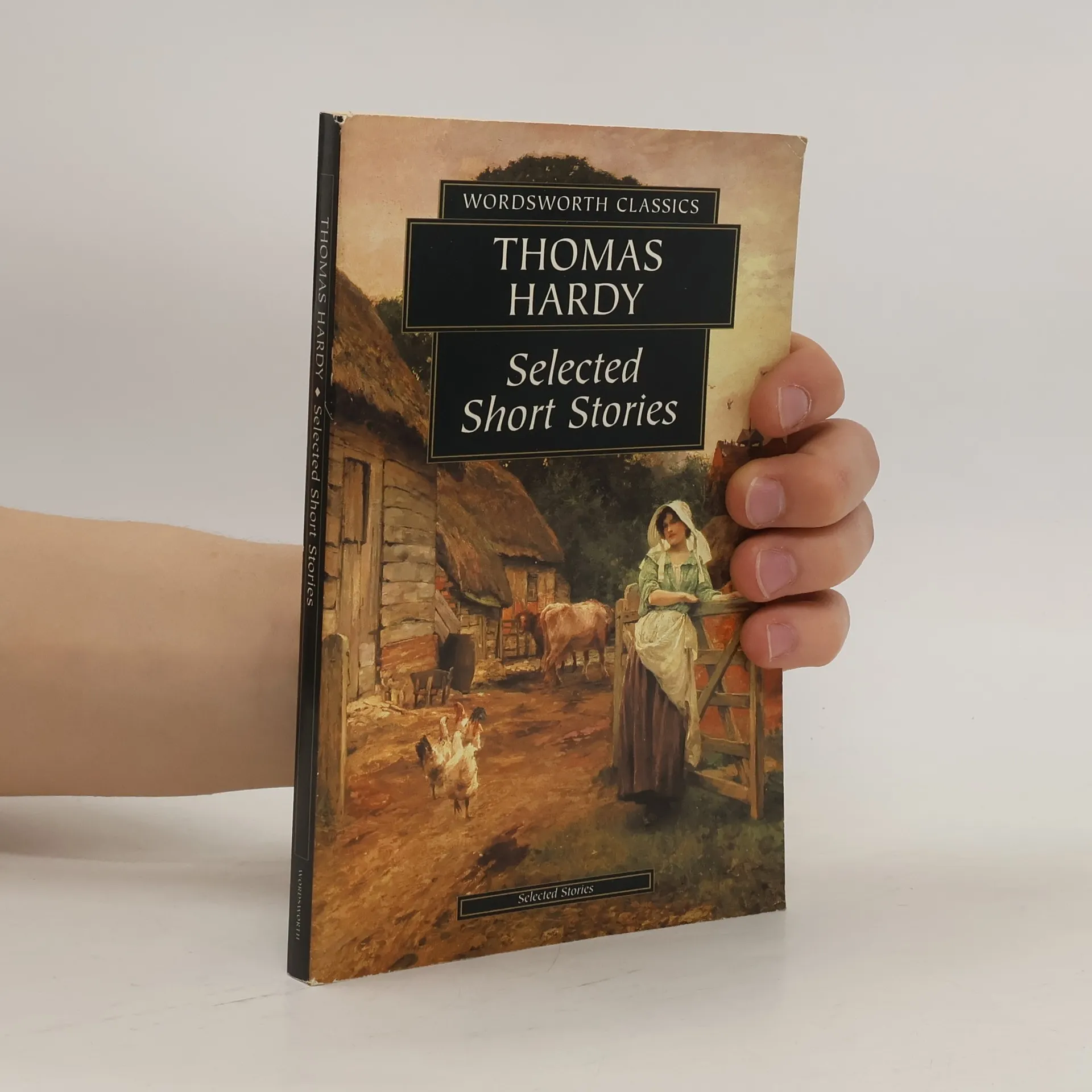
An alternate cover edition for this ISBN can be found here and here.Thomas Hardy's short stories reveal a literary persona, a creative intelligence and an imaginative vision uniquely and unmistakably his own. Those contained within this volume are among his finest and most representative and include The Withered Arm, one of his best known and most gripping; Barbara of the House of Grebe, said by T. S. Eliot to portray 'a world of pure evil'; The Son's Veto, regarded by Hardy as his best story; and, of course, The Distracted Preacher, possibly the most flawless of all. Like the novels, the short stories reveal Hardy's preoccupation with affairs of the heart, with love requited and frustrated, fulfilled or doomed. They contain many of his most powerful portraits of women; they are streaked with the grotesque, the macabre and bizarre; and they are permeated by that atmosphere, narrative power, and vivid sense of place and its intimate relation to character which are the essentials of Hardy's genius.
Selected Short Stories: Thomas Hardy was born in 1840 near Dorchester in that part of England he called Wessex. With stories sometimes from his own imagination and sometimes from local tradition, Hardy's work, like Dickens and Trollope, creates a strong sense of mood and location. Hardy hoped to be remembered for his poetry, but ours is not a poetic age. Thus his claim to a new generation of listeners rests on his prose. There are great similarities between his era, a time of challenge, and our own. This collection of short stories shows Hardy at his best and includes: "The Three Strangers," "The Withered Arm," "The Fiddler of the Reels," "Barbara of the House of Grebe" and "The Distracted Preacher."
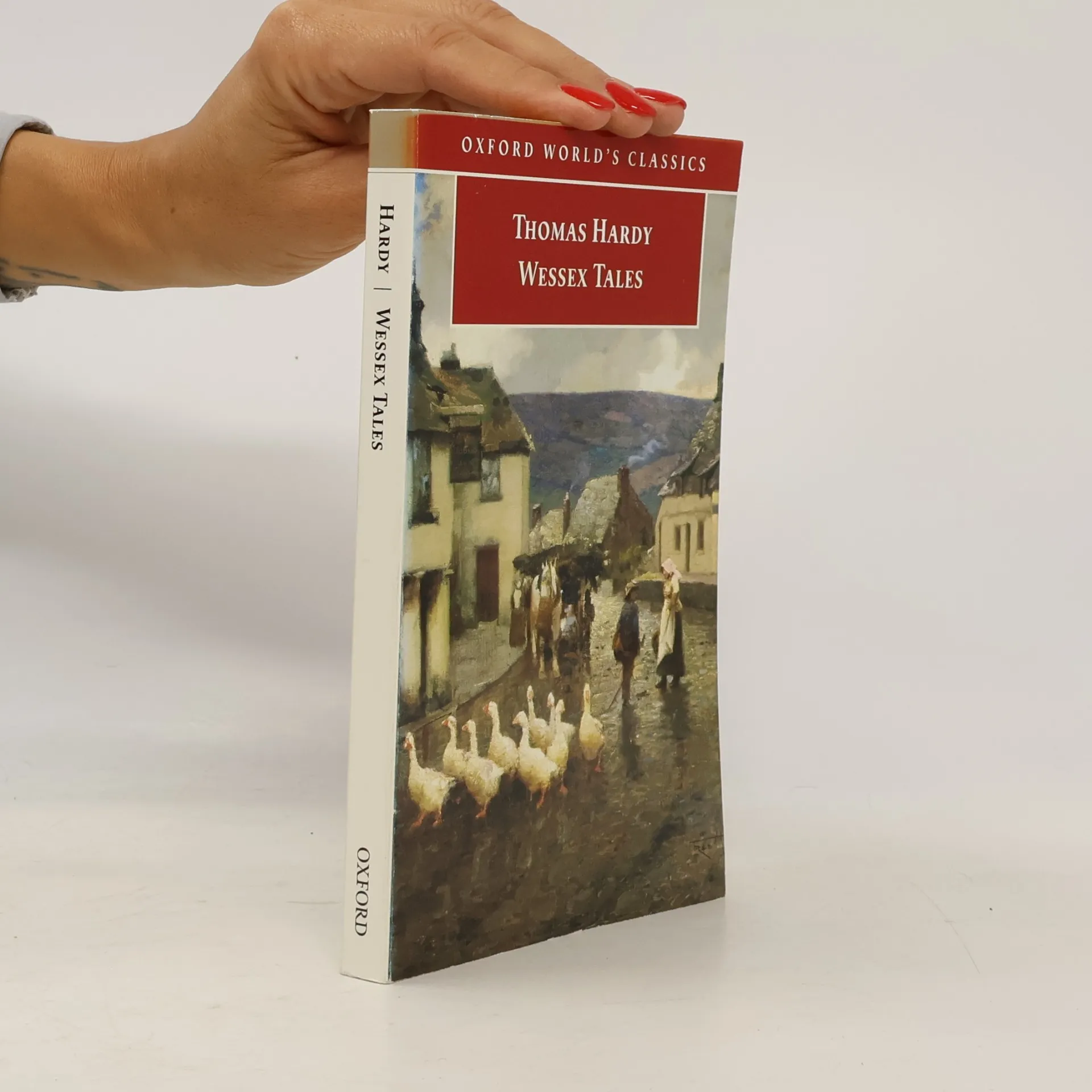
In addition to his great "Wessex Novels," Thomas Hardy wrote Wessex Tales (1896), a collection of six stories written in the 1880s and 1890s that, for the most part, are as bleakly ironic and unforgiving as the darkest of his great novels -- Jude the Obscure. But this great novelist began and ended his writing career as a poet. In-between, he wrote a number of books that many readers find emotionally-wrenching, but which are considered among the classics of 19th Century British literature, including Far from the Madding Crowd, and Tess of the D'Urbervilles. Readers will experience Hardy's uncompromising, unsentimental realism in Wessex Tales, and for those seeking a taste of the Dorset poet and novelist, they represent an ideal start.
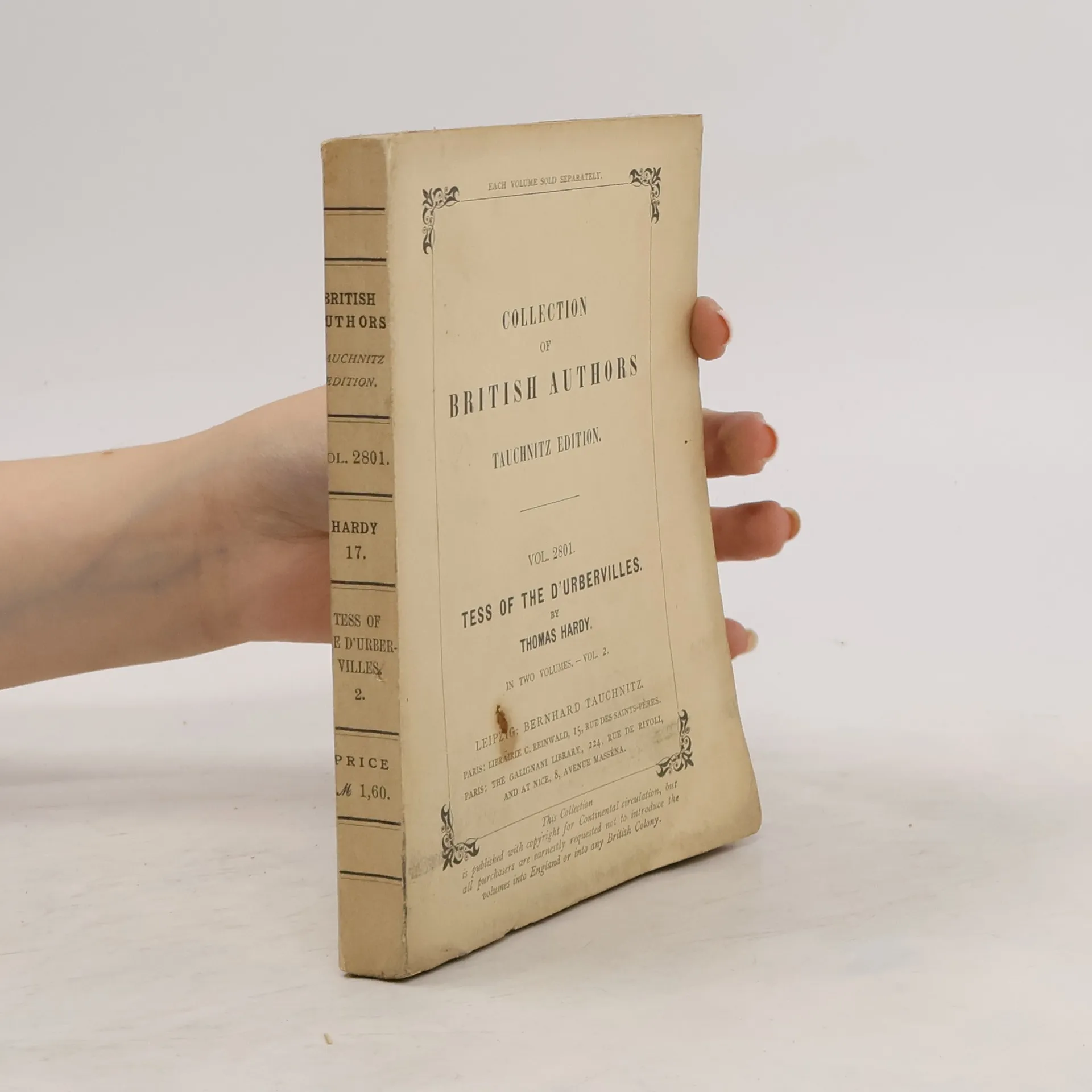
"When Jack and Joan Durbeyfield learn that their ancestors were the d'Urbervilles - a rich and well-known family - they hope it will make their lives better. They send their eldest daughter, Tess, to introduce herself to some 'relatives'. There, Tess meets Alec d'Urberville, who immediately notices her beauty. The terrible event that follows changes her life forever."--Publisher
The Bookworms series offers six graded stages provide more than 130 stories at different levels of ability. The lower levels feature a wide choice of original stories, while the higher levels feature adaptations of well-known works originally published for native speakers. There are titles to suit all tastes: fantasy and horror; thriller and adventure; classics; true stories; crime and mystery; human interest.
This collection of short stories was first published in one volume in 1894, it includes "An Imaginative Woman" orginally published in "Wessex Tales; " "On the Western Circuit", a favorite of Hardy's second wife, Florence; " A Tragedy of Two Ambitions", "The Fiddler of the Reels", "For Conscience Sake", "To Please His Wife", "A Few Crusted Characters", and "The Son's Veto", regarded by Hardy as his best short story.
This selection was the third that Hardy collected together himself for publication as a single volume. It reflects the experiences of a novelist who was at the height of his creative powers. The stories are thematically linked by a concern with the diverse problems of marriage
A POCKET CLASSICS edition of a collection of short stories, all of which reflect Hardy's love of the supernatural. Stories include THE WAITING SUPPER, ALICIA'S DIARY and THE ROMANTIC ADVENTURES OF A MILKMAID. By the author of JUDE THE OBSCURE and THE MAYOR OF CASTERBRIDGE.
Paula Power has two suitors: Captain De Stancy, an Army officer with the aristocratic background she yearns for, and George Somerset, an architect who represents the 'new nobility of talent and enterprise.' No elegy for a lost past, the story of Paula's dilemma was meant to be a comic investigation of the 'incongruities that were daily shaping themselves in the world under the great modern fluctuations of classes and creeds.' --From publisher's description
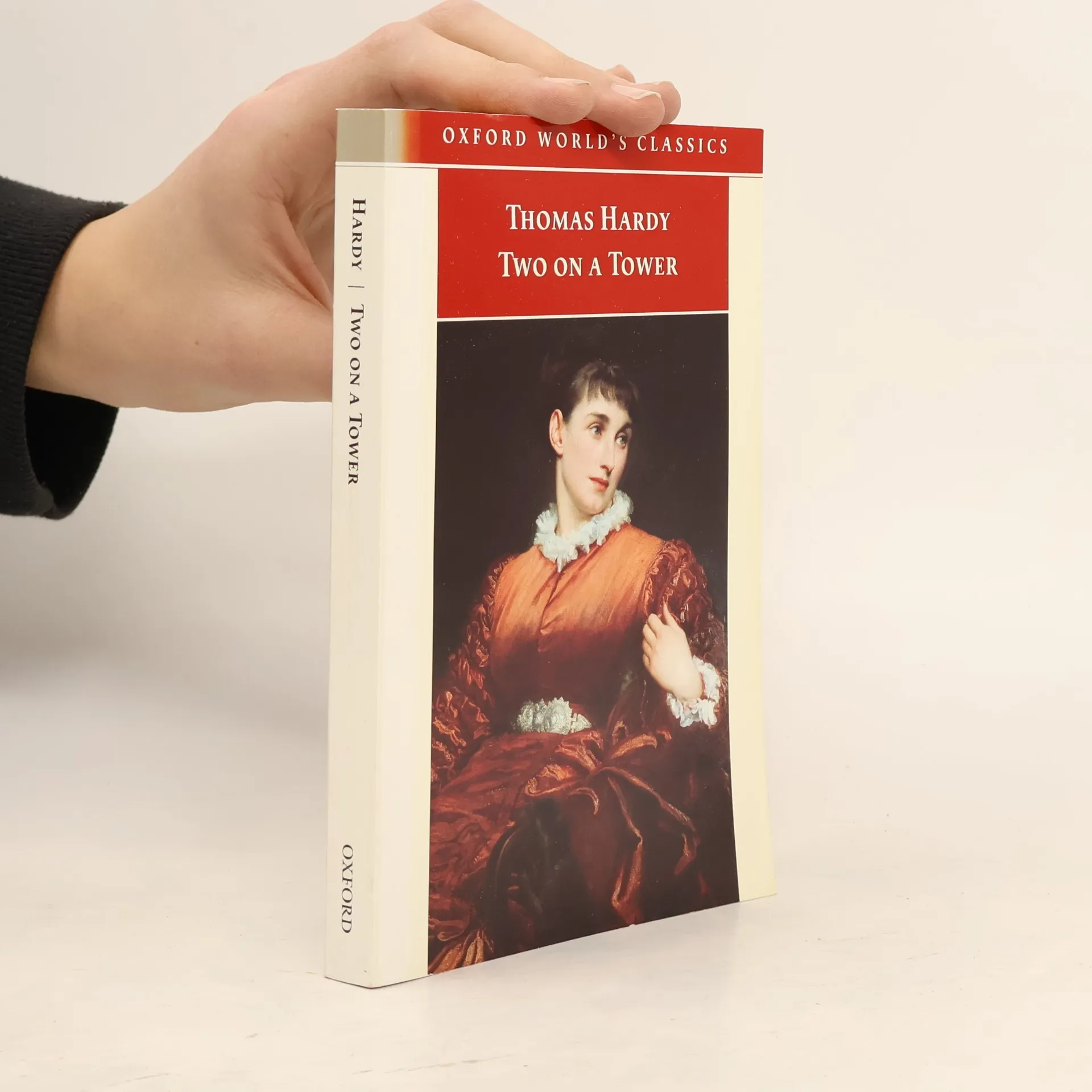
Two on a Tower is Hardy's most complete and daring treatment of the theme of love between characters of different classes and ages. This sensational tale, which some reviewers of the first publication considered to be immoral, is informed throughout by the astronomical images and reflections that preoccupied Hardy at the time of the book's composition.
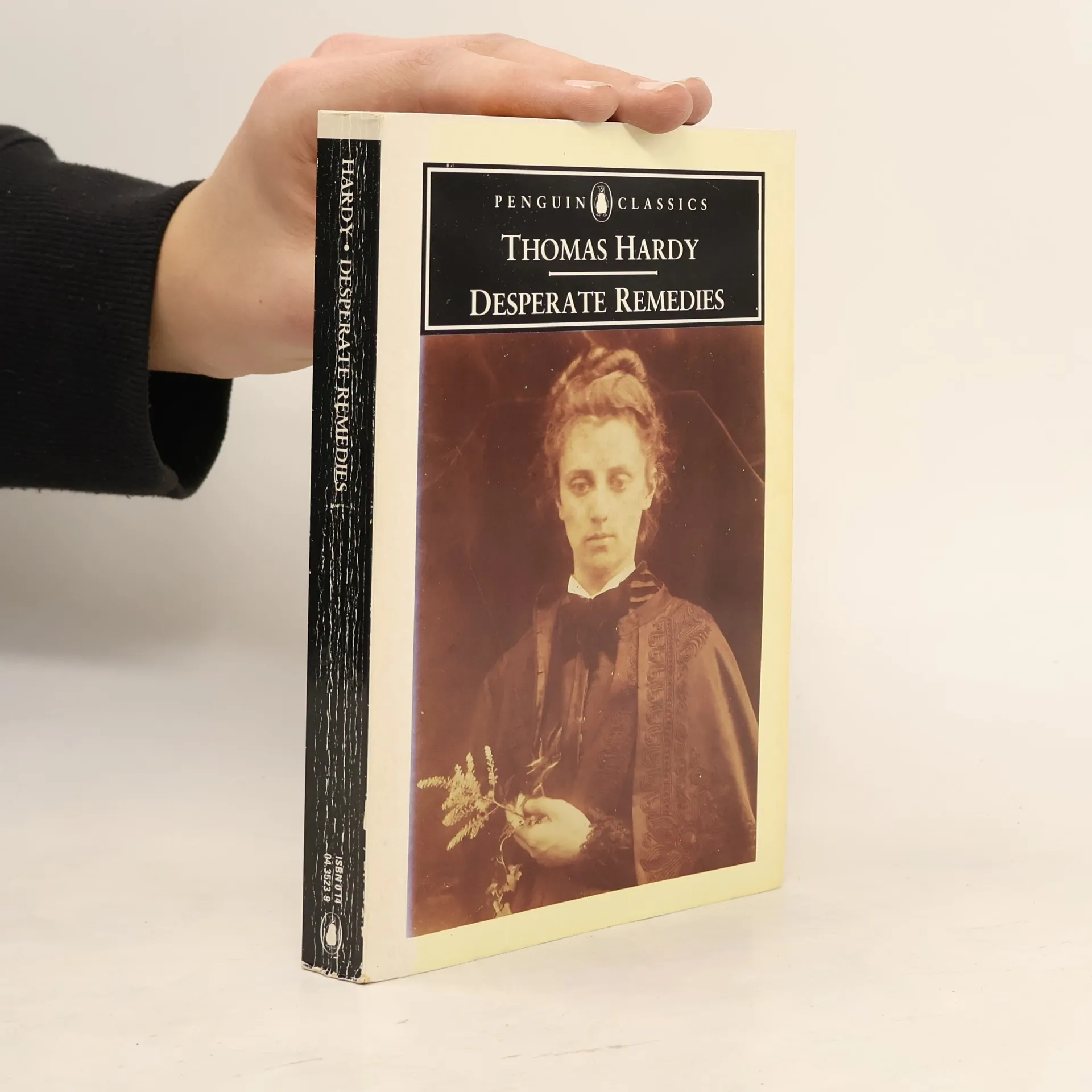
'Woman much missed, how you call to me, call to me...' After the death of his wife Emma, a grief-stricken Hardy wrote some of the best verse of his career. Moving and evocative, it ranks among the greatest elegiac poetry in the language. Introducing Little Black Classics: 80 books for Penguin's 80th birthday. Little Black Classics celebrate the huge range and diversity of Penguin Classics, with books from around the world and across many centuries. They take us from a balloon ride over Victorian London to a garden of blossom in Japan, from Tierra del Fuego to 16th-century California and the Russian steppe. Here are stories lyrical and savage; poems epic and intimate; essays satirical and inspirational; and ideas that have shaped the lives of millions. Thomas Hardy (1840-1928). Hardy's works available in Penguin Classics are A Laodicean, A Pair of Blue Eyes, Desperate Remedies, Far from the Madding Crowd, Jude the Obscure, Selected Poems, Tess of the d'Urbervilles, The Distracted Preacher and Other Tales, The Fiddler of the Reels and Other Stories, The Hand of Ethelberta, The Mayor of Casterbridge, The Pursuit of the Well-beloved and The Well-beloved, The Return of the Native, The Trumpet-Major, The Withered Arm and Other Stories, The Woodlanders, Two on a Tower and Under the Greenwood Tree.
"In the small Wessex village of Mellstock, the pretty young schoolmistress Fancy Day finds herself romantically entangled with three different men. Local lad and choir member Dick Dewy has to compete for her affections with a prosperous farmer and the new vicar, the Reverend Maybold. Maybold disrupts parish life and custom when he decides to replace the three generations of singers and instrumentalists who make up the church choir with a modern organ, to be played by Fancy herself. The rivalries and intrigues that follow are played out with gentle humour against an untouched rural scene that will not long survive. Looking back to the 1840s, and the world Hardy remembered as a child, Under the Greenwood Tree brings past and present, community and individual, loss and gain into perspective"--From back cover.
Reflecting a profound bond with the landscape and culture of southwestern England, this poetry collection showcases Thomas Hardy's exploration of the fictional region of Wessex. Published in 1898, it highlights his observations of the local people and traditions, offering readers a glimpse into the themes of nature and humanity that permeate his work.
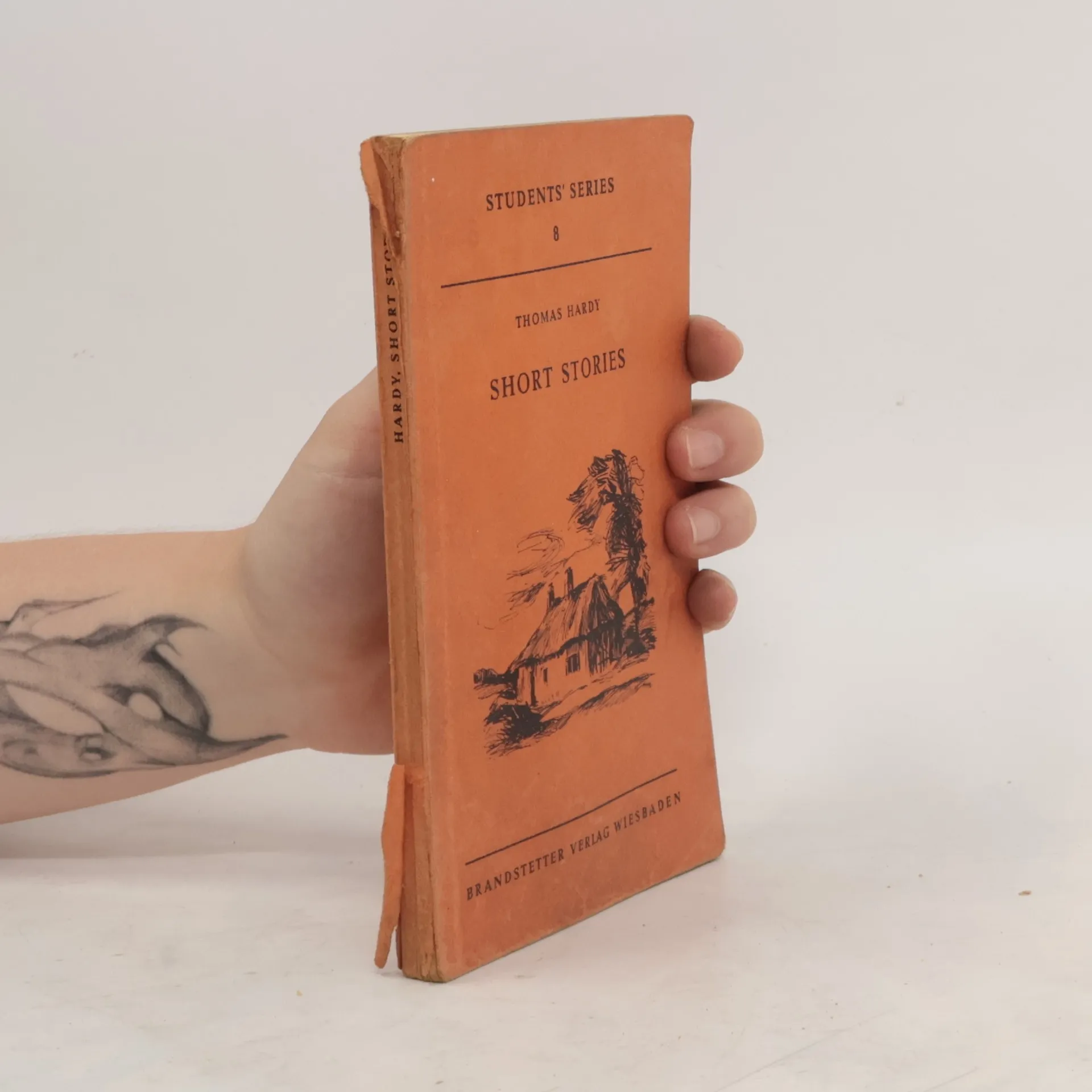
On a stormy winter night, a stranger knocks at the door of a shepherd's cottage. He is cold and hungry, and wants to get out of the rain. He is welcomed inside, but he does not give his name or his business. Who is he, and where has he come from? And he is only the first visitor to call at the cottage that night... In these three short stories, Thomas Hardy gives us pictures of the lives of shepherds and hangmen, dukes and teachers. But rich or poor, young or old, they all have the same feelings of fear, hope, love, jealousy...
As the last of Hardy's novels to be published, The Well-Beloved has generated great scholarly interest recently. Partly autobiographical, it tells the story of the sculptor Jocelyn Pierston, whose search for the ideal woman in both Portland and London leads him into courtships with a Portland woman, her daughter and her grand-daughter. This edition is the first to recover Hardy's final revisions to the text.
This award-winning collection of adapted classic literature and original stories develops reading skills for low-beginning through advanced students. Accessible language and carefully controlled vocabulary build students' reading confidence. Introductions at the beginning of each story, illustrations throughout, and glossaries help build comprehension. Before, during, and after reading activities included in the back of each book strengthen student comprehension. Audio versions of selected titles provide great models of intonation and pronunciation of difficult words.
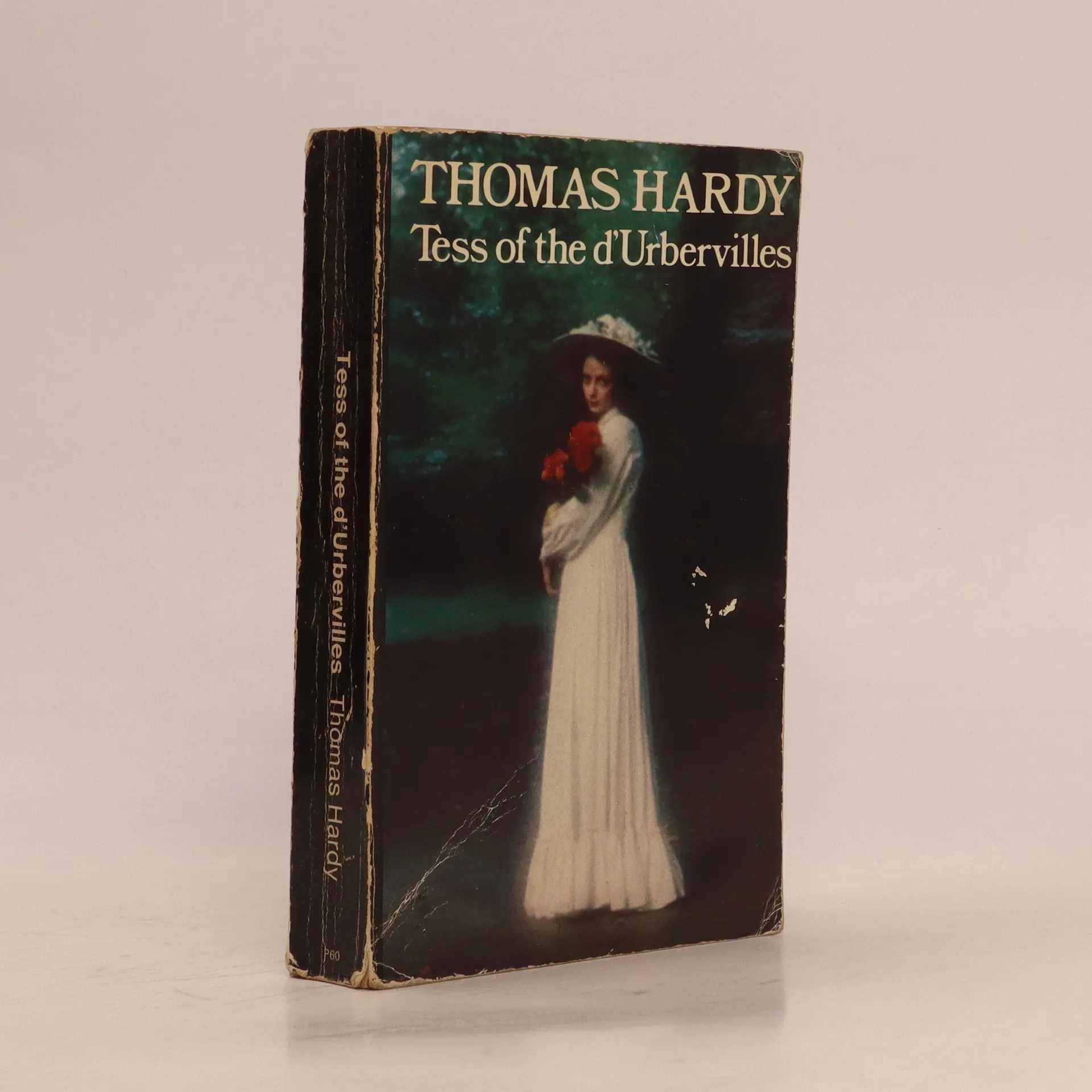
Violated by one man, forsaken by another, Tess Durbeyfield is the magnificent and spirited heroine of Thomas Hardy's immortal work. Of all the great English novelists, no one writes more eloquently of tragic destiny than Hardy. With the innocent and powerless victim Tess, he creates profound sympathy for human frailty while passionately indicting the injustices of Victorian society. Scorned by outraged readers upon its publication in 1891, Tess of the d'Urbervilles is today one of the enduring classics of nineteenth-century literature.
The Norton Critical Edition features a comprehensive collection of critical essays, background materials, and contextual information that enhance the understanding of the primary text. It includes detailed annotations, historical context, and scholarly interpretations, making it an invaluable resource for students and readers seeking deeper insights. The edition also offers a selection of illustrations and supplementary texts that enrich the reading experience, providing a well-rounded exploration of the work's themes and significance.
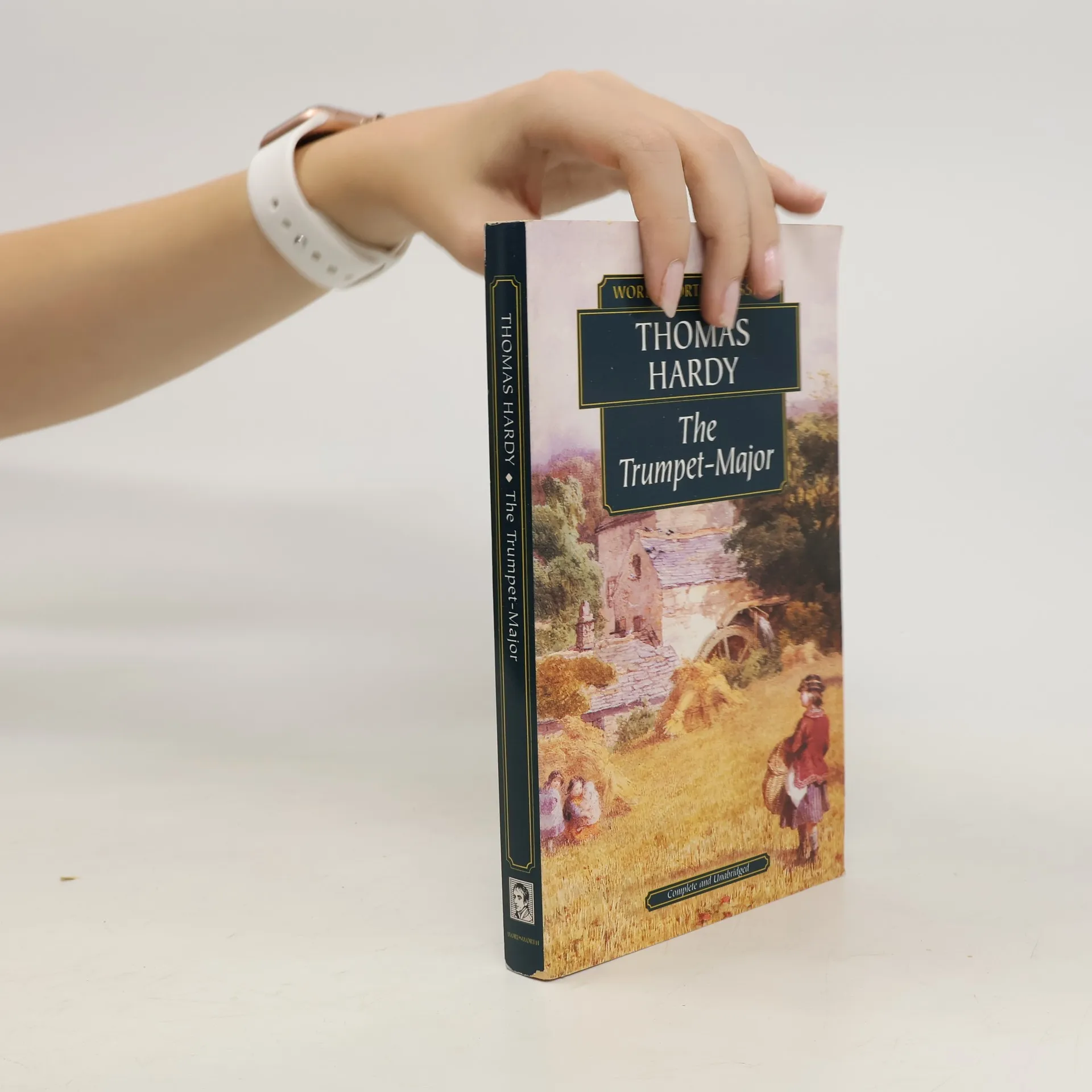
a rural painting of the Dutch School - with an etching by H. Macbeth-Raeburn, and a map of Wessex
288pages
11 heures de lecture
Set against a picturesque rural backdrop, this edition features an etching by H. Macbeth-Raeburn and a map of Wessex, enhancing its charm. The book presents a faithful reprint of the original 1898 publication, capturing the essence of its time. The artwork and map provide a visual context that complements the narrative, making it a delightful addition for readers interested in historical literature and the beauty of the Dutch School's influence.
This high-quality reprint of the original 1872 edition offers a glimpse into rural life through the lens of the Dutch school of painting. The book captures the essence of pastoral scenes, providing readers with a vivid representation of countryside beauty and simplicity. Its unchanged format allows for an authentic experience of the art and culture of the time, making it a valuable addition for art enthusiasts and historians alike.
This reproduction focuses on making historical works accessible, particularly for individuals with impaired vision. The publishing house Megali is dedicated to producing these texts in large print, ensuring a more comfortable reading experience.
This book is a reproduction of a historical work, published by Megali, which focuses on making literature accessible to those with impaired vision through large print formatting. The initiative aims to preserve important texts while enhancing readability for a broader audience.
Focusing on accessibility, this publication by Megali aims to provide historical works in large print, catering specifically to individuals with impaired vision. By reproducing original texts, it ensures that these important works remain available and readable, promoting inclusivity in literature.
Megali focuses on making historical works accessible by producing them in large print, catering specifically to individuals with impaired vision. This approach not only preserves original texts but also enhances readability, ensuring that a wider audience can enjoy and engage with important literary works from the past.
The book is a reproduction of a historical work, designed specifically for accessibility. Published by Megali, it features large print to aid readers with impaired vision, ensuring that important texts remain available to a wider audience. This focus on inclusivity highlights the commitment to preserving and sharing historical literature in a format that is easier to read.
This book is a reproduction of a historical work, specifically designed in large print to enhance readability for individuals with impaired vision. The publishing house Megali focuses on making classic texts accessible, ensuring that important literary and historical content can be enjoyed by a wider audience.
Hardy tells the story of Tess Durbeyfield, a beautiful young woman living with her impoverished family in Wessex, the southwestern English county immortalized by Hardy. After the family learns of their connection to the wealthy d'Urbervilles, they send Tess to claim a portion of their fortune.
This collection showcases Thomas Hardy's introspective and affirmative poetry, highlighting his dual talent as a novelist and poet. Renowned for his impactful novels, Hardy's poetic genius is revealed through a blend of themes that reflect on both past and present experiences, offering readers a deep exploration of his literary artistry.
Classic / British EnglishGabriel Oak is an honest, hard-working young farmer,
who falls in love with the beautiful and independent Bathsheba Everdene. After
a tragic accident, Gabriel loses his farm. Bathsheba, on the other hand,
becomes rich. Is there any hope for Gabriel?
Independent and spirited Bathsheba Everdene has come to Weatherbury to take up her position as a farmer on the largest estate in the area. Her bold presence draws three very different suitors: the gentleman-farmer Boldwood, soldier-seducer Sergeant Troy and the devoted shepherd Gabriel Oak. Each, in contrasting ways, unsettles her decisions and complicates her life, and tragedy ensues, threatening the stability of the whole community. The first of his works set in Wessex, Hardy's novel of swiftpassion and slow courtship is imbued with his evocative descriptions of rural life and landscapes, and with unflinching honesty about sexual relationships.
The novel is set in Wessex during the Napoleonic Wars. It interweaves a romantic love story of the rivalry of two brothers for the hand of the heroine Anne Garland. It also contains elements of sadness and even tragedy.
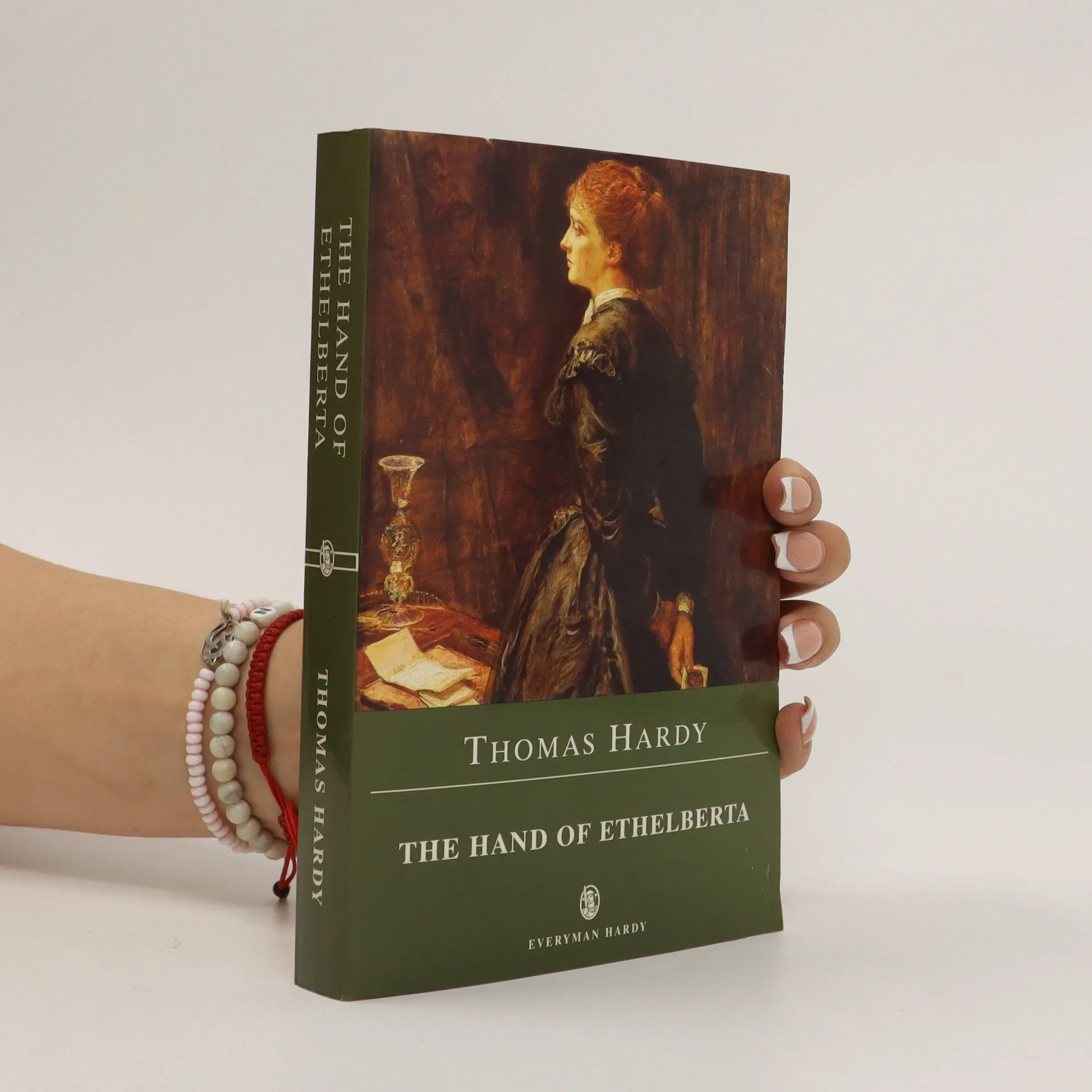
The novel (1876) follows the fortunes of Ethelberta, one of the numerous family of Chicherel, a butler. She marries the son of the house where she is governess, only to be widowed by the time she is 21, but attempts to retain her social position, while concealing her relationship to the butler. Finally, she marries a wicked old peer, while her faithful admirer, the musician Christopher Julian, is left to marry her sister Picotee.
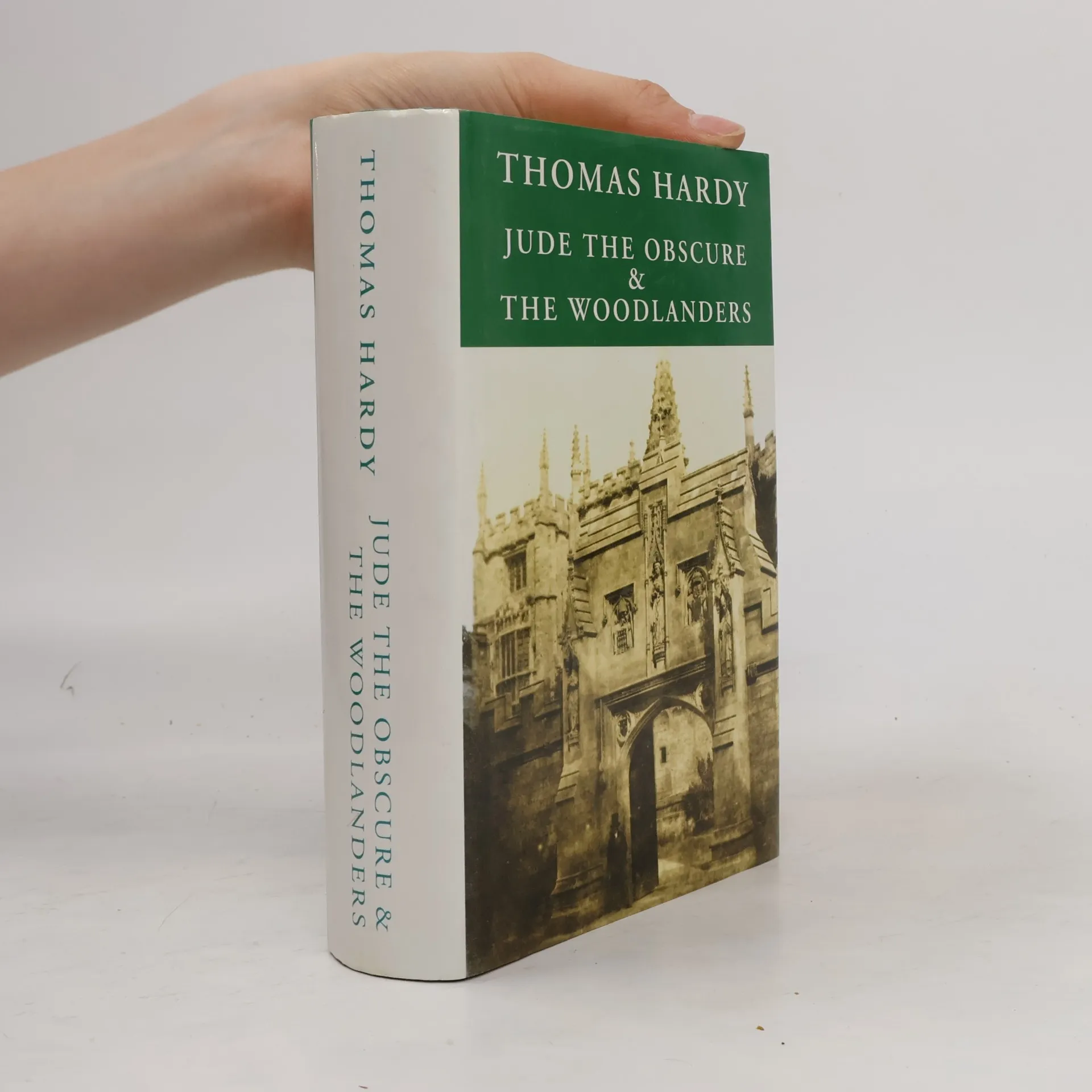
Novel tracing Jude Fawley's life from his aspirations of intellectual freedom to his early death. Jude the Obscure is the story of Jude Fawley and his struggle to rise from his station as a poor Wessex stonemason to that of a scholar at Christminster. It is also the story of Jude' s ill-fated relationship with his cousin Sue Bridehead, and the ultimate tragedy that causes Jude' s undoing and Sue' s transformation