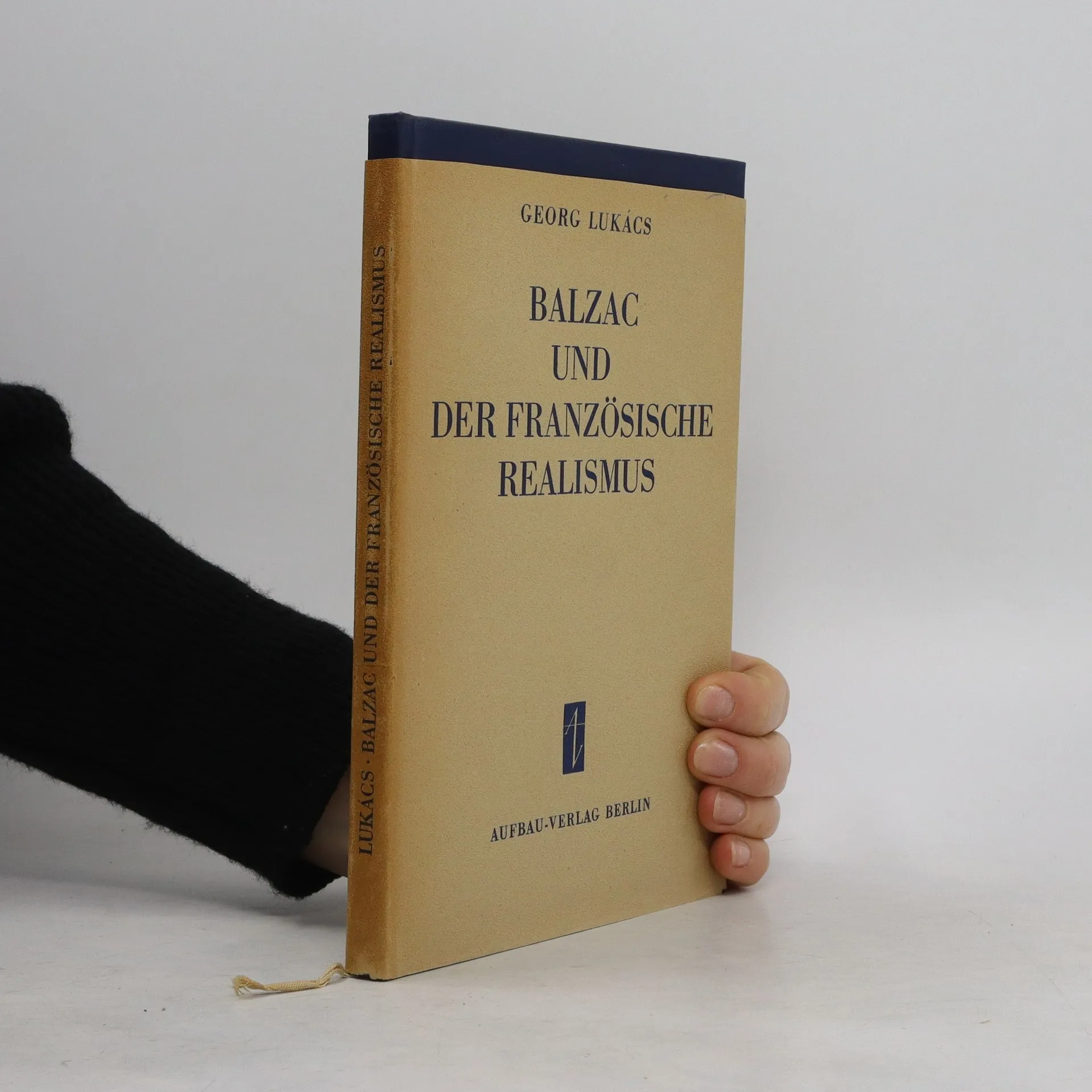
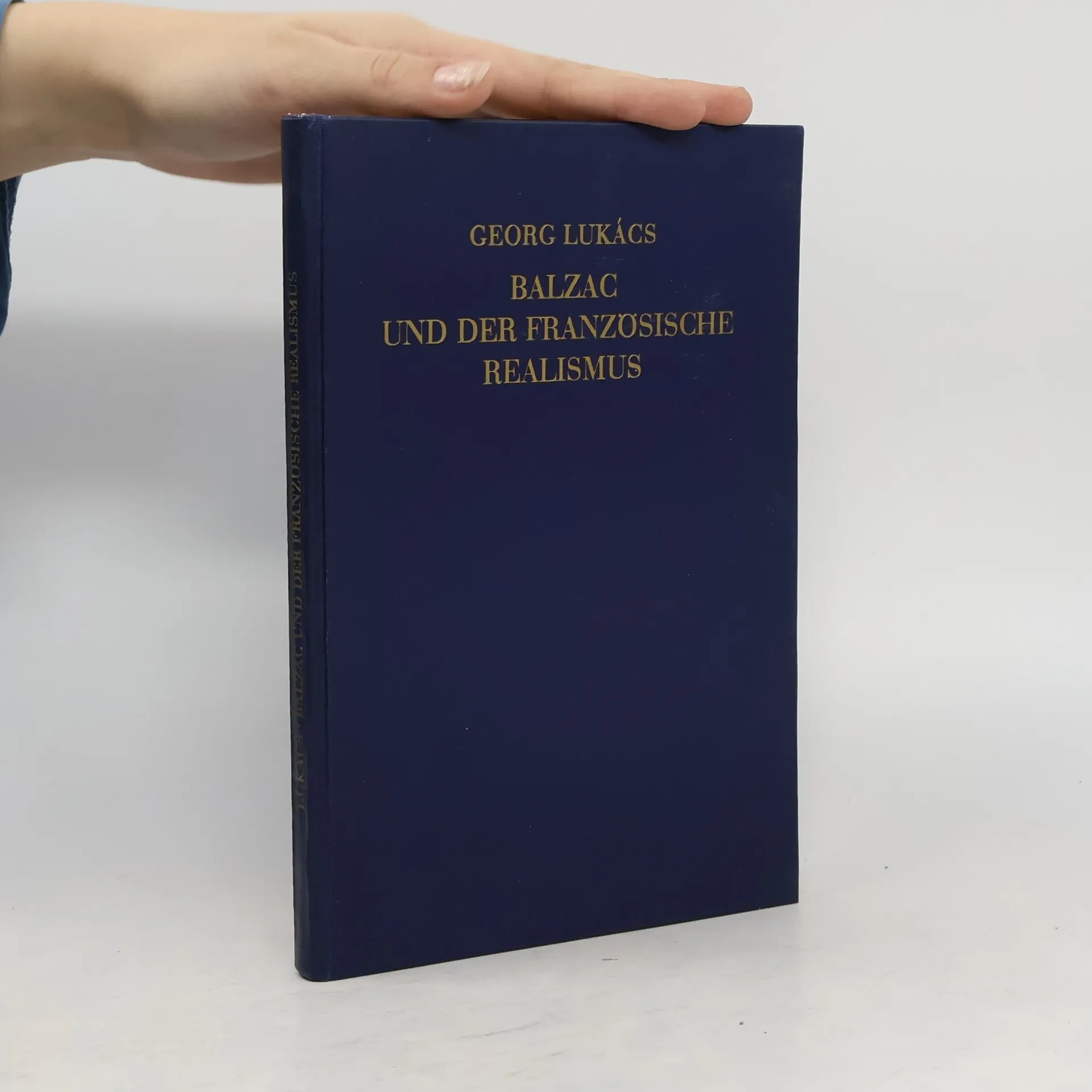
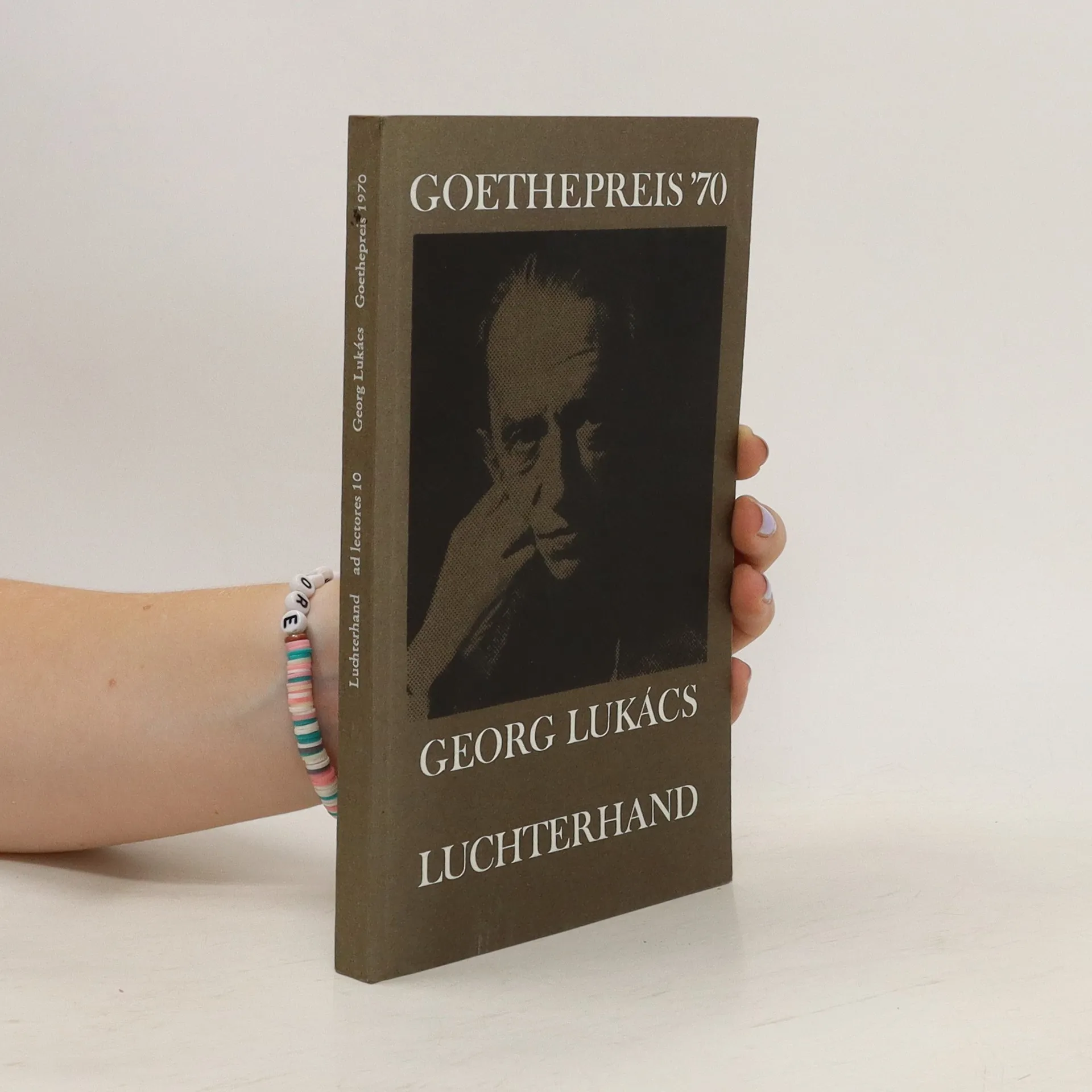
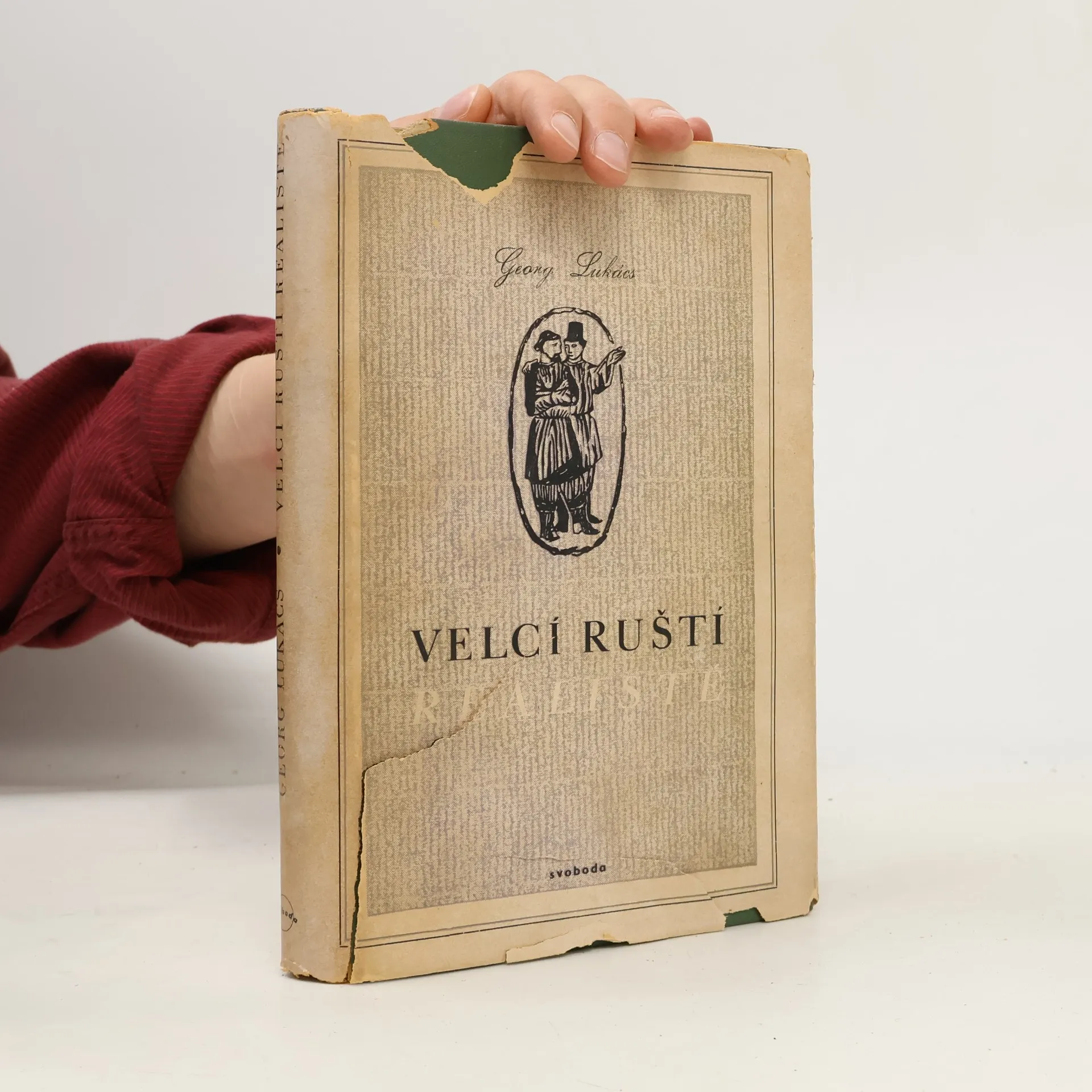
Cet essai esthétique du jeune Lukács met en rapport les grandes catégories du genre romanesque et les étapes de l'histoire occidentale : des romans de chevalerie à Flaubert, Tolstoï et Dostoïevski en passant par Cervantes, les grands romans correspondent aux idéaux qui ont commandé à l'histoire de l'Europe. Il s'agit moins d'une sociologie de la littérature que d'une réflexion sur la philosophie des formes et sur leur enchaînement historique depuis la tragédie grecque et le genre épique jusqu'à l'aube de la réflexion contemporaine.
György Lukács Livres
13 avril 1885 – 4 juin 1971
György Lukács fut un philosophe marxiste et critique littéraire hongrois, figure centrale du développement du marxisme occidental. Son œuvre s'est écartée de l'orthodoxie idéologique soviétique, explorant des concepts tels que la réification et développant les théories marxistes sur la conscience de classe. La critique littéraire de Lukács a profondément influencé la compréhension du réalisme et du roman en tant que genre. Il fut également un philosophe clé du léninisme, formalisant la révolution par le parti d'avant-garde.



Le roman historique
- 407pages
- 15 heures de lecture
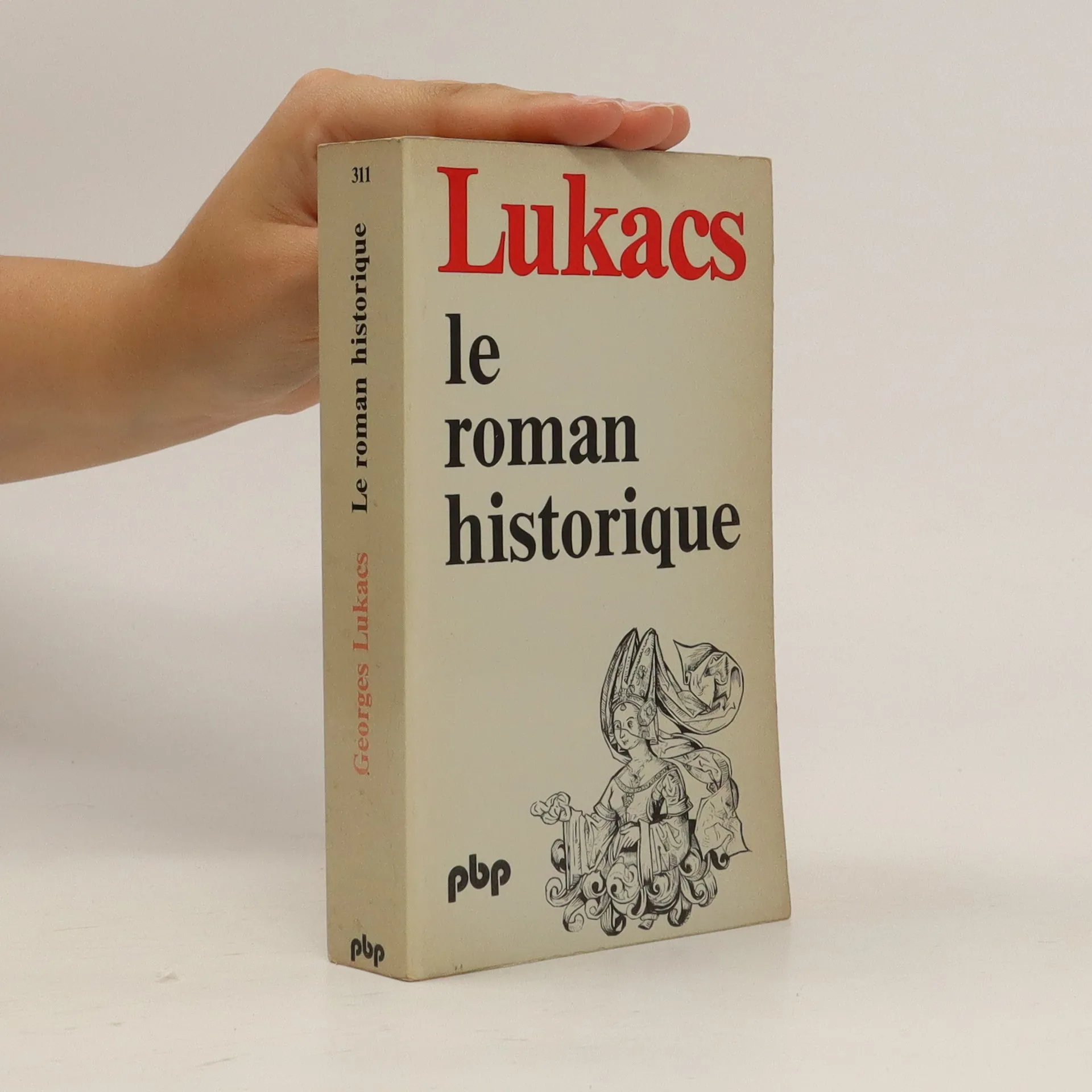
Georg Lukacs (1885-1971) est reconnu comme l'un des critiques littéraires les plus innovants et les mieux informés du vingtième siècle. Formé dans la tradition philosophique allemande de Kant, Hegel et Marx, il a échappé à la persécution nazie en fuyant vers l'Union soviétique en 1933. Dans son ouvrage majeur de critique littéraire, Le roman historique, publié en 1937, Lukacs explore les caractéristiques et les fonctions du roman historique, analysant comment ce genre littéraire reflète et façonne la conscience historique. Il examine les relations entre l'individu et l'histoire, ainsi que le rôle de la narration dans la compréhension des événements passés. À travers une série d'exemples d'œuvres littéraires, Lukacs met en lumière la manière dont le roman historique peut servir de miroir à la société et à ses transformations, tout en questionnant la nature même de l'histoire et de la fiction.
Writer and Critic
- 260pages
- 10 heures de lecture
In the fall of 1960, during a three-month visit to Hungary, Arthur Kahn unsuccessfully asked his hosts to arrange a meeting with Gyorgy Lukacs, a persona non grata to the Communist regime. Kahn arranged to meet Lukacs on his own and proposed translating some Lukacs essays never before appearing in English. During the three years Kahn worked on the translations, he and Lukacs engaged in a voluminous correspondence, investigating Marxism as it applied to contemporary events like the Vietnam war. Extracts from this correspondence will be included in a forthcoming volume of Kahns' autobiography, "The Education of a 20th Century Political Animal."
The Destruction of Reason
- 896pages
- 32 heures de lecture
A classic work of Western Marxism, now back in print.
Aesthetics and Politics
- 224pages
- 8 heures de lecture
An intense and lively debate on literature and art between thinkers who became some of the great figures of twentieth-century philosophy and literature
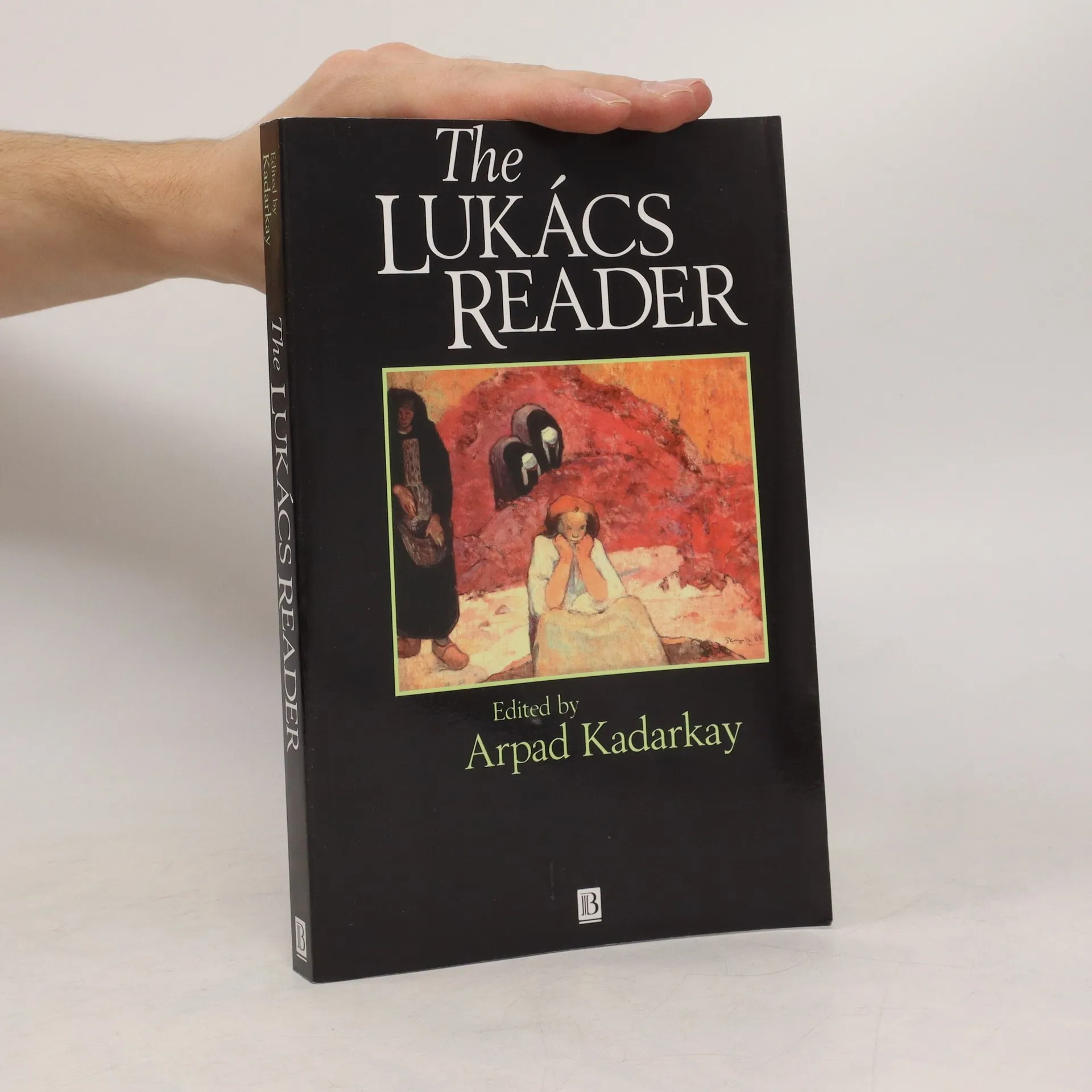
One of the greatest Marxist theorists of his generation, Georg Lukacs was a prolific writer of remarkably catholic, if moralistic, tastes. In The Lukacs Reader , his biographer Arpad Kadarkay represents the great range and variety of Lukacs's output. The reader includes, in original translations, and with introductory essays, Lukacs on: Kierkegaard, Shakespeare, Ford, Strindberg, Ibsen, Wilde, Shaw, Gaughin, Dostoevsky, Nietzsche, and Heidegger. Also collected are: the autobiographical essay 'On the Poverty of Spirit', material from Lukacs's diary, and such key articles as: 'Aesthetic Culture', 'The Ideology of Modernism', 'Bolshevism as an Ethical Problem', and 'Class Consciousness'. What emerges is a figure very much at the centre of European thought whose value to modern culture and philosophy differs markedly from that which received opinion generally admits.
History and class consciousness
- 404pages
- 15 heures de lecture
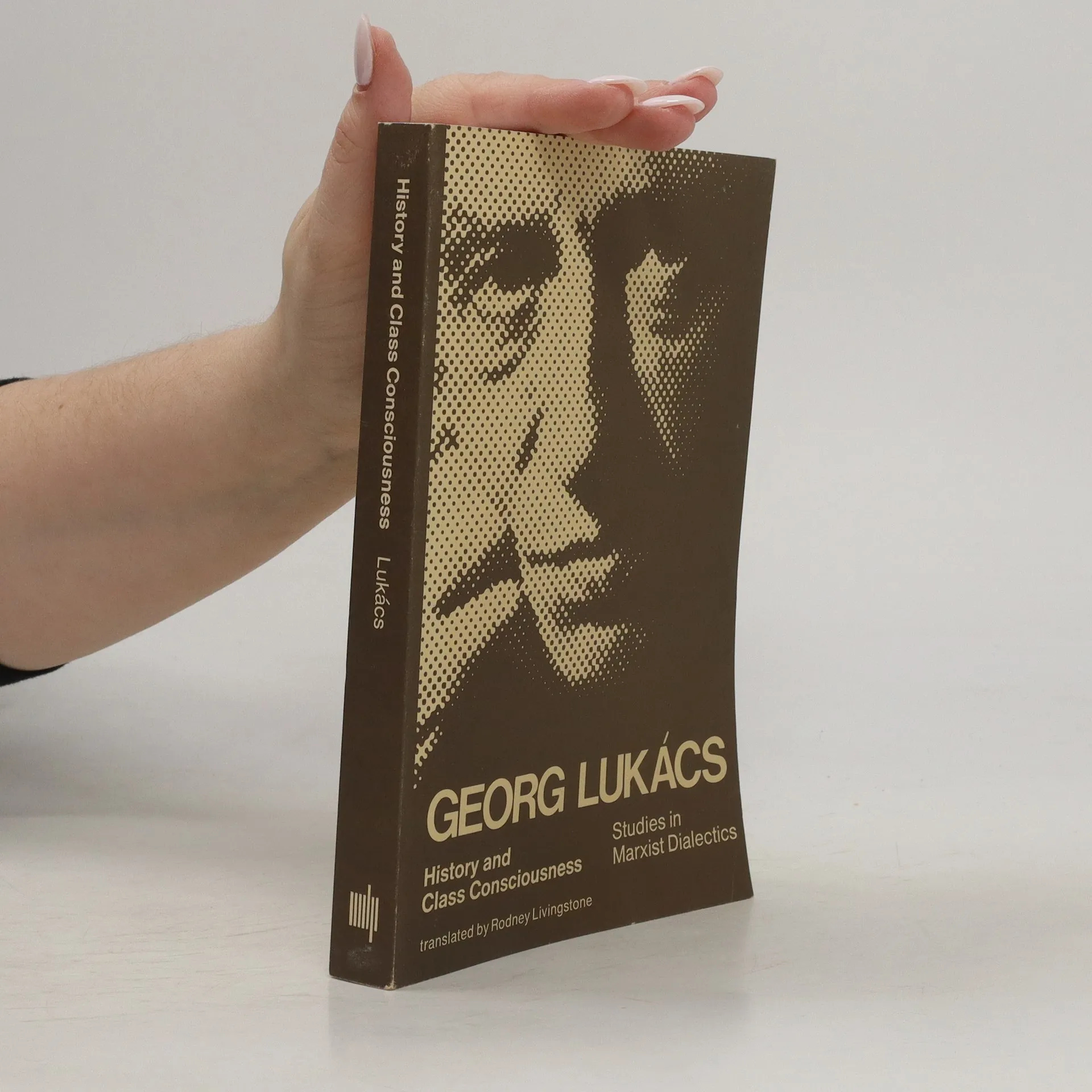
This important early theoretical writing by Lukács, first published in Germany in 1923, is now available in English for the first time. It comprises a series of essays addressing various topics, including the definition of orthodox Marxism, legality and illegality, Rosa Luxemburg's role as a Marxist, the evolution of Historic Marxism, class consciousness, and the awareness of the Proletariat. In 1968, Lukács reflected on the book's impact, emphasizing the significance of alienation as a central theme in revolutionary critiques of capitalism. He noted that this concept, rooted in Hegelian dialectic, was pivotal for understanding the historical and methodological contexts of his time. Following the book's publication, alienation was further explored in philosophical discussions, notably by Heidegger in "Being and Time," and later by Sartre and his followers. The interplay of Marxist and Existentialist thought, particularly in post-World War II France, highlighted the recognition of alienation as a critical issue across various ideological perspectives. Lukács asserted that "History and Class Consciousness" profoundly influenced the youthful intelligentsia, acknowledging its role in shaping contemporary thought on alienation, which resonated with both bourgeois and proletarian thinkers across the political spectrum.
Essays on Thomas Mann
- 172pages
- 7 heures de lecture
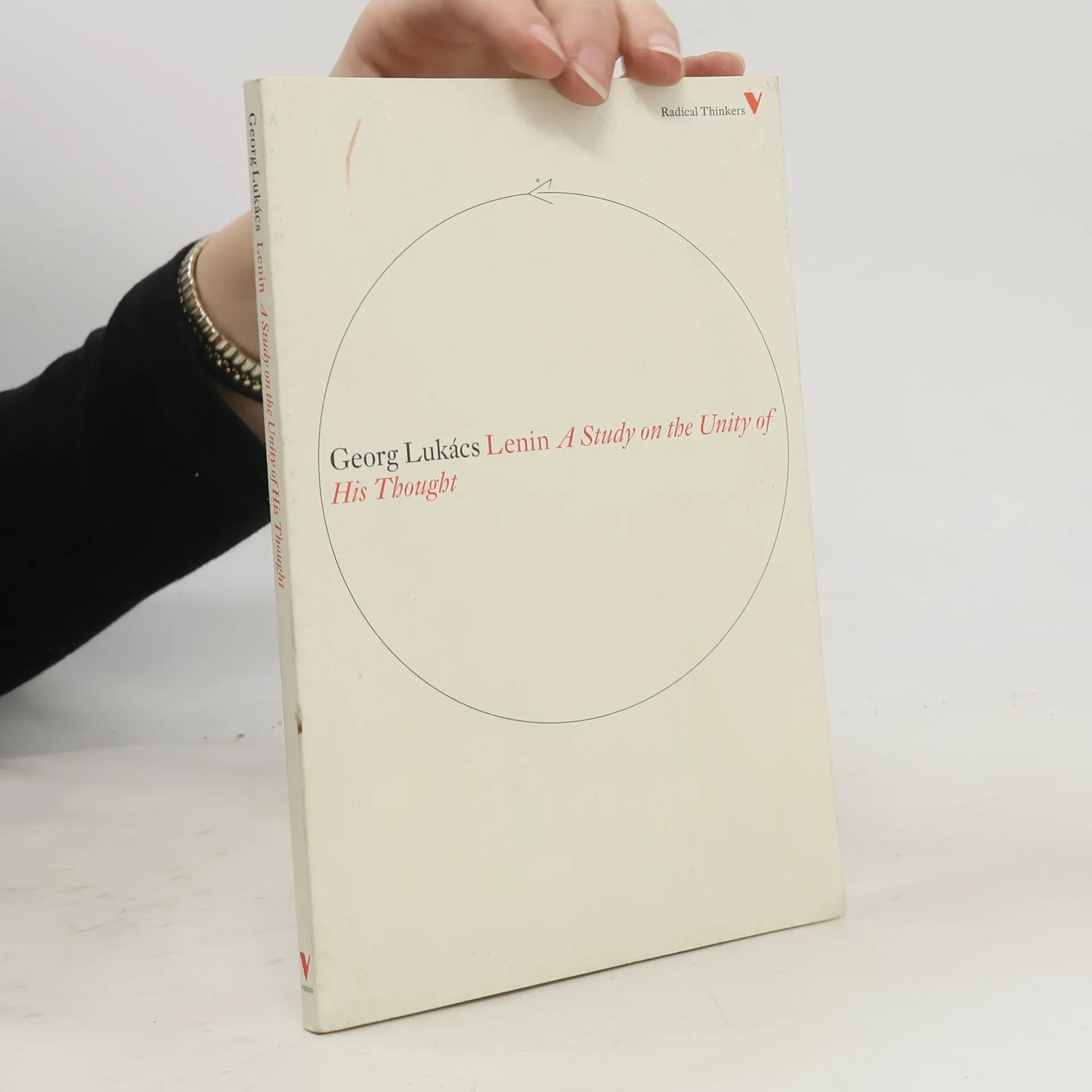
Out of the chaos following Lenin’s death and the mounting fury against Lukács and his freshly penned History and Class Consciousness (1923), this book bears an assessment of Lenin as “the only theoretical equal to Marx.” Lukács shows, with unprecedented clarity, how Lenin’s historical interventions — from his vanguard politics and repurposing of the state to his detection of a new, imperialist stage of capitalism — advanced the conjunction of theory and practice, class consciousness and class struggle. A postscript from 1967 reflects on how this picture of Lenin, which both shattered failed Marxism and preserved certain prejudices of its day, became even more inspirational after the oppressions of Stalin. Lukács’s study remains indispensable to an understanding of the contemporary significance of Lenin’s life and work.
Dějiny a třídní vědomí: Studie o marxistické dialektice
- 540pages
- 19 heures de lecture
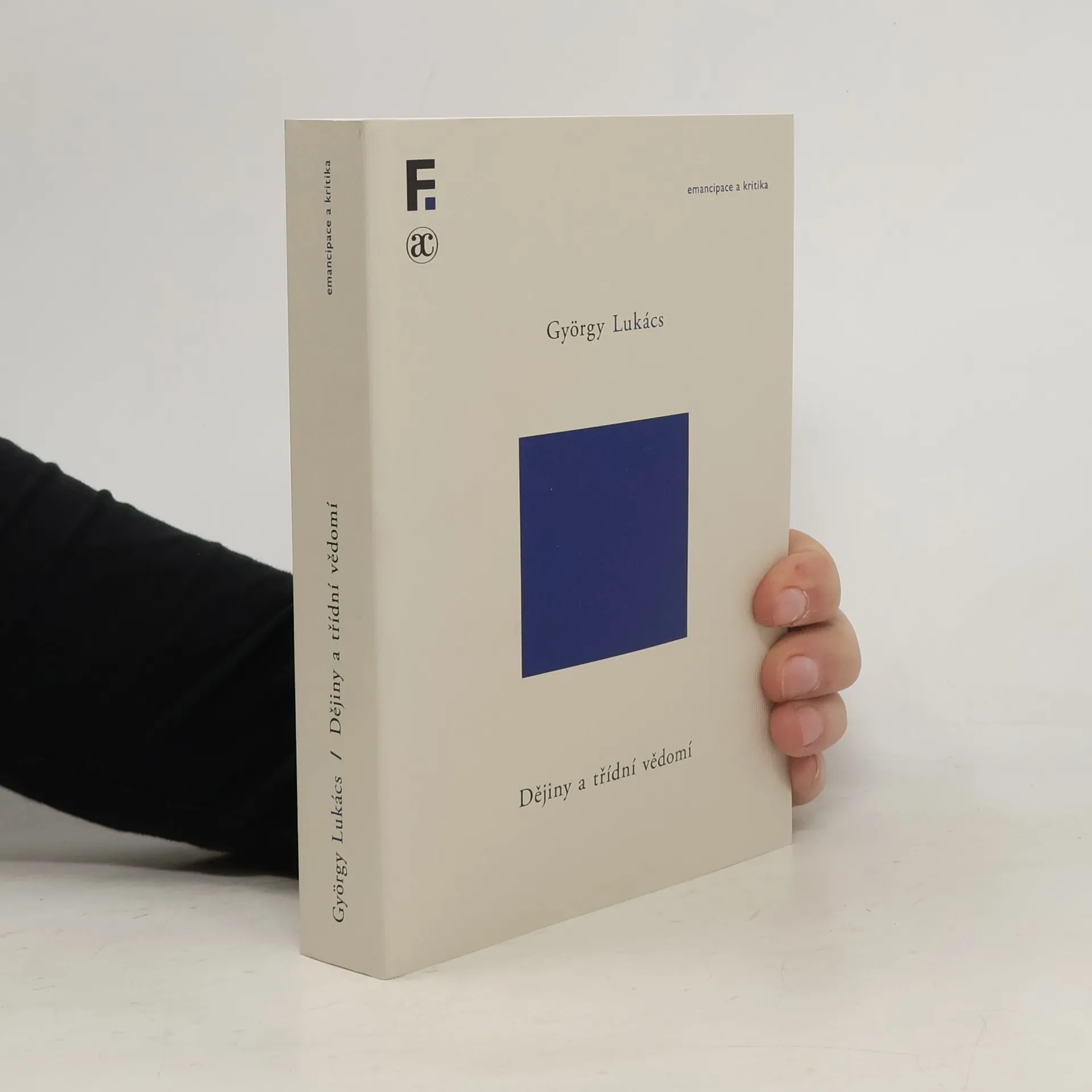
Kniha je souborem volně navazujících esejů maďarského marxistického filosofa Györgyho Lukácse, které sepsal v letech 1919 až 1921, když byl po pádu Maďarské republiky rad nucen žít v exilu. Jednotlivé eseje spojují dva motivy. Jednak snaha objasnit metodologické jádro marxismu jako teorii společnosti a dějin a jednak pokus o rozvržení teorie kolektivní akce, jejíž krajní podobou je revoluce. Český překlad Lukácsovy knihy pořídil koncem 60. let minulého století Lubomír Sochor, poprvé však vychází až nyní.
Werke
- 757pages
- 27 heures de lecture
György Lukács ist einer der größten Vertreter des humanistischen Denkens des 20. Jahrhunderts. Er übernimmt die strenge Auffassung von Totalität, die er von Hegel und Marx übernimmt, und stellt sich der Herausforderung, die Engels und Lenin den Marxisten stellen. Dieses lange Projekt, das durch ästhetische Vermittlung verläuft und in der Forderung nach der Ausarbeitung einer Ethik mündet, hat in der Ontologie des sozialen Seins seine endgültige Form. Die ontologische Position des Marxismus wird in den 1930er Jahren deutlich, als Lukács die reichen Möglichkeiten erkennt, die sich aus der Definition des allgemeinen Wesens des Seins ergeben, das nicht auf die phänomenale Klassenform beschränkt werden kann. In den 1960er Jahren arbeitet Lukács intensiv an den Manuskripten zu "Für eine Ontologie des sozialen Seins", einem Werk, das den Sprung von der intuitiven Ontologie zur philosophisch fundierten Ontologie in den grundlegendsten Kategorien, die das Leben des sozialen Seins regieren, sowie in den Strukturen des Alltagslebens der Menschen darstellen wird. Dies war das fehlende Stück, das uns nach der Veröffentlichung der Prolegomena von der unvollständigen, aber grundlegenden philosophischen Systematisierung Lukács' fehlte.
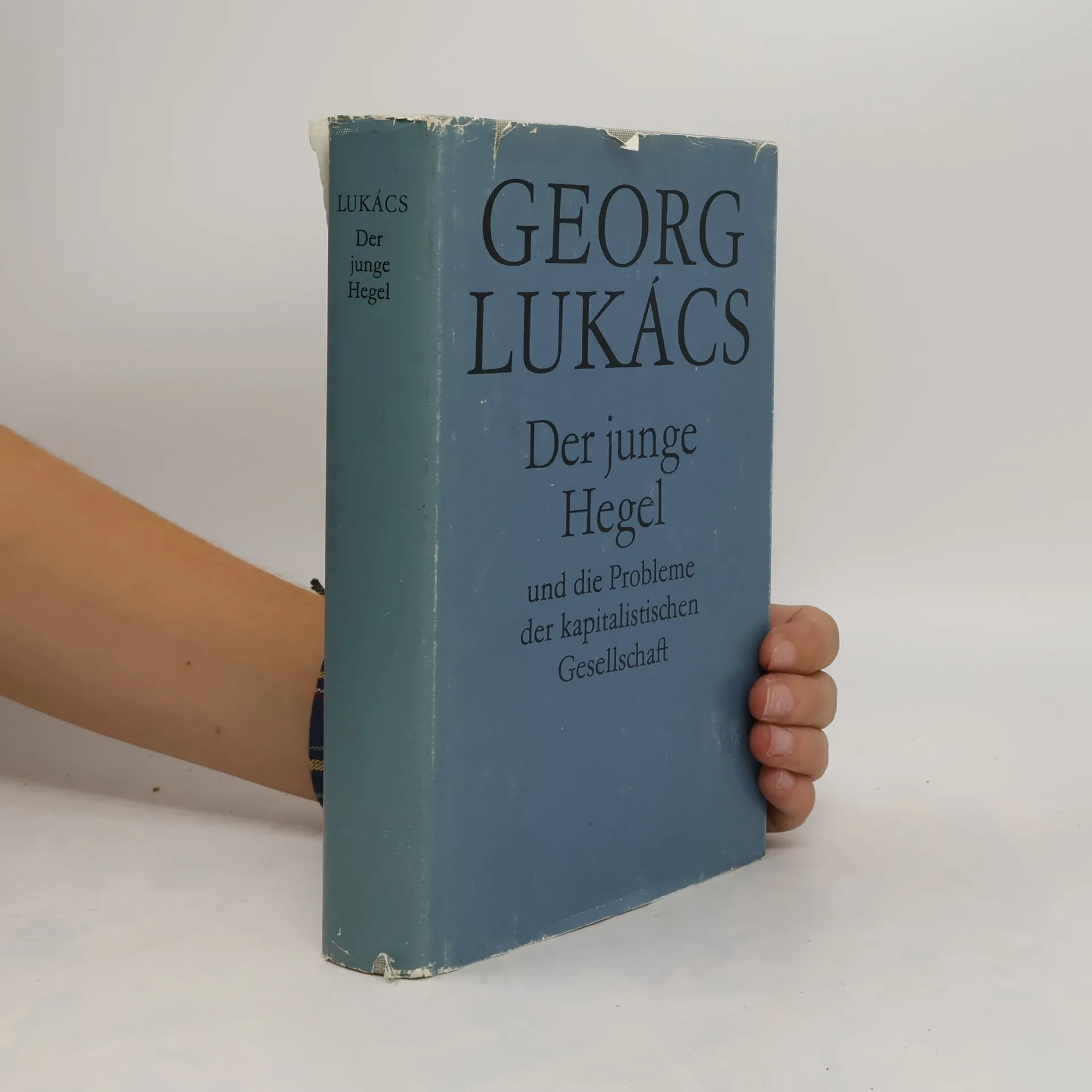
Lukacs' Studie analysiert Hegels Dialektik der menschlichen Gesellschaft von den Jugendschriften bis zur Phänomenologie des Geistes. Er kritisiert die bürgerliche Hegelforschung und deckt die idealistischen Elemente der Dialektik auf, die durch die Fehler und Schranken des Idealismus geprägt sind.
Reinhard Müller, geb. 1944, Studium der Germanistik, Geschichte und Soziologie, bis 1989 Leiter der Bibliothek und des Archivs der Thälmann-Gedenkstätte in Hamburg, Publikationen zur Geschichte der KPD und des Exils. Georg Lukács (1885–1971) war ein ungarischer Philosoph, Literaturwissenschaftler und -kritiker.
In bestimmten Lebensphasen scheinen latente Spannungen zu wachsen und die Zukunft vorzuzeichnen. Für Lukács war dies zwischen April 1910 und Dezember 1911, als er die deutsche Ausgabe seines bedeutendsten Werkes vorbereitete. Die Essays dieses Buches erzählen in verschlüsselter Form von seiner zarten und quälenden Liebe zu Irma Seidler und sind Teil eines langen Dialogs mit seinem Freund Leo Popper. Tragischerweise nimmt sich Irma das Leben und Leo stirbt an Tuberkulose. Vor diesen Ereignissen notiert Lukács in seinem Tagebuch: „Wenn ich in die Zukunft blicke, sehe ich eine große graue Wüste.“ In einem begleitenden Essay hat Massimo Cacciari die „Metaphysik der Jugend“ skizziert, die dem Text Ton und Intensität verleiht und ihn mit dem Klima von Weininger oder Michelstaedter verbindet. Cacciari nutzt diese Gelegenheit, das lebendige Budapest dieser Jahre neu zu entdecken und die Schriften des jungen Lukács nicht mehr als „impressionistisch“ zu lesen. Hier offenbart sich ein großer Essayist, der einen Großteil seines Lebens damit verbringen sollte, sich selbst zu bestrafen.
Georg Lukács
Texte zum Theater
Georg Lukács gehört zu den herausragenden Denkern des 20. Jahrhunderts. Seine Schriften sind ein Schlüssel zur Ideengeschichte der Moderne und bieten auch Ansätze für die Gegenwart. Ein Bezug auf das Theater durchzieht sein gesamtes Schaffen. Doch die Rezeption seiner Werke ist gekennzeichnet von Brüchen. So war Lukács’ differenzierte Ästhetik für marxistische Dogmatiker im Osten in ihrem Beharren auf einen maßgeschneiderten sozialistischen Realismus nicht immer wohlgelitten. Auch im Westen erfreute er sich nur für kurze Zeit einiger Popularität. Entsprechend sind viele Schriften einem breiten Publikum unbekannt. Dieser Reader mit Texten zum Theater, der zu Lukács’ 50. Todestag erscheint und einen vorurteilsfreien Blick ermöglichen soll, macht schwer erhältliche Beiträge wieder zugänglich und erstveröffentlicht auch Fundstücke aus den Archiven. Eine Einleitung von Dietmar Dath bezeugt die ungebrochene Relevanz des Denkens von Lukács.
Lenin: Studie o souvislosti jeho myšlenek
- 134pages
- 5 heures de lecture
György Lukács (1885–1971) byl významný maďarský filosof a estetik, jehož dílo významně přispělo k západnímu marxismu a ovlivnilo i východní marxismus, zejména marxistický humanismus. Věnoval se literární teorii, estetice, realismu, teorii filmu, kritice existencialismu a fenomenologie, marxistické metodologii a sociální ontologii. Kniha Lenin, napsaná po Leninově smrti v roce 1924, vznikla během Lukácsova exilu ve Vídni po porážce Maďarské republiky rad. Byla přeložena do téměř dvaceti jazyků, včetně češtiny. V roce 1970 měla vyjít v překladu Lubomíra Sochora v Československu, avšak cenzurní zásah vydání znemožnil. Kniha tak vychází v češtině téměř sto let po svém původním vydání. Lukács v ní pokračuje ve snaze teoreticky formulovat principy marxistické metody. V předmluvě k německému vydání z roku 1967 uvádí, že obnovený zájem o jeho knihu v šedesátých letech byl podmíněn marxistickou kritikou Stalinova období a zájmem o opoziční tendence dvacátých let. Dnes je kniha důležitým historickým pramenem, který osvětluje Lukácsovo myšlení a vztah mezi politickou teorií a akcí na příkladu Lenina.
Autor skúma vzájomné pôsobenie dejín ducha a veľkej literatúry, ktorá zobrazuje totalitu dejín. V tejto štúdii sa zameriava na rozpracovanie hlavných línií historickej dialektiky. Analyzuje a skúma prúdy, odbočenia a križovatky typické len pre tento dejinný vývin. Je to vlastne akási úvaha ospisovateľoch, dielach a smeroch, ktoté sú z tohto hľadiska reprezentatívne.
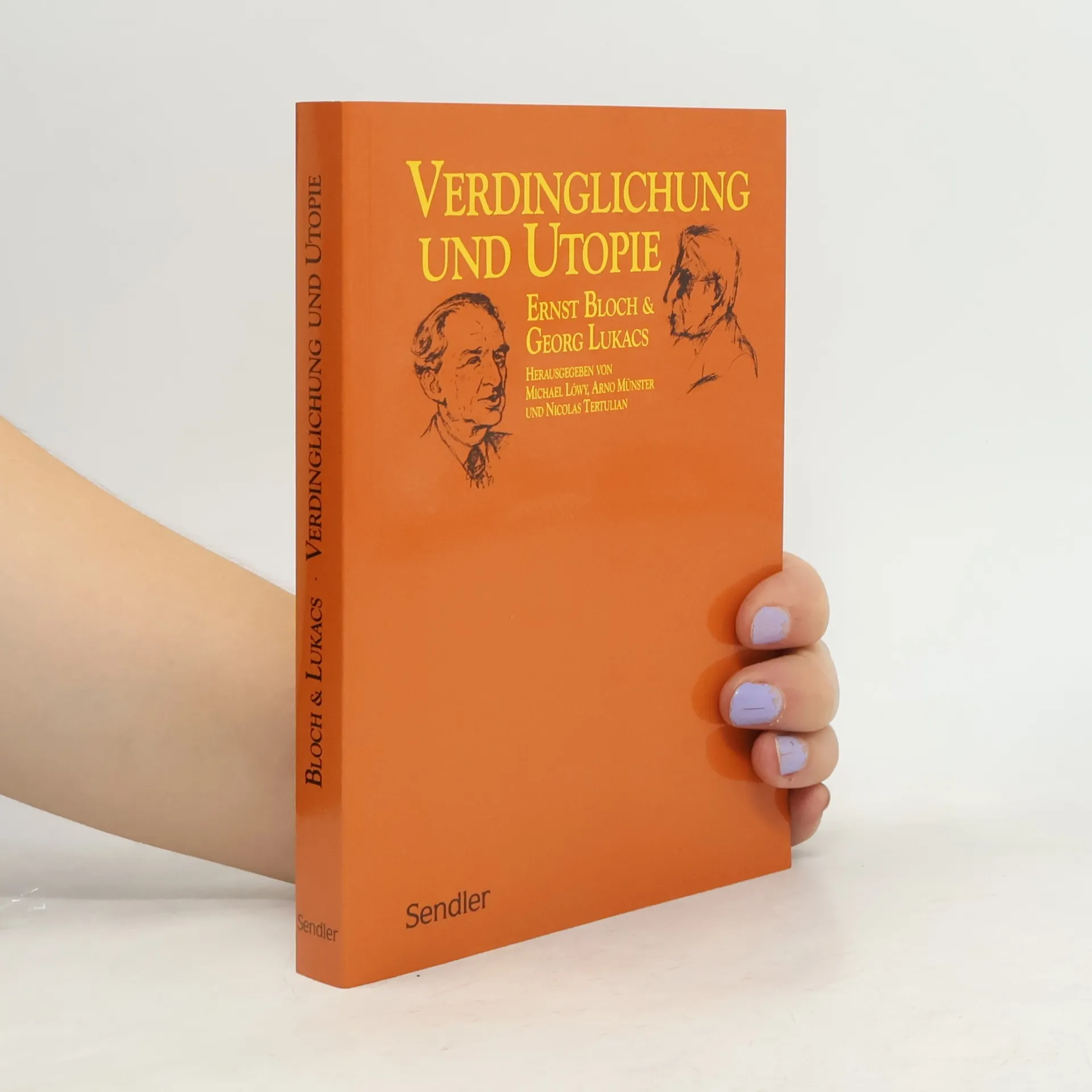
Georg Lukács war einer der großen Intellektuellen des 20. Jahrhunderts und gilt weithin als der bedeutendste Philosoph in der Geschichte des Marxismus. Der vorliegende Band erschließt anhand einer Auswahl seiner Schriften, darunter auch viele weniger bekannte Texte, seine theoretischen Stationen: Von den frühen ästhetischen Versuchen über die für den westlichen Marxismus bedeutsame Praxisphilosophie der mittleren Periode bis hin zur noch zu entdeckenden Ontologie des Spätwerks. Auf diesem Weg entsteht das Bild eines engagierten Denkers, dessen Radikalität, systematische Fassungskraft und Mut zur Selbstkorrektur noch heute beeindrucken.
Taktik und Ethik
- 293pages
- 11 heures de lecture
Taktik und Ethik versammelt die Artikel von Georg Lukács aus der politisch aktivsten Zeit seines Lebens, einer Periode, die seine Tätigkeit als stellvertretender Volkskommissar für Bildung in der Ungarischen Sowjetrepublik umfasst. Darunter befindet sich sein berühmter Aufsatz über den Parlamentarismus, der Lukács die respektvolle, aber strenge Kritik von Lenin einbrachte. Dieses Buch ist eine Schatztruhe wertvoller Einsichten eines der großen politischen Philosophen der Geschichte.
„Es ist richtig, nach der Wahrheit strebt der Essay: doch wie Saul, der da ausging, die Eselinnen seines Vaters zu suchen und ein Königreich fand, so wird der Essayist, der die Wahrheit wirklich zu suchen imstande ist, am Ende seines Weges das nichtgesuchte Ziel erreichen, das Leben.“ Georg Lukács Der Band enthält im Anhang den Lukács-Essay „Von der Armut am Geiste“, der zuerst 1914 erschienen ist und hier erstmals wieder nachgedruckt wird.
Revolutionäres Denken: Georg Lukács
- 327pages
- 12 heures de lecture
Les Souffrances du jeune Werther
- 240pages
- 9 heures de lecture
«Un serin vole du miroir, et se perche sur son épaule. "Un nouvel ami", dit-elle, et elle l'attira sur sa main. "Il est destiné à mes petits. Il est si joli ! regardez-le. Quand je lui donne du pain, il bat des ailes, et becquete si gentiment ! Il me baise aussi : voyez." Lorsqu'elle présenta sa bouche au petit animal, il becqueta dans ses douces lèvres... "Il faut aussi qu'il vous baise", dit-elle, et elle me tendit l'oiseau. Son petit bec passa des lèvres de Charlotte aux miennes, et ses picotements furent comme un souffle précurseur, un avant-goût de jouissance amoureuse... "Il mange aussi dans ma bouche", dit-elle. Je détournai le visage.»
Royal Highness
- 250pages
- 9 heures de lecture
This classical work is significant in the realms of Germanic, Scandinavian, and Icelandic literatures. Recognizing its historical importance, Alpha Editions has republished it in a modern format, ensuring clarity and readability through reformatting and redesign. The effort aims to preserve the book for current and future generations, making it accessible without relying on scanned copies of the original text.
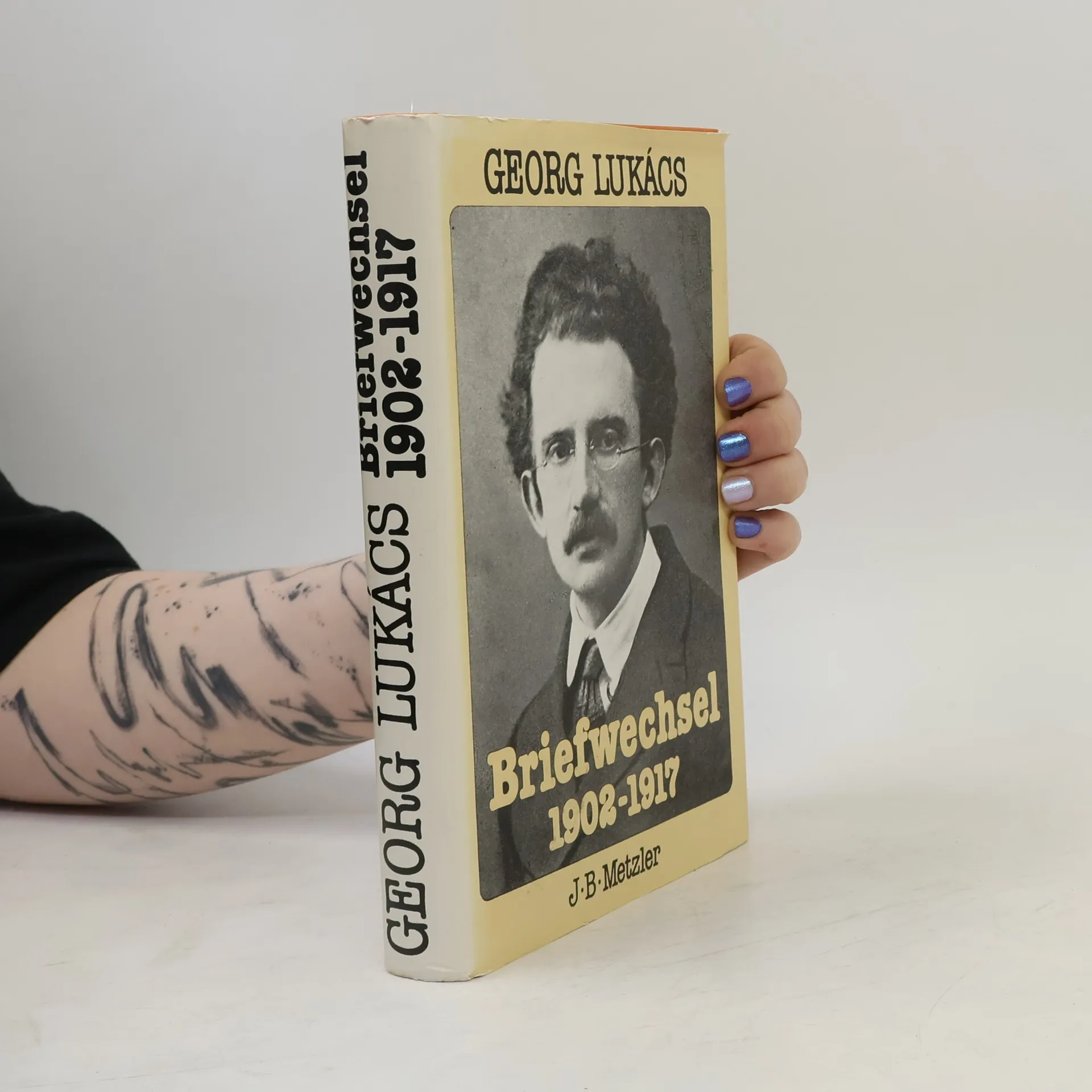
Briefwechsel
- 432pages
- 16 heures de lecture
German, Hungarian (translation)
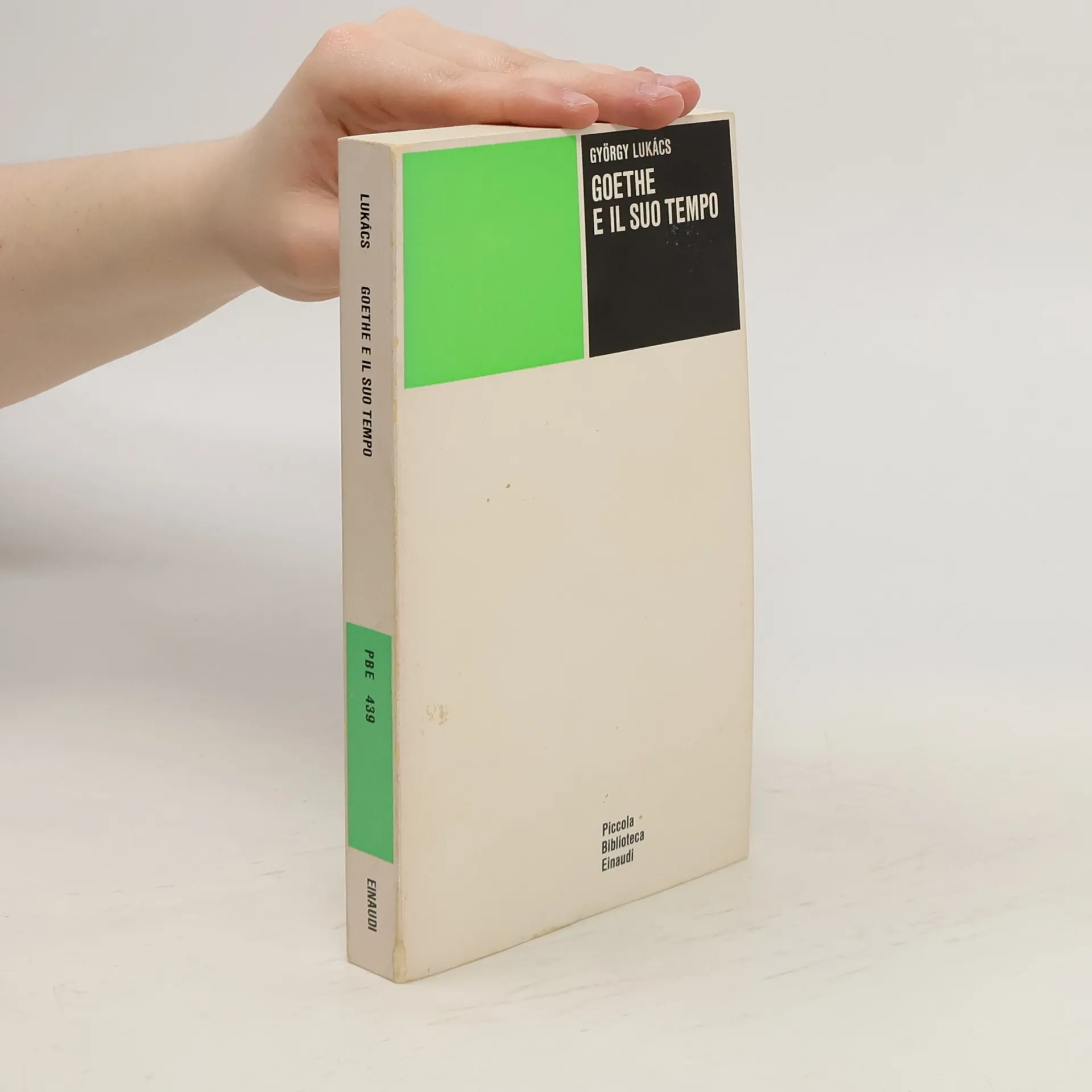
Goethe e il suo tempo
- 277pages
- 10 heures de lecture
Faust und Faustus
Vom Drama der Menschengattung zur Tragödie der modernen Kunst
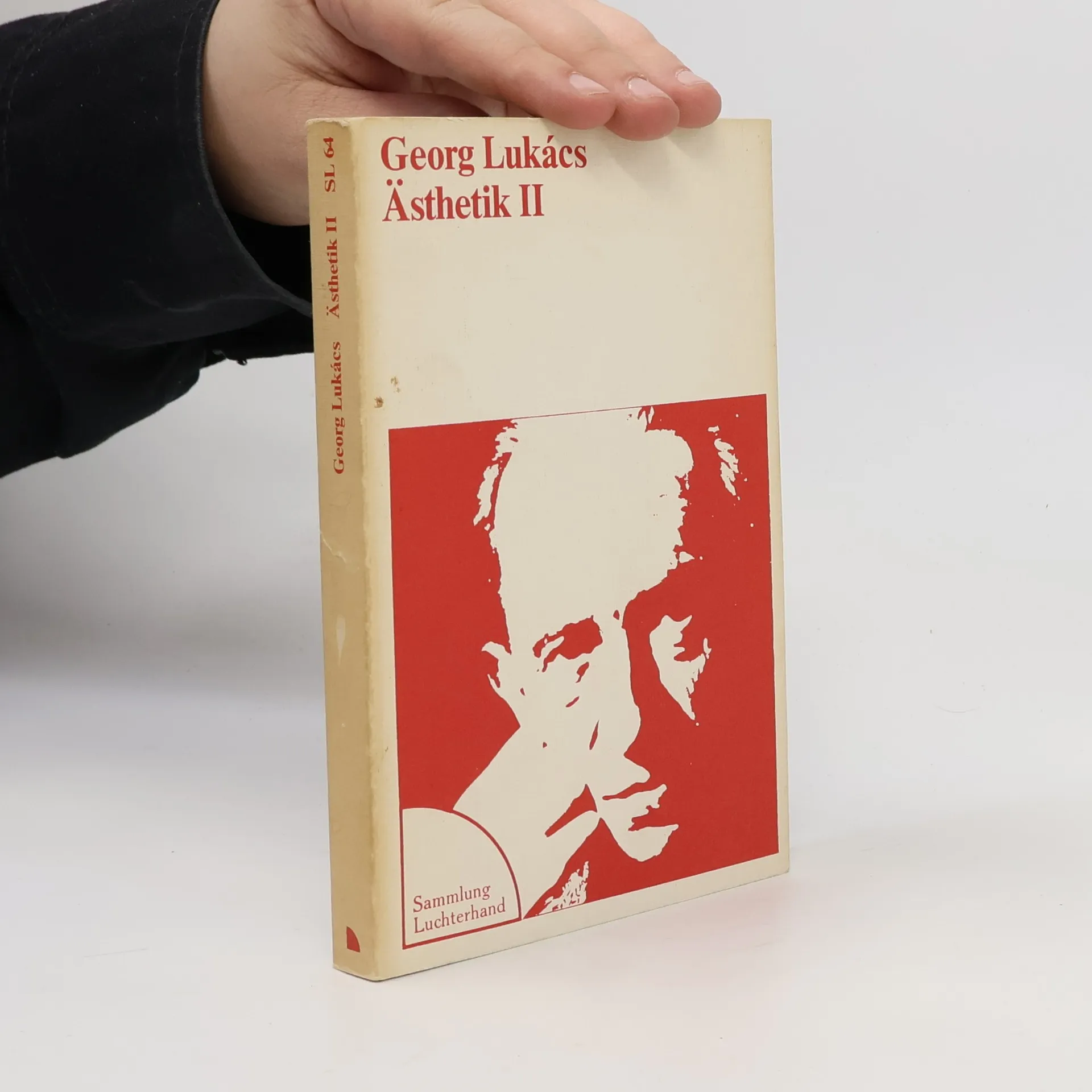
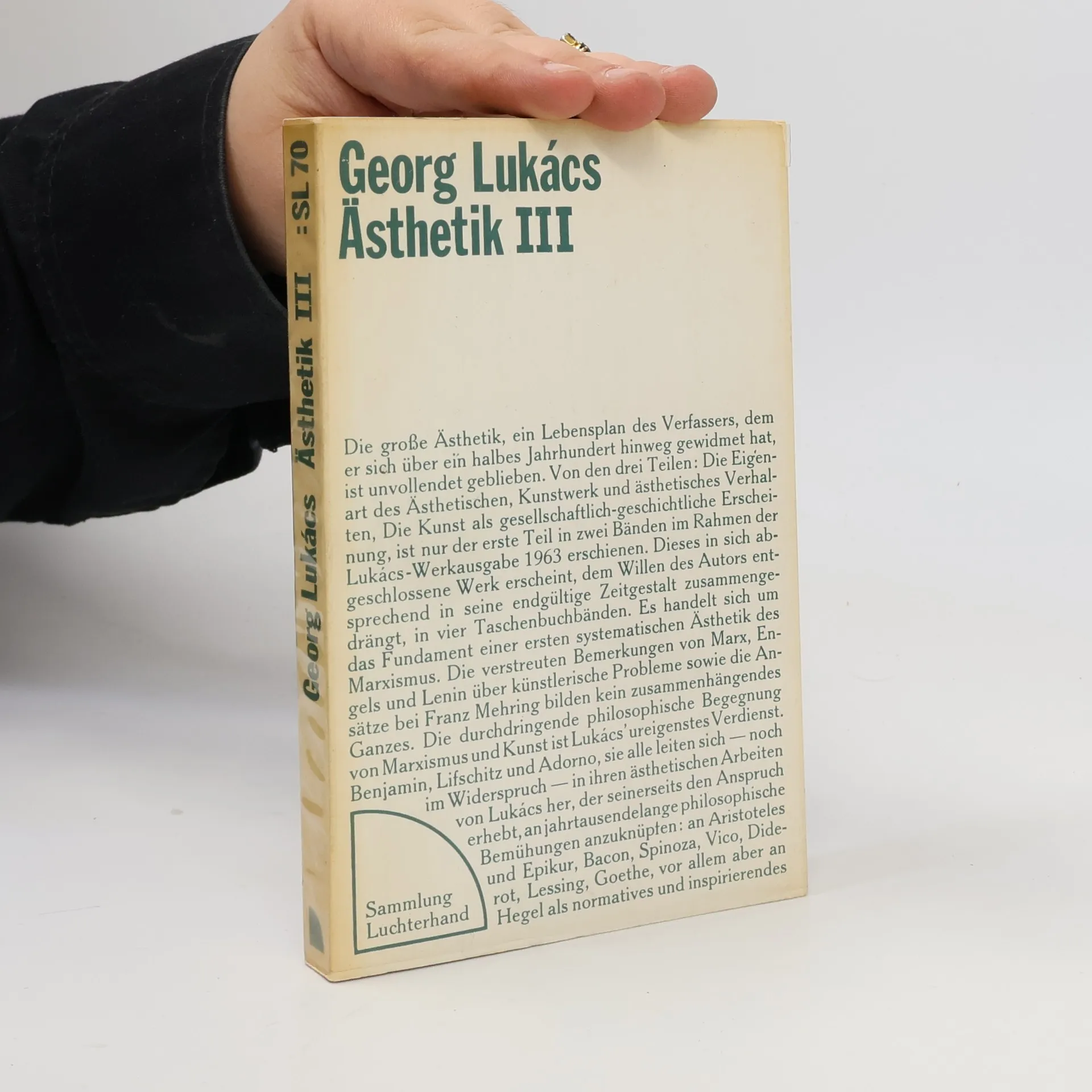
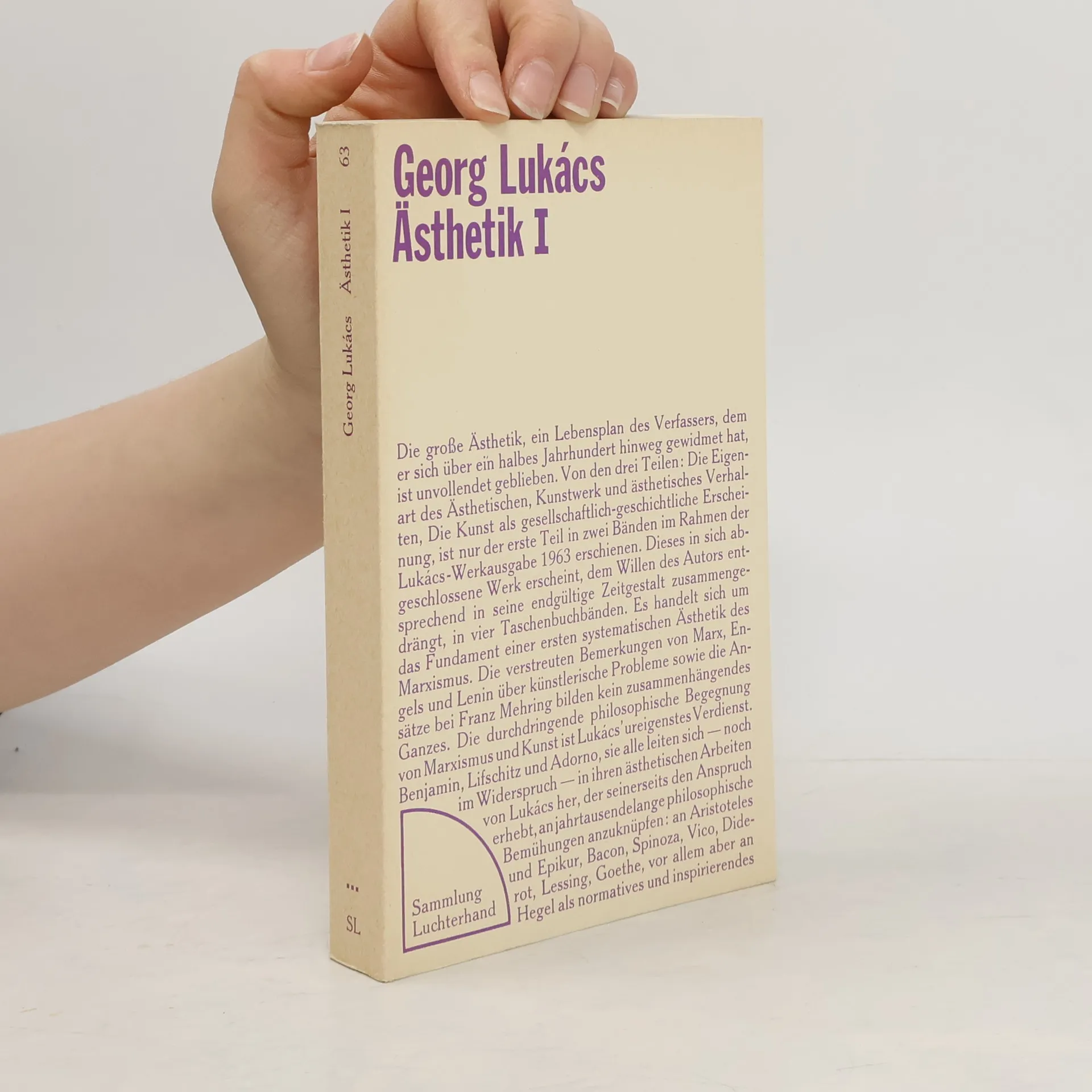
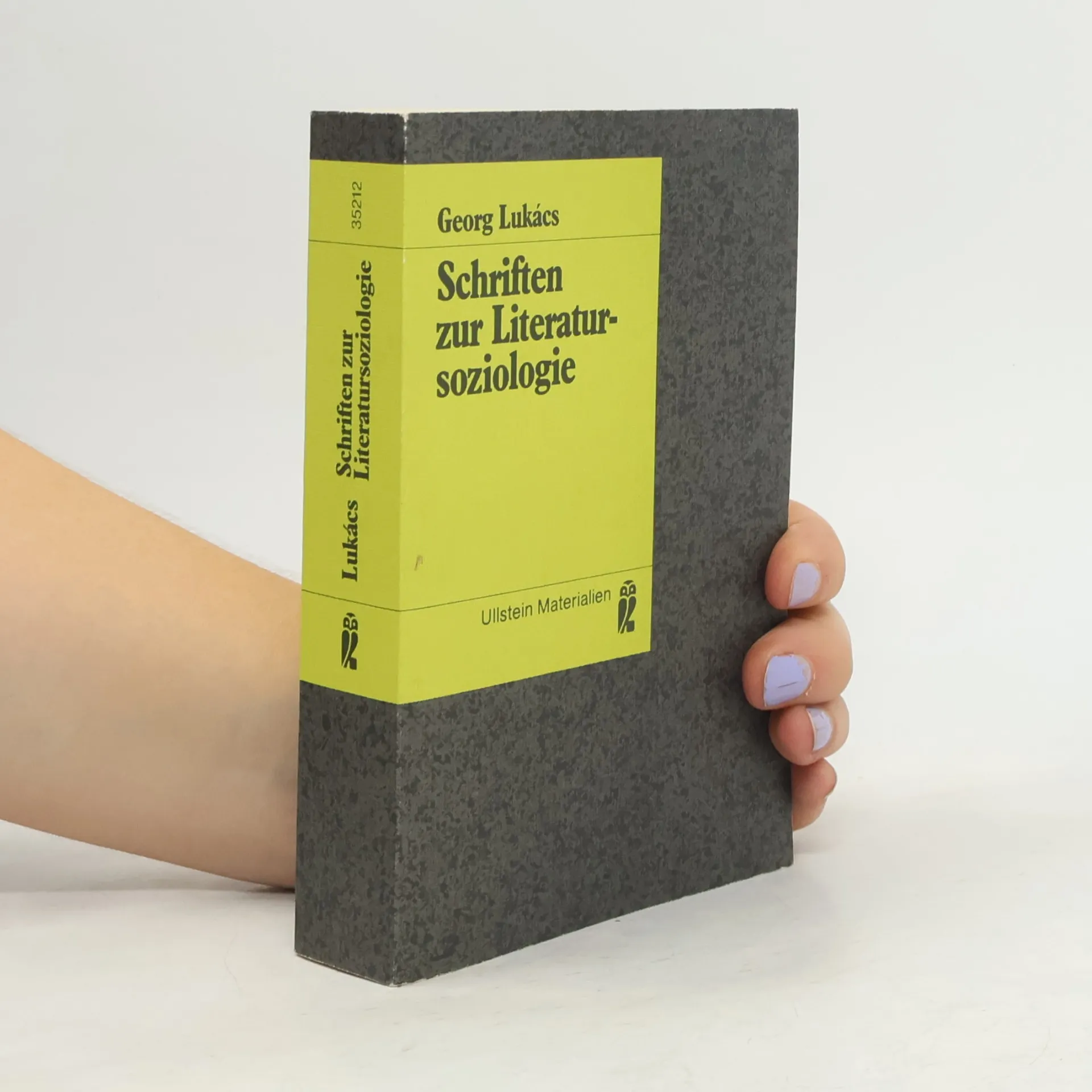
Schriften zur Literatursoziologie
- 568pages
- 20 heures de lecture
Zur Ontologie des gesellschaftlichen Seins
Hegels falsche und echte Ontologie
Über die Vernunft in der Kultur
Ausgewählte Schriften 1909-1969
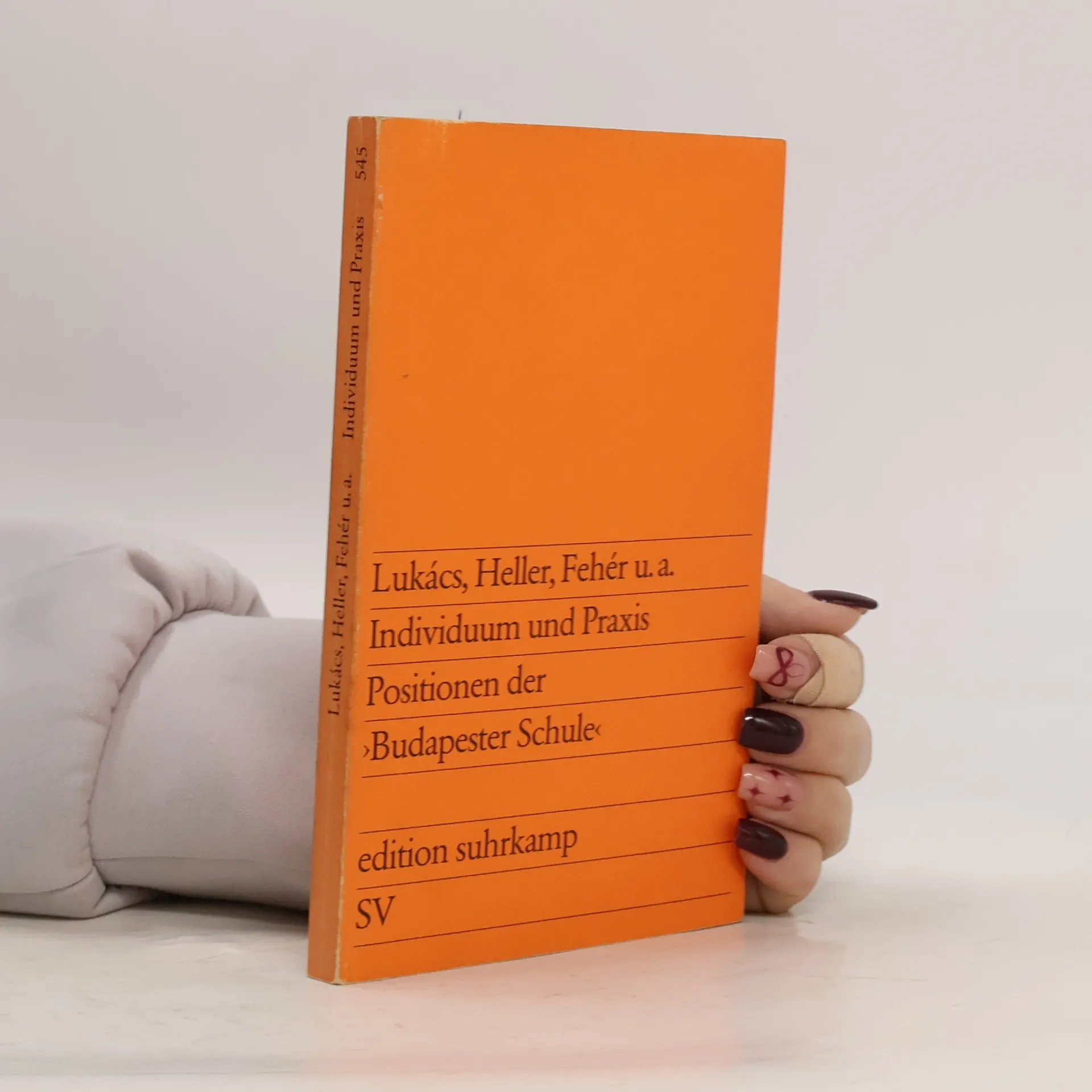
Individuum und Praxis
- 189pages
- 7 heures de lecture
Versuche zu einer Ethik
- 245pages
- 9 heures de lecture
Die Grablegung des alten Deutschland
- 172pages
- 7 heures de lecture
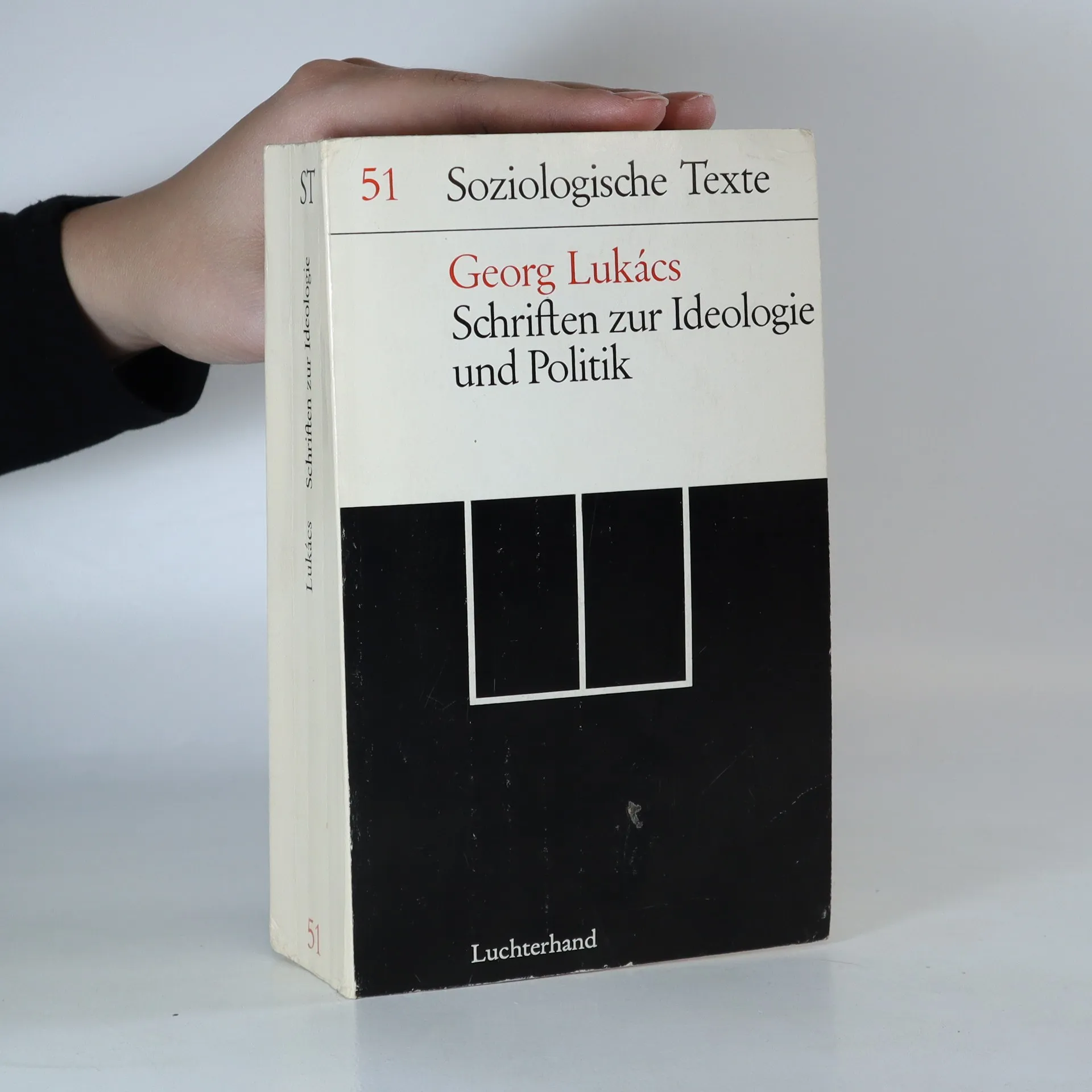
■ Einleitung: Die Grablegung des alten Deutschland ■ Gottfried Keller ■ Wilhelm Raabe ■ Der alte Fontane ■ Enzyklopädisches Stichwort: Bemerkungen zu Literatur und Politik ■ Quellennachweis ■ Personen- und Sachregister ■ Verzeichnis der erwähnten Werke
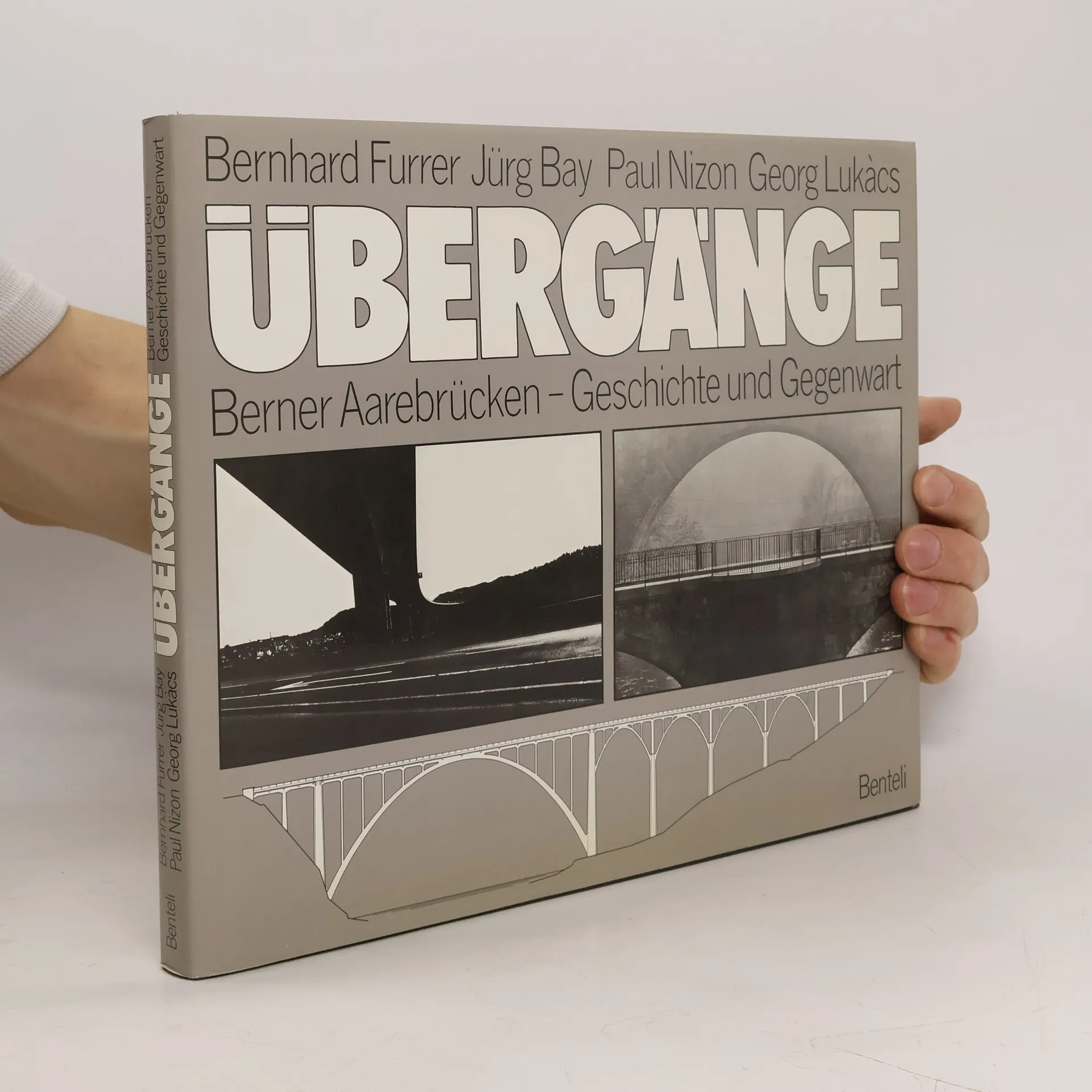
Übergänge
- 170pages
- 6 heures de lecture
Gelebtes Denken
- 230pages
- 9 heures de lecture
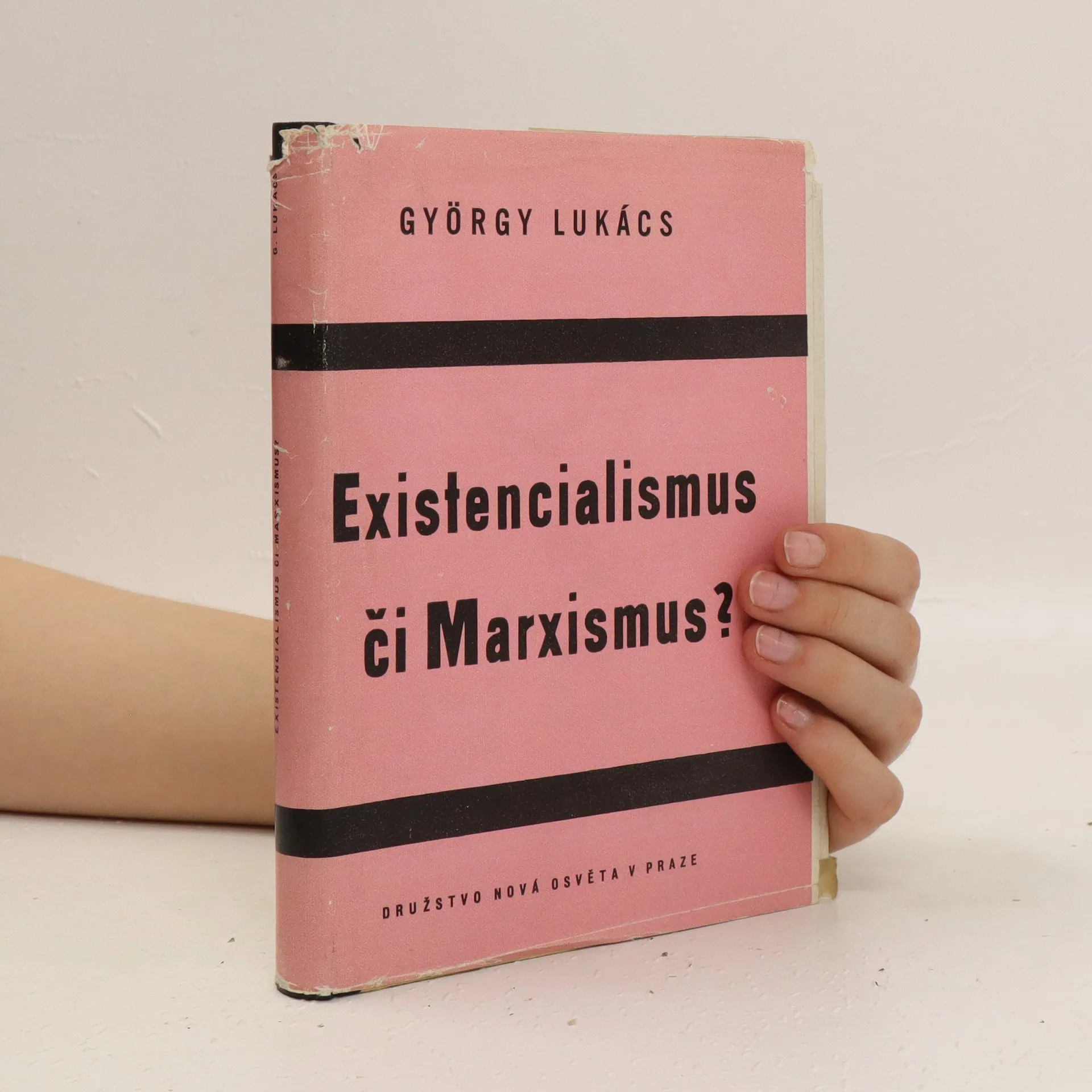
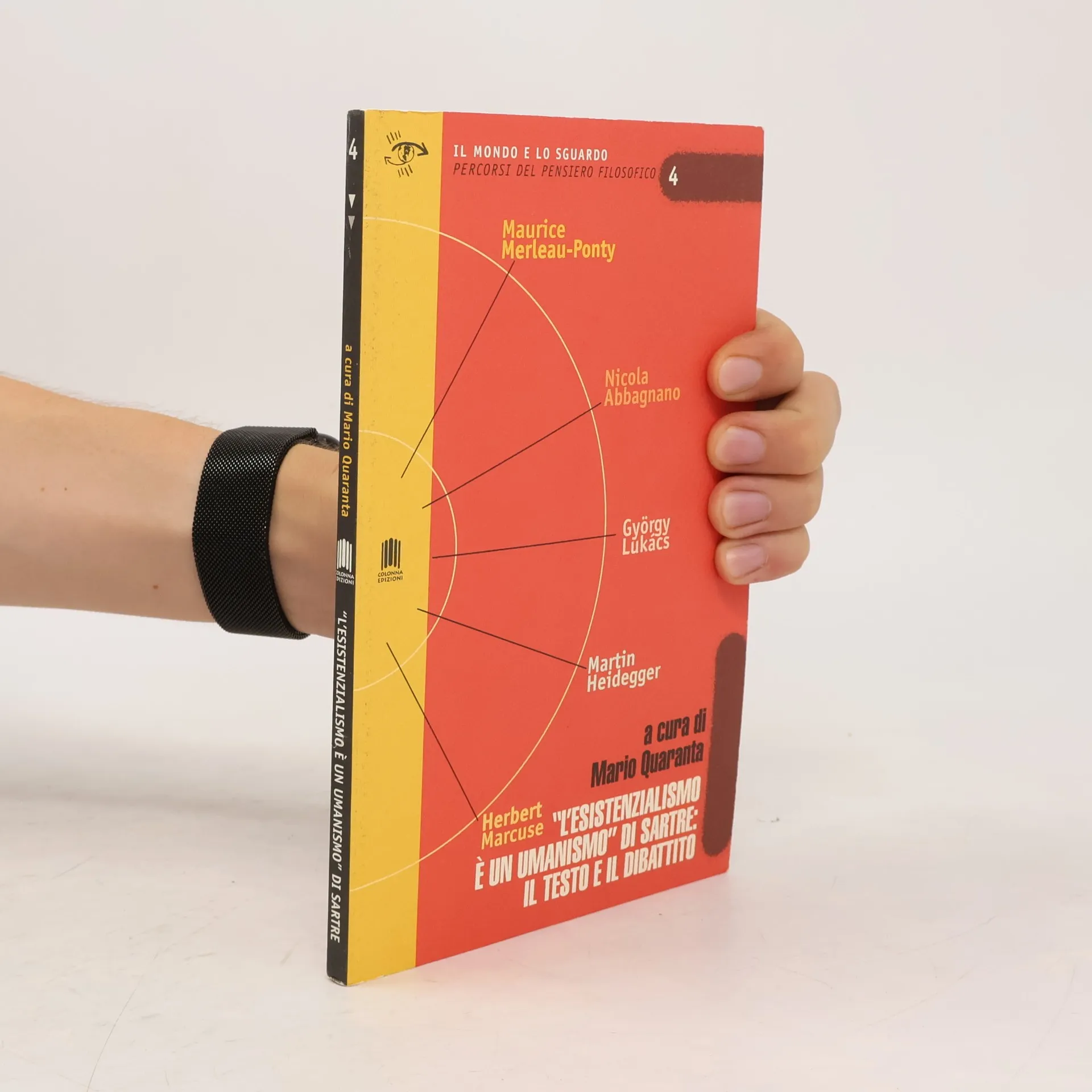
Práce významného marxistického estetika G. Lukácse, jež vznikla z debat na ženevském mezinárodním kongresu v r. 1946 a z diskusí se západoevropskými filosofy existencialismu, je pronikavou kritikou existencialismu z hlediska marxistické filosofie a estetiky. L. poukazuje na krisi měšťácké filosofie, na její cestu od fenomenologie k existencialismu a závěrem staví proti tomuto úpadkovému módnímu filosofickému směru imperialistického světa leninskou teorii poznání a uvádí problémy moderní filosofie, jak je řeší dialektický materialismus.
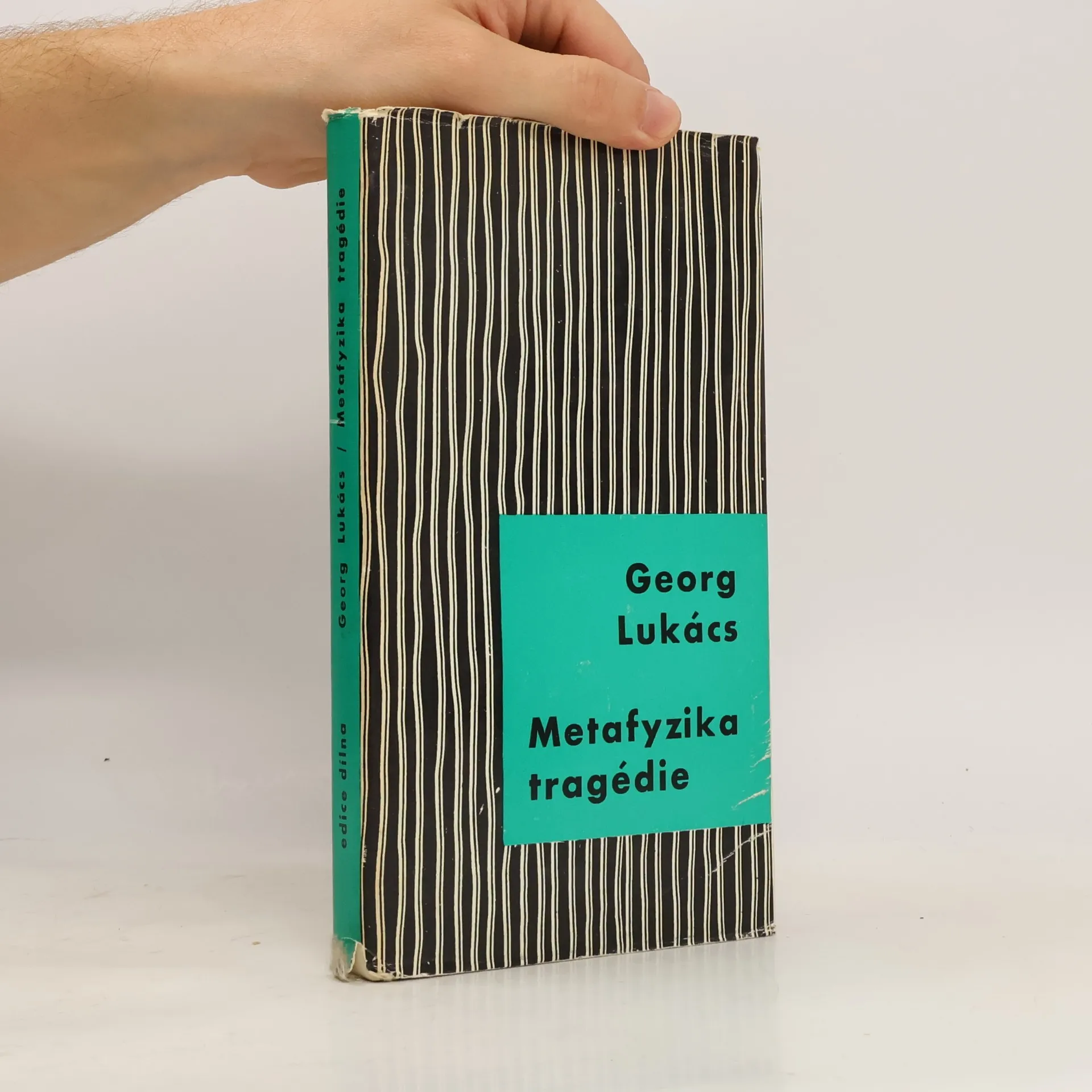
Výbor z raného období tvorby předního maďarského filosofa a estetika. Hlavní částí tohoto výboru je autorova proslulá "Teorie románu", jedna ze základních prací svého oboru. Doplňují ji esej "Metafyzika tragédie" a část studie "K sociologii moderního dramatu", práce zaměřené na problematiku dramatu, dále pak esej "Myšlenky k estetice filmu", ukazující, jak se Lukács jako jeden z prvních estetiků pokoušel vyrovnat s nově vzniklým uměním.
Dosud nejobsáhlejší český výbor z díla předního maďarského filozofa a teoretika umění přináší ukázky Lukácsovy tvorby z oboru estetiky a teorie literatury z let 1931 až 1971. Ukázky jsou rozčleněny do osmi tématických oddílů, jimž předchází úvodní studie hodnotící autorovu osobnost a smysl jeho díla. Výbor uzavírá stručná výběrová bibliografie Lukácsových děl a literatury o Lukácsovi.
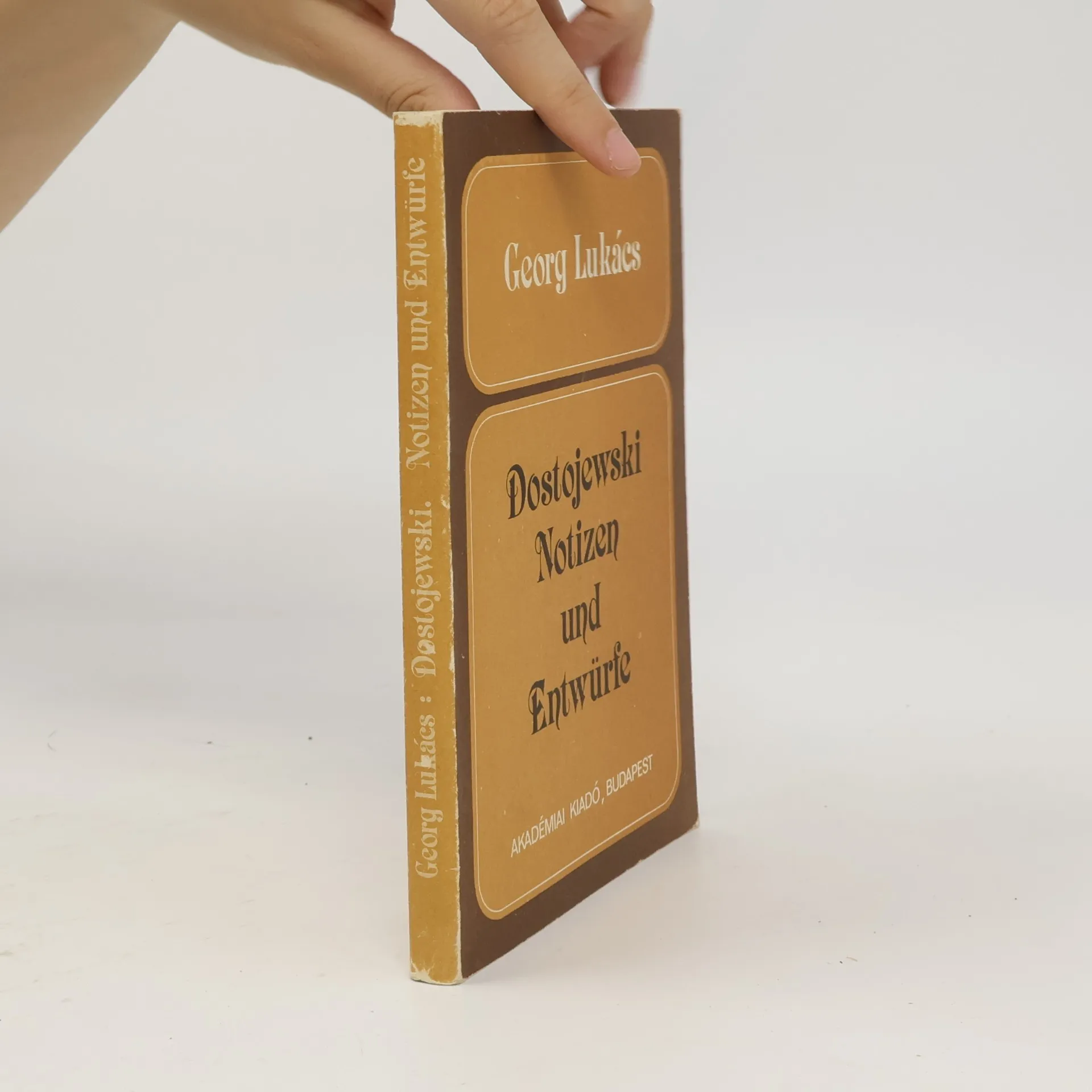
Dostojewski, Notizen und Entwürfe
- 194pages
- 7 heures de lecture
German
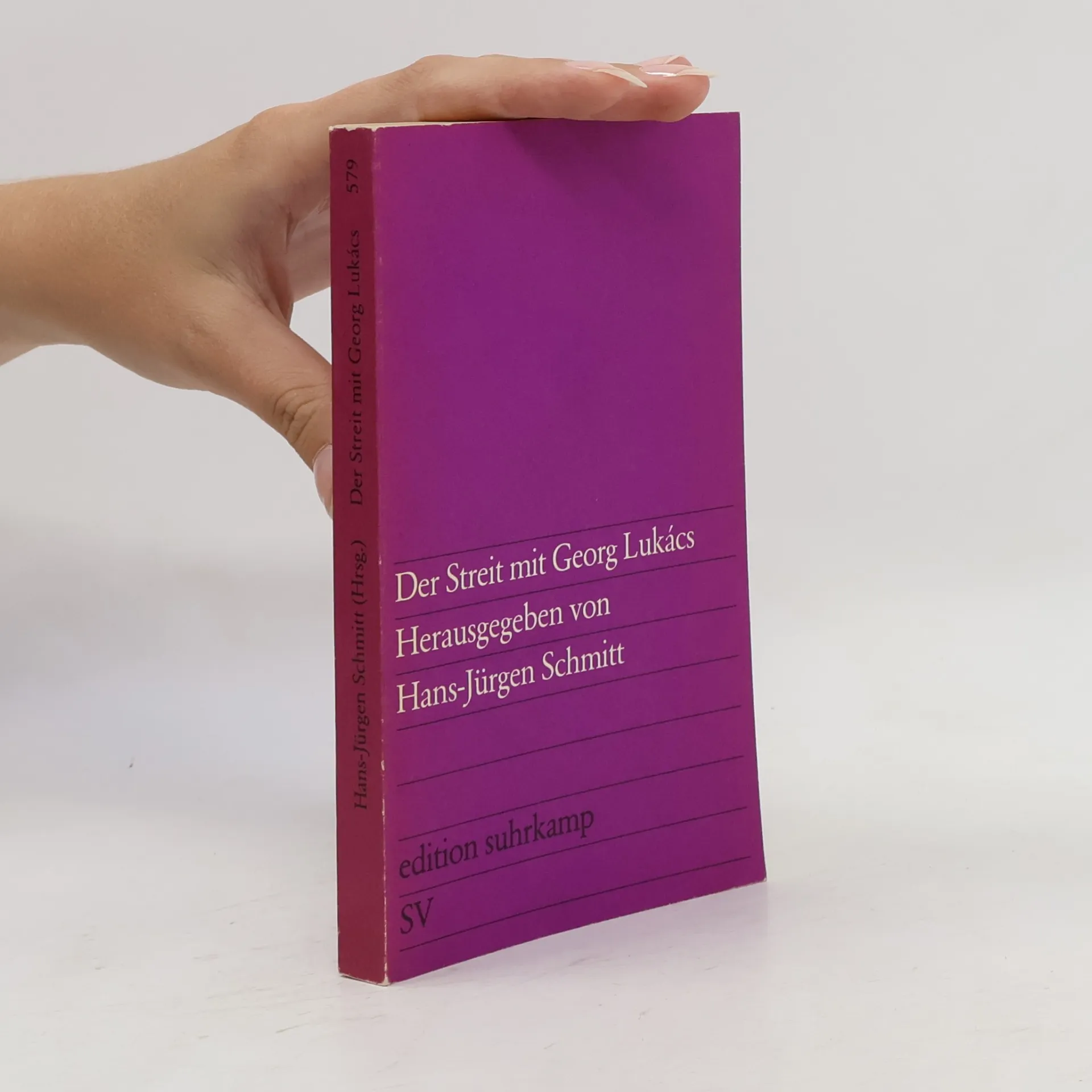
Edition Suhrkamp - 579: Der Streit mit Georg Lukács
- 235pages
- 9 heures de lecture
German
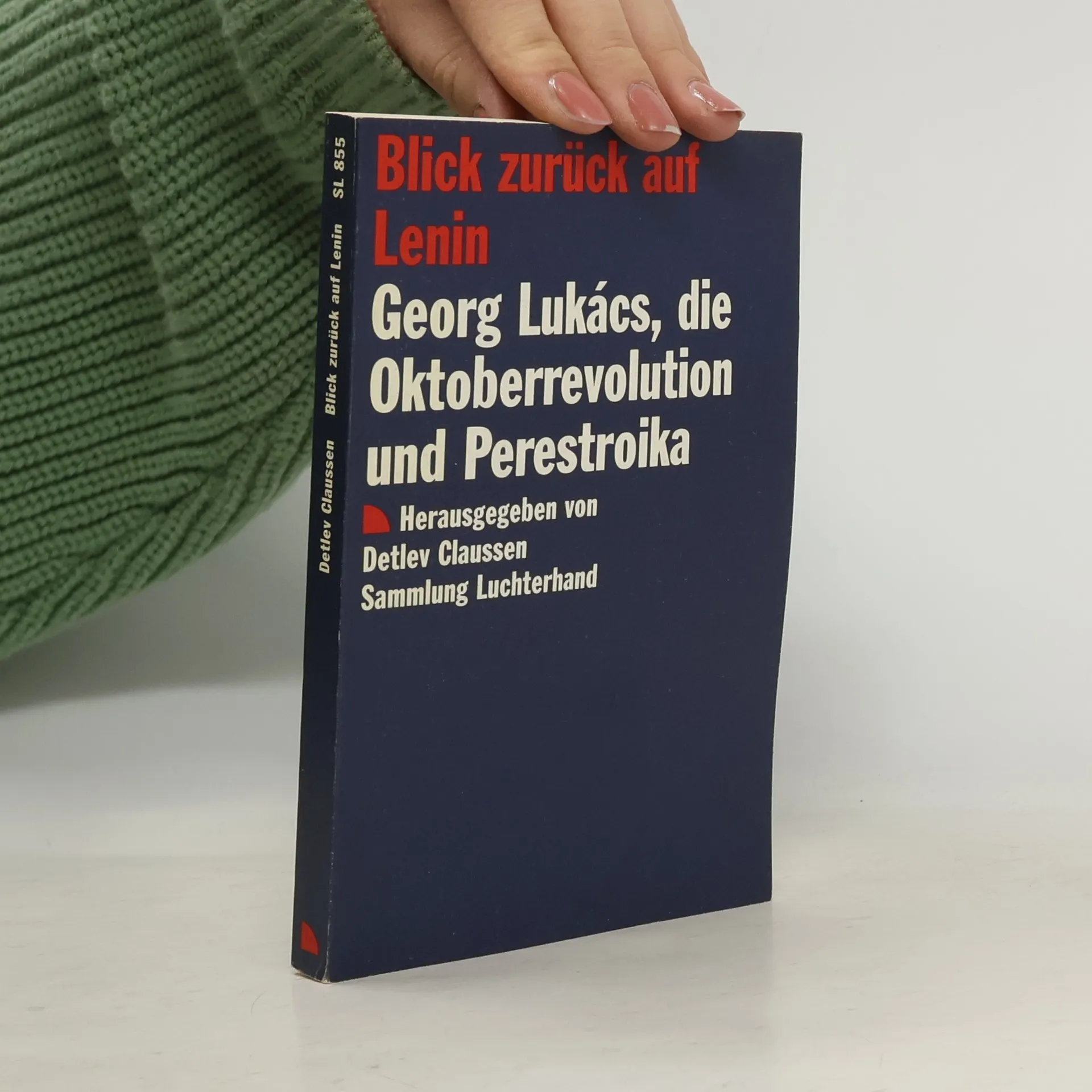
Sammlung Luchterhand: Blick zurück auf Lenin
Georg Lukács, die Oktoberrevolution und Perestroika
- 221pages
- 8 heures de lecture
Collection of essays
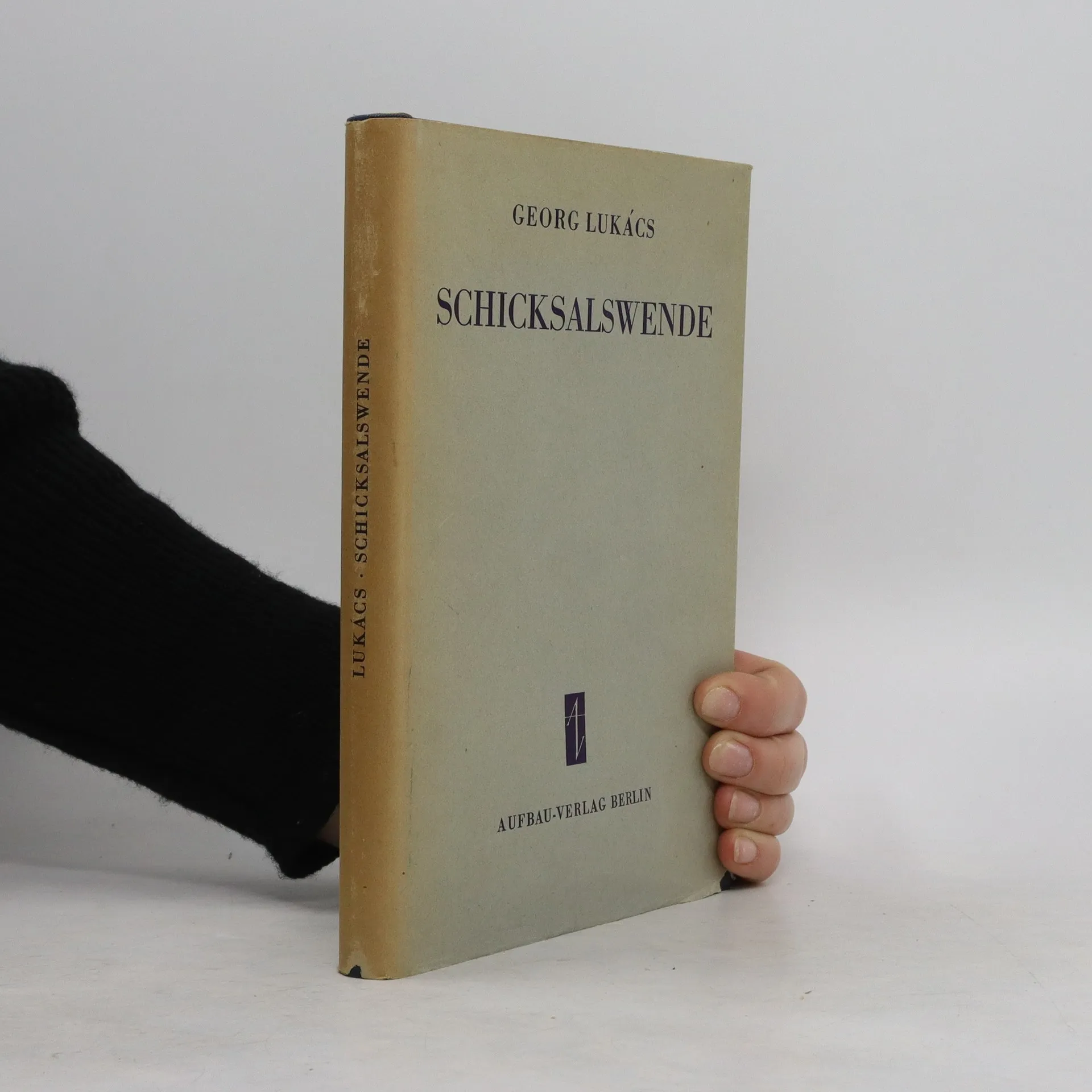
Schiscksalswende
Beiträge zu einer neuen deutschen Ideologie