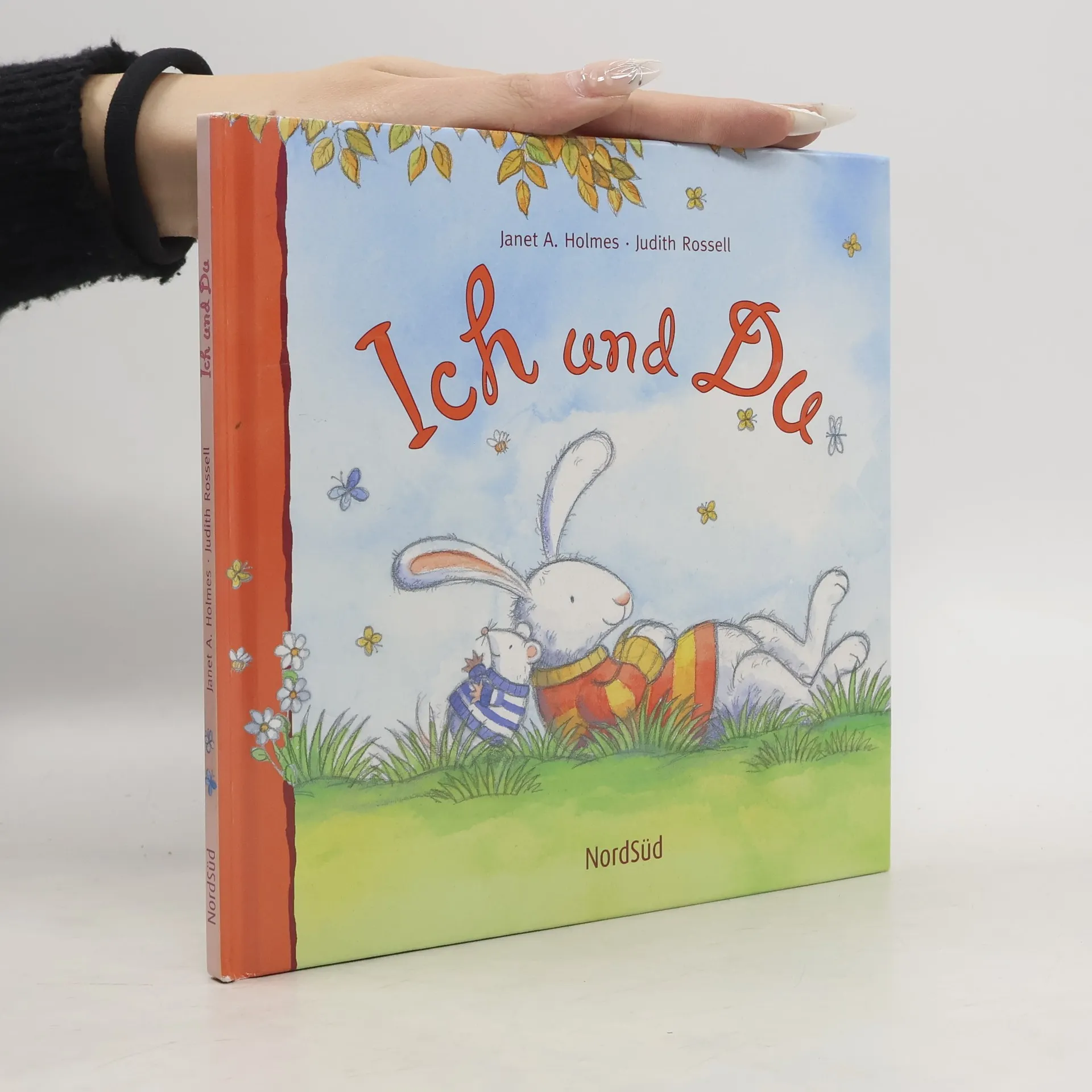
Ich und Du
- 32pages
- 2 heures de lecture
Ich und Du


Janet Holmes écrit avec une intelligence perçante et une espièglerie inattendue sur les complexités de la vie moderne. Son travail plonge dans la collision entre nos paysages intérieurs et les réalités extérieures, explorant souvent des thèmes d'identité, de relations et les manières dont le monde qui nous entoure nous impacte. À travers un style unique, à la fois lyrique et expérimental, Holmes crée des œuvres à la fois stimulantes et accessibles. Sa poésie invite les lecteurs à contempler le banal, révélant sa beauté et ses complexités cachées.


Ich und Du
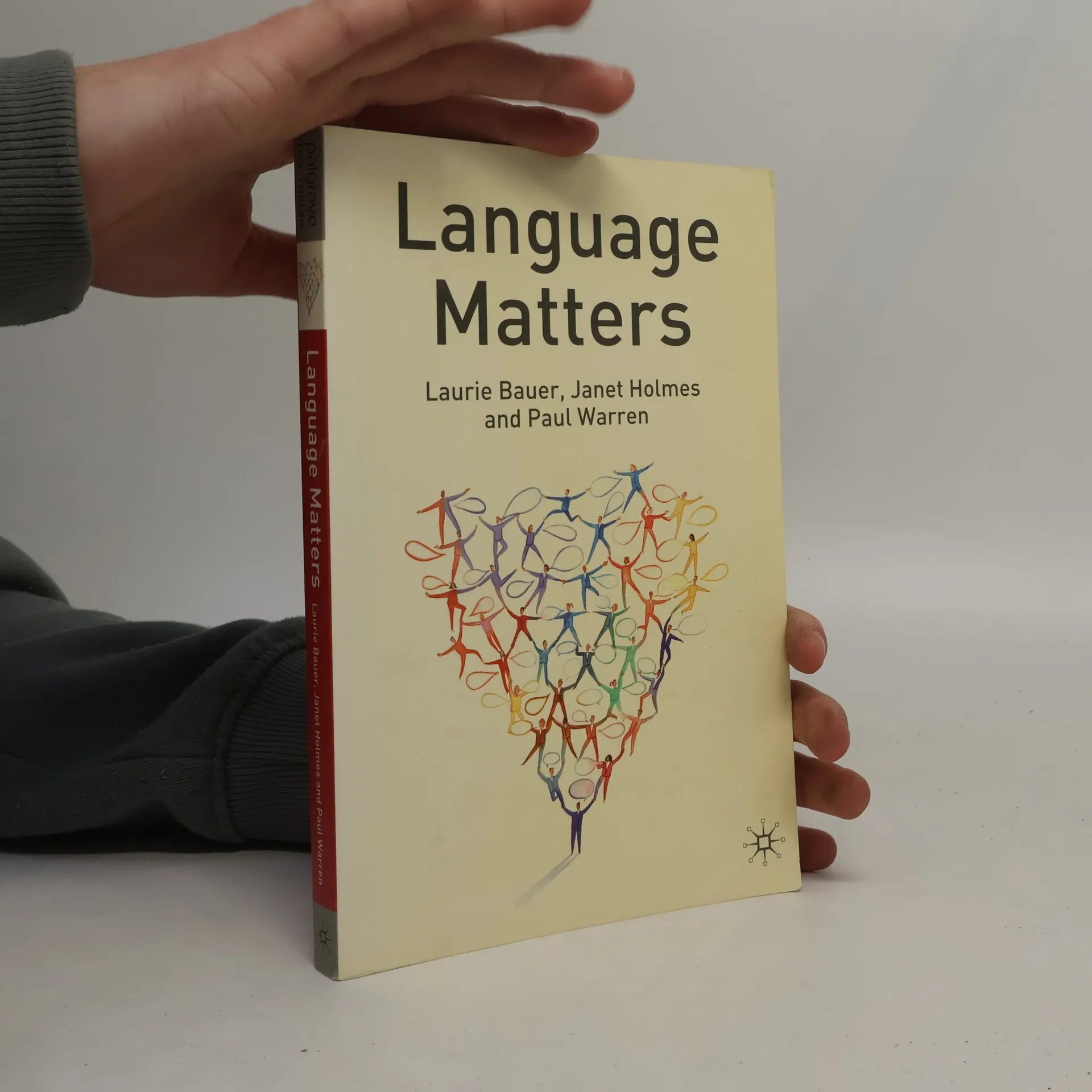
This book provides a lively introduction to the study of language for students without prior experience in linguistics. It addresses the core areas of language study answering questions such as: * Where does language come from? * Why don't we all talk the same? * Who needs grammar? This is an excellent textbook for basic introductory courses and for students who are non-majors. It will be accessible and enjoyable for a variety of students.
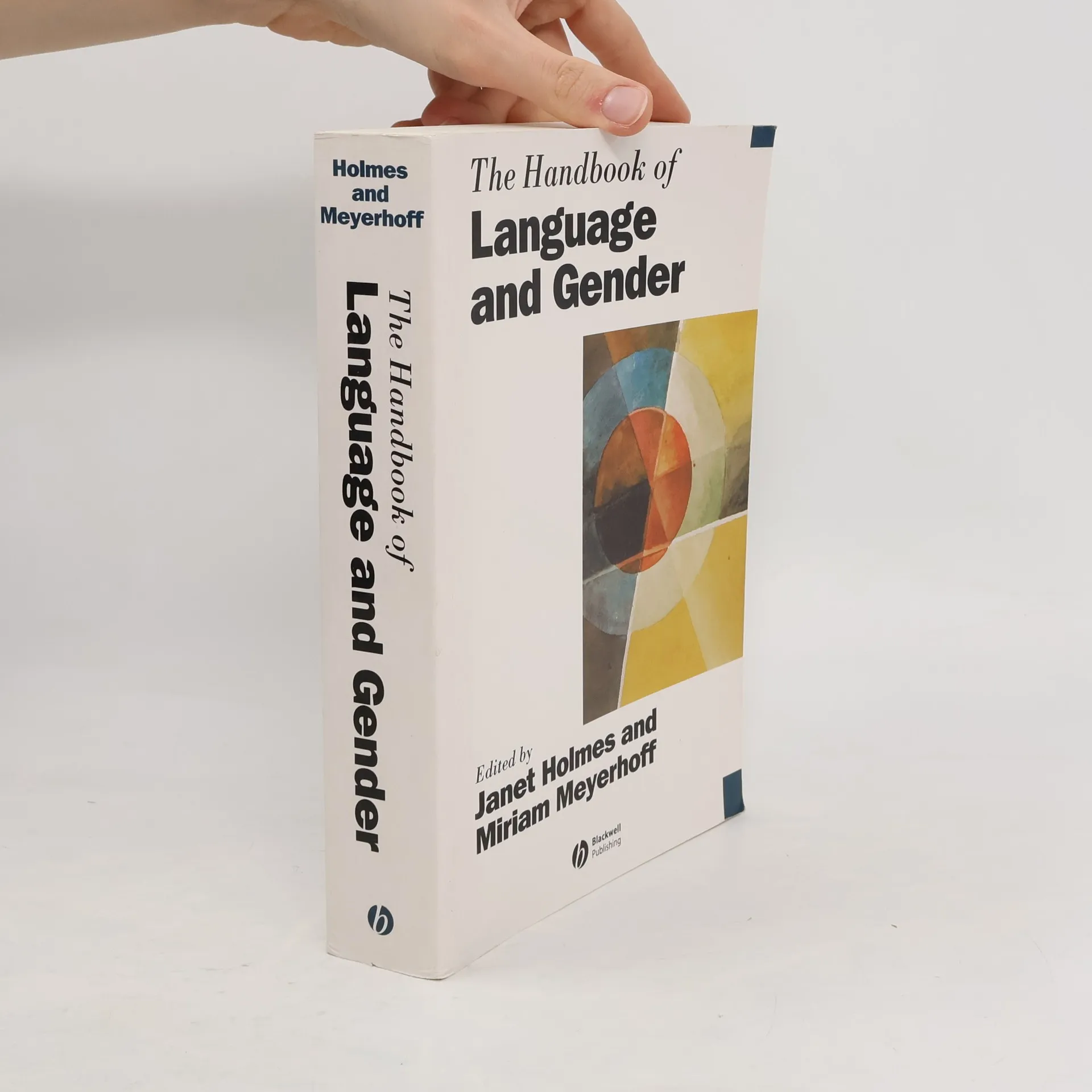
"The Handbook of Language and Gender is a collection of articles written by a team of leading specialists in the field that examines the implications of gender ideologies for the ways we interact. The volume includes data and case-studies from interactions in a number of different social contexts and from a range of different communities, and theoretical discussions about the problems, pitfalls, and potential benefits of research on and discourses about gender." "This handbook provides a comprehensive, up-to-date, and stimulating picture of the field of language and gender for students and researchers in a wide range of disciplines, including linguistics, gender studies, communication, management, psychology, sociology, and anthropology. Book jacket."--Jacket
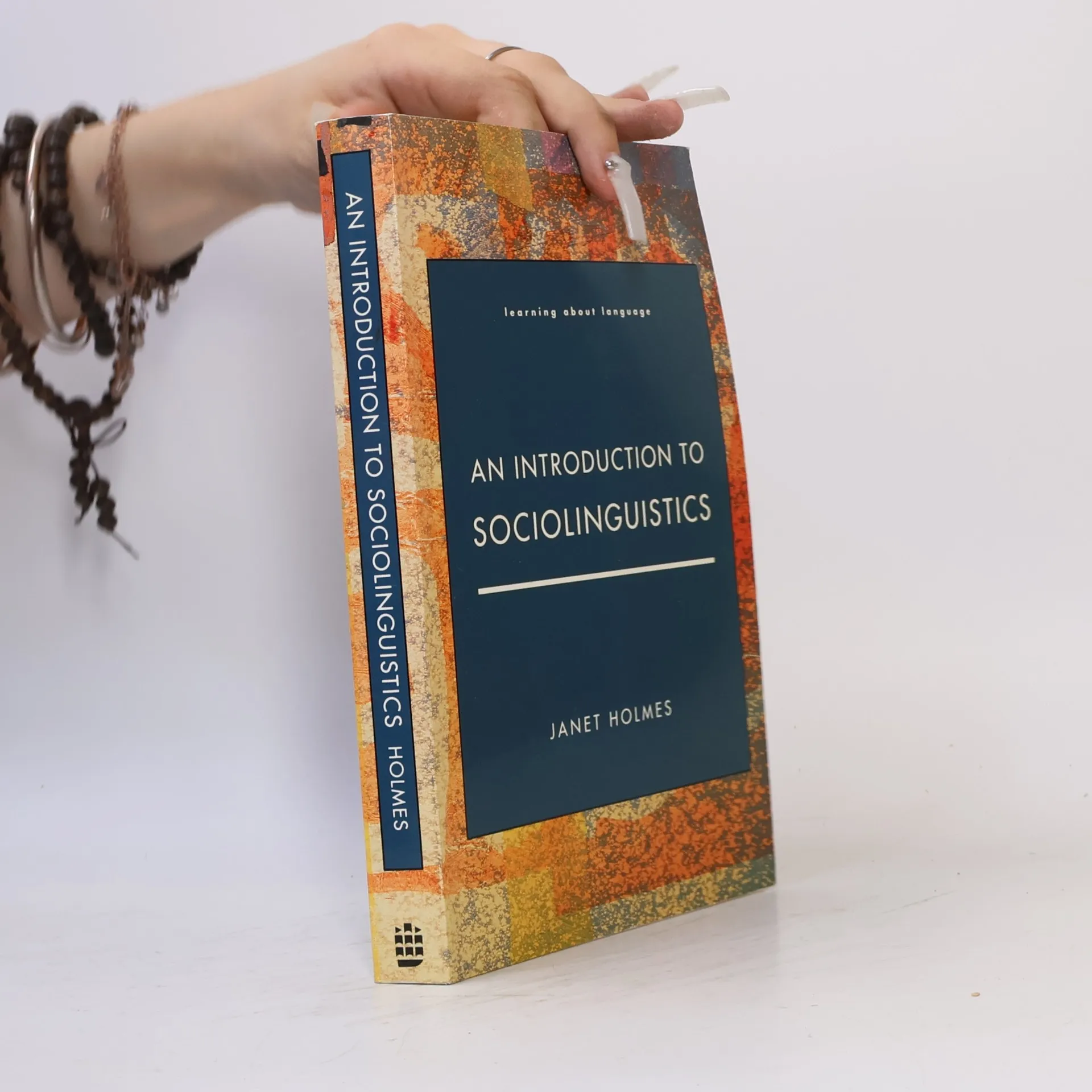
Part of the "Learning About Language" series, this text examines sociolinguistics and covers such topics as multilingual speech communities and language variation
Book by