This Element surveys research on three central and interrelated issues about
the nature of memory and remembering. The first is about the nature of memory
as a cognitive faculty, the second issue concerns what memory does, and the
third issue is about the nature of what we remember.
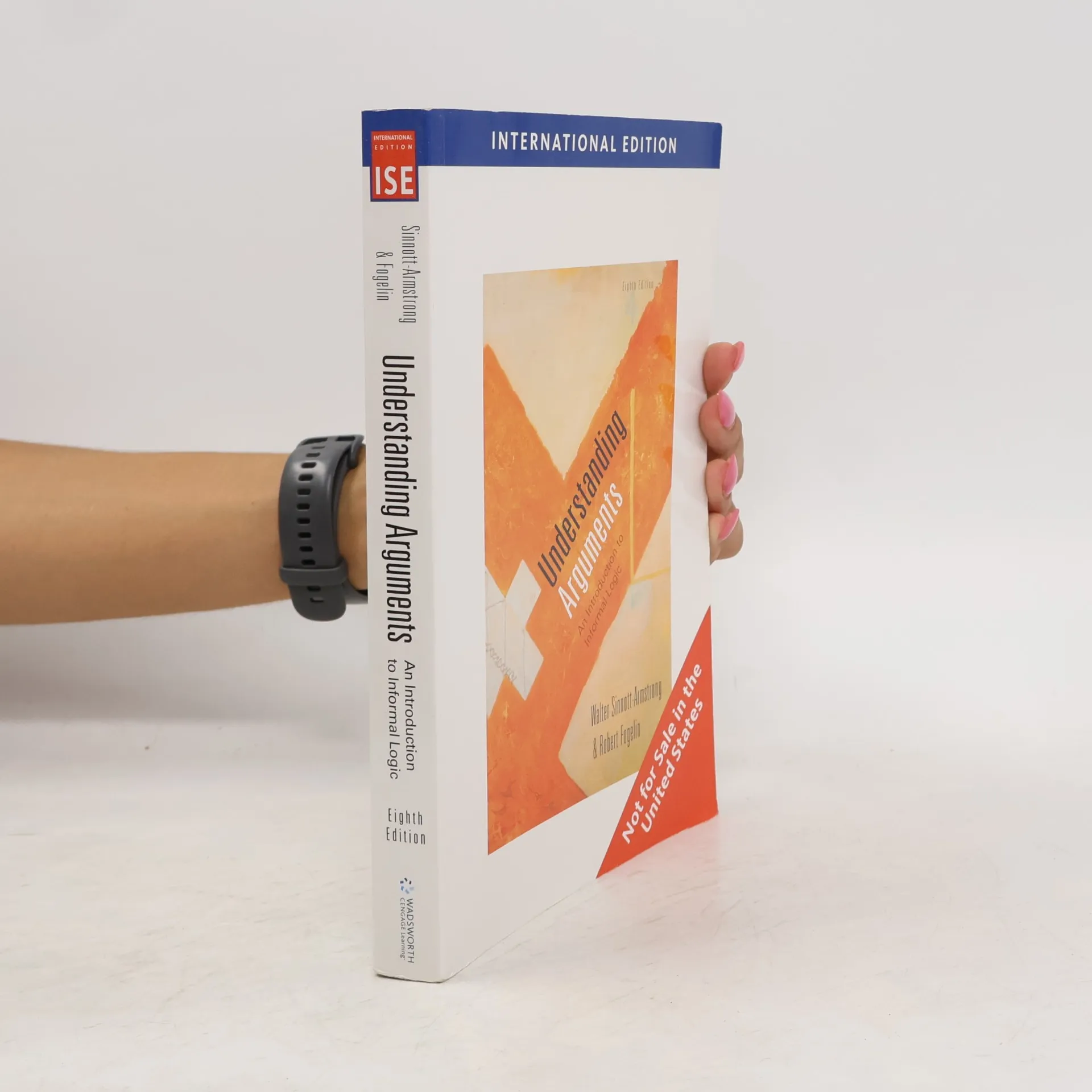
An Introduction to Informal Logic - International Edition - Eighth Edition
576pages
21 heures de lecture
Primarily an introduction to informal logic, this text provides a guide to understanding and constructing arguments in the context of academic studies and subsequent professional careers. It includes exercises, discussion questions, chapter objectives, and readings that help clarify difficult concepts and make the material meaningful and useful.
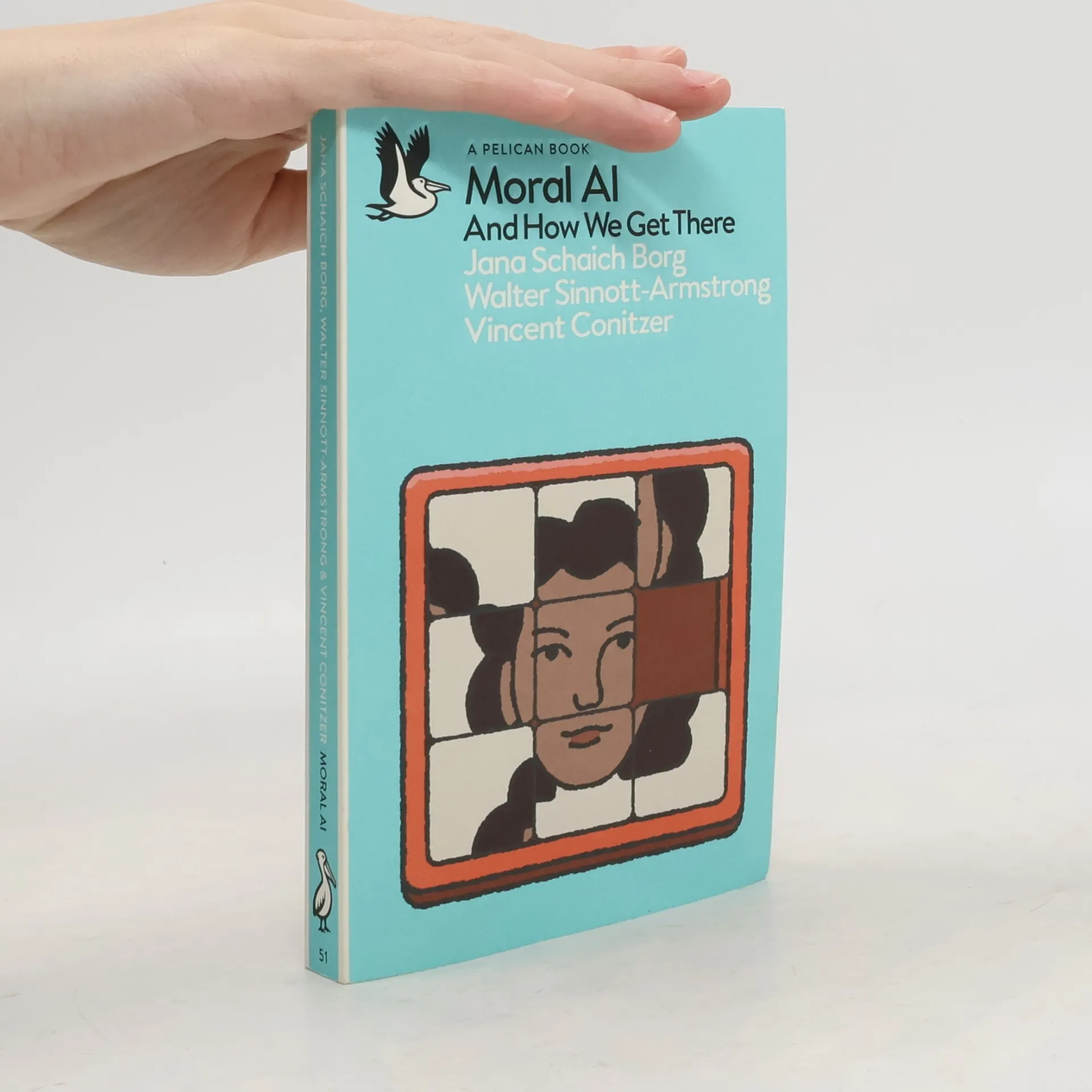
A balanced and thought-provoking guide to all the big questions about AI and ethicsCan computers understand morality? Can they respect privacy? And what can we do to make AI safe and fair? The artificial intelligence revolution has begun. Today, there are self-driving cars on our streets, autonomous weapons in our armies, robot surgeons in our hospitals – and AI's presence in our lives will only increase. Some see this as the dawn of a new era in innovation and ease; others are alarmed by its destructive potential. But one thing is this is a technology like no other, one that raises profound questions about the very definitions of human intelligence and morality. In Moral AI, world-renowned researchers in moral psychology, philosophy, and artificial intelligence – Jana Schaich Borg, Walter Sinnott-Armstrong and Vincent Conitzer – tackle these thorny issues head-on. Writing lucidly and calmly, they lay out the recent advances in this still nascent field, peeling away the exaggeration and misleading arguments. Instead, they offer clear examinations of the moral concerns at the heart of AI programs, from racial equity to personal privacy, fake news to autonomous weaponry. Ultimately, they argue that artificial intelligence can be built and used safely and ethically, but that its potential cannot be achieved without careful reflection on the values we wish to imbue it with. This is an essential primer for any thinking person.
Some argue that atheism must be false because, without God, values cannot exist, leading to the belief that "everything is permitted." Walter Sinnott-Armstrong counters this by asserting that morality does not depend on religion. He challenges several misconceptions: that atheists are inherently immoral, that secular societies will descend into chaos, that morality requires religious foundations, and that we cannot discern right from wrong without religion. Sinnott-Armstrong supports his arguments with compelling examples and data, all presented in a clear and accessible style. This work contributes to ongoing debates about evolution, intelligent design, atheism, and the role of religion in public life, offering a well-structured argument on a significant social issue. His call for genuine dialogue with theists provides a refreshing contrast to the more extreme positions of some atheists, while also addressing common objections raised by evangelical Christians regarding homosexuality and evolution. This engaging book effectively argues against the necessity of God and religion for a strong moral framework. As a leading philosopher in metaethics and moral psychology, Sinnott-Armstrong successfully delivers a philosophically sound introduction to the challenges facing religious morality, making it suitable for a wide audience.