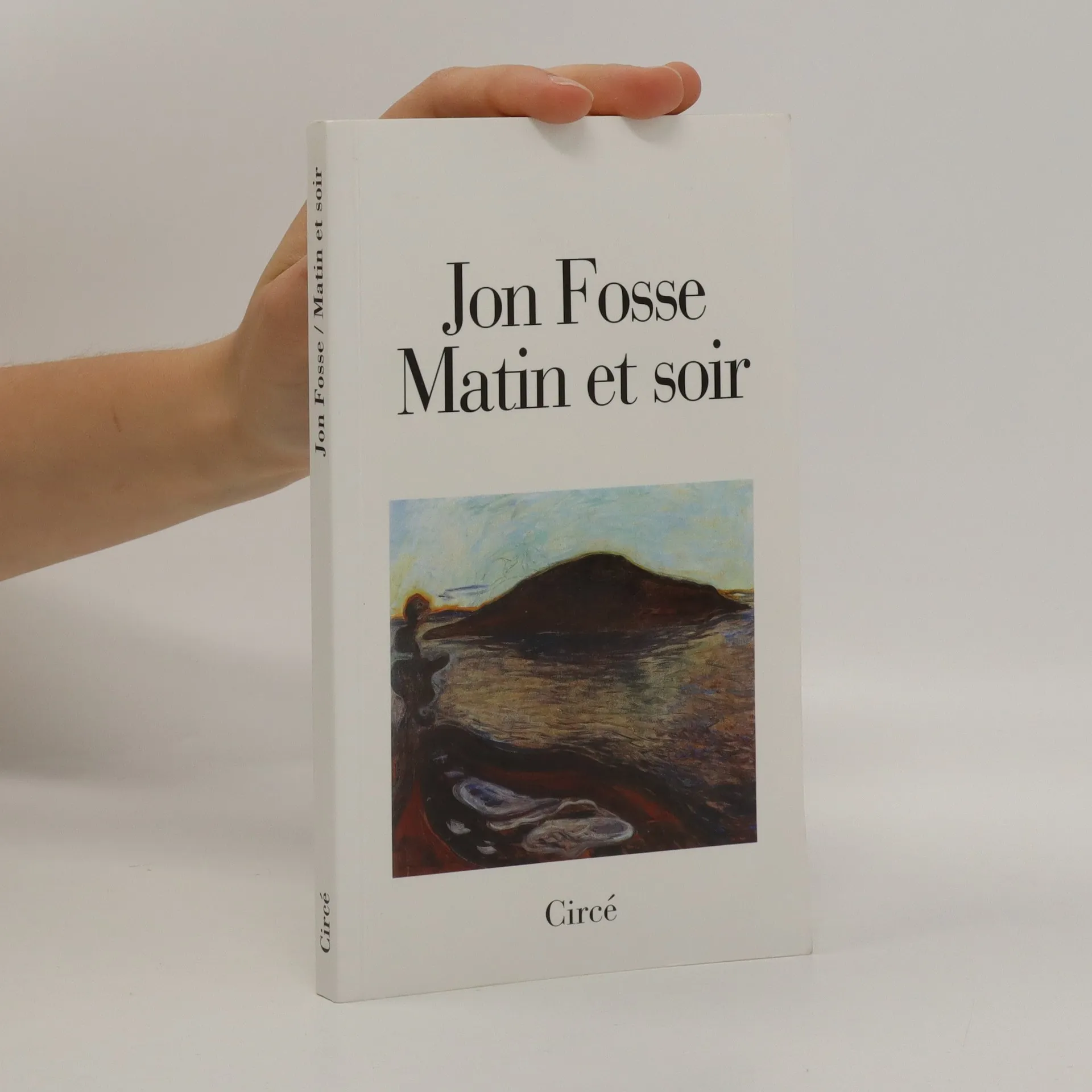
"... et Johannes voit qu'ils s'approchent maintenant du grand récif et du petit récif et jamais Johannes ne s'est aventuré aussi loin à l'ouest par un temps pareil, car le vent souffle et les vagues sont hautes et la barque pontée de Peter est ballottée par les vagues, et puis ils ne sont plus à bord de la barque pontée de Peter, mais il sont quand même dans un bateau, et ils sont sur la mer, et la mer et le ciel ne font plus qu'un et les nuages et le vent ne font plus qu'un et là bas il y a Erna et ses yeux brillent et la brillance de ses yeux se confond aussi avec tout et puis Peter est devenu invisible. Oui, nous voilà en route, dit Peter... "
Jon Fosse Livres
29 septembre 1959
Jon Fosse est reconnu comme l'un des plus grands dramaturges contemporains au monde, dont les œuvres se caractérisent par un style minimaliste et une exploration profonde de l'existence humaine. Ses pièces saisissent souvent des moments de quiétude, l'incertitude et la quête de sens dans la vie quotidienne. La prose et la poésie de Fosse partagent des préoccupations thématiques similaires, rendues dans un langage économique mais évocateur. Son approche distinctive de l'écriture offre aux lecteurs et au public une expérience émotionnelle puissante et invite à une profonde réflexion.



Melancholia I
- 283pages
- 10 heures de lecture
Hélène Winckelmann est là, debout dans sa chambre à lui, et elle dénoue ses cheveux. Et lui, Lars Hertervig, élève à l'école des Beaux-Arts de Düsseldorf, regarde Hélène Winckelmann. Et puis, lentement, Hélène se tourne vers lui. Et Hélène le regarde, et il voit ses yeux bleu clair. Et une lumière, claire comme le ciel le plus bleu, se fait soudain en lui. Et il sait alors que, sans Hélène, il ne sera qu'obscurité.
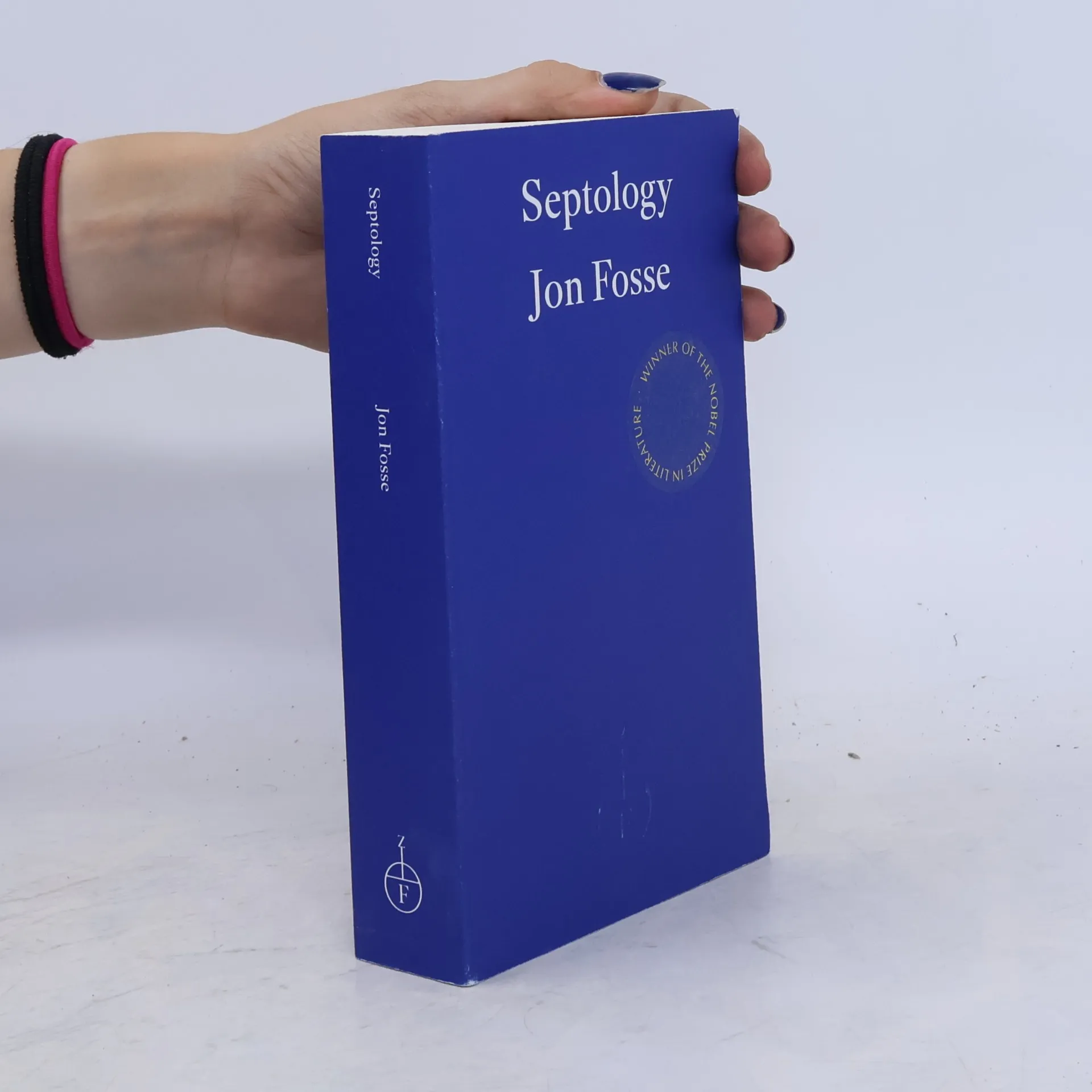
Written in melodious and hypnotic 'slow prose', Septology is an indelible and poignant exploration of the human condition by Jon Fosse, 'a major European writer' (Karl Ove Knausgaard).
A New Name
- 320pages
- 12 heures de lecture
Written in melodious and hypnotic 'slow prose', A New Name: Septology VI-VII is a transcendent exploration of the human condition by Jon Fosse, and a radically other reading experience - incantatory, hypnotic, and utterly unique.
I IS ANOTHER: SEPTOLOGY III-V, the second instalment in a major new work by Jon Fosse, one of Europe's most celebrated writers, follows the lives of Asle and Asle - two versions of the same person, two versions of the same life, both grappling with existential questions about life, death, love,... číst celé
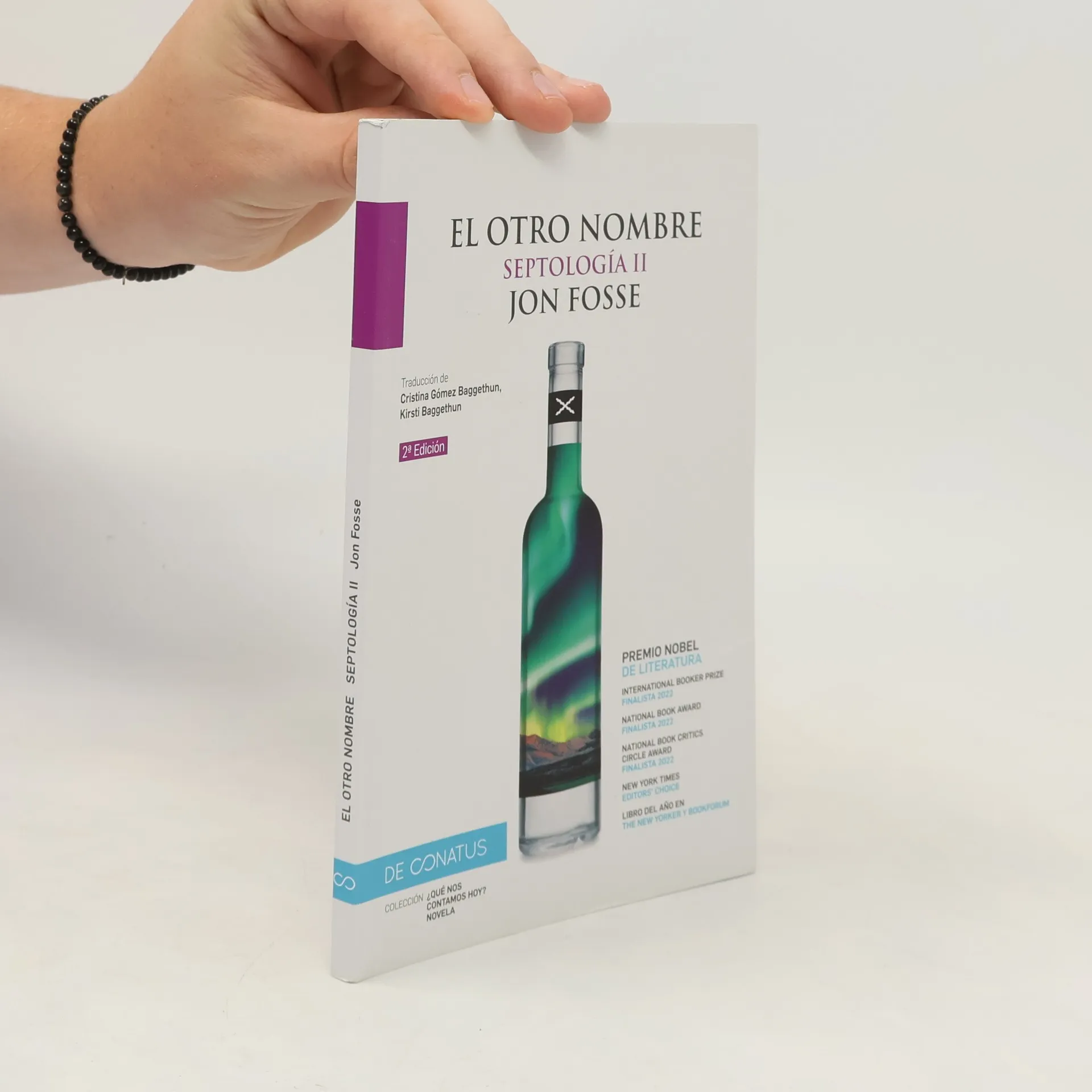
The Other Name: Septology I-II
- 340pages
- 12 heures de lecture
Follows the lives of two men living close to each other on the west coast of Norway. The year is coming to a close and Asle, an aging painter and widower, is reminiscing about his life. He lives alone, his only friends being his neighbor, Åsleik, a bachelor and traditional Norwegian fisherman-farmer, and Beyer, a gallerist who lives in Bjørgvin, a couple hours' drive south of Dylgja, where he lives. There in Bjørgvin, lives another Asle, also a painter. He and the narrator are doppelgangers--two versons of the same person, two versions of the same life. Through flashbacks, Fosse explores the convergences and divergences in the lives of both Asles, slowly building towards a decisive encounter between them both
Melancholy II
- 97pages
- 4 heures de lecture
Originally published in Norwegian, this work delves into themes of melancholy and introspection. It explores the complexities of human emotions and the nuances of personal experience, offering a profound reflection on the nature of sadness and its impact on life. The narrative invites readers to engage with the intricacies of the human psyche, making it a compelling read for those interested in psychological depth and emotional exploration.
Melancholy I-II - WINNER OF THE 2023 NOBEL PRIZE IN LITERATURE
- 411pages
- 15 heures de lecture
Melancholy I-II is a fictional invocation of the nineteenth-century Norwegian artist Lars Hertervig, who painted luminous landscapes, suffered mental illness and died poor in 1902.
Trilogy
- 200pages
- 7 heures de lecture
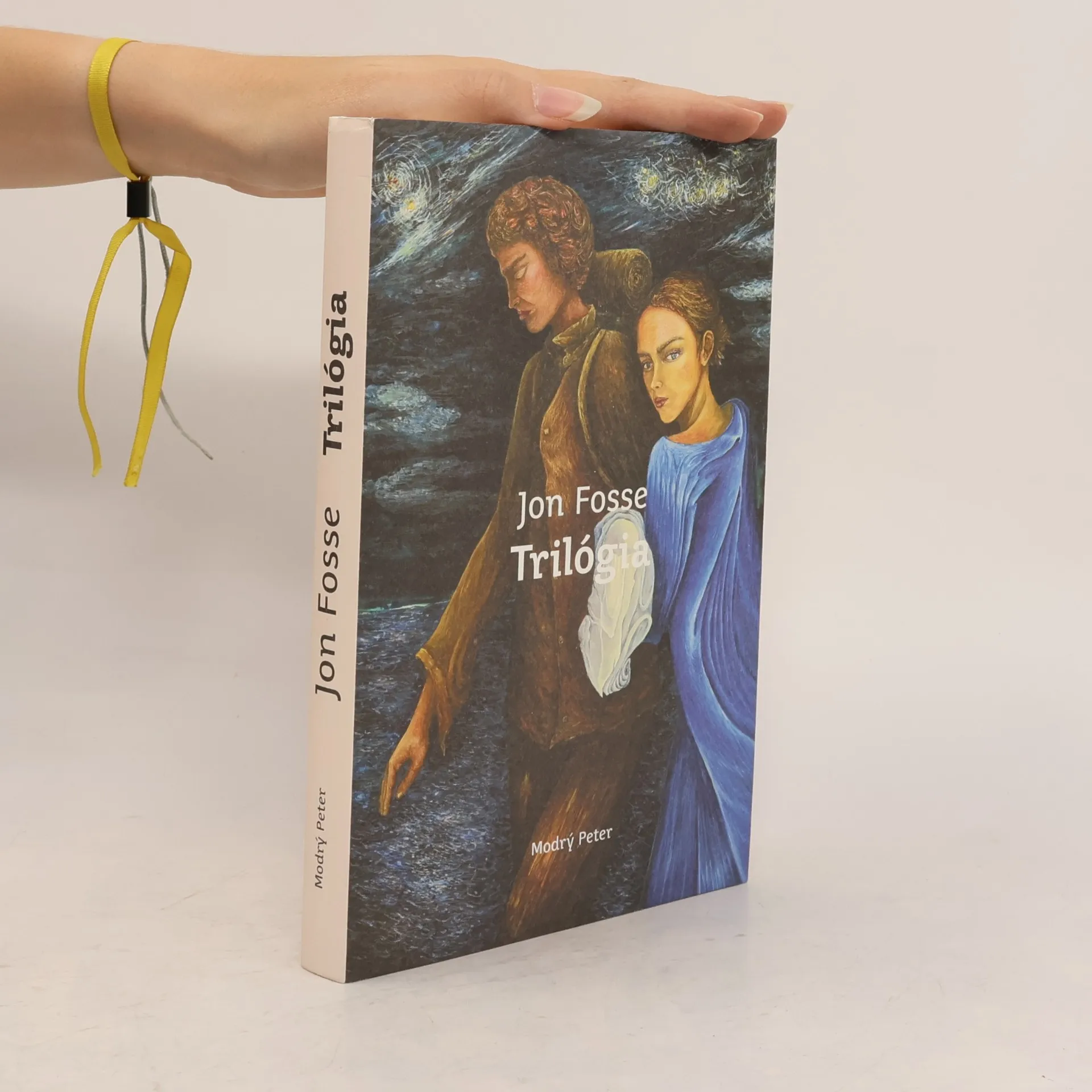
"Trilogy is Jon Fosse's critically acclaimed, luminous love story about Asle and Alida, two lovers trying to find their place in this world. Homeless and sleepless, they wander around Bergen in the rain, trying to make a life for themselves and the child they expect. Through a rich web of historical, cultural, and theological allusions, Fosse constructs a modern parable of injustice, resistance, crime, and redemption. Consisting of three novellas (Wakefulness, Olav's Dreams, and Weariness), Trilogy is a haunting, mysterious, and poignant evocation of love, for which Fosse received The Nordic Council's Prize for Literature in 2015"--
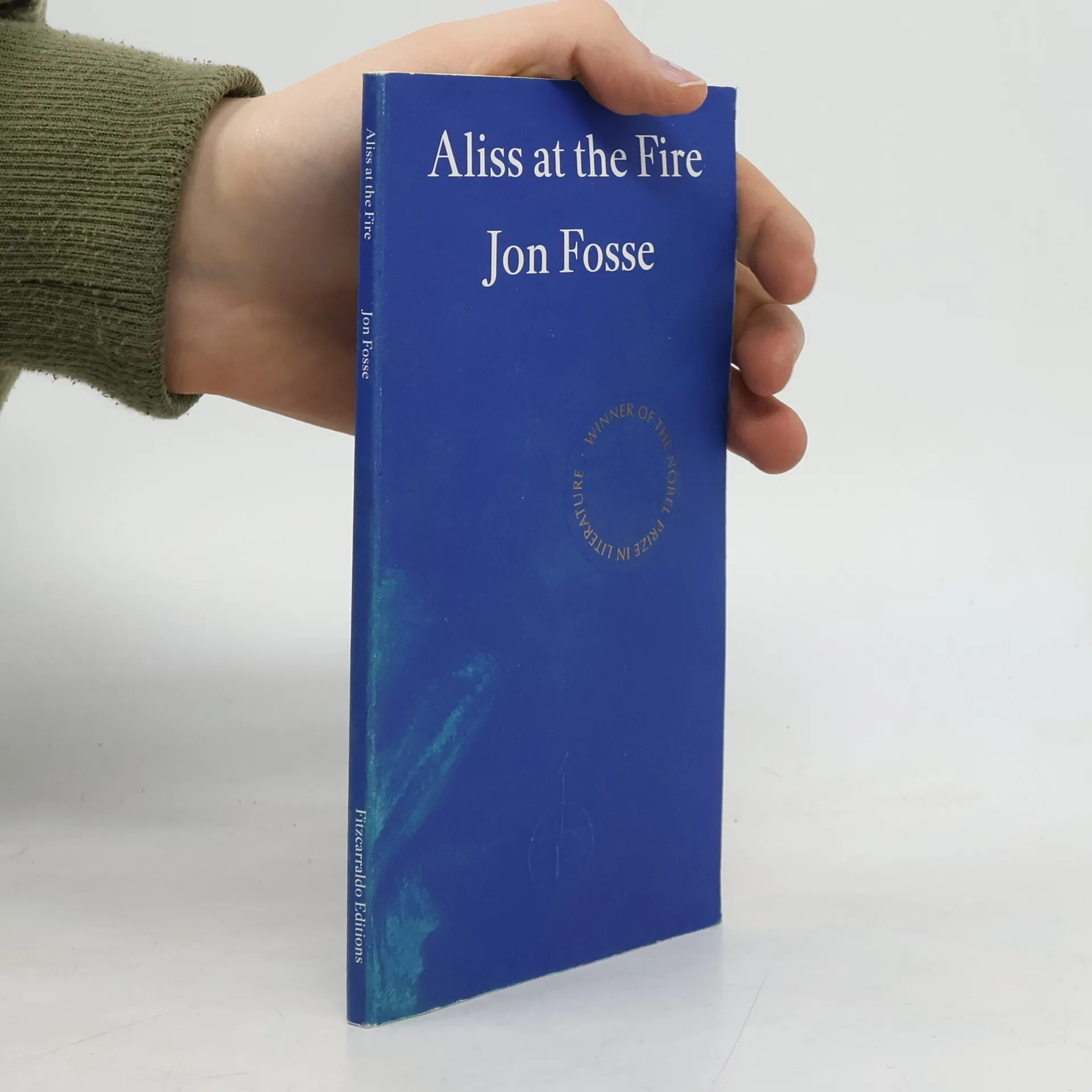
Aliss at the Fire - WINNER OF THE 2023 NOBEL PRIZE IN LITERATURE
- 74pages
- 3 heures de lecture
A haunting exploration of love and loss by the Beckett of the twenty-first century (Le Monde).
A Silent Language — WINNER OF THE 2023 NOBEL PRIZE IN LITERATURE
- 36pages
- 2 heures de lecture
Published in book form for the first time, Jon Fosse’s Nobel Lecture, delivered in Stockholm in December 2023, translated by Damion Searls.
A Shining
- 74pages
- 3 heures de lecture
A man starts driving without knowing where he is going. He alternates between turning right and left, and ultimately finds himself stuck at the end of a forest road. It soon grows dark and begins to snow. But instead of searching for help, he ventures, foolishly, into the dark forest. Inevitably, the man gets lost, and as he grows cold and tired, he encounters a glowing being amid the obscurity. Strange, haunting and dreamlike, A Shining is the latest work of fiction by National Book Award-finalist Jon Fosse, the Beckett of the twenty-first century" ( Le Monde ).
Author of novels, poetry, essays and books for children, as well as award-winning plays, Jon Fosse is a leading Norwegian writer whose work has been translated into a number of languages and performed throughout Europe. Fosse’s unique style, at once poetic and naturalistic, magnifies the love and pain of ordinary people. He won the Ibsen prize for his play The Name, which is included in this collection along with Someone is Going to Come, The Guitar Man, and The Child.
Includes A Summer's Day, Dream of Autumn and WinterThese three seasonal plays are typical Fosse, imbuing apparently mundane situations with an almost hypnotic intensity. In A Summer's Day, an old widow remembers the day, many years before, when her husband went out to sea in a terrible storm.In a series of continuous but chronologically distinct scenes, Dream of Autumn shows a man unexpectedly meeting an old friend: she will become his second wife, and cause him to fall out with his family.In Winter a fascinating but mercurial woman tries to seduce a businessman, but once he has given up his family and career, he realises may have mistaken her intentions.
Fosse: Plays Five
- 368pages
- 13 heures de lecture
Includes the plays Suzannah, Living Secretly, The Dead Dogs, A Red Butterfly's Wings, Warm, Telemakos and SleepIn their different ways, these plays are existential suspense stories, centred around a common concept of time. The past is recreated through present moments, the future hinted at through shared memories, yet experienced from different perspectives. Fosse's drama explores life lived in unexpected ways, with a sense of otherness pervading the present and colouring the characters' relationships.The whole life of Suzannah Ibsen unfolds as she waits for her playwriting husband to come home. In Sleep, one day captures the lives of a young woman and a young man as they grow into middle-age and old age. Living Secretly asks questions about how to live with and open up to one's actions through sequences of time. In The Dead Dogs, lives are shockingly disrupted by an event that changes the directions of their future. Warm's characters move back and forth through time to capture past images and actions, in an effort to make sense of the present. Telemakos reinvents an old classic from a contemporary point of view. Fosse's damatic voice is full of poetic intensity, yet wryly ironic, and with a sense of the comedy of the human condition. Includes the plays Suzannah, Living Secretly, The Dead Dogs, Telemakos, Sleep and A Red Butterfly s Wings.
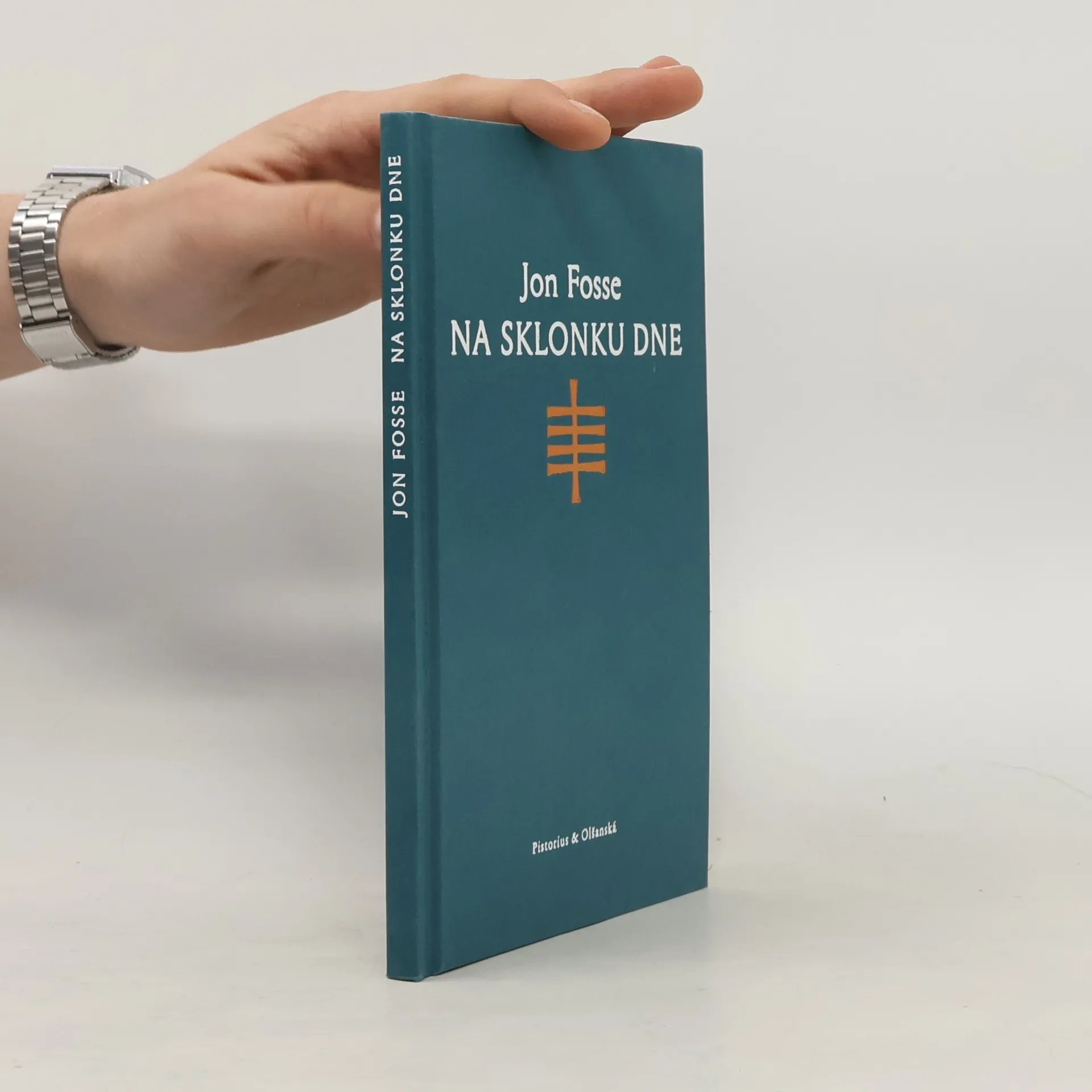
Na sklonku dne
- 56pages
- 2 heures de lecture
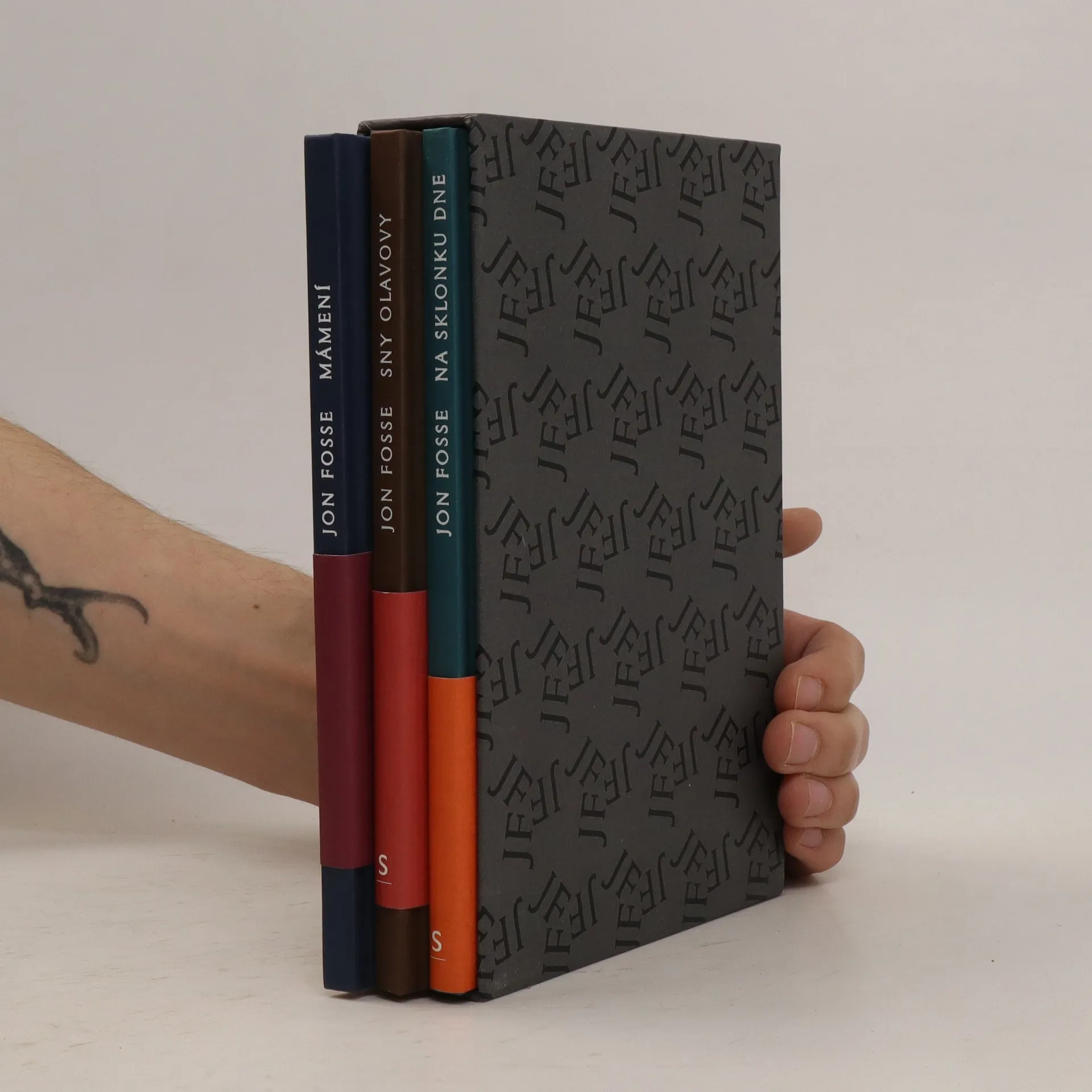
Může člověk pochopit osud svých nejbližších, když už jsou jenom ozvěnou ve vzpomínkách? Na sklonku dne je závěrečným dílem volné trilogie oceněné v roce 2015 jednou z nejprestižnějších evropských literárních cen – Cenou Severské rady za literaturu (předchozí díly Mámení a Sny Olavovy). Znovu se tu setkáváme s baladickým vyprávěním o mladých milencích Aslem a Alidě, jejich útěku, temných činech i marné snaze ukrýt se pod změněnými jmény kdesi v zapadlé zátoce. Příběh znovu ožívá v myšlenkách staré Ales, jež se nemůže zbavit vidin své dávno zesnulé matky Alidy a jejího zoufalého hledání milence, který odešel jen na skok, ale už se nevrátil. Ani odhalení kruté pravdy, ani setkání s jiným mužem ji nemůže odloučit od Asleho nadobro…
Sny Olavovy
- 72pages
- 3 heures de lecture
Druhá část trilogie jednoho z nejpozoruhodnějších norských autorů pokračuje ve vyprávění nadčasového příběhu mladých milenců a čerstvých rodičů. Asle a Alida utíkají z Bjorgvinu, jak se kdysi jmenoval přístav Bergen. Usadí se v odlehlé zátoce, změní si jména a rádi by zapomněli na minulost i vlastní temné činy. Asle se však musí do Bjorgvinu ještě vrátit a vyřídit jakousi záležitost. Město plné lákadel, otupujících jeho ostražitost, se ale stává pastí. A navíc se zdá, jako by ho obávaná minulost nemilosrdně přitahovala… Sny Olavovy jsou podivuhodně komponovaným textem, který čtenářům předestírá zásadní otázky lidské identity a existence. Co je sen a co skutečnost? A lze uprchnout před sebou samým?
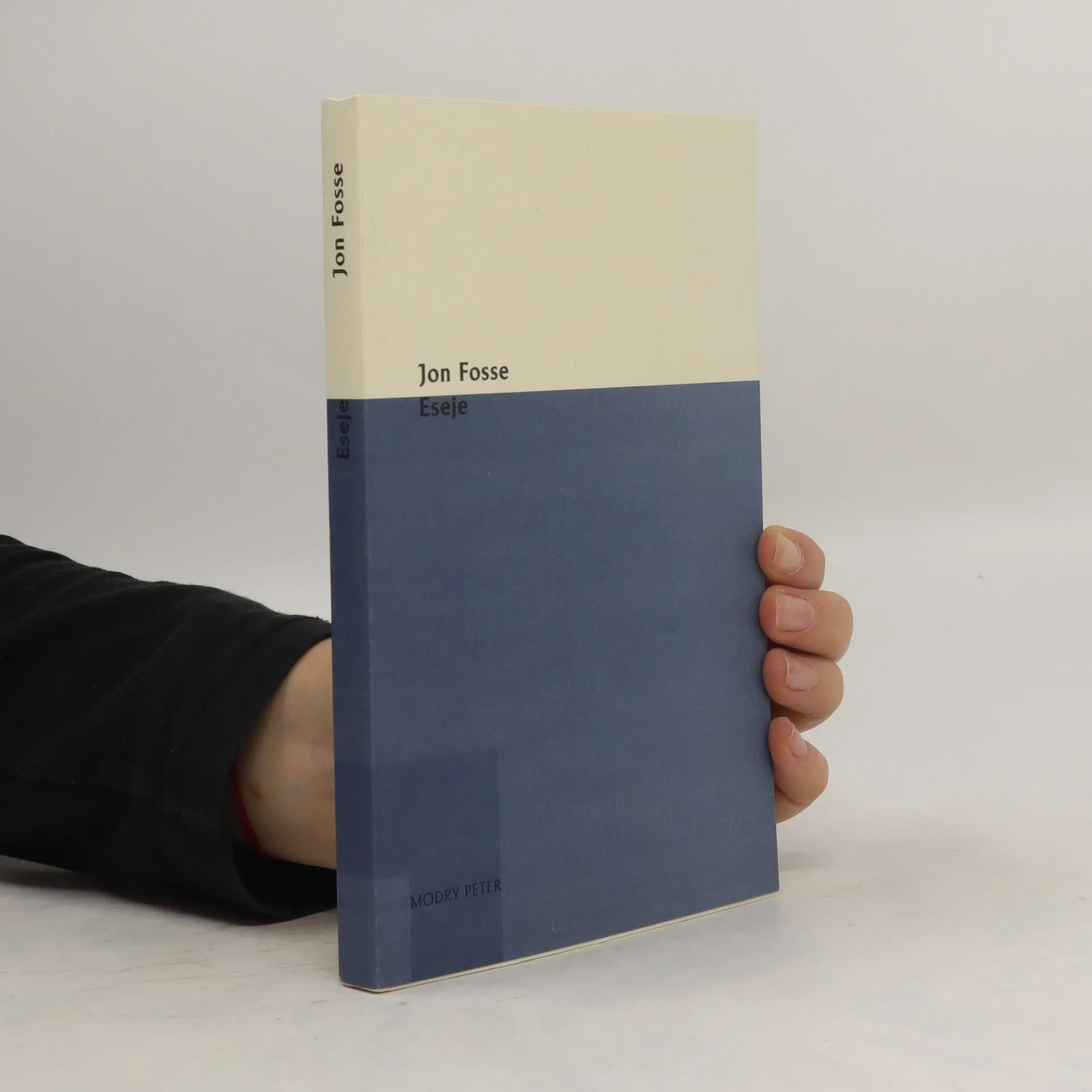
Eseje
- 152pages
- 6 heures de lecture
Výber z esejistickej tvorby Jona Fosseho: všetko umenie vzniká vo vzťahu k smrti, a to tým, že akceptuje veľké záhadné smrti a života. Román vo svojej veľkej irónii dôverne zostupuje k tajomnému a záhadnému v hľadaní zmyslu, ktorý zakaždým zmizne.
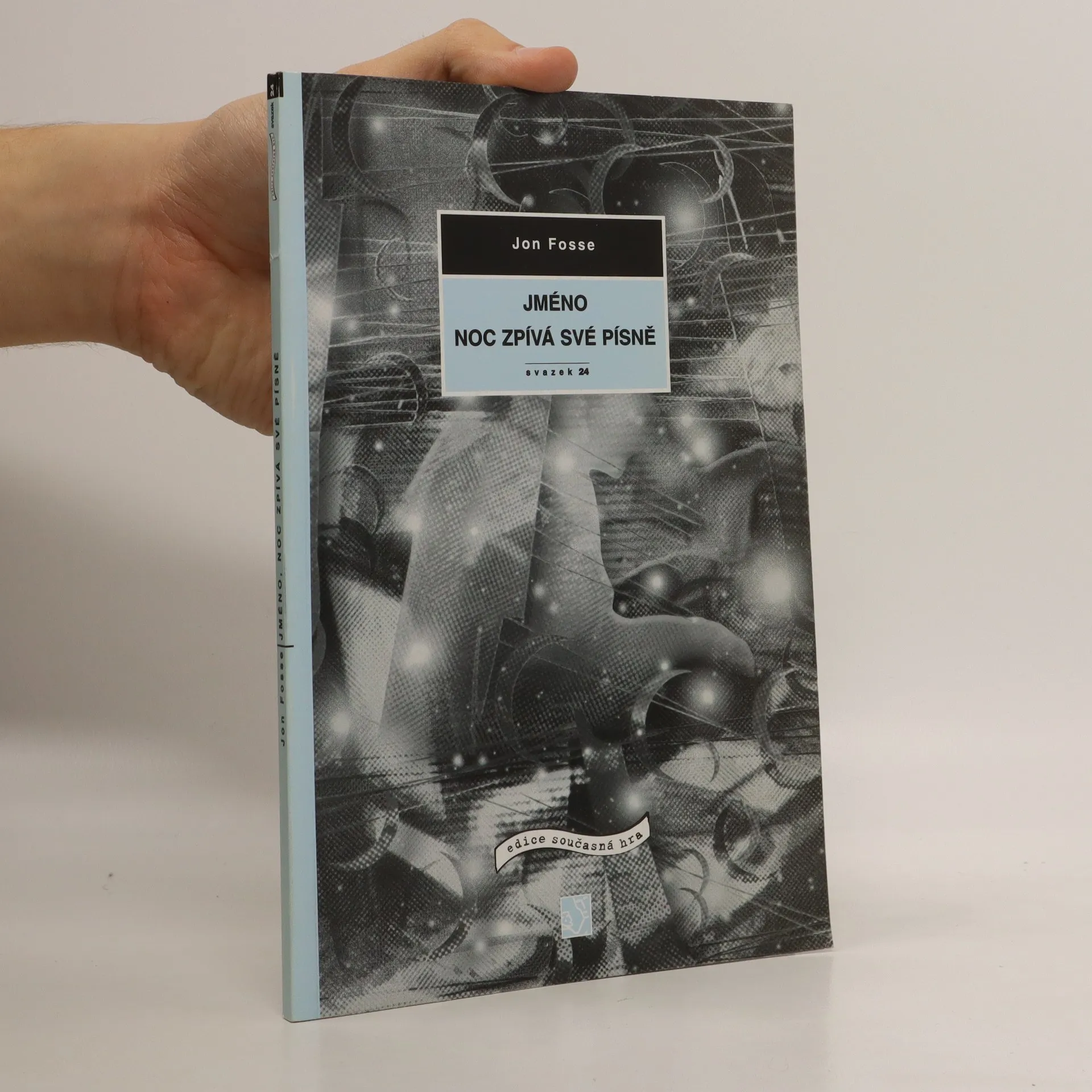
Jméno / Noc zpívá své písně
- 123pages
- 5 heures de lecture
Dvě hry současného norského dramatika. Ve Jménu (1995) se těhotná dívka vrací do domu svých rodičů, spolu s mladíkem, otcem dítěte. Jejich vztah je stejně strnulý a bezživotný jako vztahy v dívčině rodině. Postavy nejsou schopny normálně komunikovat a artikulovat své city. Tento stav naruší až bývalý dívčin přítel, který přichází na návštěvu... Ve hře Noc zpívá své písně (1997) tráví mladý nezaměstnaný muž nečinně celé dny doma a sní o kariéře spisovatele. Jeho žena trpí pasivitou svého muže, dusí se v malém bytě, který obývají. Jednoho večera vyrazí se svou přítelkyní do hospody a po návratu domů končí mlčení a apatie a rodí se tragédie...
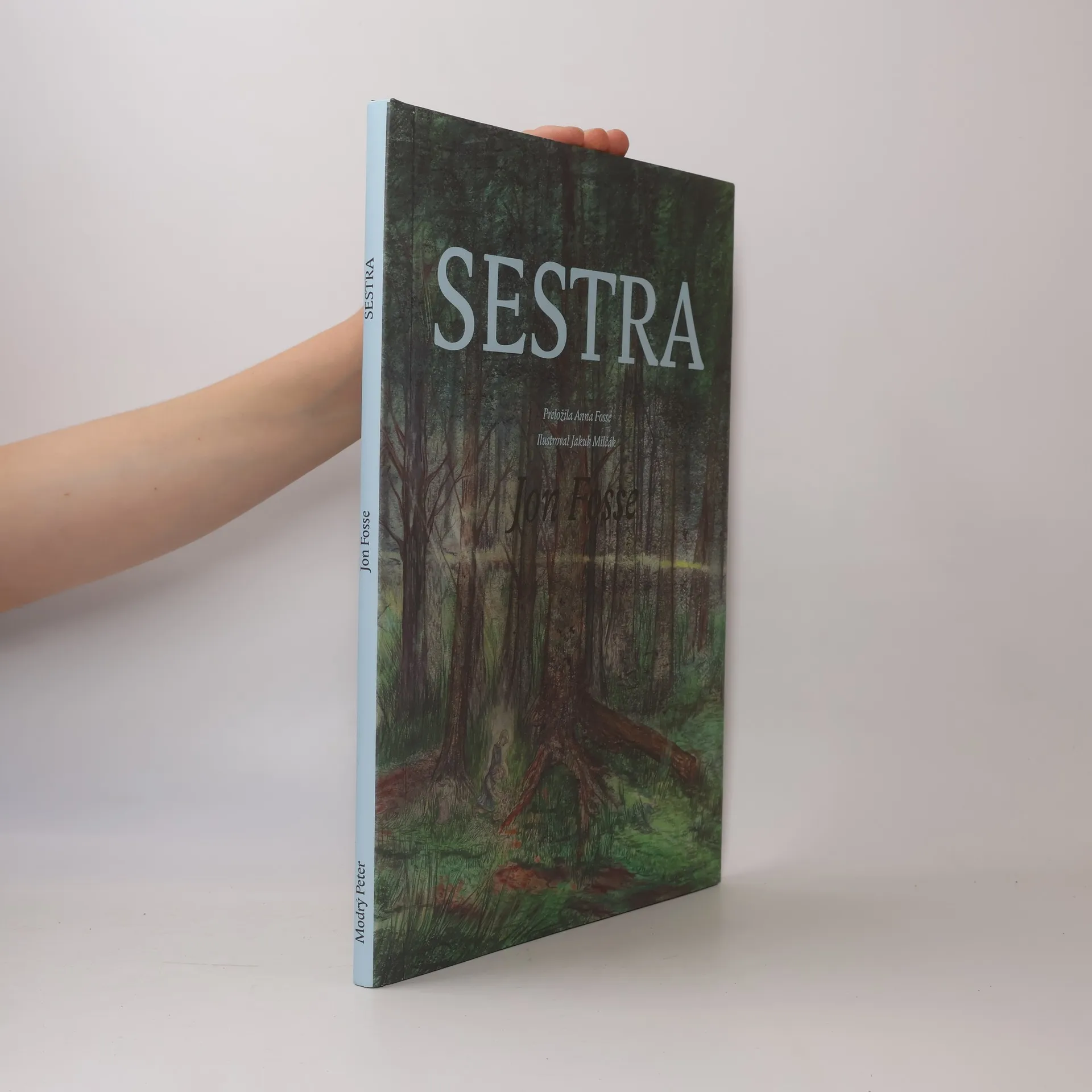
Sestra
- 56pages
- 2 heures de lecture
Dielo svetoznámeho nórskeho dramatika a spisovateľa Jona Fosseho (nar. 1959) sa v oblasti literatúry pre deti považuje za mimoriadne presahové, schopné osloviť čitateľov bez ohľadu na vek či tematické obmedzenia. Jedným z najvýraznejších príkladov je kniha „Sestra“ (Det Norske Samlaget, Oslo 2000), ktorá tematizuje detské prežívanie každodennosti v spontánnom kontakte s transcendentnom. Toto dielo nadväzuje na Fosseho predchádzajúcu knihu „Kant“ (Det Norske Samlaget, Oslo 1990), ktorú v slovenskom preklade vydal Modrý Peter v roku 2015. „Sestra“ bola preložená do viacerých jazykov a v Nemecku získala v roku 2007 ocenenie Deutscher Jugendliteraturpreis. Fosse sa zamýšľa nad otázkami dôležitosti detského prežívania v porovnaní s dospelým. Jeho postavy, štvorročný chlapec a jeho trojročná sestra, sú zobrazené ako plnohodnotné bytosti, pre ktoré je svet stvorený. Ich súrodenecká láska predstavuje univerzálny pocit. Fosseho autorská metóda odhaľuje v bežných situáciách a vzťahoch hlboké témy ako precitnutie, túžba po harmónii, zodpovednosť a zanikanie.
Lodenica
- 136pages
- 5 heures de lecture
Fosseho próza Lodenica (1989) patrí v Nórsku k najznámejším dielam novšej literatúry, postupom času dokonca získala status čítankového textu. Sugestívny príbeh o milostnom trojuholníku, ktorý vzíde z náhodného stretnutia dvoch pria teľov z detstva, kedysi nerozlučných, v dospelosti odcudzených, je predovšetkým citlivým rozprávaním o dospievaní. Ako vo všetkom, čo Fosse napísal, i v Lodeni ci mnohé zostáva nevypovedané a ukotvené najmä v spôsobe, akým sa príbeh rozpráva: v nutkavej repetitívnosti a precíznom rytme textu čitateľ naplno pre cíti stret s neovládateľnými silami ľudského prežívania a jeho subjektívnosti.
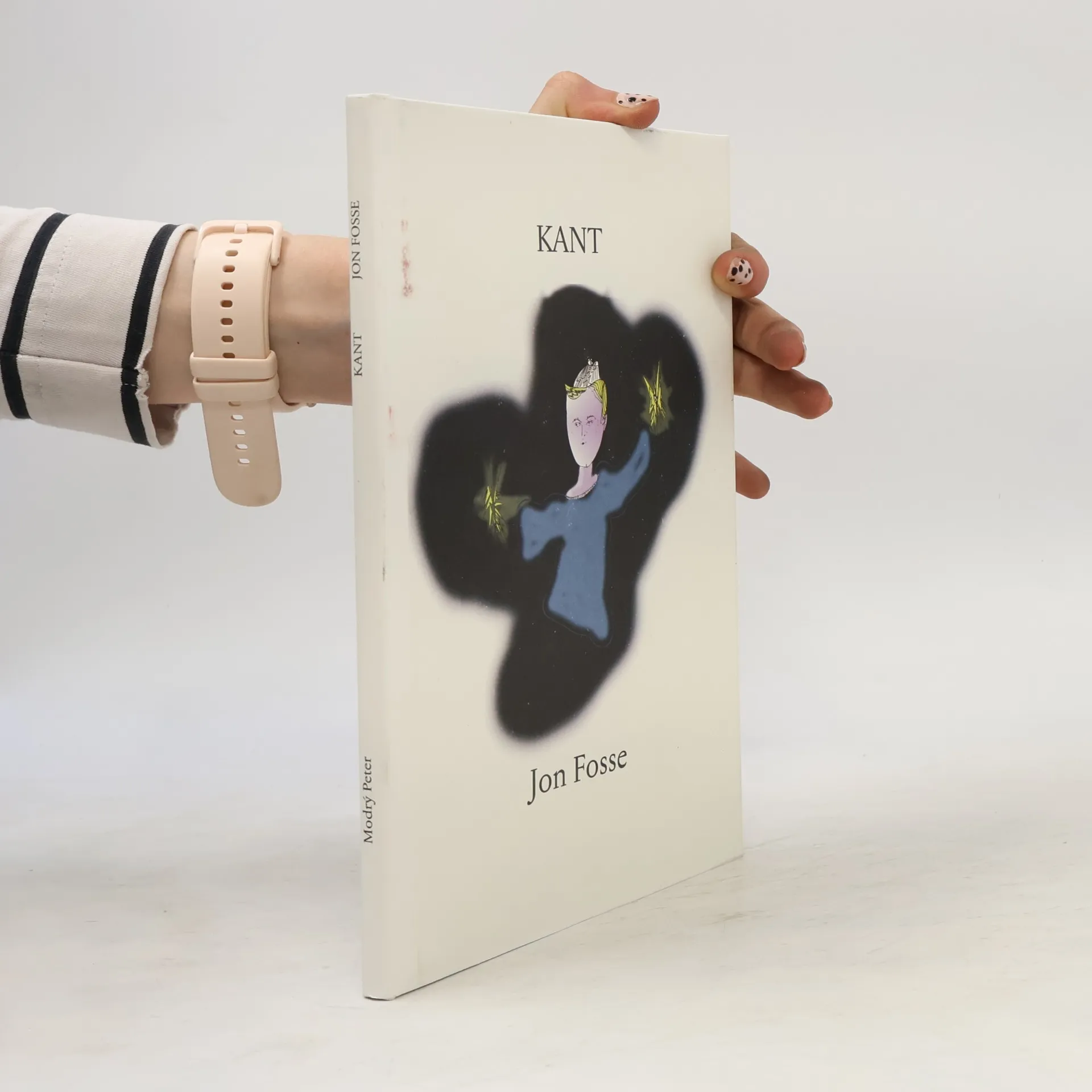
Kant
- 48pages
- 2 heures de lecture
Kant je krásny filozofický príbeh pre deti, ktorý sa zaoberá vesmírom a strachom z nepoznaného. Pre deti od 8 rokov a ich rodičov.
Básne 1986-2013
- 91pages
- 4 heures de lecture
Jon Fosse (1959) sa v súčasnej svetovej literatúre presadil najmä ako dramatik a prozaik, v Nórsku však neodmysliteľne patrí medzi najuznávanejších autorov aj v oblasti poézie. K básnickej forme má blízko v celej svojej tvorbe; citeľná afinita k lyrickému žánru výrazne dotvára svojráz jeho drám i próz. Z hľadiska tém Fosseho lyriku kľúčovo definuje uvažovanie o kategóriách osobnej metafyziky a možno povedať, že v tých najlepších básňach sa nám pripomínajú slová jednej z autorových esejí, v ktorej spisovateľ a tým aj básnik vystupuje ako mystik sekularizovaného sveta.
Hry
- 496pages
- 18 heures de lecture
Zbierka obsahuje divadelné hry NIEKTO PRÍDE (Nokon kjem til a komme), DIEŤA (Barnet), NOC SPIEVA SVOJE PIESNE (Natta syng sine songar), VARIÁCIE NA SMRŤ, (Dodsvariasjonar), SLOBODA (Fridom), ŽIŤ V UTAJENÍ (Leve hemmeleg), MORE (Hav) v preklade Anny Fosse, ktorá je zároveň autorkou odbornej štúdiu Aby scénou mohol prejsť anjel a rozhovoru s dramatikom Dramatikom som sa stal náhodou.
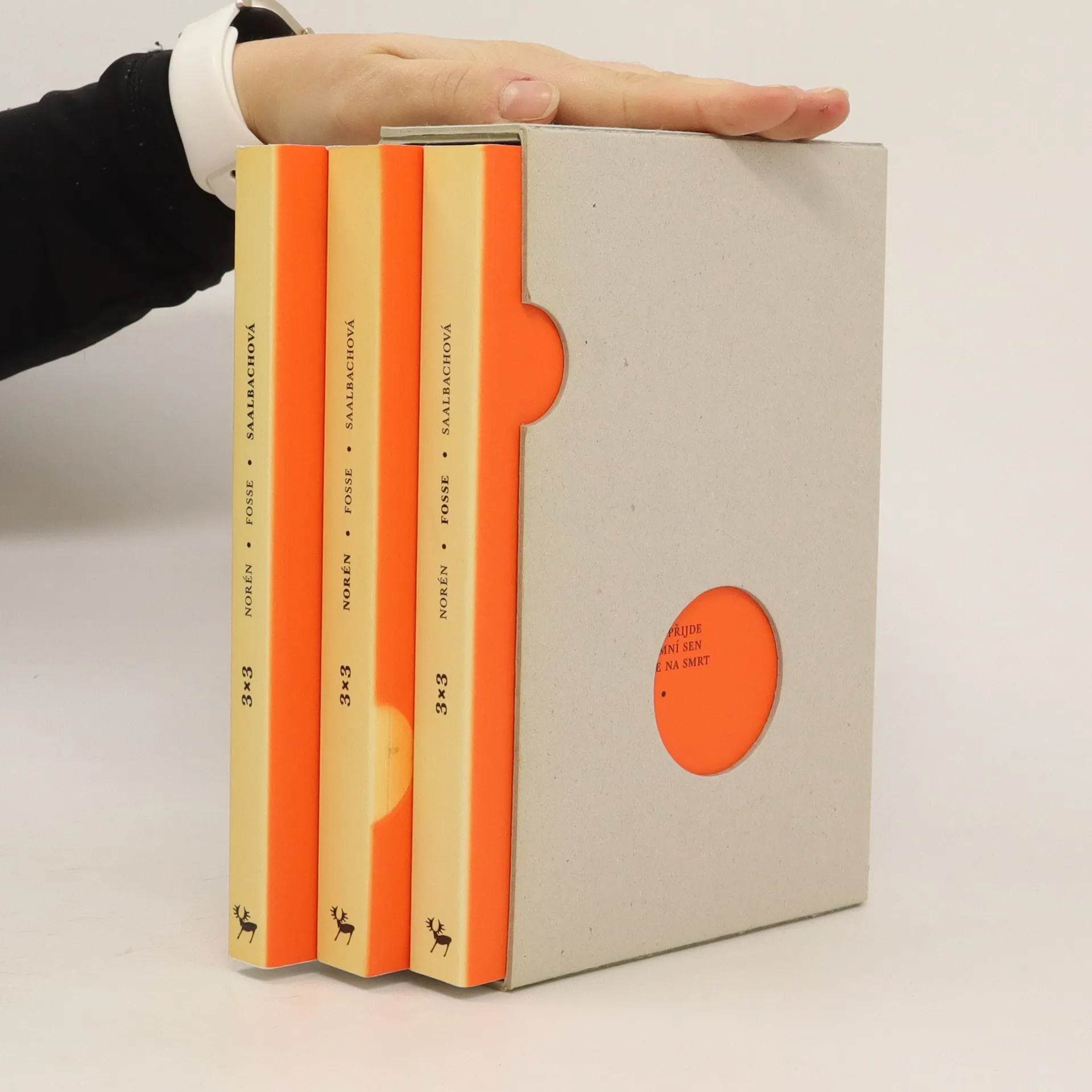
3x3 Norén Fosse Saalbachová
- 289pages
- 11 heures de lecture
Cílem knižního projektu 3x3 je seznámit čtenáře s dílem tří současných skandinávských dramatiků, kteří jsou českému publiku částečně známi. Hry Jona Fosseho byly dosud publikovány, zatímco dramaty Jona Fosseho a Larse Noréna se občas objevují na českých scénách. Například inscenace Fosseho her Jméno a Noc zpívá své písně, kterou režíroval Martin Čičvák, a Norénova hra Démoni, která byla nedávno uvedena na scéně brněnského Národního divadla. Astrid Saalbachovou měli čeští diváci možnost poznat prostřednictvím textu Taneční hodina, uvedeného pod názvem Baletky. Lars Norén, Jon Fosse a Astrid Saalbachová patří k nejvýznamnějším skandinávským dramatikům, což dokládá nejen jejich bohaté dramatické dílo, ale také časté uvádění a překlady do různých jazyků. Všechny tři autory již ocenila kritika a vydala monografie, zejména o Norénovi a Fossovi. Všichni tři autoři jsou laureáty prestižní ceny Nordisk Dramatikerpris, udělované každé dva roky. Norén ji získal v roce 1998 za Kliniku, Fosse v roce 2000 za Letní den a Saalbachová v roce 2004 za Konec světa. Antologie 3x3 zahrnuje dramaty z různých období jejich tvorby a doplňuje ji doslov, který zasazuje dílo autorů do širšího kontextu.
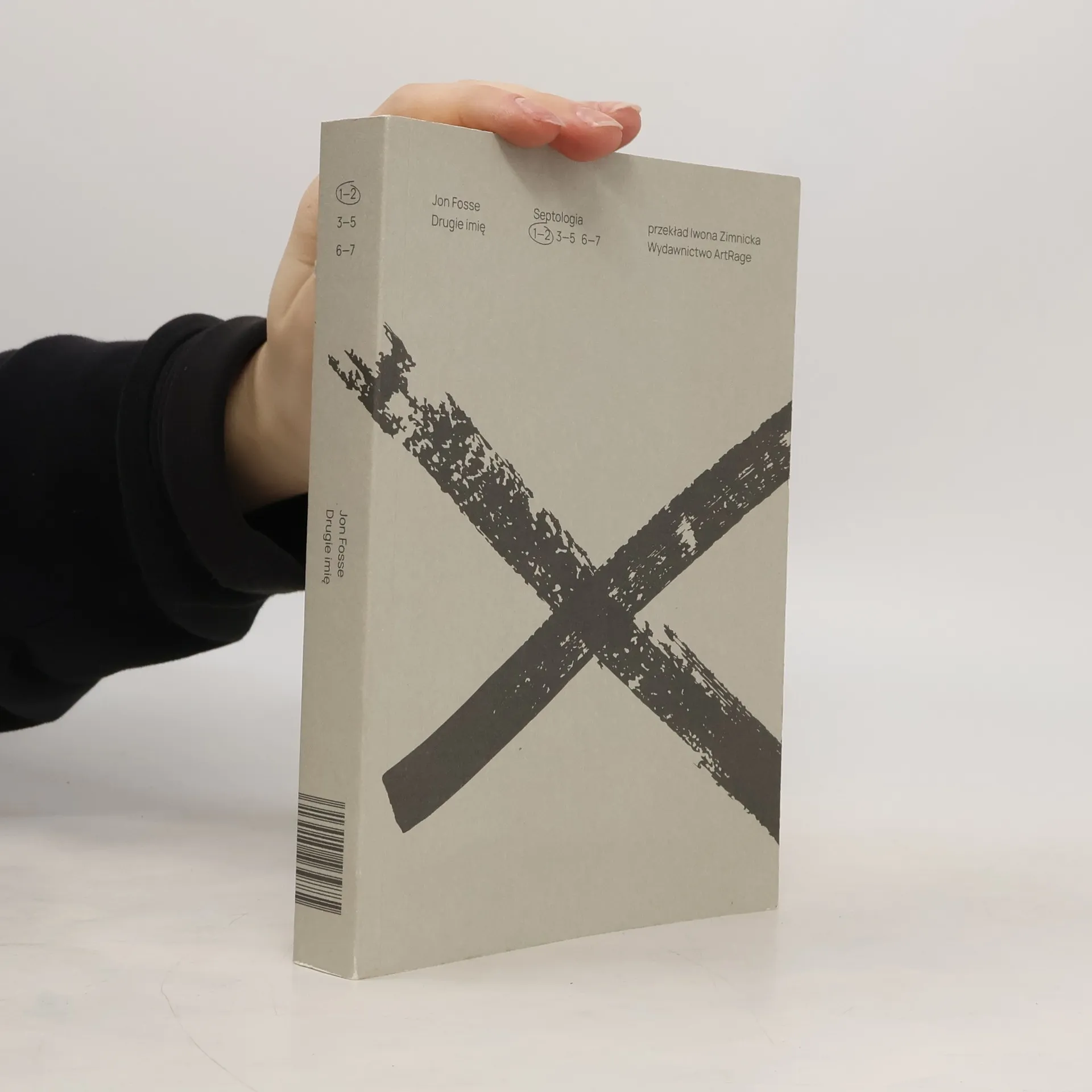
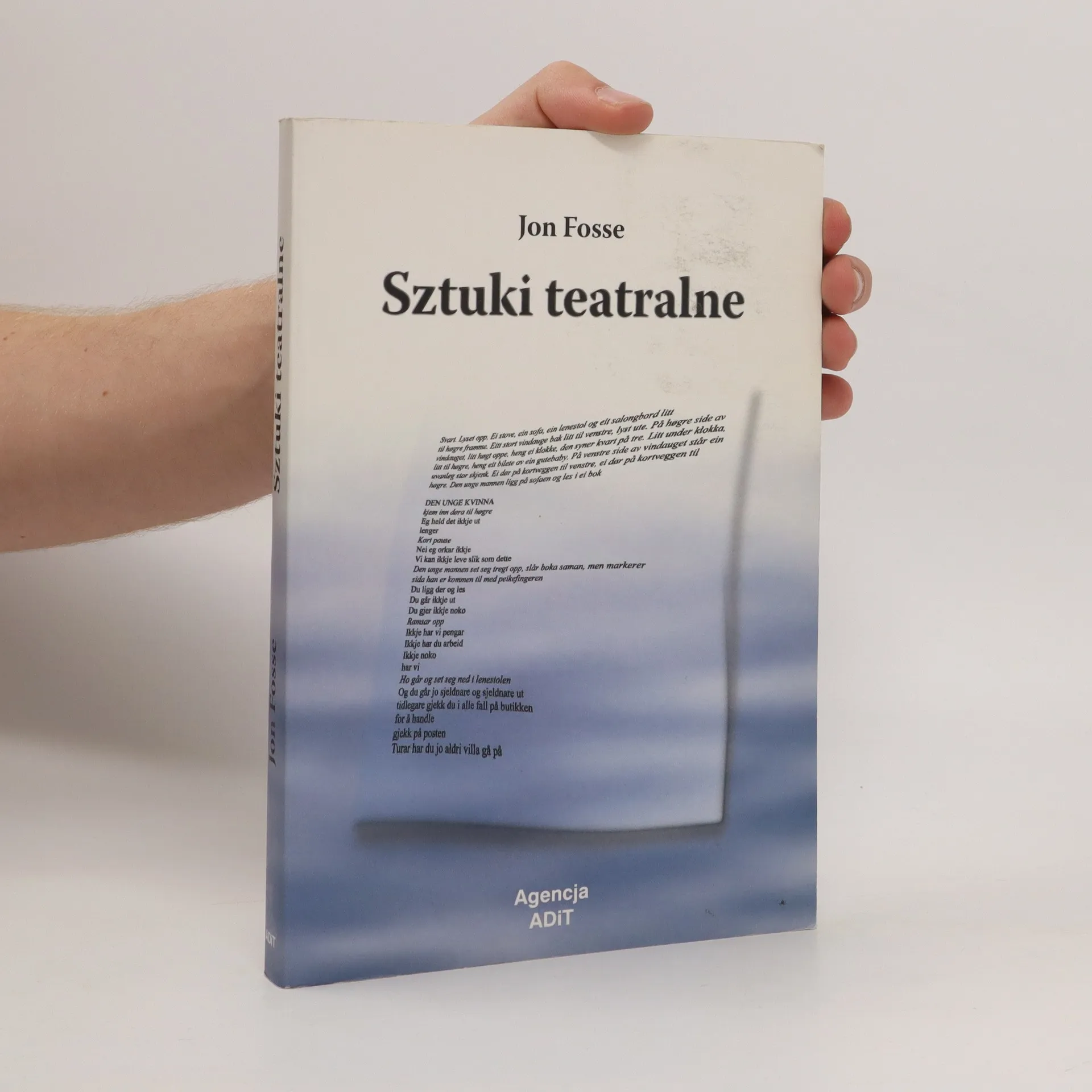
Drugie imię
- 292pages
- 11 heures de lecture
„Pisarstwo Fossego pochłania czytelnika, jest czymś, w czym czytelnik znika niby wiatr w ciemnościach. (…) Jego głosu nie sposób pomylić” – Karl Ove Knausgård Pierwszy tom prozatorskiego opus magnum jednego z najważniejszych współczesnych pisarzy. Malarz i wdowiec Asle mieszka samotnie w domu w Dylgja. Jedynymi osobami, z którymi wciąż się widuje, są jego sąsiad, rybak Åsleik i Beyer, właściciel galerii w Bjørgvin, kilka godzin jazdy na południe. W Bjørgvin mieszka także drugi Asle, jego sobowtór, a może cień albo druga wersja tego samego życia? Pierwszy z nich stał się religijny, rzucił picie i odniósł sukces, drugiemu przypadł trudniejszy los. Wszystko powoli zmierza do spotkania obu malarzy. W tej porywającej rytmem, hipnotycznej prozie Fosse stawia fundamentalne pytania: co czyni nas tym, kim jesteśmy? Dlaczego prowadzimy takie, a nie inne życie? Z pomocą retrospekcji norweski mistrz portretuje życie obu malarzy, tworząc przejmujący obraz kondycji ludzkiej. Septologia opowiada o sprawach najważniejszych: o naturze sztuki, Bogu, przemijaniu, nałogach, miłości i śmierci.
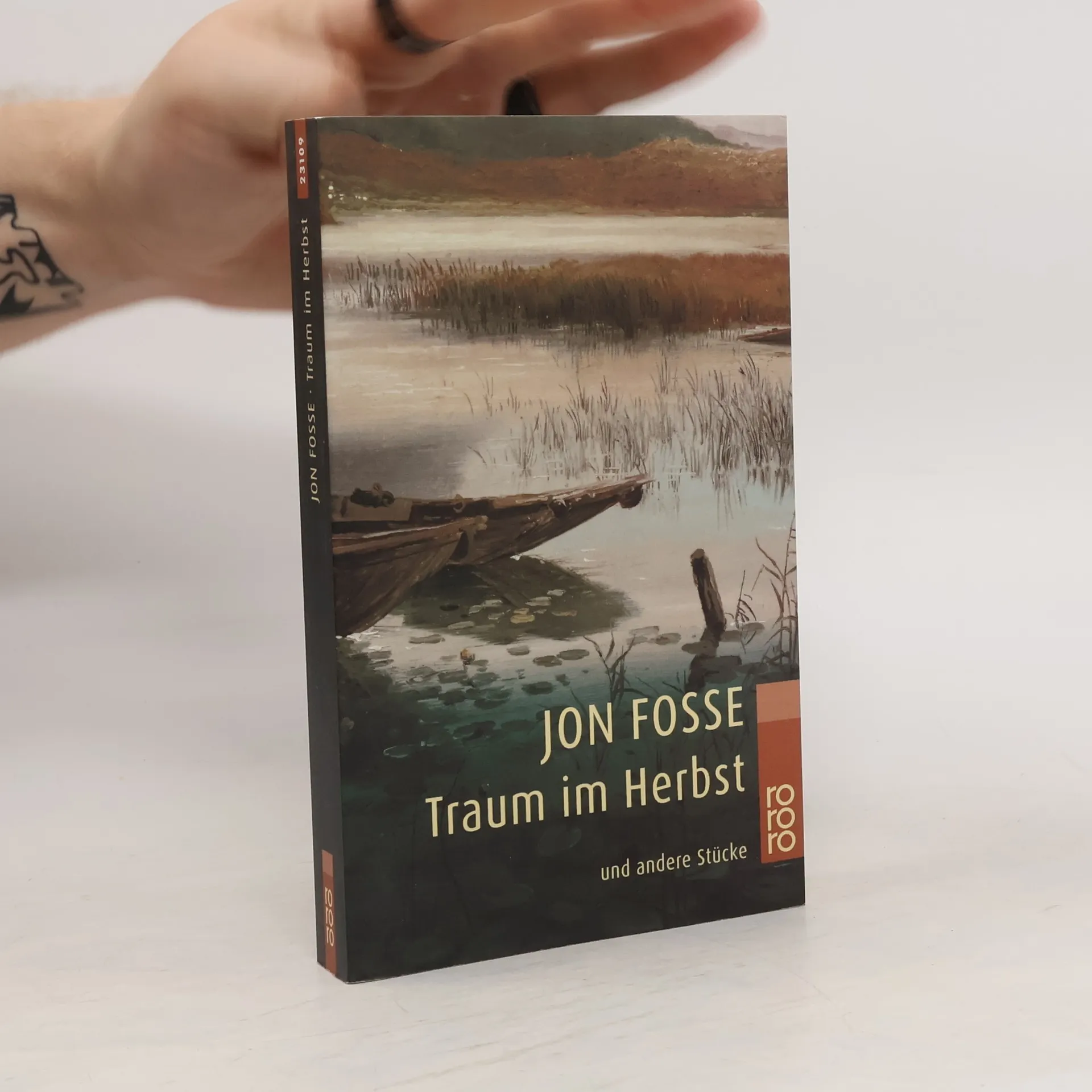
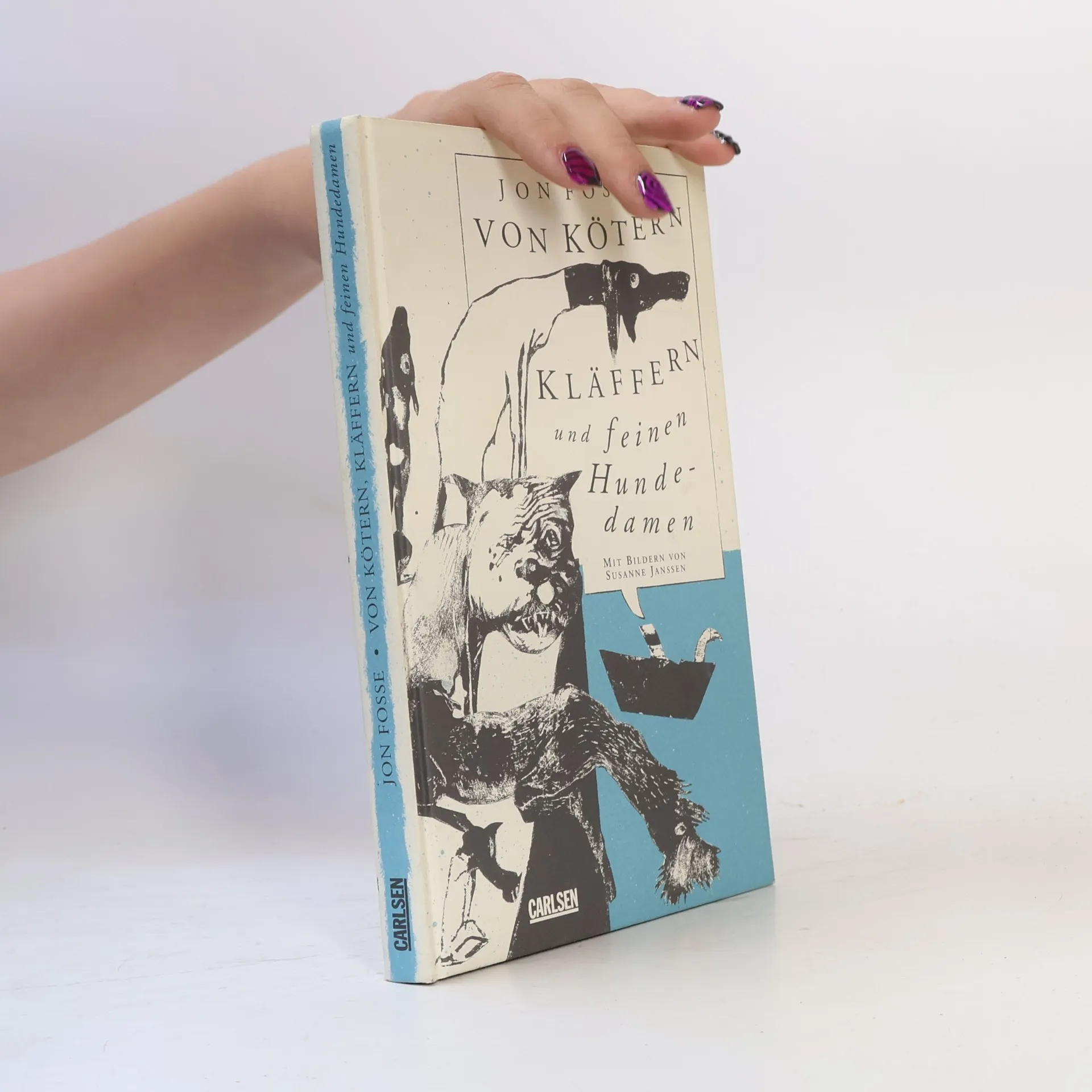
In kargen Dialogen und mit viel schwarzem Humor beschreibt Jon Fosse einfache Menschen in einer nicht ganz einfachen Welt. Wie nebenbei verhandeln seine leisen, leichtfüßigen Geschichten die großen Lebensthemen: Treue und Verrat, Schmerz und Begierde, Liebe und Tod. Erstmals auf Deutsch erscheinen hier die Stücke "Traum im Herbst", "Sommertag und Winter", mit denen Fosse die europäischen Bühnen im Sturm eroberte.
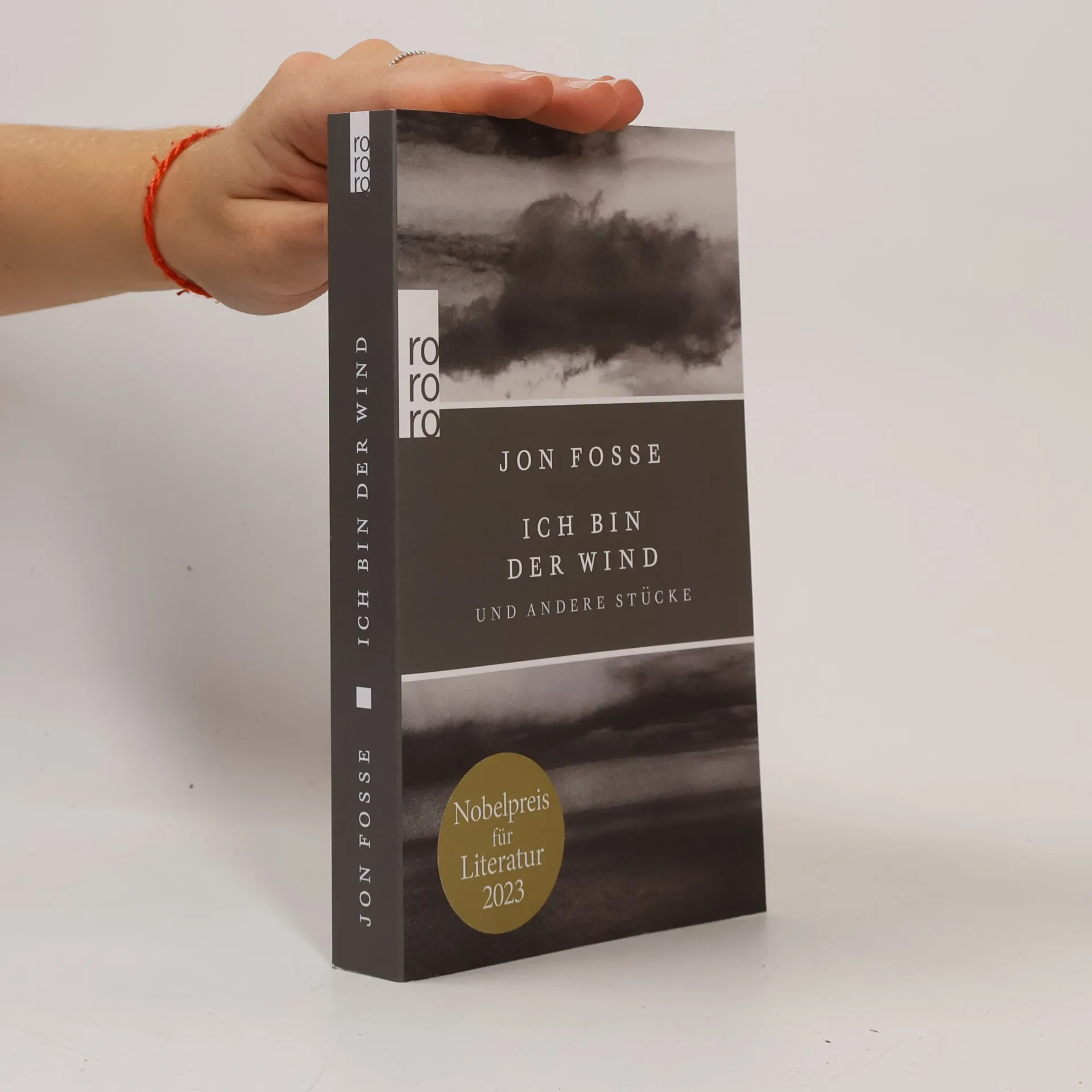
Zart und unerbittlich zugleich kreisen Jon Fosses Stücke um die Unausweichlichkeit des Todes: Eine Familie muss mit dem Selbstmord der einzigen Tochter fertigwerden (Todesvariationen). Wie Wiedergänger begegnet sich ein hoffnungsfrohes junges Paar in einer Wohnung selbst im hohen Alter (Schlaf). Auf einem Boot versucht ein Mann seinen besten Freund in der Gegenwart zu halten, obwohl der sich von der Welt längst verabschiedet hat (Ich bin der Wind). «Magisch, berührend, manchmal auch von leiser Komik» (Frankfurter Allgemeine Zeitung), setzt Jon Fosse seine Figuren tiefgreifenden Lebenskrisen aus und schreibt lange nachhallende, poetisch verdichtete Meditationen über das Menschsein, die Angst und Lust des spurlosen Verschwindens. «Bei Jon Fosse wird das Unsagbare beschworen.» (Die Welt) «Eine so absichtsvolle Zuspitzung aufs Existenzielle hat es lange nicht mehr gegeben … Ein finsterer Traum aus der Tiefe elementarer Lebensangst.» (Frankfurter Rundschau)
«Eine wunderschöne Liebesgeschichte» Dagbladet Auf der Suche nach einer Bleibe irren Alida und Asle durch einen norwegischen Küstenort. Es ist Spätherbst, es ist kalt, und Alida ist hochschwanger. Sie hat sich gegen ihre Familie und für Asle entschieden, denn sie sind füreinander bestimmt. Doch wohin sie auch kommen – überall weist man sie ab. Bis das junge Paar kurz entschlossen in das Haus einer allein lebenden Frau eindringt.
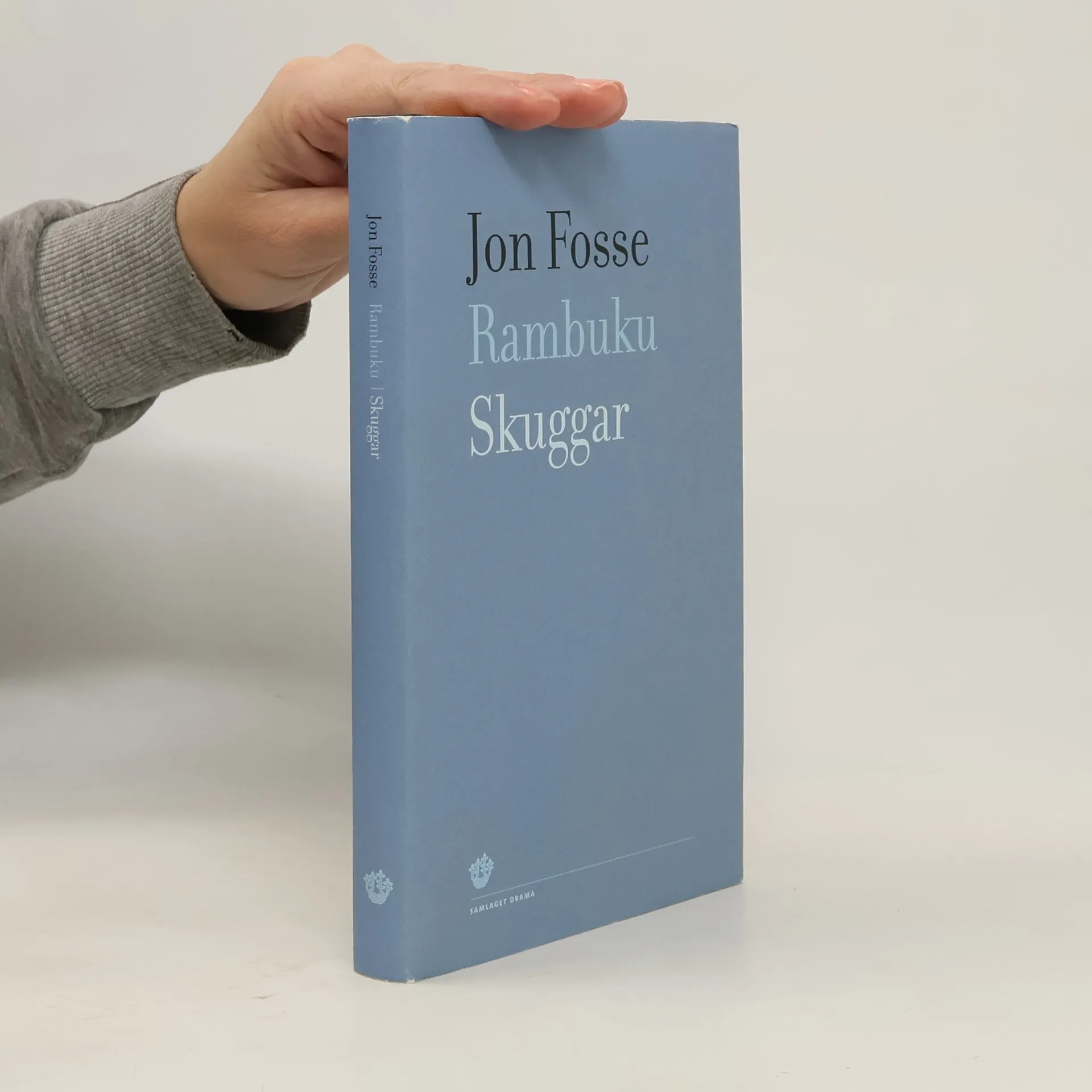
I Rambuku står eit eldre ektepar på overgangen mellom liv og død. Kvinna talar og mannen teier. Dei står klare til å reise til å reise til den andre sida, inn i det ukjende, til Rambuku. Mens dei prøver å få auge på det som ligg framfor dei, ser dei tilbake på det som har vore. Stykket hadde urpremiere på Det Norske Teateret i 2006. Historien i Skuggar kjem sakte til syne i eit landskap som ikkje er lett å definere. Ein mann møter igjen gamle kjenningar, som kona som forlet han for bestevenen. Også foreldra hans og kvinna til faren er der. Dei er samla igjen, dei forstår ikkje kor dei er, og dei slepper ikkje unna kvarandre. Stykket hadde urpremiere under Festspillene i Bergen 2006
In Jon Fosses frühen Stücken sind die Situationen von erschütternder Alltäglichkeit: Ein Paar schottet sich gegen die Außenwelt ab, bis plötzlich ein Nachbar die Ruhe stört (Da kommt noch wer). Ein Mädchen kehrt nach langer Zeit hochschwanger zu seinen überrraschten Eltern zurück (Der Name). Eine junge Frau und Mutter verzweifelt an der Passivität ihres Mannes (Die Nacht singt ihre Lieder). In Jon Fosses frühen Stücken wird das Banale zur Bedrohung. Scheinbar harmlose Ereignisse werfen die Menschen aus der gewohnten Bahn und bewirken lebensverändernde Einschnitte. So durchschnittlich die Probleme sind, die Fosse zeigt: Mit seiner wunderbar lakonisch-poetischen Sprache entwickelt er einen eindringlichen Sog. «Jon Fosse erzählt wunderbar traurige Geschichten von traurigen Menschen.» (Der Spiegel) «Ein Meister des Unheimlichen.» (Theater heute)
Schwester. Das berührende Bilderbuch des Literaturnobelpreisträgers Jon Fosse
- 56pages
- 2 heures de lecture
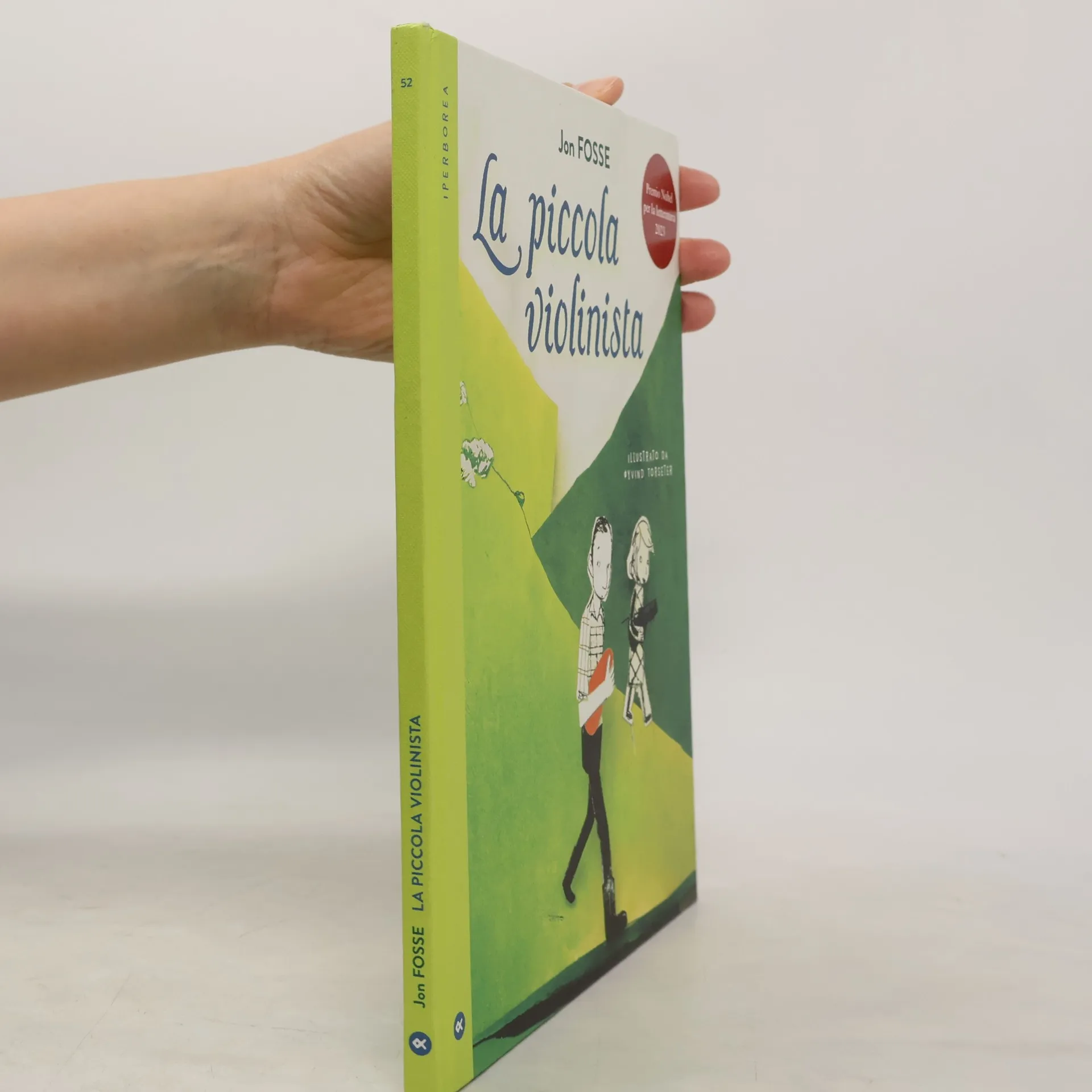
Ein berührendes Kinderbuch des Literaturnobelpreisträgers, das die Sommertage eines kleinen Jungen am norwegischen Fjord beschreibt. Sein kindlicher Blick auf die Welt wird von den Sorgen der Erwachsenen beeinflusst, doch in der Liebe zu seiner Schwester findet er Geborgenheit.
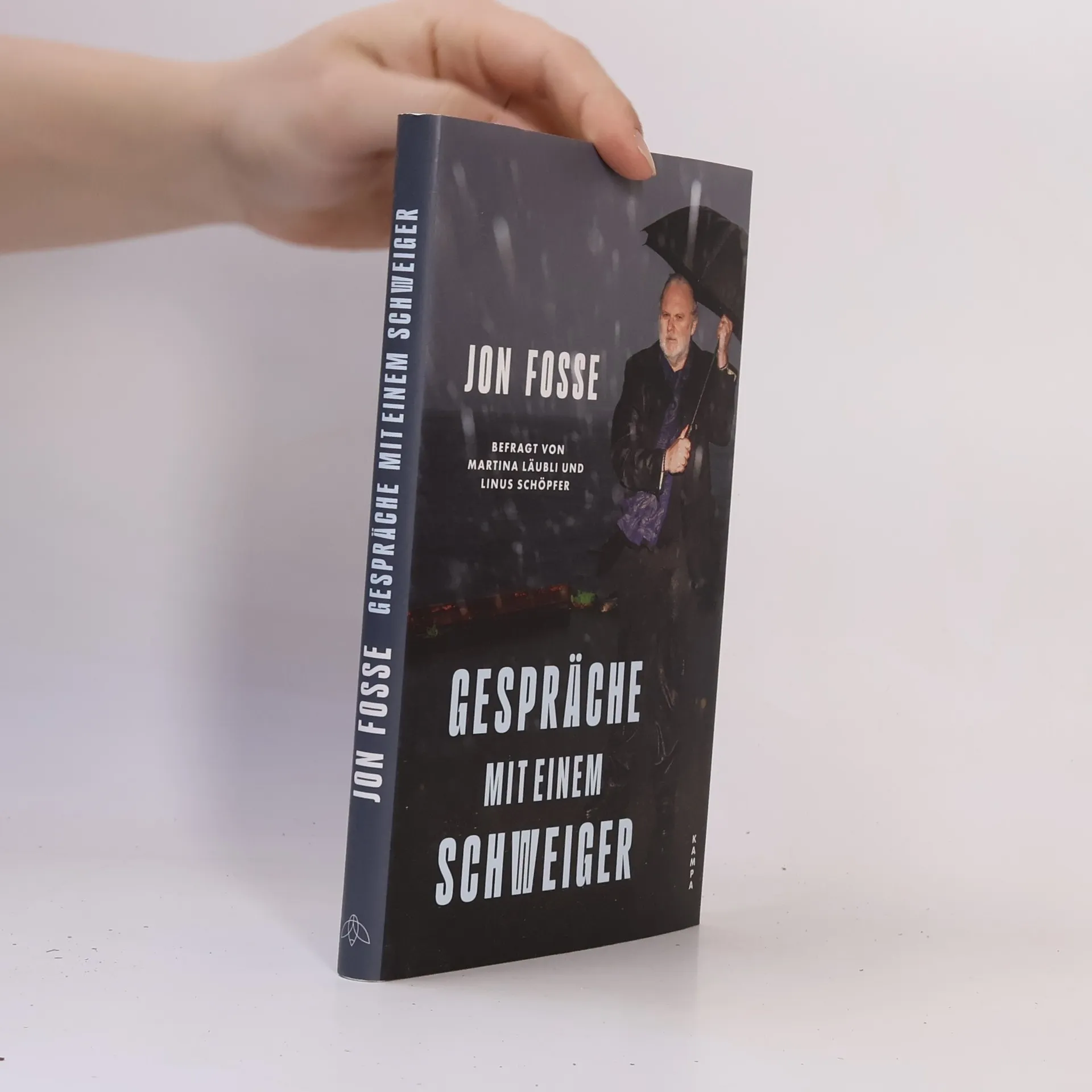
Jon Fosse, ein mystischer Schriftsteller, beschäftigt sich mit den Fragen des Menschseins und der Stille in seinen Theaterstücken und Romanen. Nach existenziellen Krisen fand er im Katholizismus Halt. Gespräche mit Martina Läubli und Linus Schöpfer bieten ein eindrückliches Porträt des Nobelpreisträgers und seiner Lebensansichten.
Kindheitsszenen
Prosa. Mit zahlreichen Holzschnitten von Olav Christopher Jenssen
- 182pages
- 7 heures de lecture
Einer der gefeierten Autoren und Dramatiker Norwegens, Jon Fosse, ist bekannt für die minimalistische und verstörende Qualität seines Schreibens. In "Kindheitsszenen" werden eine Reihe von Fosses kraftvollen Kurzstücken zusammengeführt, die seine gesamte Karriere umfassen. Im Titelwerk wird ein lose autobiografischer Erzählstrang präsentiert, der aus mehreren Erinnerungsfragmenten besteht, die von der Kindheit bis zur unbeholfenen Jugend reichen. Die Sammlung enthält auch Fosses eindringliche und traumartige Novelle "Und dann wird mein Hund zurückkommen", sowie seine erste veröffentlichte Geschichte "Er", die 1981 geschrieben wurde. Diese Stücke erscheinen zum ersten Mal in derselben Sammlung und bieten den Lesern die Möglichkeit, das Beste aus Fosses unverwechselbarer, sparsamer und poetischer Prosa zu entdecken.
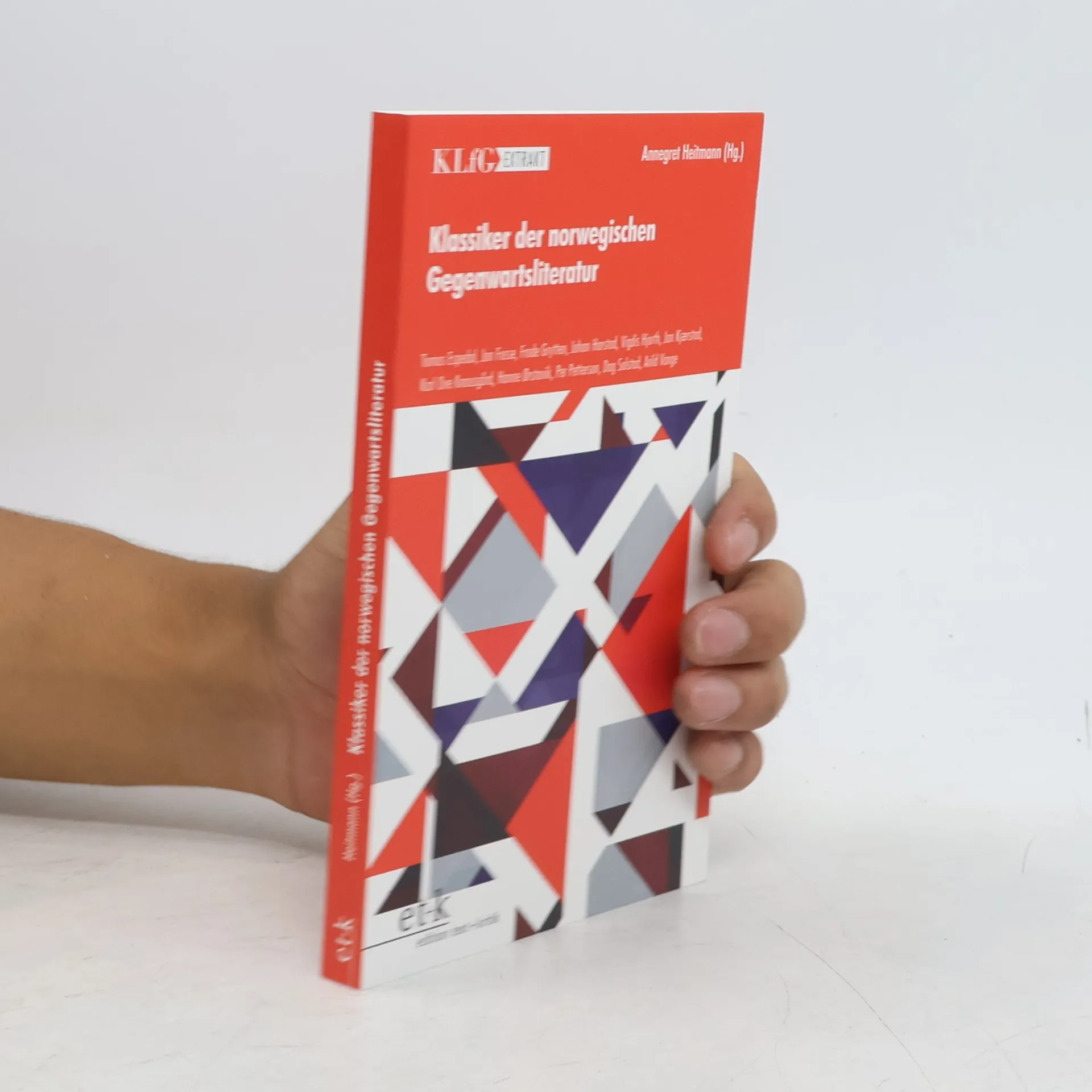
KLFG Extrakt: Klassiker der norwegischen Gegenwartsliteratur
- 180pages
- 7 heures de lecture
Zu Klassikern der norwegischen Gegenwartsliteratur können u. a. Tomas Espedal, Jon Fosse, Vigdis Hjorth, Karl Ove Knausgård, Hanne Ørstavik, Per Petterson und Dag Solstad gezählt werden. Der Band porträtiert Leben und Werk von zwölf der wichtigsten Schriftstellerinnen und Schriftsteller, die mit ihrem Schreiben die Literatur Norwegens in ihrer Vielfalt und Buntheit geprägt und gestaltet haben. Der Überblick zeigt, wie sich ein facettenreiches Themen- und Formenspektrum gebildet hat, in dem sich künstlerische wie gesellschaftliche Entwicklungen über regionale oder nationale Grenzen hinaus niederschlagen.
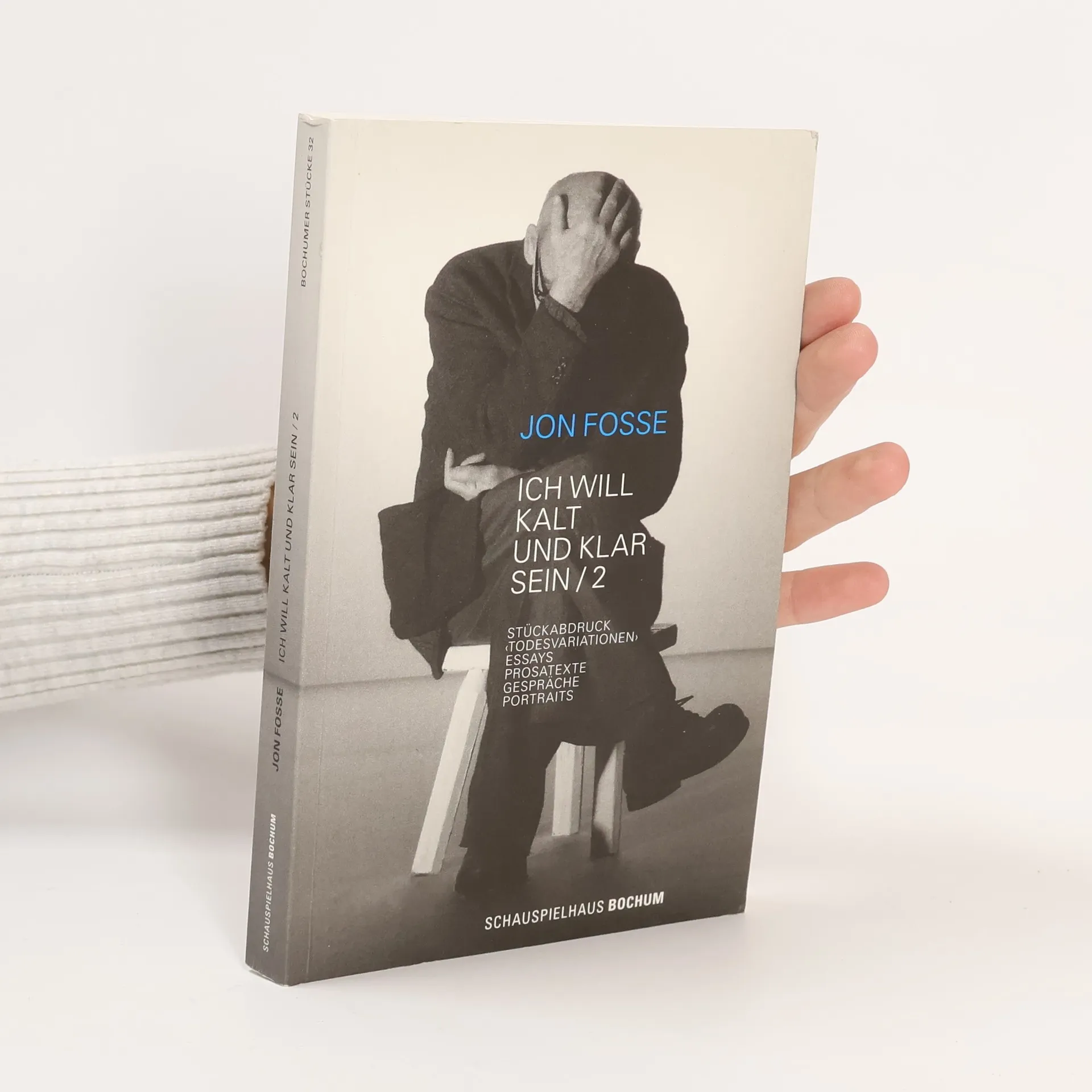
Mit den Texten ‚Fosse entschied sich für das Dichten‘ von Cecilie N. Seiness und ‚Der Wind im Dunkeln‘ von Karl Ove Knausgård Essays und Texte aus dem Norwegischen von Hinrich Schmidt-Henkel
El protagonista y narrador, Asle, es pintor, viudo y vive en una casa en Dylgja donde anteriormente vivía con su esposa Ales. Ahora vive solo y sus únicos amigos son el vecino Åsleik, un soltero y pescador, y Beyer, un galerista que vive en Bjørgvin, a un par de horas en coche al sur de Dylgja. En el segundo volumen de la Septología, Asle vuelve a mirar el cuadro con las dos líneas que se cruzan. Y piensa en la infancia. En el tiempo en que él y su hermana hicieron el viaje prohibido hacia el fiordo. En el niño vecino que cayó al agua y se ahogó y en Skaldepanden, del que los niños deben cuidarse.
Geheimnis des Glaubens
- 160pages
- 6 heures de lecture
2013 konvertierte Jon Fosse zum Katholizismus. Mit sechzehn Jahren war er aus Protest aus der norwegischen evangelisch-lutherischen Staatskirche ausgetreten, durch sein Schreiben fand er zu einer religiösen Weltanschauung zurück. In Geheimnis des Glaubens diskutieren der Theologe und Katholik Eskil Skjeldal und Jon Fosse über den Weg zu Fosses Konversion. Sie sprechen über Glauben und Gott, spirituelle und mystische Erfahrungen, das Schreiben, Alkoholismus und Krankheit, den Alltag als Katholik und darüber, was Fosse über die Positionen der katholischen Kirche denkt. Ein persönliches Buch über Glauben, Religion und den Katholizismus. «Das Schreiben hat mich zu einem religiösen Menschen gemacht.» Jon Fosse
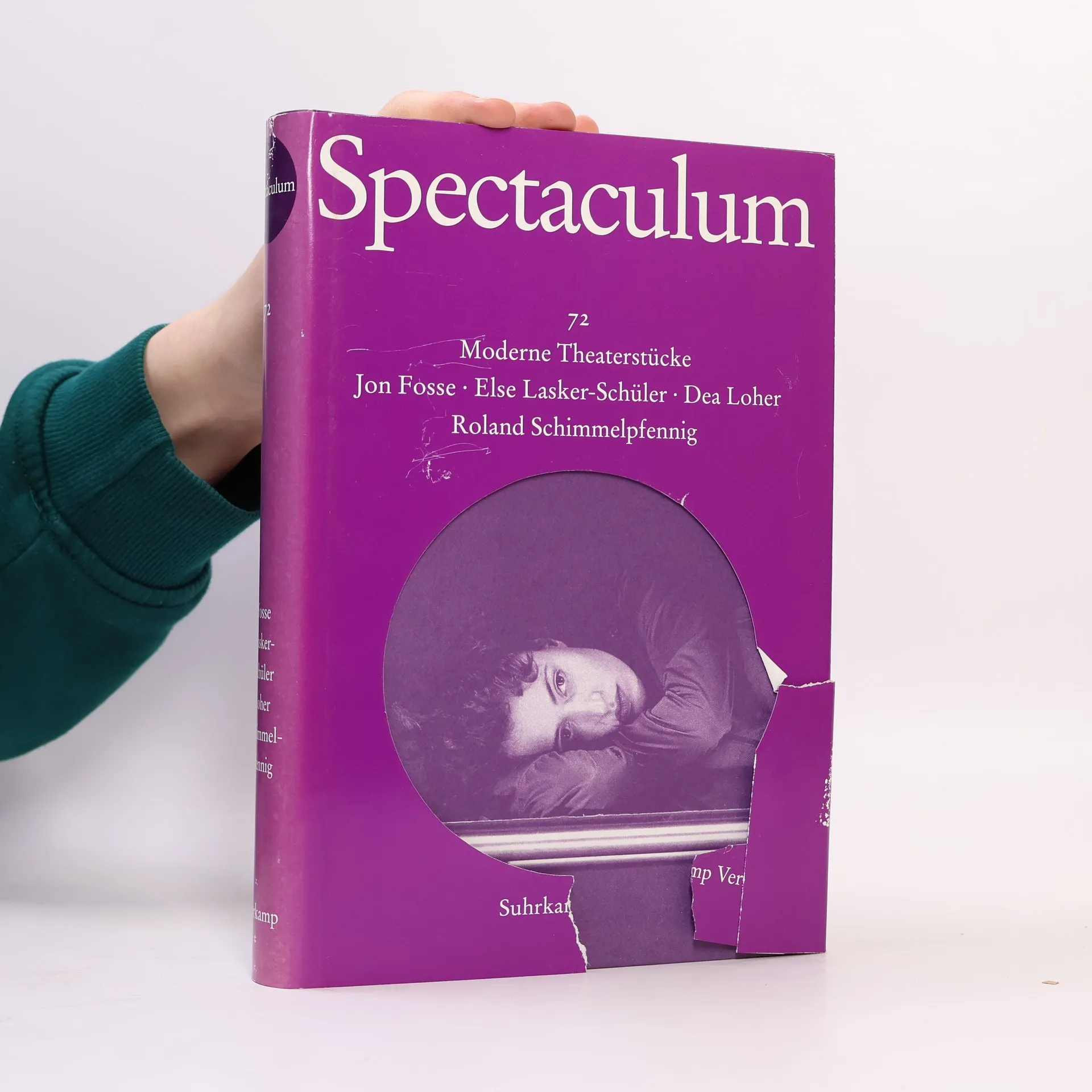
Moderne Theaterstücke und kurze Biographien der AutorInnen.
Septologie
- 792pages
- 28 heures de lecture
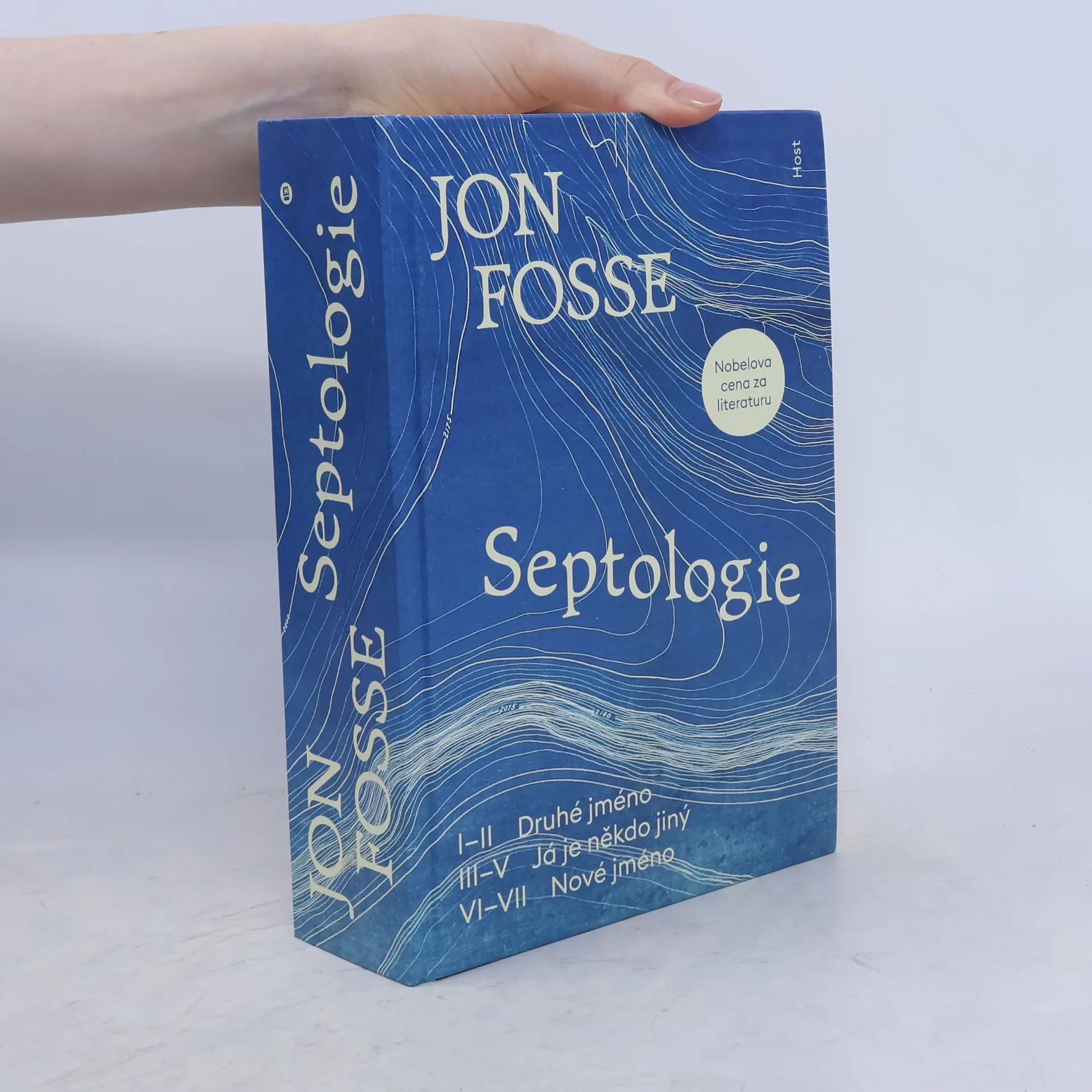
Septologie I-II: Druhé jméno (2019) Septologie III-V: Já je někdo jiný (2020) Septologie VI-VII: Nové jméno (2021). Je advent a stárnoucí malíř Asle se připravuje na svou každoroční vánoční výstavu. Jeho pravidelný život vdovce vyplněný prací, vzpomínkami na milovanou ženu a hovory se sousedem naruší nečekaná událost — jeho přítel a současně alter ego stejného jména potřebuje pomoc. A tak Asle pendluje mezi svým domovem na samotě a městem a zároveň putuje v čase: cesty i jednotlivá zastavení mu slouží jako dveře, jimiž se vrací ke klíčovým okamžikům svého života. Prostřednictvím vnitřního monologu, členěného do dlouhých rytmických celků a průzračných dialogů, se noříme do dvou paralelních životních osudů, do úvah o umění, víře, lásce a přátelství. Neodbytně všudypřítomnou smrt v životě hlavních postav střídá adventní poselství naděje.
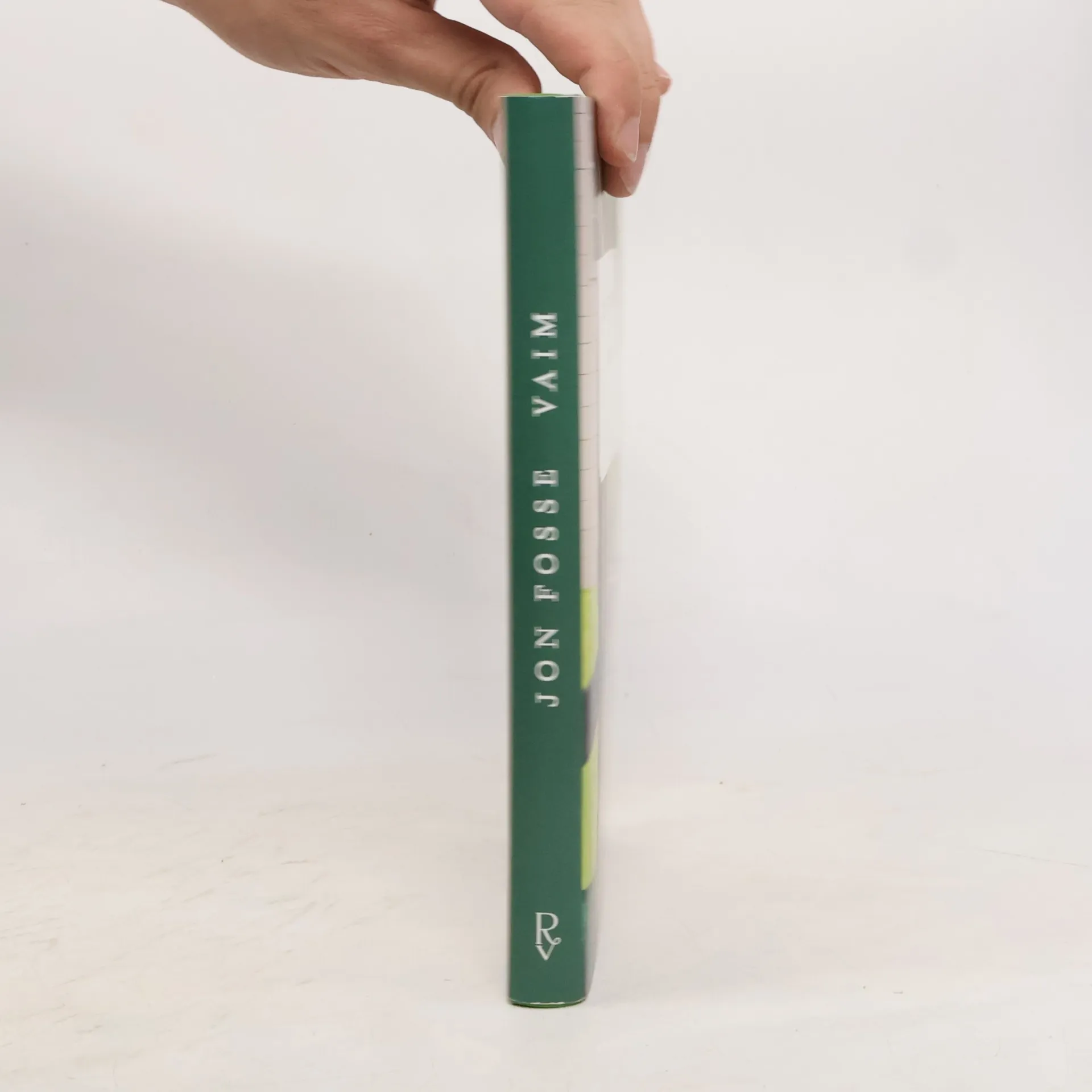
Vaim
- 224pages
- 8 heures de lecture
Der Auftakt zu Jon Fosses neuer Trilogie: Mit der Kleinstadt Vaim hat der Nobelpreisträger wieder ein literarisches Universum geschaffen. Ein Mann steigt in sein Boot, um über den Fjord in die Großstadt zu fahren. In jüngeren Jahren hat Jatgeir häufig Ausflüge nach Bjørgvin gemacht, Bars und Restaurants besucht und von der Begegnung mit einer Frau geträumt, die er lieben könnte. Dieses Mal will er Nadel und Faden kaufen, was sich als schwerer herausstellt als gedacht. Als er von den Kaufleuten betrogen wird, macht er sich angewidert von den Großstädtern auf den Rückweg und entscheidet spontan, auf einer Insel Halt zu machen. Dort trifft er Eline wieder, seine Jugendliebe, nach der das Boot benannt ist. Eline hat gerade ihren Mann verlassen ... Vaim erzählt meisterhaft und mit Sinn für die Absurdität unserer Existenz von einer Dreiecksbeziehung, von kleinen und großen Booten, von passiven Männern und einer ungewöhnlich entschiedenen Frau, deren Willen man sich besser beugt.