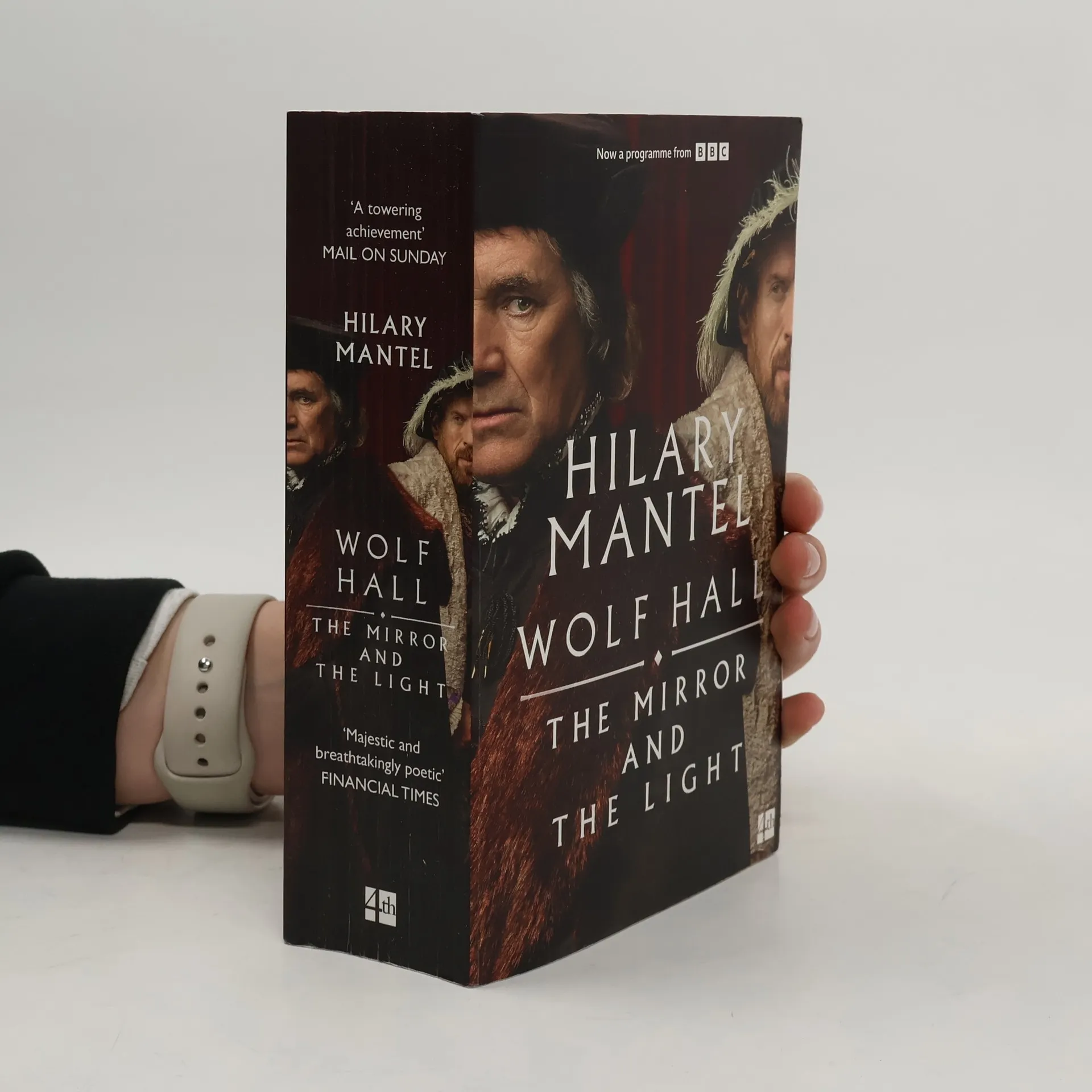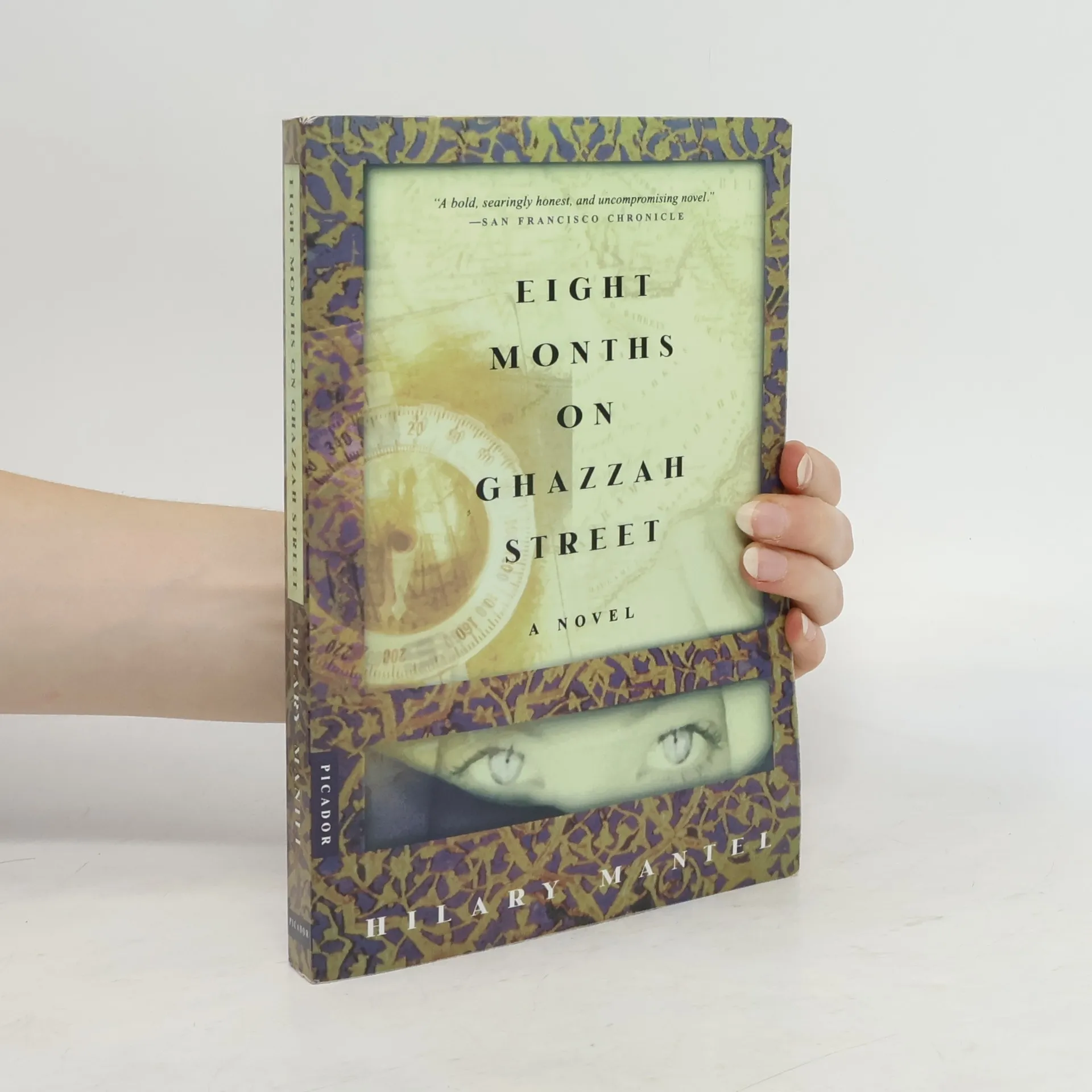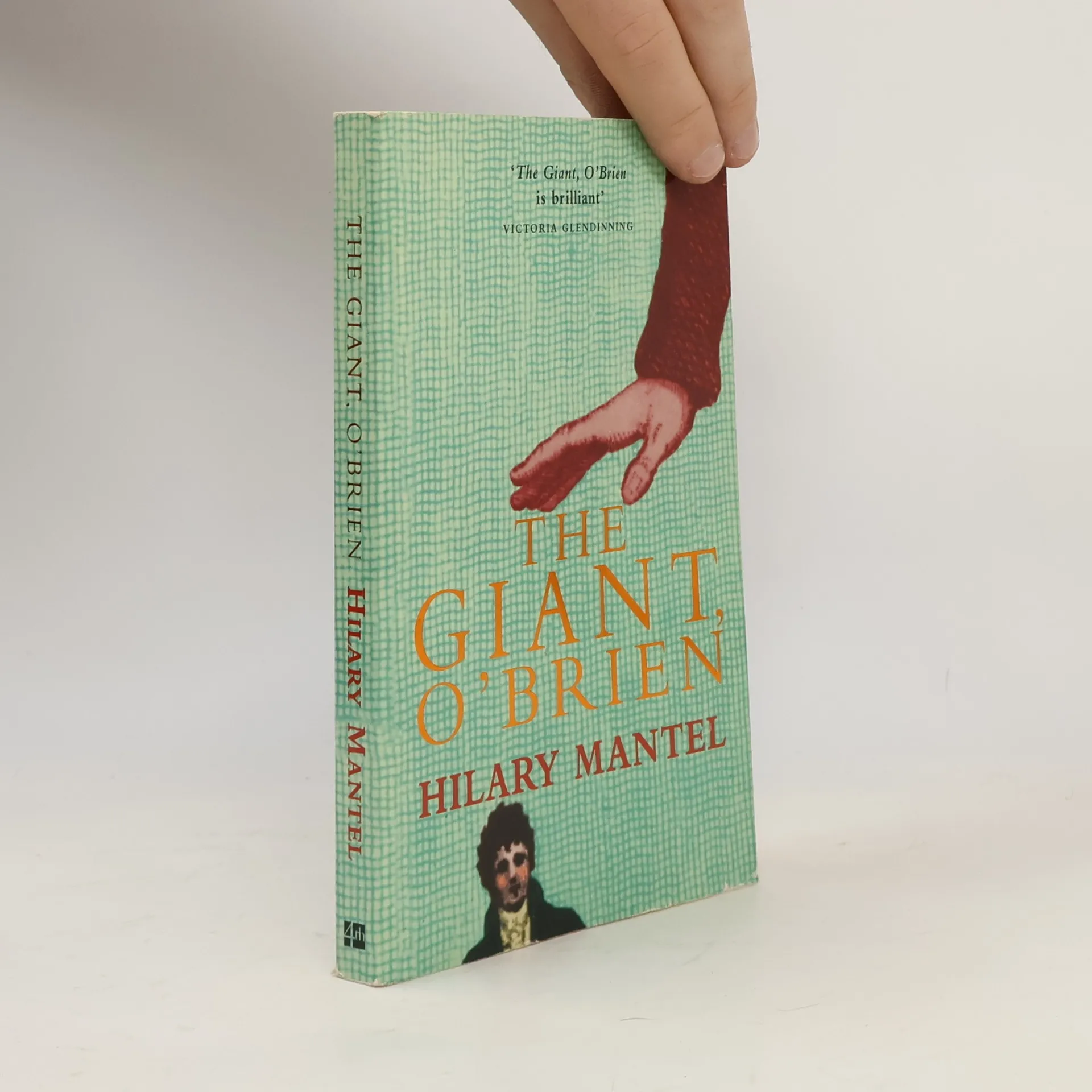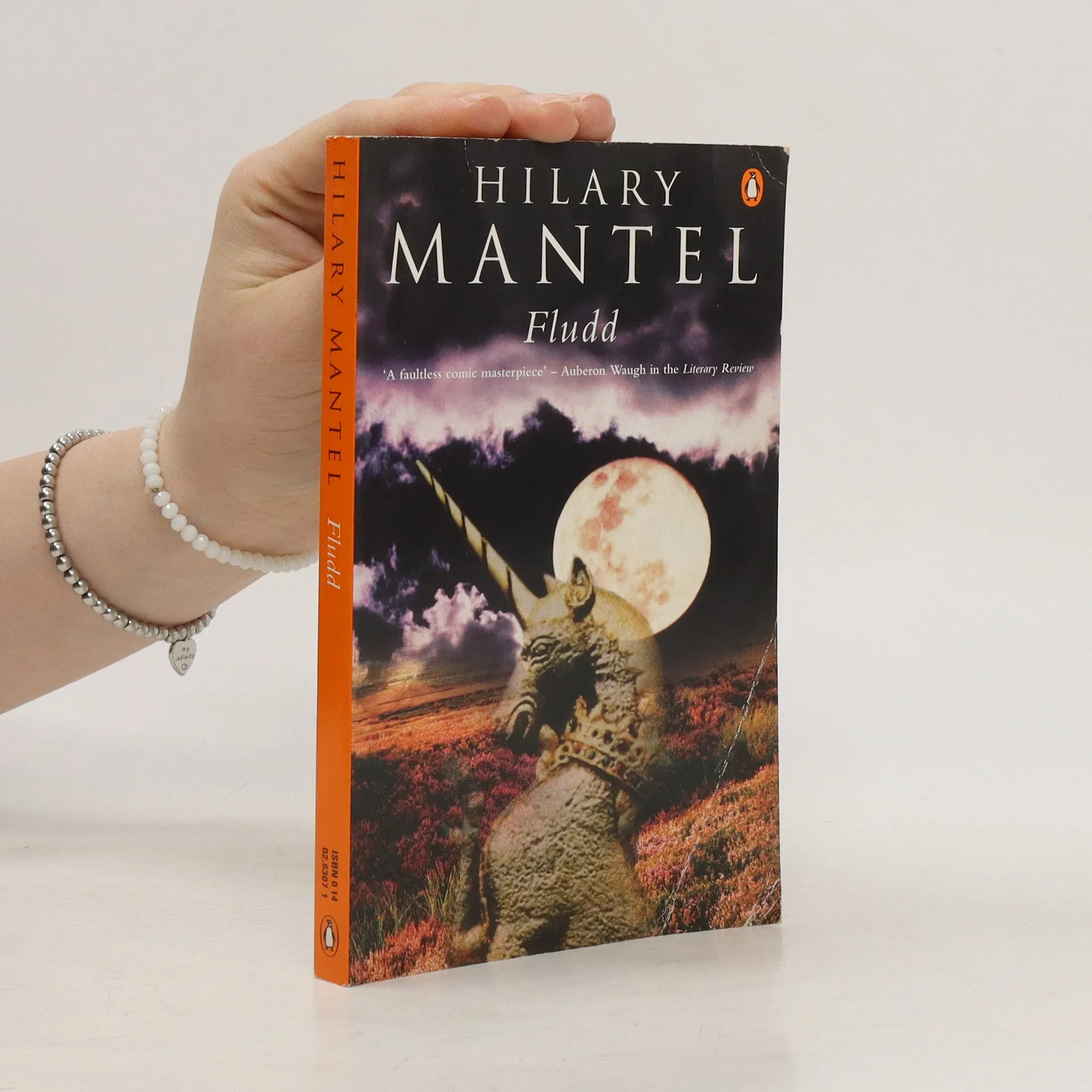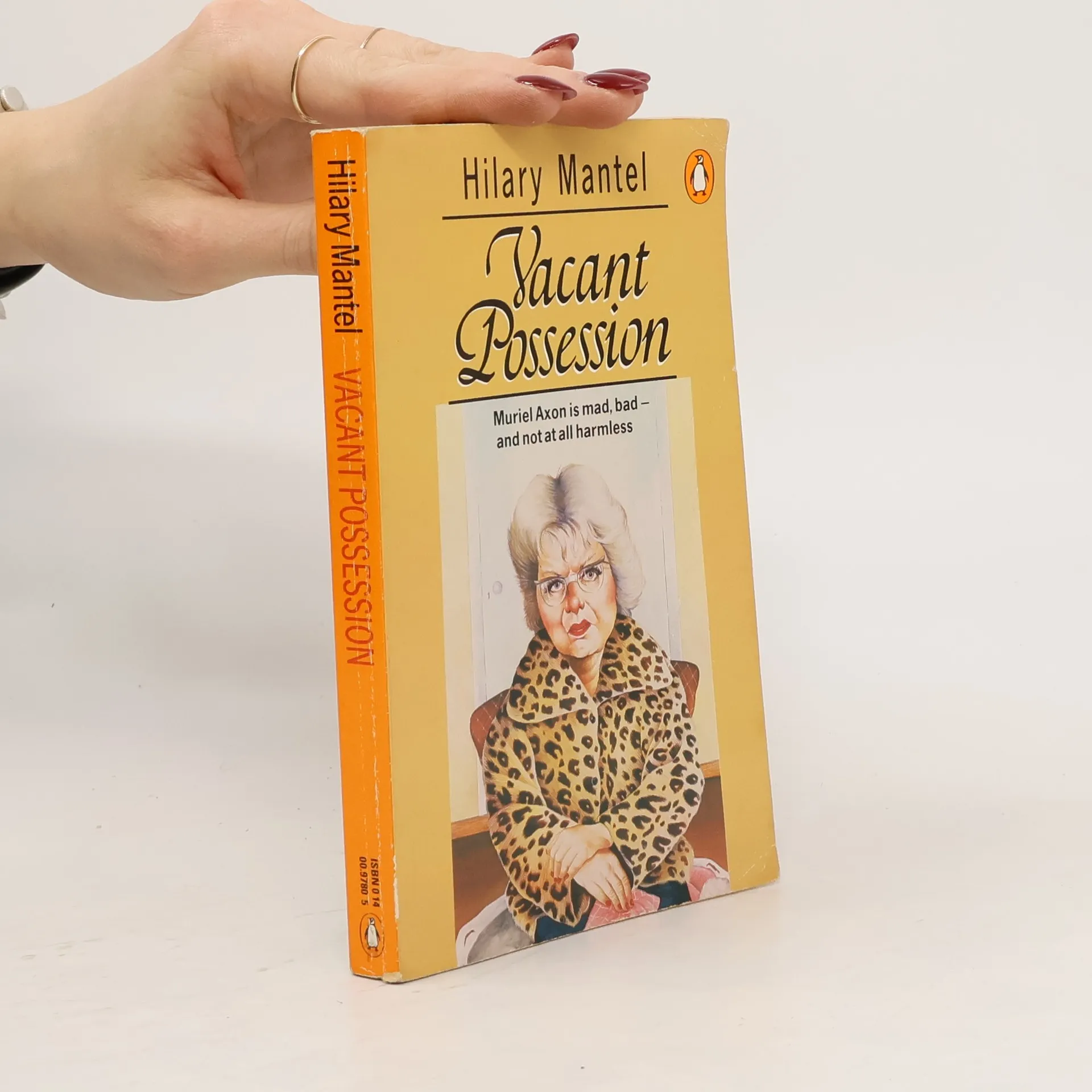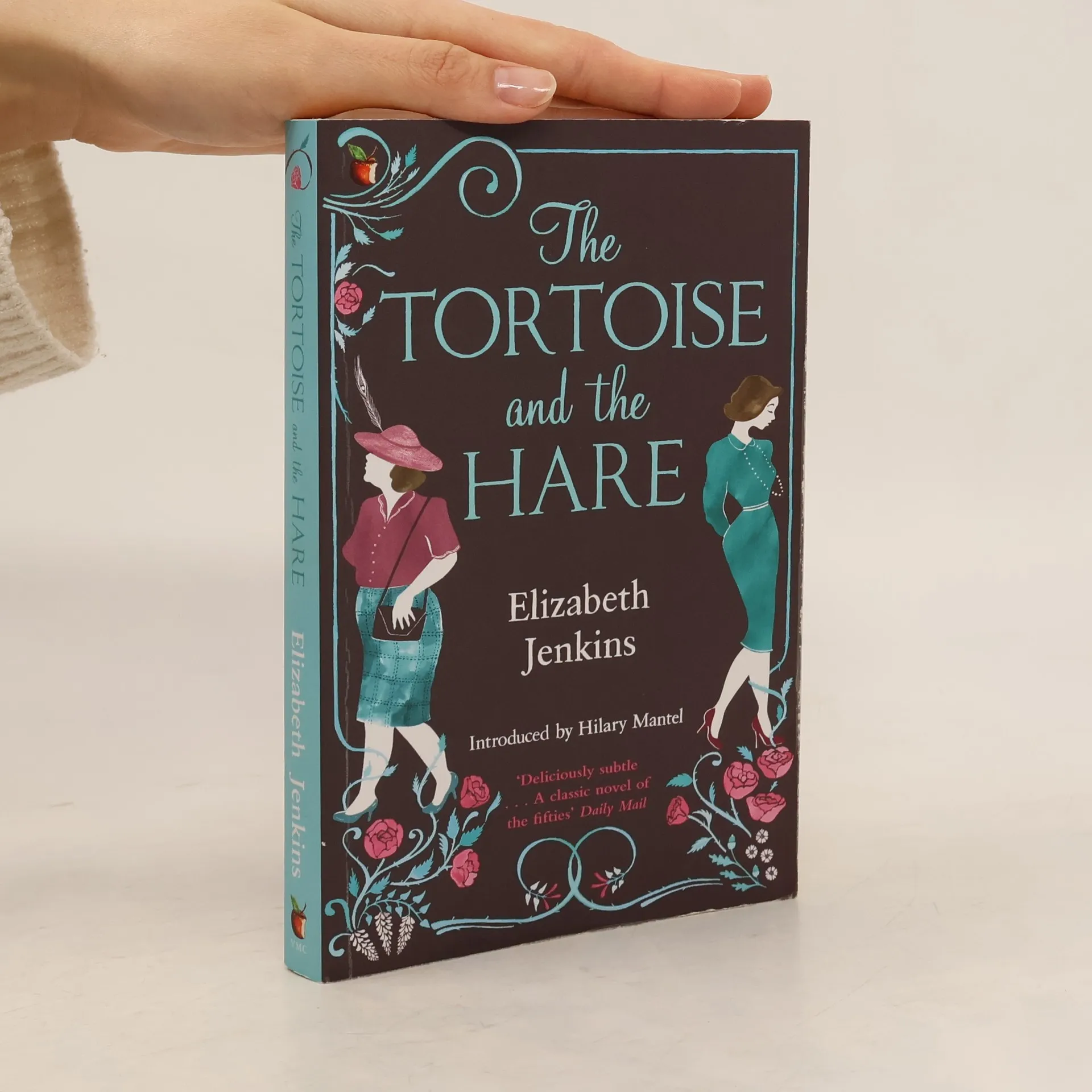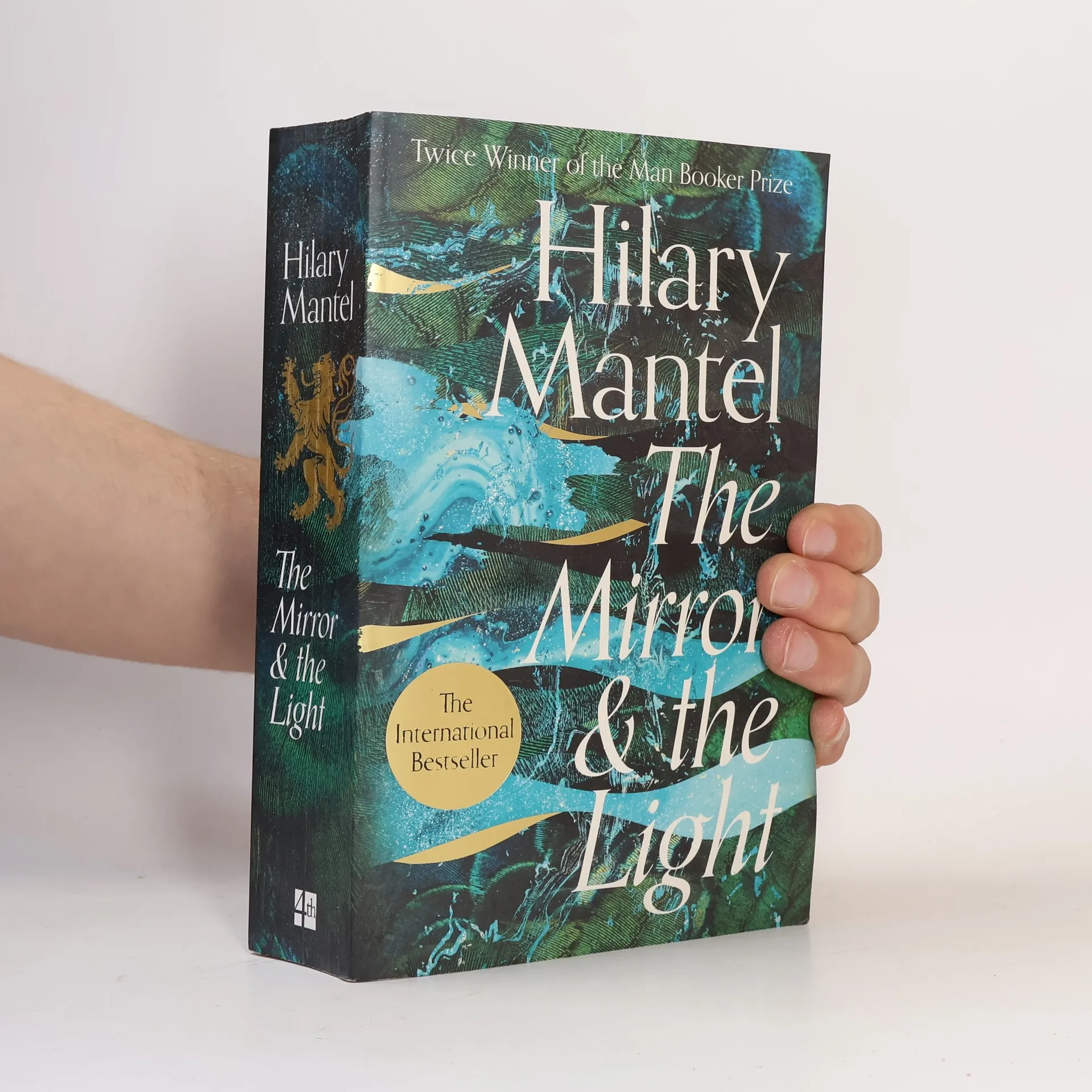




The Wolf Hall Trilogy: The Mirror and the Light
The stunning conclusion to the Booker Prize-winning and bestselling Wolf Hall trilogy, now a major TV series
- 912pages
- 32 heures de lecture
Hilary Mantel était une auteure renommée, célébrée pour ses romans historiques marqués par une profonde perspicacité psychologique. Ses œuvres exploraient fréquemment les thèmes du pouvoir, de la trahison et des complexités de la nature humaine. Mantel excellait à faire revivre le passé par des recherches méticuleuses et une narration vivante. Sa voix distinctive et sa compréhension approfondie des personnages historiques en ont fait une figure inoubliable de la littérature contemporaine.


The stunning conclusion to the Booker Prize-winning and bestselling Wolf Hall trilogy, now a major TV series
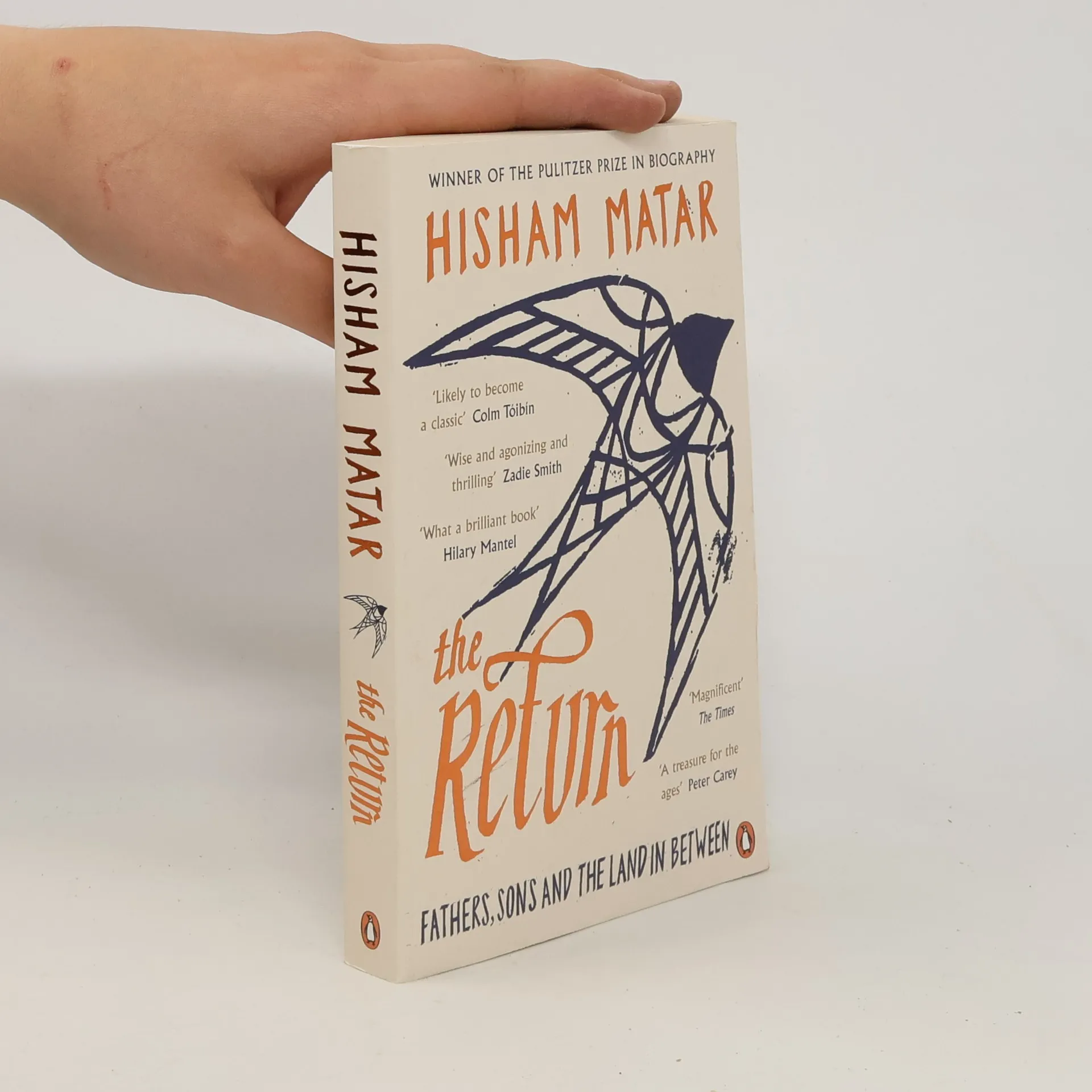
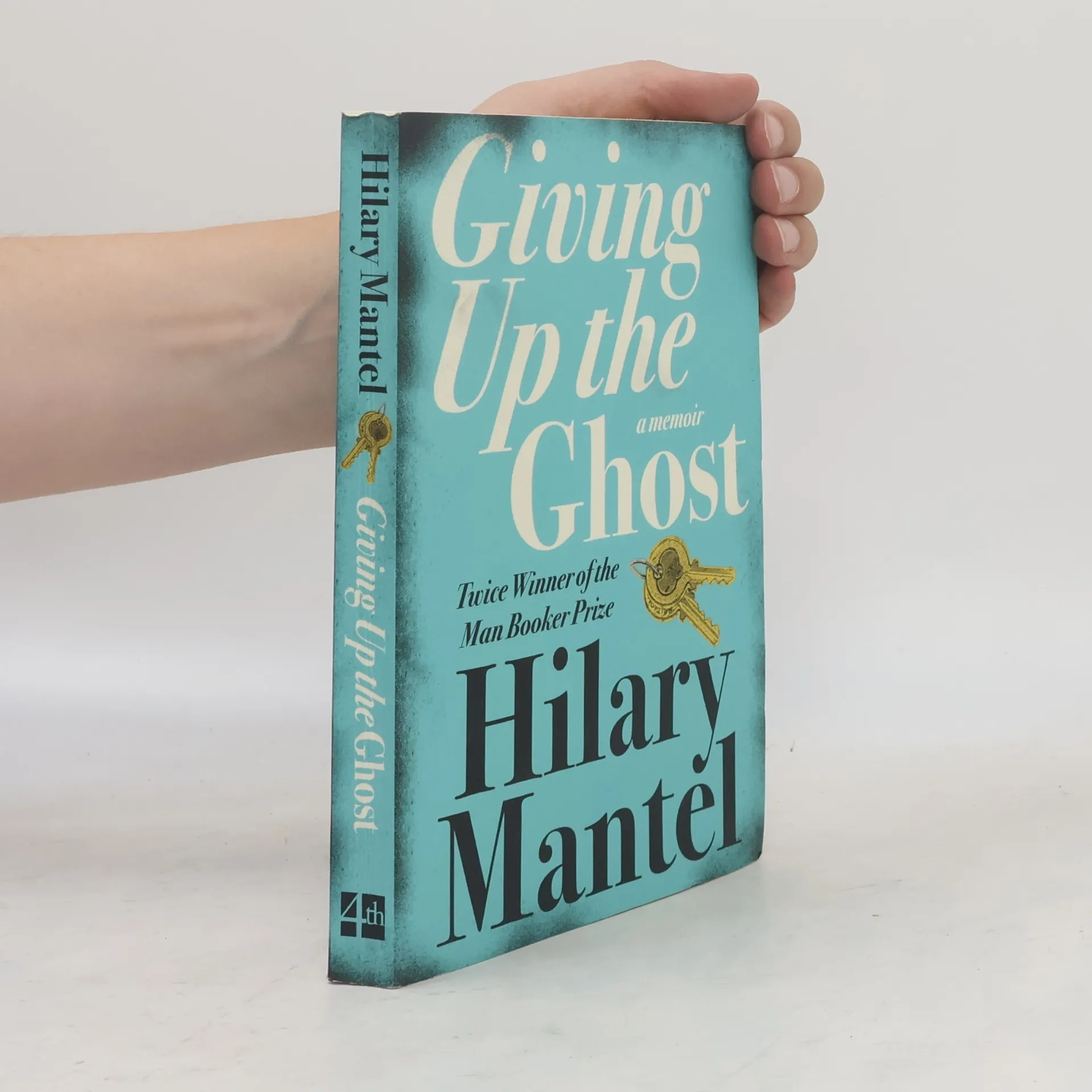
'I breathed in stories, as soon as I breathed in air. Sometimes I think I wasn't born, but I just came out of an ink blot.' Hilary Mantel, celebrated novelist and insightful journalist, reflects on her life and writing in this collection spanning four decades. Her belief that 'ink is a generative fluid' underscores her commitment to storytelling, as she explores a range of subjects. Mantel delves into nationalism and belonging, the interplay between dreams and reality, and the enduring legacy of figures like Princess Diana. She examines themes that inform her novels—revolutionary France, psychics, Tudor England—and discusses fellow writers from Jane Austen to V. S. Naipaul. Her personal narrative includes poignant reflections on her father, her struggles with health in her youth, and the challenges of living in Saudi Arabia. This collection also features her film reviews, from classics like When Harry Met Sally to RoboCop, alongside her powerful Reith Lectures, which illuminate how art resurrects history. Through her unique lens, Mantel offers a vivid portrayal of her life, filled with humor and insight, making this an essential read from one of literature's greatest voices. 'A smart, deft, meticulous, thoughtful writer, with such a grasp of the dark and spidery corners of human nature' - Margaret Atwood.
The magnificent final book from the bestselling author of the Wolf Hall Trilogy[Bokinfo].
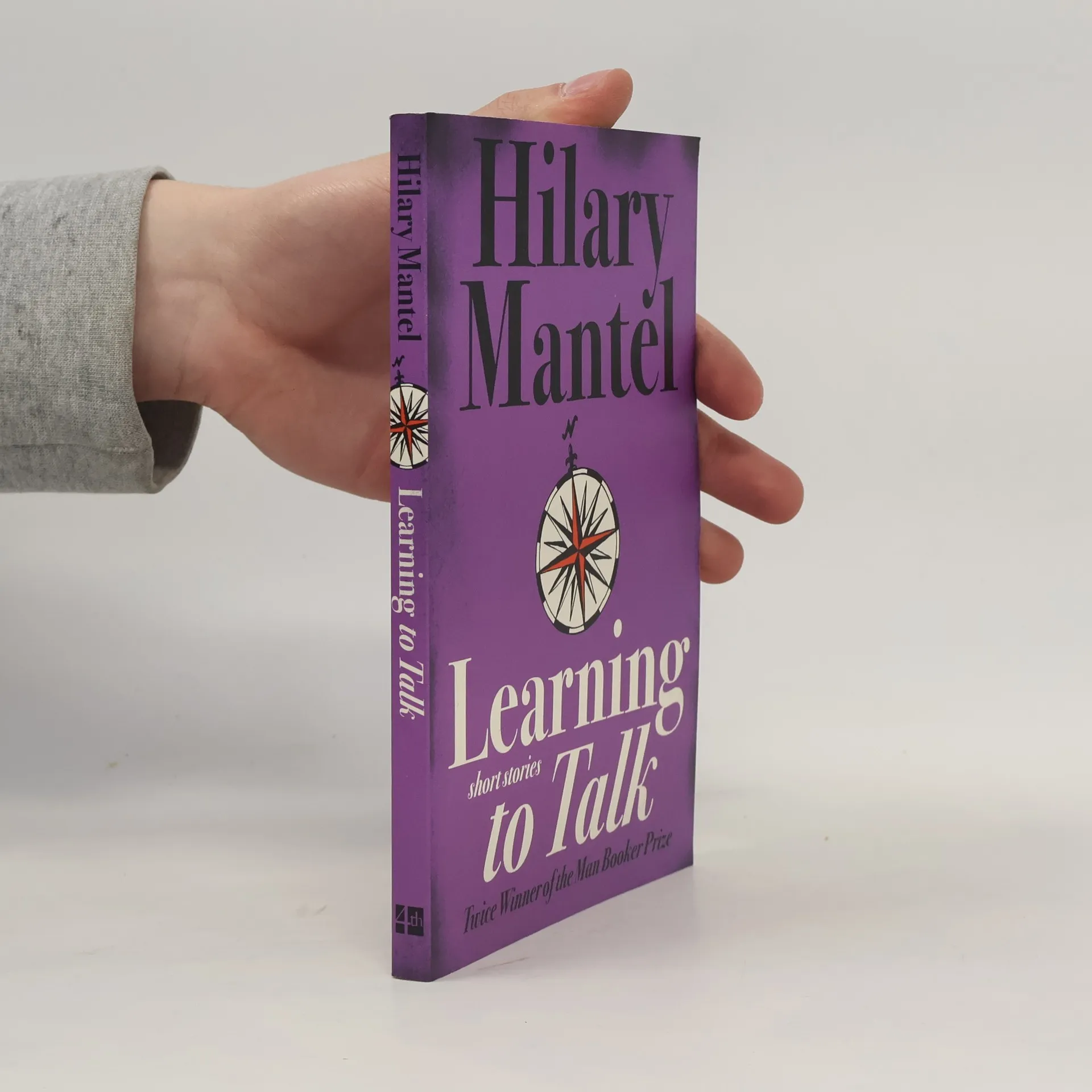
Erzählungen
In ›Sprechen lernen‹ folgen wir Hilary Mantels Figuren ins England der Fünfziger- und Sechzigerjahre, betreten abgelegene Dörfer und Schrottplätze, besuchen altmodische Kaufhäuser und Klosterschulen. Es sind diese unscheinbaren, »von rauen Winden und derben Klatschmäulern geplagten Orte«, die zum Schauplatz eben jener Momente werden, die den jungen Protagonisten und Protagonistinnen noch lange in Erinnerung bleiben. Momente, die ihr Leben für immer prägen werden: das Verschwinden des leiblichen Vaters, die neue Identität der Mutter, das plötzliche Verlorengehen und das mühsame Sprechenlernen. Leicht, aber voller Hintersinn und mit gnadenlosem Witz gewährt uns die zweifache Booker-Preisträgerin einen erzählerischen Einblick in die Rätsel ihrer Kindheit und Jugend, ohne sie je in Gänze aufzulösen. »Diese Erzählungen bergen Welten, die so groß sind wie die der längsten Romane Mantels.« THE NEW YORK TIMES BOOK REVIEW
King Billy is a gentleman -- Destroyed -- Curved is the line of beauty -- Learning to talk -- Third floor rising -- The clean slate -- Giving up the ghost.
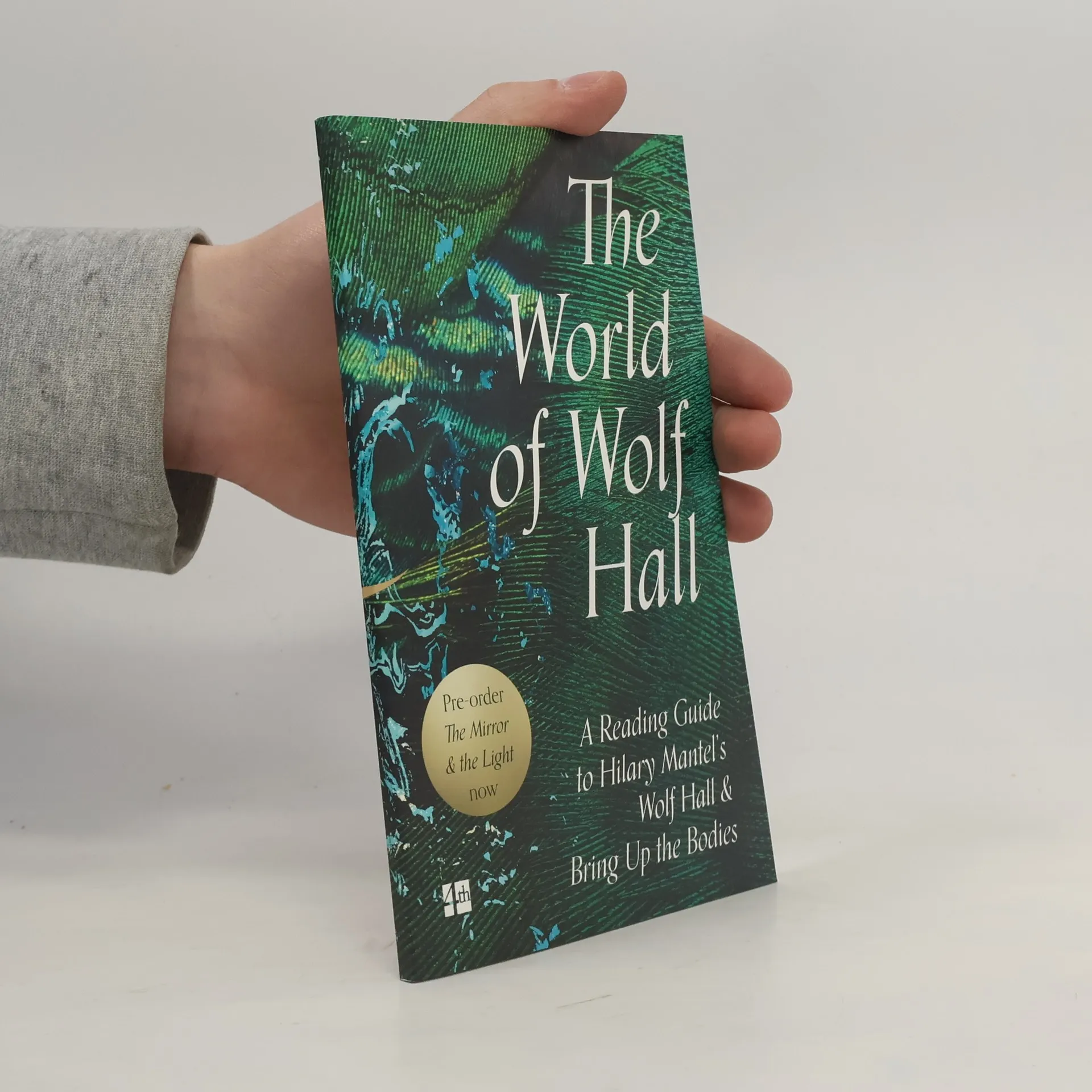
A photography book that is a vital accompaniment to the many fans of Hilary Mantel's bestselling Wolf Hall Trilogy
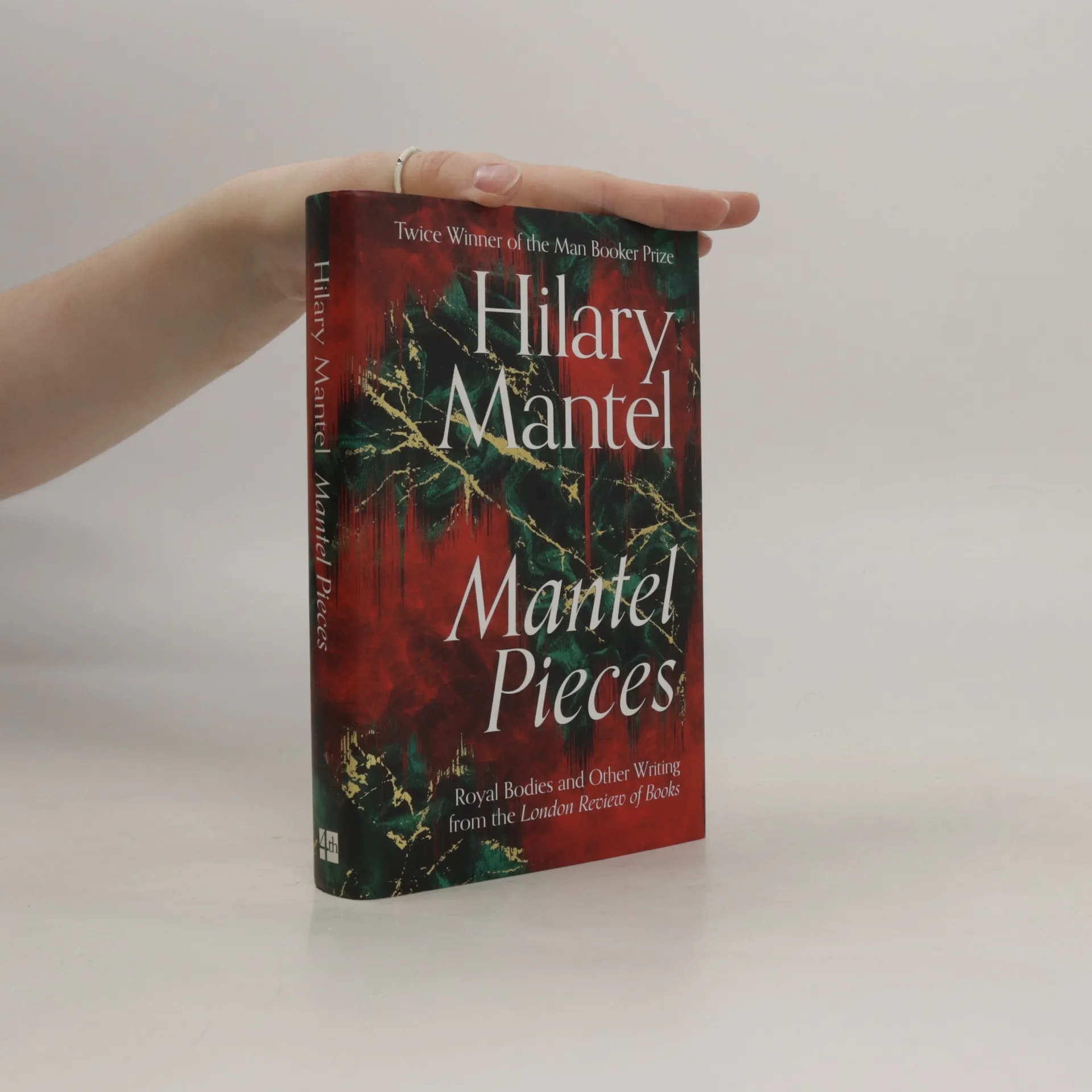
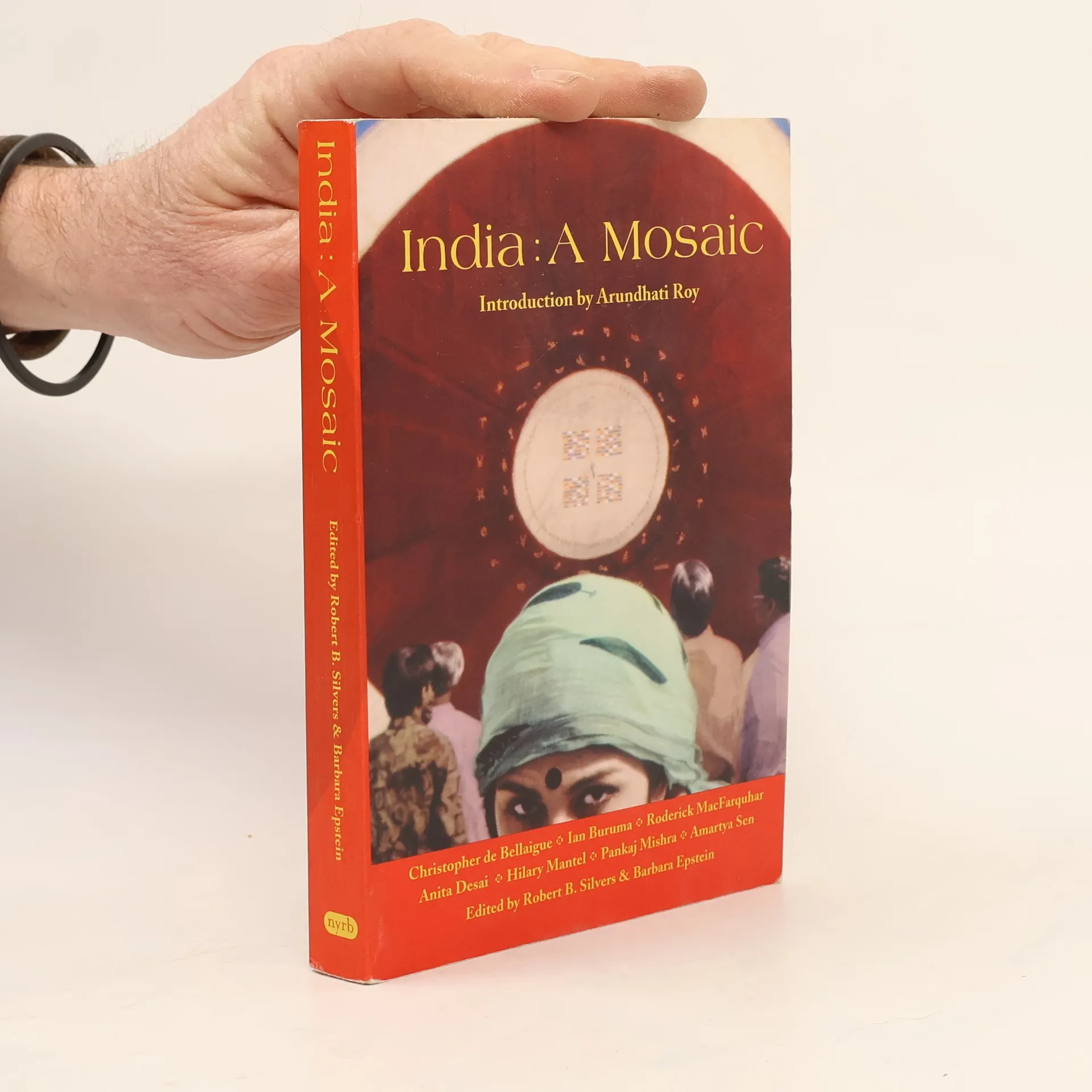
From the twice Booker Prize winner and internationally bestselling author, this collection features essays, book reviews, and memoirs spanning over thirty years of contributions to the London Review of Books. Beginning in 1987, Hilary Mantel candidly admitted to her lack of critical training, prompting a style that is both brisk and engaging. This anthology includes twenty pieces that reflect her diverse interests, covering topics such as Robespierre, the Hite report, her time in Saudi Arabia during the 1980s, the Bulger case, and cultural icons like the Virgin Mary and Madonna. Mantel also delves into historical figures like Jane Boleyn and Christopher Marlowe, showcasing her profound understanding of the Tudor era, reminiscent of her acclaimed Wolf Hall Trilogy. Notably, her lecture "Royal Bodies" sparked media attention as it examined the societal roles of royal women. The collection also features excerpts from her LRB diaries, including memorable encounters with her stepfather and a circus strongman. With its blend of insight, humor, and personal reflection, this selection offers a captivating glimpse into the mind of one of today's most celebrated writers.
Shortlisted for The Women's Prize for Fiction 2020, this long-awaited sequel concludes Hilary Mantel's acclaimed trilogy. Set in England, May 1536, the narrative opens with the swift execution of Anne Boleyn, while Thomas Cromwell, the blacksmith's son, navigates the treacherous waters of power. As he enjoys breakfast with the victors, Cromwell's ascent continues amidst a backdrop of rebellion, treachery, and the looming threat of invasion that tests Henry VIII's regime. Lacking family support or a private army, Cromwell relies solely on his wits to envision a new future for the nation. The story poses profound questions about the past's grip on the present, as the Spanish ambassador warns Cromwell of the inevitable betrayal that awaits those close to the king. Mantel masterfully captures the final years of Cromwell's life, portraying the fierce struggle between the aspirations of a common man and the royal desires that shape the nation. This concluding volume offers a rich exploration of ambition, conflict, and the complexities of identity, bringing to life the tumultuous era of Tudor England with depth and insight.
L'idéal, Les désordres
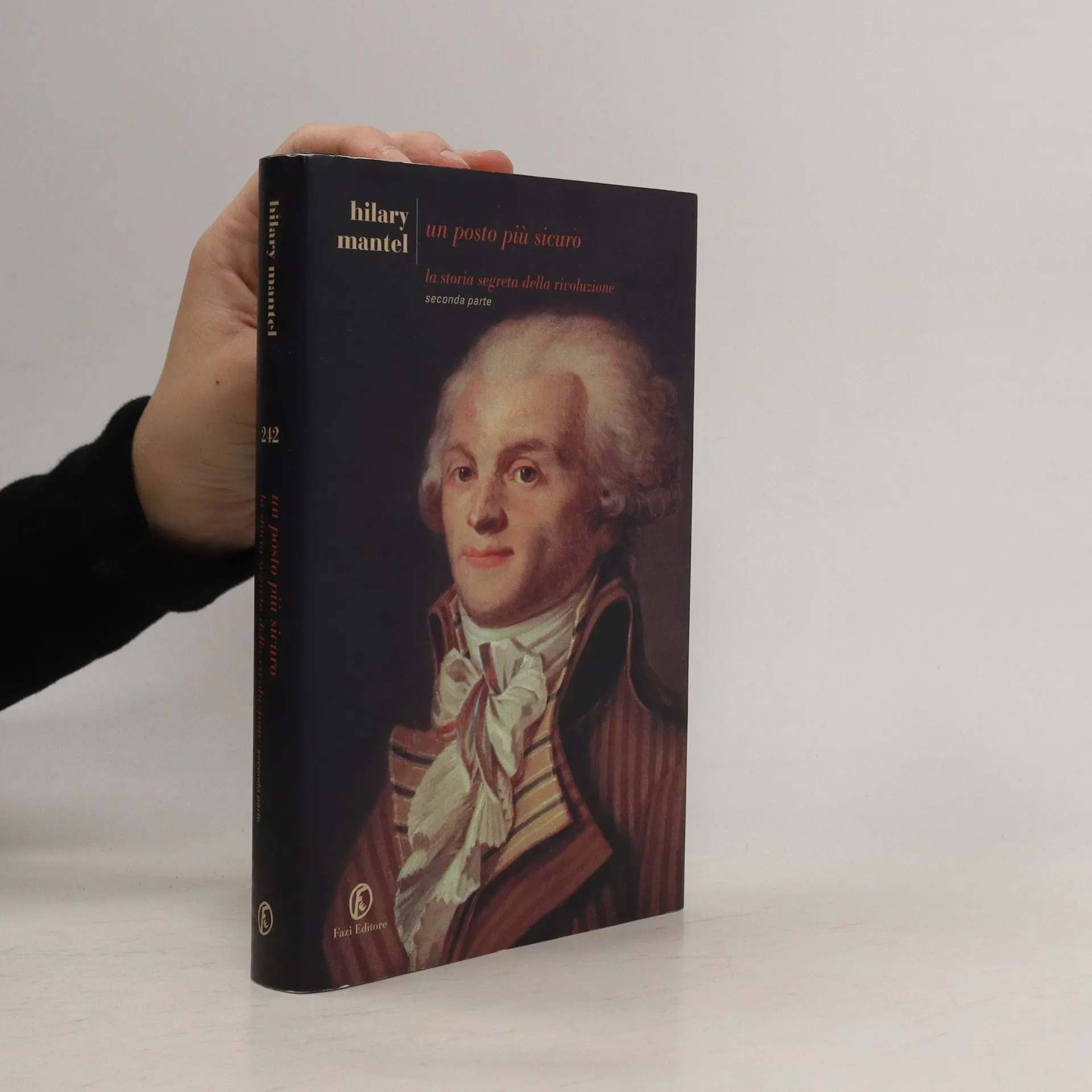
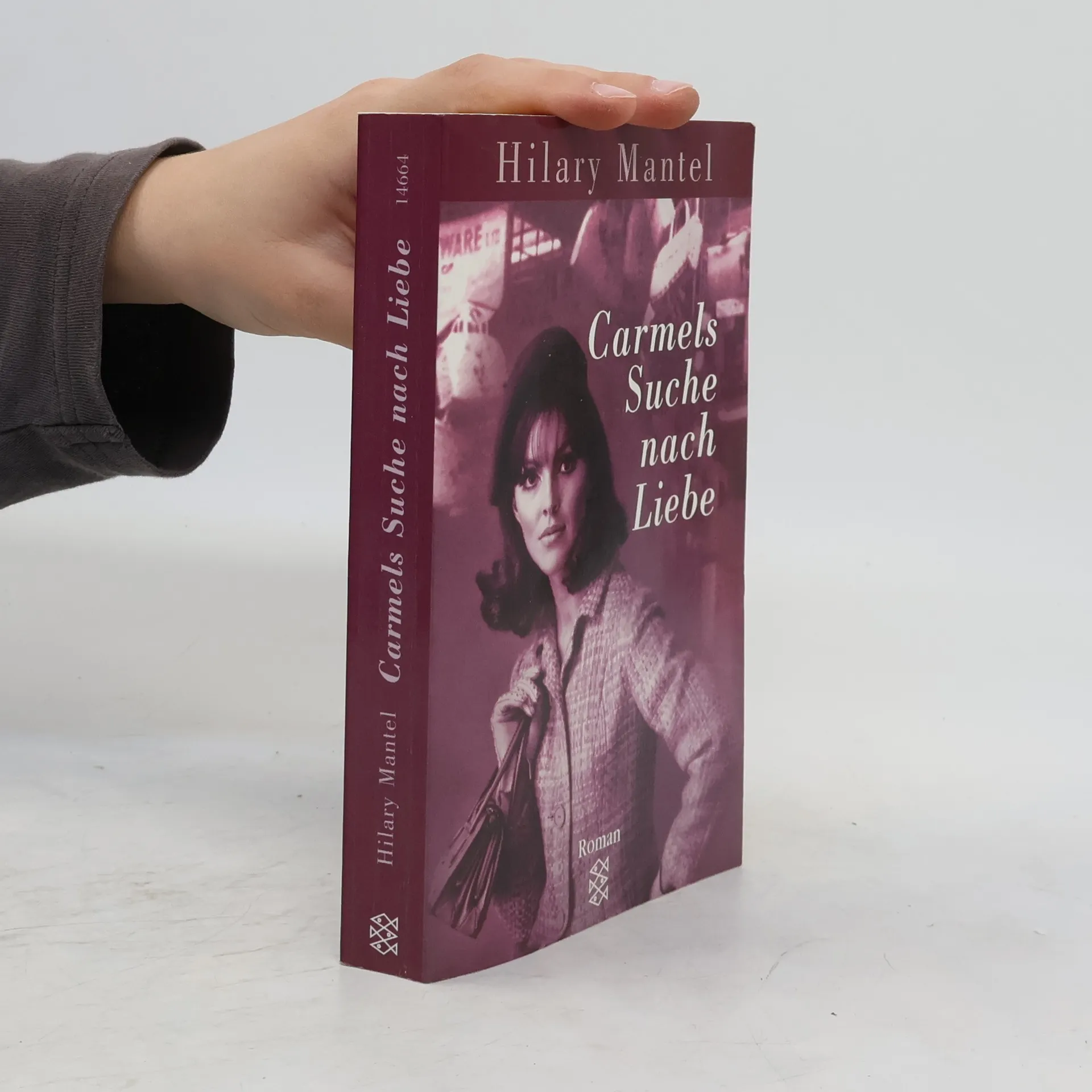
L’Idéal Trois jeunes avocats ambitieux sont venus à Paris dans l’intention d’y faire carrière. Criblé de dettes, Jacques Danton rêve de gloire et de fortune. Maximilien de Robespierre est un jeune homme brillant. Sensible et épris de liberté, il souhaite ardemment changer le système inégalitaire de la France. Camille Desmoulins est un pamphlétaire de génie, fantasque et charmeur. Ces trois amis vont bientôt se retrouver au cœur de la Révolution. Après avoir goûté l’ivresse du pouvoir, que restera-t-il de leurs idéaux ? Et de leur amitié ? Les Désordres 1791. La Révolution a fait voler en éclats la société. Tout a changé : le régime, les lois, les dirigeants… Après avoir œuvré pour la Révolution et occupé le devant de la scène, Danton et Camille Desmoulins voient Robespierre devenu le chef de file du Comité de salut public qui a instauré la Terreur. Pourront-ils le ramener à la raison ? Inéluctablement, les révolutionnaires vont devenir les victimes de la terrifiante machine qu’ils ont eux-mêmes créée.