

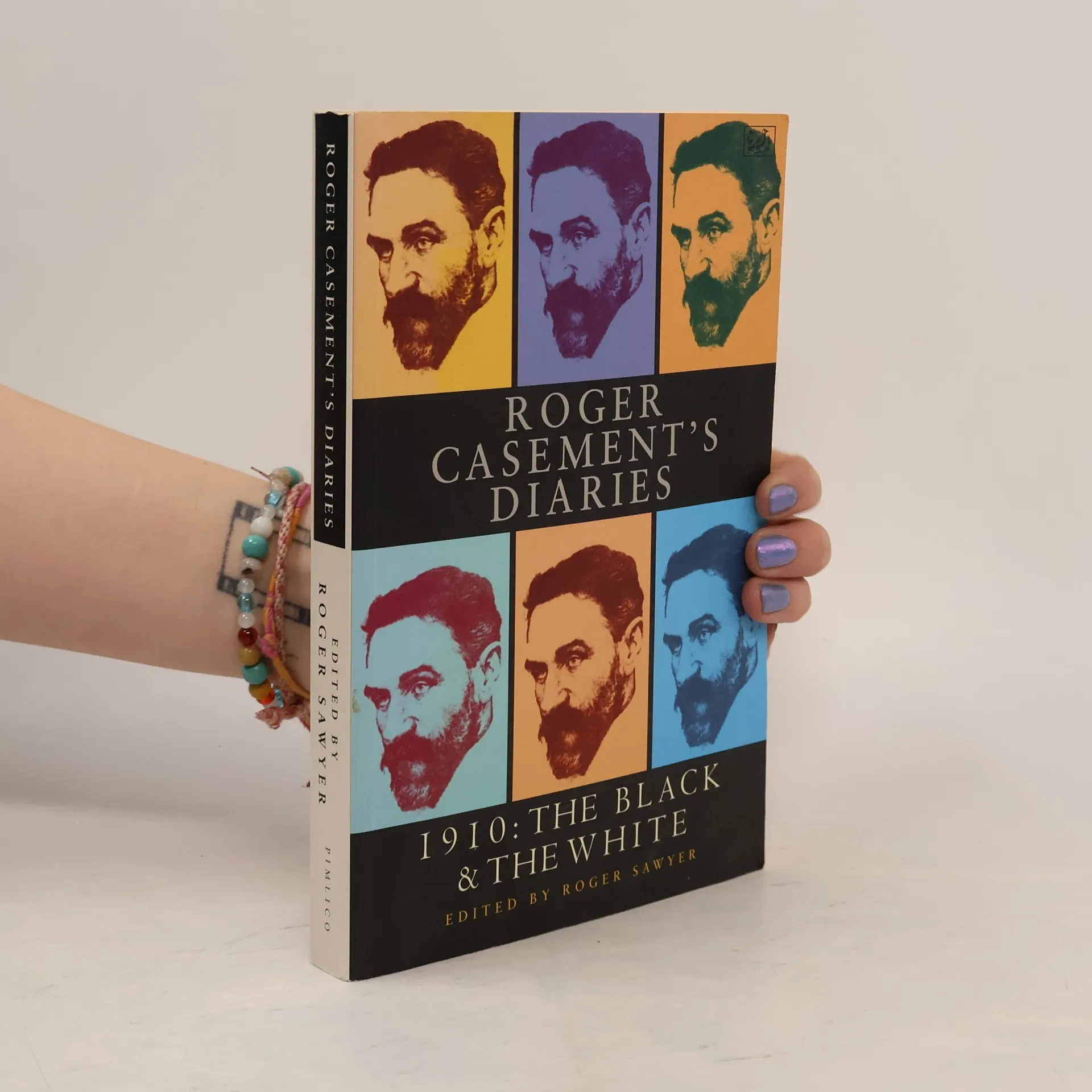
Born in Ireland in 1864, Roger Casement acted as British Consul in Africa and Brazil, where he denounced atrocities among Congolese and Putumayo rubber workers. He was knighted in 1911 and retired from the consular service two years later. In 1914, he attempted to enlist support, in America and Germany, for the Irish nationalist cause. Convicted of high treason, he was executed in London at the age of 51. A compulsive diarist, his so-called "Black" diaries were finally released into the public domain in 1994. At the time of his trial, these diaries--detailing his promiscuous homosexual activities in Brazil--were used to discredit and condemn him. Now an accurate transcript of the "Black" Diary , published here for the first time--as is his more public "White" Diary --offers the reader the opportunity to judge its authenticity--still a matter of heated debate. Together, they take us deep into the mind of the bravest, most selfless humanitarian of the Edwardian age.
Roger Casement Ordre des livres (chronologique)
Roger Casement fut un militant humanitaire, un patriote irlandais, poète, révolutionnaire et nationaliste. Consul britannique de profession, il acquit une renommée pour ses rapports sur les violations des droits de l'homme au Congo et au Pérou, mais fut plus largement connu pour ses tractations avec l'Allemagne précédant l'Insurrection de Pâques de 1916 en Irlande. Ses expériences avec le colonialisme, notamment au Congo, le conduisirent à des convictions anti-impérialistes et séparatistes irlandaises. Casement chercha le soutien allemand pour une rébellion irlandaise contre le pouvoir britannique, ce qui mena finalement à son arrestation et à son exécution pour trahison.
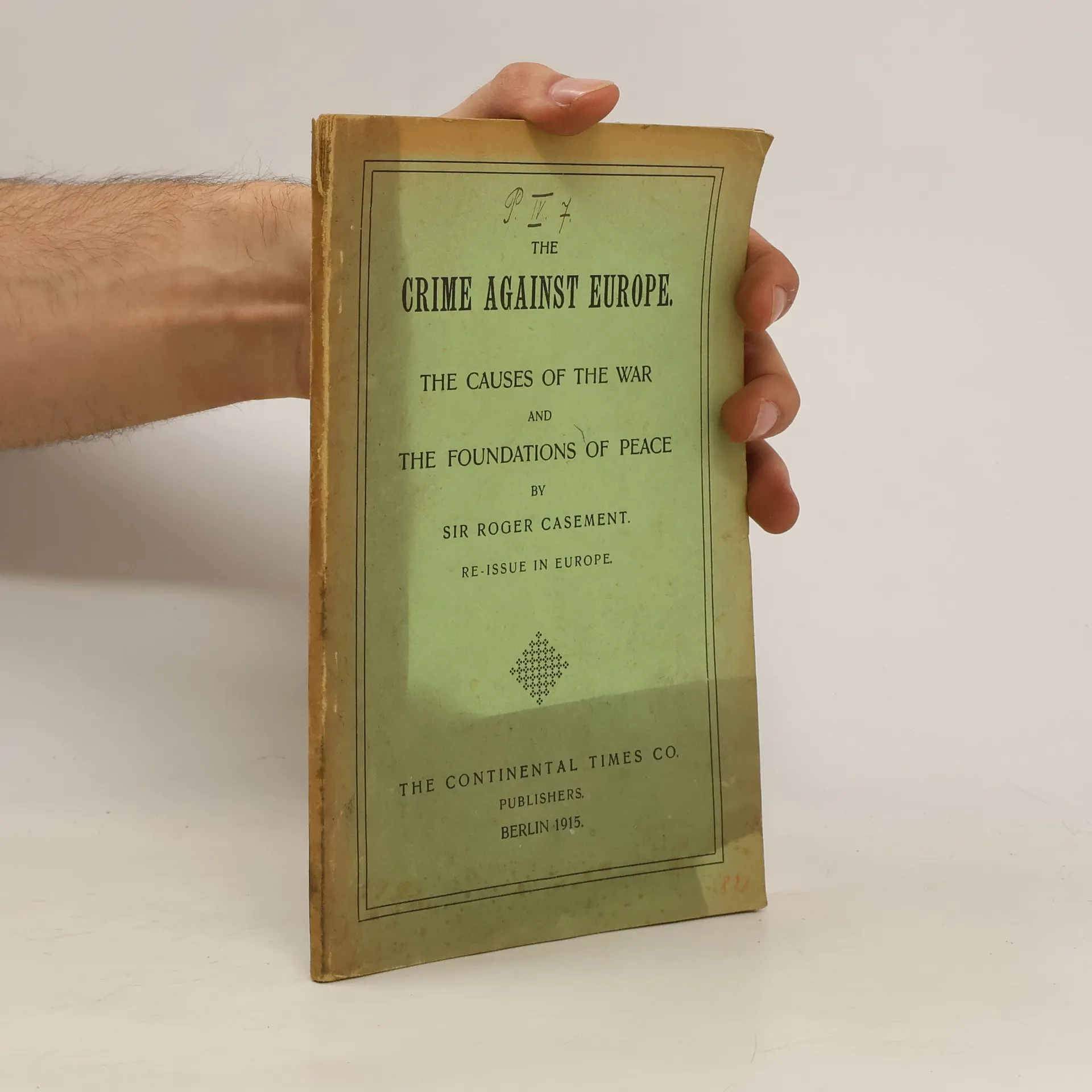
The Crime Against Europe
The Causes of the War and the Foundations of Peace