Le Jour du scorpion 2
- 475pages
- 17 heures de lecture


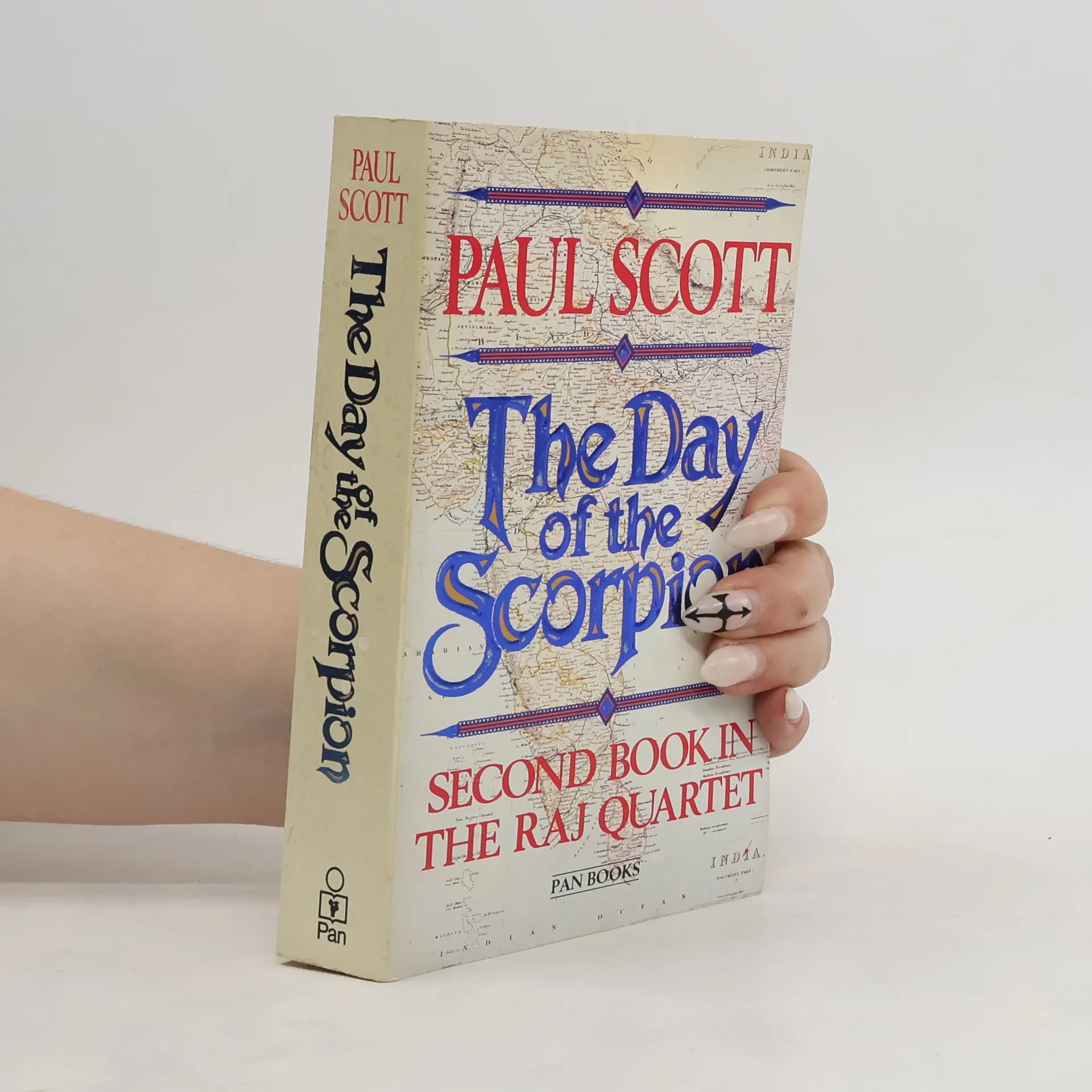


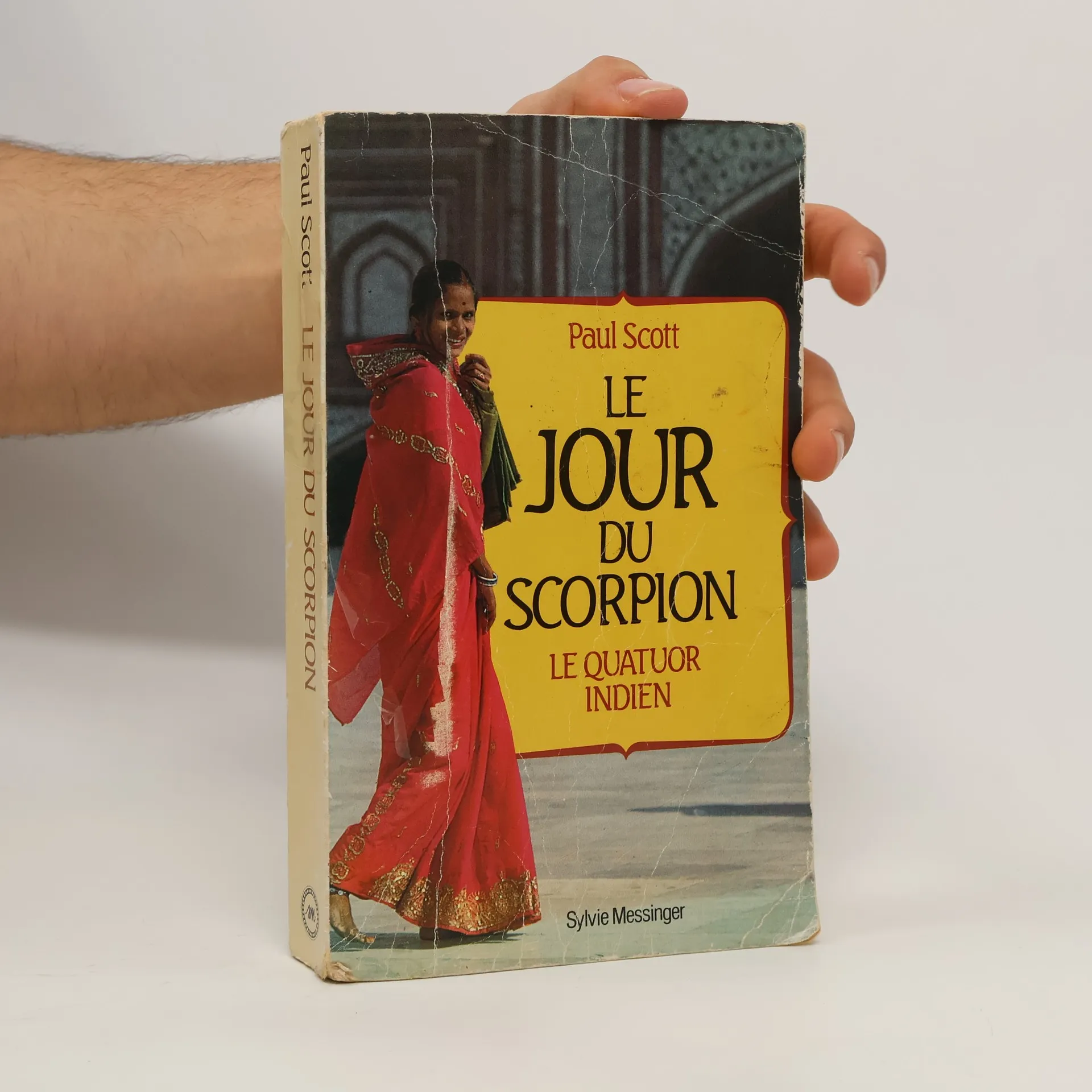
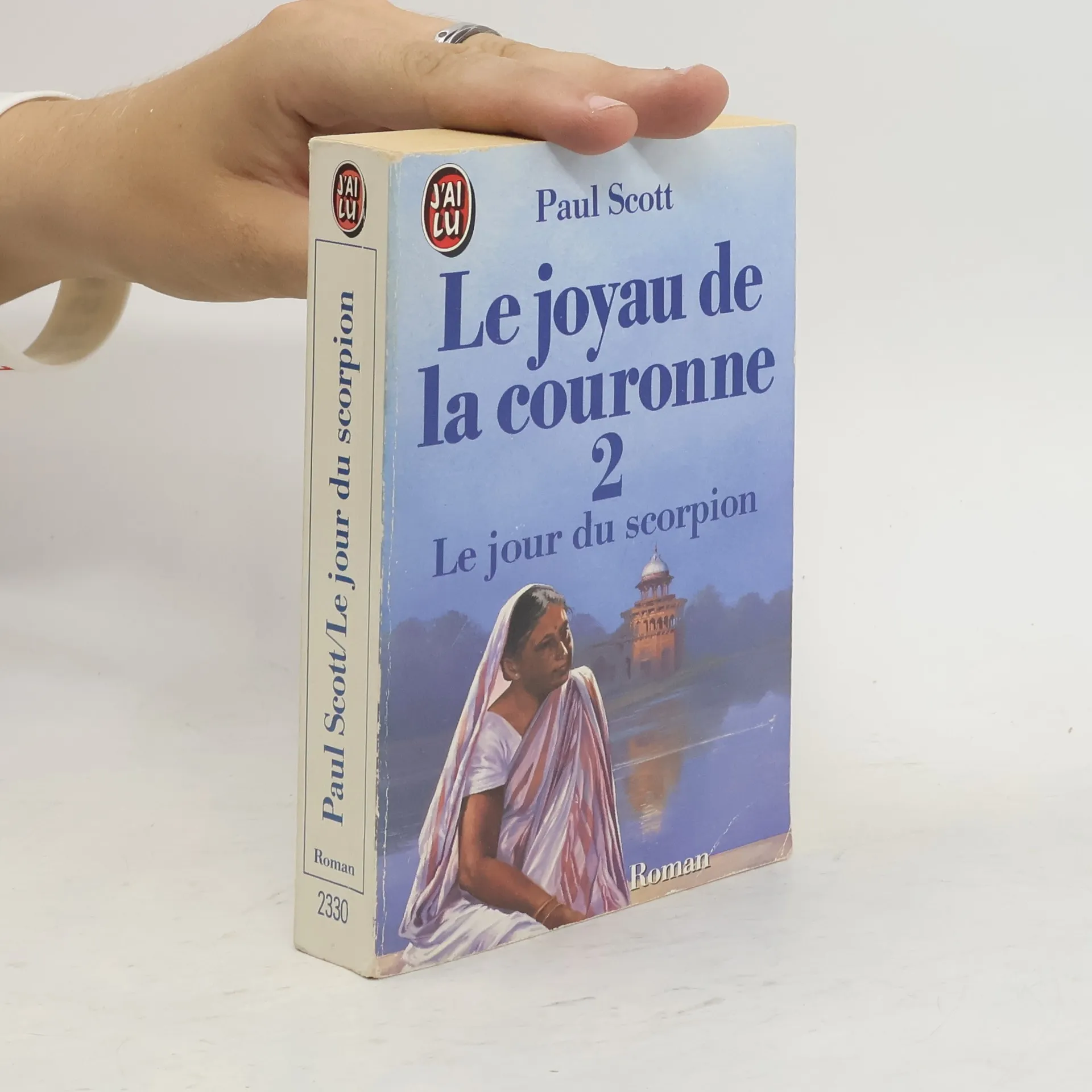
The British Raj in India is in its final days. But the fall of the Empire is both the end of one era and the beginning of another. For the Hindus and Muslims, the political reality signals inevitable post-war recriminations and future territorial wrangles. For Guy Perron, Field Sergeant and historian, these last days are a time to reflect on the legacy the British has left behind in India. And for the British families still residing in India, decisions about their future must be made and final goodbyes must be said, all against the backdrop of one of the most turbulent periods of social change the world has ever seen.
Discover the architecture, beauty and inspiration of Australasian Cathedrals
Featuring stunning architecture and rich history, this book showcases the cathedrals of Australia and New Zealand, highlighting their unique designs and cultural significance. Each cathedral is presented as a must-visit destination, inviting readers to explore their beauty and the stories behind them. Ideal for travelers and architecture enthusiasts alike, it emphasizes the importance of these landmarks in the region's heritage.
Bound in cloth, printed and blocked with a design by Finn Campbell-Notman. Set in Sabon. Frontispiece and six full-page illustrations by Finn Campbell-Notman. 9½" × 6¼". Vol. 3 of the FS 2009 Raj Quartet boxed set.
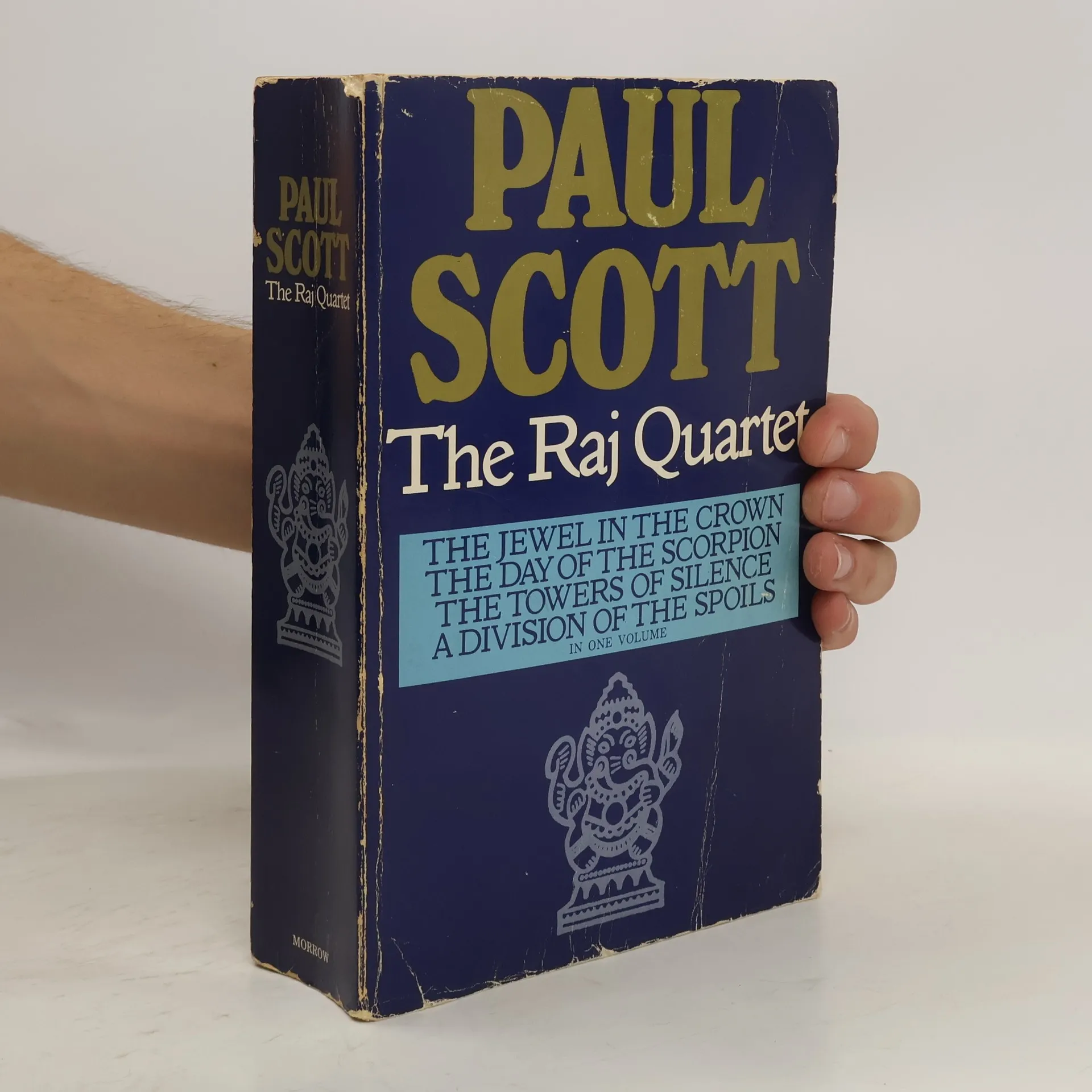
In The Day of the Scorpion, Scott draws us deeper in to his epic of India at the close of World War II. With force and subtlety, he recreates both private ambition and perversity, and the politics of an entire subcontinent at a turning point in history. As the scorpion, encircled by a ring of fire, will sting itself to death, so does the British Raj hasten its own destruction when threatened by the flames of Indian independence. Brutal repression and imprisonment of India's leaders cannot still the cry for home rule. And in the midst of chaos, the English Laytons withdraw from a world they no longer know to seek solace in denial, drink, and madness.
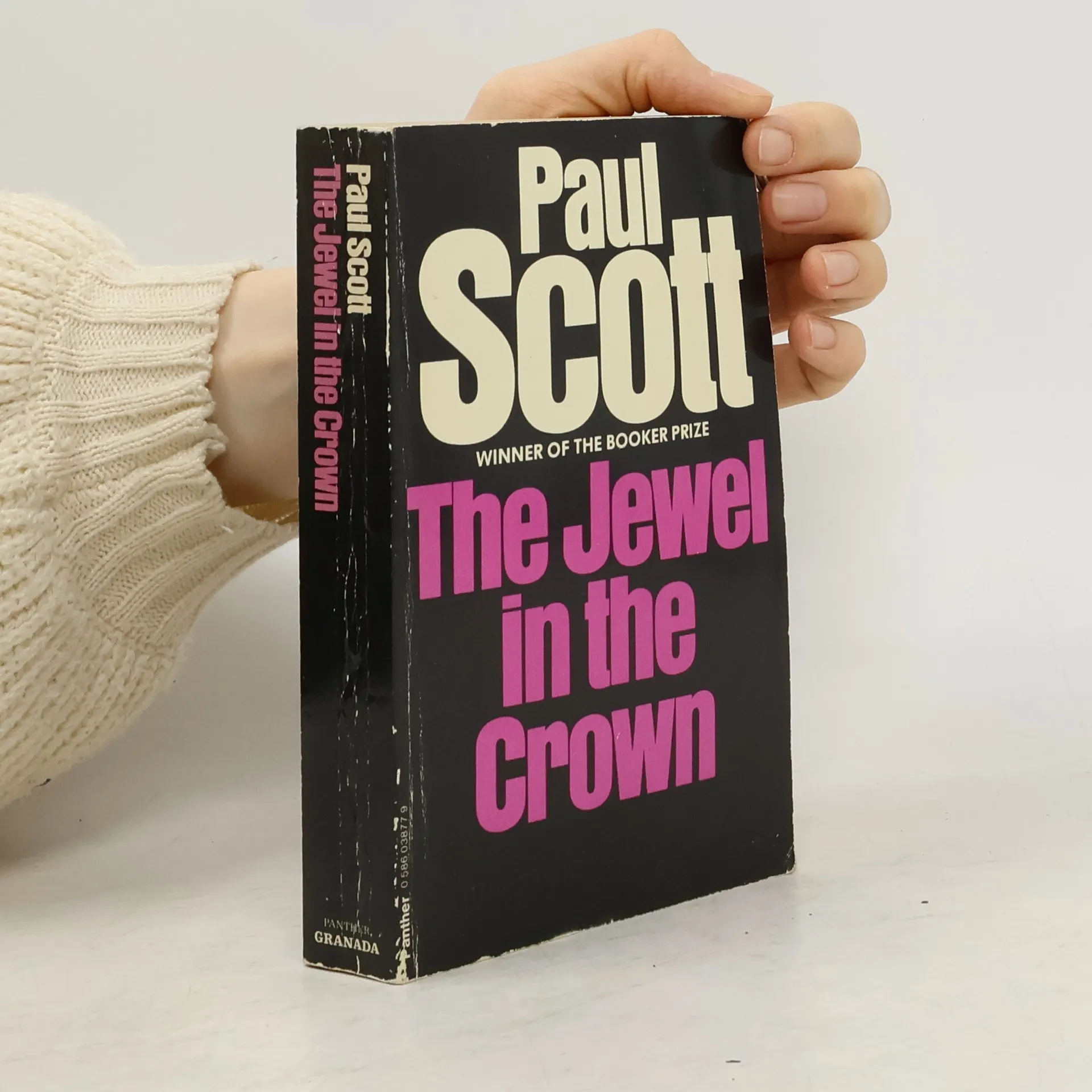
The jewel in the crown, the first volume of the Raj quartet, opens in 1942 as the British fear both Japanese invasion and Indian demands for independence. On the night after the Indian Congress Party votes to support Gandhi, riots break out and an ambitious police sergeant arrests a young Indian for the alleged rape of the woman they both love
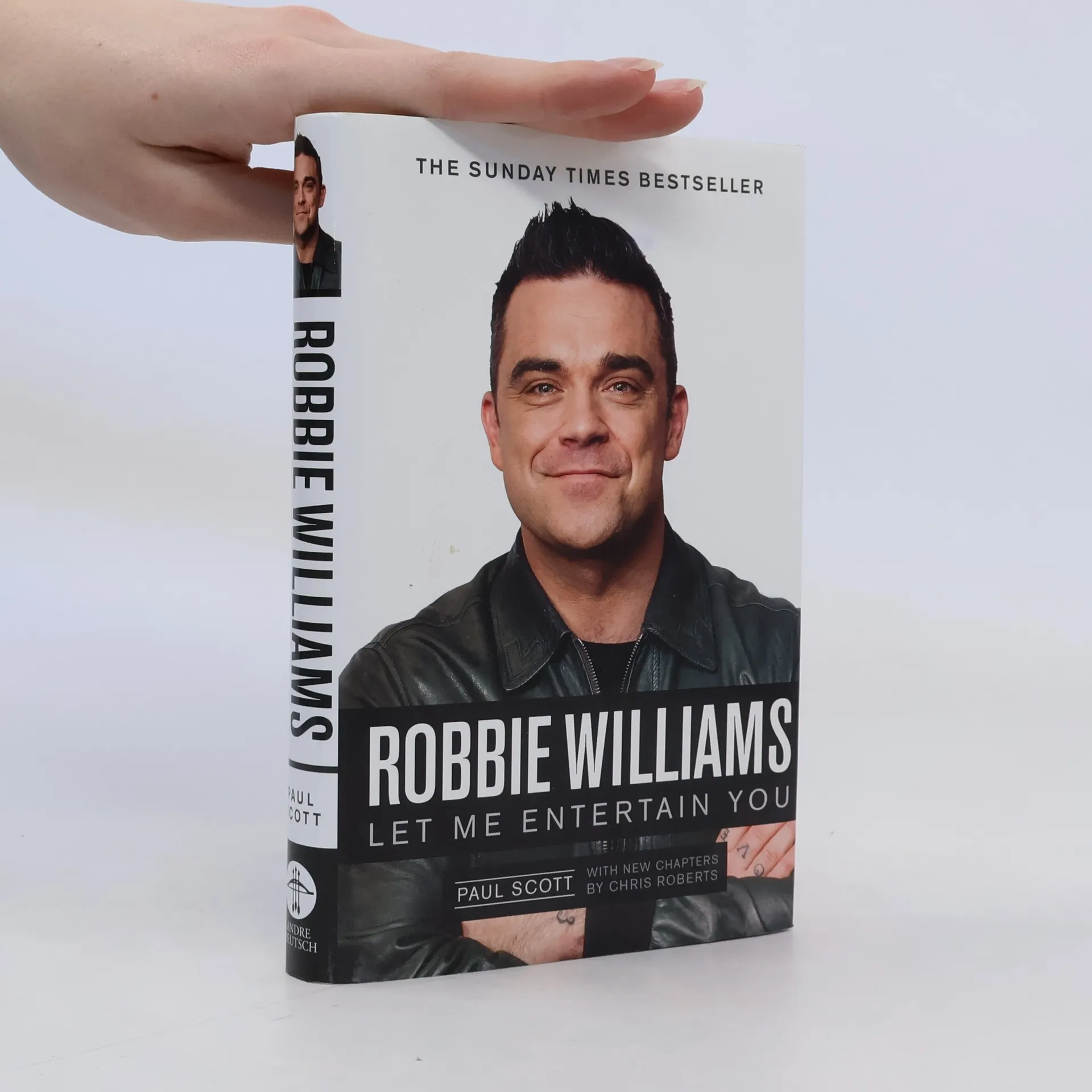
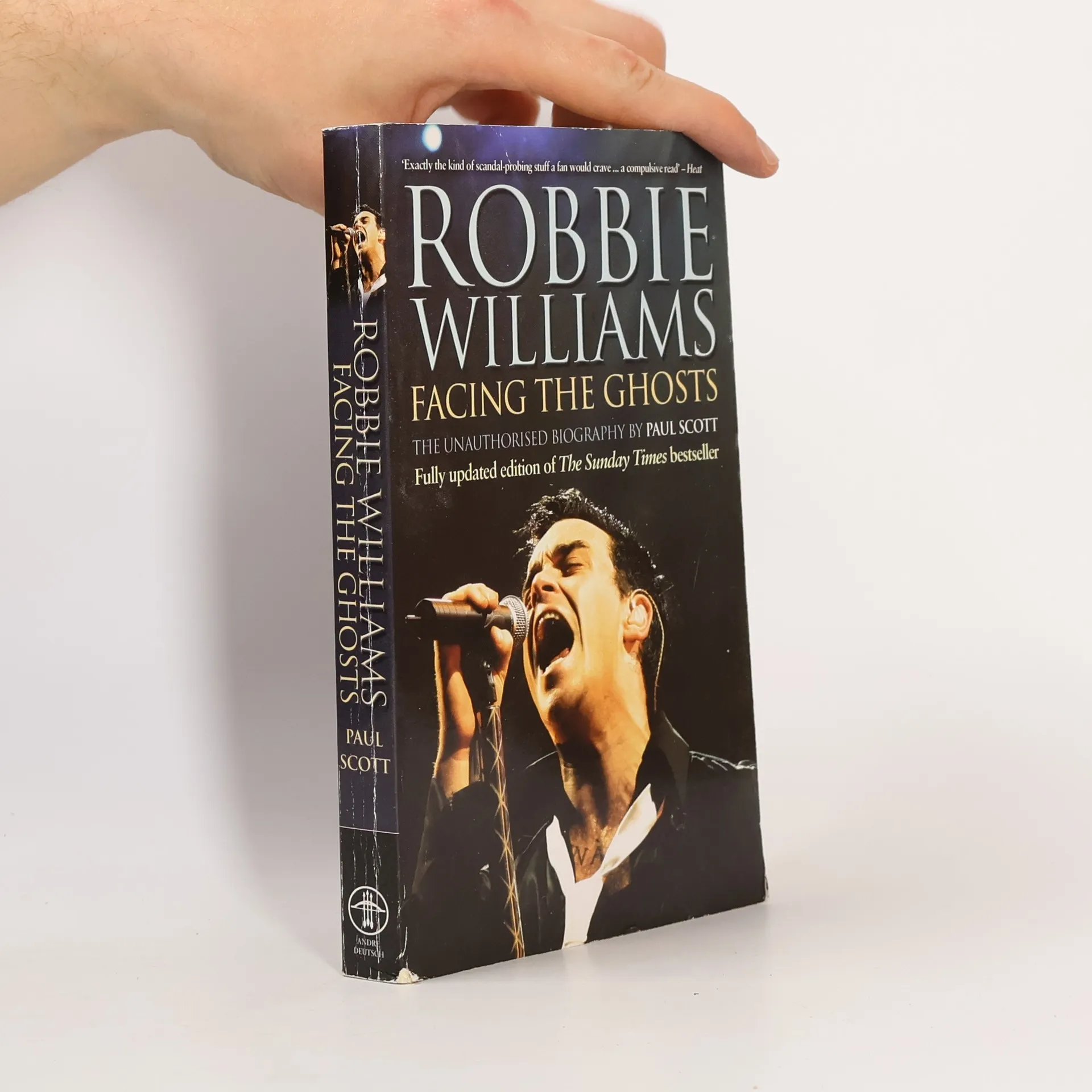
Providing an account of Robbie Williams' phenomenal journey to the top, this biography covers his childhood in Stoke-on-Trent, his boy band years with Take That, the battles with drink and drugs and his sexuality and often-troubled love life.
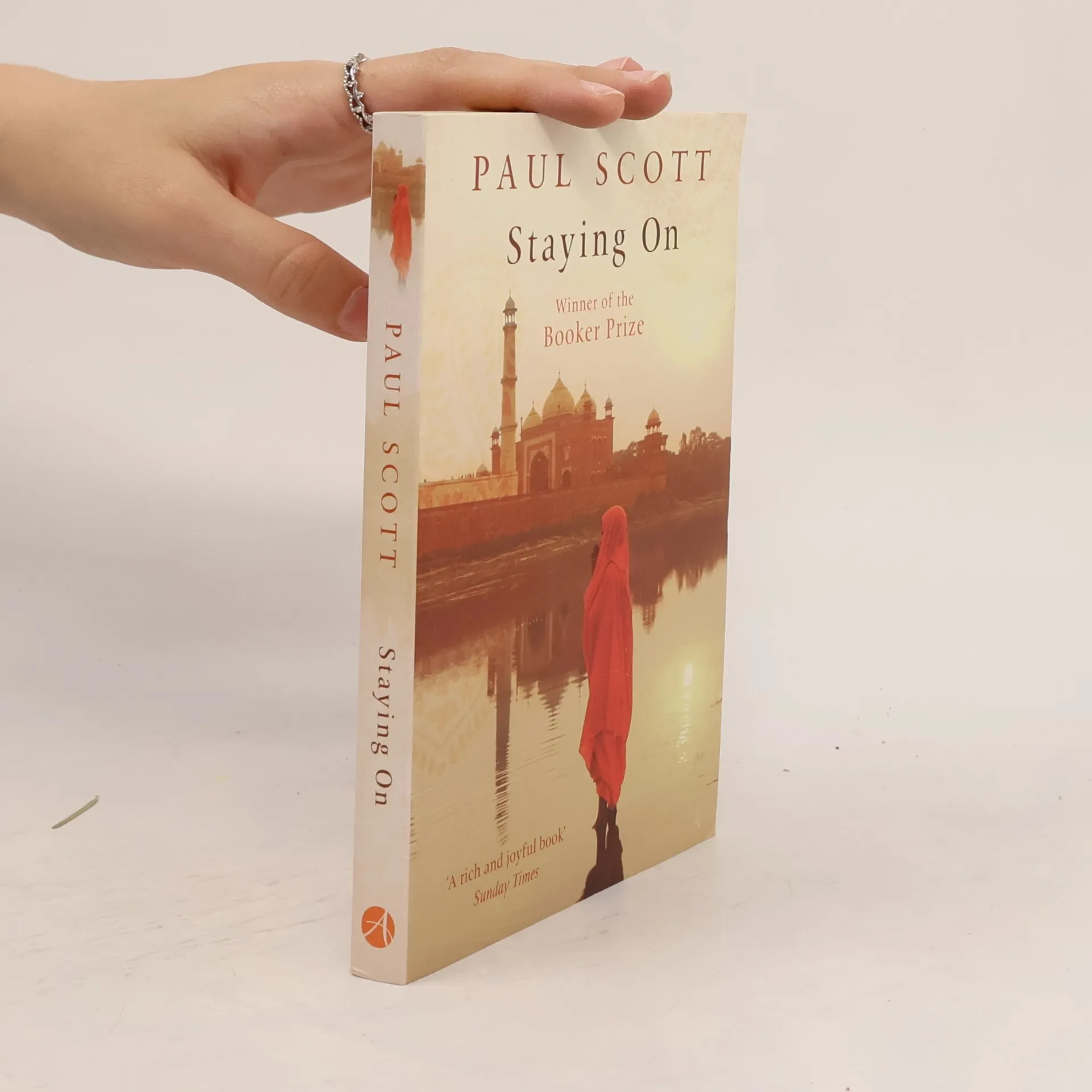
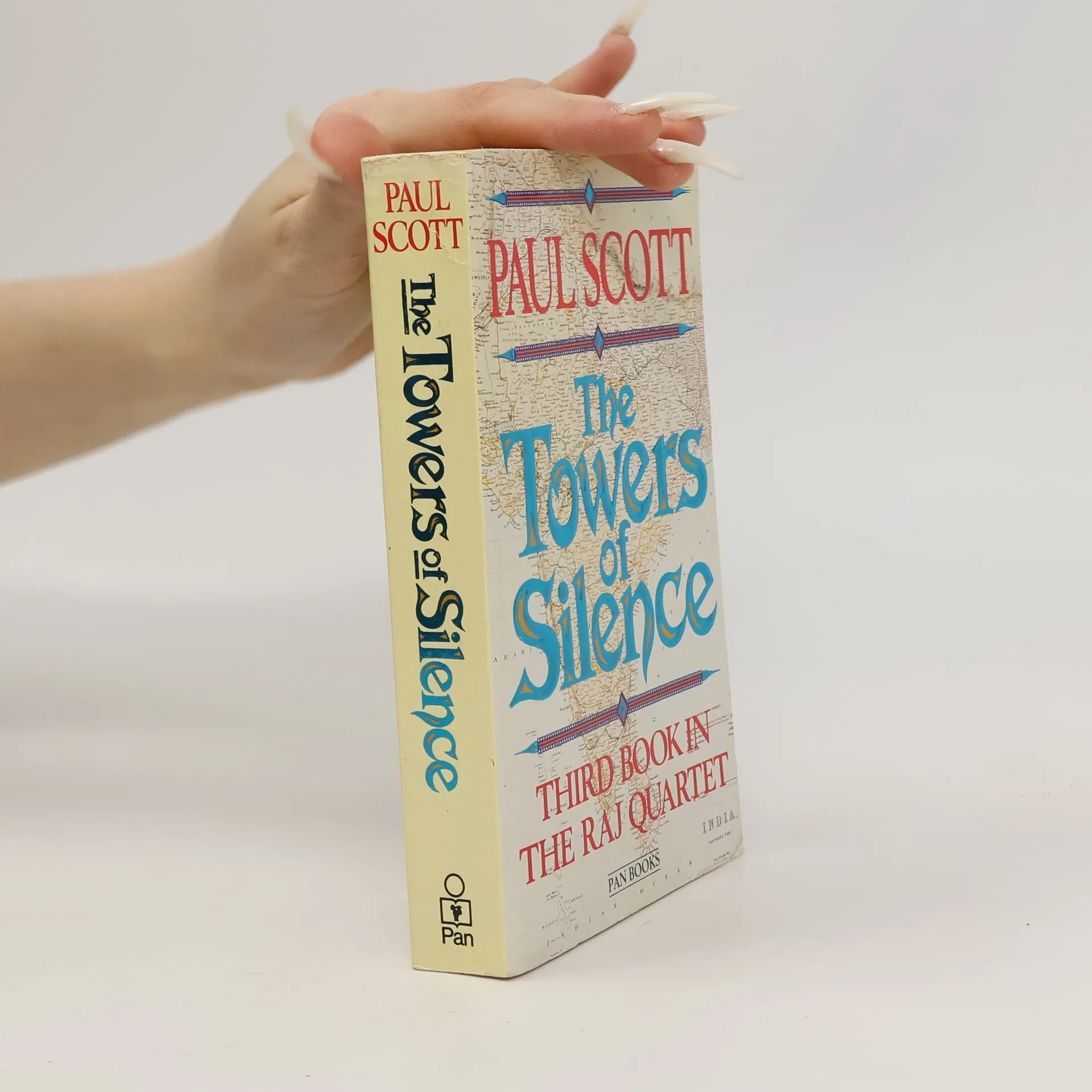
Tusker and Lily Smalley stayed on in India. Given the chance to return 'home' when Tusker, once a Colonel in the British Army, retired, they chose instead to remain in the small hill town of Pangkot, with its eccentric inhabitants and archaic rituals left over from the days of the Empire.
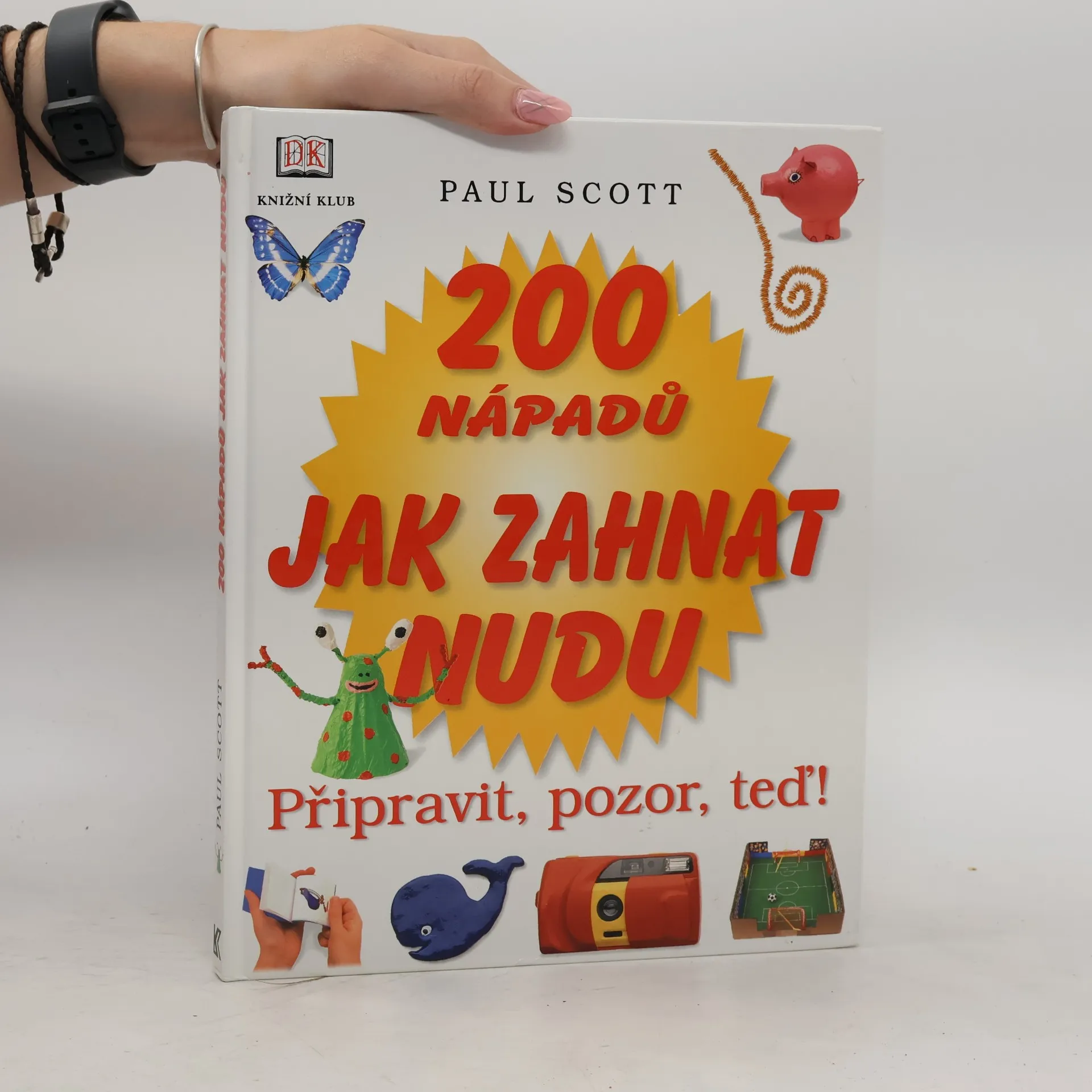
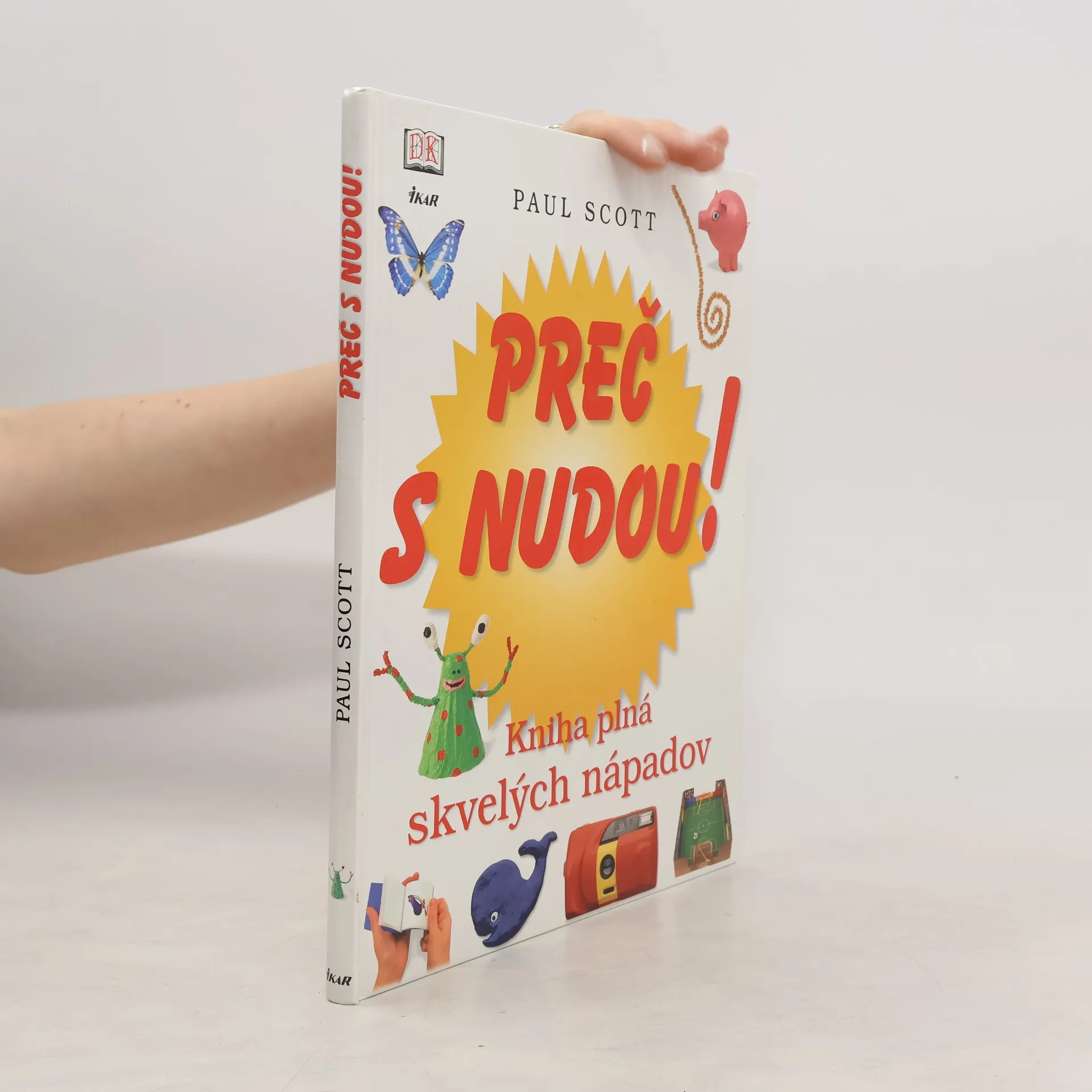
Play bicycle polo, build a tepee, shoot a video, invent a code - all this and more.
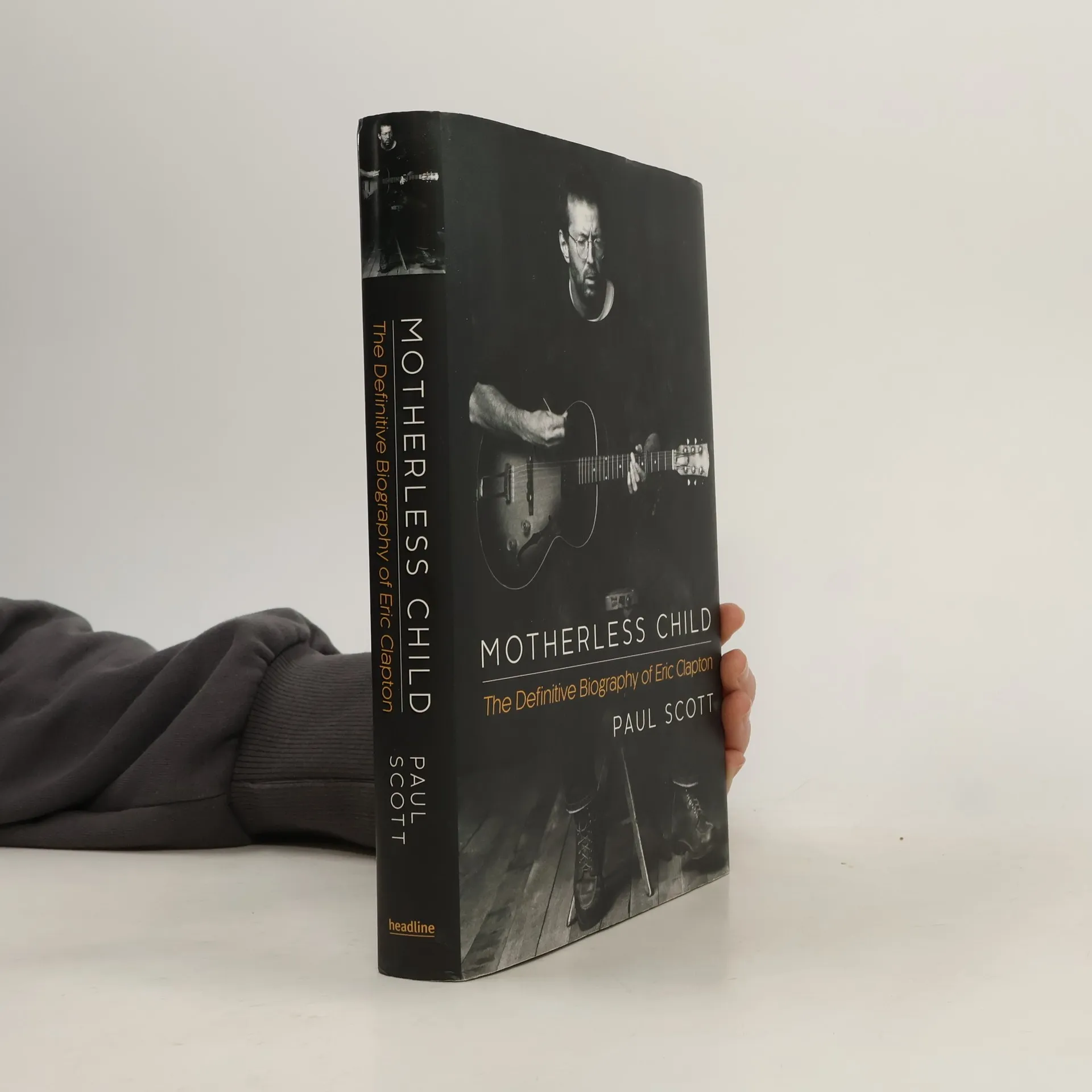
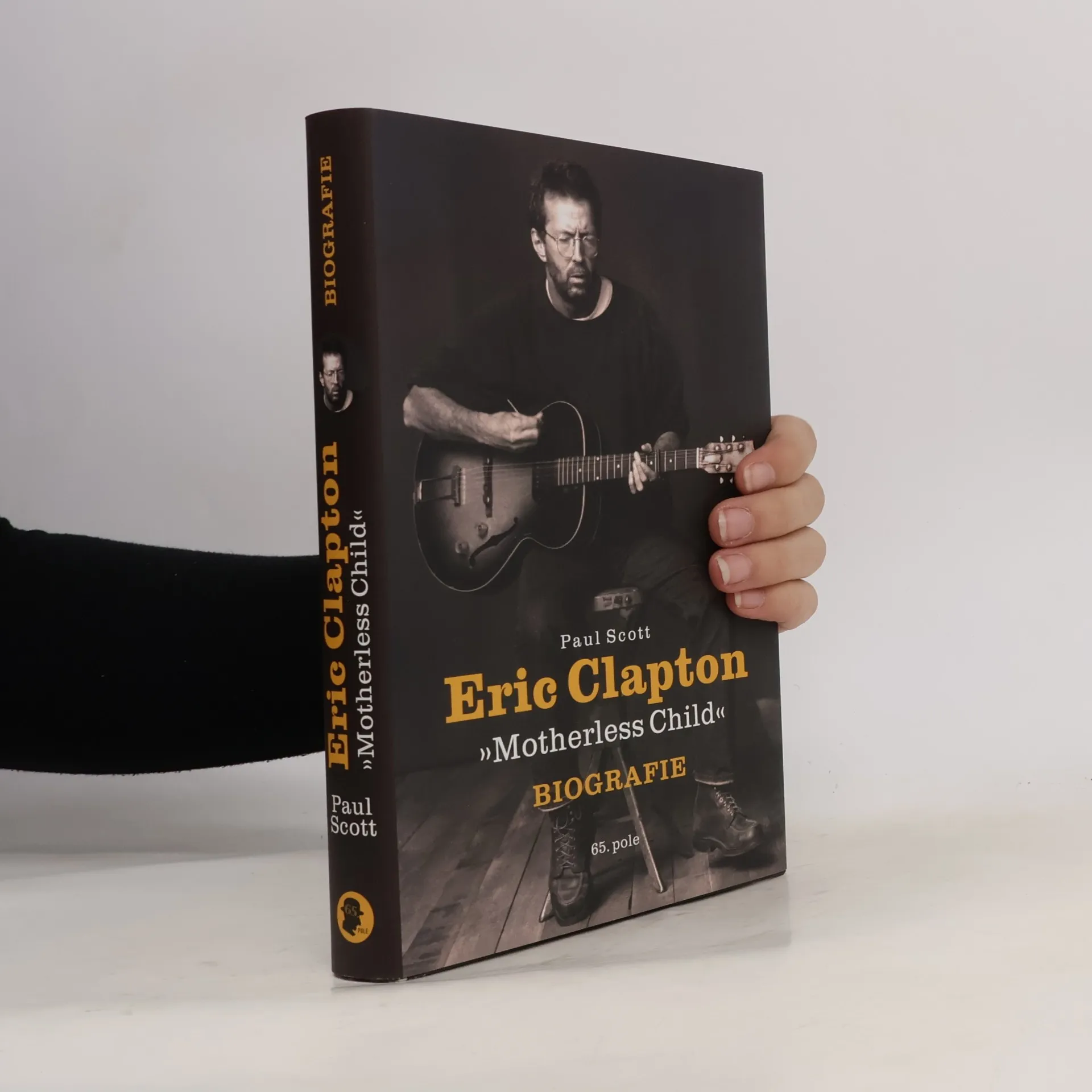
Timed for release around Clapton's 70th birthday, Motherless child chronicles his remarkable journey: the music, the women, the drugs, the cars, the guitars, the heartbreak and the triumphs are all here.The book explores his musical legacy as one of the most influential musicians of his generation, and as the keeper of the flame for the blues.
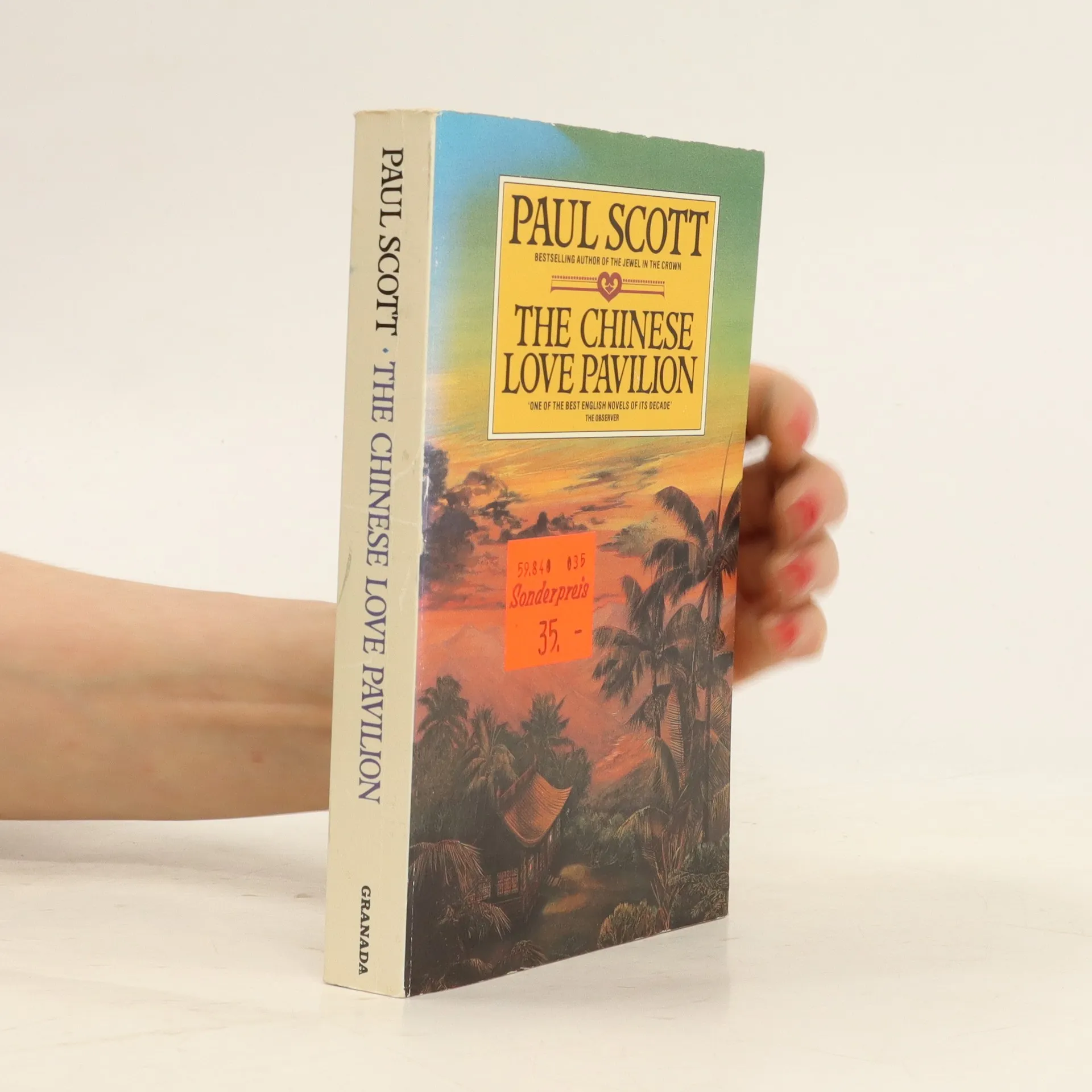
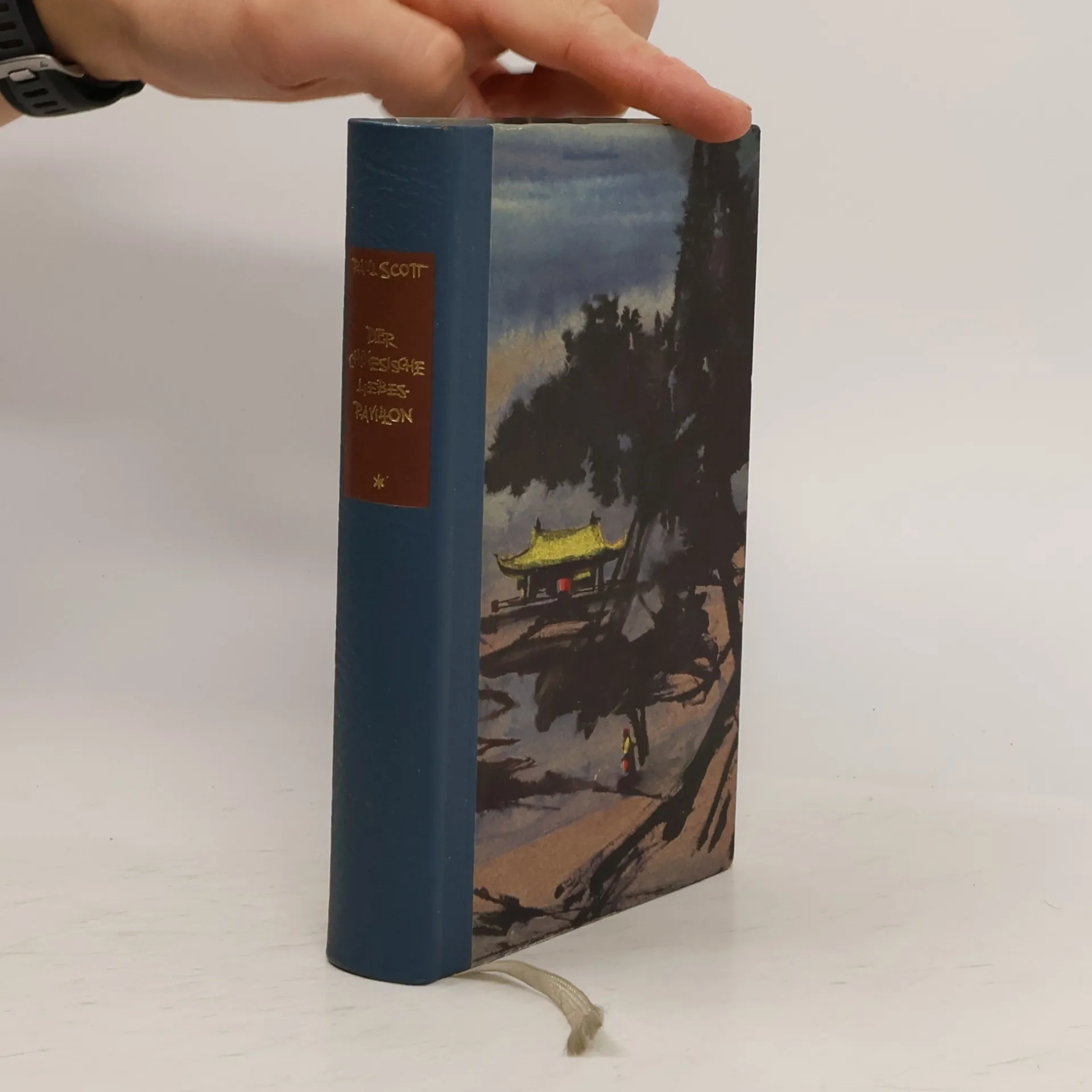
The Love Pavilion follows a young British clerk, Tom Brent, who must track down a former friend—now suspected of murder—in Malaya. Tom faces great danger, both from the mysterious Malayan jungles and the political tensions between British officers, but the novel is perhaps most memorable for the strange, beautiful romance between Tom and a protean Eurasian beauty whom he meets in the eponymous Chinese Love Pavilion.
Continues the story of the last days British rule in India in the early 1940's.
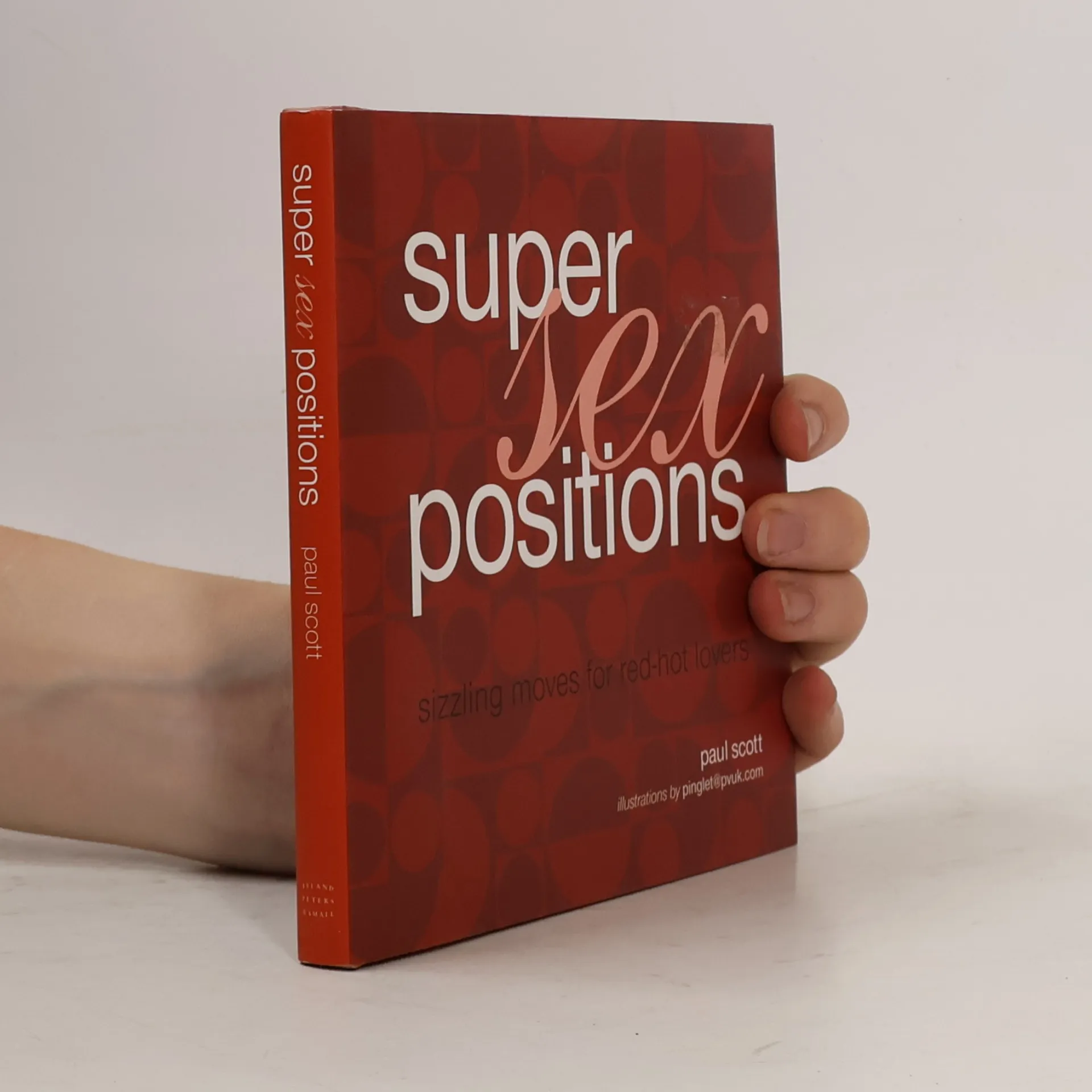
'Super Sex Positions' has moves designed to press all your pleasure buttons, as well as tips and tricks that will leave you and your partner lost for words.
Facing the Ghosts - The Unauthorized Biography - Fully Updated Edition of The Sunday Times Bestseller
A new updated and expanded edition, this definitive unauthorized biography includes coverage of Robbie Williams's new life in L.A., the album Intensive Care , his T-Mobile deal, and recent performances, including the show-stopping LIVE8. Covering his childhood in Stoke-on-Trent; his boy band years with Take That; his battle with drink, drugs, and his sexuality; his often-troubled love life; and his current position as the undisputed King of Pop, sealed with the record-breaking GBP 80 million deal with EMI, the biggest ever in British recording history. Based on exclusive interviews with those closest to Robbie and with previously unpublished photos from the family archive, this warts and all account of his phenomenal journey to the top is a must-have for all Robbie fans.
Zahraj si na vlastnoručně vyrobenou minikytaru; nauč se zhotovit otisky listů, indiánský lapač snů či veselé papírové prasátko-pokladničku; v domácí "mincovně" můžeš "razit" vlastní peníze; hra tivoli se hodí i jako hezký dárek; melounové nanuky chutnají všem; trefovat se do pyramidy z plechovek bude bavit i tvé kamarády; tvůj barevný drak určitě poletí vysoko... a další skvělé nápady pro školáky! Nic není nemožné: stačí mít trochu šikovnější ruce a hlavně chuť bavit se a tvořit - s fantazií, pro sebe, pro kamarády, sami i s nimi! Tak už se nenuďte - vzhůru za dobrodružstvím!
„Dämonen und Engel“ ist die inoffizielle Biografie des bekannten SPIEGEL- und SUNDAY TIMES-Bestsellers, die bis zur Tour 2006 aktualisiert wurde. Hier wird die menschliche Seite des Stars lebendig, indem Robbie Williams' Aufstieg von ganz unten an die Spitze der Charts nachgezeichnet wird. Diese Biografie ist nicht offiziell, was bedeutet, dass kein Management eingegriffen hat und die Fakten unverfälscht bleiben. Autor Paul Scott beschreibt, wie der Außenseiter Robert Peter Williams aus Stoke-on-Trent zur Boygroup Take That kam, seinen Kampf gegen Alkohol und Drogen überwand und wie ein Song sein Leben rettete. Nach all dem wurde er der unangefochtene „King of Pop“. Die aktualisierte Biografie umfasst auch den Rummel um die Veröffentlichung seiner neuen Platte „Rudebox“, die er als „das erste wahre Robbie-Williams-Album“ bezeichnet. In „Dämonen und Engel“ zeigt sich Robbie Williams authentisch und ungeschminkt. Freunde, Verwandte und sein Vater enthüllen Privates über seine Kindheit, sein chaotisches Liebesleben und seinen Kampf gegen innere Dämonen und Depressionen. Mit bislang unveröffentlichten Fotos ist dies das Buch für alle Robbie Williams-Fans. Paul Scott, 40 Jahre, ist ehemaliger Showbusiness-Redakteur des Sunday Mirror und lebt mit drei Hunden in Buckinghamshire.
Biografie Motherless Child vykresluje Erika Claptona jako jednoho z nejvlivnějších umělců své generace, živoucí hudební legendu a jednoho z nejlepších kytaristů všech dob. Obsahuje dosud nepublikované detaily z jeho komplikovaného, ale fascinujícího života posbírané od blízkých přátel a spolupracovníků. . Kniha sleduje Claptonovu více než padesátiletou kariéru od začátků ve skupině Yardbirds, přes spolupráci s Johnem Mayallem, slávu superskupiny Cream, kapel Blind Faith a Derek and the Dominos až po sólovou kariéru. . Clapton se vždy viděl jako osamělý hráč blues, muž s kytarou proti celému světu. Blues pro něj zůstávalo konstantou, jádrem, ze kterého vycházel. Právě on byl vyvolený pokračovat v tradici hudby starých bluesmanů z delty Mississippi. . Paul Scott se zaměřuje také na Claptonův soukromý život, kde se jeho mimořádný talent prolínal s nepochopitelnou sebedestrukcí. Nikdy se netajil problémy s drogami a alkoholem, ani svým bohémským životem, který ho několikrát zavedl až na hranu smrti. . Bez občasných osobních pádů by ale nikdy nemohl vystoupat na hudební olymp a získat si uznání milionů fanoušků po celém světě. Jeho příběh lze tedy také číst jako dlouhou, ale úspěšnou cestu ke střízlivosti, vykoupení a konečně i ke štěstí. . Motherless Child doplněná fotografiemi je nezbytným kusem pro každého Claptonova fanouška.
Kniha Andělé a démoni je založena na exkluzivních rozhovorech s Robbieho nejbližšími, od exmanažerů a milenek až po přátele a rodinu. Vypráví podrobně příběh Robbieho fenomenální cesty na vrchol a obsahuje mnoho nikdy nepublikovaných informací o této popové hvězdě světového formátu. Popisuje jeho cestu od „mazaného podvodníka“ ze Stoke-on-Trent k mezinárodní slávě se skupinou Take That, od jeho téměř sebezničení k písni, která mu „zachránila život“. Popisuje jeho komplikovaný milostný život, trápení, drogy, chvíle beznaděje až k jeho nezpochybnitelnému postavení popového krále. Je to velmi intimní portrét tohoto nevypočitatelného showmana.
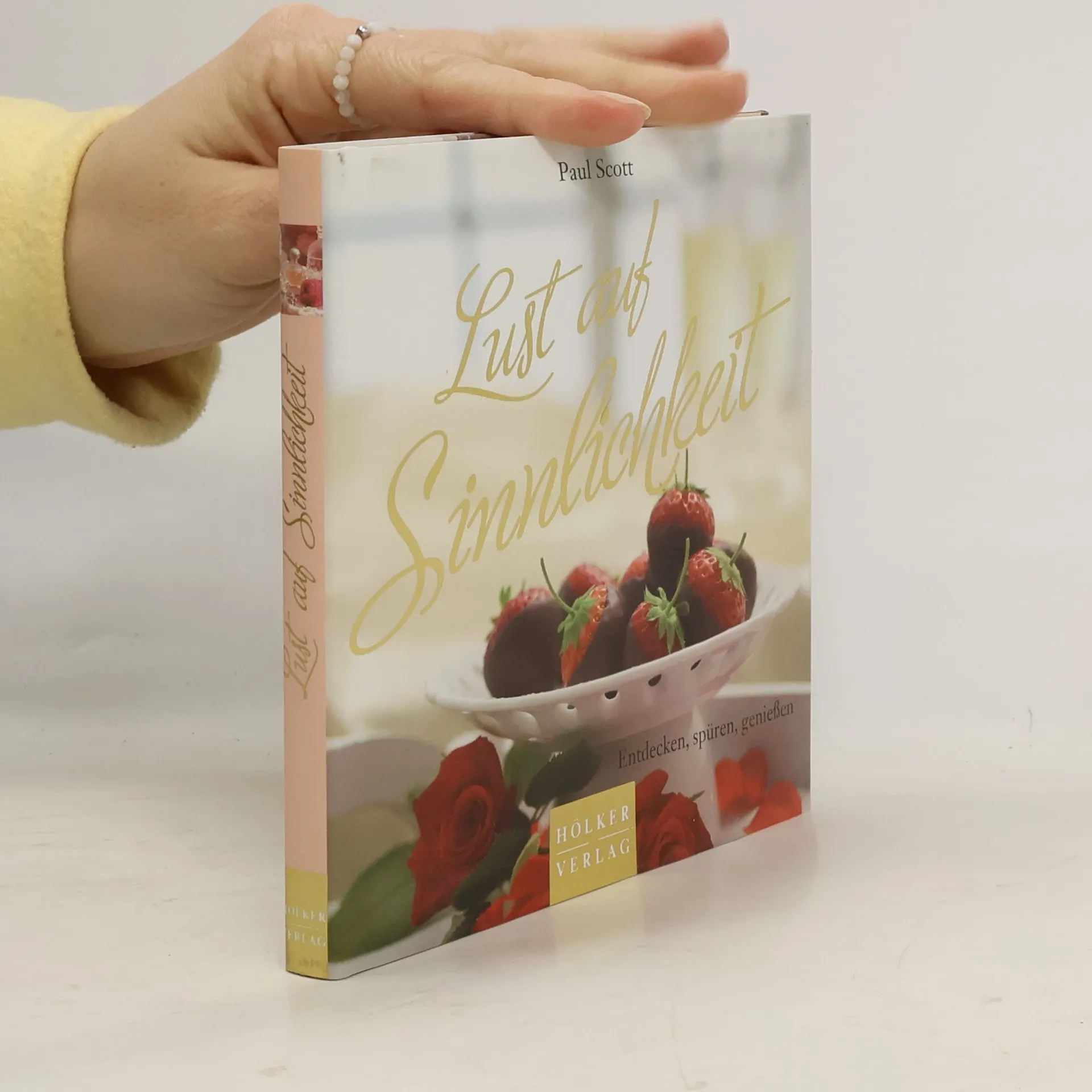
Dies ist das richtige Geschenk für all diejenigen, die ihr Leben mit allen Sinnen genießen wollen. Der Autor Paul Scott zeigt, wie einfach es ist, die eigene Partnerschaft mit ganz neuen Sinnesfreuden zu erfüllen: Er liefert Ideen zur Schaffung einer romantischen Atmosphäre in der Wohnung und Verwöhntipps für entspannende Badezusätze und Gesichtsmasken, verführerische Massagen und Aromaöle. Und mit seinen Menüvorschlägen können Sie ein Liebesmahl als Einstieg in einen unvergesslichen Abend zu zweit vorbereiten. - Nicht umsonst gelten viele Speisen wie Austern und Spargel als unschlagbare Aphrodisiaka. Und die passenden Getränke- und Musiktipps fehlen selbstverständlich auch nicht.
Zahraj si cyklistické pólo, postav vigvam, natoč video, vymysli r tajné písmo, nauč sa kúzelnícke triky, upeč nejaké pochúťky... Vybuduj zábavný park pre kamarátov a kamarátky. Zmajstruj si šarkana. Daruj vlastnoručne urobenú hru s guľôčkami. Výtvor vesmírnu krajinu V s kozmickou loďou a mimozemšťanom. Zorganizuj dobrodružný poznávací výlet. Priprav chutné nanuky.