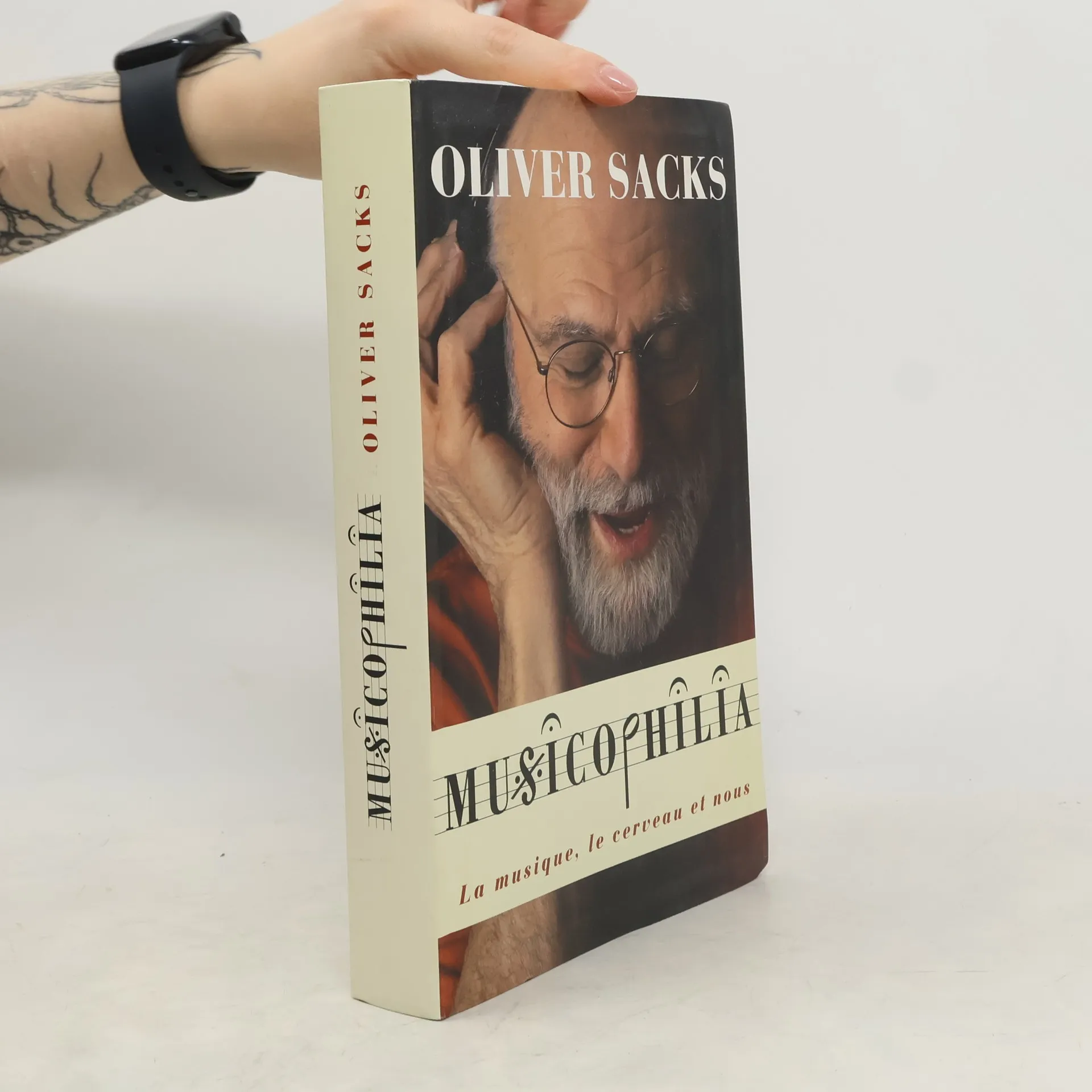
La musique peut nous émouvoir, nous inciter à danser, ou nous rendre tristes et nostalgiques. Quand on est un neurologue aussi compétent qu'Oliver Sacks, et surtout mélomane de longue date, comment peut-on comprendre et décrire ce pouvoir ? Plus d'aires cérébrales sont affectées au traitement de la musique qu'à celui du langage : l'homme est donc véritablement une espèce musicale. Et c'est en déployant une galerie de portraits - du chirurgien devenu pianiste après avoir été frappé par la foudre au frère manchot de Wittgenstein, en passant par les handicapés mentaux mélomanes - que l'auteur questionne les rapports du cerveau et de la musique. Notre dimension musicale est ici décrite dans son étendue et sa profondeur, d'un point de vue scientifique, philosophique et spirituel.
Oliver Sacks Livres
Oliver Sacks était un neurologue britannique réputé pour ses récits captivants de patients qui explorent les complexités de l'esprit et du cerveau humains. Son œuvre relie avec fluidité l'enquête scientifique à une profonde empathie, découvrant des histoires extraordinaires d'affliction qui révèlent la remarquable résilience de l'esprit humain. Sacks s'est concentré sur l'exploration des troubles neurologiques, examinant leur impact sur l'identité et la perception. Son approche, constamment humaine et inquisitrice, invitait les lecteurs à contempler l'essence même de ce que signifie être humain.

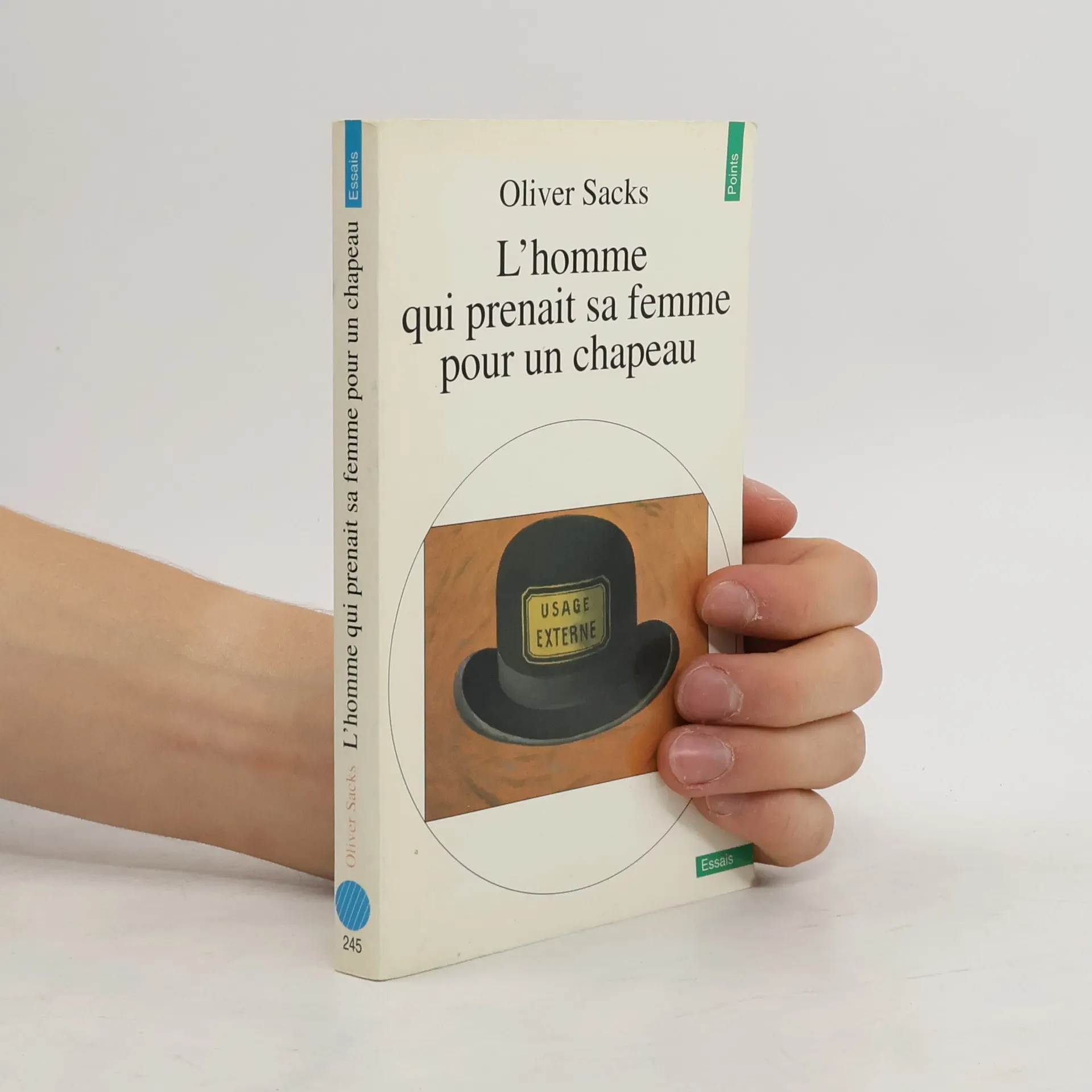
L'homme qui prenait sa femme pour un chapeau
- 312pages
- 11 heures de lecture
Oliver Sacks décrit dans ce livre les affections les plus bizarres, celles qui atteignent un homme non seulement dans son corps, mais dans sa personnalité la plus intime et dans l'image qu'il a de lui même
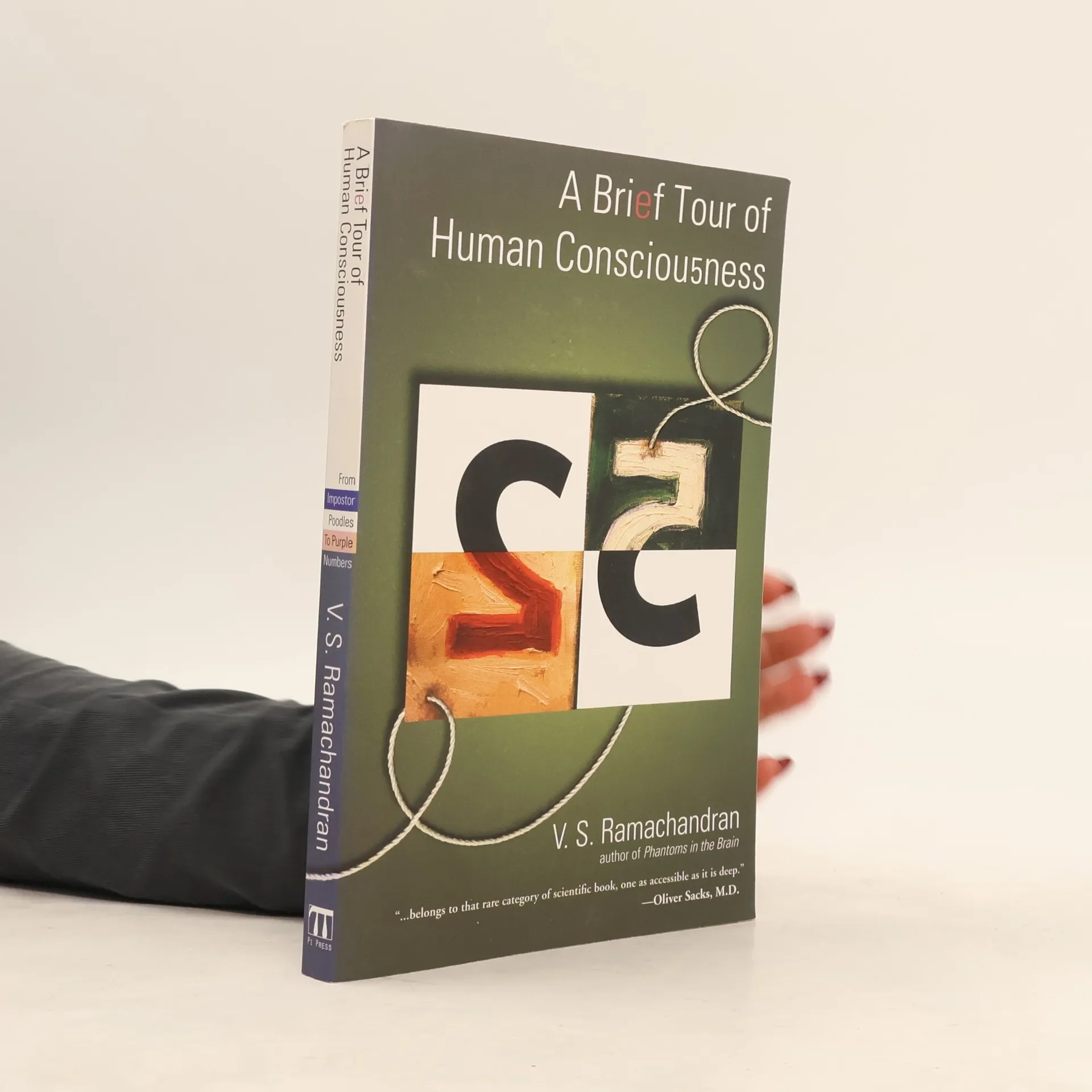
A Brief Tour of Human Consciousness
From Impostor Poodles to Purple Numbers
- 208pages
- 8 heures de lecture
How can some people come to believe that their poodle is an impostor? Or see colors in numbers? Internationally acclaimed neuroscientist, V.S. Ramachandran, now shares his unique insight into human consciousness in an entertaining, inspiring, and intellectually dazzling brief tour of the ultimate frontier—the thoughts in our heads. A Brief Tour of Human Consciousness is made up of five investigations of the greatest mysteries of the brain. The first chapter shows how amputees feel pain in limbs they no longer have as it introduces the great revolution of our neuroscience. The second chapter walks through the way what we see determines our thoughts, and demonstrates the counterintuitive point that believing is in fact seeing. The third chapter takes a leap beyond cutting edge science to audaciously set out a general theory of beauty, explaining why, the world over, cultures have fundamentally similar notions of what is attractive. The fourth chapter explores the bizarre world of synesthetes, people who see colors in numbers, textures in smells, sounds in sights, and flavors in sounds. Finally, V. S. Ramachandran one of the foremost brain researchers in the world today, sums up the implications of the revolution in our understanding of consciousness, to make a fascinating argument about our essential sense of self and its distributed nature.
Oliver Sacks died in August 2015 at his home in Greenwich Village, surrounded by his close friends and family. He was 82. He spent his final days doing what he loved: playing the piano, swimming, enjoying smoked salmon - and writing. As Dr Sacks looked back over his long, adventurous life his final thoughts were of gratitude. In a series of remarkable, beautifully written and uplifting meditations, in Gratitude Dr Sacks reflects on and gives thanks for a life well lived, and expresses his thoughts on growing old, facing terminal cancer and reaching the end. I cannot pretend I am without fear. But my predominant feeling is one of gratitude. I have loved and been loved; I have been given much and I have given something in return; I have read and travelled and thought and written. I have had an intercourse with the world, the special intercourse of writers and readers. Above all, I have been a sentient being, a thinking animal, on this beautiful planet, and that in itself has been an enormous privilege and adventure.
The letters of one of the greatest observers of the human species, revealing his passion for life and work, friendship and art, medicine and society, and the richness of his relationships with friends, family, and fellow intellectuals over the decades, collected here for the first time.
On The Move: A Life
- 397pages
- 14 heures de lecture
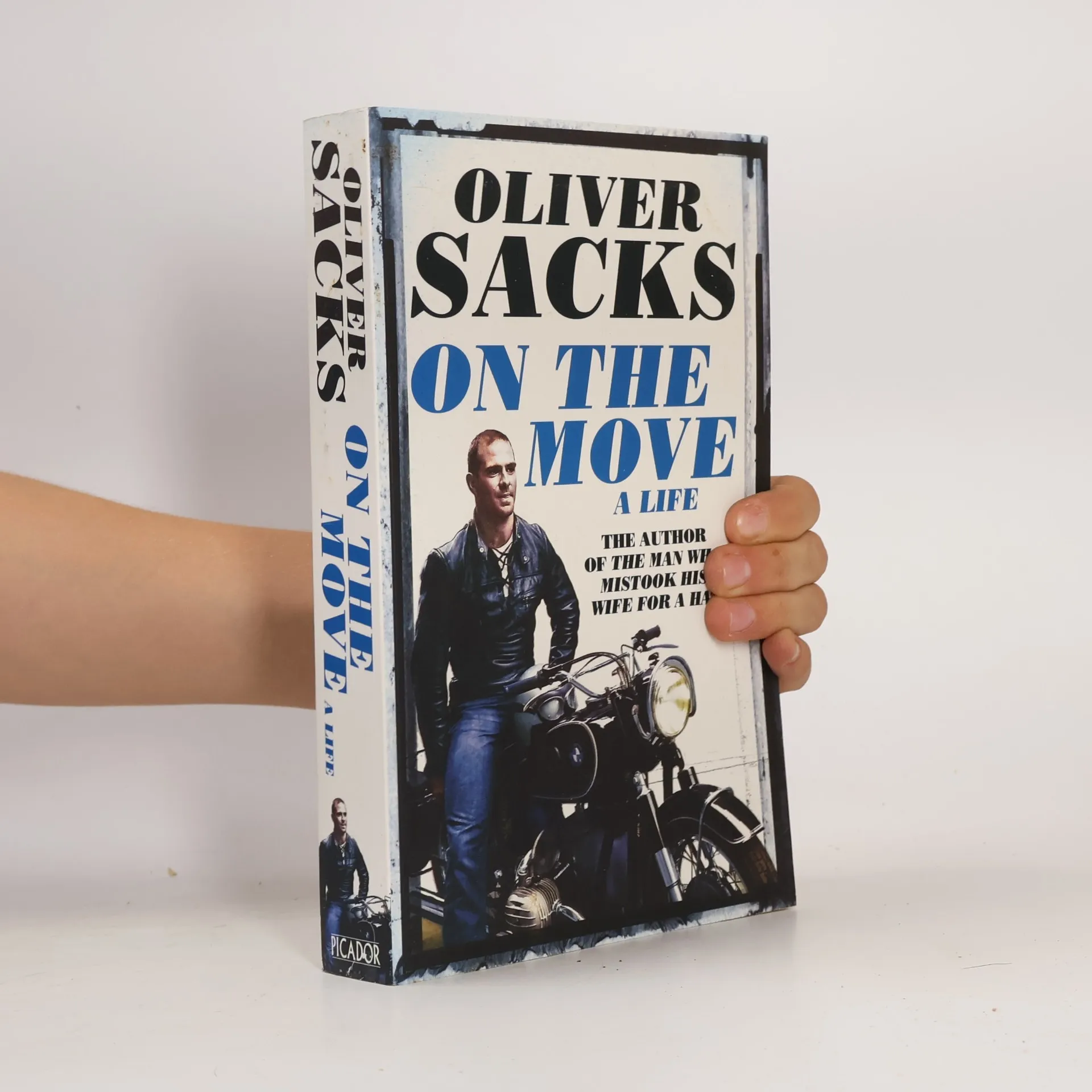
When Oliver Sacks was twelve years old, a perceptive schoolmaster wrote in his report: 'Sacks will go far, if he does not go too far.' It is now abundantly clear that Sacks has never stopped going. From its opening pages on his youthful obsession with motorcycles and speed, On the Move is infused with his restless energy. As he recounts his experiences as a young neurologist in the early 1960s, first in California and then in New York, where he discovered a long forgotten illness in the back wards of a chronic hospital, as well as with a group of patients who would define his life, it becomes clear that Sacks' earnest desire for engagement has occasioned unexpected encounters and travels - sending him through bars and alleys, over oceans, and across continents. With unbridled honesty and humour, Sacks shows us that the same energy that drives his physical passions - bodybuilding, weightlifting, and swimming - also drives his cerebral passions. He writes about his love affairs, both romantic and intellectual, his guilt over leaving his family to come to America, his bond with his schizophrenic brother, and the writers and scientists - A.R. Luria, W.H. Auden, Francis Crick - who influenced him. On the Move is the story of a brilliantly unconventional physician and writer - and of the man who has illuminated the many ways that the brain makes us human
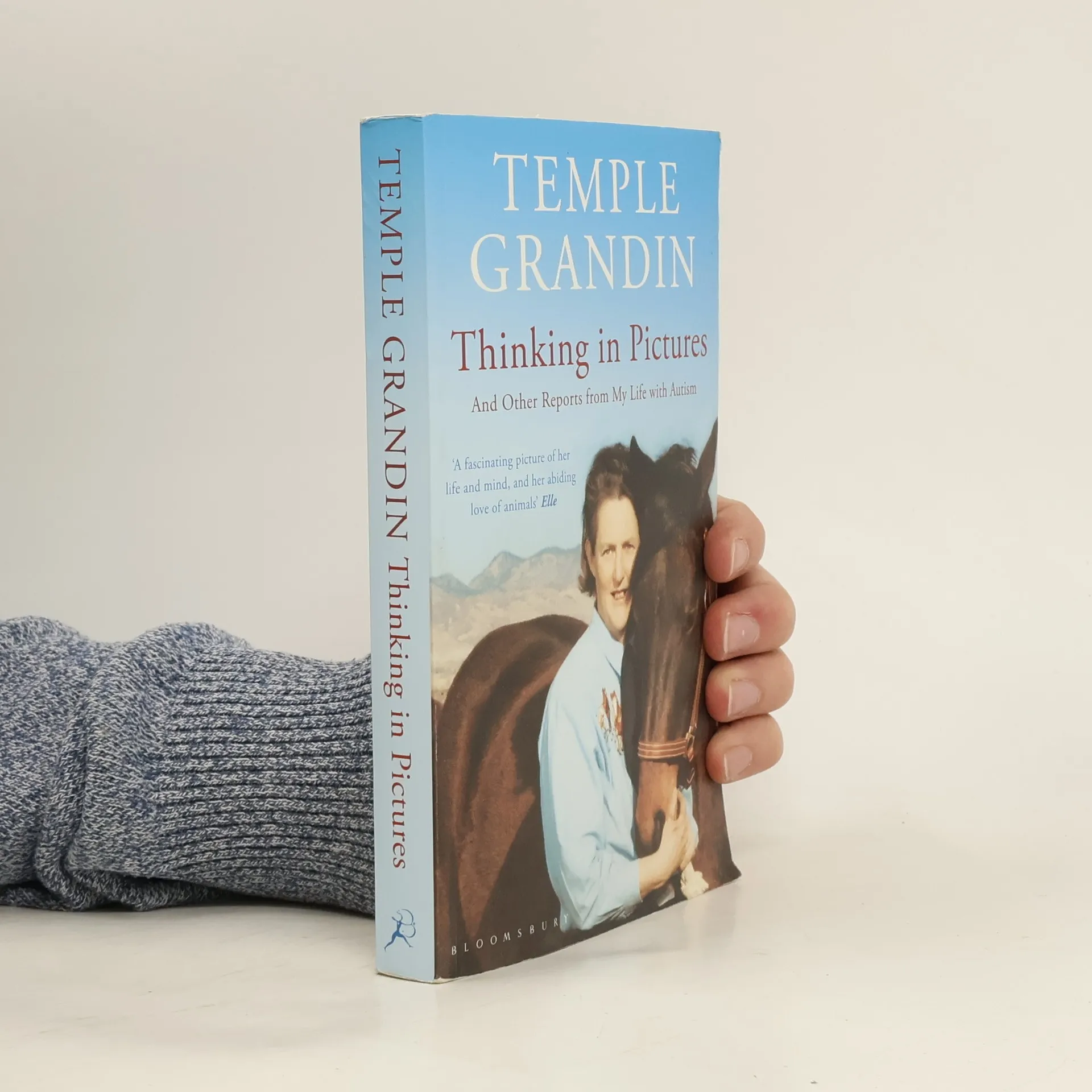
Thinking in Pictures
- 304pages
- 11 heures de lecture
The idea that some people think differently, though no less humanely, is explored in this inspiring book. Temple Grandin is a gifted and successful animal scientist, and she is autistic. Here she tells us what it was like to grow up perceiving the world in an entirely concrete and visual way - somewhat akin to how animals think, she believes - and how it feels now. Through her finely observed understanding of the workings of her mind she gives us an invaluable insight into autism and its challenges.
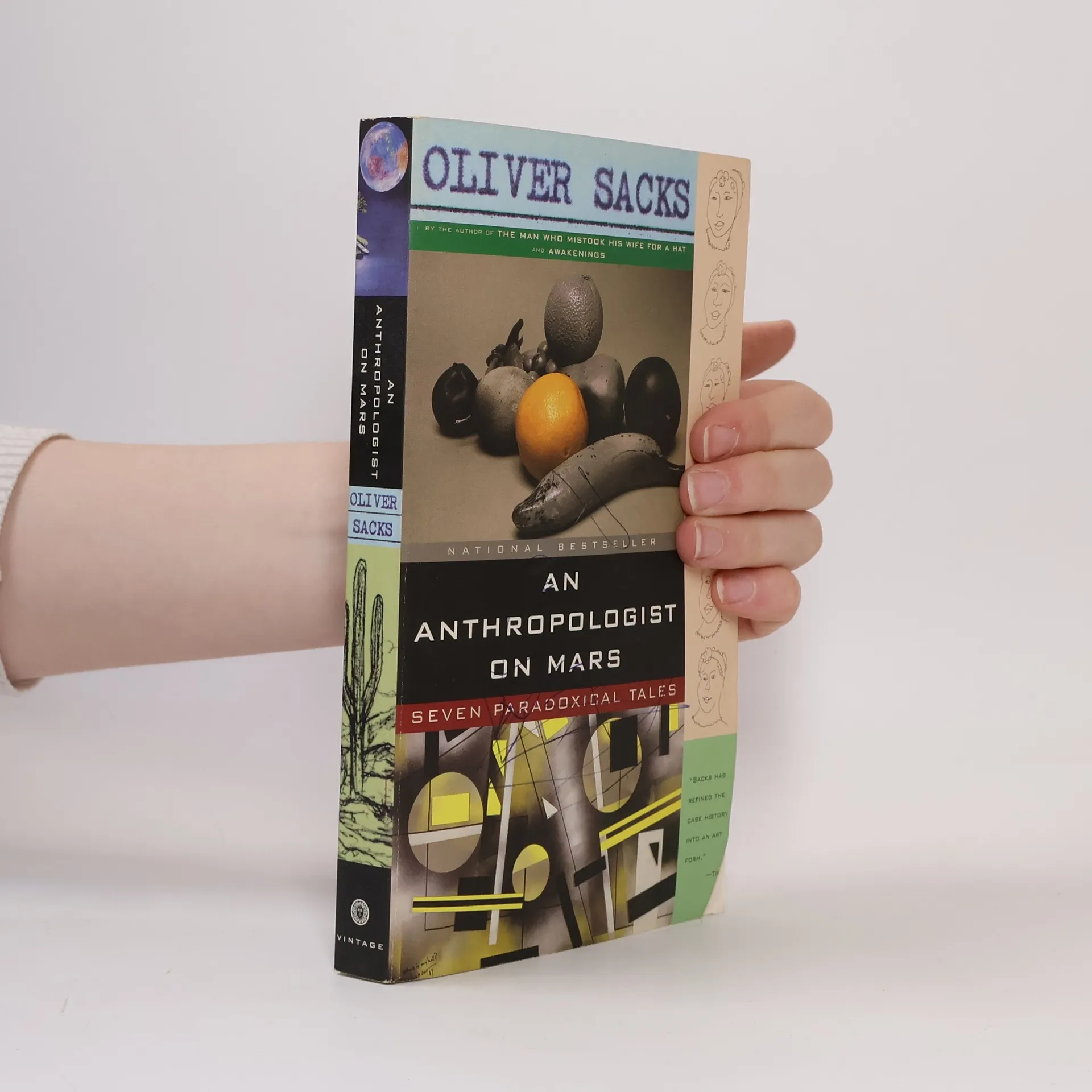
An Anthropologist On Mars
- 352pages
- 13 heures de lecture
THE INSPIRATION FOR THE NBC SERIES BRILLIANT MINDS • From the bestselling author of The Man Who Mistook His Wife for a Hat • Fascinating portraits of neurological disorder in which men, women, and one extraordinary child emerge as brilliantly adaptive personalities, whose conditions have not so much debilitated them as ushered them into another reality. Here are seven detailed narratives of neurological patients, including a surgeon consumed by the compulsive tics of Tourette's syndrome unless he is operating; an artist who loses all sense of color in a car accident, but finds a new sensibility and creative power in black and white; and an autistic professor who cannot decipher the simplest social exchange between humans, but has built a career out of her intuitive understanding of animal behavior. Sacks combines the well honed mind of an academician with the verve of a true storyteller.
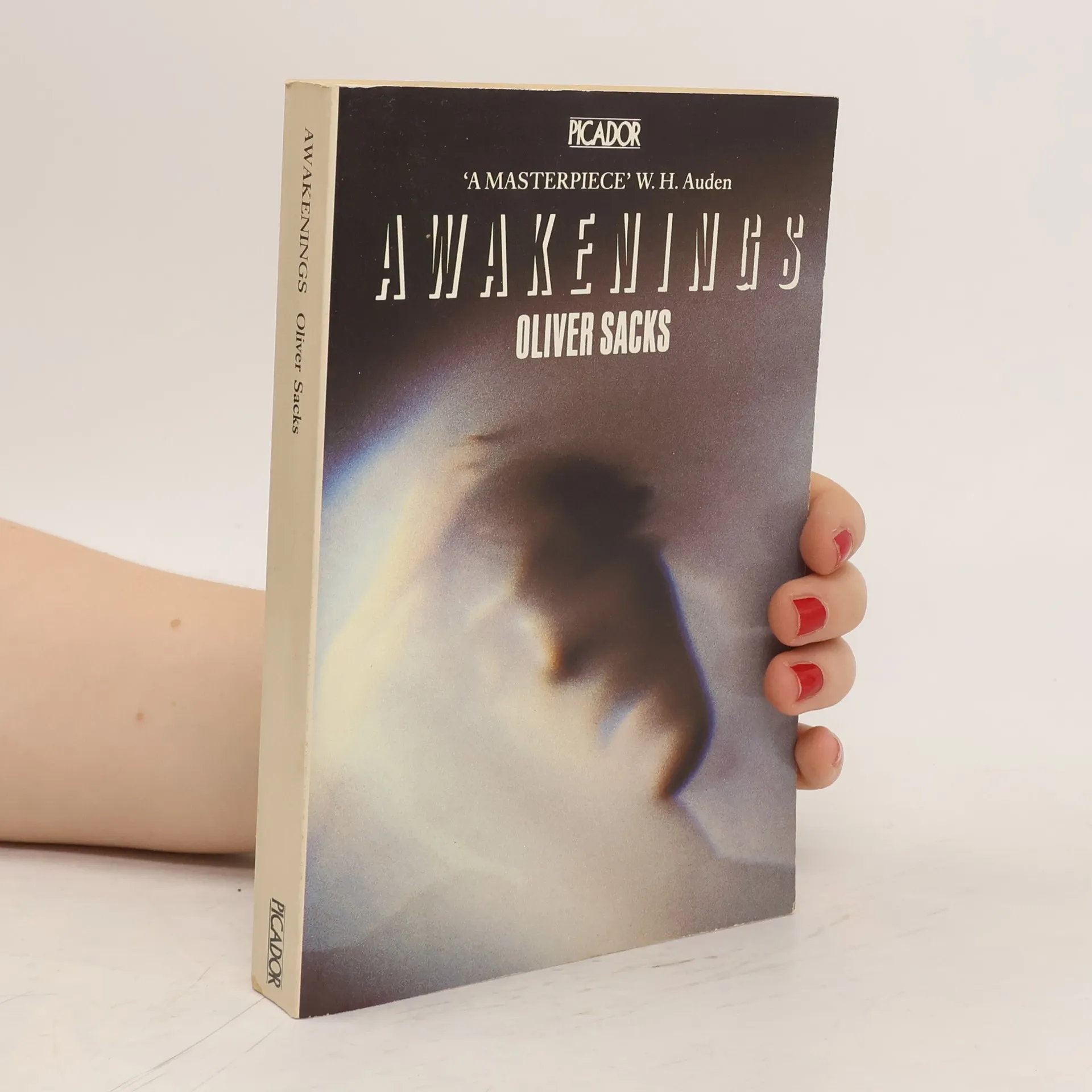
Awakenings
- 352pages
- 13 heures de lecture
By the author of Seeing Voices', this is a narrative about the awakening of 20 patients from a zombie-like state they had suffered for over 40 years. A new drug meant the sleeping sickness disease was now treatable. Sacks tells the history, offers his own observations and the patients' reactions.
Seeing Voices
- 208pages
- 8 heures de lecture
A neurologist investigates the world of the deaf, examining their past and present treatment at the hands of society, and assesses the value and significance of sign language.
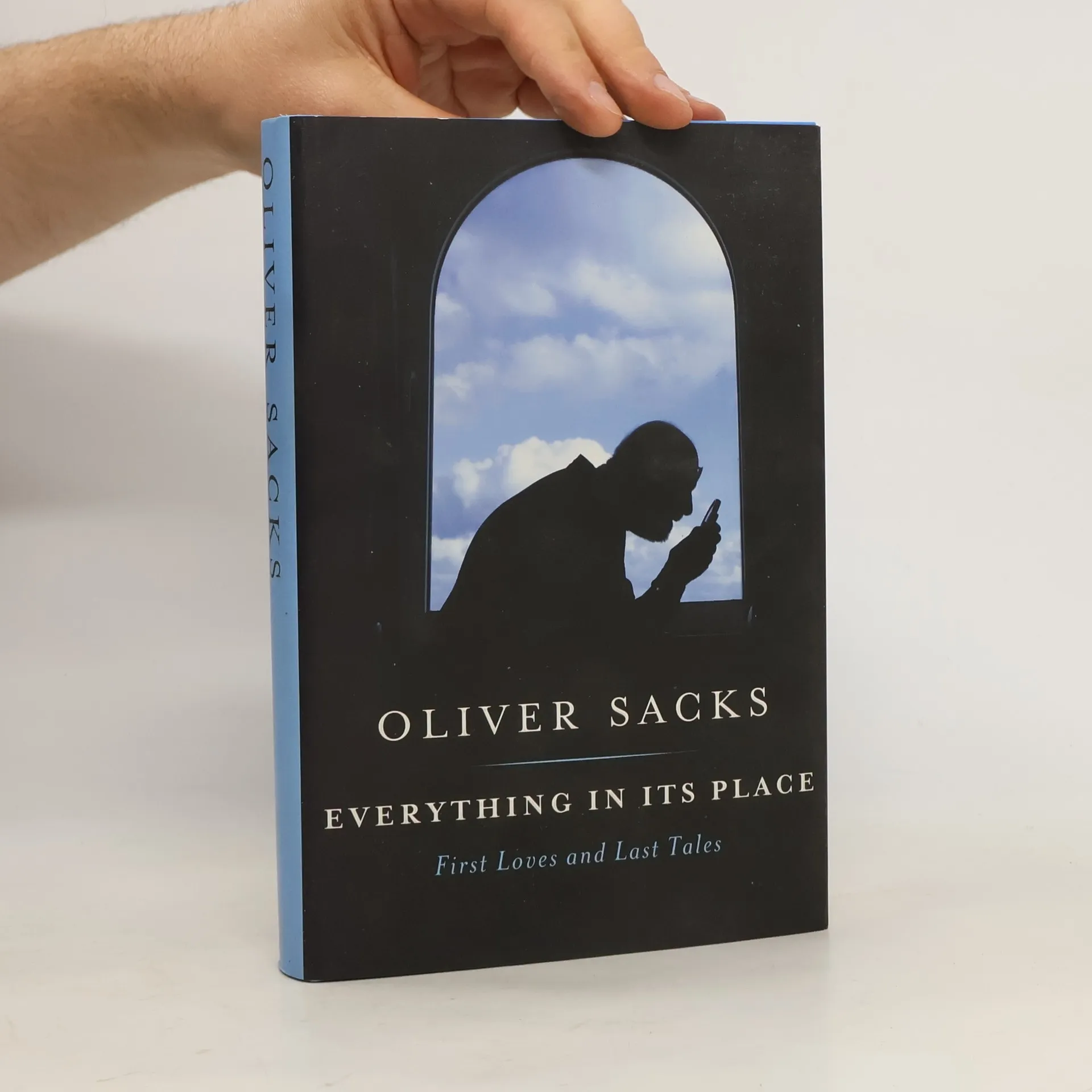
Everything in Its Place
- 288pages
- 11 heures de lecture
"In this final volume, Oliver Sacks examines the many passions of his own life, as a doctor engaged with the central questions of human existence, and as a polymath conversant in all the sciences. Everything in Its Place brings together writings--many never before published--on a rich variety of topics. Why do humans need gardens? How, and when, does a physician tell his patient she has Alzheimer's? What is social media doing to our brains? In several of the compassionate case histories included here, Sacks considers the enigmas of depression, psychosis, and schizophrenia for the first time, and in others he returns to conditions that have long fascinated him: Tourette's syndrome, aging, dementia, and hallucinations. In counterpoint to these elegant investigations of what makes us human, this volume also includes pieces that celebrate Sacks's love of the natural world--and his final meditations on life in the twenty-first-century. Everything in Its Place gives us an intimate portrait of a master writer and thinker at work."--Dust jacket.
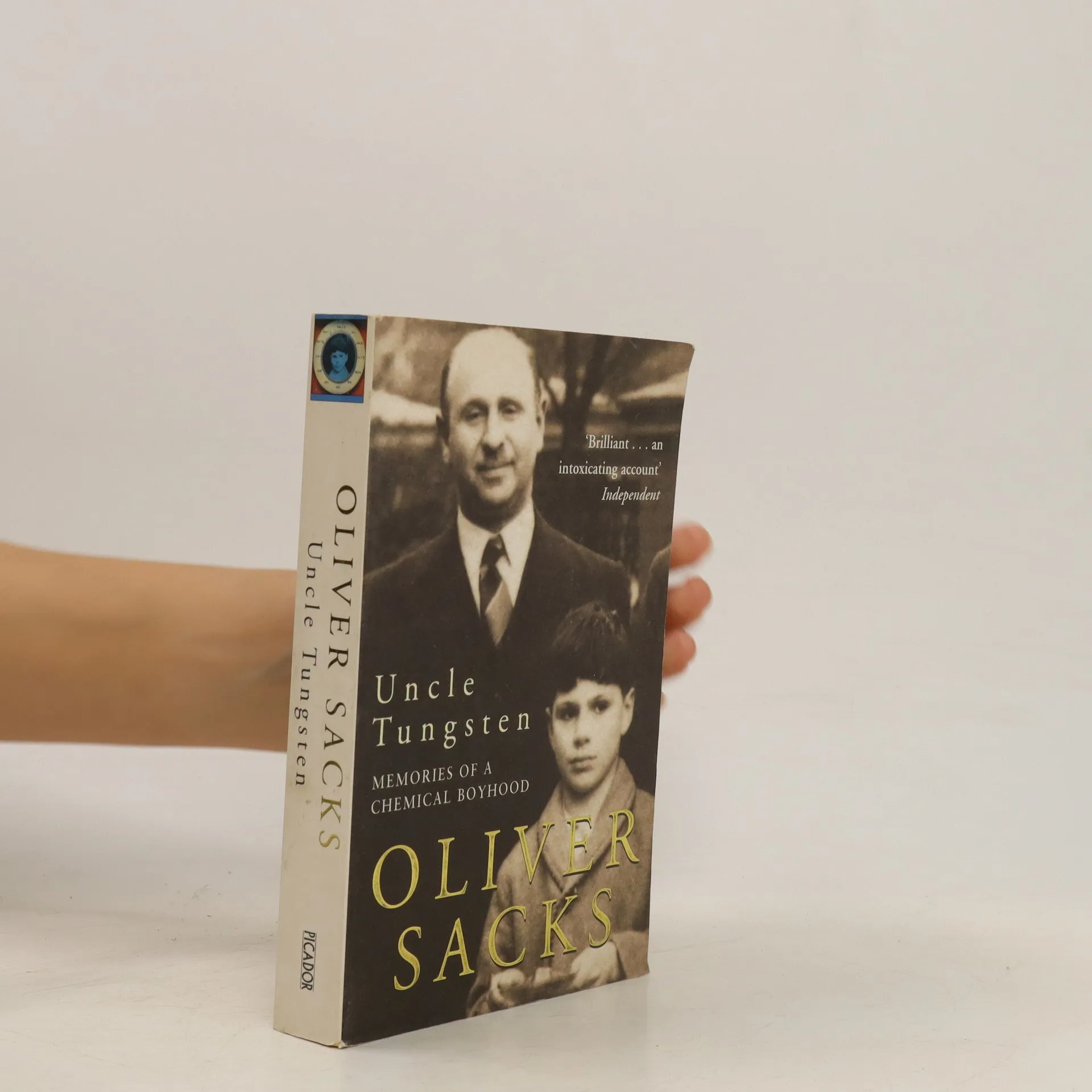
Uncle Tungsten
- 250pages
- 9 heures de lecture
A memoir of the scientific wonder of youth by the distinguished neurologist and author describes his fascination with metals, gasses, and chemicals, especially "Uncle Tungsten," and with unravelling the complex mysteries of the world around him.
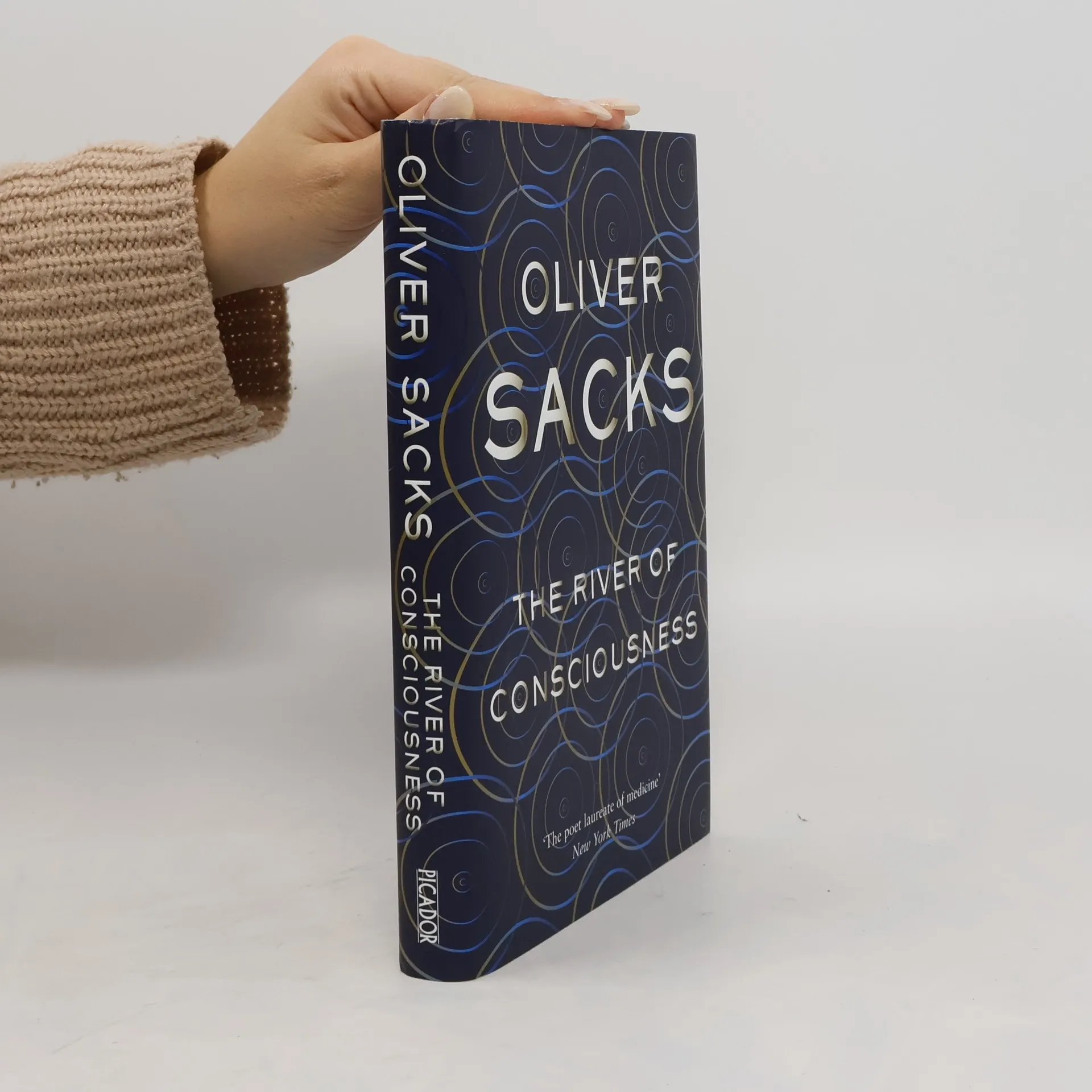
The River of Consciousness
- 256pages
- 9 heures de lecture
The River of Consciousness is a remarkable culmination of a lifetime's research into the way the brain works by the celebrated late neurologist Oliver Sacks.
Drawing on a wealth of clinical examples from his own patients as well as historical and literary descriptions, Oliver Sacks investigates the fundamental differences and similarities of many sorts of hallucinations.
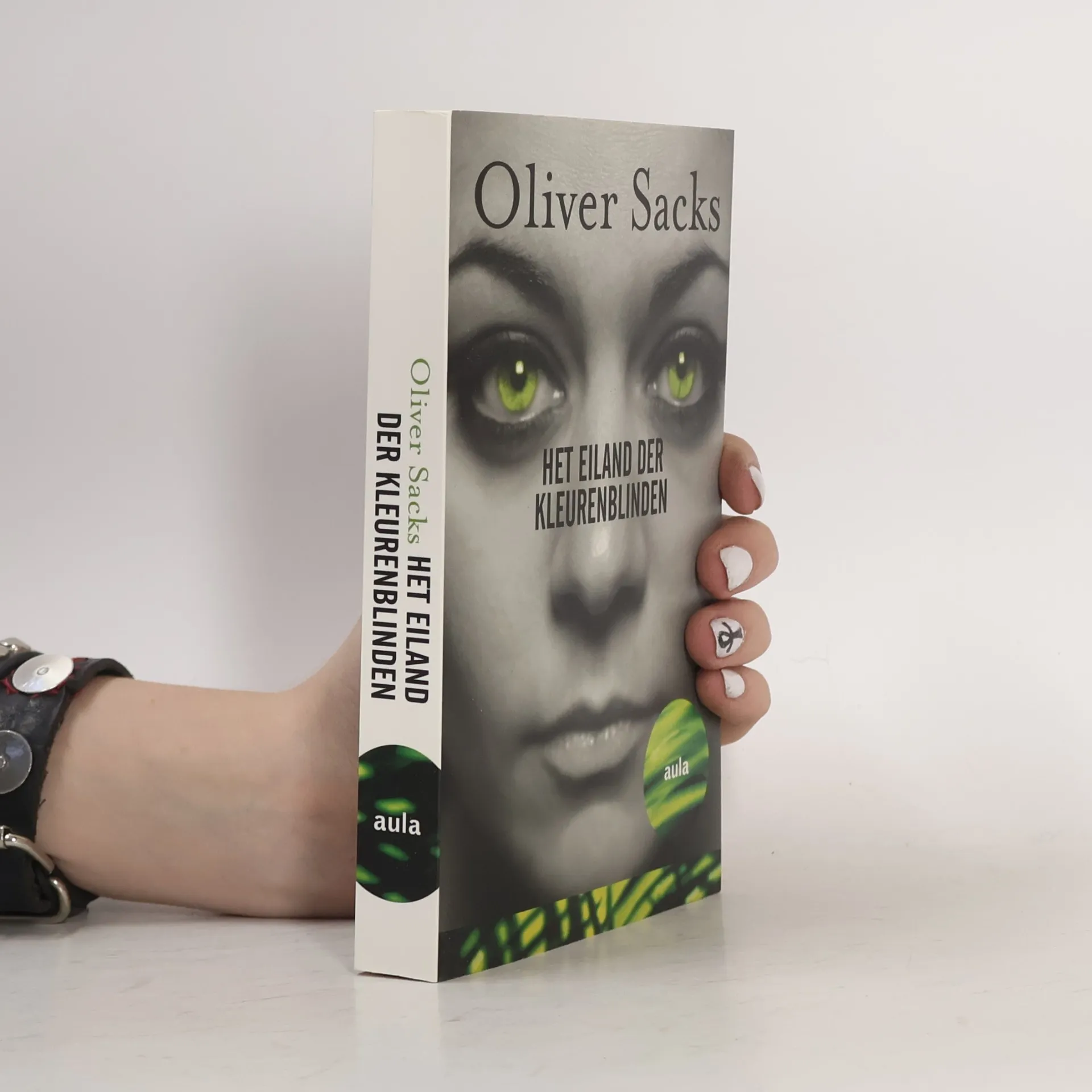
The Island of the Colour-blind
- 345pages
- 13 heures de lecture
A study of the residents of the South Pacific atoll of Pingelap. This investigates the causes and effects of the high incidence of colour blindness amongst the population.
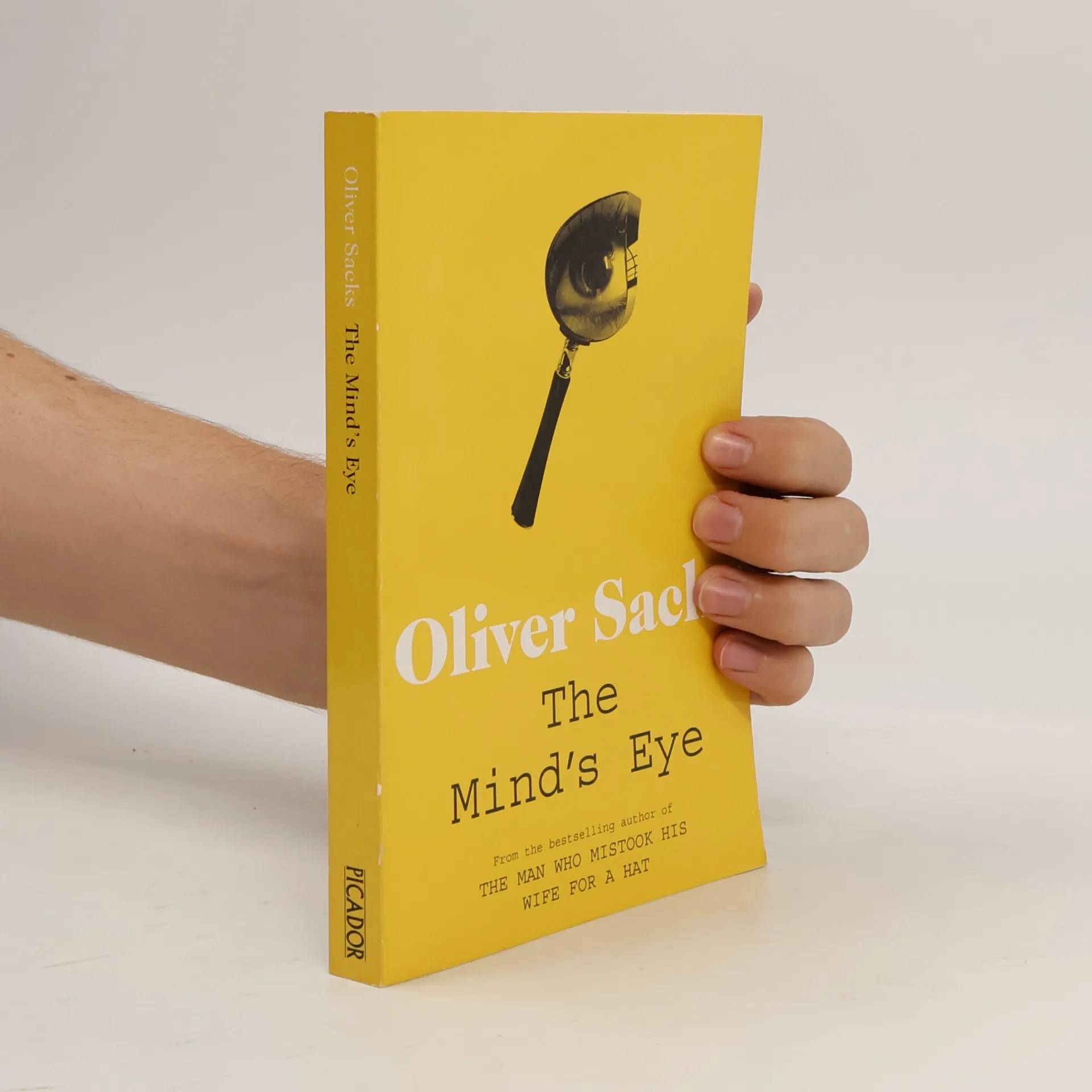
The Mind's Eye
- 260pages
- 10 heures de lecture
The bestselling author of The Man Who Mistook His Wife For a Hat describes how we experience the visual world. In The Mind's Eye, Oliver Sacks tells the stories of people who are able to navigate the world and communicate with others despite losing what many of us consider indispensable senses and abilities: the capacity to recognise faces, the sense of three-dimensional space, the ability to read, the sense of sight. For all of these people, the challenge is to adapt to a radically new way of being in the world, and The Mind's Eye is testament to the myriad ways that we, as humans, are capable of rising to this challenge. As such, it's also testament to the human power of creativity and adaptation.
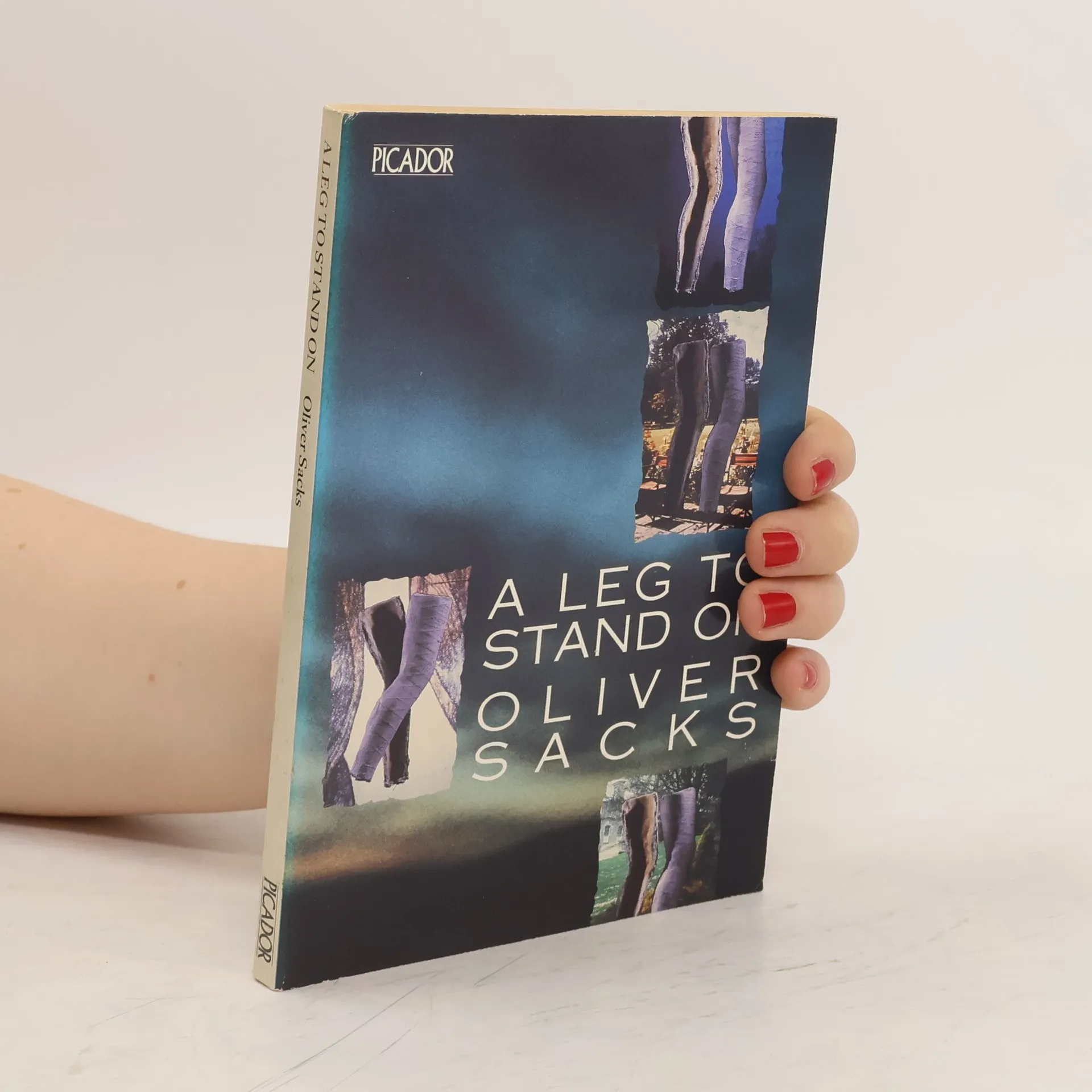
A Leg to Stand On
- 176pages
- 7 heures de lecture
'Sacks has written a book about a leg, his leg; but it is a story about the nature of selfhood - a narrative comparable to Conrad's " The Secret Sharer"' "New York Review of Books " 'Losing the use of a limb is a catastrophe, and it needed a thoughtful essay written about it. This is it. It is more than that. Oliver Sacks is a neurologist of wide lay reading, a man of humane eloquence, a genuine communicator aware of the damnable rift that subsists between doctor and patient. Its value lies in its willingness to combine the technical and the demonic, to admit poetry and philosophy and the religious impulse. It is also intensely personal, but it affirms the community of human experience' Anthony Burgess, "Observer" 'It is in every way a marvellously rich and thoughtful tale. Dr Sacks has, once again, emphatically shown how much there is still to be learned from painstakingly observed and chronicled case history' " Sunday Telegraph" 'Dr Sacks reviews his predicament in exact clinical, emotional and philosophical terms. No one has described that famous condition so well before. A remarkable, generous, vivid and thoroughly intelligent piece of writing' "Sunday Times"
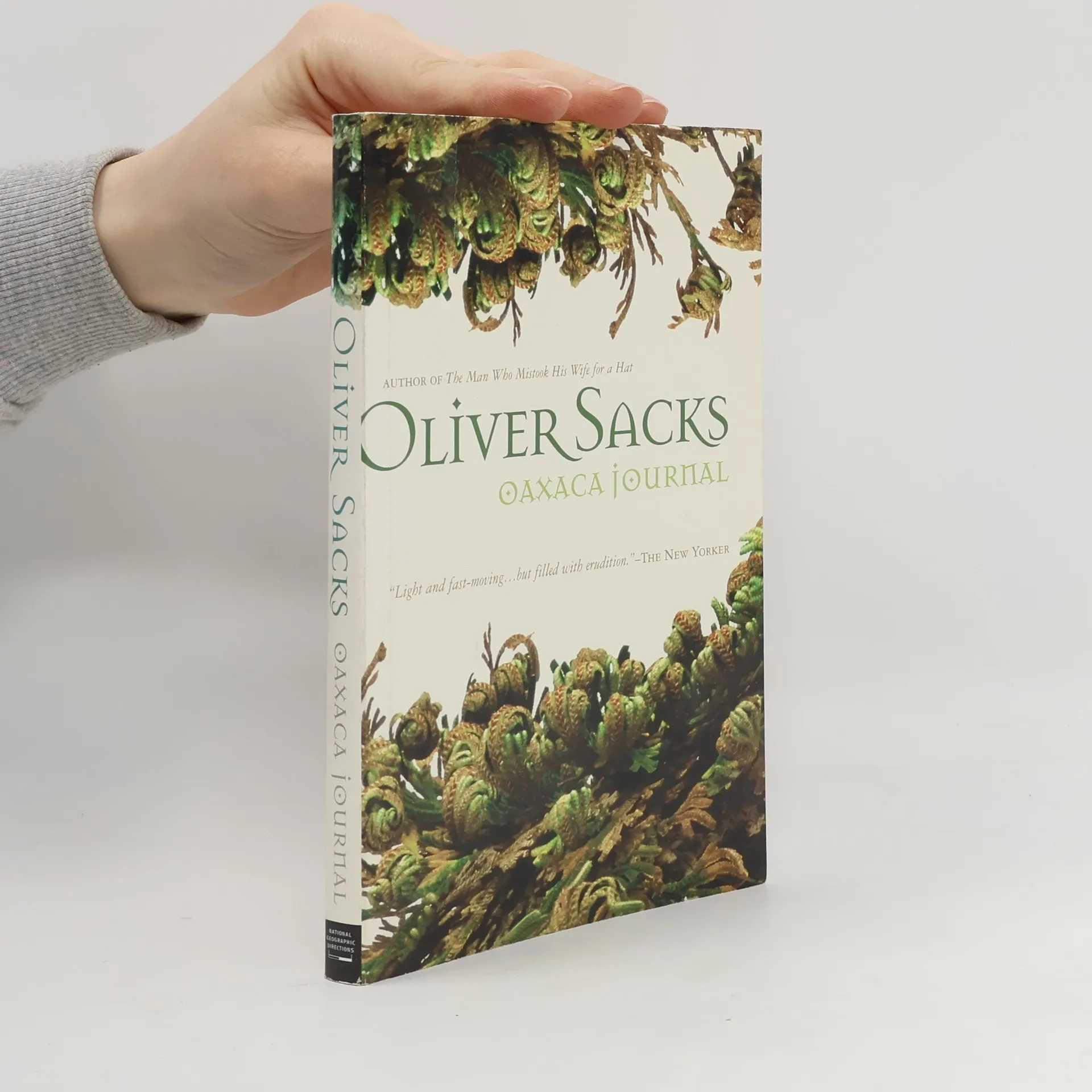
National Geographic Directions: Oaxaca Journal
- 160pages
- 6 heures de lecture
The best-selling author of Awakenings and The Man Who Mistook His Wife for a Hat, Oliver Sacks is well know as an explorer of the human mind—a neurologist with a gift for complex, insightful portrayals of people and their conditions. However, he is also a card-carrying member of the American Fern Society, and since childhood has been fascinated by these primitive plants and their ability to survive and adapt in many climates.Oaxaca Journal is Sacks's spellbinding account of his trip with a group of fellow fern enthusiasts to the beautiful, history-steeped province of Oaxaca, Mexico. Bringing together Sacks's passion for natural history and the richness of human culture with his sharp eye for detail, Oaxaca Journal is a captivating evocation of a place, its plants, its people, and its myriad wonders.
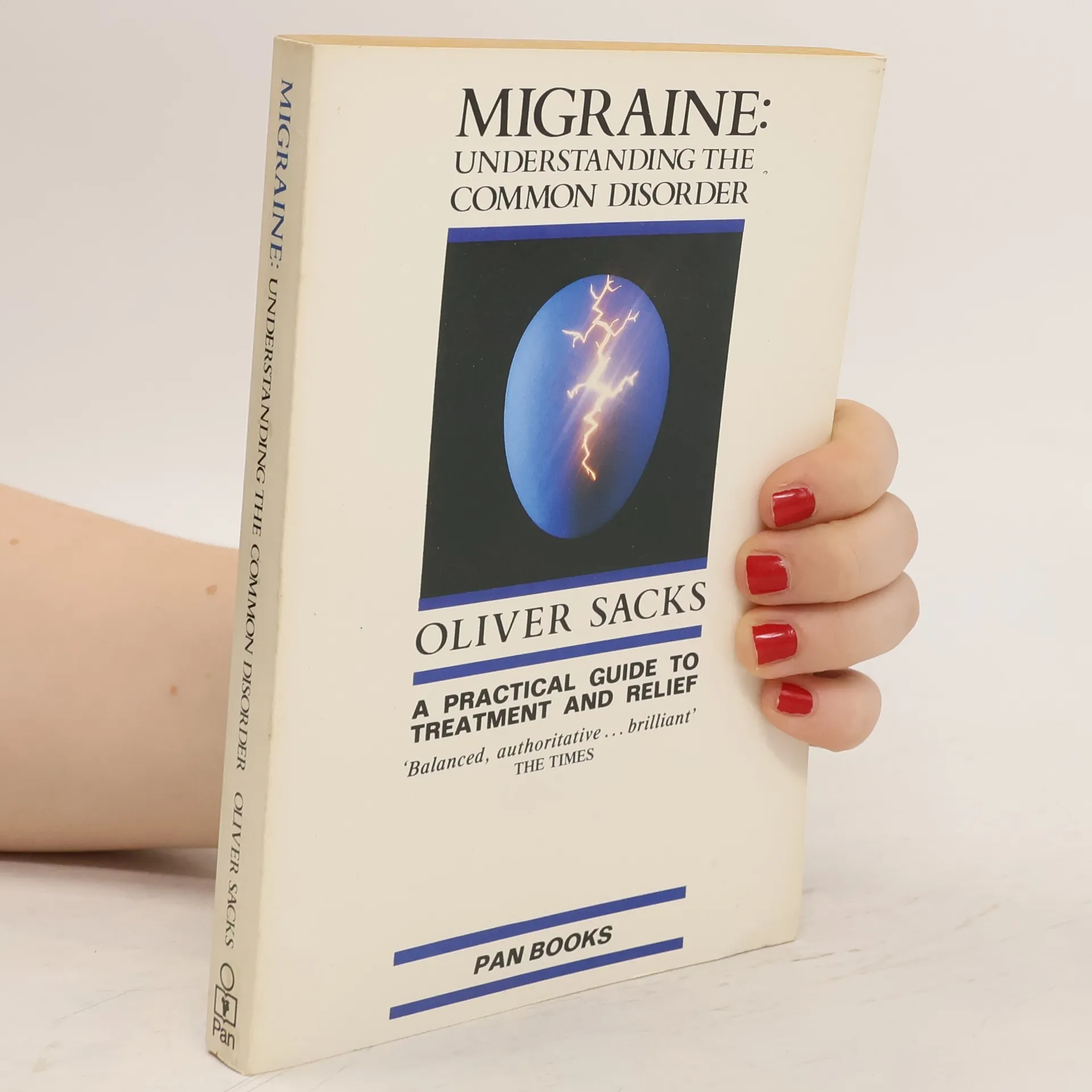
Migraine
- 288pages
- 11 heures de lecture
"Balanced, authoritative . . . brilliant." --The London Times "Written by one of the great clinical writers of the twentieth century, Migraine . . . should be read as much for its brilliant insights into the nature of our mental functioning as for its discussion of the migraine." --The New York Times Book Review The many manifestations of migraine can vary dramatically from one patient to another, even within the same patient at different times. Among the most compelling and perplexing of these symptoms are the strange visual hallucinations and distortions of space, time, and body image which migraineurs sometimes experience. Portrayals of these uncanny states have found their way into many works of art, from the heavenly visions of Hildegard von Bingen to Alice in Wonderland. Dr. Oliver Sacks argues that migraine cannot be understood simply as an illness, but must be viewed as a complex condition with a unique role to play in each individual's life. "I am sure . . . that any layman who is interested in the relation between the body and mind . . . will find the book as fascinating as I have." --W. H. Auden, The New York Review of Books
Why do people have near-death experiences? Are there physical explanations for out-of-body sensations and tunnels of light? What about moments of spiritual ecstasy? In this exploration, a neurologist with three decades of experience examines the biology behind human spirituality, deconstructing the spiritual self and uncovering its origins in primitive areas of the brain. Through revolutionary studies on near-death experiences, it is revealed that spiritual experiences are incidental products of various neurological processes acting independently. When we feel close to God or sense the presence of departed relatives, we may believe we are standing at the border of this world and the next. However, the reality is different: our brain function resembles a Cubist painting, and the experiences we consider the height of humanity are produced by primal reflexes. This journey into the borderlands of consciousness offers a comprehensive, empirically-tested, peer-reviewed examination of our capacity for near-death experiences, out-of-body experiences, and mystical states induced by hallucinogenic drugs.
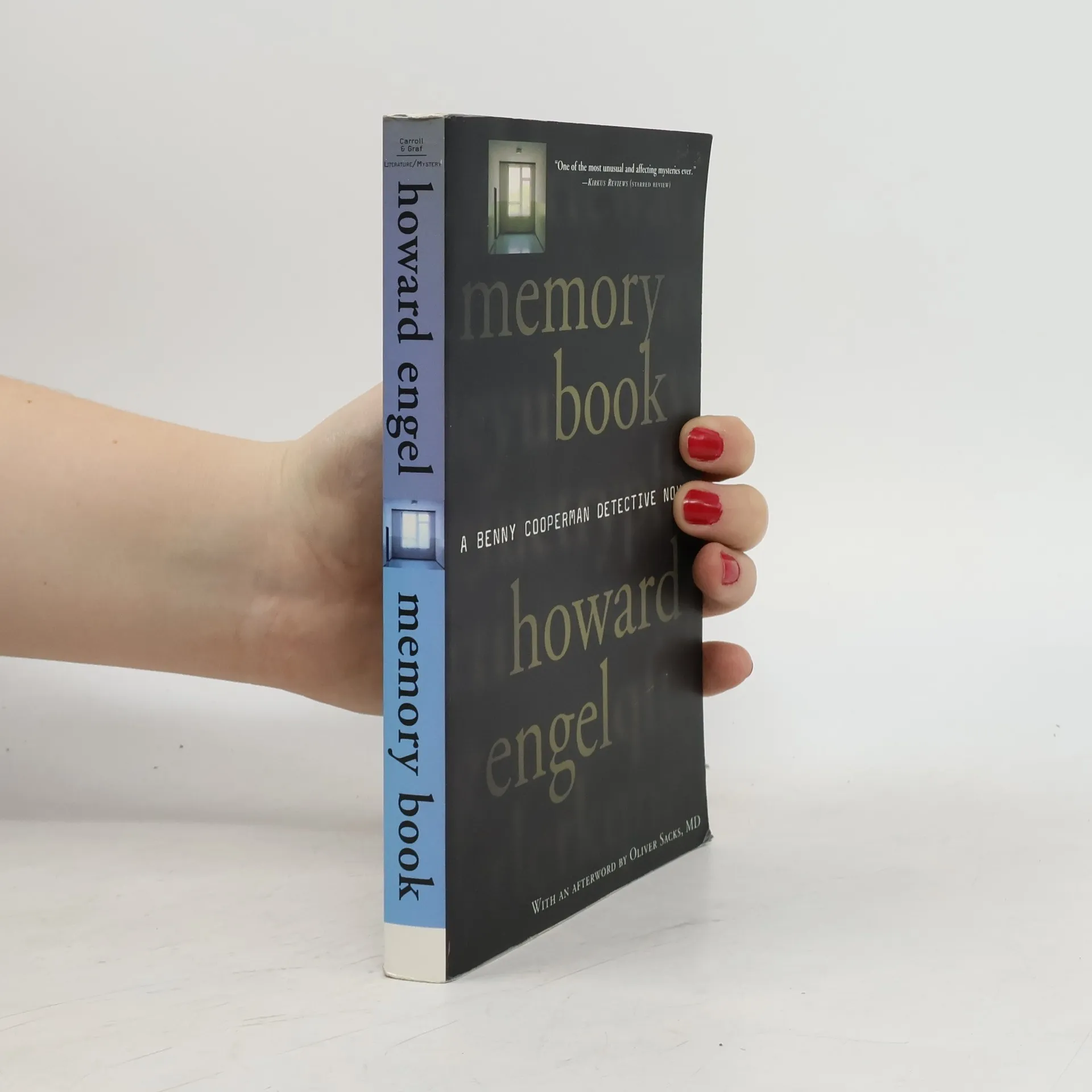
Left for dead in a dumpster, private investigator Benny Cooperman becomes his own client in his most puzzling mystery yet. Benny is recovering in a Toronto hospital from a serious blow to the head. He has a condition called alexia sine agraphia; in layman's terms, it means he can still write but cannot read. And his memory has been affected too: Although he can quote lines from his high-school production of Twelfth Night, he finds himself brushing his teeth with his shaving cream. Even his girlfriend's name—Anna Abraham—continues to elude him. When Benny learns that he was found unconscious beside a dead woman, he figures he must have been close to solving a case. With Anna working as field agent and two Toronto cops reluctantly sharing their discoveries, Benny pieces together the events that led to a murder—and his own injuries.
Blinding Light-O.M.
- 438pages
- 16 heures de lecture
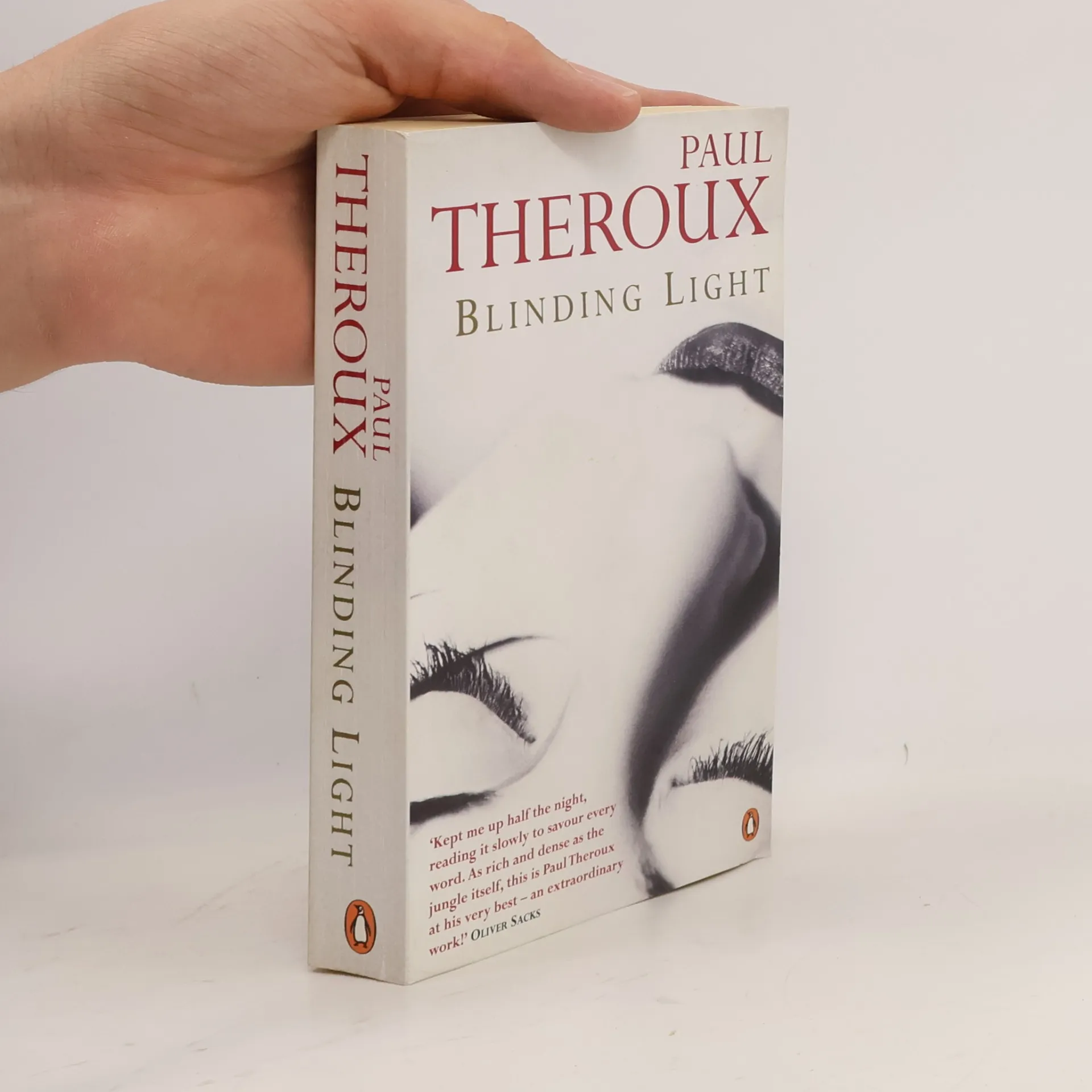
The author embarks on a journey downriver in a remote province of Ecuador, where he discovers a miracle drug that causes temporary blindness. Upon returning to the USA, he feels rejuvenated, gaining the ability to write, remember, and experience an uncanny prescience.
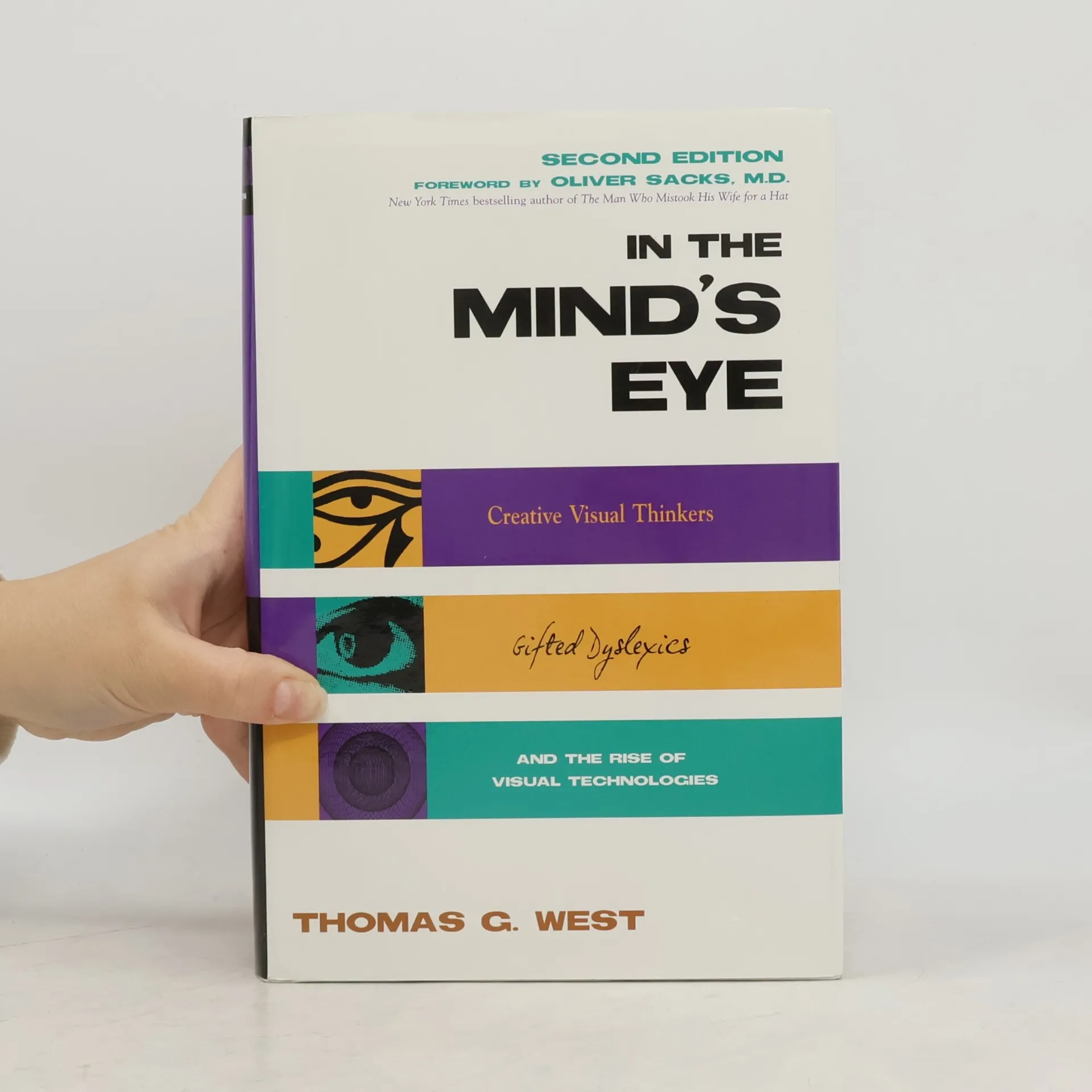
In the Mind's Eye
Creative Visual Thinkers, Gifted Dyslexics, and the Rise of Visual Technologies - Second Edition
- 516pages
- 19 heures de lecture
This book is recognized as a classic in its field. It still stands alone as a compelling argument against popular myths of conventional intelligence and for the importance of visual thinking and visual technologies as powerful tools to aid and amplify the creative potential of many individuals with dyslexia or other learning difficulties.
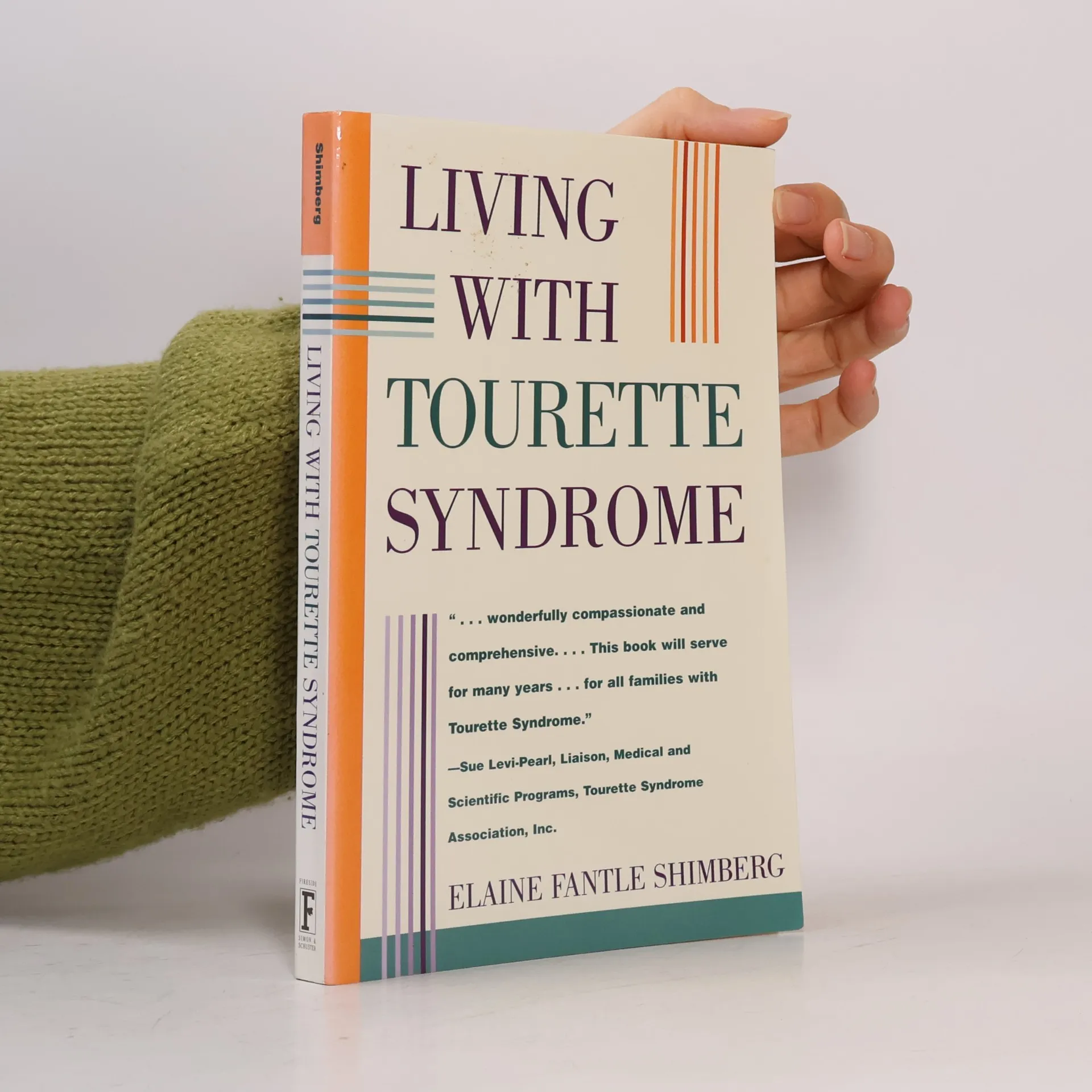
Living With Tourette Syndrome
- 256pages
- 9 heures de lecture
From Simon & Schuster, Living with Tourette Syndrome is Elaine Fantle Shimberg's guide to understanding Tourette syndrome, its effects, and how to handle it in various settings.With chapters dedicated to understanding the effects of Tourette syndrome, the impact it can have on families, and the role it can play in adulthood and the classroom, Living with Tourette Syndrome is an essential guide for any affected by the disease.
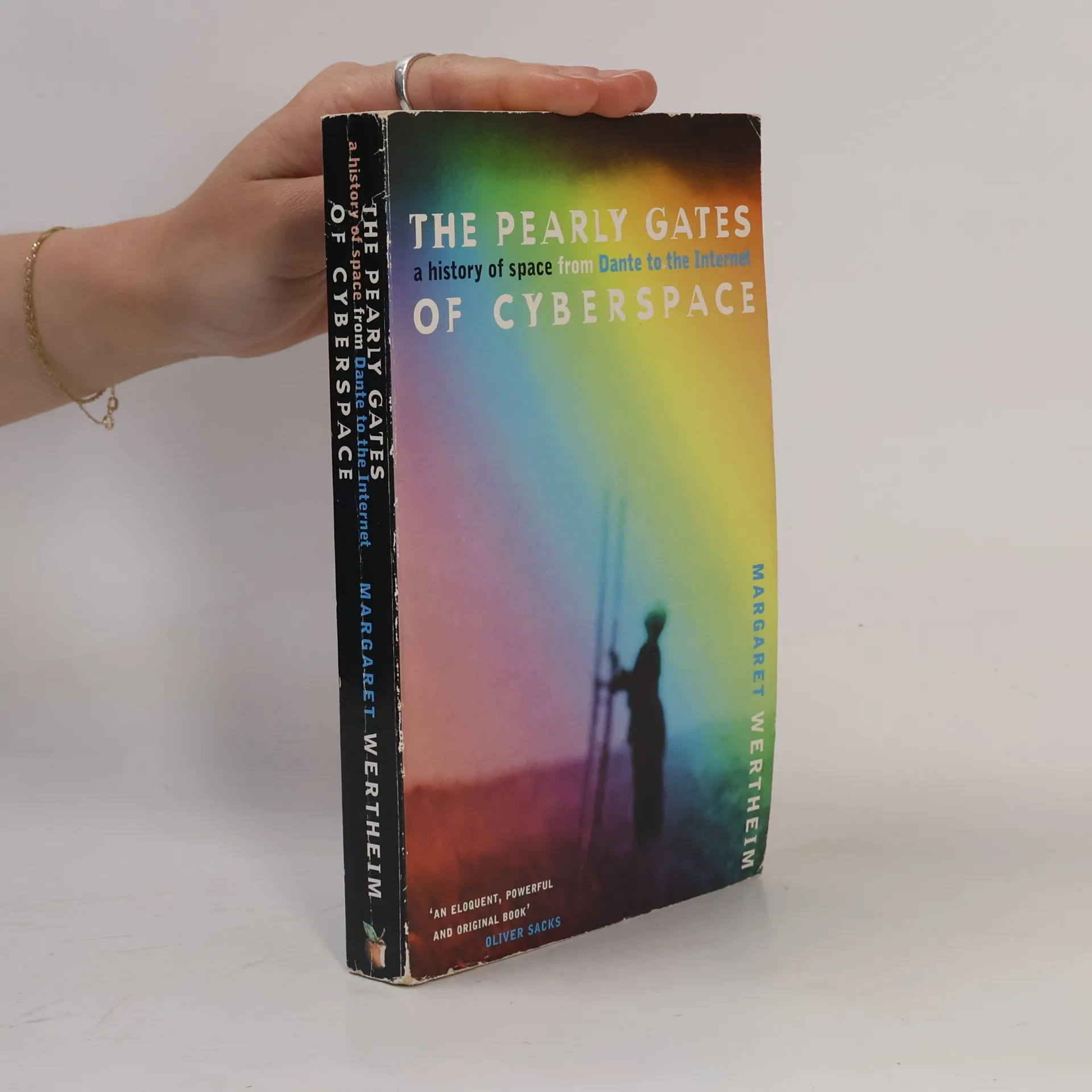
The Pearly Gates of Cyberspace
- 320pages
- 12 heures de lecture
Arguing that one way of understanding cyberspace is as an attempt to realize an electronic version of heaven, this book begins with the medieval definition of the world as spiritual space. The author traces the emergence of modern physics with its emphasis on physical space, and then presents her thesis: that cyberspace, an outgrowth of modern science, nevertheless represents a return to medieval, spiritual concerns.
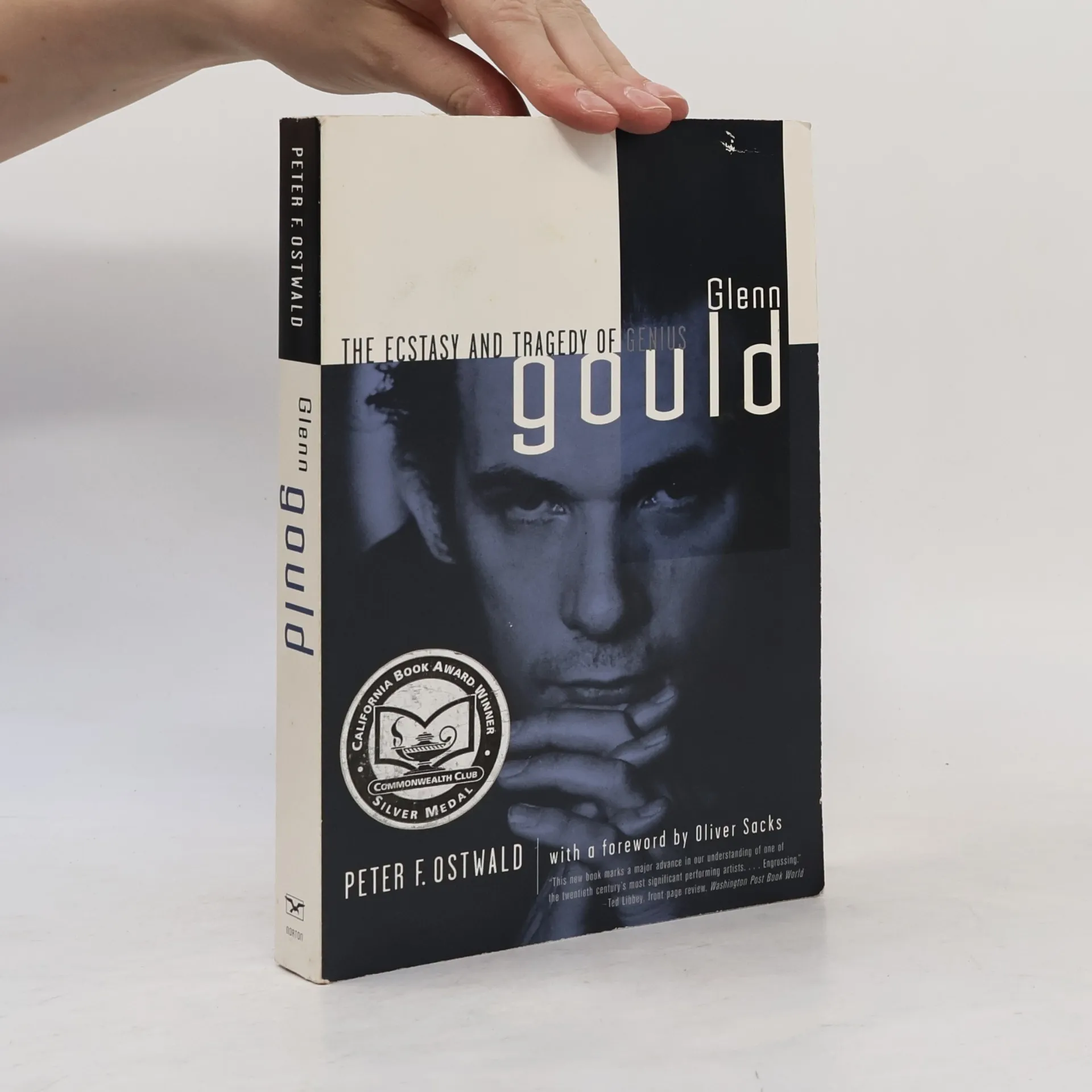
Exploring the life of Glenn Gould, this biography delves into the complexities of his musical genius and personal struggles, including his battle with depression and fear of live performance. Written by psychiatrist Peter Ostwald, a close friend of Gould, it raises profound questions about the relationship between eccentricity and genius. The narrative highlights the contradictions within Gould's brilliance, providing a nuanced portrait that resonates with both music lovers and those interested in the psychological aspects of creativity.
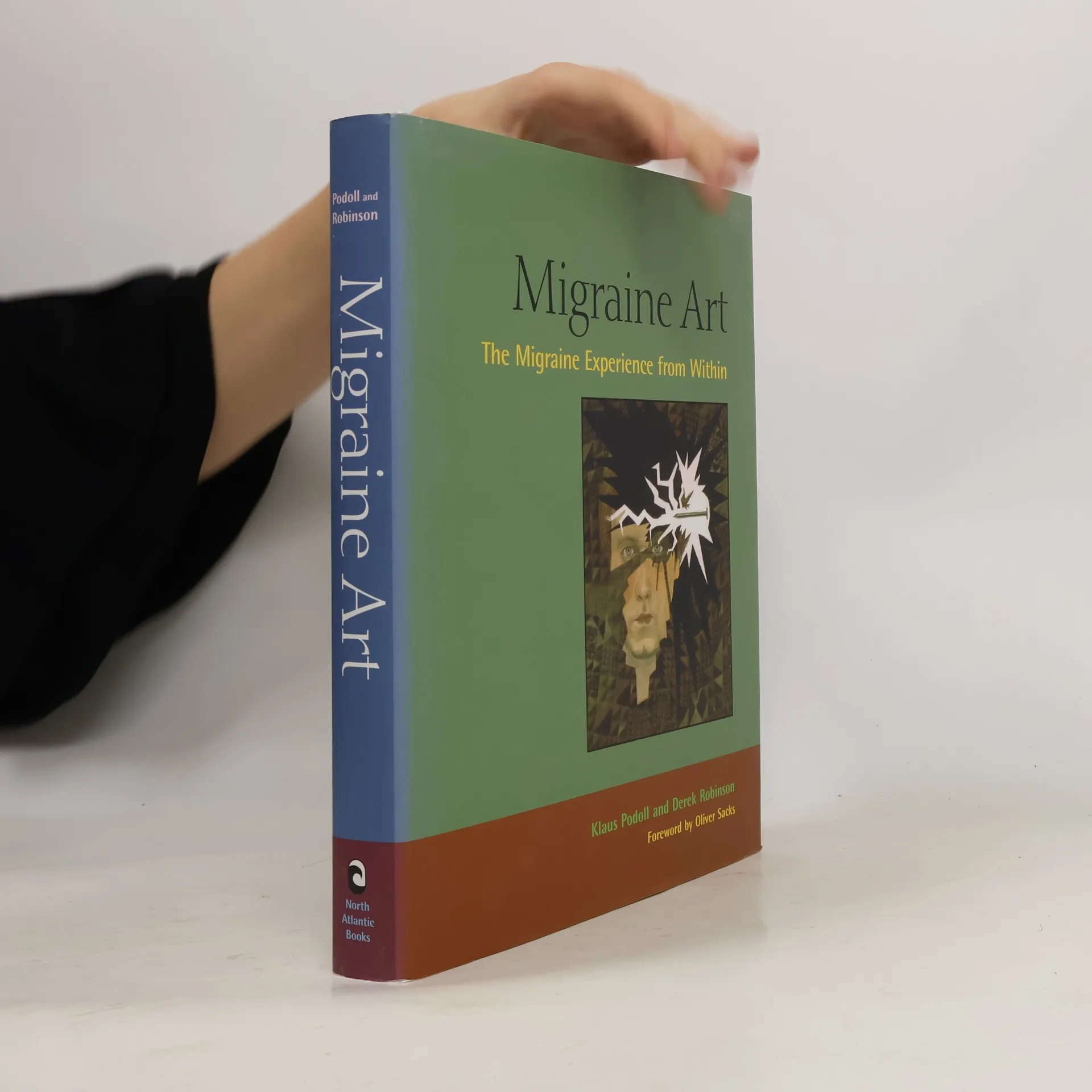
Migraine Art includes more than 300 powerful illustrations and paintings created by migraine sufferers from around the world. It provides a thoroughly unique window into the subjective world of the migraine sufferer. The idea of collecting migraine art started with a number of public competitions in the 1980s, which encouraged artists, both amateur and professional, to illustrate the pain, the visual disturbances, and the effect migraines had on their lives. The book includes hundreds of these submissions as well as detailed descriptions of different types of migraine visual phenomena.Covering such topics as migraine signs, triggers, and treatments, as well as types of visual hallucinations and somatic sensations and experiences, the book offers a comprehensive view of the migraine experience. Each category of visual disturbance is accompanied by related artwork. A description of migraine visual experiences of famous historical figures, such as Blaise Pascal and Lewis Carroll, provide historical background on the topic. The book also includes a history of four Migraine Art competitions and information about the Migraine Art collection.
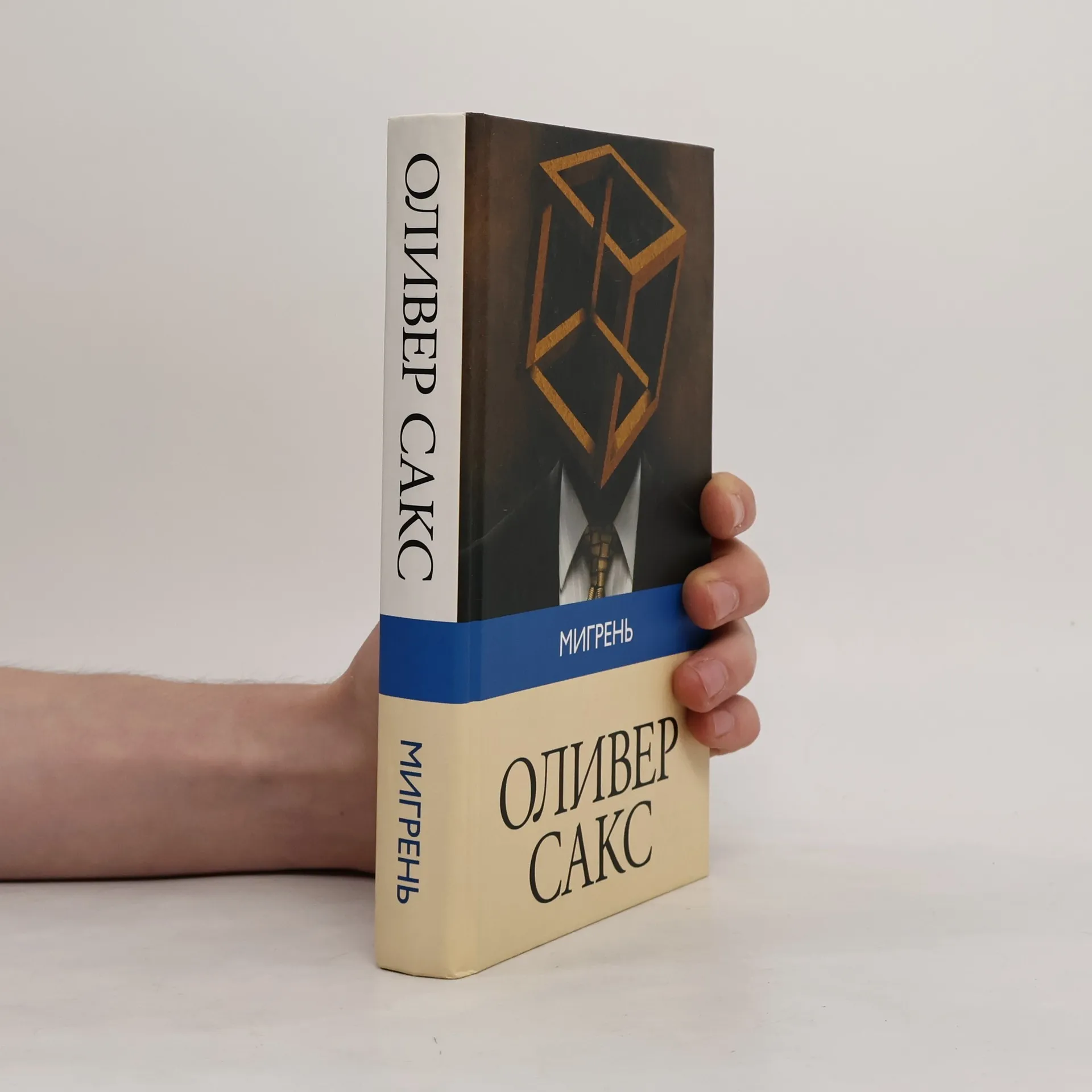
Автор известный британский невролог, нейропсихолог и правозащитник. Это сборник клинических рассказов, описывающих реальные истории его пациентов.
Een schitterend ongeluk
Wim Kayzer ontmoet Oliver Sacks, Stephan Jay Gould, Stephen Toulmin, Daniel C. Dennett, Rupert Sheldrake en Freeman Dyson / druk 13
- 471pages
- 17 heures de lecture
Wim Kayzer ontmoet Oliver Sacks, Stephen Jay Gould, Stephen Toulmin, Daniel C. Dennet, Rupert Sheldrake en Freeman Dyson.
Ve své nejzásadnější knize neurolog Oliver Sacks přibližuje neobyčejné příběhy dvaceti pacientů dlouhodobě žijících v nemocnici pro chronicky nemocné. Tito lidé přežili pozapomenutou velkou epidemii spavé nemoci, jež ve dvacátých letech minulého století zasáhla celý svět. Podivuhodné explozivní probuzení ze somnambulního, často absolutně nehybného a na vnějším okolí zcela závislého stavu, ve kterém přežívali několik desetiletí, umožní až použití nového léku, L-DOPY. Dozvíme se tak podrobně a z první ruky (neboť autor vyznává osobní přístup a setkání s pacienty tváří v tvář), jaký byl jejich život předtím, jak absolutně "zpomalení" byli, a jak se postupně probouzeli, stávali aktivnějšími, doslova "zrychlenějšími", vraceli se do života, ve světě, který byl pro ně úplně nový a cizí, a jak se vypořádávali s leckdy druhým pólem: tiky, nutkáním, patologickou euforií. Osudy jednotlivých pacientů se liší, jak co se týče rodinné situace, věku, kdy je nemoc postihla, tak i anamnézou či reakcí na lék.
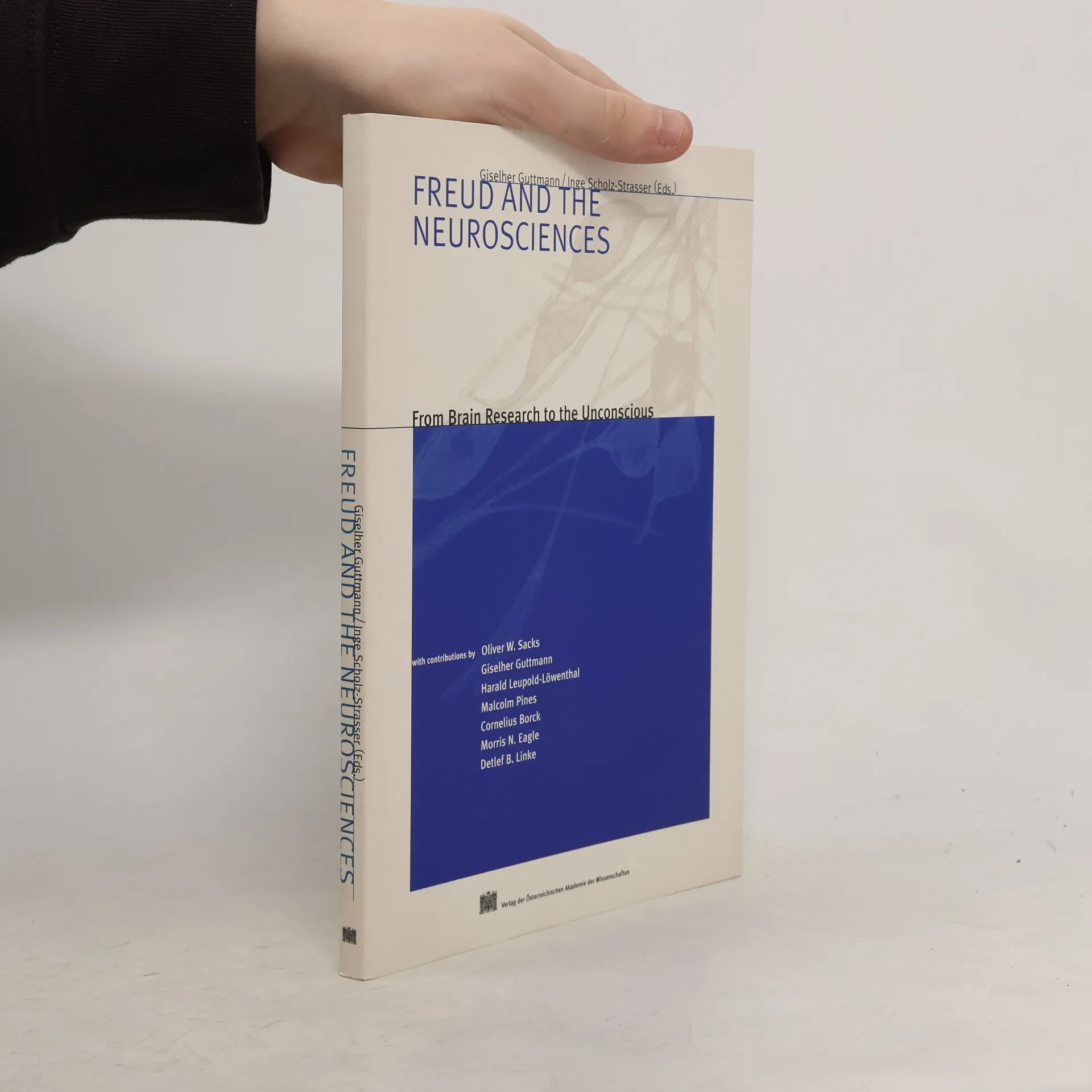
Freud and the Neurosciences
- 116pages
- 5 heures de lecture
While still a student, Freud published his first research papers on neurology, showcasing his early scientific career that began with physiological studies on eels and progressed to the nervous system of the river crayfish. Confronted by a physicalistic-scientific worldview from his teachers, Freud embraced it, leading to the development of his earliest psychological theory. Although he later rejected the model that sought to explain the psyche through brain physiology, his scientific curiosity remained focused on uncovering the precise structure of the psyche. The authors argue that the foundations of psychoanalysis are rooted in the same scientific principles that shaped Freud's early neuroscientific research, suggesting that he never fully abandoned this epistemological orientation, even in his later works. The book includes contributions from various scholars, discussing topics such as Freud's dual identity as a neurologist and psychoanalyst, the influence of neurological models on psychoanalysis, and the visual representation of nerve cells and psychical mechanisms. It also examines Freud's legacy in relation to defenses, somatic symptoms, and neurophysiology, as well as concepts like discharge, reflex, free energy, and encoding.
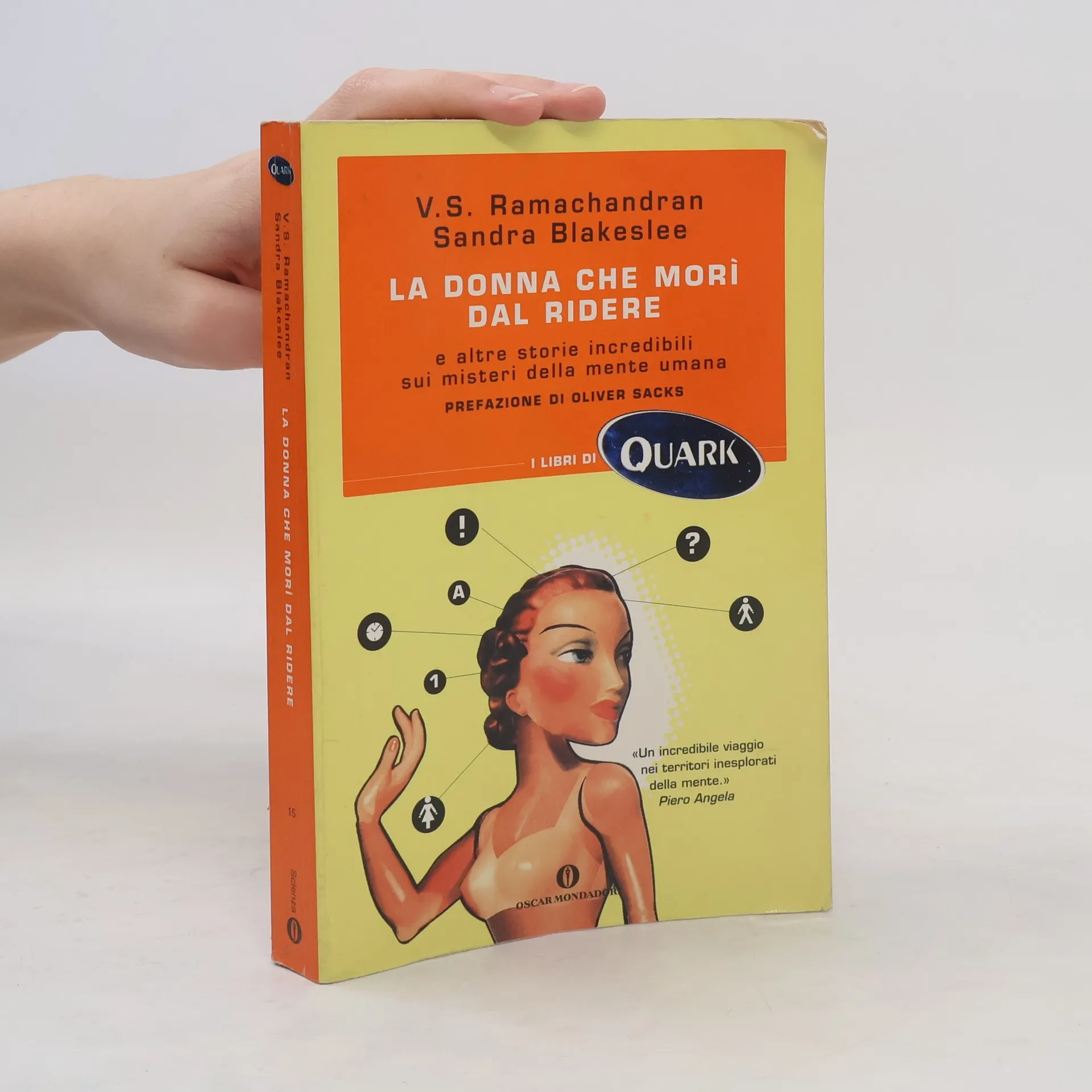
I libri di Quark - 15: La donna che morì dal ridere e altre storie incredibili sui misteri della mente umana
- 362pages
- 13 heures de lecture
Una donna che sostiene di parlare con Dio, un atleta che ha perso il braccio ma non la sensazione di poterne disporre, un giovane coinvolto in un tragico incidente stradale convinto che i genitori siano stati sostituiti da replicanti, e ancora il caso del celebre umorista e vignettista James Thurber, colto da allucinazioni fantastiche e "sostitutive della realtà" in seguito alla progressiva perdita della vista. Ciascuno di questi disturbi patologici è il punto di partenza per indagare su quella macchina straordinaria e animata che è il cervello, nel tentativo di ricostruirne l'architettura e il funzionamento e di dare una spiegazione alle nostre predisposizioni intellettuali o pratiche, ai nostri comportamenti e stati d'animo.
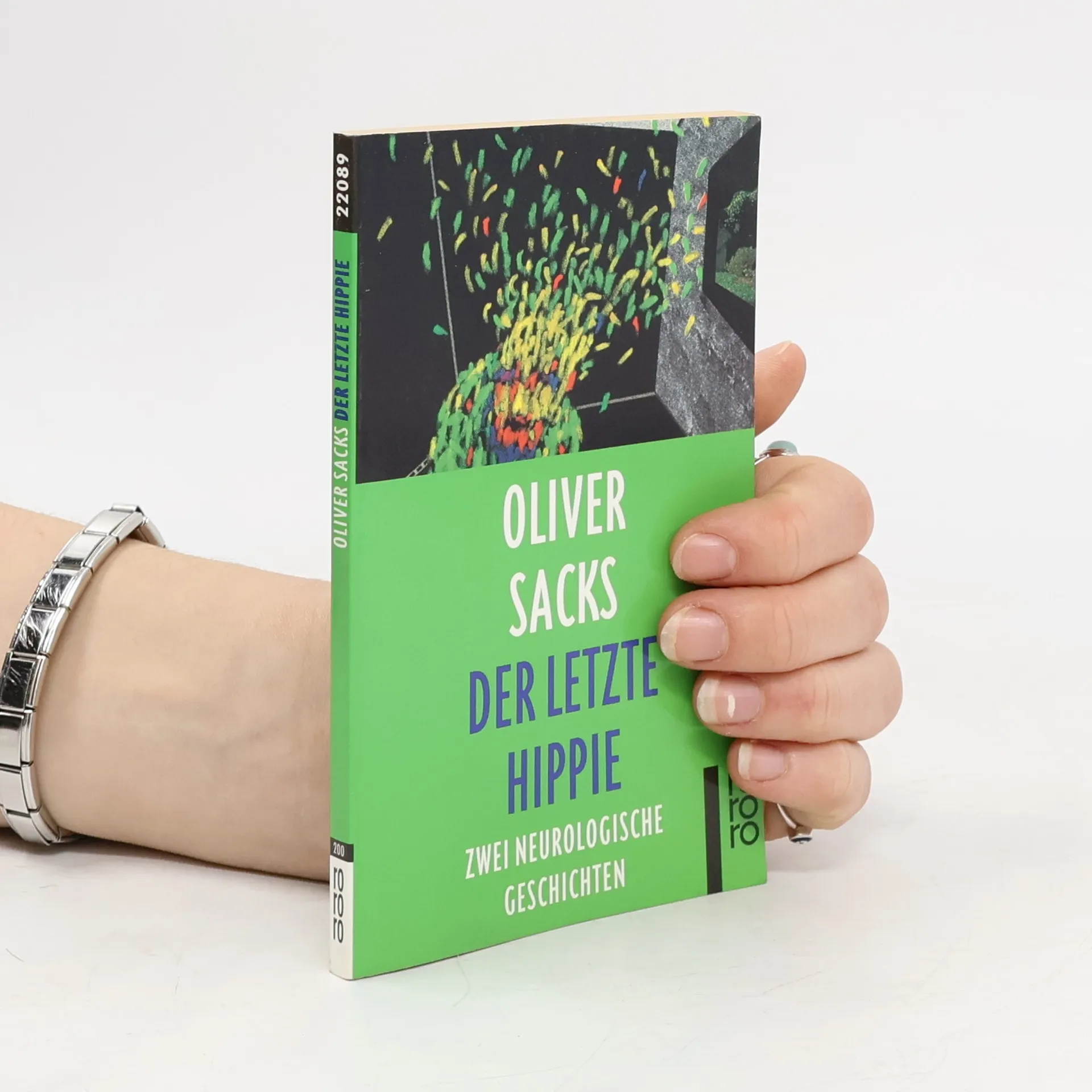
Der New Yorker Neurologe Oliver Sacks ist durch seine Fallgeschichten weltberühmt geworden. Voller Empathie und mit großer Fachkenntnis hat er immer wieder Menschen porträtiert, deren Leben durch eine schwere Krankheit oder Behinderung geprägt wurde – und hat seinen Lesern gezeigt, welche Chancen die Abweichungen vom sogenannten Normalen bieten und welche positiven Besonderheiten die betroffenen Menschen auszeichnen. Greg F. war ein begabter, musikbegeisterter junger Mann, der die amerikanische Studentenrebellion der sechziger Jahre miterlebte – mitsamt ihren Drogenexperimenten und Hare-Krishna-Eskapaden. Dann warf ihn ein Hirntumor aus der Bahn. Greg erblindete und galt fortan als neurologisch und psychisch schwer behindert – ein sogenannter hoffnungsloser Fall, an den Rollstuhl gefesselt. Oliver Sacks nahm sich des Patienten an und näherte sich ihm in einem langwierigen Prozess, den er in dieser Fallgeschichte einfühlsam beschreibt. Schließlich bringt er Greg zu einem Konzert von dessen einstiger Lieblingsband «Grateful Dead» in den Madison Square Garden – und die Sinne des Schwerkranken werden auf verblüffende Weise neu aktiviert. Eine Geschichte, die unter die Haut geht – und die überraschende Einsichten in die oft rätselhafte Funktionsweise unseres Gehirns bietet.
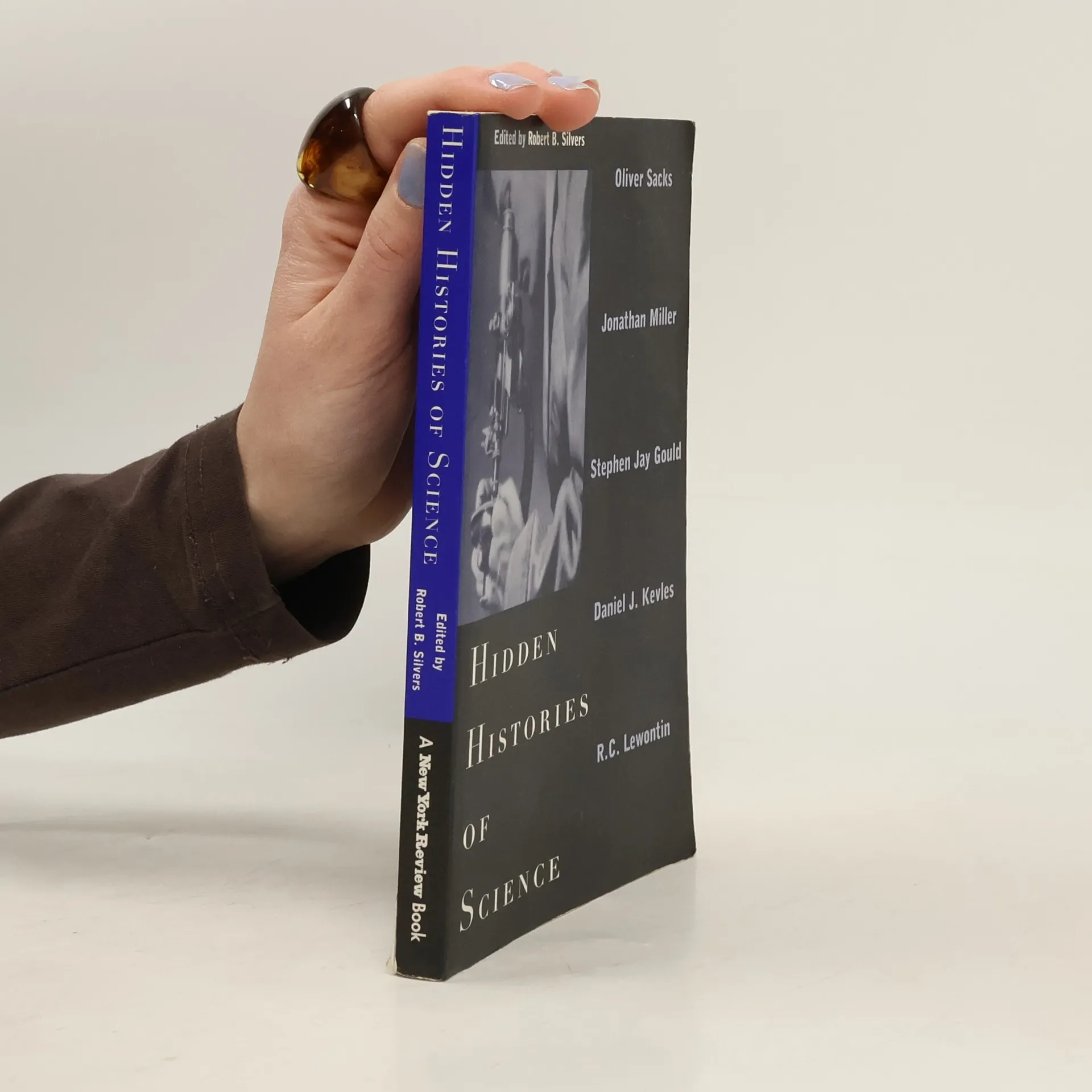
Hidden Histories of Science
- 210pages
- 8 heures de lecture
In these essays, Jonathan Miller, Oliver Sacks and Daniel Kevles show how and why some discoveries and insights in science emerge with great promise, only to be discarded or forgotten, then re-emerge years later as important. Richard Lewontin and Stephen Jay Gould suggest deep and largely unacknowledged distortions in the way scientists and popularizers alike conceive the sturcture of the world and its natural history. Illustrations.
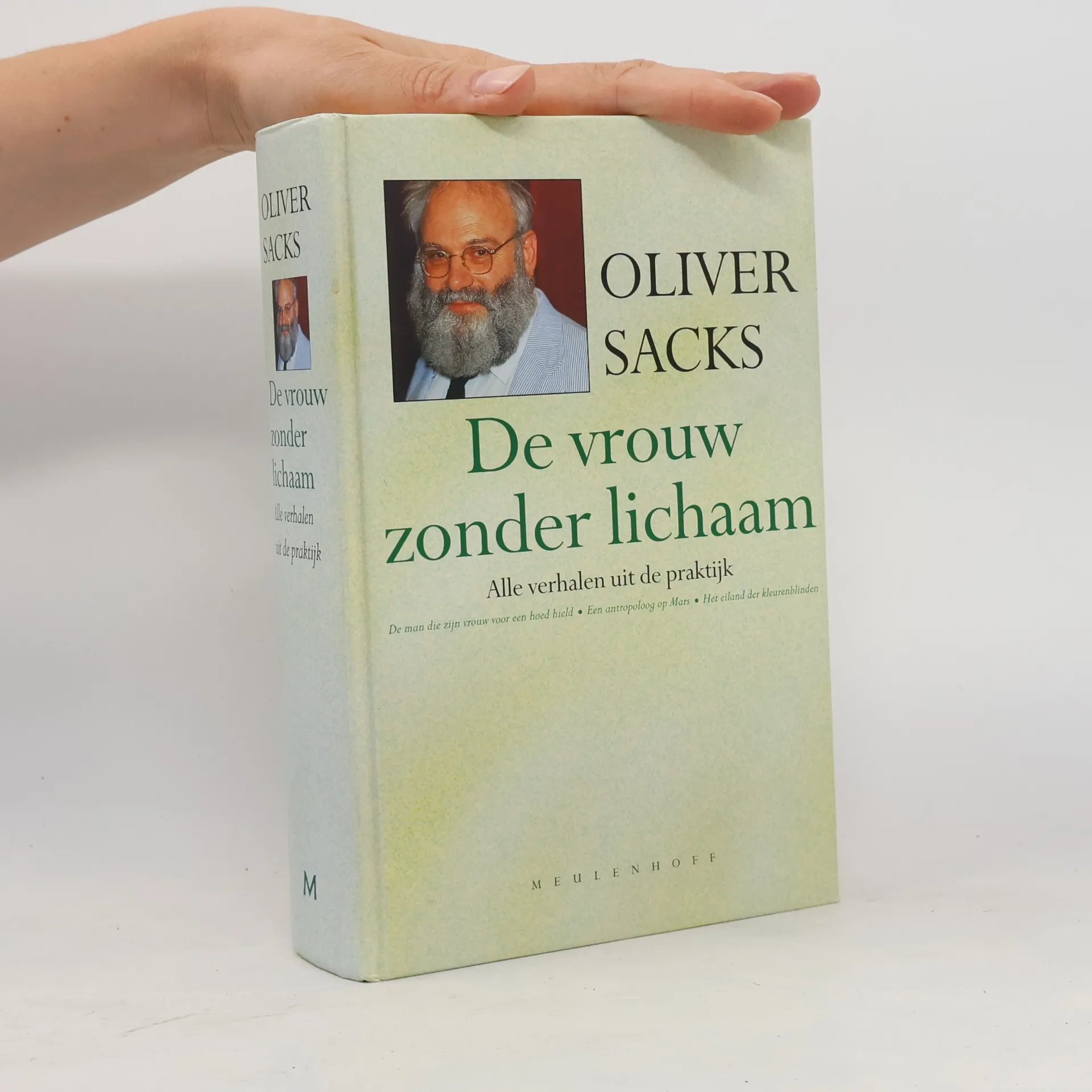
De vrouw zonder lichaam
Alle verhalen uit de praktijk
In een huis aan een straat in Calcutta, verlicht door het halflicht van een gele straatlamp, ligt een baby, één dag oud, gewikkeld in zijn ziekenhuisdoek. In de volgende kamer zit een man, helemaal alleen, te schrijven. Wie is deze man, zowel bang als vastberaden? Wat schrijft hij? Waar komt de baby vandaan en waar zal hij naartoe gaan? Vanavond zullen deze vragen beantwoord worden wanneer de man de donkere geheimen ontrafelt die hij zijn hele leven met zich meedraagt.
Oliver Sacks - Elemente einer Neuroanthropologie
- 172pages
- 7 heures de lecture
Oliver Sacks: 3 Bände im Schuber
- 1088pages
- 39 heures de lecture