The narrative features a lively debate between an owl and a nightingale, tackling timeless themes like love, marriage, and identity while reflecting on cultural and class distinctions. Scholars interpret the poem as both a commentary on debate traditions and a reflection on human-animal differences. Simon Armitage's translation employs full rhyming couplets in iambic octameter and is accompanied by a facing-page translation and an insightful introduction, making this early Middle English work accessible and relevant to modern readers.
Simon Armitage Ordre des livres (chronologique)
26 mai 1963
Simon Armitage écrit avec un humour sec du Yorkshire, allié à un style accessible et réaliste empreint de sérieux critique. Sa poésie explore souvent des thèmes ancrés dans le paysage anglais, caractérisée par une voix distinctive et une approche accessible. À travers son œuvre, il plonge dans les expériences humaines communes avec un sens aigu du détail et une dextérité linguistique. Son influence est significative, ses poèmes figurant fréquemment dans les programmes éducatifs.

The Owl and the Nightingale
- 100pages
- 4 heures de lecture
SHORTLISTED FOR THE DEREK WALCOTT PRIZE FOR POETRYIt is the current Poet Laureate who has done the most to bring medieval poetry to contemporary audiences . The disputed issues still resonate - concerning identity, cultural habits, class distinctions and the right to be heard.
The current UK Poet Laureate's popular series of lectures examining what poetry is and who it might be for.
Magnetic Field
- 112pages
- 4 heures de lecture
Growing up in Marsden among the hills of West Yorkshire, Simon Armitage has always associated his early poetic experiences with the night-time view from his bedroom window, those 'private, moonstruck observations' and the clockwork comings and goings in the village providing rich subject matter for his first poems.
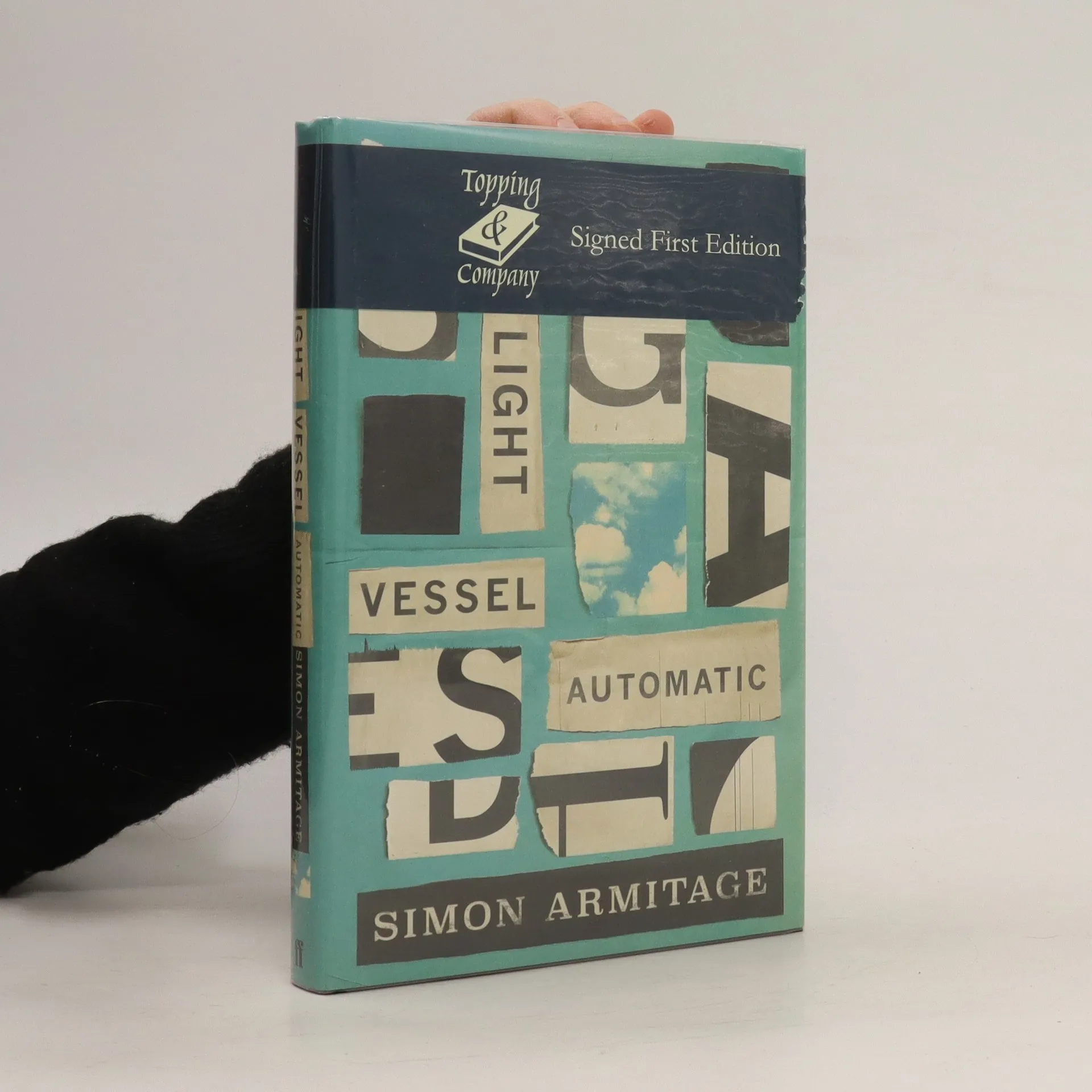
Sandettie Light Vessel Automatic
- 216pages
- 8 heures de lecture
A collection of commissioned, collaborative and occasional poems, demonstrating the range of Armitage's writing outside of his mainstream volumes.
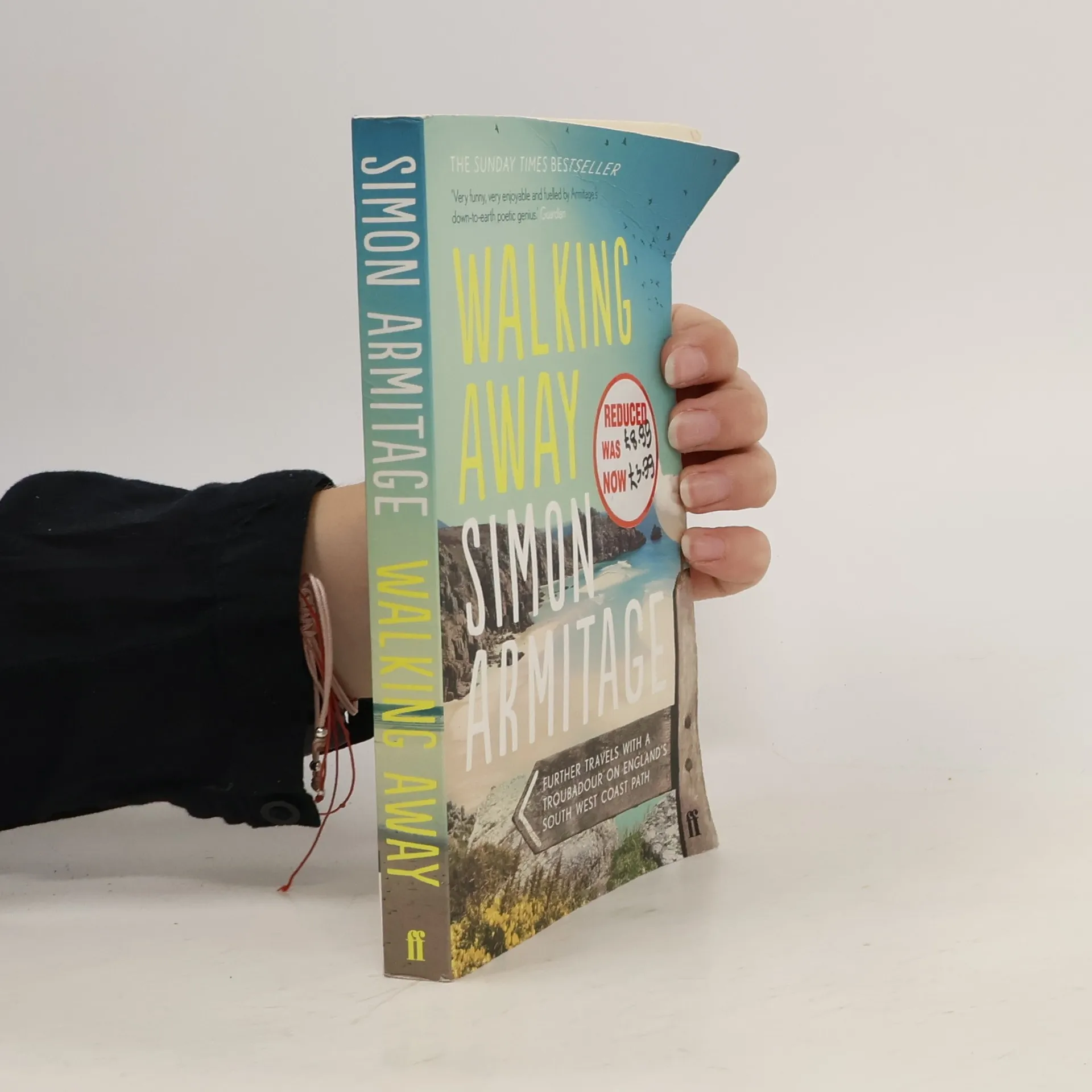
Walking Away
- 288pages
- 11 heures de lecture
Further travels with a troubadour on England's south west coast path
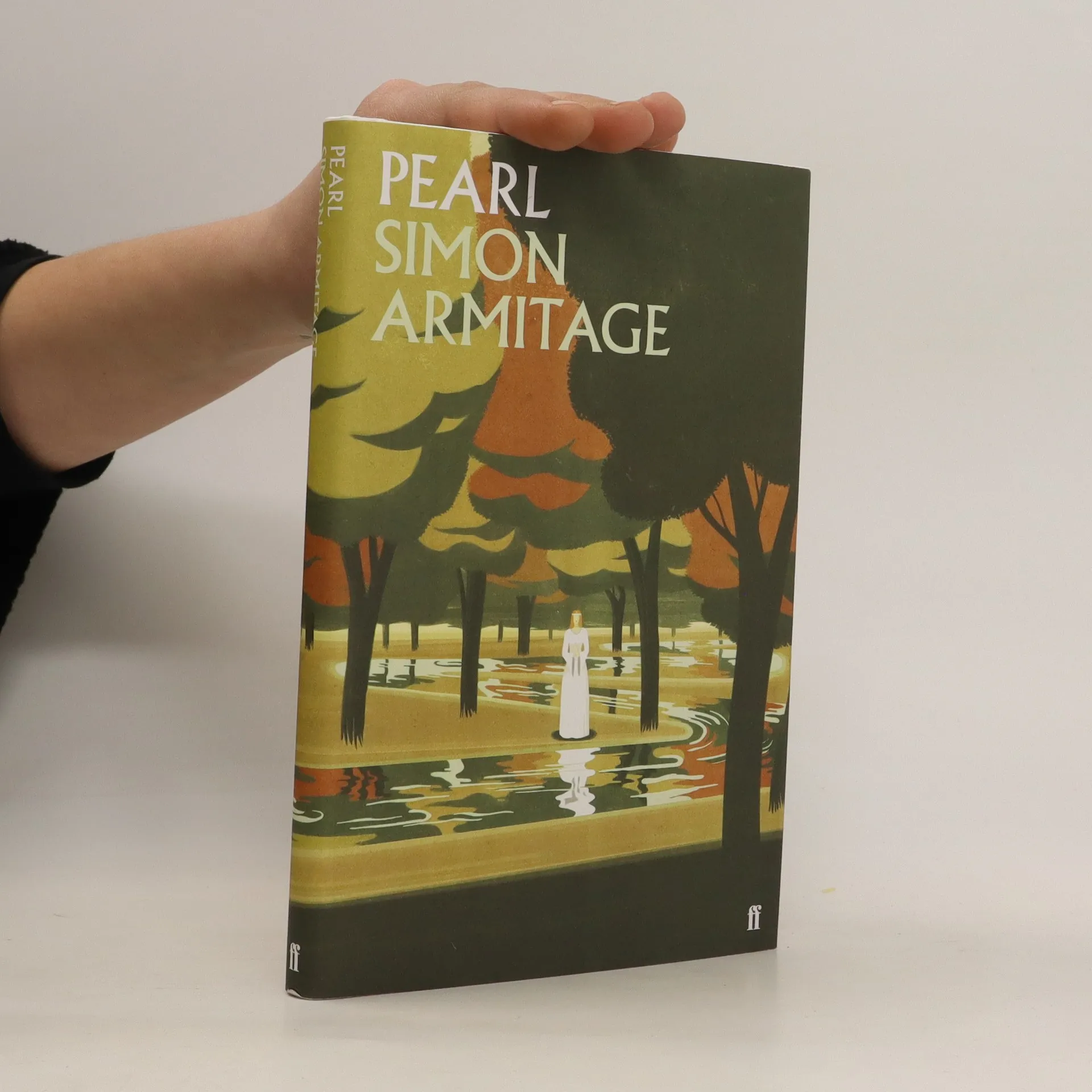
Pearl
- 128pages
- 5 heures de lecture
A new version of the Middle English poem Pearl, written by the same poet as Gawain.
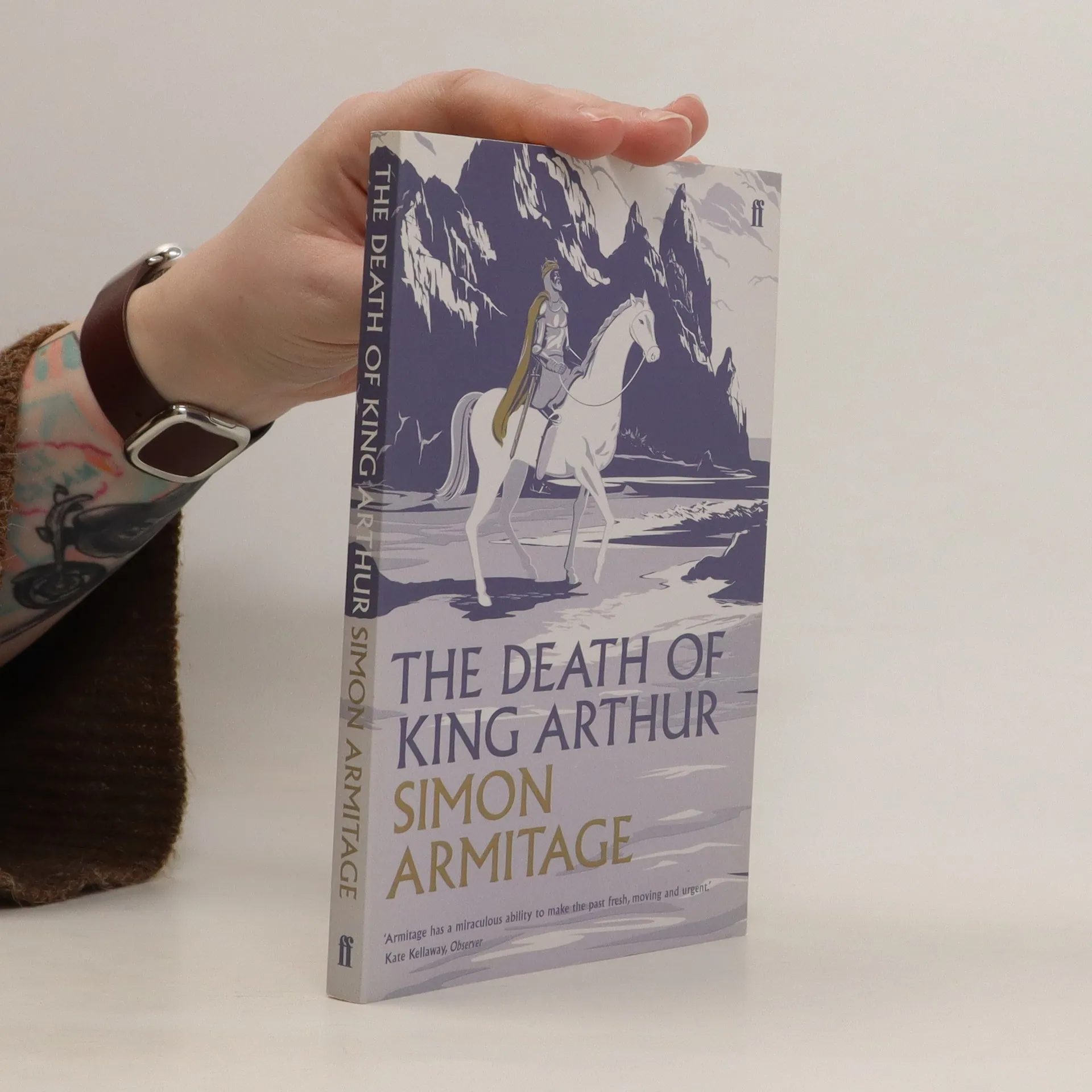
The death of King Arthur
- 192pages
- 7 heures de lecture
The Alliterative Morte Arthure - the title given to a four-thousand line poem written sometime around 1400 - was part of a medieval Arthurian revival which produced such masterpieces as Sir Gawain and the Green Knight and Sir Thomas Malory's prose Morte D'Arthur. The Death of King Arthur deals in the cut-and-thrust of warfare and politics: the ever-topical matter of Britain's relationship with continental Europe, and of its military interests overseas. Simon Armitage is already the master of this alliterative music, as his earlier version of Sir Gawain and the Green Knight (2006) so resourcefully and exuberantly showed. His new translation restores a neglected masterpiece of story-telling, by bringing vividly to life its entirely medieval mix of ruthlessness and restraint.
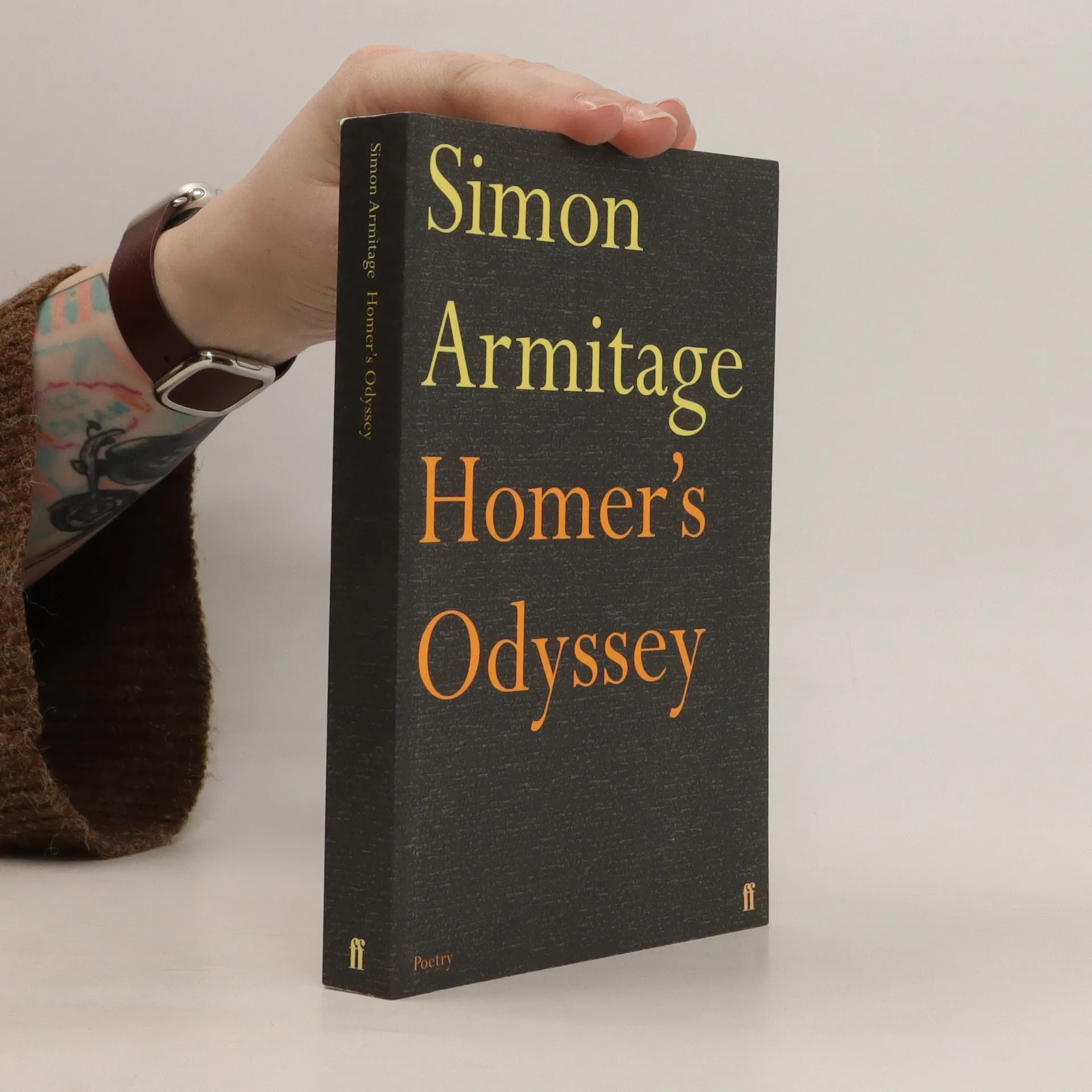
Homer's Odyssey
- 272pages
- 10 heures de lecture
20 years after the Trojan war, the Gods have decided it is time for Odysseus to return to Ithaca, before his wife Penelope is forced to marry again. Angry Poseidon is seeking revenge for the murder of his son, and Odysseus has many perilous storms and treacherous landfalls ahead of him if he is to be reunited with Penelope.
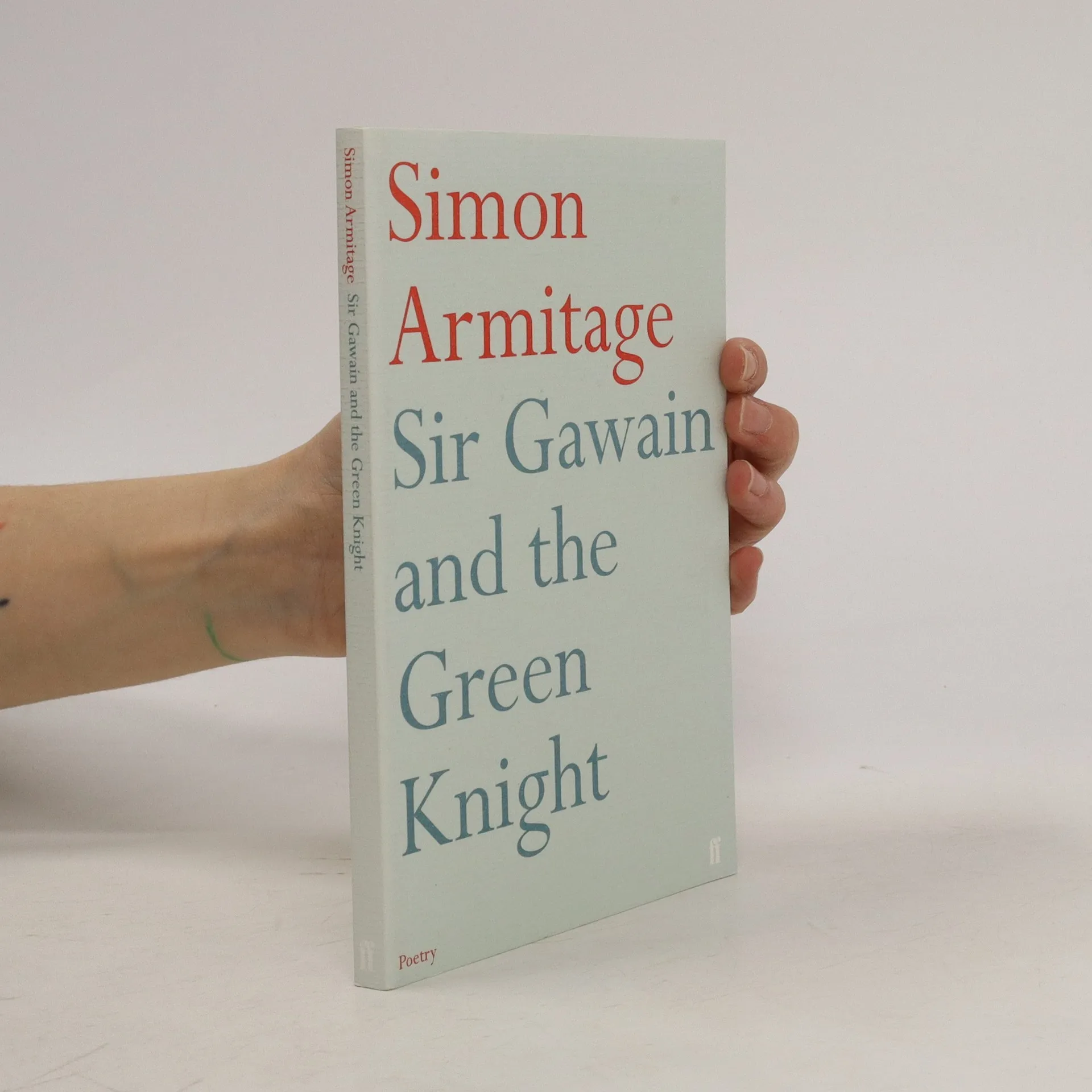
Sir Gawain and the Green Knight
- 128pages
- 5 heures de lecture
Following in the tradition of Seamus Heaney's reworking of "Beowulf," Armitage, one of England's leading poets, has produced a virtuoso new translation of the 600-year-old Arthurian story with both clarity and verve.
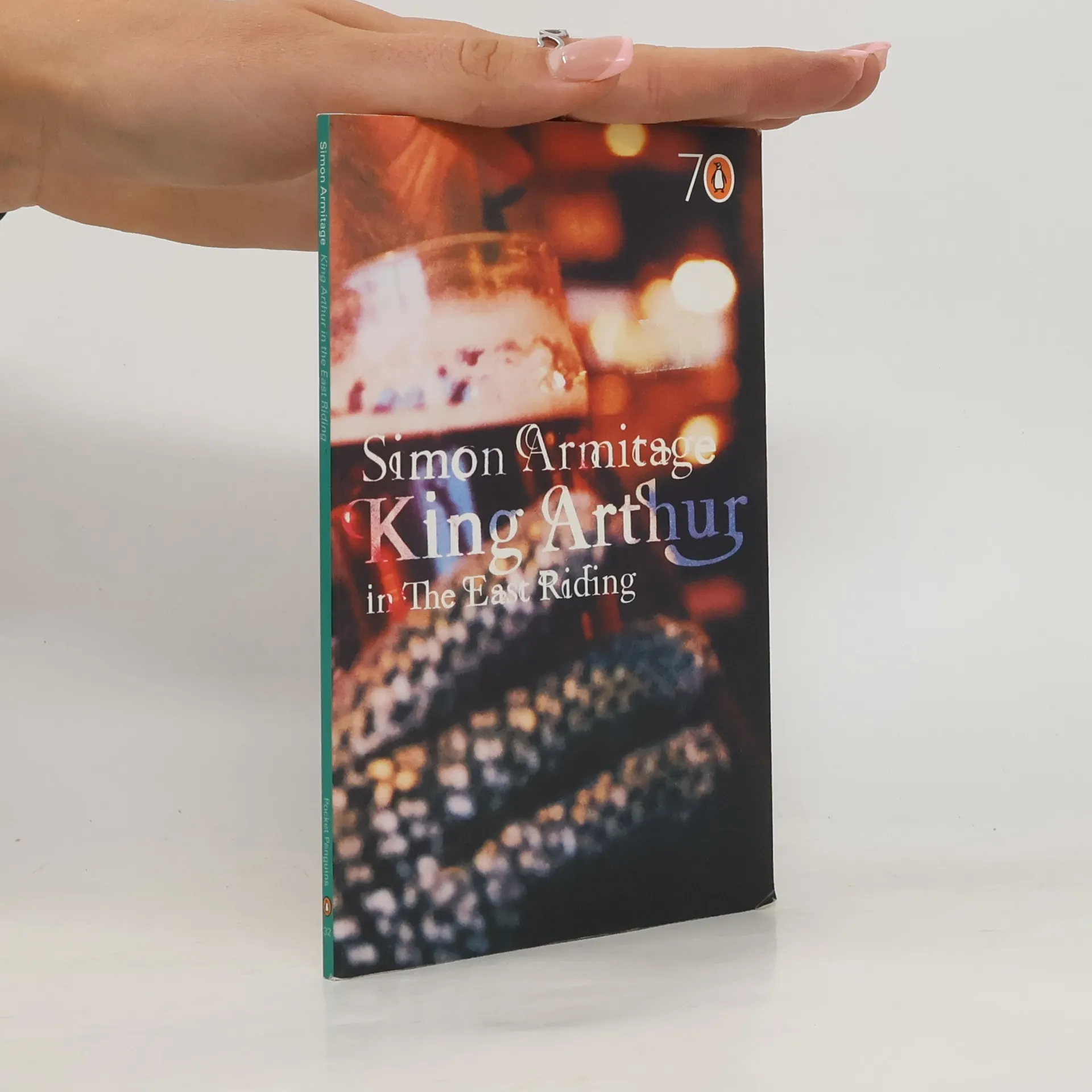
King Arthur in the East Riding
- 68pages
- 3 heures de lecture
In May 2005 Penguin will publish 70 unique titles to celebrate the company's 70th birthday. The titles in the Pocket Penguins series are emblematic of the renowned breadth of quality of the Penguin list and will hark back to Penguin founder Allen Lane's vision of good books for all'. Armitage's acclaimed book All Points North (Penguin 1998)
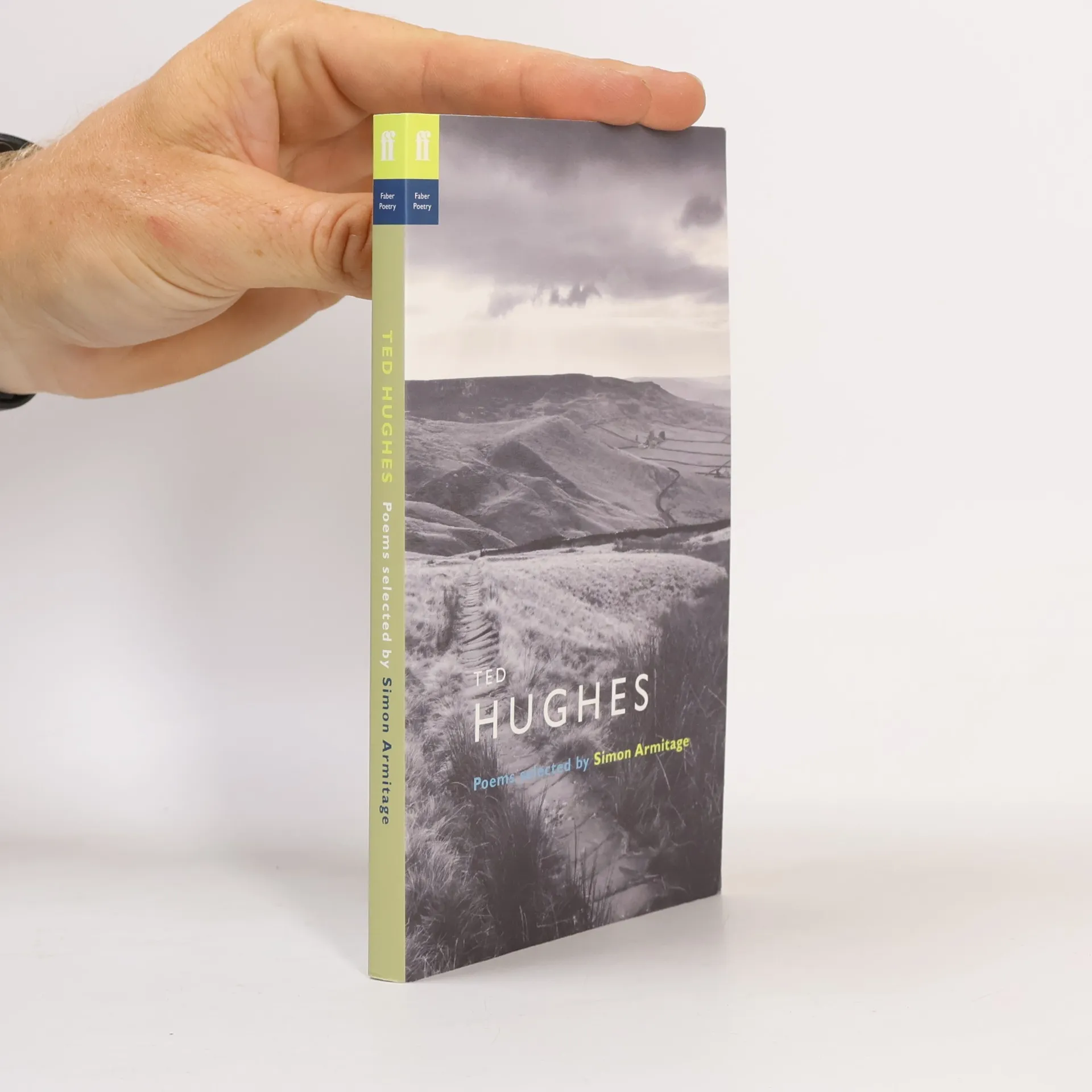
In this series, a contemporary poet selects and introduces a poet of the past. By their choice of poems and by the personal and critical reactions they express in their prefaces, the editors offer insights into their own work as well as providing an accessible and passionate introduction to some of the greatest poets in our literature.Ted Hughes (1930-98) was born in Yorkshire. His first book, The Hawk in the Rain, was published in 1957. His last collection, Birthday Letters, was published in 1998 and won the Whitbread Book of the Year, the Forward Prize and the T. S. Eliot Prize. He was appointed Poet Laureate in 1984 and appointed to the Order of Merit in 1998.
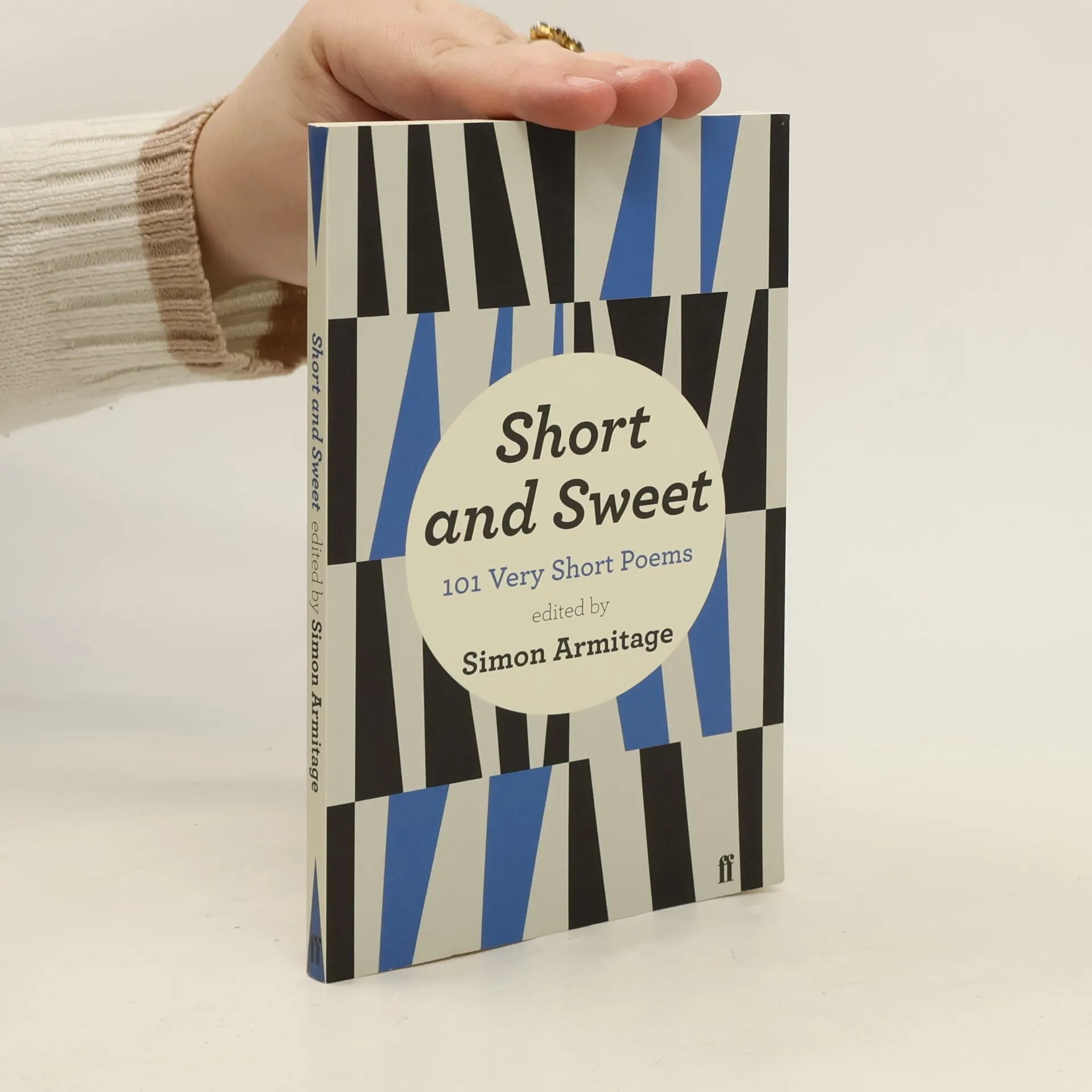
Short and sweet : 101 very short poems
- 128pages
- 5 heures de lecture
With an introduction by Simon Armitage, this book is an anthology arranged to show how the short poem (defined here as shorter than a sonnet) can tell a story, present a complex argument, and be packed with as much passion, wisdom and music as any more extended piece of writing.
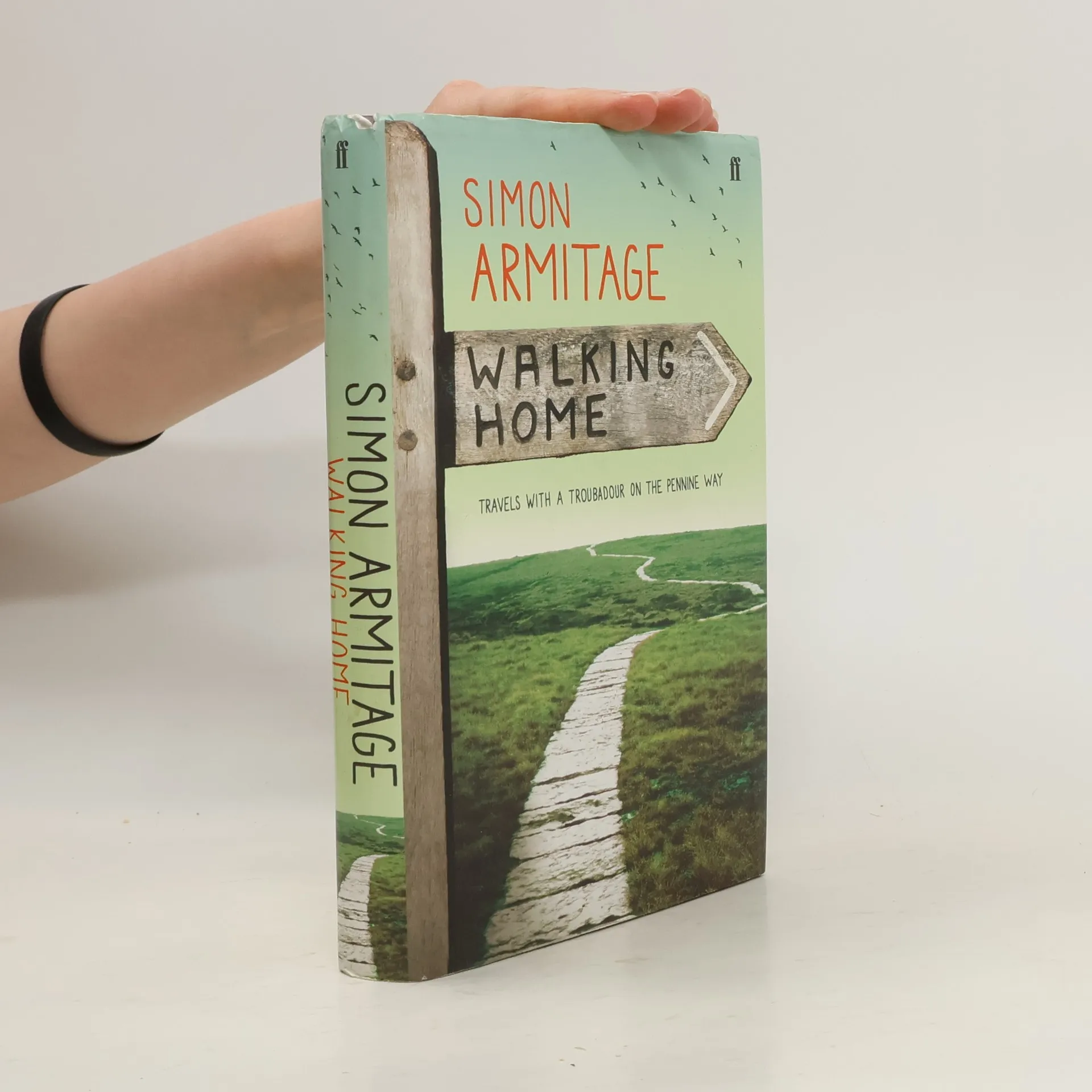
Join Simon Armitage on his heroic, hilarious and moving feat to walk the Penine Way without a penny in his pocket.
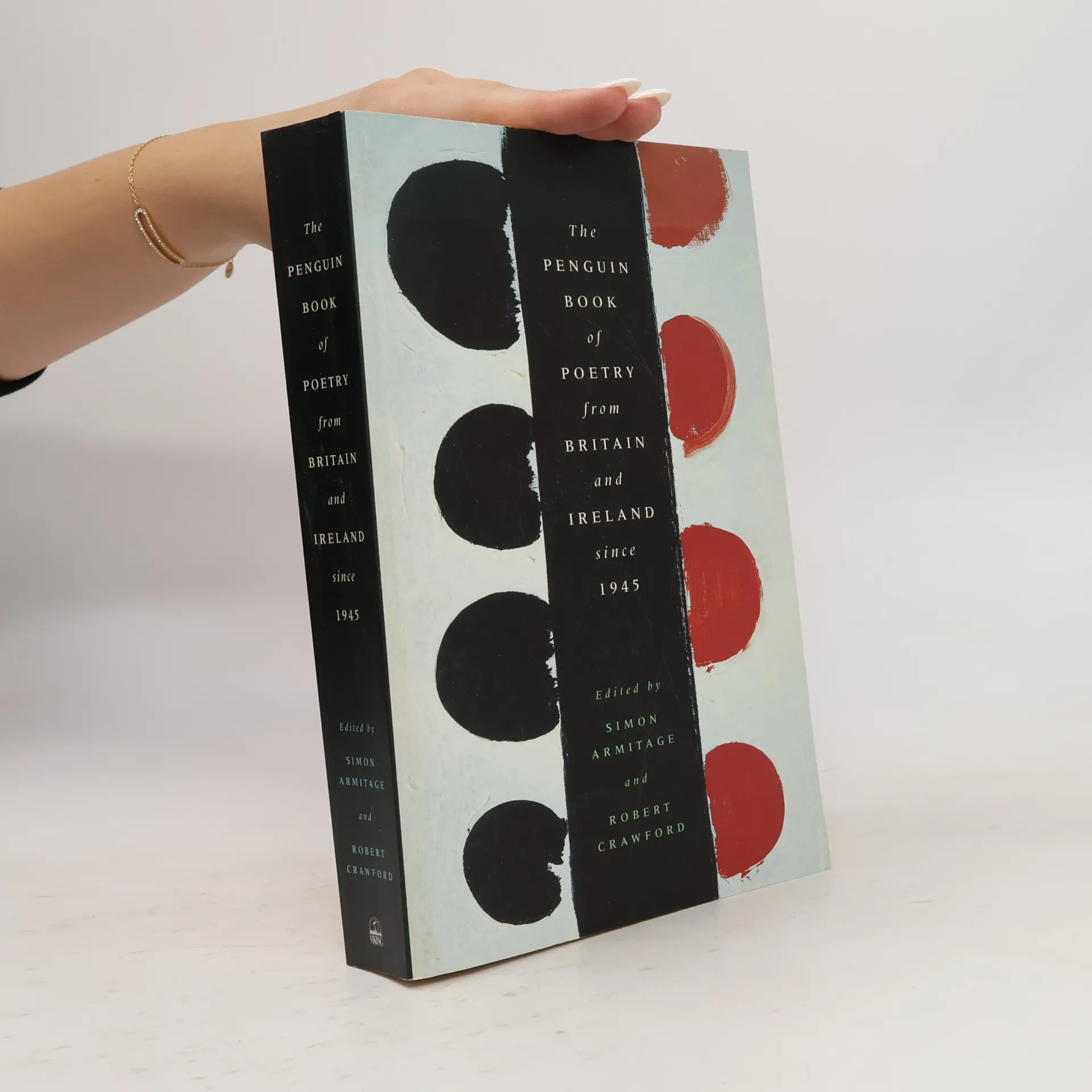
The Penguin Book of Poetry from Britain and Ireland since 1945
- 480pages
- 17 heures de lecture
"The Penguin Book of Poetry from Britain and Ireland since 1945 is the first major anthology to survey the poetry from Britain and Ireland published in the half-century after the Second World War. This book presents poems of consistent quality and surprise from a period whose immense political, social and scientific changes have altered both poetry and its readership." "Wider in its franchise, sometimes less formal in structure and often more attuned to vernacular cultures, here is some of the best poetry written by men and women in the post-war era. Fuelled by Butler's Education Act, by immense technological change and social mobility, and by the increasing position of English as the core language for so many cultural and racial groups, these are the poems of the democratic voice." "In their long essay which prefaces this anthology, Simon Armitage and Robert Crawford - both poets and critics in their thirties - describe and explain the excitement and diversity of the poetry of the period. Their choice of poets (which ranges from Edwin Muir, born in 1887, to Kate Clanchy, born in 1965) reflects the changes they describe."--Jacket
Book of Matches
- 64pages
- 3 heures de lecture
Losing none of the exuberance which has become a hallmark of Simon Armitage's poetry, these poems are more personal. The book is divided into three sections - the Book of Matches which are sonnets, Becoming of Age and Reading the Bans, a series of poems about Armitage's marriage.
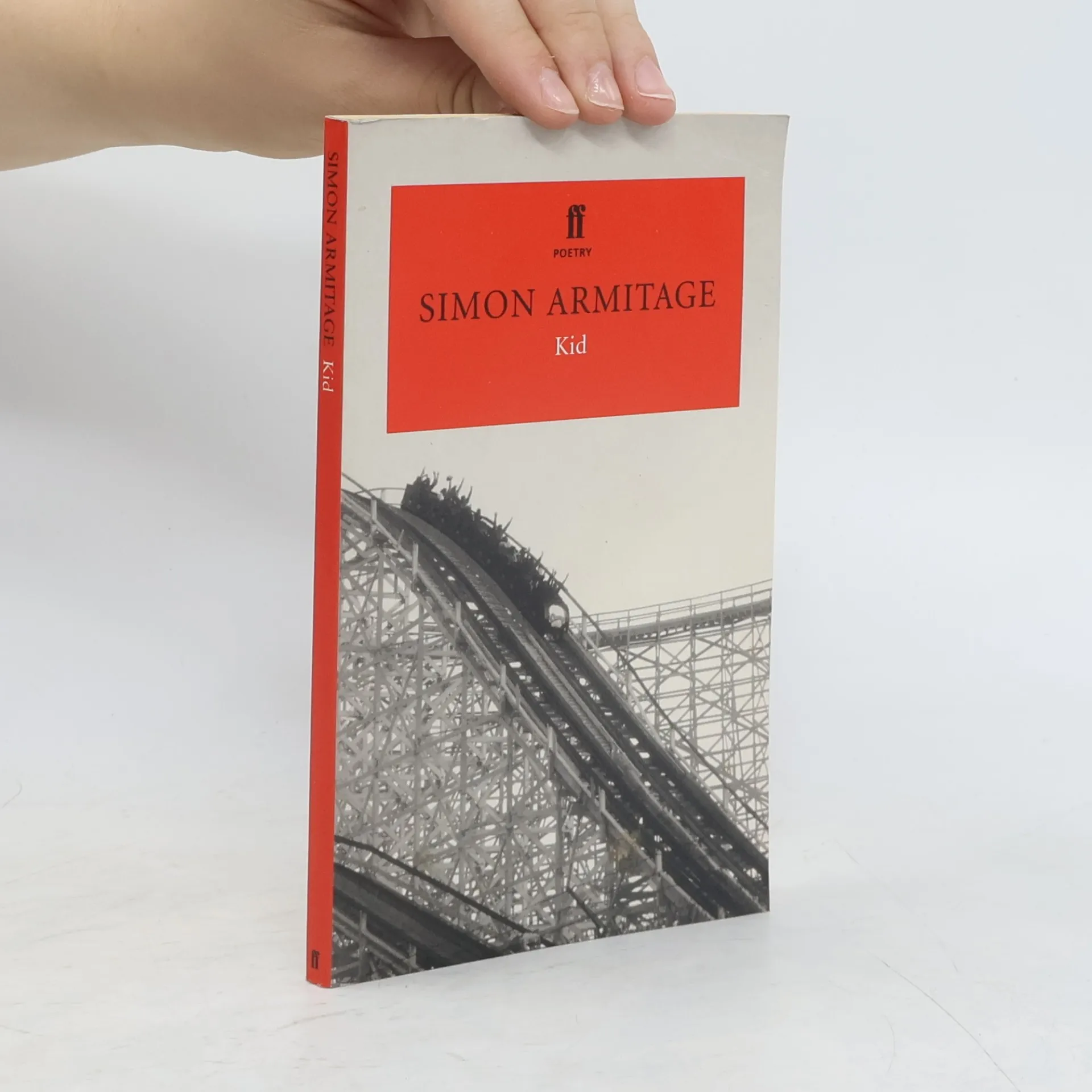
Kid
- 91pages
- 4 heures de lecture
This collection of poems includes the themes of domestic tension, law and order, submerged and exploding violence, and the anarchic strain in the human psyche. Simon Armitage is the author of Zoom .