
Bookbot

Jean Baptiste Siméon Chardin

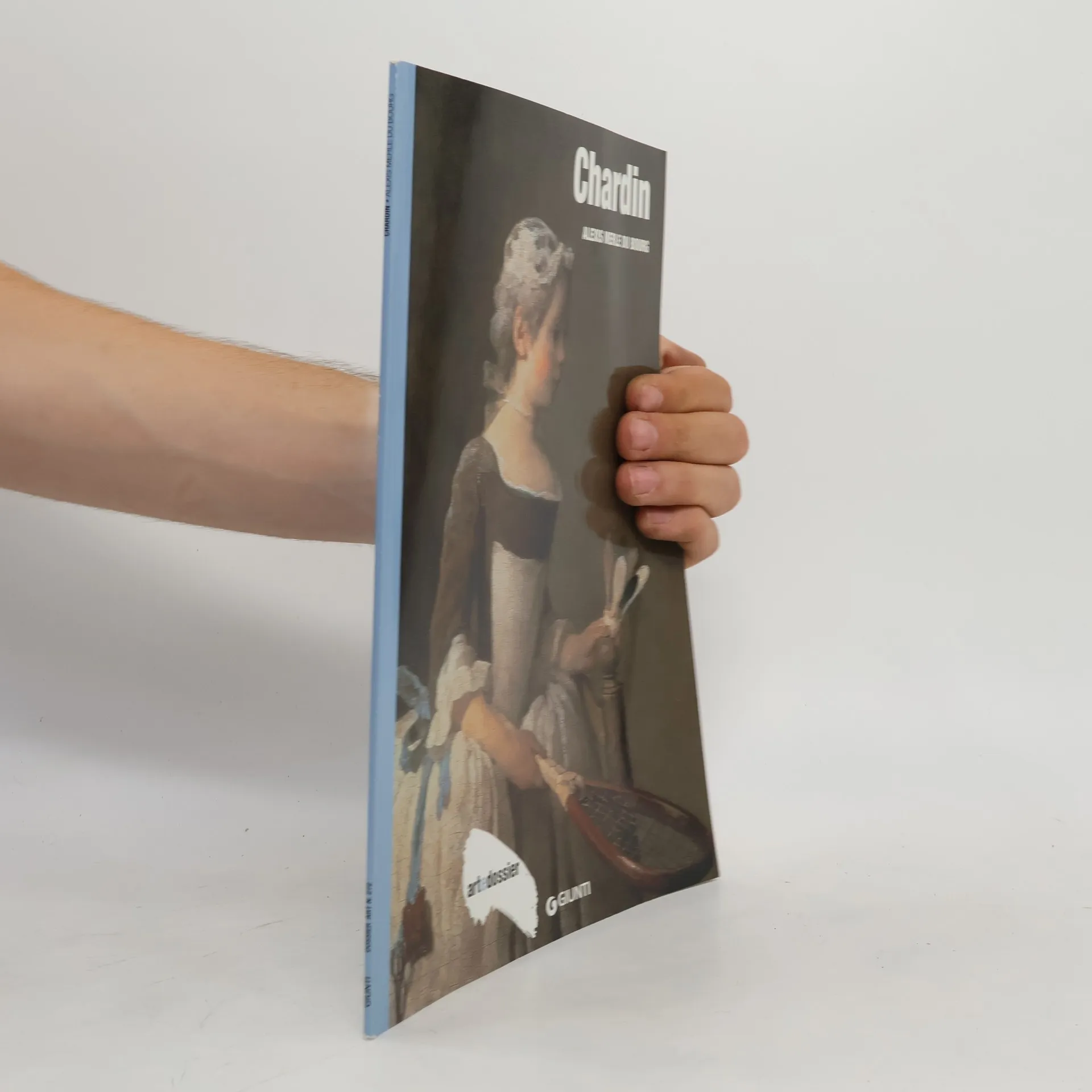
    Art Dossier - 272: Chardin
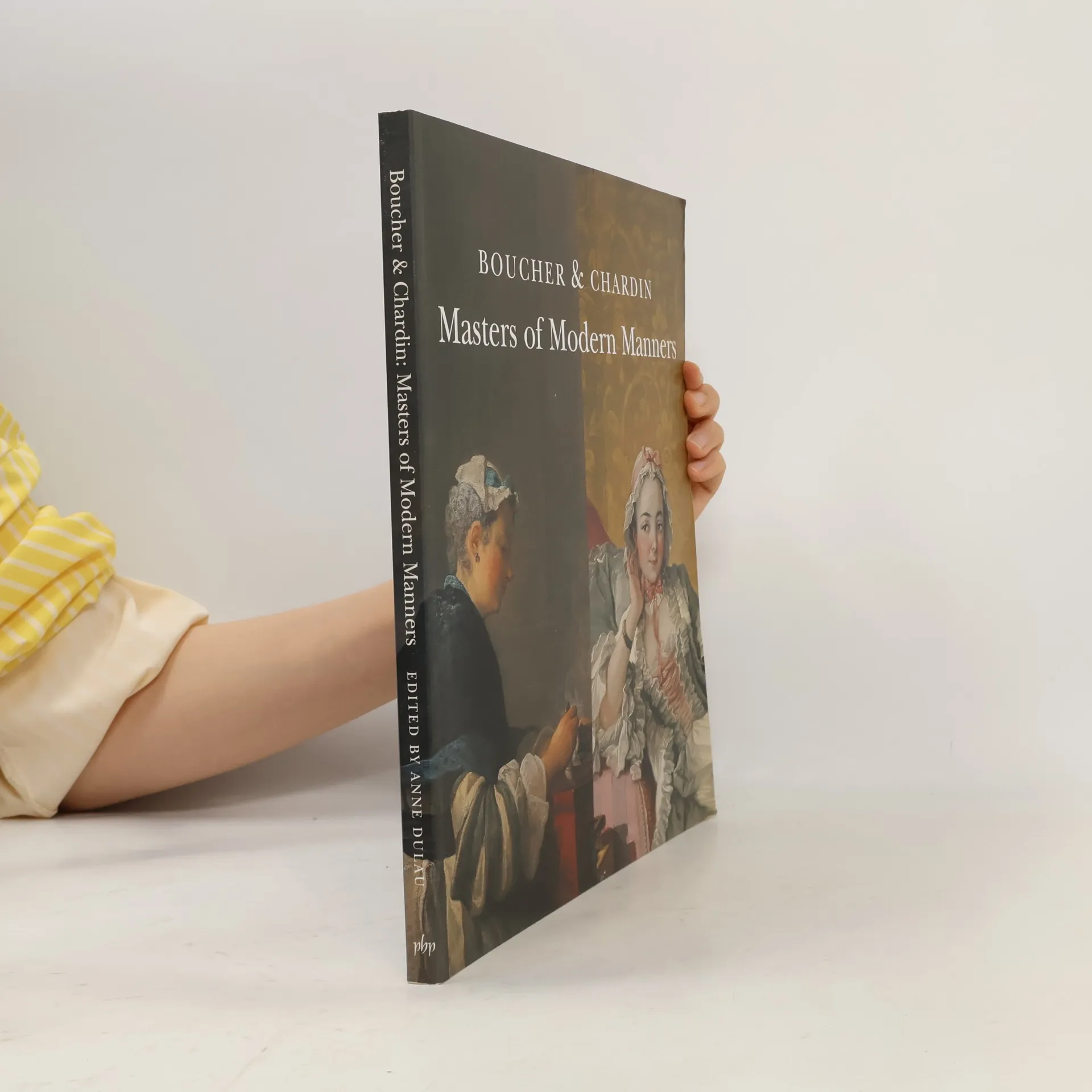
    Boucher and Chardin
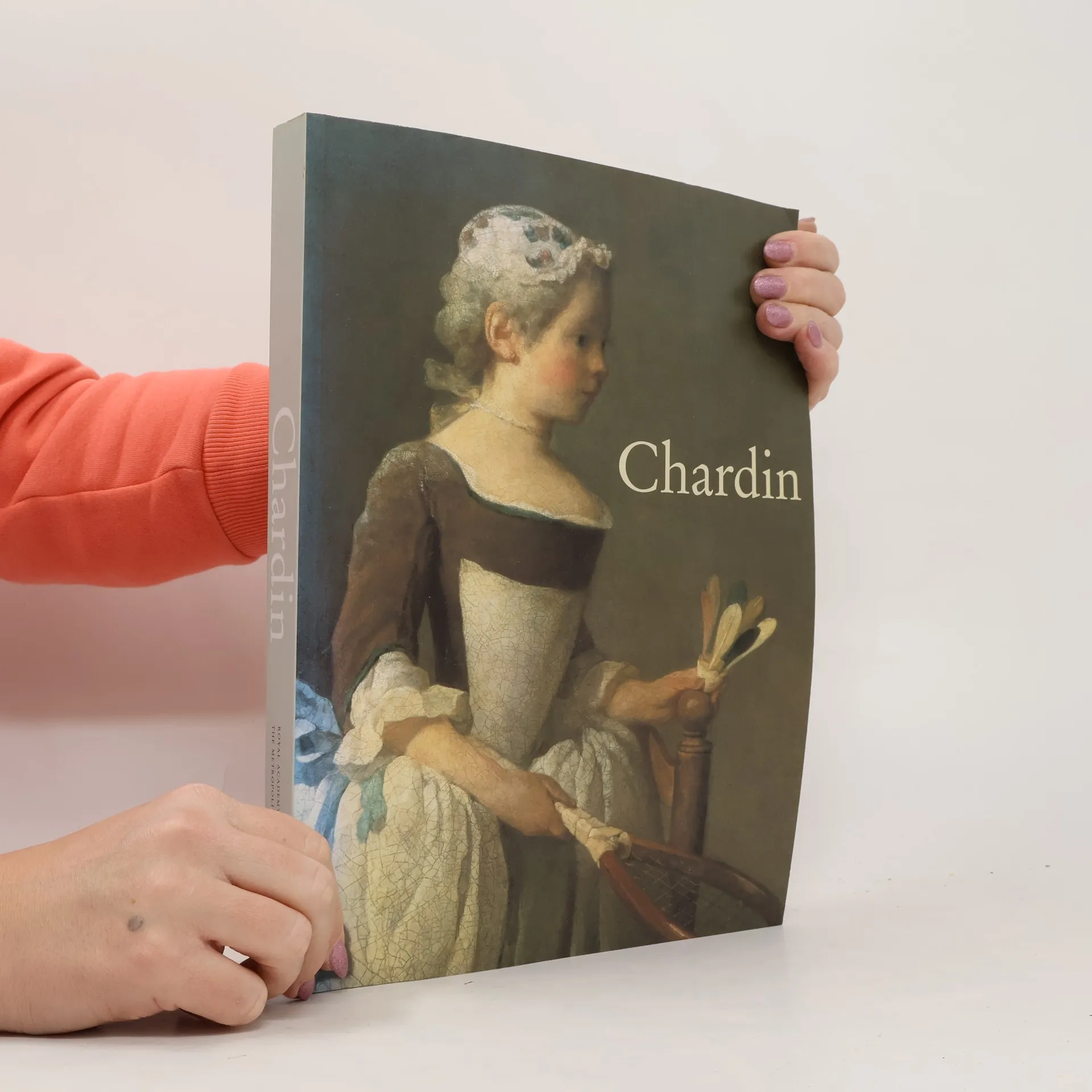
    Chardin
    • Art Dossier - 272: Chardin

      • 50pages
      • 2 heures de lecture

      Jean-Baptiste-Siméon Chardin (Parigi 1699-1779) ancora giovanissimo diviene professore di accademia, indirizzando la propria attività sulla natura morta. È in questo genere – sia nella pittura sia nel pastello – che raggiunge il successo, con le sue composizioni di animali, fiori, oggetti e poi con personaggi in posa in un’incantata dimensione al tempo stesso astratta e realistica. La poesia del quotidiano diviene la sua cifra e nel suo repertorio si affollano col tempo lavandaie, vivandiere, massaie, bambini che giocano.

      Art Dossier - 272: Chardin2010
    • Boucher and Chardin

      Masters of Modern Manners

      • 144pages
      • 6 heures de lecture

      Accompanying an exhibition at the Wallace Collection, this catalog will seek to examine relationships between these two works and their creation, focusing on establishing common threads drawn from contemporary French social and cultural history. When seen together, the two paintings acquire a new resonance, showing the imaginative and Parisian response of two very different painters to a new interest in scenes from everyday life. The paintings are examined in the context of a dozen further works by the artists, and prints, drawings, books and decorative art objects including oriental textiles and porcelain. This provides an opportunity to address undercurrent social history themes, such as the artists’ attitudes to fashion, interior decoration, and even the consumption of tea – a pastime borne from the contemporary fashion in eighteenth-century France and Great Britain for anything oriental, influenced by new trade links with China.

      Boucher and Chardin2008
    • Jean Simeon Chardin (1699-1779) started his career with a great interest in still life, a subject held in particularly low regard by the Royal Academy of Painting and Sculpture. According to the Academy, the most important paintings contained human figures (most highly ranked were mythological or historical subjects) and paintings with no human figures were at the bottom of the hierarchy. As the Academy exerted an enormous influence, truly making or breaking an artist's career. Aware of this hierarchy, Chardin began including figures in his work in about 1730, mainly women and children. These scenes of domestic interiors were unprecedented because Chardin gave them a greater intensity and intimacy than the usual lighthearted depiction of everyday life. Chardin's technique also set him apart from his contemporaries, as he did not prepare for a painting by doing many drawings or studies, but rather started right on the canvas itself. Diderot once called Chardin the 'great magician' because of the way he united color, composition and subject. With 100 colour illustrations of Chardin's work and six essays by leading experts in the field, the book will discuss his biography, his use of ceramics and glass and the complex history of engravings of his paintings.

      Chardin1999
      5,0