Colin McGinn est un philosophe britannique réputé pour ses contributions marquantes à la philosophie de l'esprit. Son œuvre explore les limites intrinsèques de la compréhension humaine, notamment en ce qui concerne la conscience, suggérant que nous pourrions être intrinsèquement incapables de saisir pleinement le problème corps-esprit. Cette perspective, surnommée le "Nouveau Mystérianisme", postule que certaines questions fondamentales sur la conscience pourraient échapper à notre portée cognitive. Les écrits de McGinn abordent de manière convaincante ces profonds dilemmes philosophiques, rendant les idées complexes accessibles et captivantes pour un large public.
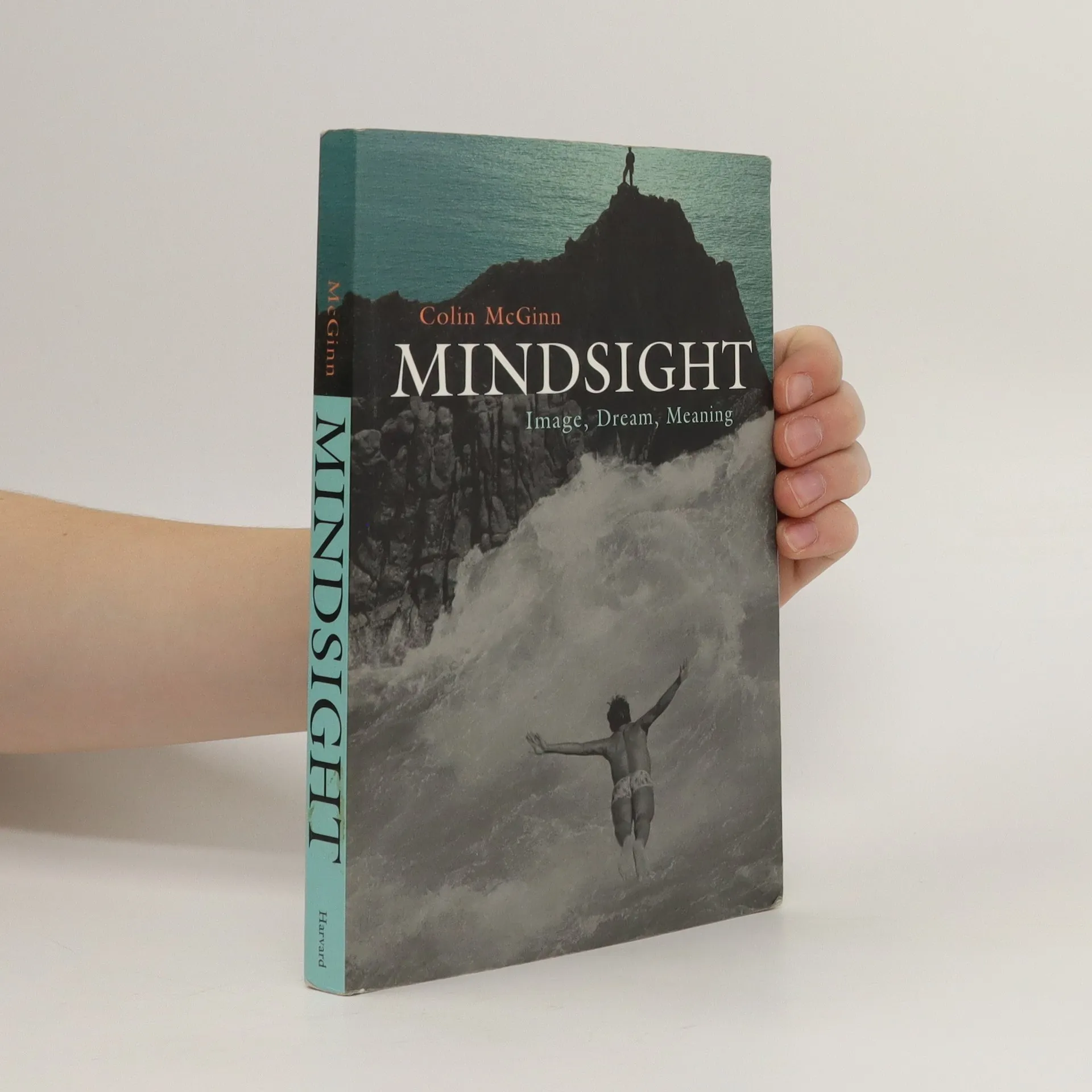
The guiding thread of this book is the distinction McGinn draws a distinction between perception and imagination, showing what the differences are, arguing that imagination is a sui generis mental faculty. His overall claim is that imagination pervades our mental life, obeys its own distinctive principles, and merits much more attention.
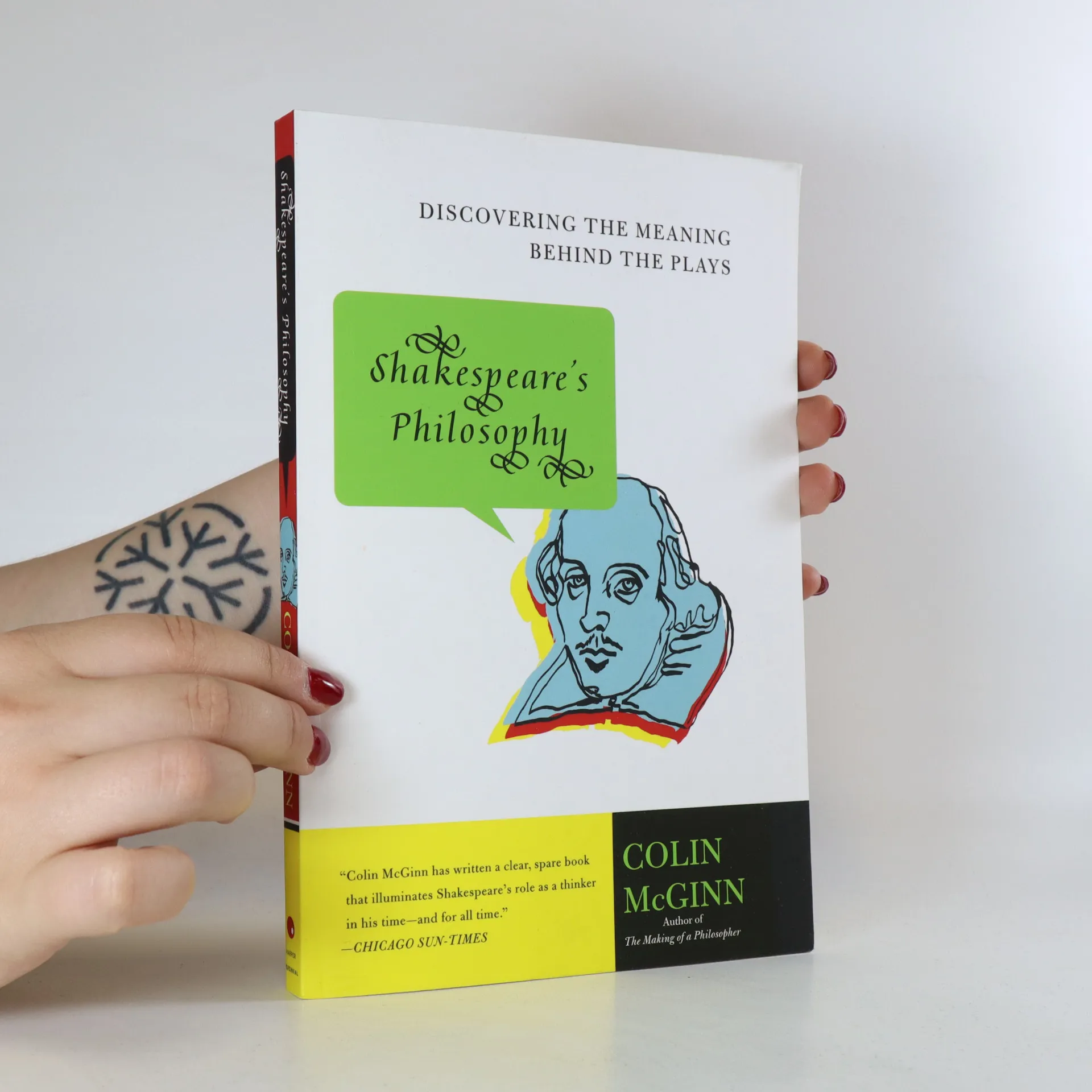
Shakespeare's plays are usually studied by literary scholars and historians and the books about him from those perspectives are legion. It is most unusual for a trained philosopher to give us his insight, as Colin McGinn does here, into six of Shakespeare's greatest plays––A Midsummer Night's Dream, Hamlet, Othello, Macbeth, King Lear, and The Tempest. In his brilliant commentary, McGinn explores Shakespeare's philosophy of life and illustrates how he was influenced, for example, by the essays of Montaigne that were translated into English while Shakespeare was writing. In addition to chapters on the great plays, there are also essays on Shakespeare and gender and his plays from the aspects of psychology, ethics, and tragedy. As McGinn says about Shakespeare, "There is not a sentimental bone in his body. He has the curiosity of a scientist, the judgement of a philosopher, and the soul of a poet." McGinn relates the ideas in the plays to the later philosophers such as David Hume and the modern commentaries of critics such as Harold Bloom. The book is an exhilarating reading experience, especially at a time when a new audience has opened up for the greatest writer in English.
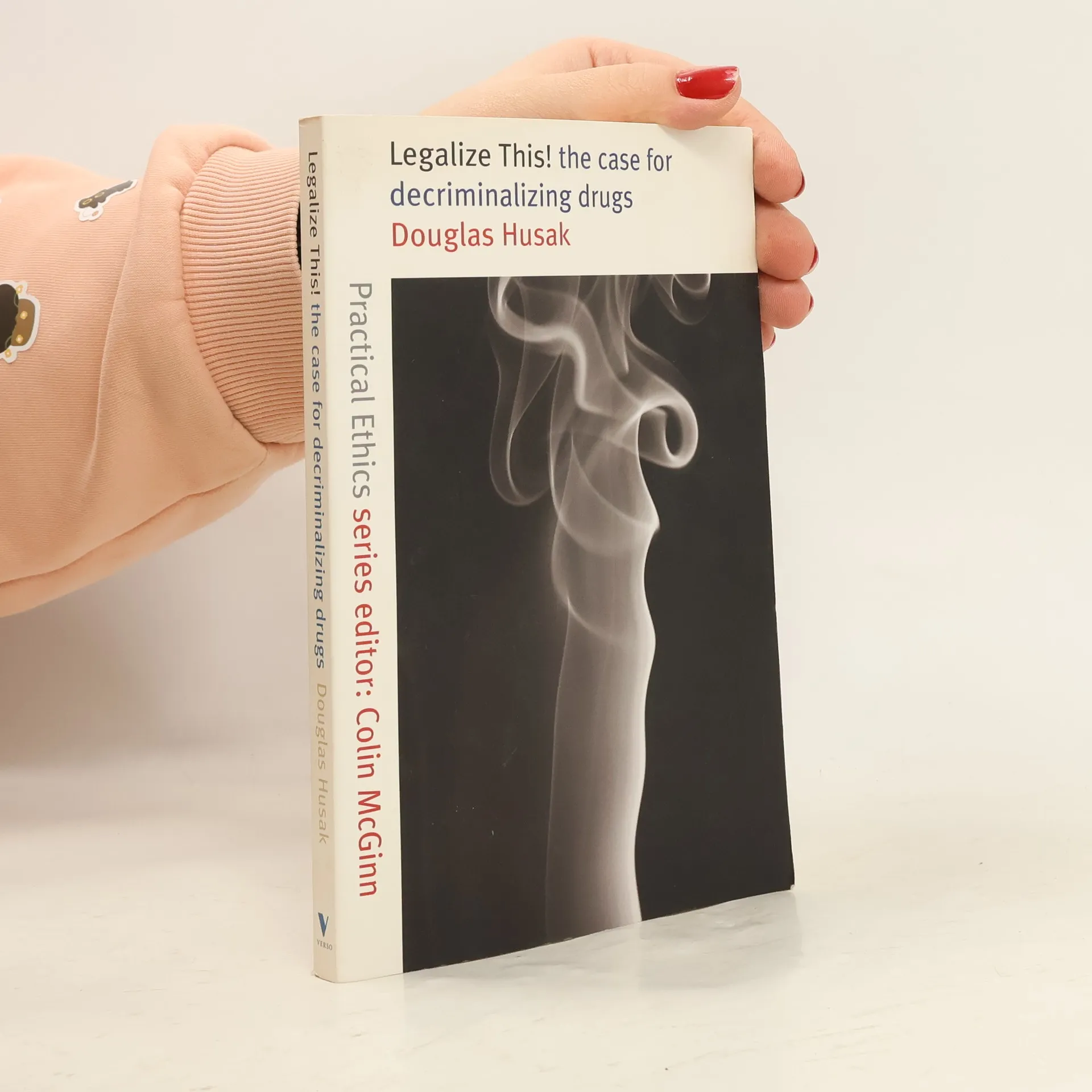
Recreational drug users (other than those who take harmful substances like alcohol and tobacco) are regularly imprisoned. Nearly half a million drug offenders are incarcerated in US jails, more than the total number of prisoners in 1980 and more than the entire EU prison population. In some states more is spent on maintaining the prison system than on education. Current drug policies lead to immense personal suffering, as well as police corruption, organized crime and contempt for the law, and make drugs more dangerous because they are illegal and thus not subject to proper controls. Politicians from all sides of the political spectrum are beginning to is it worth it?In arguing that criminalization is unjust, Douglas Husak explodes many of the myths that surround drug use. In some years, more than half of high school seniors take drugs, yet the US is not overrun with drug-crazed addicts. Horror stories of the dangers of drug use abound, but the truth is more prosaic; although recreational drugs are sometimes bad for users, there are between 80 and 90 million US citizens who have used illicit drugs without ill effects.
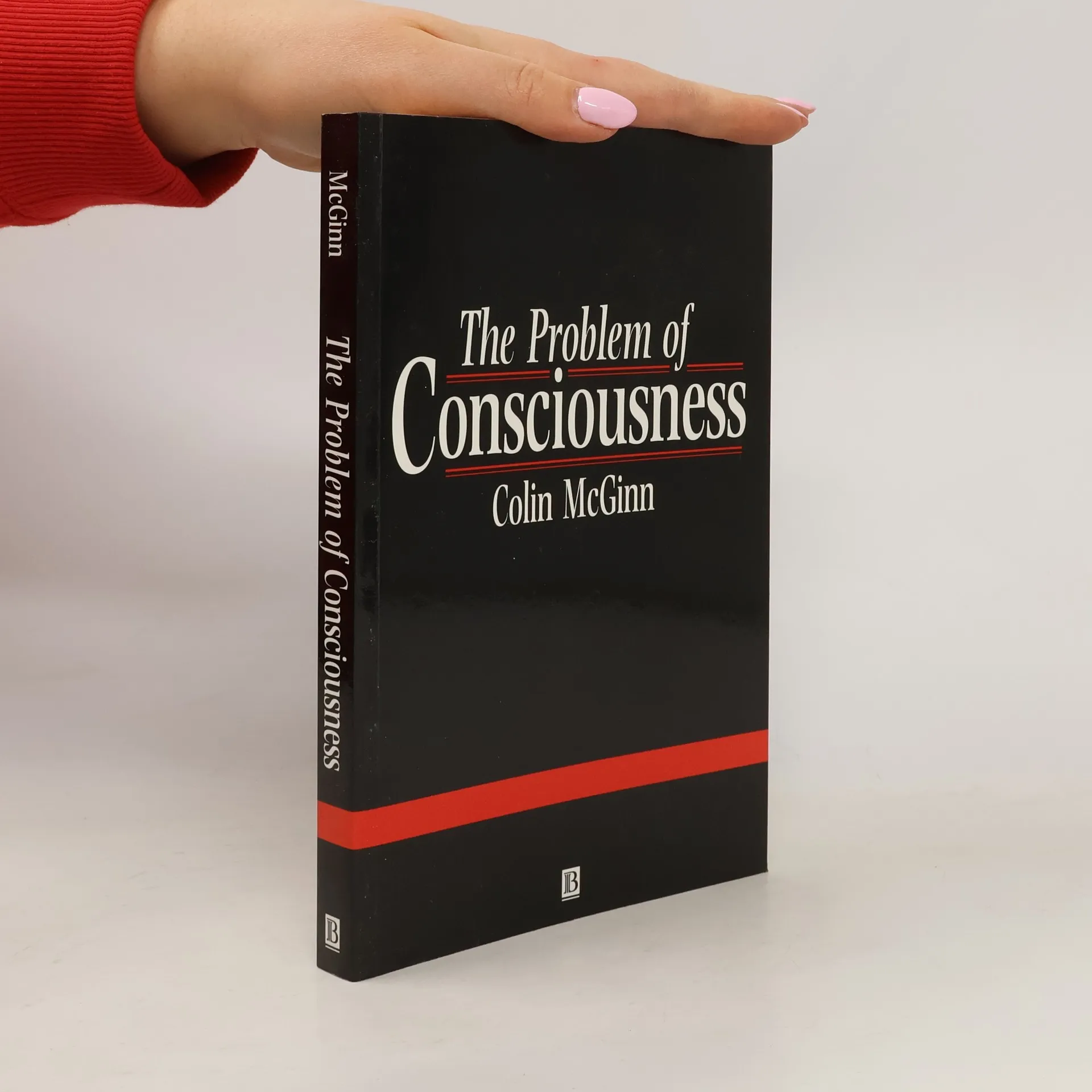
Can consciousness be fitted into a naturalistic worldview or is it inherently
mysterious? In virtue of what does a physical organism come to have an inner
conscious life? This book argues that we are not equipped to understand the
workings of conciousness, despite its objective naturalness.
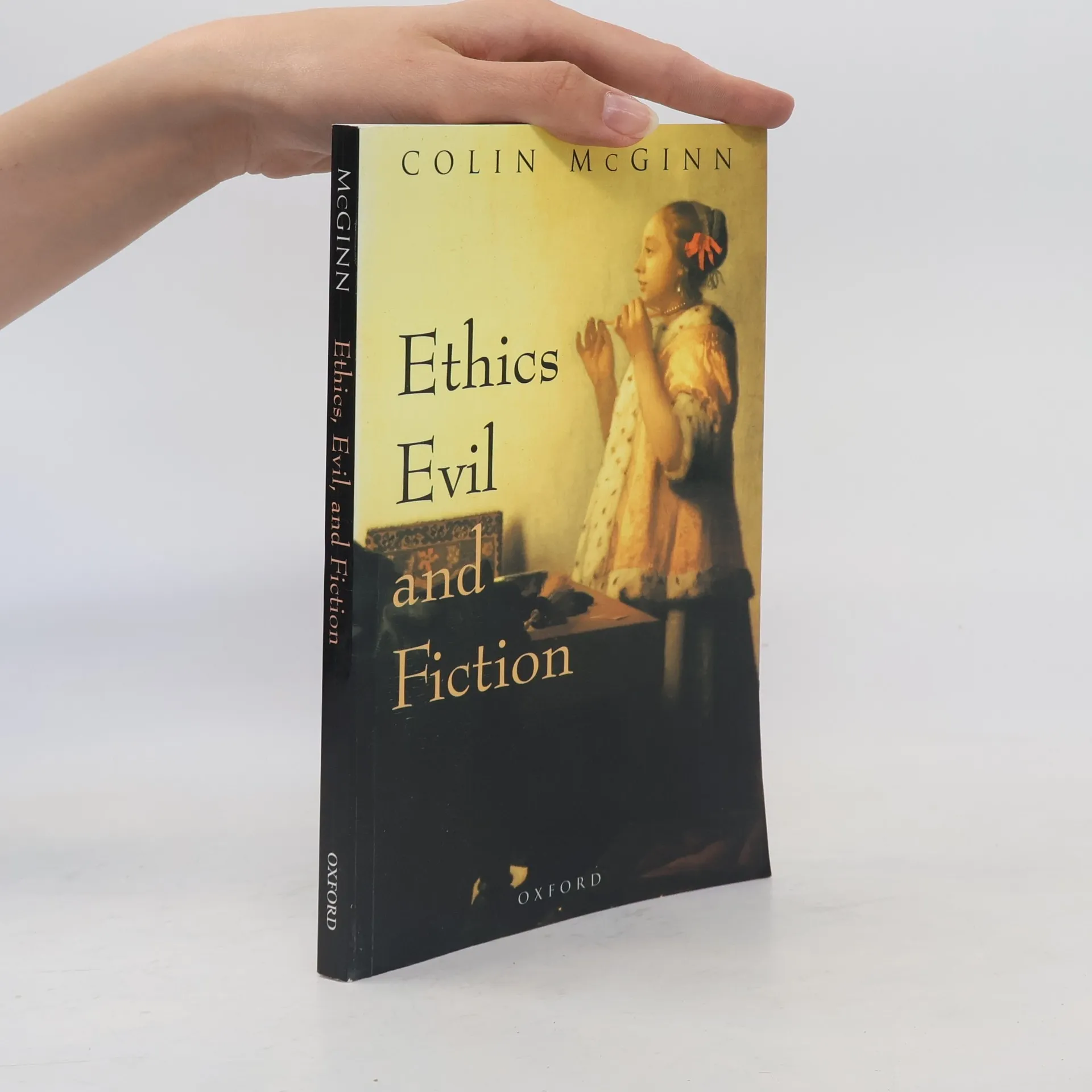
Exploring the intersection of moral philosophy and literature, the book presents an objective ethical theory that emphasizes the importance of literary texts in understanding morality. It delves into concepts like goodness, evil, and monstrosity, proposing that virtuous character equates to the beauty of the soul. Through analyses of notable works such as Billy Budd, Lolita, and Frankenstein, the author, a prominent philosopher and critic, offers a unique perspective that enriches moral reflection and highlights the aesthetic dimensions of virtue.
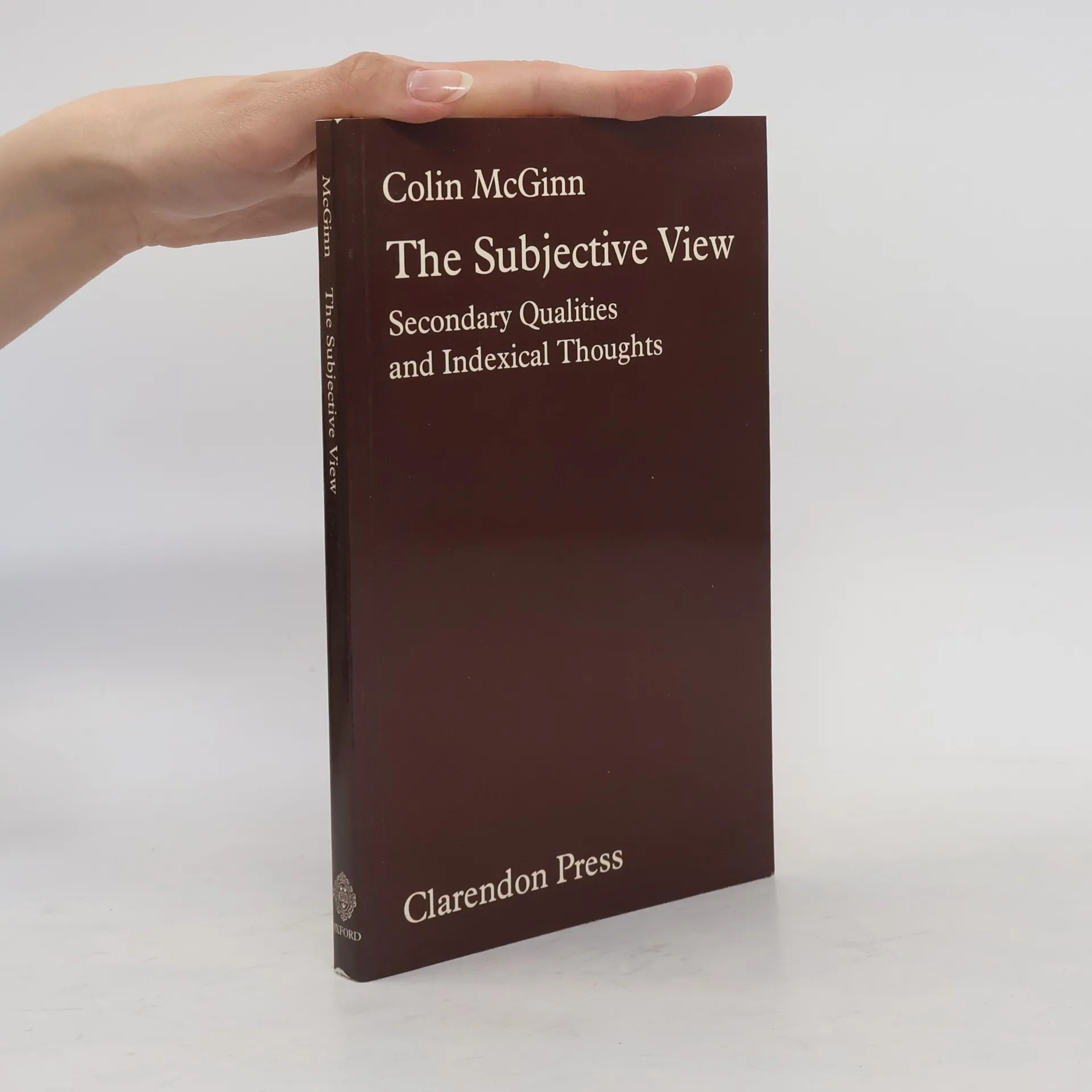
This book investigates the subjective and objective representations of the world, developing analogies between secondary qualities and indexical thoughts and arguing that subjective representations are ineliminable. Throughout, McGinn brings together historical and contemporary discussions to illuminate old problems in a novel way.
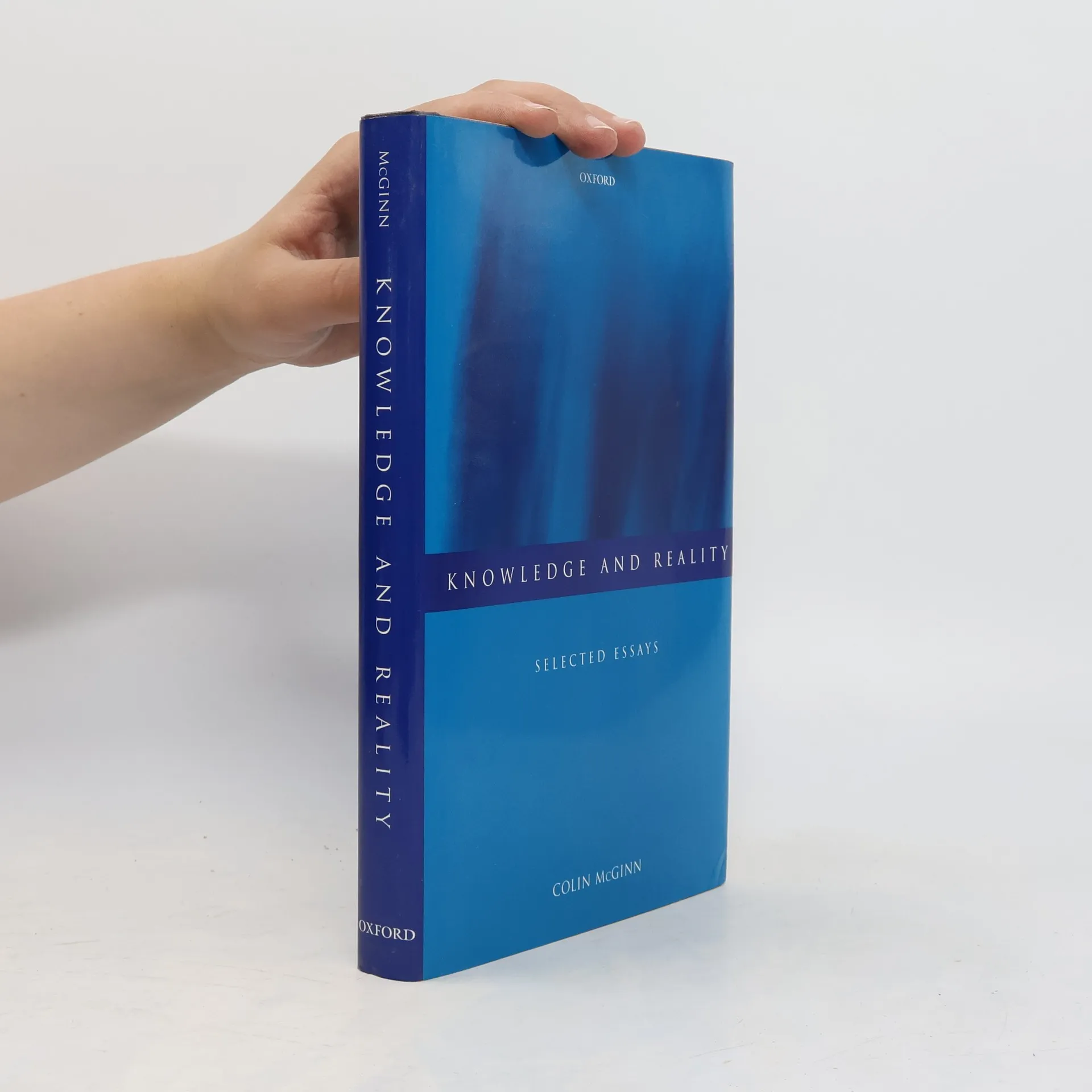
This book brings together a selection of Colin McGinn's philosophical essays from the 1970s to the 1990s, whose unifying theme is the relation between the mind and the world. The essays range over a set of prominent topics in contemporary philosophy, including the analysis of knowledge, the a priori, necessity, possible worlds, realism, mental representation, appearance and reality, and color.
Dieses in den USA heftig diskutierte Buch hat der Frage, wie das Gehirn, also etwas Fleischliches, etwas von ihm gänzlich Verschiedenes, nämlich Geistiges, hervorbringen kann, einen ganz neuen Aspekt gegeben. Wie hat man sich den Zusammenhang von Körper und Geist vorzustellen? Vor allem: Wie überhaupt ist es möglich, daß Materie Geist hervorbringt? Was wäre, wenn das Gehirn einfach prinzipiell nicht in der Lage wäre, über eine bestimmte Grenze hinaus über sich nachzudenken? Kenntnisreich und in verständlicher Sprache erörtert Colin McGinn eine der spannendsten Fragen des Nachdenkens über uns selbst. Seine Antwort wird Sie überraschen.§
Was für ein Bild kann man sich von der Vorstellungskraft machen? Diese Frage beschäftigt die Philosophen bis heute. Von Platon und Aristoteles bis Wittgenstein und Sartre hat die Philosophie versucht, sich mit dieser schwer fassbaren Materie auseinander zu setzen. Einen Gegenstand zu sehen ist in verschiedener Hinsicht ähnlich wie ein geistiges Bild vor Augen zu haben – und doch wieder etwas ganz anderes. Mc Ginn zeigt, worin die Unterschiede zwischen Wahrnehmung und Vorstellungskraft liegen. Dabei diskutiert er auch die Natur von Träumen und geistigen Krankheiten. Außerdem spielt die Einbildungskraft eine nicht zu unterschätzende Rolle bei der logischen Argumentation. Ohne sie wäre weder Erinnern noch Planen, in die Zukunft denken, möglich. Wir nutzen sie, wenn wir Entscheidungen treffen oder uns fragen, was möglich sein könnte. Colin Mc Ginn versucht dem Phänomen 'Vorstellungskraft' auf die Spur zu kommen, über das wir bei Lichte betrachtet erstaunlich wenig wissen.
Colin McGinn ist überzeugt, dass es eine philosophische Lücke gibt, die bisher unzureichend erforscht wurde. Er verdeutlicht dies durch Gleichnisse und Erzählungen, um ethische Gebote zu schildern. Während die Zehn Gebote auswendig gelernt werden können, sind sie oft so spannend wie eine Gebrauchsanleitung für eine Waschmaschine. Die Ethik der Gebote ist abstrakt und verbindlich, während die Ethik der Gleichnisse lebendig und metaphorisch ist. Ihre Sätze tragen nie nur eine Bedeutung. Romanautoren und Filmemacher vermitteln ethische Fragen durch besondere Geschichten, ohne vorab zu entscheiden. McGinn untersucht, welche ethischen Erkenntnisse wir aus Literatur und Kunst gewinnen können, und beleuchtet den Zusammenhang von Gutem, Bösem und Schönem, insbesondere im Kontext des Hässlichen und Monströsen. Fasziniert uns Frankenstein, weil wir uns mit ihm identifizieren? Ist das Monströse in uns angelegt? McGinn zeigt anschaulich, wie Literatur und Ästhetik unser Handeln unterbewusst beeinflussen, ohne dass umständliche Anleitungen nötig sind. Durch Erzählungen blitzt auf, was den „Technikern der Ethik“ möglicherweise ein Leben lang verborgen bleibt.
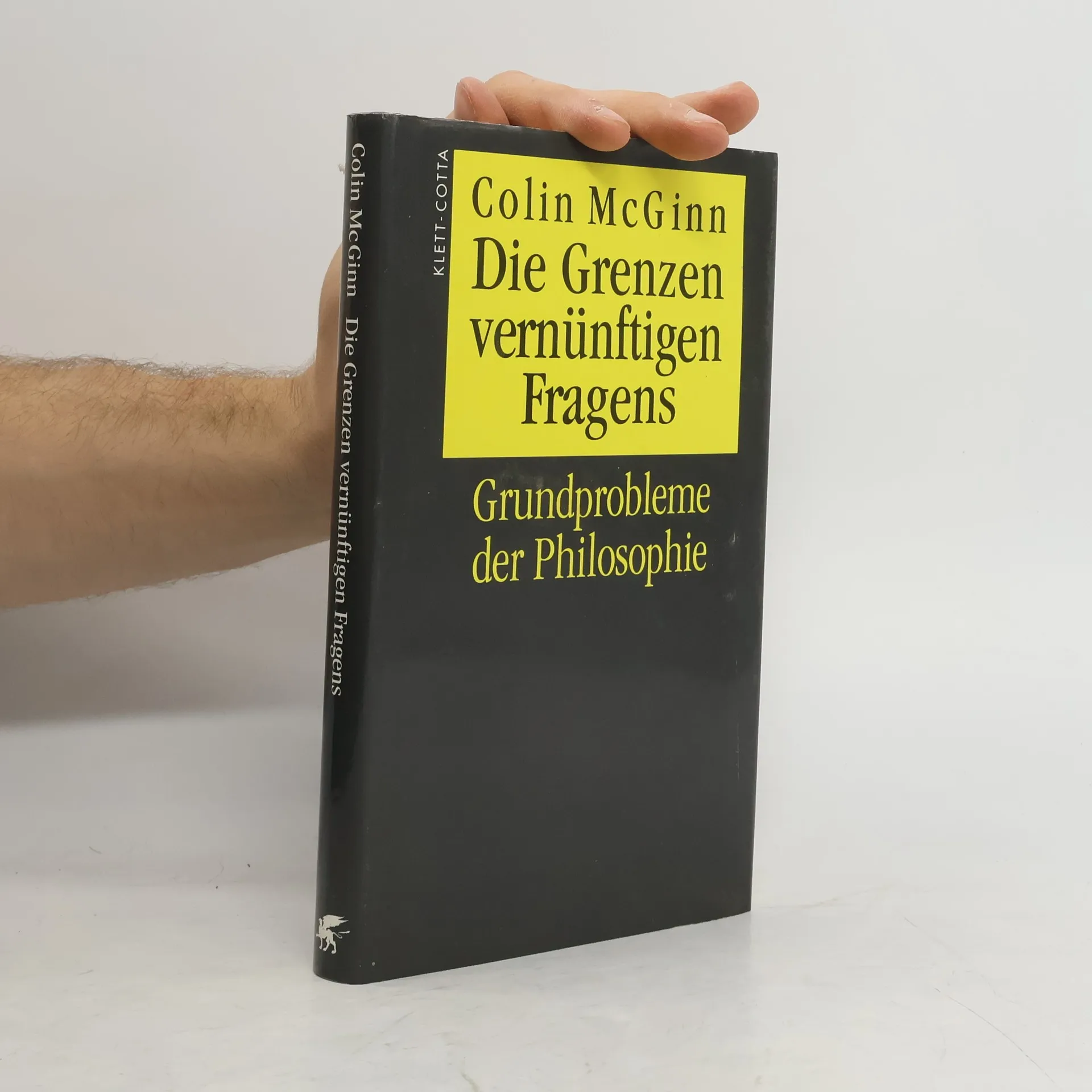
Dieser fortgeschrittene Einführungstext bietet einen synoptischen Überblick über philosophische Fragestellungen und behandelt Themen wie Bewusstsein, das Selbst, Bedeutung, freien Willen, das A priori und Wissen. Der Schwerpunkt liegt auf der grundlegenden Unlösbarkeit dieser Fragen, und es wird eine Theorie vorgeschlagen, warum der menschliche Geist so große Schwierigkeiten hat, sie zu lösen. Diese Theorie basiert auf einem naturalistischen Bild des Umfangs und der Grenzen menschlicher Intelligenz.