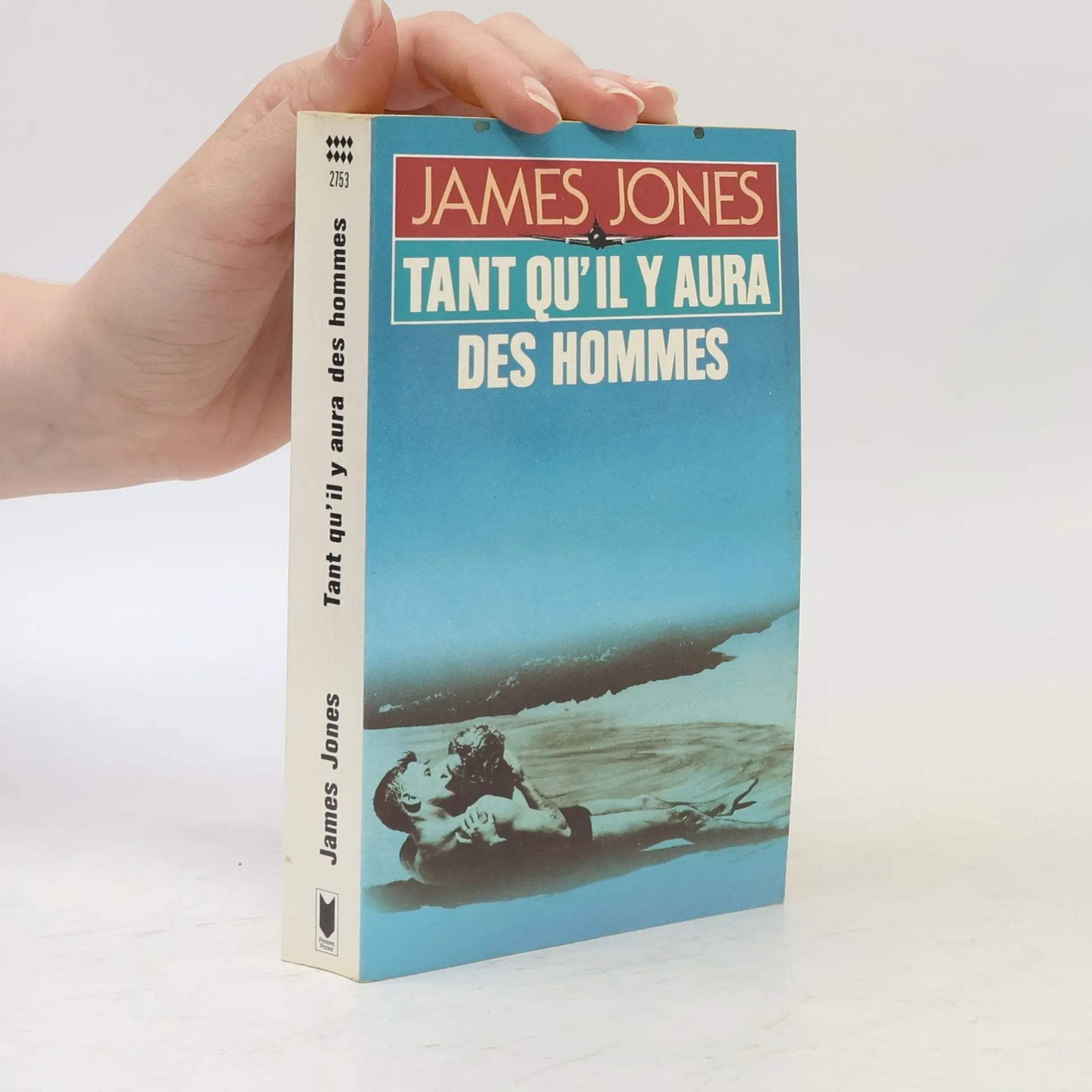
Presses Pocket: Tant qu'il y aura des hommes !
- 411pages
- 15 heures de lecture


James Jones était un auteur américain réputé pour ses explorations approfondies de la Seconde Guerre mondiale et de ses conséquences durables. Ses expériences personnelles de guerre, depuis le témoignage de l'attaque de Pearl Harbor jusqu'au combat sur Guadalcanal et au rétablissement de ses blessures, ont constitué le fondement de ses romans les plus importants. L'œuvre de Jones plonge profondément dans le tribut psychologique et émotionnel de la guerre sur le soldat individuel, dépeignant sans fard les dures réalités de la vie militaire et son impact durable sur l'esprit humain. Sa voix distinctive se caractérise par une honnêteté brute et une représentation méticuleuse de l'expérience humaine sous une contrainte extrême.





"The third novel in Jones's classic World War II trilogy."--Page 4 of cover
"The only one of my contemporaries who I felt had more talent than myself was James Jones. And he has also been the one writer of any time for whom I felt any love."-Norman Mailer Paris. May, 1968. This is the Paris of the barricaded boulevards of rebelling students' strongholds, of the literati, the sexual anarchists, the leftists-written chillingly of a time in French history closely paralleling America in the late '60s. The reader sees, feels, smells and fears all the turmoil of the frightening social quicksand of 1968. James Jones (1921???1977) established himself as one of the greatest American writers of the 20th century with his WWII trilogy, "From Here to Eternity "(National Book Award winner), "The Thin Red Line "and "Whistle,"
In 1942 an American army unit is sent to the island of Guadalcanal, where the Japanese mount a desperate offensive to establish their superiority in the Southwest Pacific. This is a graphic and unsparing story, from the battles and jungle patrols, to the departure of the survivors.
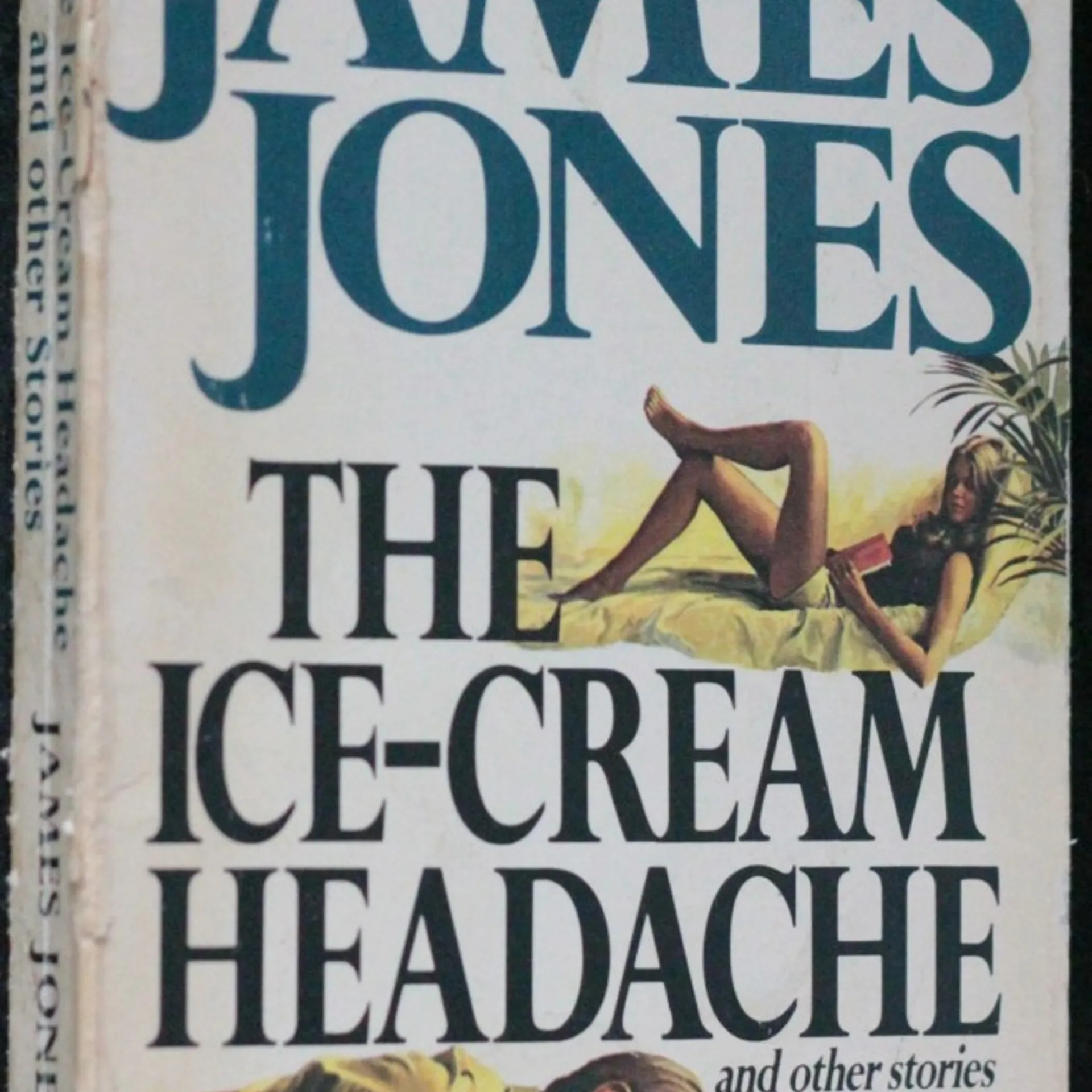
A playwright vacationing in Jamaica becomes dangerously obsessed with deep-sea diving. Ron Grant, a brilliant playwright, feels unfulfilled despite his success, overshadowed by his ice queen mistress who views him as a trophy. While on vacation, his thoughts linger on a captivating young girl from New York. As stress mounts, he nearly unravels until he discovers solace beneath the waves. His first deep-sea dive reveals the mesmerizing beauty of the reef, prompting him to return frequently, diving deeper and longer to escape his troubles. However, the allure of the ocean leads him to take escalating risks that will irrevocably alter his life. Critics praise the work for its exploration of ordinary life and complex human relationships, highlighting themes of love, passion, and obsession. James Jones, an acclaimed author of the World War II generation, served in the U.S. Army and experienced significant battles, earning a Purple Heart and Bronze Star. His literary contributions have been recognized as significant, with peers acknowledging his exceptional talent and influence.
Focusing on the integration of aerodynamic principles in architecture, this book challenges architects and engineers to creatively incorporate wind and air movement into their designs. It emphasizes the importance of understanding how these elements can shape architectural forms, encouraging innovative approaches to building design that respond to environmental factors.
A collection of 4 US novels, published in Steinbeck - Of men and miceJames Jones - The pistolReynolds Price - A long and lappy lifeJohn Updike - Of the farm
Tato kniha je románové dílo. Přece se však určité události přihodily u posádky ve \spojených státech kde autor sloužil a jsou to skutečné události, které autor poznal osobně z bezprostřední zkušenosti.
Mit »Verdammt in alle Ewigkeit« wurde James Jones über Nacht weltberühmt. Jetzt - ein Vierteljahrhundert nach Erscheinen seines Weltbestsellers - kehrt er zu seinem großen Thema zurück. »Im zweiten Weltkrieg« ist der autobiographische Bericht des GIs James Jones, der sich der brutalen Wirklichkeit dieses Krieges erinnert - nicht der des Krieges der Generale und Politiker, sondern des Krieges, wie ihn der einfache Soldat erlebt und erlitten hat. Jones beschreibt den Krieg, wie er wirklich war: die sinnlose Widerwärtigkeit globalen Massensterbens, den Terror und das Entsetzen eines aufgezwungenen Todes und all die unauslöschlichen Narben, die der Krieg jenen schlug, die mit dem Leben davongekommen sind. Die radikale menschliche Perspektive wird durch zahlreiche Darstellungen von Malern und Zeichnern, die als Soldaten dabei waren, eindrucksvoll dokumentiert.
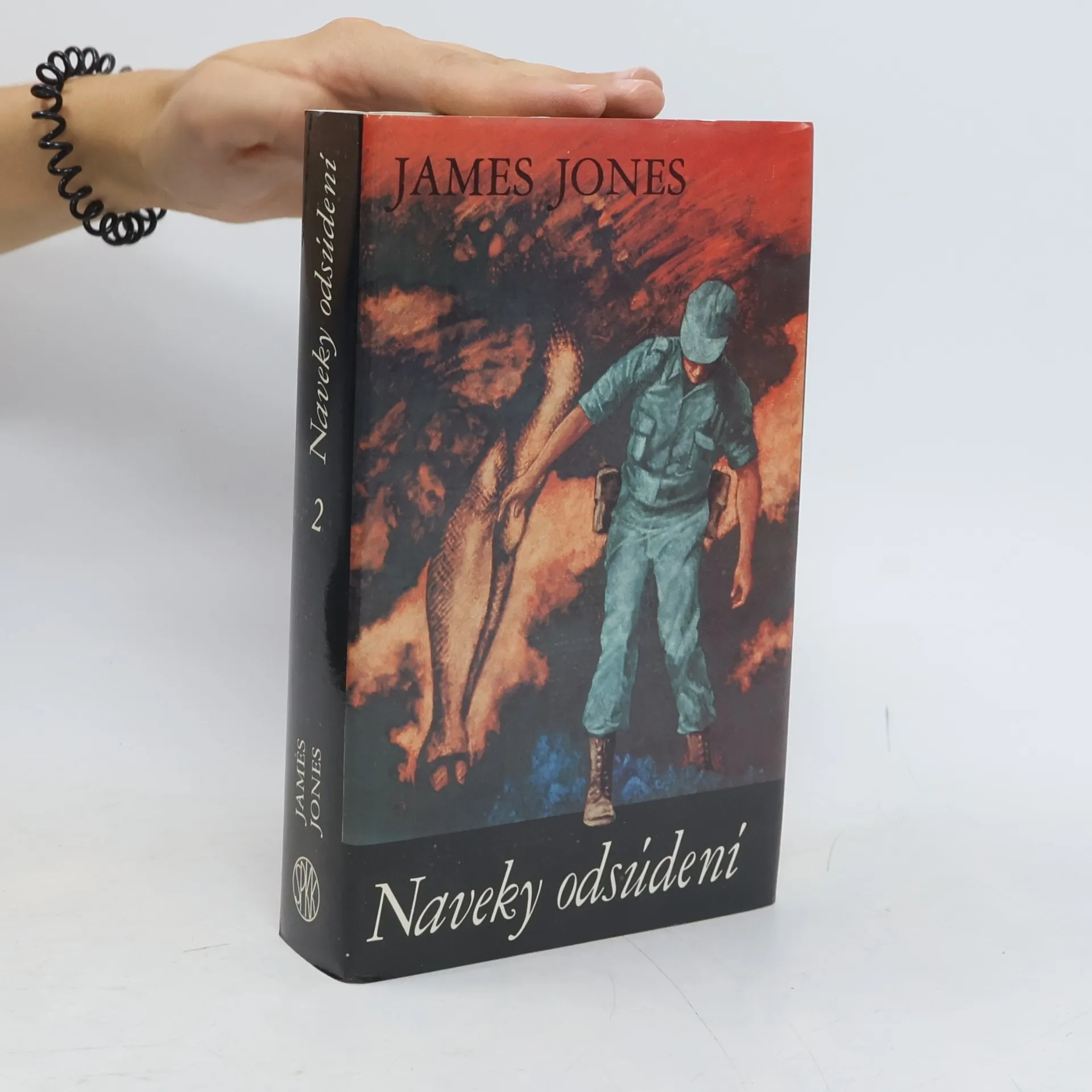
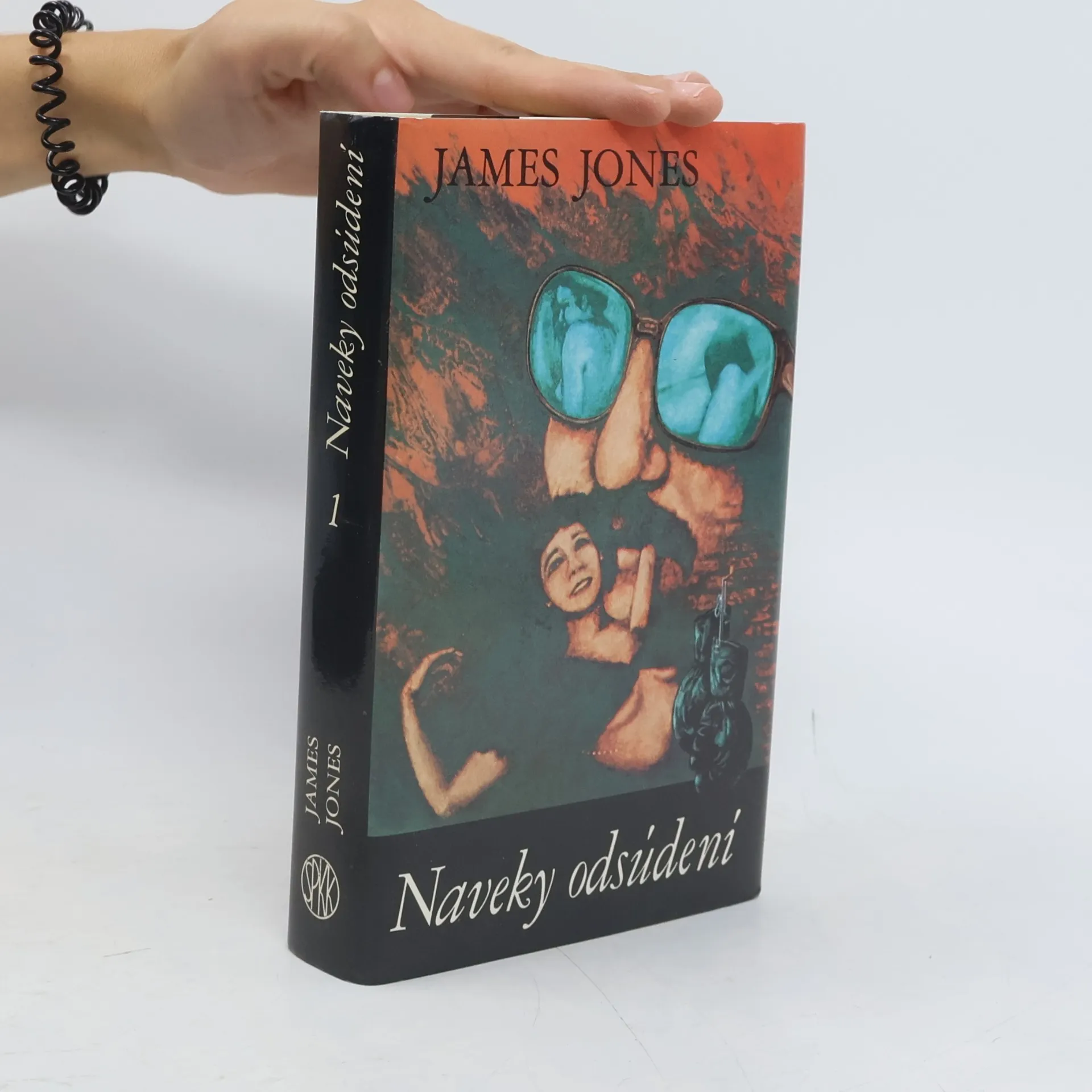
Úspech Jonesovej prvotiny Naveky odsúdení už nedosiahlo ani jedno z autorových neskorších diel. Tento román sa svojimi umeleckými i myšlienkovými hodnotami zaradil k najvýznamnejším americkým prozam s vojnovou tematikou, ako sú Mailerovi Živí a mrtvi, Hellerova Hlava 22 a Shawove Mladé levy. Natragickom príbehu vojaka, ktorý odmieta prispôsobiť sa surovým pravidlám vojenského života, autor odhaľuje neľútostnú mašinériu americkej armády v období japonského útoku na Pearl Harbour. Jones na základe vlastnej skúsenosti opisuje všetky stránky života v armáde na bohatej galérii postáv predstavujúcich rozličné stupienky vojenskej hierarchie. Ide o druhý zväzok diela.
Na tragickom príbehu vojaka, ktorý odmieta prispôsobiť sa surovým pravidlám vojenského života, autor odhaľuje neľútostnú mašinériu americkej armády v období japonského útoku na Pearl Harbour.
Vor der Kulisse einer idyllischen Insel im griechischen Archipel, Sommertraum gammelnder Hippies und abgetakelter Aristokraten, verdüstern zwei Morde den Touristenhimmel. Privatdetektiv Lobo Davies entwirrt die turbulente Handlung. Mit der Kraft eines Elefanten, den nichts umschmeißt, mit einem Whiskykonsum, der ein Schiff versenken könnte, und dem Charme eines Humphrey Bogart schlägt er sich durch alle Hinterhalte, Anschläge und Prügeleien hindurch, um am Schluß dem Mörder und einem ausgedehnten Heroinring das Handwerk zu legen. Und wenn er nicht gerade auf Jagd ist, zeigt sich Lobo Davies als echter Held von James Jones: Empfänglich für die weiblichen Reize der süßen Marie und der Baronin Chantal sowie für den Zauber der Tiefsee...
A high-powered San Francisco defense attorney becomes the defendant in a scandalous murder case involving accusations of adultery and sexual abuse, divorce, an ugly custody battle, extortion, and conflicting loyalties
Die Geschichte eines amerikanischen Soldaten, der im Besitz einer nicht abgegebenen Dienstpistole ist. Diese Pistole zu erlangen, wird zur Bestrebung aller Kameraden, da sie die Hoffnung auf Überleben im direkten Kampf gegen die Japaner und deren gefürchtete "Samurai-Schwerter" bedeutet. Der Handlungsort ist eine der amerikanischen Basen auf den Hawaii-Inseln im Jahr 1942. Der Autor, ein ehemaliger aktiver Soldat, gehört zu den bedeutenden Prosaikern der amerikanischen Mittleren Generation.
Durante la Segunda Guerra Mundial un barco norteamericano patrulla en misión de guerra por el Pacífico. A bordo viaja un hombre, un ex-boxeador, atormentado por el recuerdo de una mujer; pero no es el único en el barco que conoce a esa mujer... Cuando la patria está en peligro, ¿pueden dos soldados dejarse arrastrar por sus pasiones? Además, quizás ninguno de los dos sobreviva a la cruenta batalla que se avecina... De aquí a la eternidad es una novela clásica de amor y de guerra, una historia profundamente humana que dio lugar a una de las mejores películas de todos los tiempos, protagonizada por Nathalie Wood y William Denane.
Durante la Segunda Guerra Mundial un barco norteamericano patrulla en misión de guerra por el Pacífico. A bordo viaja un hombre, un ex-boxeador, atormentado por el recuerdo de una mujer; pero no es el único en el barco que conoce a esa mujer... Cuando la patria está en peligro, ¿pueden dos soldados dejarse arrastrar por sus pasiones? Además, quizás ninguno de los dos sobreviva a la cruenta batalla que se avecina... De aquí a la eternidad es una novela clásica de amor y de guerra, una historia profundamente humana que dio lugar a una de las mejores películas de todos los tiempos, protagonizada por Nathalie Wood y William Denane.
La saga de James Jones sobre la vida en el Medio Oeste estadounidense. Su objetivo era escribir algo más grande que una novela de guerra, y el resultado, seis años en la creación, fue "Some Came Running", un conmovedor retrato de la vida en un pequeño pueblo del Medio Oeste estadounidense en un momento en que nuestro país y su gente luchaban por encontrar su lugar en el nuevo mundo de posguerra. El resultado es la obra maestra que Jones pretendía: una historia cuya brutal honestidad es tan impactante ahora como el día en que se publicó por primera vez.
La saga de James Jones sobre la vida en el Medio Oeste estadounidense. "Some Came Running" es un retrato conmovedor de la vida en un pequeño pueblo del Medio Oeste en un momento en que nuestro país y su gente luchaban por encontrar su lugar en el nuevo mundo de posguerra. El resultado es la obra maestra que Jones pretendía: una historia cuya brutal honestidad es tan impactante ahora como el día en que se publicó por primera vez.
Kniha první. Kniha druhá. Kniha třetí
Tato kniha je románové dílo. Přece se však určité události přihodily u posádky ve \spojených státech kde autor sloužil a jsou to skutečné události, které autor poznal osobně z bezprostřední zkušenosti.
Román patří ke klasickým dílům s válečnou tematikou, která si po desetiletí nacházejí další generace nadšených čtenářů. Jones zachycuje svět profesionálních vojáků na Havaji (svazek obsahuje knihy Přeložen, Rota, Ženy, Vojenský kriminál a Blues starejch mazáků) a postihuje období kolem japonského útoku na Pearl Harbor s jeho každodenním cynismem, brutalitou, ale i s romantikou chlapského kamarádství a milostných vztahů. Filmová verze příběhu obletěla v 50. letech svět a posbírala osm oscarových ocenění.
A vacation in the Greek islands becomes complicated when a private eye is drawn into the murky waters of international hashish smuggling His name is Frank Davies, but friends and clients call him Lobo. A private eye with a law degree, Lobo doesn't like to get rough but he'll do it for a friend. When a rich friend sends him to Paris to retrieve some stolen money, he earns himself a trip to Greece as a reward. It's supposed to be a vacation, but as soon as he arrives he's working again. First his landlady, an English woman married to a Greek, asks his help bringing her cheating husband to heel. Though he doesn't like her, he finds himself morbidly fascinated by her train wreck of a marriage. Then he meets a countess with a blackmail problem, and offers her a little pro-bono work. As he digs beneath the island's sunny surface, Lobo learns that no matter how beautiful the scenery, secrets are always ugly. This ebook features an illustrated biography of James Jones including rare photos from the author's estate.
regény
Kniha se zaměřuje na komplexní příběh, který se odehrává v různých historických obdobích a zkoumá životní osudy několika hlavních postav. Hlavními tématy jsou láska, ztráta, identita a odolnost jednotlivců v těžkých časech. Postavy se potýkají s osobními i společenskými výzvami, které formují jejich životy a vzájemné vztahy. V průběhu příběhu se čtenář setkává s různými perspektivami, které odhalují složitosti lidské existence a emocionální hloubku postav. Hlavní postavy procházejí vývojem, který je ovlivněn jejich okolím, historickými událostmi a osobními dilematy. Kniha se věnuje také otázkám morálky a etiky, a zkoumá, jak se jednotlivci vyrovnávají s rozhodnutími, která mají dalekosáhlé důsledky. Celkově kniha nabízí detailní pohled na lidské vztahy a psychologii postav, čímž vytváří bohatou a promyšlenou narativní strukturu. Čtenáři mohou očekávat hluboké zamyšlení nad životními hodnotami a významem lidské existence v kontextu historických událostí.
Tato kniha je románové dílo. Přece se však určité události přihodily u posádky ve \spojených státech kde autor sloužil a jsou to skutečné události, které autor poznal osobně z bezprostřední zkušenosti.