

Il est encore temps de passer ta commande pour Noël (2 jours, 16 heures)
Colson WhiteheadLivres
6 novembre 1969
Cet auteur explore les liens complexes entre race, classe et histoire américaine à travers des romans perspicaces. Son œuvre, souvent située dans des paysages urbains vibrants, présente une prose élégante et une profonde exploration psychologique de ses personnages. Il crée des récits qui révèlent des vérités cachées et l'impact durable du passé sur le présent. Son écriture invite à la contemplation de l'identité américaine et de la mémoire collective.
Dans la Floride ségrégationniste des années 1960, le jeune Elwood Curtis prend très à coeur le message de paix de Martin Luther King. Prêt à intégrer l'université pour y faire de brillantes études, il voit s'évanouir ses rêves d'avenir lorsque, à la suite d'une erreur judiciaire, on l'envoie à la Nickel Academy, une maison de correction qui s'engage à faire des délinquants des « hommes honnêtes et honorables ». Sauf qu'il s'agit en réalité d'un endroit cauchemardesque, où les pensionnaires sont soumis aux pires sévices. Elwood trouve toutefois un allié précieux en la personne de Turner, avec qui il se lie d'amitié. Mais l'idéalisme de l'un et le scepticisme de l'autre auront des conséquences déchirantes. Couronné en 2017 par le prix Pulitzer pour Underdground Railroad puis en 2020 pour Nickel Boys, Colson Whitehead s'inscrit dans la lignée des rares romanciers distingués à deux reprises par cette prestigieuse récompense, à l'instar de William Faulkner et John Updike. S'inspirant de faits réels, il continue d'explorer l'inguérissable blessure raciale de l'Amérique et donne avec ce nouveau roman saisissant une sépulture littéraire à des centaines d'innocents, victimes de l'injustice du fait de leur couleur de peau.
La 4e de couv. indique : "Cora is a slave on a cotton plantation in Georgia, an existence made even more hellish by her status as an outcast among her fellow Africans. And she is approaching womanhood, where greater pain and danger awaits. So when Caesar, a slave recently arrived from Virginia, tells her about the Underground Railroad, Cora takes the momentous decision to acompany him on his escape to the North."
Cora is a slave on a cotton plantation in Georgia. When Caesar, a recent arrival from Virginia, tells her about the Underground Railroad, they decide to take a terrifying risk and escape. Though they manage to find a station and head north, they are being hunted. Their first stop is South Carolina, in a city that initially seems like a haven. But the city's placid surface masks an insidious scheme designed for its black denizens. And even worse: Ridgeway, the relentless slave catcher, is close on their heels. Forced to flee again, Cora embarks on a harrowing flight, state by state, seeking true freedom
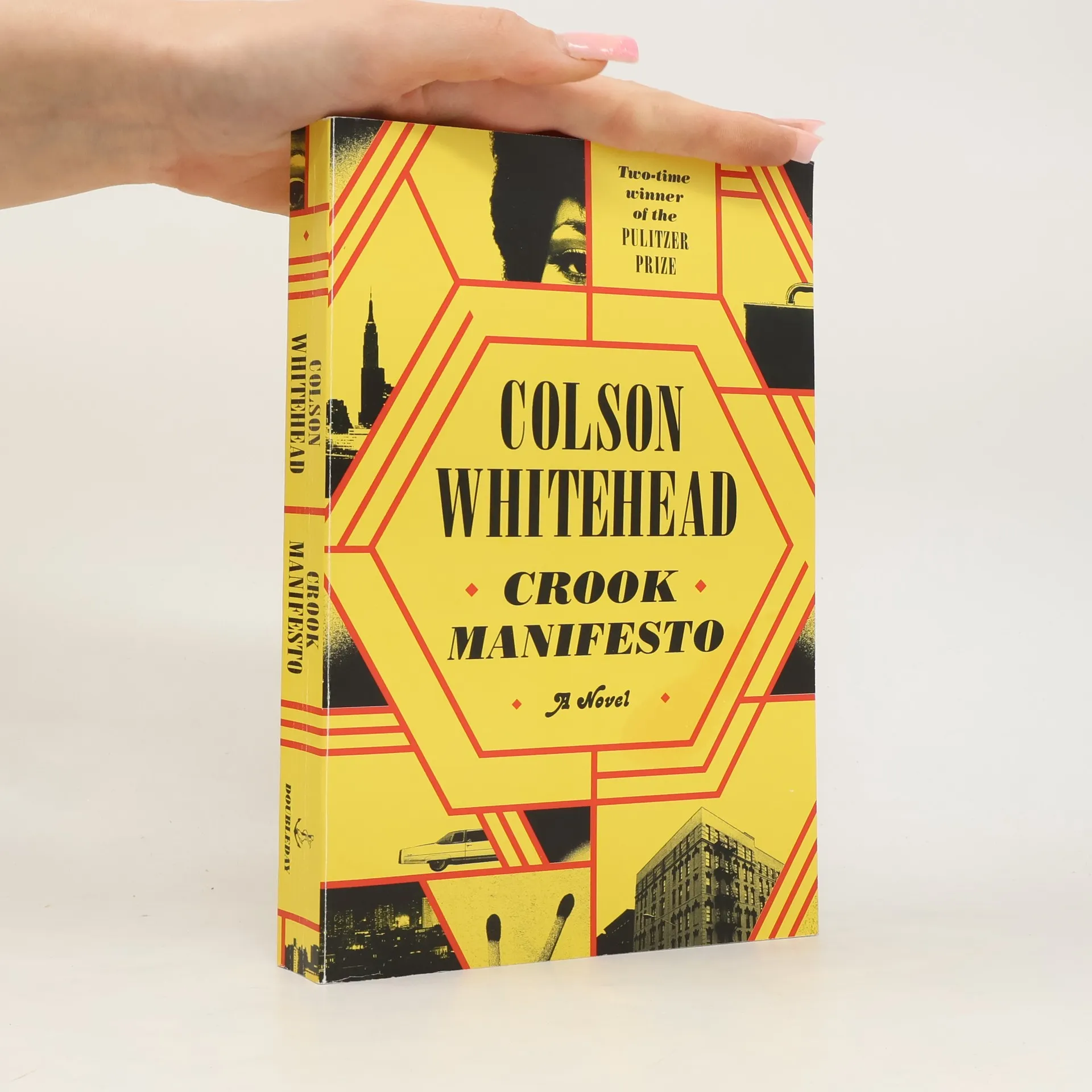
ONE OF THE MOST ANTICIPATED BOOKS OF THE SUMMER BY OPRAH DAILY, NEW YORK TIMES, WASHINGTON POST, TIME, NPR, LOS ANGELES TIMES, ESSENCE AND MORE'Whether in high literary form or entertaining, page-turner mode, the man is simply incapable of writing a bad book' IAN WILLIAMS, GUARDIAN'Crook Manifesto gave me something I had missed in recent reading: joy' TELEGRAPH'When he moves into a new genre, he keeps the bones but does his own decorating' WASHINGTON POST'A masterpiece' PEOPLE MAGAZINEFrom two-time Pulitzer Prize-winning author Colson Whitehead comes the thrilling and entertaining sequel to Harlem Shuffle1971, New York City. Trash piles up on the streets, crime is at an all-time high, the city is going bankrupt, and a shooting war has broken out between the NYPD and the Black Liberation Army. Furniture store owner and ex-fence Ray Carney is trying to keep his head down, his business up and his life straight. But then he needs Jackson 5 tickets for his daughter May and he decides to hit up an old police contact, who wants favours in return. For Ray, staying out of the game gets a lot more complicated - and deadly.1973. The old ways are being overthrown by the thriving counterculture, but Pepper, Carney's enduringly violent partner in crime, is a constant. In these difficult times, Pepper takes on a side gig doing security on a Blaxploitation shoot in Harlem, finding himself in a world of Hollywood stars and celebrity drug dealers, in addition to the usual cast of hustlers, mobsters and hit men. These adversaries underestimate the seasoned crook - to their regret.1976. Harlem is burning, while the country gears up for the Bicentennial. Carney is trying to come up with a celebratory July 4th advertisement he can actually live with, while his wife Elizabeth is campaigning for her childhood friend, rising politician Alexander Oakes. When a fire seriously injures one of Carney's tenants, he enlists Pepper to look into who may be behind it, navigating a crumbling metropolis run by the shady, the violent and the utterly corrupt.In scalpel-sharp prose and with unnerving clarity and wit, Colson Whitehead writes about a city that runs on cronyism, threats, ego, ambition, incompetence and even, sometimes, pride. Crook Manifesto is a kaleidoscopic portrait of Harlem, and a searching portrait of how families work in the face of chaos and hostility.'A dazzling treatise . . . gleefully detonates its satire upon this world while getting to the heart of the place and its people' NEW YORK TIMES'Funny, effortlessly streetwise, and criminally pleasurable to read it's also politically enlightening and quietly incendiary' BIG ISSUE
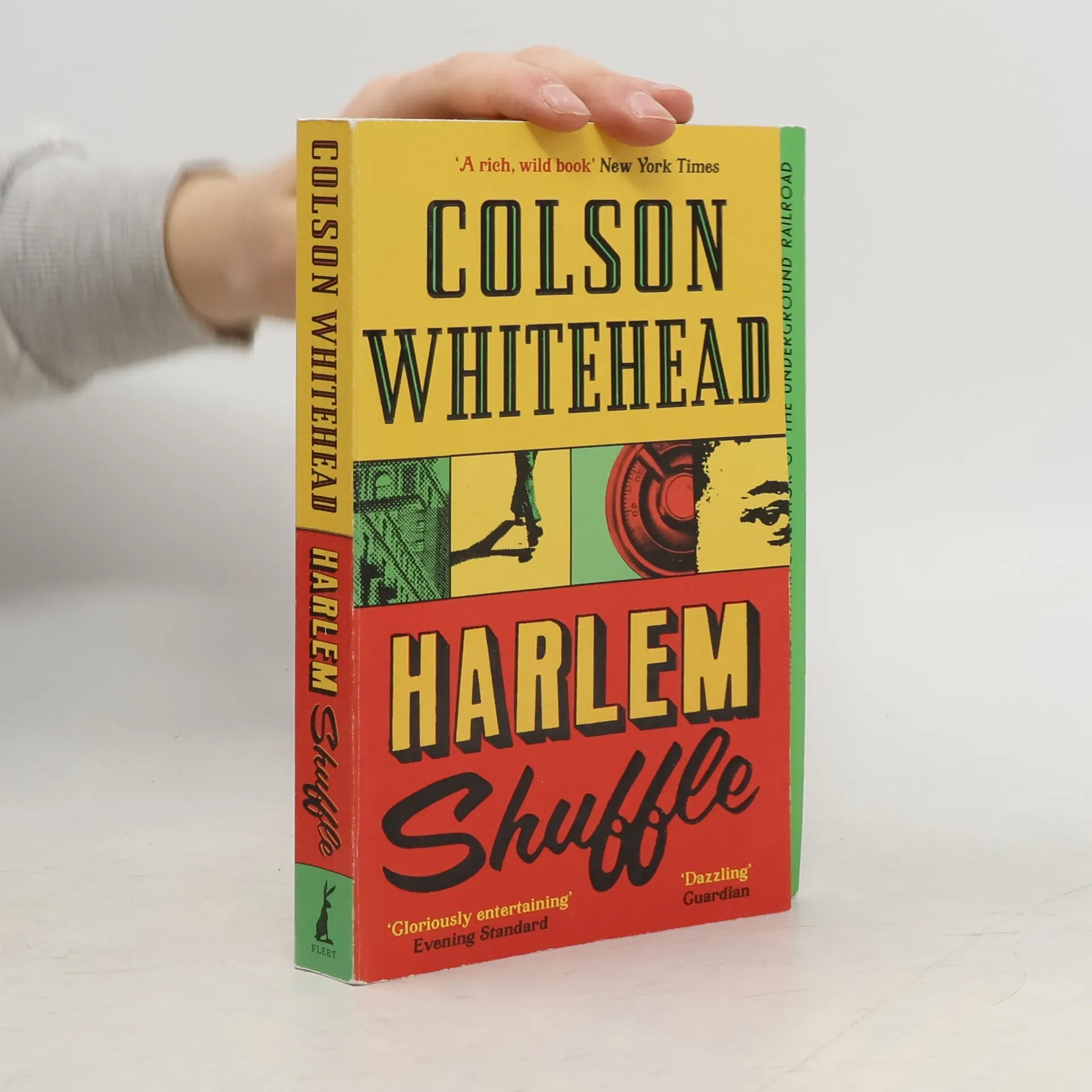
To his customers and neighbors on 125th street, Carney is an upstanding salesman of reasonably priced furniture, making a decent life for himself and his family. He and his wife Elizabeth are expecting their second child, and if her parents on Strivers Row dont approve of him or their cramped apartment across from the subway tracks, its still home. Few people know he descends from a line of uptown hoods and crooks, and that his façade of normalcy has more than a few cracks in it. Cracks that are getting bigger all the time. Cash is tight, especially with all those installment-plan sofas, so if his cousin Freddie occasionally drops off the odd ring or necklace, Ray doesnt ask where it comes from. He knows a discreet jeweler downtown who doesnt ask questions, either. Then Freddie falls in with a crew who plan to rob the Hotel Theresathe Waldorf of Harlemand volunteers Rays services as the fence. The heist doesnt go as planned; they rarely do. Now Ray has a new clientele, one made up of shady cops, vicious local gangsters, two-bit pornographers, and other assorted Harlem lowlifes. Thus begins the internal tussle between Ray the striver and Ray the crook. As Ray navigates this double life, he begins to see who actually pulls the strings in Harlem. Can Ray avoid getting killed, save his cousin, and grab his share of the big score, all while maintaining his reputation as the go-to source for all your quality home furniture needs? Harlem Shuffles ingenious story plays out in a beautifully recreated New York City of the early 1960s. Its a family saga masquerading as a crime novel, a hilarious morality play, a social novel about race and power, and ultimately a love letter to Harlem. But mostly, its a joy to read, another dazzling novel from the Pulitzer Prize and National Book Award-winning Colson Whitehead
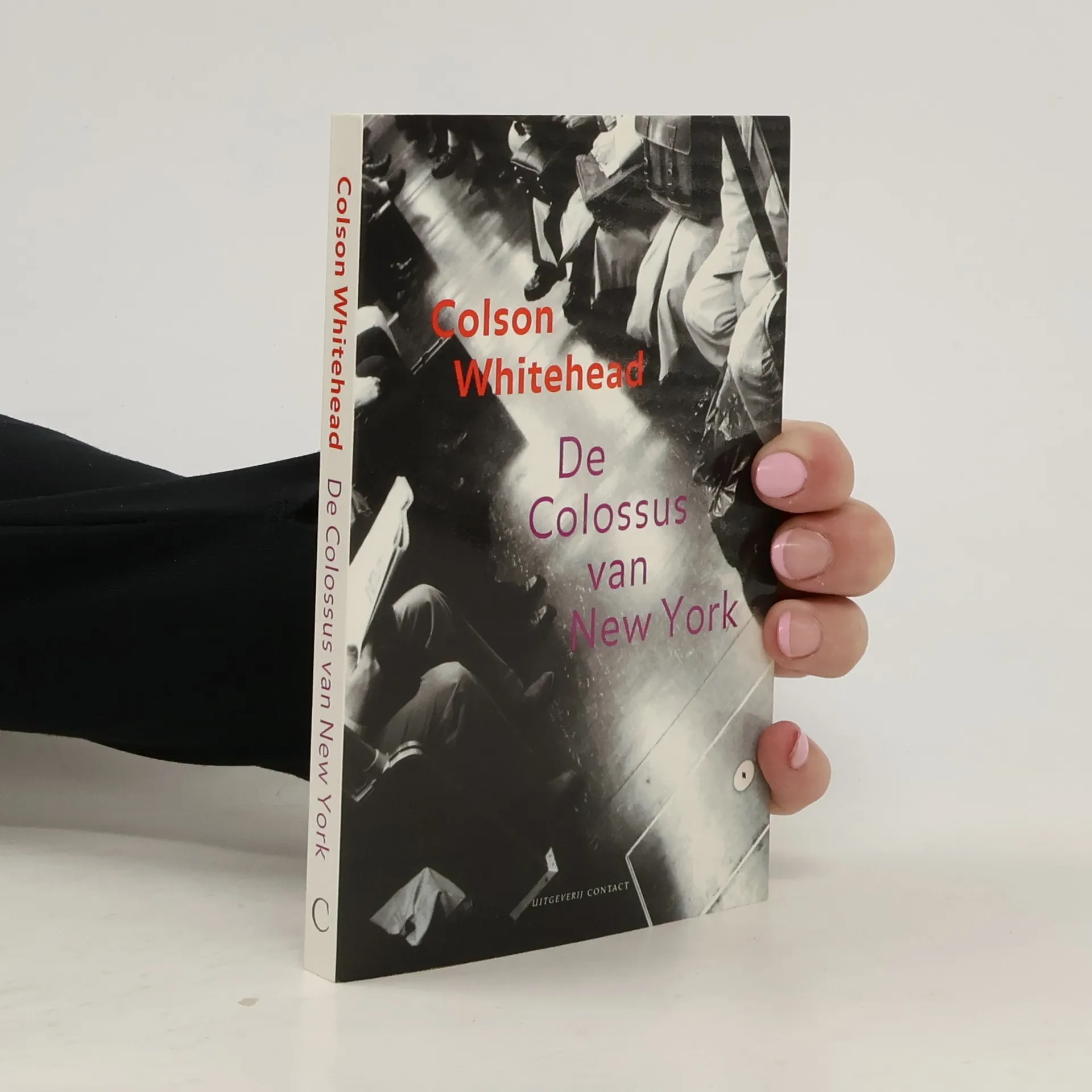
A brilliant, witty, and subtle novel, written in a most engaging style, with
tremendous aptness of language and command of plot New York Review of Books
Pitch-perfect . . . Utterly authentic . . . The Colossus of New York is quite
simply the most delicious thirteen bites of the Big Apple I've taken in ages
Washington Post
From the author of "The Intuitionist" comes a retelling of the legend of John Henry that sweeps across generations and cultures in a stunning, hilarious, and unsettling portrait of American society.
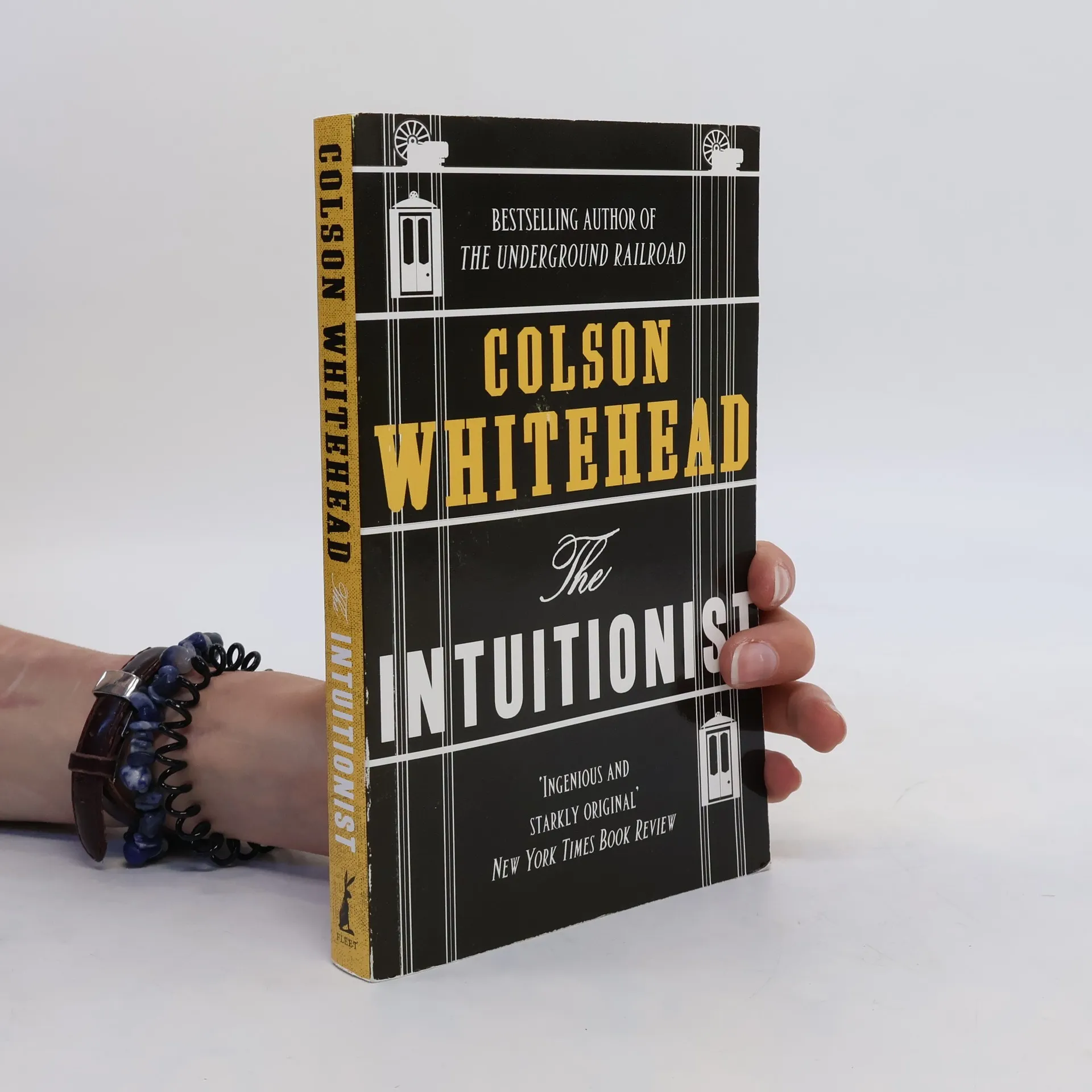
Verticality, architectural and social, is the lofty idea at the heart of Colson Whitehead's first novel that takes place in an unnamed high-rise city that combines 21st-century engineering feats with 19th-century pork-barrel politics. Elevators are the technological expression of the vertical ideal, and Lila Mae Watson, the city's first black female elevator inspector, is its embattled token of upward mobility. When Number Eleven of the newly completed Fanny Briggs Memorial Building goes into deadly free-fall just hours after Lila Mae has signed off on it, using the controversial "Intuitionist" method of ascertaining elevator safety, both Intuitionists and Empiricists recognize the set-up, but may be willing to let Lila Mae take the fall in an election year. As Lila Mae strives to exonerate herself in this urgent adventure full of government spies, underworld hit men, and seductive double agents, behind the action, always, is the Idea. Lila Mae's quest is mysteriously entwined with existence of heretofore lost writings by James Fulton, father of Intuitionism, a giant of vertical thought. If she is able to find and reveal his plan for the perfect, next-generation elevator, the city as it now exists may instantly become obsolescent.--Joyce Thompson