


Siddhartha Mukherjee est un médecin et chercheur distingué, spécialisé dans le domaine de l'oncologie. Son œuvre littéraire explore en profondeur l'histoire complexe et l'avenir du cancer. L'écriture de Mukherjee mêle avec brio la rigueur scientifique à une profonde empathie humaine, offrant aux lecteurs une exploration accessible et captivante de la maladie. Sa capacité à traduire des sujets médicaux complexes en récits engageants le distingue comme un auteur unique.
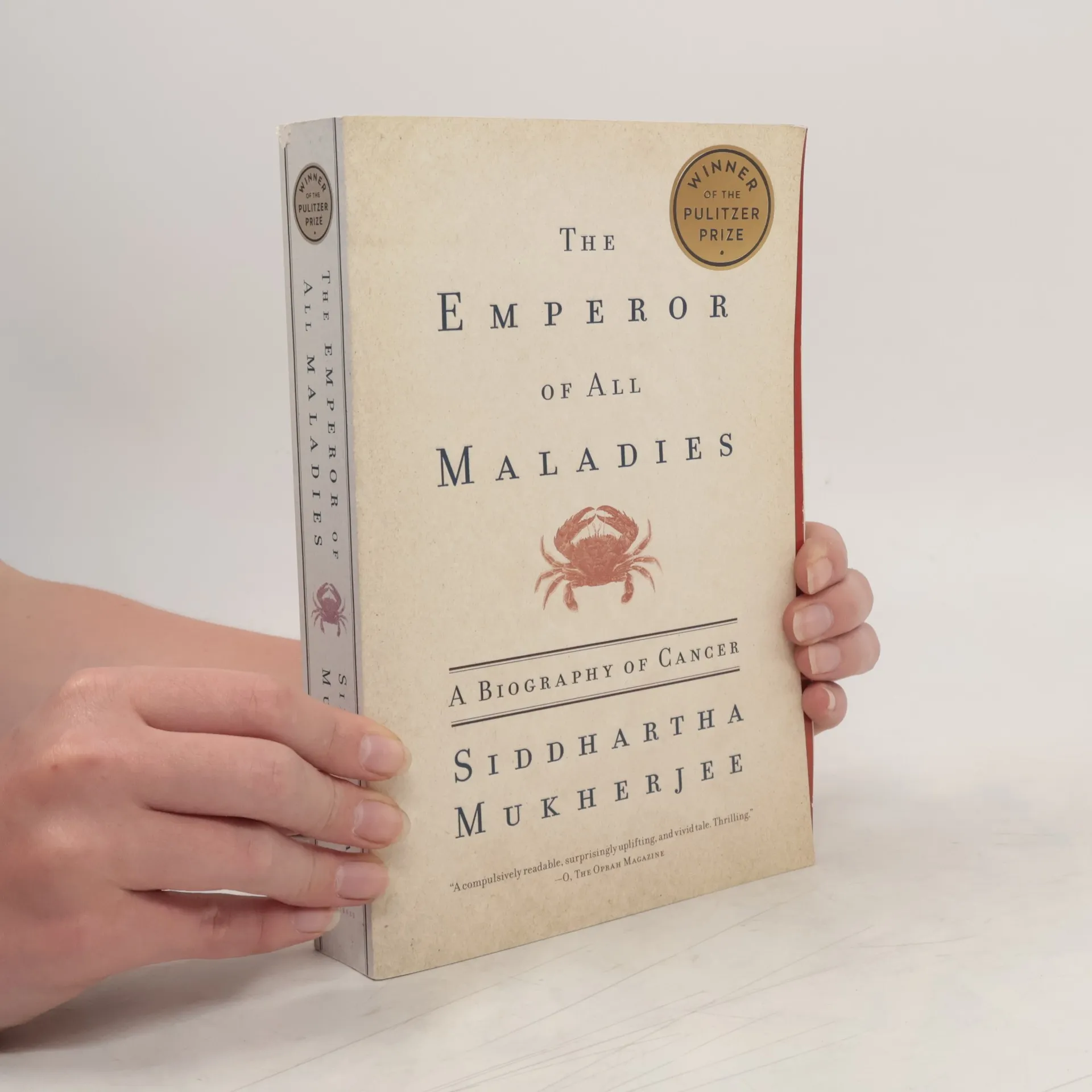
A "biography" of cancer from its origins to the epic battle to cure, control, and conquer it. A combination of medical history, cutting-edge science, and narrative journalism that transforms the listener's understanding of cancer and much of the world around them. The author provides a glimpse into the future of cancer treatments and offers a bold new perspective on the way doctors, scientists, philosophers, and lay people have observed and understood the human body for millennia.
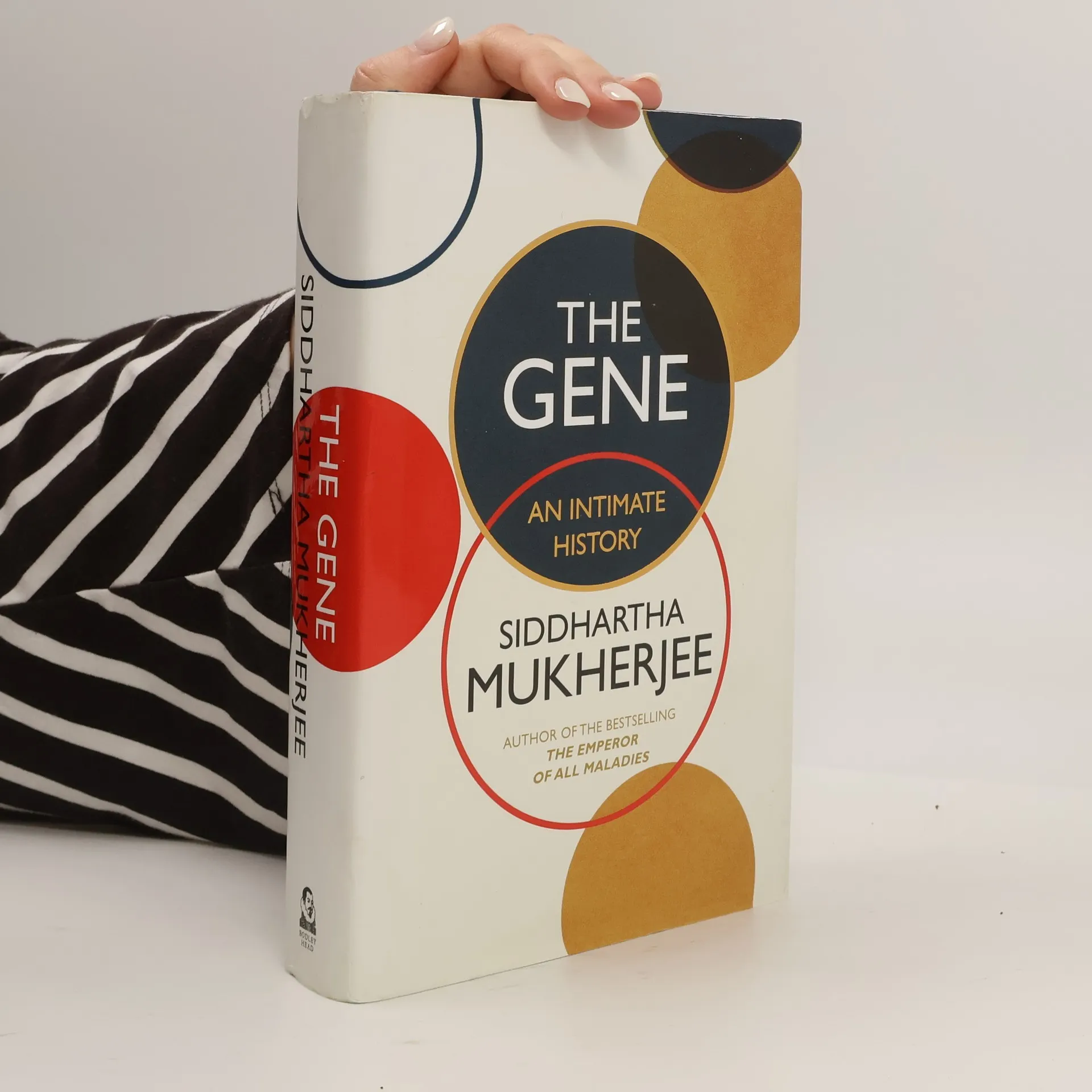
Spanning the globe and several centuries, this is the story of the quest to decipher the master-code that makes and defines humans, that governs our form and function. It is also an intimate history - the story of the author's own family and its recurring pattern of mental illness, reminding us that genetics is vitally relevant to everyday lives.
The Pulitzer Prize-winning author explores the profound history of a scientific idea: the quest to decode the genetic instructions that define humanity and shape our futures. This journey begins in 1856 at a Moravian abbey where Gregor Mendel, a monk experimenting with pea plants, discovers the concept of a "unit of heredity." This idea intersects with Darwin's evolution theory and confronts the dark legacy of Nazi eugenics in the 1940s. The gene revolutionizes biology and permeates discussions on race, identity, sexuality, and free will, prompting urgent questions about our personal lives. The narrative showcases the brilliance of figures like Mendel, Darwin, Francis Crick, James Watson, and Rosalind Franklin, alongside countless contemporary scientists unraveling the genetic code. Interwoven is the author's own family history, marked by schizophrenia, illustrating that genetics extends beyond laboratories into everyday existence. The moral implications of genetics resonate today as we gain the ability to "read" and "write" the human genome, raising the potential to alter the destinies of future generations.
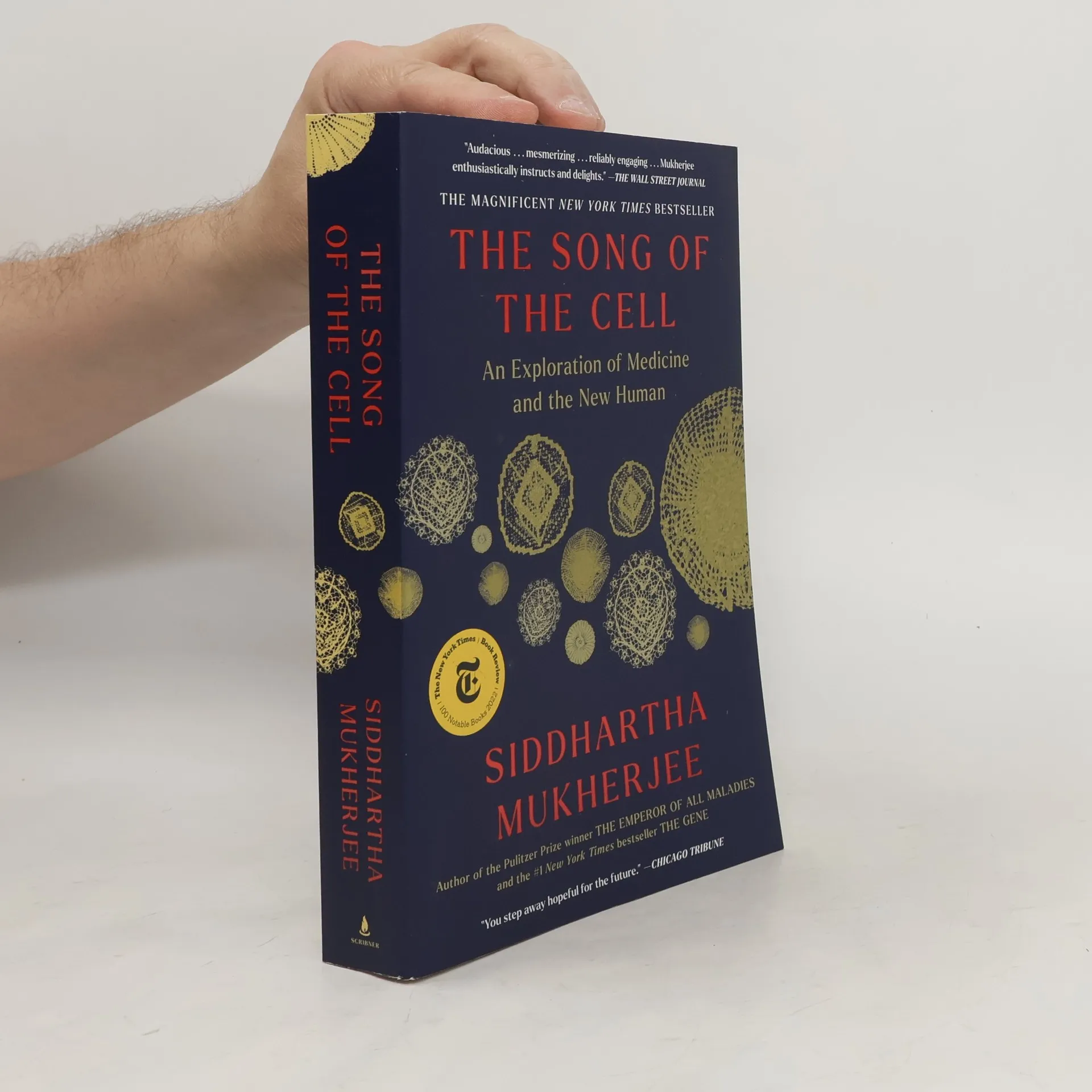
"Presenting revelatory and exhilarating stories of scientists, doctors, and the patients whose lives may be saved by their work, the author draws on his own experience as a researcher, doctor, and prolific reader to explore how the discovery of cells created a new kind of medicine based on the therapeutic manipulation of cells"--
One of the world's premiere cancer researchers reveals an urgent philosophy on the little-known principles that govern medicine--and how understanding these principles can empower everyone.
'A brilliant, authoritative, surprising, captivating introduction to human genetics. You'll be spellbound' Brian Cox This is a story about you. It is the history of who you are and how you came to be. It is unique to you, as it is to each of the 100 billion modern humans who have ever drawn breath. But it is also our collective story, because in every one of our genomes we each carry the history of our species - births, deaths, disease, war, famine, migration and a lot of sex. In this captivating journey through the expanding landscape of genetics, Adam Rutherford reveals what our genes now tell us about human history, and what history can now tell us about our genes. From Neanderthals to murder, from redheads to race, dead kings to plague, evolution to epigenetics, this is a demystifying and illuminating new portrait of who we are and how we came to be. *** 'A thoroughly entertaining history of Homo sapiens and its DNA in a manner that displays popular science writing at its best' Observer 'Magisterial, informative and delightful' Peter Frankopan 'An extraordinary adventure...From the Neanderthals to the Vikings, from the Queen of Sheba to Richard III, Rutherford goes in search of our ancestors, tracing the genetic clues deep into the past' Alice Roberts
The Gene is the story of one of the most powerful and dangerous ideas in our history from the author of The Emperor of All Maladies. The story begins in an Augustinian abbey in 1856, and takes the reader from Darwin’s groundbreaking theory of evolution, to the horrors of Nazi eugenics, to present day and beyond - as we learn to “read” and “write” the human genome that unleashes the potential to change the fates and identities of our children. Majestic in its scope and ambition, The Gene provides us with a definitive account of the epic history of the quest to decipher the master-code that makes and defines humans – and paints a fascinating vision of both humanity’s past and future.
Großartig, fesselnd und folgenreich: Pulitzer-Preis-Träger und Bestseller-Autor Siddhartha Mukherjee erzählt meisterhaft die Geschichte der Entzifferung des Mastercodes, der unser Menschsein bestimmt. Das große Buch eines begnadeten Erzählers und Arztes, das gewaltige Panorama einer machtvollen Entdeckung. Als Siddhartha Mukherjee seinen Bestseller »Der König aller Krankheiten« beendet hatte, macht er sich auf eine Reise in die indische Heimat. Er besucht Cousin Moni, der an Schizophrenie leidet – wie auffällig viele seiner Verwandten. Fasziniert beginnt Mukherjee, sich mit der Geschichte der Gene zu beschäftigen: Von den Erbsenkreuzungen Mendels bis zur neuesten Genbearbeitungsmethode CRISPR schreibt Mukherjee den spannenden Roman einer wissenschaftlichen Suche und verwebt ihn mit der Geschichte seiner Familie. Packend und einzigartig.
Wie die Biologie die Medizin revolutioniert – Medizinischer Fortschritt und der Neue Mensch | Das spektakuläre neue Buch des Pulitzer-Preisträgers
672pages
24 heures de lecture
Als im späten 16. Jahrhundert der englische Universalgelehrte Robert Hooke und der holländische Tuchhändler Antonie van Leeuwenhoek durch ihre handgefertigten Mikroskope blickten, sahen sie etwas, was der Biologie und der Medizin ein radikal neues Konzept hinzufügte und beide Wissenschaften für immer veränderte: Komplexe Organismen bestehen aus winzigen, in sich geschlossenen und sich selbst regulierenden Einheiten. Unsere Organe, unsere Physiologie, unser Selbst - Herz, Blut, Gehirn - sind aus diesen kleinen Teilen aufgebaut: den Zellen. Sie ermöglichen all unsere komplexen Körperfunktionen: Immunabwehr, Fortpflanzung, Empfindungsvermögen, Kognition und Erneuerung. Die Schattenseite ist die ungemeine Zerstörungskraft dysfunktionaler Zellen, die einen Körper seiner Lebensfähigkeit berauben können. Mukherjee erzählt vom enormen Potenzial unseres vertieften Verständnisses der Zellphysiologie und -pathologie. Es hat eine Revolution in Biologie und Medizin ausgelöst, transformative Medikamente hervorgebracht und Menschen verändert.