John Milton Livres
John Milton était un poète, polémiste et homme de lettres anglais qui a écrit à une époque de changements religieux et de bouleversements politiques. Son œuvre reflète de profondes convictions personnelles, une passion pour la liberté et l'autodétermination, ainsi que les problèmes urgents et les turbulences de son époque. Il est surtout connu pour son poème épique, un chef-d'œuvre écrit en vers blancs, qui s'impose comme l'un des sommets de la littérature anglaise. Les écrits de Milton, marqués par ses idéaux républicains, continuent d'inspirer le débat et l'admiration.


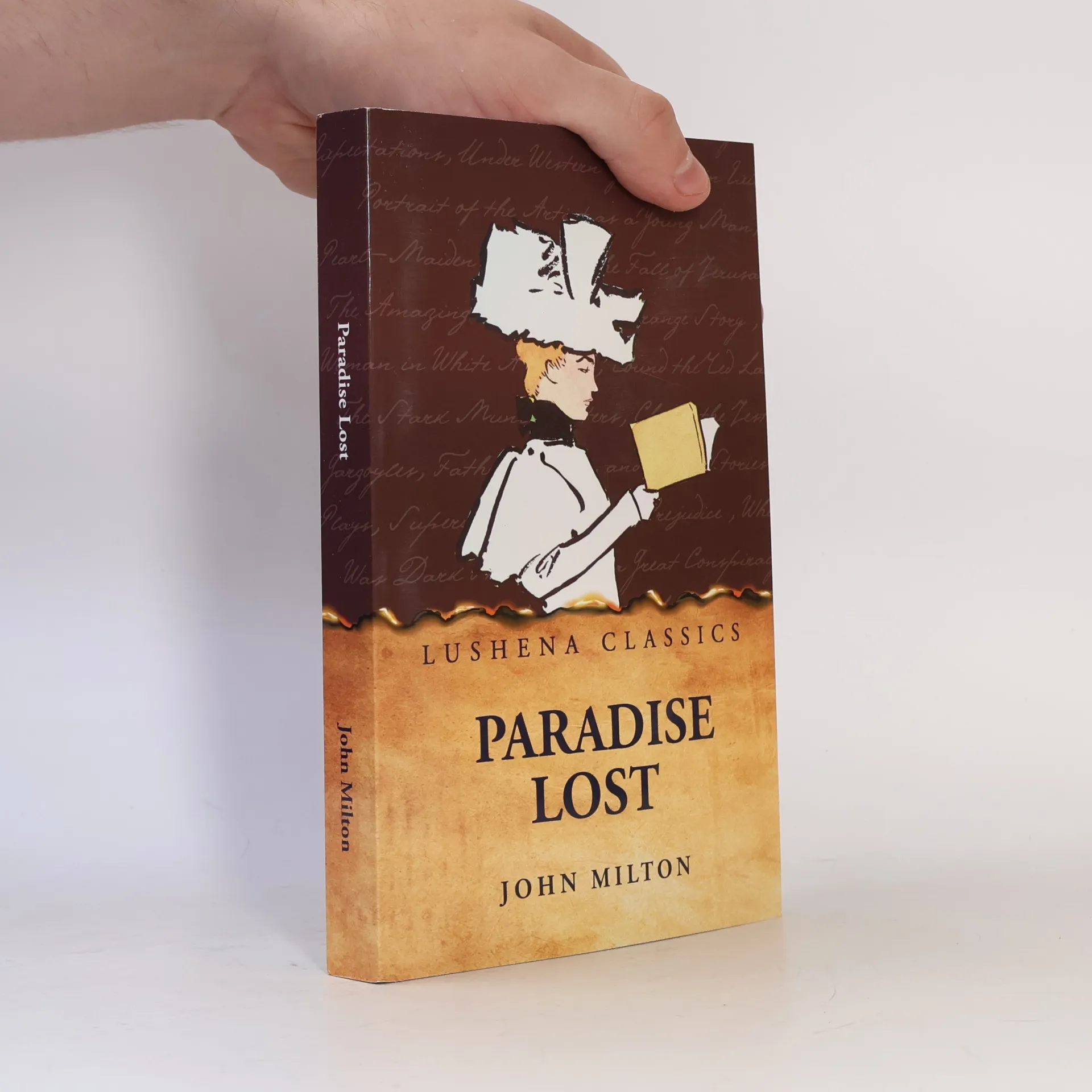
This book is part of the TREDITION CLASSICS series, aimed at reviving public domain literature in print. TREDITION supports non-profit literary projects and donates a portion of proceeds to them. By reading a TREDITION CLASSICS book, you help preserve significant works of world literature.
Paradise Lost
- 316pages
- 12 heures de lecture
One of the oldest and most powerful stories of all time—God and Satan, Adam and Eve—retold in stunning graphic novel form by the dark and beautiful imagery of Pablo Auladell. Milton’s epic poem charts humanity’s fall from grace and the origin of the struggle between God and Satan, good and evil, life and death. In the aftermath of the Angels’ devastating defeat in the war for Heaven, Satan determines to seek his revenge. Meanwhile, Adam and Eve have newly awakened in the Garden of Eden . . . First published nearly three hundred and fifty years ago, Paradise Lost has now been reimagined by the Spanish artist Pablo Auladell. His astonishing artwork portrays the complexity and tragedy of one of the great stories of all time. His bleak and surprising imagery captures the lyricism of Milton’s original for a new audience—and is a masterful tribute to a literary classic.
John Milton
- 104pages
- 4 heures de lecture
Best known for his epic masterpiece Paradise Lost, Milton is also a master of subltle lyric harmony. He is one of the greatest writers of the 17th century, and of all time.
Focusing on John Milton's significant contributions to political thought, this volume features two pivotal texts: "The Tenure of Kings and the Magistrates," a radical defense of regicide, and "A Defence of the People of England," which justifies the Commonwealth's cause to Europe. This edition is notable for its fully annotated versions and a new translation of the latter work. An introduction explores the ideological complexities of Milton's time, complemented by a chronology of his life, a select bibliography, and biographies of key figures mentioned.
Exploring themes of poetic melancholy, the speaker in this reflective ode seeks to replace "vain deluding Joys" with "divinest Melancholy" to inspire future verses. The work serves as a companion to L'Allegro, contrasting mirth with a deeper introspection. The speaker idealizes melancholy as a pathway to prophetic insight, and the poem unfolds in couplets of iambic tetrameter, creating a rhythmic exploration of the profound emotions associated with contemplation and reflection in art.
The book is a facsimile reprint of a scarce antiquarian work, preserving its historical significance. As it is an older publication, readers may encounter imperfections like marks, notations, or flawed pages. The reprint aims to uphold the cultural importance of the original text, making it accessible in a high-quality format that remains true to its initial presentation. This effort reflects a commitment to protecting and promoting literature for future generations.
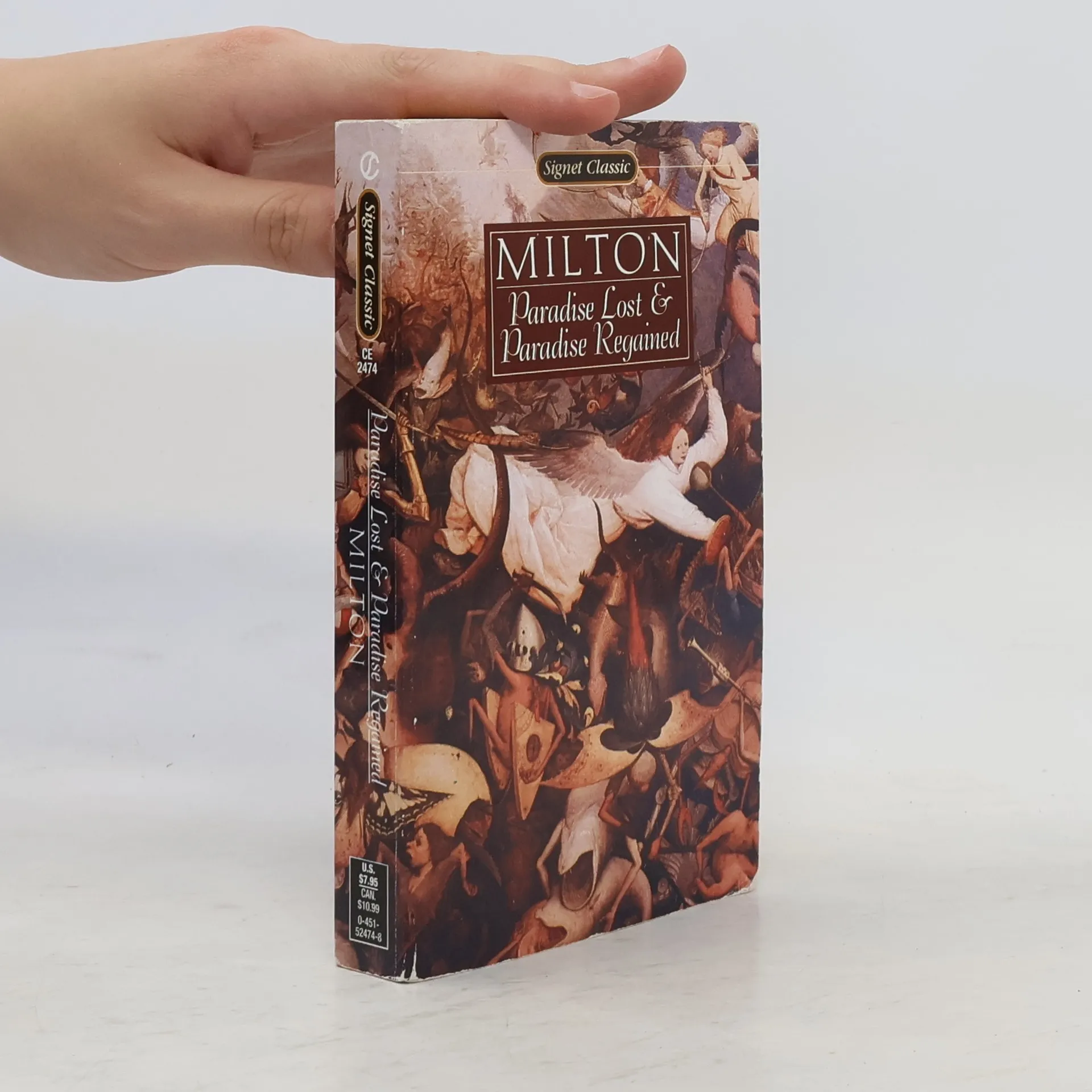
Signet Classic: Paradise Lost and Paradise Regained
- 400pages
- 14 heures de lecture
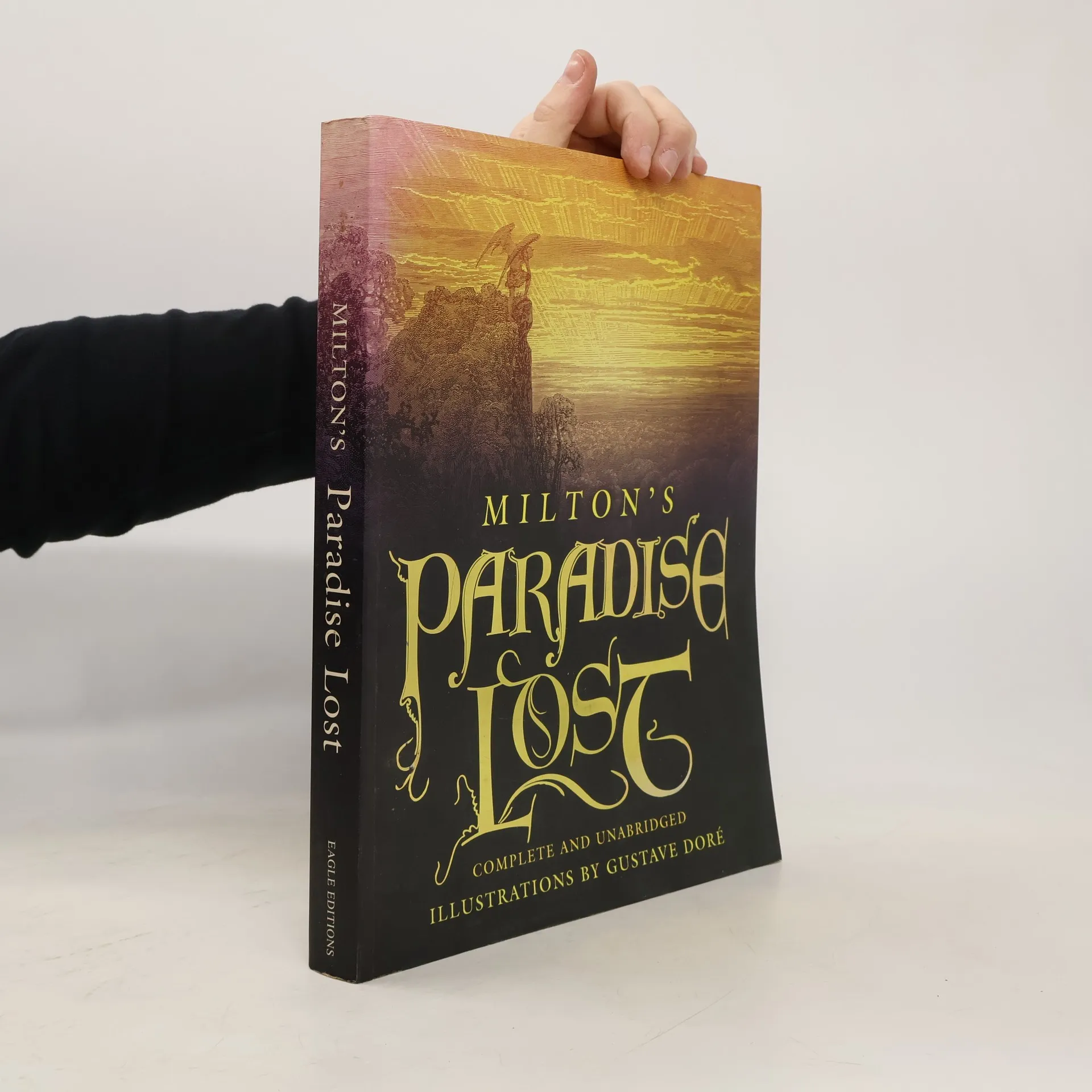
Milton's Paradise Lost is one of the greatest epic poems in the English language. It tells the story of the Fall of Man, a tale of immense drama and excitement, of rebellion and treachery, of innocence pitted against corruption, in which God and Satan fight a bitter battle for control of mankind's destiny. The struggle rages across three worlds - heaven, hell, and earth - as Satan and his band of rebel angels plot their revenge against God. At the center of the conflict are Adam and Eve, motivated by all too human temptations, but whose ultimate downfall is unyielding love. Marked by Milton's characteristic erudition is a work epic both in scale and, notoriously, in ambition. For nearly 350 years it has held generation upon generation of scholars, students and readers in rapt attention and its profound influence can be seen in almost every corner of Western culture.
Paradise Regained
- 60pages
- 3 heures de lecture
This scarce antiquarian book is a facsimile reprint of the original. Due to its age, it may contain imperfections such as marks, notations, marginalia and flawed pages. Because we believe this work is culturally important, we have made it available as part of our commitment for protecting, preserving, and promoting the world's literature in affordable, high quality, modern editions that are true to the original work.
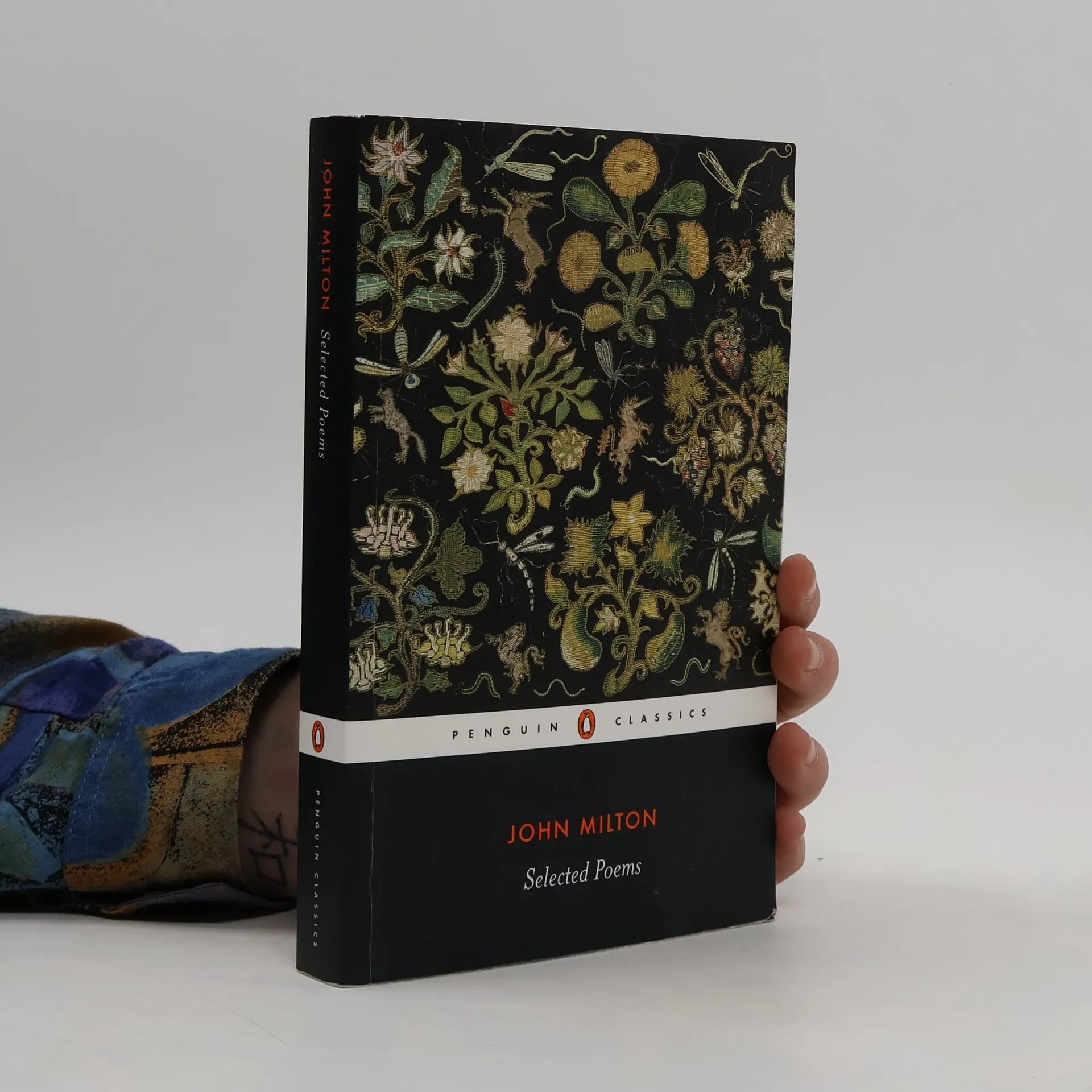
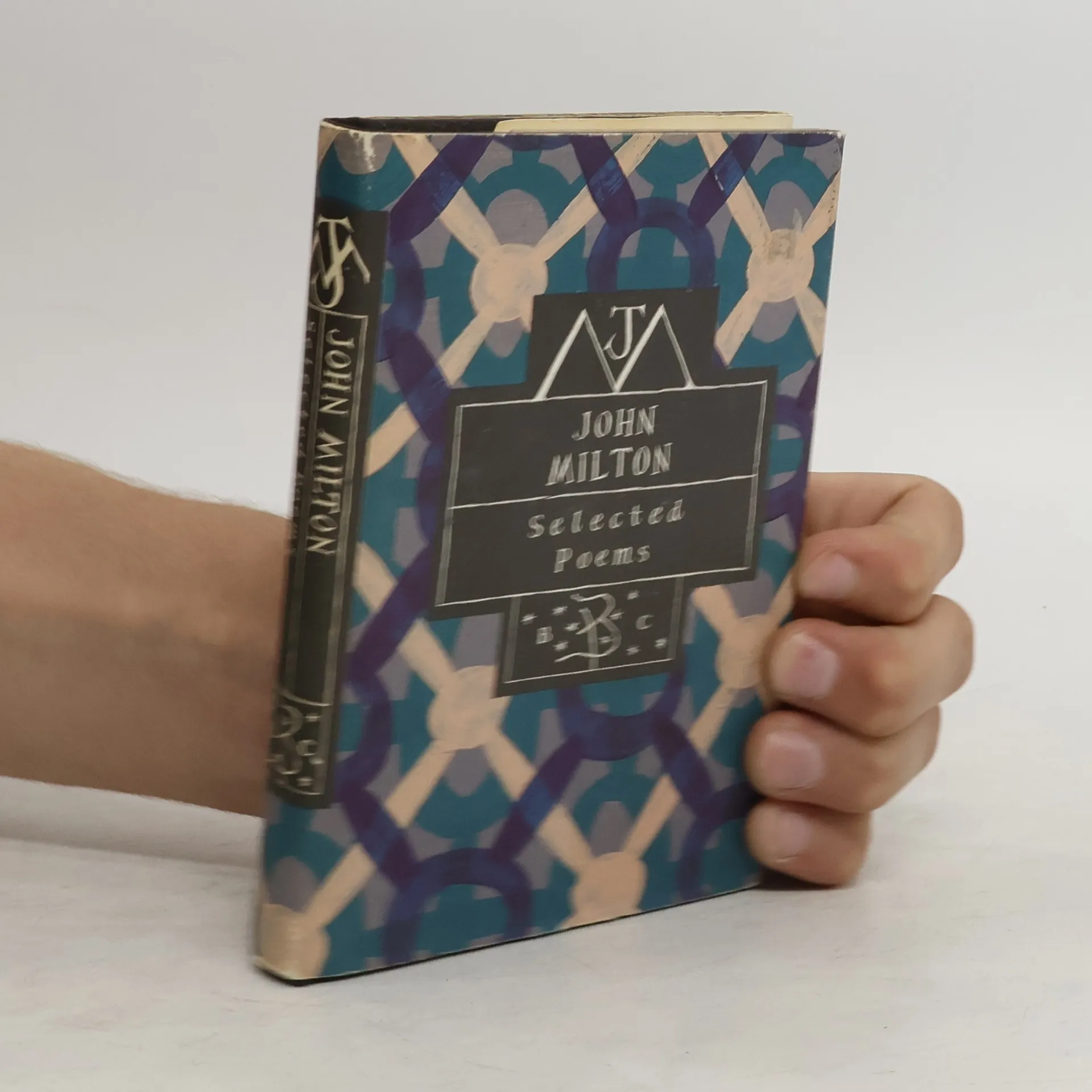
Selected Poems: Milton
- 304pages
- 11 heures de lecture
Spans John Milton's career, from his earliest works to the magnificent epics of his later life. This volume includes considerable selections from Paradise Lost and Paradise Regained - Milton's late epics on the Fall of Man and Christ's Temptation in the Wilderness.
A collection of anthologies, resource and reference books, including titles from Oscar Wilde, Mary Shelley, Alex Madina, Jo Phillips and Adrian Barlow.
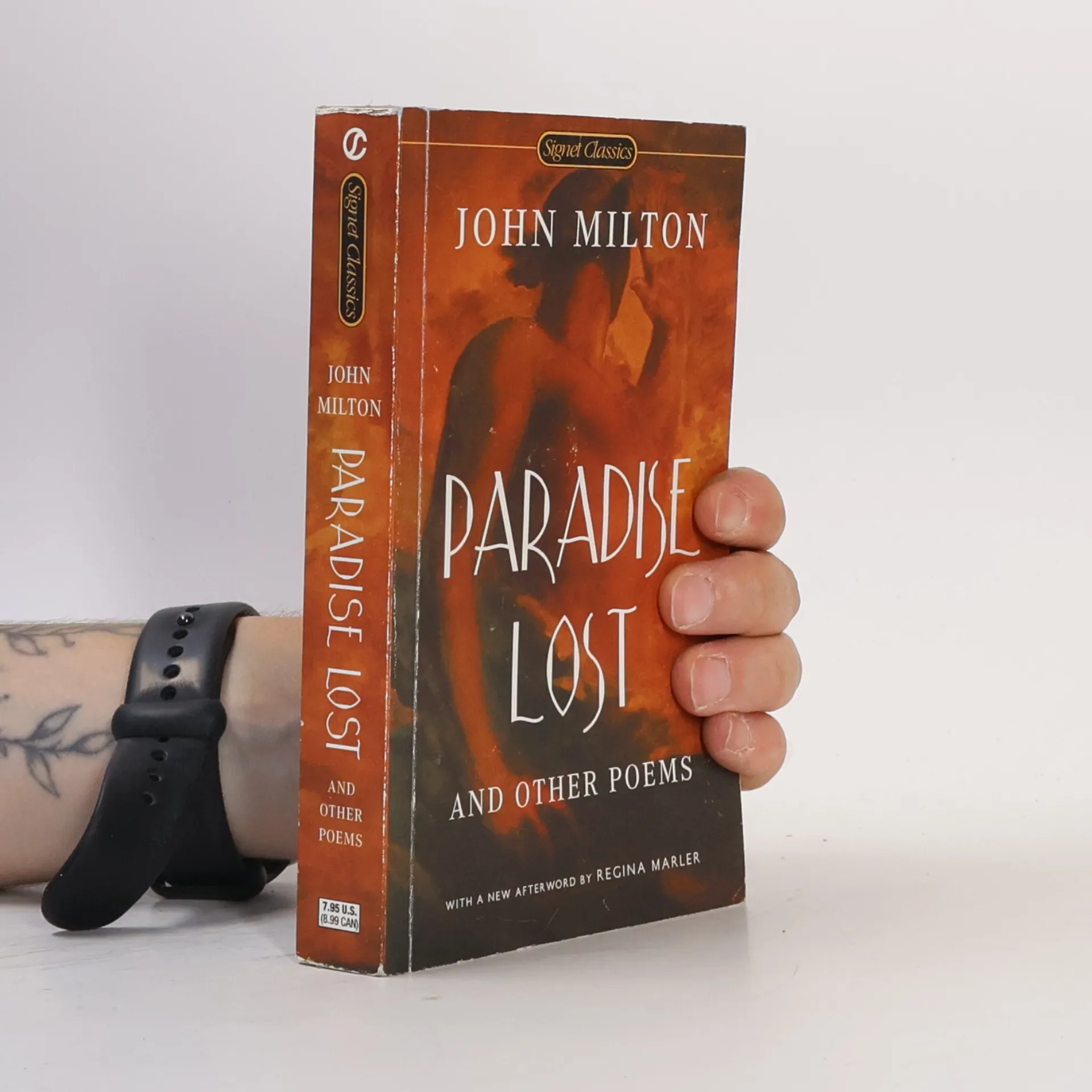
Paradise Lost and Other Poems
- 464pages
- 17 heures de lecture
Featuring three significant works, this volume showcases Milton's literary brilliance alongside legends like Shakespeare, Dante, and Homer. "Paradise Lost" explores themes of temptation and redemption, while "Samson Agonistes" delves into personal struggle and faith. "Lycidas" serves as a poignant elegy, reflecting on loss and the transience of life. Together, these masterpieces highlight Milton's profound impact on literature and his exploration of complex human emotions and moral dilemmas.
Selected Poems of John Milton
- 96pages
- 4 heures de lecture
Written by the author of "Paradise Lost" and "Paradise Regained", this collection of poetry includes "Samson Agonistes" and "Lycidas".
Paradise Lost (Deluxe Library Edition)
- 280pages
- 10 heures de lecture
Exploring the biblical Fall of Man, the epic poem intricately weaves two narratives: one centered on Satan's rebellion and the other on Adam and Eve's temptation. It begins with Satan's defeat and banishment to Hell, leading to the pivotal moment of Adam and Eve's expulsion from the Garden of Eden. Through their loss of freedom, Archangel Michael reveals to Adam the potential for humanity's redemption from original sin, highlighting themes of temptation, free will, and the hope for salvation.
This book is a reproduction of a historical work, presented in large print format to enhance accessibility for individuals with impaired vision. Published by Megali, a company dedicated to making classic literature more readable, it aims to preserve the original text while catering to the needs of a broader audience.
The book is a reproduction of a historical work, published by Megali, which specializes in creating large print editions. This initiative aims to enhance accessibility for individuals with impaired vision, allowing them to engage with historical literature more easily.
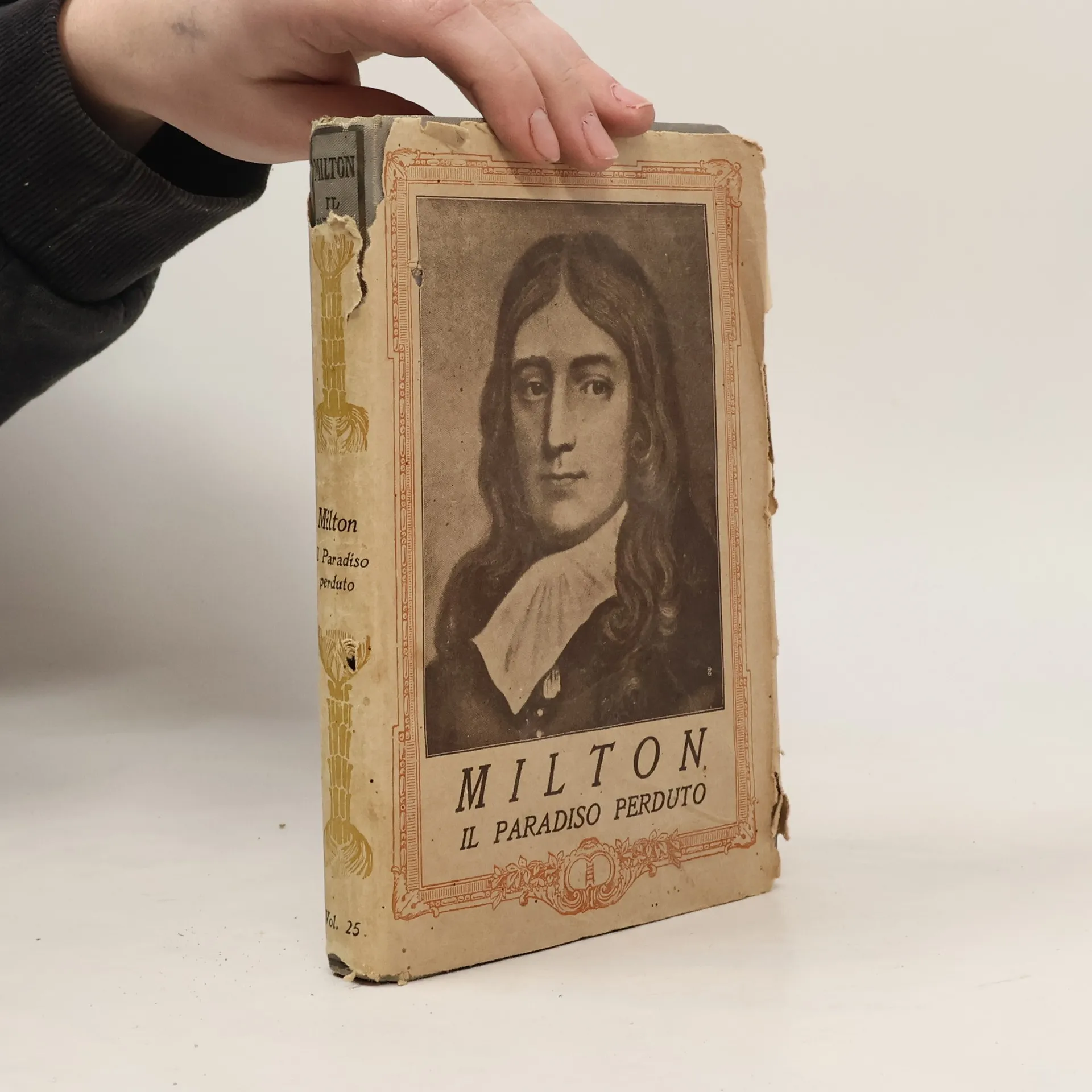
Originally published in 1667, this epic poem is renowned for its grandeur and complexity, often regarded as the pinnacle of English literature. It explores profound themes such as free will, redemption, and the nature of good and evil, weaving a rich tapestry of characters and biblical narratives. Milton's masterful use of language and innovative structure invites readers into a deep philosophical and theological exploration, solidifying its status as a timeless literary masterpiece.
Mathematics as a Laboratory Tool
Dynamics, Delays and Noise
The second edition of "Mathematics as a Laboratory Tool" highlights the role of computational science in science and engineering careers. It covers dynamics, feedback control systems, and applications in various fields like neuroscience and biology. New topics include neuronal excitability and Bayesian inference, presented accessibly for calculus learners.
Areopagitica
- 38pages
- 2 heures de lecture
The work presents a passionate argument against censorship and licensing, advocating for the freedom of speech and expression. John Milton articulates the importance of unlicensed printing, emphasizing its role in fostering truth and knowledge. This influential prose piece has significantly shaped modern notions of free speech, reflecting the philosophical underpinnings that continue to resonate in contemporary discussions about individual liberties and the role of government in regulating expression.
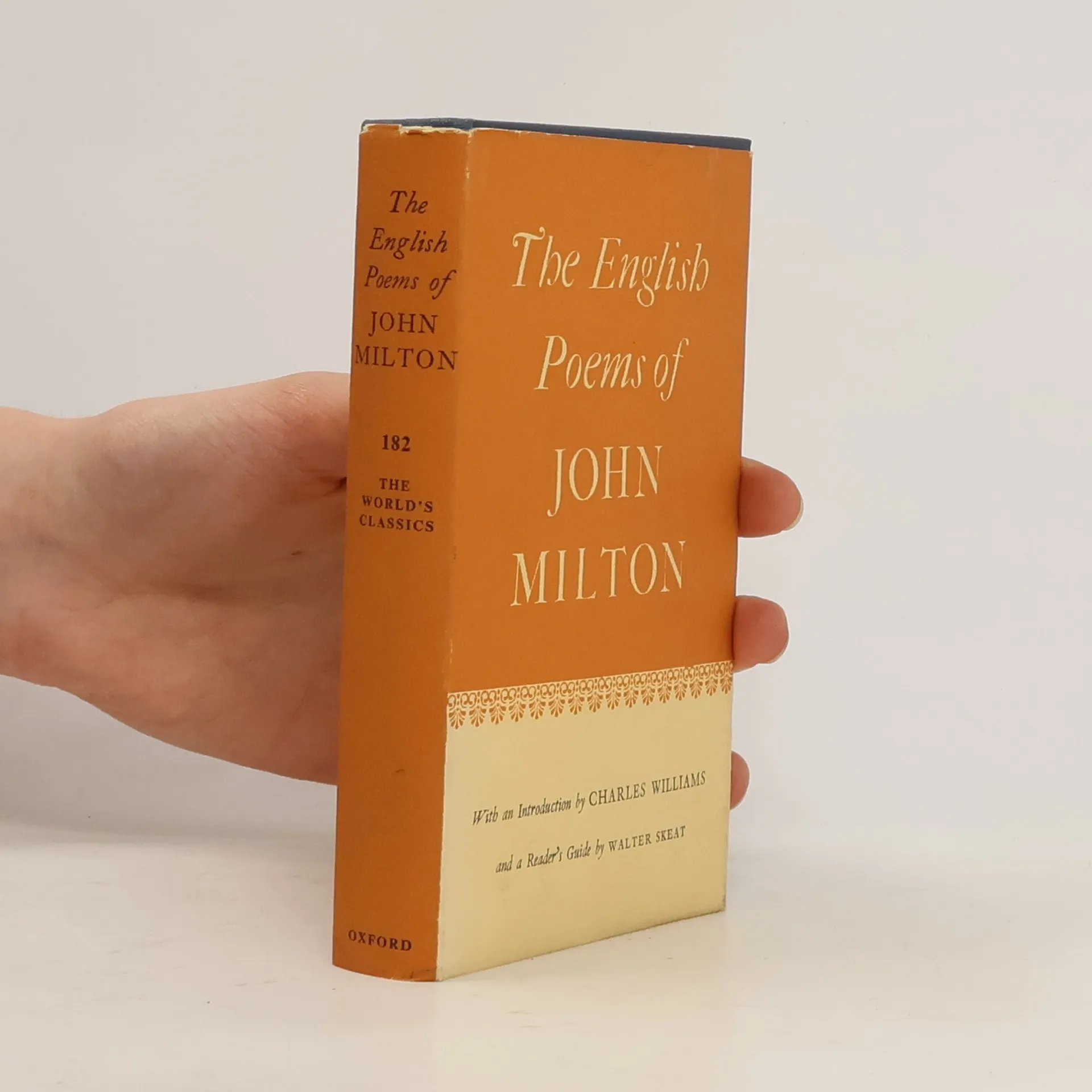
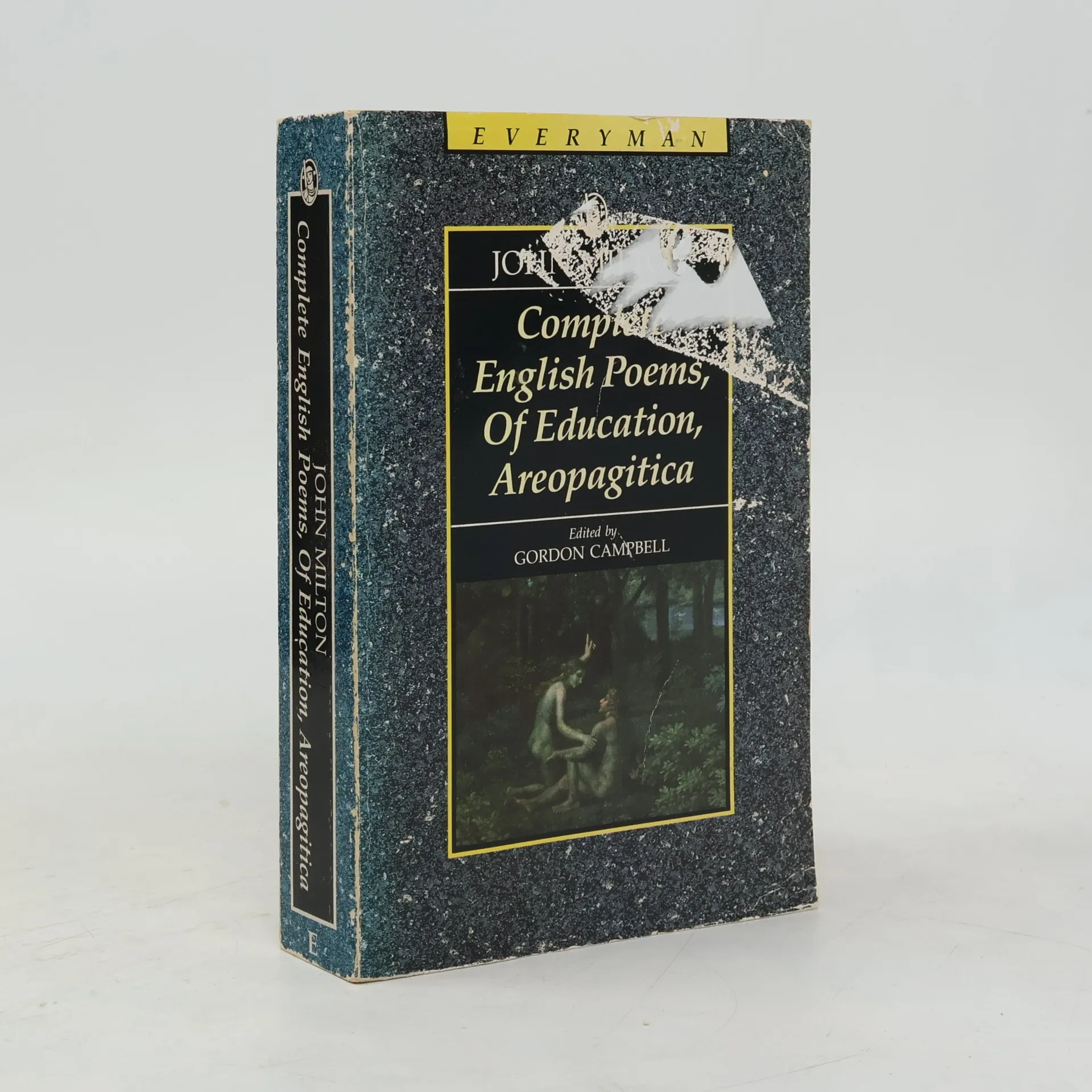
Everyman's Library: Complete English Poems, Of Education, Areopagitica
- 736pages
- 26 heures de lecture
This book is part of the "Everyman" series which has been re-set with wide margins and easy-to-read type and includes a themed introduction, a chronology of the life and times of the author, extensive annotations and a critical response. This edition contains the complete English poems, including "Paradise Lost", "Paradise Regained", and "Samson Agonistes" and his most important prose works, "Of Education" and "Areopagitica".
Milton´s Poetical Works
The Poetical Works of John Milton
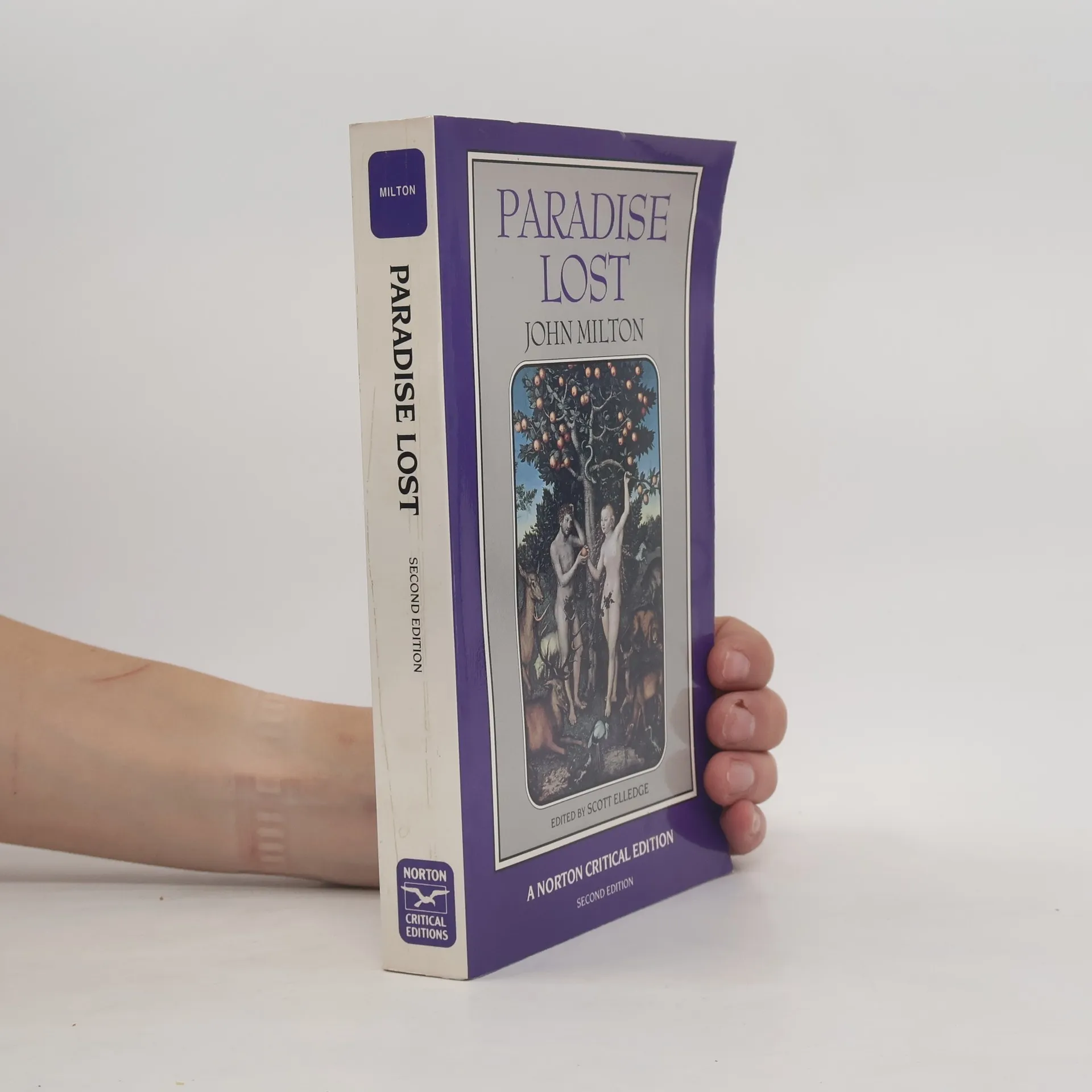
Norton Critical Editions - 0: Paradise Lost
An Authoritative Text, Backgrounds and Sources, Criticism - Second Edition
- 688pages
- 25 heures de lecture
Epic poem describing the creation and the Fall of Man, debating free will, obedience, forbidden knowledge, love, evil, and guilt.
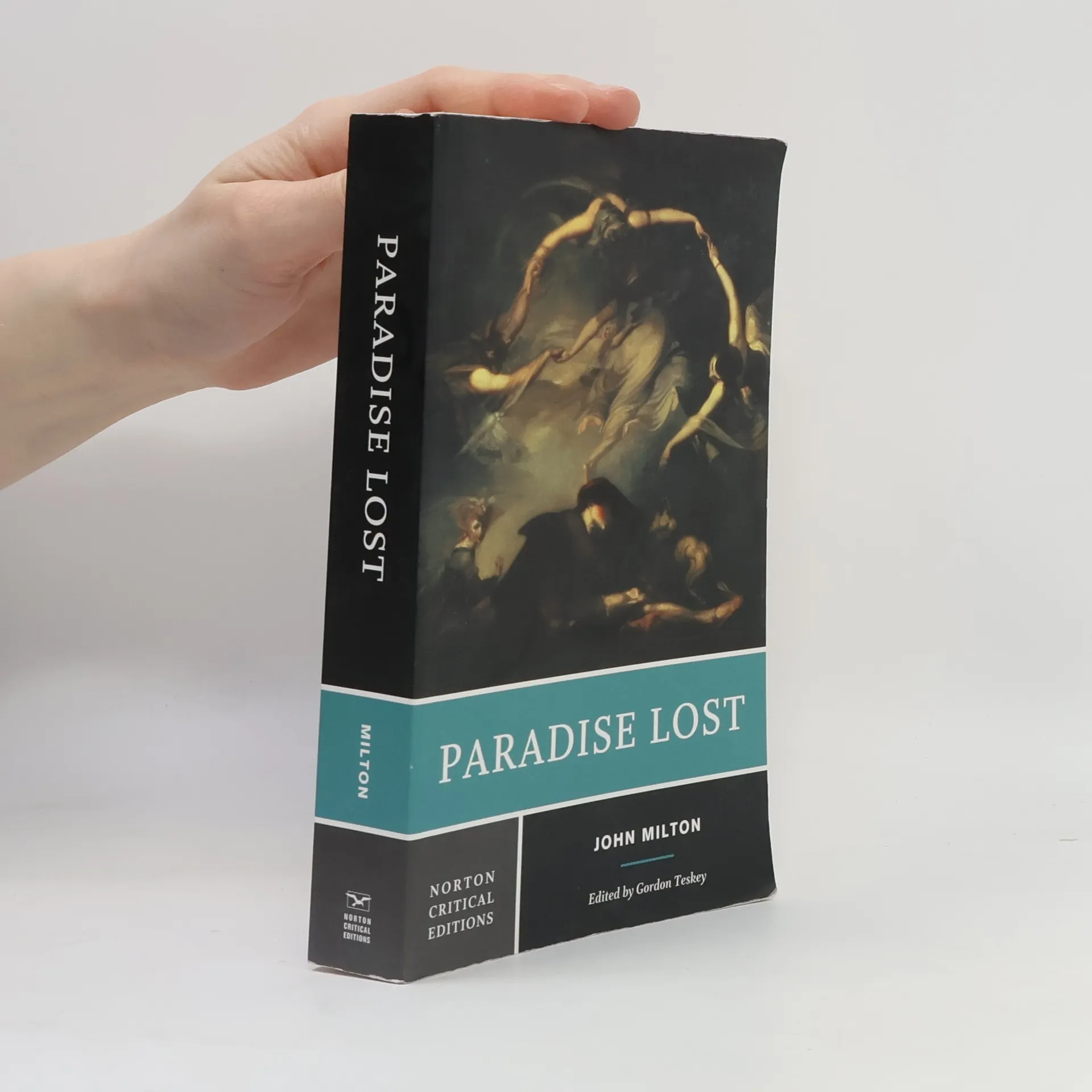
Norton Critical Editions: Paradise Lost. Das verlorene Paradies, englische Ausgabe
- 624pages
- 22 heures de lecture
This Norton Critical Edition is designed to make Paradise Lost accessible for student readers, providing invaluable contextual and biographical information and the tools students need to think critically about this landmark epic.
Vrátený raj
- 296pages
- 11 heures de lecture
Po epose Stratený raj vychádza v slovenskom preklade prvý raz – povedané slovami Samuela Johnsona – aj posledný básnický potomok Johna Miltona, miniepos Vrátený raj (Paradise Regained), takisto inšpirovaný Bibliou, tentoraz Satanovými pokúšaniami Krista, známymi z Matúšovho i Lukášovho evanjelia. Milton tu tentoraz na kratšej ploche necelých dvetisíc veršov, rozdelených do štyroch kníh, rozvíja fascinujúci rétorický zápas dvoch protagonistov, ktorý sa začína Kristovým krstom pri rieke Jordán a končí Satanovou definitívnou porážkou na veži jeruzalemského chrámu. Tak ako v pôvodnom vydaní v r. 1671, aj v preklade je k Vrátenému raju pripojená veršovaná knižná dráma Samson bojovník, inšpirovaná starozákonnými udalosťami z Knihy sudcov a napísaná v duchu starogréckej tragédie. Čitateľ sa v tomto Miltonovom diele stretáva so zdanlivo zlomeným silákom Samsonon vo filištínskom väzení, ktorý sa v jeho závere vypne k heroickému mravnému činu. Z anglického originálu John Milton: Paradise Regained. A Poem in IV Books. To which is added Samson Agonistes. London : John Starkey, 1671, preložil, poznámky a vysvetlivky a doslov napísal Marián Andričík.
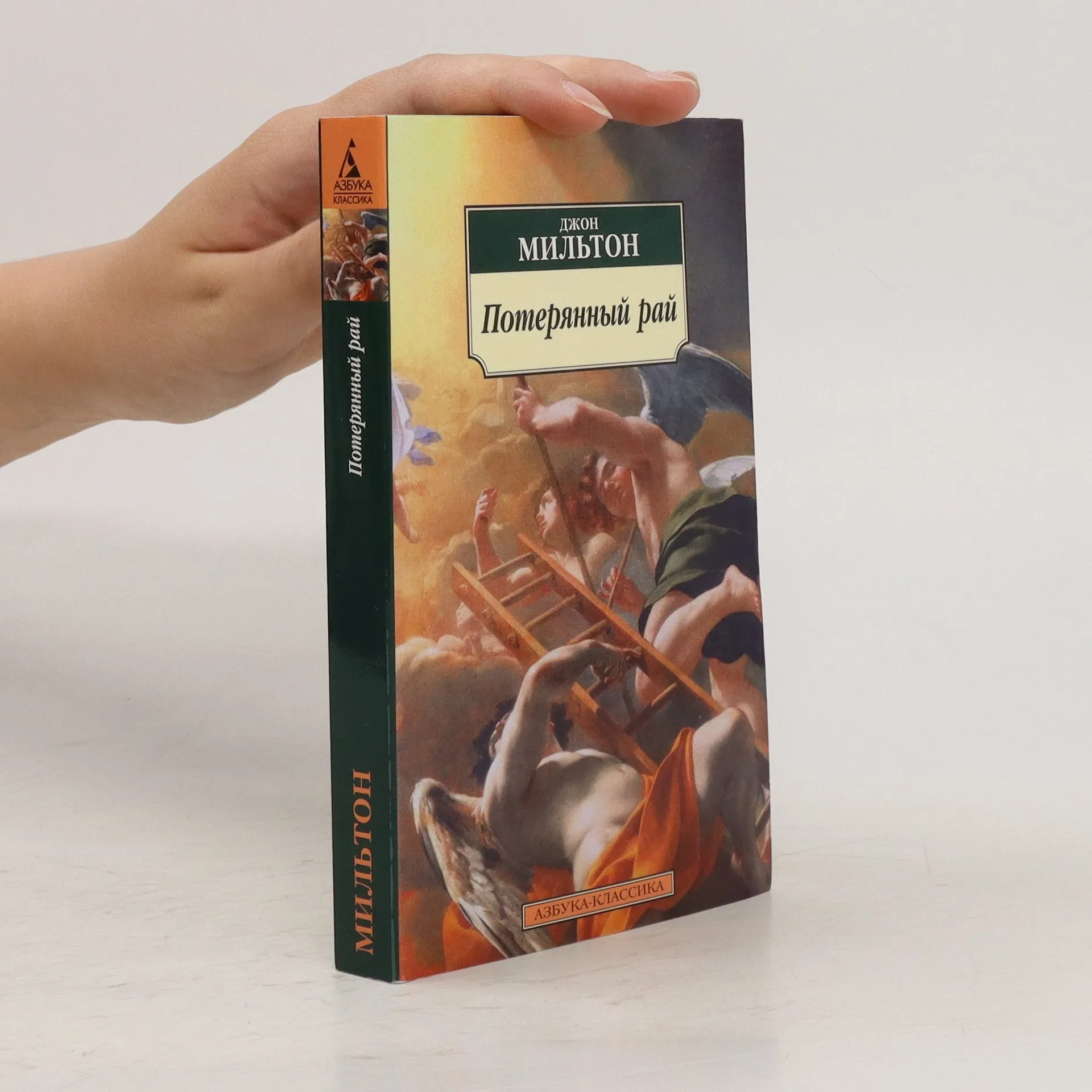
Потерянный рай. Poteryannyy ray
- 448pages
- 16 heures de lecture
Джон Мильтон — один из величайших поэтов Англии, "титан по силе мысли, страсти и характеру, по многосторонности и учености". Во всей мощи его поэтическое мастерство проявилось в созданной им поэме "Потерянный рай" (1663), белый стих которой как образец совершенства стоит рядом с белым стихом Шекспира.
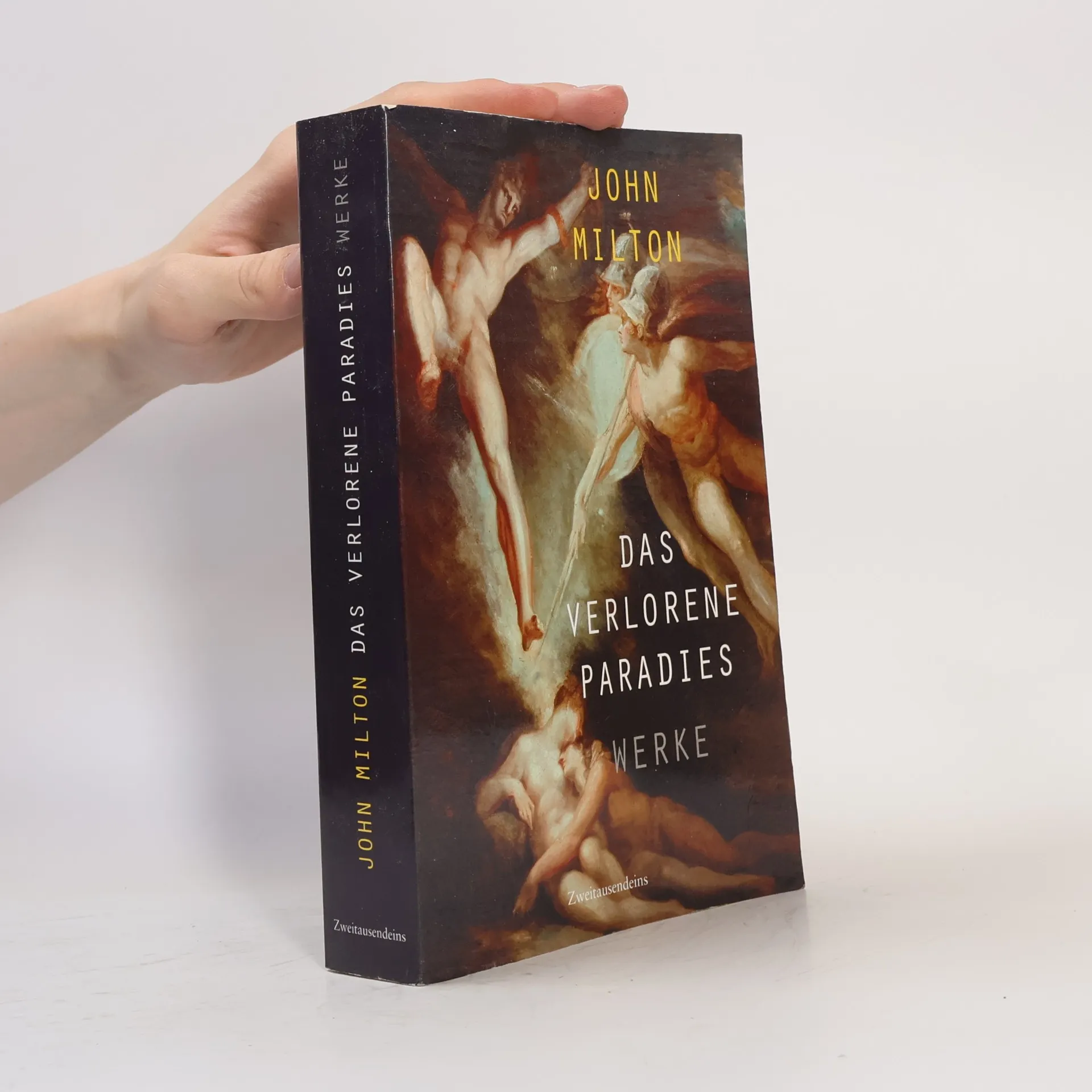
Paradies verloren ist die Geschichte vom biblischen Sündenfall. Ab dem ersten Vers strebt dieses spiegelbildlich zweigeteilte Epos in zwölf Büchern dem Akt des ersten Ungehorsams zu. Wird im ersten Teil vom Zustand vor der Erschaffung der Welt erzählt und in einer Rückschau vom Geschehen, das zu Satans Sturz führte, so wird im zweiten Teil von den Ereignissen berichtet, die zum Fall der Menschen führen, und in einer Vorschau von der Geschichte nach dem Sündenfall. In heiterer Aufbruchstimmung werden Adam und Eva in eine Welt losziehen, die vom freien Willen bestimmt ist. John Milton, der seine Dichtung nicht nur neben die Schöpfungsgeschichte stellte, sondern diese auch zu korrigieren wagte, will göttliche Vorsehung begründen: Aus Bösem entsteht Gutes. Er bricht in seinem großen Gesang mit allen Regeln seiner Zeit, lässt vertrauten Satzbau und alle »Fron des Reimens« hinter sich. Der Held mit perfidem Plan heißt zunächst: Satan, der Widersacher mit inzestuöser Familiengeschichte, personifiziert in Sünde und Tod und in seinem Gefolge Moloch, Belial, Mammon, Beelzebub. Miltons Satan ist ein tragischer und deshalb sympathischer Held voller Selbstzweifel, der mit seinem Engelsheer heroisch gegen die göttliche Tyrannei rebelliert und durchs Chaos reist, um sein schlangenlistiges Verführungswerk zu vollführen. Paradies verloren .
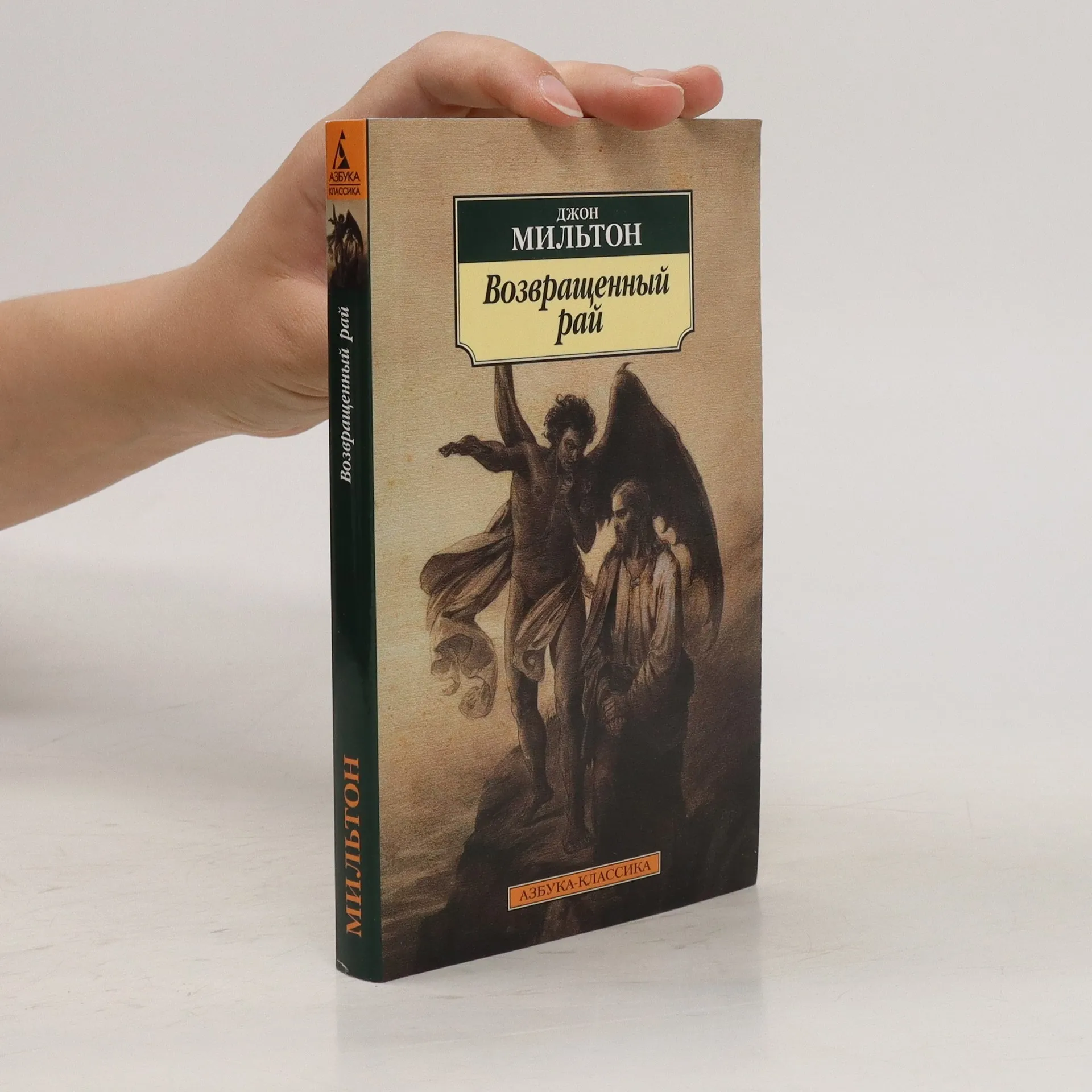
Возвращенный рай. Vozvrashchennyy ray
- 240pages
- 9 heures de lecture
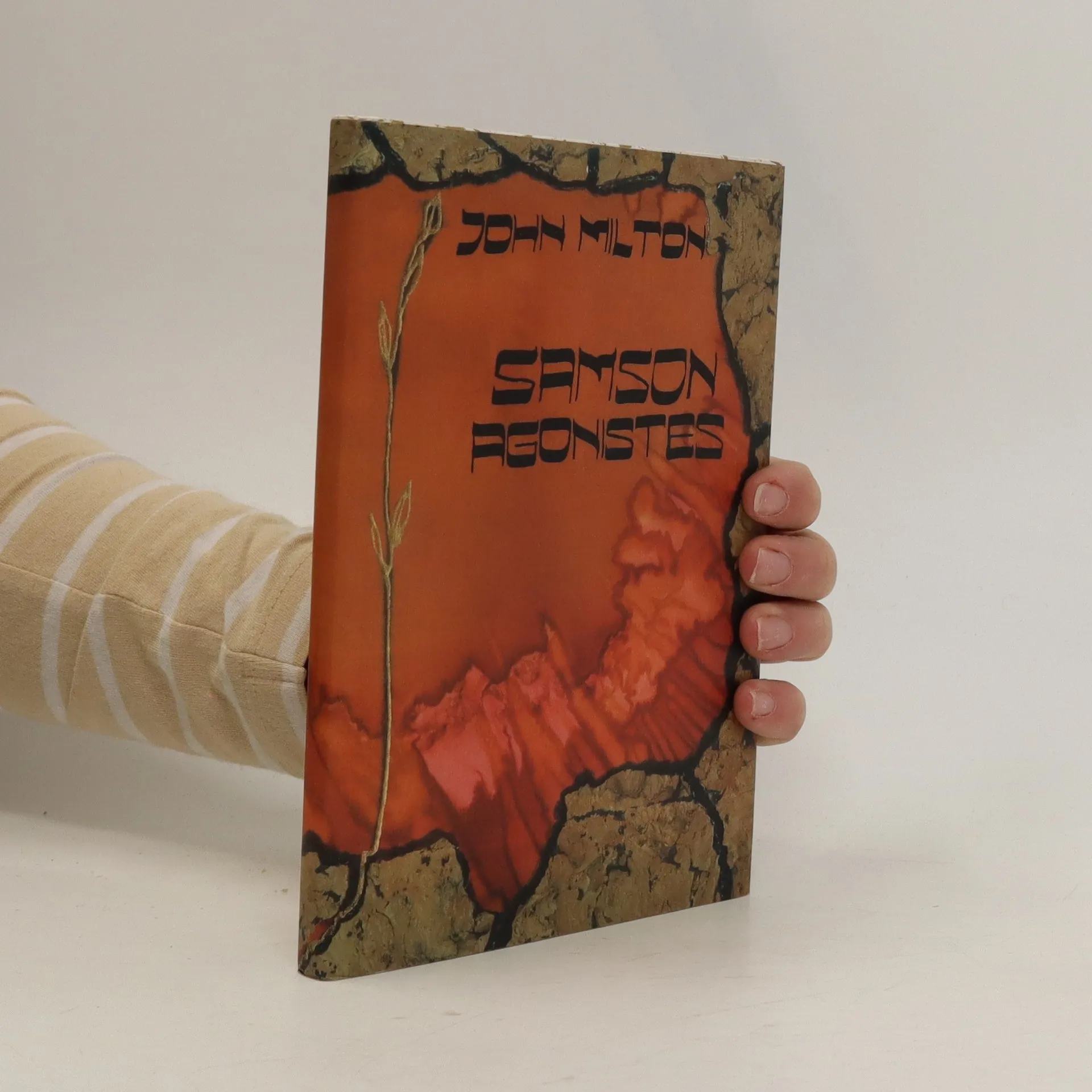
Samson Agonistes
- 77pages
- 3 heures de lecture
Renesanční dramatická báseň se starozákonním námětem.
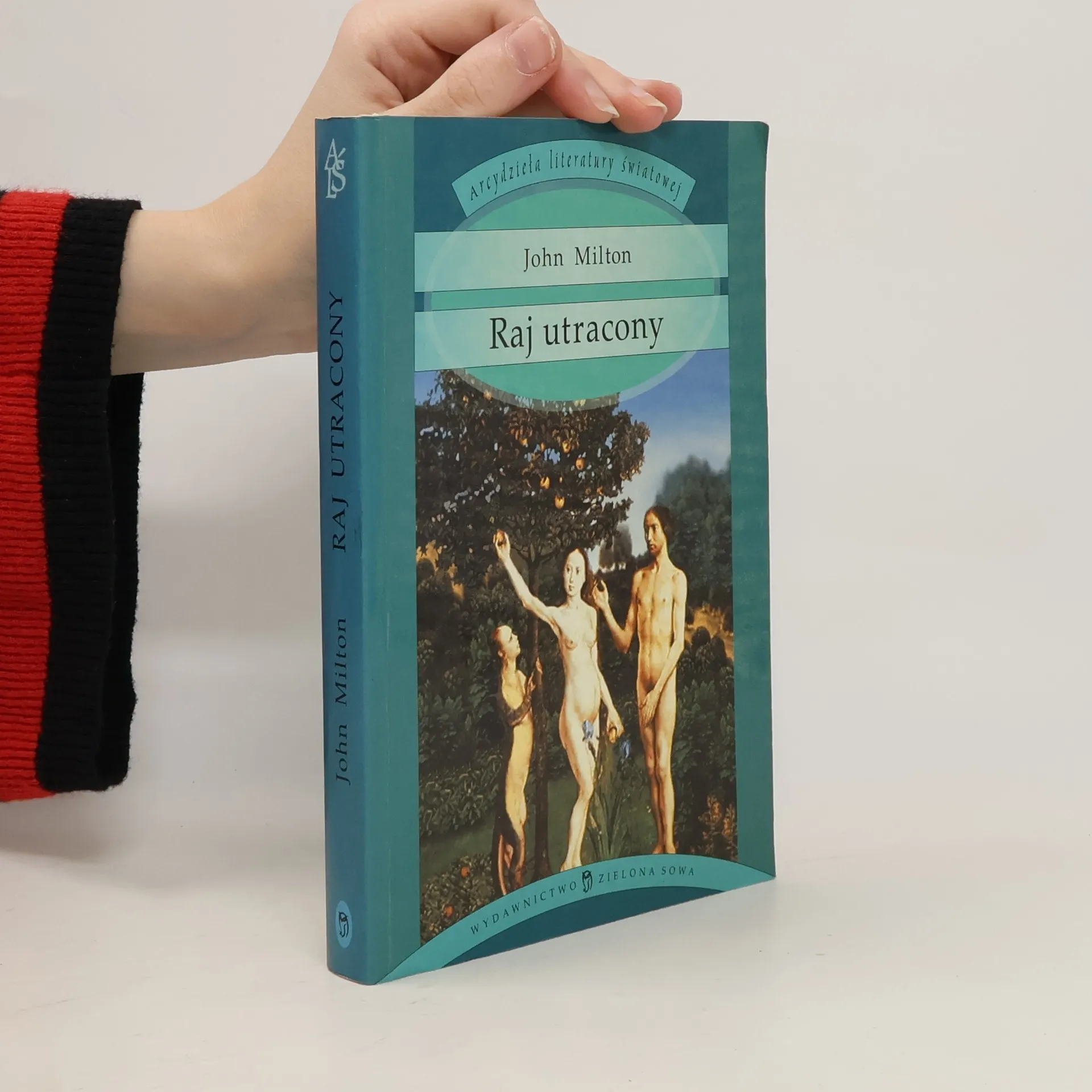
Raj utracony
- 380pages
- 14 heures de lecture
Die Veröffentlichung des Buches stammt aus dem Jahr 1881 und wird von der Antigonos-Verlagsgesellschaft als Reprint angeboten. Der Verlag hat sich auf die Wiederveröffentlichung historischer Werke spezialisiert und legt großen Wert darauf, diese Bücher in gutem Zustand bereitzustellen. Ziel ist es, das kulturelle Erbe zu bewahren und der Öffentlichkeit zugänglich zu machen.
Die vollständige Ausgabe von John Miltons "Das verlorene Paradies" präsentiert die epische Erzählung über den Sündenfall und die Vertreibung von Adam und Eva aus dem Garten Eden. In zwölf Büchern entfaltet sich eine tiefgründige Auseinandersetzung mit den Themen Freiheit, Verführung und göttliche Gerechtigkeit. Milton verleiht den Charakteren eine komplexe psychologische Tiefe, während er gleichzeitig mythologische und biblische Elemente miteinander verwebt. Die poetische Sprache und die philosophischen Fragestellungen laden zur Reflexion über das menschliche Dasein und den freien Willen ein.
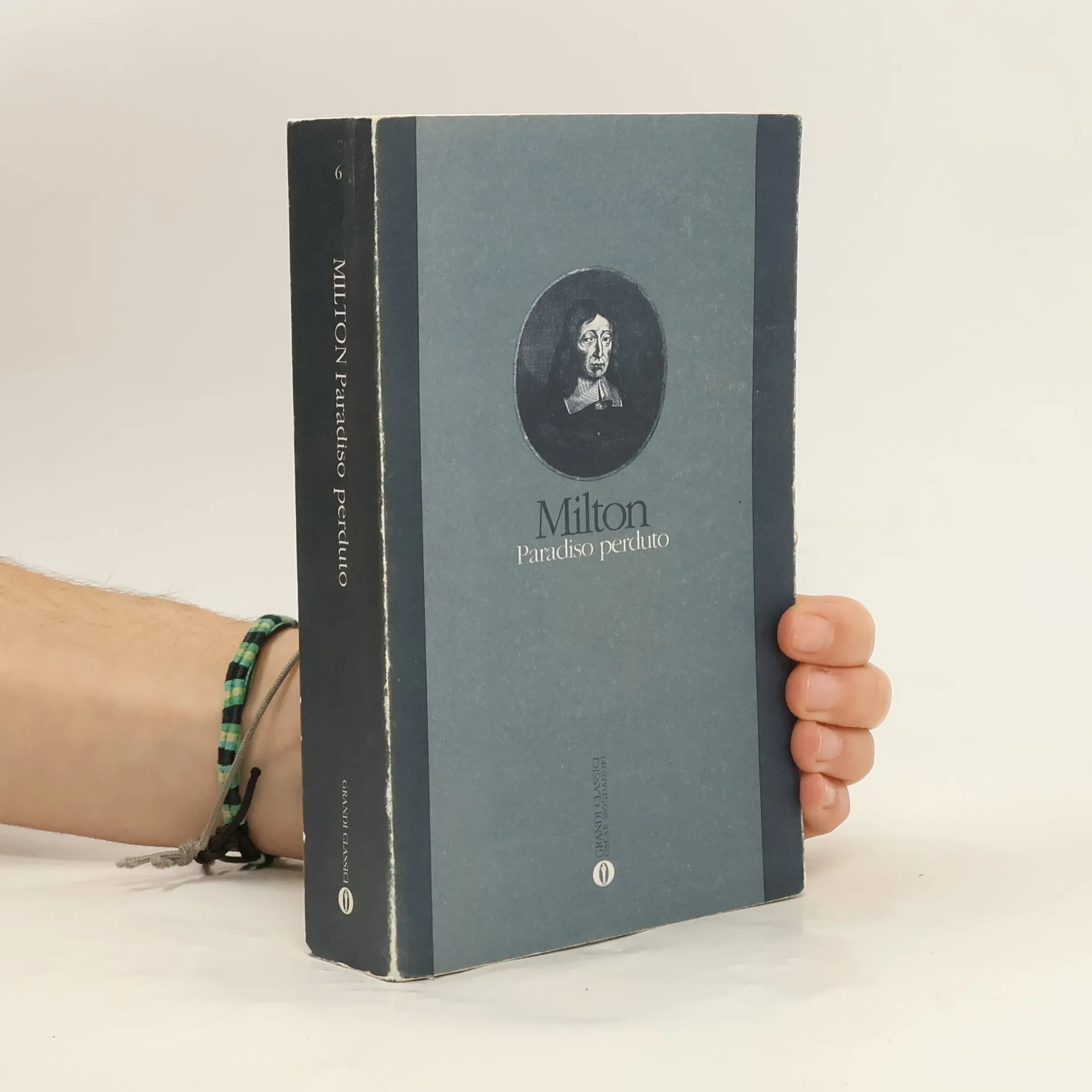
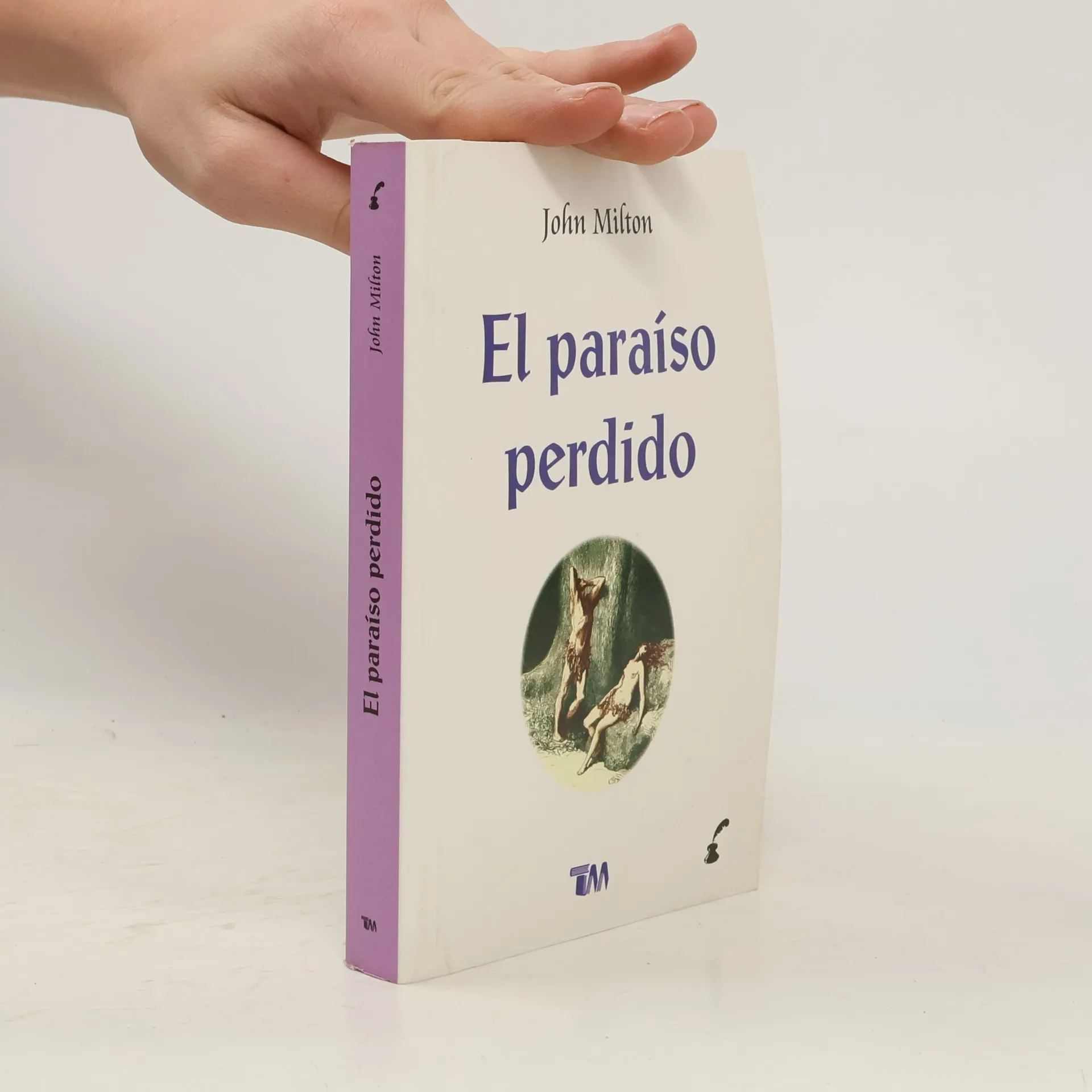
"El Paraíso Perdido" de John Milton es un poema épico de 1667 que narra la rebelión de Satanás, su expulsión del cielo y la tentación de Adán y Eva. Explora el problema del mal y el sufrimiento humano, cuestionando cómo un Dios bueno permite tales adversidades. Milton es considerado uno de los más grandes escritores en lengua inglesa.
Zur Verteidigung der Freiheit
- 308pages
- 11 heures de lecture
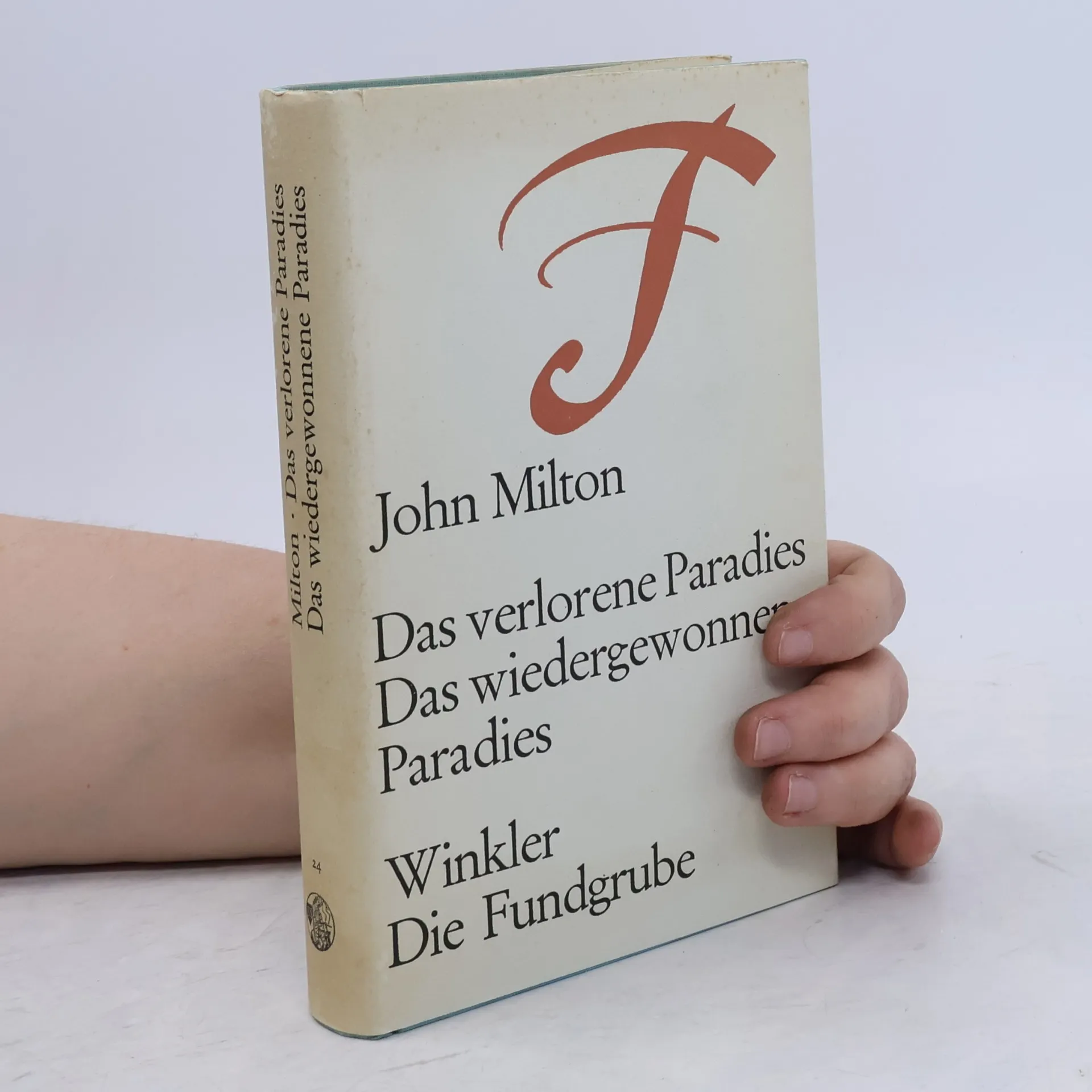
Das verlorene Paradies. Das wiedergewonnene Paradies
Winkler. Die Fundgrube
Das verlorene Paradies
Das verlorene Paradies /Das wiedergewonnene Paradies/ Simson der Kämpfer - Englisch-Deutsch
- 1055pages
- 37 heures de lecture
Milton's influence on English poetry and criticism has been incalculable, and his best-known works, "Paradise Lost, Paradise Regained, and, Samson Agonistes" form a natural mainstay for this freshly edited and modernized selection of his writings. All the English and Italian verse, and most of the Latin and Greek is included, as is a generous selection of his major prose works. The poems are arranged in order of publication, essential in enabling the reader to understand the progress of Milton's career in relation to the political and religious upheavals of his time. The extensive notes on the text cover syntax, vocabulary, historical context, and classical and biblical references. The Introduction traces both Milton's changing conception of his own vocation, and the critical reception his work has received over the past three centuries.
El Paraíso Perdido/ The Lost Paradise
- 288pages
- 11 heures de lecture