


Euripidés Livres
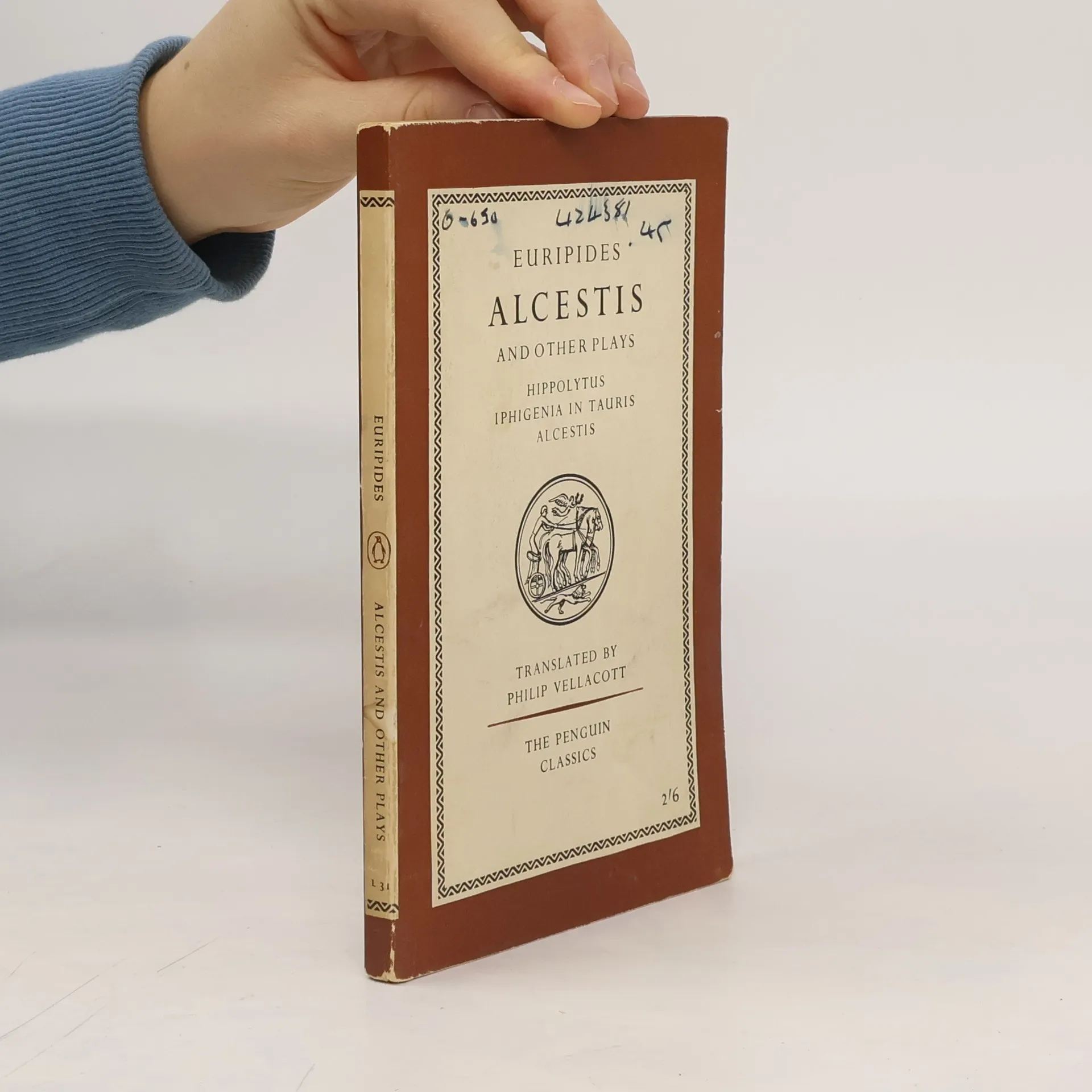
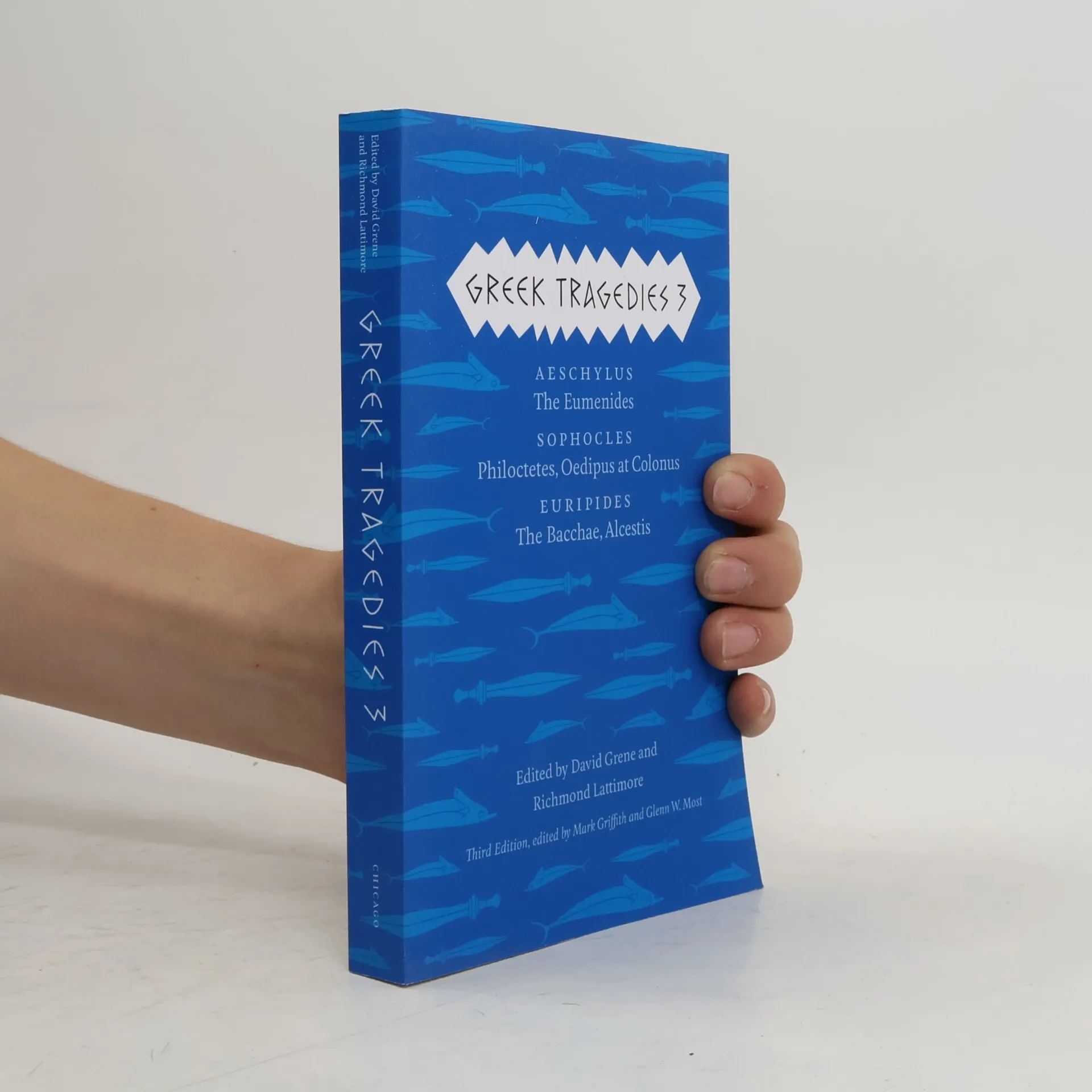
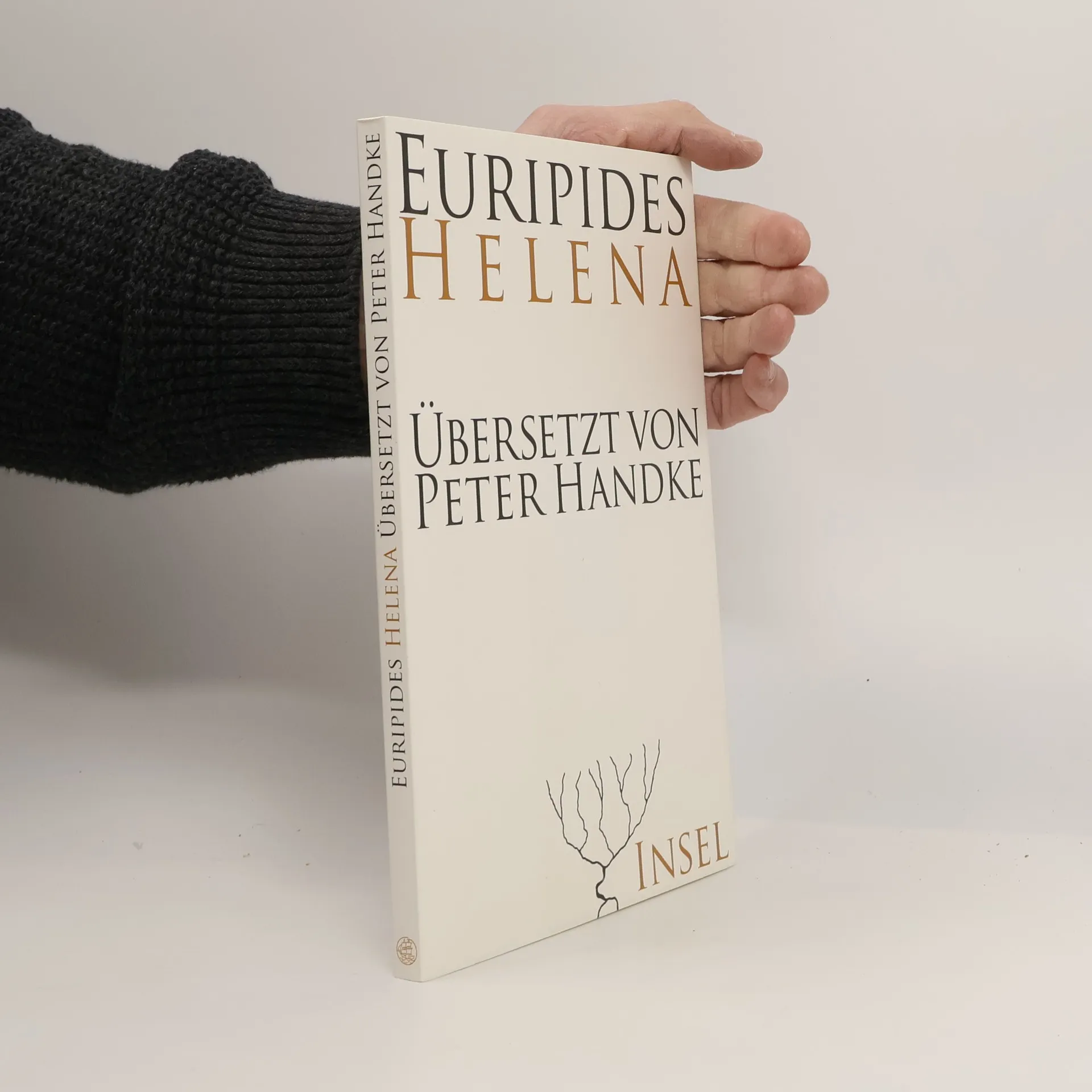
Euripide s'impose comme le dernier des trois grands tragiques de l'Athènes classique. Ses pièces, dont dix-huit nous sont parvenues complètes et des fragments de la plupart des autres, se distinguent par une profonde perspicacité psychologique et l'exploration des passions humaines. Il y a souvent remis en question les mythes traditionnels et les valeurs morales, apportant ainsi une perspective nouvelle et critique à la tragédie. Sa production dramatique représente une contribution significative au théâtre mondial et continue d'inspirer par sa complexité et son intemporalité.



The Greek Plays
- 864pages
- 31 heures de lecture
A landmark anthology of the masterpieces of Greek drama, featuring all-new, highly accessible translations of some of the world's most beloved plays, including Agamemnon, Prometheus Bound, Bacchae, Electra, Medea, Antigone, and Oedipus the King
Living Toward Virtue
- 248pages
- 9 heures de lecture
Paul Woodruff's Living Toward Virtue gives ethics a new start that is practical and down to earth, while resting on a foundation of ancient wisdom. Woodruff draws on the ancient wisdom of Socrates to develop a new approach to an ethical life - one that shows how we can nurture our souls, enjoy a virtuous happiness, and avoid moral injury.
Set against the backdrop of the Peloponnesian War, this tragedy explores the aftermath of the Trojan War through the eyes of four women mourning their lost city and loved ones. Euripides offers a poignant commentary on the brutality of war and the plight of the defeated, reflecting on contemporary events such as the Athenian conquest of Melos. Part of a trilogy that includes themes of recognition and betrayal, it stands out for its emotional depth and character-driven narrative, diverging from the connected plots typical of other Greek tragedies.
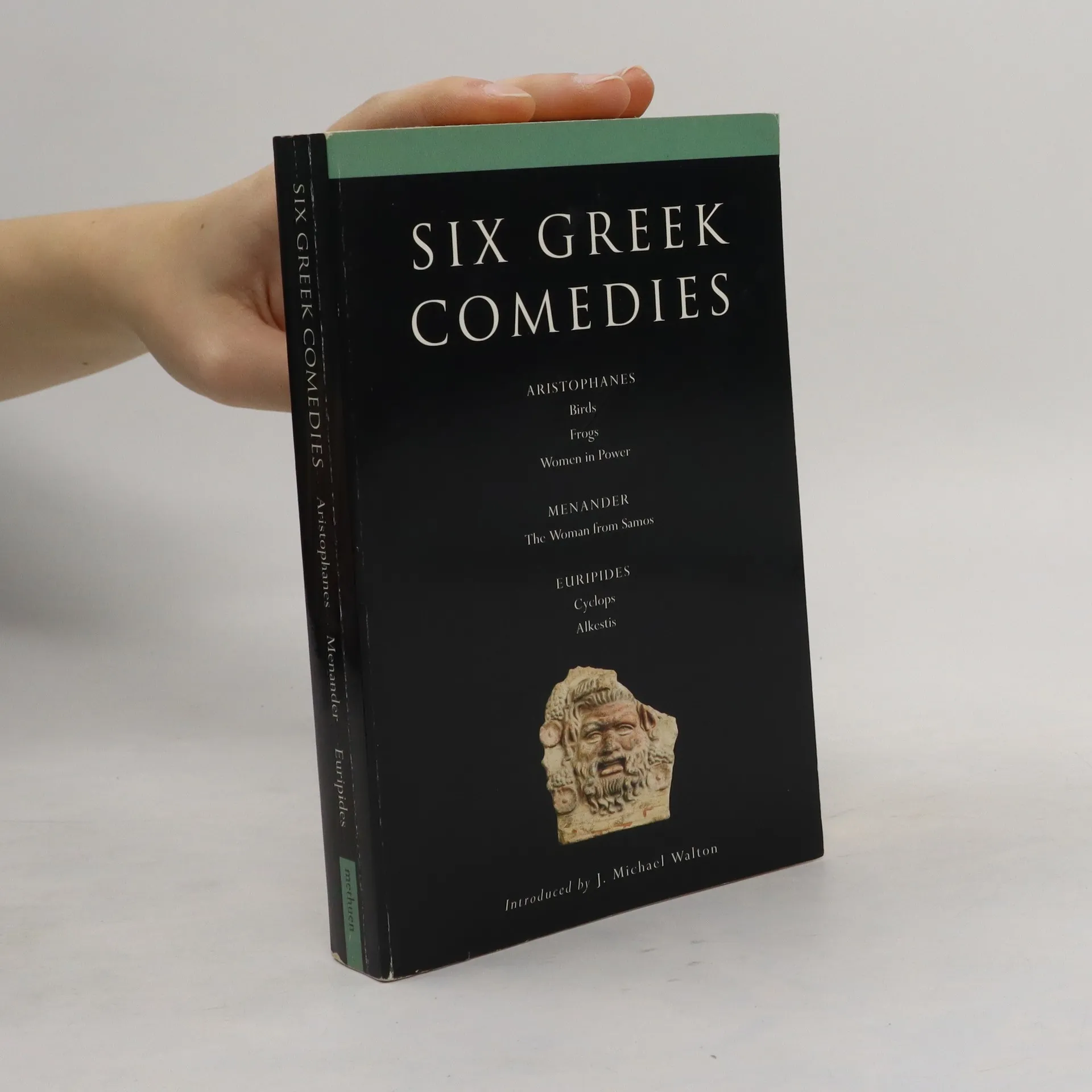
Six Greek Comedies
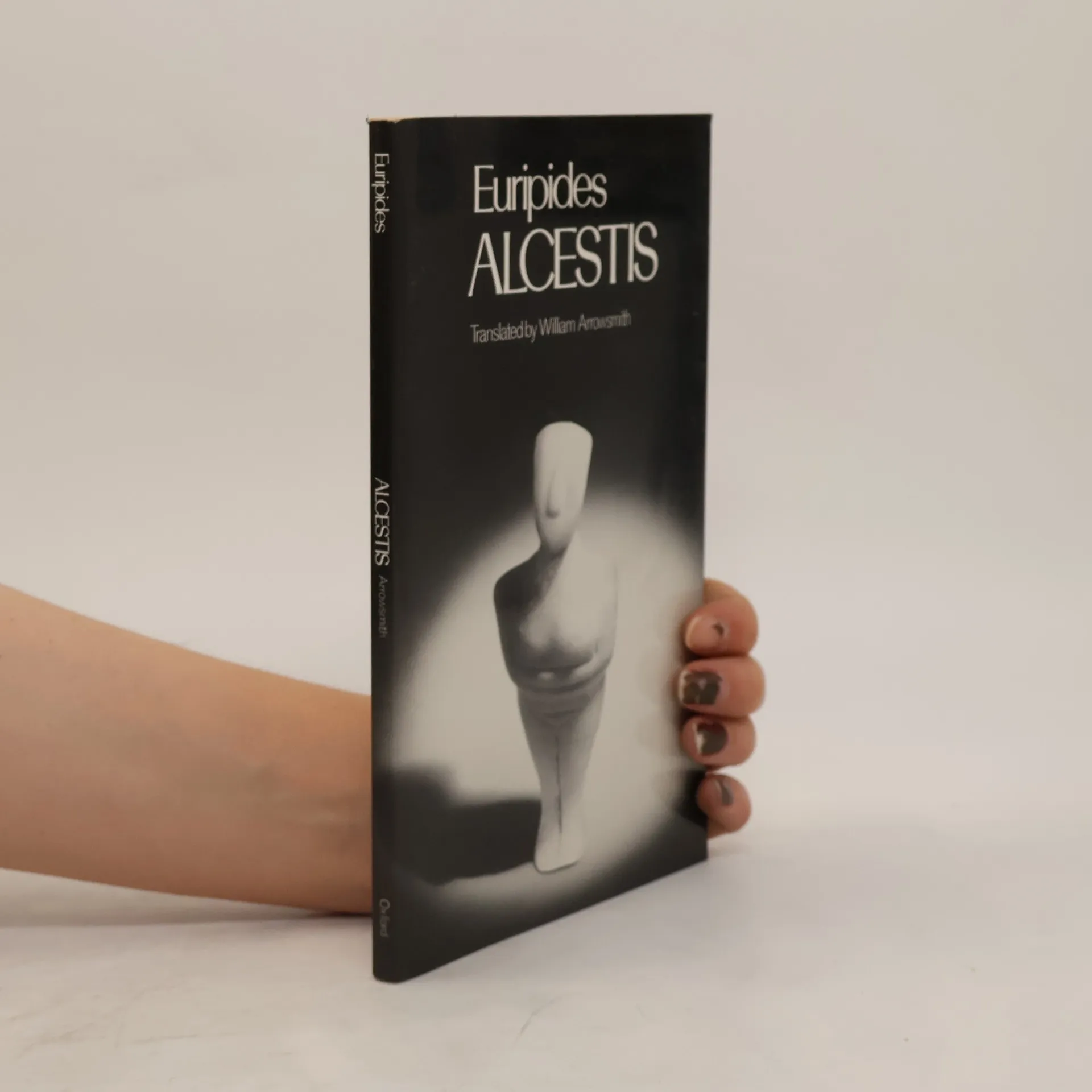
Birds. Frogs. Women in Power. The Woman from Samos. Cyclops. Alkestis
- 256pages
- 9 heures de lecture
Six wide ranging classic plays with introduction by the editorThe comedies of the Athenian theatre not only lie at the root of Western drama, they also offer a unique insight into everyday life in ancient Greece. This selection of six wide ranging plays includes the comic fantasies of Aristophanes, which combine the ridiculous with serious satirical comment (Birds, Frogs, Women in Power); Menander's The Woman from Samos, a recognisable forebear of today's situation comedy; Euripides ribald satyr play, Cyclops, the only surviving example of the genre, and his Alkestis, a complex romance which gave a new face to comedy.The volume is edited and introduced by J. Michael Walton, Professor of Drama at the University of Hull and founder/director of the Performance Translation Centre there.
Euripides, a prominent tragedian of classical Athens, is notable for having more complete plays survive than his contemporaries Aeschylus and Sophocles. While ancient scholars attributed up to ninety-five plays to him, only eighteen or nineteen are largely intact, with many fragments of others available. His works gained popularity during the Hellenistic Age, establishing him as a key figure in ancient literary education alongside Homer and Demosthenes, highlighting his lasting influence on drama and literature.
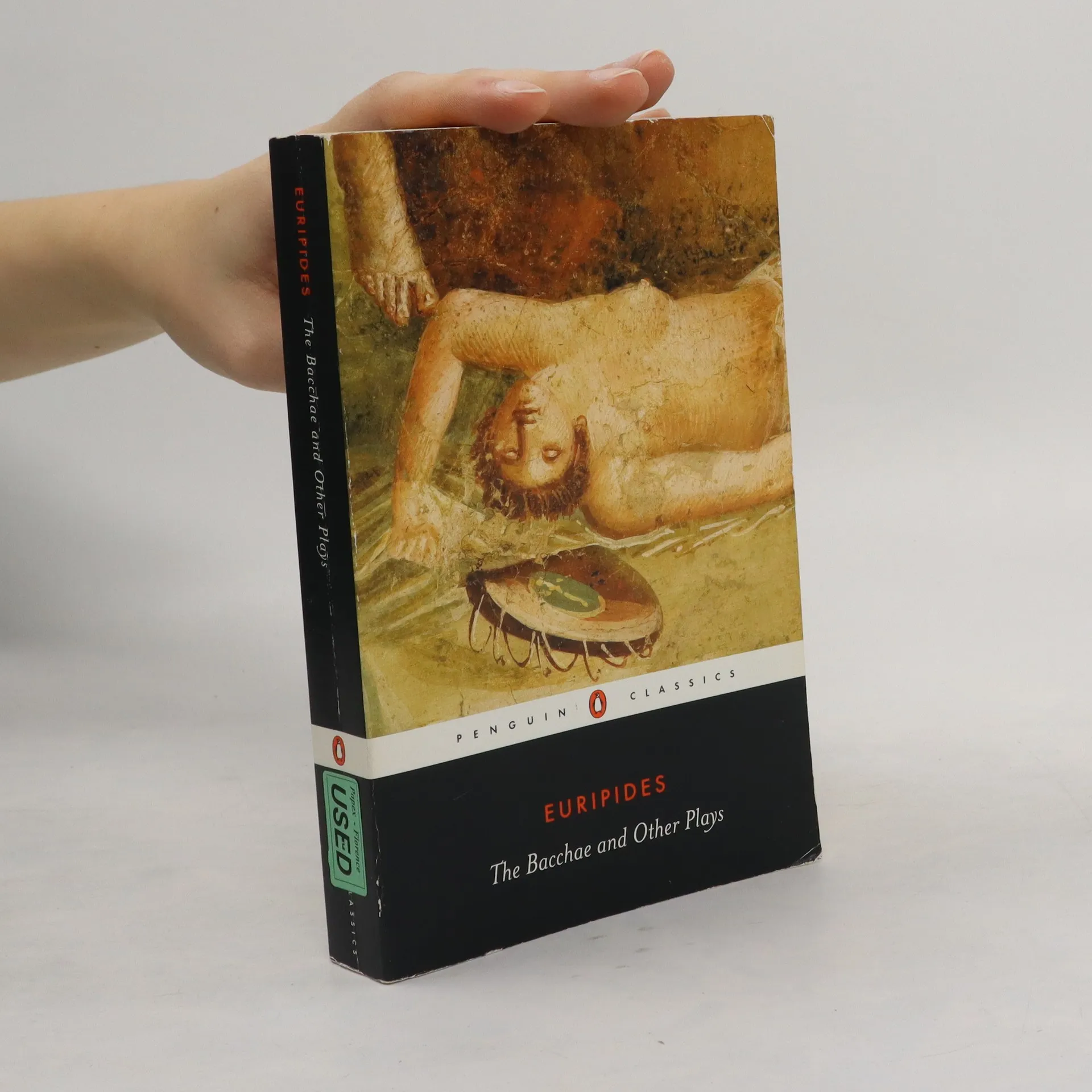
The Bacchae and Other Plays
- 432pages
- 16 heures de lecture
Covers such plays as: Phoenician Women, Orestes, Bacchae, Iphigenia at Aulis, and the Rhesus.
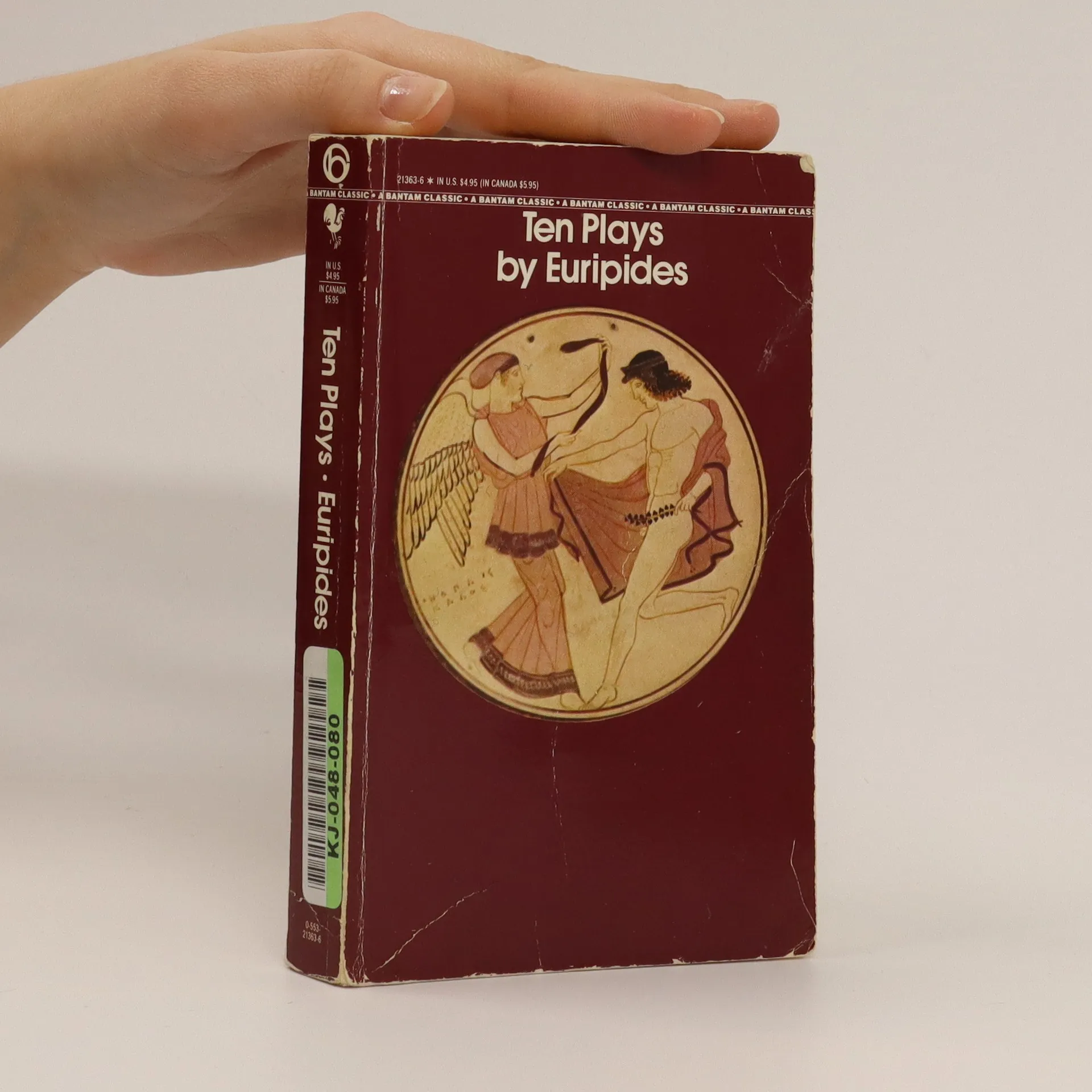
Ten Plays by Euripides
- 384pages
- 14 heures de lecture
The first playwright of democracy, Euripides wrote with enduring insight and biting satire about social and political problems of Athenian life. In contrast to his contemporaries, he brought an exciting--and, to the Greeks, a stunning--realism to the "pure and noble form" of tragedy. For the first time in history, heroes and heroines on the stage were not idealized: as Sophocles himself said, Euripides shows people not as they ought to be, but as they actually are.
Treating ancient plays as living drama. schovat popis
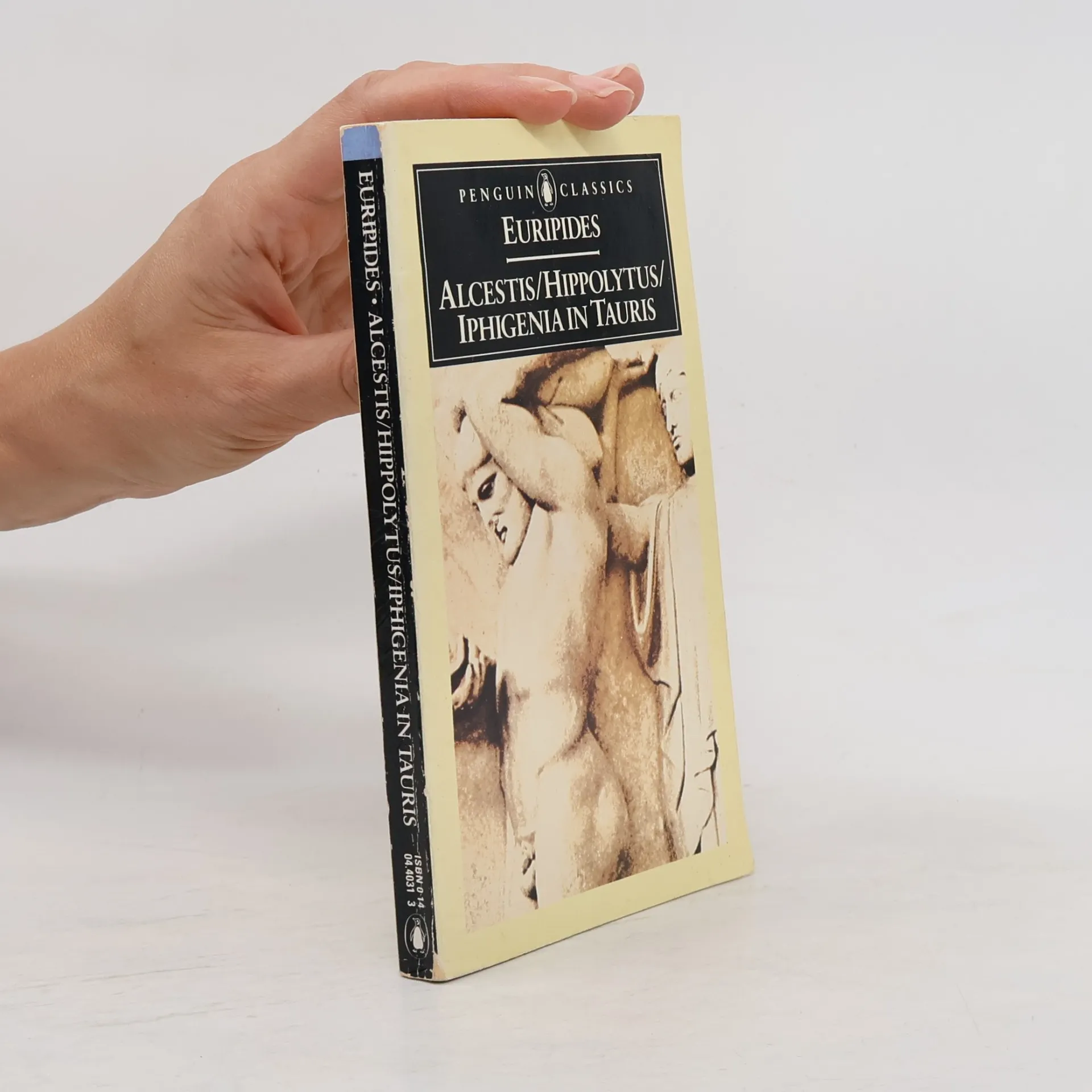
Medea and Other Plays
- 208pages
- 8 heures de lecture
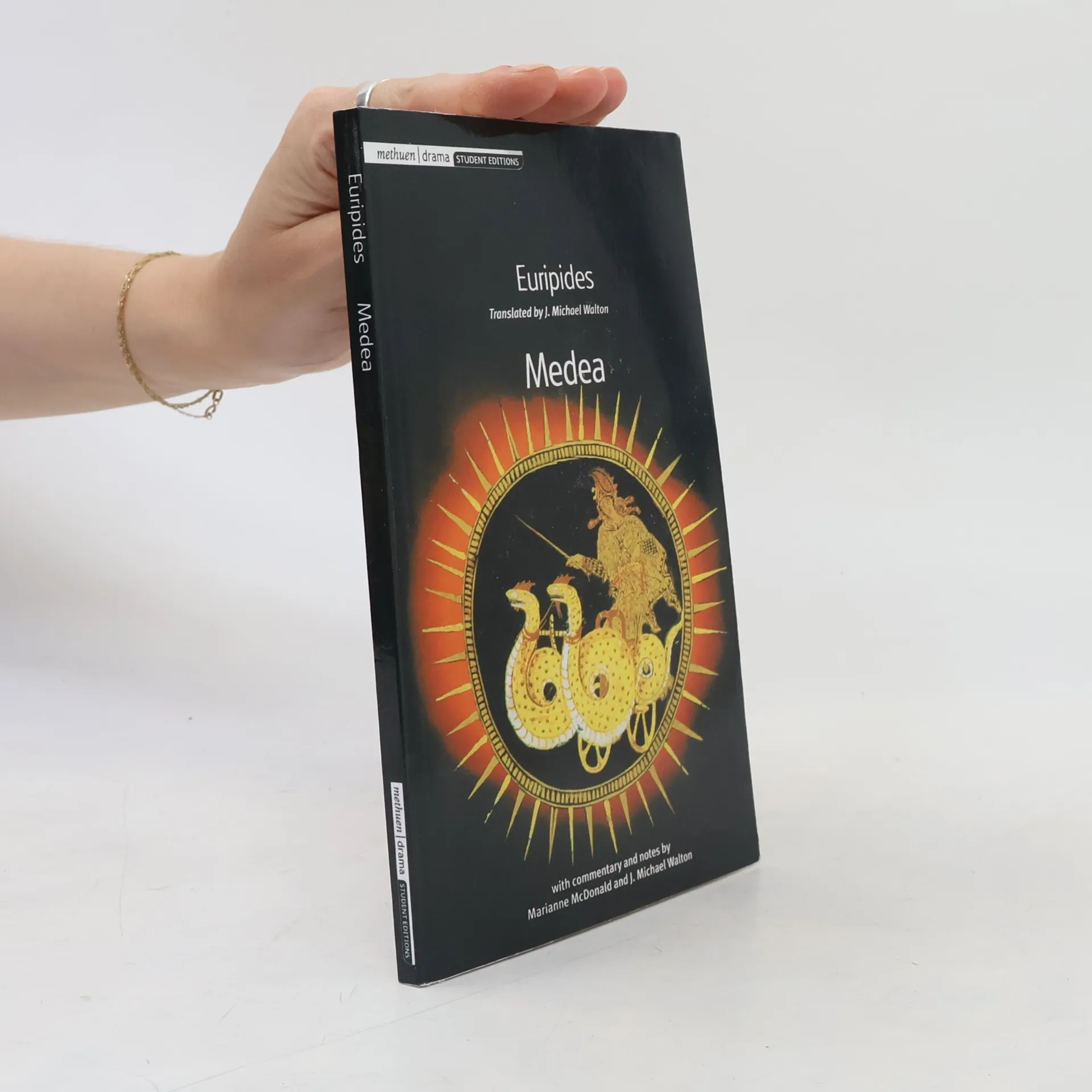
Features four tragedies, all of which focus on a central character, once powerful, brought down by betrayal, jealousy, guilt and hatred.