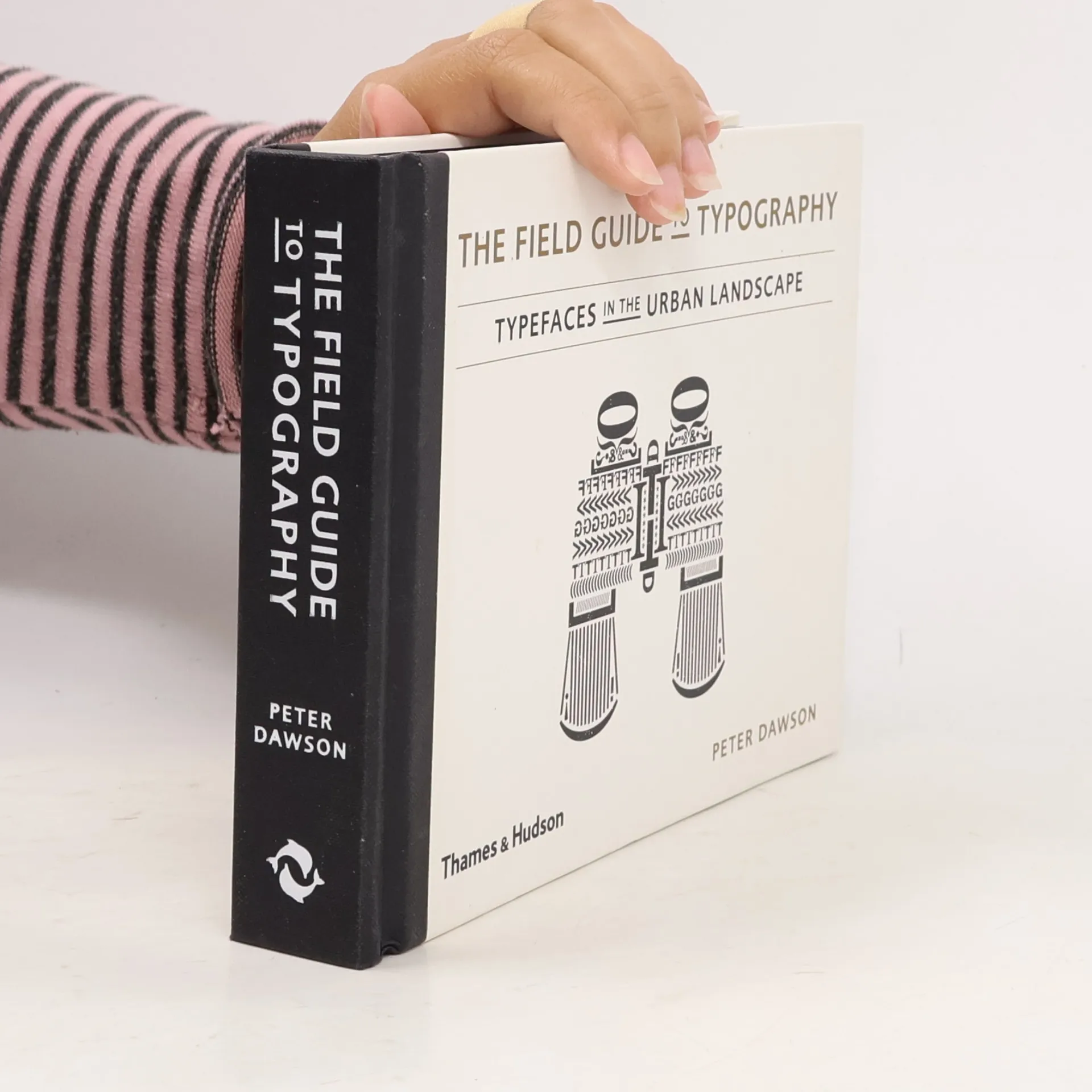
The Field Guide to Typography explores and explains the myriad typefaces that we see around us in our day-to-day lives, from airplane liveries to computer screens, from billboard hoardings to signage systems. It presents over 120 typefaces old and new, common and unusual with photographic references to help font spotters identify particular typefaces in the wild. Accompanying background information explains the origin, usage and key features of each typeface, and Field Facts provide little-known nuggets of information to expand your typographical awareness. Attractive and informative, The Field Guide to Typography is a unique visual reference for novice font fans and experienced designers alike, and a comprehensive celebration of our expanding typographic world.
Peter Dawson Livres
Cet auteur est connu pour ses récits westerns dynamiques qui capturent la beauté sauvage et les conflits non résolus de l'Ouest américain. Son style se caractérise par des descriptions vives de paysages et des personnages complexes naviguant à la frontière entre la civilisation et la nature sauvage. D'une remarquable prolificité dans le genre western, il a créé un vaste corpus d'œuvres qui séduit les lecteurs en quête d'aventure et de dilemmes moraux. Sa maîtrise narrative réside dans sa capacité à mêler action trépidante et exploration plus profonde de la nature humaine dans un cadre exigeant.


A Handbook for Horticultural Students
- 411pages
- 15 heures de lecture
Graphic Design Rules
- 383pages
- 14 heures de lecture
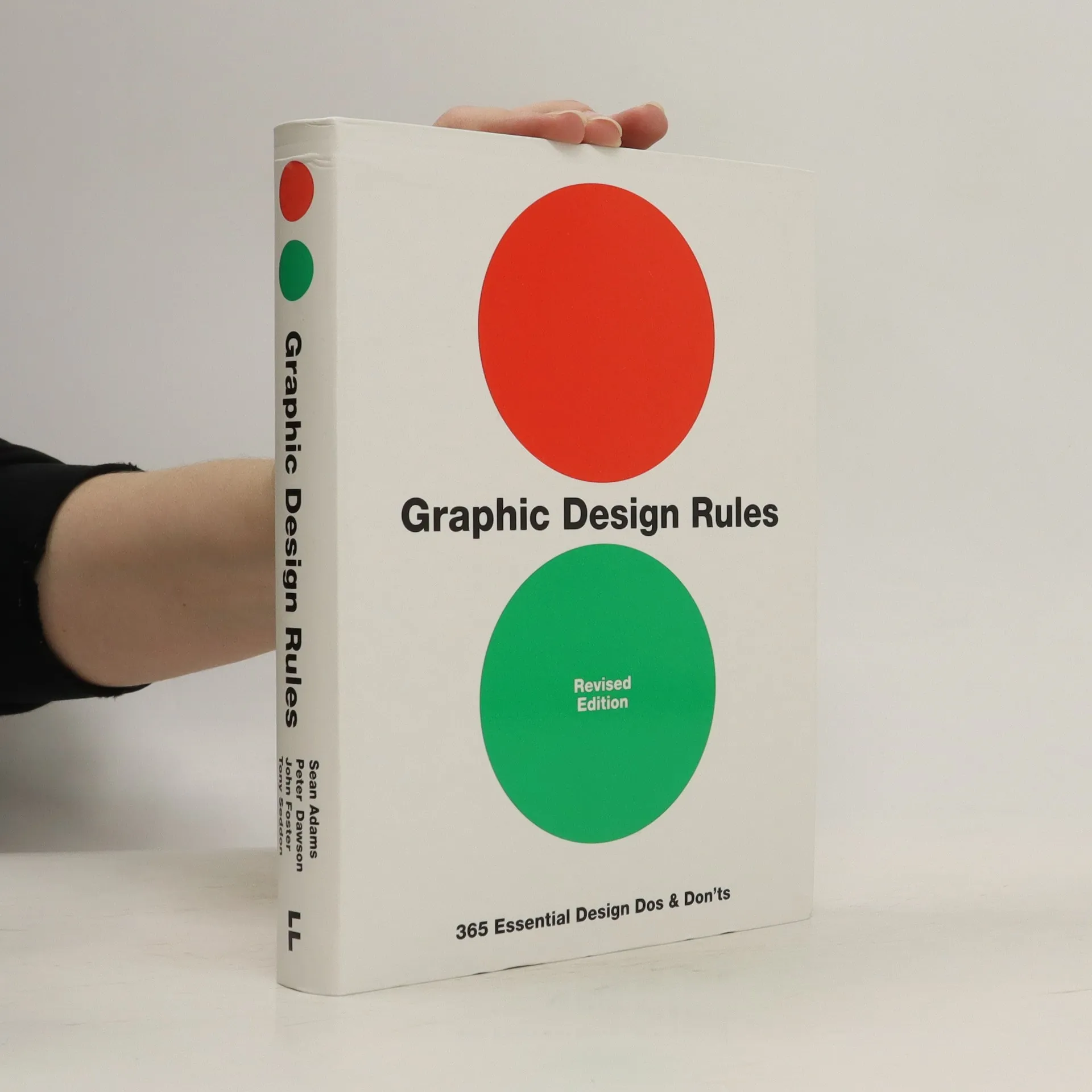
365 daily design mantras from four leading industry experts, providing you with valuable design dos and don'ts for every day of year. Packed with practical advice presented in a fun, lighthearted fashion, this is the perfect book for the ever-growing group of non-designers who want some graphic design guidance. And for more experienced designers, individual entries will either bring forth knowing nods of agreement or hoots of derision, depending on whether or not the reader loves or hates hyphenation, has a pathological fear of beige, or thinks that baseline grids are boring. In the style of a classical almanac, 365 entries combine a specific rule with a commentary from a variety of experienced designers from all fields of the graphic design industry. Covering topics such as typography, colour, layout, imagery, production, and creative thinking, you can either dip in at random or use the book as the source of a daily lesson in how to produce great graphic design.
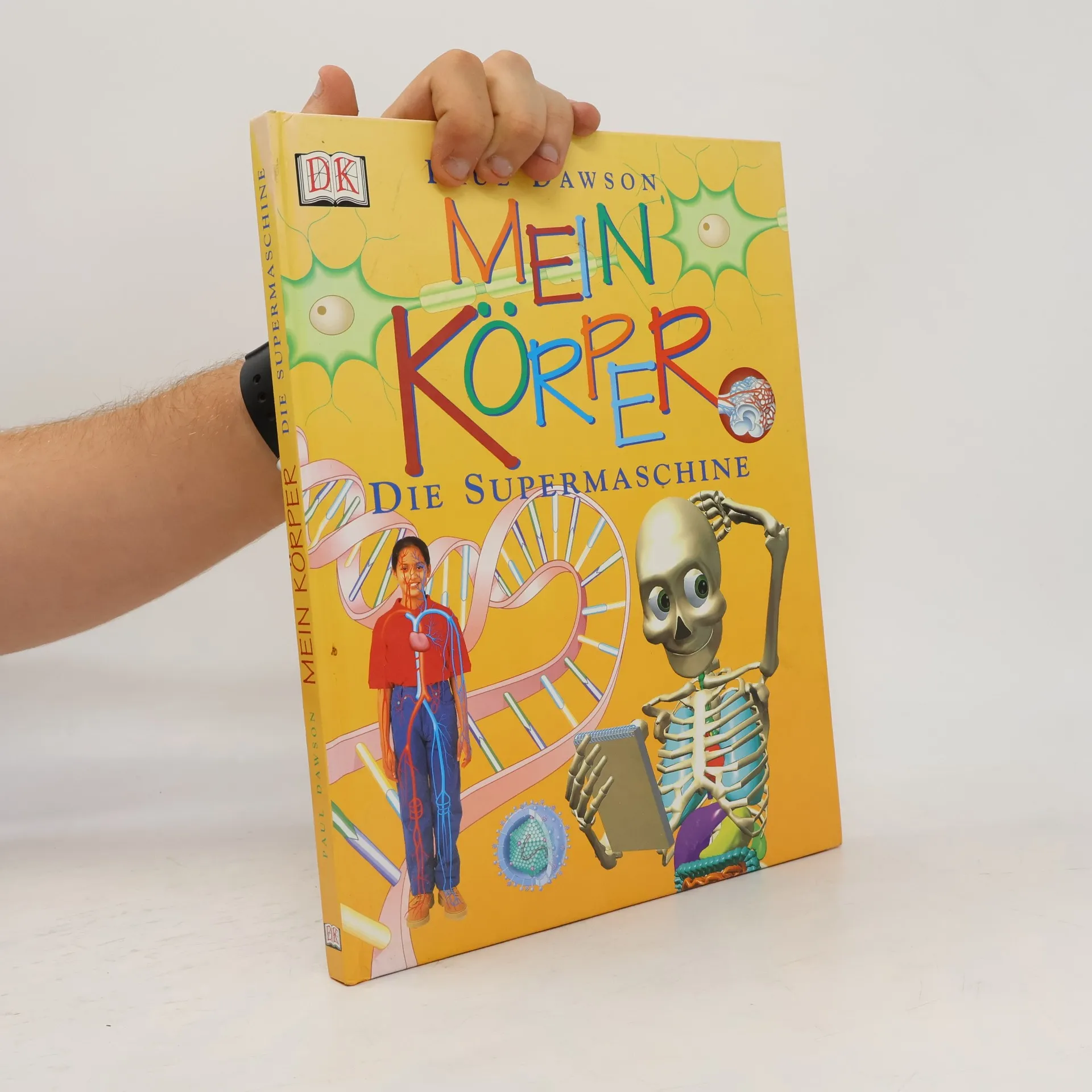
Mein Körper - die Supermaschine
- 96pages
- 4 heures de lecture
Humanbiologie; Sachunterricht; Mittelstufe; Unterstufe.