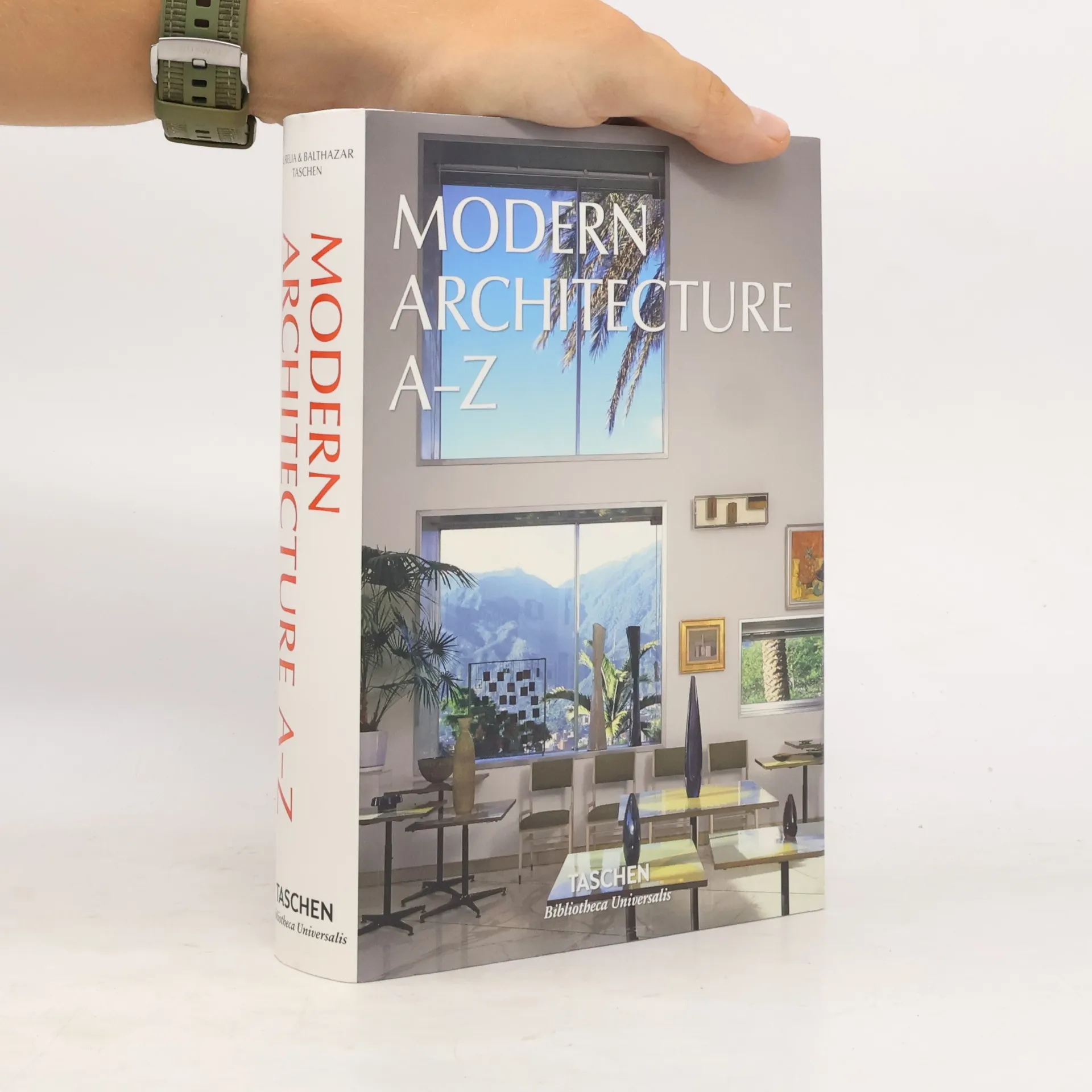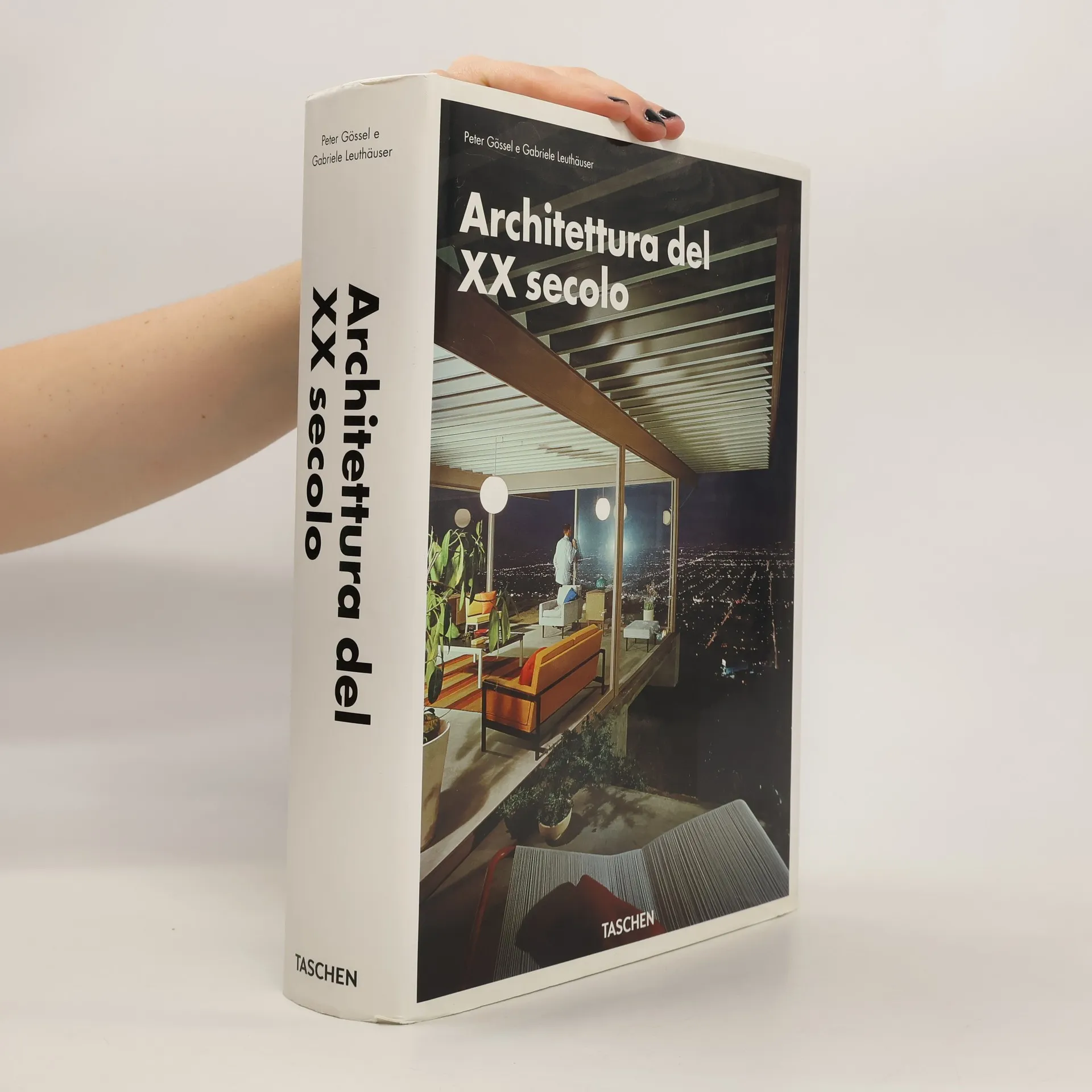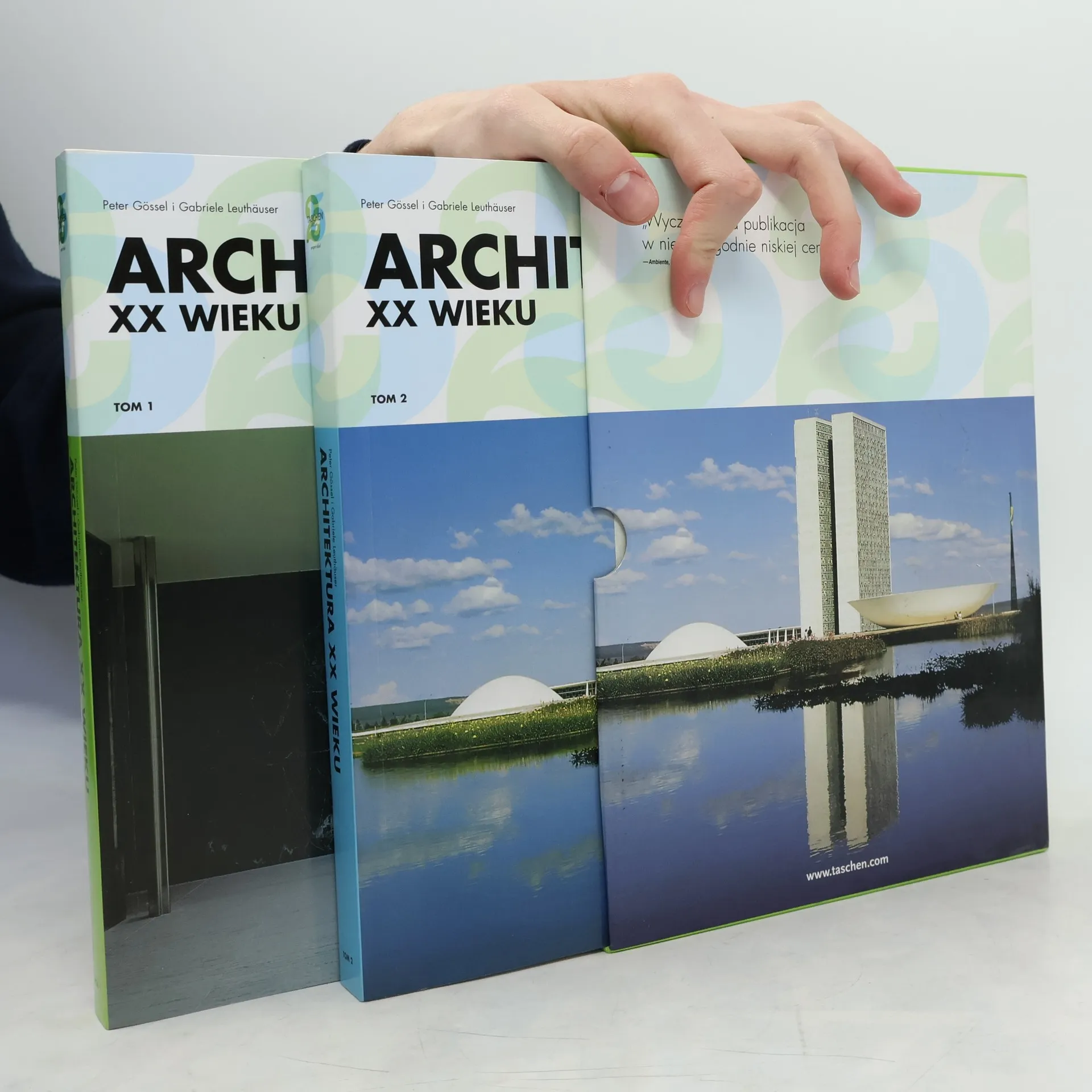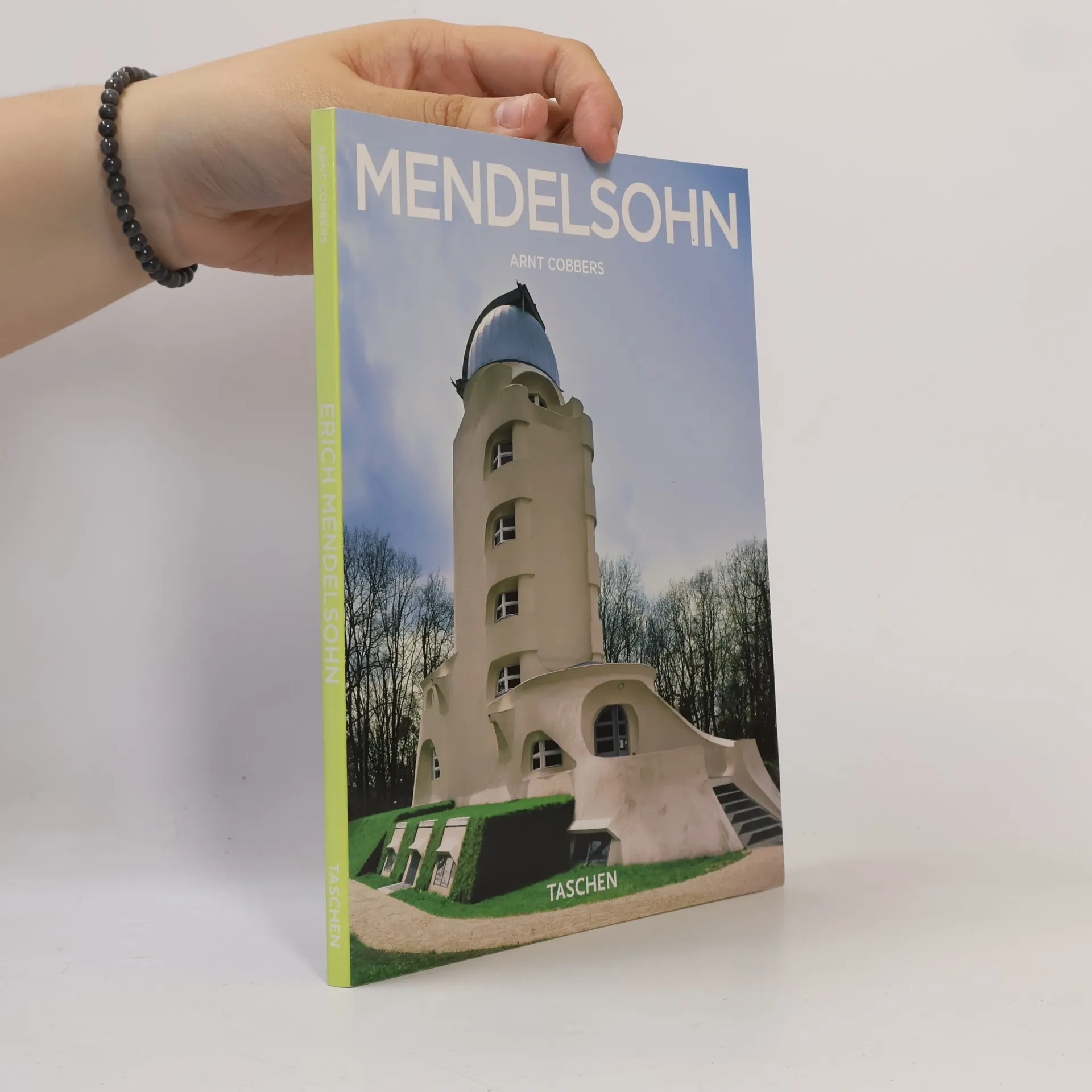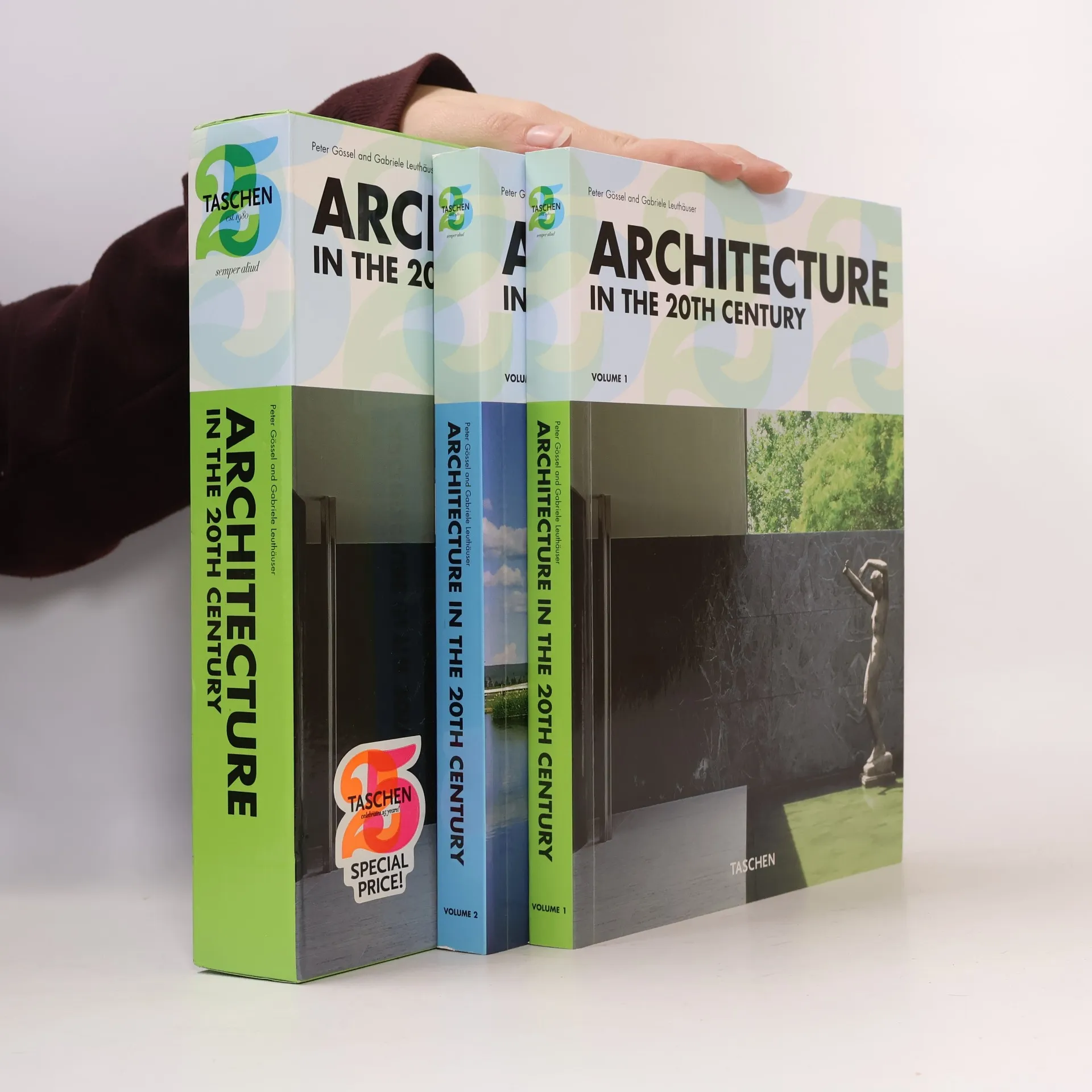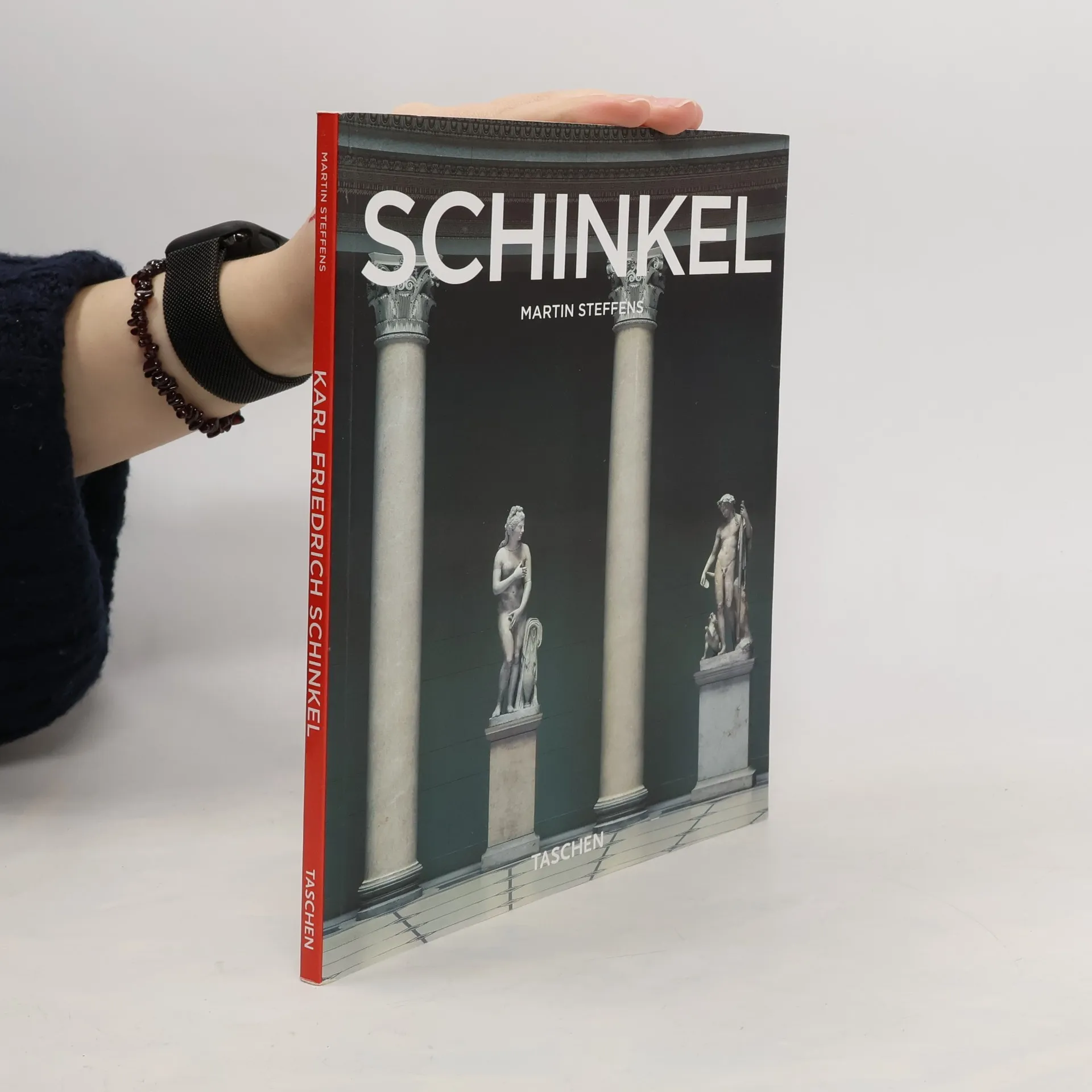
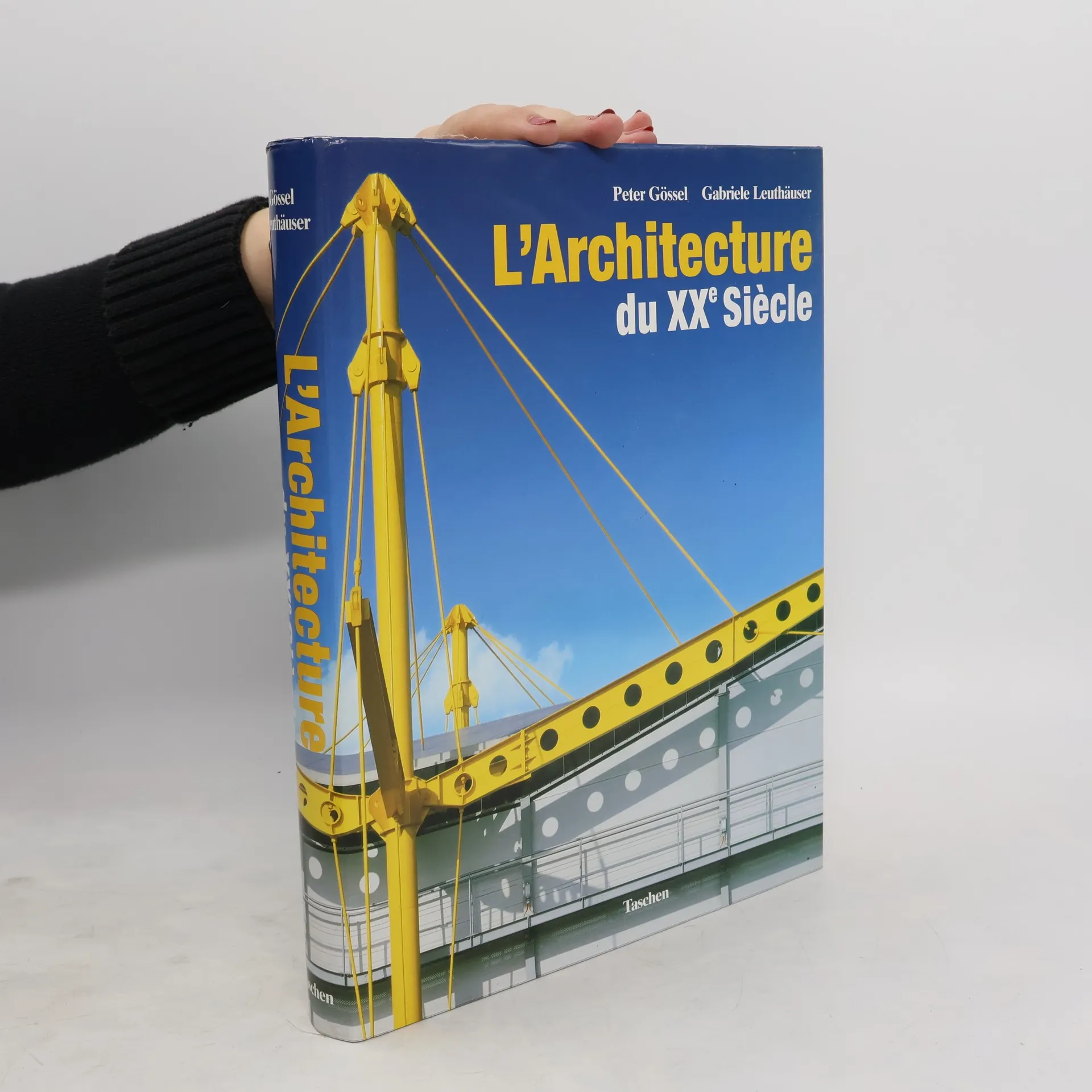
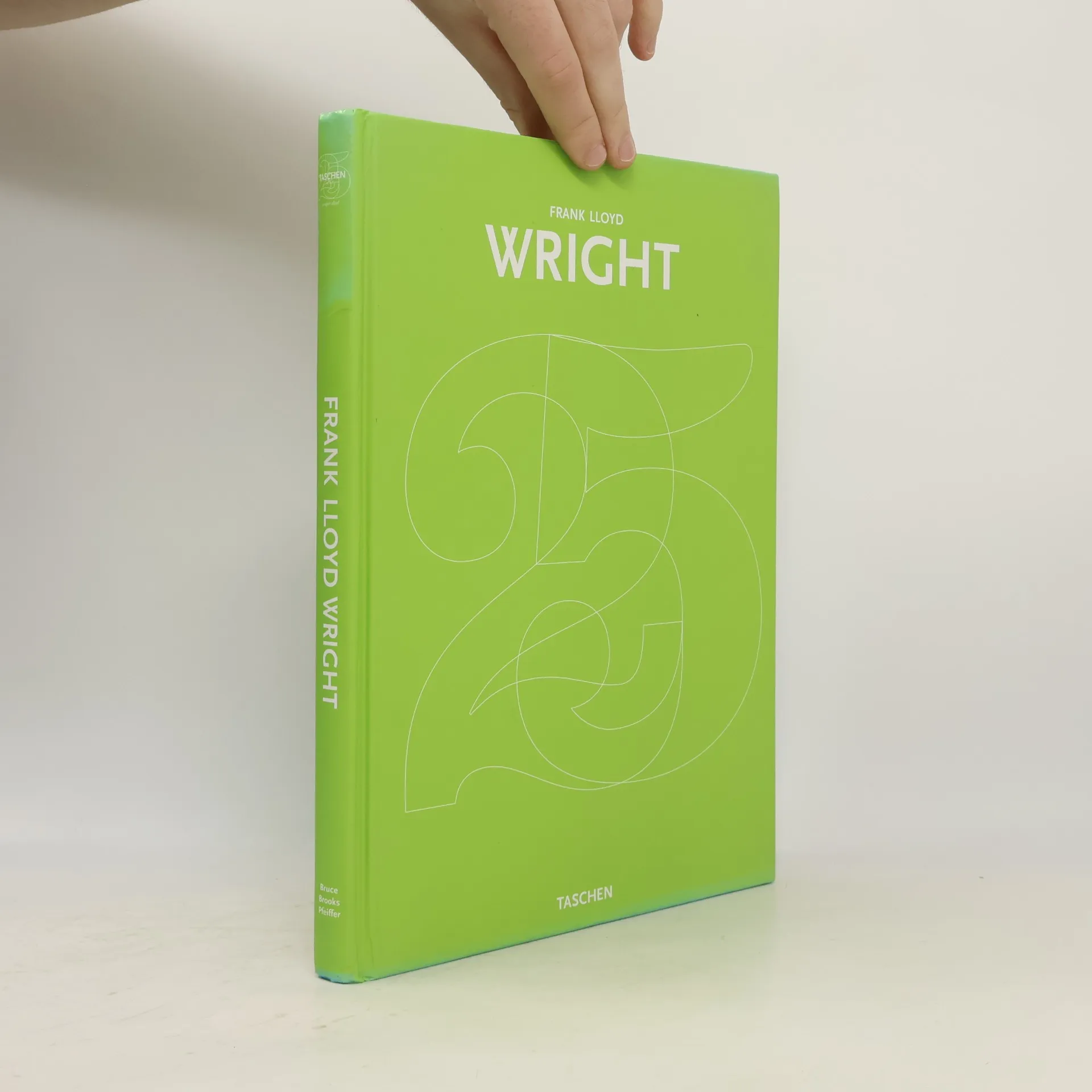
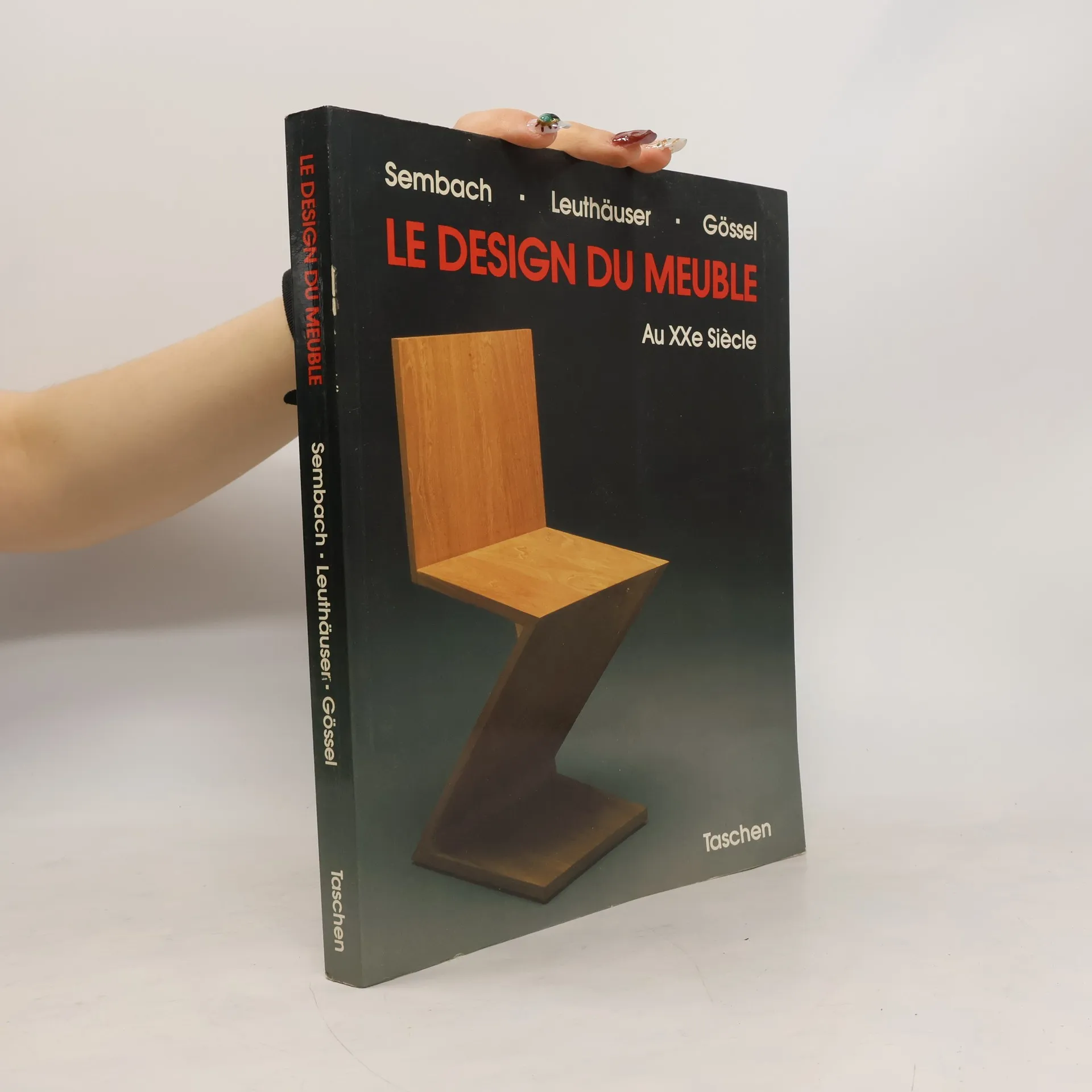
La arquitectura del siglo XX es un compendio de nombres ilustres, movimientos y grandes ideas. Este libro de TASCHEN ofrece un recorrido cronológico por las corrientes arquitectónicas, acompañadas de fotos, planos y biografías de arquitectos destacados, reflejando el impacto social y los cambios en la construcción moderna.
Ludwig Mies van der Rohe (1886-1969) fut l'un des pères fondateurs de l'architecture moderne. Créateur du Pavillon de Barcelone, de la maison Farnsworth à Piano et de l'immeuble Seagram à New-York, Mies fut l'un des découvreurs d'un nouveau style architectural. Bien connu pour son leitmotiv « moins, c'est plus », il cherchait une sorte de pureté raffinée dans l'architecture, qui ne n'existait pas dans les créations des autres membres du Bauhaus. Son but n'était pas simplement de construire pour les revenus modestes, mais construire de façon économique en terme de durabilité technique et esthétique, notamment par l'utilisation de métal et de verre. Bien que cette approche réduite fut critiquée, beaucoup ont essayé de copier ce style original et élégant, la plupart du temps sans succès. Ce livre explore plus de 20 projets entre 1906 et 1967, de ses premiers travaux autour de Berlin aux plus importants immeubles américains.
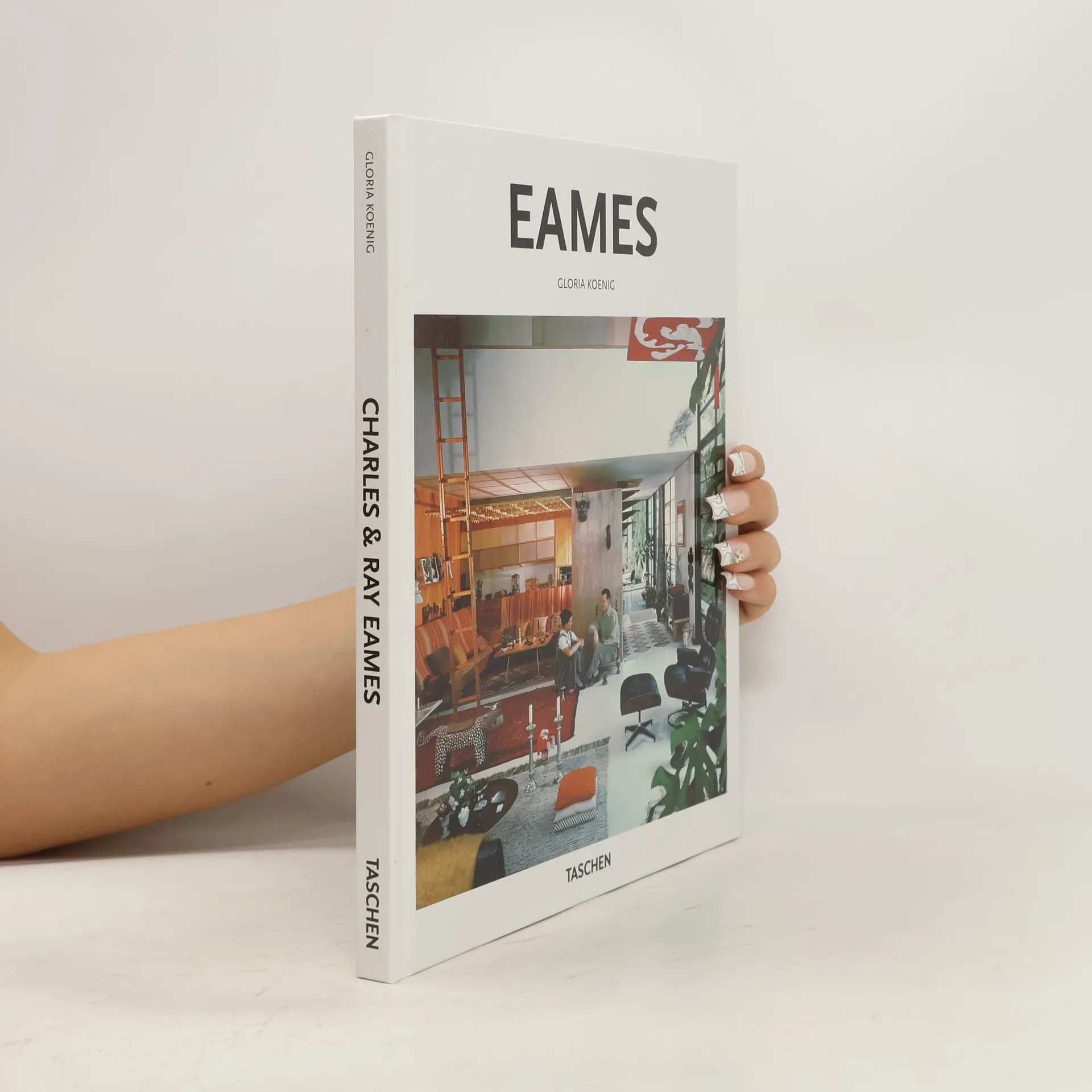
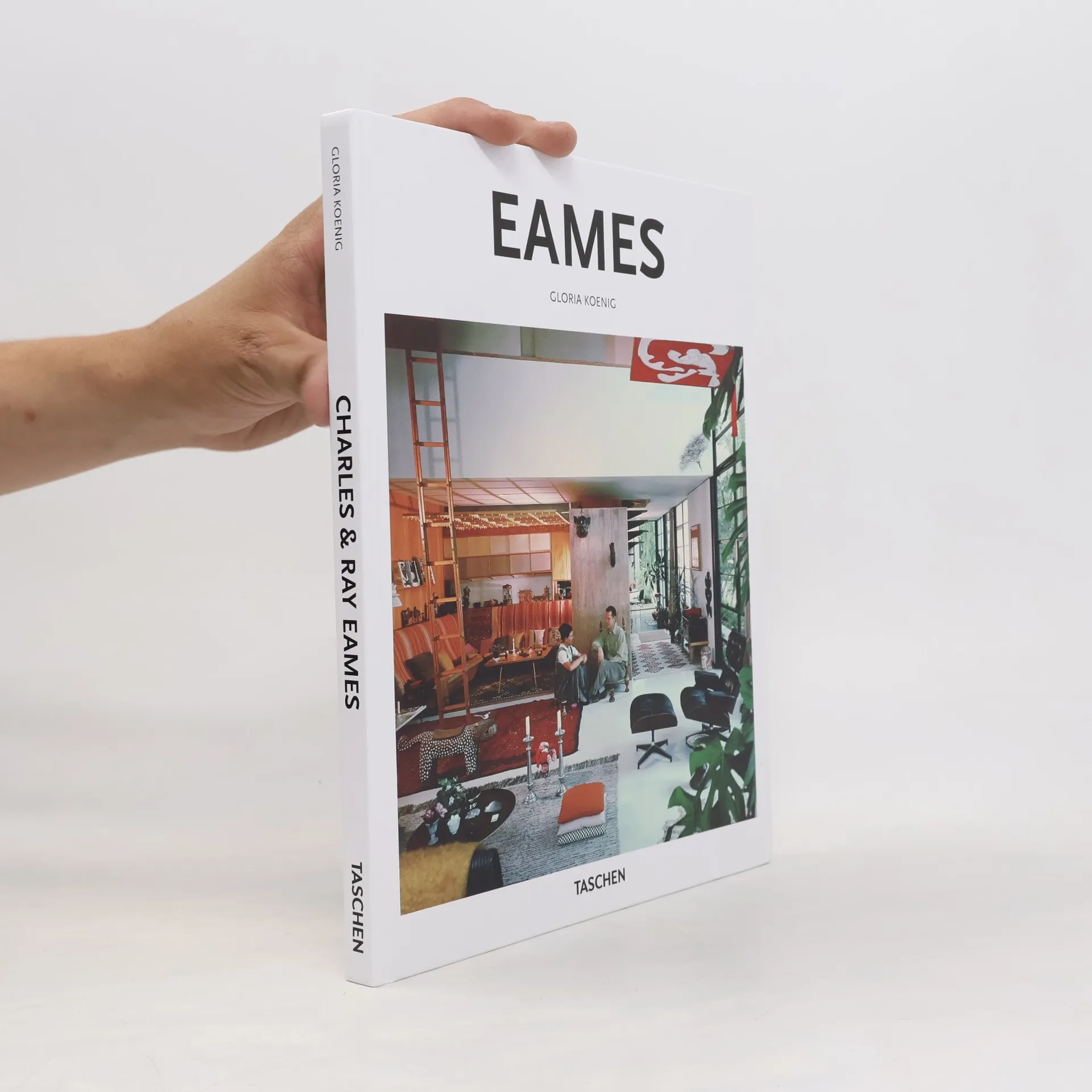
Creative duo Charles and Ray Eames were one of the most transformative forces
in design history: through furniture, photography, architecture, textile
design, industrial design, and film, the husband and wife defined a new,
multifunctional modernity. Discover all aspects of their illustrious
repertoire and its revolutionary impact on...
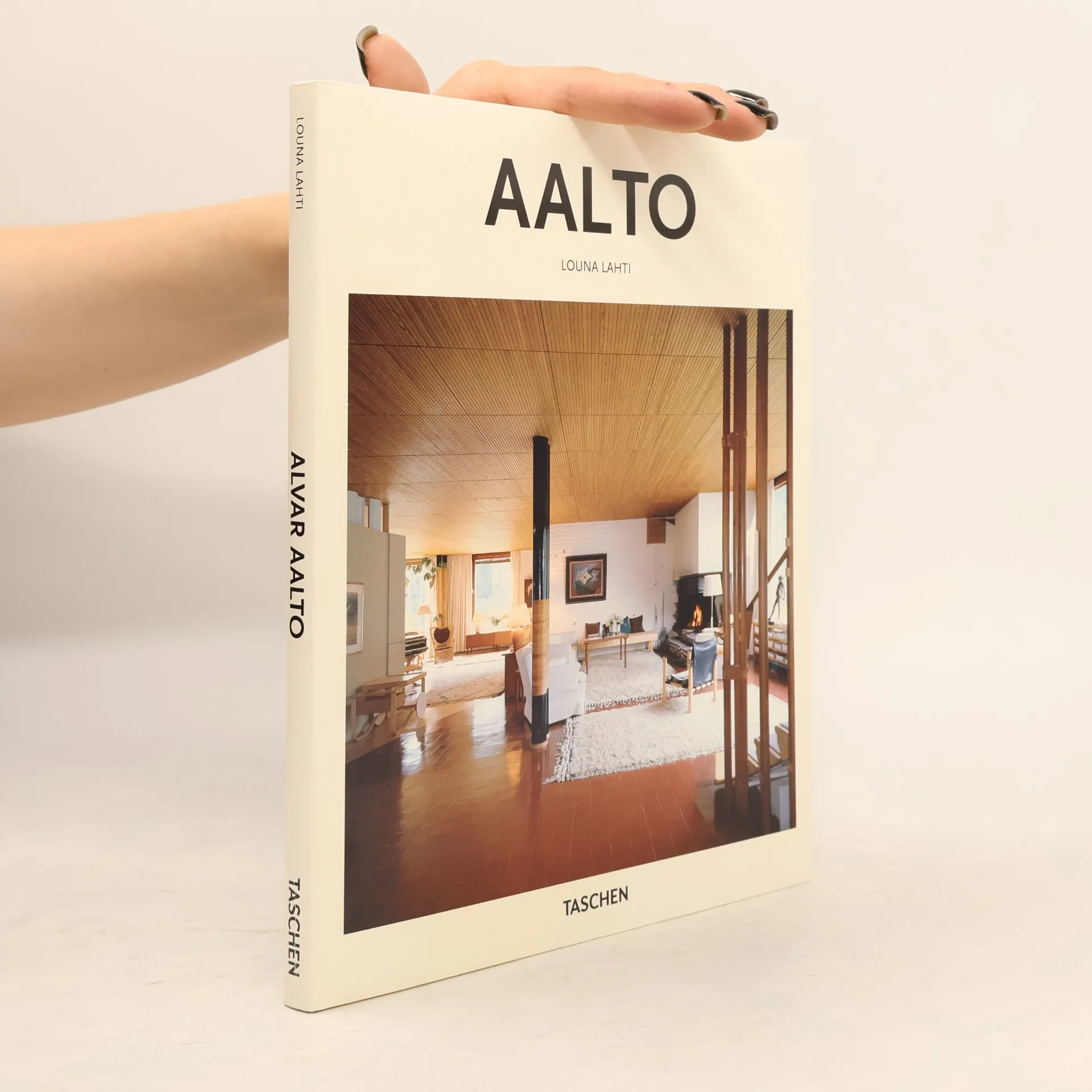
Discover the gentler face of modernism in this introduction to Alvar Aalto,
the Finnish architect who defied the slick geometries set by the International
Style to prioritize soft, poetic, undulating forms. Whether a villa, a sauna,
or a lamp design, Aalto's organic structures championed environmentally sound
and progressive design with a...
Fondée à Weimar en 1919, l'école du Bauhaus développe une approche révolutionnaire tendue vers la recherche du fonctionnalisme, qui fusionne l'art avec l'industrialisation et la technologie pour toute chose, de l'architecture à l'ameublement, la typographie et le théâtre. Interdit en 1930, le Bauhaus a néanmoins changé la face de l'art et de l'architecture et conserve une grande influence.
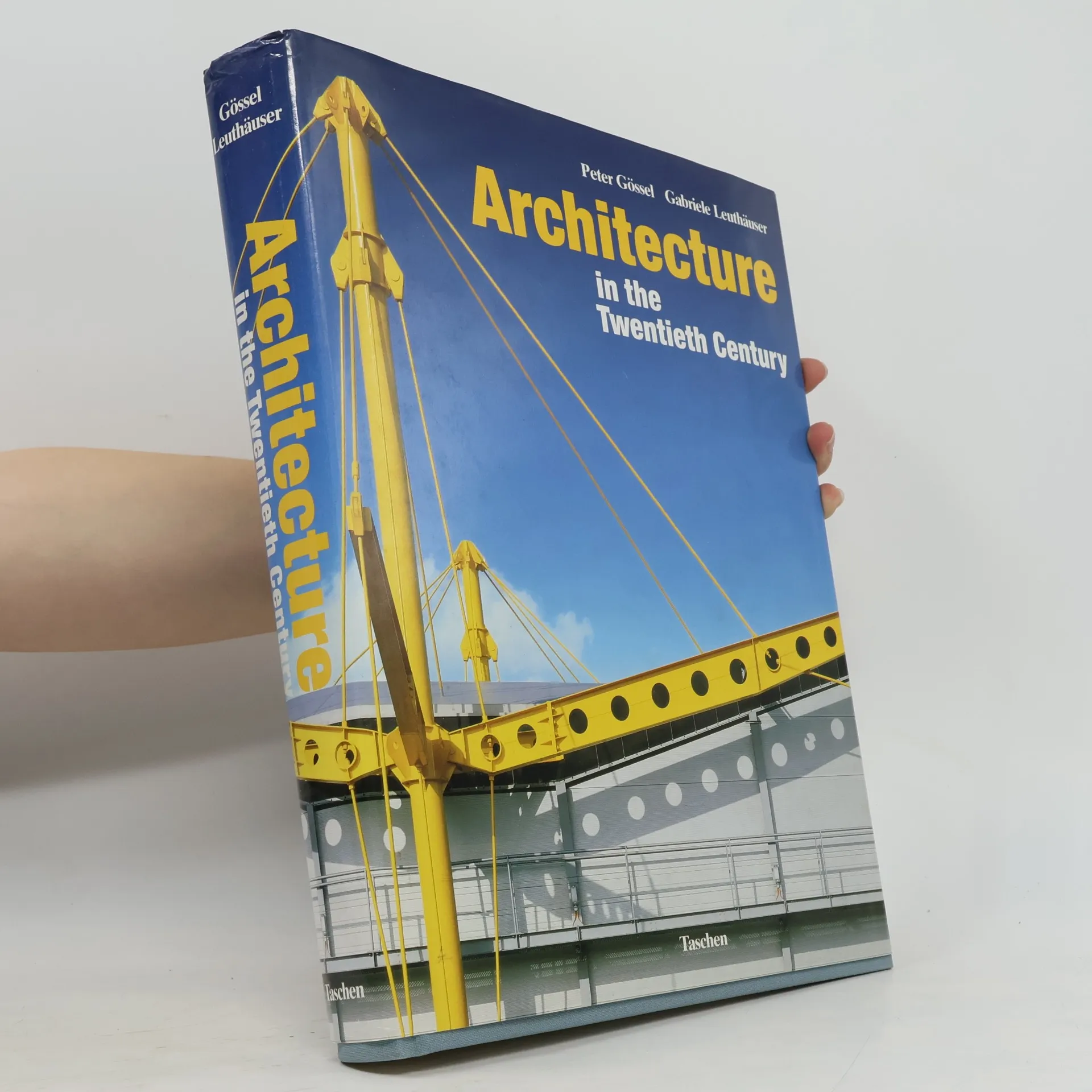
The ultimate architectural reference work (TASCHEN's 25th anniversary special edition) This is the be-all-end-all reference work for architecture in the 20th century. From Frank Lloyd Wright to Gaudi to Frank O. Gehry to Shigeru Ban and all the best stuff in between, it's all here. The chronologically organized chapters put it all into perspective, illustrated by hundreds of large-format photos as well as a plenitude of drawings and floor plans. The biographical appendix covers all of the century's greatest architects, including today's new talents. This special expanded edition, presented in two volumes packaged in a slipcase, brings our classic title up to date with coverage up until the present day, more color photos, more architect biographies, and new chapters on recent architectural trends and movements.
The Modernist outsider "The essence of the artistic design in building – like all art – indeed provides meaning for man’s existence and in itself it confirmes its result that became form." - Hans Scharoun German architect Hans Scharoun (1893-1972) studied and practiced architecture his entire adult life but did not build a major building until 1963 when his impressive Berlin Philharmonie finally came to life. The fact that he stayed in Germany during the Second World War prevented him from realizing grandiose projects and caused him to concentrate more on interiors than exteriors for many years. Nevertheless, Scharoun`s sculptural designs, influenced by the expressionist-utopian circle "Gläserne Kette" of which he was a member, did not go unnoticed and were among the best of his generation. About the Each book in TASCHEN’s Basic Architecture Series
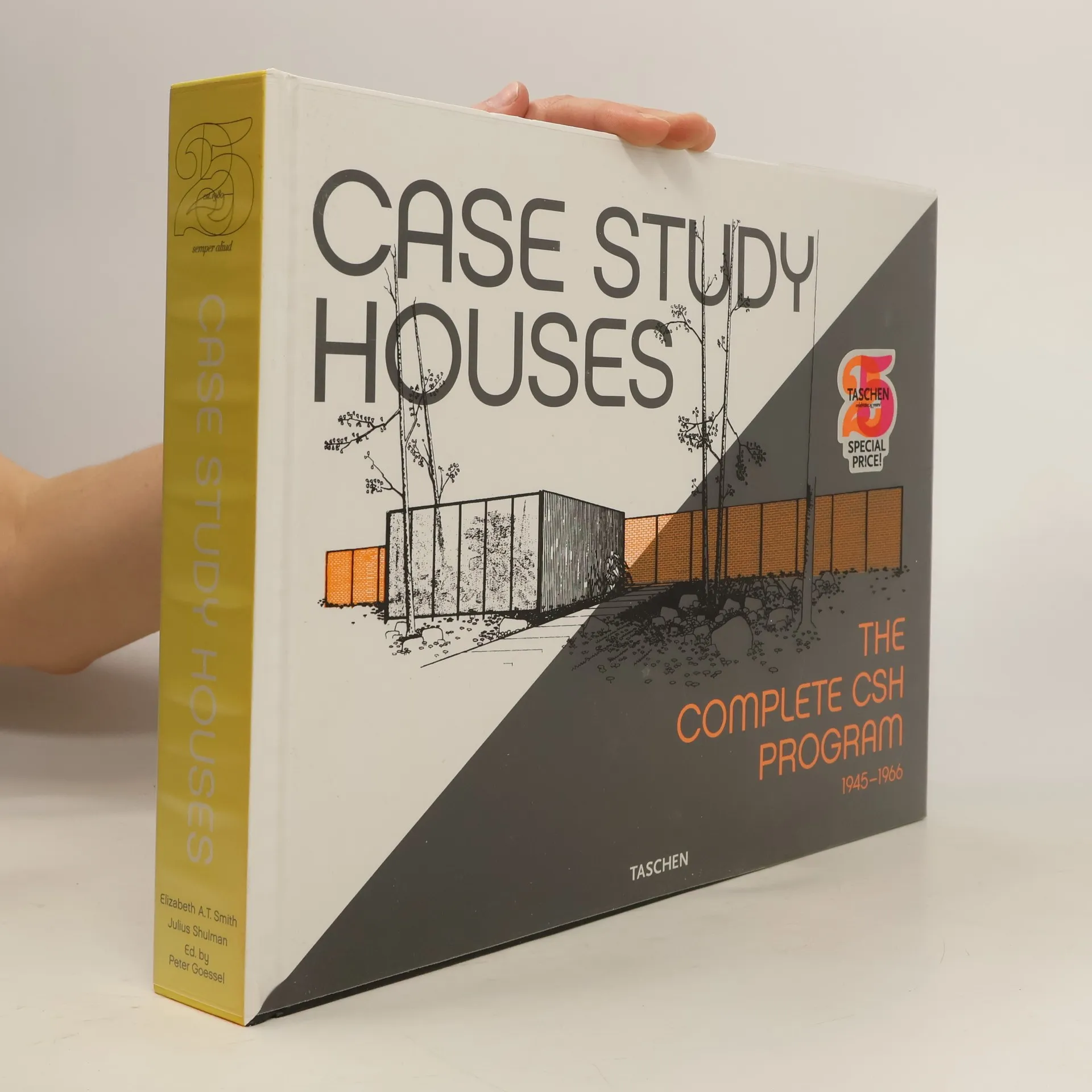
Das „Case-Study-House-Projekt“ (1945-66) war ein außergewöhnliches, innovatives und bis zum heutigen Tag einzigartiges Ereignis in der Geschichte der amerikanischen Architektur. Es konzentrierte sich auf die Gegend um Los Angeles und sah die Gestaltung von 36 Prototypen vor, die im Bau-Boom der Nachkriegsjahre die einfache, günstige Konstruktion von modernen Wohnhäusern ermöglichen sollten. Die treibende Kraft hinter diesem Projekt war John Entenza , der Herausgeber von Arts & Architecture und ein Verfechter des Modernismus, der mit seinen einschlägigen Verbindungen Talente wie Richard Neutra , Charles und Ray Eames und Eero Saarinen verpflichten konnte. Das äußerst experimentelle Projekt brachte Häuser hervor, durch die modernes Wohnen neu definiert werden sollte, hatte somit einen bedeutenden Einfluss auf die amerikanische wie auch die internationale Architektur, zu seiner Zeit und sogar heute noch. Dieses Buch ist eine monumentale Retrospektive des gesamten Projekts, mit umfassender Dokumentation, ausgezeichneten Fotografien aus der Entstehungszeit und aktuellen Aufnahmen von den noch existierenden Häusern, sowie mit detaillierten Grundrissen und Skizzen.
The American architect Frank Lloyd Wright (1867-1959) exerted a unique influence on the architecture of the first half of the 20th century. This volume presents the whole range of his extraordinarily profilic output and shows clearly how his view of the world was a common factor throughout the rich diversity of his oeuvre. From his early prairie houses to the Guggenheim Museum in New York, Frank Lloyd Wright saw man as the focal point of an architecture closely bound up with nature.
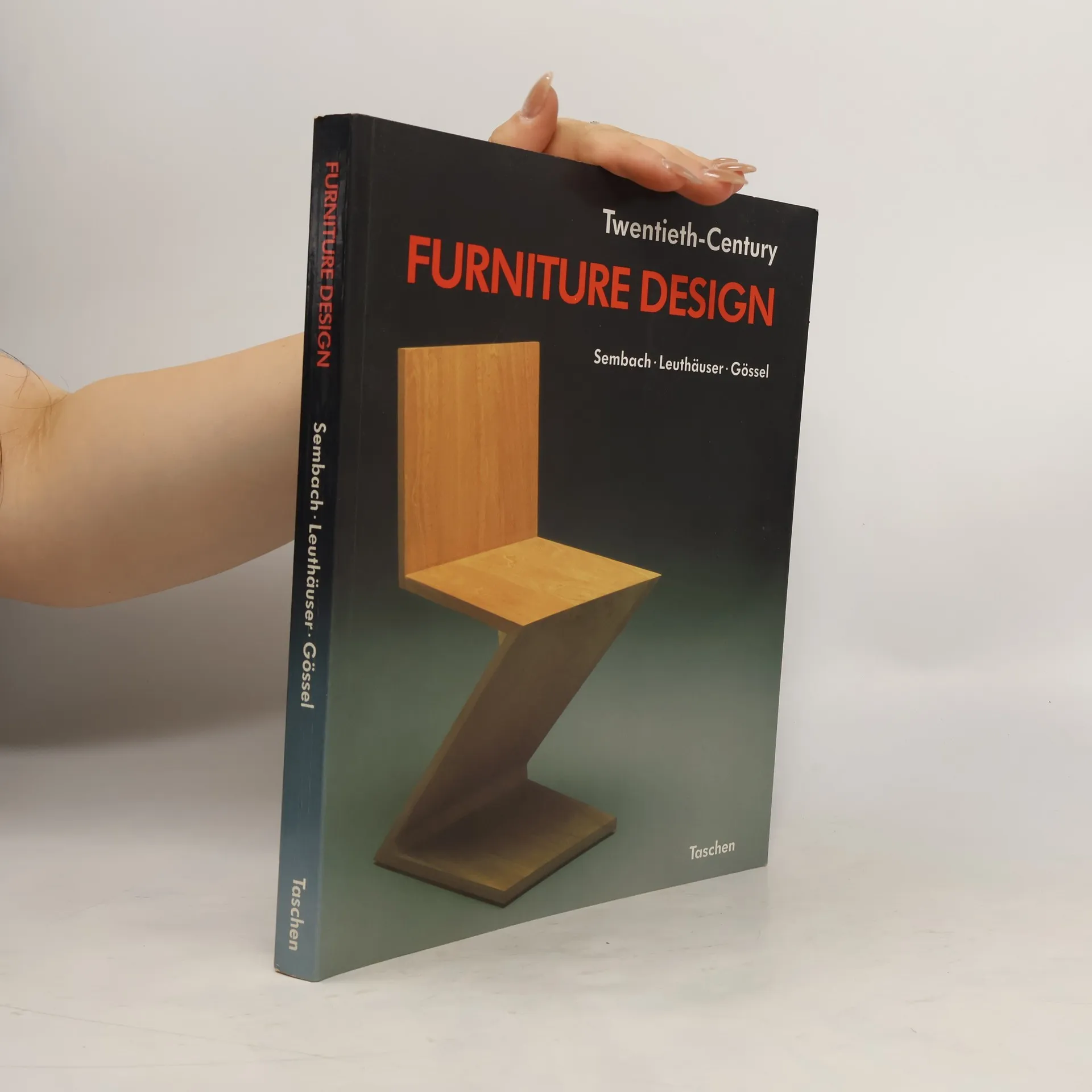
Status symbols that define the spirit of the age Designers of genius. Henry van de Velde, Charles Rennie Mackintosh and Josef Hoffmann. Le Corbusier and Emile Jacques Ruhlmann. Charles Eames, Ettore Sottsas and Philippe Starck. At their hands furniture came into its own. The twentieth century transformed interiors into sets - and on those sets the creations of these designers played the star parts. This is a book about status symbols that express the character of their owners but, more than that, define the spirit of the age.
Ce livre présente l'architecture du 20e siècle, mettant en avant des figures emblématiques comme Adolf Loos et Frank Lloyd Wright, ainsi que des mouvements tels que le Bauhaus et le Postmodernisme. Avec des chapitres chronologiques, des photos, des plans et des biographies, il offre un aperçu captivant de l'évolution architecturale et des débats de cette époque.
This comprehensive guide to 20th-century architecture explores influential figures, movements, and ideas, showcasing the rapid evolution of design in response to societal changes. Featuring iconic buildings and urban developments, it includes extensive visuals and biographies, offering an engaging narrative of modern architectural history.