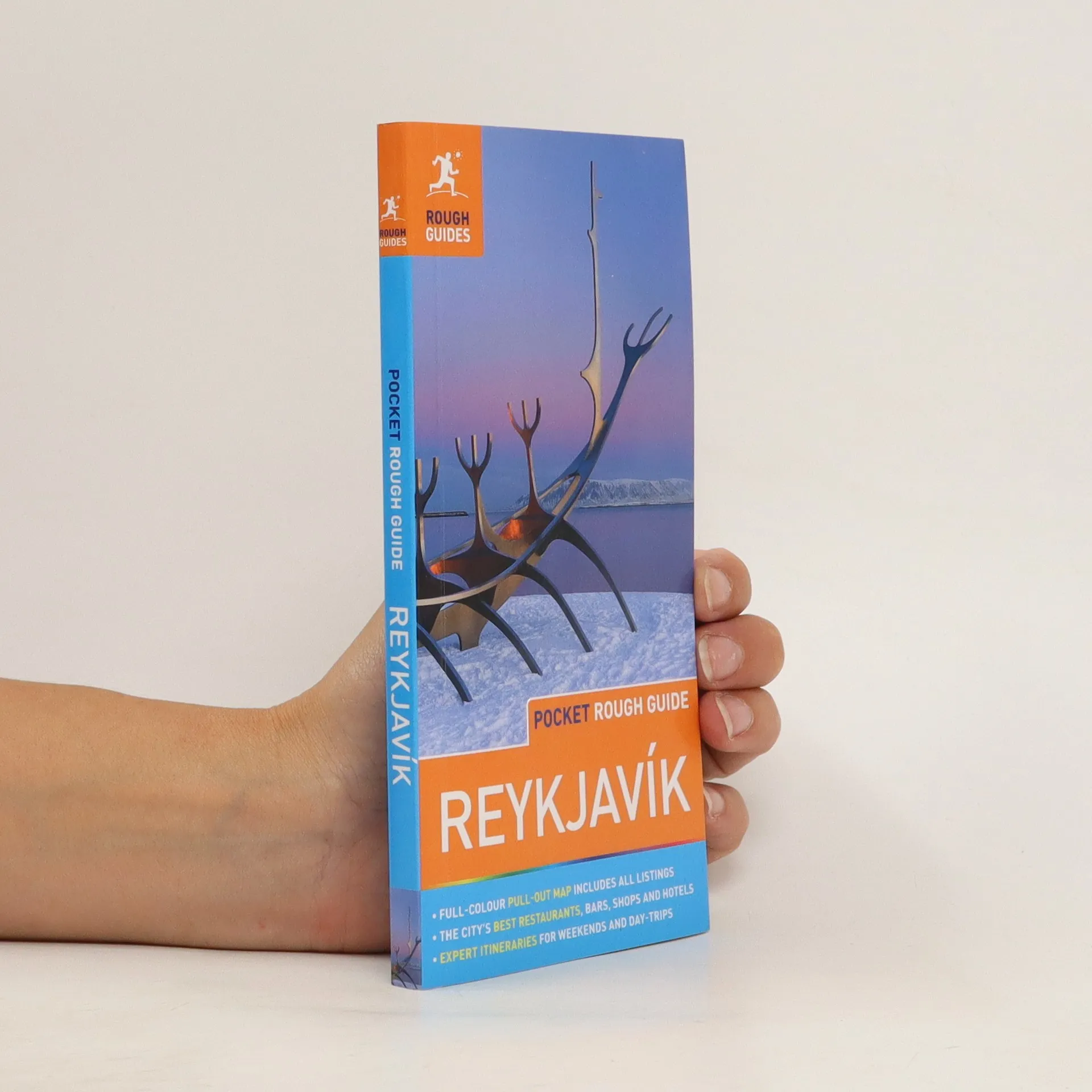
This is your essential guide to Iceland's captivating capital, covering all the key places, restaurants, shops, cafés and bars you simply must visit, not to mention the jaw-dropping sights and scenery within reach of the city. Slim, stylish and utterly pocketable, it comes with a full-colour pull-out map to help you find your way around - the only map of its kind to be marked with every single recommendation from the guide
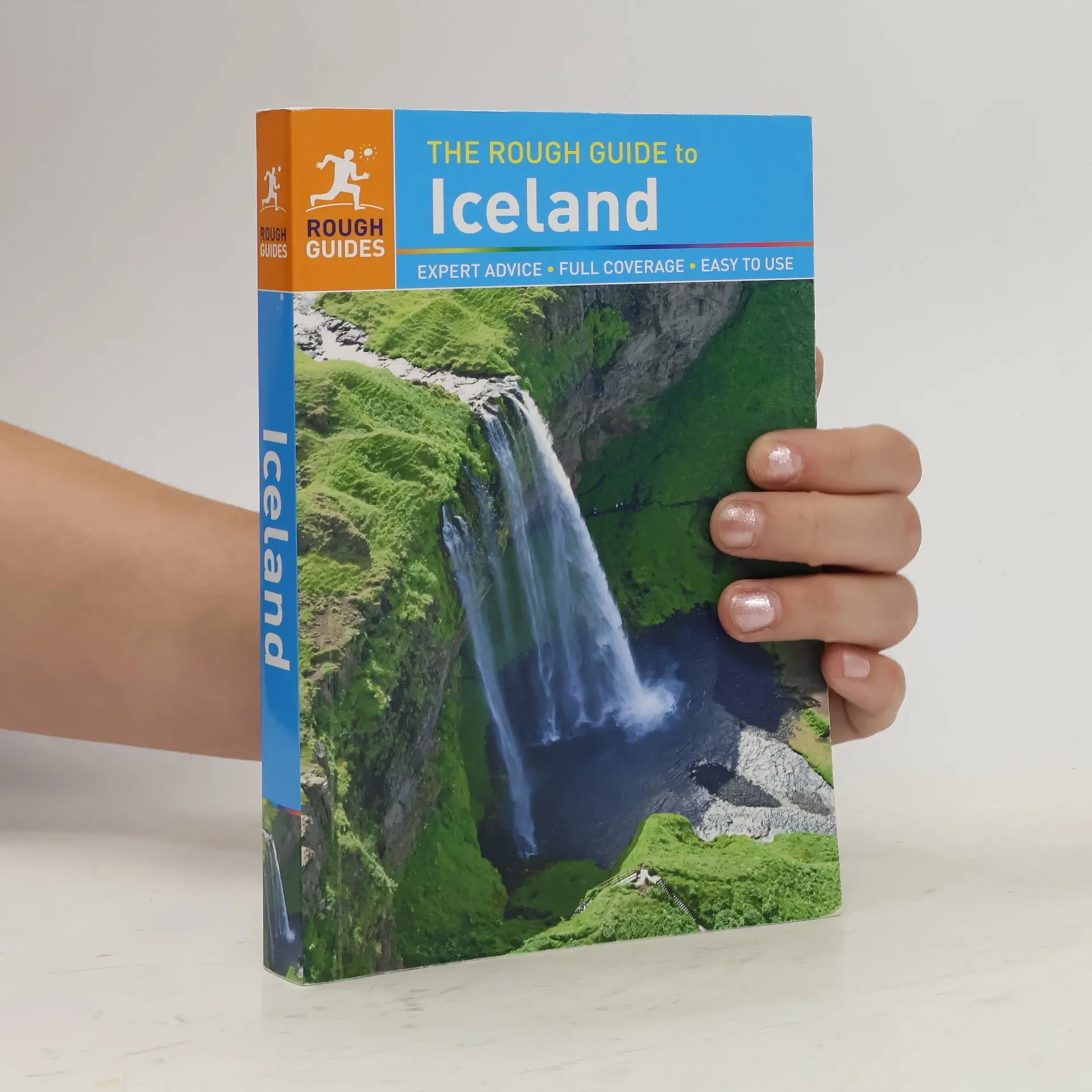
The Rough Guide to Iceland is your complete handbook to uncovering the delights of Europe's largest glacier. From Reykjavik's nightlife to the dramatic Western Fjords and table-top mountains to the rich birdlife of Lake Myvatn, the full-colour introduction highlights all the 'things-not-to-miss'. For every town and village there are insider reviews of the all best places to stay, eat and drink, both on and off the beaten track, with the new 'Author's Pick' feature highlighting the very best options. There is plenty of practical advice for a host of outdoor activities, from skiing on the Vatnajokull glacier to whale-watching and viewing the Northern Lights. The guide also looks at Iceland''s rich Viking history and its extraordinary geology and wildlife.The Rough Guide to Iceland is like having a local friend plan your trip!
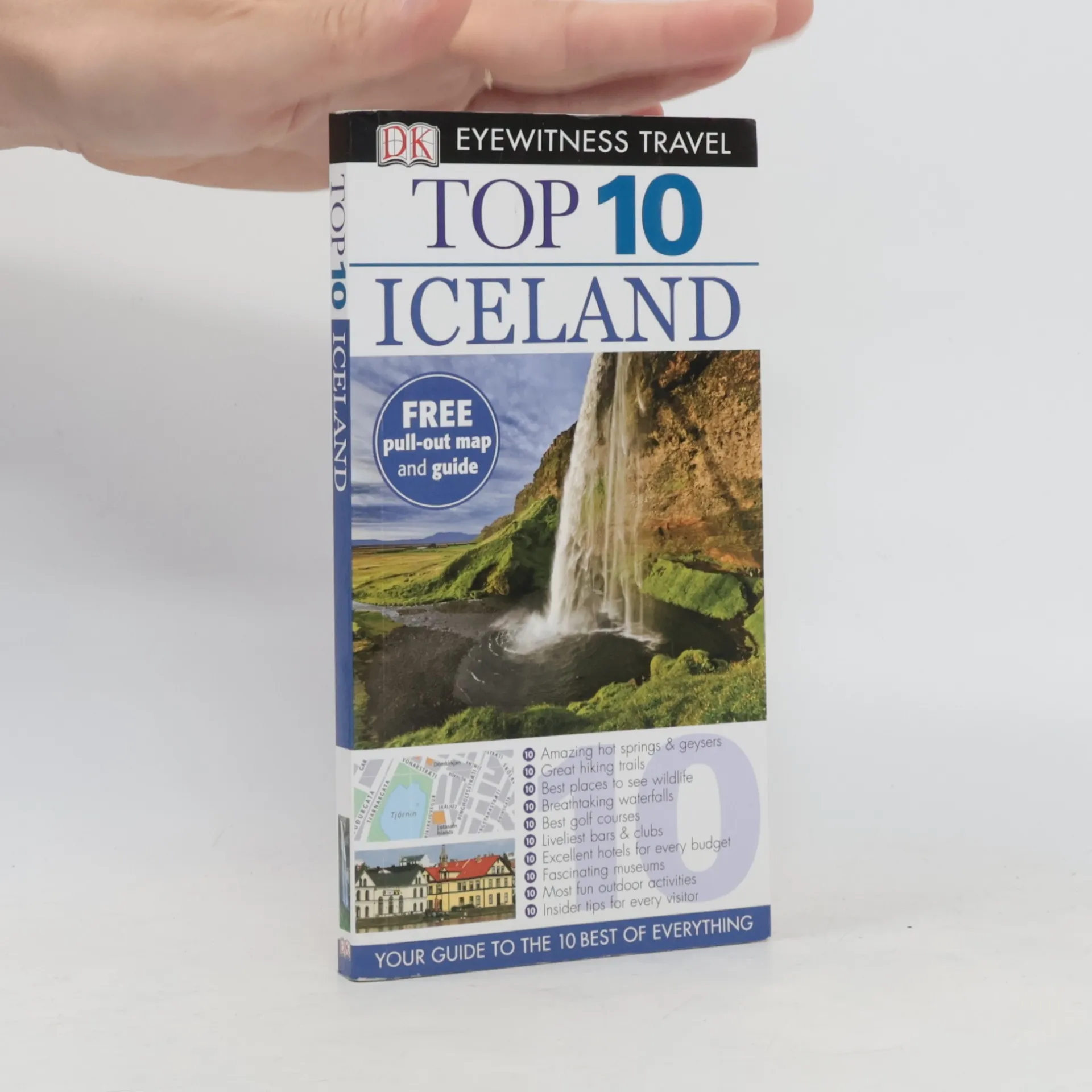
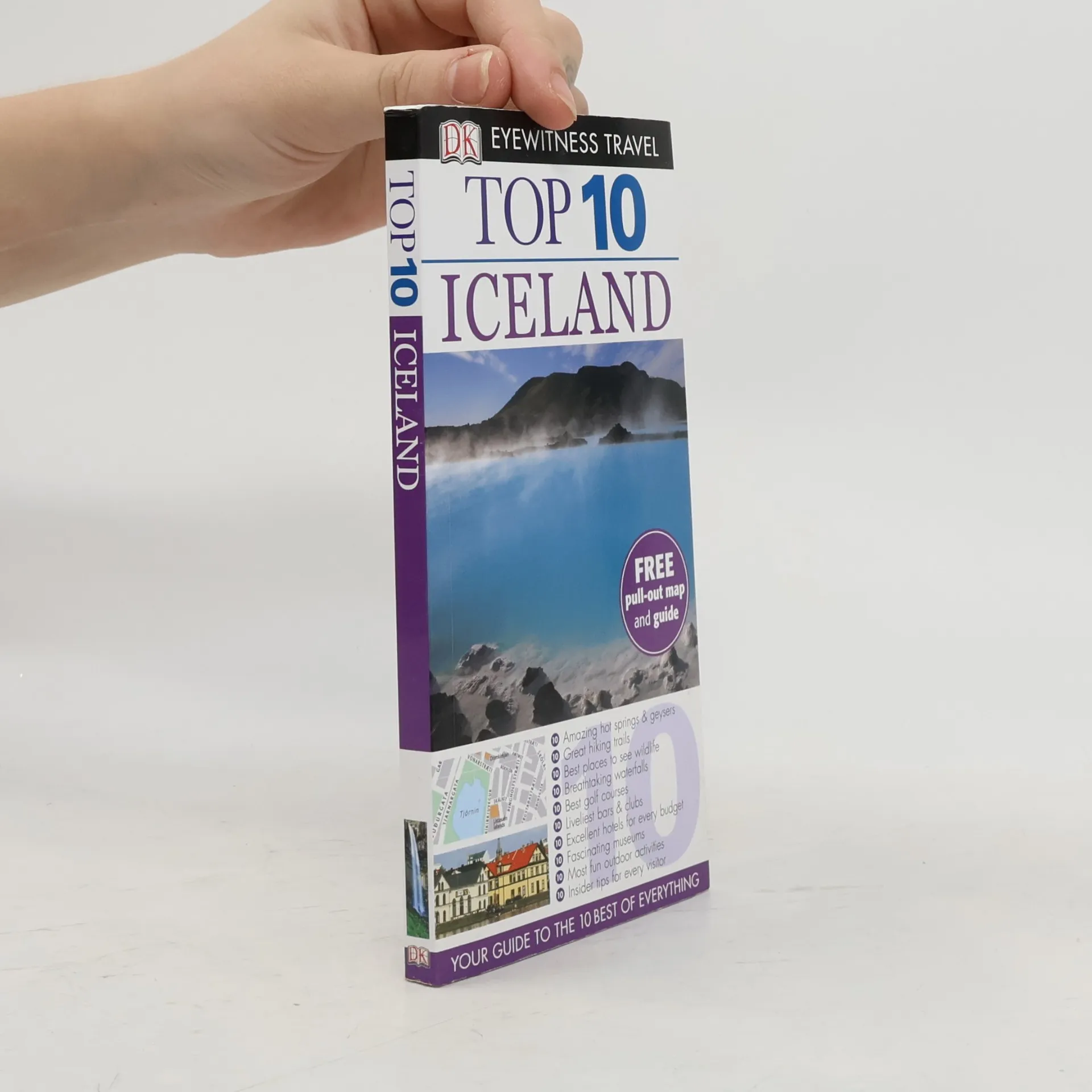
This pocket-sized guide to Iceland is filled with insider tips, color maps, and top 10 lists designed to help you explore the country's highlights. Experience the stunning natural beauty of Vatnajokull National Park, observe seabirds at Latrabjarg Bird Cliffs, and explore the mountains and hot springs of Landmannalaugar. Enjoy the serene waters of Lake Myvatn, marvel at Gullfoss waterfall, or hike through picturesque meadows. The guide includes nine easy itineraries for day trips, weekends, or week-long adventures, along with lists of top attractions like the Blue Lagoon and Thingvellir National Park. A free laminated pull-out map and seven full-color area maps make navigation simple. In-depth area guides detail Iceland's neighborhoods, highlighting the best spots for shopping, dining, and sightseeing. The color-coded chapters allow for quick information access, while essential travel tips provide expert recommendations on accommodations, dining, shopping, and sightseeing, as well as transport, visa, and health information. Coverage includes Reykjavik, West Iceland, the Snæfellsnes Peninsula, the Westfjords, North Iceland, East Iceland, South Iceland, and the Highland Interior.
The Rough Guide to Chinacovers of all of mainland China and Tibet, as well as the lesser known administrative regions of Hong Kong and Macau. The Rough Guide provides all the information you need, whether you want to explore the sophisticated nightlife of Beijing and Shanghai, chill out in the mellow travellers' havens of Dali and Yangshuo, or roam the streets of wonderfully historical towns such as Lijiang. Up-to-date descriptions provide you with the low-down on famous sights such as Beijing's Forbidden City, the Terracotta Army outside Xi'an, limestone peaks around Guilin and the cruise through the mighty Three Gorges along the Yangzi. There's also full practical information on where to drink, sleep, party and eat - from streetside snack stalls to luxurious Beijing Duck restaurants. Detailed maps and comprehensive practical information help you get under the skin of China, whilst the guide's stunning photography and a full-colour introduction make this your ultimate travelling companion. Make the most of your time on earth(tm) with The Rough Guide to China.
Introduction Hong Kong is a beguiling place to visit: a land whose aggressive capitalist instinct is tempered by an oriental concern with order and harmony. Indeed, whatever you've heard about it, the most important thing to remember is that, despite 150 years of British colonial rule and the modern city's cosmopolitan veneer, Hong Kong is, and always has been, Chinese. The glittering skyline imitates others throughout the world; the largest department stores are Japanese-owned; you can take English high tea to the accompaniment of a string quartet; there's cricket and horse-racing, pubs and cocktail lounges. But for most of the Chinese locals - 98 percent of a population of almost seven million - life still follows a pattern that many mainland Chinese would recognize as their own: hard work and cramped housing; food bought from teeming markets and street stalls; and a polytheistic religion celebrated in the home, in smoky temples, and during exuberant festivals. Recent years, however, have been far from easy for Hong Kong. The enormous political upheaval that accompanied the handing back of the territory to China in 1997 was followed almost immediately by the Asian economic crisis, during which stockmarket and property markets collapsed and unemployment reached its highest levels for 25 years. And though fears that the Chinese government would interfere in the running of Hong Kong after the British left have proved to be generally unfounded, they have been replaced by concerns that the territory's own leadership lacks the experience necessary to run such a sophisticated and fast-changing society, with local officials trying to second-guess the wishes of Beijing. Even so, visitors to Hong Kong will find that little has changed - superficially at least - since the handover. Many practical matters, such as entry requirements, have remained unaffected, and the city has lost none of its interest: the architecture is an engaging mix of styles, from the stunning towers of Central to ramshackle town housing and centuries-old Chinese temples; the markets and streetlife are compelling; while the shopping - if no longer the bargain it once was - is eclectic, from open-air stalls to hi-tech malls. Hong Kong is also one of the best places in the world to eat Chinese food (and a good many other cuisines besides), while the territory's Western influence has left in a plentiful selection of bars and nightspots. If there's a downside, it's that commercialism and consumption tend to dominate life. Cultural matters have been less well catered for, though a superb Cultural Centre, several new or improved museums, and an increasing awareness of the arts - both Chinese and Western - are beginning to change that. Sixty kilometres west across the Pearl River estuary, Macau (due to be returned to China in December 1999) makes Hong Kong look like the gaudy arriviste colony it is. In 1557, almost three hundred years before the British arrived in southern China, the Portuguese set up base here, and although Hong Kong and its harbour later surpassed the older enclave in terms of trading importance, Macau absorbed its Portuguese associations and culture in a way that Hong Kong never did with Britain. Smaller and more immediately attractive than its neighbour, Macau remains a pleasant contrast to the madness across the water in Hong Kong. It's one of Asia's most enjoyable spots for a short visit, its Chinese life tempered by an almost Mediterranean influence, manifest in the ageing Catholic churches, hilltop fortresses and a grand seafront promenade. Of course, like Hong Kong, Macau is Chinese - 95 percent of its population speak Cantonese. All the temples and festivals of southern China are reproduced here, but few come to Macau to pursue them, believing - perhaps rightly - that such things are done bigger and better in Hong Kong. Instead, Macau offers alternative attractions. Eating here is one of the highlights of any trip to the region - even on a short visit to Hong Kong it's worth taking the jetfoil over for a meal: Macanese food is an exciting combination of Portuguese colonial cooking, with dishes and ingredients taken from Portugal itself, Goa, Brazil, Africa and China, washed down with cheap, imported Portuguese wine, port and brandy. And with gambling illegal in Hong Kong, except for betting on horse-races, the Hong Kong Chinese look to Macau's various casinos to satisfy their almost obsessive desire to dice with fortune.
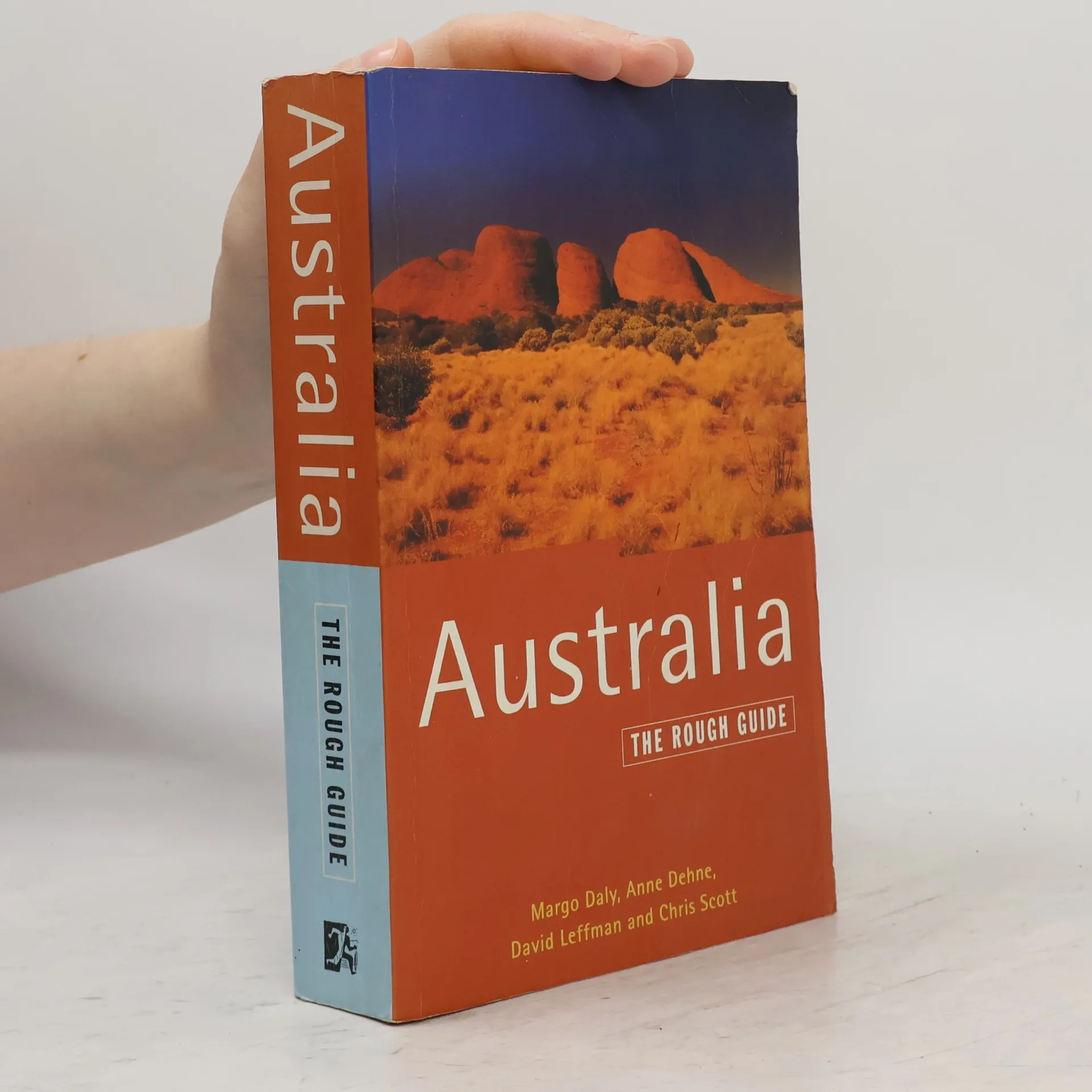
Australia is a vast and sparsely populated land, comparable in size to the USA but home to just over eighteen million people. This ancient continent features some of the most eroded and arid landscapes, particularly in its central and western regions. In contrast, its cities, established mainly in the mid-nineteenth century, exude a youthful energy. The Outback, with its striking geological features and unique wildlife, showcases a vivid ecology that has supported the oldest surviving human culture for over fifty thousand years. The harsh interior has led to a coastal lifestyle, with most Australians living within 20km of the ocean, particularly in a suburban arc from southern Queensland to Adelaide. Urban Australians embrace New World values of material self-improvement, often enjoying a vibrant outdoor life characterized by beach culture and backyard barbecues. While this lifestyle may seem mundane to some visitors, opportunities exist, especially in the Northern Territory, to engage with Australia's indigenous cultures through ancient art sites and tours. Many Aboriginal people in central Australia maintain traditional lifestyles, yet those in urban areas often face challenges related to "welfare colonialism," leading to cycles of poverty and ill-health. Achieving genuine equality between black and white Australians remains a significant challenge.
Featuring a blend of must-see attractions and hidden gems, this guidebook is tailored for independent travelers exploring Iceland. It provides essential planning tips and practical advice for on-the-ground adventures, ensuring a comprehensive travel experience. Additionally, the book emphasizes environmental responsibility through its sustainable printing practices.
In 2020 a large album of "paper horses" - prayer prints of Chinese gods - appeared for sale. How had these fragile things, cheaply printed in the 1940s and meant to be ritually burned soon after purchase, survived for so long? In answering this mystery, David Leffman explores the techniques behind Chinese woodblock printing, which dates back to at least the Tang dynasty. All 93 "paper horses" are reproduced alongside biographies of the gods, providing an illustrated introduction to the fascinating world of Chinese folk religion.
This guide to Iceland gives information on hotels, hostels and camping, and covers sites and stories of Viking sagas. There is advice on swimming in hot springs, climbing volcanoes, and tackling the icefields of Europe's largest glacier.