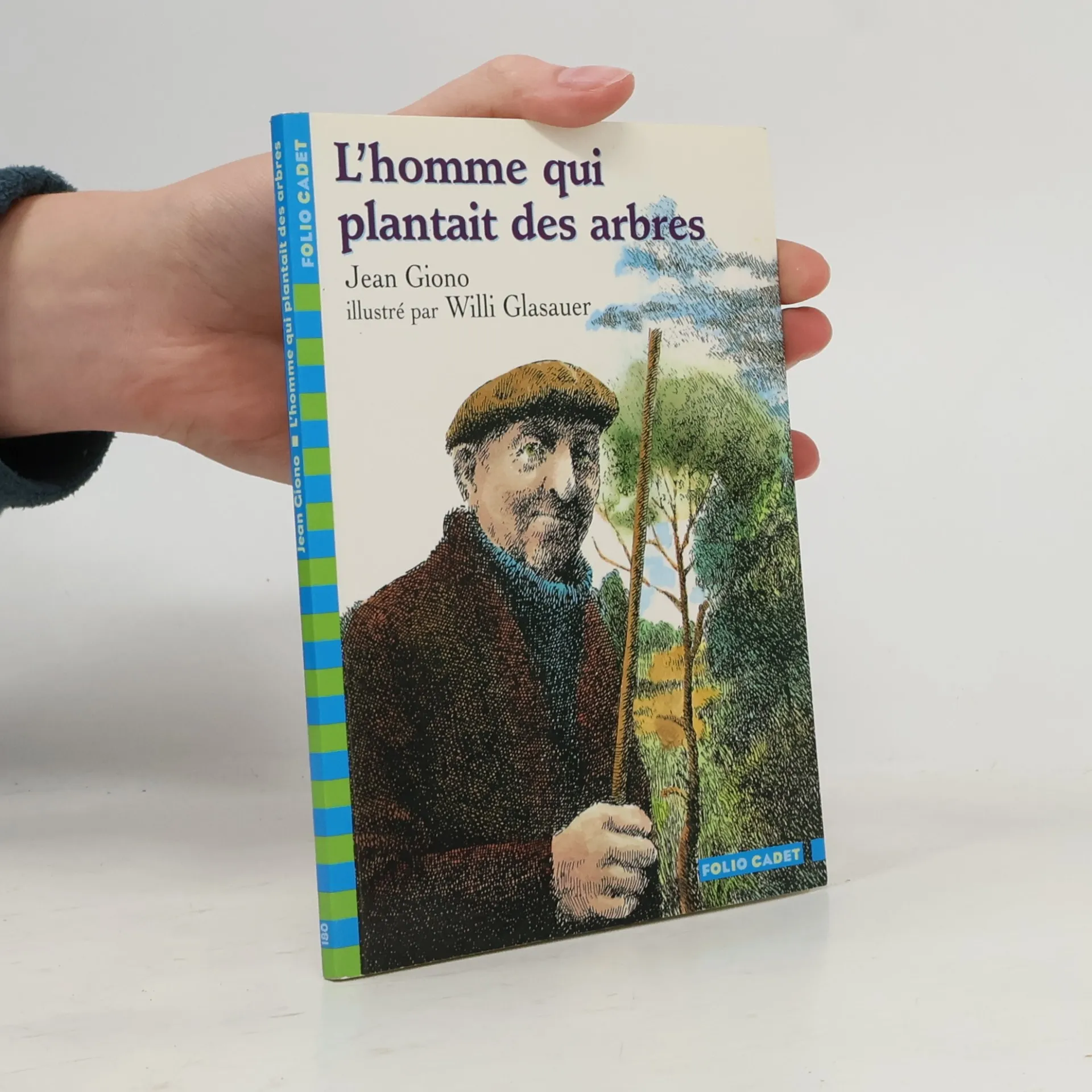
Au cours d'une de ses promenades en Haute-Provence, Jean Giono a un jour rencontré un personnage extraordinaire, un berger solitaire et paisible qui plantait des arbres, des milliers d'arbres. Au fil des ans, le vieil homme a réalisé son rêve: la lande aride et désolée est devenue une terre pleine de vie...Une histoire simple et généreuse, un portrait émouvant et un hymne à la nature.
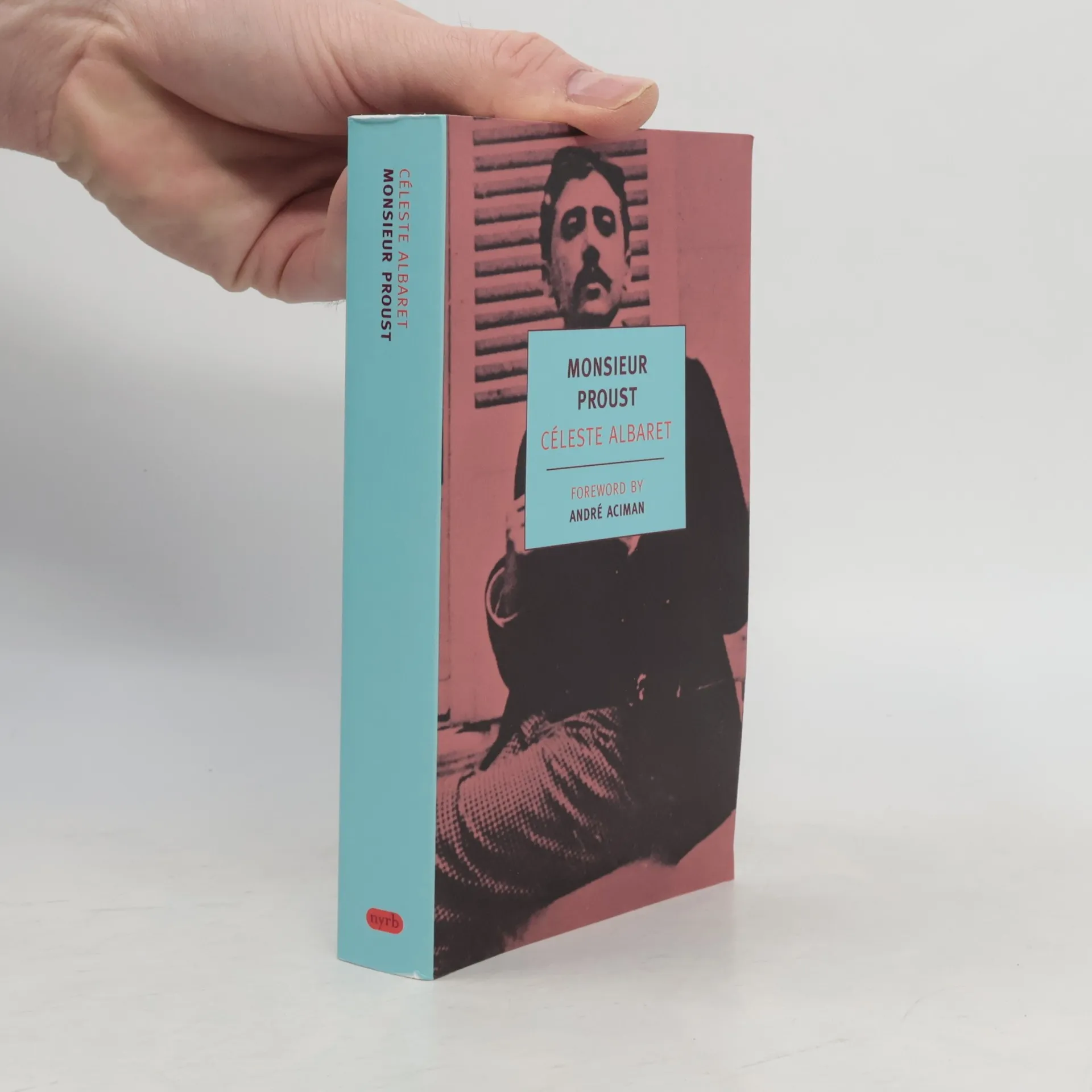
Céleste Albaret was Marcel Proust's housekeeper in his last years, when he retreated from the world to devote himself to In Search of Lost Time. She could imitate his voice to perfection, and Proust himself said to her, "You know everything about me." Her reminiscences of her employer present an intimate picture of the daily life of a great writer who was also a deeply peculiar man, while Madame Albaret herself proves to be a shrewd and engaging companion.
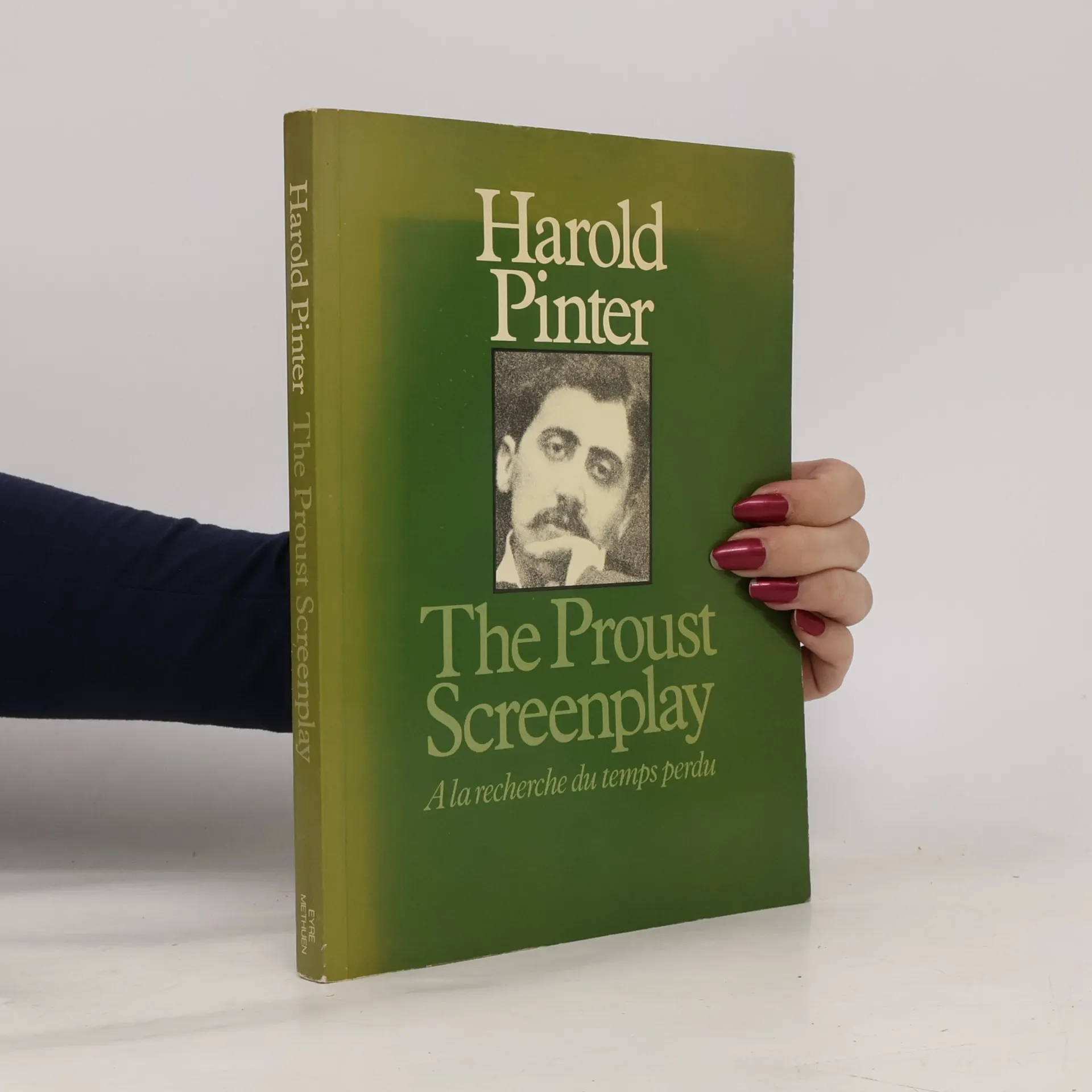
Recognized as one of the major literary works of the twentieth-century, Marcel Proust's monumental seven-volume novel brings together memories of childhood and Parisian society before and during the First World War. This new adaptation is based on Harold Pinter's screenplay, written at the request of the film director Joseph Losey in 1972. Remembrance of Things Past premi�red at the Royal National Theatre in November 2000.
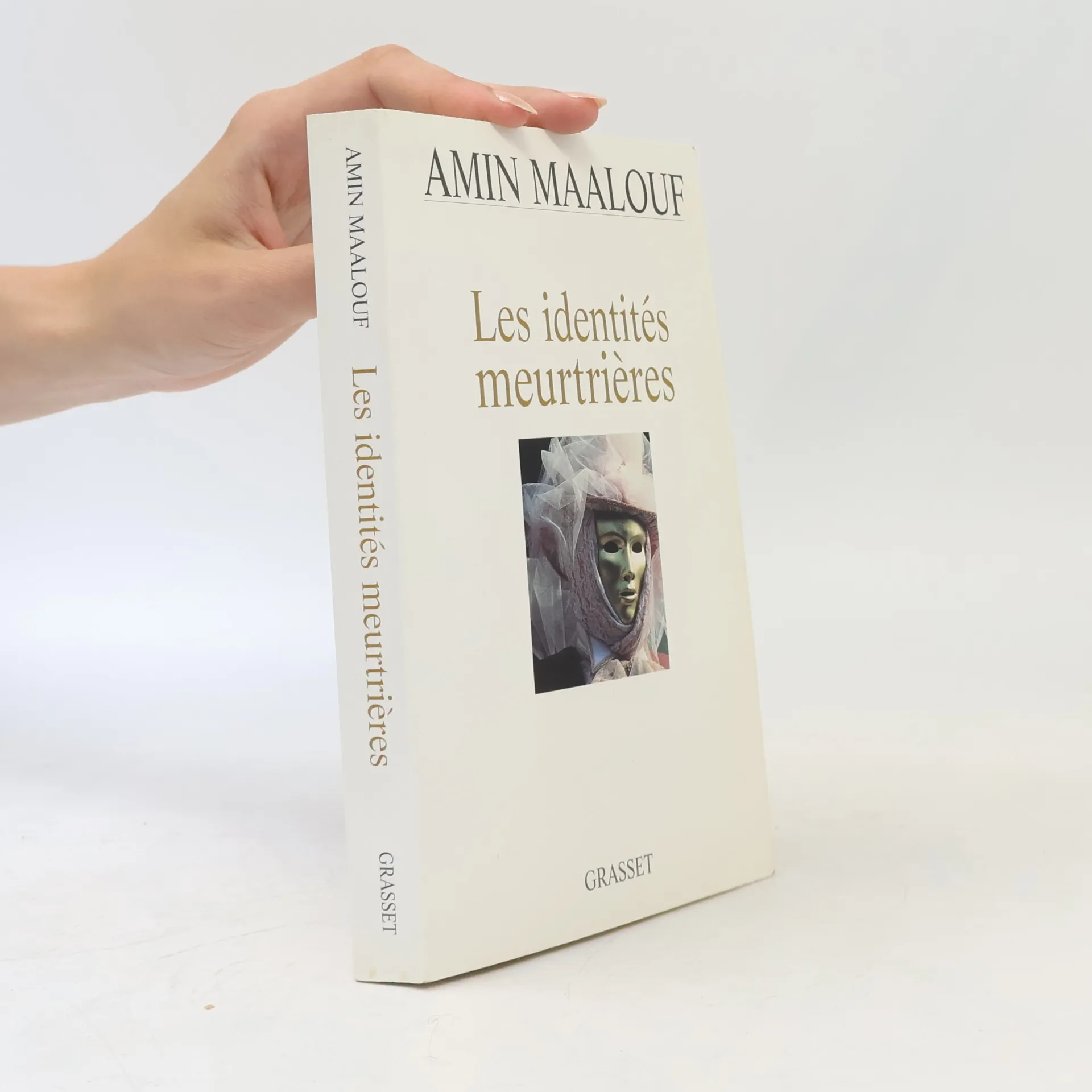
" Depuis que j'ai quitté le Liban pour m'installer, en France, que de fois m'a-t-on demandé, avec les meilleures intentions du monde, si je me sentais " plutôt français " ou " plutôt libanais ". Je réponds invariablement : " L'un et l'autre ! " Non par quelque souci d'équilibre ou d'équité, mais parce qu'en répondant différemment, je mentirais. Ce qui fait que je suis moi-même et pas un autre, c'est que je suis ainsi à la lisière de deux pays de deux ou trois langues, de plusieurs traditions culturelles. C'est cela mon identité... " Partant d'une question anodine qu'on lui a souvent posée, Amin Maalouf s'interroge sur la notion d'identité, sur les passions qu'elle suscite, sur ses dérives meurtrières. Pourquoi est-il si difficile d'assumer en toute liberté ses diverses appartenances ? Pourquoi faut-il, en cette fin de siècle que l'affirmation de soi s'accompagne si souvent de la négation d'autrui ? Nos sociétés seront-elles indéfiniment soumises aux tensions, aux déchaînements de violence, pour la seule raison que les êtres qui s'y côtoient n'ont pas tous la même religion, la même couleur de peau, la même culture d'origine ? Y aurait-il une loi de la nature ou une loi de l'Histoire qui condamne les hommes à s'entre-tuer au nom de leur identité ? C'est parce qu'il refuse cette fatalité que l'auteur a choisi d'écrire les Identités meurtrières, un livre de sagesse et de lucidité, d'inquiétude mais aussi d'espoir.
Recounts the conflicts surrounding Lacan's break with the institutional framework of Freudian orthodoxy, the popularity of Lacanianism in the 1960s and 1970s, and its encounters with the women's movement
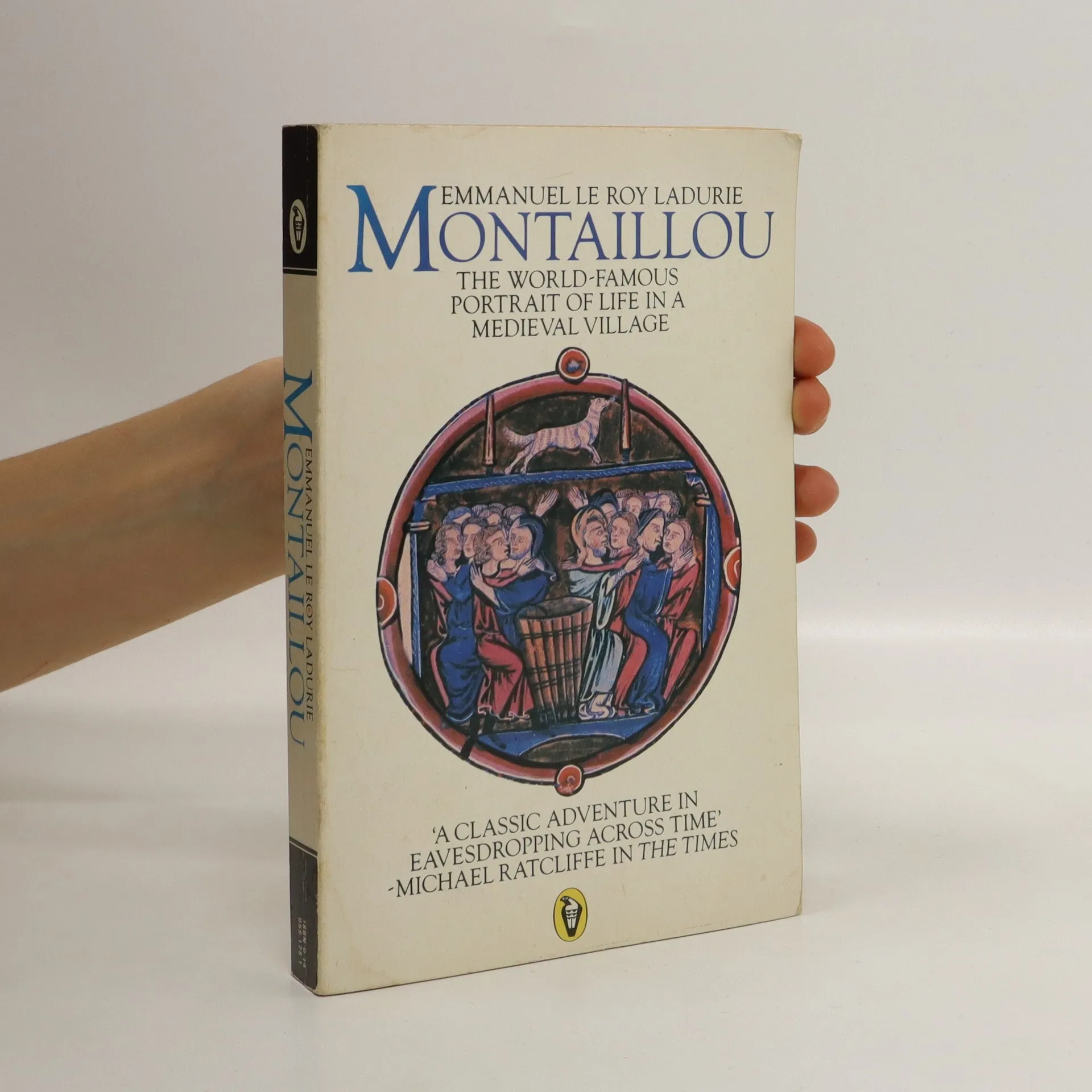
Presents an account of day-to-day life in a medieval French village. Using
records gathered by the Catholic Church in its pursuit of heretics, this book
shows the lives of a cast of village characters.
Évoquant sa liaison, au début des années 1930, à l’âge de 15 ans, avec un jeune et riche Chinois, Duras reprend les thèmes qui traversent son oeuvre: l’enfance, l’Indochine, la transgression sociale…
Selon A. Rinaldi, l'auteure fait preuve d'une "sentimentalité baignant dans le grotesque" et "pastiche sa propre grandiloquence émiettée jusqu'au délire". Pour M. Braudeau, dans ce "nouvel opuscule sur ses amours, l'amour", M. Duras fait preuve d'un "sens du paradoxe provocant" et propose des "trouvailles" dont la "fausse simplicité précieuse" plaît à certains lecteurs. Duras, "magicienne pythonisse"? La critique québécoise féminine est favorable, sensible au "blues" de Duras
Professor Ilya Zbarski mummified Lenin two months after his death to maintain the Soviet founder's body in perpetuity. Between 1924 and the fall of communism in 1991, hundreds of millions of visitors paid their respects to the embalmed bodies of Lenin and later, Stalin. This text reveals the story of Zbarski, his family and of those who worked in the mausoleum laboratory. Lenin's body was plunged into a secret solution based on glycerine and potassium acetate. This story, unthinkable except in a totalitarian regime, is also that of the burgeoning Soviet Union and those who, disregarding Stalin and his growing antisemitic paranoia, believed that working in the shadows of the mausoleum would protect them forever. Abandoned by the State since 1991, the laboratory can only survive through the patronage of the "nouveaux riches" and the Russian mafia dynasties. The text includes both archival and contemporary photographs.