
Bookbot

Paul Patton

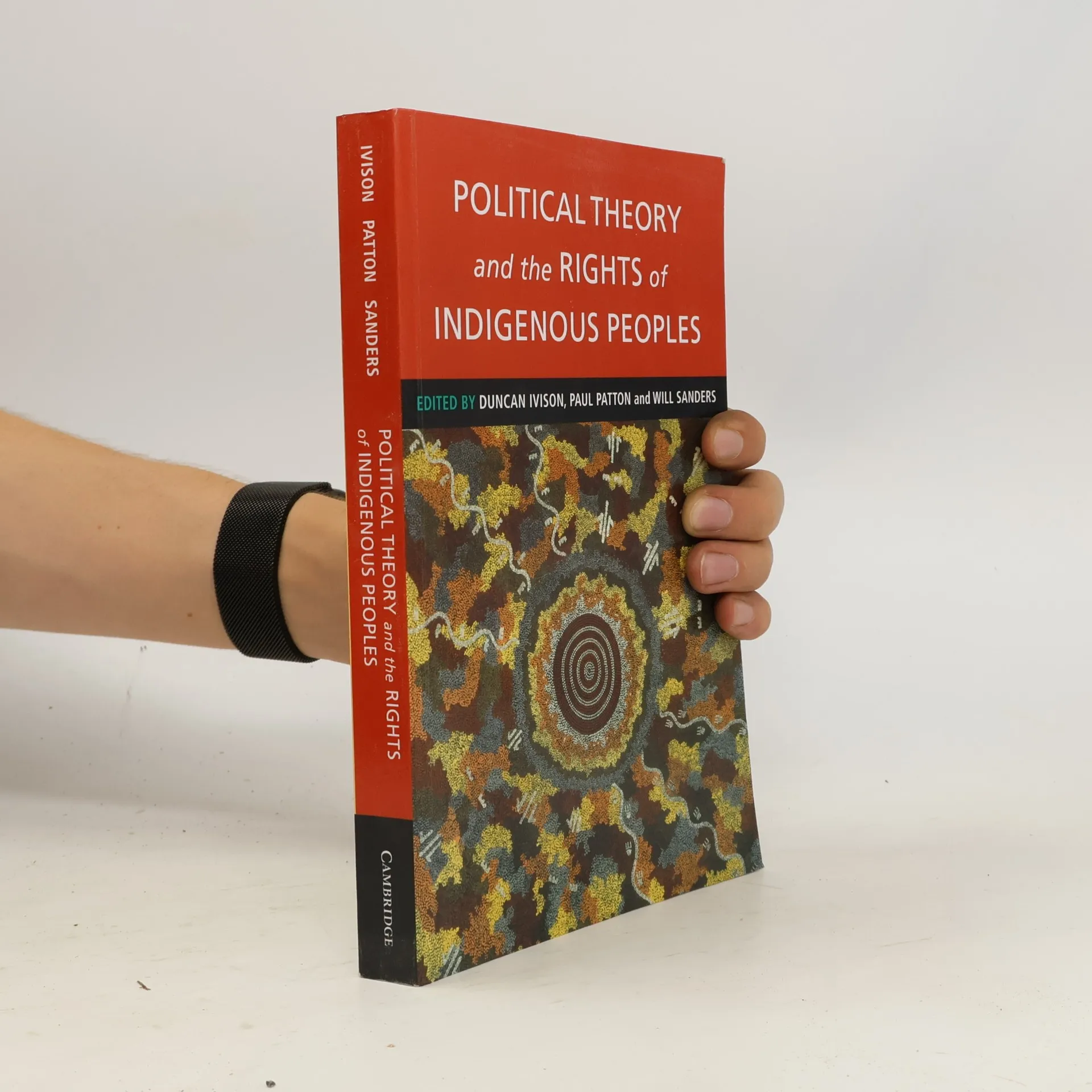
    Political Theory and the Rights of Indigenous Peoples
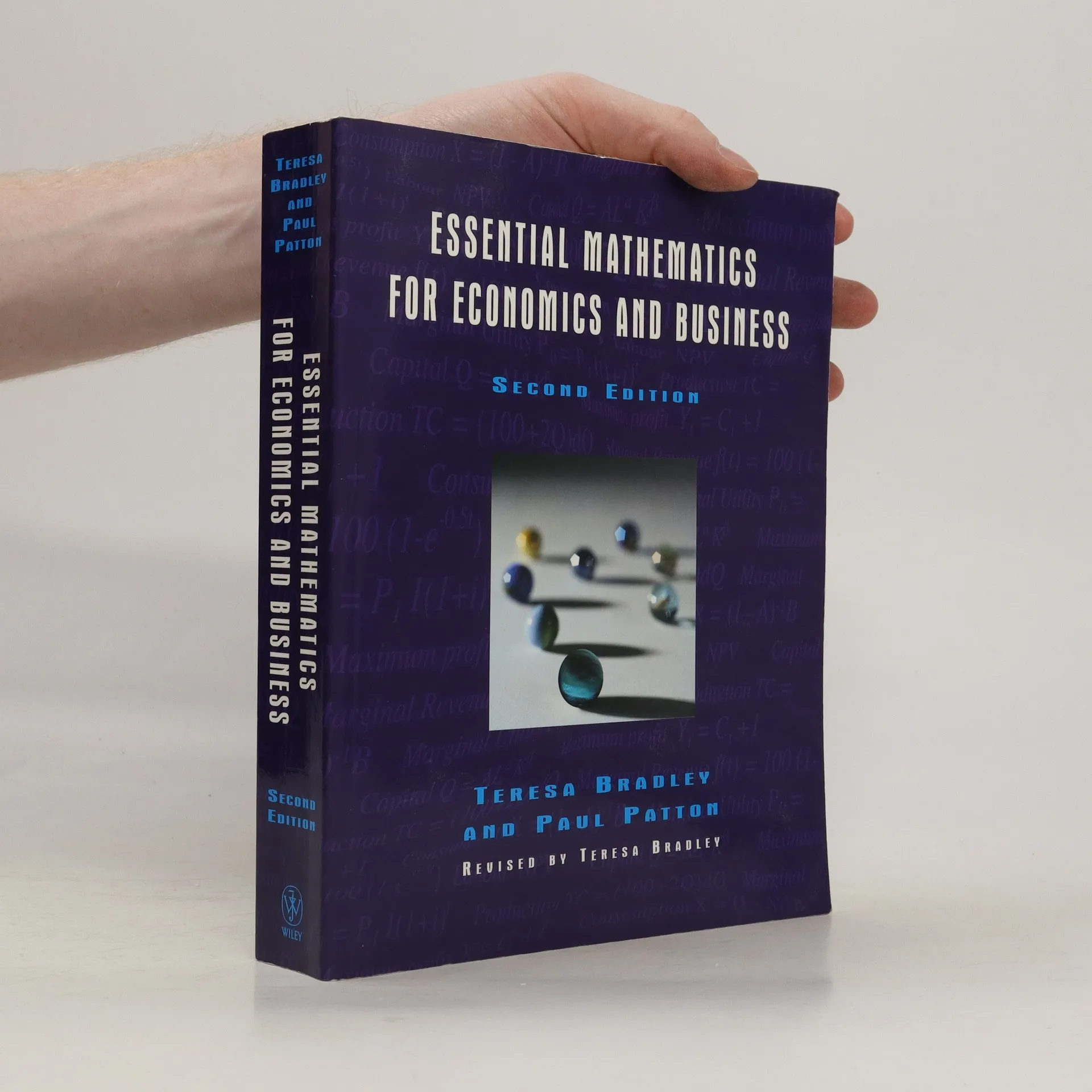
    Essential Mathematics for Economics and Business
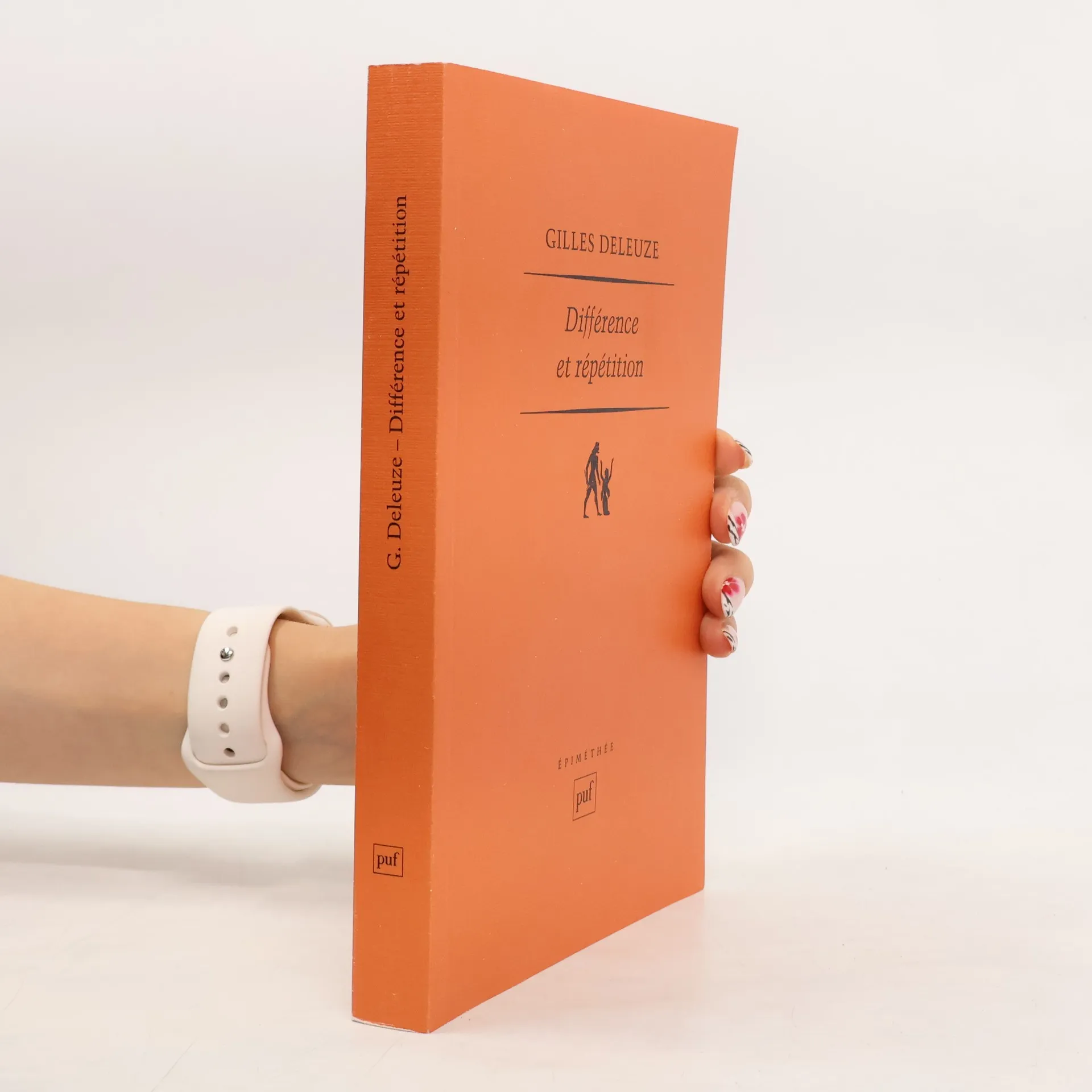
    Différence et répétition
    • This book focuses on the problem of justice for indigenous peoples and the key questions this poses for political theory. Contributors include leading political theorists and indigenous scholars from Australia, Aotearoa/New Zealand, Canada and the United States. They examine how political theory has contributed to the past subjugation and continuing disadvantage faced by indigenous peoples, while also seeking to identify ways that contemporary political thought can assist the "decolonization" of relations between indigenous and nonindigenous peoples.

      Political Theory and the Rights of Indigenous Peoples2002
    • Essential Mathematics for Economics and Business has become established as one of the leading introductory books on mathematics. It combines a non-rigorous approach to mathematics with applications in economics and business. The fundamental mathematical concepts are explained as simply and as briefly as possible, using a wide selection of worked examples, graphs and real-world applications. " Excellent for those coming to maths after school/university.... it is absolutely excellent as a text to get you up to speed very quickly. The explanations are clear and very well thought out without sacrificing important concepts. I couldn't recommend it highly enough as a text book to give you a leg up into more involved mathematical economics."— Amazon.co.uk 24 August 2004 "the most comprehensive reader in this topic yet, this book is an essential aid to the avid economist who loathes mathematics!"— Amazon.co.uk 25 January 2002

      Essential Mathematics for Economics and Business2000
      3,9
    • Différence et répétition

      • 409pages
      • 15 heures de lecture

      Un concept de différence implique une différence qui n'est pas seulement entre deux choses, et qui n'est pas non plus une simple différence conceptuelle. Faut-il aller jusqu'à une différence infinie (théologie) ou se tourner vers une raison du sensible (physique) ? A quelles conditions constituer un pur concept de la différence ? Un concept de la répétition implique une répétition qui n'est pas seulement celle d'une même chose ou d'un même élément. Les choses ou les éléments supposent une répétition plus profonde, rythmique. L'art n'est-il pas à la recherche de cette répétition paradoxale, mais aussi la pensée (Kierkegaard, Nietzsche, Péguy) ? Quelle chance y a-t-il pour que les deux concepts, de différence pure et de répétition profonde, se rejoignent et s'identifient ?

      Différence et répétition1994
      4,2