L'écriture d'Helon Habila offre une profonde exploration de la vie africaine contemporaine, lui valant de prestigieuses récompenses. Ses récits explorent les thèmes de l'identité, de la mémoire et de la recherche de sens au milieu des bouleversements sociaux et politiques. Habila tisse habilement des histoires personnelles avec des commentaires sociaux plus larges, créant des récits à la fois puissants et résonnants. Sa prose possède une qualité lyrique qui attire profondément les lecteurs dans les expériences humaines complexes qu'il dépeint.
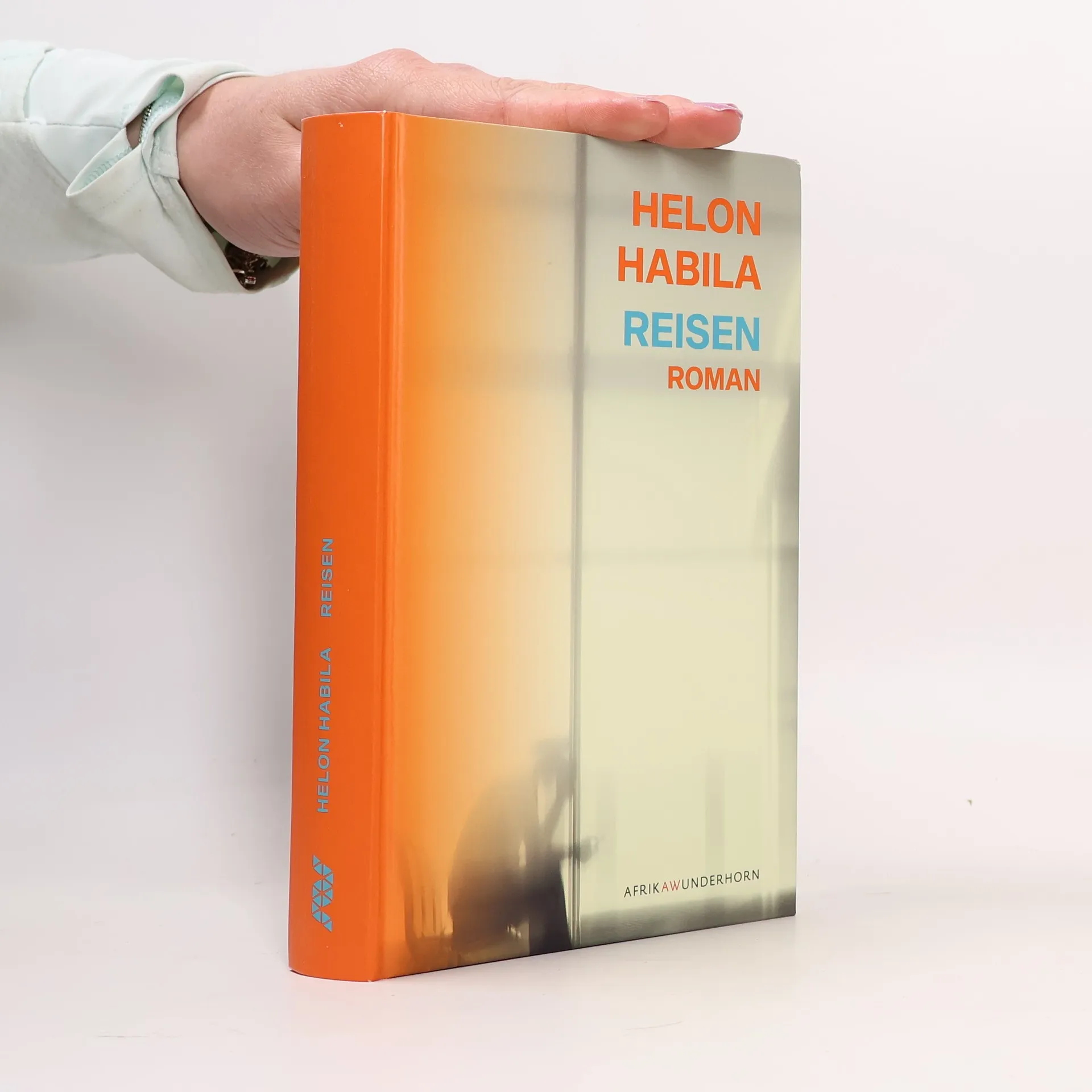
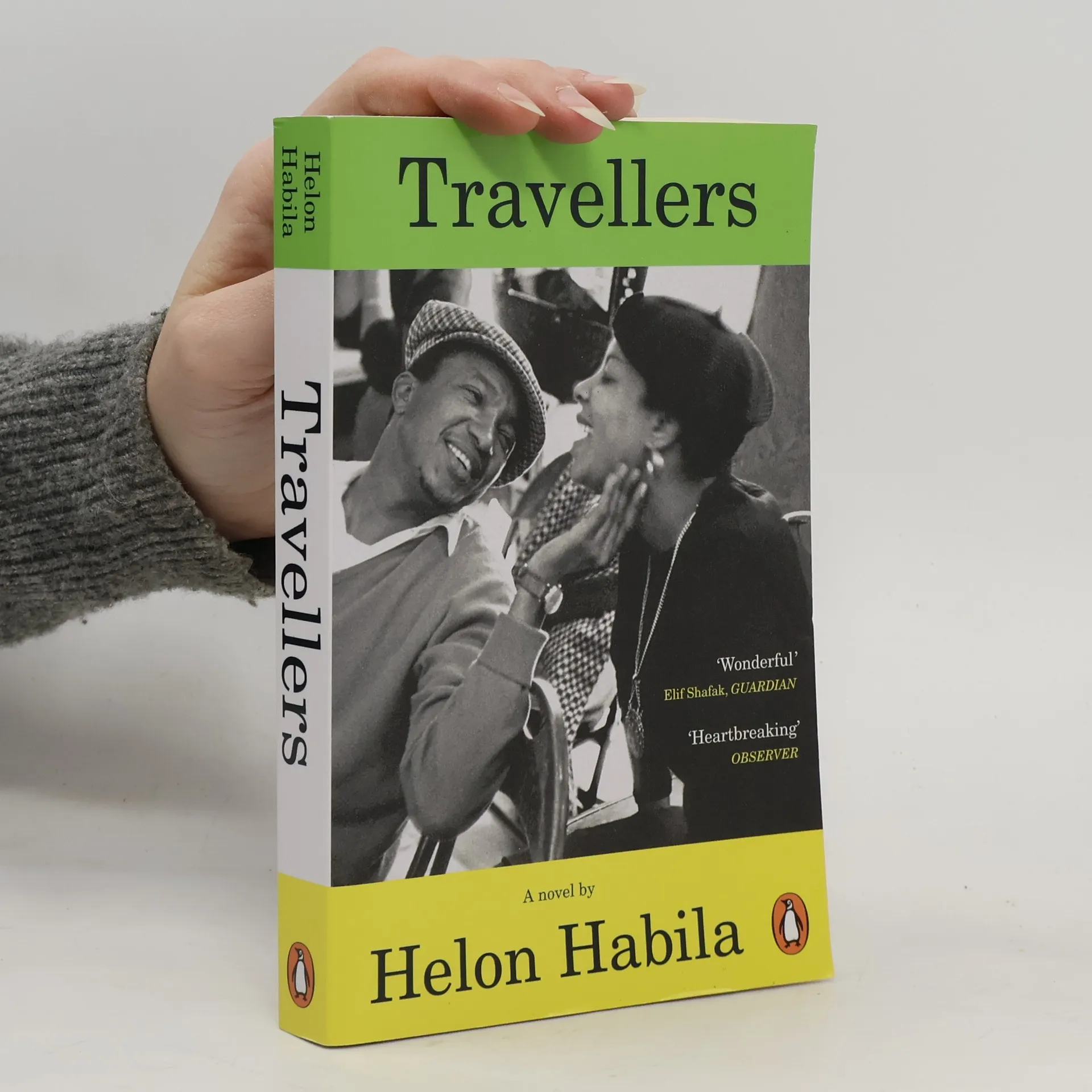
A Nigerian graduate student who has made his home in America knows what it means to strike out for new shores. When his wife proposes that he accompany her to Berlin, where she has been awarded a prestigious arts fellowship, he has his reservations: "I knew every departure is a death, every return a rebirth. Most changes happen unplanned, and they always leave a scar"
Set against a backdrop of shifting societal norms, the story explores themes of loyalty and the struggle for personal freedom amid the pressures of modernity and political ambition. Characters navigate their relationships and aspirations as they confront the challenges posed by a changing world, highlighting the tension between tradition and progress.
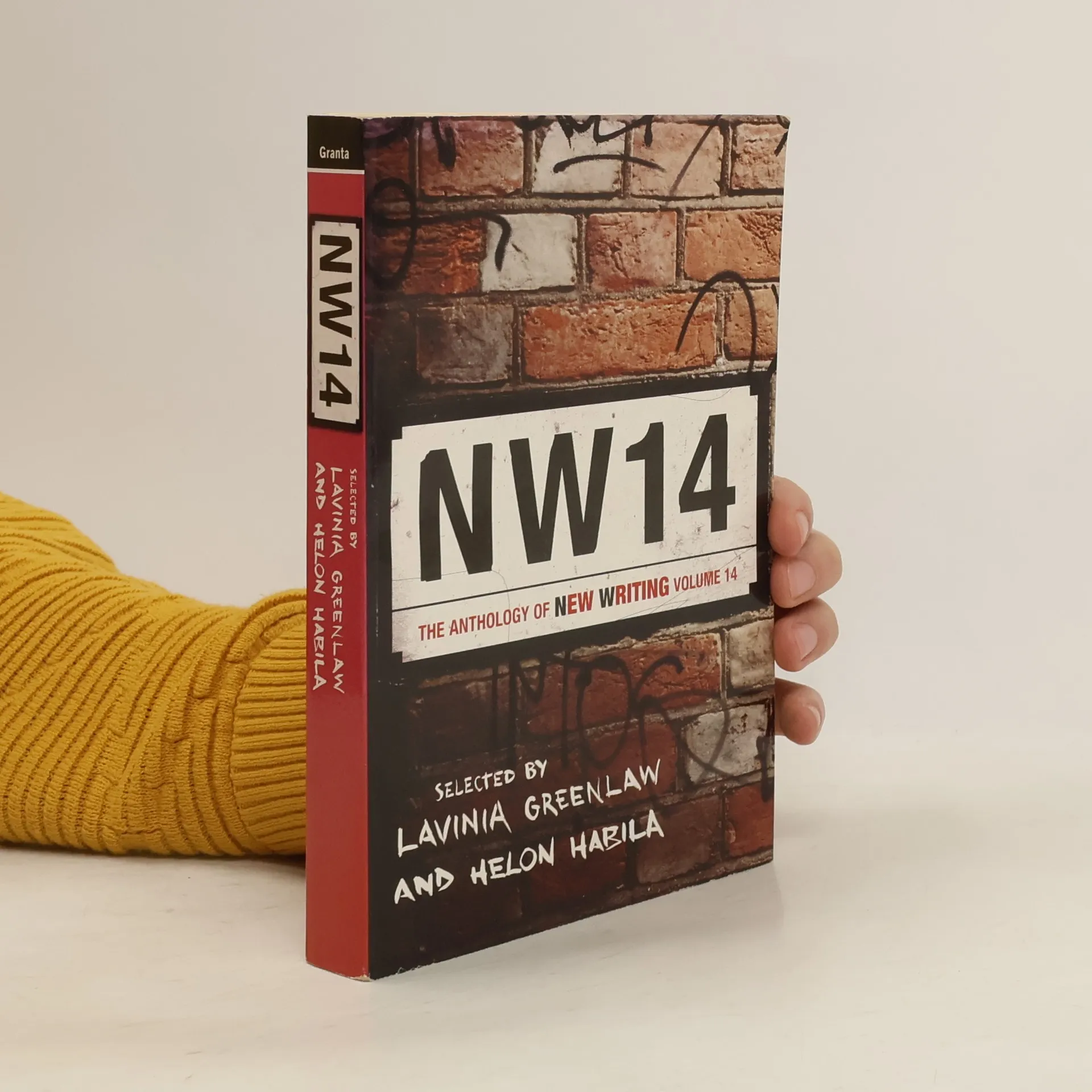
The British Council's annual anthologies highlight exceptional writing in fiction, non-fiction, and poetry from both established and emerging voices in the UK, Ireland, and the Commonwealth.
Short stories featured include works by Lasdun, Vijayakrishnan, Pinchuk, Gunesekera, Robins, Gurnah, Womersley, Gunn, Hogan, Rose, Da Costa, Barlay, Pandit, and Cowie, exploring themes from personal journeys to reflections on memory and identity.
The poetry section showcases contributions from Morley, Muldoon, Luther, Stoddart, Walls, Etter, Knight, Galbraith, O'Brien, McKendrik, Paterson, and Musariri, with themes ranging from nature and existential musings to personal and cultural reflections.
Novel extracts are presented from authors like Feaver, Nwokedi, Fernyhough, Harsent, Freud, Rogers, Dooley, Nwosu, Grut, and Soobramanien, offering glimpses into their narrative worlds.
In non-fiction, works by Ifowodo, Lee, Michelson, and Warner delve into personal experiences and broader societal themes, while Faber reflects on connections to mythology and personal narratives. This anthology serves as a vibrant tapestry of contemporary writing, celebrating diverse voices and experiences.
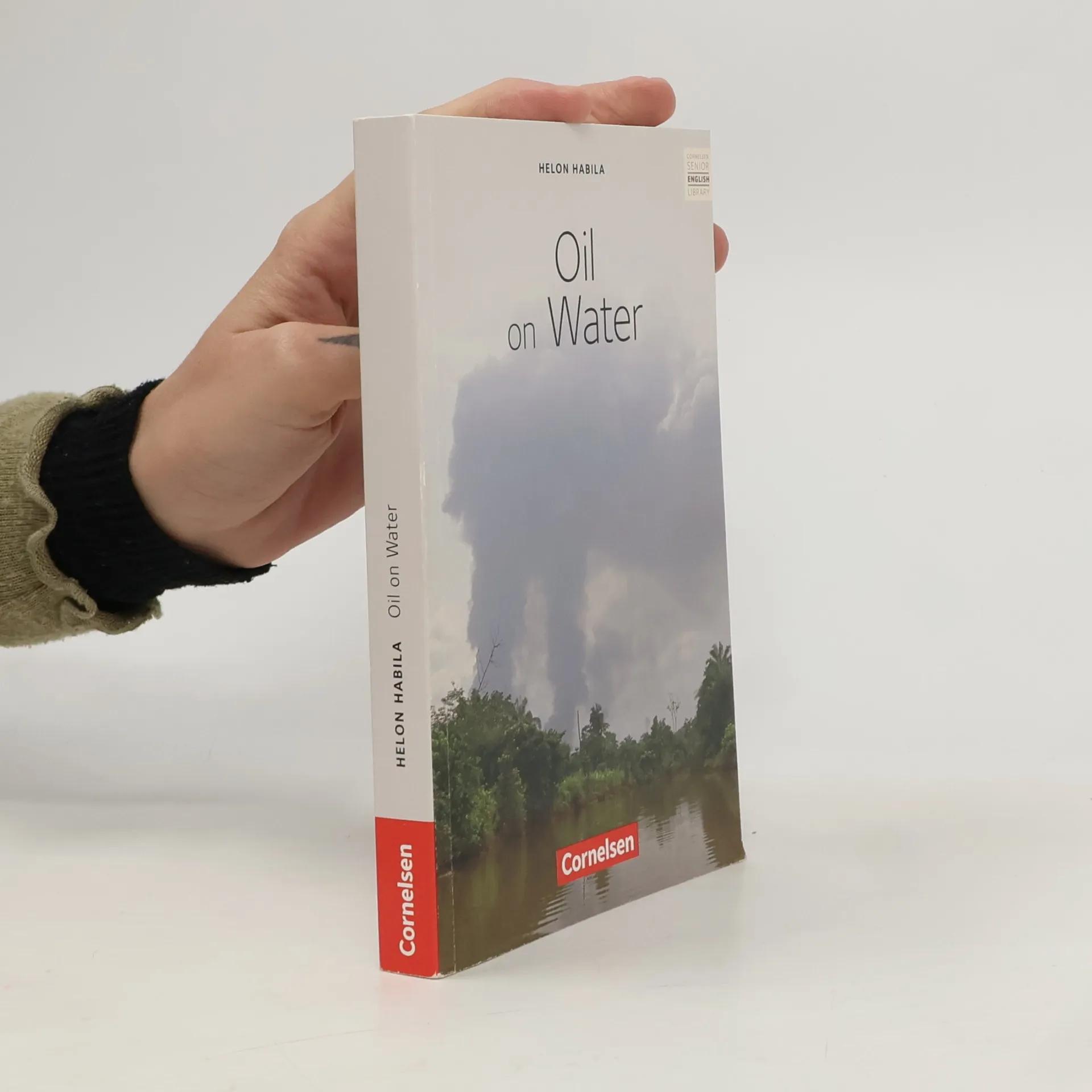
From the desks of Nigeria's newsrooms, two journalists are recruited to find the kidnapped wife of a British oil engineer. Zaq, an infamous media hack, knows what's in store, but Rufus, a keen young journalist eager to get himself noticed, has no idea what he's let himself in for. Journeying into the oil-rich regions of the Niger Delta, where militants rule and the currency dealt in is the lives of hostages, Rufus soon finds himself acting as intermediary between editor, husband, captive and soldier. As he follows the trail of the missing woman, the love for the 'story' becomes about much more than just uncovering her whereabouts, and instead becomes a mission to seek out and expose the truth. In a cruel twist of fate, Rufus finds himself taking on Zaq's role much more literally than he ever anticipated, and in the midst of a seemingly endless, harrowing war, he learns that truth can often be a bitter pill to swallow...
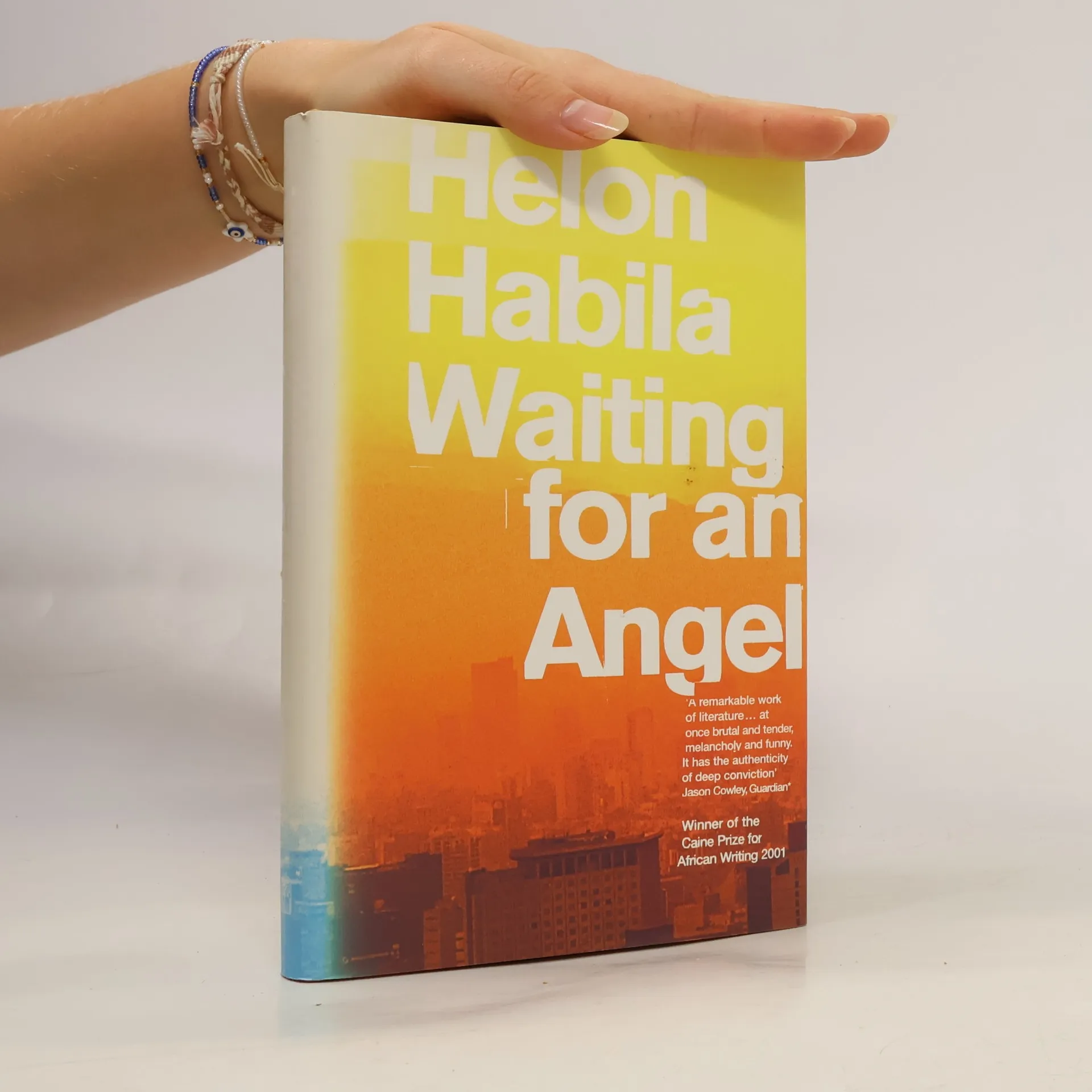
The generation-defining successor to Chinua Achebe's Things Fall Apart. Lomba is a young journalist living under military rule in Lagos, Nigeria, the most dangerous city in the world. His mind is full of soul music and girls and the lyric novel he is writing. But his roommate is brutally attacked by soldiers; his first love is forced to marry a wealthy general; and his neighbors on Poverty Street are planning a demonstration that is bound to incite riot and arrests. Lomba can no longer bury his head in the sand. Helon Habila's vivid, exciting, and heart-wrenching debut opens a window onto a world in some ways familiar-with its sensuously depicted streets, student life, and vibrant local characters-yet ruled by one of the world's most corrupt and oppressive regimes, a scandal that ultimately drives Lomba to take a risk in the name of something greater than himself. Habila captures the energy, sensitivity, despair, and stubborn hope of a new African generation with a combination of gritty realism and poetic beauty.
Der Protagonist, ein nigerianisch-amerikanischer Akademiker, zieht mit seiner amerikanischen Frau nach Berlin, als diese dort ein renommiertes Kunststipendium erhält. In Berlin lernt er viele afrikanische Immigranten und Geflüchtete kennen und erfährt so von ihren Fluchterlebnissen. Diese Begegnungen führen bei ihm, der als schwarzer Intellektueller ein privilegiertes und sicheres Leben führt, zu einer tiefen Selbstreflexion. Er stellt sein bisheriges Leben in Frage und merkt, dass er unlösbar mit den Schicksalen der Migranten verbunden ist und sein Leben nicht länger getrennt von deren alltäglicher Not führen kann. Als er eine junge Frau aus Sambia in die Schweiz begleitet, wo sie die Todesumstände ihres Bruders klären will, steigt er auf der Rückreise nach Berlin ohne Papiere in den falschen Zug und landet in einem Flüchtlingslager am italienischen Mittelmeer … Habila lässt in seinem Roman ein Mosaik aus den unterschiedlichsten Erfahrungen von Migranten entstehen. Er zeigt damit, dass die Themen Vertreibung und Migration »ewige« Themen bleiben werden, sollten nicht Menschlichkeit und Respekt vor anderen Kulturen unsere Gesellschaften bestimmen.
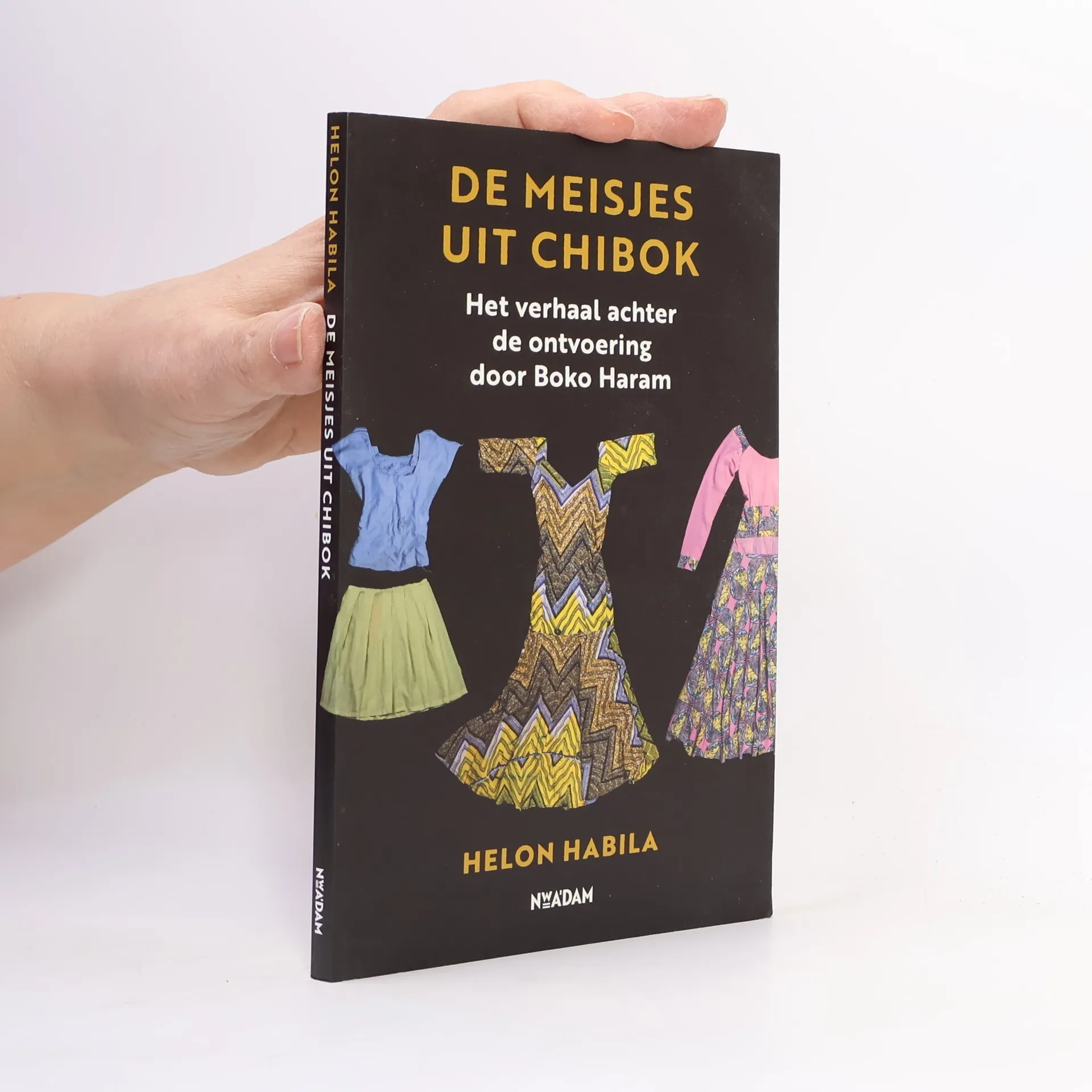
Boko Haram ontvoerde ruim twee jaar geleden 267 meisjes van de middelbare school in Chibok. De veelgeprezen Nigeriaanse romanschrijver Helon Habila, afkomstig uit de streek, keerde terug naar Chibok, legde contact met de familie en sprak ontvoerde meisjes. Vervuld van mededogen en met een diepgaand inzicht in de historische context beschrijft Habila de opkomst van Boko Haram en de inadequate reactie daarop van de Nigeriaanse regering. Habila belicht de lange geschiedenis van het kolonialisme en geeft inzicht in de culturele en religieuze dynamiek die ten grondslag ligt aan de conflicten waar de regio tot op de dag van vandaag door wordt geteisterd