
Bookbot

Antonio R. Damasio

    25 février 1944
    Antonio R. Damasio
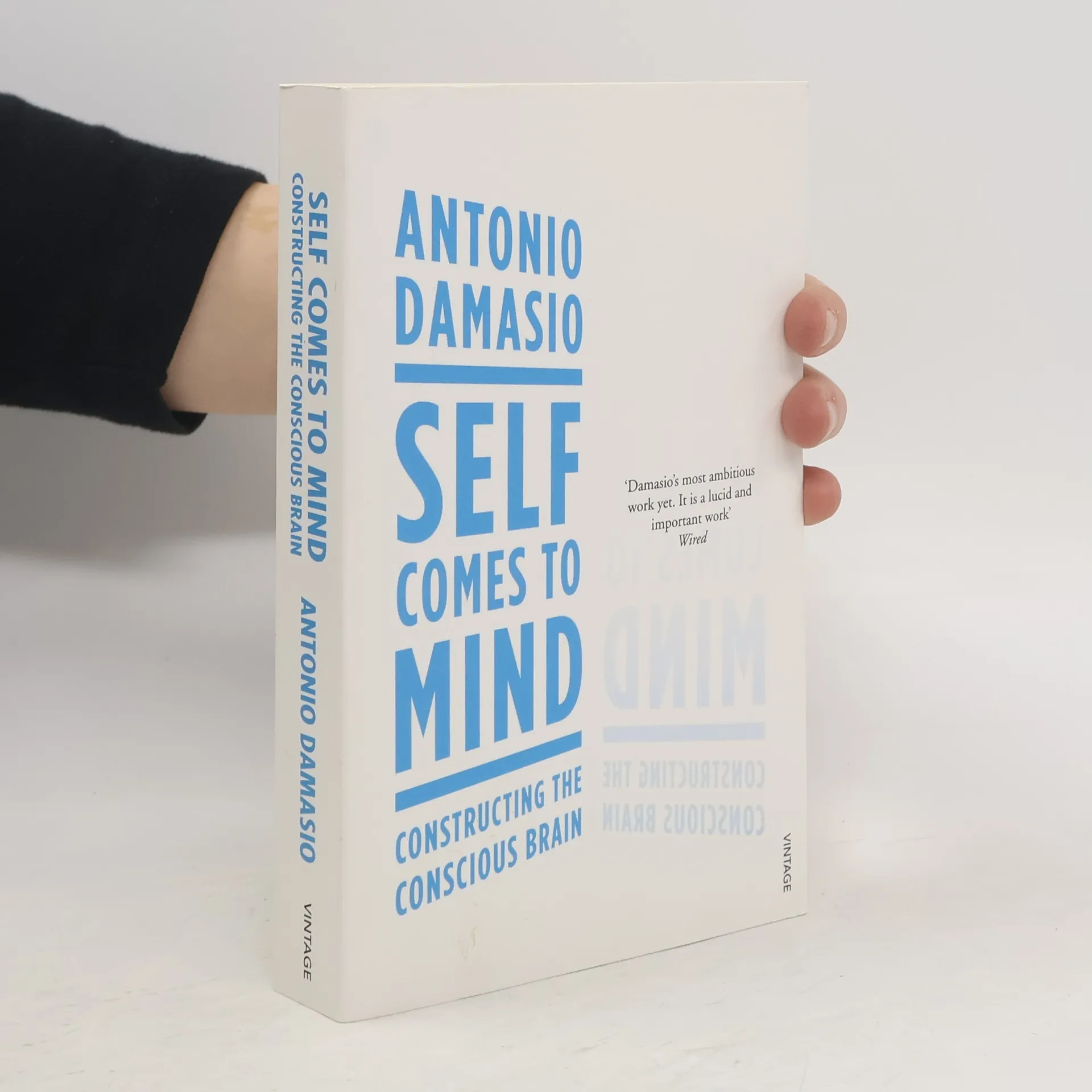
    Self Comes to Mind
    Neurobiology of decision making
    The Strange Order Of Things - skladem, lehce poškozený kus
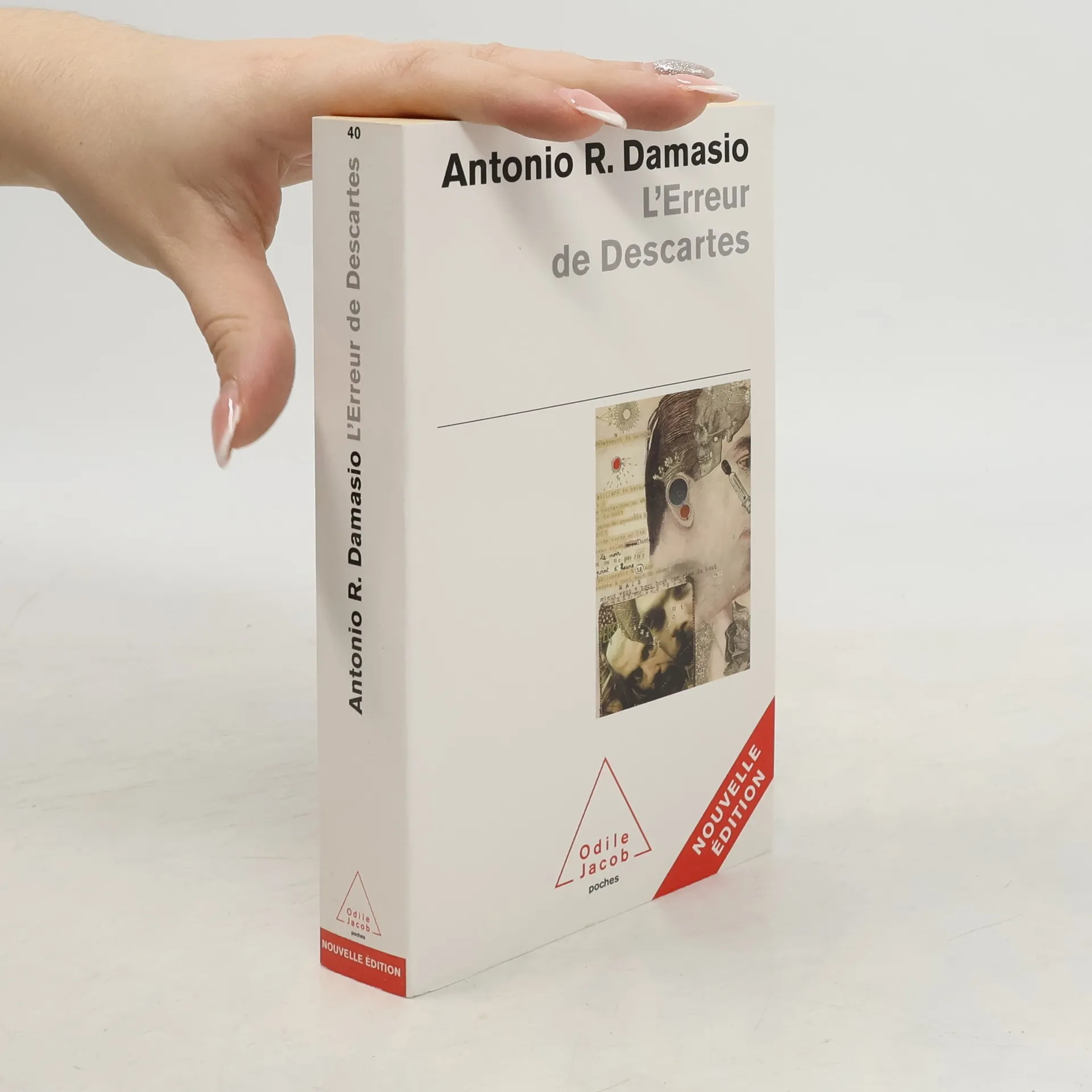
    L'Erreur de Descartes
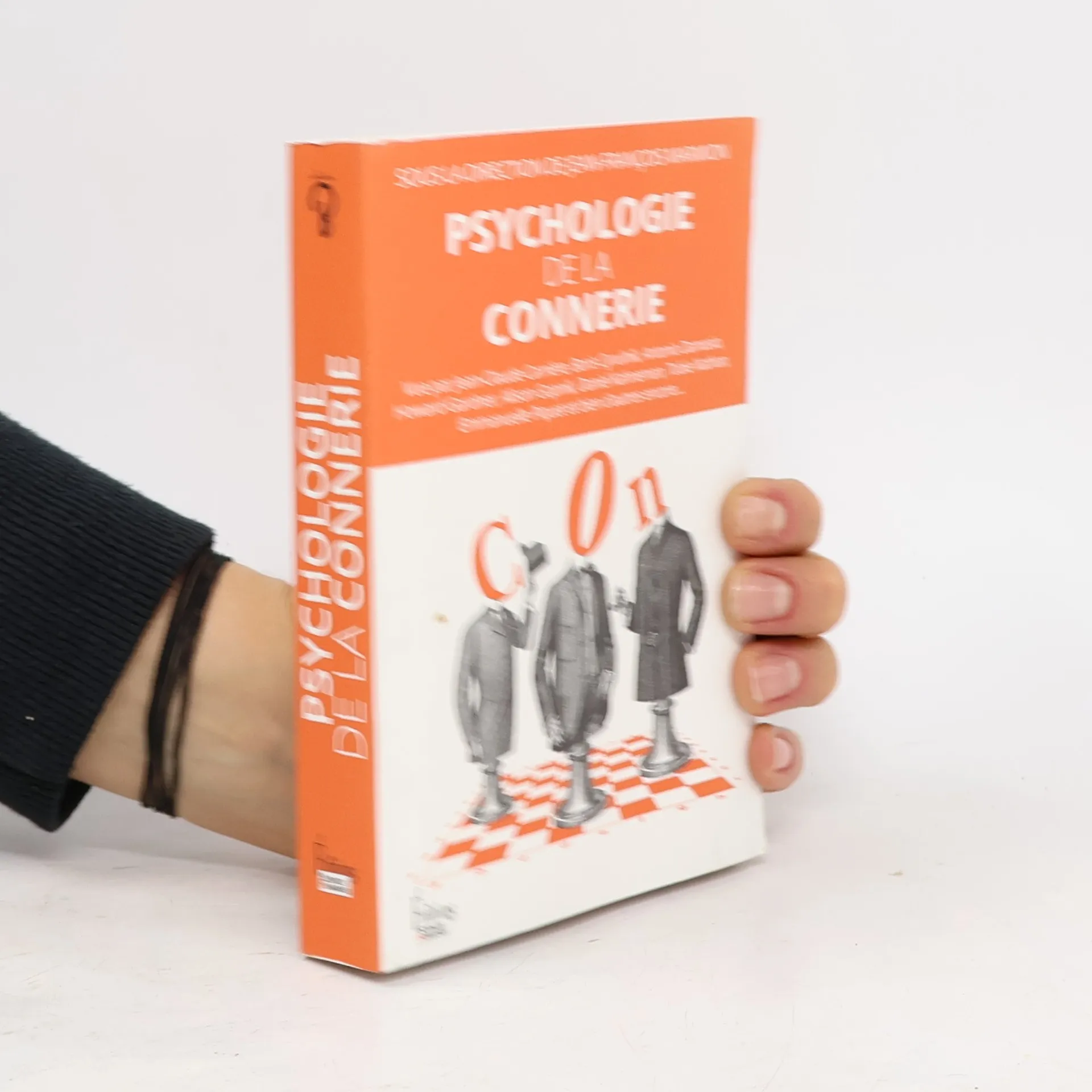
    Psychologie de la connerie
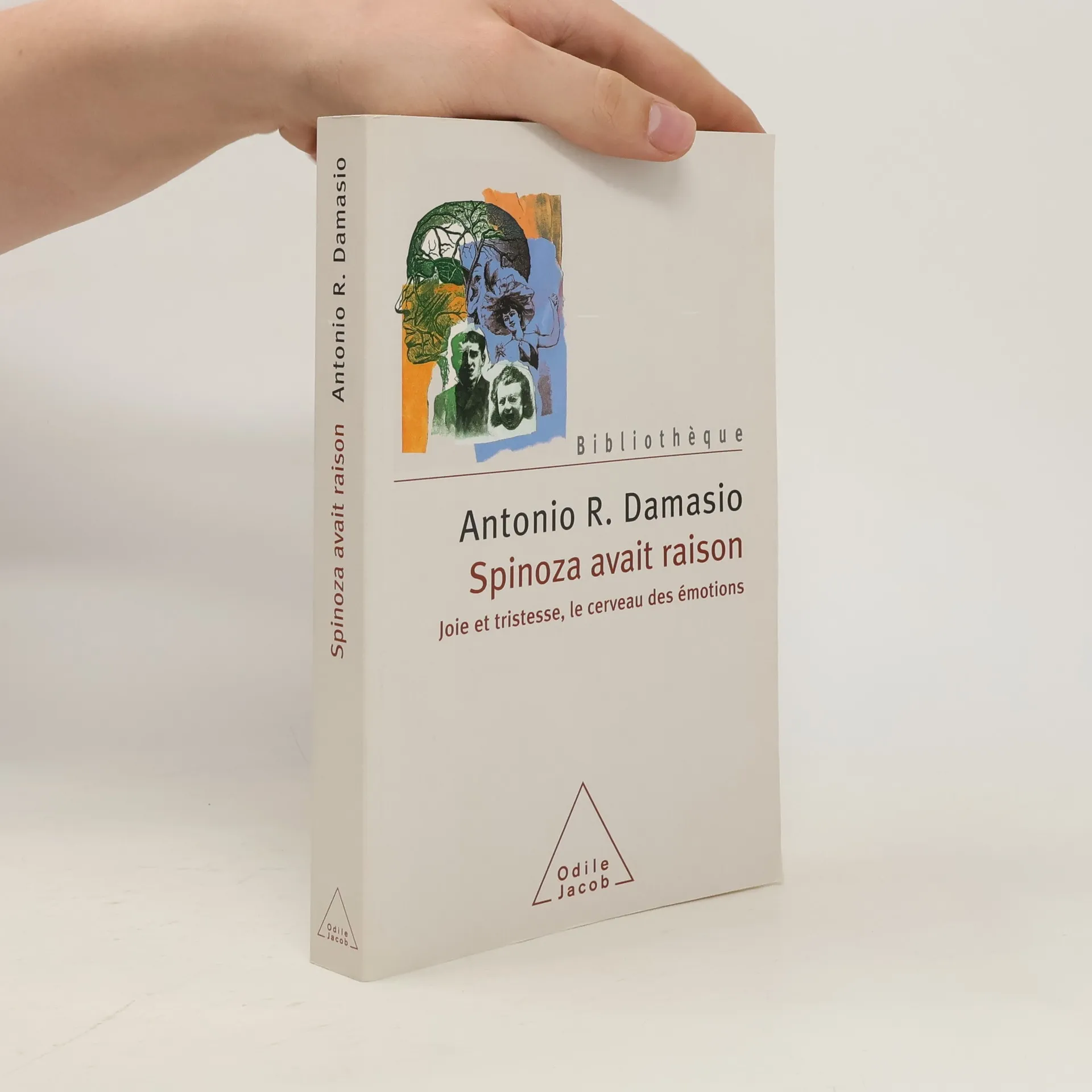
    Spinoza avait raison
    • Spinoza avait raison

      • 346pages
      • 13 heures de lecture

      Qu'est-ce qu'une émotion et qu'est-ce qu'un sentiment ? Quelle en est leur valeur pour l'être humain? La joie et la tristesse en particulier sont les clés de notre survie et de notre bien-être. Non seulement les processus qui les expliquent préservent la vie en nous, mais ce sont elles qui nous motivent et nous aident à produire nos créations les plus admirables. Descartes a instauré la grande coupure entre le corps et l'esprit; Spinoza les a réunis et a su voir dans les émotions le fondement même de la survie et de la culture humaines. D'où ce voyage afin de découvrir le génie visionnaire de l'Éthique. Car c'est Spinoza qui préfigure le mieux ce que doit être pour Antonio R. Damasio la neurobiologie moderne de l'émotion, du sentiment et du comportement social. Elle fournit les concepts et les perspectives nécessaires au progrès de notre connaissance de nous-mêmes
      Spinoza avait raison
      4,0
    • Psychologie de la connerie

      • 377pages
      • 14 heures de lecture

      Dan Ariely, Boris Cyrulnik, Antonio Damasio, Howard Gardner, Daniel Kahneman, Edgar Morin, Tobie Nathan et bien d'autres encore parlent de la connerie humaine. Un monde sans connards est possible ! En fait, non. Désolés. Mais ça n'empêche pas d'y réfléchir. La connerie, chacun la connaît : nous la supportons tous au quotidien. C'est un fardeau. Et pourtant les psychologues, spécialistes du comportement humain, n'ont jamais essayé de la définir. Mieux la comprendre pour mieux la combattre, tel est l'objectif de ce livre, même si nous sommes vaincus d'avance. Des psys de tous les pays, mais aussi des philosophes, sociologues et écrivains, nous livrent ici leur vision de la connerie humaine. C'est une première mondiale. Et peut-être une dernière, profitez-en !

      Psychologie de la connerie
      3,3
    • L'Erreur de Descartes

      La raison des émotions - Nouvelle édition

      • 396pages
      • 14 heures de lecture

      Since Descartes famously proclaimed, "I think, therefore I am," science has often overlooked emotions as the source of a person’s true being. Even modern neuroscience has tended, until recently, to concentrate on the cognitive aspects of brain function, disregarding emotions. This attitude began to change with the publication of Descartes’ Error in 1995. Antonio Damasio—"one of the world’s leading neurologists" ( The New York Times )—challenged traditional ideas about the connection between emotions and rationality. In this wondrously engaging book, Damasio takes the reader on a journey of scientific discovery through a series of case studies, demonstrating what many of us have long suspected: emotions are not a luxury, they are essential to rational thinking and to normal social behavior.

      L'Erreur de Descartes
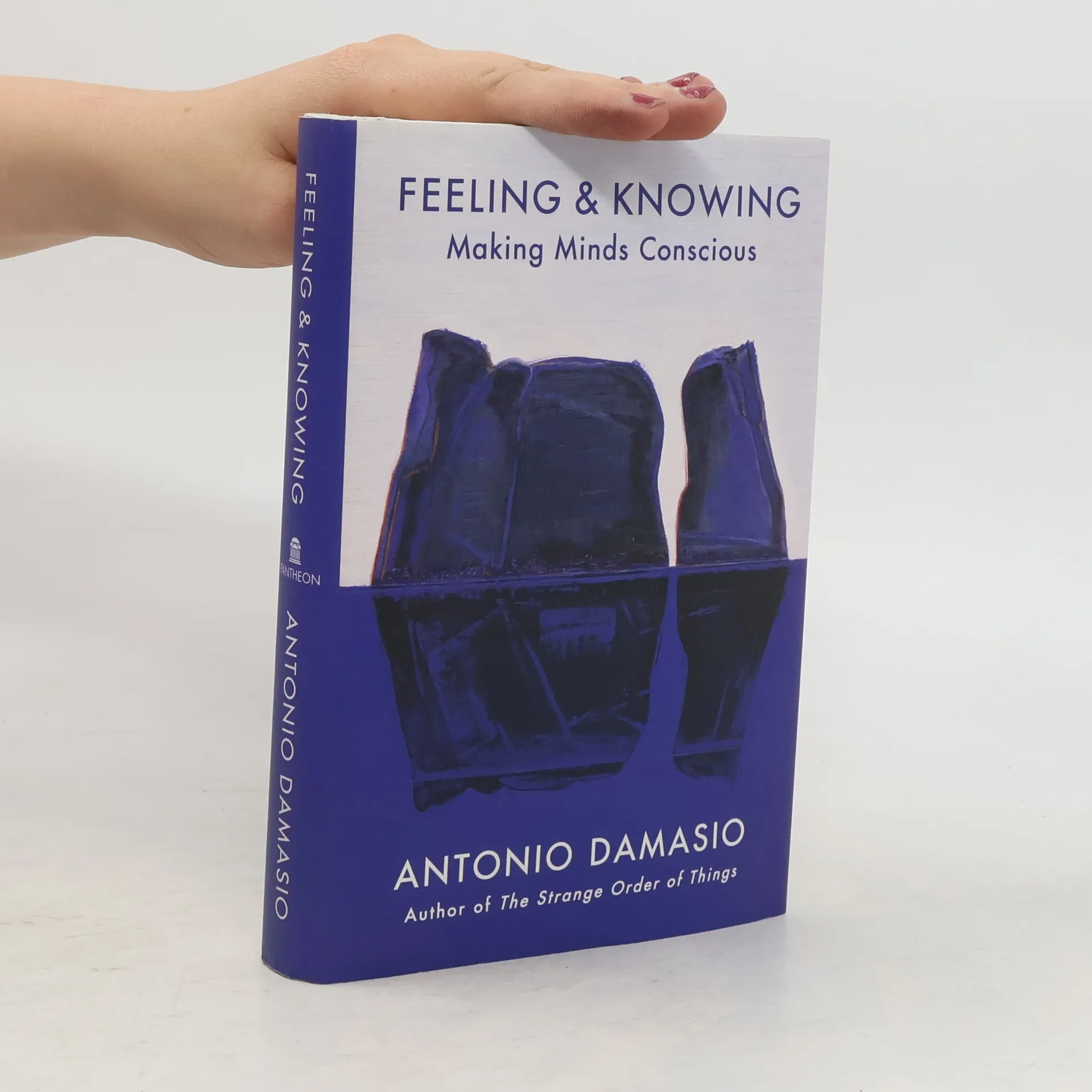
    • From one of the world's preeminent neuroscientists: a landmark reflection that spans the biological and social sciences, offering a new way of understanding the origins of life, feeling and culture.

      The Strange Order Of Things - skladem, lehce poškozený kus
      4,0
    • Neuroscience has paid only little attention to decision-making for many years. Although no field of science has cohered around this topic, a variety of researchers in different areas of neuroscience ranging from cellular physiology to neuropsychology and computational neuroscience have been engaged in working on this issue. Thus, the time seemed to be ripe to bring these researchers together and discuss the state of the art of the neurobiology of decision-making in a broad forum. This book is a collection of contributions presented at that forum in Paris in October 1994 organized by the Fondation IPSEN.

      Neurobiology of decision making
      4,1
    • Self Comes to Mind

      • 384pages
      • 14 heures de lecture

      In Self Comes to Mind, he goes against the long-standing idea that consciousness is somehow separate from the body, presenting compelling new scientific evidence that consciousness - what we think of as a mind with a self - is in fact a biological process created by a living organism.

      Self Comes to Mind
      4,1
    • The Feeling Of What Happens

      • 400pages
      • 14 heures de lecture

      One of the world's leading experts on the neurophysiology of emotions, Professor Antonio Damasio shows how our consciousness, our sense of being, arose out of the development of emotion. At its core, human consciousness is consciousness of the feeling, experiencing self, the 'very thought of' oneself. schovat popis

      The Feeling Of What Happens
      4,0
    • Descartes' Error

      • 336pages
      • 12 heures de lecture

      Since Descartes famously proclaimed, "I think, therefore I am," science has often overlooked emotions as the source of a person’s true being. Even modern neuroscience has tended, until recently, to concentrate on the cognitive aspects of brain function, disregarding emotions. This attitude began to change with the publication of Descartes’ Error in 1995. Antonio Damasio—"one of the world’s leading neurologists" (The New York Times)—challenged traditional ideas about the connection between emotions and rationality. In this wondrously engaging book, Damasio takes the reader on a journey of scientific discovery through a series of case studies, demonstrating what many of us have long suspected: emotions are not a luxury, they are essential to rational thinking and to normal social behavior.

      Descartes' Error
      4,0
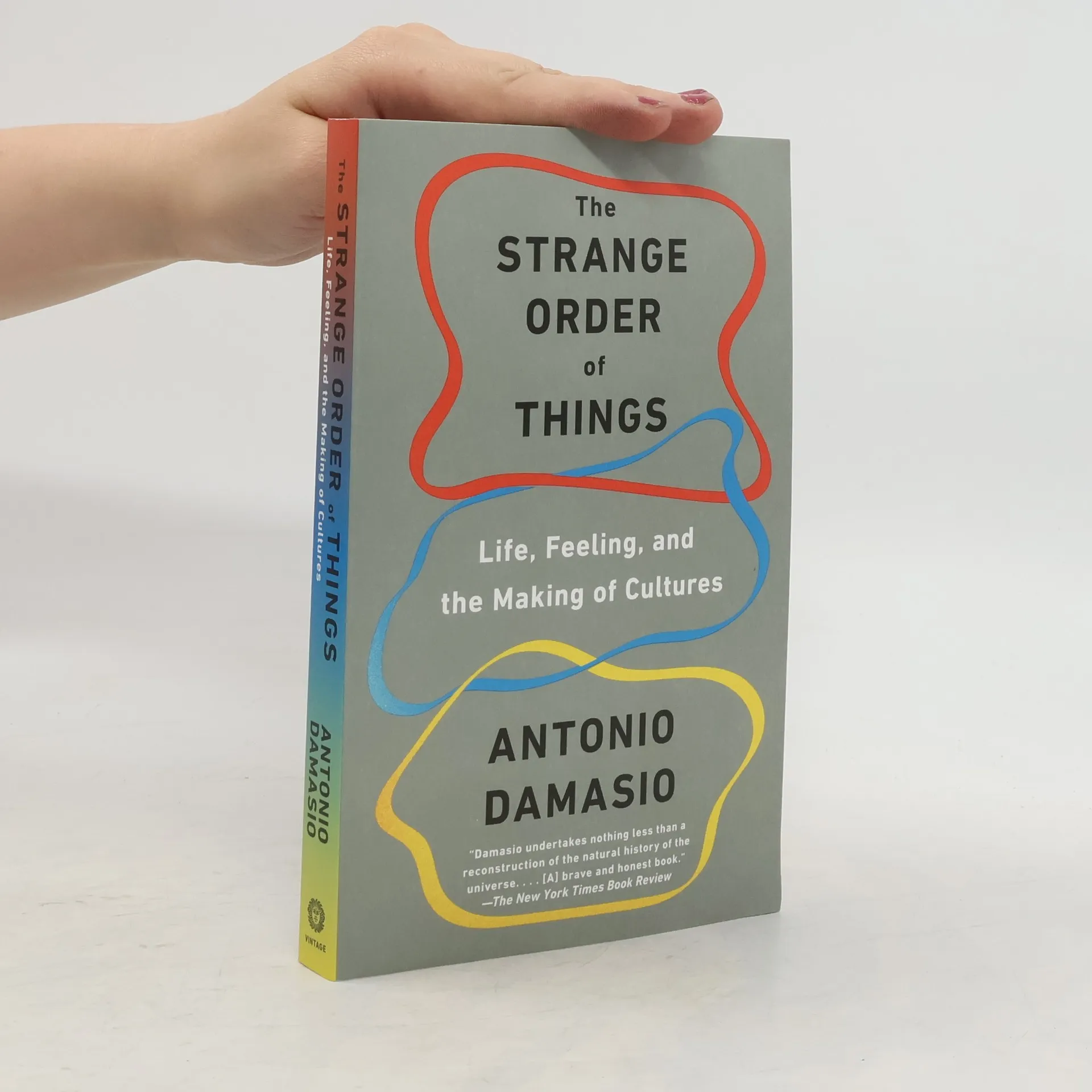
    • The Strange Order of Things

      • 336pages
      • 12 heures de lecture

      “Damasio undertakes nothing less than a reconstruction of the natural history of the universe. . . . [A] brave and honest book.” —The New York Times Book Review The Strange Order of Things is a pathbreaking investigation into homeostasis, the condition that regulates human physiology within the range that makes possible not only survival but also the flourishing of life. Antonio Damasio makes clear that we descend biologically, psychologically, and even socially from a long lineage that begins with single living cells; that our minds and cultures are linked by an invisible thread to the ways and means of ancient unicellular existence and other primitive life-forms; and that inherent in our very chemistry is a powerful force, a striving toward life maintenance that governs life in all its guises, including the development of genes that help regulate and transmit life. The Strange Order of Things is a landmark reflection that spans the biological and social sciences, offering a new way of understanding the origins of life, feeling, and culture. www.antoniodamasio.com

      The Strange Order of Things
      3,8
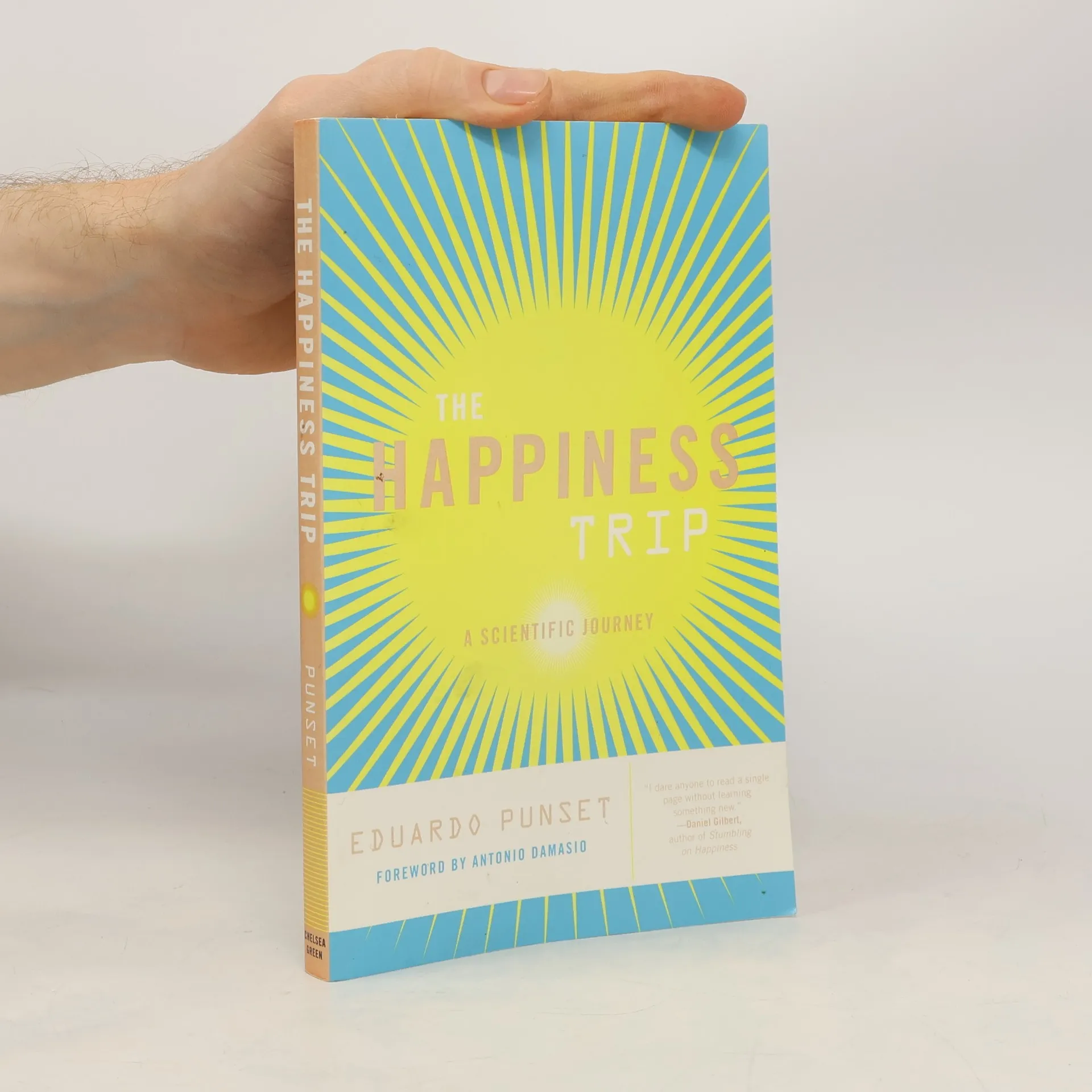
    • The Happiness Trip

      A Scientific Journey

      • 160pages
      • 6 heures de lecture

      The search for happiness is quintessentially human—a concept that has no bearing on any other creature on earth yet figures foremost among our deepest desires. In the realm of hard science, the journey to happiness is still in its infancy; the final destination, uncertain. The Happiness Trip is a lucid and passionate approach to the science of happiness and its conditioning emotions, stress, hormonal flows and aging, as well as the social, economic, cultural and religious aspects associated with the emotion. "We have set out on the unknown waters of our potential happiness with no previous knowledge, no maps. There are no models in nature. It is only recently that the scientific community developed technical instruments to measure the impact of emotions and stress. These have given rise in turn to the search for happiness, which immediately burst onto the field of scientific analysis."

      The Happiness Trip
      3,5