Douglas Murray Livres
16 juillet 1979
Douglas Murray est un écrivain et commentateur britannique reconnu pour ses perspectives conservatrices. Son œuvre aborde fréquemment des critiques du fondamentalisme islamique et d'autres questions sociopolitiques. Les essais et articles de Murray paraissent dans des publications britanniques et internationales de premier plan. Son style est direct et provocateur, faisant de lui une voix intellectuelle influente sur la scène politique contemporaine.

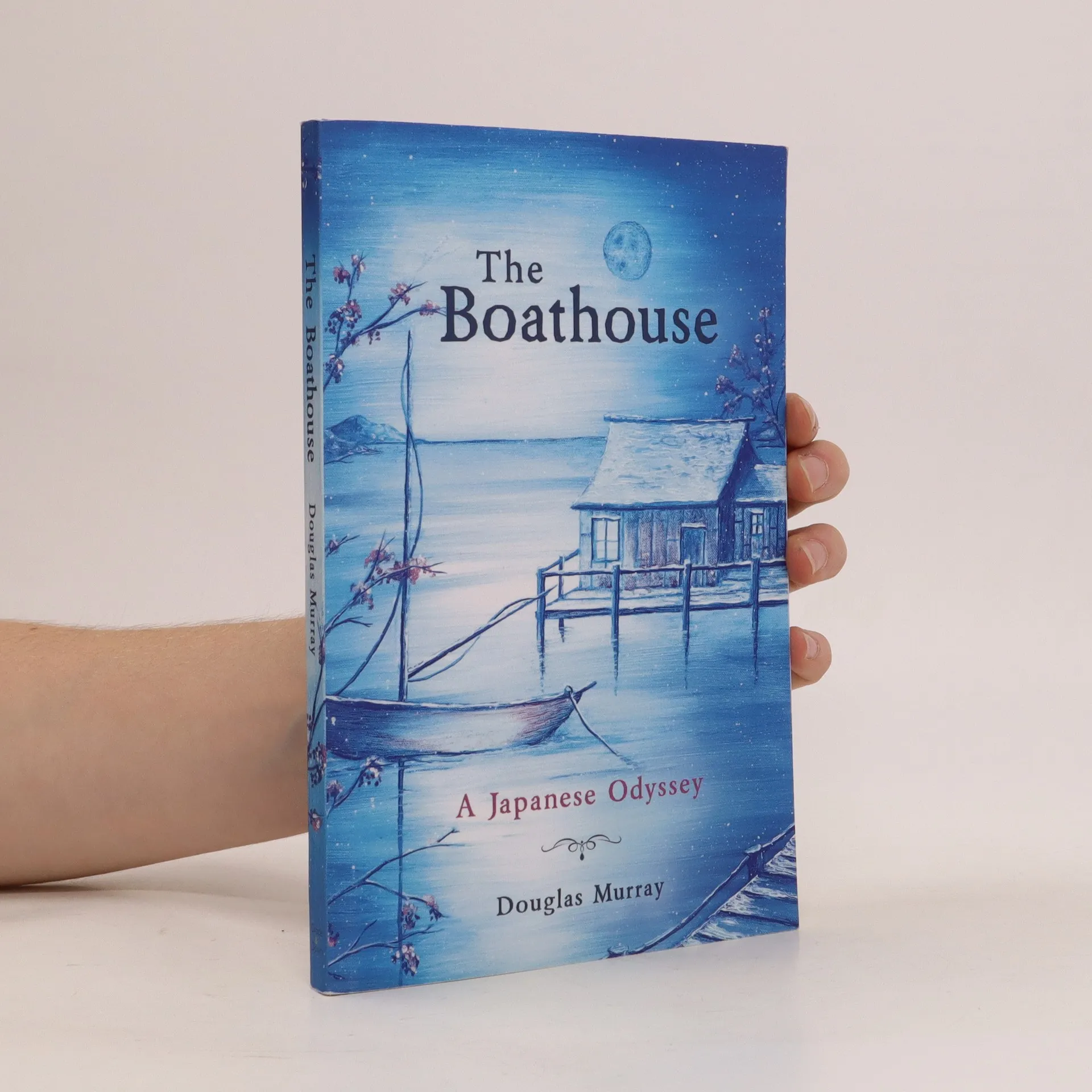
The Boathouse
- 176pages
- 7 heures de lecture
Three lives, three pebbles dropped into the sea, the ripples converging into transient patterns of interconnection as they each try to come to terms with their fragility and search for meaning. This search ultimately leads them all back to the boathouse, to rediscover the profound impact it had upon their lives.The Boathouse is a story about the healing power of writing and our human need to leave something behind to show that our life had meaning, or in Japanese our ikigai, our reason for living.The novel is in three parts as the three main protagonists take it in turns to describe their life in an old boathouse on the west coast of Hokkaido. A wandering beggar, a young fisherwoman, and an old poet, united in their experience of the healing power of telling the story of their time in the boathouse.
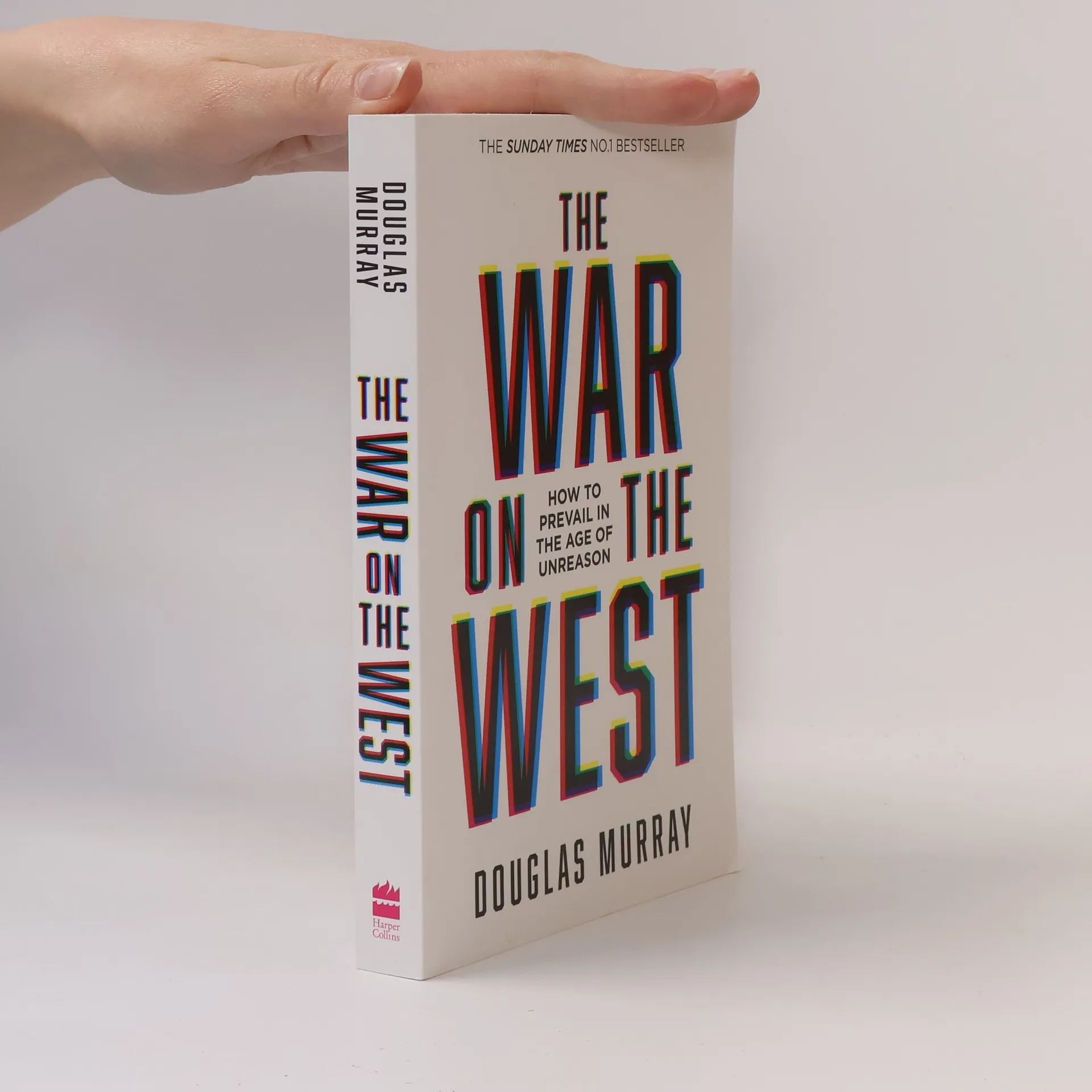
The War on the West
- 320pages
- 12 heures de lecture
SUNDAY TIMES NUMBER ONE BESTSELLER 'The most important book of the year' Daily Mail The brilliant and provocative new book from one of the world's foremost political writers
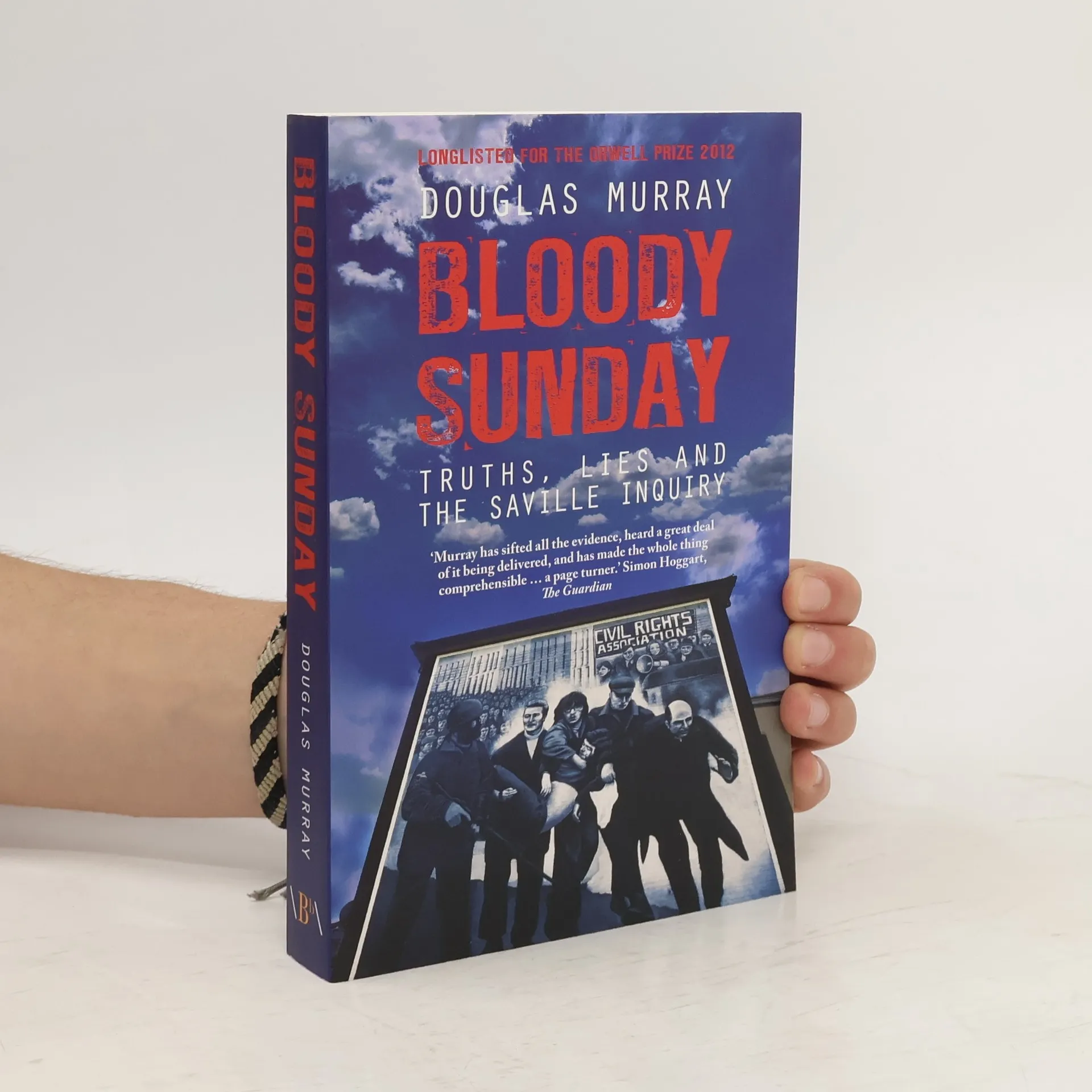
The very human stories from one of the most catastrophic events in the modern history of the United Kingdom.
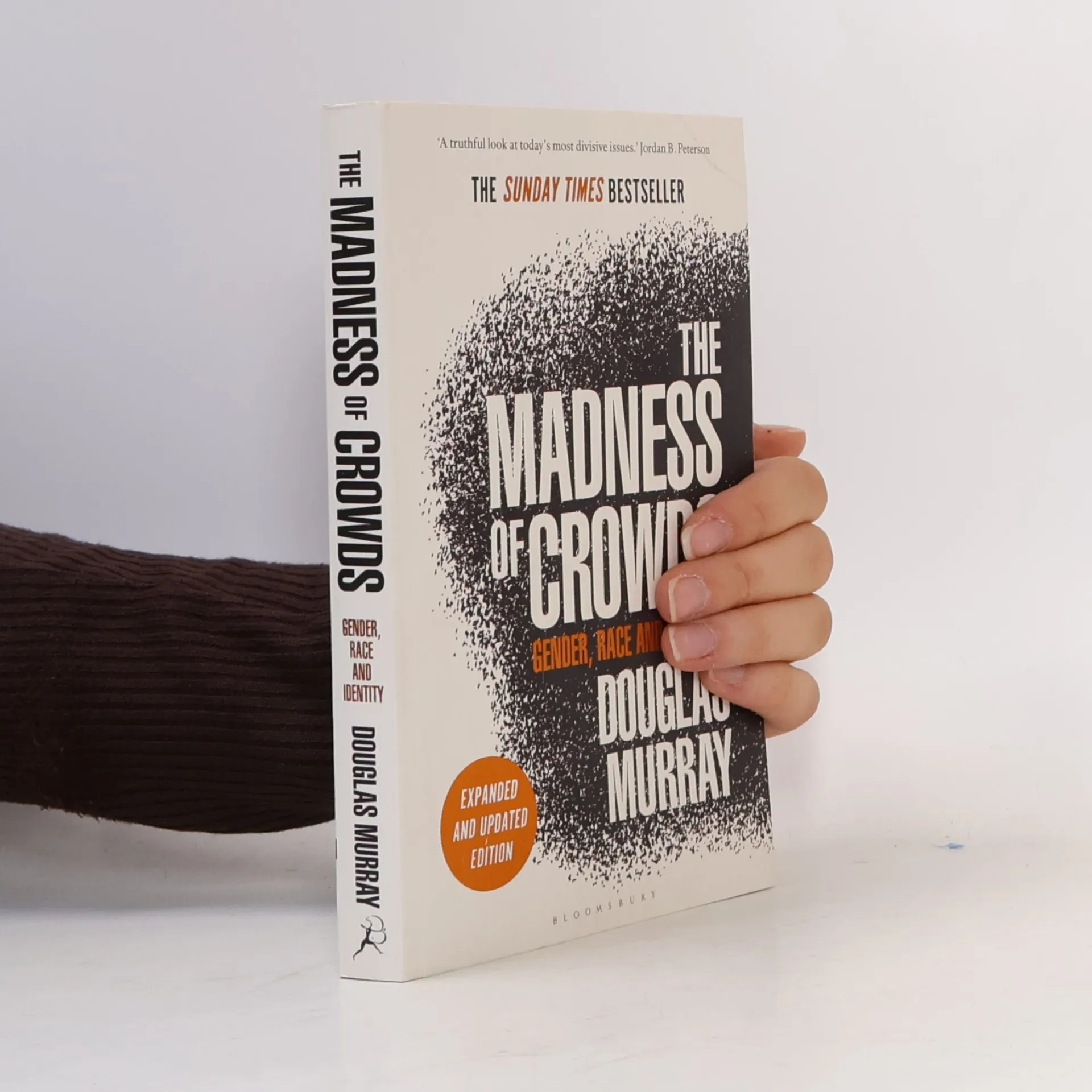
"In The Madness of Crowds Douglas Murray investigates the dangers of 'woke' culture and the rise of identity politics. In lively, razor-sharp prose he examines the most controversial issues of our moment: sexuality, gender, technology and race, with interludes on the Marxist foundations of 'wokeness', the impact of tech and how, in an increasingly online culture, we must relearn the ability to forgive. One of the few writers who dares to counter the prevailing view and question the dramatic changes in our society--from gender reassignment for children to the impact of transgender rights on women--Murray's penetrating book, now published with a new afterword taking account of the book's reception and responding to the worldwide Black Lives Matter protests, clears a path of sanity through the fog of our modern predicament."--Back cover
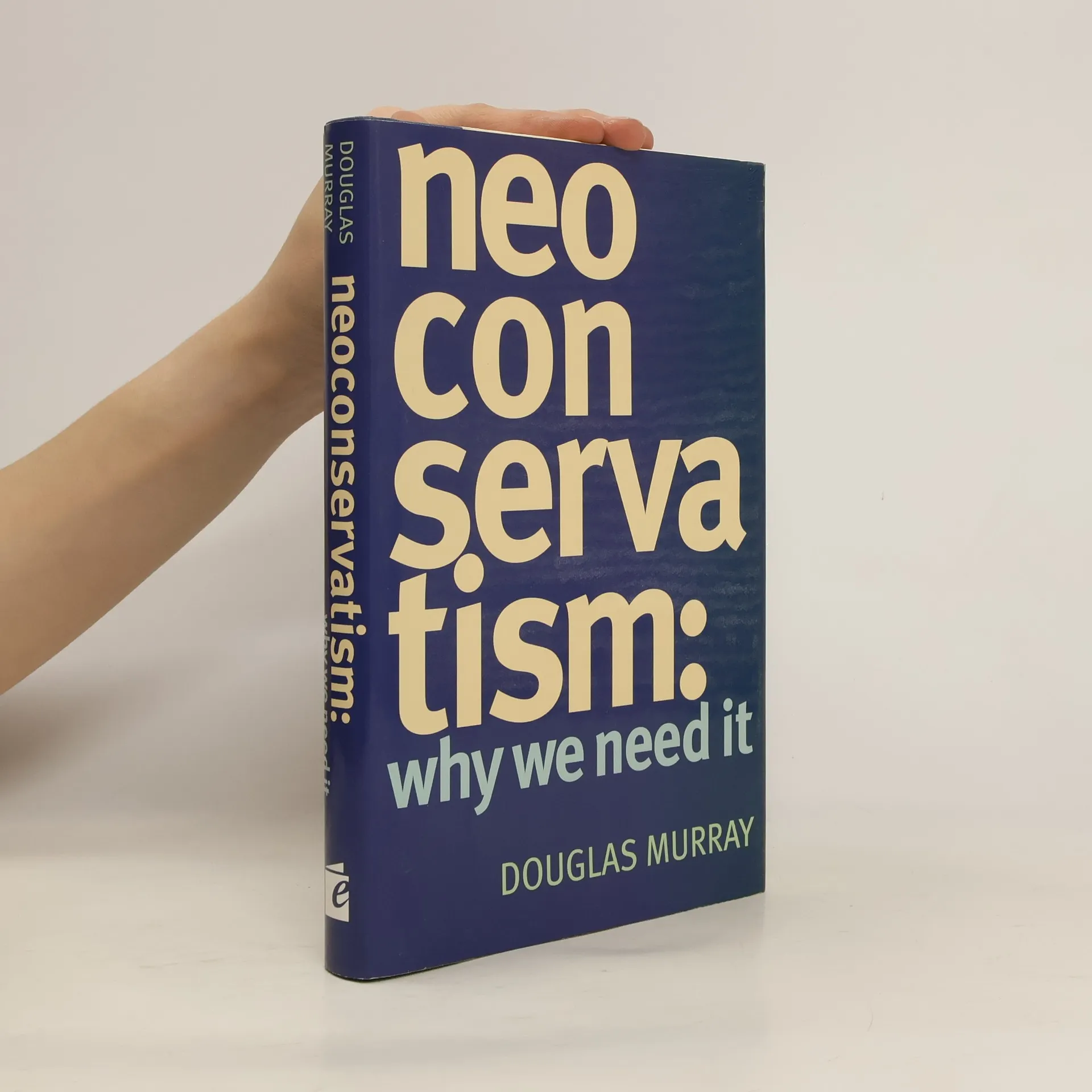
Neoconservatism: Why We Need It
- 248pages
- 9 heures de lecture
Neo Conservatism: Why We Need It is a defense of the most controversial political philosophy of our era. Douglas Murray takes a fresh look at the movement that replaced Great-Society liberalism, helped Ronald Reagan bring down the Wall, and provided the intellectual rationale for the Bush administration's War on Terror. While others are blaming it for foreign policy failures and, more extremely, attacking it as a Jewish cabal, Murray argues that the West needs Neo-conservatism more than ever. In addition to explaining what Neo conservatism is and where it came from, he argues that this American-born response to the failed policies of the 1960s is the best approach to foreign affairs not only for the United States but also for Britain and the West as well.
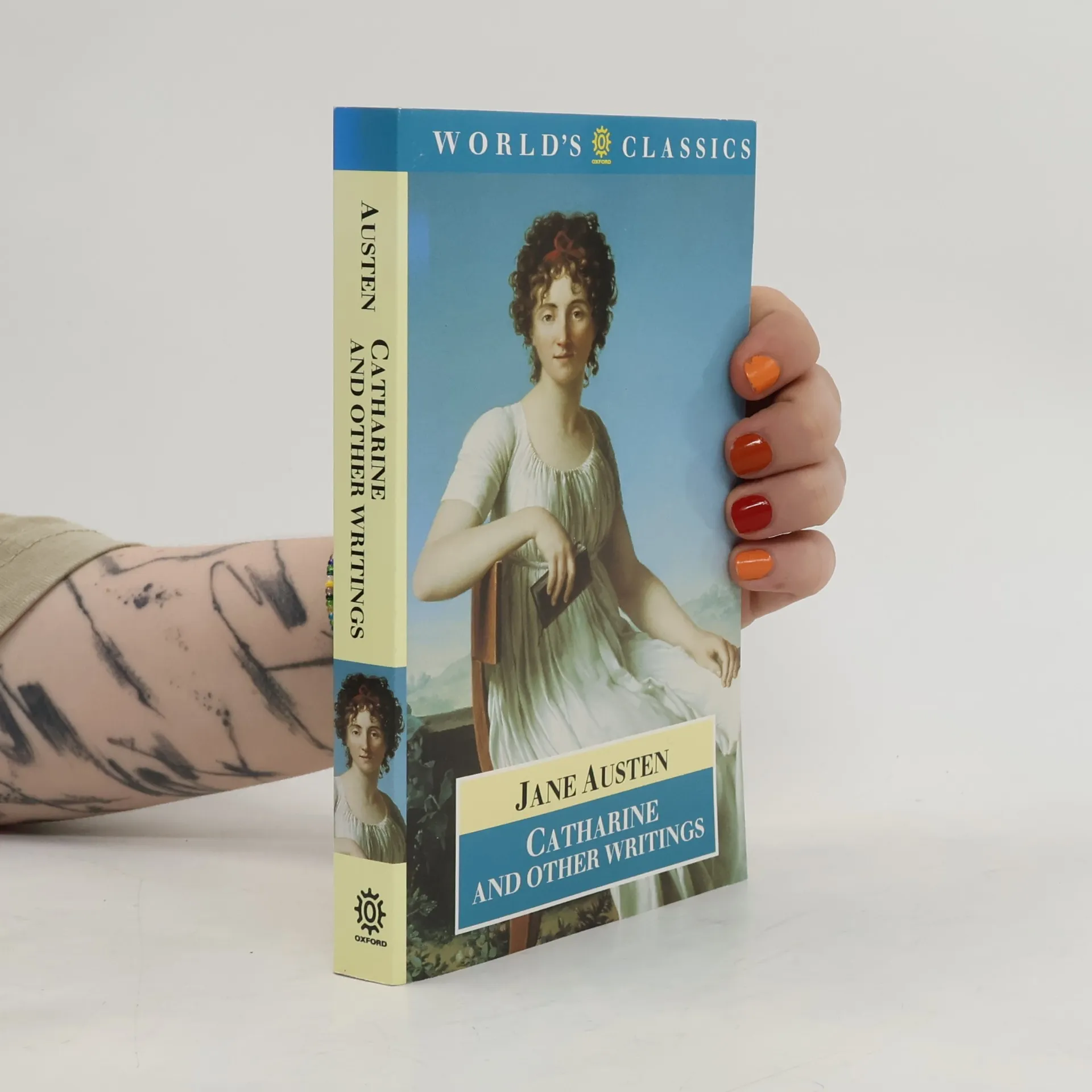
Catharine and Other Writings
- 372pages
- 14 heures de lecture
'Perhaps he is come to rob the house--He comes in stile at least; and it will be some consolation for our losses to be robbed by a Gentleman in a Chaise and 4--' Jane Austen began writing in her early teens, and filled three notebooks with her fiction. Her earliest work reflects her interest in the novel as a genre; in brilliant short pieces she plays with plots, stock characters, diction, and style, developing a sense of form at a remarkably early age. The characters of these stories have a jaunty and never-failing devotion to themselves. They perpetually lie, cheat, steal--and occasionally commit murder. Throughout these short or unfinished pieces, Austen exhibits her sense of the preposterous in life and fiction with tough-mindedness and robust humor. In her later published fiction, Austen had learned to take demands for propriety seriously, reining in whatever might be thought boisterous or coarse. Here we see Jane Austen without her inhibitions. In addition to prose fiction and prayers, this collection also contains many of Jane Austen's poems, written to amuse or console friends, and rarely reprinted. Texts throughout are based on manuscripts, including the three notebooks, affording a distinct edition with a number of new readings.
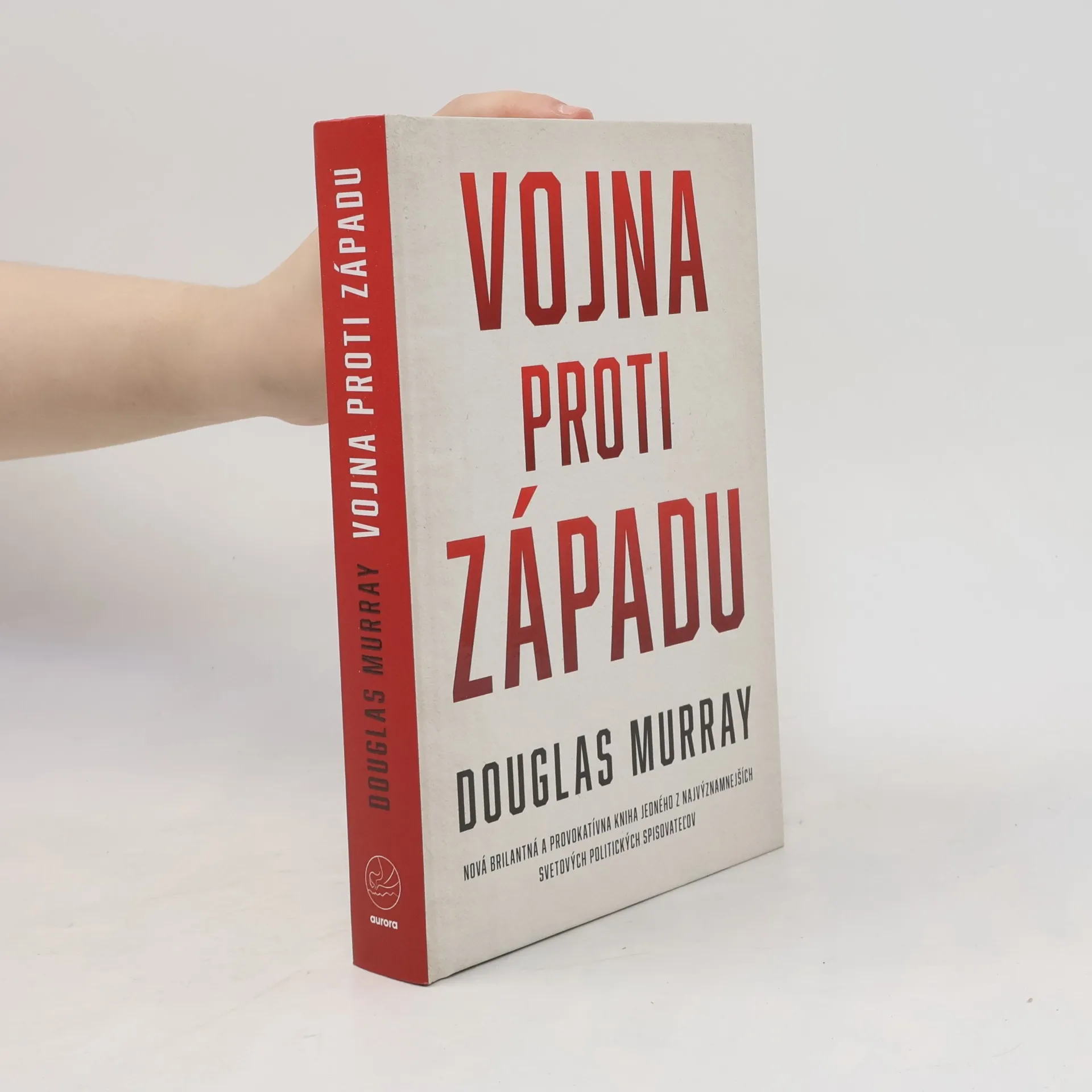
Vojna proti západu
- 304pages
- 11 heures de lecture
Krieg dem Westen
- 300pages
- 11 heures de lecture
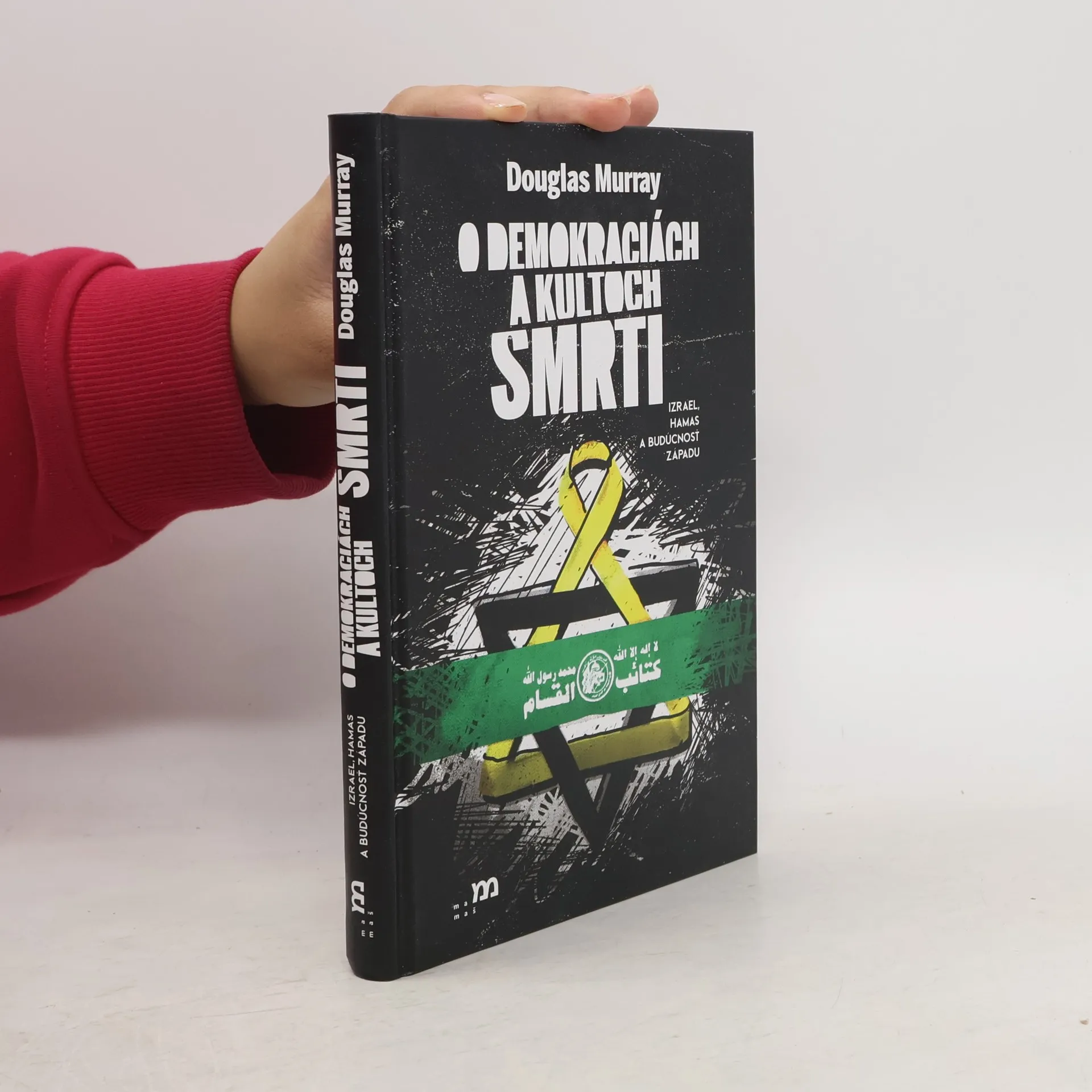
O demokraciách a kultoch smrti: Izrael, Hamas a budúcnosť Západu
- 232pages
- 9 heures de lecture
Britský novinár a publicista Douglas Murray prináša v knihe O demokraciách a kultoch smrti reportáž z Izraela, Gazy a Libanonu, v ktorej zasadzuje blízkovýchodný konflikt a eskaláciu násilia do historického a politického kontextu. Autor berie čitateľov na neľahkú, no mimoriadne dôležitú cestu po stopách masakra zo 7. októbra a spája exkluzívne svedectvá z miesta činu s rozhovormi s politikmi, vojakmi, preživšími a dokonca aj teroristami zodpovednými za tieto zverstvá. Murray porovnáva izraelské hodnoty demokracie, slobody a ľudských práv s ideológiou Hamasu, ktorý sa hlási k autoritárstvu a extrémizmu a vyznáva kult smrti. Podľa autora je v izraelsko-palestínskom konflikte v stávke aj budúcnosť Západu. Ak sa západné sympatie voči teroristickému hnutiu – či už medzi politkmi, v akademickom prostredí alebo v médiách – nezastavia, podnietia sily, ktoré podporujú kultúru násilia a snažia sa podkopať demokratický systém. Kniha O demokraciách a kultoch smrti predstavuje povinné čítanie pre všetkých, ktorí sa snažia pochopiť existenčný zápas Izraela a jeho dôsledky pre budúcnosť demokracie.
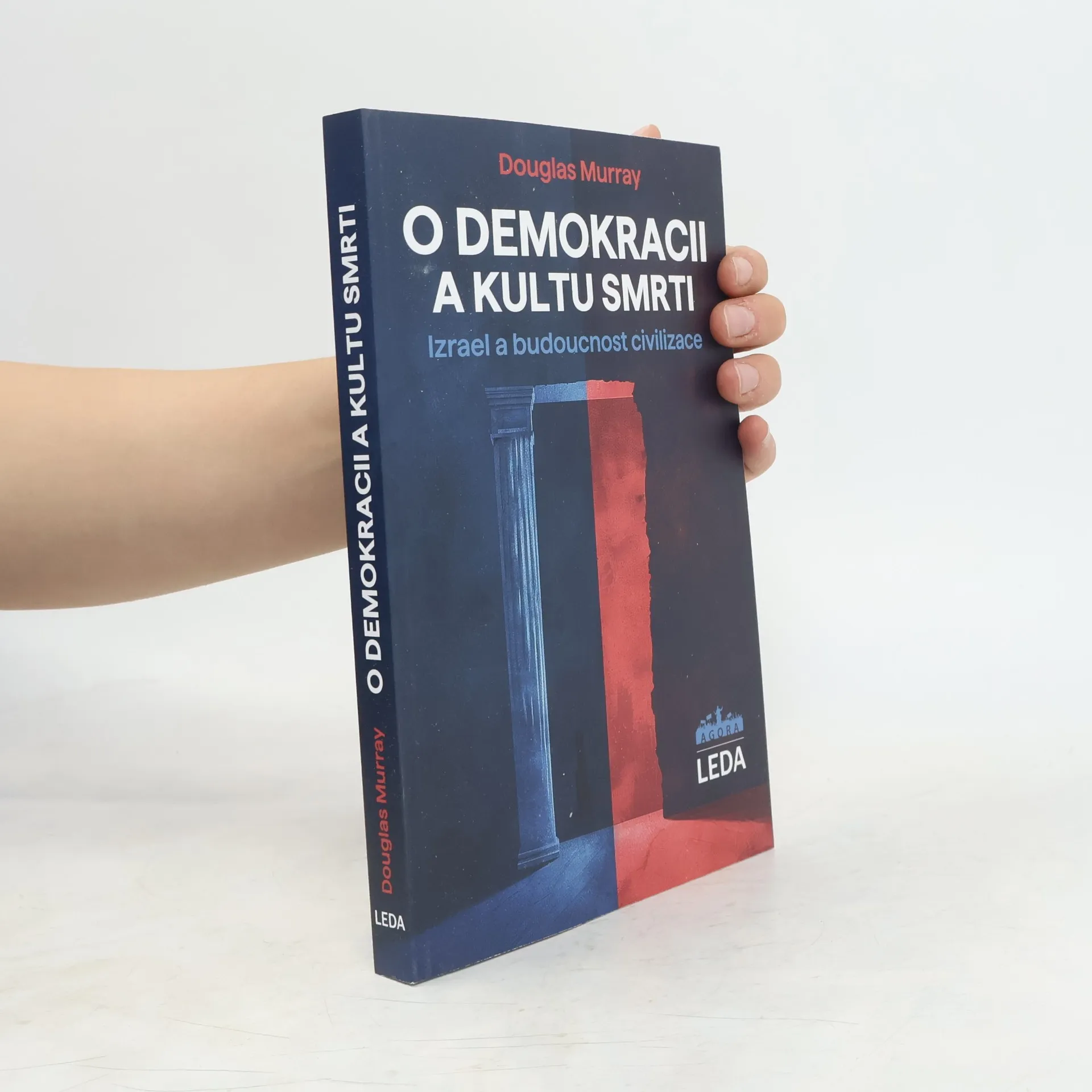
O demokracii a kultu smrti: Izrael a budoucnost civilizace
- 272pages
- 10 heures de lecture
V temných časech, kdy se euroatlantická civilizace ocitá na křižovatce, obrací Douglas Murray pozornost k jednomu z nejsložitějších konfliktů současnosti: k válce mezi Izraelem a Hamásem. Nejde o reportáž z bojiště, spíš o hluboký esej o tom, co odděluje život od smrti, svobodu od otroctví a lidskost od barbarství. Ráno 7. října 2023 vtrhl smrtící kult Hamásu do izraelských vesnic. Rituál ideologie, jež uctívá smrt jako vrchol existence, přinesl masové vraždy, znásilňování, mučení, únosy. Murray čerpá z osobních svědectví přeživších, ale také sleduje cestu od kořenů islamistického extremismu až po manipulaci, jež dělá vražedné stroje dokonce i z dětí. Čím je kniha tak atraktivní? Svou univerzálností. Oslovuje nás všechny, kdo sledujeme, jak Západ sabotuje sám sebe v závodech slepé „tolerance“ vůči extremismu. Ukazuje, že protesty proti Izraeli často maskují hlubší nenávist k západním hodnotám, odpovídá na otázky, proč média zkreslují realitu a proč demokracie musí být nejen tolerantní, ale i nekompromisní: vůči těm, kdo uctívají smrt.