

This collection offers insightful and innovative reflections on six iconic films by Alfred Hitchcock, exploring his unique directorial style and the psychological themes woven throughout his work. Each meditation delves into the artistry and impact of Hitchcock's films, providing a deeper understanding of his influence on cinema and storytelling. The analyses highlight the intricate details that make Hitchcock a master filmmaker, inviting readers to appreciate the complexity and brilliance of his cinematic legacy.
Murray Pomerance Ordre des livres (chronologique)
Murray Pomerance explore la théorie et la réalisation cinématographiques, son travail se concentrant sur l'expérience cinématographique et la performance. Ses analyses explorent les profondeurs de la narration filmique, examinant comment le cinéma influence notre perception de la réalité. Ses nombreuses publications et contributions éditoriales soulignent son profond engagement dans le monde du cinéma.

A Silence from Hitchcock
- 372pages
- 14 heures de lecture
Exploring the theme of silence, this work delves into Alfred Hitchcock's films, analyzing how the absence of sound enhances storytelling and character development. It examines the psychological and emotional impacts of silence, revealing its significance in building tension and atmosphere. Through detailed film analysis, the book uncovers Hitchcock's mastery in using silence as a narrative tool, offering insights into his unique cinematic style and the deeper meanings behind his iconic works.
A Voyage with Hitchcock
- 372pages
- 14 heures de lecture
The book delves into the theme of voyage as depicted in six iconic Hitchcock films, exploring how each narrative reflects the journey of characters both physically and psychologically. Through in-depth analysis of "Psycho," "The 39 Steps," "The Birds," "Dial M for Murder," "Rich and Strange," and "Suspicion," it examines the intricate storytelling techniques and visual motifs Hitchcock employs to convey tension and transformation. This exploration reveals deeper insights into the filmmaker's artistic vision and the universal nature of journeys in cinema.
Marnie
- 96pages
- 4 heures de lecture
Acknowledgments§The Story§1. Fugue§2. Droit du seigneur§3. Confederacy§4. Face-Off§5. I Remember Mama§Notes§Credits§Bibliography§
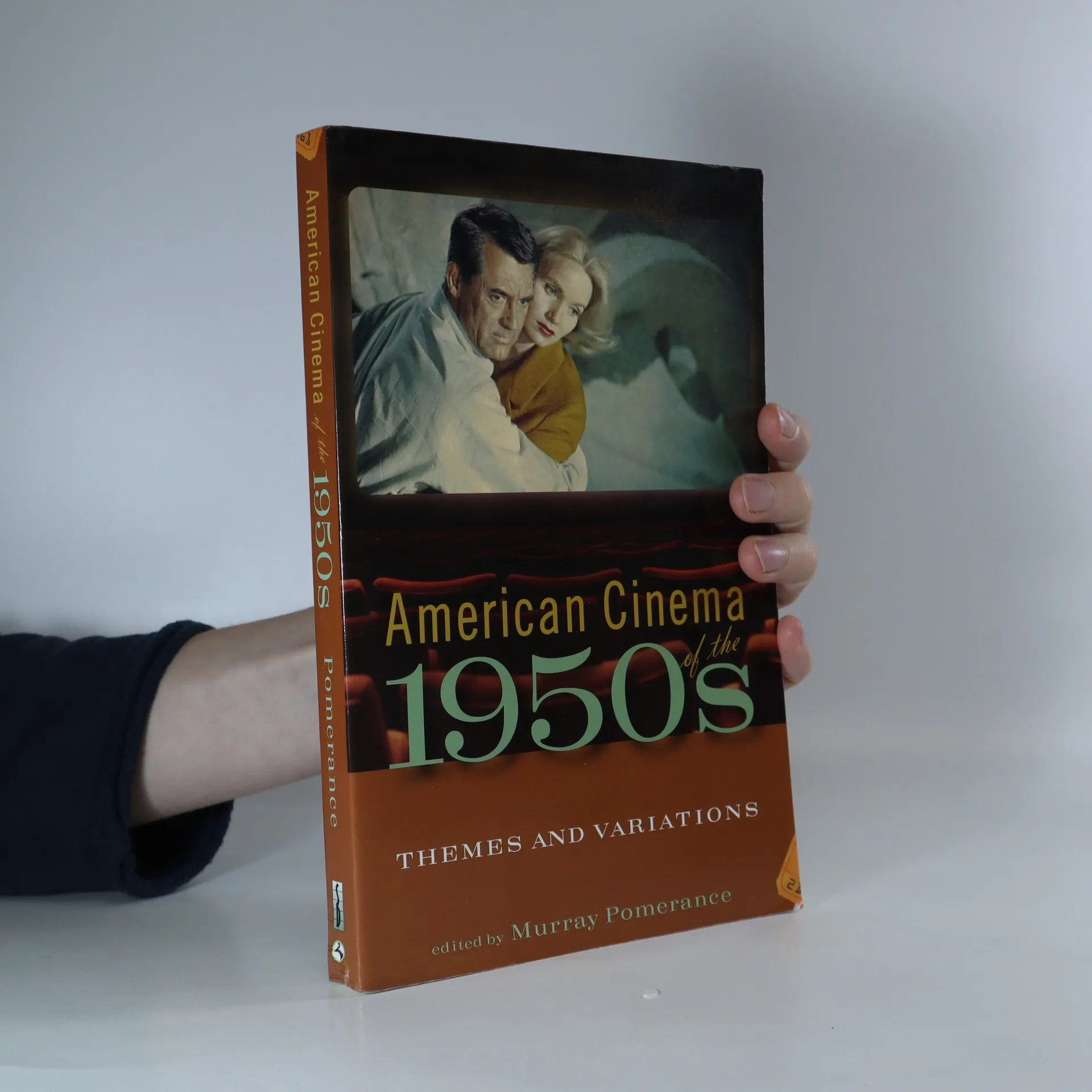
American Cinema of the 1950s
- 302pages
- 11 heures de lecture
America in the 1950s was a place of sensational commercial possibility coupled with dark nuclear fears and conformist politics. Cold war hysteria and anti-communist witch hunts influenced a culture already falling under the spell of suburbia, television and a brave new world of luxury goods.Throughout the decade Hollywood was under siege: from the Justice Department pressing for big film companies to divest themselves of their theatre holdings; from the middle classes, whose retreat to family entertainment inside the home drastically decreased the film-going audience; and from the House Un-American Activities Committee, attempting to purge the country of dissenting political views. This tumultuous decade also saw some of Hollywoods most talented filmmakers - John Ford, Alfred Hitchcock, Vincente Minnelli, Nicholas Ray and Billy Wilder - producing some of the best-loved movies in the history of cinema, including From Here to Eternity, Sunset Boulevard., Singin' in the Rain, Shane, Rear Window, and Rebel Without a Cause.