

An upcoming book to be published by Penguin Random House.
Norman Eisen Ordre des livres (chronologique)
Cet auteur explore le choc entre le libéralisme et l'illibéralisme en tissant les récits de ceux qui ont habité sa résidence de Prague avant lui. Son récit relie les histoires du bâtisseur, d'un occupant nazi, d'un sauveteur américain d'après-guerre et d'une ambassadrice star de cinéma de la Guerre Froide. Au cœur de son œuvre se trouve l'héritage personnel de sa mère, une survivante tchèque de l'Holocauste qui l'a renvoyé à Prague. Son écriture aborde souvent des thèmes d'éthique et de commentaire politique.

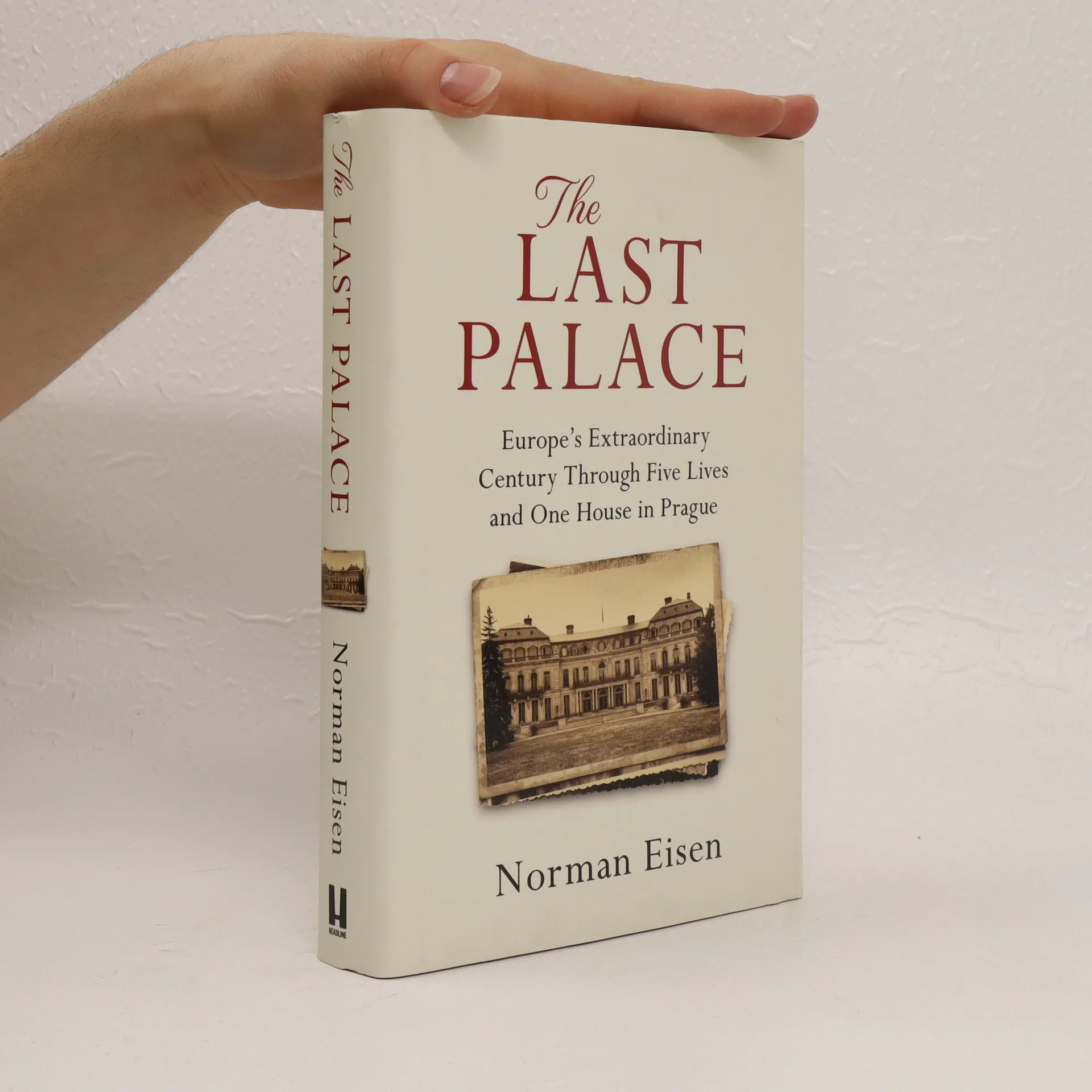

When Norman Eisen moved into the US ambassador's residence in Prague, returning to the land his mother had fled after the Holocaust, he was startled to discover swastikas hidden beneath the furniture. From that discovery unspooled the captivating, twisting tale of the remarkable people who lived in the house before Eisen. Their story is Europe's, telling the dramatic and surprisingly cyclical tale of the endurance of liberal democracy: the optimistic Jewish financial baron who built the palace; the conflicted Nazi general who put his life at risk for the house during World War II; the first postwar US ambassador struggling to save both the palace and Prague from communist hands; the child star- turned-diplomat who fought to end totalitarianism; and Eisen's own mother, whose life demonstrates how those without power and privilege moved through history. The Last Palace chronicles the upheavals that have transformed the continent over the past century and reveals how we never live far from the past.