
Bookbot

Richard Pascale

    Un consultant d'entreprise de premier plan, conférencier et professeur respecté. Son travail se concentre sur la stratégie et l'efficacité organisationnelles. Il est reconnu pour sa contribution significative au cadre 7S, développé lors de son passage au sein du cabinet de conseil en management McKinsey & Company.

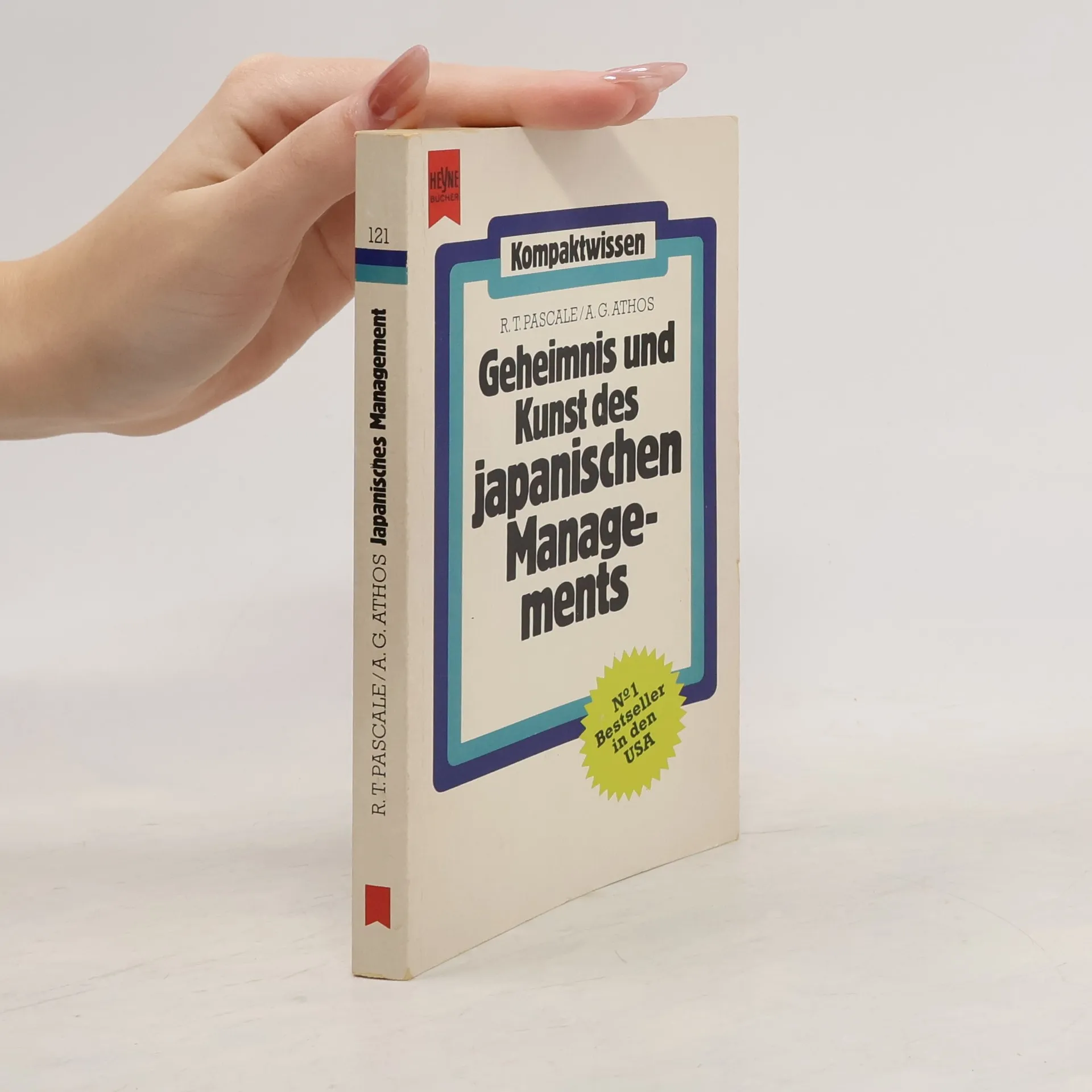
    Geheimnis und Kunst des japanischen Managements
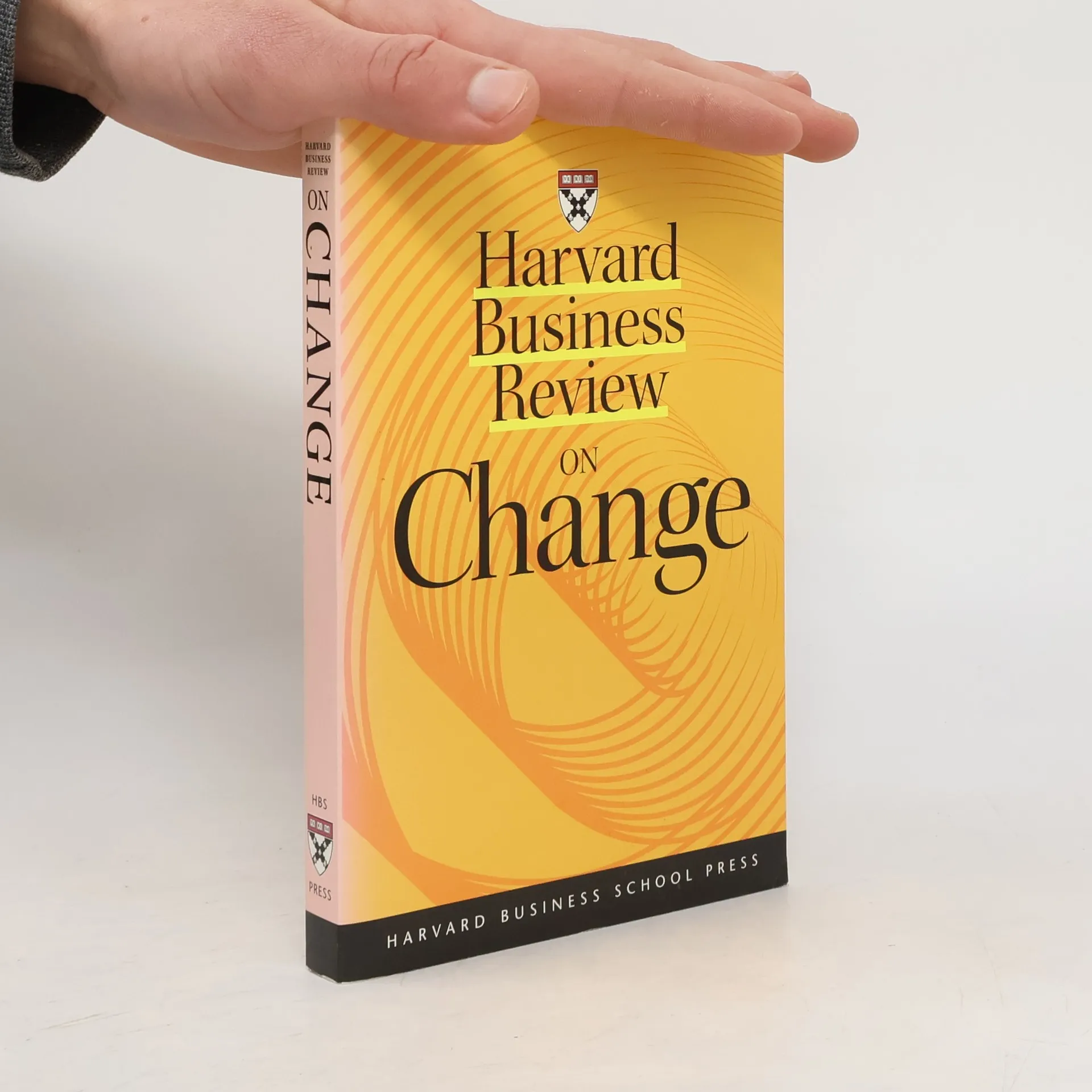
    Harvard Business Review on Change
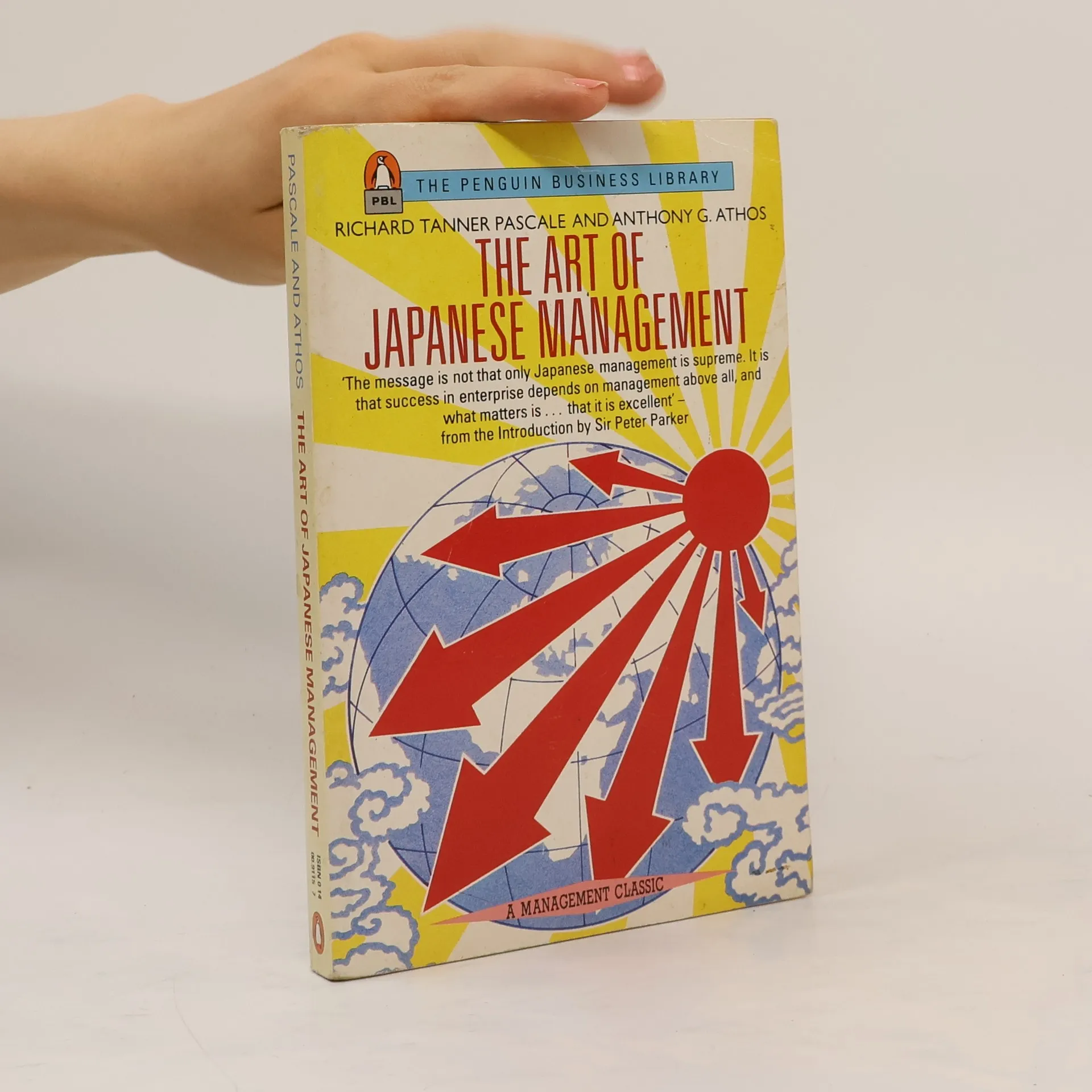
    The Art of Japanese Management
    Surfing the Edge of Chaos
    The art of Japanese managemen
    • Surfing the Edge of Chaos

      • 336pages
      • 12 heures de lecture

      Surfing the Edge of Chaos is a brilliant, powerful, and practical book about the parallels between business and nature - two fields that feature nonstop battles between the forces of tradition and the forces of transformation. It offers a bold new way of thinking about and responding to the personal and strategic challenges everyone in business faces these days.

      Surfing the Edge of Chaos2000
      3,8
    • Harvard Business Review on Change

      • 228pages
      • 8 heures de lecture

      Harvard Business Review on Change by Press,Harvard Business School. [1998,6th Edition.] Paperback

      Harvard Business Review on Change1998
      3,7
    • The Art of Japanese Management

      • 221pages
      • 8 heures de lecture

      HOW IS THE ART OF JAPANESE MANAGEMENT DIFFERENT FROM AMERICAN METHODS? It's a matter of the Seven S's. Western companies have tended to favor these three S's: Strategy, Structure and Systems. When an American manager wants to make changes, the odds are that he'll reorganize structure, introduce a new strategic direction and impose a new control system. Our emphasis on the first three S's produces an arid world in which nothing is alive. An organization is often given its life through the soft S's: Staff, Skills, Style and Superordinate Goals. The tremendous success of many Japanese companies comes through meticulous attention to the soft S's, which act as a lubricant in the organization machine to keep the hard S's from grinding one another away. HOW CAN COMPANIES HERE USE THE ART OF JAPANESE MANAGEMENT? Pascale and Athos show you how to use the best of Japanese techniques, add them to your own strengths to benefit by both cultures.

      The Art of Japanese Management1986
      3,6
    • The art of Japanese managemen

      • 221pages
      • 8 heures de lecture

      HOW IS THE ART OF JAPANESE MANAGEMENT DIFFERENT FROM AMERICAN METHODS? It's a matter of the Seven S's. Western companies have tended to favor these three S's: Strategy, Structure and Systems. When an American manager wants to make changes, the odds are that he'll reorganize structure, introduce a new strategic direction and impose a new control system. Our emphasis on the first three S's produces an arid world in which nothing is alive. An organization is often given its life through the soft S's: Staff, Skills, Style and Superordinate Goals. The tremendous success of many Japanese companies comes through meticulous attention to the soft S's, which act as a lubricant in the organization machine to keep the hard S's from grinding one another away. HOW CAN COMPANIES HERE USE THE ART OF JAPANESE MANAGEMENT? Pascale and Athos show you how to use the best of Japanese techniques, add them to your own strengths to benefit by both cultures.

      The art of Japanese managemen1981
      3,5