Bookbot

Susan Schneider

    Cet auteur explore les principes fondamentaux de l'apprentissage et leur rôle crucial dans la dynamique nature-culture. Son travail examine les applications étendues de ces principes dans divers domaines, notamment pour faire face à la crise climatique. Avec une voix distincte qui relie la science et l'activisme, il offre aux lecteurs une exploration captivante et stimulante du comportement et de ses conséquences considérables.

    Susan Schneider
    Alfa žena vo vzťahoch
    Świadome maszyny
    Alfa žena ve vztazích
    Frankly Feminist - Short Stories by Jewish Women from Lilith Magazine
    Second Honeymoon
    Artificial You
    • Artificial You

      • 192pages
      • 7 heures de lecture
      3,6(207)Évaluer

      Humans may soon lose their status as Earth's most intelligent beings, as AI has already surpassed us in games like chess, Go, and Jeopardy! With predictions of AI achieving human-level intelligence in the coming decades, the implications for the future of the mind are profound. Susan Schneider argues that while AI will inevitably take intelligence in new directions, it is our responsibility to navigate this evolution wisely. As AI technology evolves, reshaping both the brain and potentially creating machine minds, we must proceed with caution. Homo sapiens, as designers of minds, risk manipulating "tools" like self, mind, and consciousness without fully understanding them. Schneider warns that a lack of comprehension regarding these concepts could lead to negative outcomes for conscious beings. To thrive, we must engage with the philosophical questions underlying AI and brain enhancement. Central to her inquiry are critical discussions about AI's capabilities: Can machines truly be conscious? Is merging with AI feasible, as suggested by figures like Elon Musk and Ray Kurzweil? Is the mind merely a program? Schneider explores these complex issues, proposing methods to assess machine consciousness and contemplating the potential dangers of creating intelligent machines.

      Artificial You
    • Second Honeymoon

      A Pioneering Guide for Reviving the Mid-Life Marriage

      • 288pages
      • 11 heures de lecture

      Focusing on rekindling romance, this book offers practical advice and strategies for couples looking to revitalize their relationship. It emphasizes the importance of communication, shared experiences, and emotional connection to transform the latter half of life into a fulfilling journey together. With insights and exercises, it encourages partners to explore new adventures and deepen their bond, making every moment count.

      Second Honeymoon
    • A groundbreaking Jewish feminist short story collection. Short story collections focusing on Jewish writers have typically given women authors short shrift. This new volume represents the best Jewish feminist fiction published in Lilith Magazine and does what no other collection has done before in its geographic scope. It showcases a wide range of stories offering variegated cultures and contexts and points of view: Persian Jews; a Biblical matriarch; an Ethiopian mother in modern Israel; suburban American teens; Eastern European academics; a sexual questioner; a Jew by choice; a new immigrant escaping her Lower East Side sweatshop; a Black Jewish marcher for justice; in Vichy France, a toddler's mother hiding out; and more. Organized by theme, the stories in this book emphasize a breadth of content. Readers will appreciate the liveliness of burgeoning self-awareness captured in each tale, and the occasional funny, call-your-friend-and-tell-her-about-it moment. Skip around, encounter an author whose other writing you may know, be enticed by a title, or an opening line. You will find both pleasure and enlightenment--and even perhaps revelation--within these pages.

      Frankly Feminist - Short Stories by Jewish Women from Lilith Magazine
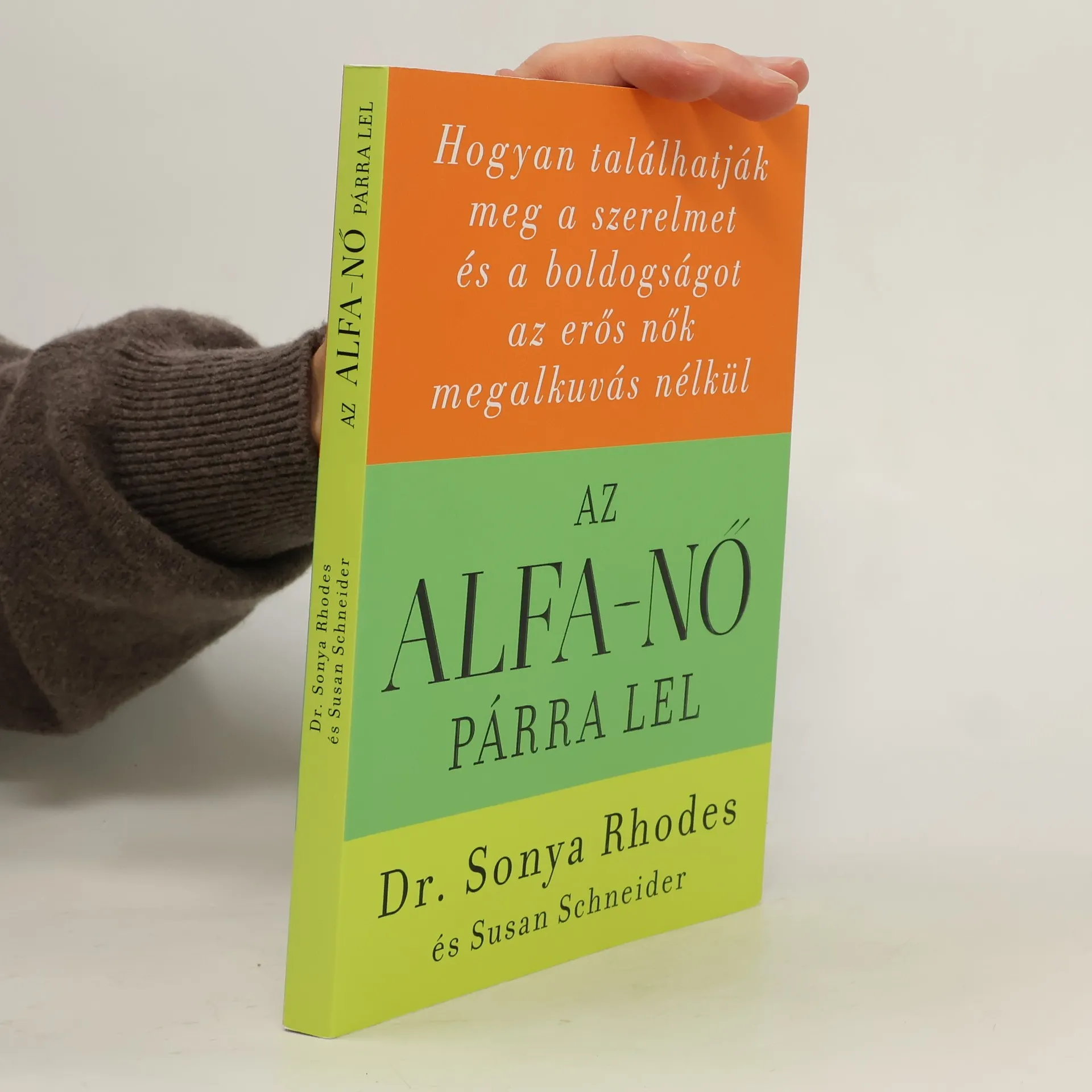
    • Mnoho Alfa žen se obává, že nenajdou lásku a muži se jich bojí, což je velký omyl. Tato situace mě rozčiluje, protože za tímto strachem stojí kultura, která šíří negativní předpovědi o lásce a asertivitě. Najít partnera je výzva, ale ženy by neměly ztrácet sebevědomí po neúspěšných vztazích. Často se cítí bezbranné a hledají pomoc, aby se vyhnuly slepým uličkám ve vztazích. Nikdy je nenabádám, aby se usadily nebo se obviňovaly za problémy ve vztahu, protože to nic neřeší. Příběhy žen, které jsem potkala, si zaslouží být sepsány, protože nám mohou pomoci lépe porozumět vztahům a dodat odvahu být samy sebou. Asertivní ženy čelí mnoha negativním názorům, ale dnes mají lepší příležitosti než kdy dříve. Jsou vzdělané, kariérně úspěšné a mohou si stát za svými rozhodnutími. Přesto se obávají, že je manželství mine. Společnost často kritizuje ženy za to, že jsou „příliš“ silné nebo „příliš“ sexuální, což může vést k tomu, že se muži cítí ohroženi. Tyto obavy jsou přehnané a často je šíří lidé s vlastními zájmy. Tato kniha pomůže ženám pochopit jejich silné a slabé stránky a najít správnou taktiku pro osobní štěstí, včetně 100 otázek, které odhalí jejich typ.

      Alfa žena ve vztazích
    • Gdy pierwsza maszyna oznajmi „jestem świadoma”, czy będziemy wiedzieli co zrobić? Wielu sądzi, że największym problemem związanym z rozwojem sztucznej inteligencji (SI) jest możliwość utraty kontroli i scenariusz widowiskowej zagłady rodem z filmów sci-fi. Choć tych zagrożeń nie można ignorować, SI niesie też znacznie bardziej subtelne, lecz równie poważne niebezpieczeństwa, którym dotąd prawie nie poświęcano uwagi. Wbrew popularnej opinii, złożonej inteligencji wcale nie musi towarzyszyć świadomość – może się okazać, że nawet SI dorównująca zdolnościom człowiekowi nie posiada żadnego „życia wewnętrznego” i nie jest zdolna do subiektywnego doświadczania świata. Czy będziemy potrafili odróżnić maszynę świadomą od maszyny jedynie inteligentnej? Choć to niezwykle trudny problem, stawka jest ogromna, a konsekwencje pomyłki przerażające. Gdyby SI były świadome, nieuznanie ich praw i zmuszenie do służenia człowiekowi byłoby równoznaczne z niewolnictwem na bezprecedensową skalę. Z kolei jeśli przypiszemy świadomość maszynom, które w istocie jej nie posiadają, w przyszłości może się okazać, że kosmos wypełniają nasi postbiologiczni potomkowie – ale brak w nim świadomych istot. „Świadome maszyny” to mapa intelektualna, która pomaga rozeznać się w zawiłych dylematach na styku filozofii, kognitywistyki i badań nad sztuczną inteligencją. Autorka omawia metodologię testów na świadomość SI, które opracowała dla Instytutu Studiów Zaawansowanych w Princeton, oraz rozważa czy umysł to tylko program, który możemy modyfikować lub kopiować – jak również czy pozostaje on wtedy umysłem tej samej osoby. Książka konkretyzuje pytania, których dłużej nie możemy ignorować, i dobitnie uzmysławia, że zanim wkroczymy w erę projektowania umysłów, musimy lepiej zrozumieć takie zjawiska jak świadomość, jaźń i tożsamość – gdyż dzięki rozwojowi technologii te pozornie abstrakcyjne problemy mogą stać się sprawą życia i śmierci. „Czy możliwa jest sztuczna świadomość? Czy mógłbyś zostać sztuczną inteligencją? Czy nadal byłbyś sobą? Schneider żywo i przekonująco argumentuje, że przyszłość ludzkości może zależeć od odpowiedzi na te filozoficzne pytania. Świadome maszyny są pełne przydatnych narzędzi do myślenia na temat umysłu i jego przyszłości.” David Chalmers, autor Świadomy umysł. W poszukiwaniu teorii fundamentalnej (PWN, 2004).

      Świadome maszyny