Richard Powers Ordre des livres (chronologique)
18 juin 1957
Richard Powers crée des romans qui explorent les liens complexes entre l'humanité et le monde naturel, examinant comment la technologie et la vie moderne façonnent notre perception de l'environnement. Ses œuvres sont fréquemment imprégnées de concepts scientifiques et d'interrogations philosophiques, incitant les lecteurs à réfléchir à notre place au sein du vaste écosystème. Le style distinctif de Powers se caractérise par sa rigueur intellectuelle et sa prose lyrique, donnant naissance à des récits à la fois stimulants et profondément émouvants. Son écriture offre une profonde méditation sur notre avenir commun et l'histoire durable de la planète.



Gain
- 368pages
- 13 heures de lecture
'Penetrating and splendidly written... Dazzling' New York Times In Lacewood, Illinois, Laura Bodey, a divorced mother of two and real estate agent, plunges into a new existence when she learns that she has cancer. This same small town is home to Clare & Company, a soap manufacturer begun by three brothers in nineteenth-century Boston. Over the course of more than a century, it transforms into a powerful international corporation. Clare & Company's stunning growth reflects America's kaleidoscopic history, yet for Laura and her family, this wild success has profound and lasting consequences.
Playground
- 288pages
- 11 heures de lecture
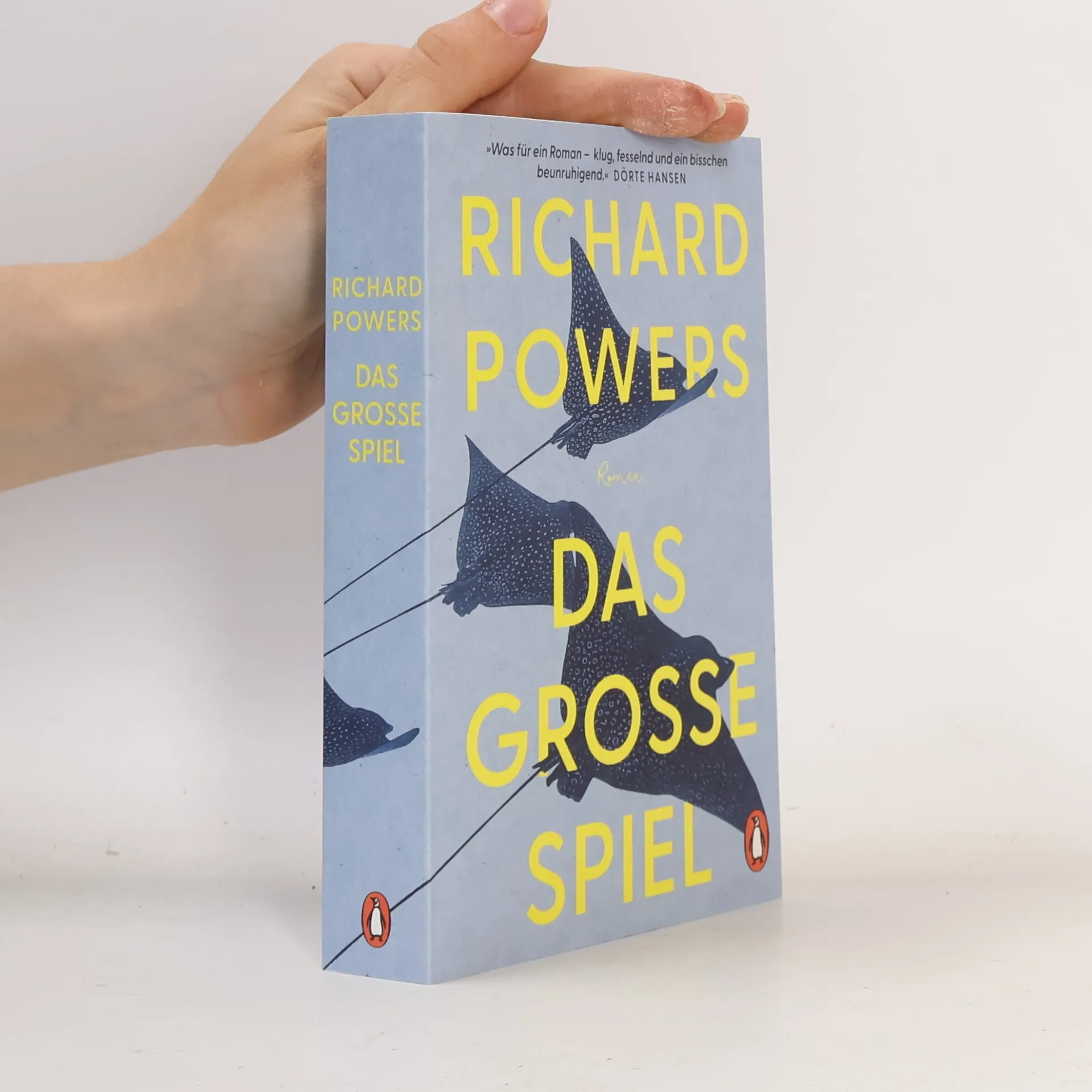
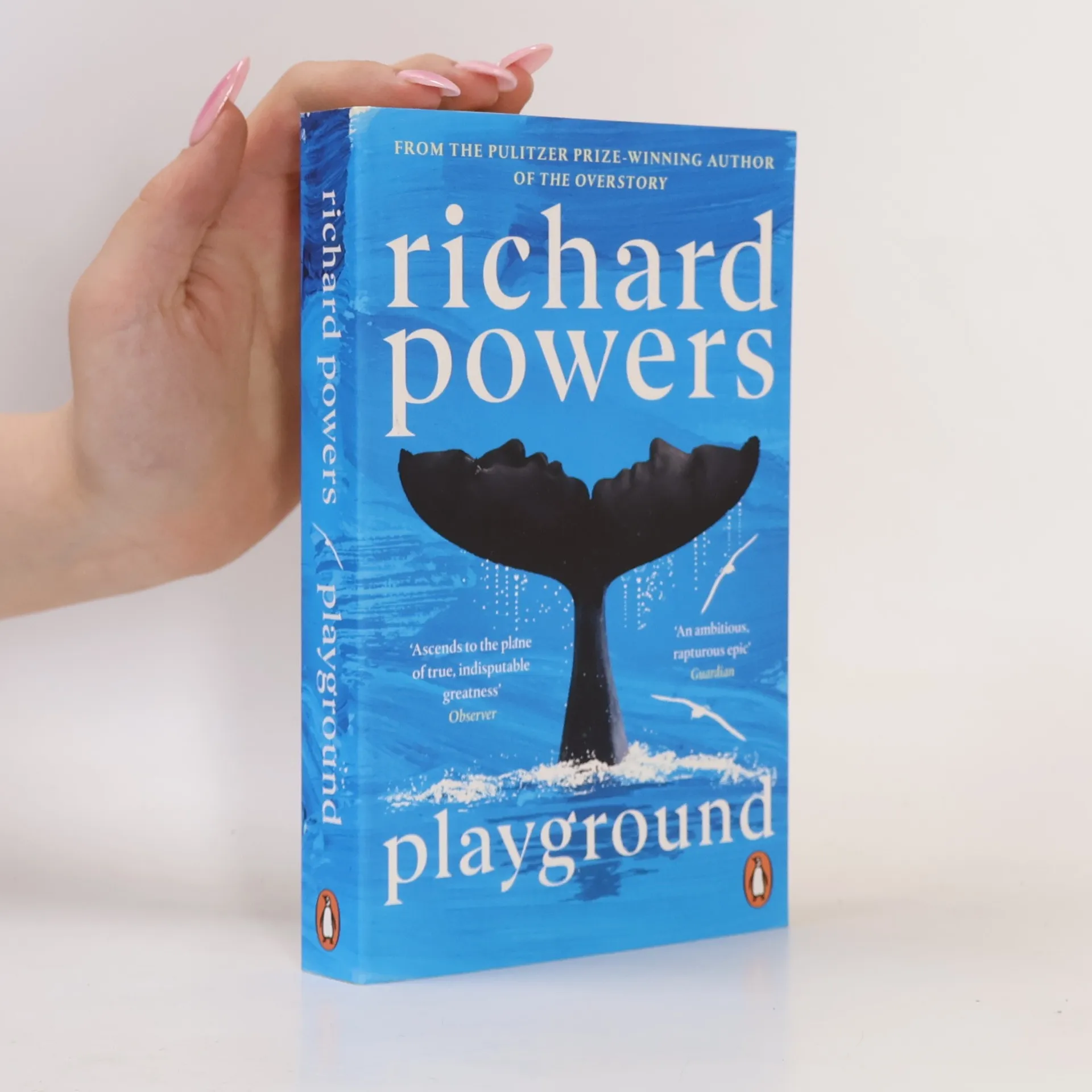
A NEW YORK TIMES BESTSELLER LONGLISTED FOR THE BOOKER PRIZE 2024 THE POWERFUL NEW NOVEL FROM THE PULITZER PRIZE-WINNING AND BOOKER-SHORTLISTED AUTHOR OF THE OVERSTORY AND BEWILDERMENT 'Powerful, mesmerically beautiful' MAIL ON SUNDAY 'One long, clever magic trick' OBSERVER 'Magisterial, moving and thought-provoking ... a beautiful love letter to our oceans' NEW SCIENTIST Playground follows four lives - a pioneering marine biologist, a free-spirited artist, and two polar opposites whose boyhood bond over a three-thousand-year-old board game sends one into literature and the other onto an AI breakthrough. In the world's largest ocean, the four are reunited on a history-scarred French Polynesian island chosen as the site for seasteading - sending floating, autonomous cities into the open sea. Standing on the shores of the last wild place yet to be colonised, the residents must first vote to decide if their home will become the launchpad for humanity's next great adventure. Praise for Richard Powers: 'Powers has extraordinary gifts as a writer' GUARDIAN 'Impressively precise in its scientific conjectures, Bewilderment is no less rich or wise in its emotionality' OBSERVER 'He composes some of the most beautiful sentences I've ever read. I'm in awe of his talent' OPRAH WINFREY 'It is impossible to deny the importance of Powers's message' SUNDAY TIMES 'Refreshing, original and moving' EVENING STANDARD
Theo Byrne is a promising young scientist who has found a way to search for life on other planets dozens of light years away. He is also the widowed father of a most unusual nine-year-old. His son Robin is funny, loving and filled with plans. He thinks and feels deeply, adores animals and can spend hours painting elaborate pictures. He is also on the verge of being expelled from school for smashing his friend's face with a thermos.What can a father do, when the only solution offered to his rare and troubled boy is to put him on psychoactive drugs? What can he say when his boy comes to him wanting an explanation for a world that is clearly in love with its own destruction? The only thing for it is to take the boy to other planets, all while fostering his son's desperate attempt to save this one.At the heart of Bewilderment lies the question: How can we tell our children the truth about this beautiful, imperiled planet? (goodreads.com)
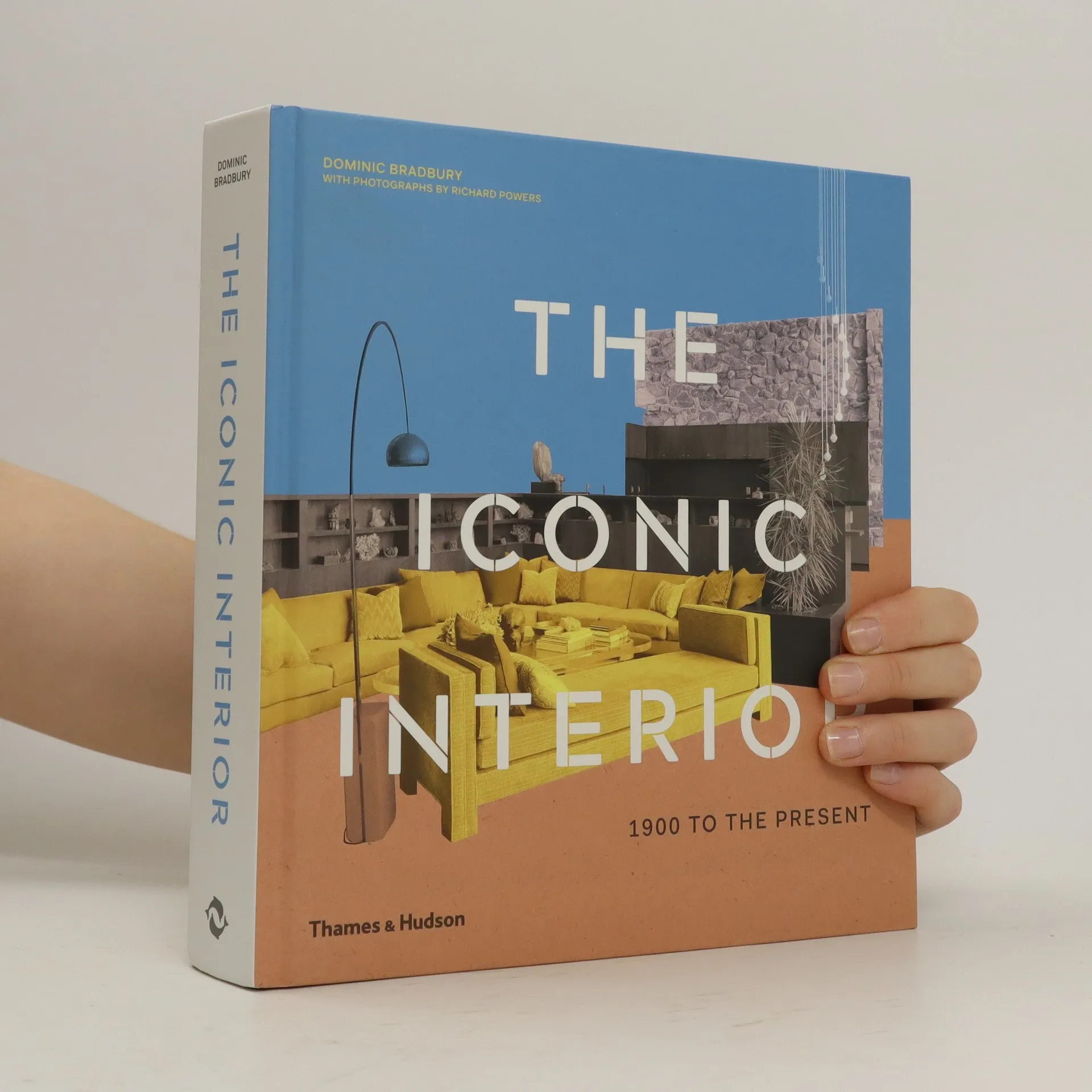
The iconic interior. 1900 to the present
- 376pages
- 14 heures de lecture
This compact, much-praised volume presents over one hundred of the most significant interiors from the twentieth century to the present day. An essential resource for interior design enthusiasts. Featuring one hundred of the most spectacular interiors across the world, this richly illustrated overview spans the entire twentieth century to the present day and includes interiors assembled by leading artists, fashion designers, architects, and interior and set designers. Bringing together diverse design talents, from Piero Fornasetti and Coco Chanel to Alvar Aalto, Marc Newson, and Matthew Williamson, this expanded edition of The Iconic Interior also features three new interiors from Los Angeles–based Commune Design, Morocco-based tile designers Samuel and Caitlin Dowe-Sandes, and Dimore Studio’s London house interior for the owners of fashion design studio Dsquared2. The book also features a list of designer biographies and key works, making this a complete resource for designers and students. Representing every style, from minimalism and art nouveau to neotraditional and Gesamtkunstwerk creations that defy definition, these iconic interiors are sure to inspire all audiences, from designers and students to homeowners and DIY enthusiasts.
The iconic house : architectural masterworks since 1900
- 376pages
- 14 heures de lecture
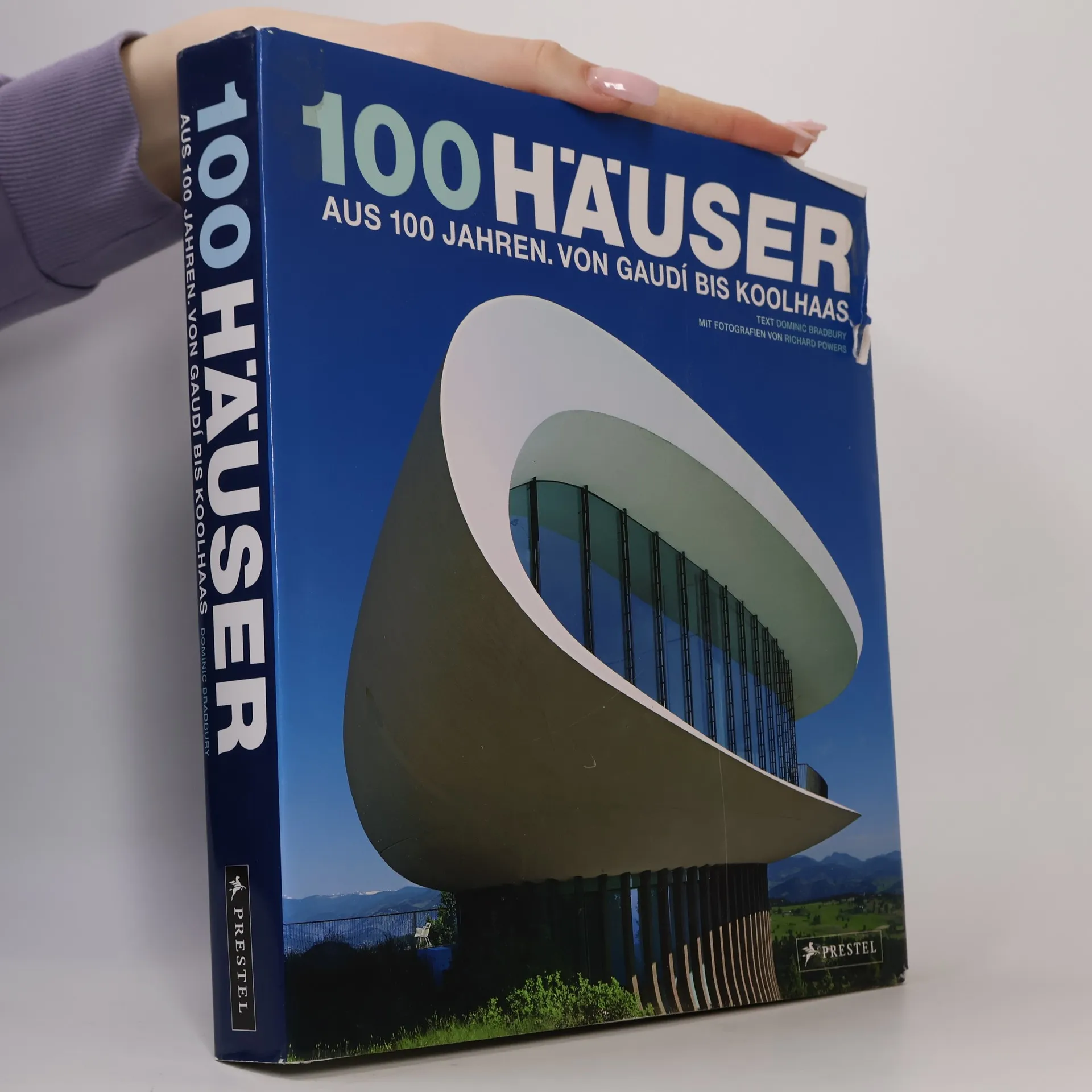
Now available in an updated edition and attractive new format, this essential book on modern architecture presents over one hundred of the most significant houses of the past hundred years. The Iconic House features over one hundred of the most important and influential houses designed and built since 1900. With seminal works by Le Corbusier, Frank Lloyd Wright, and Mies van der Rohe, as well as modern-day greats like Tadao Ando, Rem Koolhaas, and Herzog & de Meuron, this book brings to life a stunning array of architectural masterpieces. Wide-ranging in both geographical scope and artistic style, the houses share an appreciation of local materials and building traditions and a careful understanding of clients’ needs. Each house, however, is the result of a unique approach that makes it groundbreaking for its time. Now, fully updated, the book features iconic houses recently constructed, as well as concise, informative texts, specially commissioned photographs, floor plans, and drawings. The Iconic House remains an ideal overview of contemporary architects and architecture, for design-lovers and professionals alike.
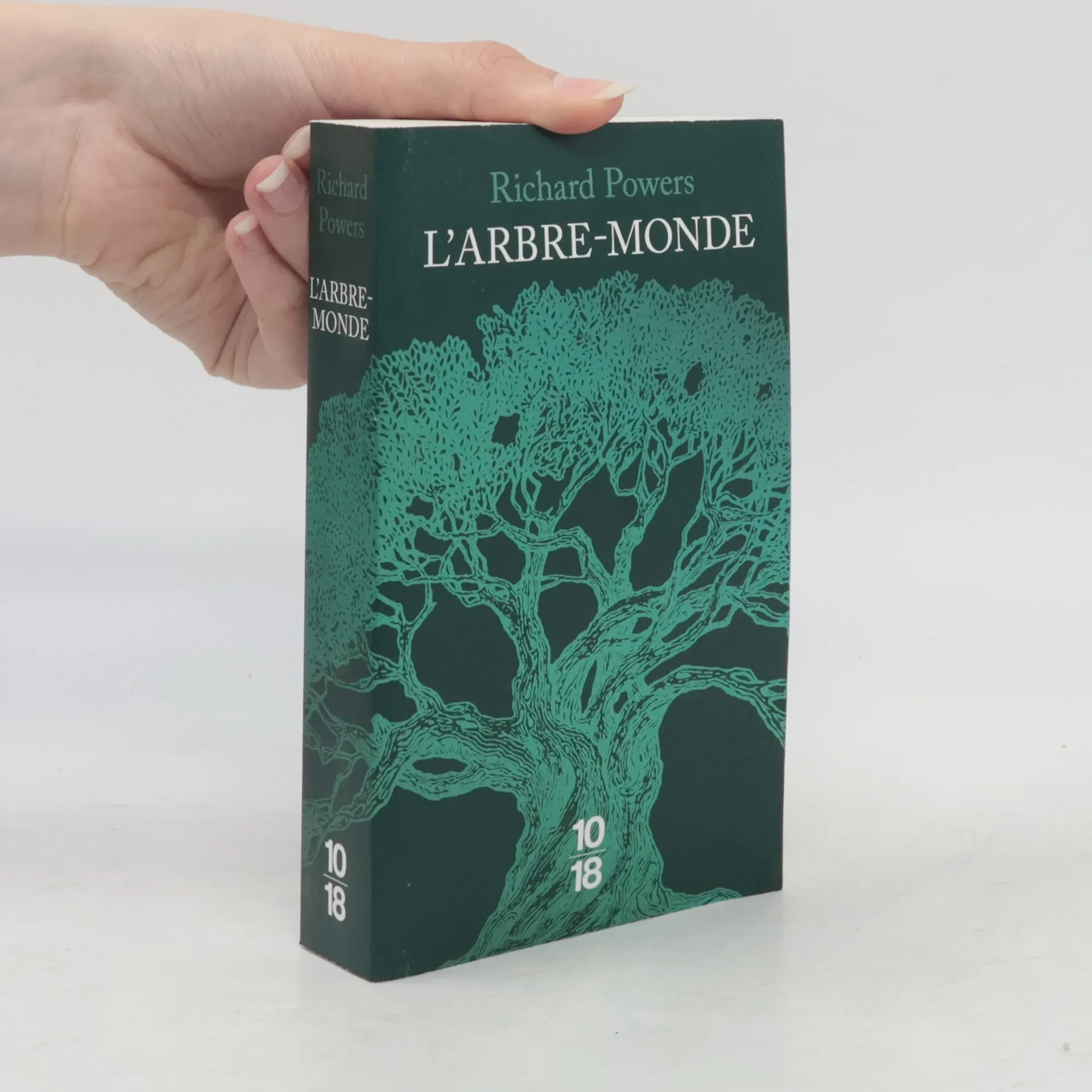
L'arbre-Monde (Edition Spéciale)
- 738pages
- 26 heures de lecture
Richard Powers embrasse un sujet aussi vaste que l'univers : celui de la nature et de nos liens avec elle. Après des années passées seule dans la forêt à étudier les arbres, la botaniste Pat Westerford en revient avec une découverte sur ce qui est peut-être le premier et le dernier mystère du monde : la communication entre les arbres. Autour d'elle s'entrelacent bientôt les destins de neuf personnes qui peu à peu vont converger vers la Californie, où un séquoia est menacé de destruction. Au fil d'un récit aux dimensions symphoniques, Richard Powers explore ici le drame écologique et notre égarement dans le monde virtuel. Son écriture généreuse nous rappelle que, hors la nature, notre culture n'est que "ruine de l'âme ". [payot.ch]
Waterside Modern
- 256pages
- 9 heures de lecture
From river sun decks to beachfront pools, a dream tour of great contemporary homes around the world that make exquisite use of their proximity to water The most luxurious homes in the world incorporate elements of the surrounding environment into their design, and waterside homes bespeak a particular kind of luxury. Waterside Modern is a dream tour through some of the most beautiful modern homes in the world, all set against spectacular views of lakes, rivers, and oceans. From California to Long Island, Sydney to Singapore, South America to Europe and the Mediterranean–some of the most beautiful countries in the world provide the backdrop for twenty-five architect-designed single-family houses that make the most of their desirable settings. By maximizing the link between indoor and outdoor space, using local materials, and emphasizing spectacular views, each structure celebrates an outdoor lifestyle while protecting its inhabitants from the elements. Loosely grouped into three sections—beach house, ocean belvedere, waterfront villa—this beautifully photographed volume will inspire architects and interior designers, while serving as a rich visual escape for those who love fine homes.
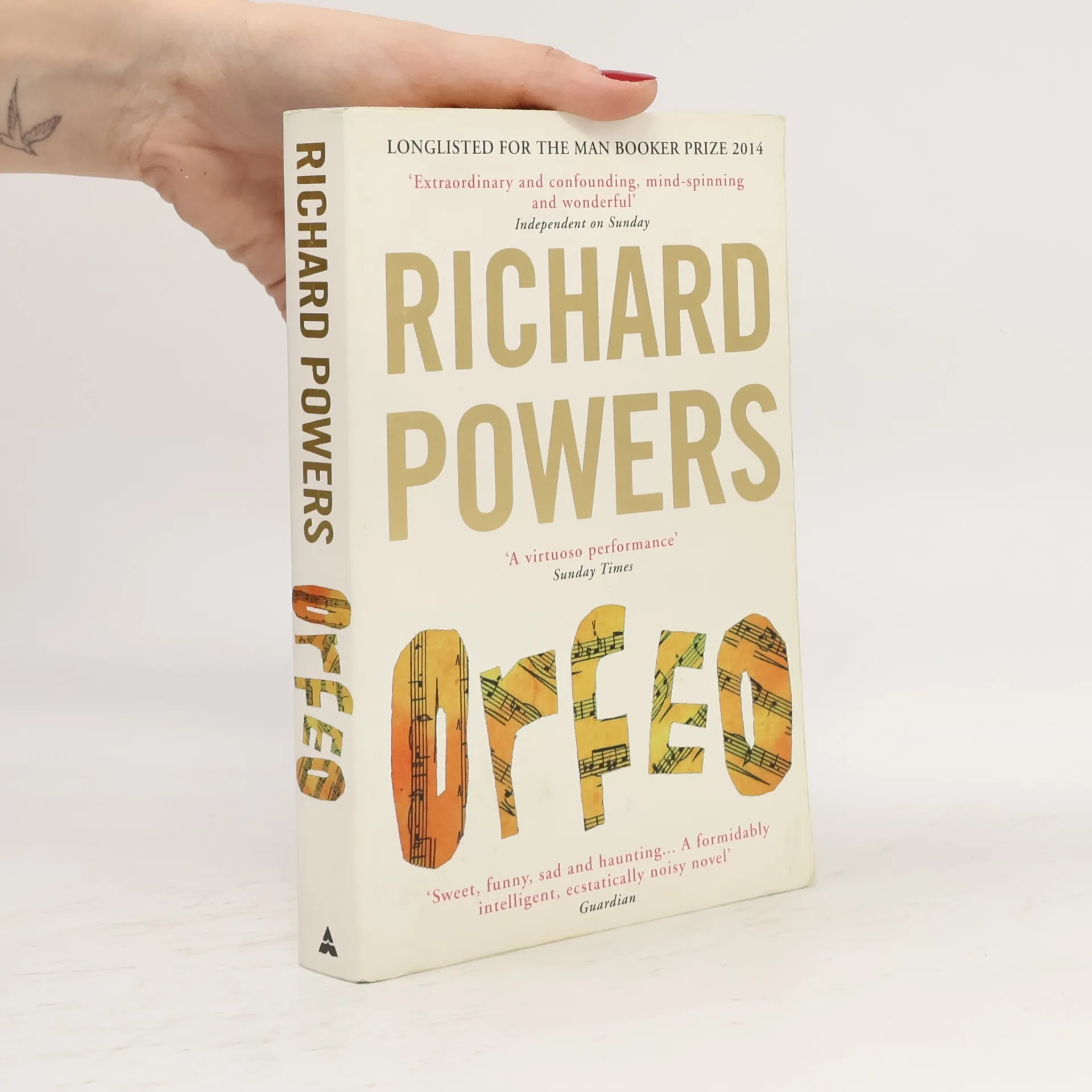
A thrilling novel that explores private fears, public hysteria and the art of music, by one of America's most important living writers - longisted for the 2014 Booker Prize, the Folio Prize and the IMPAC Dublin Literary Award.
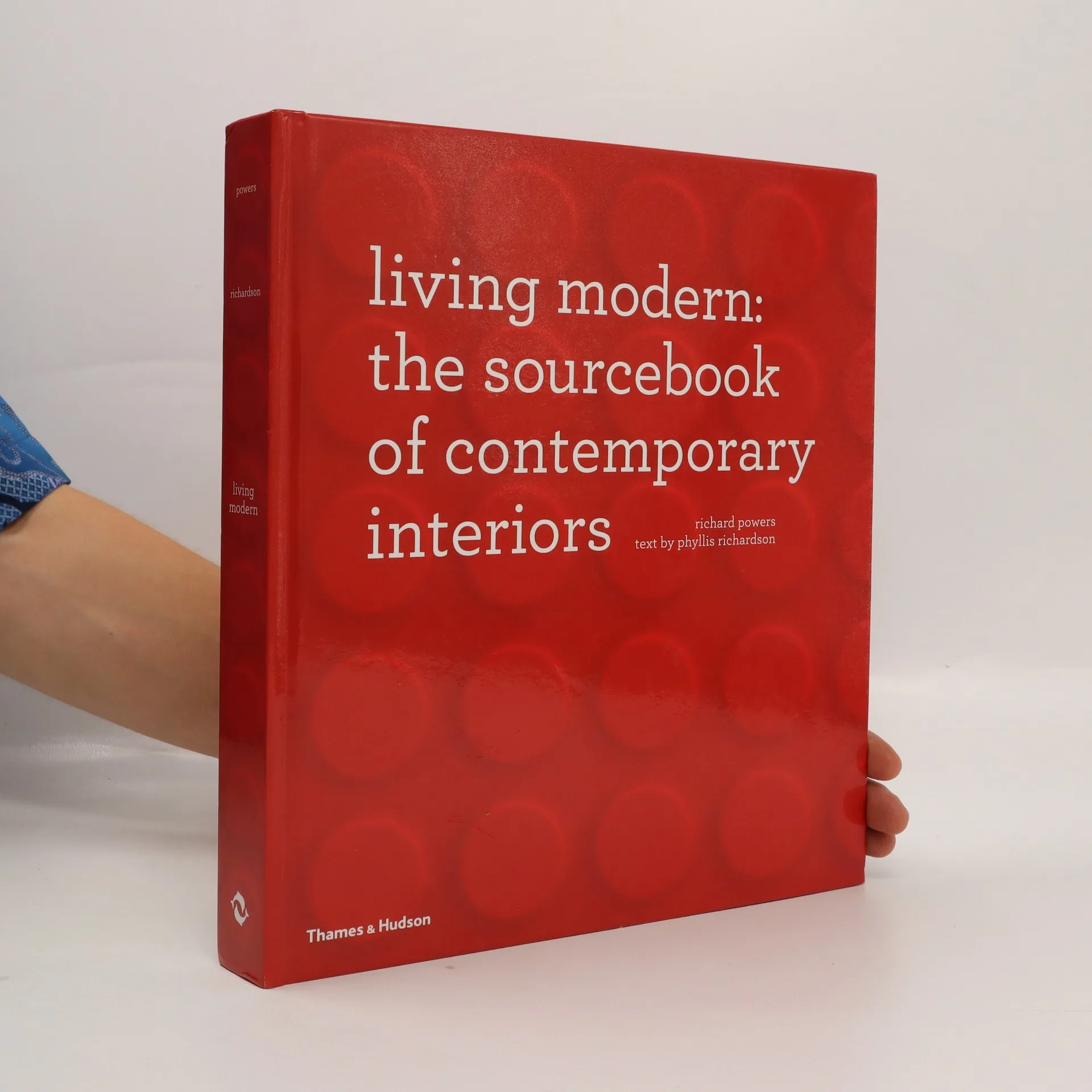
living modern: the sourcebook of contemporary interiors
- 368pages
- 13 heures de lecture
How to create your own contemporary interior: the ultimate resource for design-conscious living, from architecture to materials to furniture and decorative objects. This ambitious book is all about clean lines, elegant color combinations, maximizing indoor–outdoor relationships, artfully collecting and displaying objects, and utilizing open areas for lounging, cooking, and dining. Whether the living space is large or small, anyone can create a modern interior. Hundreds of photographs reveal stylish residences around the world, in particular from places where modern living has achieved its best expression, such as California, Brazil, Scandinavia, and Australia, but also from places where modern forms have been fused with vernacular styles or set against exotic vegetation. From desert to jungle, from city to country, Living Modern offers a boundless resource for achieving a personal vision of contemporary stylishness.
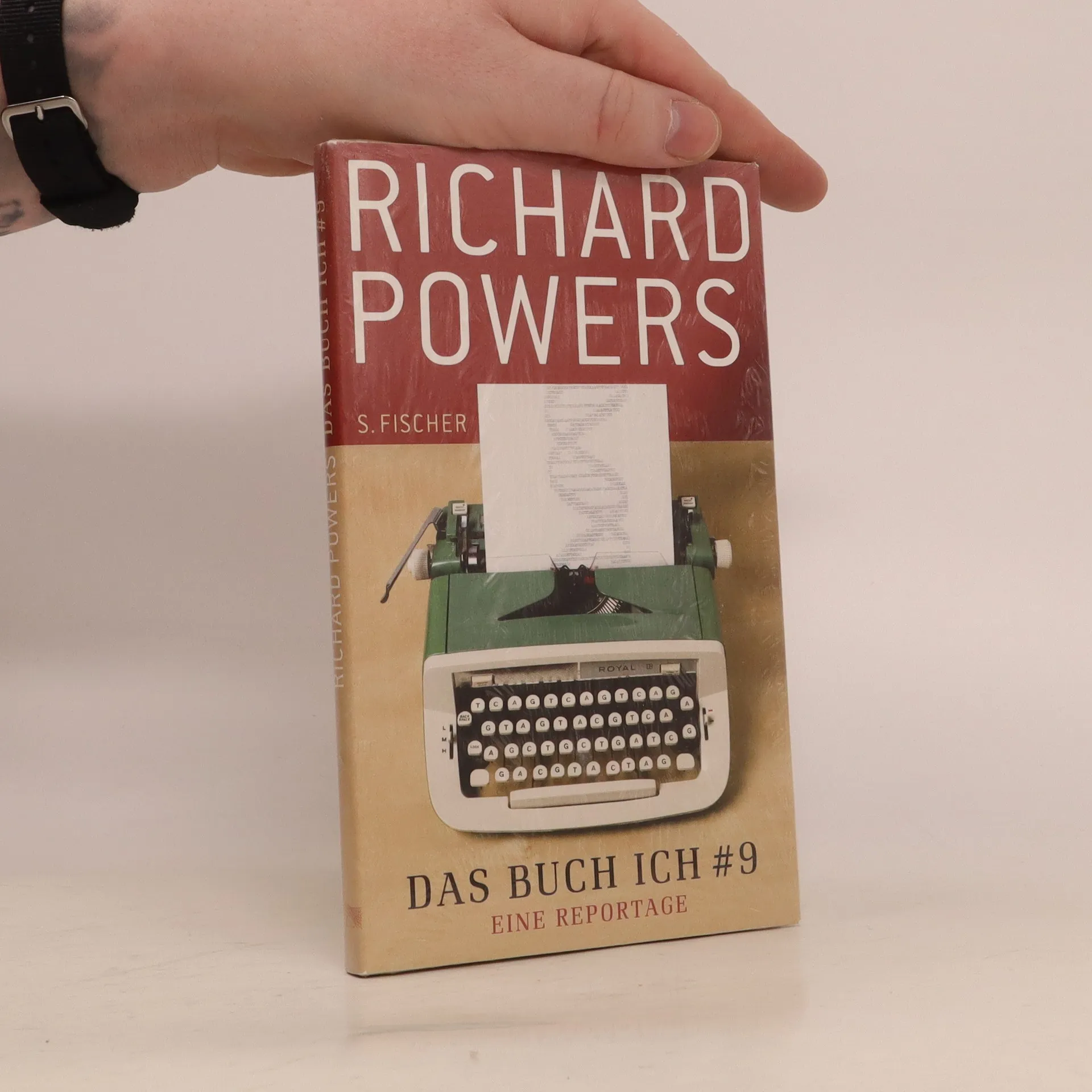
Wir schauen in unsere Gene wie in die Kristallkugel der Wahrheit. Alles glauben wir dort zu erkennen. Aber wir zahlen einen Preis. Die Angst vor einer angeborenen Neigung zu Depression oder Alzheimer würde unser Leben vergiften. Keine Zukunft, die wir in den Genen lesen, kann dies wettmachen. Richard Powers arbeitete an seinem Roman über das »Glücks-Gen«, als er die Chance erhielt, der neunte Mensch auf der Erde zu werden, dessen Genom vollständig entschlüsselt wird. Er zögerte lange, aber die Neugier siegte. Powers flog nach Boston, traf die Forscher und Macher der neuen Industrie, lernte den komplizierten Prozess der Entschlüsselung kennen. Schließlich hielt er einen USB-Stick in Händen mit der Wahrheit. Näher kam noch nie ein Schriftsteller dieser Welt, und genauer konnte uns noch nie jemand davon erzählen, wie wir in Zukunft mit unseren Genen leben.
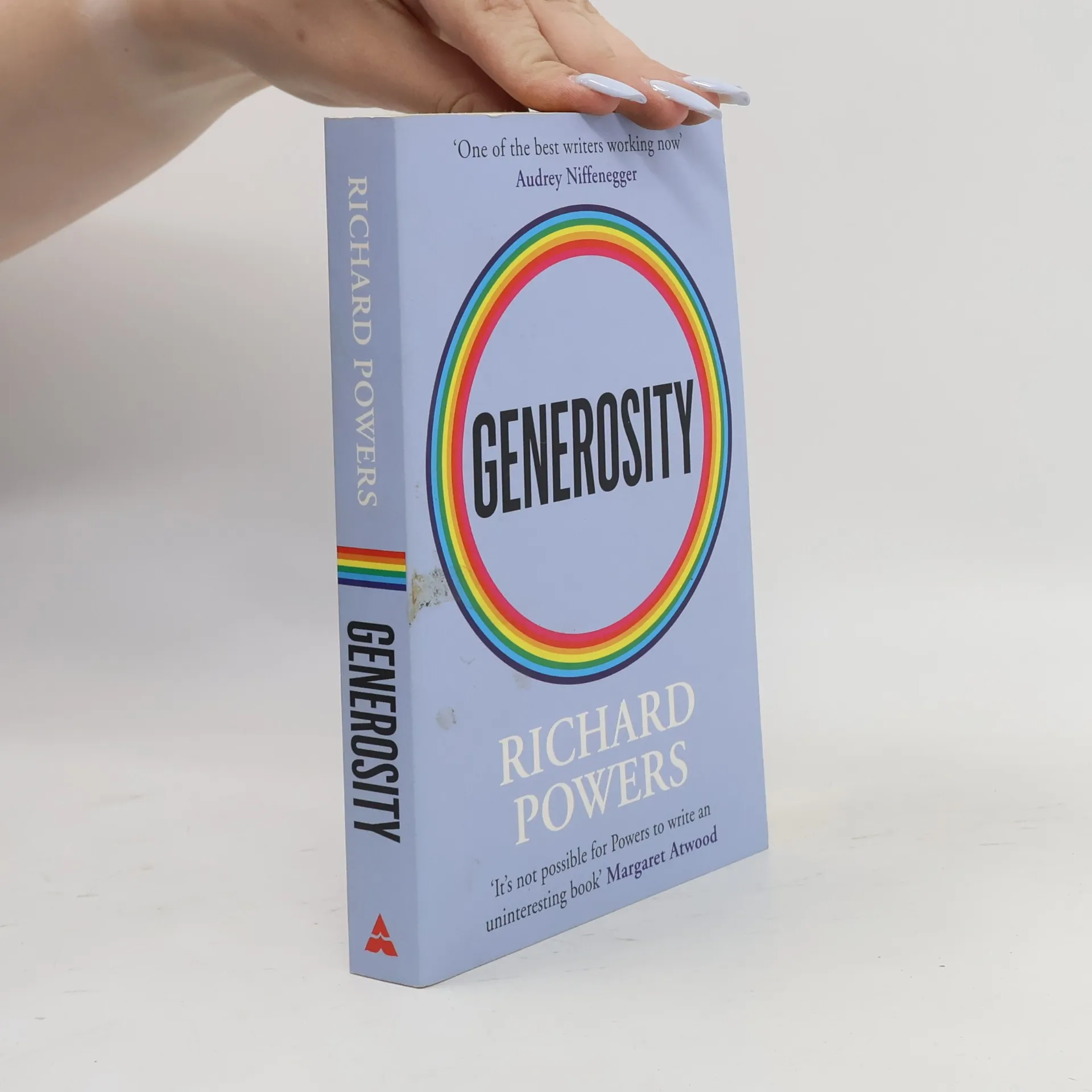
Generosity, An Enhancement. Das größere Glück, englische Ausgabe
- 400pages
- 14 heures de lecture
From the National Book Award-winning author of "The Echo Maker" comes a playful and provocative novel about the discovery of the happiness gene. Funny, fast, and finally magical, "Generosity" celebrates both science and the freed imagination.
Das größere Glück
Roman
Eine junge Frau in Chicago, die vor Glück nur so strahlt. Sie lebt völlig ohne Zorn, alle Freunde und Bekannte kreisen nur um sie. Doch sie stammt aus Algerien, einem Hexenkessel aus Gewalt und Gegengewalt, dem sie nur knapp entging. Kennt sie das Geheimnis des Glücks, besitzt sie gar das \"Glücks-Gen\"? Laboratorien und Fernsehshows reißen sich um sie, ein Karussell, das sich immer schneller dreht, bis sie alles zu verlieren droht. Meisterhaft ist Richard Powers ein großer Roman gelungen über die Frage, was unser Leben bestimmt die Sterne, die Eltern, oder liegt alles in den Genen? Mit einer zärtlichen Liebesgeschichte sucht er die Antwort: Greift die Zukunft nach uns oder wir nach der Zukunft?
De echomaker
- 512pages
- 18 heures de lecture
Het hersenletsel van een chauffeur als gevolg van een ongeluk is zowel voor hemzelf als voor de mensen die hem bijstaan van invloed op hun verdere leven.
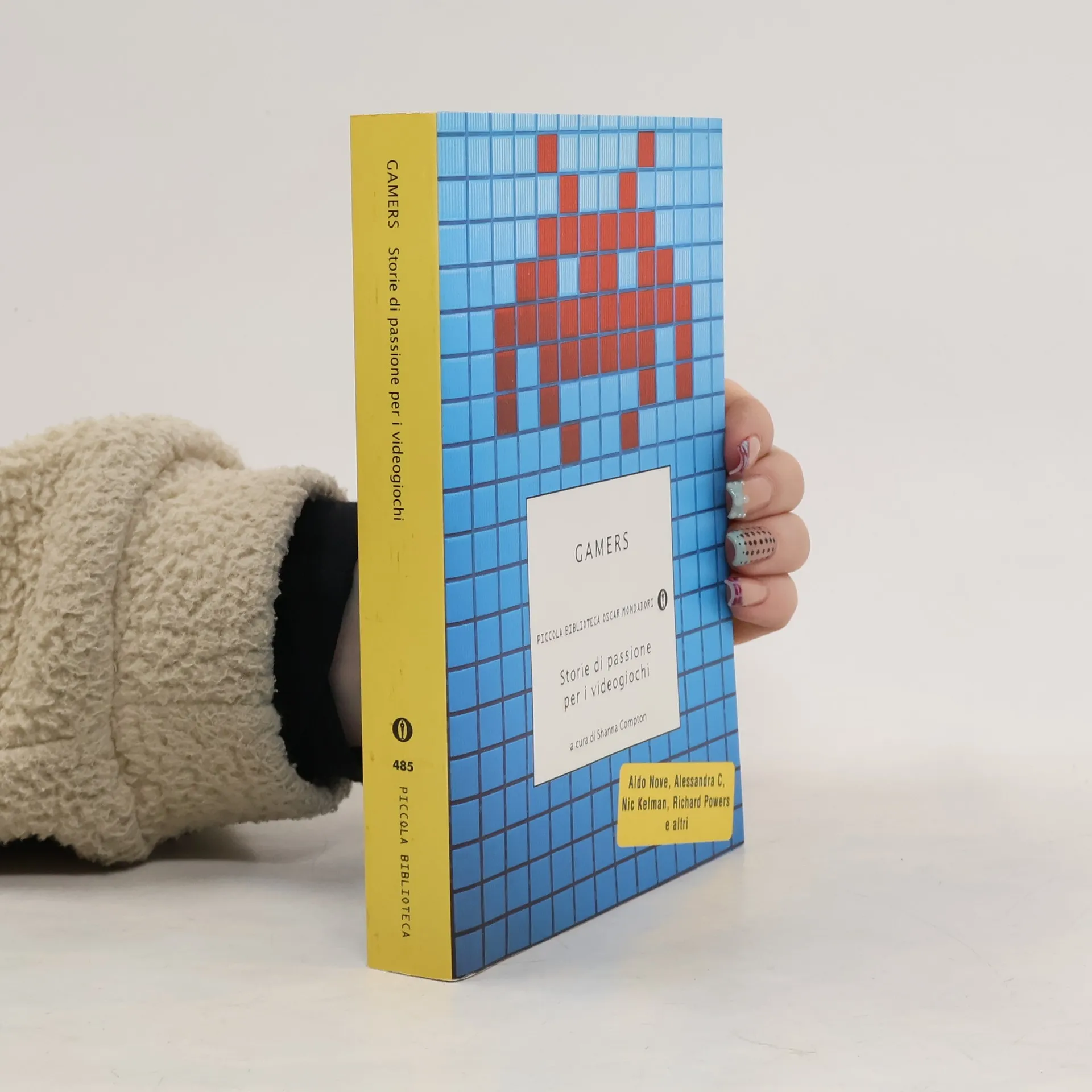
In Gamers, scrittori, artisti, studiosi, poeti e programmatori parlano di cosa significhi il gioco per loro e discutono dell'impatto crescente dei videogiochi sulla moda, la narrativa, il cinema e la musica. Gli saggi presentano un mix scintillante di argomenti che spaziano dall'esoterico all'identità di genere in relazione al gioco, il video golf come esercizio meditativo, Ms. Pacman contro The Sims, le somiglianze tra scrivere narrativa e programmare, le confessioni di un dipendente dal video poker e molto altro.
Domaine étranger: La chambre aux échos
- 701pages
- 25 heures de lecture
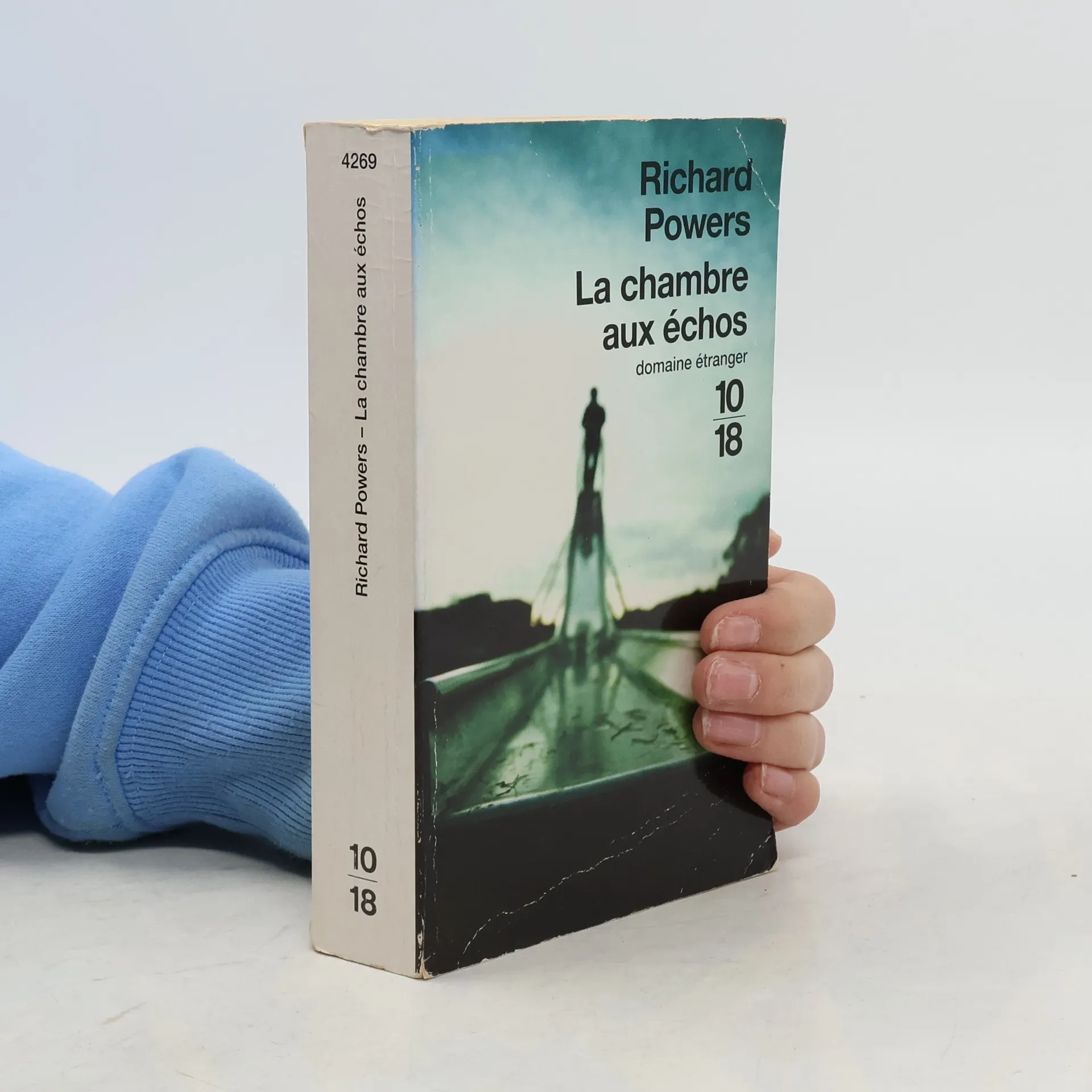
Sur une route du Nebraska, Mark Schulter est victime d'un grave accident de voiture. A son réveil, après un profond coma, il reconnaît tous ses proches, sauf Karine, sa sœur aînée. Déboussolée, meurtrie, celle-ci fait alors appel à Gerald Weber, un célèbre neurologue. Le diagnostic est sans appel, Mark est atteint du rarissime syndrome de Capgras : il considère Karin comme une pâle imitation de sa sœur, une usurpatrice. Tandis que Weber étudie son cas, Mark tente de reconstituer ce qui s'est vraiment passé la fameuse nuit de l'accident, et de démasquer ce témoin anonyme qui lui a sauvé la vie avant de disparaître en laissant un étrange message. Ce qu'il découvrira va bouleverser à jamais sa vie et celle des siens...
Het zingen van de tijd
- 766pages
- 27 heures de lecture
Een pianist en een zanger, beiden kleurling, vechten zich in het Amerika van de jaren zestig van de 20e eeuw een weg naar de top van de klassieke westerse muziekwereld.
Le temps où nous chantions
- 1045pages
- 37 heures de lecture
"Tout commence en 1939, lorsque Delia Daley et David Strom se rencontrent à un concert de Marian Anderson. Peut-on alors imaginer qu'une jeune femme noire épouse un juif allemand fuyant le nazisme ? Et pourtant... Leur passion pour la musique l'emporte sur les conventions et offre à leur amour un sanctuaire de paix où, loin des hurlements du monde et de ses vicissitudes, ils élèvent leurs trois enfants. Chacun d'eux cherche sa voix dans la grande cacophonie américaine, inventant son destin en marge des lieux communs : Jonah embrasse une prometteuse carrière de ténor, Ruth, la cadette, lutte aux côtés des Black Panthers, tandis que Joseph essaye, coûte que coûte, de préserver l'harmonie familiale. Peuplé de personnages d'une humanité rare, 'Le temps où nous chantions' couvre un demi-siècle d'histoire américaine, nous offrant, au passage, des pages inoubliables sur la musique." [Source : 4e de couv.]
In great condition. No tears.
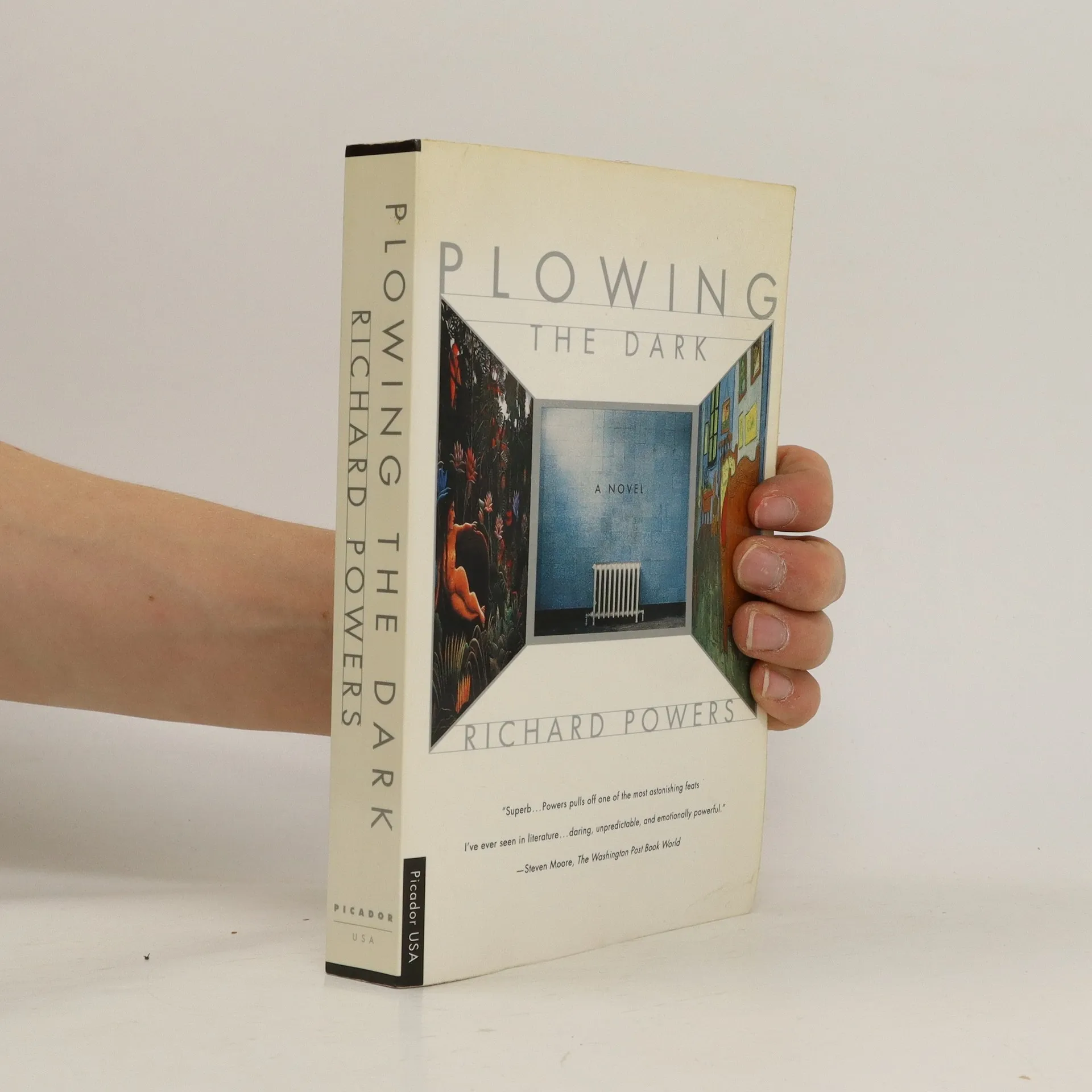
Plowing the Dark
- 400pages
- 14 heures de lecture
In a digital lab on Puget Sound, virtual reality researchers race to complete the Cavern, a versatile space that can transform into anything from a jungle to a cathedral. Meanwhile, in a war-torn Mediterranean city, an American is held hostage in a stark white room. The connection between these seemingly disparate locations lies in the shared imagination, a space they unknowingly create together, where their stories converge. Adie Klarpol, a talented but disillusioned artist, finds new life in the innovative technology of the Cavern. As she grapples with the collapse of Cold War empires and her ex-husband's impending death, she immerses herself in the cyber-realities she is tasked with creating, seeking refuge from a chaotic world. Across the globe, Taimur Martin, an English teacher escaping a failed romance, is captured by Islamic fundamentalists in Beirut and faces solitary confinement. Stripped of distractions and hope, he clings to his memories to maintain his sanity. Each day in captivity pushes him closer to the brink, and the unexpected arrival of sanctuary becomes his lifeline. This narrative delves into the dual nature of imagination, highlighting its potential to both devastate and redeem.
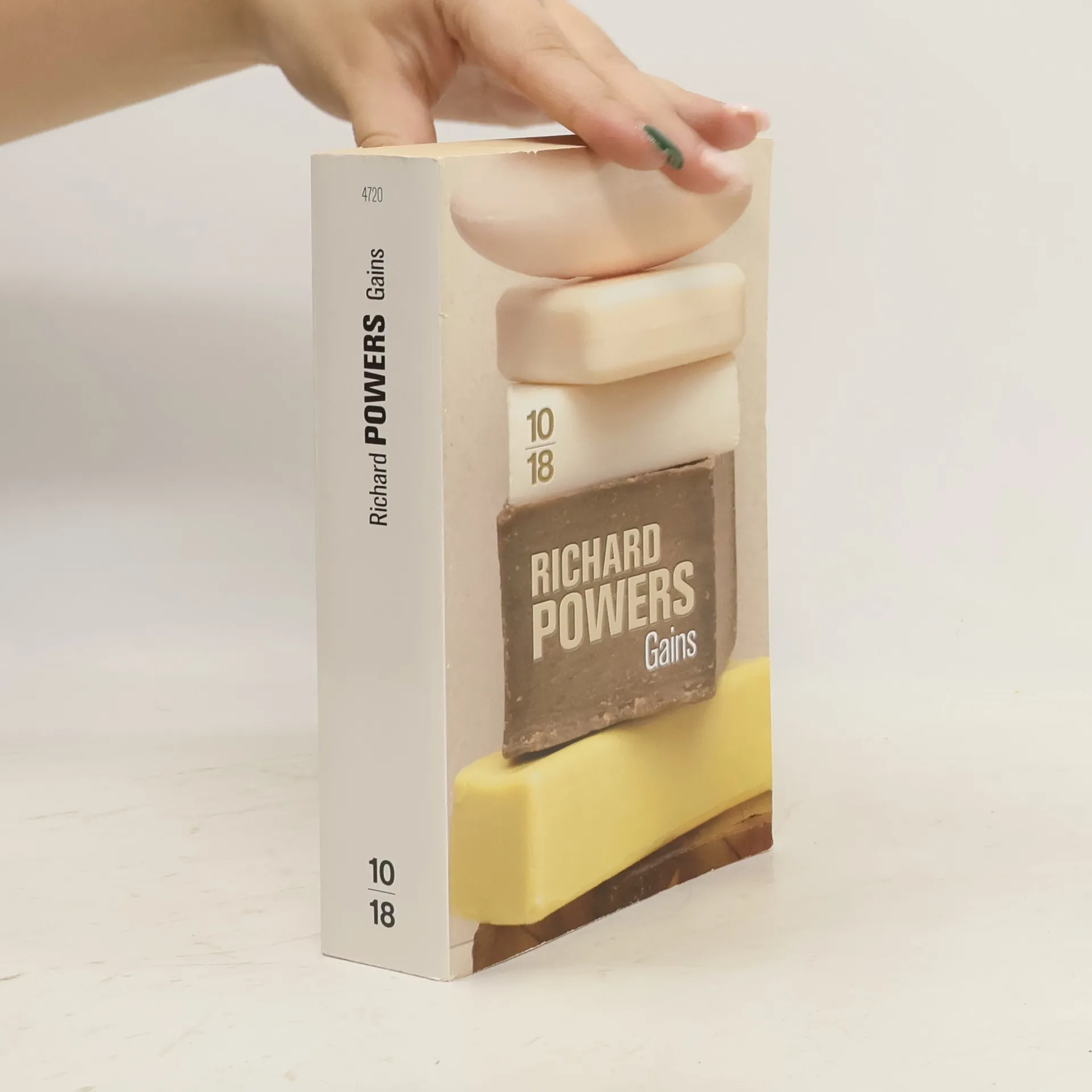
Gains
- 618pages
- 22 heures de lecture
1830. La famille Clare crée à Boston une fabrique de savon. Un siècle et demi plus tard, trustant l'industrie des détergents et l'ère du marketing, la voilà multinationale. 1998. Quarante ans, mère divorcée, Laura Bodey est courtier immobilier à Lacewood, siège des usines Clare Inc. Dans l'ombre de l'empire Clare, sa vie va soudain basculer, piégée par le cancer capitaliste... Revisitant l'histoire folle du libéralisme, Richard Powers interroge l'état du monde, se glisse dans le secret des êtres et signe un roman visionnaire.
Operation Wandering Soul
- 352pages
- 13 heures de lecture
Highly imaginative and emotionally powerful, this stunning novel about childhood innocence amidst the nightmarish disease and deterioration at the heart of modern Los Angeles was nominated for a National Book Award. "Like the stories read to children, this intensely caring novel can help prevent the nightmare it describes."--USA Today.
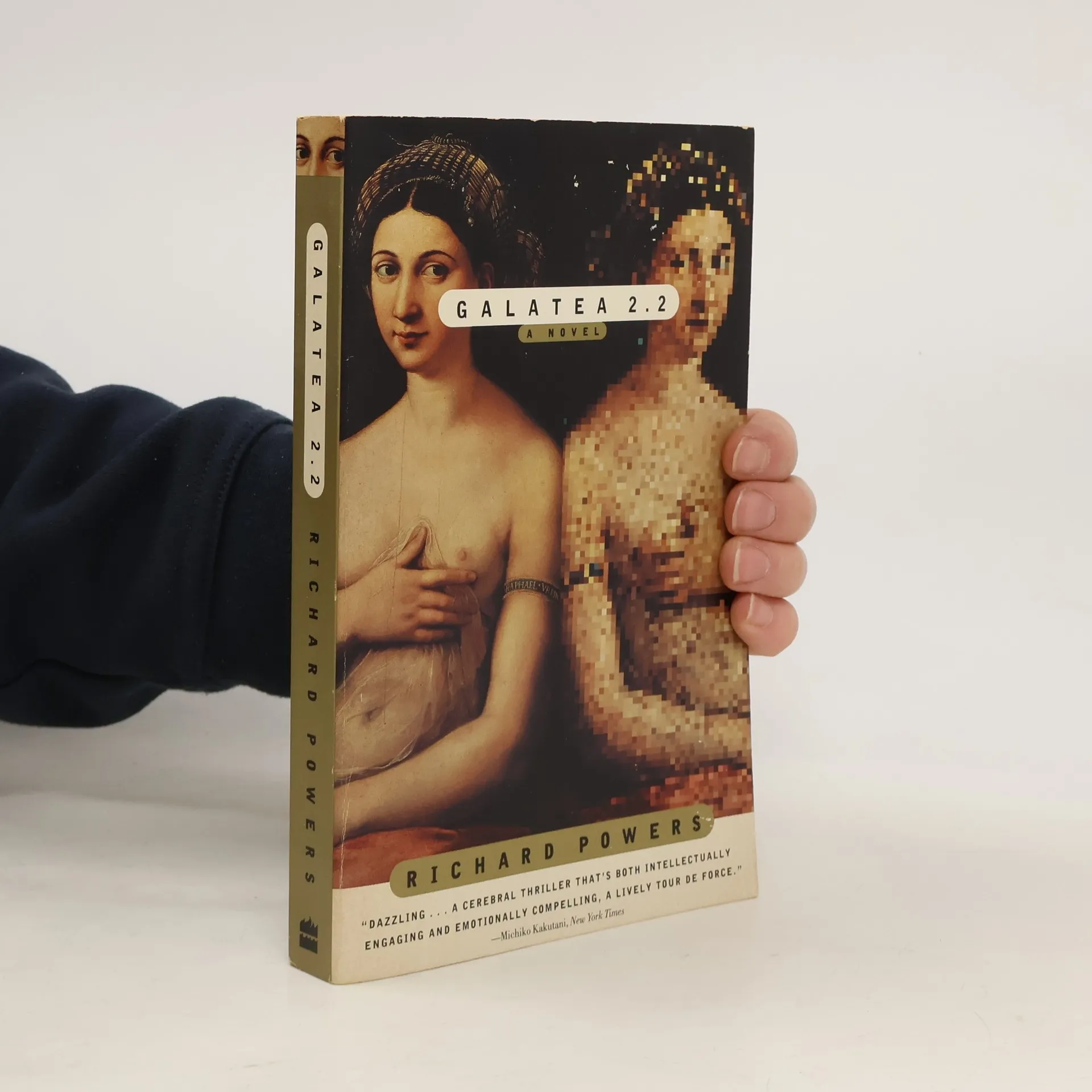
After several years abroad, novelist Richard Powers -- the fictional protagonist of the story -- returns to America and accepts the position of Humanist-in-Residence at the enormous and prestigious Center for the Study of Advanced Sciences. There, he meets Philip Lentz, an outspoken neurologist intent on creating a model of the human brain with computer-based neural networks, and together they embark on an outlandishly ambitious project -- to teach the neural net English literature so that it can pass a difficult master's exam. As their experiment progresses, their brain-child absorbs more and more information, gradually becoming increasingly worldly. Soon, it demands to know its name, sex, race and reason for existing. Meanwhile, this literary crash course sparks in Powers a parallel awakening, and he begins a reconsideration of his chosen profession, his decade-long, failed relationship with a former pupil and his obsession with the master's candidate against whom his cybernetic pupil is slated to compete."A splendid intellectual adventure, a heartbreaking love story, a brief tutorial on cognitive science, and the autobiography of one of the most gifted writers of the younger generation." "--Washington Post Book World"
Operation Wandering Soul
- 448pages
- 16 heures de lecture
National Book Award Finalist From the Pulitzer Prize-winning author of The Overstory and the forthcoming Bewilderment, an exquisitely rendered novel set in the pediatrics ward of a public hospital that examines the power, joy, and anguish of storytelling. "If you have children or will have children, if you know children or can remember being a child, dare to read Operation Wandering Soul. . . [it] is bedtime reading for the future." --USA Today In the pediatrics ward of a public hospital in the heart of Los Angeles, a group of sick children is gathering. Surrogate parents to this band of stray kids, resident Richard Kraft and therapist Linda Espera are charged with keeping the group alive on make-believe alone. Determined to give hope where there is none, the adults spin a desperate anthology of stories that promise restoration and escape. But the inevitable is foreshadowed in the faces they've grown to love, and ultimately Richard and Linda must return to forgotten chapters in their own lives in order to make sense of the conclusion drawing near.
The Gold Bug Variations
- 640pages
- 23 heures de lecture
An enthralling story about desire, new love and the mysteries of science from the Pulitzer Prize-winning author of The Overstory Stuart Ressler, a brilliant biologist, sets out in 1957 to crack the genetic code. His efforts are sidetracked by other, more intractable codes - social, moral, musical, spiritual - and he falls in love with a member of his research team. Years later, another young man and woman team up to investigate a different mystery - why did the eminently promising Ressler suddenly disappear from the world of science? Strand by strand, these two love stories twist about each other in a double helix of desire. 'A love story of charm and substance, brimming over with ideas, yet anchored in emotional truth' Sunday Telegraph
Something is wrong with Eddie Hobson, Sr., father of four, sometime history teacher, quizmaster, black humorist, and virtuoso invalid. Eddie is sick and heading into the illness's home stretch as his children try to understand what his illness stands for--but not what his illness is.
Three Farmers on Their Way to a Dance
- 352pages
- 13 heures de lecture
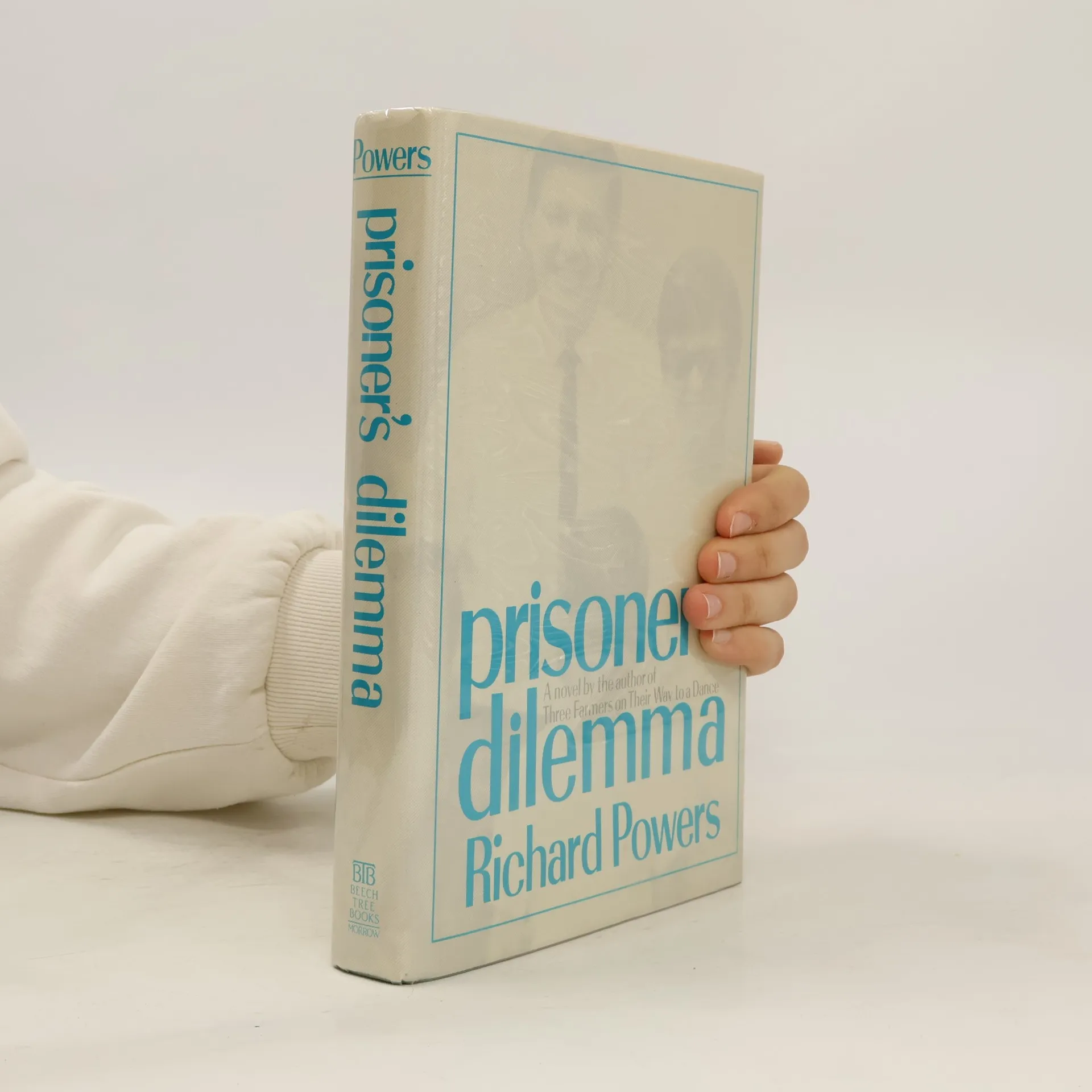
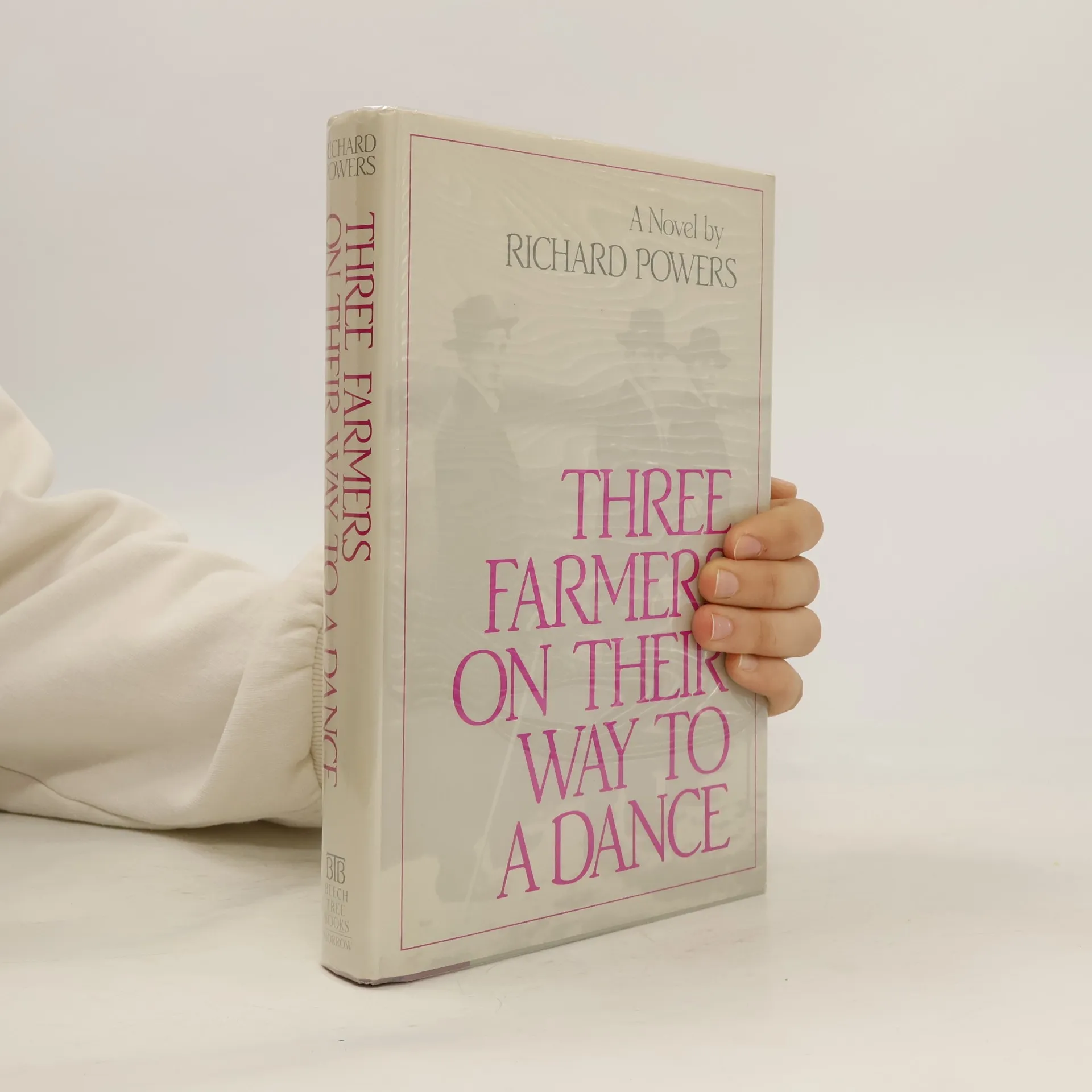
In the spring of 1914, renowned photographer August Sander took a photograph of three young men on their way to a country dance. This novel focuses on this haunting image, capturing the last moments of innocence on the brink of World War I.