

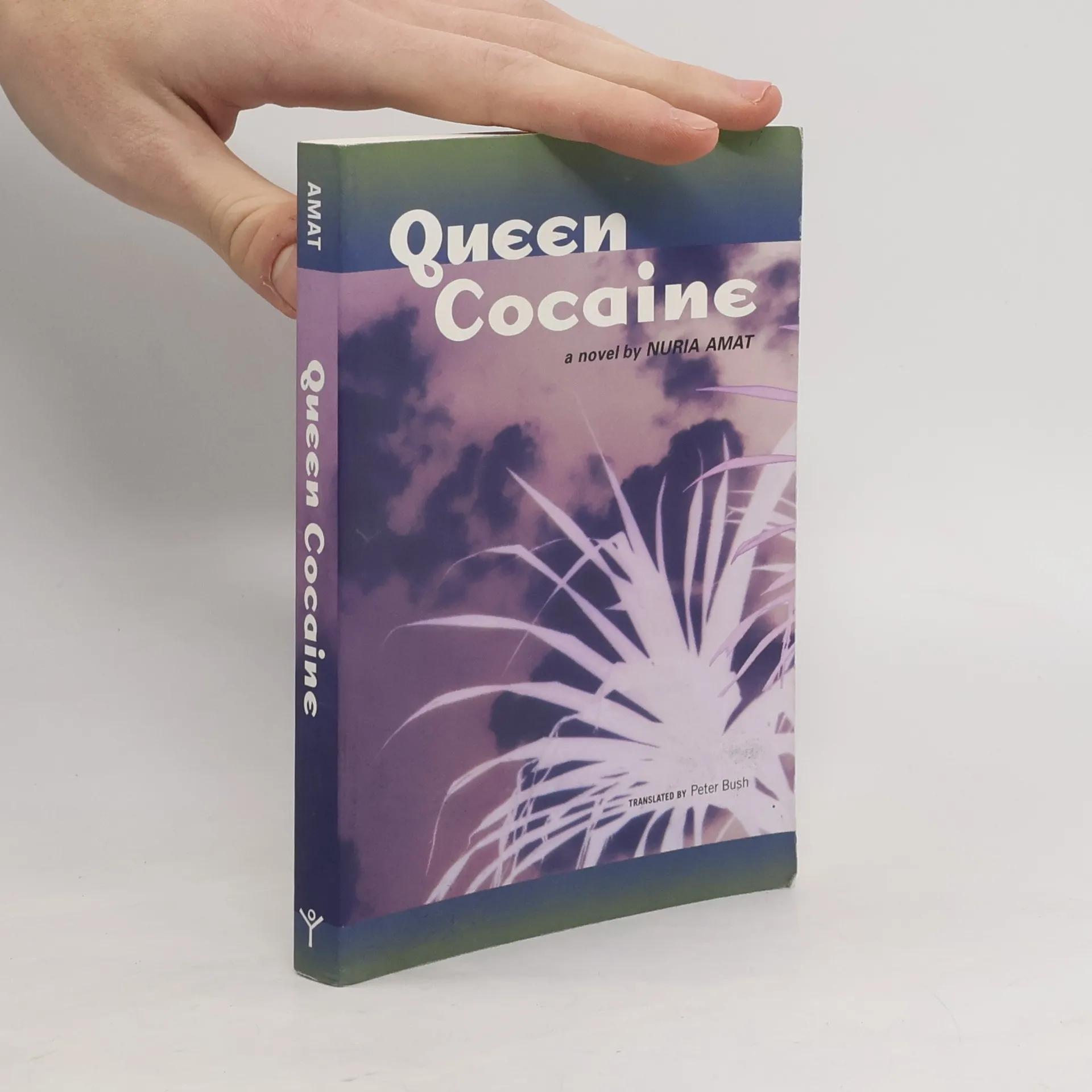
A young Catalan woman, inspired by a persecuted writer, ventures into the jungles of Colombia, where her familiar world collapses. Isolated in a region plagued by relentless rain, she begins to see the ominous signs of a devastating war reflected in her lover and the people around her. The narrative oscillates between intimacy and horror as she witnesses a hell that forces her to abandon everything except her reinvented language, her only refuge to articulate the myriad faces of death she encounters. The author, based in Barcelona, infuses the story with an alien sensibility and a lush, invented language, creating a paranoid fever dream reminiscent of the works of Rulfo, Fanon, and Lispector, all through the perspective of a doomed outsider. The portrayal of Colombia's Pacific coast is vivid, capturing an indifferent sea, relentless rains, and a jungle teeming with danger. A traumatic forced evacuation near the end deepens the narrative, presenting a grimly poetic account of a South American heart of darkness. This revelatory tale is likened to the testimony of a shell-shocked survivor, offering a brilliant depiction of the horrors of drug cultivation. Recommended for those interested in Latin American culture, it combines intelligence with critical insight.
Núria Amat Livres


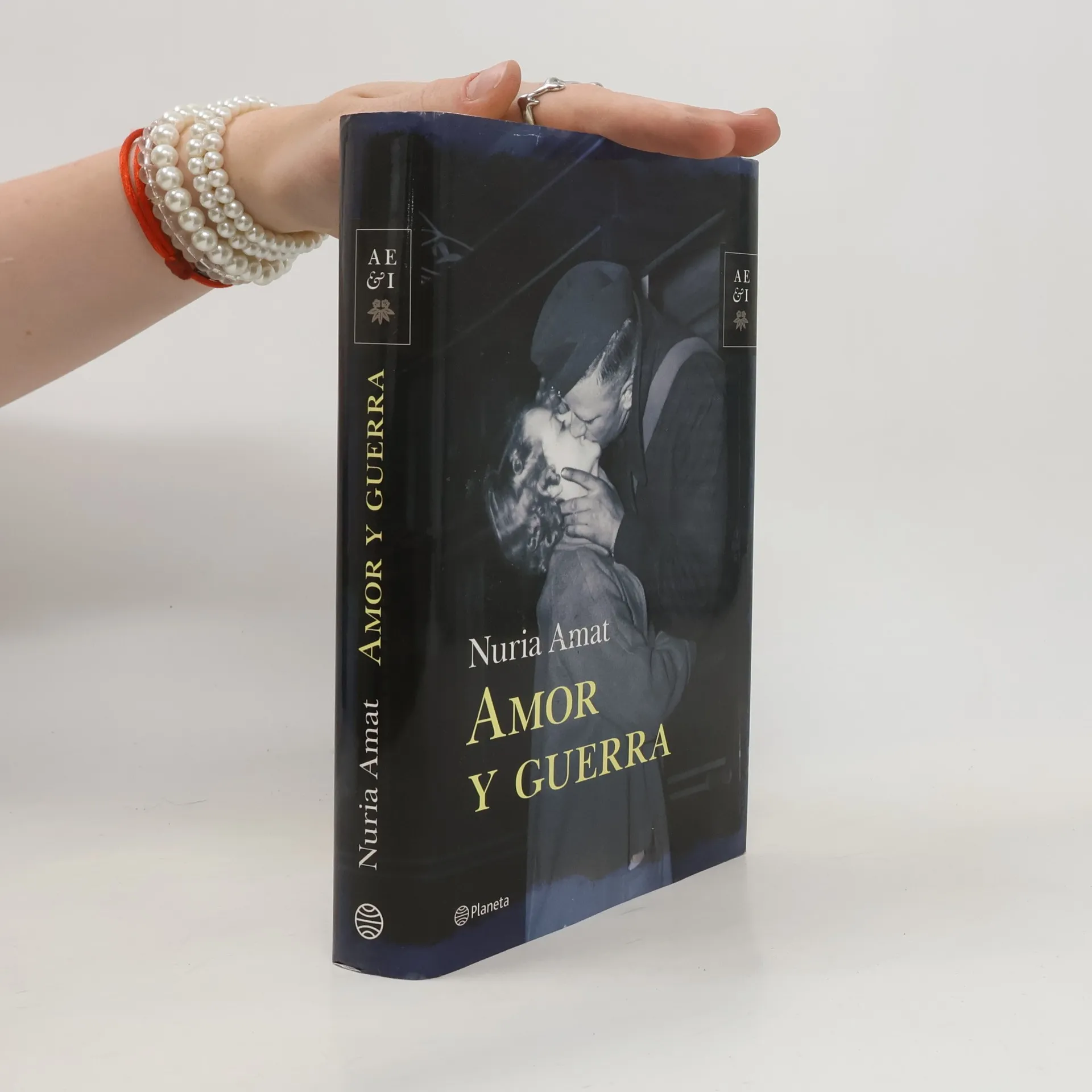
Amor y guerra
- 400pages
- 14 heures de lecture
Barcelona, 18 de juliol de 1936. El vent de la història canvia la vida de la jove anarquista Valentina Mur. Després que el seu pare resulti mort el dia del cop d'estat contra el govern de la República, ella es veu impulsada a participar en la revolució que esclata a la capital catalana.Valentina suscita l'atracció del carismàtic jove comunista Ramon Mercader, qui per ordre del dictador soviètic Stalin assassinarà quatre anys més tard el conegut polític Trotski. Ella, però, s'enamora del cosí d'en Ramon, Artur Ramoneda, el primogènit d'una família d'industrials a qui coneix el dia de la detenció del jove com a presumpte simpatitzant de la insurrecció militar.Aquesta parella és al centre d'una història apassionant, amb nombrosos personatges principals immersos en intrigues familiars narrades de manera absorbent al llarg de la novel·la, que revela aspectes inèdits de Mercader, un personatge històric misteriós. Atrapats en el sotrac de la guerra, els protagonistes d'aquesta història s'aferraran a l'amor com a via de redempció.
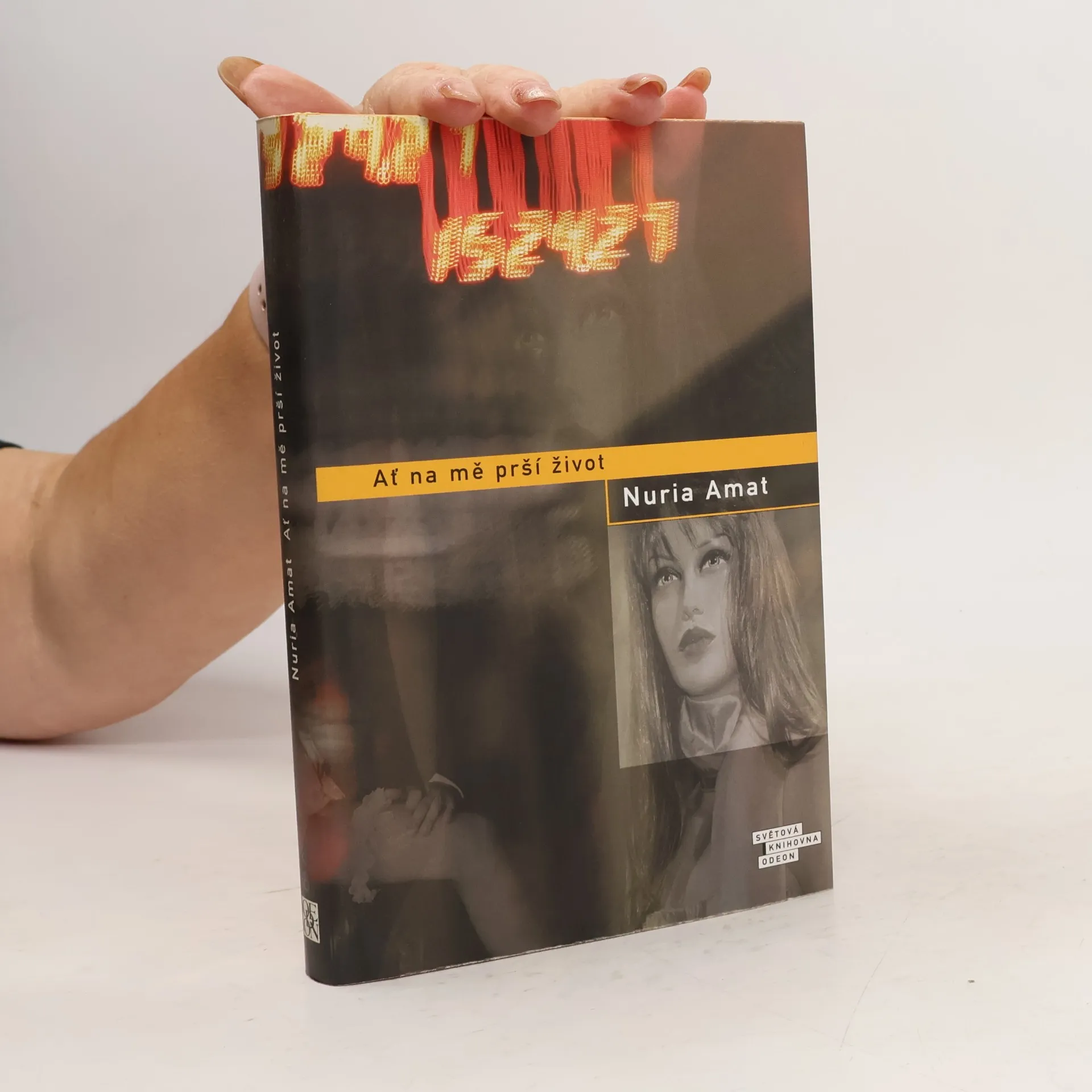
U této autorky bychom obtížně hledali tradičně vystavěný příběh, její knihy jsou na první pohled přerušované, osamělé reflexe, vzpomínky, poznámky, náznaky, útržky. Podobnost se stylem francouzské prozaičky Camille Laurens je patrná, ale Španělka je mnohotvárnější a niternější. Pokud je literatura sebereflexe a (auto)terapie, zde to platí dvojnásob: autorce zemřela ve třech letech matka, měla problematický vztah k otci, který se promítl do vztahu k oběma jejím manželům (dnes už přiznává, že autorem starší dcery je Samuel Beckett. Ale to, co vzniká v knihách, nejsou prvoplánové autobiografické příběhy. Jsou to dokonale komponované osobní prožitky psané jednou nádherným básnickým jazykem, podruhé surově a bezohledně hodnotící vlastní minulost: o matce a otci, dětech, přátelích, milencích. Tak trochu „soupis životních traumat“, vše, co se mi stalo a jak jsem to zpracovala… Nuria Amat řeší v každé kapitole svůj vztah k té či oné osobě. Nuria Amat (1951) je významná španělská prozaička. Vydala dvě desítky děl románových i literatury faktu. Je přispěvatelkou prestižního deníku El País. V češtině se představuje poprvé.
La fortuna de Matilda Turpin
- 460pages
- 17 heures de lecture