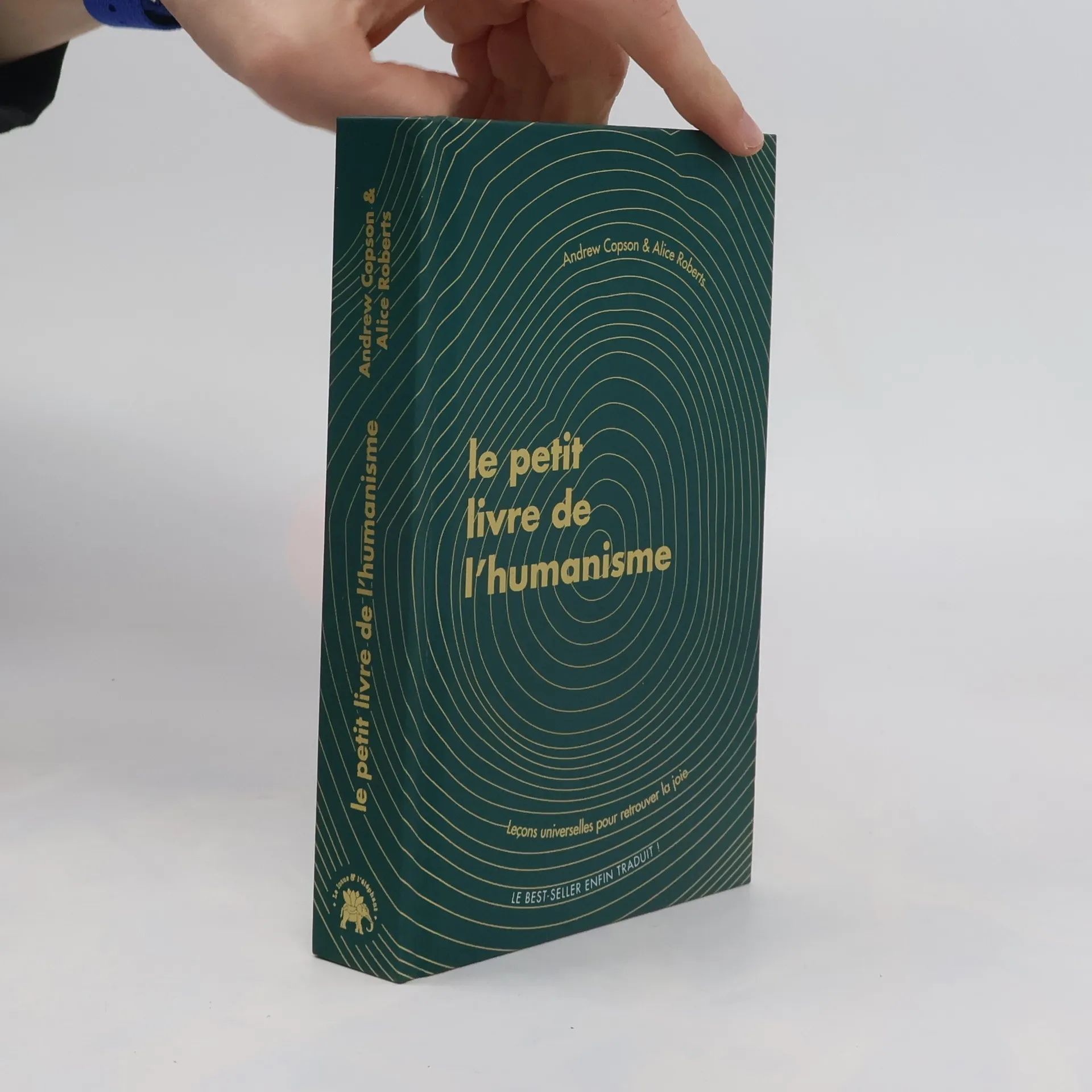
Nous voulons tous mener une vie heureuse. Traditionnellement, lorsque nous avons besoin de conseils, de réconfort ou d'inspiration, beaucoup de gens se tournent vers la religion. Mais il existe une autre façon d'apprendre à bien vivre - la voie humaniste - qui est plus pertinente que jamais dans le monde laïque d'aujourd'hui. Dans Le petit livre de l'humanisme, Alice Roberts et Andrew Copson partagent plus de deux mille ans de sagesse humaniste à travers une collection inspirante d'histoires, de citations et de méditations sur la manière de vivre une vie éthique et épanouissante, ancrée dans la raison et l'humanité. Avec des aperçus universels, Le petit livre de l'humanisme est une introduction parfaite et une anthologie intemporelle de la pensée humaniste de certains des plus grands penseurs de l'histoire et d'aujourd'hui.
Alice Roberts Livres


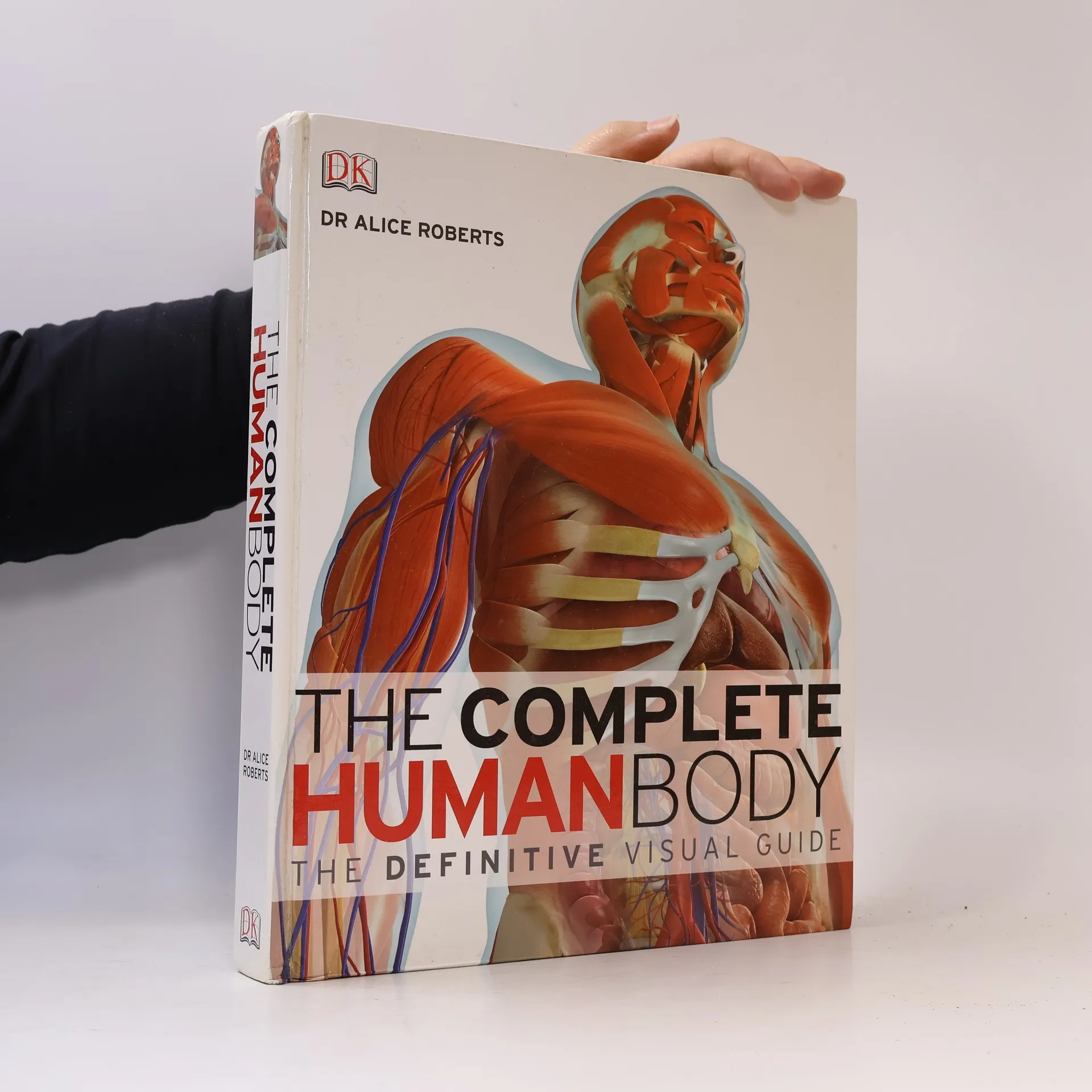
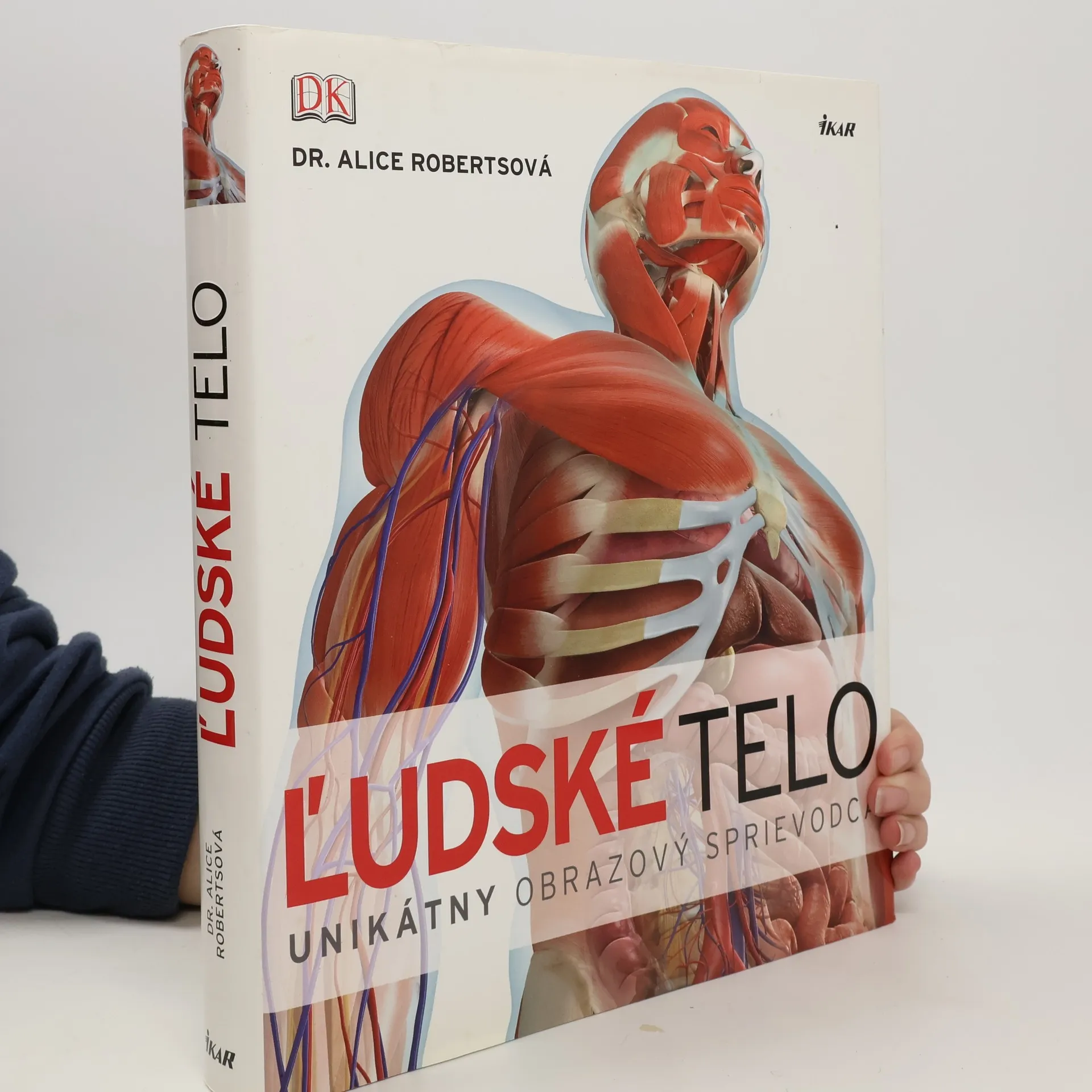
Get under your skin with this access-all-areas guide to the human body. Now available in ebook(PDF) format. Discover a breathtaking portrait of the human body as it�s never been seen before, using the latest medical and microscopic imaging. The Complete Human Body covers the development, form, function and disorders of the human body, all brought to life by incredible state-of-the-art 3D computer-generated artworks. Take a detailed look at how your respiratory system works, discover the anatomy up-close and learn about over 200 diseases and how they afflict the human body. Perfect for students, families and health professionals.
Evolution
- 256pages
- 9 heures de lecture
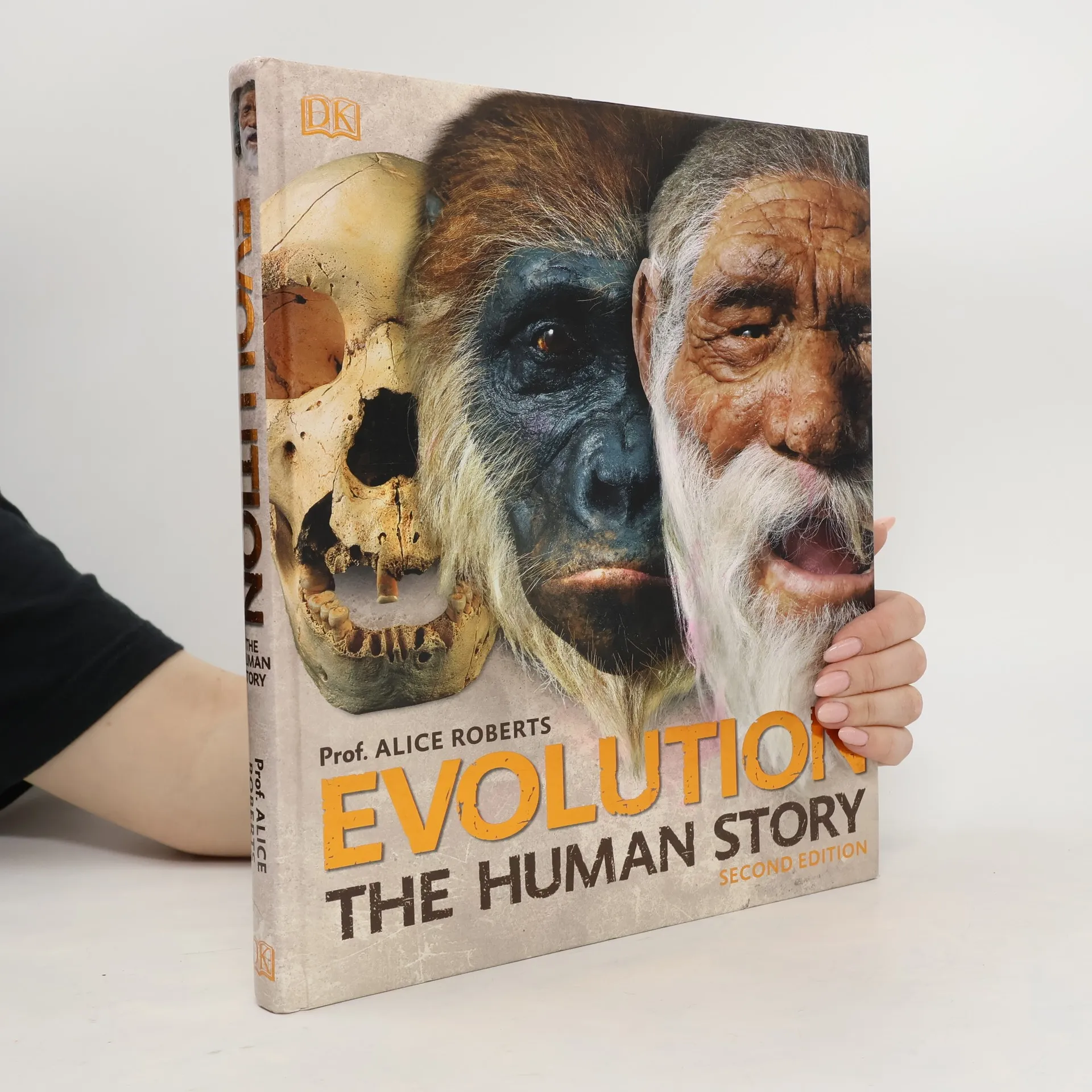
This unrivalled illustrated guide to human evolution brings you face to face with your ancient ancestors. Travelling back in time almost eight million years, the book charts the development of our species, Homo sapiens, from tree-dwelling primates to modern humans. Evolution investigates each of our ancestors in detail and in context, from the anatomy of their bones to the environment they lived in. Detailed maps show where each species has been found and plot the gradual spread of humans around the world. Fully updated to include the latest discoveries and research - including the newly discovered species Homo naledi - Evolution presents the latest thinking on some of the most captivating questions in science, such as whether modern humans and Neanderthals interacted with each other. Written and authenticated by a team of acknowledged experts and illustrated by renowned Dutch paleoartists the Kennis brothers, Evolution presents the story of our species with unique richness, authority, and detail
The Incredible Human Journey
- 376pages
- 14 heures de lecture
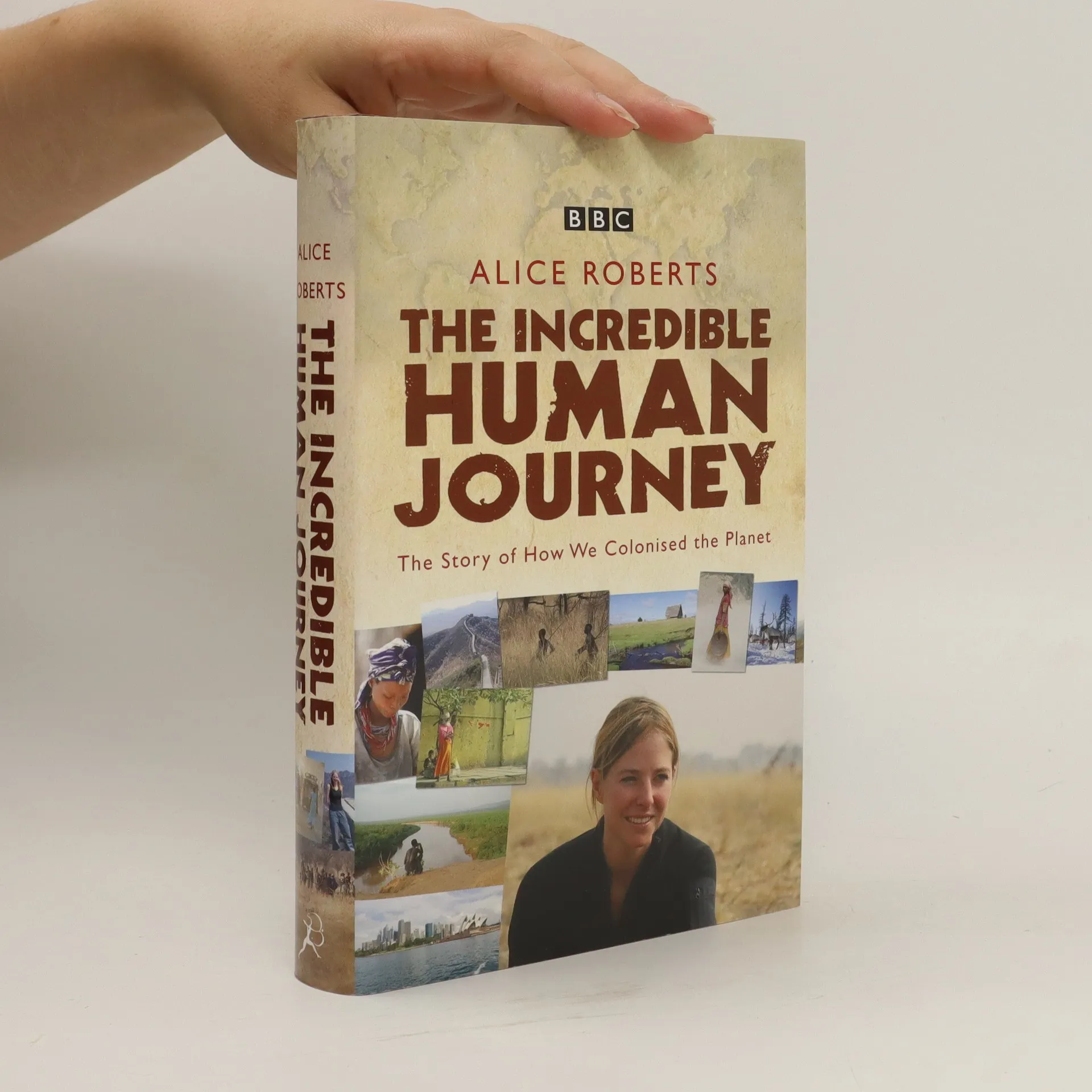
Alice Roberts has been travelling the world in order to understand the challenges that early humans faced as they tried to settle continents. Part detective story, part travelogue, and drawing on the latest genetic and archaeological discoveries, Alice examines how our ancestors evolved physically in response to these challenges, finding out how our colour, shape, size, diet, disease resistance and even athletic ability have been shaped by the range of environments that our ancestors had to survive
A SUNDAY TIMES BESTSELLER ‘Tender, fascinating … Lucid and illuminating’ Robert Macfarlane Funerary rituals show us what people thought about mortality; how they felt about loss; what they believed came next. From Roman cremations and graveside feasts, to deviant burials with heads rearranged, from richly furnished Anglo Saxon graves to the first Christian burial grounds in Wales, Buried provides an alternative history of the first millennium in Britain. As she did with her pre-history of Britain in Ancestors, Professor Alice Roberts combines archaeological finds with cutting-edge DNA research and written history to shed fresh light on how people lived: by examining the stories of the dead.
Ancestors
- 448pages
- 16 heures de lecture
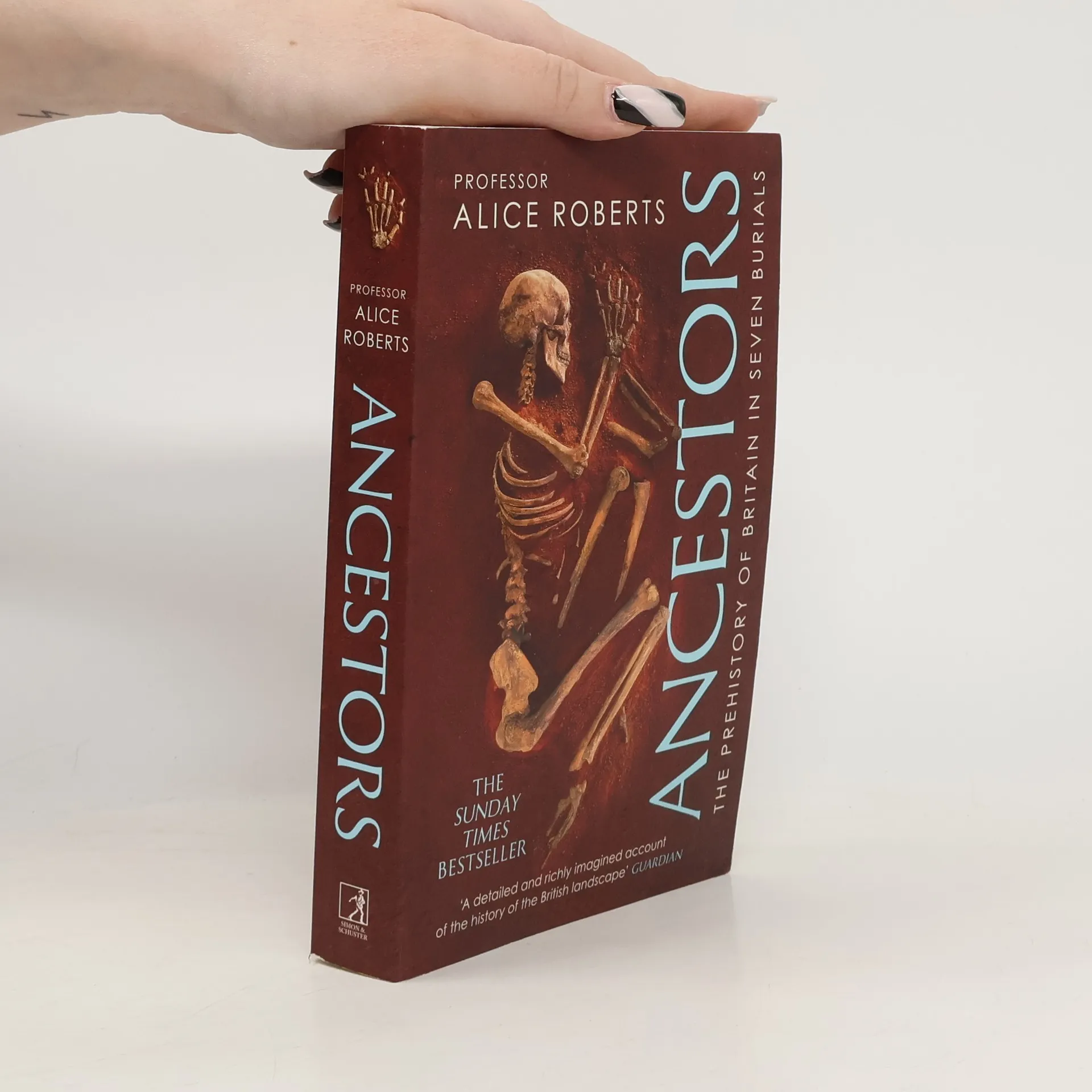
An extraordinary exploration of the ancestry of Britain through seven burial sites. By using new advances in genetics and taking us through important archaeological discoveries, Professor Alice Roberts helps us better understand life today. 'This is a terrific, timely and transporting book - taking us heart, body and mind beyond history, to the fascinating truth of the prehistoric past and the present' Bettany Hughes We often think of Britain springing from nowhere with the arrival of the Romans. But in Ancestors, pre-eminent archaeologist, broadcaster and academic Professor Alice Roberts explores what we can learn about the very earliest Britons, from burial sites and by using new technology to analyse ancient DNA. Told through seven fascinating burial sites, this groundbreaking prehistory of Britain teaches us more about ourselves and our history: how people came and went and how we came to be on this island. It explores forgotten journeys and memories of migrations long ago, written into genes and preserved in the ground for thousands of years. This is a book about belonging: about walking in ancient places, in the footsteps of the ancestors. It explores our interconnected global ancestry, and the human experience that binds us all together. It's about reaching back in time, to find ourselves, and our place in the world.
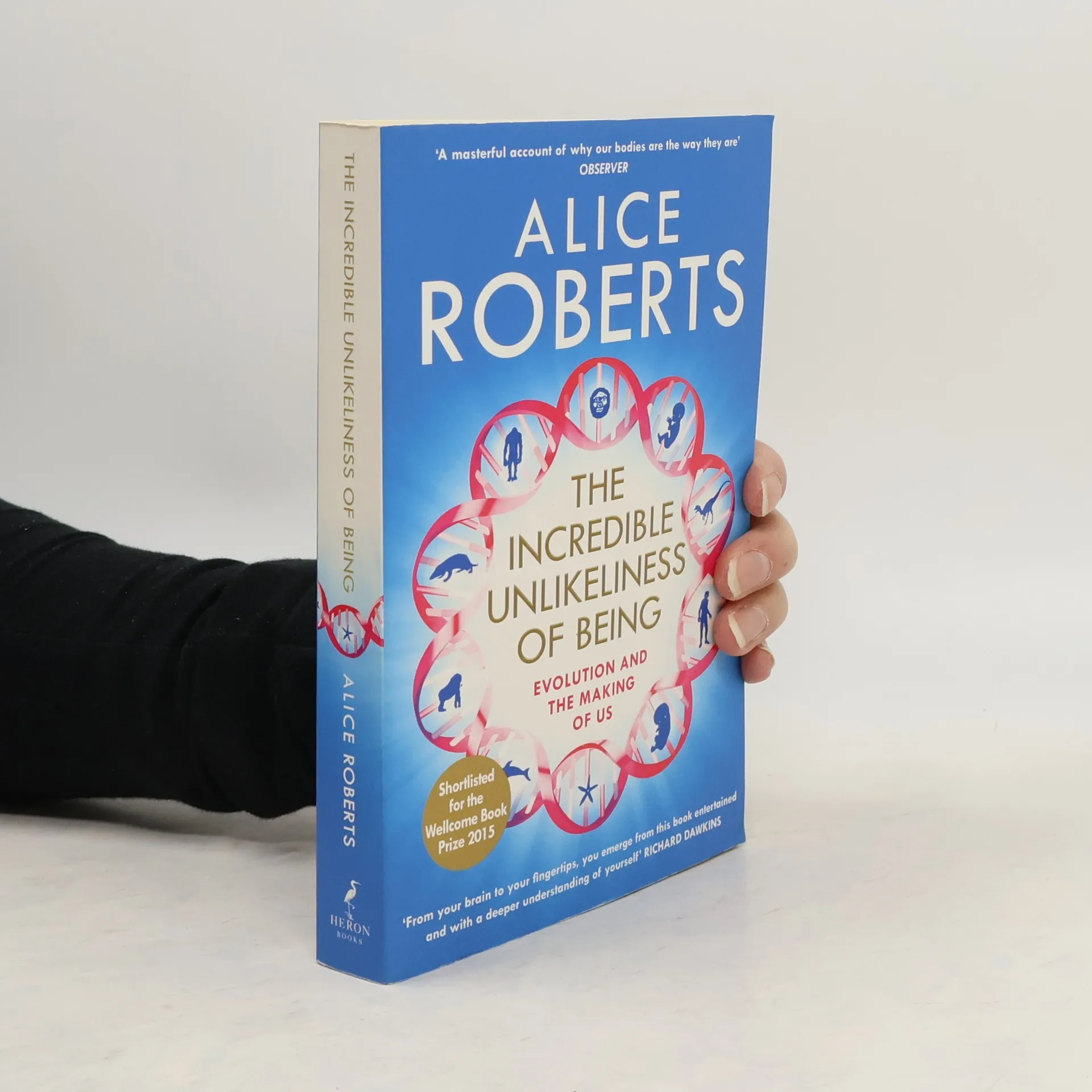
Alice Roberts gives us a new and highly accessible look at our own bodies, allowing us to understand how we develop as an embryo, from a single egg into a complex body, and how our embryos contain echoes of our evolutionary past.
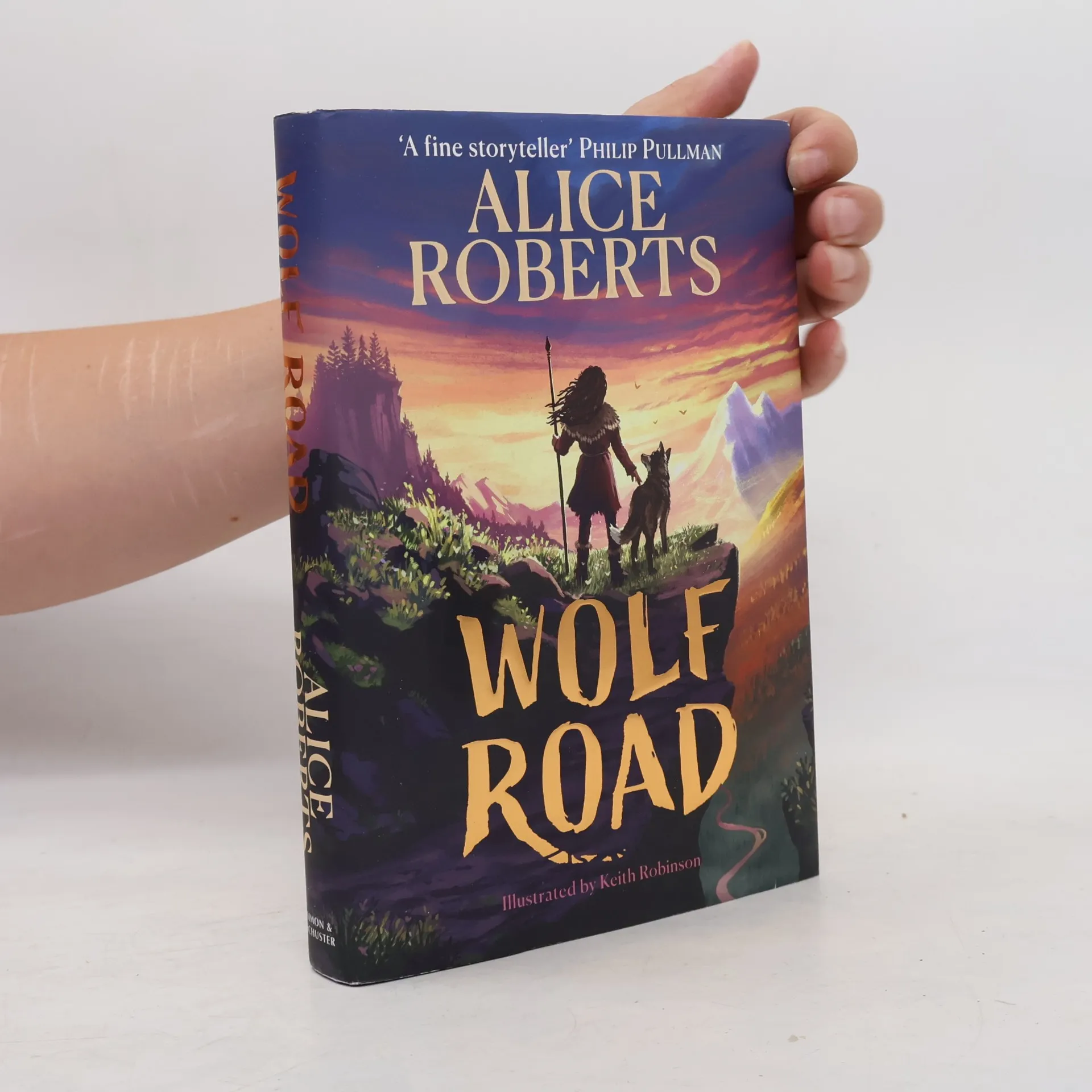
Wolf Road
- 333pages
- 12 heures de lecture
The epic new prehistoric children's novel from bestselling author, academic and broadcaster, Professor Alice Roberts.
Crypt
- 342pages
- 12 heures de lecture
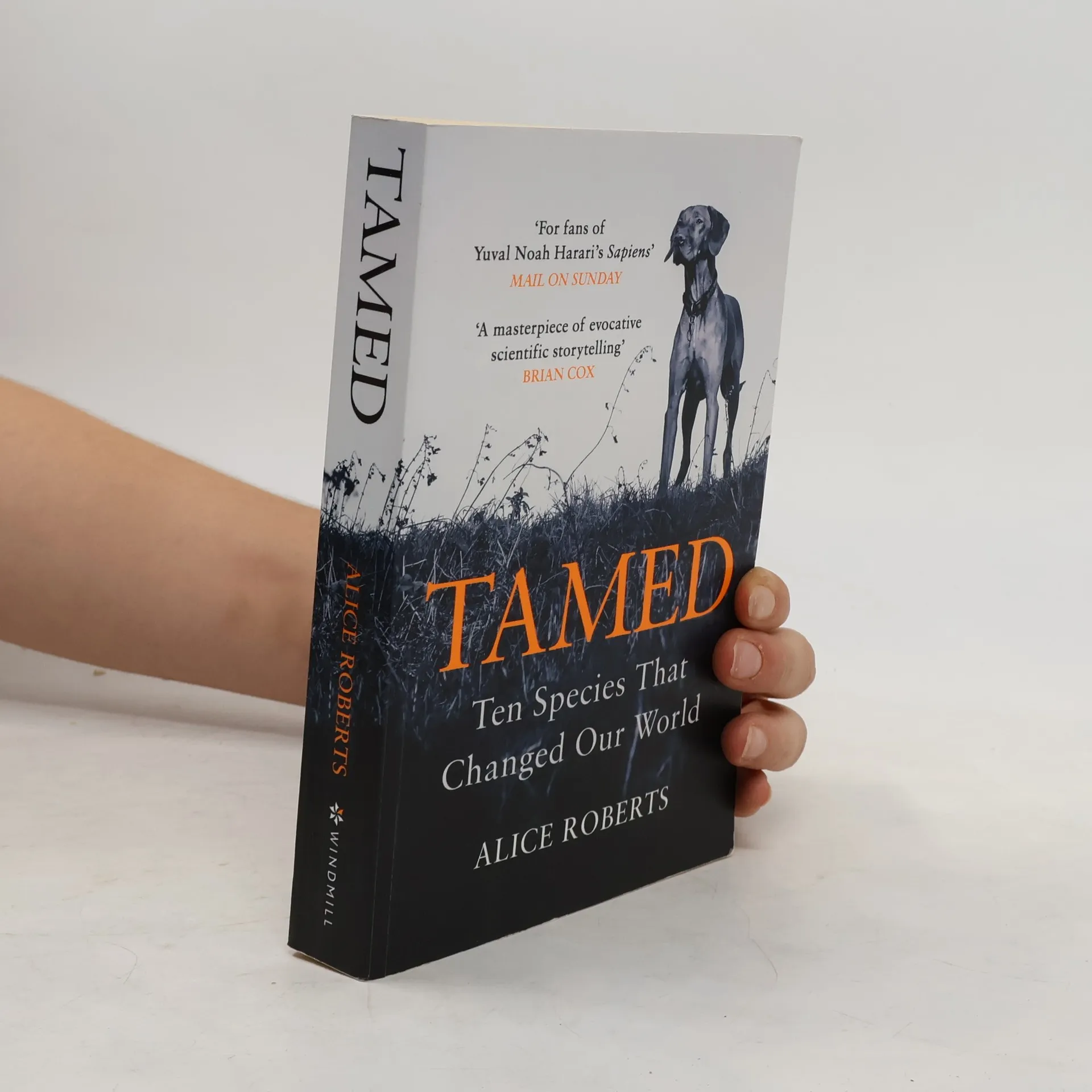
Tamed: Ten Species That Changed Our World
- 368pages
- 13 heures de lecture
**'A masterpiece of evocative scientific storytelling.' BRIAN COX** **'Will appeal to fans of Yuval Noah Harari's Sapiens'. Mail on Sunday ** The extraordinary story of the species that became our allies. Dogs became our companions Wheat fed a booming population Cattle gave us meat and milk Maize fuelled the growth of empires Potatoes brought us feast and famine Chickens led us to wonder about tomorrow Rice promised us a golden future Horses gave us strength and speed Apples travelled with us HUMANS TAMED THEM ALL For hundreds of thousands of years, our ancestors depended on wild plants and animals to stay alive - until they began to tame them. Combining archaeology and cutting-edge genetics, Tamed tells the story of the greatest revolution in human history and reveals the fascinating origins of ten crucial domesticated species; and how they, in turn, transformed us. In a world creaking under the strain of human activity, Alice Roberts urges us to look again at our relationship with the natural world - and our huge influence upon it. AN ECONOMIST AND MAIL ON SUNDAY 'BOOK OF THE YEAR' 2017
The Celts
- 320pages
- 12 heures de lecture
TV tie-in to major BBC series revealing a new history of the Celts and their international legacy today
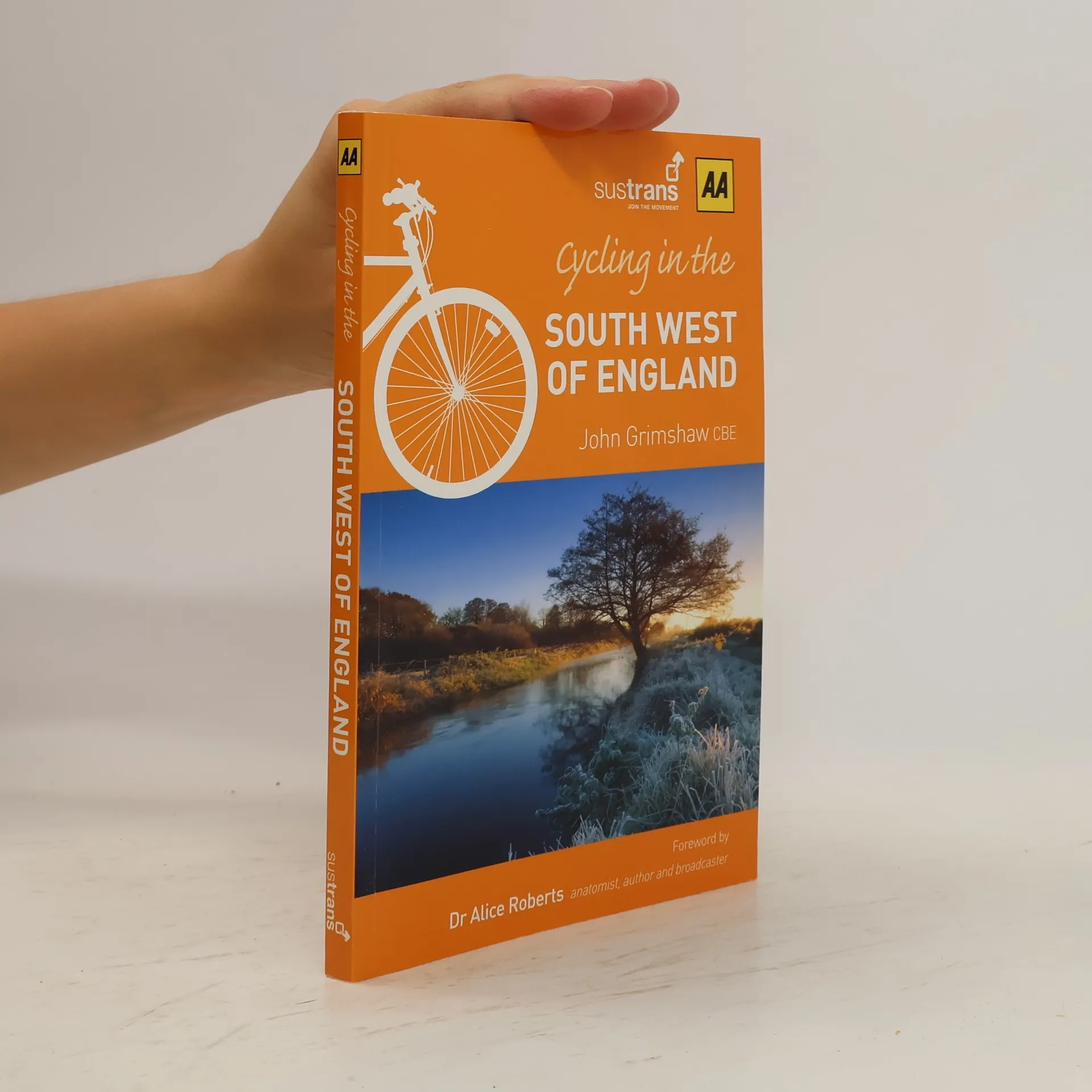
Cycling in the South West of England
- 128pages
- 5 heures de lecture
More and more of the Brits are turning to cycling, whether as an inexpensive, healthy, and environmentally friendly means of getting to work or school, or as a way of exploring Britain's towns, cities, and countryside. More than 75% of UK residents live within two miles of the National Cycle Network, and a continuous program of development led by Sustrans means it is growing all the time. This exciting publishing partnership brings together the expertise of two of Britain's great pioneering transport organizations to create a fantastic new series of seven regional guides. With clearly marked maps, recommended rides, and details of what to see, the Cycling in... series provides all the information you need to discover the best of Britain with the wind in your hair, up close and personal, without spending a fortune on fuel.
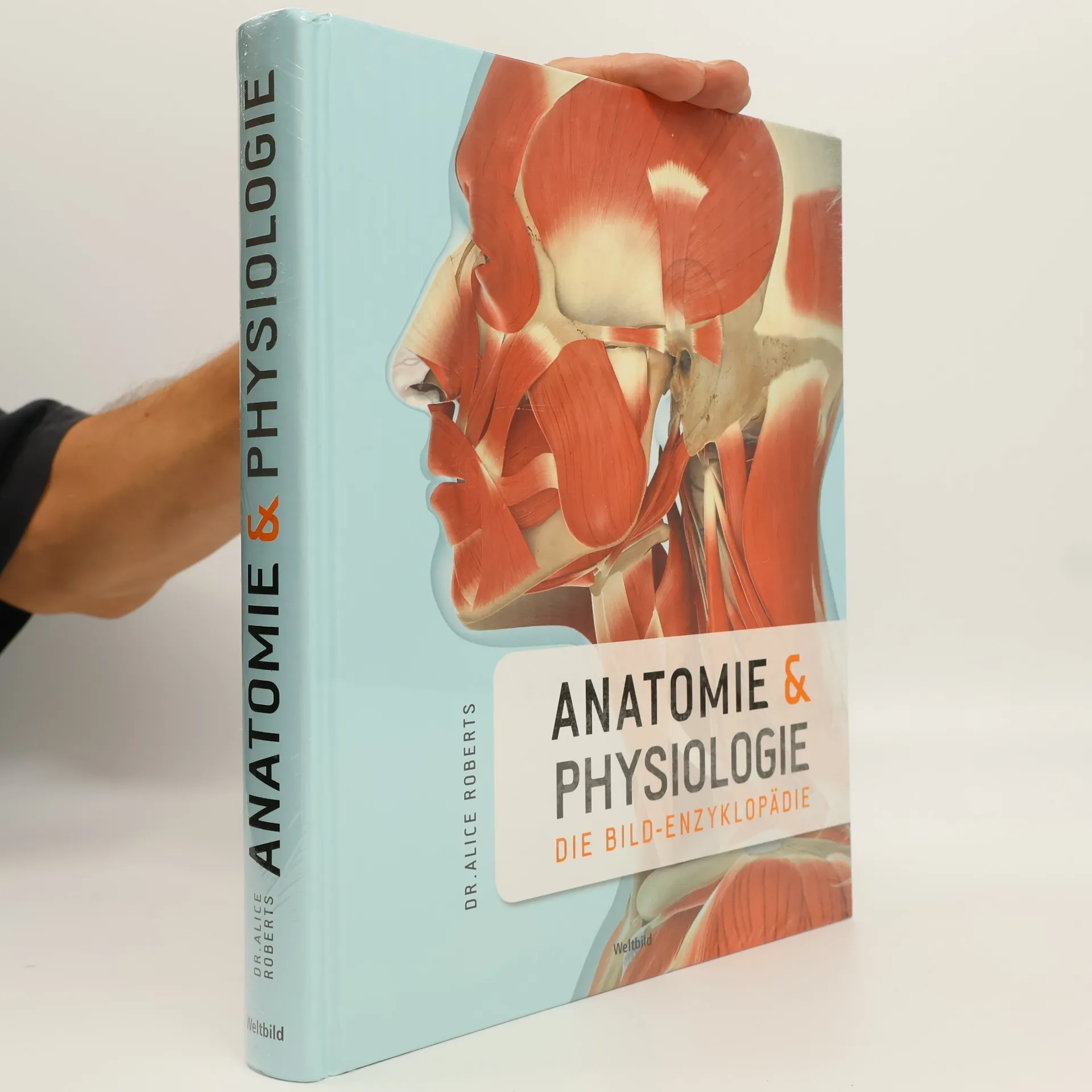
Wie funktioniert unser Körper? Was bedeutet die genetische Formel? Was ist das endokrine System? Was verrät die Evolution über uns? Dieses reich bebilderte, umfassende Standardwerk erklärt Aufbau, Funktion und Entwicklung des menschlichen Körpers - umfassend und auch für Laien gut nachvollziehbar. Über 2000 modernste, teils lebensgrosse 3-D-Illustrationen, mikroskopische Abbildungen und Fotografien geben unglaubliche Einblicke und erklären auch komplexe Sachverhalte einleuchtend und verständlich. Von der Evolution über kleinste Körperzellen, Knochen, Muskulatur bis zur Fortpflanzung, den 200 häufigsten Krankheiten und ihren Auswirkungen auf den Körper bis zum Lebenszyklus des Menschen: mit dieser grossartigen Bild-Enzyklopädie begibt man sich auf eine spannende Reise durch das Innere des menschlichen Körpers. Jeder, der sich für seinen Körper interessiert, egal ob jung oder alt, erfährt hier alles, was er schon immer wissen wollte.