Graham Phillips est un auteur britannique ayant une formation en journalisme, ayant travaillé comme reporter pour la radio de la BBC et comme rédacteur en chef d'un magazine. Bien que le matériel fourni ne détaille pas ses thèmes littéraires spécifiques ni son style, son expérience journalistique informe probablement son approche d'écriture. Ses œuvres pourraient offrir une perspective convaincante sur le monde, en mettant potentiellement l'accent sur une précision de type reportage.
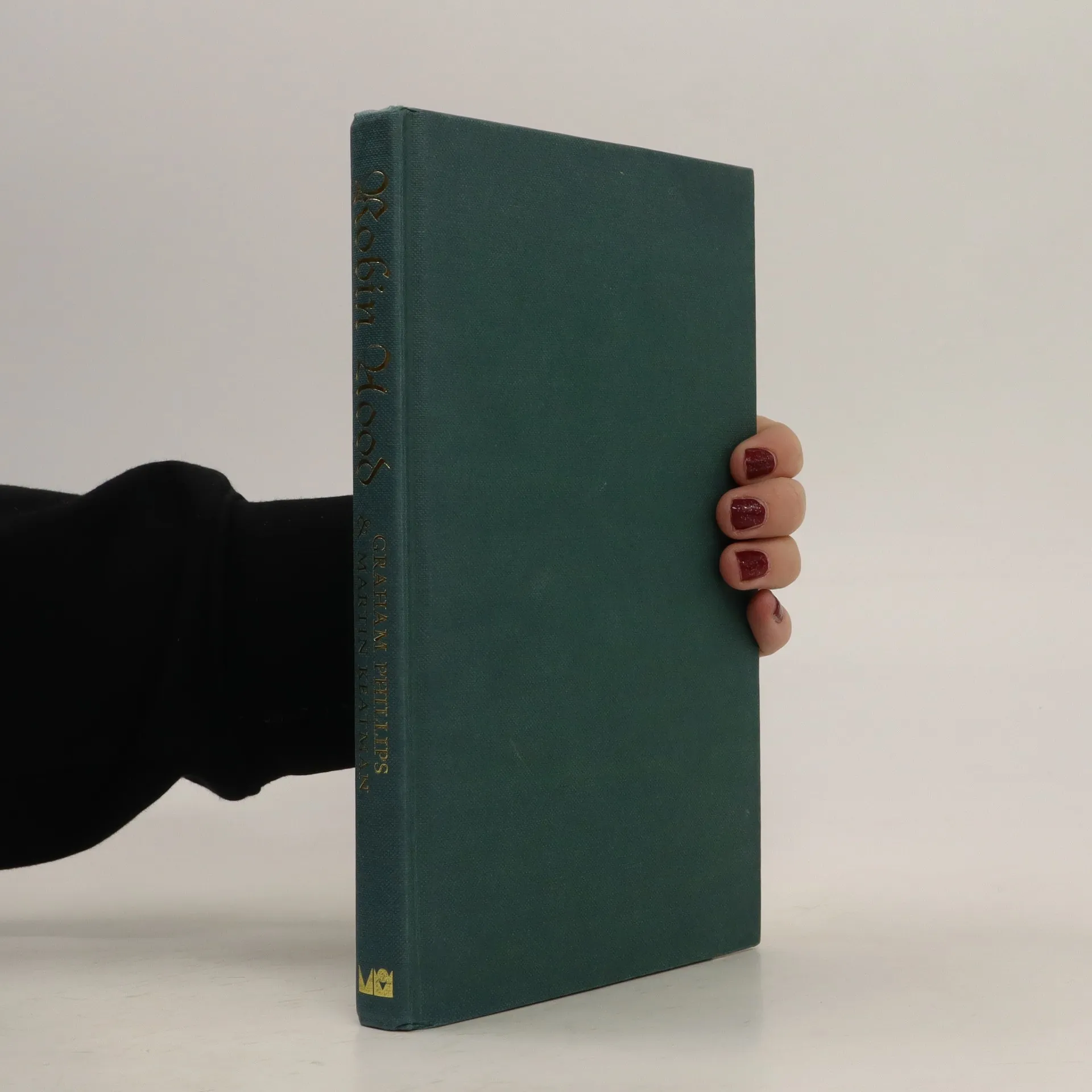
The authors begin by telling the old romantic story, then the quest begins for the real Robin -- a fascinating detective story with many dead ends, but at last sensational finds, in the archives of York Minster. The true face of Robin Hood is gradually revealed -- man who lived two centuries later than the Robin Hood of legend and led a peasants' revolt.
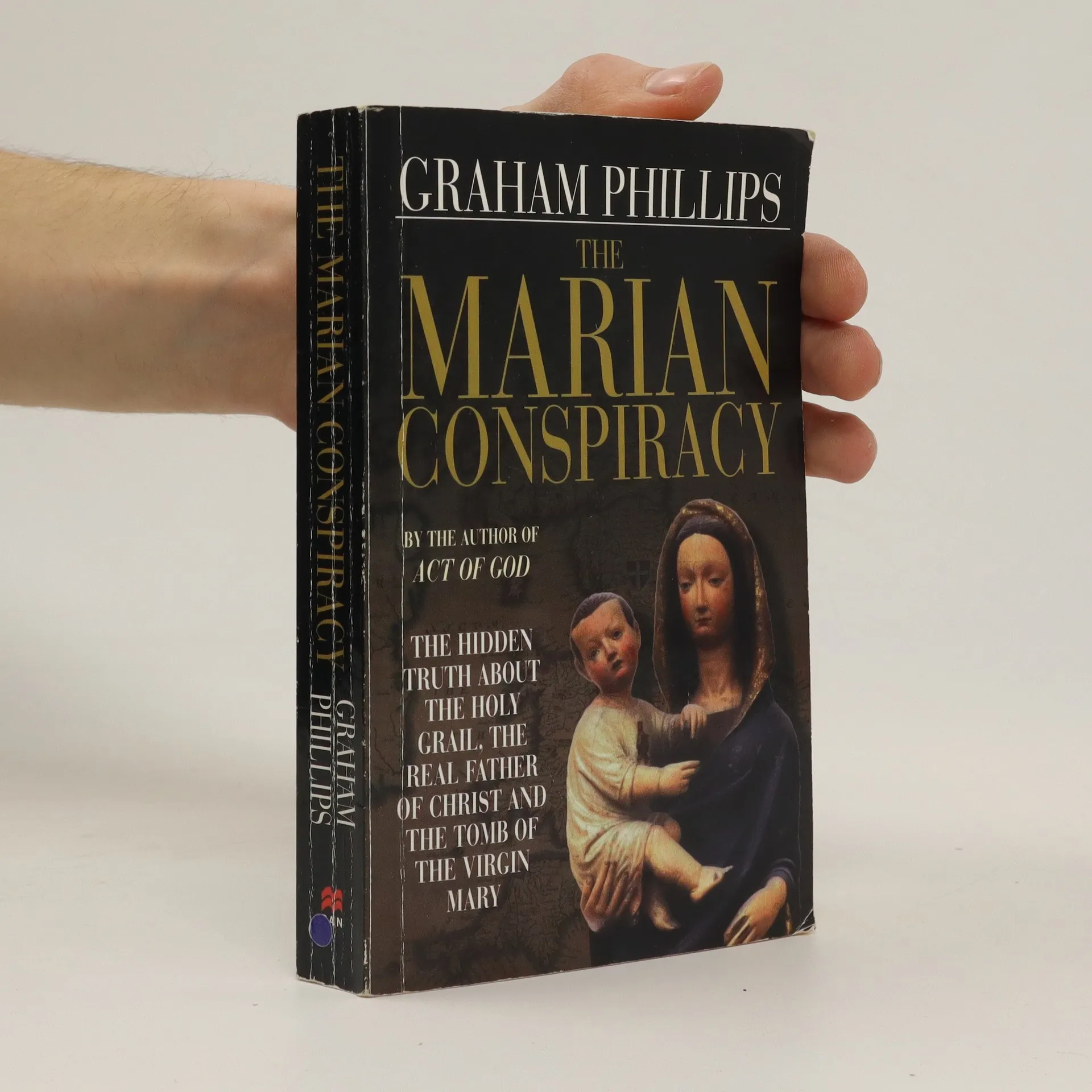
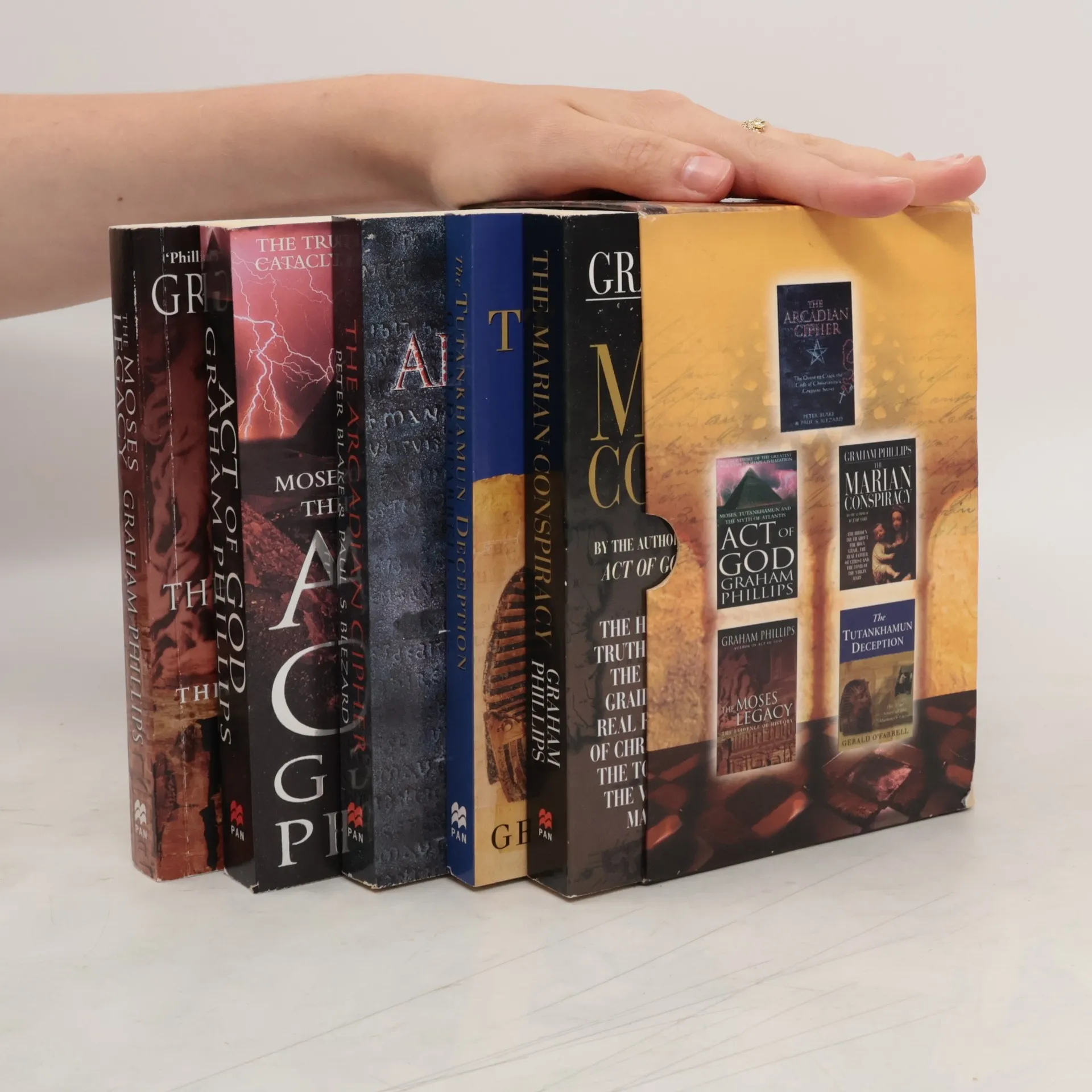
In 1929 the Holy Inquisition seized a secret communique dating from the fourth century and locked it away in the Vatican`s sealed files. This document offers evidence of a very different story of the historical Jesus than that told in the Bible, and the life of the Virgin Mary.
Set in 1979, a team of magazine investigators in the Midlands uncovers a hidden green gemstone linked to Mary Queen of Scots and a secret society, The Order of Meonia. After being lost for over three centuries, the stone, believed to possess ancient supernatural powers, leads to mysterious occurrences at their Victorian office in Wolverhampton. These inexplicable events captivate numerous witnesses, intertwining history with the supernatural as the team delves deeper into the relic's secrets.
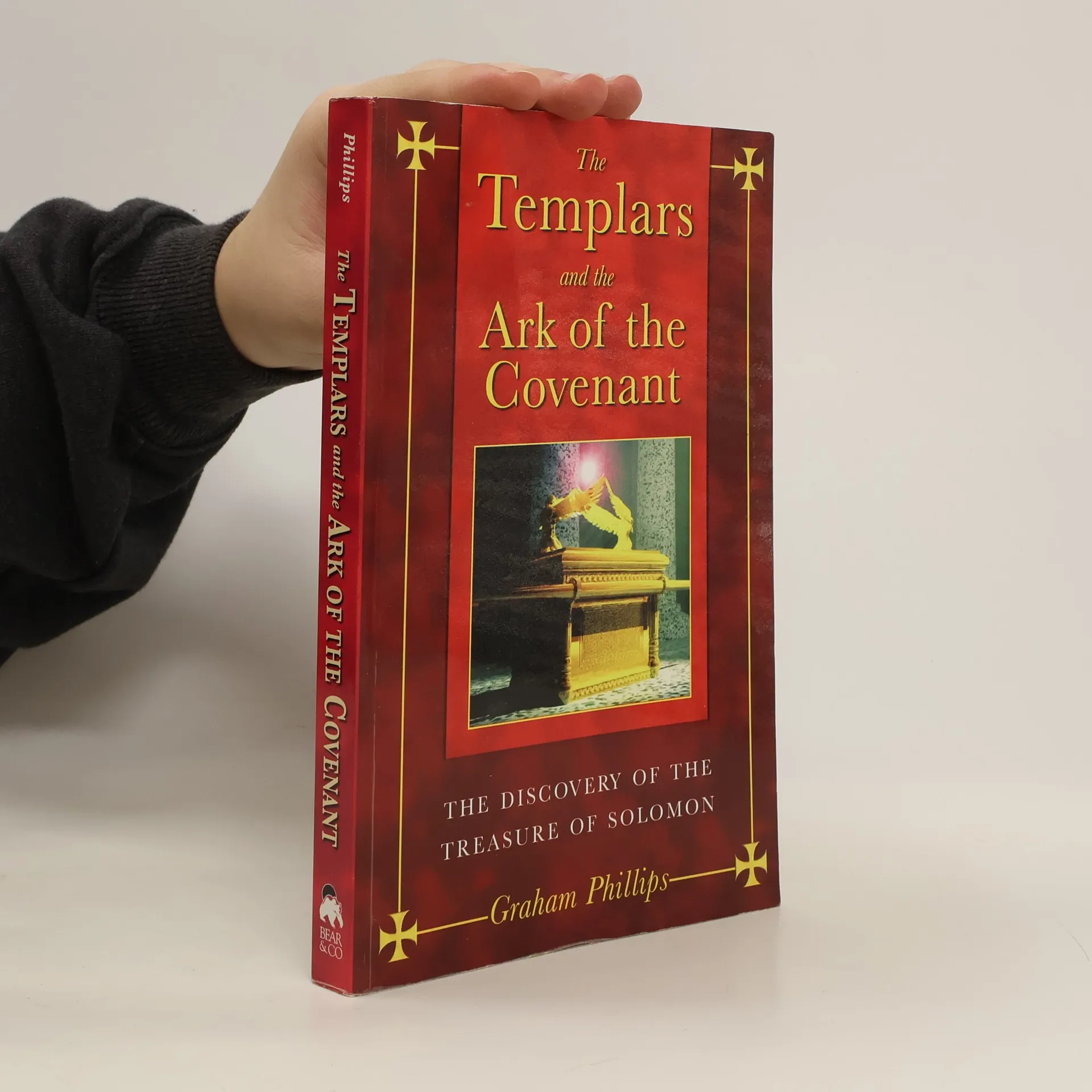
According to legend, the Ark of the Covenant was an ornate golden chest that was both a means of communicating with God and a terrible weapon used against the enemies of the ancient Israelites. In order to use it the high priest had to wear a breastplate containing twelve sacred gemstones called the Stones of Fire. These objects were kept in the Great Temple of Jerusalem until they vanished following the Babylonian invasion of 597 B.C
In tracing the magical religious relic, Phillips offers the inside story behind an incredible adventure that results in the identification of the historical King Arthur and the location of one of the most powerful symbols in Western tradition
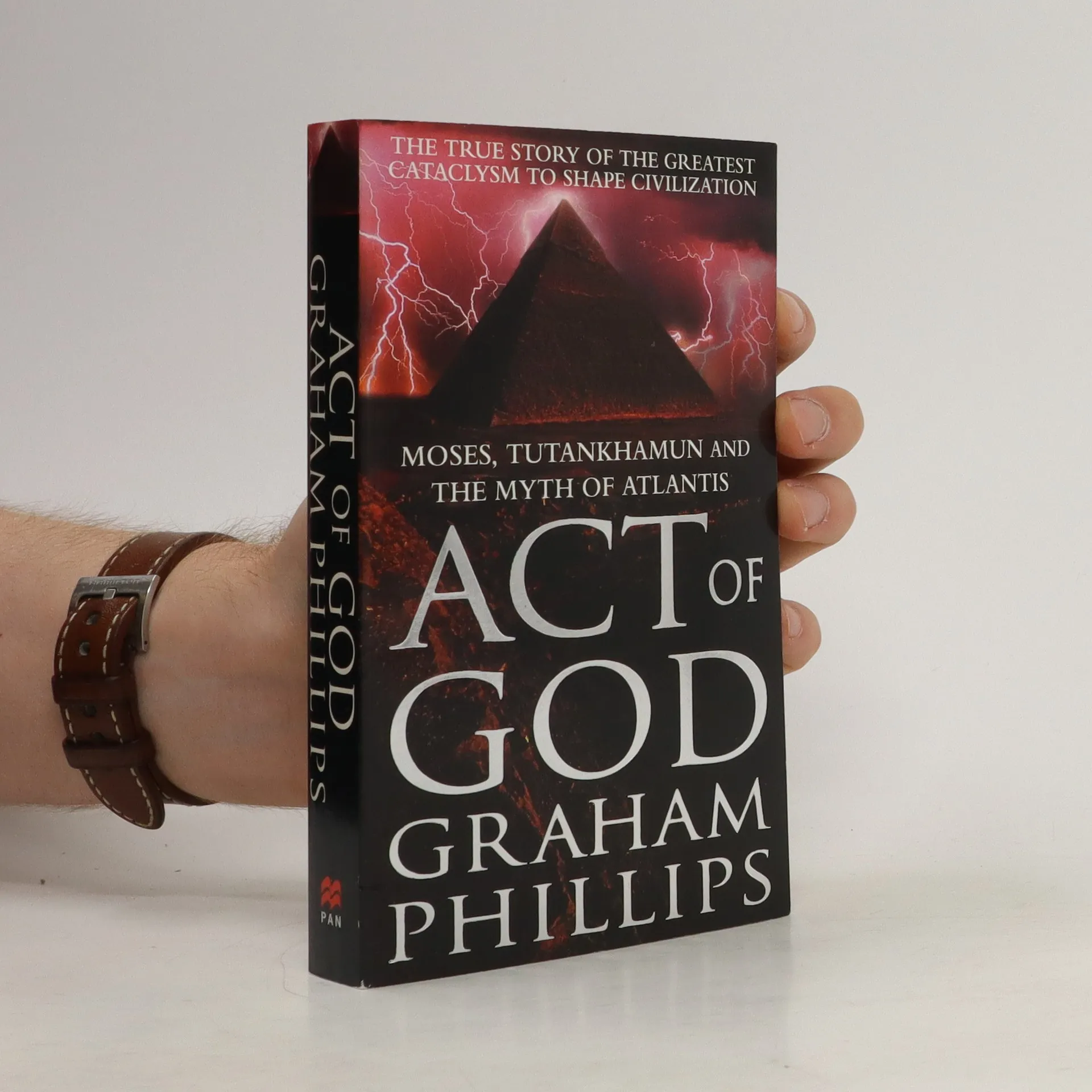
The excavation of a mysterious Egyptian tomb in the early twentieth century holds the key to one of the greatest disasters to strike humankind. Strangely sealed, this was a tomb constructed to keep someone - or something - out. Acclaimed writer-detective Graham Phillips uncovers the evidence that links a chain of extraordinary events. The findings in this cursed Pharoah's tomb, new evidence from the polar icecaps which overturns ancient chronology, together with the eruption of a volcano more powerful than the Nagasaki bomb, proves that the biblical parting of the Red Sea and plagues of Egypt could be accurate accounts of real events. As a result there could be a real, and totally believable, explanation for the perennial myth of Atlantis.
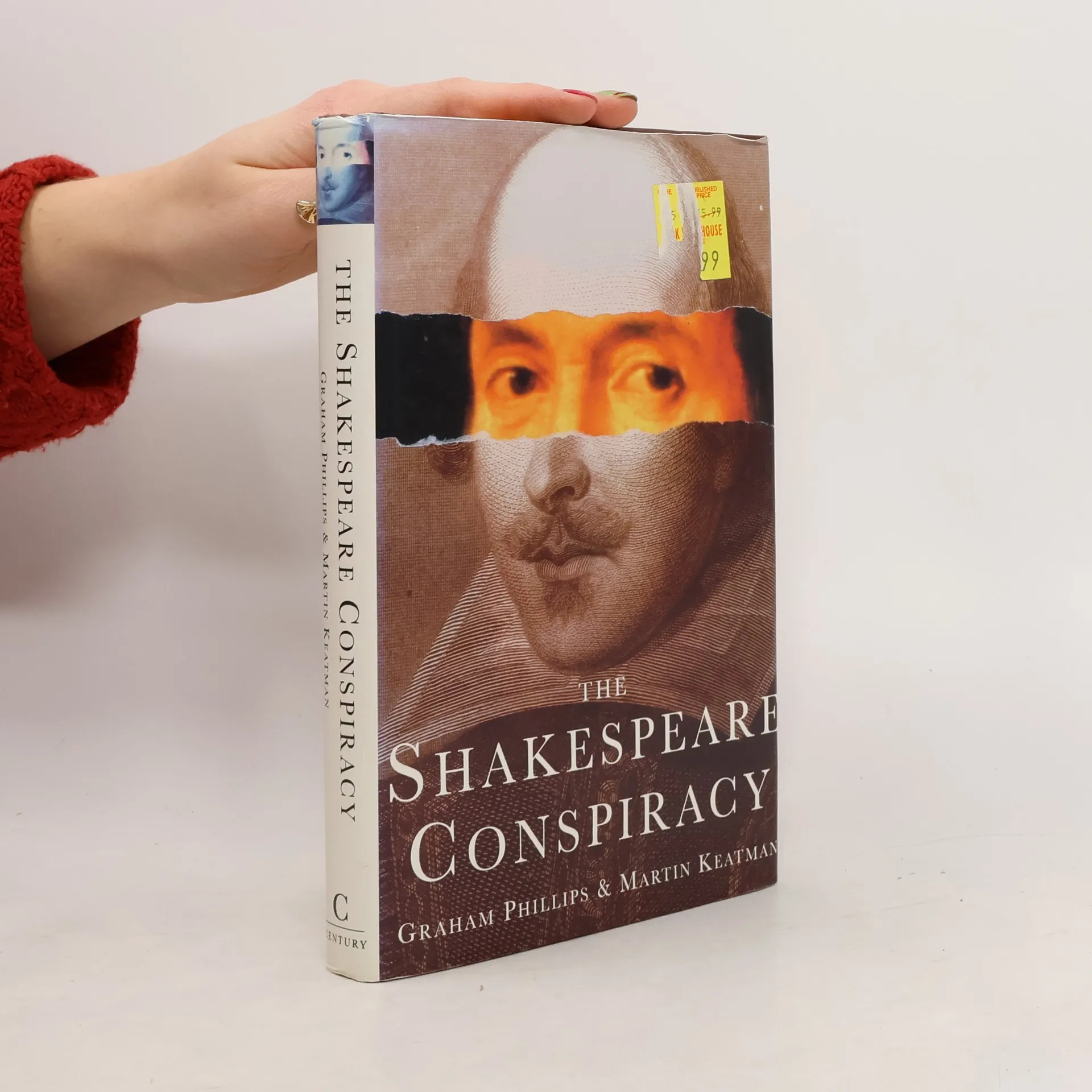
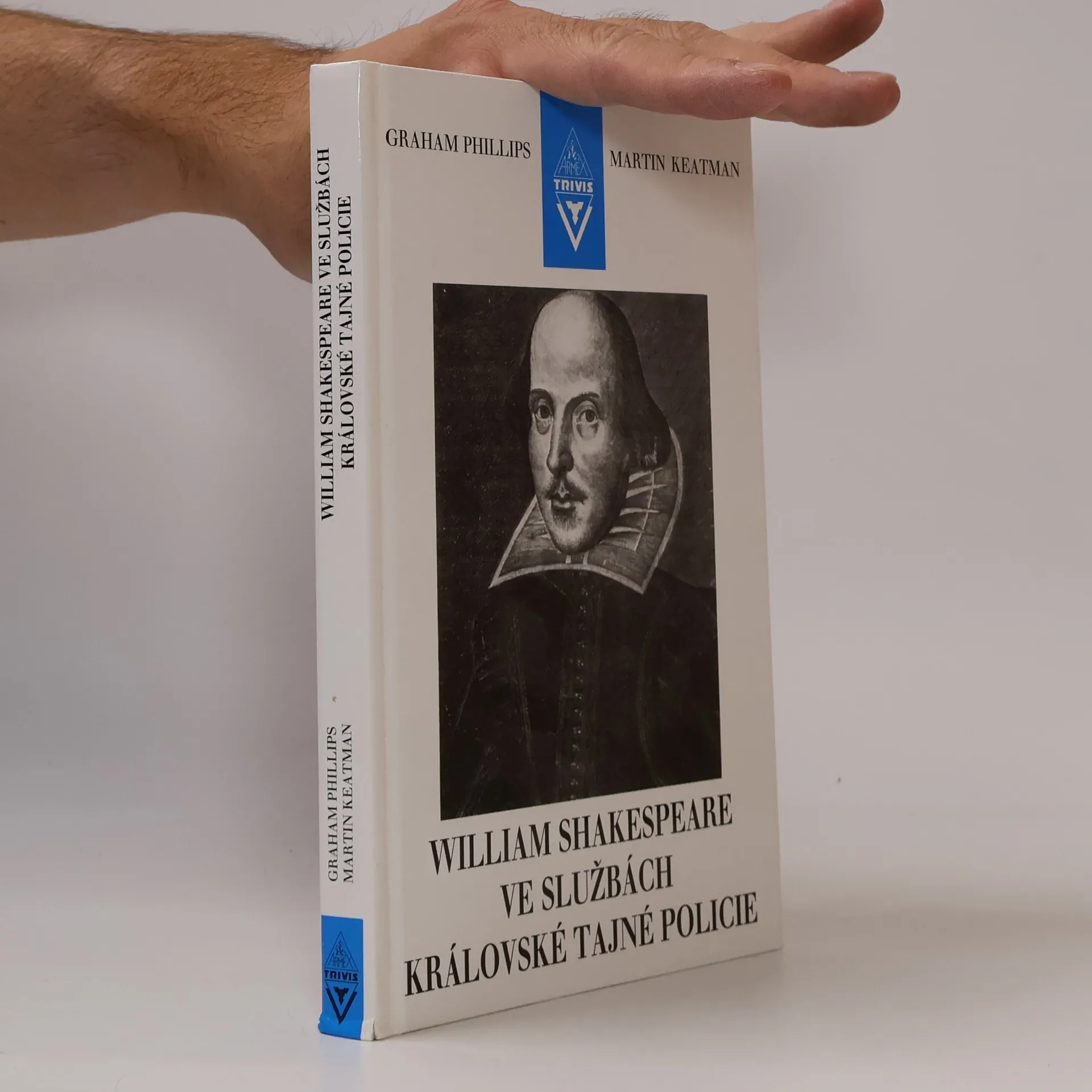
The life of William Shakespeare of Stratford-upon-Avon is shrouded in mystery. There is no record of his having received an education, buying a book, or writing a single poem or play. There is no evidence of any one having had a conversation with him or receiving a letter from him. No one in the Warwickshire town of Stratford seems to have known that William Shakespeare was a successful London playwright while he was alive. Even the monument at his burial site - the bust of a balding man with a quill and parchment - was an 18th-century replacement. The original depicted a figure with his hands on a malt-sack; a man whose profession was not a writer, but a dealer in grain.
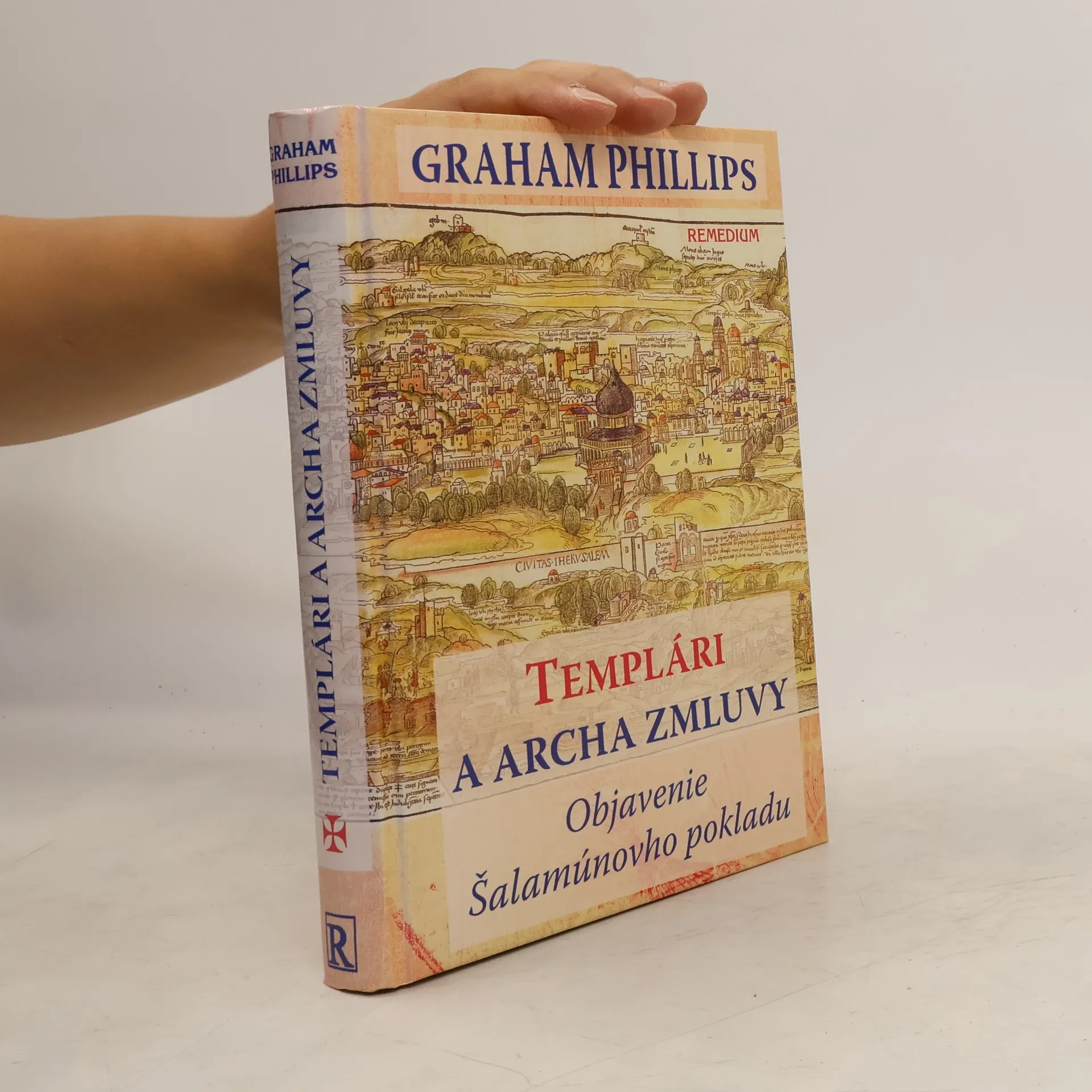
Podľa tradície bola archa zmluvy zdobená zlatá truhlica, ktorá slúžila na komunikáciu s Bohom a používala sa ako strašná zbraň proti nepriateľom starovekých Izraelčanov. Vtedy si veľkňaz obliekol náprsník s dvanástimi posvätnými drahokamami nazývanými ohnivé kamene. Tieto predmety boli uložené vo Veľkom jeruzalemskom chráme, až kým nezmizli po invázií Babylončanov v roku 597 pred n. l.
Biblia tvrdí, že archa zmluvy dokázala zničiť celé armády a rúcať mestské hradby. Graham Phillips predkladá objektívne argumenty, ktoré hovoria o tom, že tieto tvrdenia môžu byť pravdivé a ponúka presvedčivú dokumentáciu o mieste, kde sa archa nachádza.
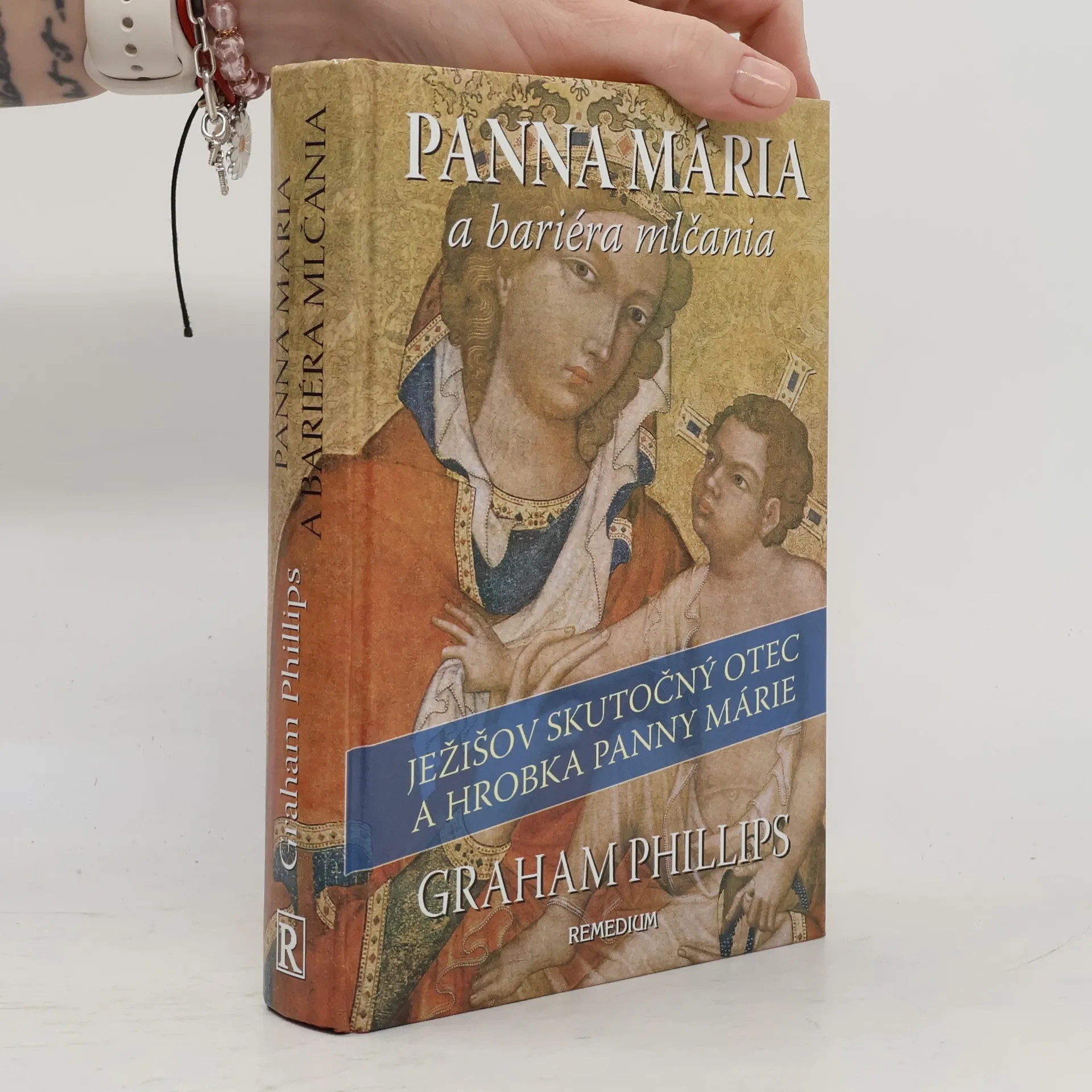
Po ukrižovaní Ježiša zostáva osud Panny Márie jednou z najväčších biblických záhad. Hoci Biblia nespomína jej Nanebovstúpenie, mnohí kresťania ho považujú za historický fakt. Niektorí veria, že zomrela prirodzenou smrťou a bola pochovaná v Jóšafatskom údolí pri Jeruzaleme, iní tvrdia, že jej posledný odpočinok sa nachádza v rímskych zrúcaninách Efezu.
V roku 1950 objavil archeológ Giovanni Benedetti vatikánskeho múzea stredoveký rukopis, ktorý naznačoval, že Máriu prepašovali z Palestíny na ostrov pri západnom pobreží Británie. Tam v roku 597 n. l. sv. Augustín, prvý anglický biskup, údajne objavil jej hrob. Pápež Gregor I. Veľký však zakázal Augustínovi o tom hovoriť, čo spôsobilo 1400 rokov trvajúce mlčanie. Benedetti, ktorý chcel zverejniť svoje zistenia, dostal príkaz z Vatikánu, aby prerušil svoj výskum, a čoskoro bola vyhlásená dogma o Nanebovstúpení Panny Márie.
Kniha odhaľuje pravdu o tomto zakrývaní a lokalitu, ktorá sa mohla stať jej posledným odpočinkom. Graham Phillips vo svojom výskume narazil aj na kontroverznú teóriu, podľa ktorej bol Ježiš synom Antipatra a vnukom Herodesa I. Veľkého, čo by ho robilo oprávneným dedičom Herodesovho trónu a nositeľom titulu "Kráľ židovský".
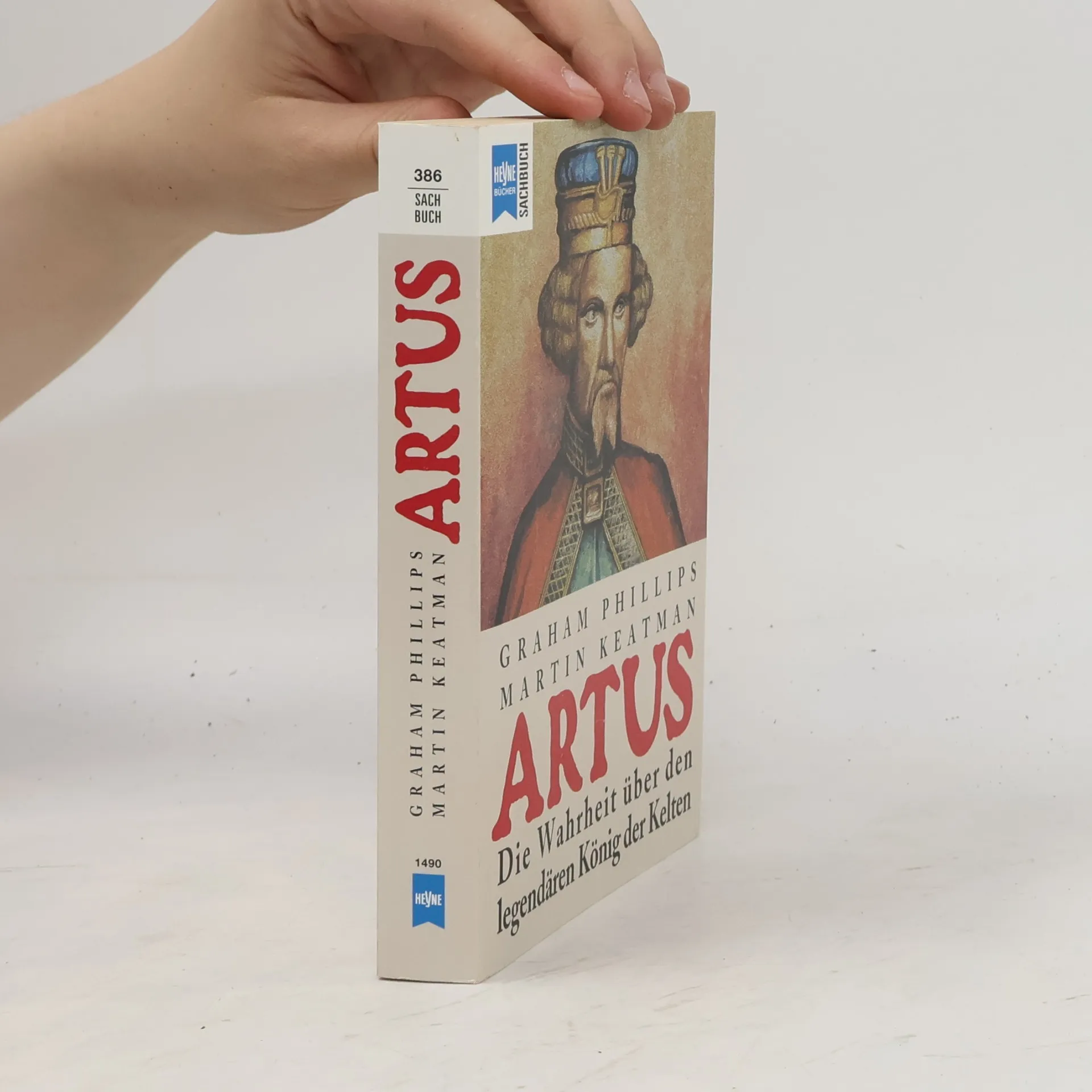
Der Versuch einer Antwort auf die Frage nach der historischen Existenz des sagenumwobenen König Artus, die sich aufgrund neuerer Geschichtsforschungen ergibt.
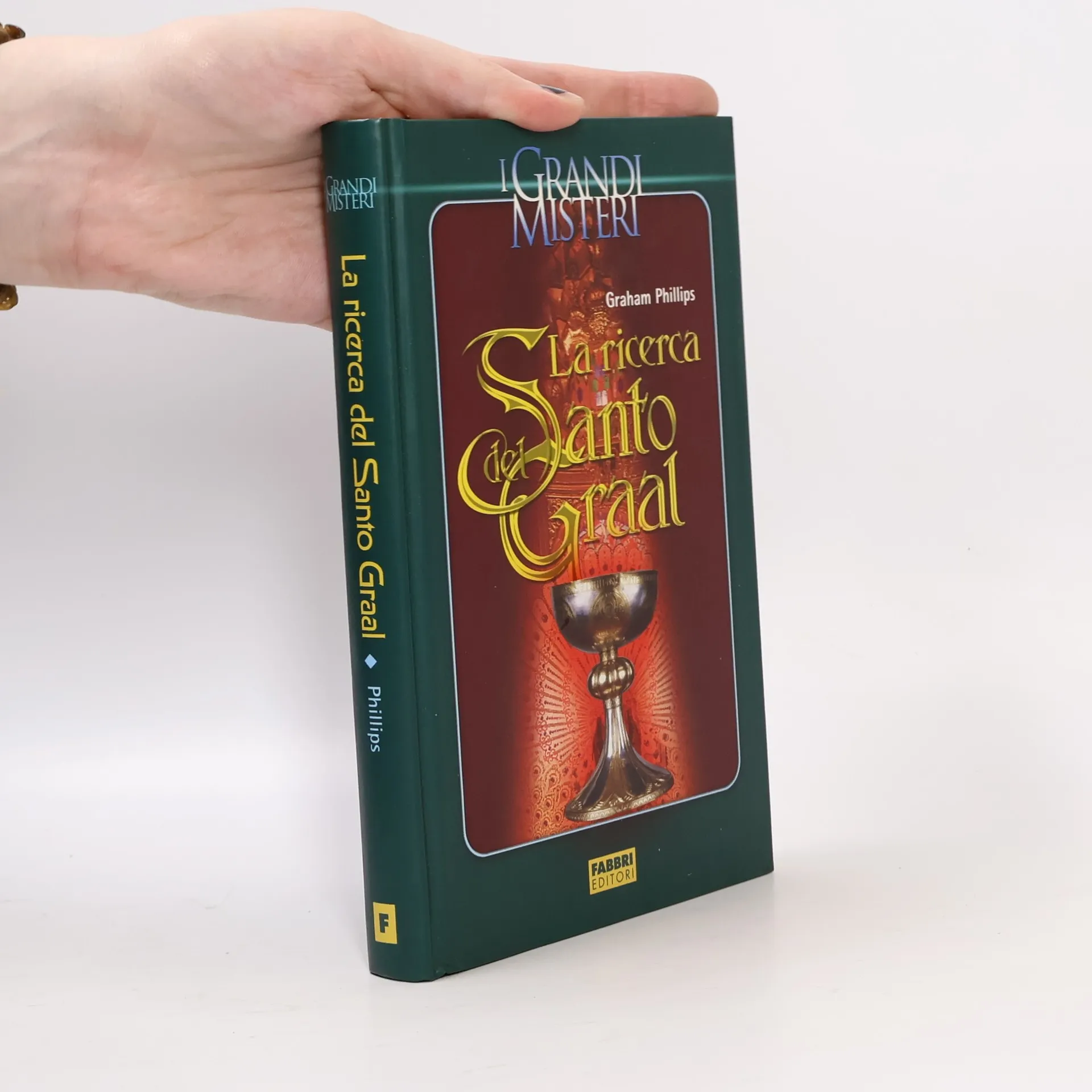
Da secoli, la ricerca del Graal affascina studiosi e appassionati, intrecciando storia e leggenda. Questa misteriosa coppa è al centro di molteplici narrazioni e le sono stati attribuiti poteri straordinari: considerata la più sacra delle reliquie cristiane, si dice che contenga il sangue di Cristo, raccolto da Giuseppe d'Arimatea o da Maria di Magdala, o che sia stata usata da Gesù nell'Ultima Cena. Il Santo Graal ha ispirato una vasta letteratura sulle gesta di re Artù e dei Cavalieri della Tavola Rotonda, diventando un tema ricorrente per artisti di ogni epoca. L'autore, dopo sette anni di ricerche, identifica il Graal con un piccolo manufatto di onice scoperto nelle Midlands, in Inghilterra. L'ipotesi che si trovi in Britannia è supportata da Olimpiodoro, storico del V secolo, che narra come il Graal fosse stato messo al sicuro in Britannia durante il sacco di Roma. Da quel momento, il suo destino rimane avvolto nel mistero, seguendo un percorso che l'autore ricostruisce, dal Santo Sepolcro a Roma fino a Viroconium, nell'odierno Shropshire. La testimonianza di Robert Vernon, un signorotto del Seicento, offre ulteriori indizi attraverso un poema ricco di allusioni e codici. Arricchito da un inserto fotografico, questo giallo storico svela dettagli precisi e circostanziati, ricomponendo i frammenti della vicenda.