
Bookbot

Lynd Ward

    Lynd Ward était célèbre pour ses gravures sur bois, présentes dans des collections de musées du monde entier. Au cours de sa carrière prolifique, il a également été un illustrateur reconnu pour les livres d'enfants et d'adultes. Ses contributions artistiques sont appréciées pour leur impact visuel et leur technique magistrale.

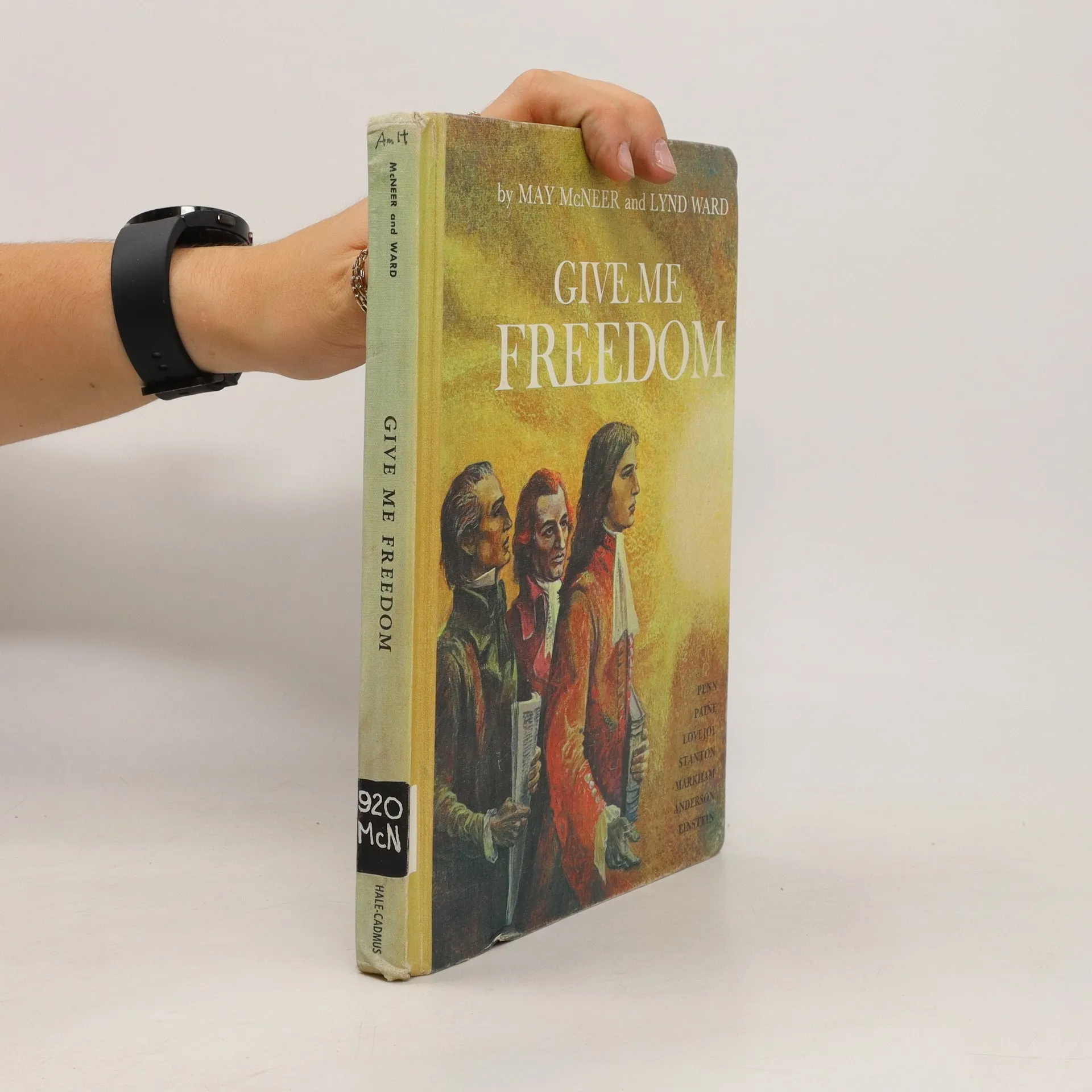
    Give Me Freedom
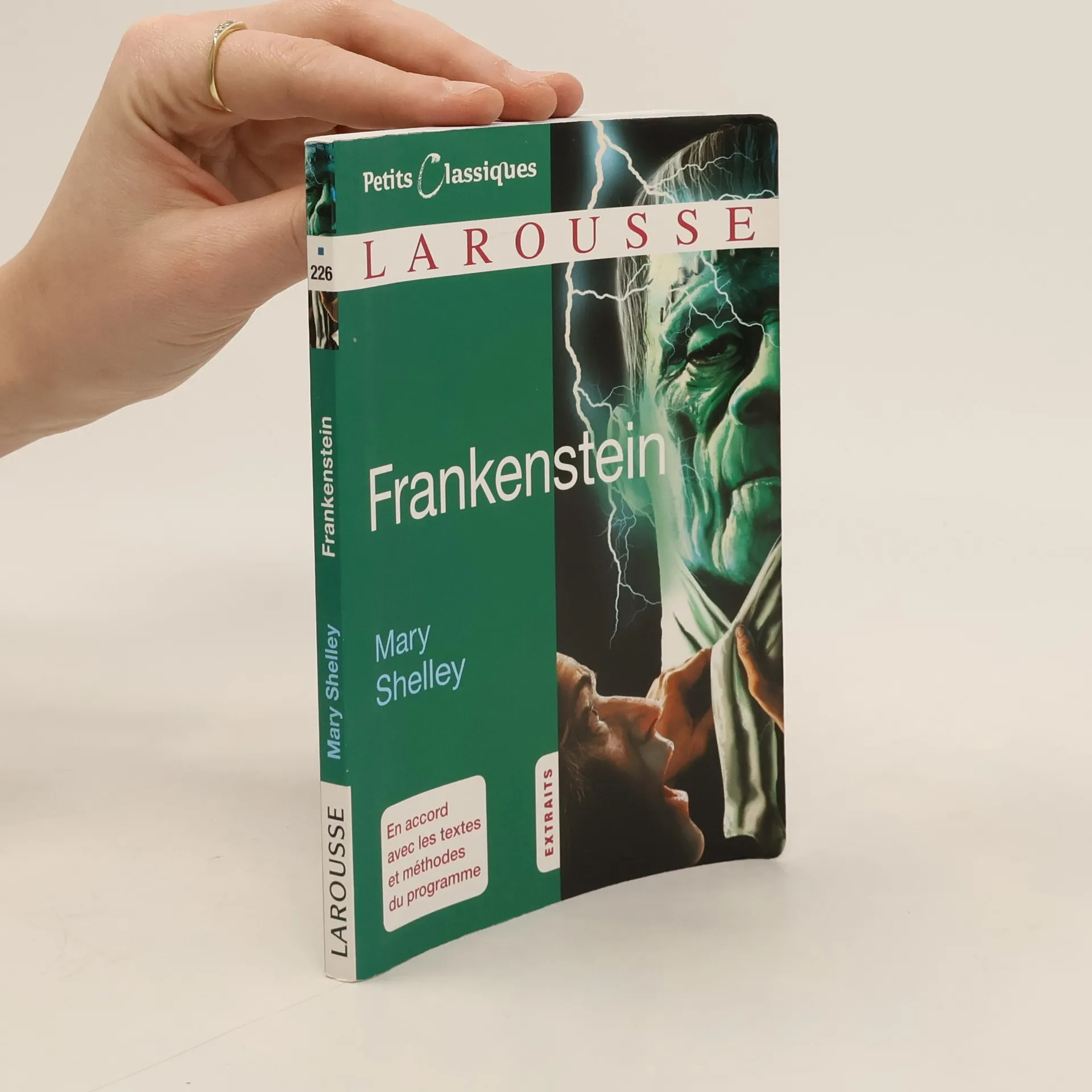
    Frankenstein ou Le Prométhée moderne
    Lynd Ward: Gods' Man, Madman's Drum, Wild Pilgrimage (Loa #210)
    Lynd Ward: Prelude to a Million Years, Song Without Words, Vertigo (Loa #211)
    Gods' Man: A Novel in Woodcuts
    • 2010

      Lynd Ward's collection features three distinct woodcut novels, each exploring profound themes. "Prelude to a Million Years" delves into the tension between art and reality, while "Song Without Words" serves as a poignant critique of rising fascism in Europe. "Vertigo," Ward's masterwork, presents an epic narrative of individuals grappling with the impacts of a failing economy, showcasing a young violinist, her unfortunate fiancé, and a complex elderly businessman. Together, these works reflect on art, society, and the human condition amidst turmoil.

      Lynd Ward: Prelude to a Million Years, Song Without Words, Vertigo (Loa #211)
    • 2010

      Lynd Ward's collection features his pioneering woodcut novels from his twenties, showcasing his artistic evolution. "Gods' Man" serves as a modern morality play, exploring the sacrifices of a young artist. "Madman's Drum" presents a multigenerational saga filled with themes of violence and legacy. "Wild Pilgrimage" delves into the struggles of a factory worker, highlighting the conflict between beauty and the harsh realities of life. Together, these works reflect Ward's profound commentary on the human condition and societal challenges.

      Lynd Ward: Gods' Man, Madman's Drum, Wild Pilgrimage (Loa #210)
    • 2004

      Gods' Man: A Novel in Woodcuts

      • 160pages
      • 6 heures de lecture
      4,2(956)Évaluer

      The most important work of American artist and illustrator Lynd Ward, Gods' Man is a powerfully evocative novel, told entirely through woodcuts. Ward (1905–85), in employing the concept of the wordless pictorial narrative, acknowledged his predecessors the European artists Frans Masereel and Otto Nückel. Released the week of the 1929 stock market crash, Gods' Man was the first of six woodcut novels that Ward produced over the next eight years. It presents the artist's struggles in a world characterized by both innocence and corruptions and can be considered a forerunner of the contemporary graphic novel, popularized by artists such as Daniel Clowes.Although best known for his "novels in woodcuts," Ward was also a successful illustrator of children's books. In 1953 he won the Caldecott Medal for The Biggest Bear , which he both wrote and illustrated. His illustrations also appeared in numerous books that received the Newbery Medal. Ward's final work was the acclaimed wordless novel The Silver Pony (1973).Until now, Gods' Man has only been widely available in high-priced original editions. This top-quality, low-cost republication of Ward's masterpiece will be welcomed by collectors of his work as well as by readers new to his achievement.

      Gods' Man: A Novel in Woodcuts
    • 2000

      Frankenstein ou Le Prométhée moderne

      • 375pages
      • 14 heures de lecture
      4,1(8594)Évaluer

      " Longues et nombreuses furent les conversations entre Lord Byron et Shelley, conversations que j'écoutais avec ferveur, mais sans presque jamais y prendre part. Au cours de l'une d'entre elles, il fut question de diverses doctrines philosophiques et parmi celles-ci, de la nature du principe de vie, de la possibilité qu'il soit un jour découvert et divulgué. (...) On disait qu'il (le Dr Darwin) avait conservé un morceau de vermicelle dans un bocal en verre et qu'un beau jour, par quelque moyen extraordinaire, ce vermicelle s'était mis de lui-même en mouvement. Ce n'était pas ainsi, en tout cas, que la vie se transmettrait. Peut-être parviendrait-on un jour à ranimer un cadavre. Le galvanisme portait à y croire. Peut-être serait-il possible de fabriquer les différentes parties d'un être, de les assembler et de leur insuffler la chaleur vitale. "

      Frankenstein ou Le Prométhée moderne