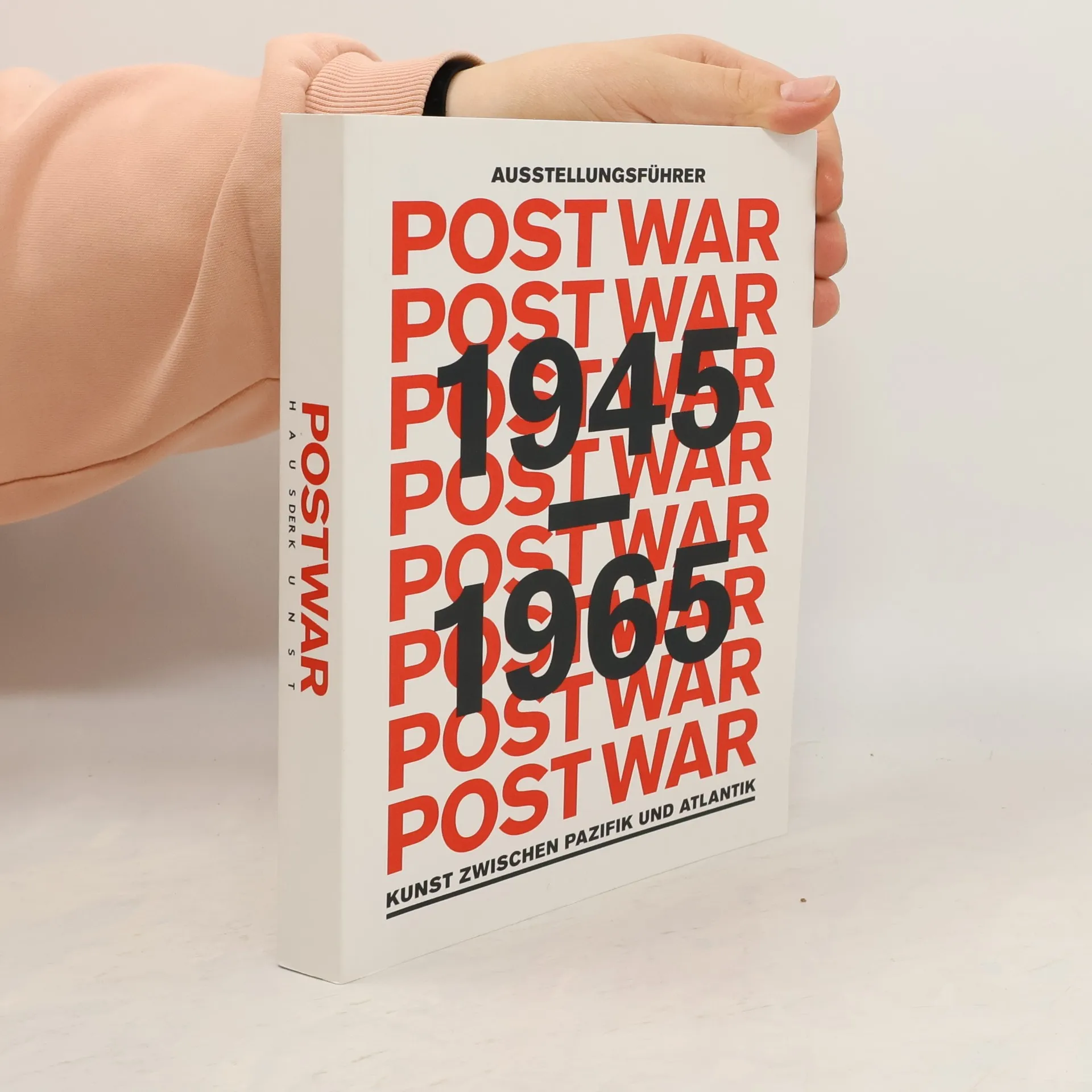
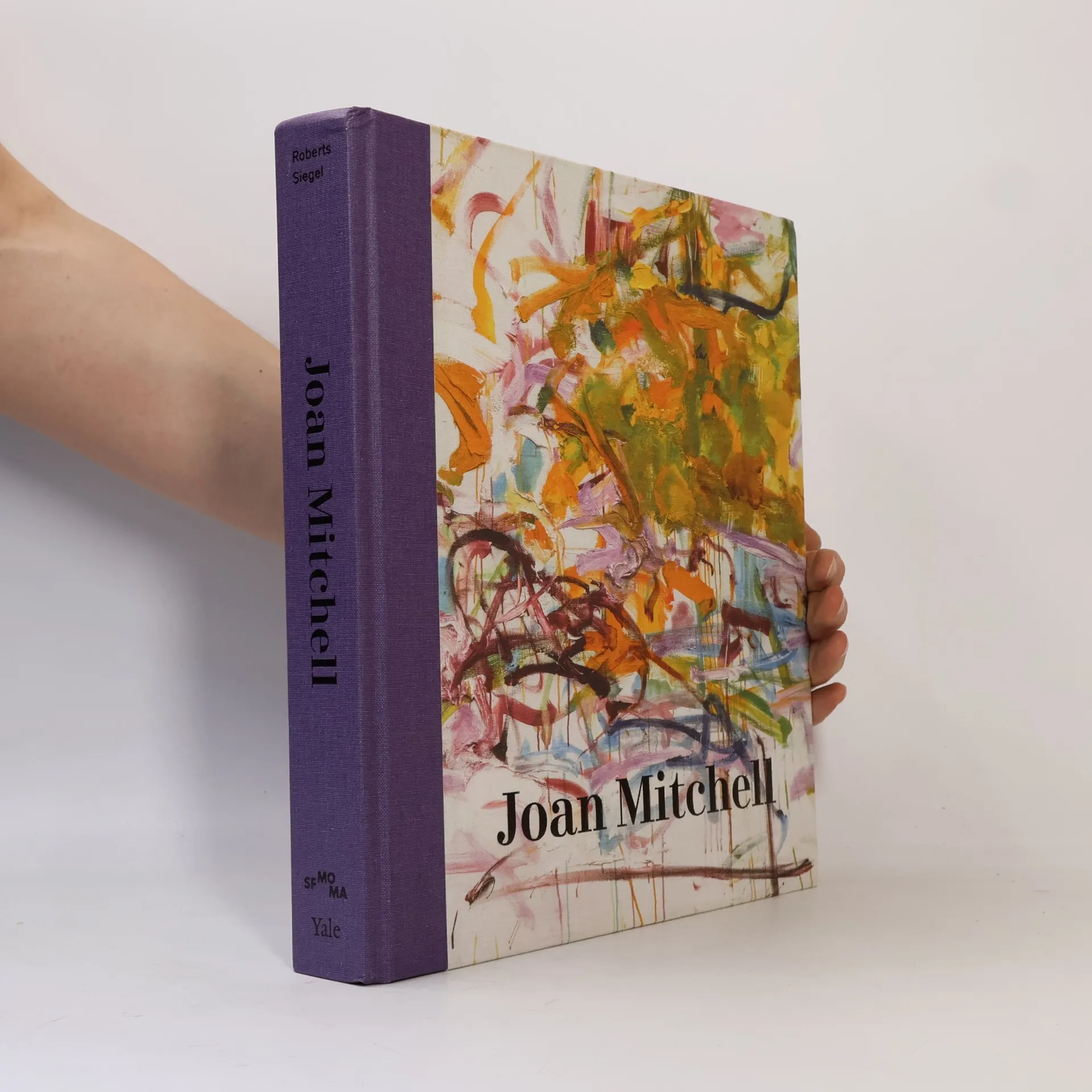
This retrospective delves into the work of a groundbreaking artist, highlighting how she transcended the boundaries of Abstract Expressionism. It examines the influences and transatlantic contexts that shaped her artistic journey, offering insights into her innovative techniques and thematic explorations. Through a comprehensive analysis, the book celebrates her contributions to the art world and the lasting impact of her unique vision.
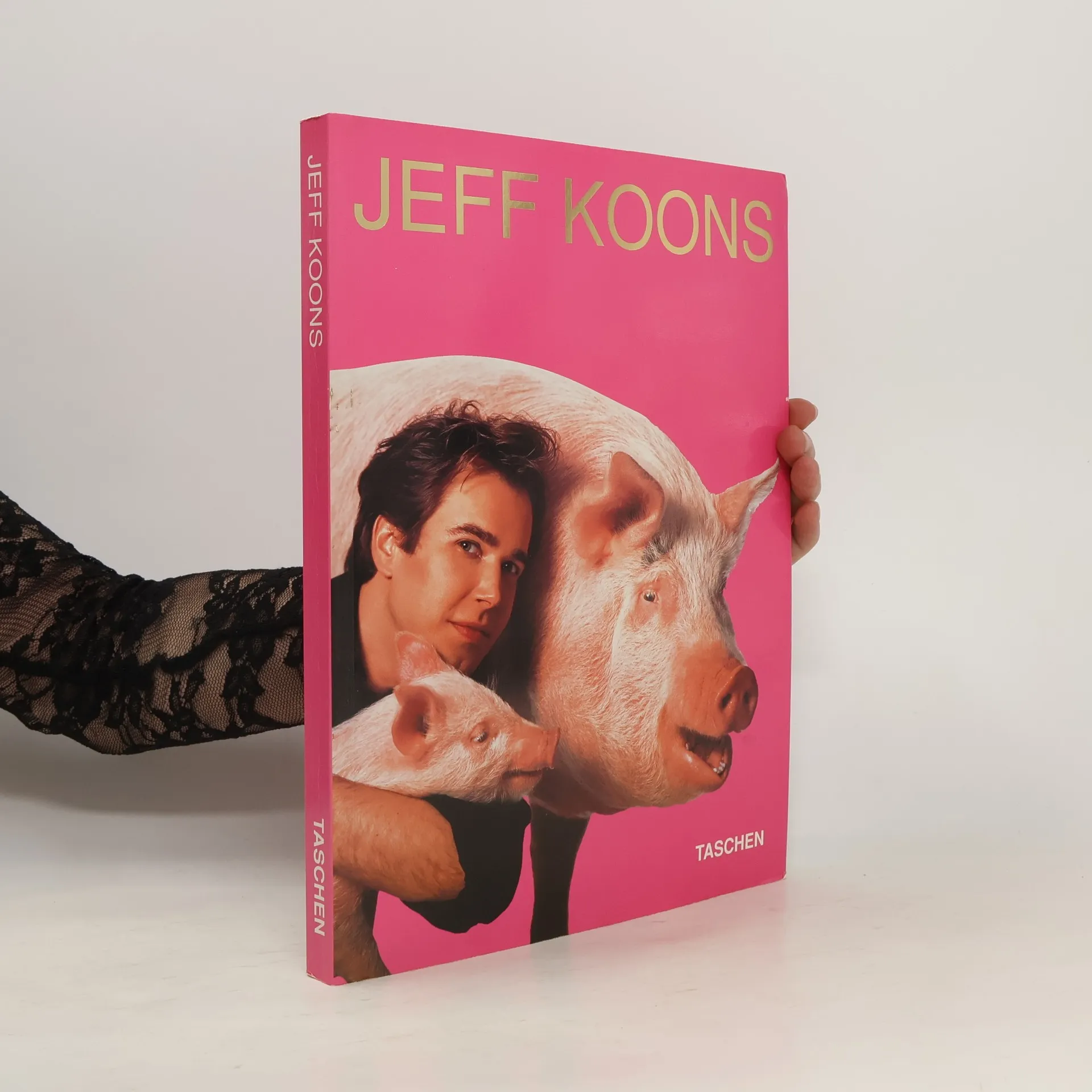
Jeff Koons engage dans un dialogue avec le conservateur d'art Sir Norman Rosenthal, offrant un portrait révélateur de sa vie et de son art. Ce livre présente une exploration approfondie de la personnalité unique et de la vision artistique de Jeff Koons, alors qu'il discute de ses œuvres au cours de sa carrière de trente-cinq ans avec son ami et collaborateur de longue date, Rosenthal. Les interviews, menées sur trois ans, offrent un accès sans précédent aux pensées de l'un des esprits les plus influents de la culture contemporaine, révélant l'artiste dans ses propres mots. En examinant en profondeur toutes ses grandes séries, des premiers gonflables à ses dernières œuvres sur les antiquités, les entretiens mettent en lumière l'intérêt de l'artiste pour les œuvres d'autres artistes, l'importance de son enfance et de sa vie familiale sur son art, ainsi que les concepts clés de sa pratique, tels que ses idées sur l'acceptation de soi, l'extase et la sexualité. Ce livre, d'une importance historique, deviendra le point de référence pour ceux qui souhaitent comprendre Koons et la créativité au XXIe siècle.
Gregory Crewdson (b. 1962, Brooklyn, New York) captures artfully condensed stories in his photographs, which revolve around the intrusion of the mysterious into the mundane. In a work from his series Twilight (1998-2002), for instance, yellow school buses are parked in front of white wooden houses, with groups of students standing or lying motionless across the landscape. The image appears idyllic at first glance but reveals an unsettling, altered reality that evokes a sense of the uncanny. What exactly is happening here? To dramatize his disturbing suburban scenes, Crewdson employs a level of effort typically associated with Hollywood films. Through meticulous lighting, cranes, set design, and extras, he stages his visions, which also serve as precise depictions of American everyday life. This publication gathers all of the artist's photographic works into one volume, including his latest, previously unpublished series Beneath the Roses.
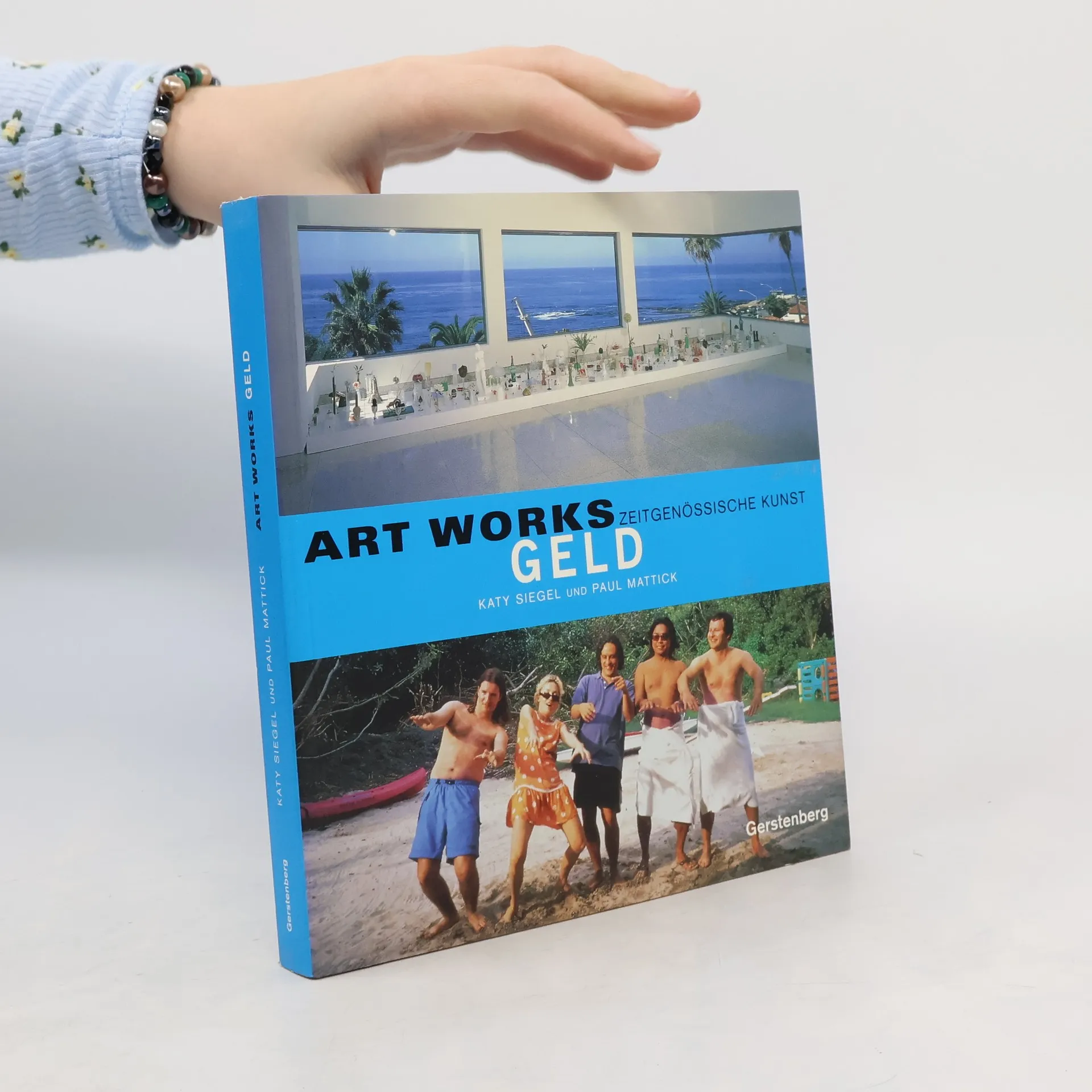
1970 lud die Künstlerin Lee Lozano in ihr Studio ein und forderte die Gäste auf, in einen mit Geld gefüllten Krug Münzen hineinzugeben oder ihm welche zu entnehmen. Die unterschiedlichen Reaktionen schrieb sie nieder. So entstand ihr Werk Real Money Piece. In Geld, dem zweiten Band der Serie Art Works, stellen Katy Siegel und Paul Mattick 57 Künstlerinnen und Künstler vor, deren Arbeiten um das Thema Kunst und Kommerz kreisen. In der Einführung denken die Autoren über die Bedeutung von Geld in der modernen Gesellschaft nach, erläutern, welche Rolle die Kunst für Sammler und Märkte in der Geschichte spielte, und zeigen an ausgewählten Beispielen, wie Geld zum eigenständigen Thema in der Kunst wurde. Die handgezeichneten Banknoten von J. S. G. Boggs z. B. sehen so täuschend echt aus, dass der Künstler schon einige Male wegen Verdachts der Geldfälschung in das Visier der Fahnder geraten ist, obwohl seine 'Blüten' stets typisch Boggs’sche Elemente enthalten. Und für Joseph Beuys, den 'Schamanen' unter den zeitgenössischen Künstlern, stand fest: Kunst = Kapital, weil sie ihre eigene Macht und ihren eigenen Wert besitzt.
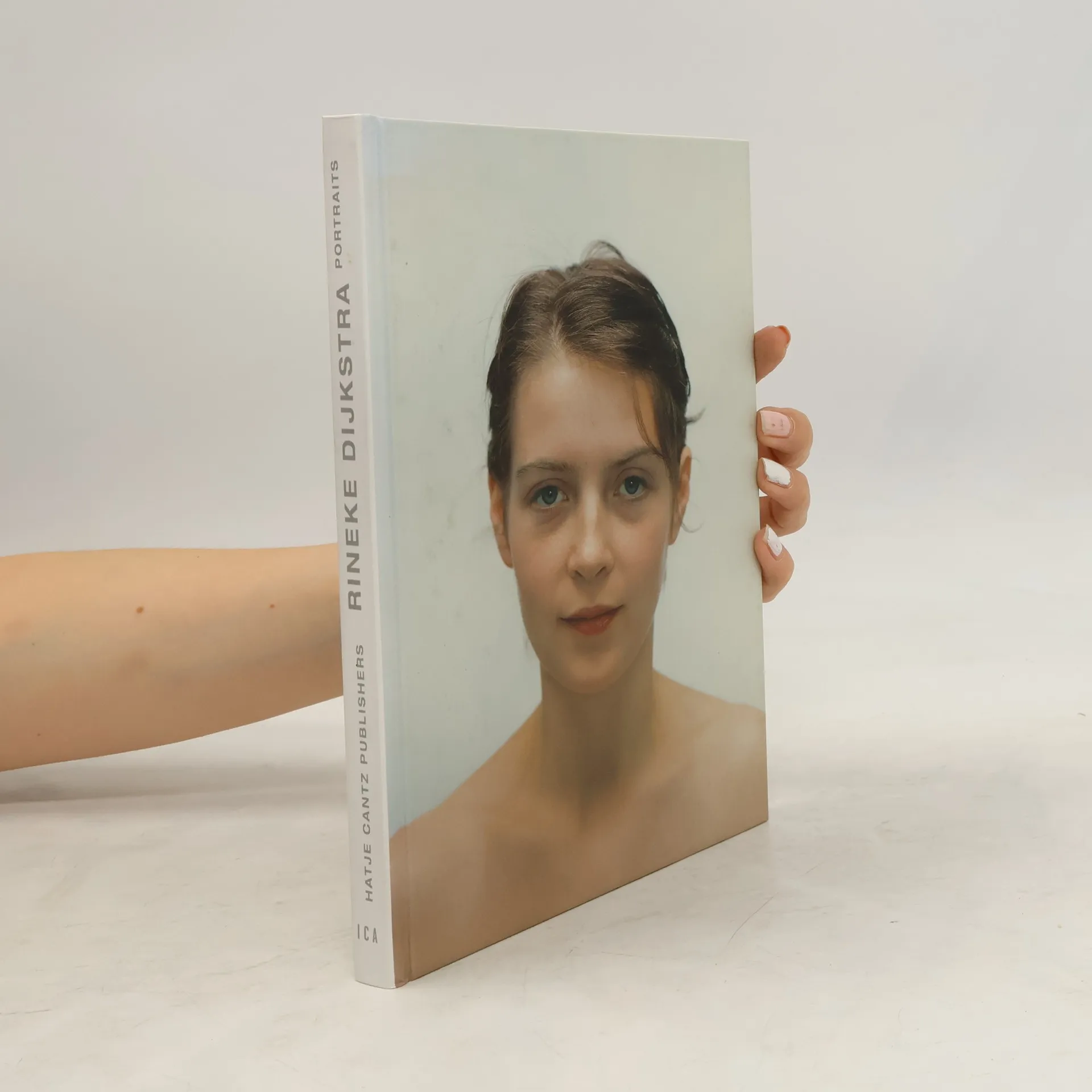
Artist Rineke Dijkstra has appropriated the formal qualities of the studio portrait from the early part of this century--taking the convention of the full length, frontal and centrally composed portrait to its logical limits, she is able to penetrate to the core of her subjects. Each photograph is marked with a precise date and location, suggesting a conscious evocation of the work of the early 20th century photographer August Sander and his project to document the ''Citizens of the Twentieth Century.'' Dijkstra's photographs stand by themselves, bearing no reference to personal circumstances or the specific geographical details of the location--the power of her images lies in an intimate psychological connection between artist, sitter, and viewer. For Dijkstra's best known series of photographs--an extensive series of beach portraits of teenagers and children taken on beaches all over the world between 1992 and 1996--the artist sought out a certain introversion or unease in her subjects, capturing with rare perfection the human condition of feeling not-at-home in the world. This brilliant new monograph documents Dijkstra's recent photographic and video work.