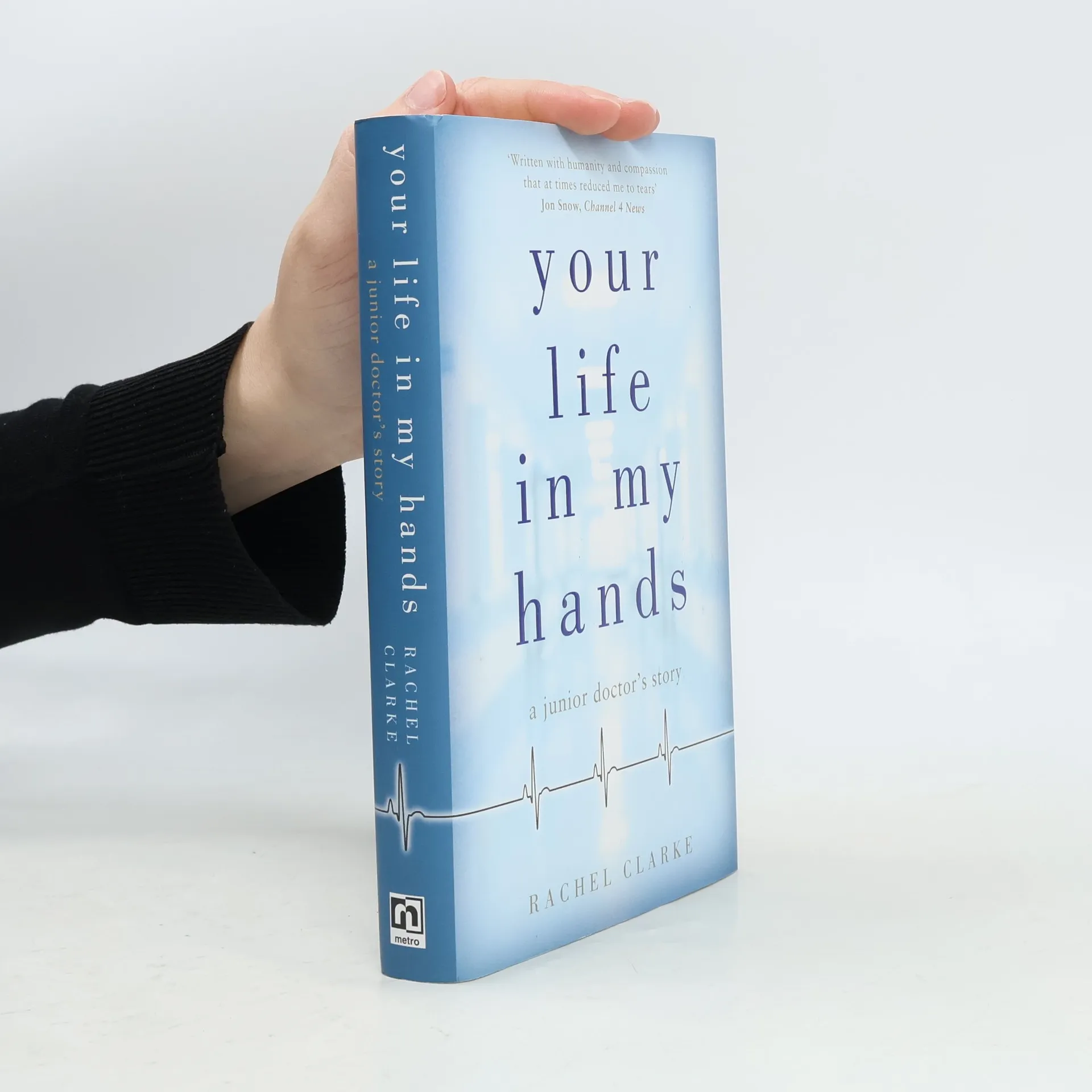
'Profoundly moving and at the same time wildly inspiring' Rob Delaney
288pages
11 heures de lecture
Investigative journalism meets poetic narrative in this profound exploration of life and death. Rachel Clarke tells the remarkable story of one family's extraordinary gift of a miracle to another, delving into themes of compassion and resilience. This narrative non-fiction not only reveals the emotional depths of human experience but also highlights the interconnectedness of lives through tragedy and hope.
Build, reinforce and assess knowledge with additional practice and revision activities for all strands of the Cambridge Primary curriculum frameworks. - Boost confidence and check students' progress with review tests and practice questions. - Improve technique with a range of engaging activities and worked examples. - Consolidate knowledge with key content presented in a manageable and focussed format. The Cambridge Primary Revise for Study Guides can be used independently for homework or additional practice, or alongside the Teacher's Guides in the classroom. This resource has not been through the Cambridge International endorsement process.
When the once-in-a-century pandemic struck, it didn’t matter that it was predicted; we ambled into disaster. In early 2020, mild concern rapidly escalated into panic. Economies plummeted, schools and workplaces closed, and societies shut down. The scale and pace of the upheaval were unprecedented. As a palliative care doctor, Rachel Clarke found herself spending more time in hospitals than hospices. Unable to share the intensity of her experiences with friends and family, she began writing at night about her and her colleagues' struggles. Her narrative reveals how the health service responded to the crisis. Upon reflecting on her writing, she discovered that amidst the overwhelming darkness, there were moments of light. The reduction of human contact highlighted its preciousness and the impact of even small connections. This account captures life, death, hope, and fear, showcasing medicine at its most vulnerable and its most heroic. It portrays the courage of patients facing immense adversity, the stress of balancing patient care with family safety, and the anxiety over the adequacy of PPE. This is a powerful depiction of medicine during the coronavirus pandemic, characterized by resilience and determination.
'Profoundly Moving and at the Same Time Wildly Inspiring' Rob Delaney
288pages
11 heures de lecture
SHORTLISTED FOR THE BAILLIE GIFFORD PRIZE FOR NON-FICTION 2024 SHORTLISTED FOR THE WOMEN'S PRIZE FOR NON-FICTION 2025 BOOK OF THE YEAR IN THE SPECTATOR, NEW STATESMAN, NEW SCIENTIST, AND PROSPECT 'What a book . . . The perfect book' Chris Evans on Virgin Radio 'Profoundly moving and at the same time wildly inspiring' Rob Delaney 'Rachel Clarke's finest book yet' Financial Times 'The best narrative non-fiction I've read in years. Rachel Clarke has written a profound piece of investigative journalism and wrapped it up in poetry' Christie Watson 'This is THE MOST BEAUTIFUL and riveting book: written with such humanity, empathy and knowledge, such tact and drama and eloquence. Vital reading, lifelong revelation' Laura Cumming This is the unforgettable story of how one family's grief transformed into a lifesaving gift. With tremendous compassion and clarity, Dr Rachel Clarke relates the urgent journey of a young girl's heart and explores a history of remarkable medical innovations , stretching back over a century and involving the knowledge and dedication not just of surgeons but of countless physicians, immunologists, nurses and scientists. FROM THE AUTHOR OF THE SUNDAY TIMES BESTSELLER DEAR LIFE AND BREATHTAKING, A MAJOR TV DRAMA
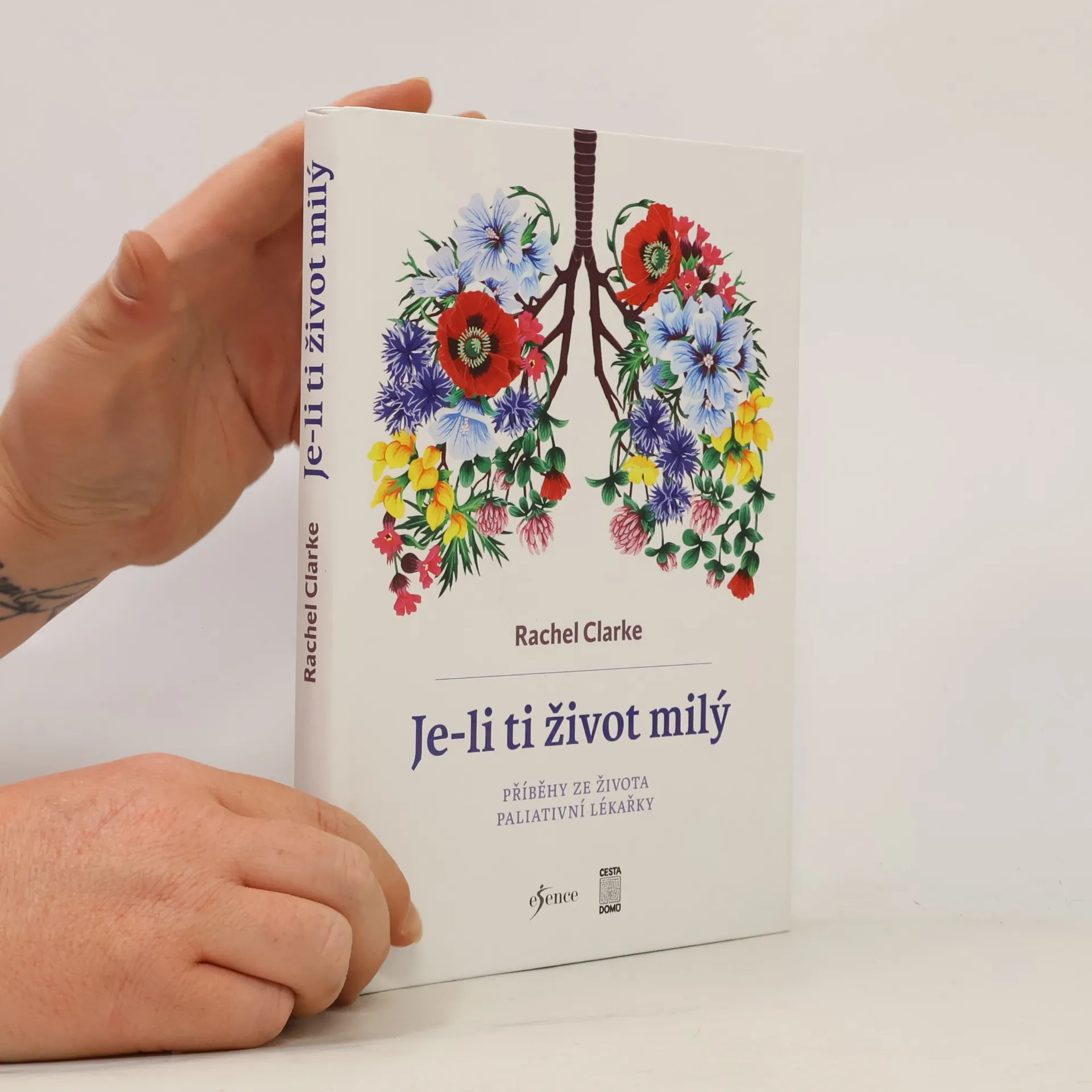
Specialistka paliativní péče Rachel Clarke denně pomáhá nevyléčitelně nemocným smířit se s osudem a snaží se jim umírání co nejvíce ulehčit. Když však Rachelinu otci diagnostikují poslední stadium rakoviny a ona musí čelit odchodu milovaného člověka, otřese to nejen jejím vnímáním celé dosavadní praxe, ale na povrch se dostanou nejrůznější otázky o smyslu života. Rachel si postupně uvědomuje, že většina z nás žije tak, jako bychom byli nesmrtelní. Když nás ale okolnosti přimějí se zastavit, můžeme zodpovědně říct, že jsme prožili život naplno?