Bookbot

Gary Hamel

    1 janvier 1954

    Gary Hamel est un expert éminent en management et en pensée stratégique. Ses recherches explorent les complexités du développement stratégique, en mettant un accent particulier sur les environnements des entreprises multinationales. Il met à profit sa vaste expérience acquise dans les sphères académique et de conseil pour examiner des approches novatrices dans le paysage des affaires.

    Gary Hamel
    Leading the revolution
    Humanocracy : creating organizations as amazing as the people inside them
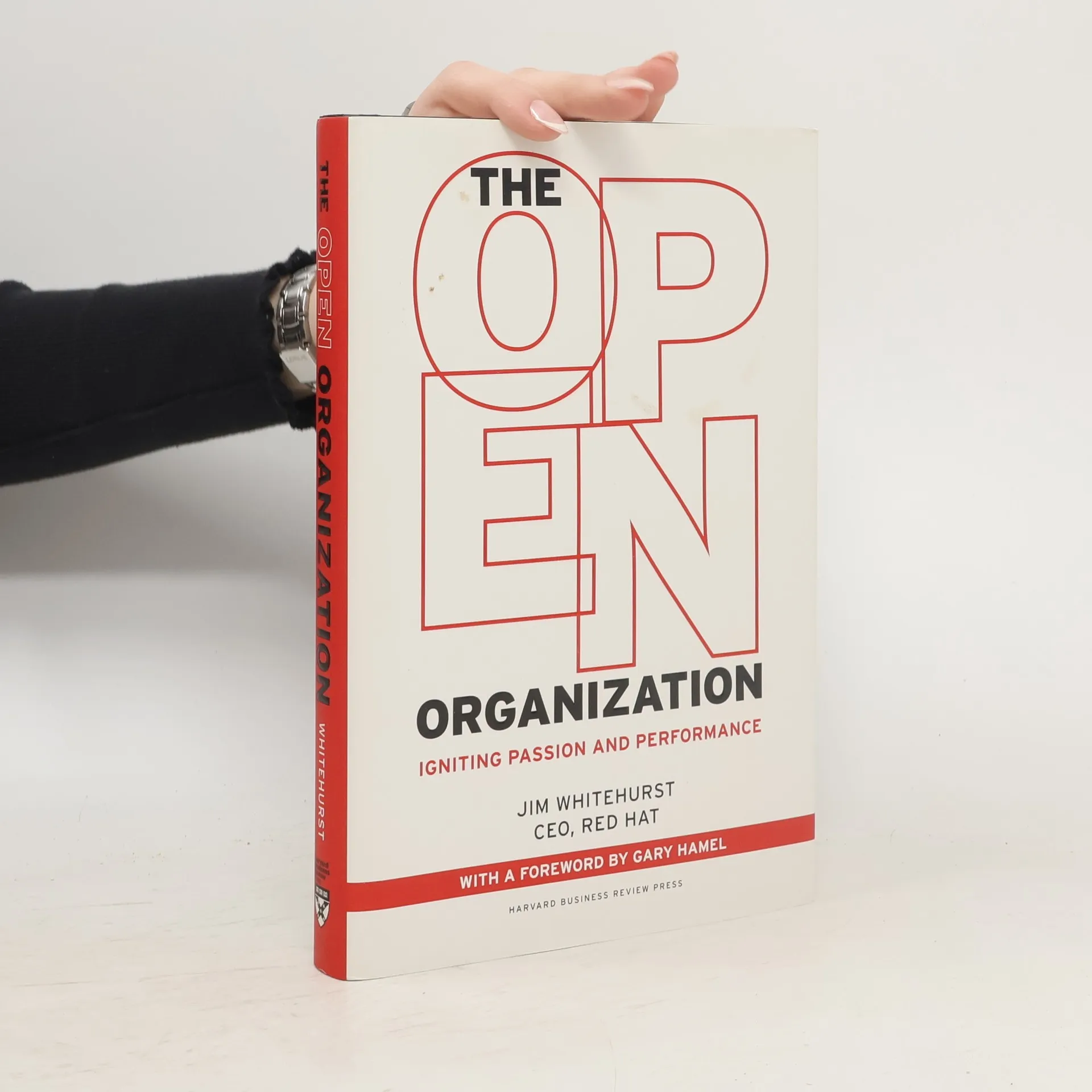
    The Open Organization
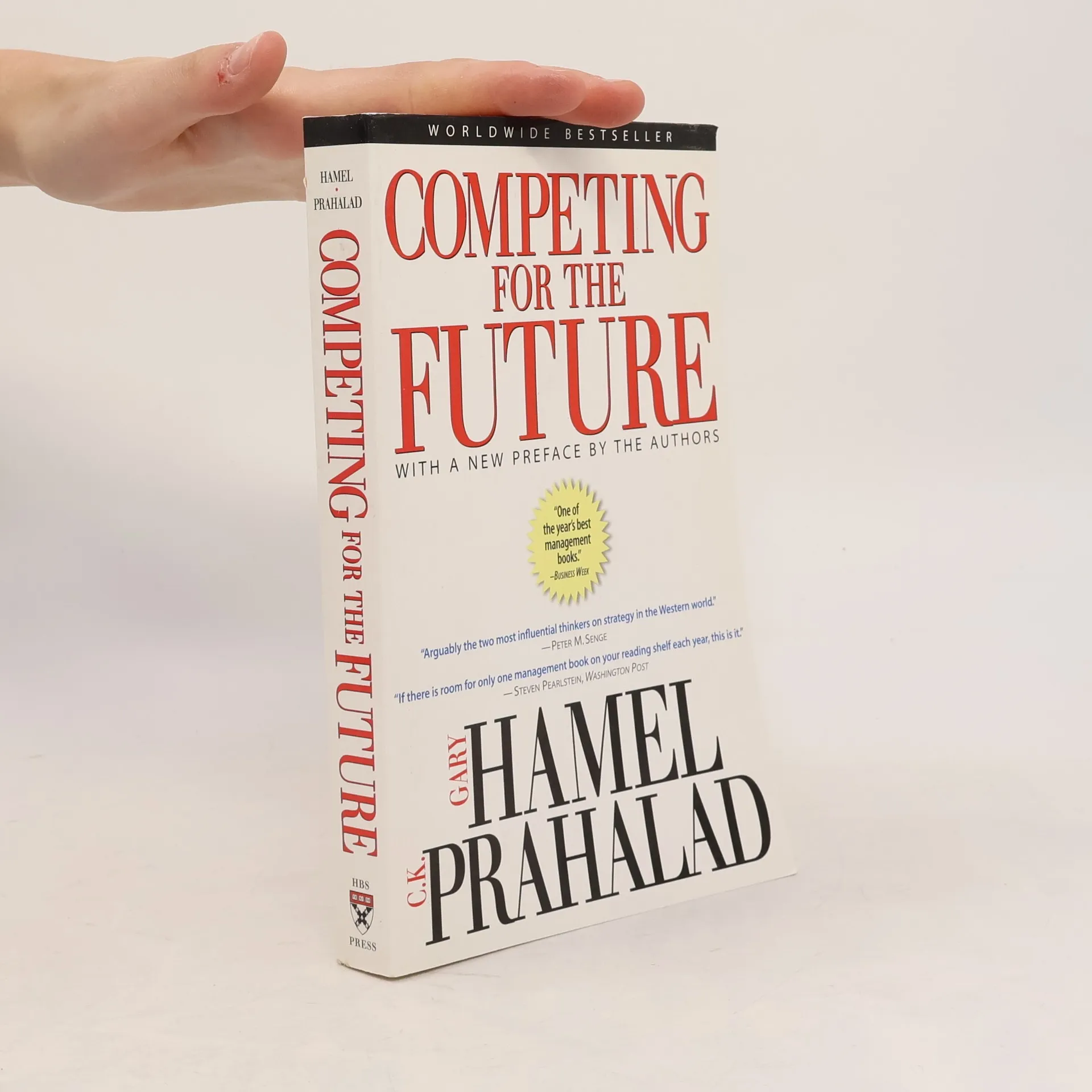
    Competing for the future
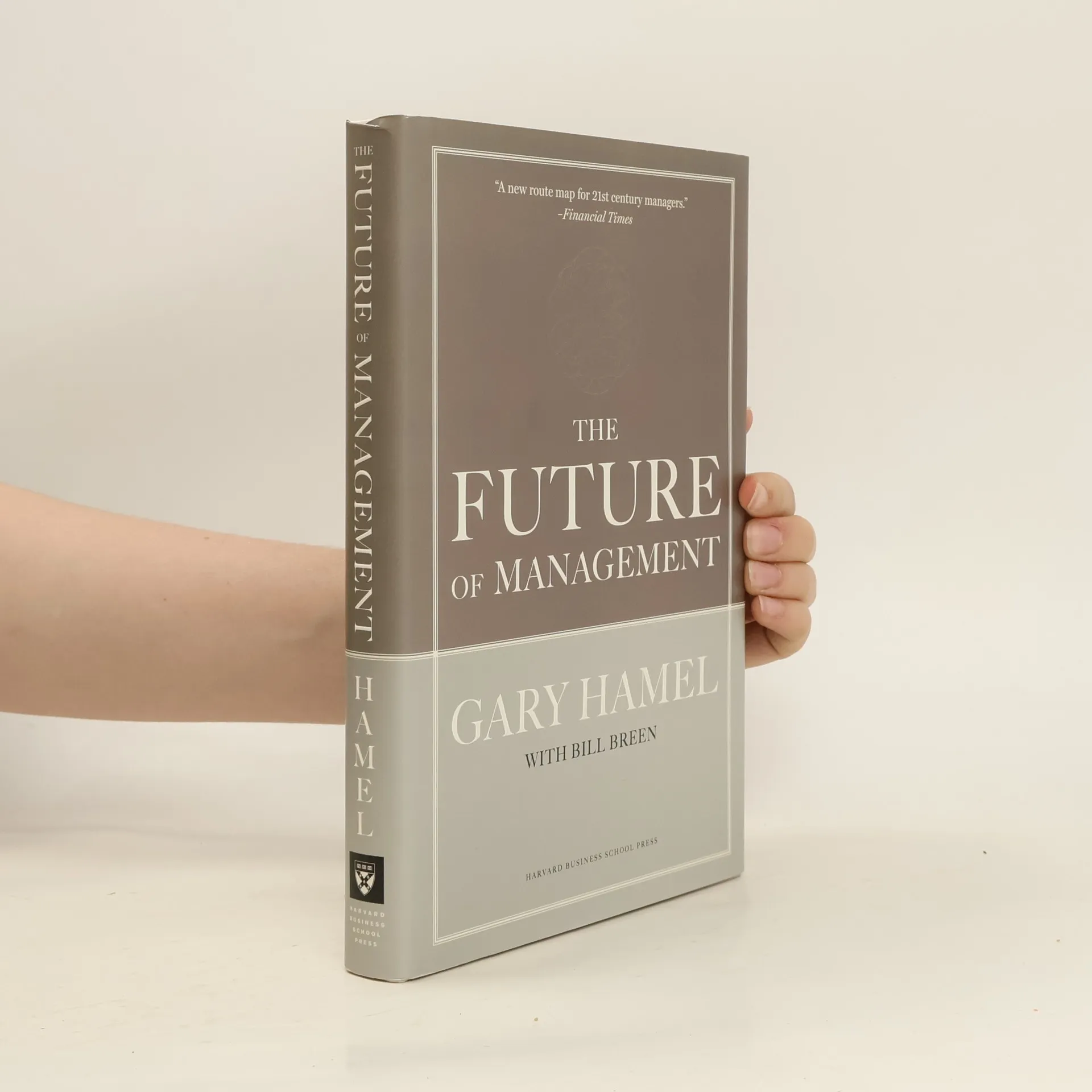
    The future of management
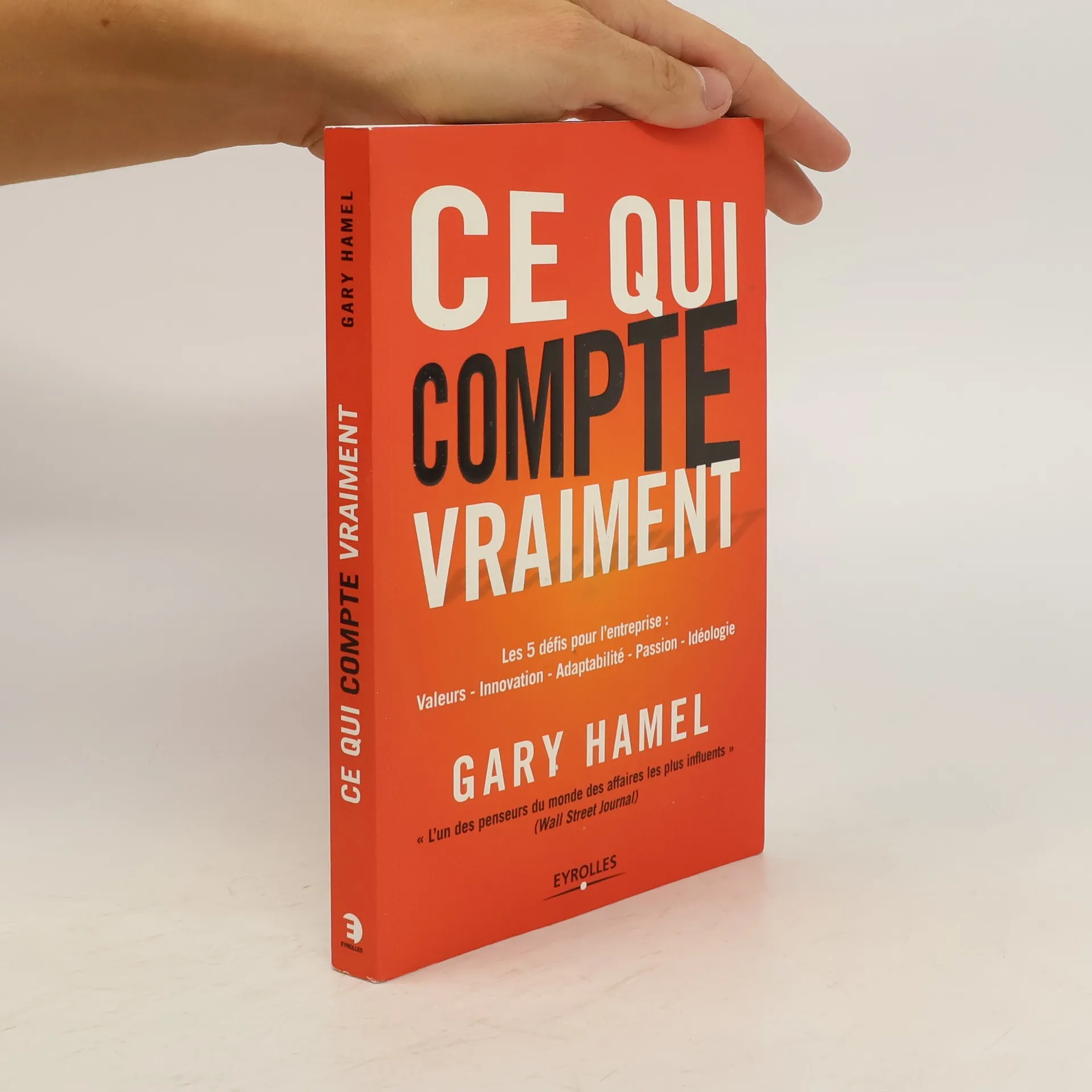
    Ce qui compte vraiment
    • Humanocracy

      Mehr Mensch, weniger Bürokratie - der Schlüssel zum erfolgreichen Unternehmen der Zukunft

      • 420pages
      • 15 heures de lecture

      Das Buch beleuchtet, wie Unternehmen starre Hierarchien aufbrechen können, um eine innovationsfördernde Kultur zu schaffen. Es bietet praxisnahe Anleitungen zur Infragestellung traditioneller Managementmodelle und zur Schaffung dynamischer Systeme, die auf den Stärken und der Kreativität aller Mitarbeiter basieren. Besonders geeignet für Führungskräfte und Teamleiter, vermittelt es Strategien zur Förderung agiler und resilienter Organisationen, zur Verbesserung der Führungsqualitäten und zur Steigerung der Mitarbeiterzufriedenheit, um einen nachhaltigen Wettbewerbsvorteil zu erreichen.

      Humanocracy2025
    • Por desgracia, la mayoría de las organizaciones, sobrecargadas de burocracia, son lentas y rígidas. En una época de transformaciones, las estructuras de poder descendentes y las normas de lossistemas de gestión son un lastre: limitan la creatividad y frenan la iniciativa. Como líderes, empleados, inversores y ciudadanos que somos, nos merecemos algo mejor. Necesitamos organizaciones que sea audaces, emprendedoras y tan ágiles como el propio cambio. Esta es la razón de este libro.En Humanocracia, Gary Hamel y Michele Zanini ofrecen una apasionada explicación basada endatos de por qué se ha de acabar con la burocracia y sustituirla por algo mejor. Humanocracia, un libro basado en más de una década de investigación y lleno de ejemplos prácticos, expone un plan perfectamente detallado para crear organizaciones que sean tan inspiradoras e ingeniosas como los seres humanos que las componen.

      Humanocracia (Humanocracy, Spanish Edition): Creando Organizaciones Tan Increíbles Como Las Personas Que Las Componen2022
      3,8
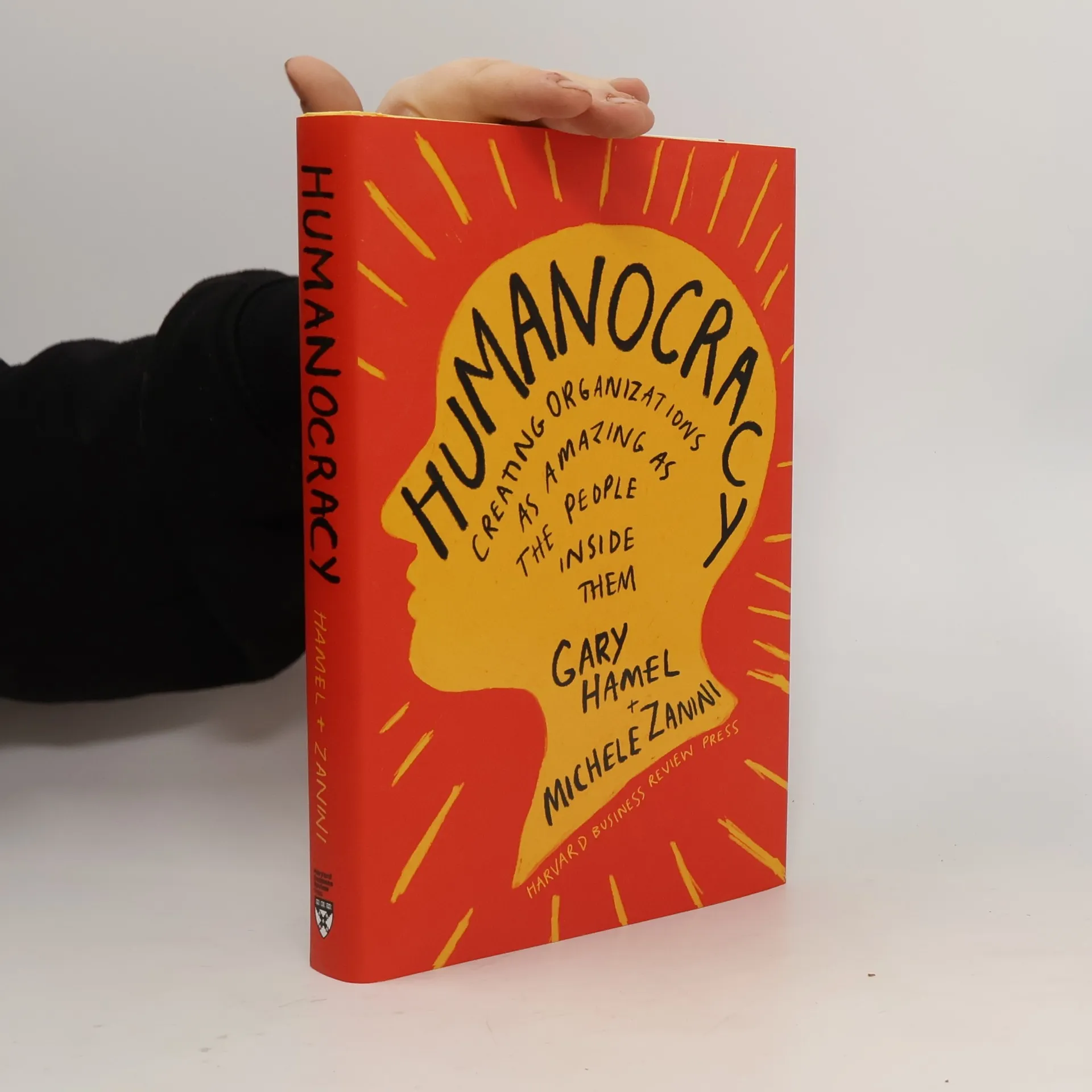
    • Organizations today are failing, characterized by sluggishness, resistance to change, and emotional detachment. In contrast, individuals are adaptable, creative, and passionate. This disconnect stems from bureaucracy—a top-down, rule-bound management structure that reduces people to mere "resources." Originating in the 19th century to standardize human behavior, bureaucracy is dehumanizing and has resulted in only 13 percent of employees globally being fully engaged in their work. The rest are physically present but lack enthusiasm, contributing to an estimated $9 trillion loss in global economic output each year. Despite trends toward flatter organizations, bureaucracy continues to expand. In this compelling work, Gary Hamel and Michele Zanini provide a blueprint for creating organizations that prioritize human potential over bureaucratic constraints. They emphasize the importance of understanding the hidden costs of "bureausclerosis," eliminating toxic bureaucratic beliefs, and learning from organizations that have successfully removed bureaucracy. Key strategies include uprooting bureaucratic structures without causing chaos, overcoming resistance to change, and fostering a culture where leadership is not tied to rank. The ultimate aim is to cultivate organizations infused with entrepreneurial spirit, where innovation thrives and everyone acts like an owner. This book is both a manifesto and a manual, filled with insights a

      Humanocracy : creating organizations as amazing as the people inside them2020
      4,0
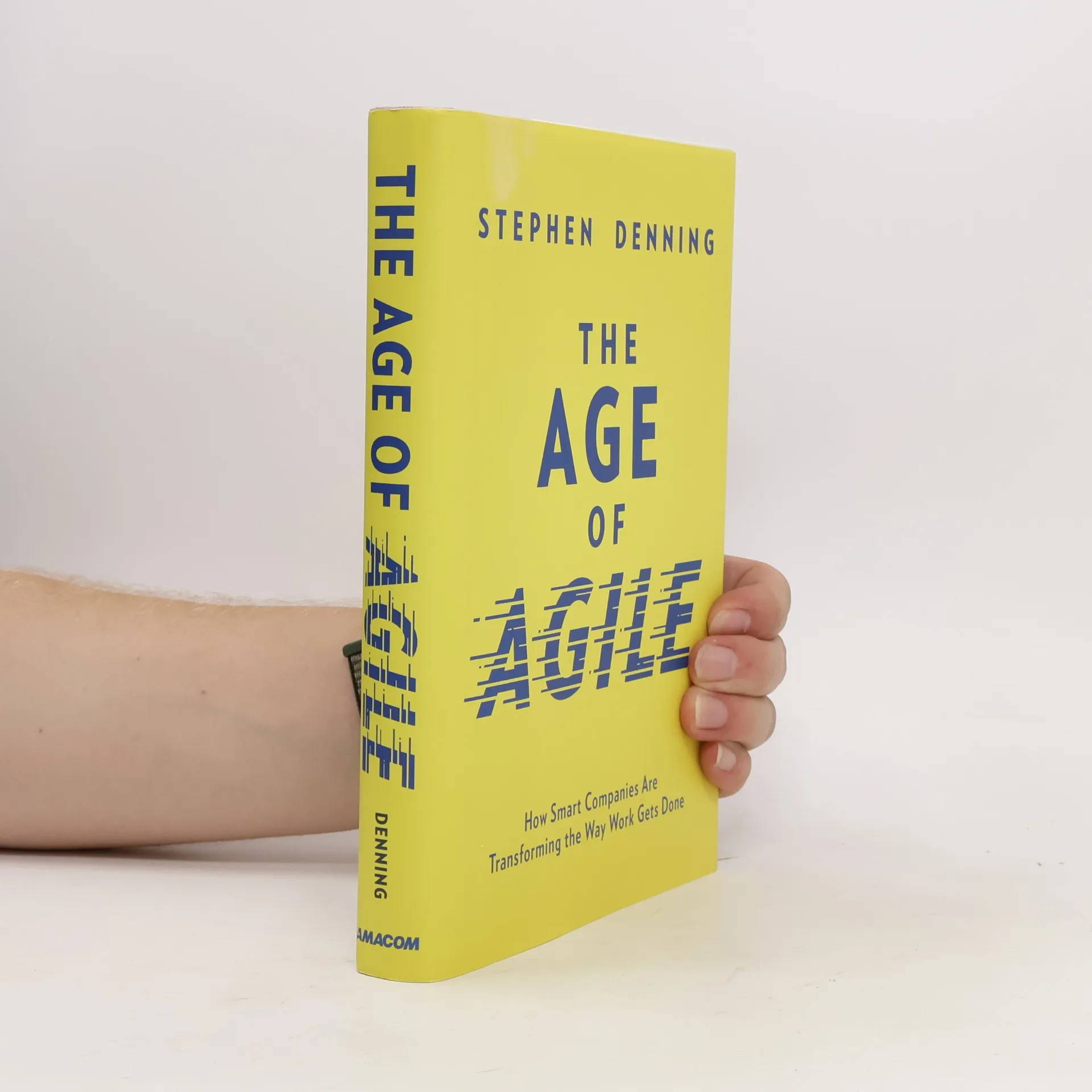
    • The Age of Agile

      How Smart Companies Are Transforming the Way Work Gets Done

      • 336pages
      • 12 heures de lecture

      More value from less work. An unstoppable business revolution is under way--and it is Agile. Companies that embrace Agile Management learn to connect everyone and everything . . . all the time. They can deliver instant, intimate, frictionless value on a large scale. Agile began emerging many decades ago, but truly took off in the software development industry. Sparking dramatic improvements in quality, innovation, and speed-to-market, the Agile movement is now spreading quickly throughout all kinds of companies. It enables a team, a unit, or an enterprise to nimbly adapt and upgrade products and services to meet rapidly changing technology and customer needs. And the process is applicable anywhere--companies don't need to be born Agile, like Spotify. Even centuries-old Barclays is making the transition and reaping rewards. Filled with examples from every sector, The Age of Agile helps readers: Master the three laws of Agile Management (team, customer, network) - Embrace the new mindset - Overcome constraints - Employ meaningful metrics - Make the entire organization Agile - And more With this breakthrough approach, even global giants can learn to act entrepreneurially. Their future depends on it.

      The Age of Agile2018
      3,8
    • Based on open source principles of transparency, participation, and collaboration, "open management" challenges conventional business ideas about what companies are, how they run, and how they make money. This book provides the blueprint for putting it into practice in your own firm. He covers challenges that have been missing from the conversation to date, among them: how to scale engagement; how to have healthy debates that net progress; and how to attract and keep the "Social Generation" of workers. Through a mix of vibrant stories, candid lessons, and tested processes, Whitehurst shows how Red Hat has blown the traditional operating model to pieces by emerging out of a pure bottom up culture and learning how to execute it at scale. And he explains what other companies are, and need to be doing to bring this open style into all facets of the organization.

      The Open Organization2015
      4,1
    • Ce qui compte vraiment

      • 312pages
      • 11 heures de lecture

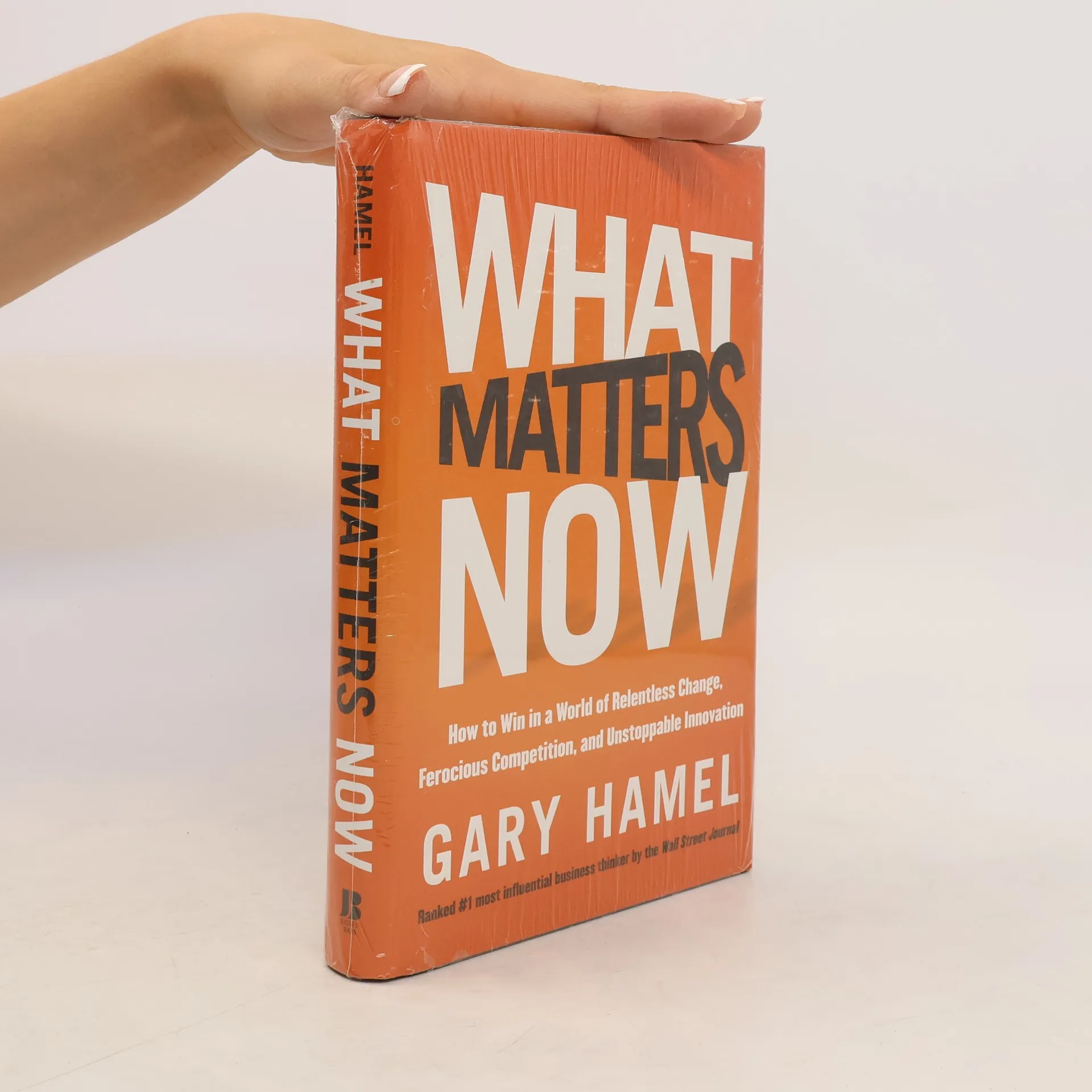
      Dans un monde de changement perpétuel, de compétition féroce, d'innovation débordante et d'exigences sociales, comment construire une entreprise adaptée aux nouvelles réalités ? Ce qui compte vraiment n'est pas un énième livre sur la manière de réussir dans un monde dominé par une course effrénée à l'innovation, de plus en plus compétitif et aux contours de plus en plus flous. C'est un plaidoyer passionné, au style unique de Gary Hamel, le gourou du management, pour nous aider à réinventer le sens du travail et la vie dans l'organisation, à un moment clé où l'entreprise, pour durer, doit satisfaire à la fois les exigences des salariés et des actionnaires mais aussi celles de la société en général. Bousculant les idées reçues et proposant de nombreuses pistes de réflexion et d'action, Gary Hamel met en évidence les cinq défis fondamentaux que toute entreprise devrait considérer comme prioritaires au cours des prochaines années. Ils portent sur les valeurs organisationnelles, l'innovation, l'adaptabilité, la passion et la philosophie managériale.

      Ce qui compte vraiment2012
    • What Matters Now

      • 283pages
      • 10 heures de lecture

      This is not a book about one thing. It's not a 250-page dissertation on leadership, teams or motivation. Instead, it's an agenda for building organizations that can flourish in a world of diminished hopes, relentless change and ferocious competition. This is not a book about doing better.

      What Matters Now2012
      3,8
    • Haque maintains that the worst decade since the Great Depression is actually a crisis of institutions' ideals inherited from the industrial age. In this bold manifesto, Haque advocates a new set of ideals, and makes an irresistible business case for following the lead of companies that adopt these ideals.

      The new capitalist manifesto : building a disruptively better business2011
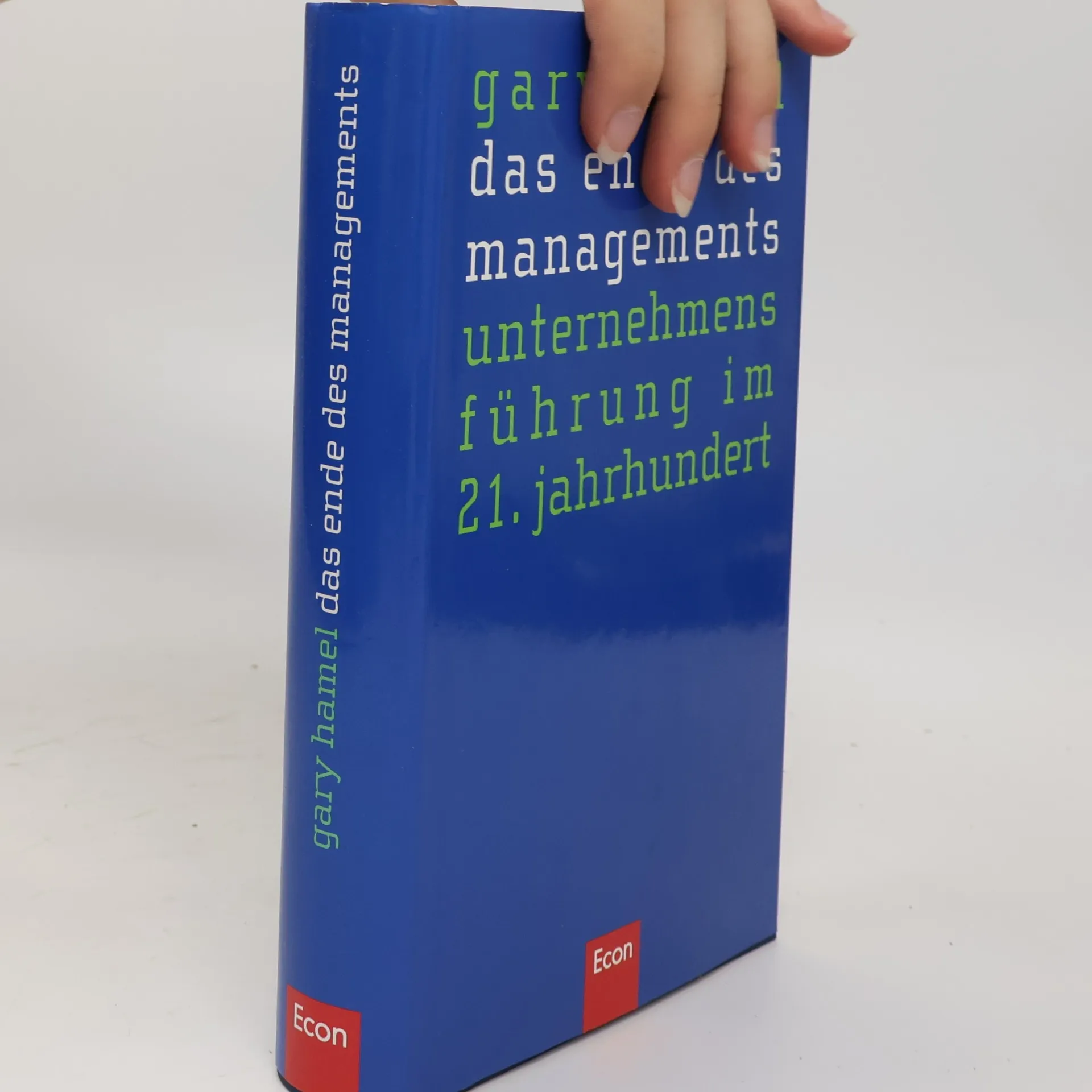
    • Das Ende des Managements

      Unternehmensführung im 21. Jahrhundert

      Für Organisationen wie GE, Procter & Gamble und Visa ist Managementinnovation das Geheimnis des Erfolgs. Aber was ist Managementinnovation und wie geschieht sie? Welche Aktivitäten und Denkweisen fördern in solchen Unternehmen wirklich einzigartige Managementideen? Und wie können andere Unternehmen lernen, Managementinnovatoren zu werden? In „Das Ende des Managements“ behandelt der Strategie- und Innovationsexperte Gary Hamel diese entscheidenden Fragen. Managementinnovation bietet dem innovierenden Unternehmen einen starken und nachhaltigen Vorteil und kann einen bedeutenden Wandel in der Branchenführung bewirken. Hamel skizziert die vier entscheidenden Komponenten, die notwendig sind, um eine Innovation in der Managementpraxis zu schaffen: ein großes Problem, das frisches Denken erfordert, kreative Prinzipien oder Paradigmen, die neue Ansätze offenbaren können; eine Bewertung der Konventionen, die neuartiges Denken einschränken; sowie Beispiele und Analogien, die helfen, neu zu definieren, was möglich ist. Er bietet auch praktische Ratschläge und stellt kritische Fragen, um Unternehmen zu helfen, ihre bestehenden Managementprozesse zu erkunden und Möglichkeiten zu schaffen, diese neu zu erfinden.

      Das Ende des Managements2008
      3,9
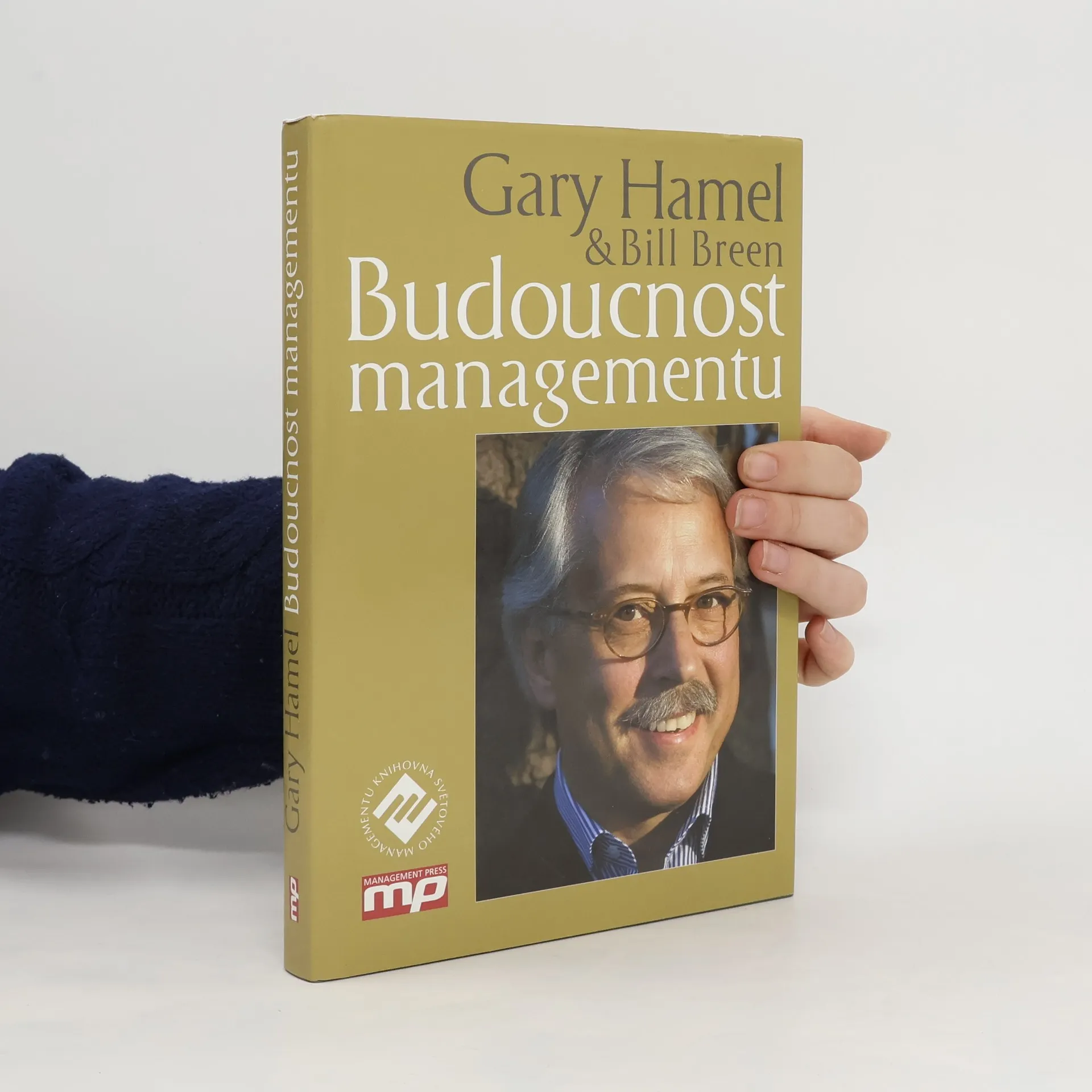
    • Budoucnost managementu

      • 244pages
      • 9 heures de lecture

      Nejnovější kniha jednoho z nejvýznamnějších světových myslitelů a poradců v oboru managementu dokládá, že hlavním zdrojem dlouhodobého podnikatelského úspěchu mohou být dnes i napříště jen inovace managementu – nové způsoby mobilizování lidského potenciálu, alokování zdrojů a tvorby strategií. Protože většina firem organizovaný proces radikálních inovací managementu postrádá, Hamel – s využitím případových studií inovačních přístupů některých pozoruhodně úspěšných firem (W. L. Gore & Associates, Best Buy, Whole Foods Market, Google, IBM, Rite-Solutions, Procter & Gamble, Whirlpool, GE, Toyota, Visa atd.) – ukazuje, jak se zbavit starých, tradičních dogmat a jak změnit vaši firmu v inovátora managementu, a zajistit jí tak dlouhodobou prosperitu.

      Budoucnost managementu2008
      4,0
    • What fuels long-term business success? Not operational excellence, technology breakthroughs, or new business models, but management innovation—new ways of mobilizing talent, allocating resources, and formulating strategies. Through history, management innovation has enabled companies to cross new performance thresholds and build enduring advantages.In The Future of Management , Gary Hamel argues that organizations need management innovation now more than ever. Why? The management paradigm of the last century—centered on control and efficiency—no longer suffices in a world where adaptability and creativity drive business success. To thrive in the future, companies must reinvent management.Hamel explains how to turn your company into a serial management innovator, revealing:The make-or-break challenges that will determine competitive success in an age of relentless, head-snapping change.The toxic effects of traditional management beliefs.The unconventional management practices generating breakthrough results in “modern management pioneers.”The radical principles that will need to become part of every company’s “management DNA.”The steps your company can take now to build your “management advantage.”Practical and profound, The Future of Management features examples from Google, W.L. Gore, Whole Foods, IBM, Samsung, Best Buy, and other blue-ribbon management innovators.

      The future of management2007
      4,1
    • Leading the revolution

      • 333pages
      • 12 heures de lecture

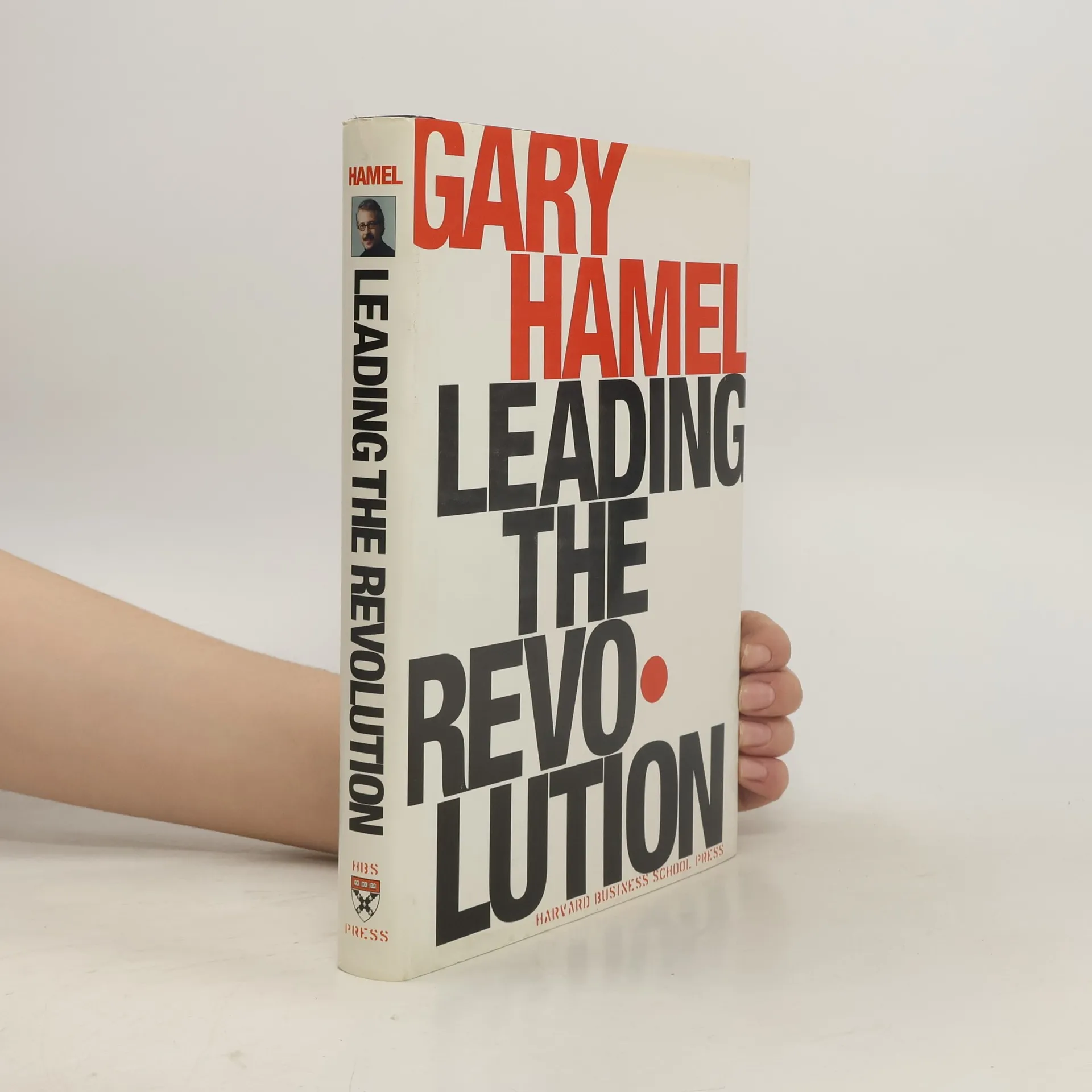
      This book serves as an action plan for companies and individuals aiming to become industry revolutionaries, inspiring everyone from entry-level assistants to seasoned executives who fear being unprepared for the future. The author emphasizes that in a nonlinear world, only nonlinear ideas can generate new wealth. To succeed in this revolutionary age, companies must embrace a radical innovation agenda, continually reinventing themselves and their industries, not just in crises but as an ongoing practice. Drawing from an extensive study of established companies like Enron, Charles Schwab, Cisco, Virgin, and GE Capital, the book outlines principles of radical innovation, explores the origins of revolutionary business concepts, and identifies essential design criteria for creating activist-friendly, revolution-ready organizations. It details the necessary steps for making innovation a lasting capability within a company. This work is intended for anyone willing to act on the understanding that past successes do not guarantee future outcomes. With a powerful message that sets the innovation agenda for the coming century, it serves as a rallying cry for dreamers and doers ready to lead us into a new era of transformation.

      Leading the revolution2000
      3,9
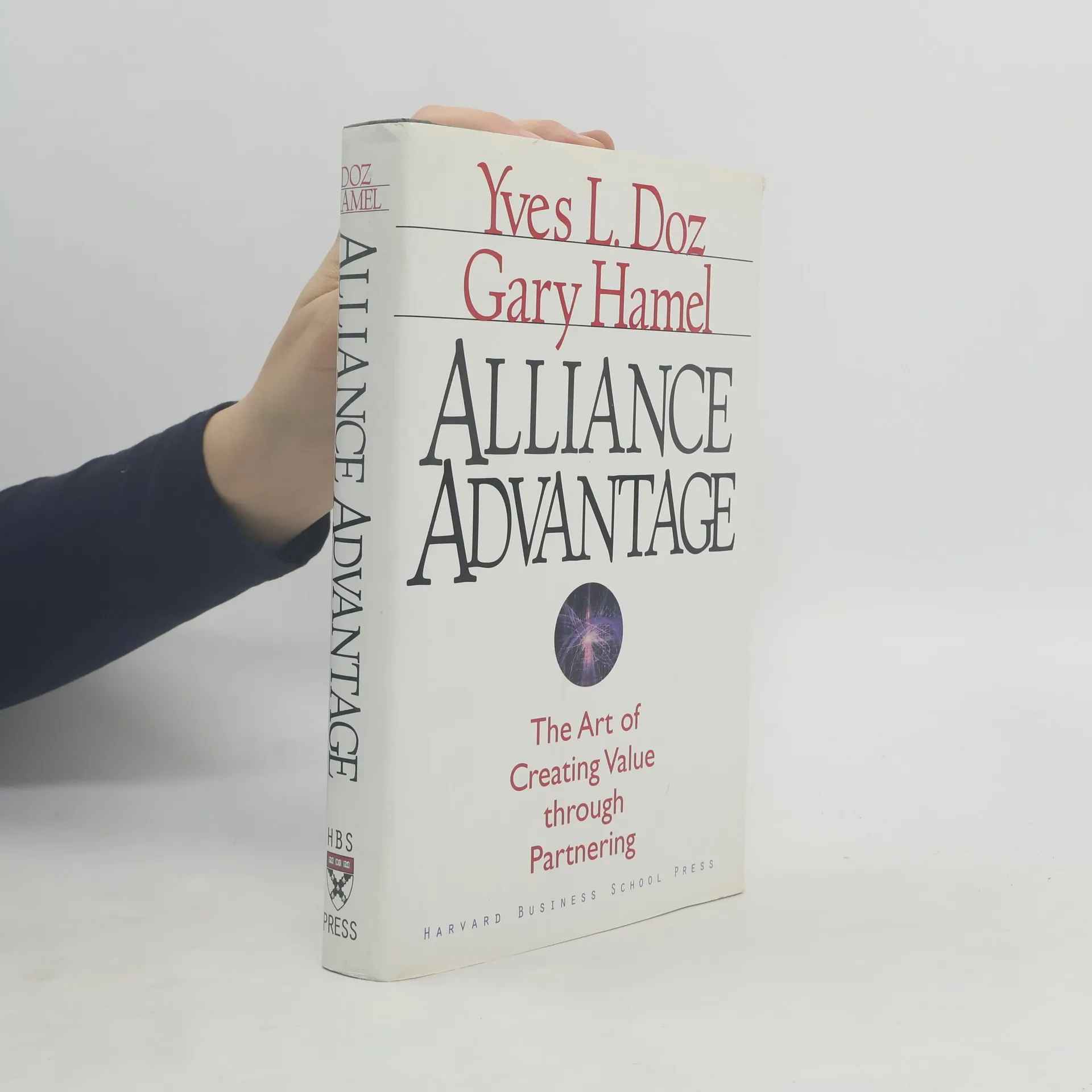
    • Partnerships between companies receive a great deal of attention from top managers and researchers at the time of their formation. This attention results largely from the common perception that the initial structuring of partnerships and establishment of common goals determines partnership outcomes and success. In Alliance Advantage , Doz and Hamel shift the focus away from deal making to the internal processes within the partnership and the unfolding interactions among partners that play an important and relatively unexplored role in shaping outcomes. Focusing on the underlying reasons why companies enter alliances and the processes by which they continually learn from their interactions and re-evaluate common—and individual—goals, the authors paint a sophisticated picture of alliance dynamics over time. The authors challenge organizations to define their objectives for alliance formulation and consider whether their own corporate culture provides an "alliance ready" atmosphere.

      Alliance Advantage1998
      3,3
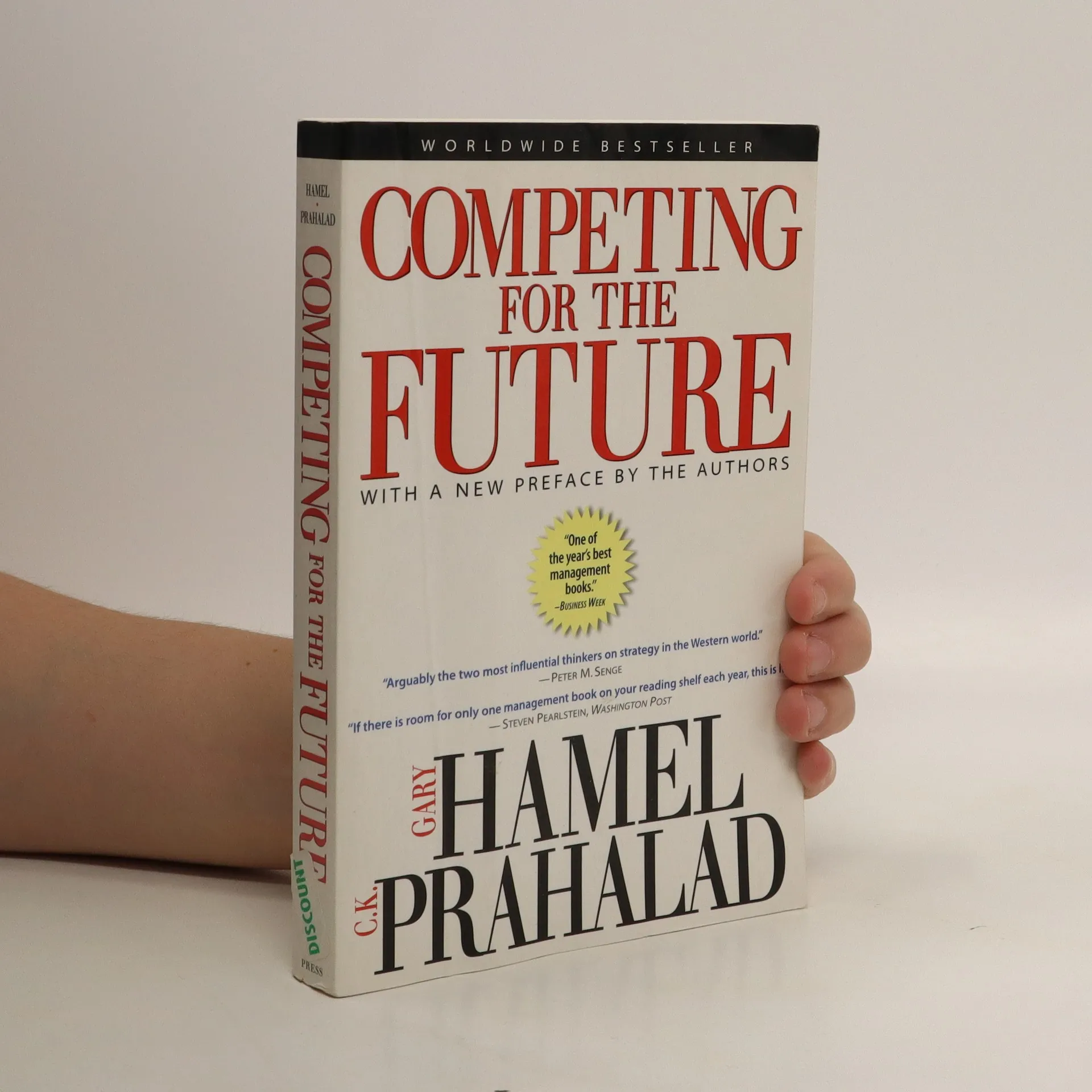
    • New competitive realities have ruptured industry boundaries, overthrown much of standard management practice, and rendered conventional models of strategy and growth obsolete. In their stead have come the powerful ideas and methodologies of Gary Hamel and C.K. Prahalad, whose much-revered thinking has already engendered a new language of strategy. In this book, they develop a coherent model for how today's executives can identify and accomplish no less than heroic goals in tomorrow's marketplace. Their masterful blueprint addresses how executives can ease the tension between competing today and clearing a path toward leadership in the future.

      Competing for the future1994
      4,1