
Le jardin blanc
- 406pages
- 15 heures de lecture


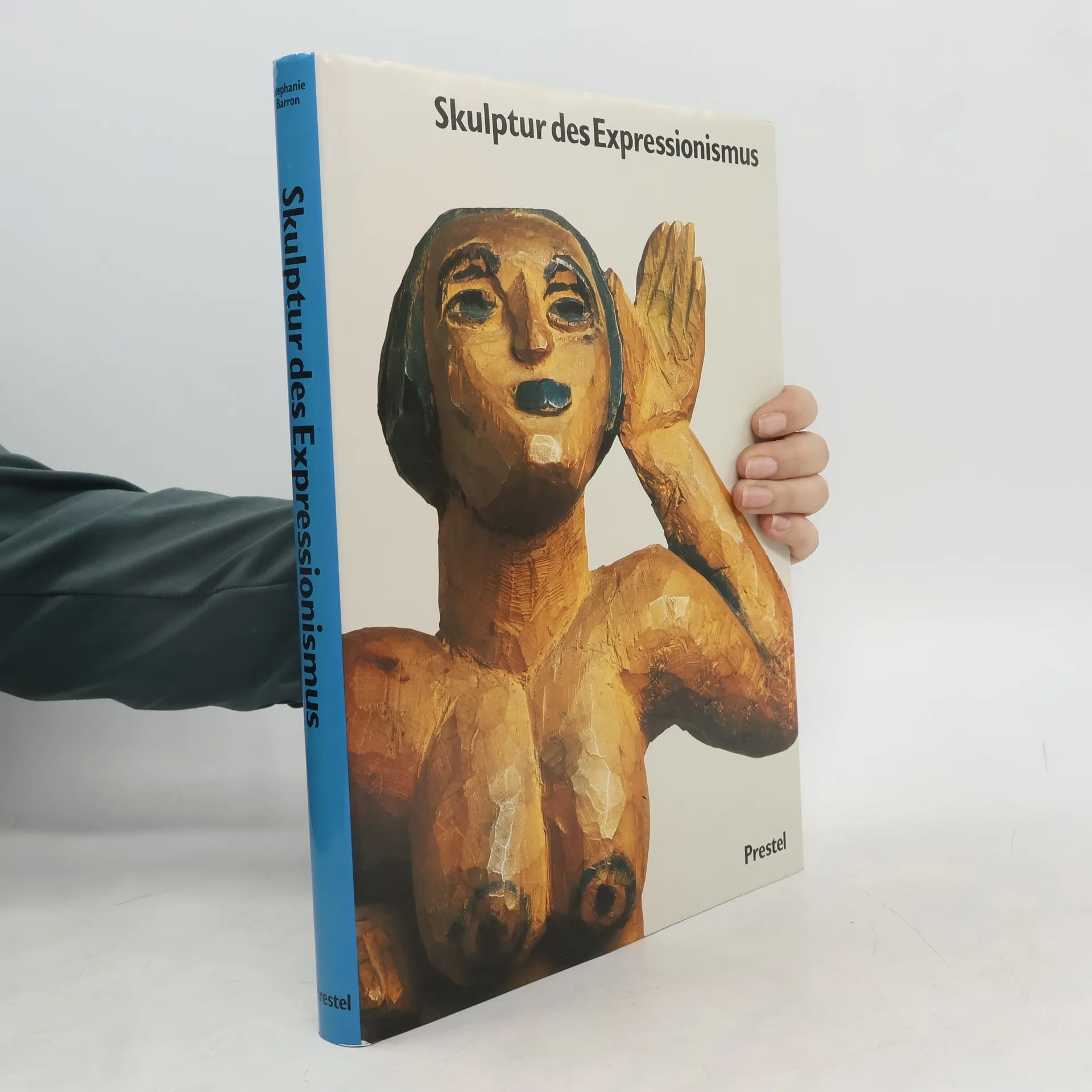
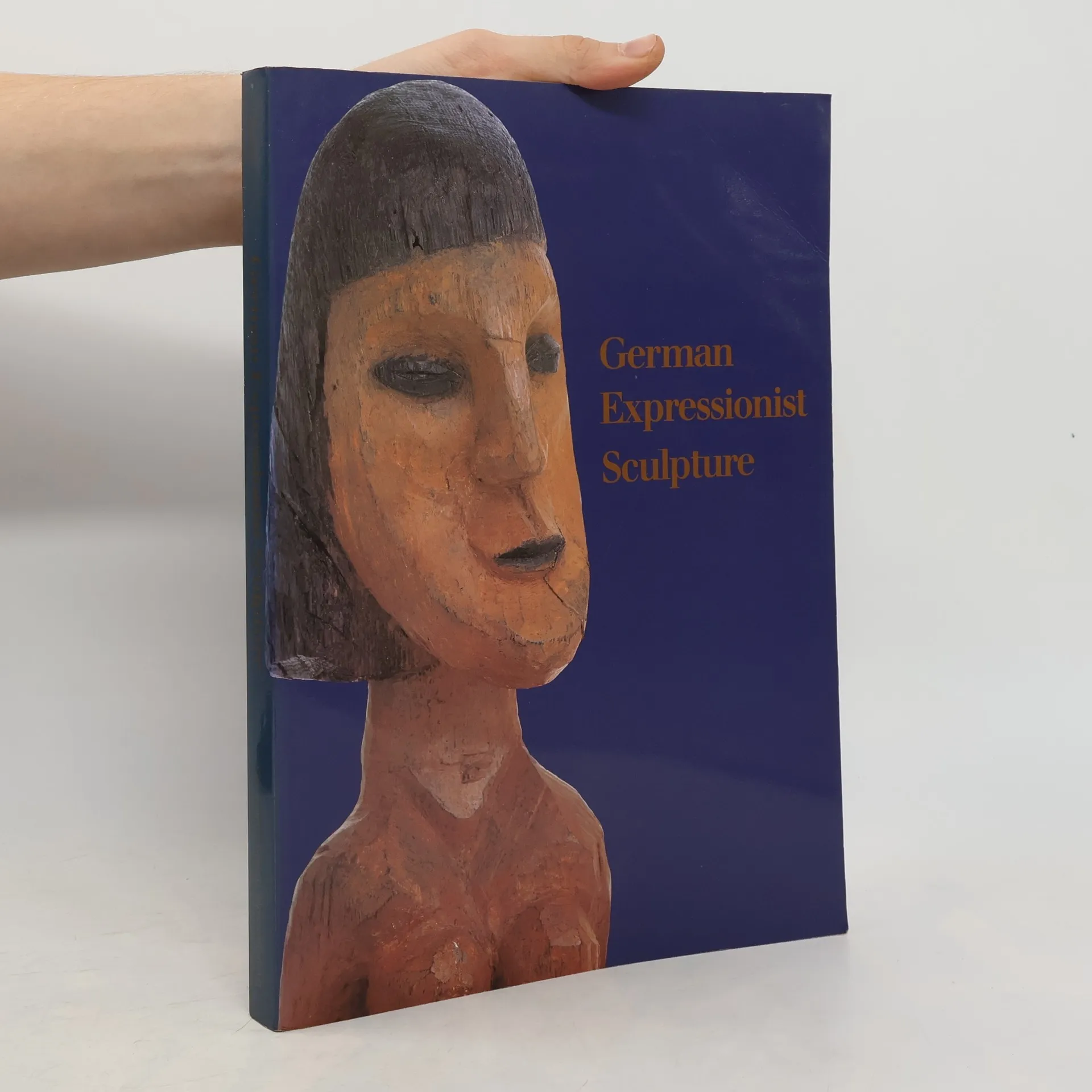
This volume surveys German expressionist sculpture, a modernist movement that emerged in early 20th-century Germany, initially in poetry and painting. Characterized by a subjective perspective, expressionism distorts reality for emotional effect, aiming to evoke moods and ideas rather than depict physical reality. This approach often conveys emotional angst and serves as a reaction against positivism and styles like naturalism and impressionism. The work features over 120 examples of German Expressionist sculpture by thirty-three artists, including notable figures such as Ernst Barlach, Wilhelm Lehmbruck, Georg Kolbe, and Renee Sintenis. It also showcases works by prominent painters and graphic artists like Kathe Kollwitz, Ernst Ludwig Kirchner, and Max Beckmann, whose reputations extend beyond sculpture. Additionally, the catalog explores contributions from lesser-known artists of the second generation of Expressionism, including Herbert Garbe and Conrad Felixmuller. The volume includes varied writings from the artists themselves, alongside evaluations from contemporary critics and scholars. Seven essays and translated excerpts from contemporary texts emphasize the artists' material concerns and their fascination with African and Oceanic art, enriching the understanding of this dynamic movement.
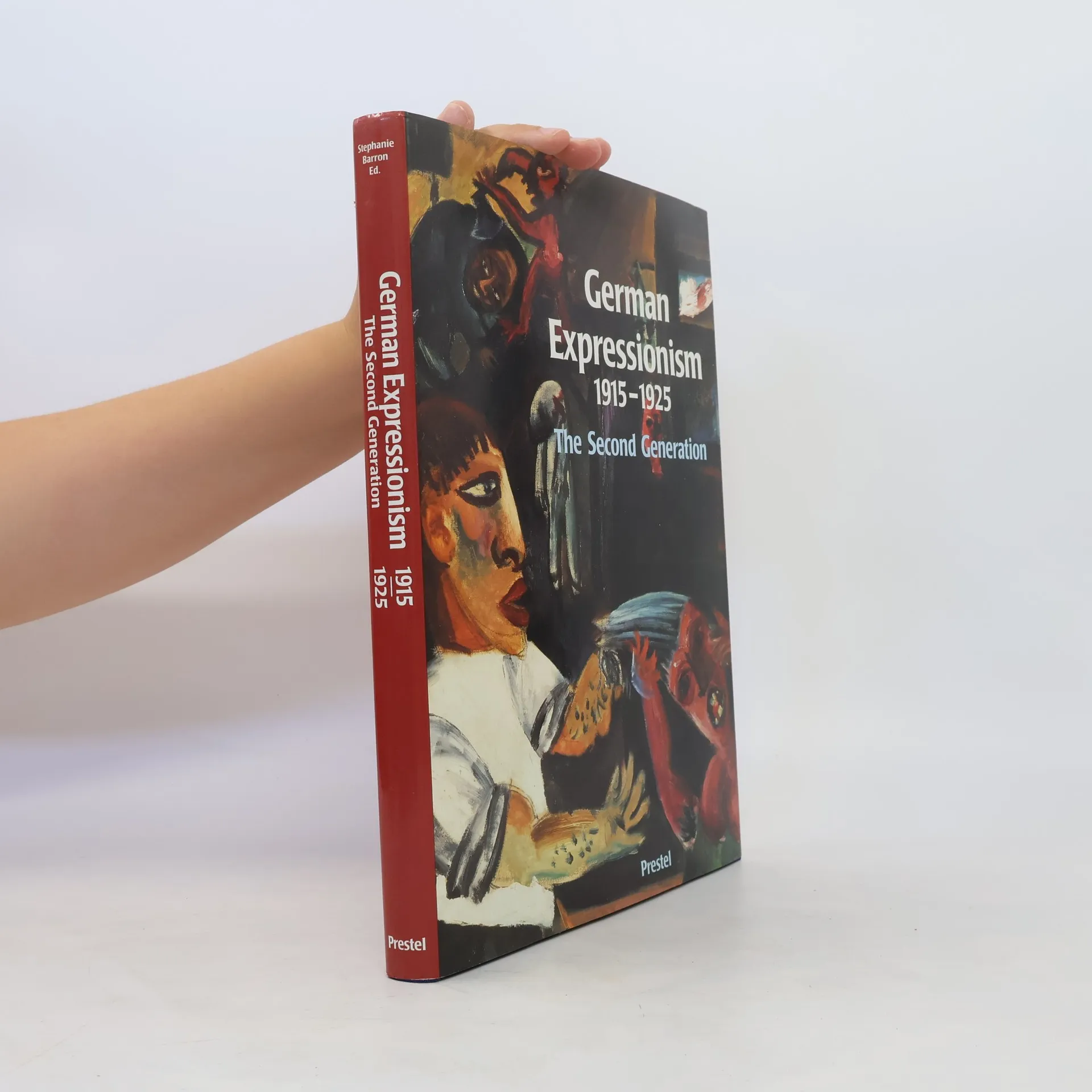
Looks at the development of the Expressionist movement, profiles leading artists, and shows examples of paintings, prints, and sculpture
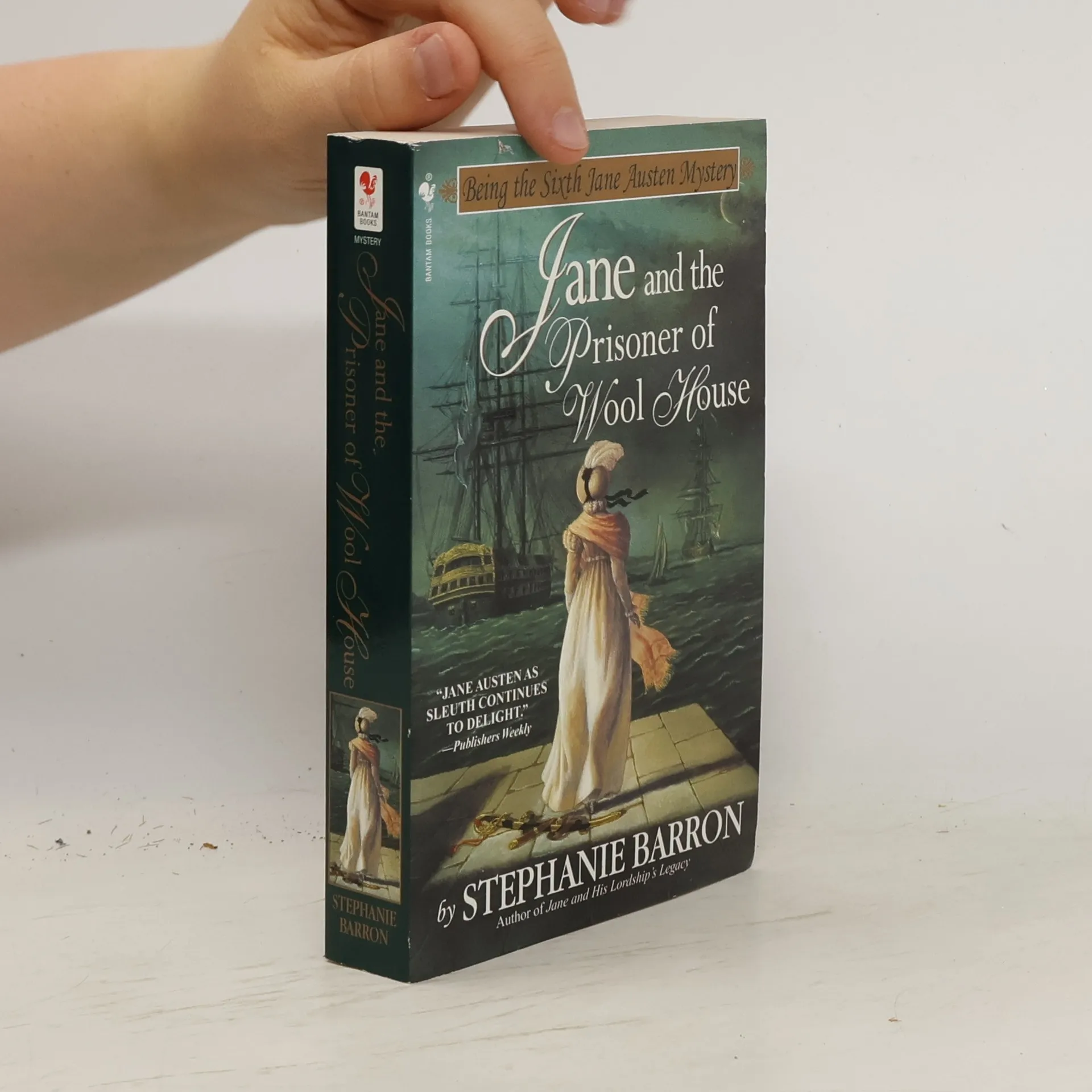
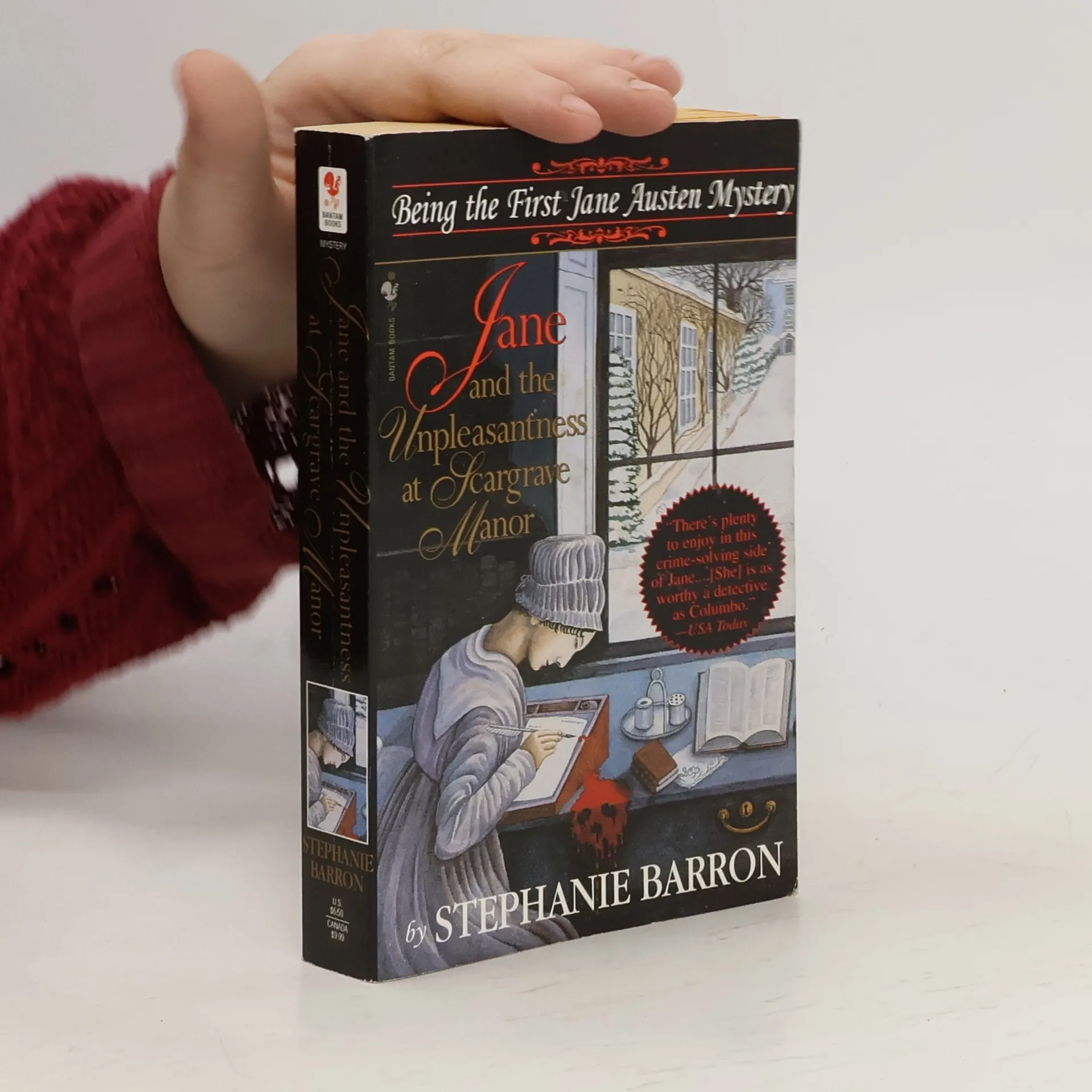
Set in March 1817, the story follows Jane Austen as she grapples with declining health while investigating the mysterious death of a student at Winchester College. The victim, Arthur Prendergast, is found with a note that implicates William Heathcote, the son of a close friend. As Jane navigates the insular and often perilous environment of the prestigious school, she must race against time to uncover the truth and exonerate William, all while battling her own deteriorating condition.
PA IChoice /Iquot;Outstanding Academic Book.quot;
Four Decades of Art from the Broad Collections
Jasper Johns to Jeff Four Decades of Art from the Broad Collections, organized by the Los Angeles County Museum of Art (LACMA), is the first large-scale exhibition of the Broads' achievement, presenting more than 100 works of art from these two significant collections. The show highlights American artists whose paintings, sculptures, and photographs the Broads have acquired in depth, among them Andy Warhol, Jean-Michel Basquiat, Roy Lichtenstein, Cindy Sherman, and Cy Twombly, Johns, Koons, and the Los Angeles artists John Baldessari, Sharon Lockhart, Charles Ray, Ed Ruscha, and Robert Therrien. German artists such as George Baselitz and Anselm Kiefer are also represented. Together, these works form an invaluable record of the artistic achievements of the past forty years.This catalogue, published in conjunction with the exhibition, illustrates the objects in the exhibition as well as several related works from the Broad collections. The accompanying texts include an interview with Eli and Edythe Broad by exhibition curators Stephanie Barron and Lynn Zelevansky, as well as essays by art historians Thomas Crow, Sabine Eckmann, Joanne Heyler, and Pepe Karmel, which place the works in critical and historical context.
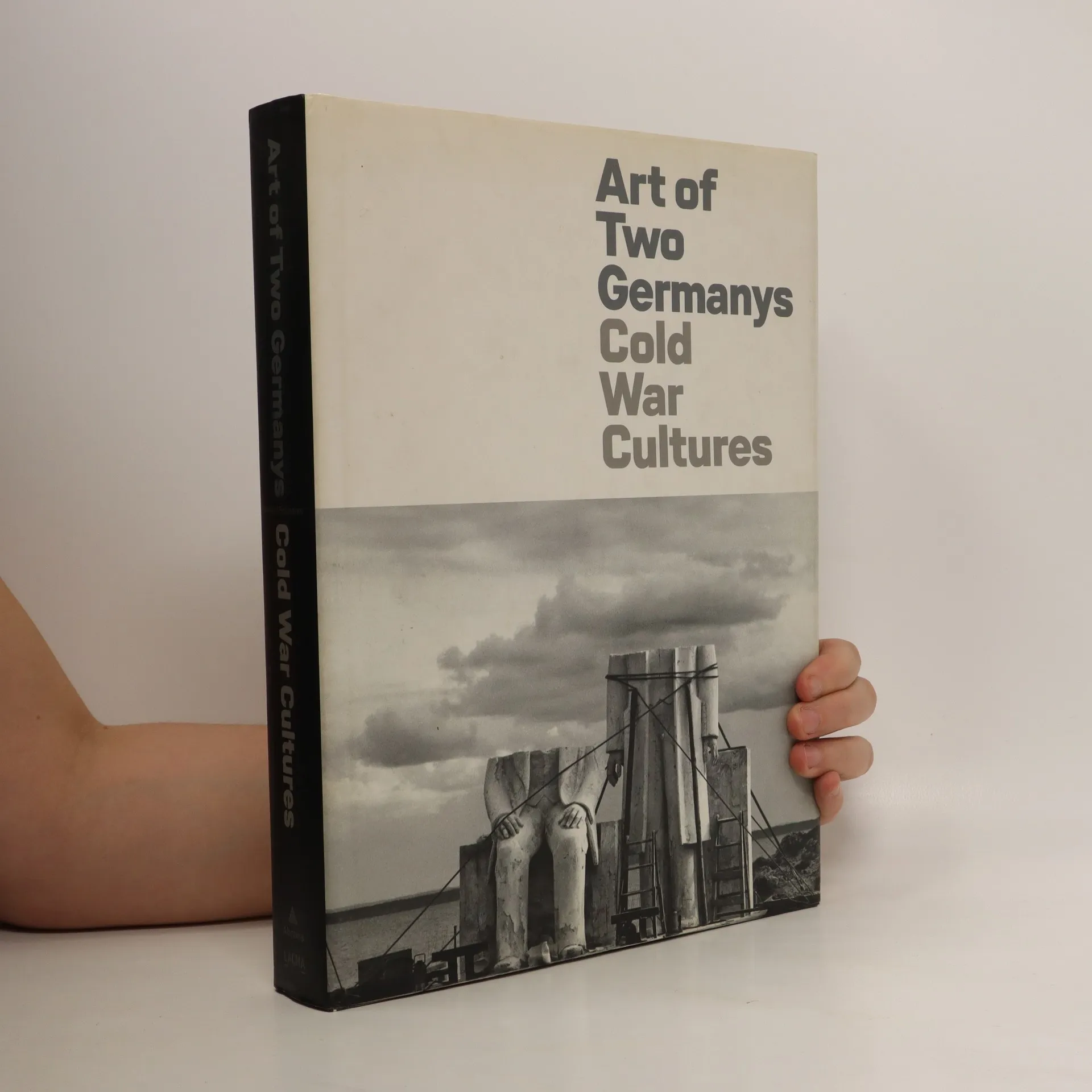
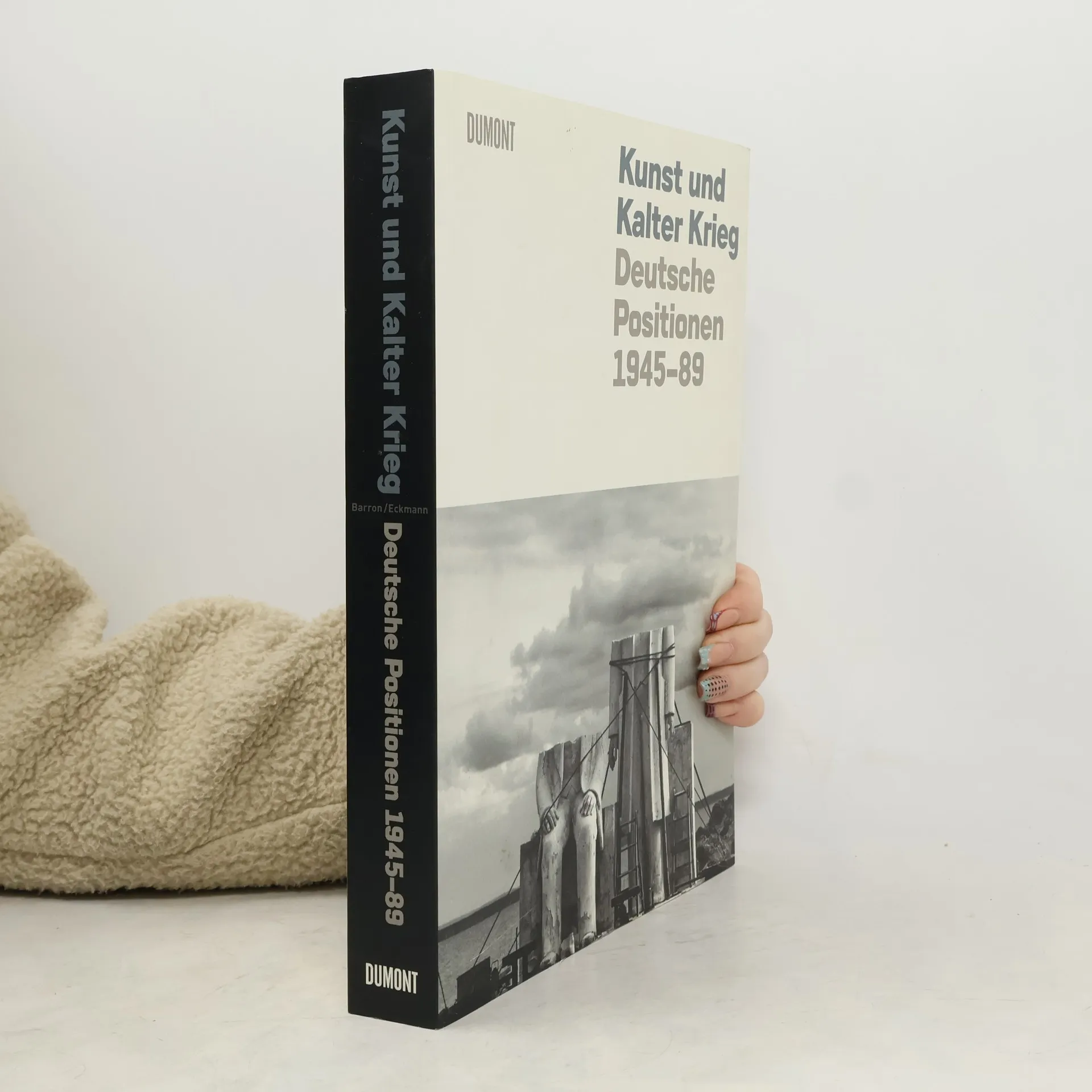
Throughout the Cold War, the creation and reception of art in Germany was inseparably linked to divided political realities. Artists in East and West Germany redeployed the traditions of abstraction and realism in new national and international contexts, creating a wide range of powerful artworks, often responding to popular culture and technologies of reproduction. This substantial and profusely illustrated book, with sixteen important essays by major art historians and cultural critics, is the first comprehensive look at the full extent of postwar German art. It includes work by Georg Baselitz, Willi Baumeister, Bernd and Hilla Becher, Joseph Beuys, Hanne Darboven, Hermann Glöckner, Hannah Höch, Jörg Immendorf, Anselm Kiefer, Blinky Palermo, A. R. Penck, Gerhard Richter, Rosemarie Trockel, Werner Tübke, Wolf Vostell, and many others. Art of Two Germanys/Cold War Cultures is the catalogue for a groundbreaking international exhibition that reveals for the first time the contribution of both Germanys to the development of contemporary art.
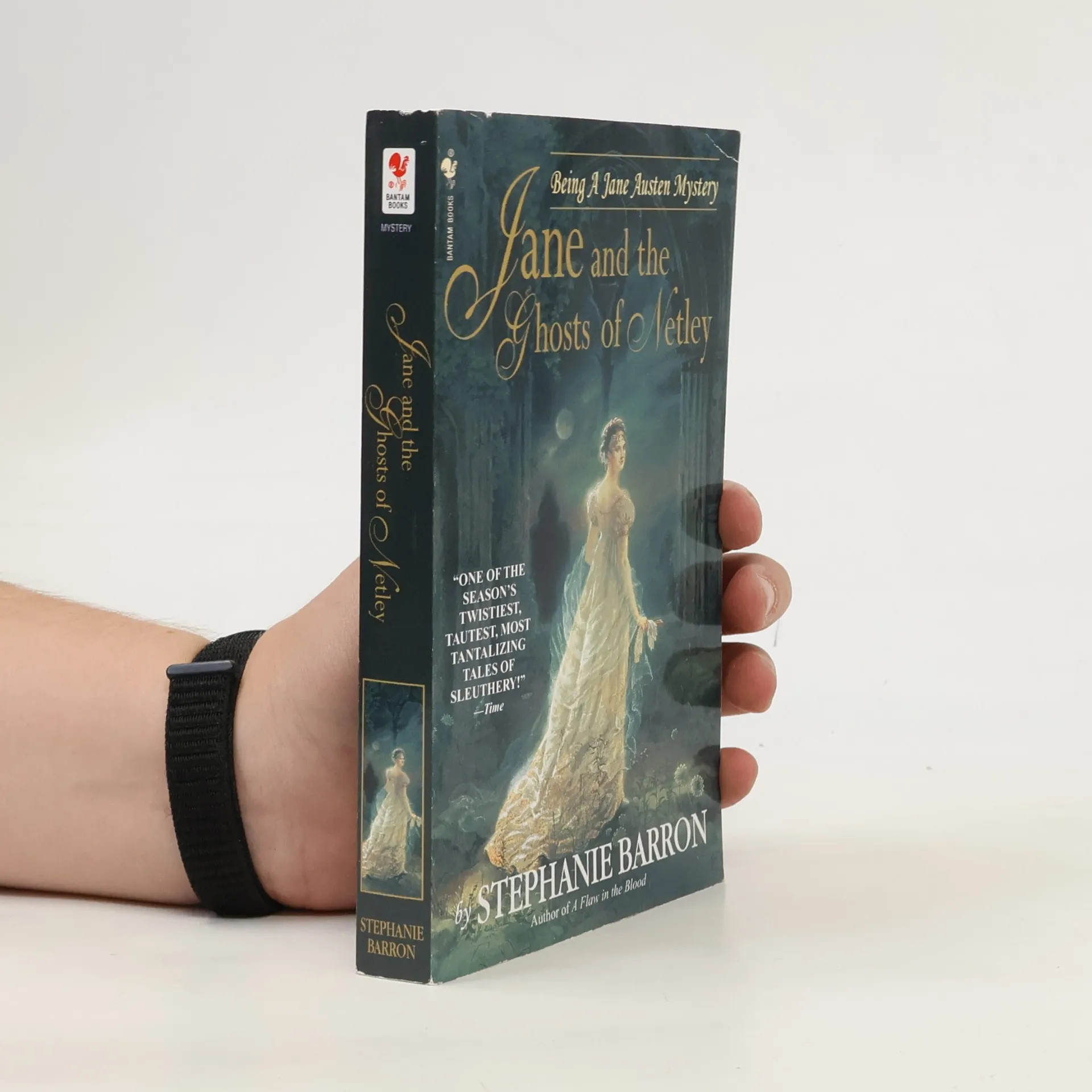
A novel in which Jane Austen must help her brother solve the murder of a member of the Royal Navy
"May 1816: Jane Austen is feeling unwell, with an uneasy stomach, constant fatigue, rashes, fevers and aches. She attributes her poor condition to the stress of family burdens, which even the drafting of her latest manuscript-about a baronet's daughter nursing a broken heart for a daring naval captain-cannot alleviate. Her apothecary recommends a trial of the curative waters at Cheltenham Spa, in Gloucestershire. Jane decides to use some of the profits earned from her last novel, Emma, and treat herself to a period of rest and reflection at the spa, in the company of her sister, Cassandra. Cheltenham Spa hardly turns out to be the relaxing sojourn Jane and Cassandra envisaged, however. It is immediately obvious that other boarders at the guest house where the Misses Austen are staying have come to Cheltenham with stresses of their own-some of them deadly. But perhaps with Jane's interference a terrible crime might be prevented. Set during the Year without a Summer, when the eruption of Mount Tambora in the South Pacific caused a volcanic winter that shrouded the entire planet for sixteen months, this fourteenth installment in Stephanie Barron's critically acclaimed series brings a forgotten moment of Regency history to life"-- Provided by publisher
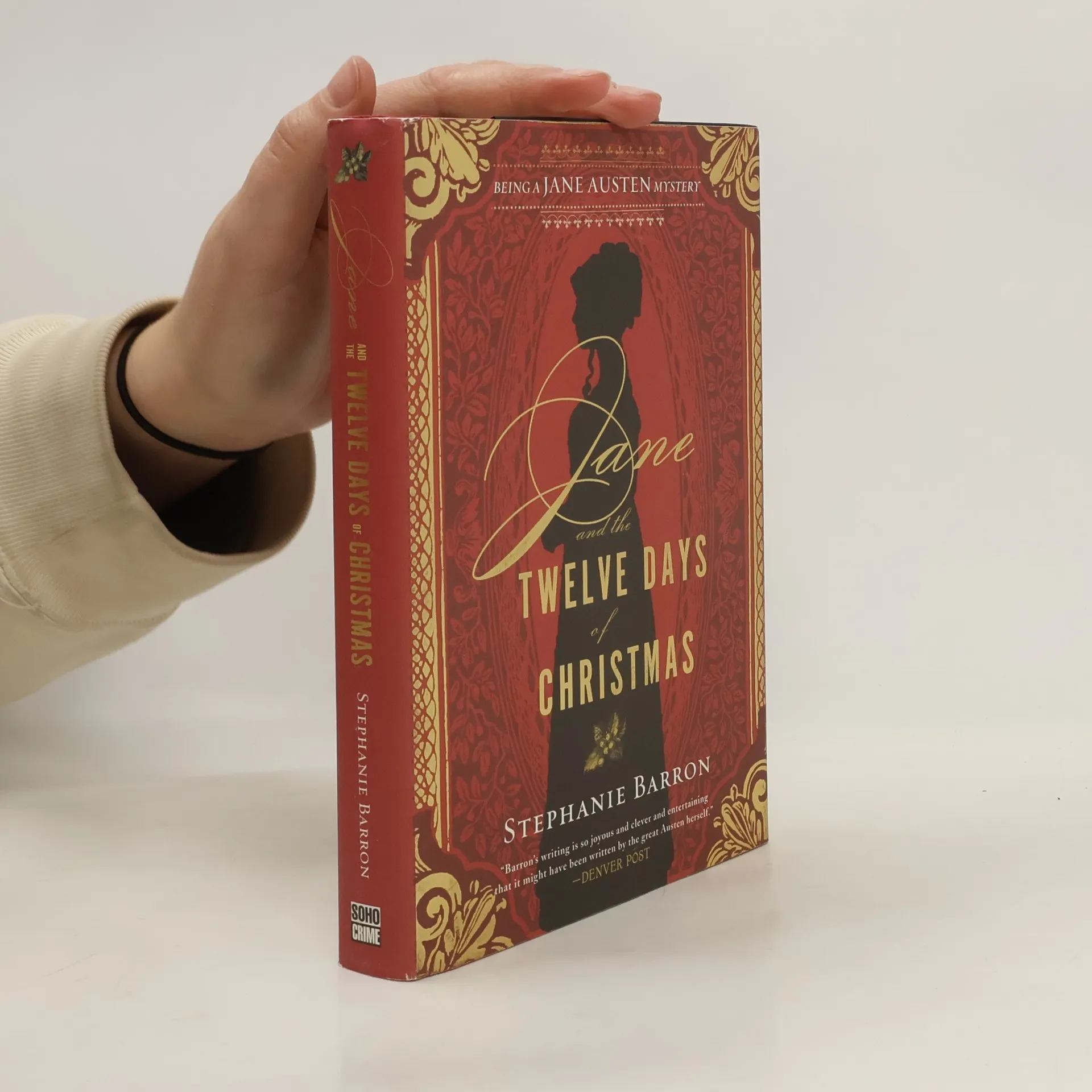
Set against the backdrop of Christmas 1804, the story follows Jane Austen as she is drawn into a peculiar commission by Lord Harold Trowbridge. Tasked with shadowing his niece, Lady Desdemona, who has escaped to Bath to evade the unwanted advances of the disreputable Earl of Swithin, Austen navigates the challenges of a small town while exploring themes of intrigue and societal expectations.