Denisovan Origins
- 432pages
- 16 heures de lecture
Reveals the profound influence of the Denisovans and their hybrid descendants upon the flowering of human civilization around the world







Reveals the profound influence of the Denisovans and their hybrid descendants upon the flowering of human civilization around the world
New evidence showing that the earliest origins of human culture, religion, and technology derive from the lost world of the Denisovans
The legend of the Holy Grail is one of the most profound and enduring mysteries of the last 2,000 years. But did the Grail ever exist and, if so, what would happen if someone were inspired to set about finding it today? Andrew Collins uncovers extraordinary new evidence for the vessel's existence, taking the reader with him into a shadowy world of arcane societies and occult knowledge. This is a colorful and passionate story of strange Gnostic sects and the dark side of Catholic history, all set against a backdrop of visionary events experienced by the author and his colleagues as they search for Christianity's ultimate holy vessel.
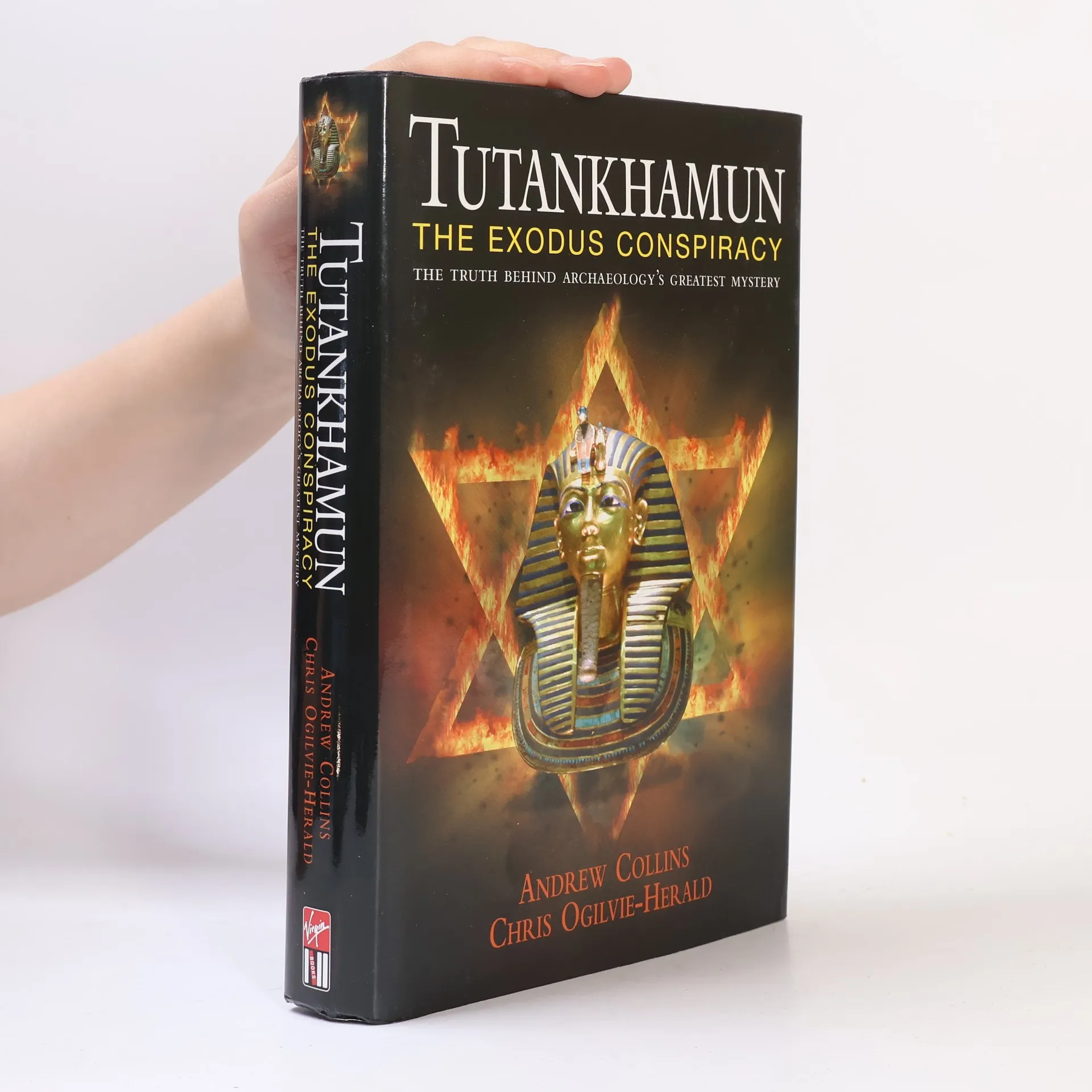
The Truth Behind Archaeology's Greatest Mystery
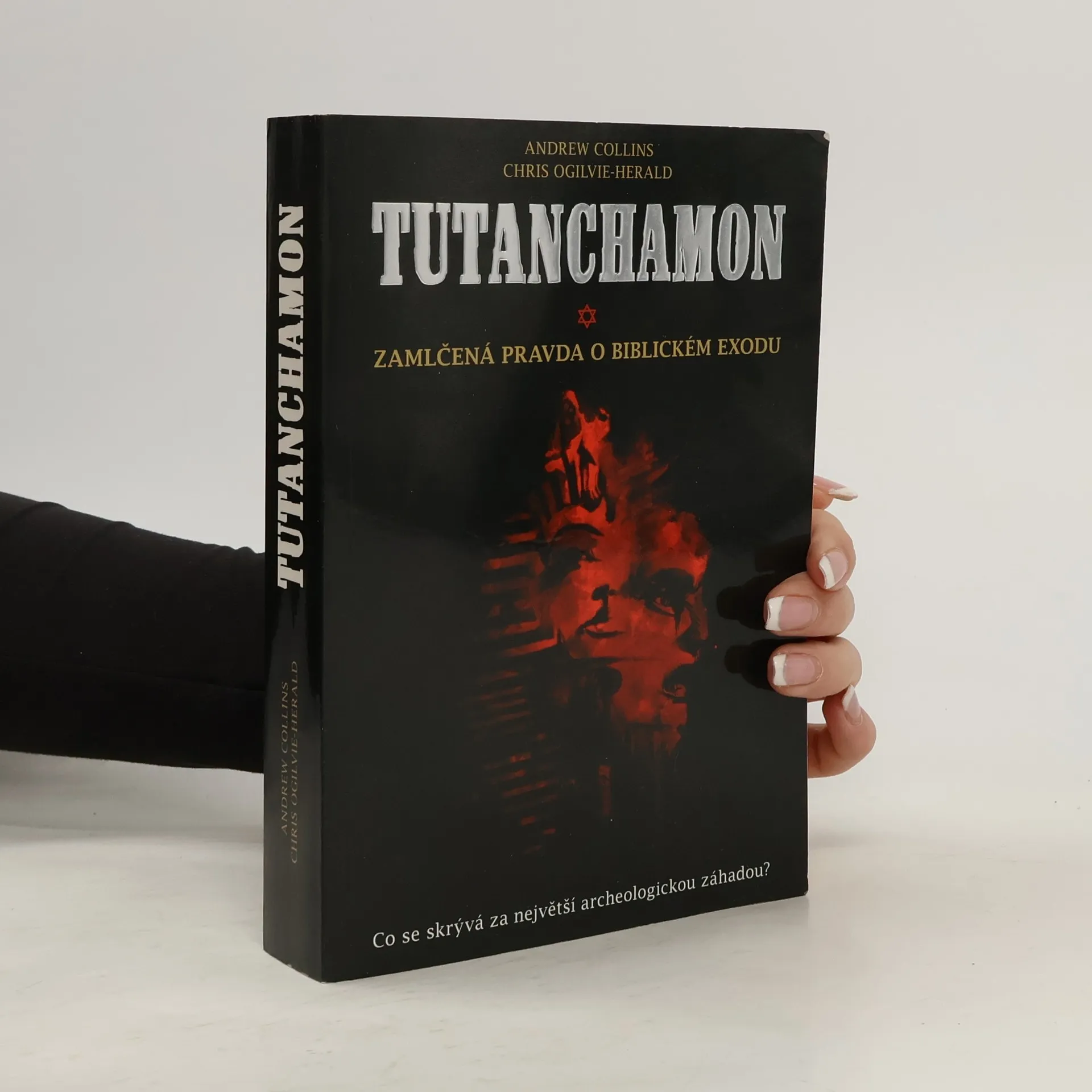
Focussing its startling argument on lost papyrus documents found in the tomb, Tutankhamun questions the historical wisdom and biblical evidence of the Exodus, investigating the issues of land ownership and occupation which are still so typical in the Middle East today. In 1924, Howard Carter - the discoverer of the tomb - threatened to reveal the contents of the papyri discovered therein, but was dissuaded. An earlier attempt to use the documents for personal gain may have involved the Earl of Carnarvon - Carter's aristocratic patron - who died under mysterious circumstances in 1923. This account reveals the events surrounding his death, as well as the fate of the missing papyri, the origins of Zionist aspirations in Palestine and the origin of the infamous curse of Tutankhamun. The papyri are thought to contain a version of the Exodus story completely at odds with that of the Bible. They allege that those seen as Israelites under the command of Moses were in fact made up of a band of expelled followers of the herectic king Akhenaten's fallen monotheistic religion and a large group of mixed Asiatic peoples. This is the most comprehensive overview and investigation into this alluring archaeological mystery.
Beneath the pyramids of Egypt lies a lost underworld of catacombs, hewn chambers, and cave tunnels. They are alluded to in ancient texts and Arab legends, but have been left unexplored until today. They have now been rediscovered and investigated for the first time by science and history writer Andrew Collins. What exactly does this subterranean realm tell us about the pyramids, their relationship to the stars, and the mythical origins of Egyptian civilization? Lavishly illustrated with color photos, this is a breathtaking personal journey of exploration and discovery.
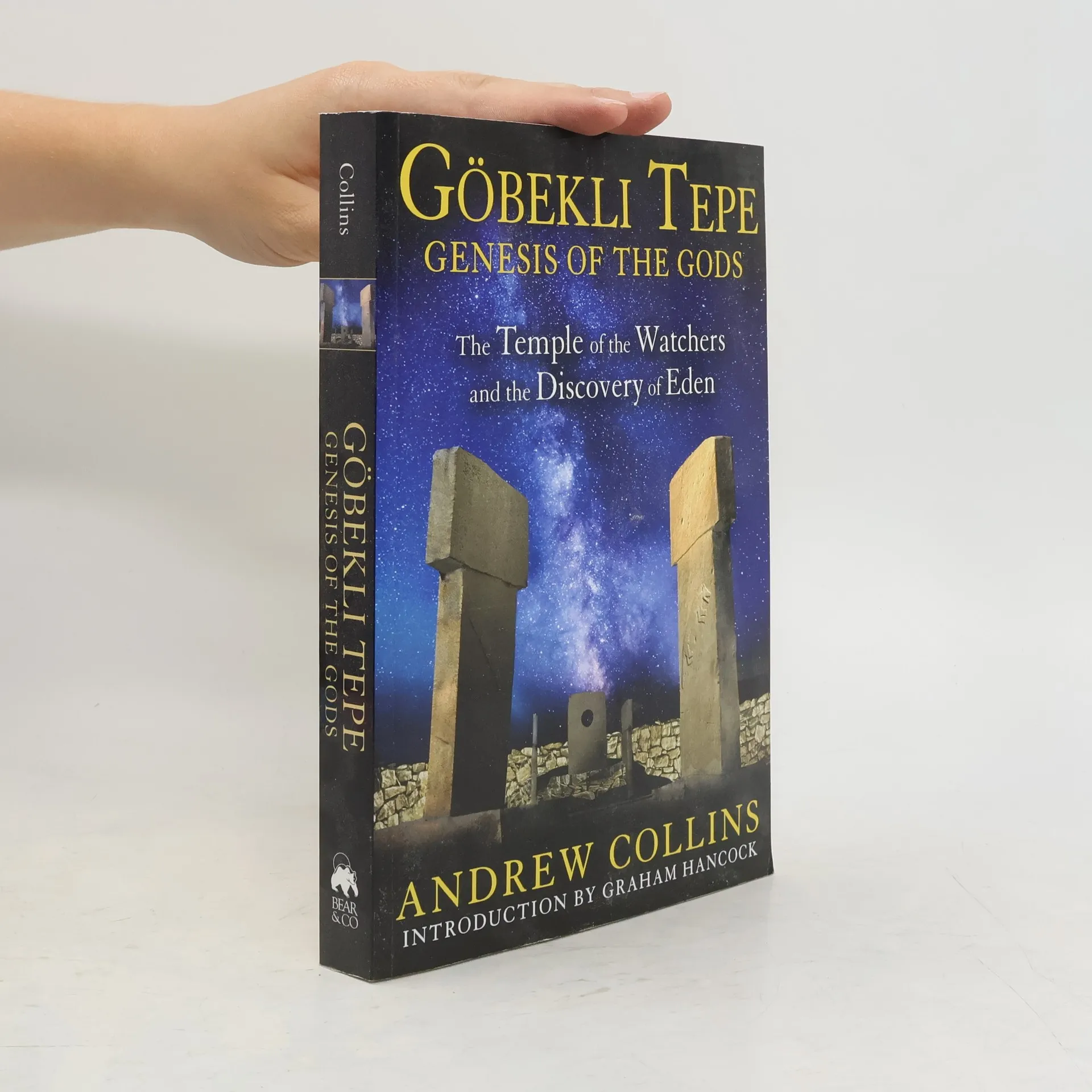
An exploration of the megalithic complex at Goebekli Tepe, who built it, and how it gave rise to legends regarding the foundations of civilization.
This work presents compelling evidence that angels, demons, and fallen angels were once flesh-and-blood members of a giant race known as the Nephilim, predating humanity. It posits that the earthly paradise of Eden was located in the mountains of Kurdistan. The author explores how these beings, described in mythology as beautiful and intelligent messengers of the gods, fell from grace due to pride. Referred to as Watchers in biblical texts, they lusted after human women, resulting in the birth of the Nephilim. These beings also imparted forbidden knowledge to humanity, leading to their downfall during the Great Flood. Andrew Collins argues that these entities lived in Egypt before the ancient Egyptians, constructing monumental structures like the Sphinx, and later retreated to eastern Turkey after cataclysmic events at the end of the Ice Age. In isolation, they eventually interacted with emerging human societies in Mesopotamia. Humanity viewed these tall, white-haired beings with viperlike faces and burning eyes as gods, associating them with the paradise that housed the tree of knowledge. Collins illustrates how the legends surrounding the Watchers' fall reflect real historical events, suggesting that their legacy is one we must acknowledge to avoid peril.
Civilization of the Anunnaki and the Cosmic Origins of the Serpent of Eden
Exploring the ancient structures of Karahan Tepe, this investigation delves into the identities of its builders and the site's cosmic shamanic significance. The book examines the architectural features and cultural context, revealing insights into the spiritual and ritualistic practices of the time. Through a detailed analysis, it uncovers the connection between these monumental structures and their role in ancient cosmology, offering a fresh perspective on the purpose behind their construction.
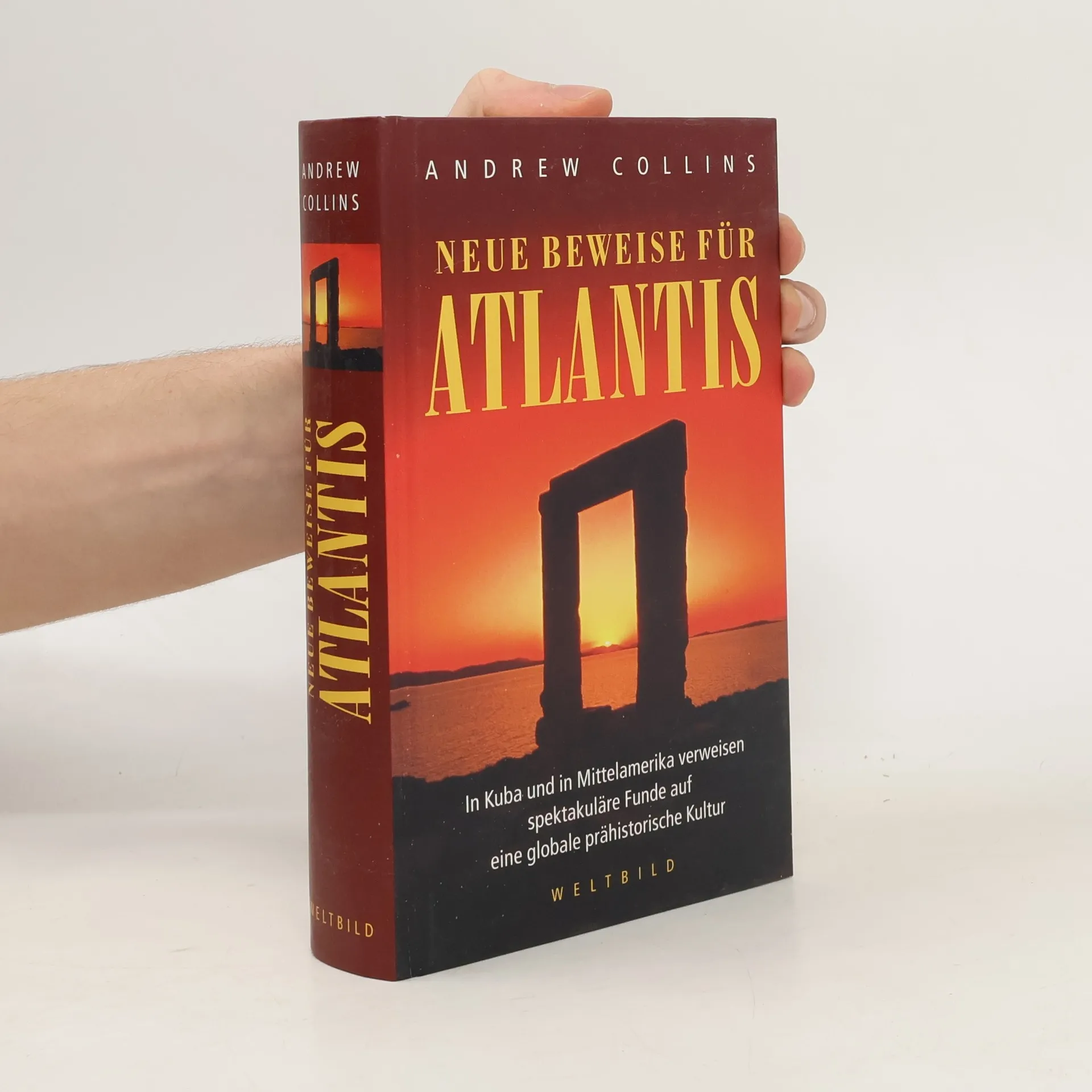
Historian Andrew Collins, after years of travel and research, has gathered convincing evidence that may establish not only that Atlantis did indeed exist but also that remnants of it survive today. His journey into the past follows the clues left by Plato, and they take him far beyond Crete and the Mediterranean, where scholars in recent times have located Atlantis. So do mummies in Egypt, Roman wreckage in the West Atlantic, the African features of great stone heads in Mexico, and the explosion of a comet 10,500 years ago. For two millennia the fate of Atlantis has fascinated historians, philosophers, and explorers who have debated its reality and searched in vain for a kingdom shrouded in myth and legend. Collins's final destination will shock the experts and amaze all readers. "A bold and imaginative attempt to understand the destruction of the legendary city of Atlantis."—Kirkus Reviews "Probably the most substantial and well researched book on Atlantis since Ignatius Donnelly."—Colin Wilson, author of From Atlantis to the Sphinx
Tutanchamonovu hrobku objevil britský archeolog Howard Carter roku 1922, s některými z dokumentů, jež zde nalezl, ale odmítal veřejnost seznámit. Lord Carnarvon, který Carterův výzkum financoval, si od něj tyto papyry vyžádal k soukromému studiu, několik měsíců poté však ve věku 57 let náhle zemřel. Spolu s ním ze světa odešlo také přísně střežené tajemství; které mohlo zničit nejen Carnarvonovu pověst coby čestného, všemi respektovaného anglického aristokrata, ale i renomé Howarda Cartera, na něhož teď všichni pohlíželi jako na nejslavnějšího egyptologa všech dob. Tajemství, jež možná přispělo k lordově předčasné smrti. Před světem utajené papyry obsahovaly úplně jiné vylíčení příběhu Exodu, než jak jej známe z biblického podání. Kdyby se tehdy, v době, kdy mezinárodní média věnovala nálezům a odhalením spojeným s královskou hrobkou mimořádnou pozornost, dostala taková informace na veřejnost, nejenže by způsobila politický a náboženský skandál, ale nejspíš by i navždy změnila tvář světa.
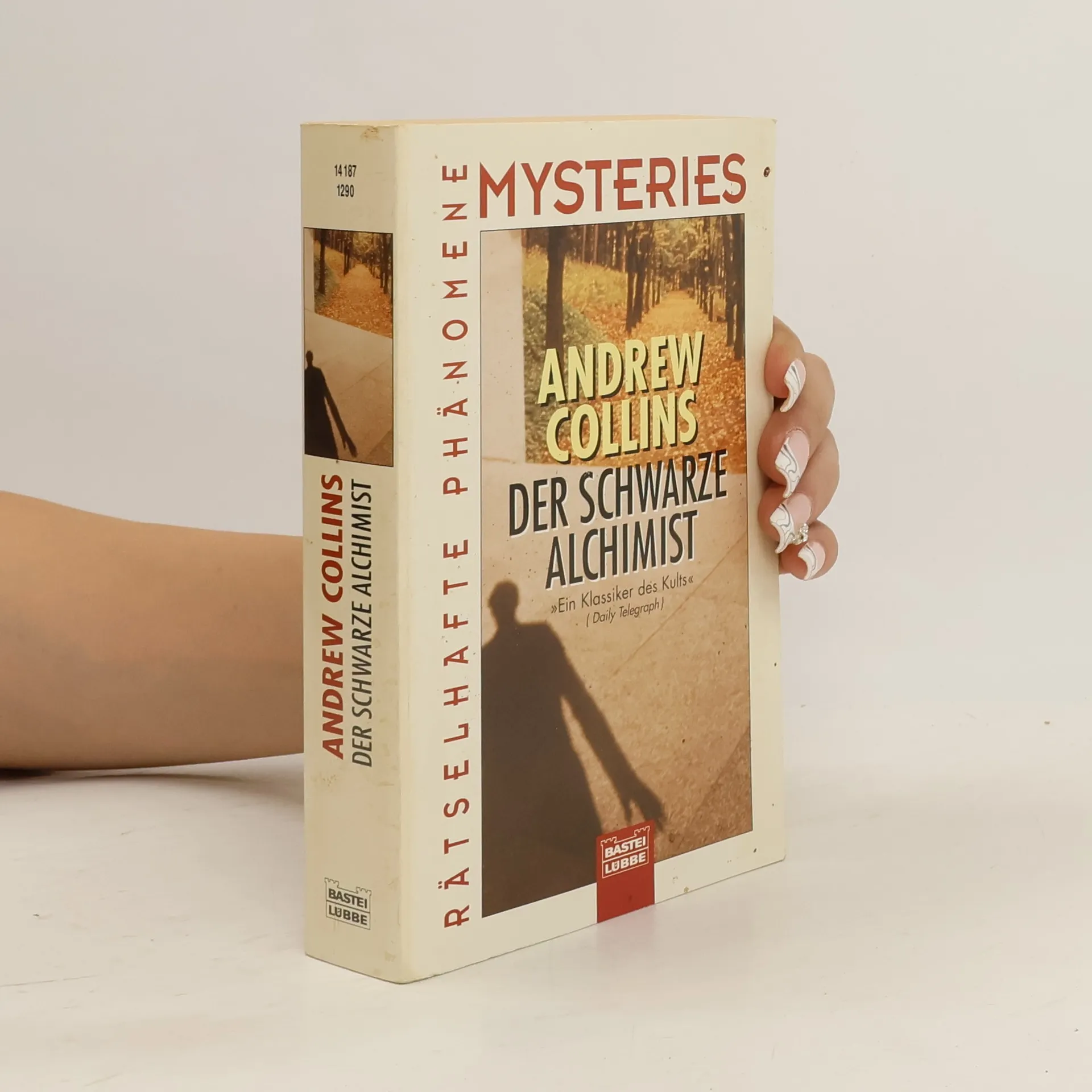
Eine dramatische wahre Geschichte von Magie, Zauberei und übernatürlichem Drama im Großbritannien der 1980er Jahre. Andrew Collins und sein psychischer Begleiter Bernard ziehen durch das südliche England auf der Suche nach einem schwer fassbaren schwarzen Magier und Alchemisten, der magisch aufgeladene Gegenstände an verschiedenen Kraftorten - hauptsächlich Kirchenfriedhöfen - hinterlässt, um ein okkultes Ritual abzuschließen. Ein Klassiker des Genres der hohen Merkwürdigkeit.