Bookbot

Boye Lafayette De Mente

    1 janvier 1928 – 12 mai 2017

    Boyé Lafayette De Mente est un auteur dont l'œuvre étendue puise dans une profonde compréhension des cultures japonaise, chinoise, coréenne et mexicaine. S'étant impliqué dans ces régions depuis le milieu du XXe siècle en tant que journaliste et auteur, il y éclaire les pratiques commerciales et les subtilités sociales. De Mente a été un pionnier dans l'introduction de concepts clés des affaires japonaises au monde occidental, enrichissant notre compréhension de l'éthique et des opérations commerciales japonaises. Ses écrits variés couvrent l'apprentissage des langues, les mentalités culturelles et les dynamiques interpersonnelles, offrant aux lecteurs une perspective unique sur ces sociétés fascinantes.

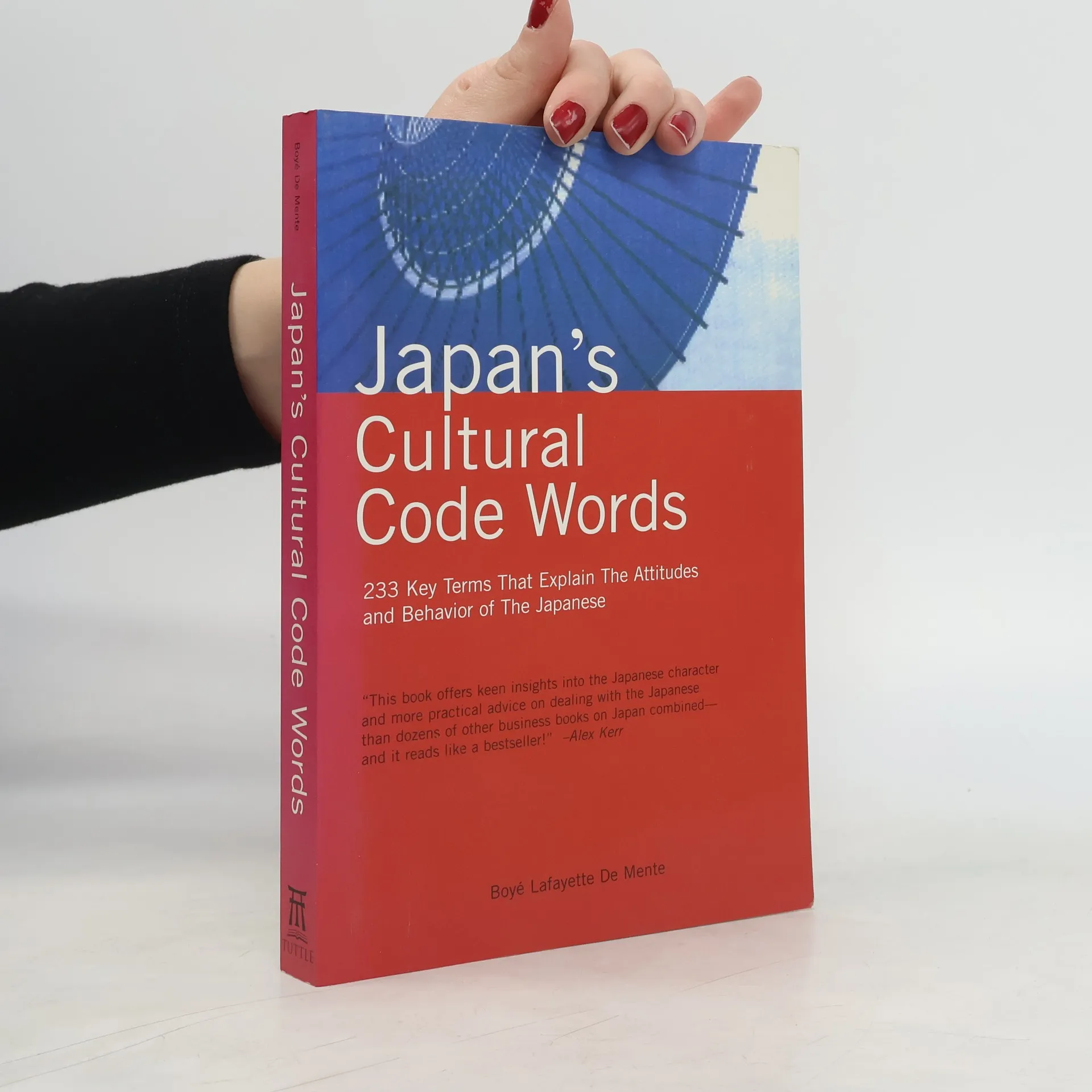
    Japan's Cultural Codewords
    Bachelor's Japan
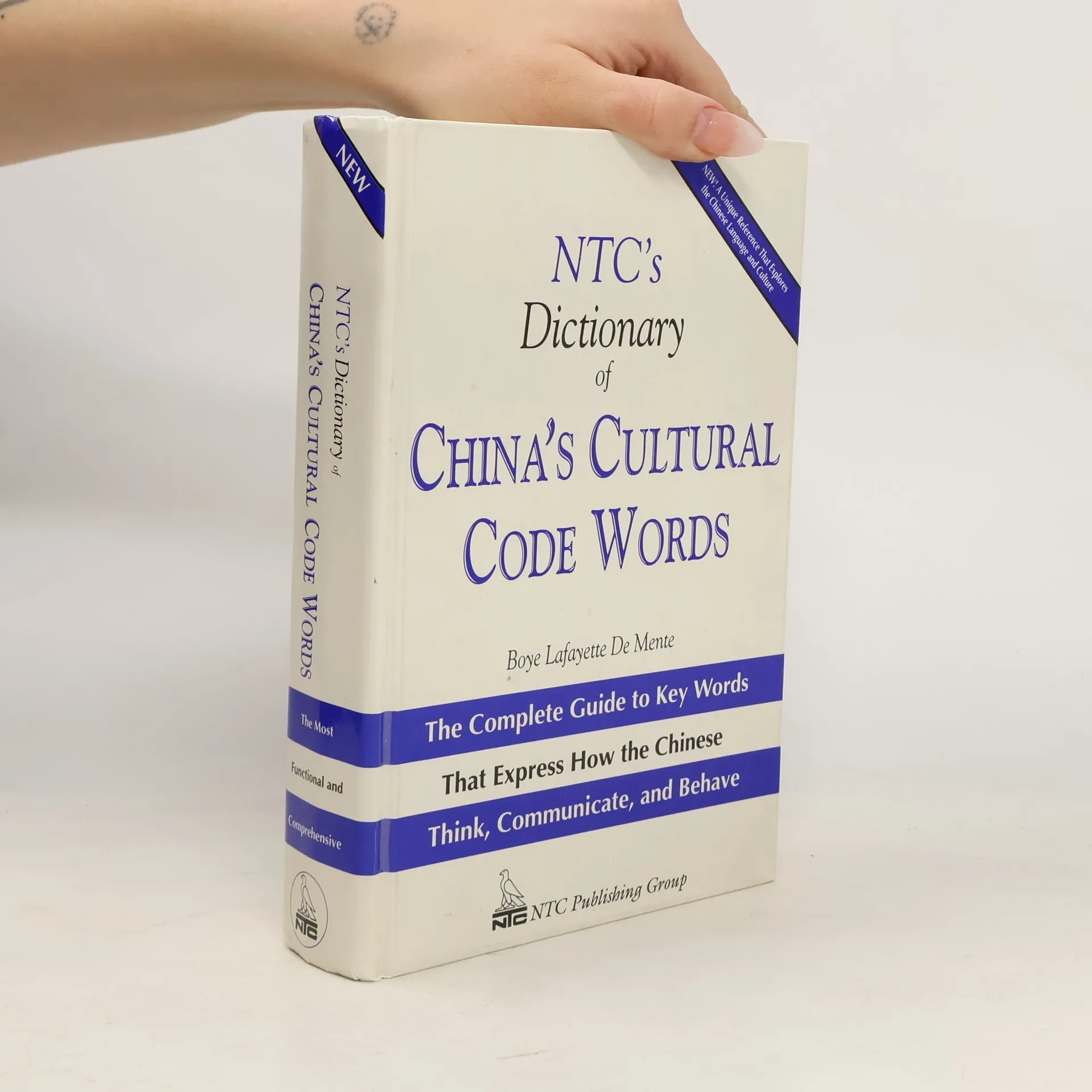
    National Textbook Language Dictionaries: NTC's Dictionary of China's Cultural Code Words
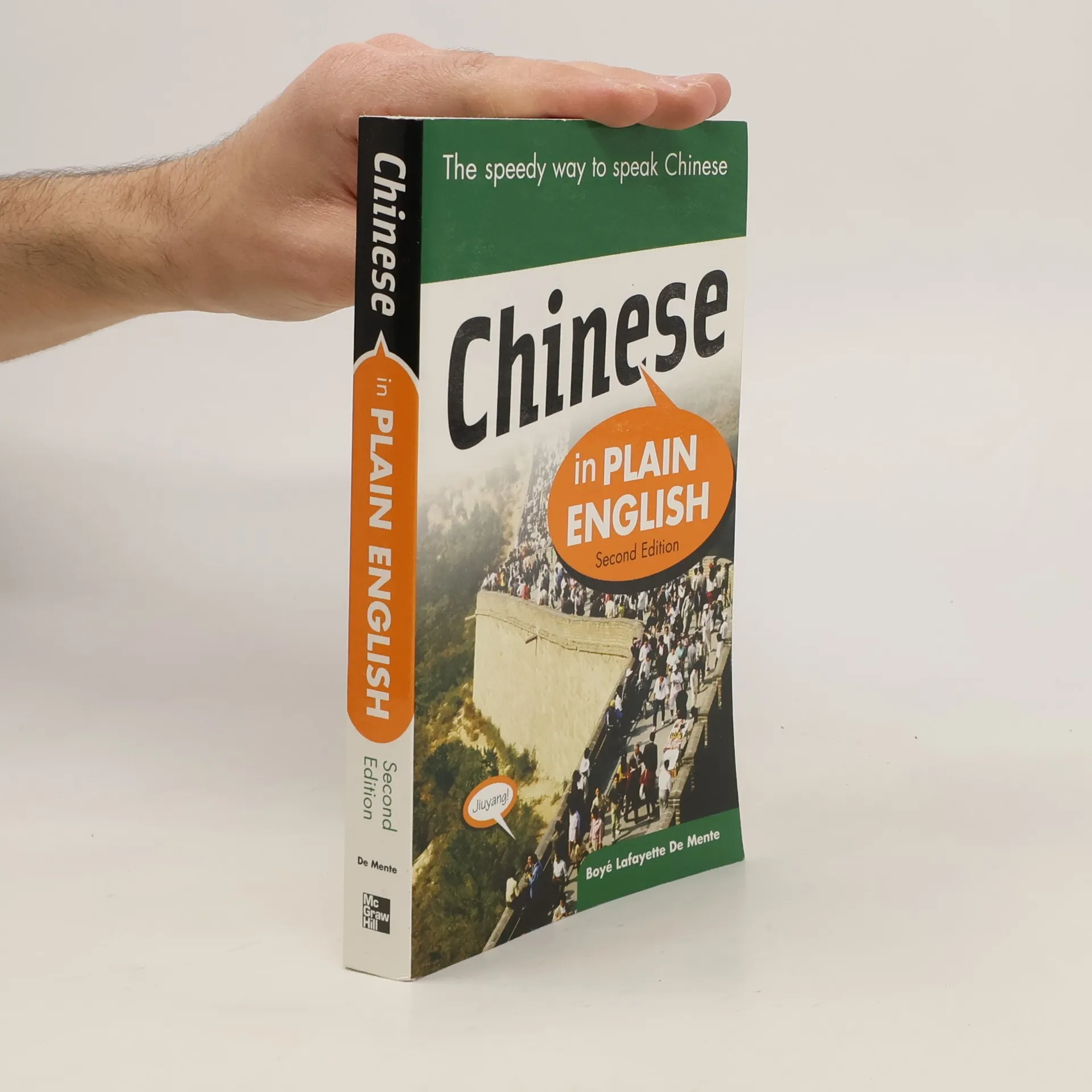
    Chinese in Plain English
    NTC's Dictionary of Korea's Business and Cultural Code Words
    J'Apprends Le Chinois
    • J'Apprends Le Chinois

      • 160pages
      • 6 heures de lecture

      Vous voulez parler un chinois simple mais n'avez pas le temps d'apprendre? Vous allez faire un court voyage en Chine et avez besoin d'un petit manuel pratique pour vous aider à communiquer ? Voici l'outil dont vous avez besoin. J'apprends le chinois c'est apprendre 100 mots et expressions clefs et communiquer avec 500 phrases. L'auteur a sélectionné les mots que vous entendrez répéter tout le temps. Même avec un vocabulaire aussi réduit, vous serez surpris de la vitesse à laquelle vous réussirez à vous exprimer couramment en chinois. Voici un échantillon de ce que vous pourrez faire sans peine : rencontrer des gens, prendre le métro, faire des courses, commander à boire et à manger, demander votre chemin, et plein d'autres choses.

      J'Apprends Le Chinois
    • In NTC's Dictionary of Korea's Business and Cultural Code Words, Boye Lafayette De Mente explores the meanings and cultural context of the most important "code words" of the Korean language, terms whose significance goes well beyond their literal definitions. The reader is given insights into the character and personality of the Korean people, providing bridges for communicating and interacting with them. NTC's Dictionary of Korea's Business and Cultural Code Words features an exploration of more than 230 essential Korean expressions, specific guidelines on how to use and respond to the essential expressions, and a guide to the key cultural themes, linking related code words throughout the book. Businesspeople, students, vacationers, and others who want to know more about the Koreans will find this an invaluable resource.

      NTC's Dictionary of Korea's Business and Cultural Code Words
      4,8
    • Chinese in Plain English

      • 352pages
      • 13 heures de lecture

      Next time someone asks if you know how to speak Chinese, you can say Wo zhidao (Waw jr-dow).* With Chinese in Plain English , you can speak Chinese in no time! Its easy-to-use pronunciation system and straightforward presentation of the basics of the language--with plenty of useful sentences--help you break the language barrier quickly and confidently. How? All the words and phrases in this book are written in Roman script--in plain English--in a form you can use immediately and in the right context. Instantly you'll know the basics of Chinese, from polite pleasantries to the latest technological jargon. Start on the right foot and speak Chinese with ease: Good morning! Zaoshang hao! (Zow-shahng how) Thank you! Xiexie! (She-eh-she-eh) Please call the doctor. Qing jiao yiwei yisheng. (Cheeng jee-ow ee-way ee-shuung) Another round, please. Qing zai lai yi-ge. (Cheeng zigh lie ee-guh) Is Beijing hot during the summertime? Beijing-de xiatian re ma? (Bay-jeeng-duh shee-ah-tee-in run mah) I will be here for about two weeks. Wo meiyou yao baoguan-de dongxi. (Waw may-yoe yow bow-gwahn-duh doong-she) *I know!

      Chinese in Plain English
      5,0
    • Japan's Cultural Codewords

      233 Key Japanese Terms and Expressions to Help You Navigate the Culture Successfully

      • 352pages
      • 13 heures de lecture

      Cultural codewords serve as essential keys to understanding the complexities of Japanese social interactions and norms. Boye Lafayette De Mente delves into 233 significant terms that reflect deeper meanings and behaviors within Japan, ranging from ageashi to zenrei. His expertise, drawn from over 30 publications and extensive consulting experience, provides readers with invaluable insights into the character and customs of Japan. This resource is particularly beneficial for those looking to engage meaningfully in Japanese society, enhancing their understanding of its rich cultural landscape.

      Japan's Cultural Codewords
      3,0
    • Asian Face Reading

      • 128pages
      • 5 heures de lecture

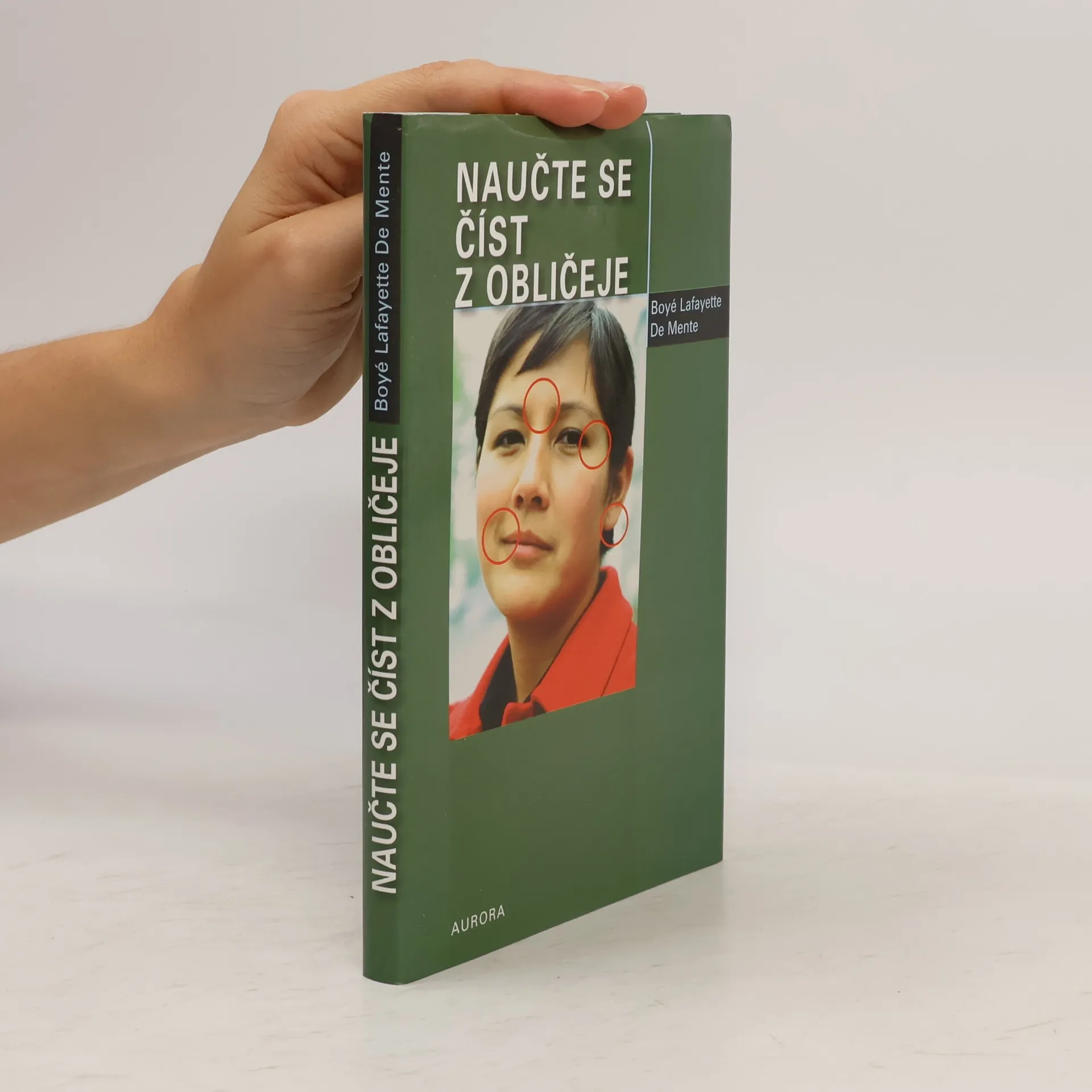
      Imagine how much you could learn if you knew how to evaluate a person's character, health, fortune, social status, sexual charisma, and life expectancy from a careful reading of his or her face.Face reading, a practice as old as man, is a universal art that we all use every daywith varying degrees of skill. We all know and respond to facial expressions that indicate fear, anger, merriment, and other moods, and we know from experience that facial characteristics, such as unusually large eyes or big noses, have an important influence on our lives. In China and Japan, face reading is a respectable analytical tool used to make business decisions, arrange marriages, and evaluate partnerships and friendships.Asian Face Reading offers a quick, practical, easy-to-understand and easy-to-apply introduction to the basic principles of face reading. The book is fully illustrated with dozens of examples readers can use to learn this increasingly popular practiceand to analyze their friends, colleagues, and loved ones.

      Asian Face Reading
      3,5
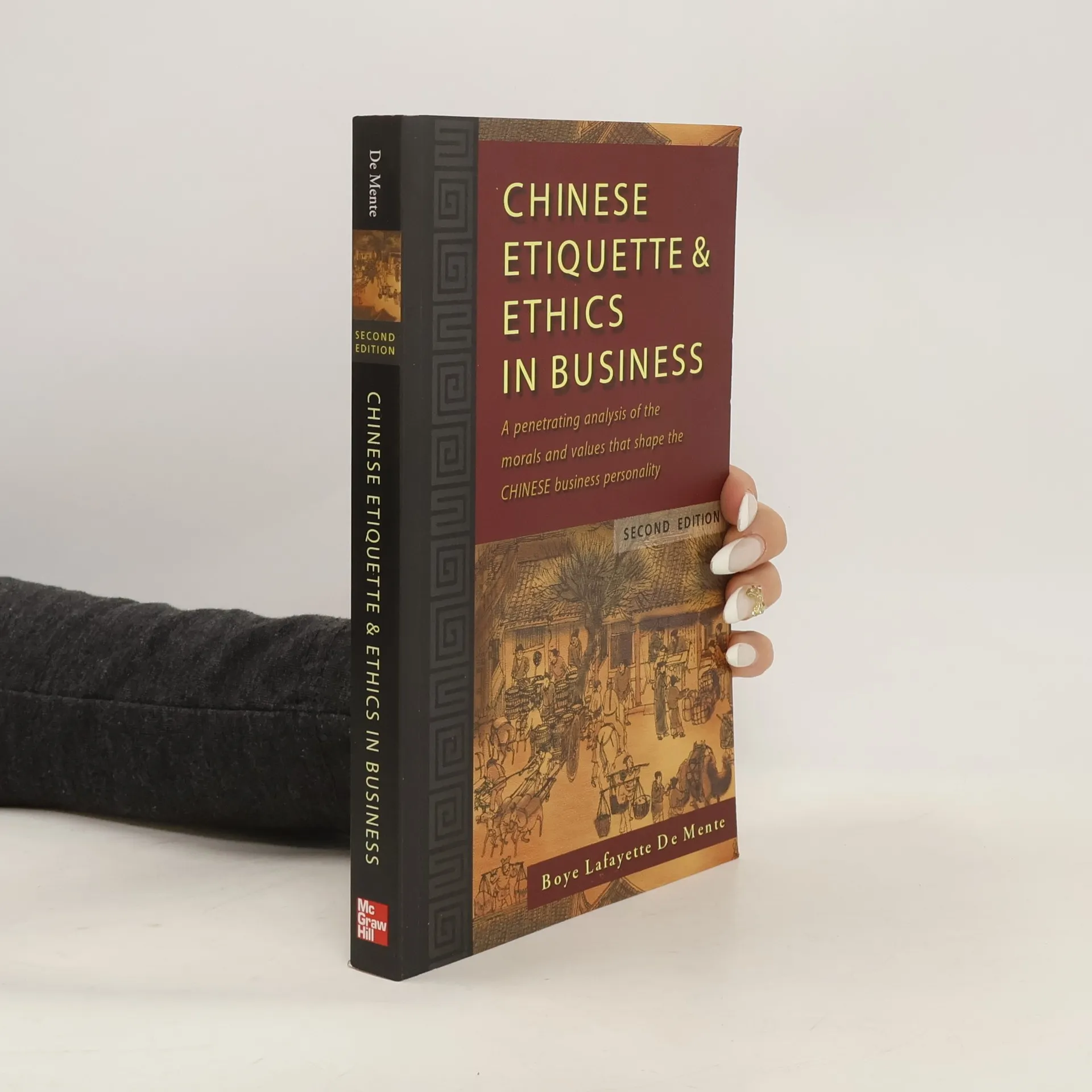
    • Chinese Etiquette & Ethics in Business

      • 230pages
      • 9 heures de lecture

      In this new edition of Chinese Etiquette & Ethics in Business, Boye Lafayette De Mente, who has lived and worked in the Far East for over thirty years, reveals the historic factors, collective traits, and individual qualities that determine how the Chinese do business today and the direction their economies will take in the future His is an insider's view, whether he is discussing the overhaul of laws controlling business development or the importance of good social relationships to successful business relationships. If you are a businessperson who'd like to do business with the Chinese successfully--Chinese Etiquette & Ethics in Business should be at the top of your "must read" list.

      Chinese Etiquette & Ethics in Business
      2,5
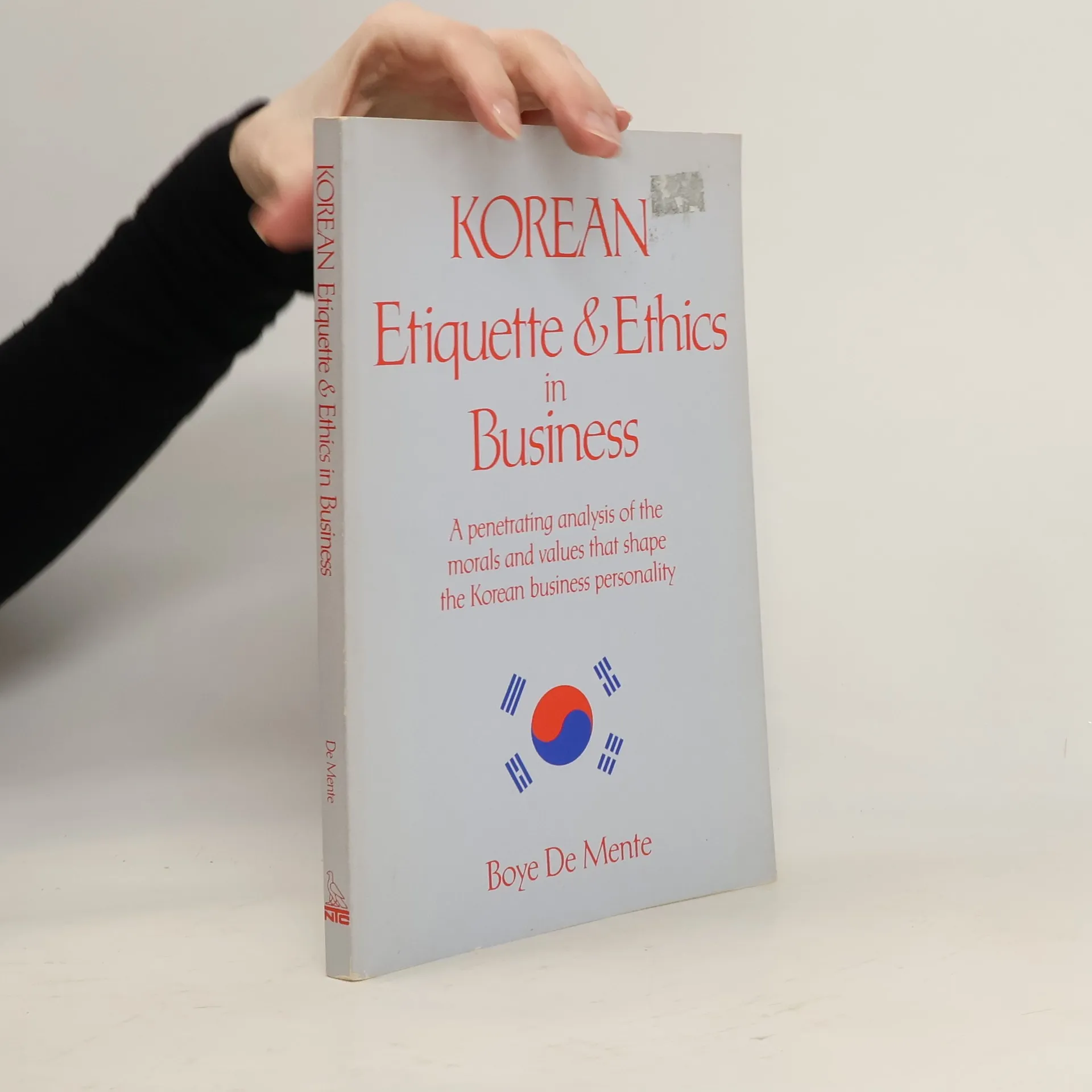
    • Boye Lafayette De Mente has been writing about the Far East for more than three decades. In this second edition of Korean Etiquette & Ethics in Business, he examines the Korean national character, its strong sense of tradition, and the intricate networks of personal connections that are essential to South (and North) Korea's economic growth. If you are considering entering the Korean marketplace or working with Korean's, this book will show you what really makes them tick--and how to do business the Korean way.

      Korean Etiquette & Ethics in Business
      3,0
    • Etiquette Guide to Japan

      • 120pages
      • 5 heures de lecture

      Etiquette Guide to Japan offers an inside look at the social norms of the Japanese-when to bow, how to propose a toast, when to pay the bill, the careful art of gift-giving, how to deal with public transportation, dating, weddings, funerals, and last, but not least, how to say good-bye at the end of your stay. If you want to save yourself from possible embarrassment during your stay in Japan, you will find the Etiquette Guide to Japan to be a much-needed companion.

      Etiquette Guide to Japan
      3,8