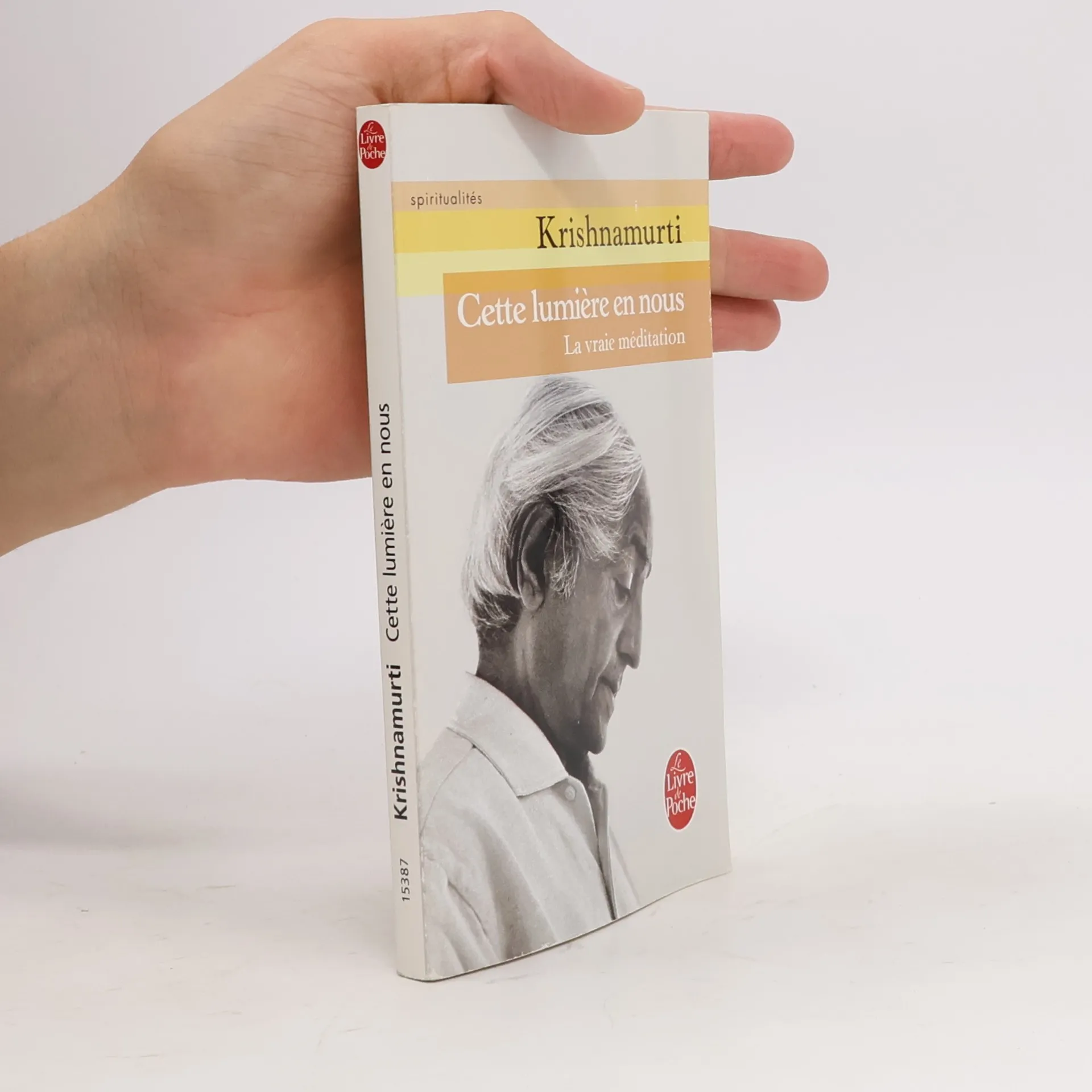
Au cours de nombreuses années de discussions avec des interlocuteurs venus de tous les horizons de la société, comme au cours de causeries publiques qui ont drainé des foules d'auditeurs partout dans le monde, Krishnamurti n'a cessé de souligner la nécessité de rentrer en soi-même, de se connaître soi-même, si l'on veut pouvoir comprendre les racines profondes des conflits communs à l'individu et à la société - car " nous sommes le monde ", et c'est donc notre chaos personnel qui est à la source du désordre général. Les extraits de causeries inédites présentés ici illustrent la vision intensément lucide grâce à laquelle Krishnamurti a su explorer et faire découvrir à tous la source originelle de sa vraie liberté, de sa vraie sagesse, de sa vraie vertu. Une vision qui défie le temps.
Jiddu Krishnamurti Livres
Jiddu Krishnamurti était mondialement reconnu comme l'un des plus grands penseurs et enseignants spirituels de tous les temps. Il n'exposait aucune philosophie ni religion, mais parlait des préoccupations de notre vie quotidienne, des défis de la société moderne avec sa violence et sa corruption, de la quête individuelle de sécurité et de bonheur, et du besoin de l'humanité de se défaire des fardeaux intérieurs de peur, de colère, de blessure et de chagrin. Il expliquait avec précision le fonctionnement subtil de l'esprit humain, soulignant la nécessité d'apporter une qualité profondément méditative et spirituelle à la vie de tous les jours. Ses enseignements, bien que pertinents pour l'époque moderne, sont intemporels et universels.

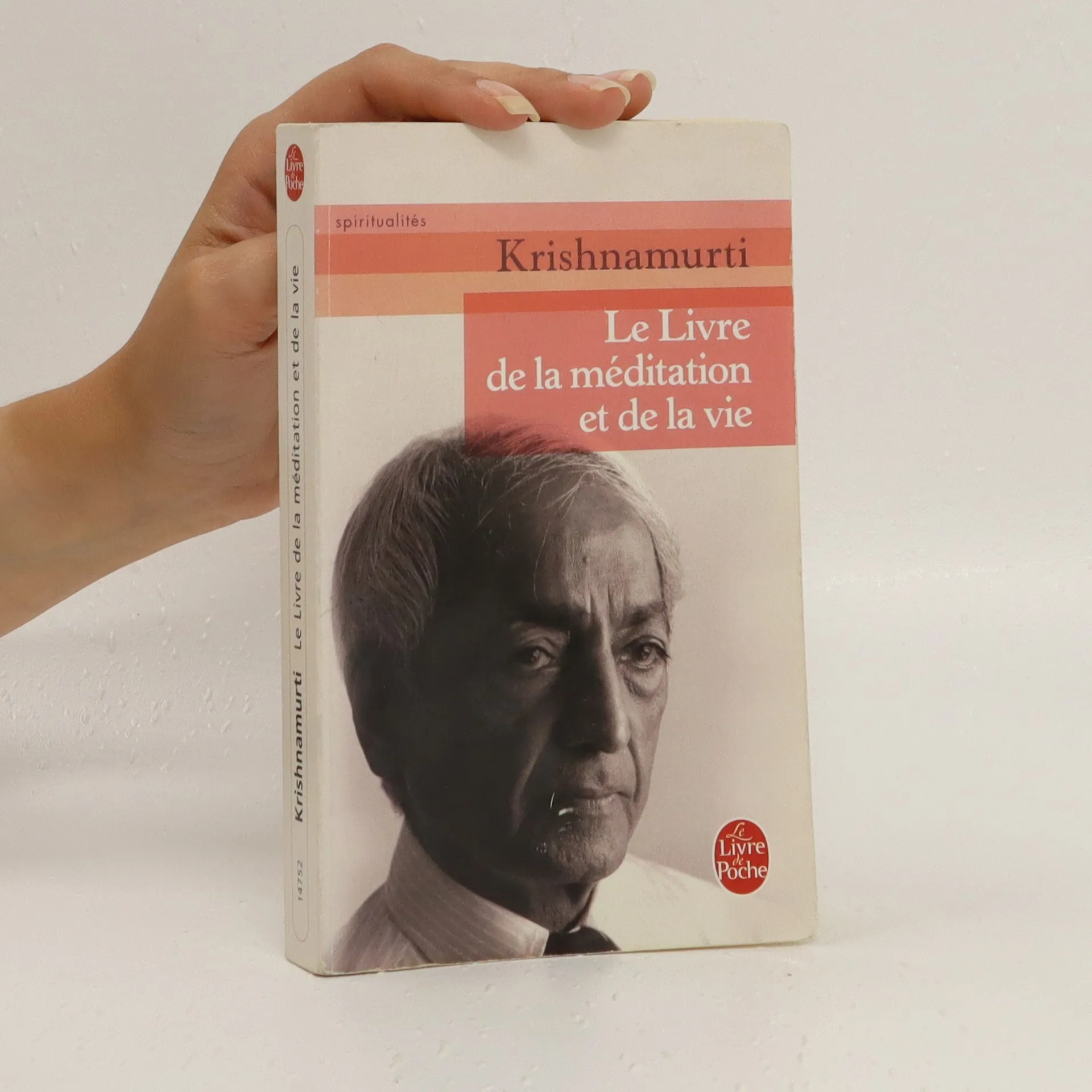
Le livre de la méditation et de la vie
- 411pages
- 15 heures de lecture
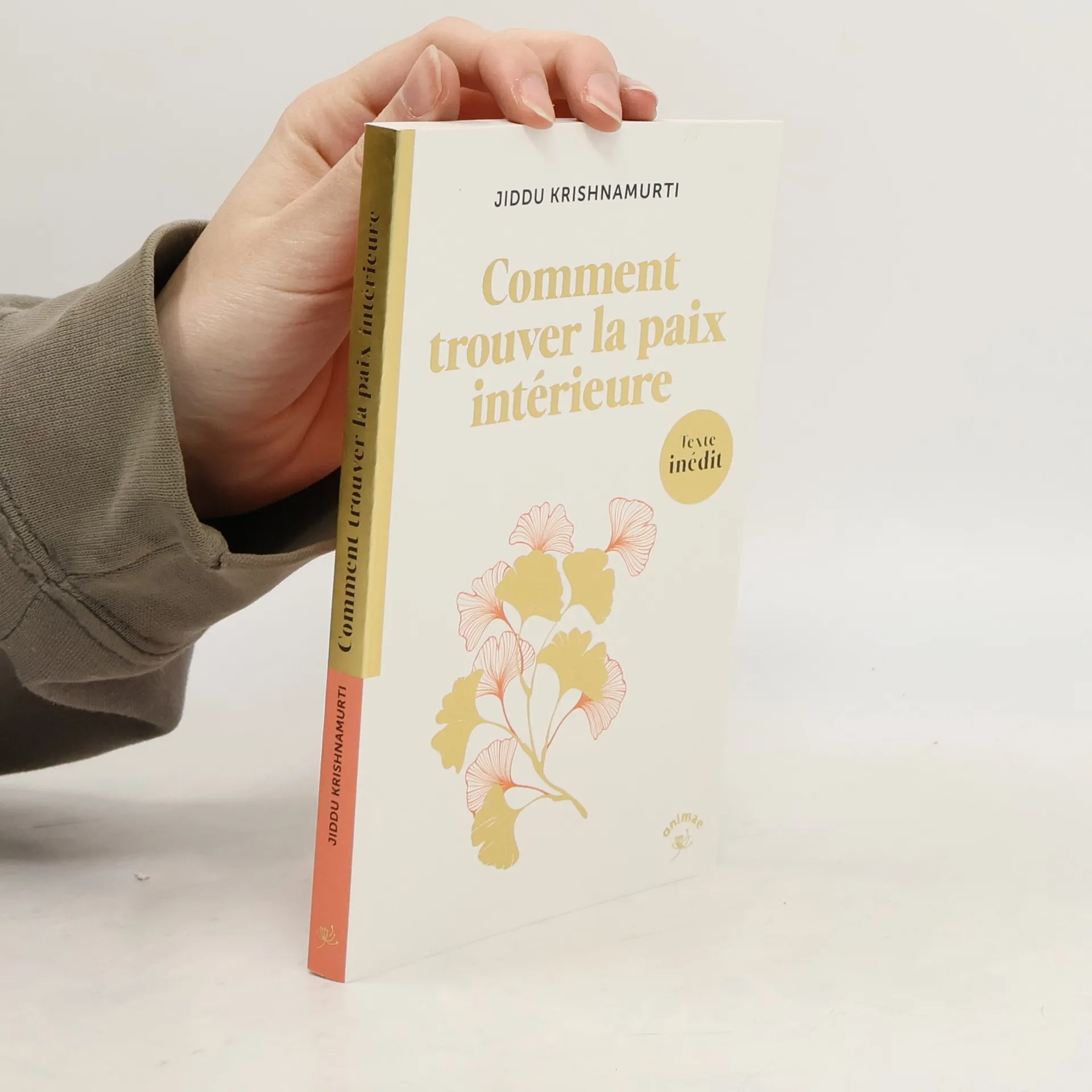
Quinze ans après sa mort, la pensée de Krishnamurti demeure une référence dès lors qu'on parle de spiritualité et de méditation. Loin de prétendre à fonder une église ou une secte, ce philosophe inclassable invite chacun de nous à prendre conscience des multiples conditionnements qui l'environnent - idéologies, croyances, modèles sociaux... - afin de s'en dégager et de trouver en lui-même la source de sa liberté. Le présent livre offre un ample panorama des thèmes les plus souvent abordés dans son enseignement : la souffrance, le désir, l'amour, la mort. Les chapitres de l'ouvrage correspondent aux mois de l'année et comportent chacun quatre thèmes de réflexion. C'est la manière idéale de découvrir la pensée de Krishnamurti.
Se libérer du connu
- 168pages
- 6 heures de lecture
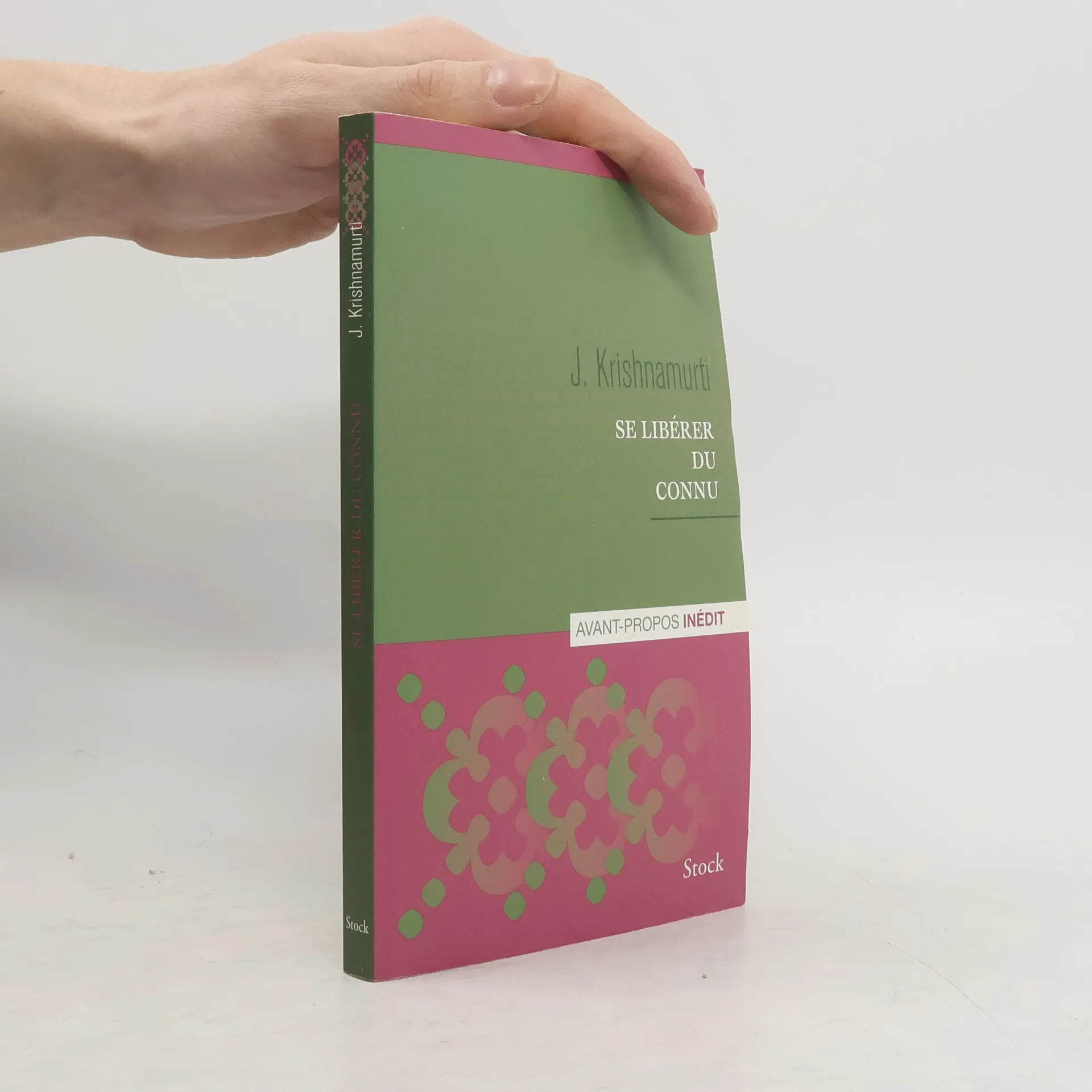
Krishnamurti (1895-1986) a été un penseur qui a remis en question les idées reçues de son époque. Depuis 1929, il a pris la parole à travers le monde, continuant d’inspirer un large public même après sa mort. Sa quête est de réfléchir sur la manière dont l'homme peut accéder à la vérité de la vie en se libérant des entraves telles que l'instruction, la mémoire et les traditions. Il ne propose aucun remède, affirmant que la liberté et la découverte de soi doivent être vécues individuellement. Pour comprendre le réel, il est essentiel de se connaître soi-même, et la première étape vers cette libération est de fuir le conditionnement pour laisser émerger un état créatif. Cette délivrance de l'esprit statique permettra à chacun de devenir l'architecte d'une nouvelle société. Mary Lutyens (1908-1999), experte de la pensée de Krishnamurti, a contribué à la publication de cet ouvrage en France en 1970. Composé de seize chapitres, il aborde des réflexions essentielles de la pensée krishnamurtienne, se concentrant sur la quête d'une véritable connaissance de soi, libre des schémas préétablis. Krishnamurti rejette les idées toutes faites, notamment religieuses, et appelle à une révolution vers le vivant. En décryptant l'origine de nos peurs et de la violence, il nous invite à voir plutôt qu'à chercher des recettes pour la joie, car voir, c'est déjà agir.
Le sens du bonheur
- 298pages
- 11 heures de lecture
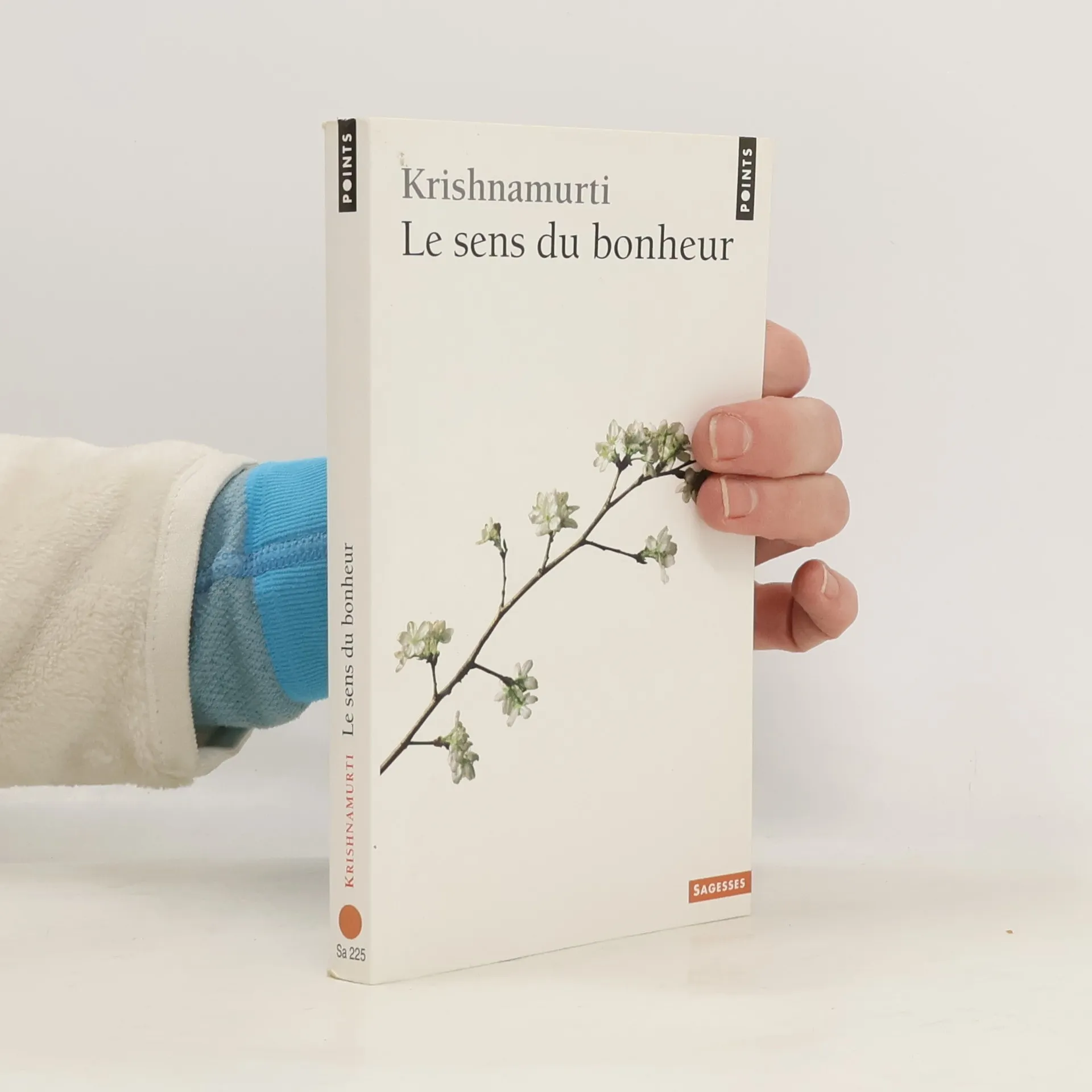
Le sens du bonheur ? L’art de chercher la vérité et la liberté intérieure, loin de tout maître. L’enseignement de Krishnamurti repose sur la conviction que les transformations de la société ne peuvent se faire qu’au terme d’une transformation des individus. Critique vis-à-vis des religions et des sectes, Krishnamurti n’a eu de cesse de répéter que le bonheur ne peut passer que par le refus de tout type d’autorité. « Dès l’instant où vous suivez quelqu’un, vous cessez de suivre la vérité. » C’est le sens des multiples conférences et causeries qu’il a données pendant des dizaines d’années, partout dans le monde et dont certaines sont réunies ici. Le Sens du bonheur nous permet de voir le monde autrement. Sans parti pris, universelle, la parole de Krishnamurti nous fait découvrir les racines mêmes de nos problèmes personnels et ceux de la société qui nous entoure. Elle nous apprend l’art de voir et d’écouter avec notre cœur. Et à découvrir la vérité qui est en nous.
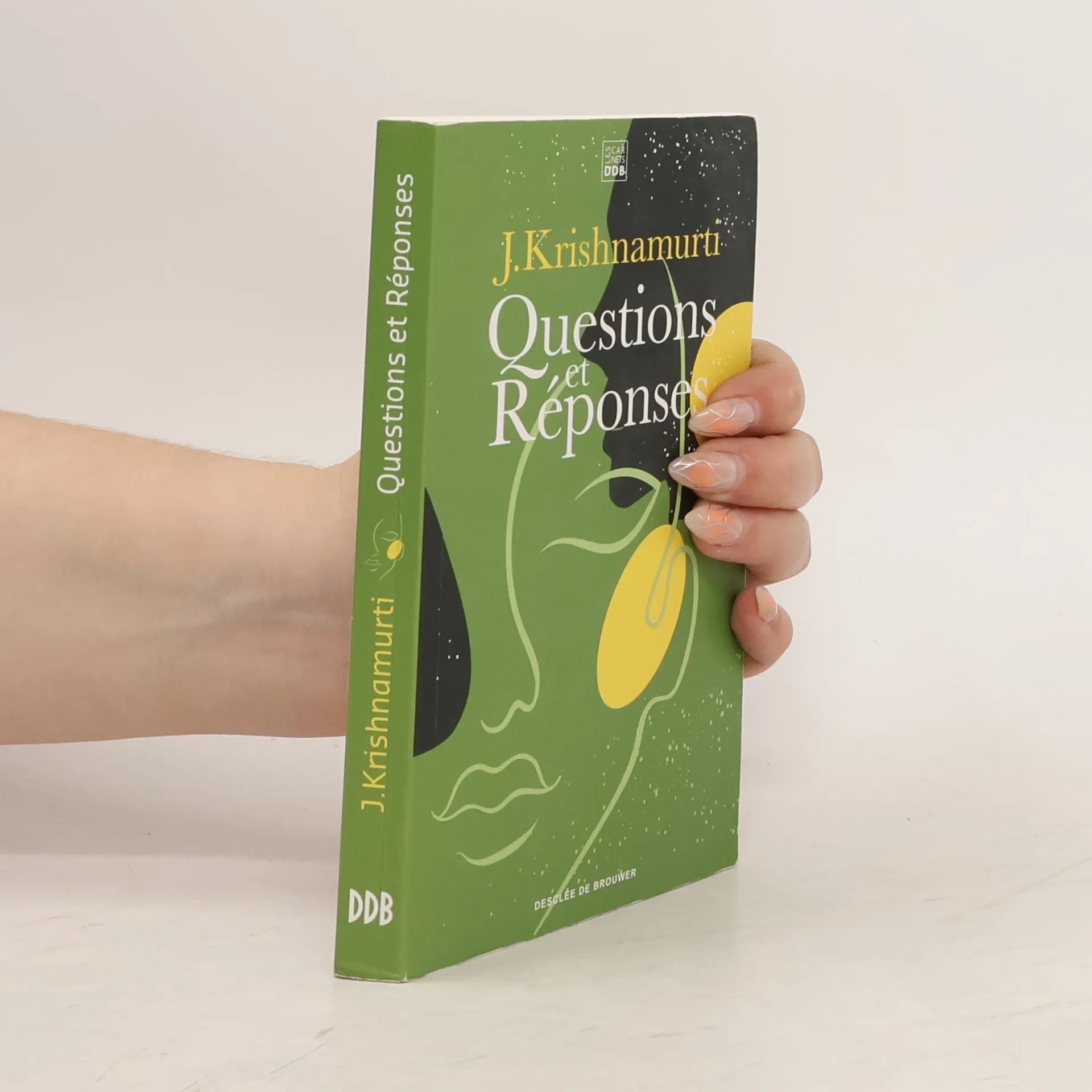
« Se mettre en quête de quelque chose, c'est faire une recherche. Ensemble, nous allons chercher, trouver, découvrir la réponse juste », disait Krishnamurti à ses élèves.En dialoguant avec eux, en répondant aux questions qui prenaient leur source dans les complexités de la vie et les difficultés quotidiennes, il explique ici divers aspects de son enseignement, en apportant une compréhension profonde sur ce que sont les émotions, la vérité, l'espoir, le moi et son dépassement, le sens de l'action ou encore de la liberté.Jiddu Krishnamurti , né à Madanapalle le 12 mai 1895 et décédé à Ojai le 17 février 1986, est un philosophe d'origine indienne.
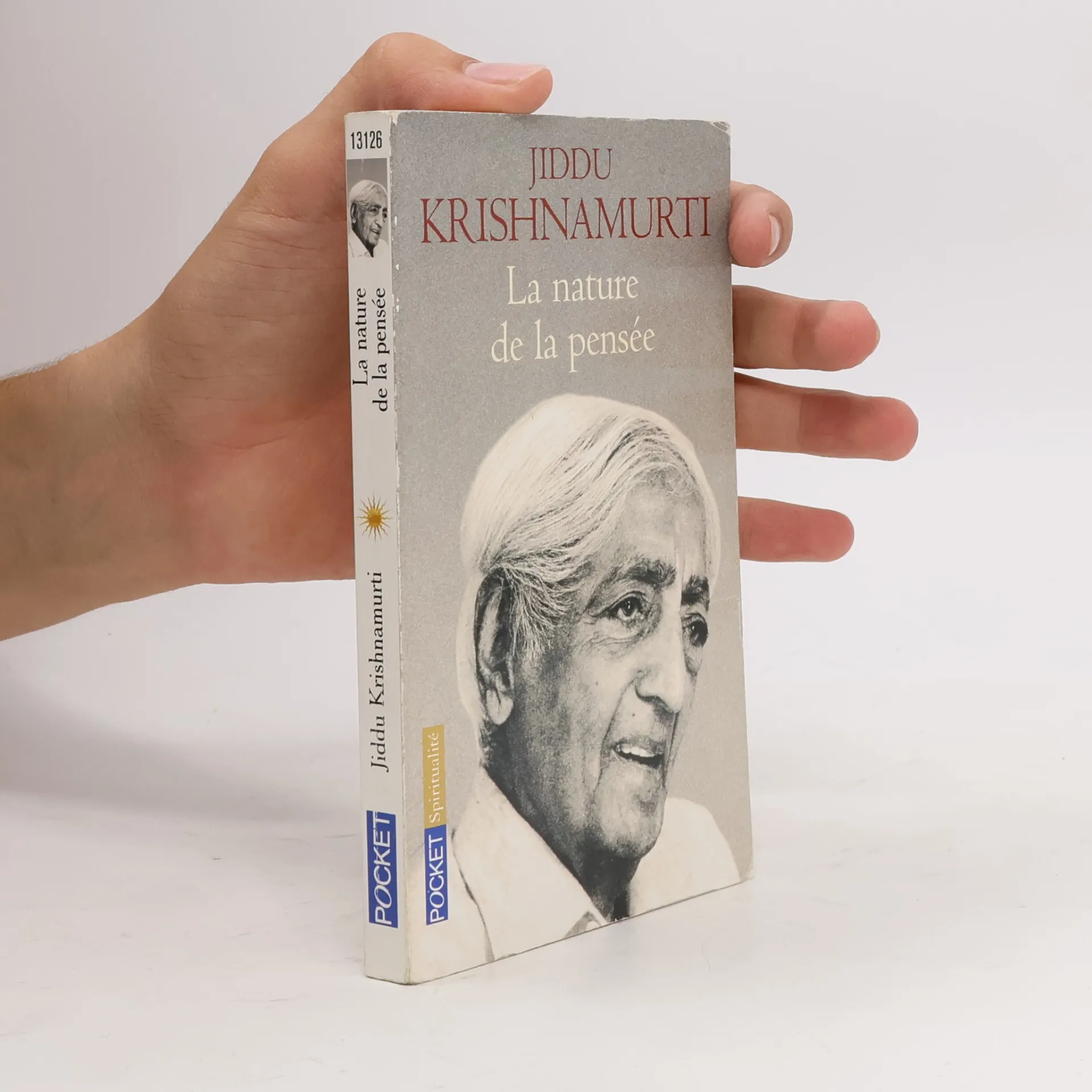
Spiritualité: La nature de la pensée
- 207pages
- 8 heures de lecture
L'essence de l'enseignement de Krishnamurti est contenu dans sa declaration de 1929 ou il dit: La verite est un pays sans chemin. Aucune organisation, aucune foi; ni dogme, ni pretre, ni rituel; nulle connaissance philosophique ou technique de psychologie ne peuvent y conduire l'homme. Il lui faut la trouver dans le miroir de la relation, par la comprehension du contenu de son propre esprit, par l'observation et non par l'analyse intellectuelle ou la dissection introspective. Le present ouvrage rassemble un enseignement sur la nature de la pensee humaine datant de 1978, illustrant et expliquant sa conception du monde et de la vie. En outre, il inclut la retranscription du dialogue avec Jean-Louis Dewez, president de la fondation Krishnamurti de France, figurant sur le DVD joint.
Le Livre de Poche: L'esprit et la pensée
- 253pages
- 9 heures de lecture
Malgré les avancées technologiques, le monde est confronté à un chaos croissant, marqué par la haine raciale et nationaliste, remettant en question les promesses d'un avenir radieux. L'auteur explore deux voies pour renverser cette situation. La première, classique, vise à changer les structures sociales, politiques et économiques, mais il la considère vouée à l'échec, car elle est fondée sur la pensée. La seconde, plus inattendue, propose une mutation intérieure émanant de l'esprit. Krishnamurti invite le lecteur à observer attentivement nos processus mentaux, à reconnaître les succès et les impasses qui en découlent. Cette approche met l'accent sur un changement radical, individuel et intime, plutôt que sur une action collective. Jiddu Krishnamurti, figure singulière des mouvements spirituels, a dispensé son enseignement à travers des conférences et des ouvrages tout en refusant toute position d'autorité, permettant à chacun d'interpréter son message à sa manière. Reconnu par des personnalités comme Henry Miller et George Bernard Shaw, il est considéré comme un maître spirituel d'exception.
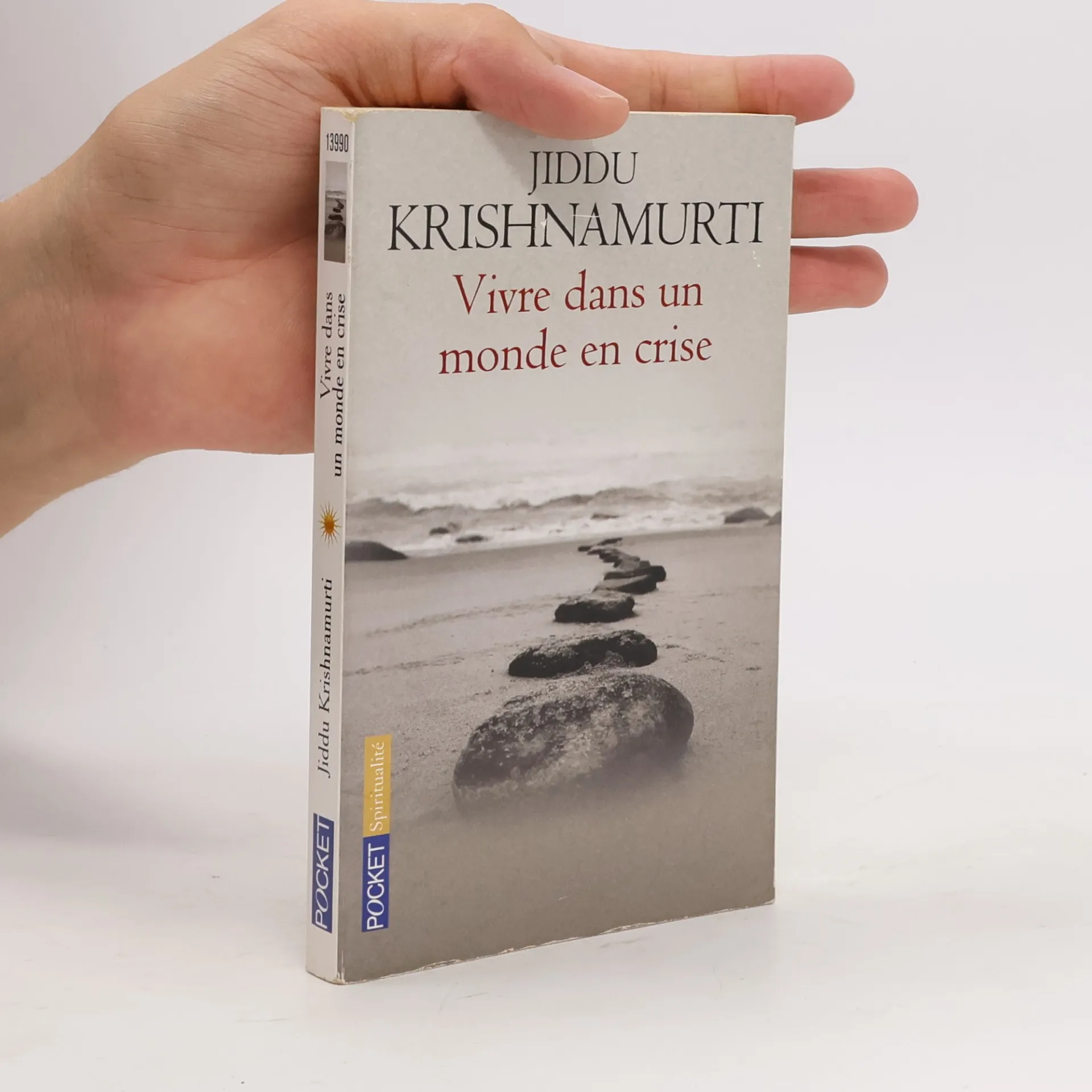
Vivre dans un monde en crise
- 260pages
- 10 heures de lecture
La crise, les bouleversements du monde nous inquiètent. Nous nous sentons fragiles, impuissants. Pourtant, nous pouvons en apprendre beaucoup. Car ce qui se passe autour de nous est l'exact reflet de ce qui se passe en nous. Chacun porte en lui les sentiments, les appétits, les raisonnements erronés qui conduisent aux guerres, aux crises, aux conflits, grands ou petits. Observer le monde, c'est donc nous observer nous-mêmes et ainsi progresser sur la voie de la compréhension de soi, et donc de l'épanouissement. Tel est le propos de Krishnamurti, inlassable défenseur de la liberté, qui nous invite à dépasser nos idées reçues et nos peurs pour trouver les réponses justes aux défis de l'existence.
Trouver la paix
- 208pages
- 8 heures de lecture
Krishnamurti (1895-1986), l'un des plus grands maîtres du XXe siècle, a marqué du sceau de sa personnalité hors du commun l'histoire du rapprochement de l'Orient et de l'Occident.Reconnu dès son enfance comme un messie par la Société théosophique, il rompt publiquement toute attache avec ce mouvement à l'âge de vingt ans. A l'encontre de tout sectarisme et de tout dogmatisme, il refuse par la suite d'être affilié à une quelconque tendance religieuse. Héritier de la maïeutique chère à Socrate, son enseignement appelant chacun à une "révolution du silence" a fait le tour du monde.Ce livre a valeur de testament spirituel : il rassemble six entretiens conduits entre janvier 1981 et décembre 1985 par Lakshmi Prasad, un de ses proches, dont les questions originales permettent d'éclairer d'une lumière nouvelle sa démarche et ses enseignements sur la science, l'éducation, les valeurs morales ou encore la religion.
Krishnamurti's essential message is that to find truth, we must go beyond the limits of ordinary thought. In public talks worldwide, he strove to free listeners from conventional beliefs and psychological mind-sets in order to understand what is. This 3-volume series records his meetings with individual seekers from all walks of life, during which he comments on the struggles common to those who work to break the boundaries of personality and self-limitation. This second volume of the 3-part series includes discussions of creative happiness, devotion, worship, the fear of death, karma and an experience of bliss.
Krishnamurti's essential message is that to find truth, we must go beyond the limits of ordinary thought. In public talks worldwide, he strove to free listeners from conventional beliefs and psychological mind-sets in order to understand what is. The essential message of J. Krishnamurti, revered philosopher and spiritual teacher to millions, challenges the limits of ordinary thought. In talks and teachings to audiences worldwide, he extricated his listeners from the tangled net of ideas, organizational beliefs and psychological mind-sets and pointed them to the bliss of truth. In the final volume of this series, conversations with individual seekers explore many topics, including the cultivation of sensitivity, the problem of search, the importance of change, and "What is life all about?"
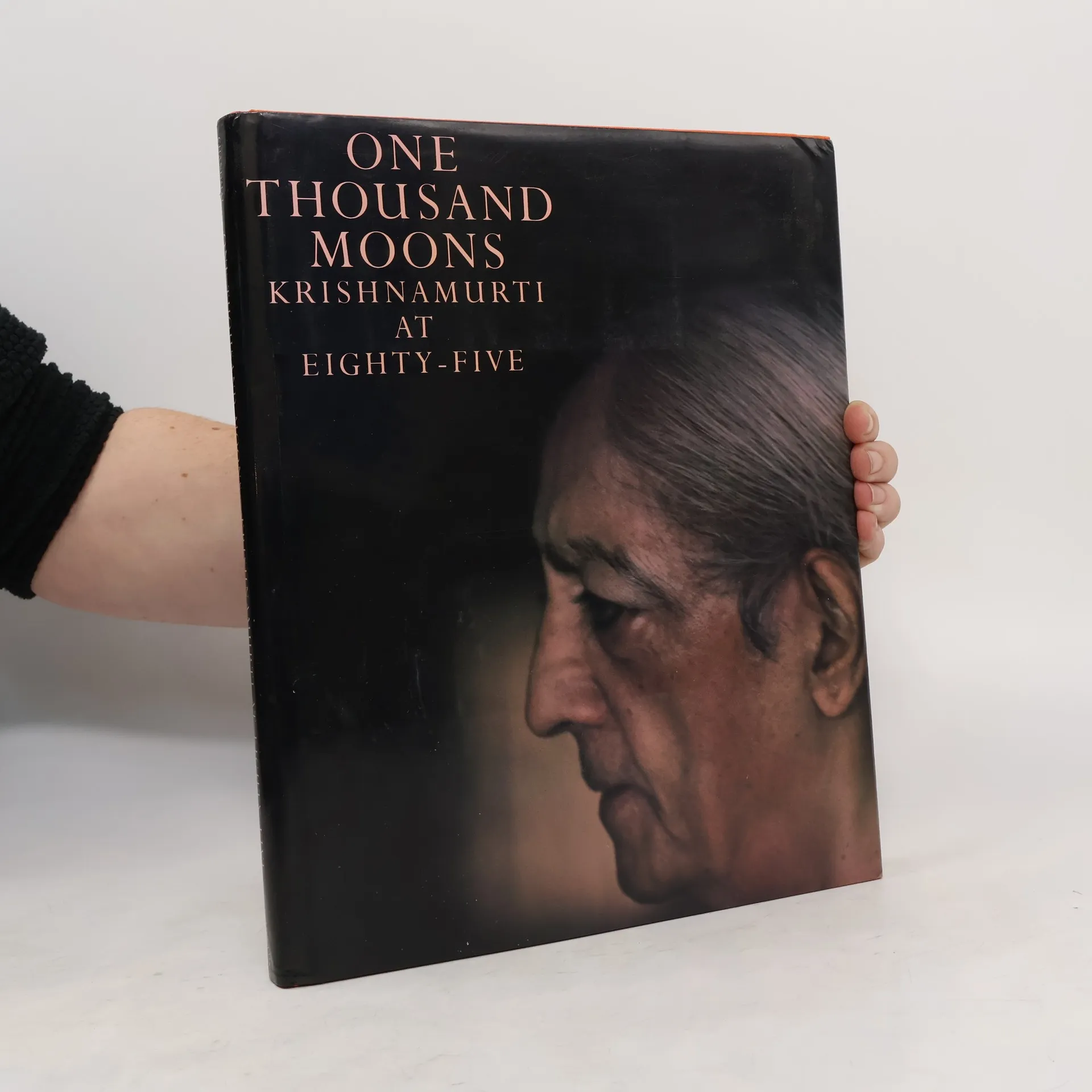
Photographs portraying the daily activities of the spiritual teacher, Jiddu Krishnamurti, are accompanied by a description of his life
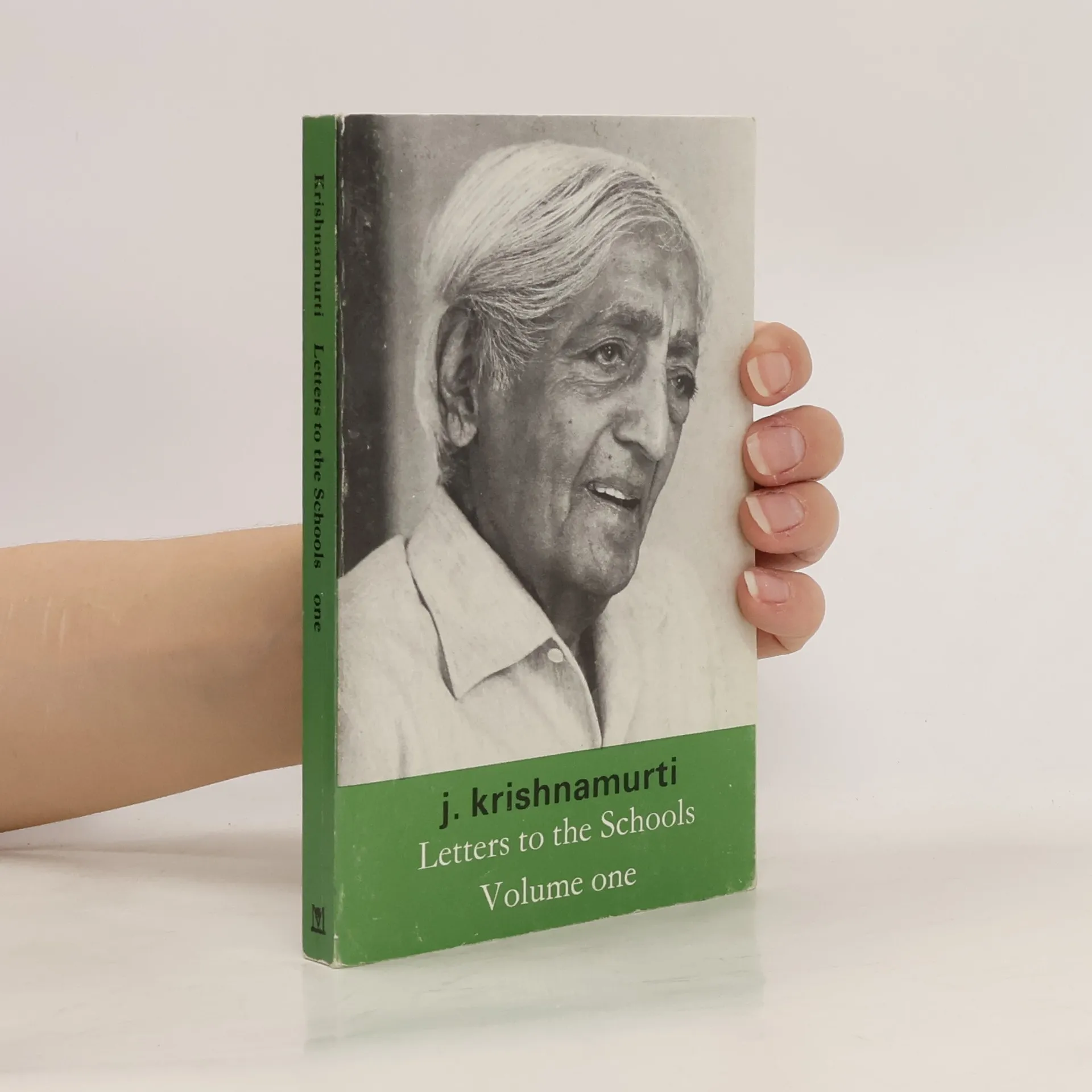
Letters to the Schools
- 132pages
- 5 heures de lecture
Most on the responsibilities of schools in the development of human personality and society.
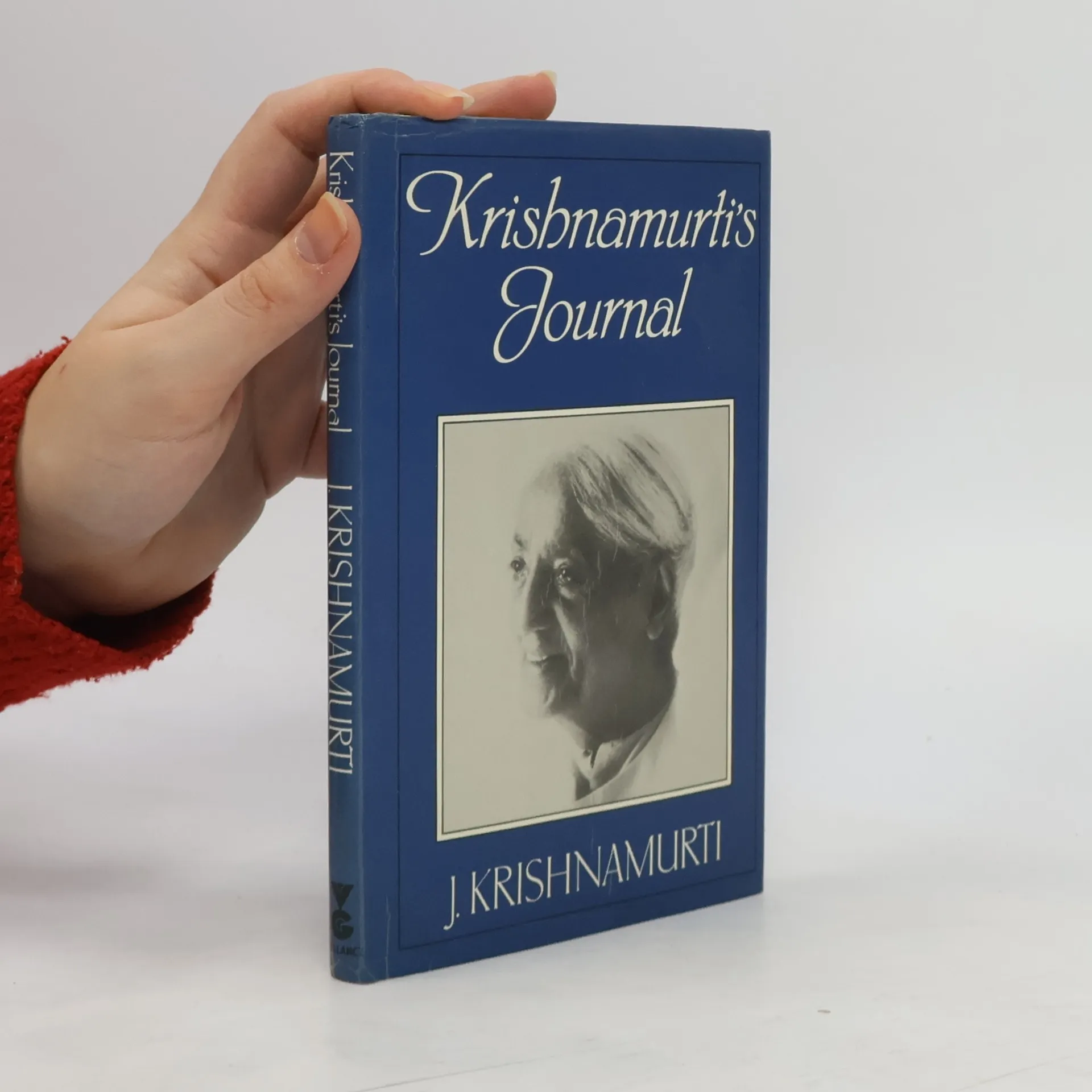
Krishnamurti's Journal
- 100pages
- 4 heures de lecture
In his diary, the distinguished philosopher contemplates his life and discusses subjects, including consciousness, meditation, communication, and nature
Jiddu Krishnamurti, once heralded as a World Leader by the Theosophical Society, shares profound insights in this collection of 88 essays. He explores universal themes such as gossip, wealth disparity, virtue, love, belief, and fear, offering reflections that resonate with the human experience. Through his thought-provoking commentary, he encourages readers to confront and understand the complexities of life, making this work a relevant guide for personal growth and self-awareness.
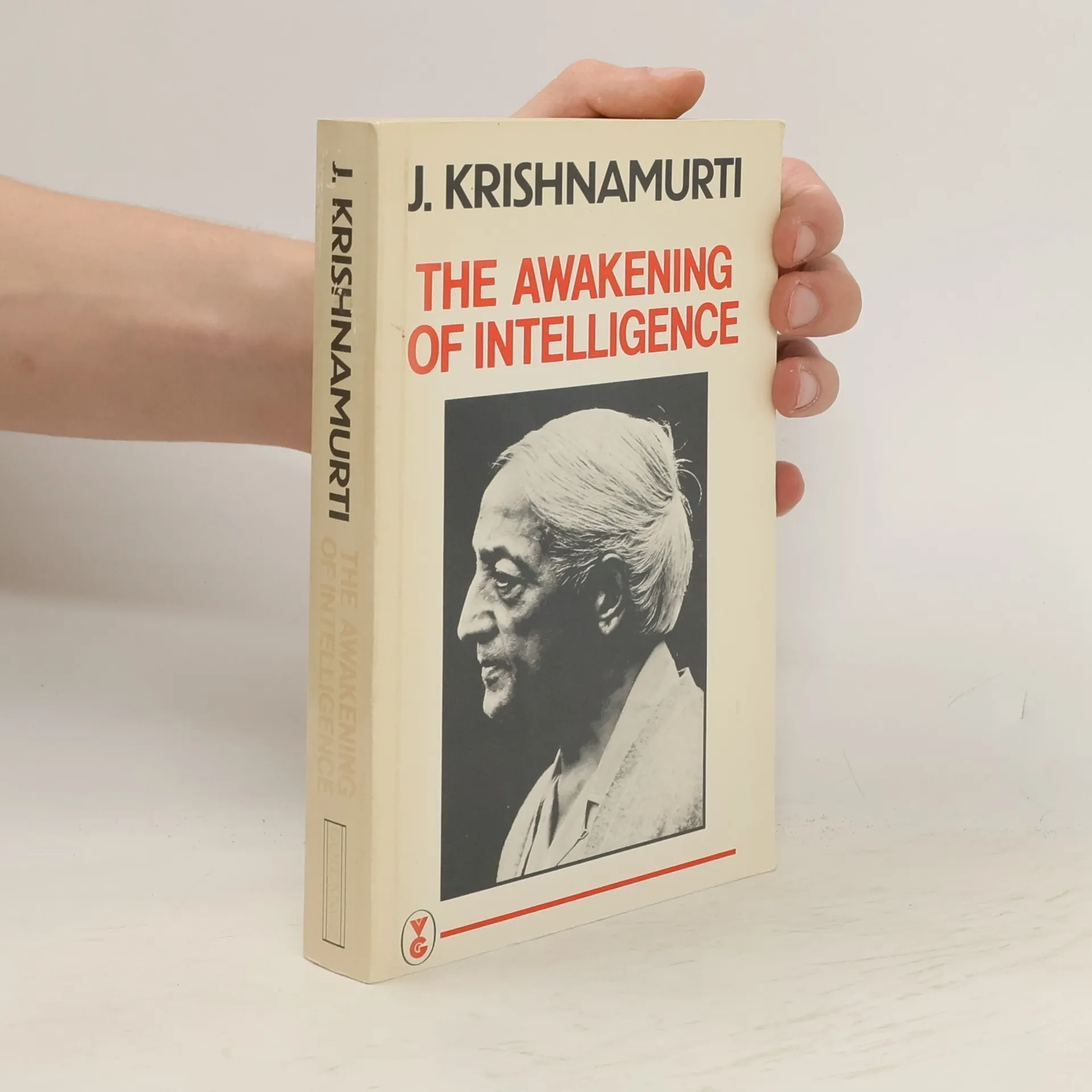
The Awakening of Intelligence
- 538pages
- 19 heures de lecture
This comprehensive record of Krishnamurti's teachings is an excellent, wide-ranging introduction to the great philosopher's thought. With among others, Jacob Needleman, Alain Naude, and Swami Venkatasananda, Krishnamurti examines such issues as the role of the teacher and tradition; the need for awareness of 'cosmic consciousness; the problem of good and evil; and traditional Vedanta methods of help for different levels of seekers.
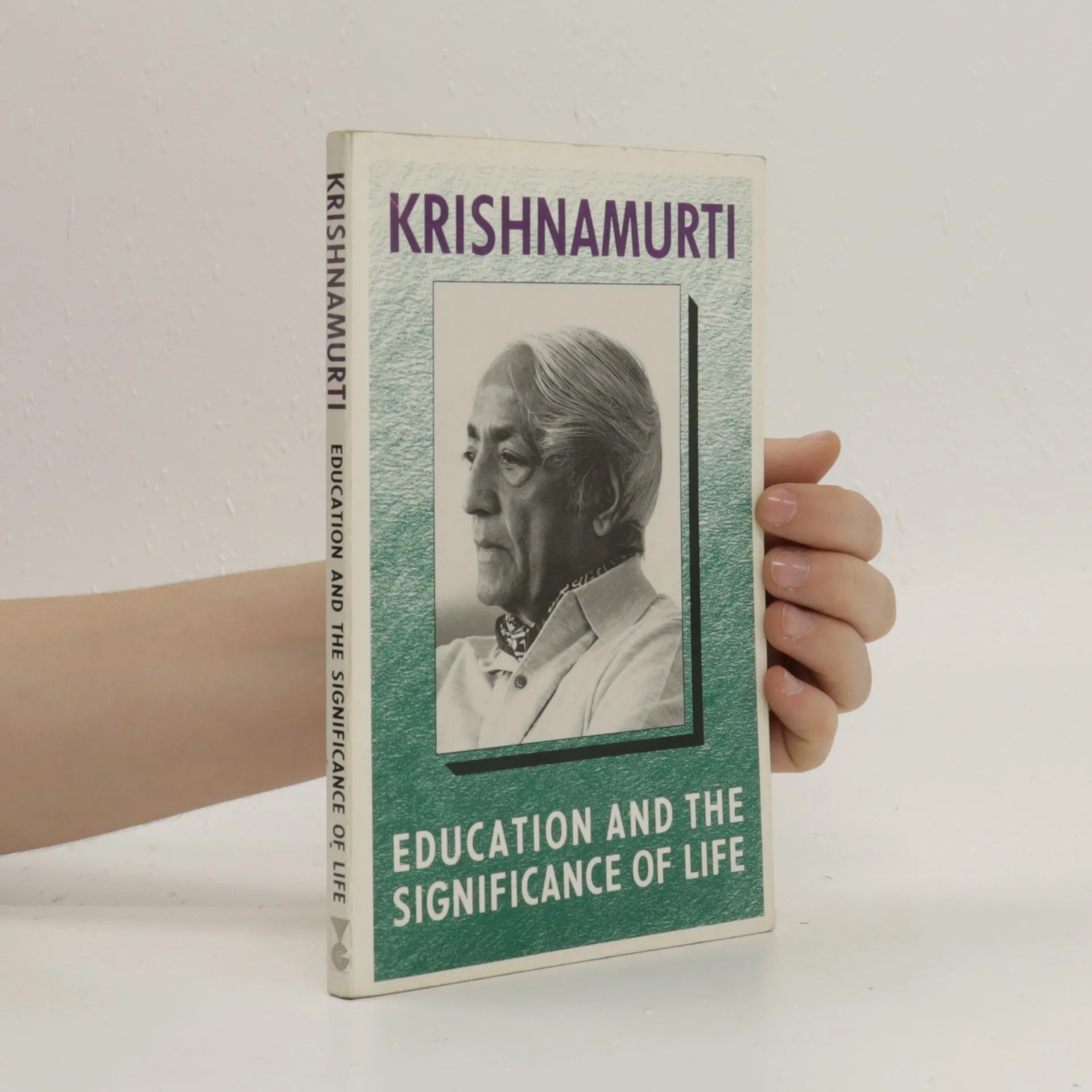
Education and the Significance of Life
- 128pages
- 5 heures de lecture
Part of a series of books by Krishnamurti, this book looks at education. He maintains that if the individual could learn to see his conditioniong of race, nationality, religion, dogma, tradition, etc., as inevitably leading to conflict, then he could begin to undo their damaging influence.
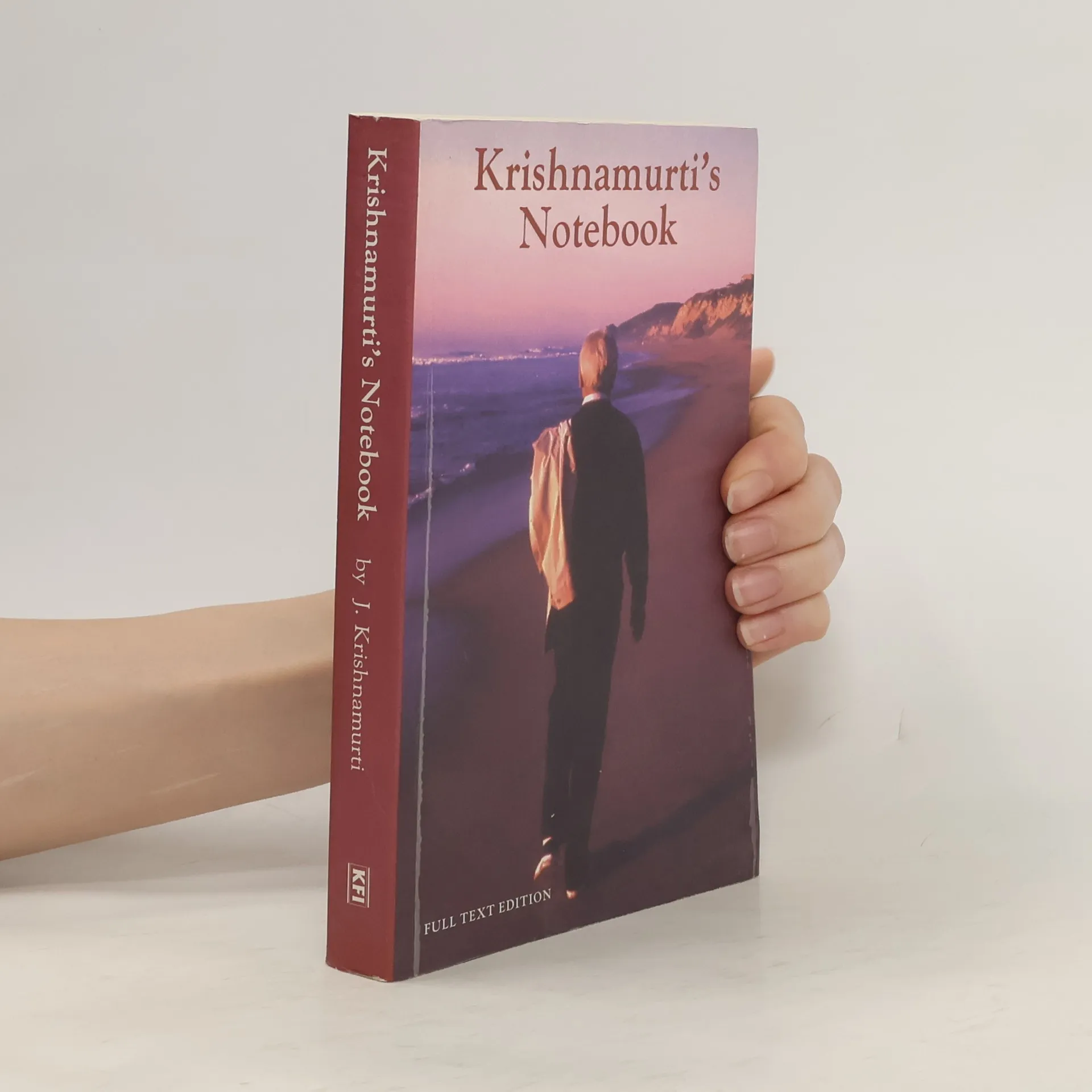
Krishnamurti's Notebook
- 400pages
- 14 heures de lecture
When KrishnamurtiOs Notebook first became available in 1976, it was soon realized that it was a spiritually unique document giving his perceptions and experiences and describing his states of consciousness. It is a kind of diary but one that is little concerned with the day to day process of living, though very much aware of the natural world.
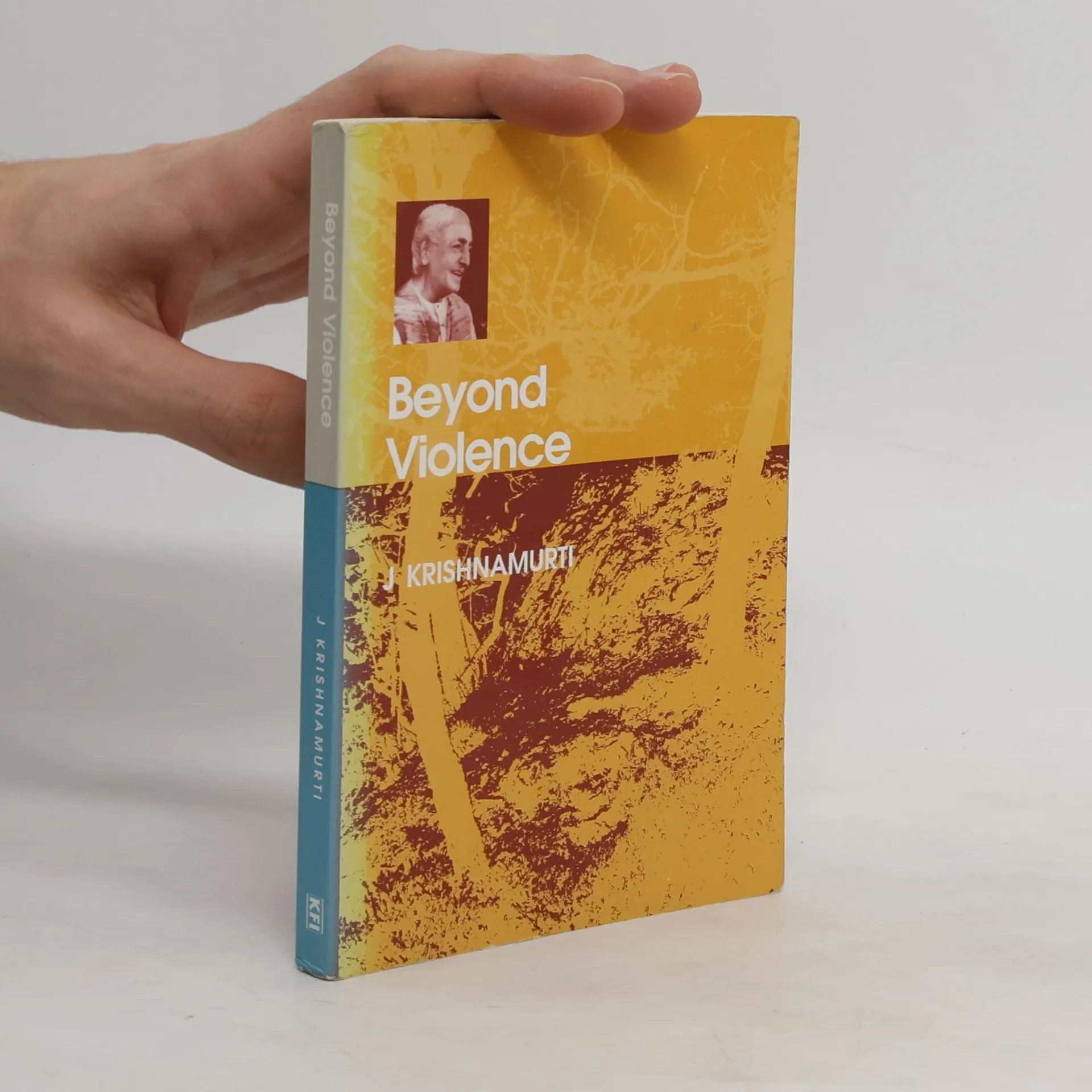
Beyond Violence
- 186pages
- 7 heures de lecture
Talks and discussions done by the author in 1970 at different places.
Key themes in this collection revolve around personal freedom, the quest for truth, and the nature of existence. The volume features selected writings and talks from Krishnamurti, including insights from his early works and 'Commentaries on Living.' His teachings emphasize the importance of individual exploration over adherence to established beliefs or figures, advocating for a personal journey toward understanding life, death, and inner peace. This compilation showcases the profound influence Krishnamurti has had on seekers of spiritual wisdom throughout the twentieth century and beyond.
The Collected Works of J. Krishnamurti
- 293pages
- 11 heures de lecture
"In these talks, given in Europe and India, Krishnamurti goes into the importance of going into problems openly, without conclusions. ""..because we approach our problems partially, through all these various forms of conditioning, it seems to me that we are thereby not understanding them. I feel that the approach to any problem is of much more significance than the problem itself, and that if we could approach our many difficulties without any particular form of conditioning or prejudice, then perhaps we would come to a fundamental understanding of them."
The Impossible Question
- 201pages
- 8 heures de lecture
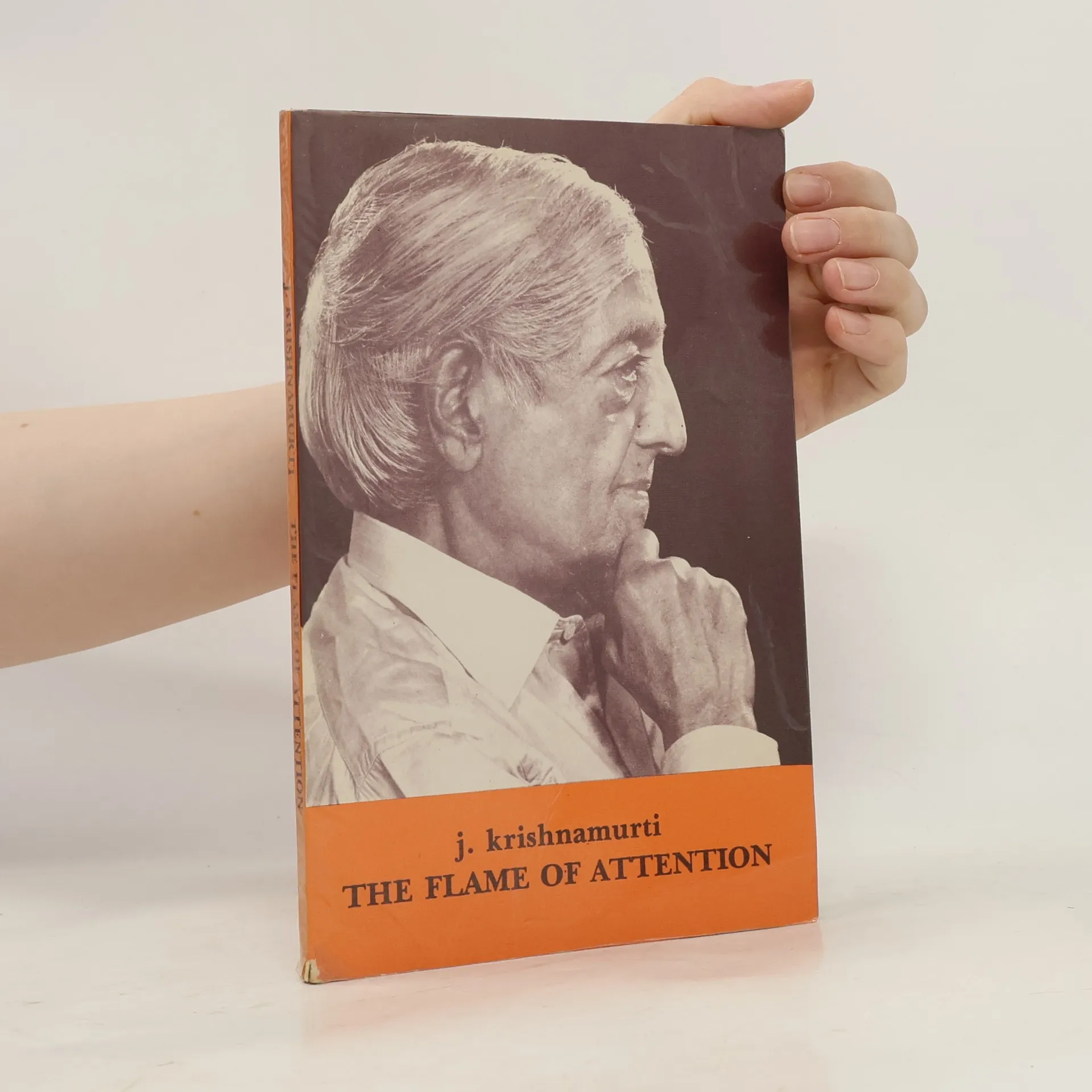
“... There are various powers... You call them siddhis, don’t you? Do you know that all these things are like candles in the sun? When there is no sun there is darkness, and then the candle and the light of the candle become very important. But when there is the sun, the light, the beauty, the clarity, then all these powers, these siddhis–developing various centres, chakras, kundalini, you know all that business–are like candlelight; they have no value at all. And when you have that light, you don’t want anything else.” -- J. Krishnamurti -------------- Krishnamurti Classics Series -------------- - Freedom From The Known - A Wholly Different Way Of Living - The Flight Of The Eagle - Life Ahead - Meditations - Tradition And Revolution - Exploration Into Insight - The Way Of Intelligence - Education And The Significance Of Life - The Impossible Question - Think On These Things - Beyond Voilence - Truth And Actuality - The Flame Of Attention - The End Of Time - Mind Without Measure
Speeches discuss freedom, rebellion, and the artificial boundary between self and the world
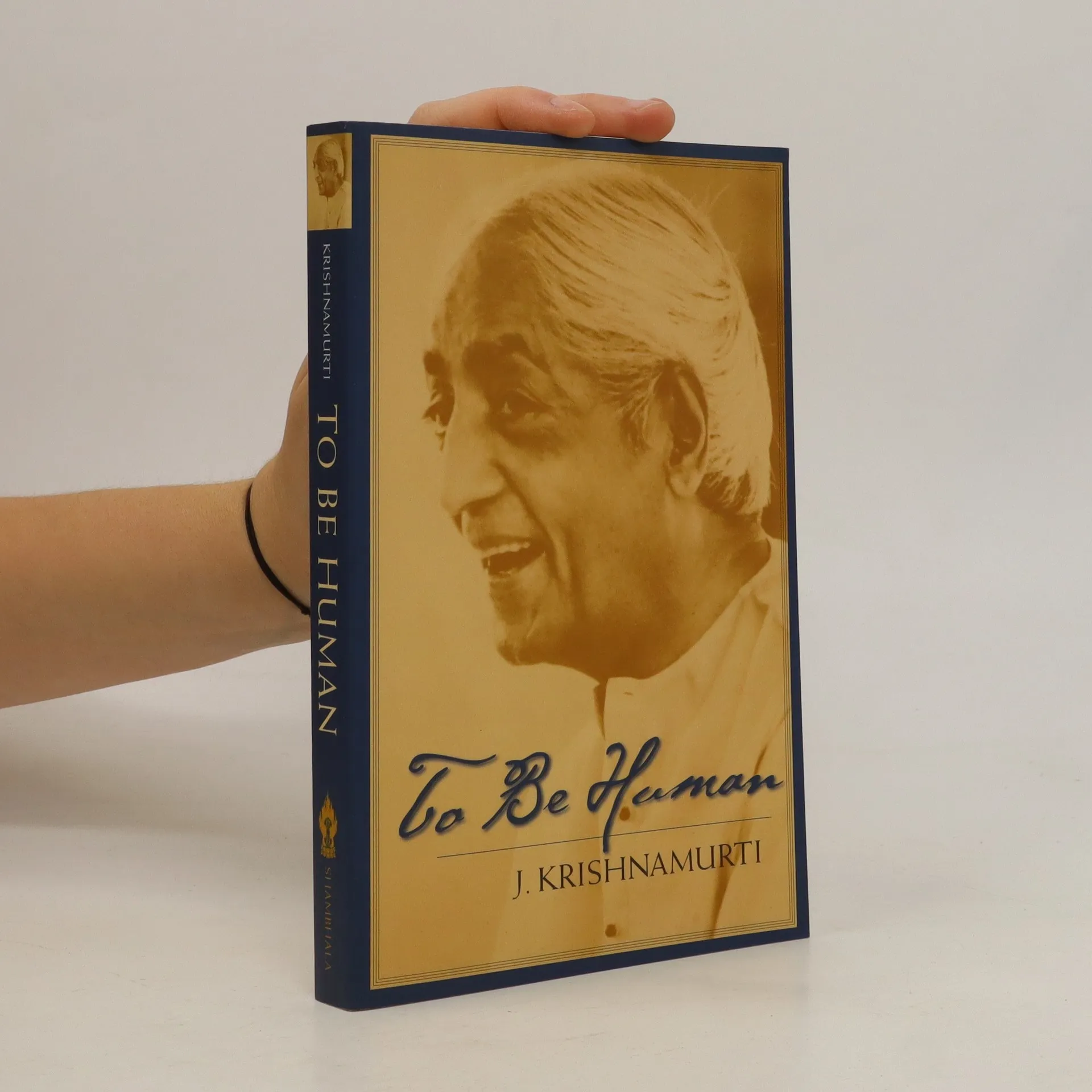
To Be Human
- 192pages
- 7 heures de lecture
To Be Human presents Krishnamurti's radical vision of life in a new way. At the heart of this extraordinary collection are passages from the great teacher's talks that amplify and clarify the nature of truth and those obstacles that often prevent us from seeing it. Most of these core teachings have not been available in print until now. Besides presenting the core of Krishnamurti's message, the book alerts the reader to his innovative use of language, the ways in which he would use "old words with new interpretations," then gives practical examples, showing that we can clarify our understanding of life itself—and act on this new understanding. The splendid introduction by David Skitt discusses Krishnamurti's philosophy as a guide to knowledge and experience, the roles knowledge and experience should play in our lives, and the times when it is best to cast them aside and "look and act anew." The book's source notes will aid the inquisitive reader who wishes a deeper understanding of this great teacher's message.
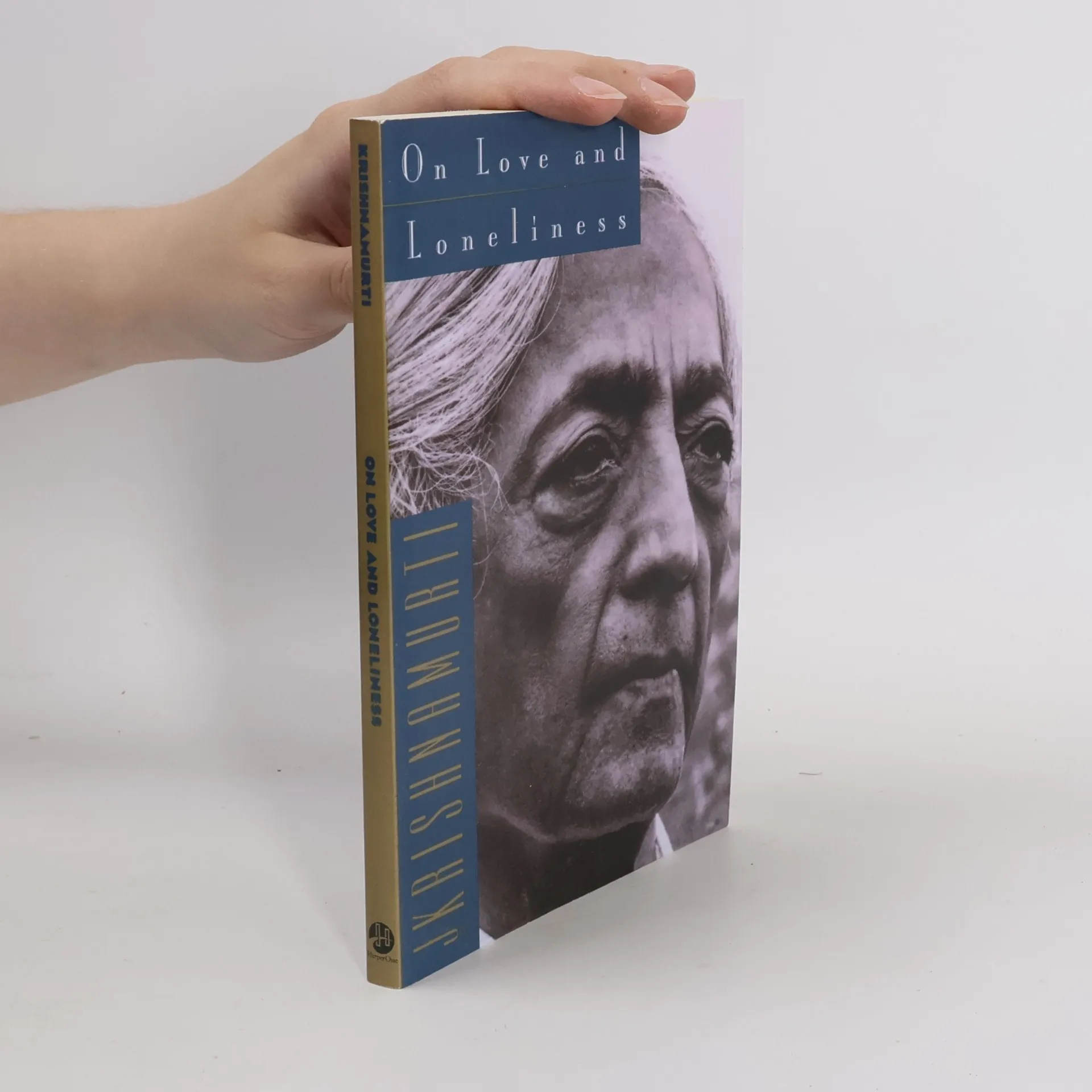
On Love and Loneliness
- 180pages
- 7 heures de lecture
In 1950 Krishnamurti said: "It is only when the mind is not escaping in any form that it is possible to be in direct communion with that thing we call lonliness, the alone, and to have communion with that thing, there must be affection, there must be love." On Love and Lonliness is a compelling investigation of our intimate relationships with ourselves, others, and society. Krishnamurti suggests that "true relationship" can come into being only when there is self-knowledge of the conditions which divide and islolate individuals and groups. Only by renouncing the self can we understand the problem of lonliness, and truly love.
Meeting Life
- 228pages
- 8 heures de lecture
The contents of Meetings Life have been taken from the Krishnamurti Foundation Bulletins. They consist of three parts. The first section contains sixteen short pieces dictated by Krishnamurti; each piece starts with a graphic description of nature and goes into a profound examination of life. Part II contains Krishnamurti s answers to questions put to him at the end of his talks or at small discussions. Part III consists of talks by Krishnamurti in Switzerland, India, England, and California. The variety of materials makes this an eminently readable book.
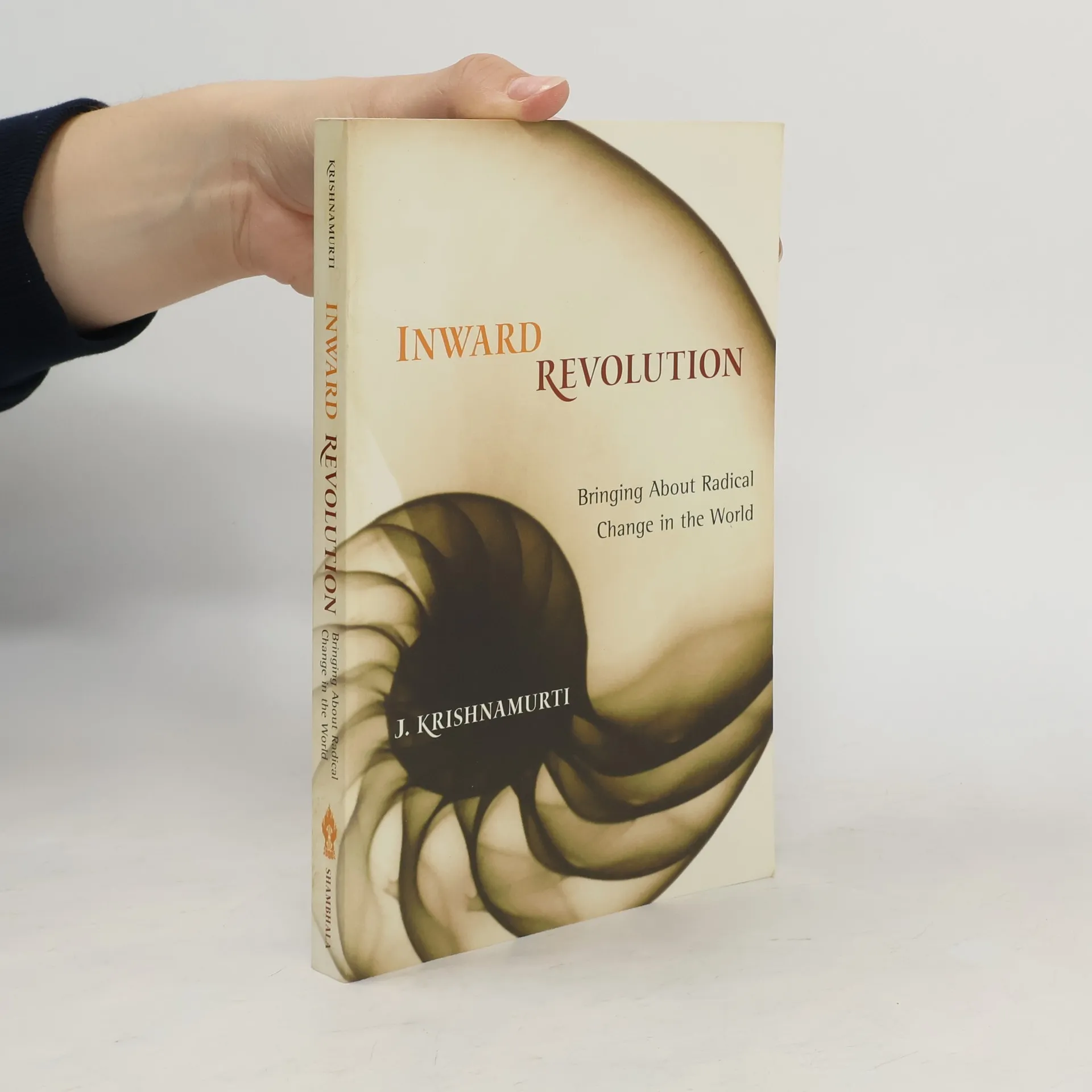
Inward Revolution
- 224pages
- 8 heures de lecture
J. Krishnamurti was one of the most influential and widely known spiritual teachers of the twentieth century. Here, he inquires with the reader into how remembering and dwelling on past events, both pleasurable and painful, give us a false sense of continuity, causing us to suffer. His instruction is to be attentive and clear in our perceptions and to meet the challenges of life directly in each new moment.
J. Krishnamurti was renowned for the penetrating insight and immediacy of his spiritual teachings. Radical in his day for seeking truth beyond the boundaries of religion, ideology, or tradition, he declared that "Truth is a pathless land, and you cannot approach it by any path whatsoever." He traveled and lectured throughout the world, calling for a new approach to life and spirituality.In this compilation of Krishnamurti's most essential teachings, he explores what he calls "the art of living." The topics addressed include such perennial human concerns living life without conflict and confusion, how to act with skill and clarity, the significance of meditation, death and dying, true freedom, and bringing the sacred into everyday life. These timeless teachings guide us to live our lives simply, intelligently, and with great love—free from the bonds of sorrow and fear.
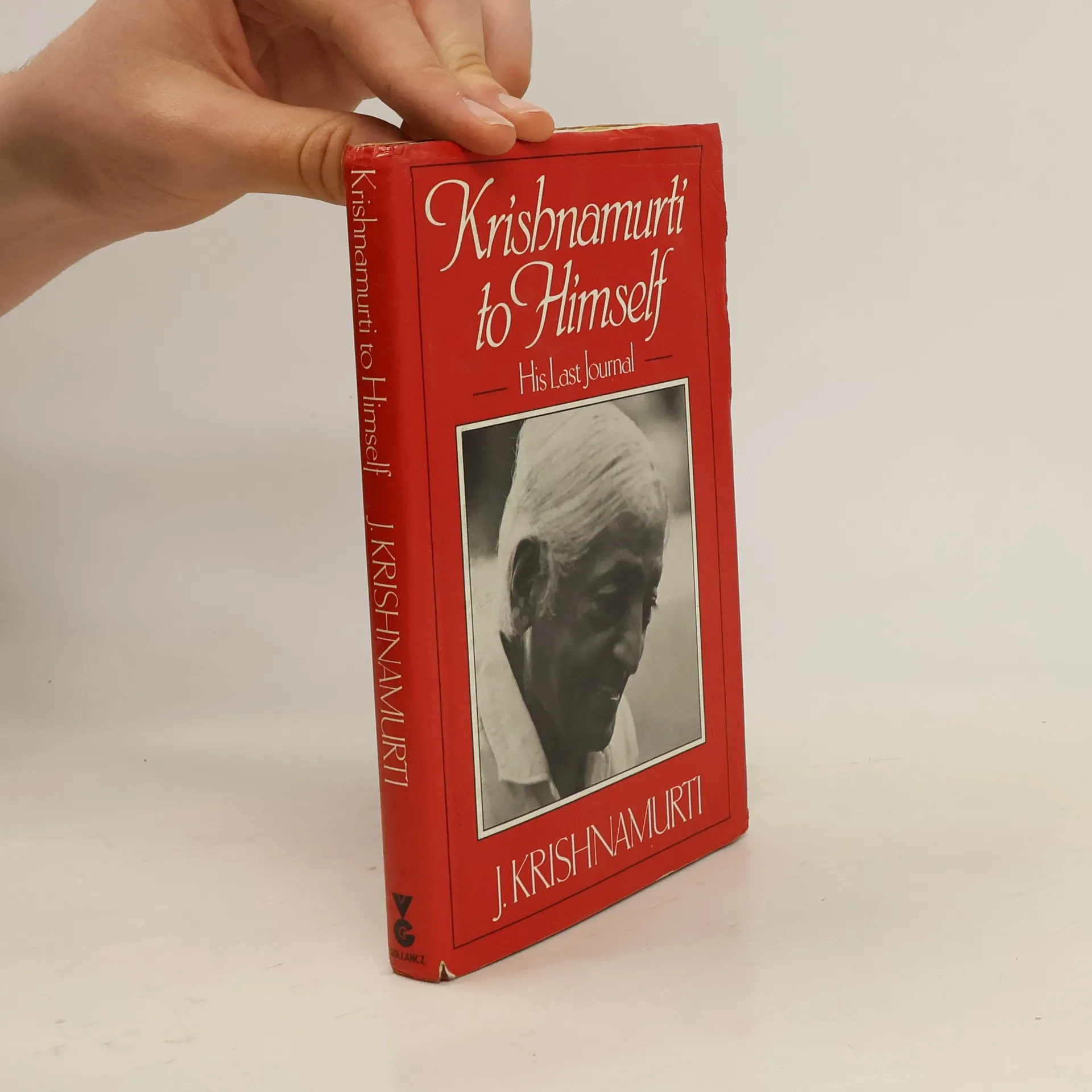
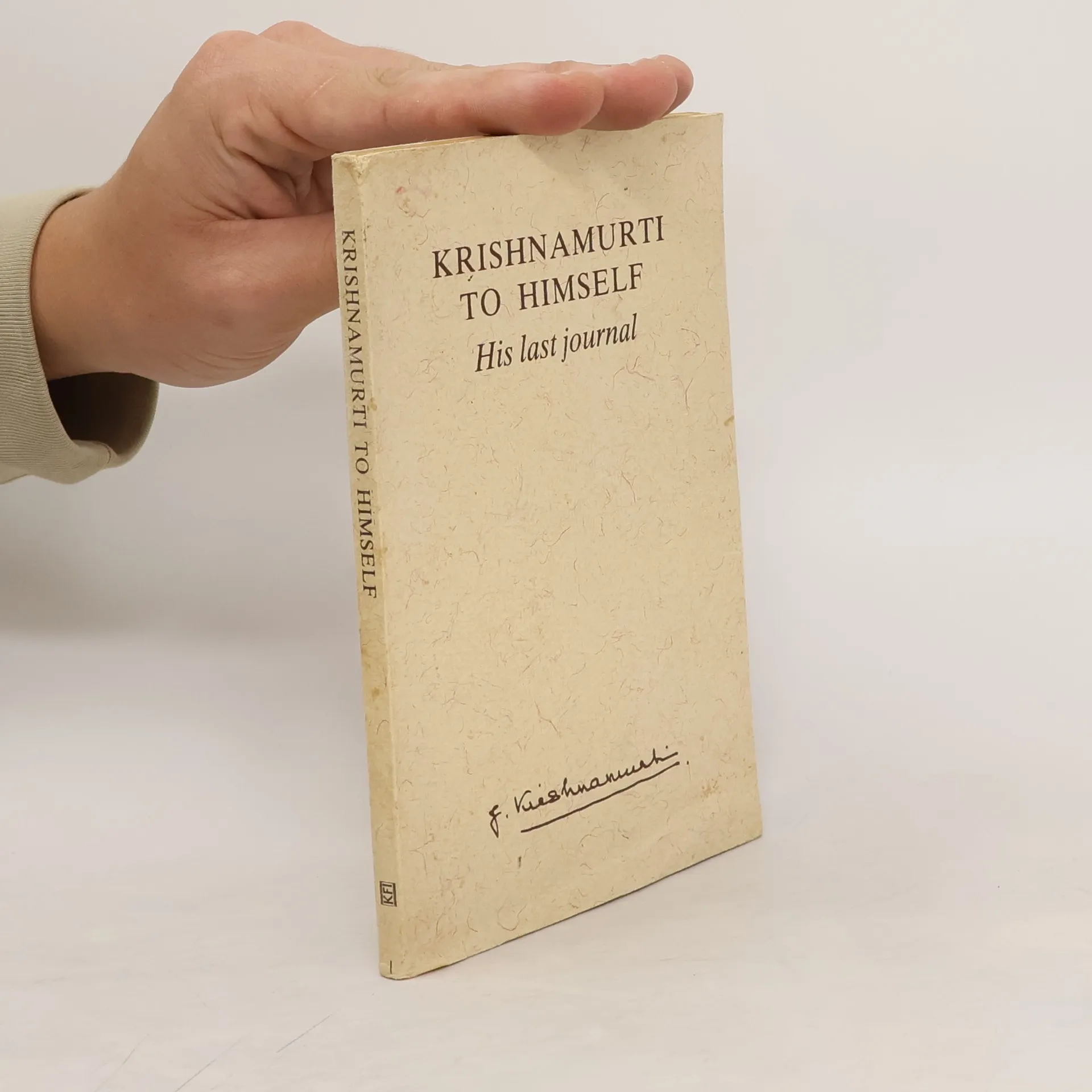
Krishnamurti's last journal, spoken into a tape recorder at his home, Pine Cottage, in the Ojai Valley, brings the reader close to this renowned spiritual teacher. Dictated in the mornings, from his bed, undisturbed, Krishnamurti's observations are captured here in all their immediacy and candor, from personal reflections to poetic musings on nature and a serene meditation on death. Reflecting the culmination of a life of spiritual exploration, these remarkable final teachings engage and enlighten.
Can the Mind Be Quiet? Living, Learning & Meditation
- 266pages
- 10 heures de lecture
Exploring profound spiritual encounters, this collection features dialogues between Jiddu Krishnamurti and seekers from various backgrounds. Each of the sixty chapters tackles pressing questions about parenting, the nature of virtue, and the quest for inner peace. Through these conversations, Krishnamurti offers transformative insights into self-awareness, societal dynamics, education, and spirituality, guiding readers toward a more peaceful and fulfilling existence.
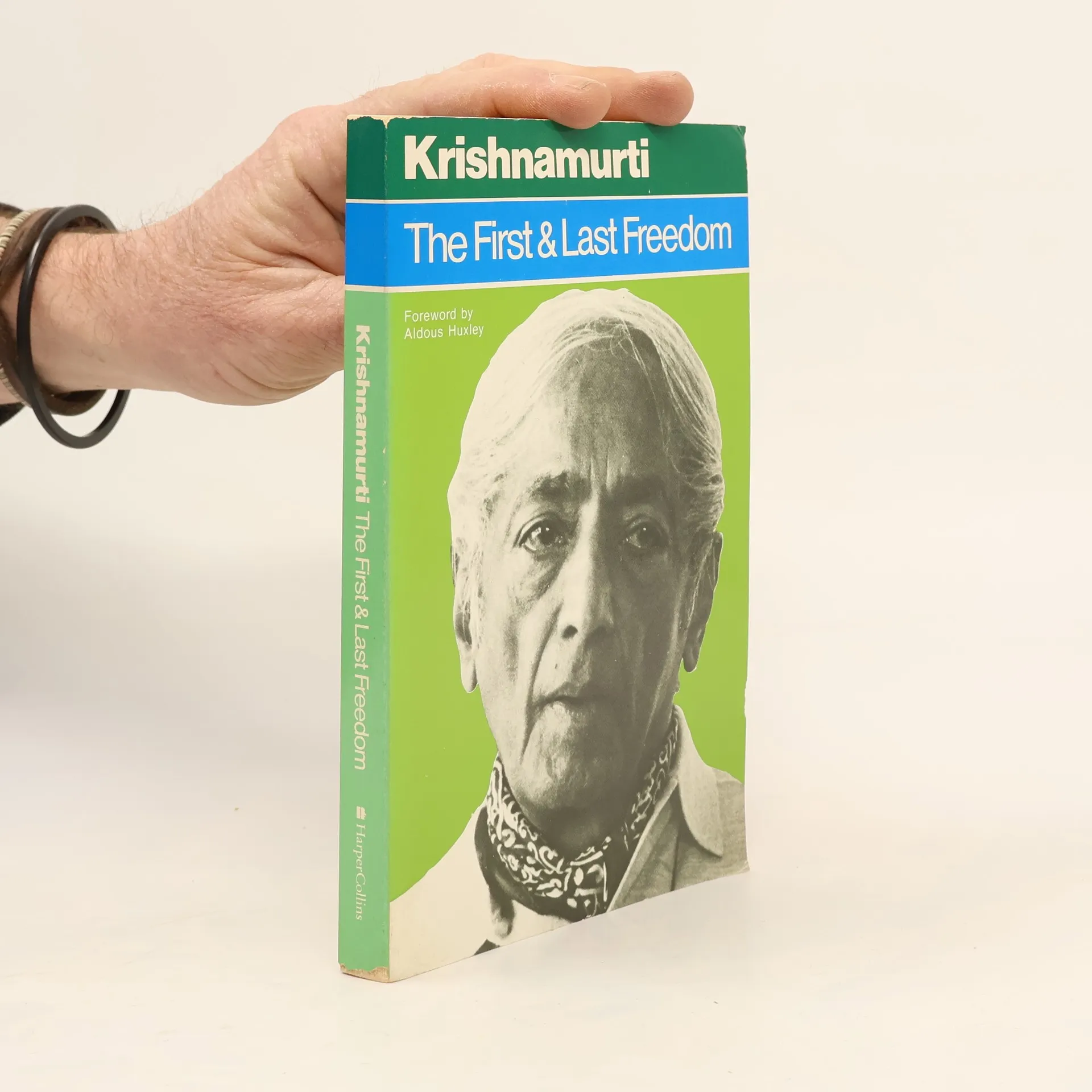
The First and Last Freedom
- 288pages
- 11 heures de lecture
Krishnamurti is a leading spiritual teacher of our century. In The First and Last Freedom he cuts away symbols and false associations in the search for pure truth and perfect freedom. Through discussions on suffering, fear, gossip, sex and other topics, Krishnamurti’s quest becomes the readers, an undertaking of tremendous significance.
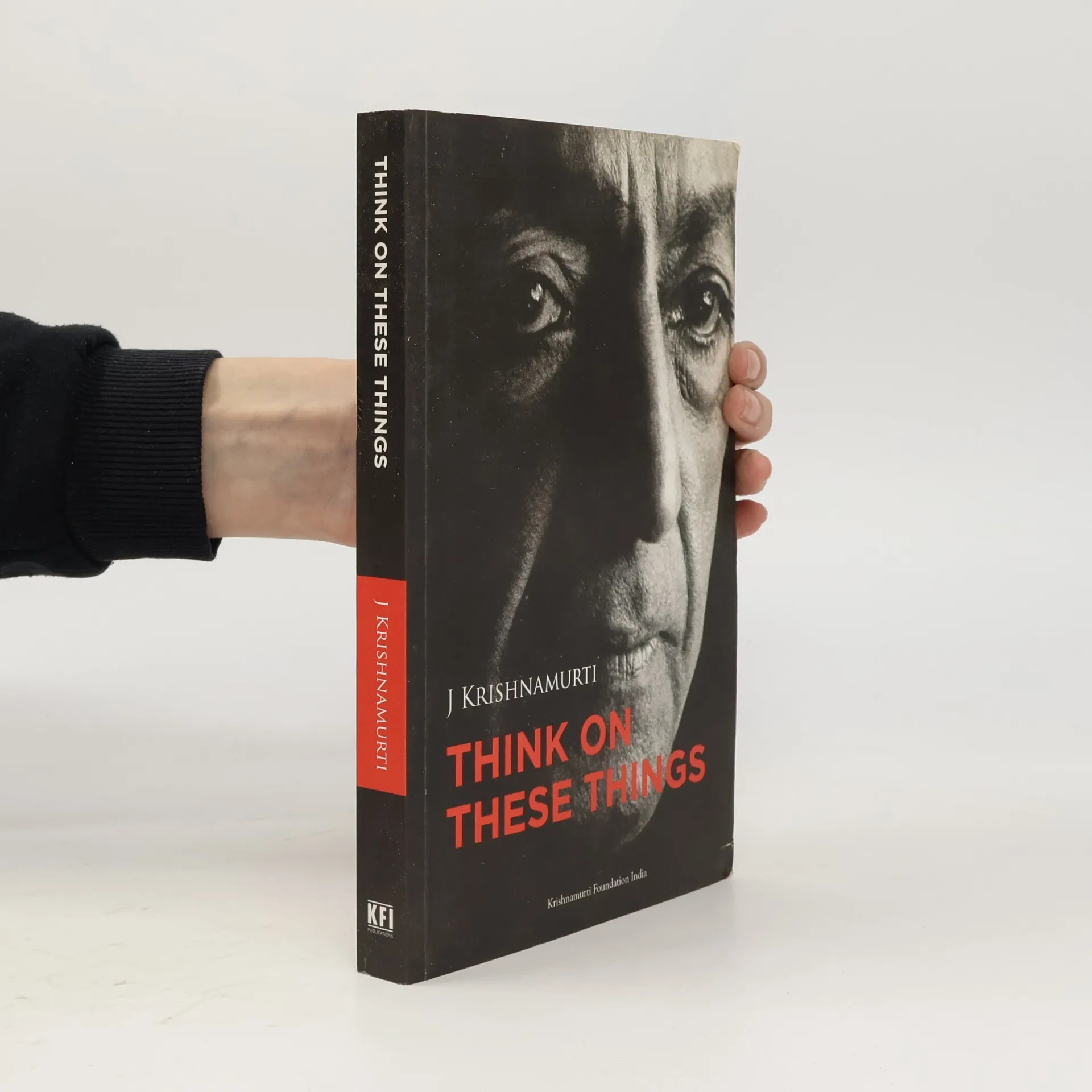
Think On These Things (With CD)
- 267pages
- 10 heures de lecture
Thoughts of Jiddu Krishnamurti on topics like - The function of education, The problem of freedom, listening, ambition and 23 more topics.
The Flight of the Eagle
- 180pages
- 7 heures de lecture
Free Delivery if order value from the seller is greater than 399. Used Book in good condition. No missing/ torn pages. No stains. Note: The above used product classification has been solely undertaken by the seller. Amazon shall neither be liable nor responsible for any used product classification undertaken by the seller. A-to-Z Guarantee not applicable on used products.
Ending of Time, The
- 496pages
- 18 heures de lecture
The book explores the intersection of spirituality and science through a dialogue between two prominent thinkers. They delve into profound topics such as the concepts of good and evil, the intricacies of thought and consciousness, and the fundamental nature of existence. This engaging discussion offers insights that challenge conventional perspectives and encourages readers to reflect on deep philosophical questions.
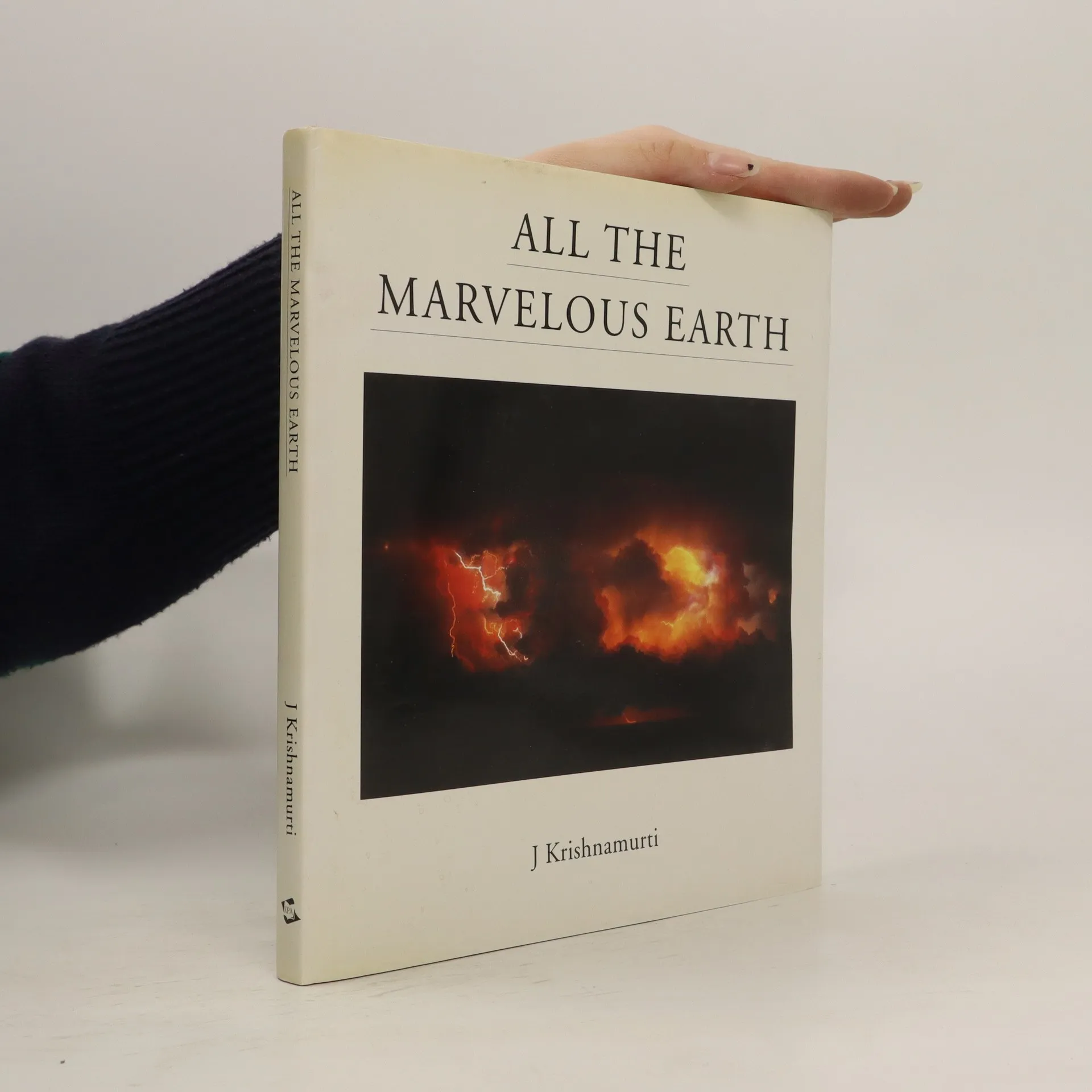
All the Marvelous Earth
- 108pages
- 4 heures de lecture
All the Marvelous Earth looks wonderingly at the Earth in all its beauty and grandeur and our connection with other creatures. Through his deep appreciation of beauty and questioning of our relationship with nature, Krishnamurti goes beyond the environmentalists' external appeal for sustainable development to argue that the interaction between humankind and nature has a deeper, inward, and life-enhancing dimension.
Meditations
- 140pages
- 5 heures de lecture
A classic collection of excerpts from one of the great spiritual leaders of the twentieth century--now in the newly designed Shambhala Pocket Library series. Jiddu Krishnamurti (1895–1986) went from his origins in a small south Indian village to become one of the great spiritual teachers of the twentieth century. He taught that the only way to create peace on earth is to transform the human psyche—but that there is no path to this transformation, no method for achieving it, and no gurus nor spiritual authorities who can help. Rather, the transformation is a truth that each of us must discover within ourselves. This classic collection of brief excerpts from Krishnamurti’s books and talks presents the essence of his teaching on meditation—a state of attention, beyond thought, which brings total freedom from authority and ambition, fears and separateness.
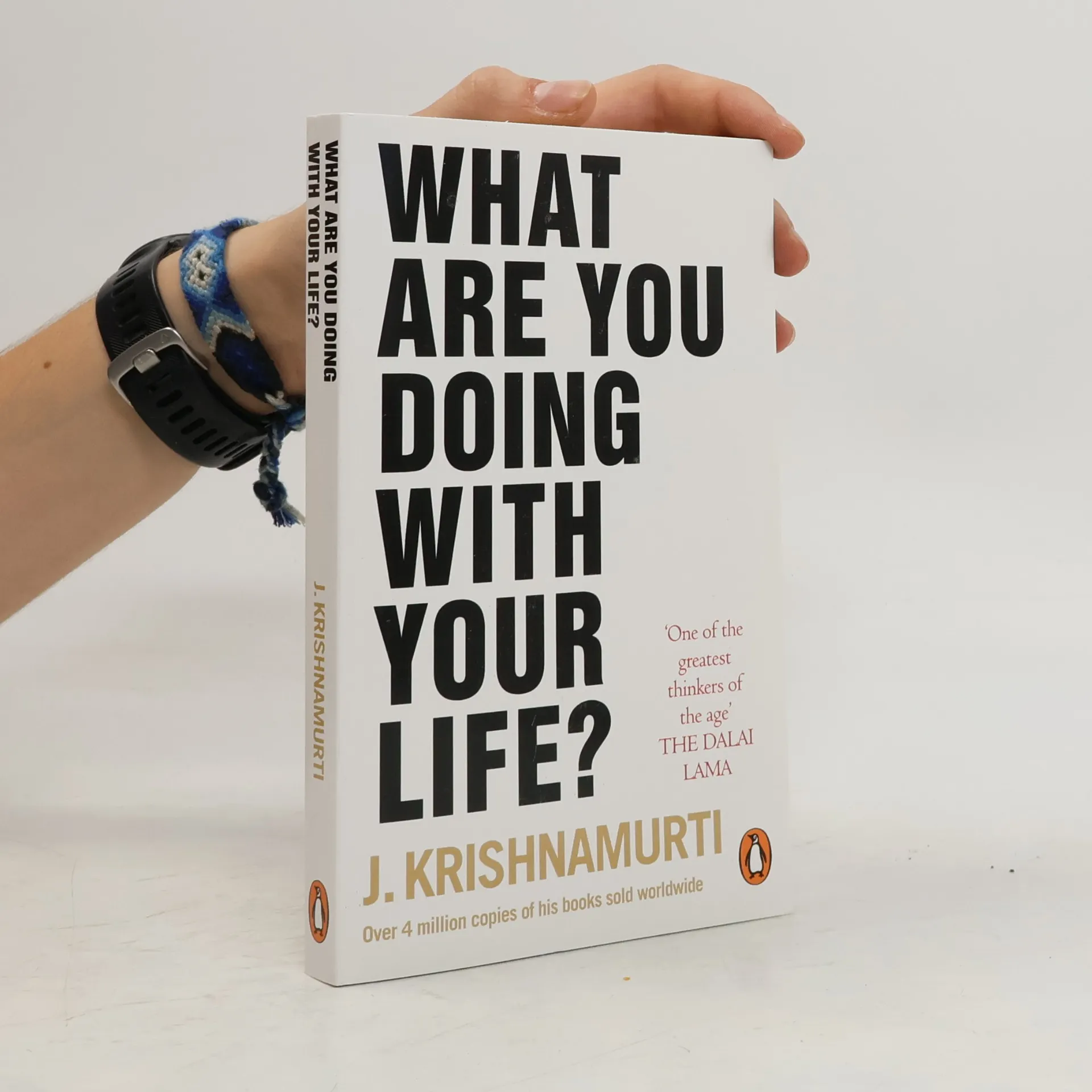
What Are You Doing With Your Life?
- 272pages
- 10 heures de lecture
‘One of the greatest thinkers of the age’ The Dalai Lama 'One of the five saints of the 20th century' - TIME magazine 'Krishnamurti influenced me profoundly' - Deepak Chopra Who are you? What are you? What do you want from life? One of the world’s great philosophical teachers, Krishnamurti, offers his inspiring wisdom on many of life’s hurdles from relationships and love, to anxiety and loneliness. He answers such questions as ‘What is the significance of life?’ and 'How do I live life to the full?' to reveal the best way of being true to yourself. Read by millions from all walks of life, Krishnamurti shows us there is no path, no higher authority, no guru to follow, and that ultimately it is our own responsibility as to how we live our lives.
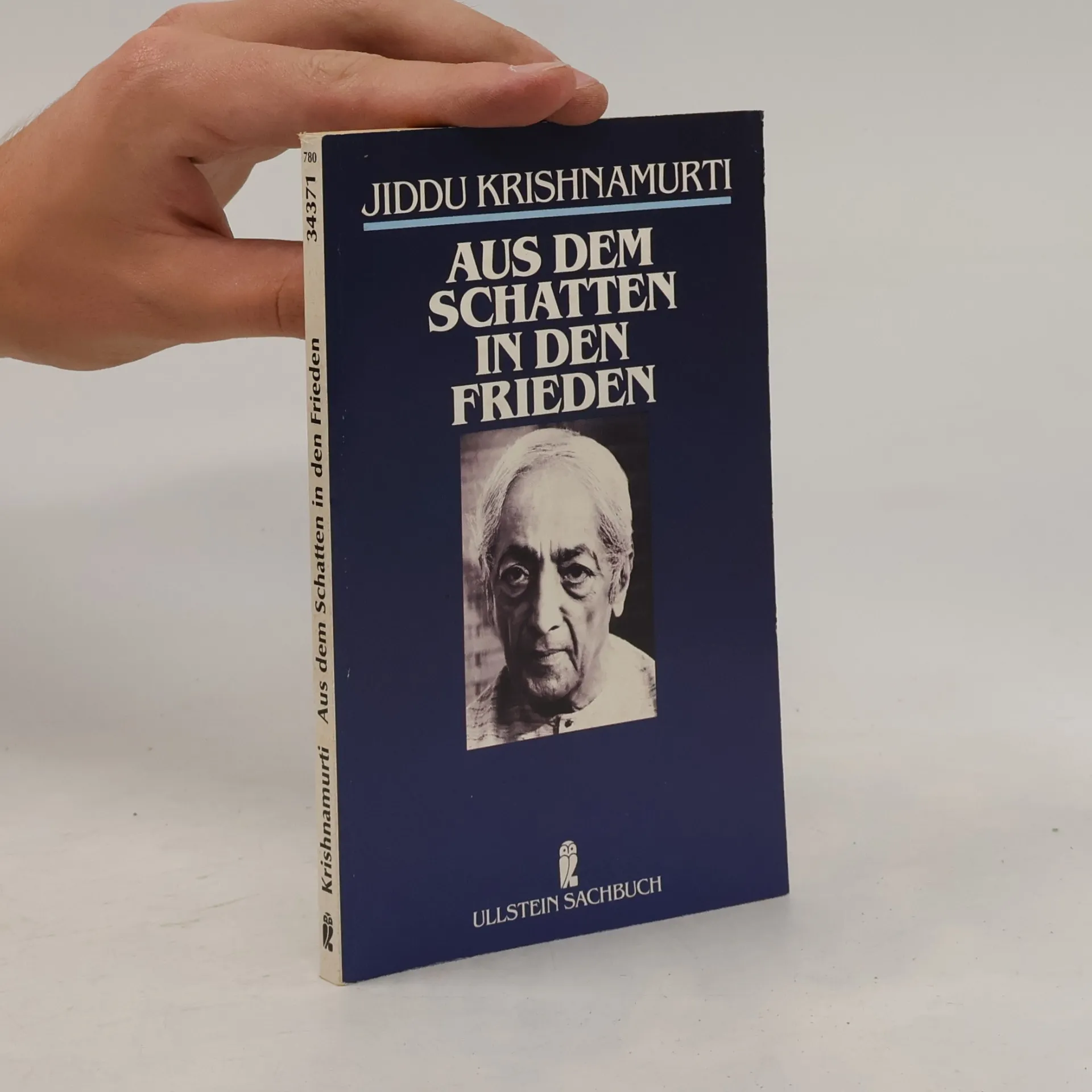
Aus dem Schatten in den Frieden
- 120pages
- 5 heures de lecture
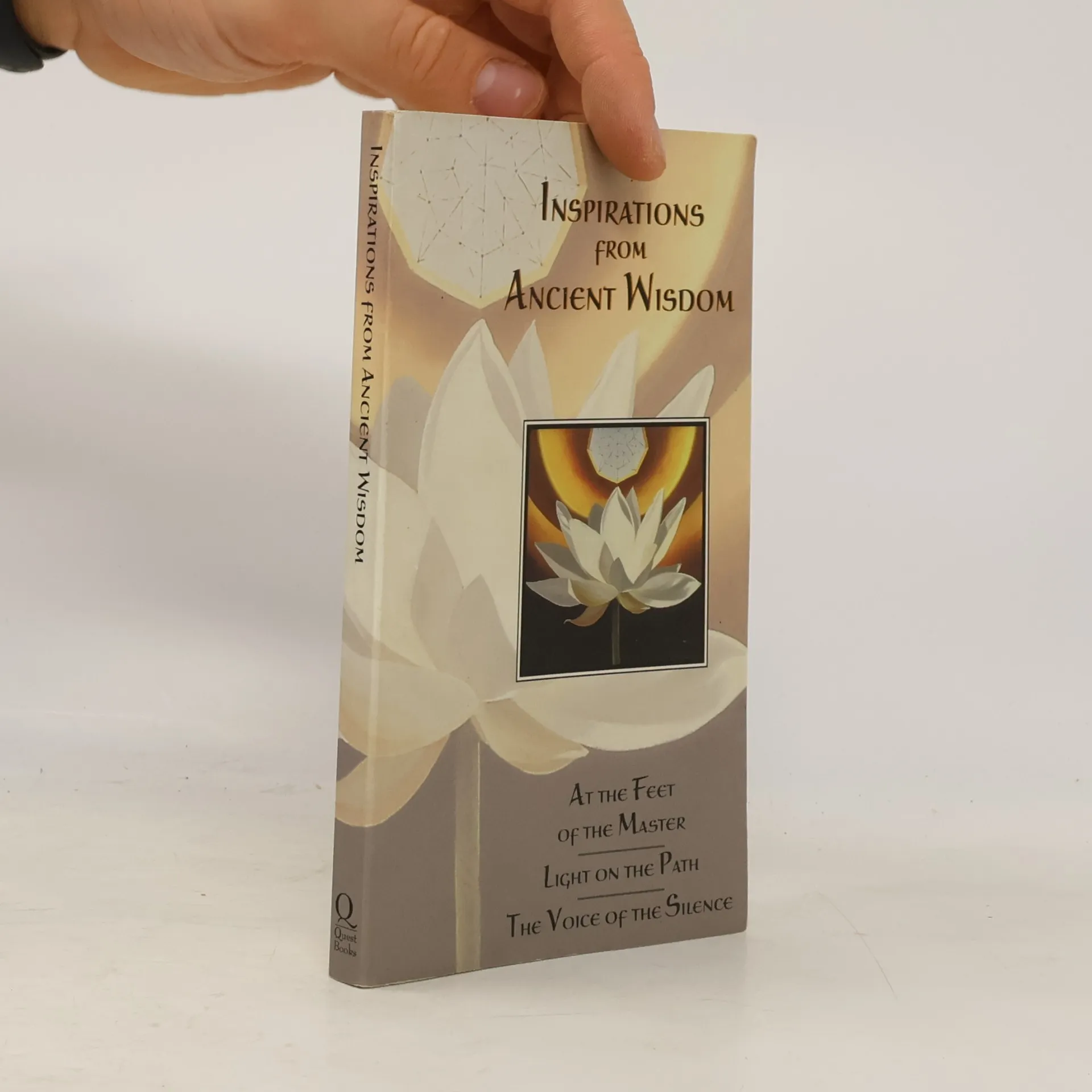
Inspirations from Ancient Wisdom
At the Feet of the Master, Light on the Path, the Voice of the Silence
- 140pages
- 5 heures de lecture
When he was a boy, Krishnamurti, writing as Alcyone, set down the simple precepts for right living published as At the Feet of the Master . This lucid guide to the spiritual life has inspired millions around the world. Mabel Collins, a nineteenth-century British writer, collected forty-two aphorisms for right living which are as current for today's seekers as they were when they were first published as Light on the Path. H. P. Blavatsky, founder of the Theosophical Society, set down her own guide to the spiritual life in the mystic and poetic masterpiece The Voice of the Silence . Collected for the first time in a single volume, these three contemporary spiritual classics can set anyone on the path to spiritual wisdom.
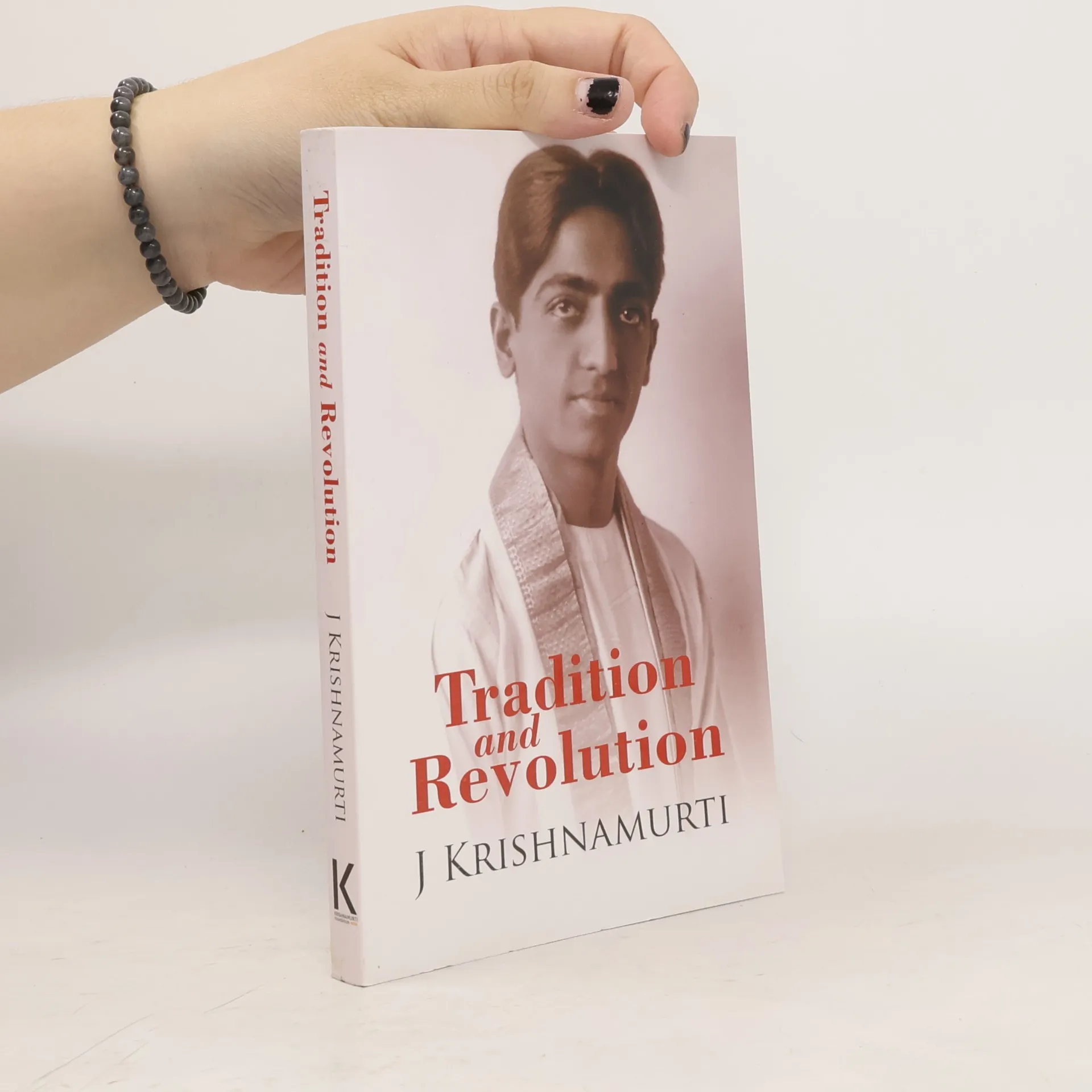
Tradition and revolution consists of a series of dialogues on ancient indian religious and philosophical themes mans search for liberation, his ideas about the spiritual path and the goal, and various traditional concepts are dealt with in contemporary idiom krishnamurtis concern is to bring out the experiential component behind these terms and to lead his listeners to heart of the human predicament these dialogues are a profound investigation into the nature of consciousness, an exploration of the mind, itsmovement and its frontiers, and of that which lies beyond
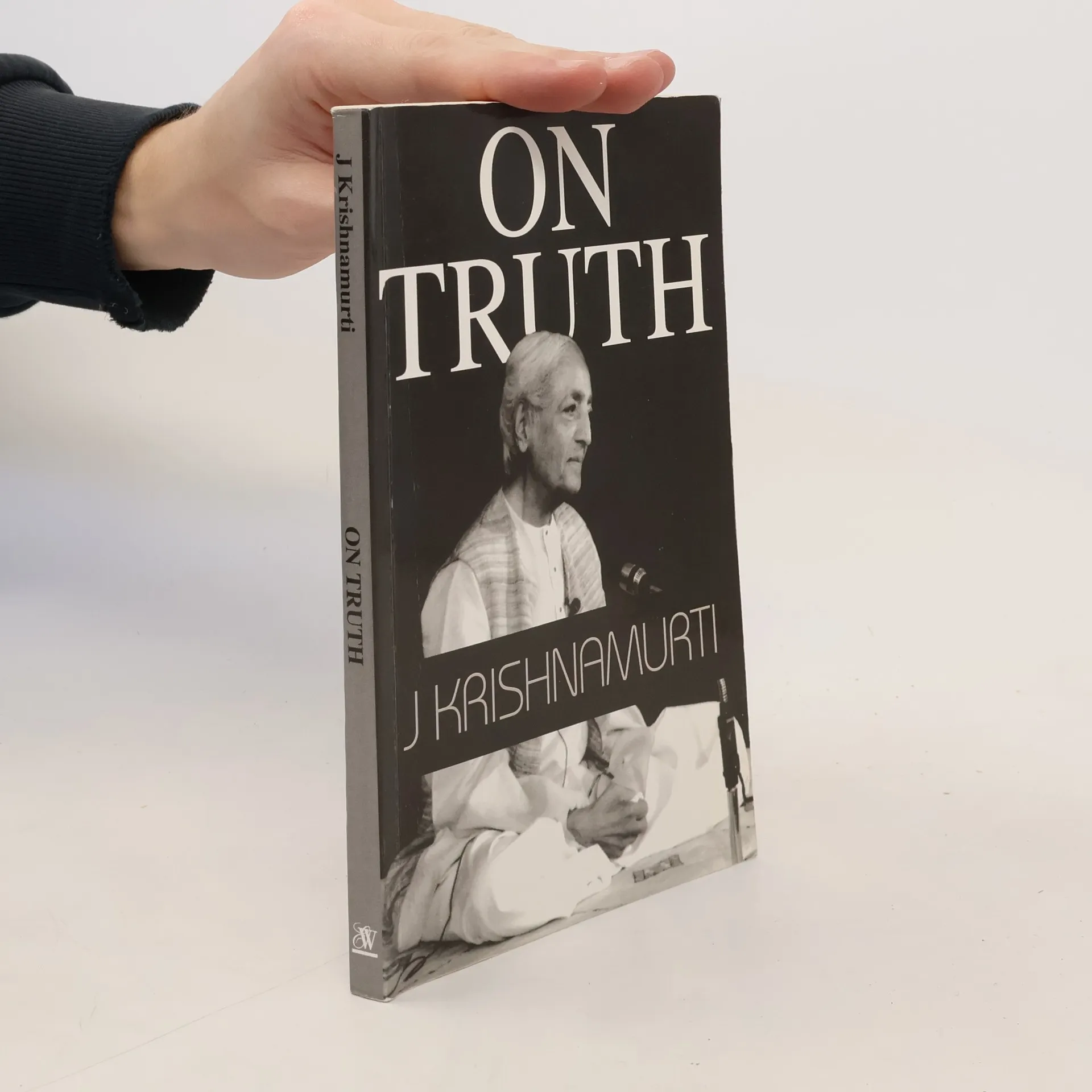
On Truth questions the very nature of reality and asks whether truth can be found by following any belief or teacher. Krishnamurti taught that truth comes uninvited, with glory, when one puts all in order, and in that there is great sacredness.
Description currently unavailable
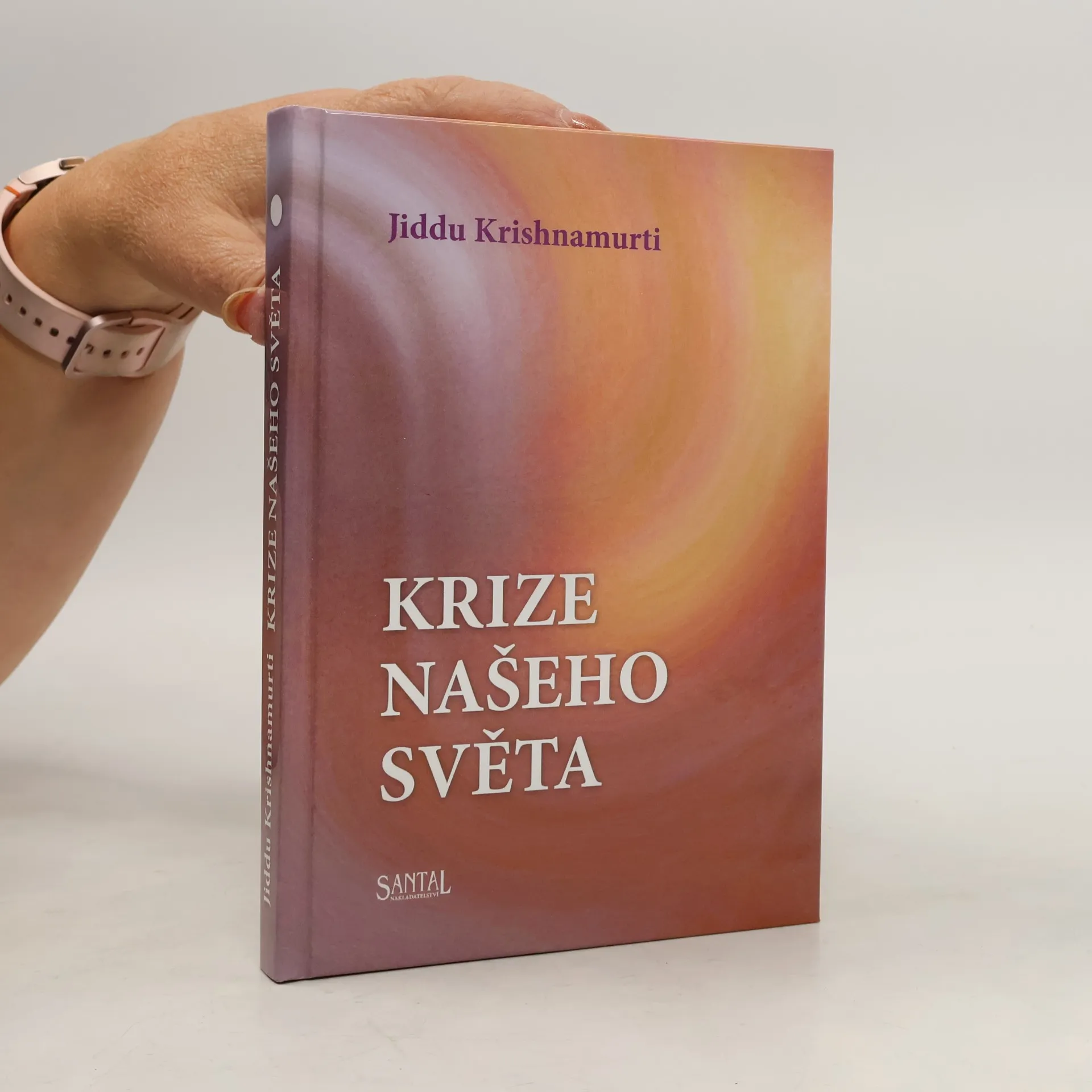
Reprezentativní antologie učení Jiddu Krishnamurtiho ukazuje v plné šíři skryté kořeny problémů člověka: zdeformované myšlení, které si samo nevědomě vytváří různé strachy, frustrace a konflikty. K řešení všech problémů je nutné skutečné porozumění, tj. poznání pravdy a poznání vlastní psychiky. K poznání sebe sama je potřebná stálá bdělá pozornost, stálé uvědomování si všech svých duševních hnutí. A tímto uvědoměním je pak možné dojít až k vlastní radikální transformaci, opravdové vnitřní revoluci. Krishnamurtiho racionální přístup - jenž se nezakládá na žádném náboženském systému ani na nějaké víře, ale naopak proti nim ostře vystupuje - zaznamenal velký úspěch v moderním západním světě a ovlivnil i mnohé významné vědce a spisovatele, mj. Davida Bohma, Ruperta Sheldrakea a Aldouse Huxleyho.
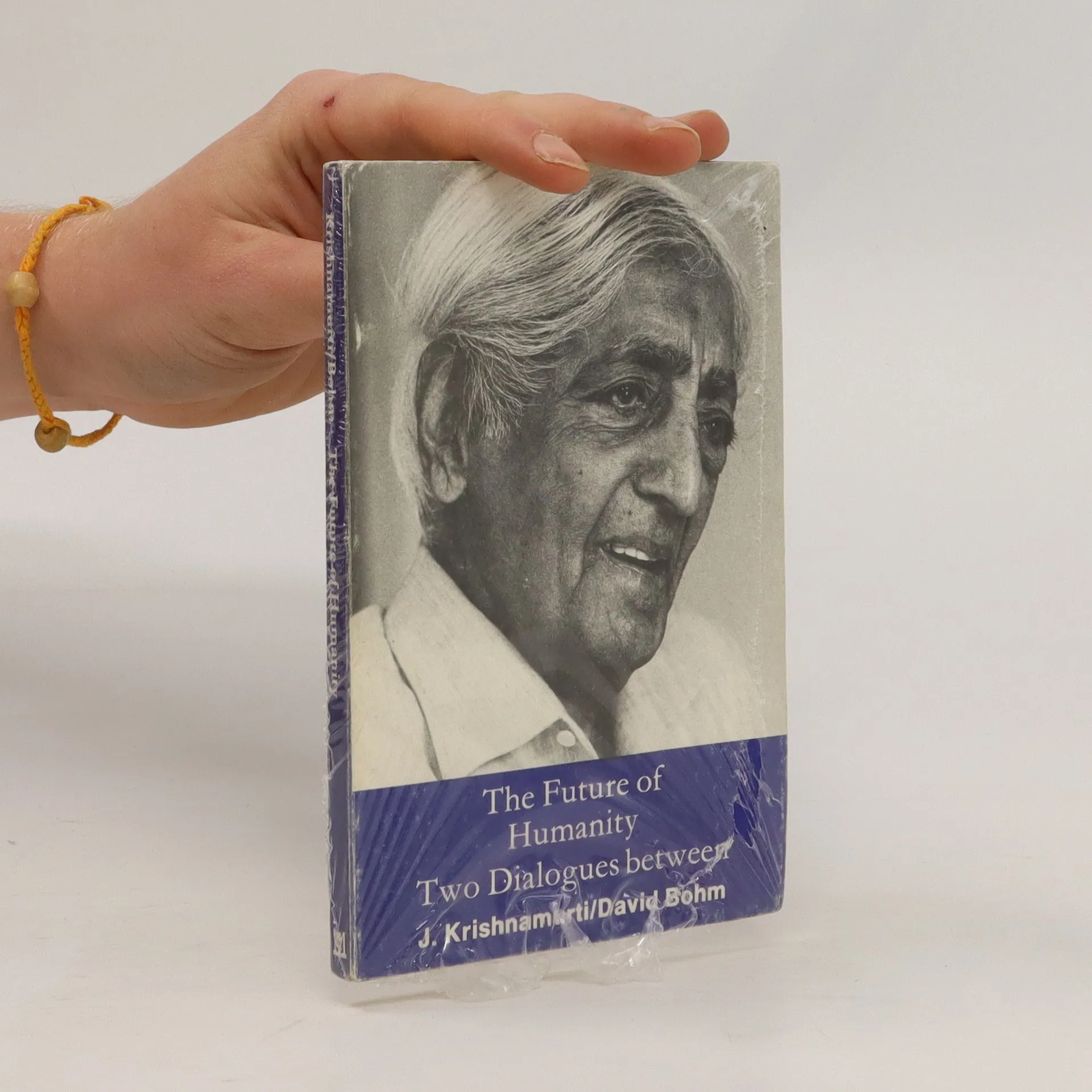
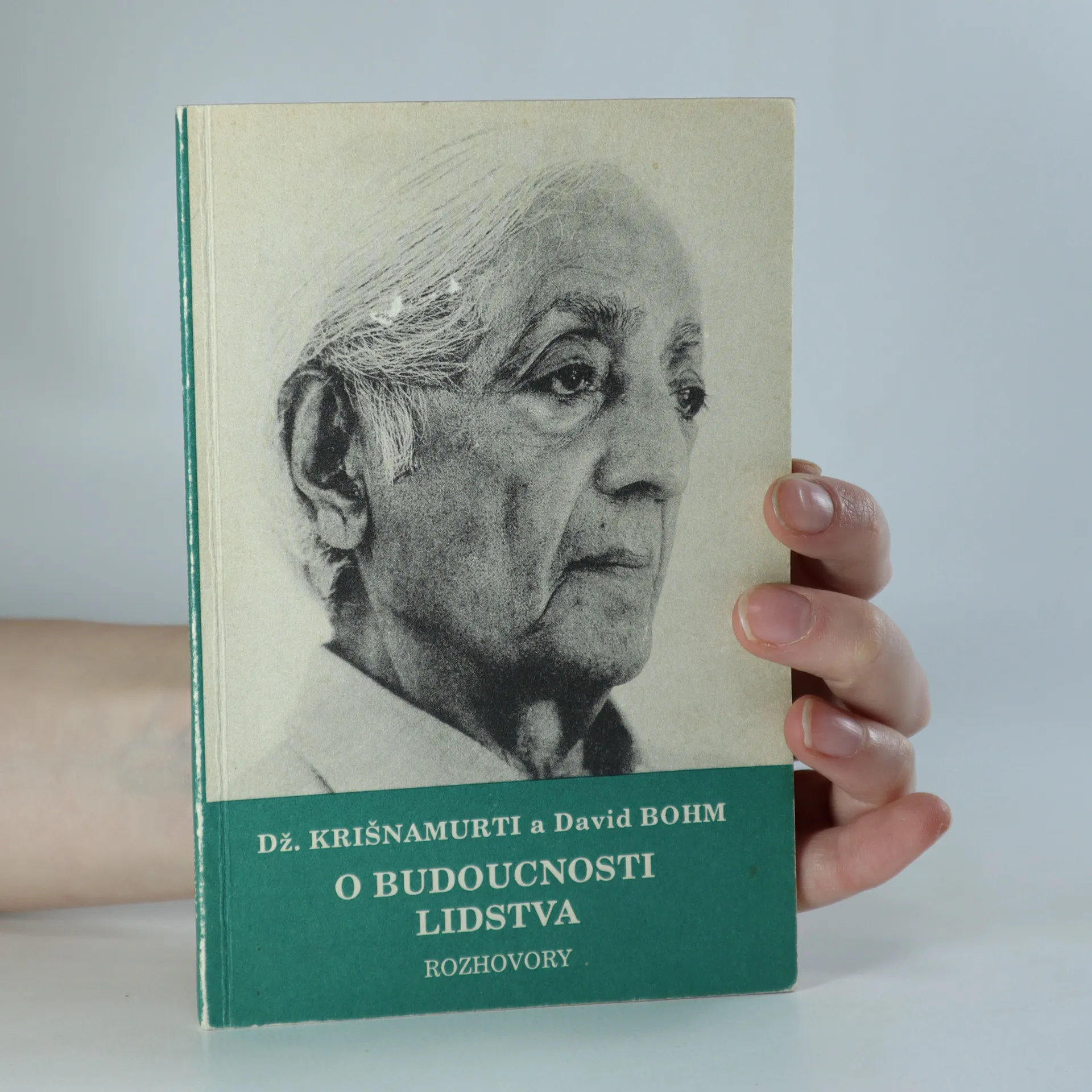
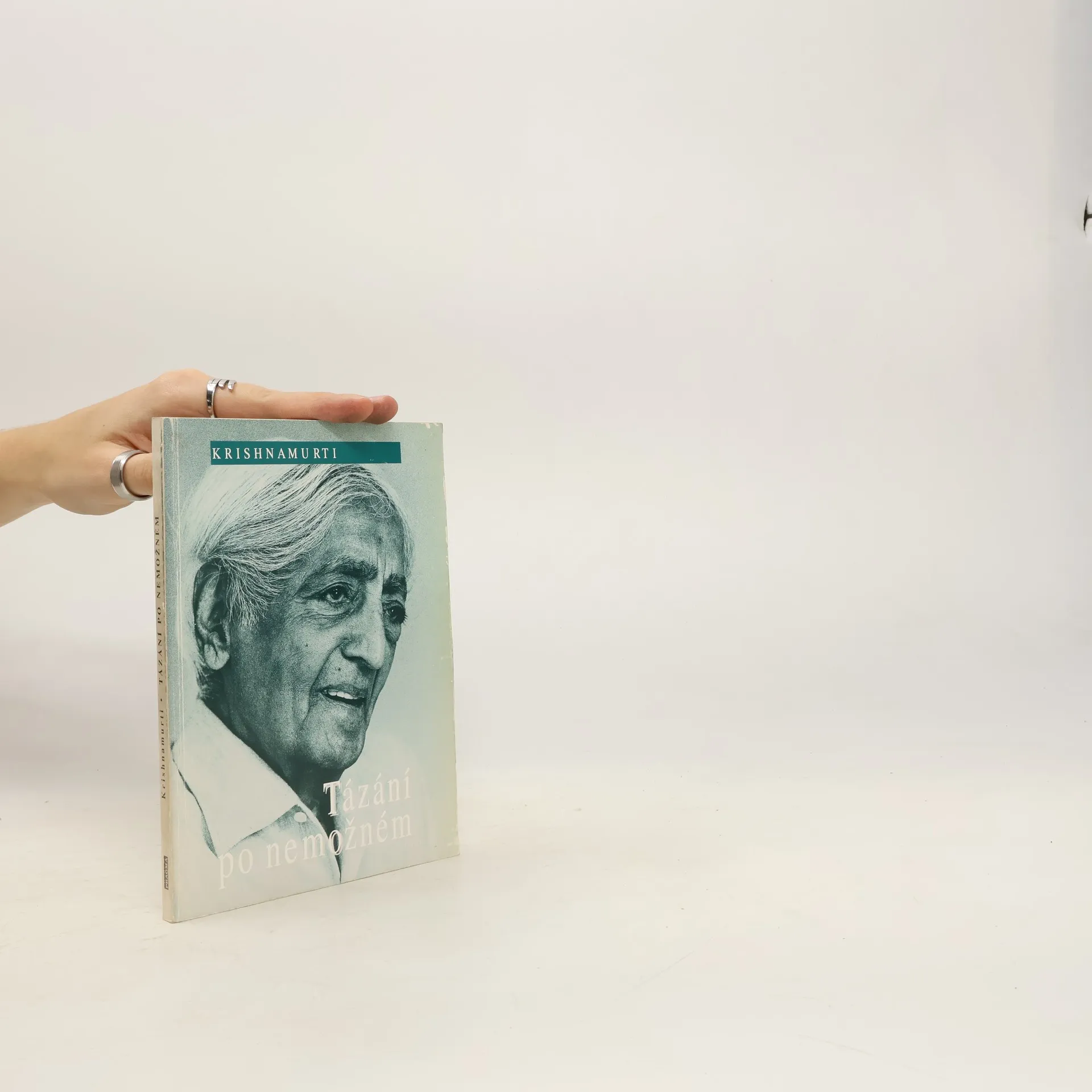
Východiskem pro tyto rozhovory byla otázka: "Jaká je budoucnost lidstva?", říká ve své předmluvě dr. David Bohm. A pak pokračuje: "Tato otázka je nyní životně důležitá pro každého, poněvadž je naprosto zřejmé, že moderní věda a technika daly nesmírné možnosti destrukci."
Co děláte se svým životem?
- 200pages
- 7 heures de lecture
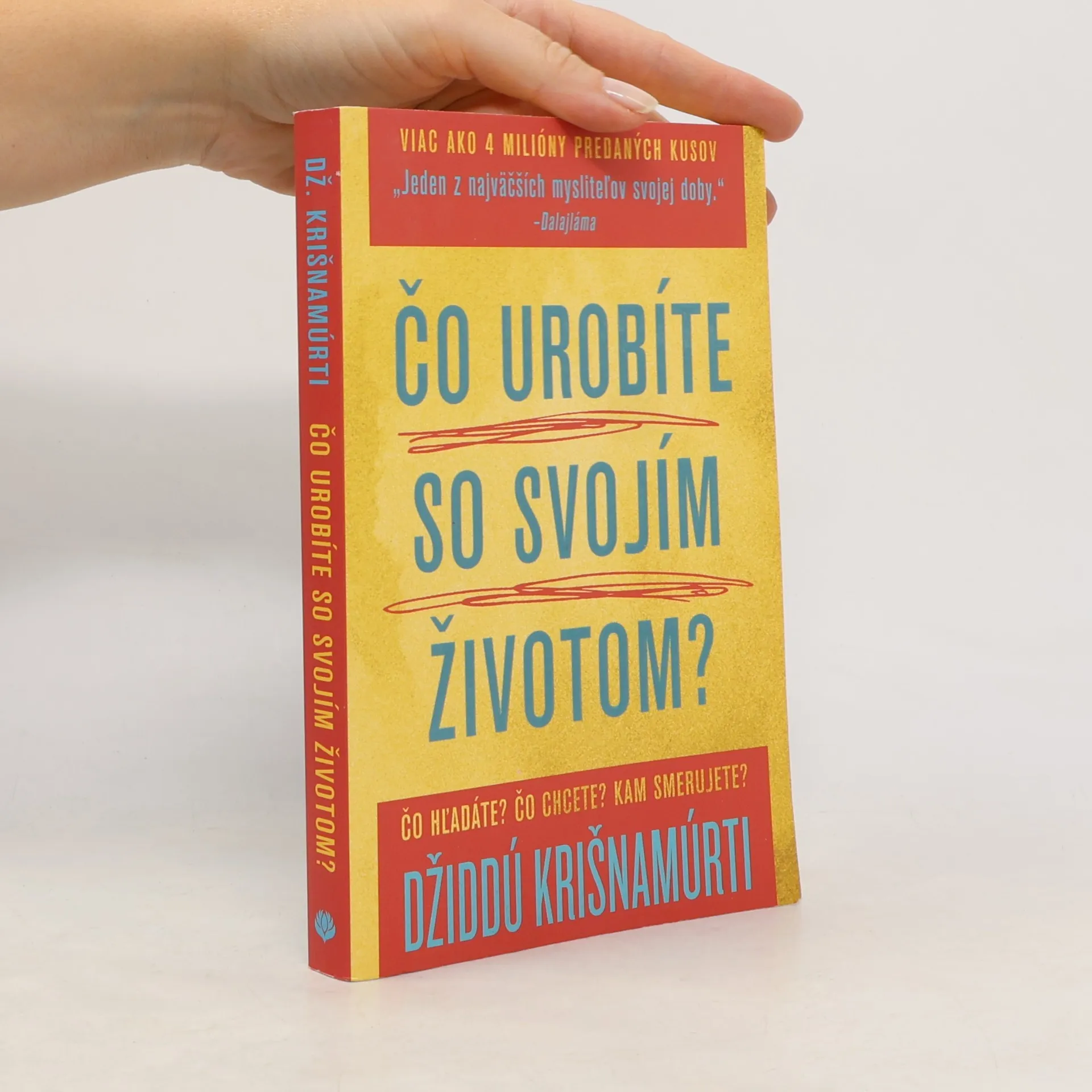
Aký je zmysel života? Ako ho prežiť čo najplnšie? Čo máme robiť,ak vyrastáme a žijeme v dobe plnej chaosu?Narástlo vôbec v týchto časoch rýchleho vedeckéhoa technologického pokroku porozumenie človeka samému sebe?Je priebeh nášho života nejakým spôsobom predurčený vzorcamiz minulosti? Je možné žiť inak? Aký má to všetko význam?Jeden z najväčších svetových duchovných učiteľov ponúkav odpovediach na tieto a mnohé iné otázky svoj múdry pohľadna dôležité témy ľudského života, ako sú vzťahy, láska, práca,strach a osamelosť. Vysvetľuje, ako sa na križovatkách životarozhodovať tak, aby sme zostali verní sami sebe a prevzalizodpovednosť za spôsob života, ktorý si zvolíme.Táto kniha je určená všetkým hľadajúcim, ale najmä mladýmľuďom, ktorí práve vstupujú do života.
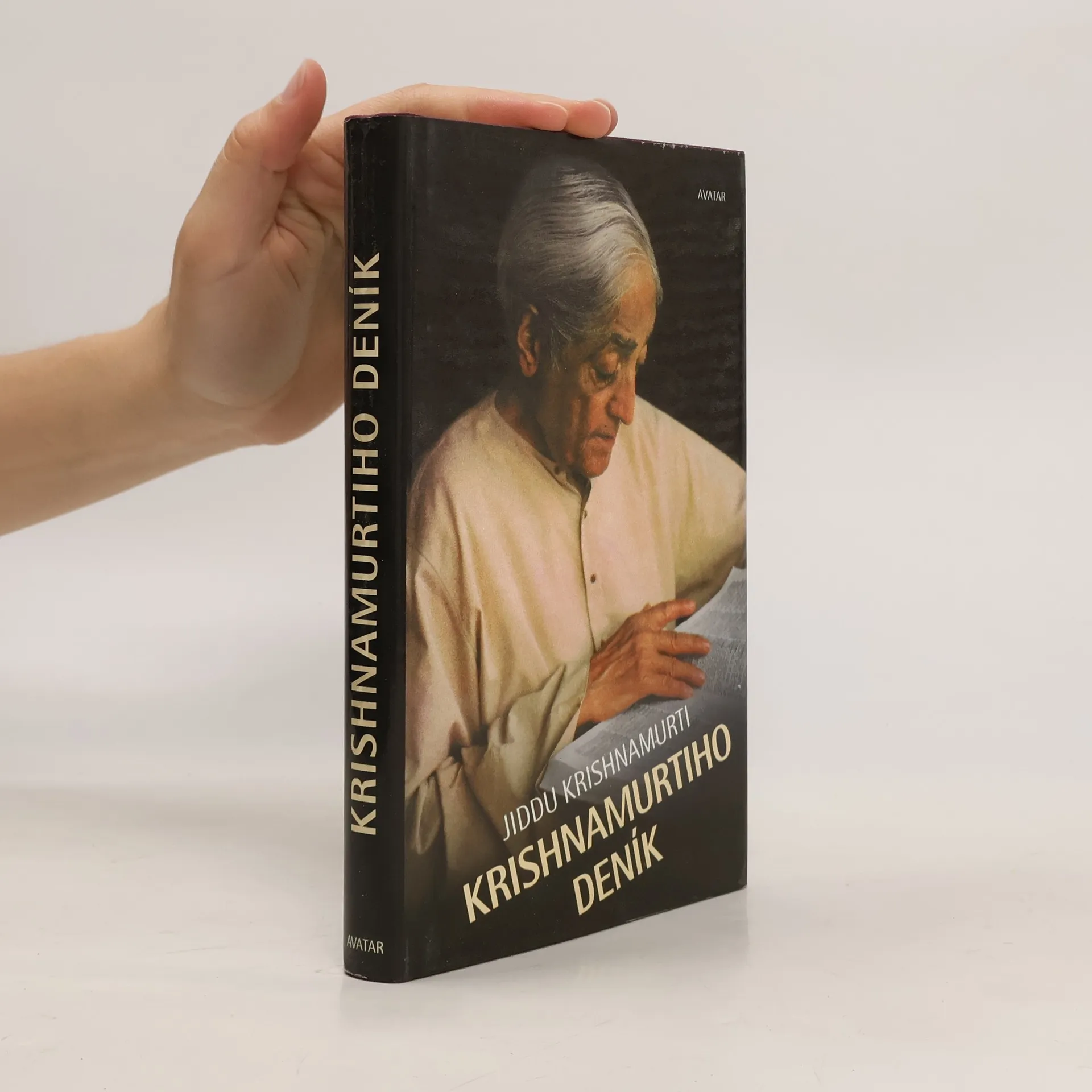
V průběhu sedmi měsíců roku 1961 a 1962 si Jiddu Krishnamurti bez zjevného záměru pořizoval denní záznamy svých hlubokých transcendentálních zkušeností, vjemů a stavů vědomí. Asi netušil, jak působivé svědectví o svém vnitřním světě do zápisků vtěluje. Deník nám umožňuje poznat Krishnamurtiho nejen jako intelektuálně vytříbeného duchovního zasvěcence a analytika lidské psychiky, ale také jako neobyčejně citlivého a vnímavého pozorovatele přírody v její celistvosti i detailech. Autor mimo jiné učí, že skutečnou krásu lze zažívat pouze za naprostého utišení mysli, ve stavu úplného odosobnění, v němž není místa pro úsilí ani chtění. Jde o dílo, které svým obsahem i formou zcela vybočuje z autorovy tvorby. Nikdy předtím ani nikdy potom si takové zápisky nepsal. Deník patří k tomu nejlepšímu, co nám tento vynikající znalec ducha zanechal.
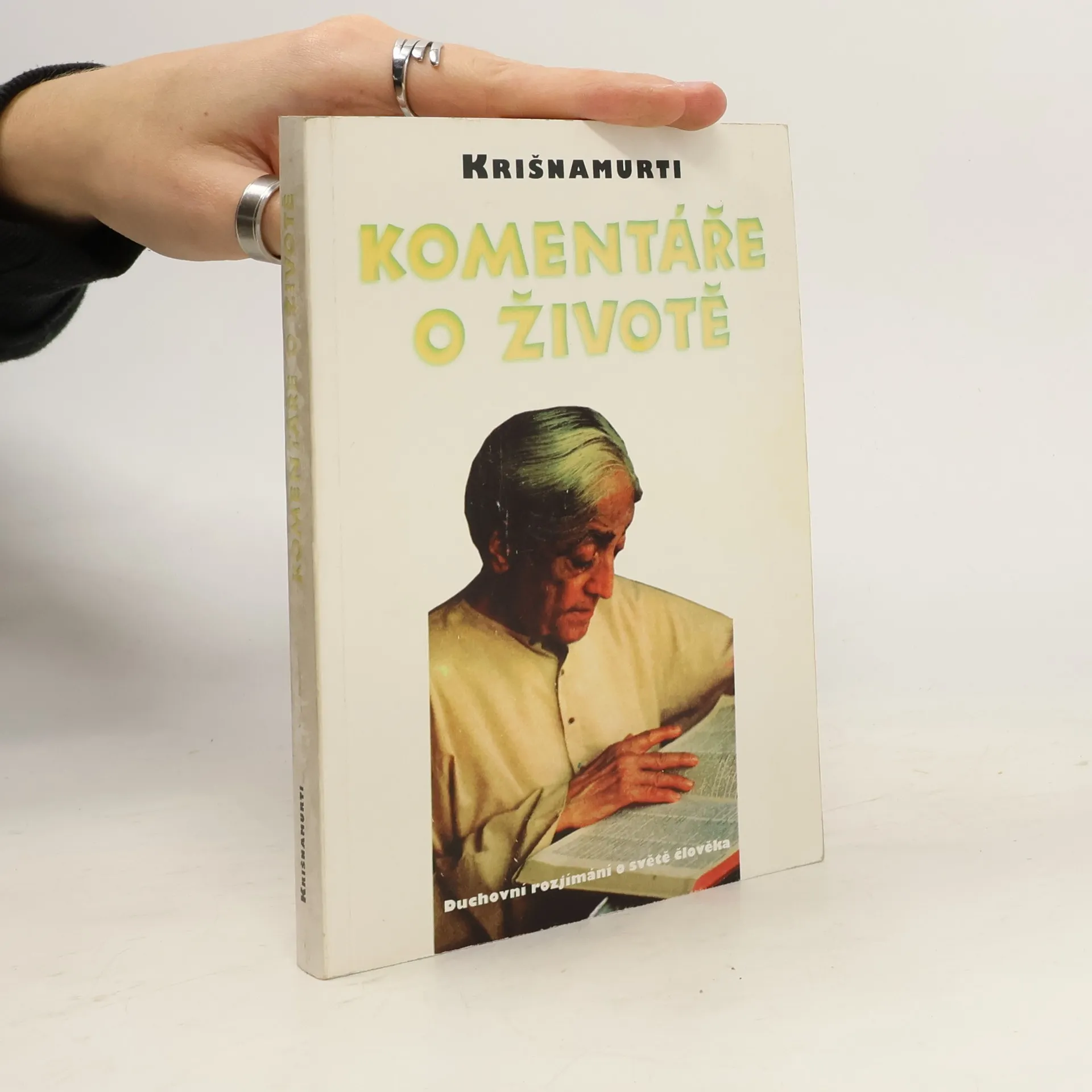
Komentáře o životě. Duchovní rozjímání o světě člověka
- 274pages
- 10 heures de lecture
Podtitul: Duchovní rozjímání o světě člověka V příbězích o životě rozvíjí hinduistický náboženský učitel a myslitel Krišnamurti své učení a pomáhá hledajícím objevovat všudypřítomnou pravdu a věčnost zde a nyní, zbavením ega nalézat sebe sama.
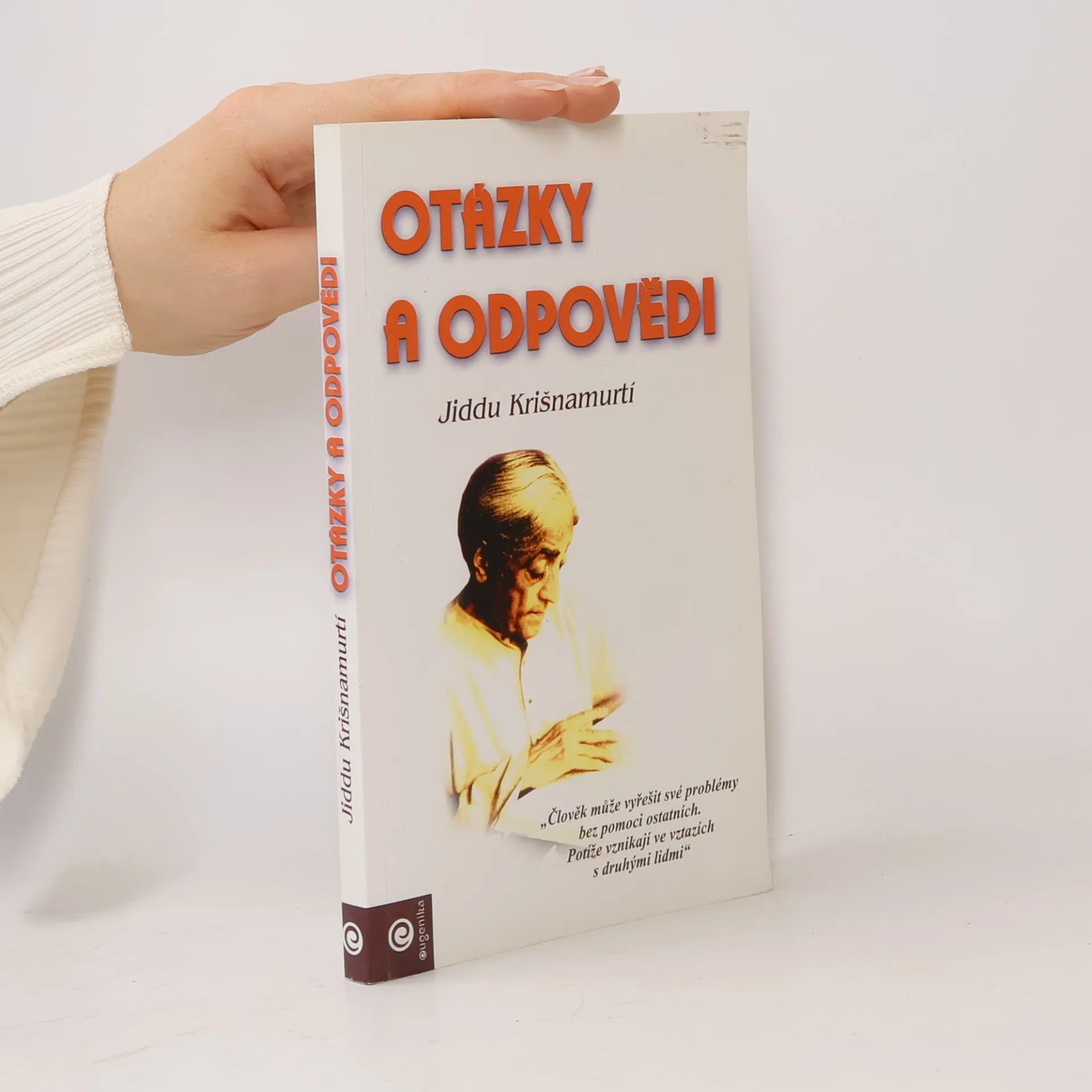
Otázky a odpovědi
- 153pages
- 6 heures de lecture
Kniha padesáti přednášek, které formou otázek a odpovědí představují základní filosofická tázání po smyslu bytí. Padesát krátkých přednášek, které přednesl významný hinduistický myslitel, se soustřeďuje na okruh otázek, které se týkají především bytí. Přednášky jsou členěny do čtyř časových cyklů: první okruh se zabývá problémem jáství, druhý a třetí okruh je věnován psychologii lidských vztahů a jejich filosofii, čtvrtý pak otázkám a pojmům jako je soucit, zkaženost, zodpovědnost, víra a modlitba, svoboda. Autor vychází z předpokladu, že život jako takový je celistvý, klást obzvláštní důraz na jednotlivost, trápit se pro detaily, vede k sebezničení. Rovněž veškeré představy Boha, iluze máme různé, avšak model je totožný. Problémy vznikají především ve vztazích s druhými lidmi, mohou však být vyřešeny, nejsme-li pohodlní. Přednášky probíhaly v Anglii a Kalifornii od srpna 1979 do září 1980.
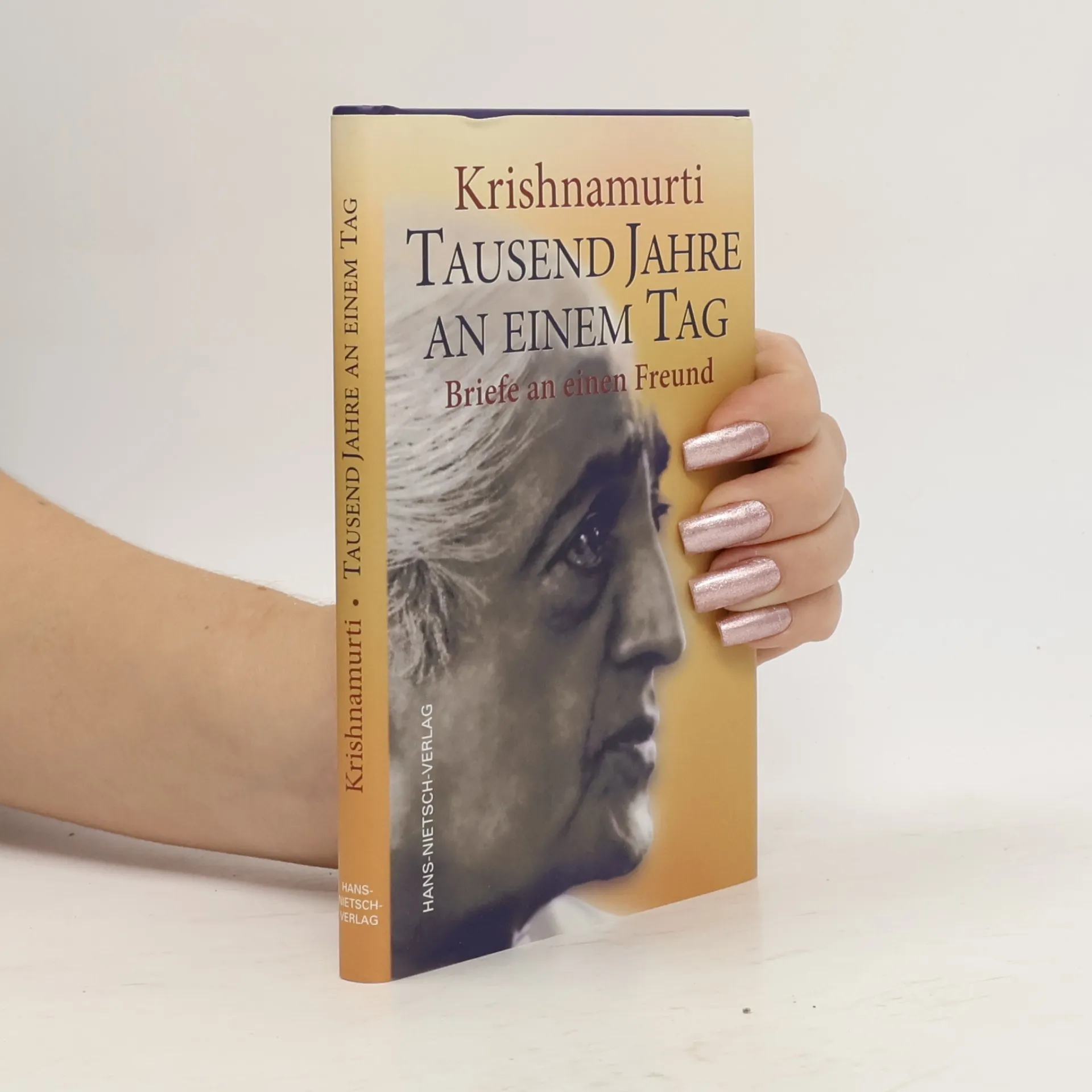
Die Briefe von Krishnamurti, verfasst zwischen 1948 und 1960, bieten eine intime und tiefgreifende Unterweisung an einen verletzten jungen Freund. Sie spiegeln sein Mitgefühl und seine klare Denkweise wider, während er komplexe Themen mit einfacher, präziser Sprache behandelt. Diese Sammlung ermöglicht es den Lesern, sich in die Rolle des Empfängers zu versetzen und an einer persönlichen Lehrsituation teilzuhaben, in der Trennung und Distanz überwunden werden. Ein einzigartiges Dokument, das sowohl emotional als auch philosophisch berührt.
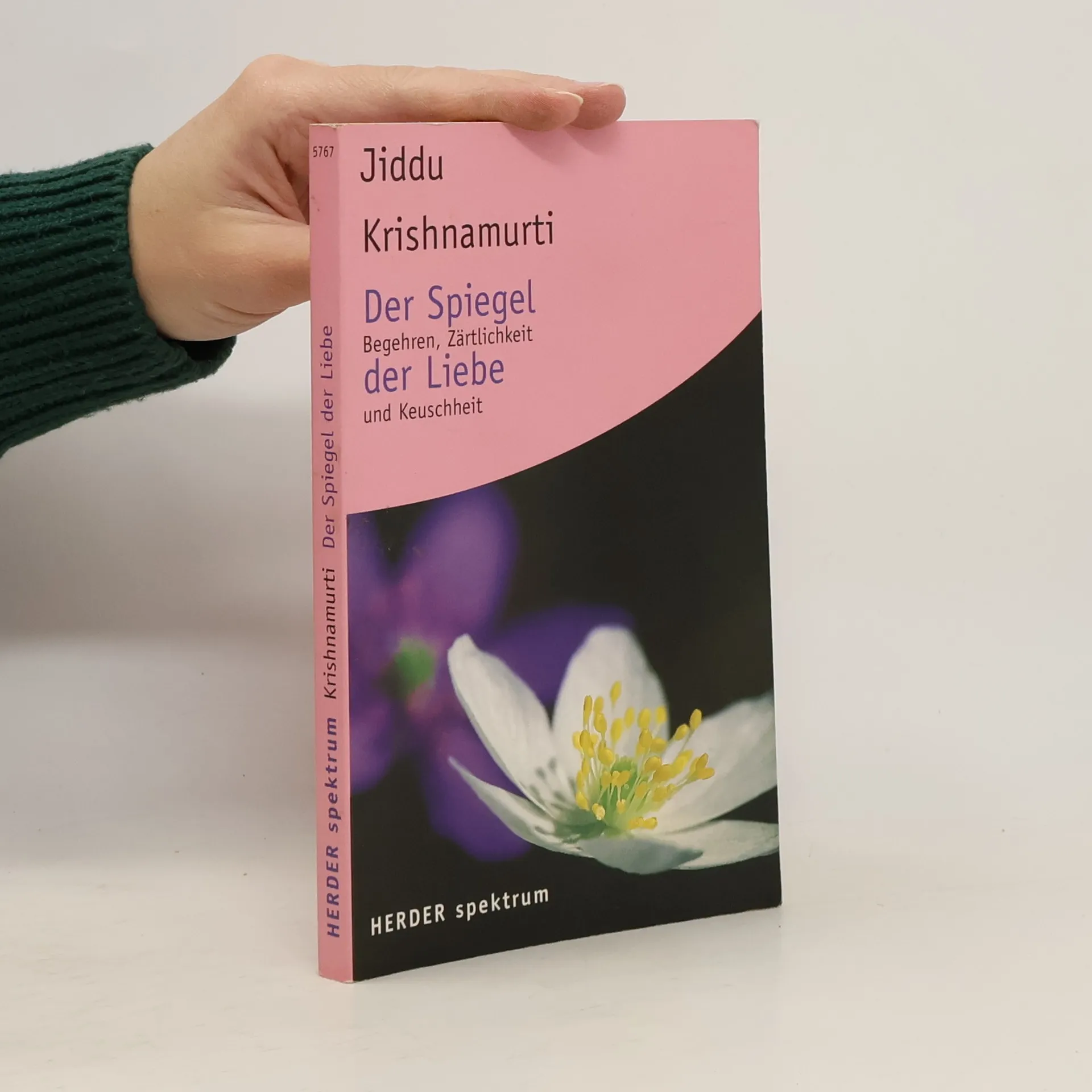
Der Spiegel der Liebe
- 160pages
- 6 heures de lecture
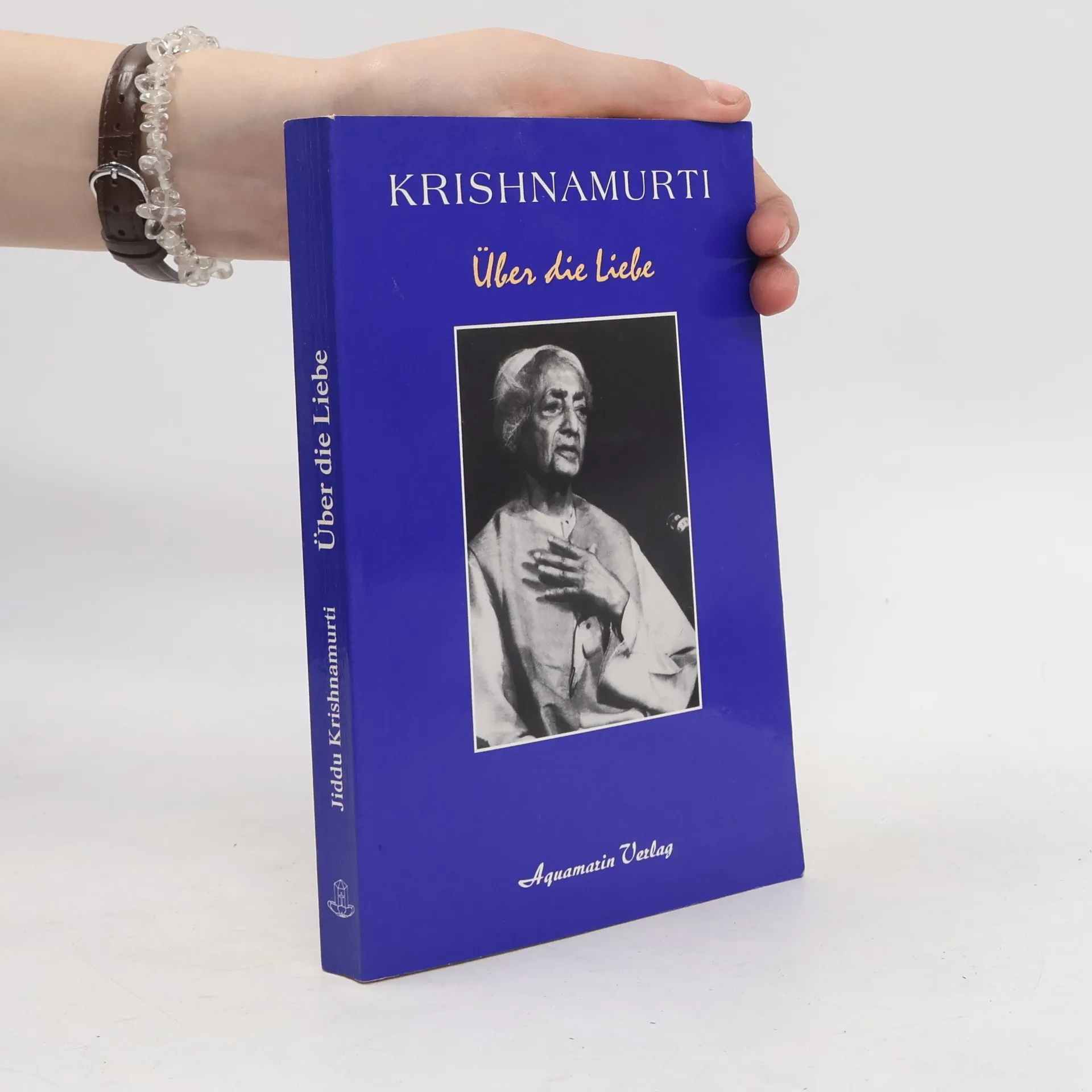
Niemand ist eine Insel - vor Beziehungen können wir nicht flüchten. Und sie sind der Spiegel für uns selbst: am schönsten, und am schwierigsten, in der Liebe. Jiddu Krishnamurti gibt erstaunliche, provozierende, treffende, verständnisvolle Antworten auf Fragen, die wir alle haben: Warum sind Beziehungen kompliziert? - Was ist der Unterschied zwischen Vergnügen und Begehren? - Keuschheit - was ist das? Eine Auswahl aus dem Werk des international bekannten Weisheitslehrers.
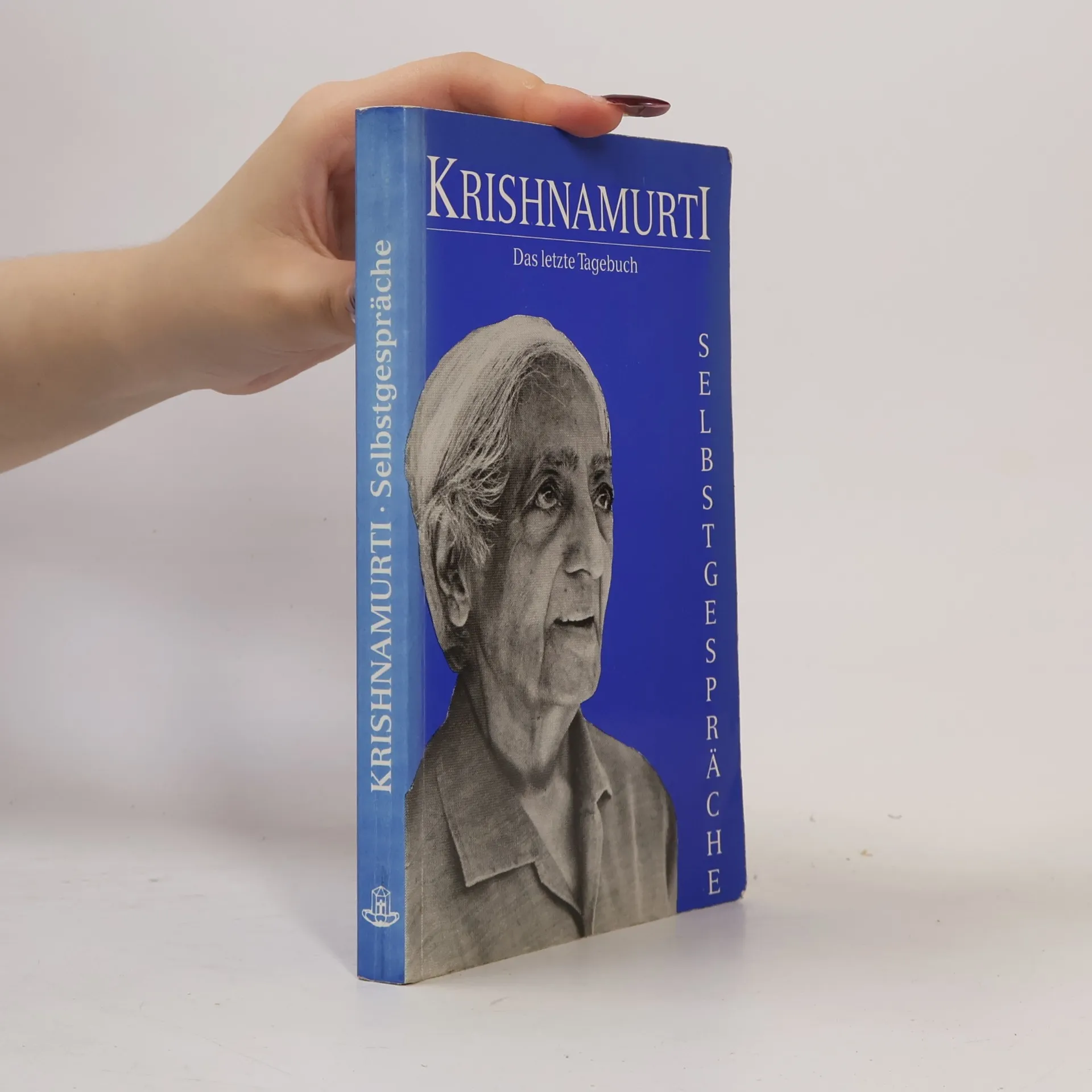
Selbstgespräche
- 184pages
- 7 heures de lecture
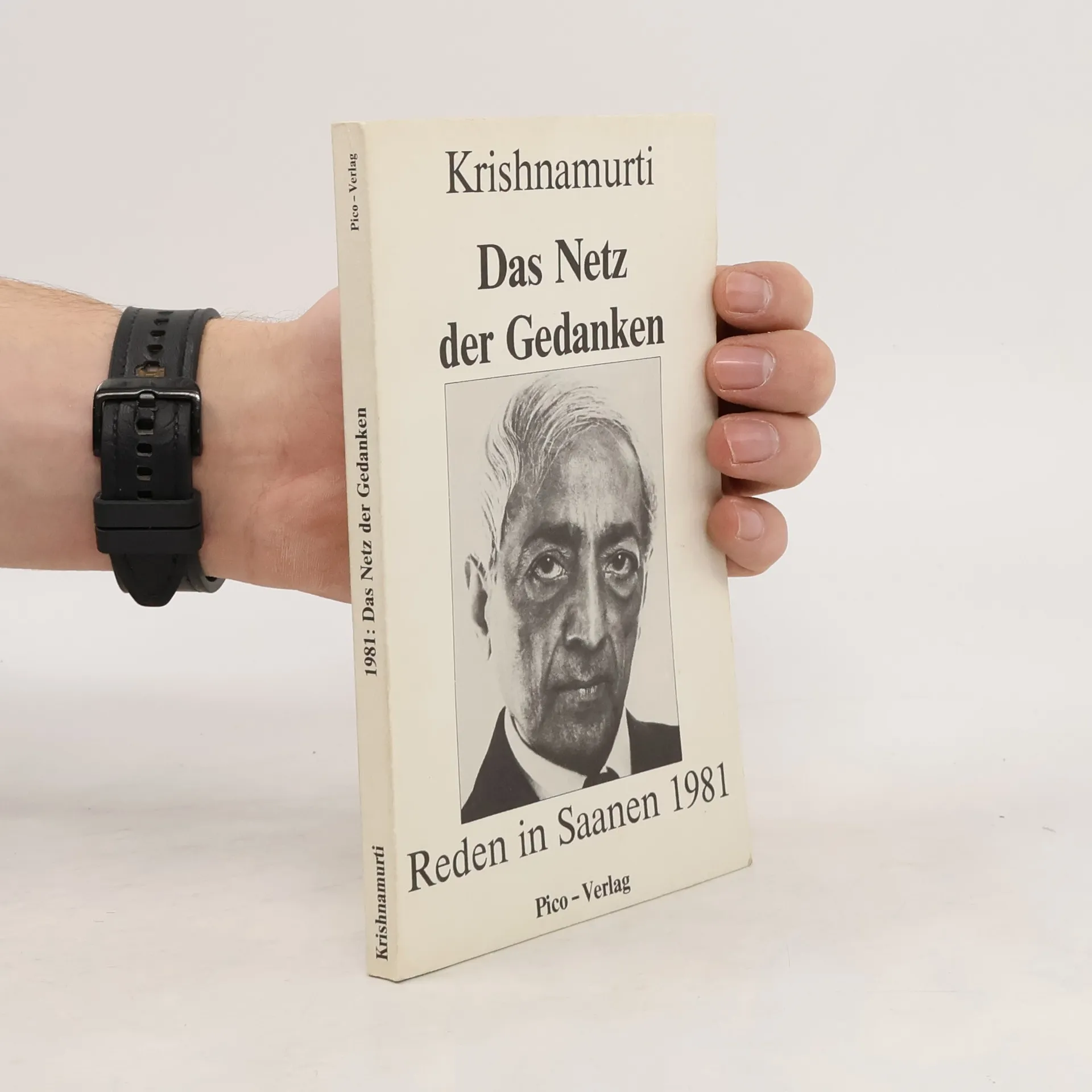
Síť myšlení
- 98pages
- 4 heures de lecture
Kniha o mysli,myšlení,meditaci a životní moudrosti.
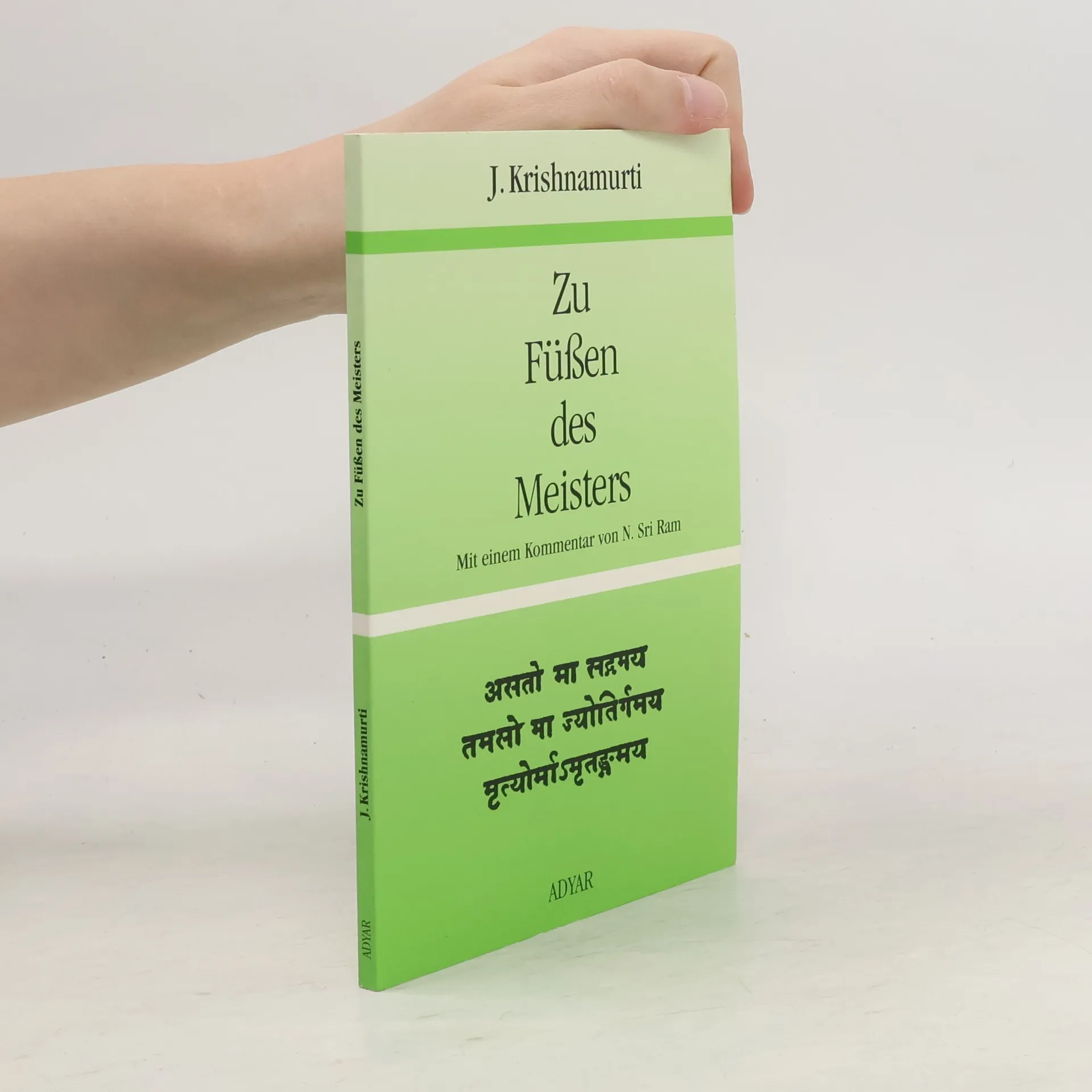
U nohou mistra
- 32pages
- 2 heures de lecture
Jedna z prvních knížek Krišnamurtiho, kde hovoří o základním přístupu ke snahám o duchovní růst.
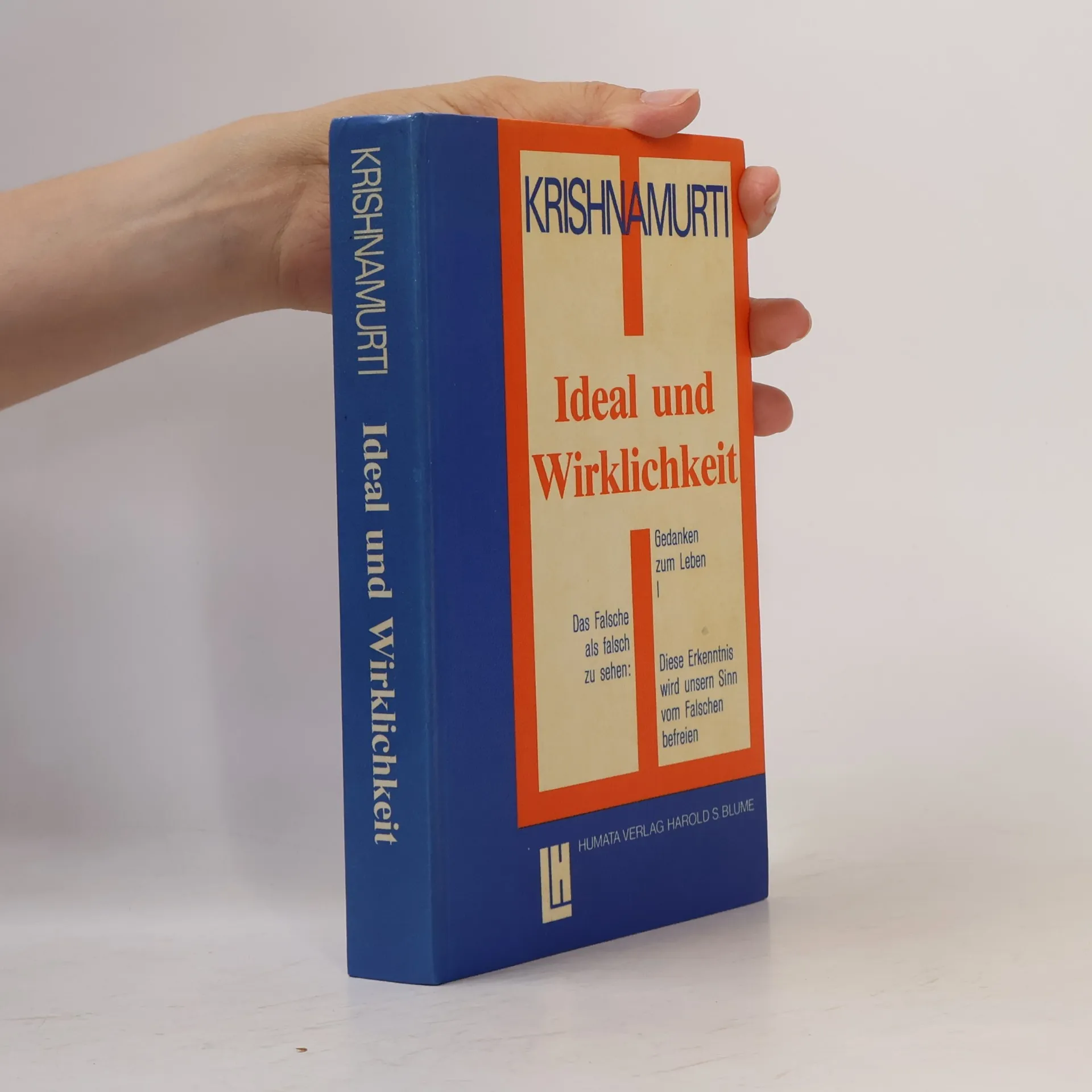
Ideal und Wirklichkeit
- 302pages
- 11 heures de lecture
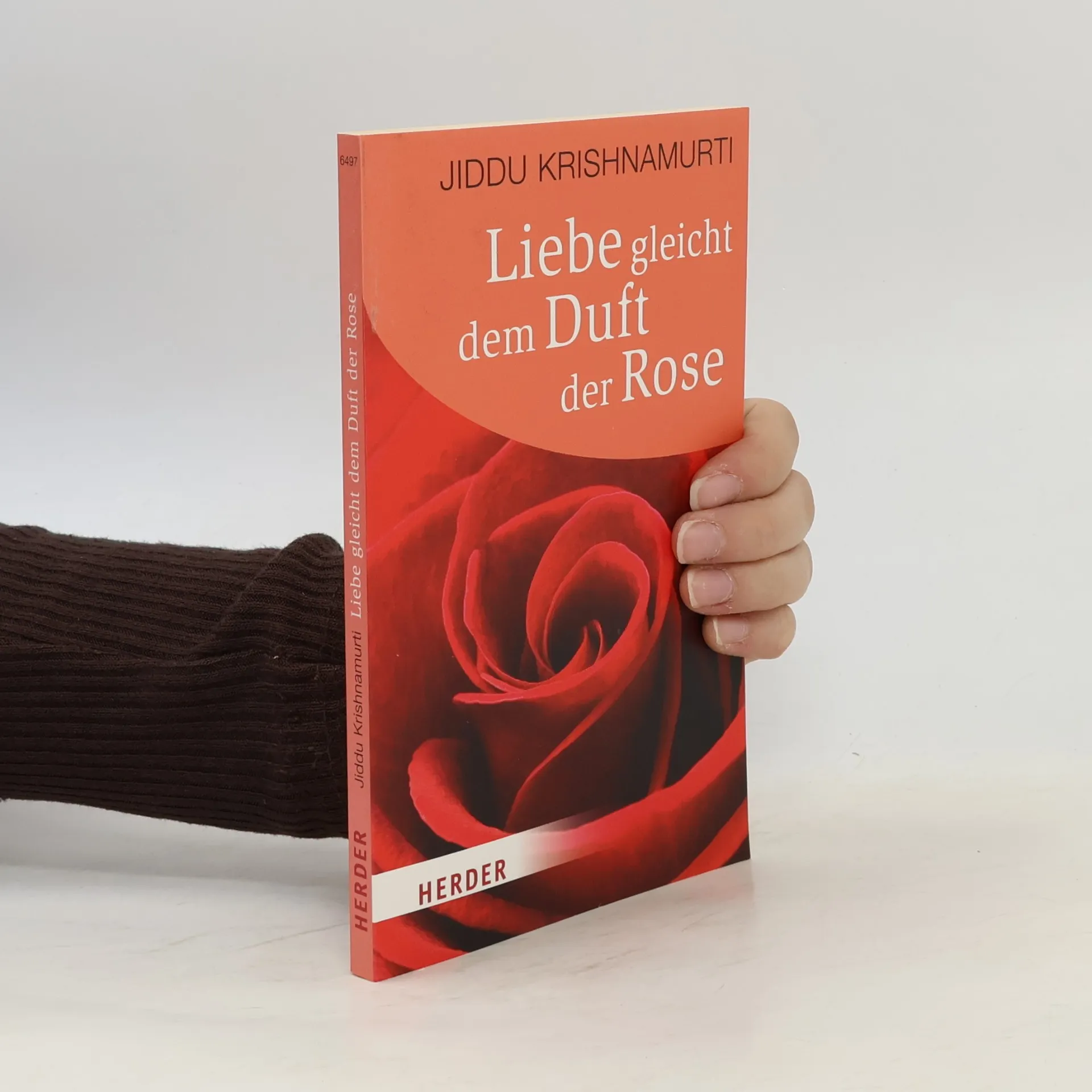
Liebe gleicht dem Duft der Rose
- 130pages
- 5 heures de lecture
Liebe und Freiheit, Selbsterkenntnis und Mitgefühl - das sind die existenziellen Themen des Menschseins, über die Krishnamurti spricht. Seine Vision einer bedingungslosen Liebe kann nur verwirklicht werden, wenn der einzelne Mensch sich von seinen Abhängigkeiten und Ängsten, seinem Schmerz und seiner Einsamkeit befreit. Eine solche Liebe hat die Kraft, uns und unsere Welt zu verwandeln.
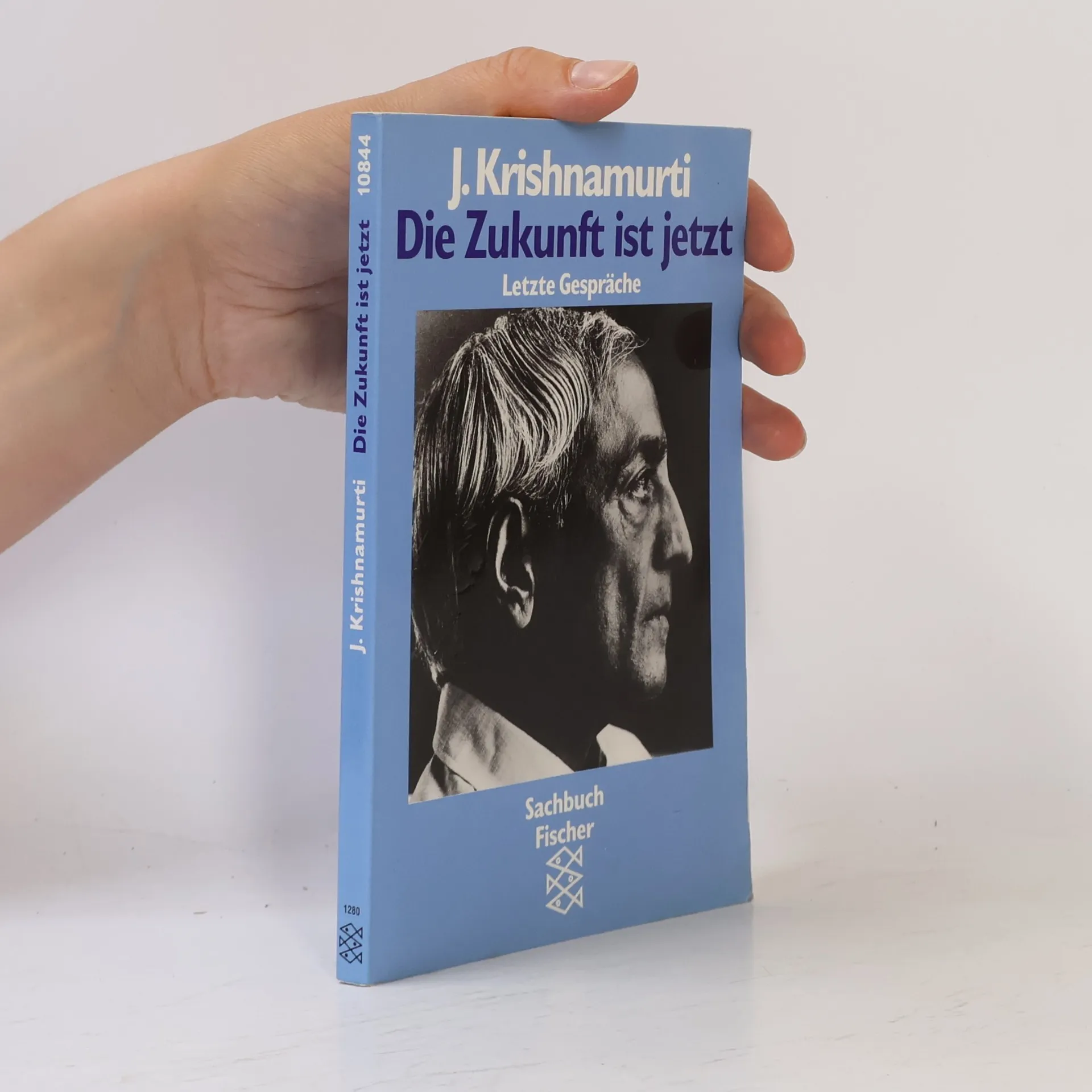
Die Zukunft ist jetzt
- 134pages
- 5 heures de lecture
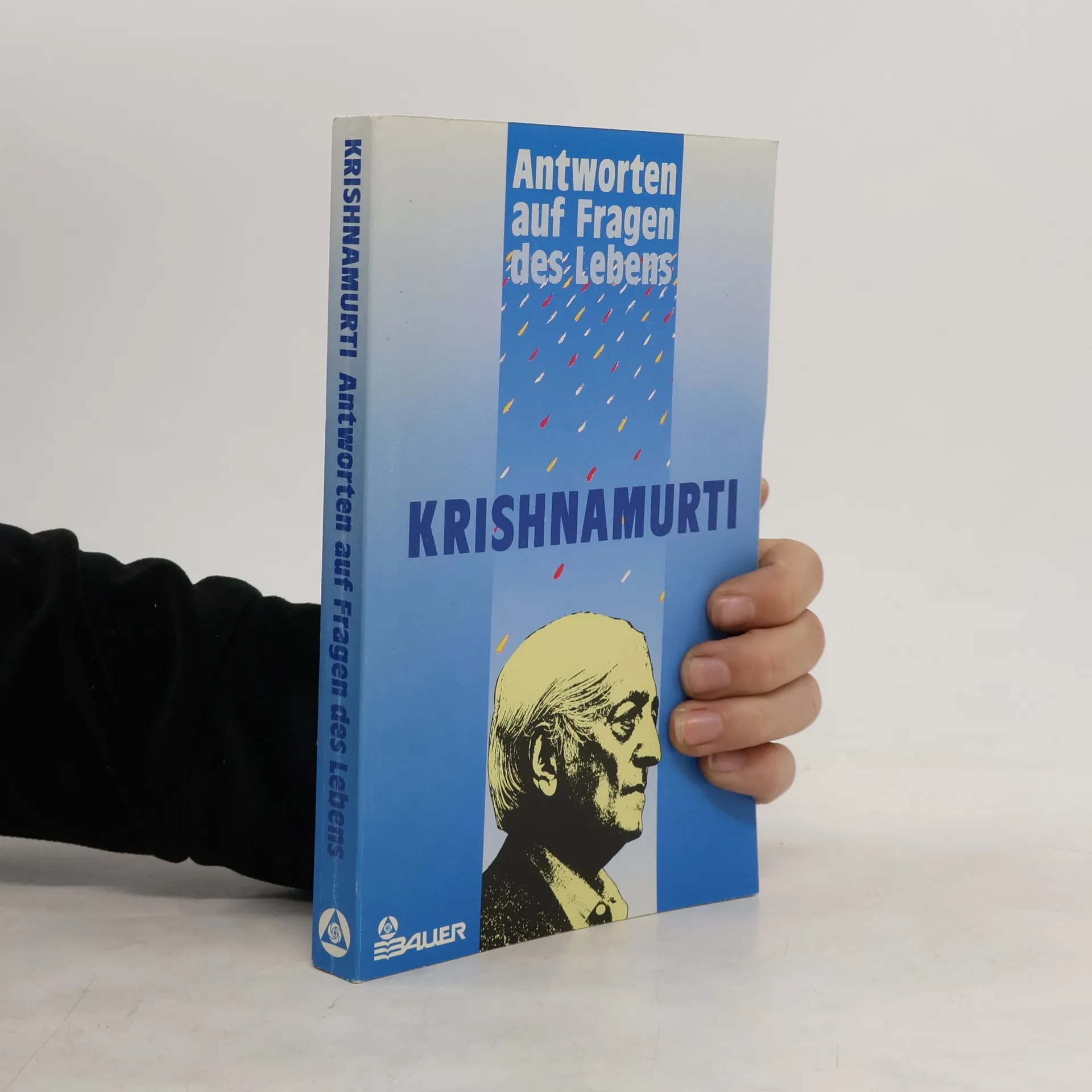
Antworten auf Fragen des Lebens
- 250pages
- 9 heures de lecture
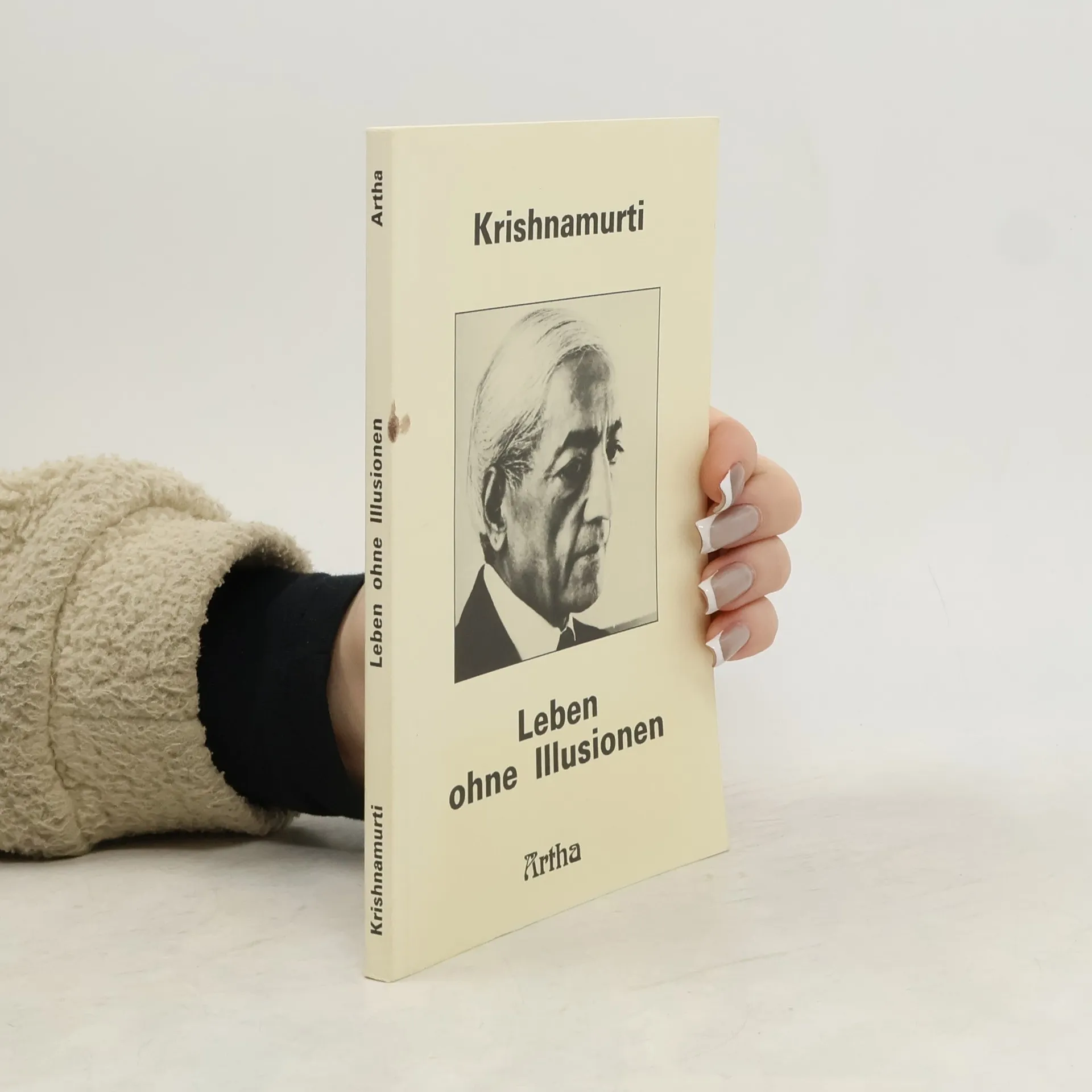
Leben ohne Illusionen
- 109pages
- 4 heures de lecture
Krishnamurti befaßt sich in diesem Buch mit dem Gesamtproblem des menschlichen Daseins. Er lenkt die Aufmerksamkeit auf Fragen der Liebe, des Mitleids, der Angst und auf die Schmerzen des Menschenlebens. Wo steckt der Sinn hinter all dem Terror, Leid und Gewalt?
Kniha známého autora se zabývá problematikou krize projevující se v mnoha oblastech současného života. Autor jako vynikající znalec lidské duše odkrývá vnitřní příčiny problémů, které nakonec vedou k zevním i celospolečenským krizím.
„Krishnamurti vyslovil nejvyšší poselství svého díla již v mládí. Jeho cílem je osvobodit lidstvo od zničující podmíněnosti myšlení, soustředěného jen na sebe, která vede k zotročování, k absurditě, k ničení, k neštěstí a žalu. A pokud se neosvobodíme od této podmíněnosti, žádná jiná svoboda nemá vůbec smysl.“ – David Bohm
Die Flamme des Lernens
- 220pages
- 8 heures de lecture
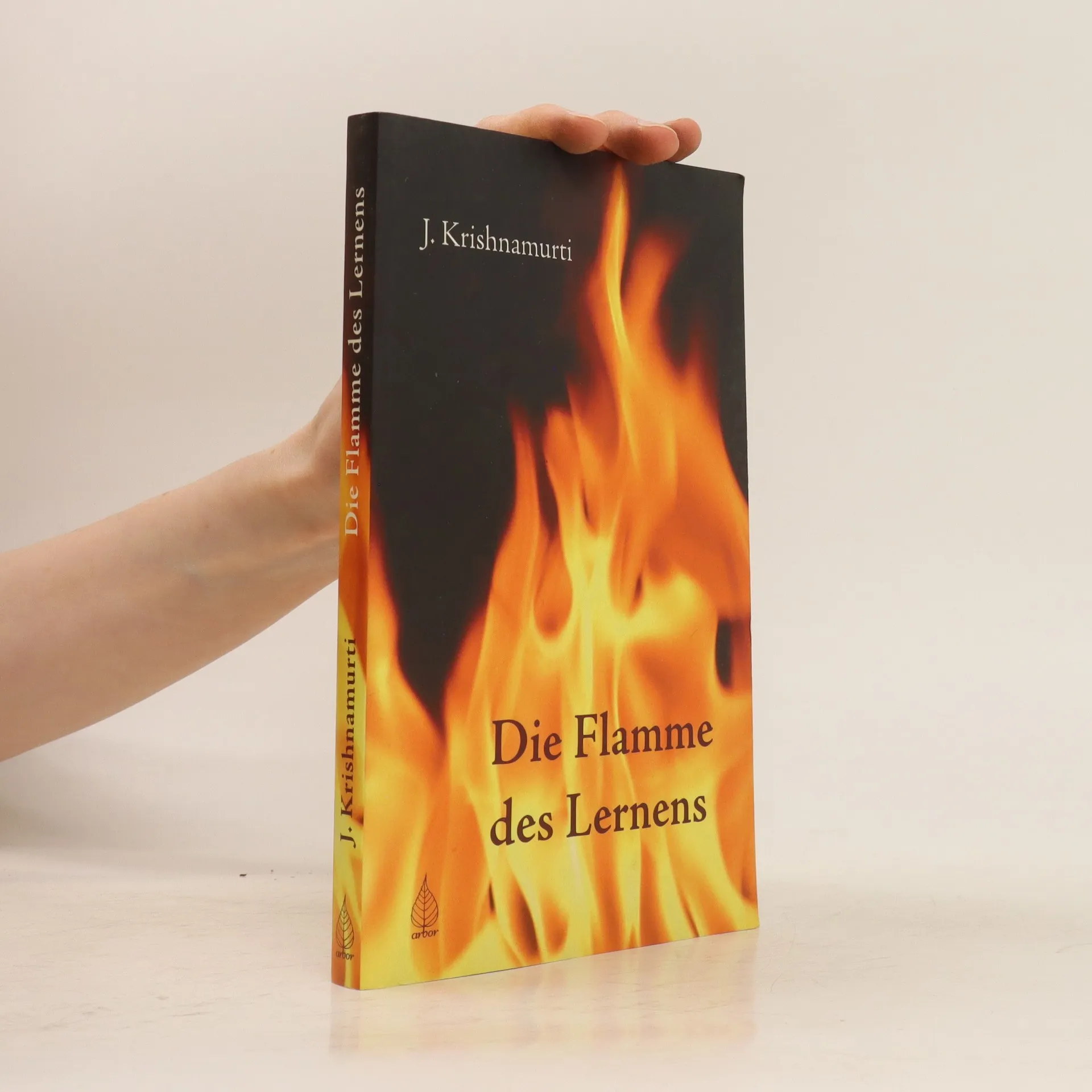
Indem wir uns selbst und die Glaubenssätze unserer Gesellschaft hinterfragen und unsere Kinder oder Schüler ermutigen, dies ebenfalls zu tun, entzünden wir Die Flamme des Lernens, die unsere wahre Intelligenz zutage fördert und es uns ermöglicht, ein Leben in Liebe und Klarheit zu führen. Krishnamurti zeigt uns Wege, wie wir diese Intelligenz in uns wecken und somit unsere Voreingenommenheiten und Konditionierungen durchschauen und aus unserer alltäglichen Trance zu einem leidenschaftlichen und authentischen Leben erwachen können. Pädagogische Fragen sind in Krishnamurtis Vision von zentraler Bedeutung. Die Flamme des Lernens ist die erste Auswahl von Gesprächen mit Schülern, Lehrern und Studenten zu zentralen Fragen des Lernens und Lehrens, u. a.: Was ist Sinn und Zweck von Erziehung und Bildung? Die Gefahren von Ehrgeiz, Wettbewerb und Angst Denken lernen Was ist Liebe? Wie man zuhört Die Qualität echter Zuneigung Worum geht es im Leben überhaupt? Was ist gute schulische Erziehung? Zahlreiche Pädagogen und Eltern haben den Wert der Lehre von J. Krishnamurti für sich und das Leben mit Kindern entdeckt. Für sie und für alle, die einen Weg zu mehr Weisheit, wahrer Intelligenz und Menschlichkeit suchen, kann dieses Buch von unschätzbarem Wert sein.
Bundel commentaren en persoonlijke aantekeningen over zeer uiteenlopende onderwerpen van de Indiase wijsgeer.
Das Wesentliche ist einfach
- 192pages
- 7 heures de lecture
Wie finde ich das Glück? - Warum wollen wir immer mehr? Was ist Eifersucht? - Wache Tiefgründigkeit und leuchtende Klarheit im Blick auf das Leben: Der indische Weisheitslehrer schenkt überraschende Einsichten und überzeugende Orientierung. (amazon.de)
Du bist die Welt
- 155pages
- 6 heures de lecture
Jiddu Krishnamurti war ein Redner, der sich auf unvergleichliche Weise auf die Kunst des Vortrags und des Dialogs verstand. Inhalt seiner Vorträge und Diskussionen waren nicht philosophische Theorien, sondern aktuelle Menschheitsfragen, Fragen von Krieg und Frieden, von Natur und Kultur, von Gegenwart und Zukunft. Krishnamurti war ein zutiefst skeptischer Denker. Sein Vertrauen in den Menschen als Gattung war nicht sonderlich groß. Zumal in seinen letzten Jahren warnte er, angesichts von Natur- und Menschenvernichtung, von Übertechnisierung und Massenkonsum und der ungerechten Verteilung von Reichtümern auf der Welt, vor der drohenden Menschheitskatastrophe. Er wurde nicht müde, zur Besinnung und zur Änderung unserer oberflächlichen Auffassung vom Menschen aufzurufen. Krishnamurti vermittelt uns eine an keinem Ideal und an keiner Tradition orientierte, lebensnahe 'Kunst des Lernens', die zur Weltoffenheit führt und dem Menschen ein Zusammenleben in Freiheit möglich macht.
Vom Werden zum Sein
- 288pages
- 11 heures de lecture
Diese zutiefst poetischen und kraftvollen Briefe schrieb Krishnamurti zwischen 1948 und 1960 an einen jungen Freund, der an Körper und Seele verwundet zu ihm gekommen war. In ihnen offenbart Krishnamurti sein Mitgefühl und seine außergewöhnliche Klarheit. Trennung und Distanz zum Leser scheinen zu verschwinden; die Worte fließen aus seiner Feder, und doch ist nicht ein einziges Wort überflüssig. Ein einzigartiges Dokument, durch das jeder Leser in eine persönliche Lehrsituation mit Krishnamurti eintritt, denn der Empfänger dieser Briefe steht stellvertretend für jeden Suchenden.
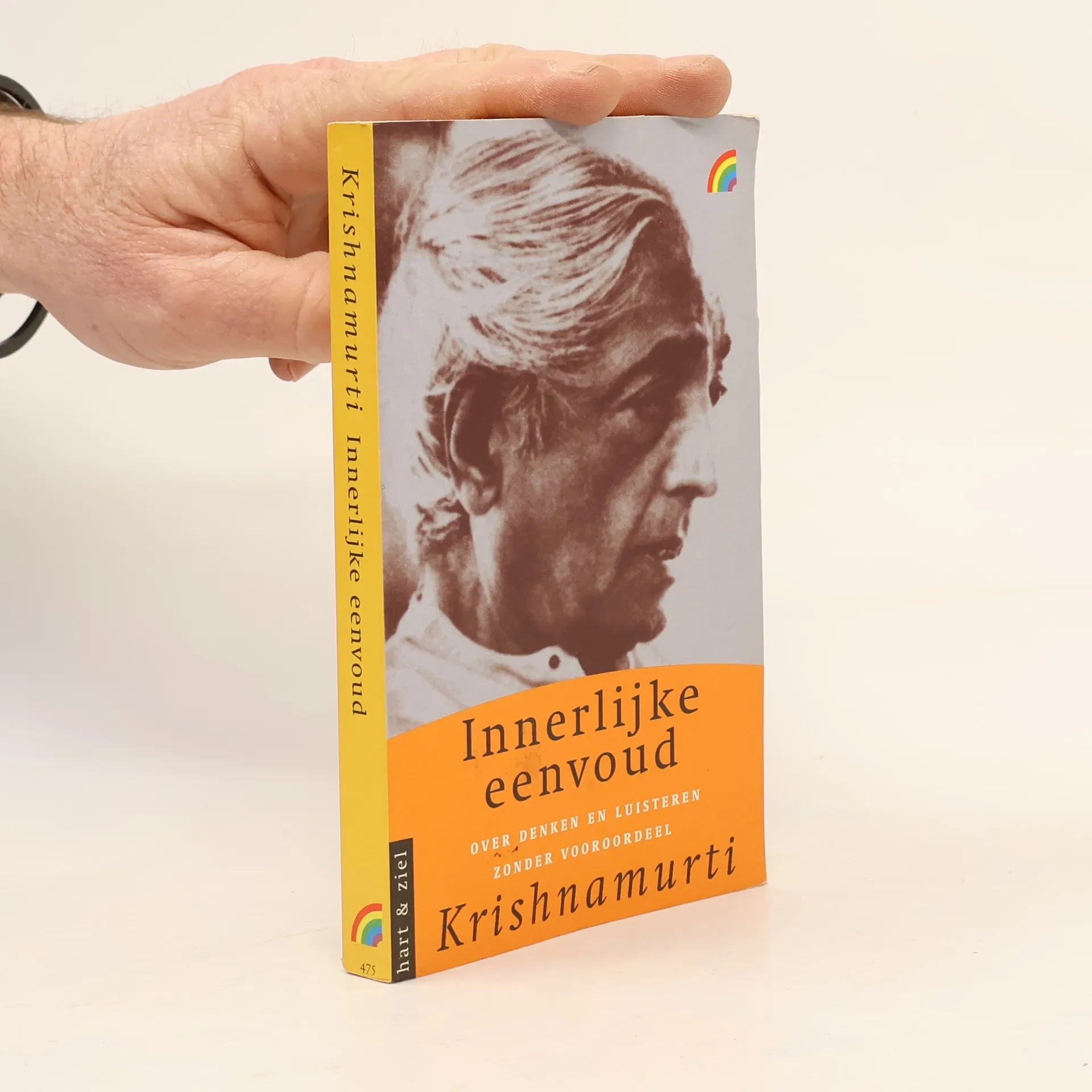
Die Essenz des großen spirituellen Meisters in kompakter Form. Noch nie standen uns so viele Möglichkeiten offen, unser Leben auszurichten, wie heute – und nie haben sich so viele Menschen so orientierungslos gefühlt. Der große Weisheitslehrer Jiddu Krishnamurti gibt zeitlos gültige Antworten auf Fragen wie: Was wollen wir wirklich von Herzen tun? Wie gehen wir mit Problemen wie Angst, Eifersucht oder Trauer um? Was bedeuten uns Religion, Tod, Meditation oder Gott? Seine Vision eines erfüllenden Lebens wird hier in inspirierender und äußerst kompakter Form lebendig.
Dieses Buch entstammt der ersten Begegnung des jungen Krishnamurti mit den 'Meistern der Weisheit'. In einfachen Worten erklären ihm diese großen Menschheitslehrer die geistigen Gesetzmäßigkeiten. Lehren, die in ihrer schlichten Schönheit und tiefen Wahrheit Millionen von Menschen berühren sollten.§Der größte Klassiker des modernen spirituellen Schrifttums, der in seiner zeitlosen Weisheit immer wieder Inspiration und Ermutigung schenkt.§Ein einzigartiges geistiges Juwel!§
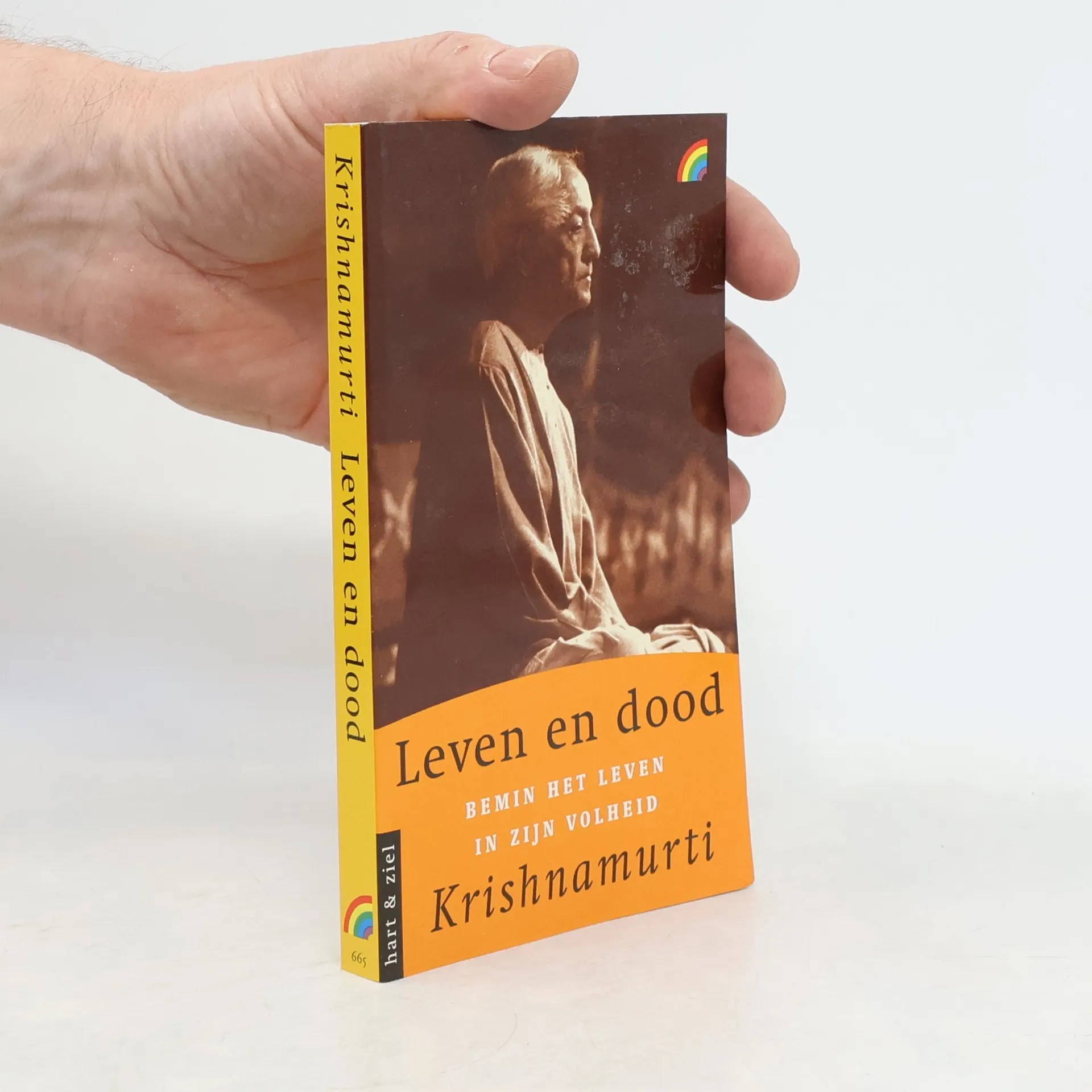
Leven en dood
- 212pages
- 8 heures de lecture
Gedachten van de Indiase filosoof (1895-1986).
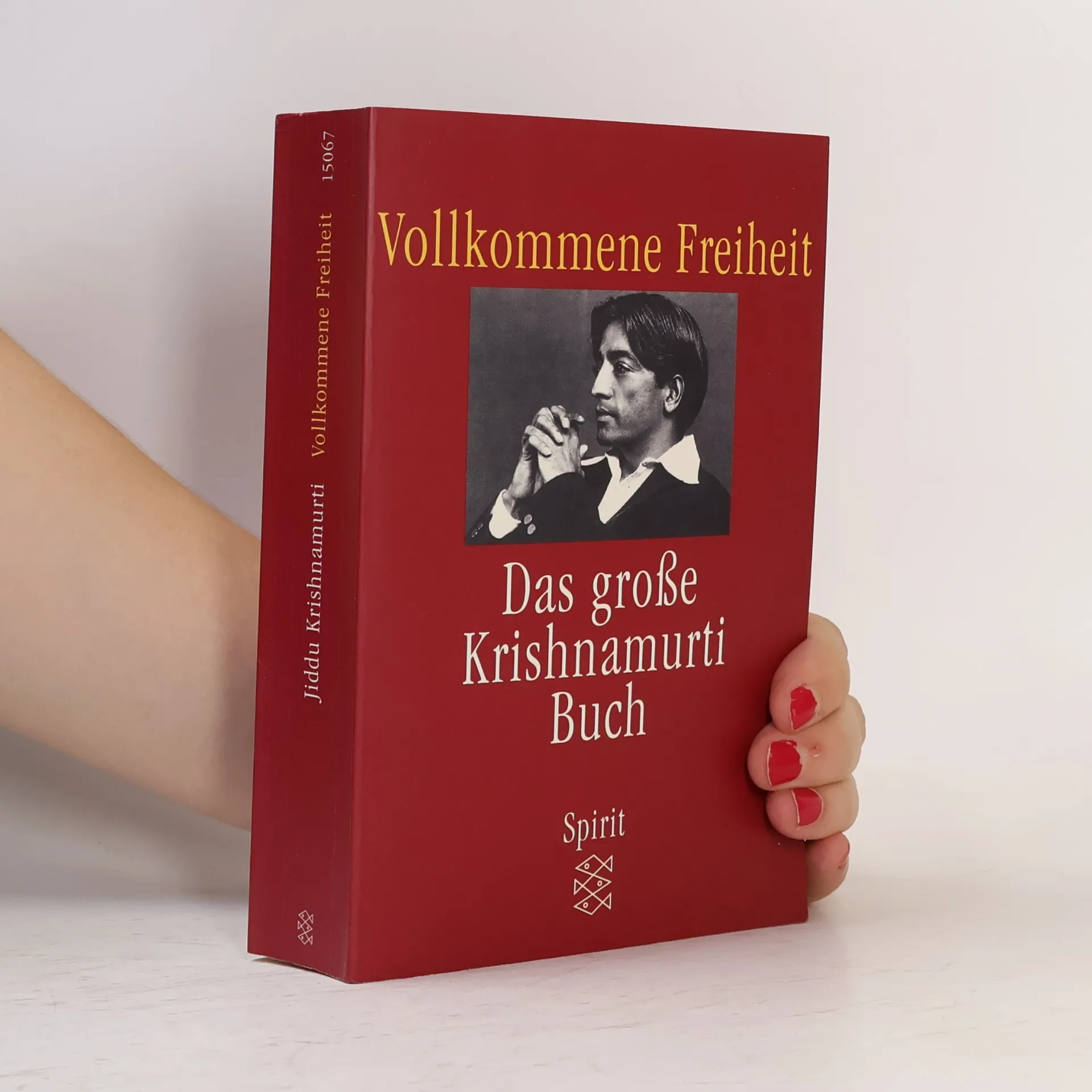
Vollkommene Freiheit
Das große Krishnamurti-Buch
Vollkommene Freiheit - das war Jiddu Krishnamurtis Leitmotiv. Dieser Band versammelt seine wichtigsten Aufsätze, Reden und Gespräche aus fünfzig Jahren weltweiter Lehrtätigkeit - viele davon hier zum ersten Mal in deutscher Übersetzung.