

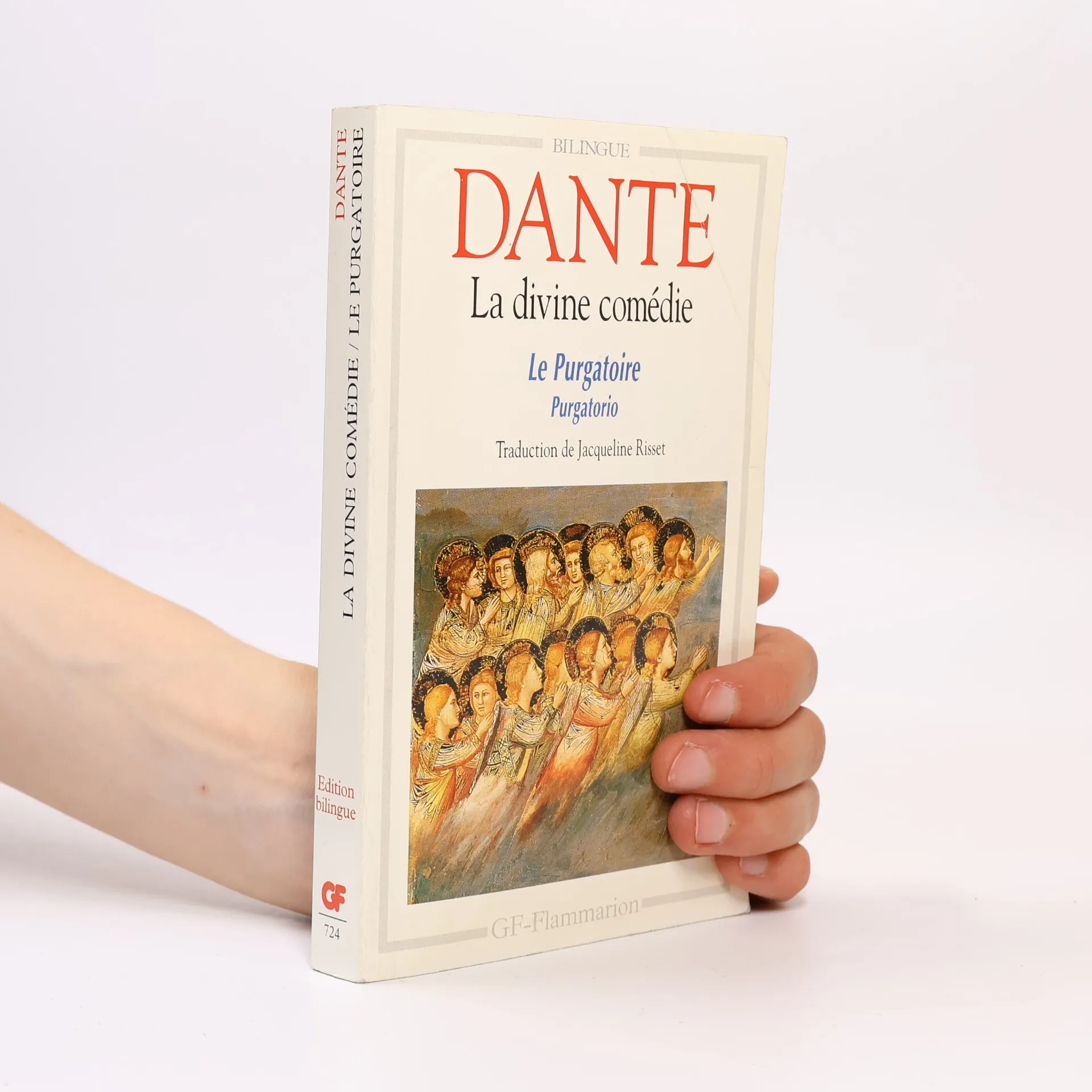
Quand Virgile et Dante, à l'aube du dimanche de Pâques de l'année 1300, débarquent sur la plage de l'Anti-purgatoire, après avoir traversé les cercles infernaux et reparcouru, à travers un boyau obscur, tout l'espace du centre de la terre à sa surface, l'impression de bonheur est intense, quasi paradisiaque... Au contraire, les récits de voyages imaginaires de la même époque décrivent des purgatoires qui sont des sortes d'enfers : mêmes feux, mêmes tortures - seulement écourtées, seulement " à terme ". Dante rompt brutalement avec cette tradition ; son Purgatoire semble plutôt tendre vers le Paradis. Malgré les tourments racontés, la mémoire du lecteur garde l'image d'une montagne au milieu de la mer dans la lumière du soleil, habitée par les anges, rythmée par les manifestations de l'art - sculptures, chants, rencontres de poètes, image d'un lieu où devenir bon signifie devenir léger.
Mark Musa Livres


Vita Nuova
- 94pages
- 4 heures de lecture
Dante's first major work links 31 poems inspired by his love of Beatrice, with a prose narrative that celebrates the subject of love while commenting on the nature of the poet's art.
"Toutes les fois, ô gracieuses dames, que, pensant en moi-même, je regarde combien vous êtes naturellement pitoyables, autant de fois je connais que la présente oeuvre aura, à votre jugement, fâcheux et ennuyeux commencement, aussi bien comme est douloureuse la souvenance qu'elle porte en son front de la pestilentieuse mortalité dernière, universellement dommageable à chacun qui la vit ou qui autrement la connut ; mais je ne veux pourtant que ceci vous épouvante..."