Bookbot

William Carlos Williams

    17 septembre 1883 – 4 mars 1963

    William Carlos Williams, figure centrale du modernisme américain, a tracé une voie poétique unique grâce à sa étroite association avec l'Imagisme. Il a saisi avec maestria l'essence de la vie quotidienne et des objets ordinaires, élevant le banal au rang d'art. L'œuvre de Williams se caractérise par son observation aiguë et un profond engagement avec les rythmes et le langage de la parole américaine. Son dévouement à capturer l'expérience authentique a solidifié son héritage en tant que voix essentielle de la poésie du XXe siècle.

    William Carlos Williams
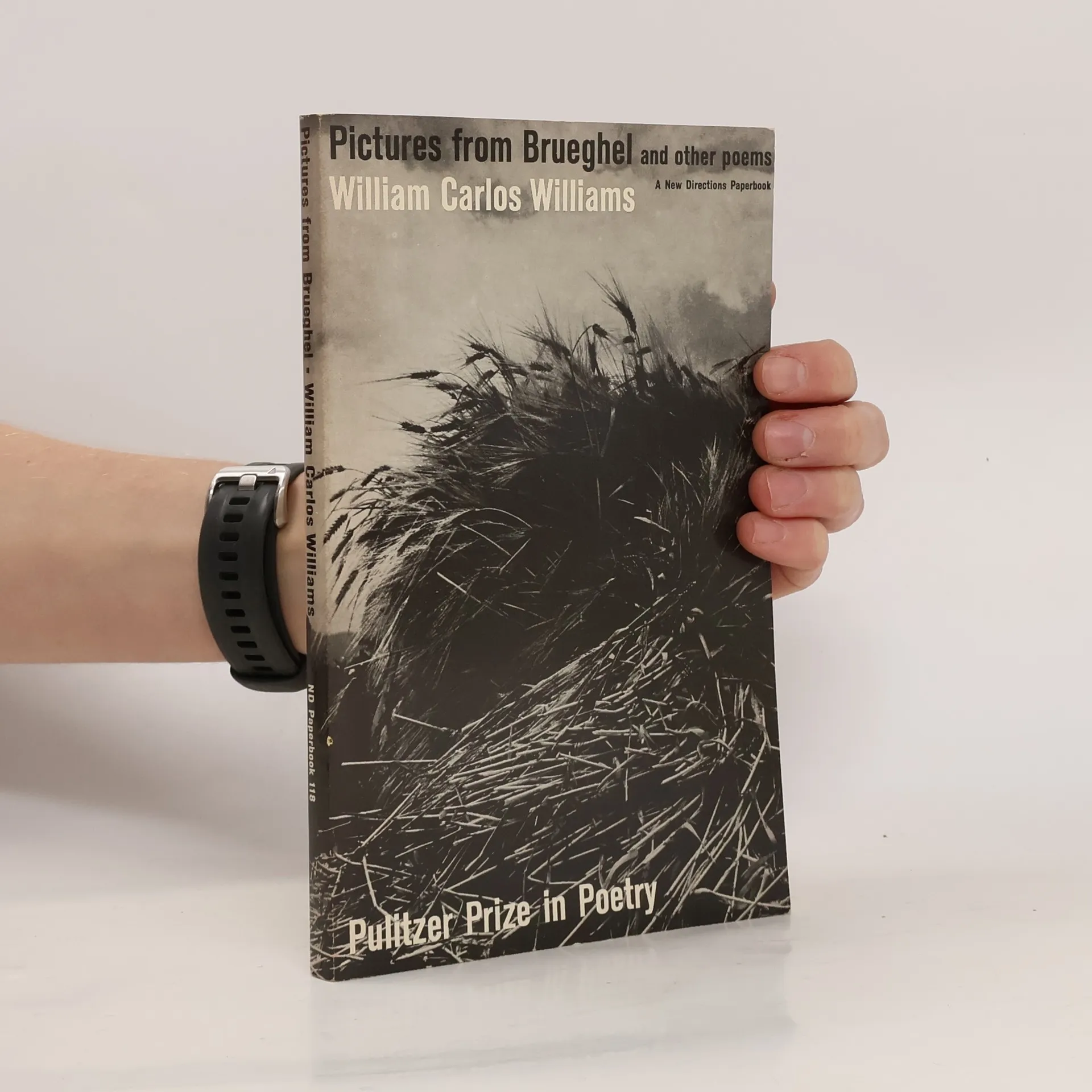
    Pictures from Brueghel: Pulitzer Prize, Poetry
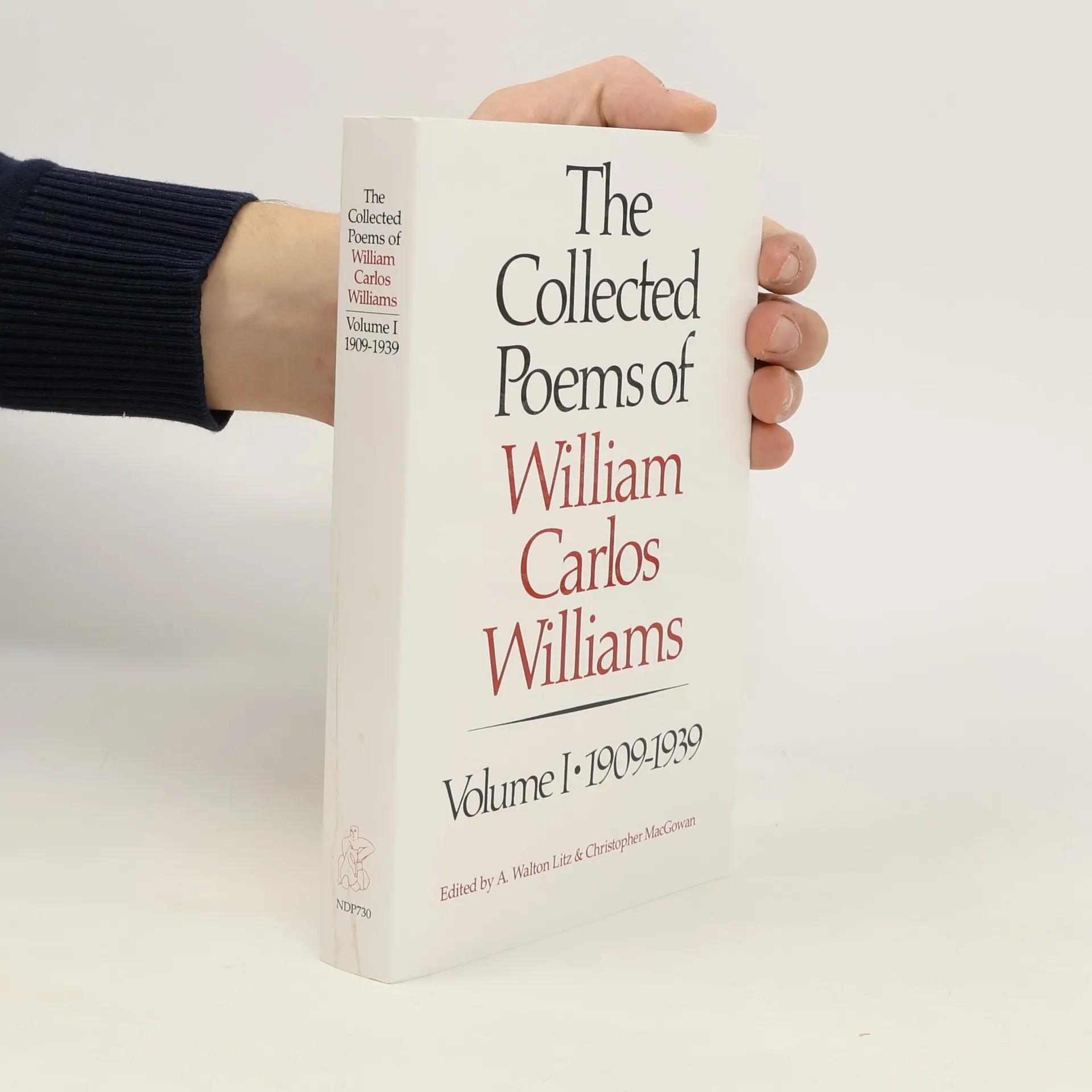
    New Collected Poems
    The Mystery of It All
    Imaginations
    The Collected Poems of William Carlos Williams: 1939-1962
    The Great American Novel (Heathen Edition)
    • The Great American Novel is an innovative anti-novel that critiques the clichés and unoriginality of contemporary American literature through metafiction. William Carlos Williams blends Dadaism, Cubism, and Imagism, breaking away from conventional narrative structures. This work not only reflects his unique artistic vision but also anticipates postmodernism, marking a significant contribution to the evolution of writing during the modernist era. Williams' experiment invites readers to reconsider the boundaries of literature and creativity.
      The Great American Novel (Heathen Edition)
      5,0
    • Imaginations

      • 366pages
      • 13 heures de lecture

      Imaginations makes accessible to the broad reading public live early books by William Carlos Williams, which, except for Kora in Hell , have long been hard to find in their original and complete forms. Written between 1920 and 1932, all five were first published in small editions, three of them in France. These are pivotal and seminal works, books in which a great writer was charting the course he later would follow, experimenting freely, boldly searching for a new kind of prose style to express "the power of the imagination to hold human beings to life and propel them onward.”The prose-poem improvisations ( Kora in Hell ) . . . the interweaving of prose and poetry in alternating passages ( Spring and All and The Descent of Winter ) . . . an antinovel whose subject is the impossibility of writing "The Great American Novel" in America . . . automatic writing ( A Novelette ) . . . these are the challenges which Williams accepted and brilliantly met in his early work.

      Imaginations
      4,3
    • The Mystery of It All

      • 240pages
      • 9 heures de lecture

      Paul Mariani has spent fifty years writing poetry that celebrates the vibrant sacramentality of life in the twilight of Modernity, and writing the lives of some of our greatest modern poets. This is a life-spanning collection of his prose explorations of what it means to be a person of wonder and imagination.

      The Mystery of It All
      4,2
    • New Collected Poems

      • 740pages
      • 26 heures de lecture

      A collection of poems that gathers the poet's lifetime's work, from the 1950s to 2006.

      New Collected Poems
      4,2
    • A collection of poems written between 1950 and 1962 by the Pulitzer Prize-winning poet, including the complete texts of two earlier volumes, as well as a selection of previously uncollected works.

      Pictures from Brueghel: Pulitzer Prize, Poetry
      4,3
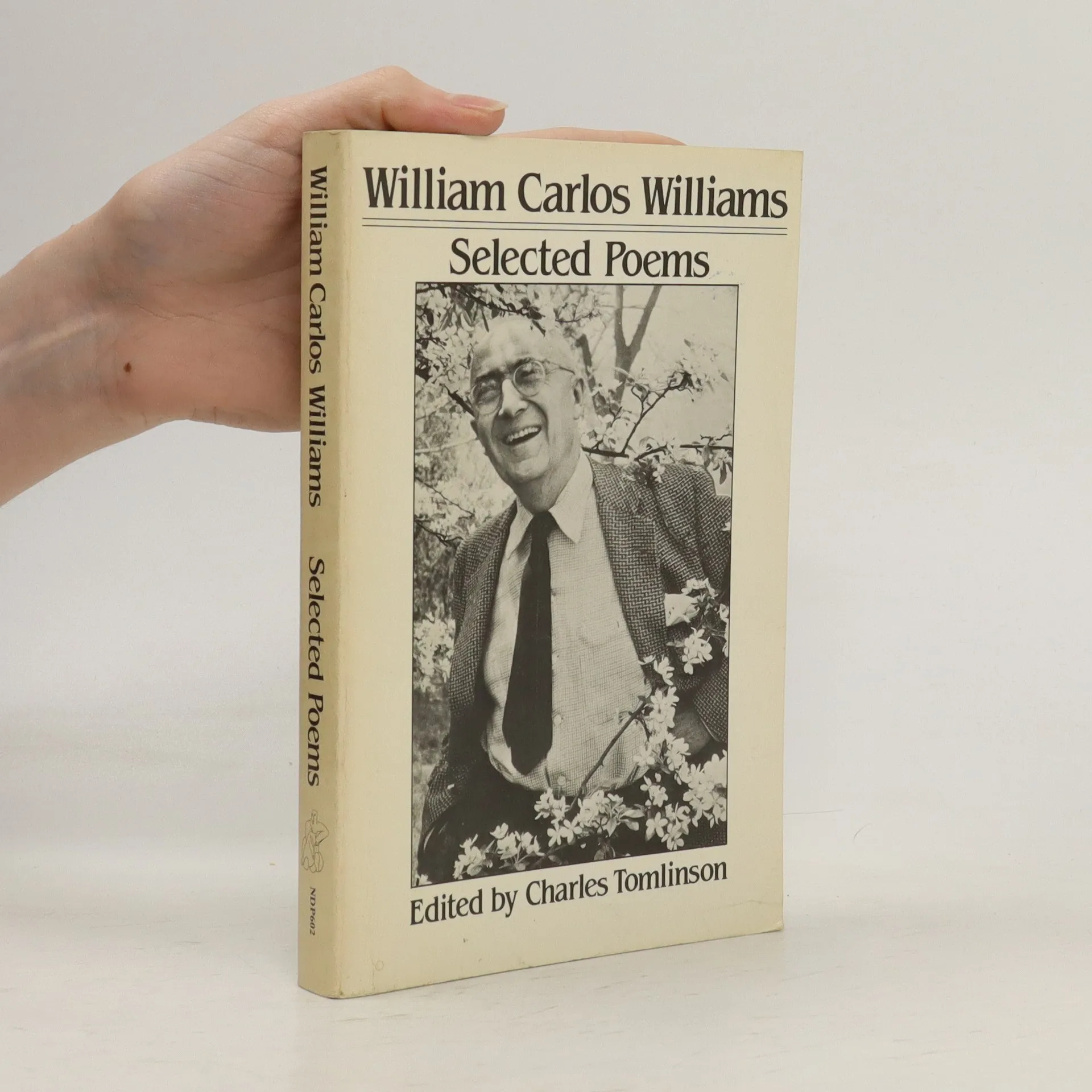
    • Opening with Professor Tomlinson's superbly clear and helpful introduction this selection reflects the most up-to-date Williams scholarship. In addition to including many more pieces, Tomlinson has organized the whole in chronological order.It isn't what he [the poet] says that counts as a work of art," Williams maintained, "it's what he makes, with such intensity of purpose that it lives with an intrinsic movement of its own to verify its authenticity.

      Selected Poems
      4,2
    • Paterson

      • 328pages
      • 12 heures de lecture

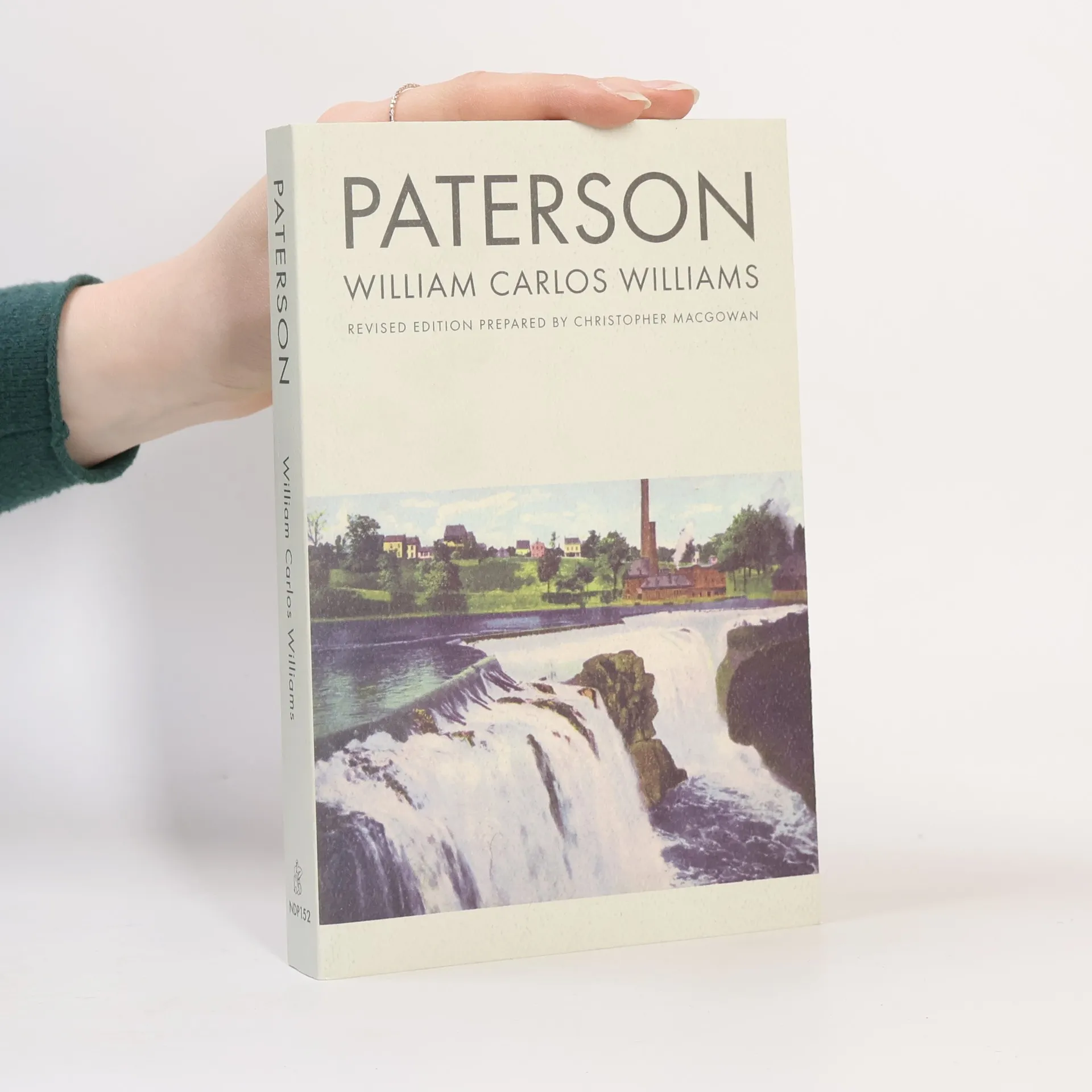
      Paterson is both a place--the New Jersey city in whom the person (the poet's own life) and the public (the history of the region) are combined. Originally four books (published individually between 1946 and 1951), the structure of Paterson (in Dr. Williams' words) "follows the course of teh Passaic River" from above the great falls to its entrance into the sea. The unexpected Book Five, published in 1958, affirms the triumphant life of the imagination, in spite of age and death. This revised edition has been meticulously re-edited by Christopher MacGowan, who has supplied a wealth of notes and explanatory material.

      Paterson
      4,2
    • Sour Grapes

      • 80pages
      • 3 heures de lecture

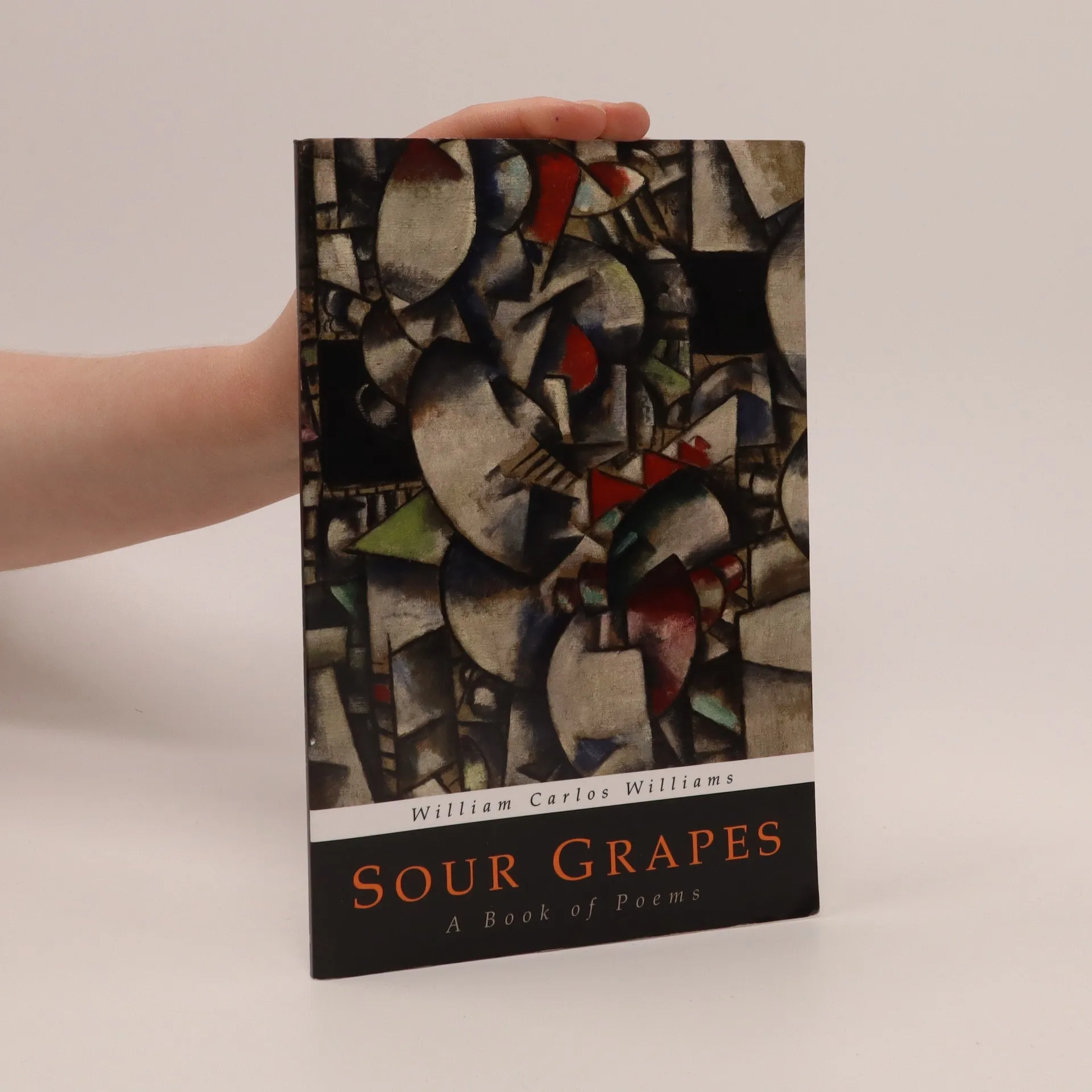
      2017 Reprint of 1921 Edition. Full facsimile of the original edition, not reproduced with Optical Recognition software. Published in 1921, the collection includes poems such as "A Widow's Lament in Springtime," "The Great Figure," "Complaint," and "Queen-Ann's-Lace." Williams was still struggling to find his audience at the time that he published Sour Grapes and he was forced to pay for some, if not all, of the publishing expenses himself. As a book, it is highly representative of Williams's early writing. The book is filled out with improvisational pieces that Williams seems to have thrown together in the spare moments that he stole from his medical practice. Like most of Williams' early works, Sour Grapes was ignored by most critics at the time, but it was well received by Kenneth Burke in The Dial in February 1922.

      Sour Grapes
      4,0
    • William Carlos Williams: Selected Poems

      (American Poets Project #14)

      • 200pages
      • 7 heures de lecture

      William Carlos Williams is celebrated for his innovative approach to poetry, blending formal experimentation with vivid depictions of life in New Jersey. His work captures the essence of American modernism, showcasing a unique ability to convey fresh and immediate experiences. As a poet, he challenges conventions while providing an intimate and often raw portrayal of his surroundings, marking him as a central figure in the evolution of contemporary poetry.

      William Carlos Williams: Selected Poems
      4,1
    • Spring and All

      • 100pages
      • 4 heures de lecture

      2015 Reprint of 1923 Edition. Full Facsimile of the original edition. Not reproduced with Optical Recognition Software. A practicing physician for more than 40 years, William Carlos Williams became an experimenter, innovator and revolutionary figure in American poetry. In reaction against the rigid, rhyming format of 19th-century poets, Williams, his friend Ezra Pound and other early-20th-century poets formed the core of what became known as the "Imagist" movement. Their poetry focused on verbal pictures and moments of revealed truth, rather than a structure of consecutive events or thoughts and was expressed in free verse rather than rhyme. The two most famous sections of Spring and All are poems I and XXII. The former, which opens "By the road to the contagious hospital," is commonly known by the title "Spring and All," and the latter is generally known as "The Red Wheelbarrow."

      Spring and All
      4,1
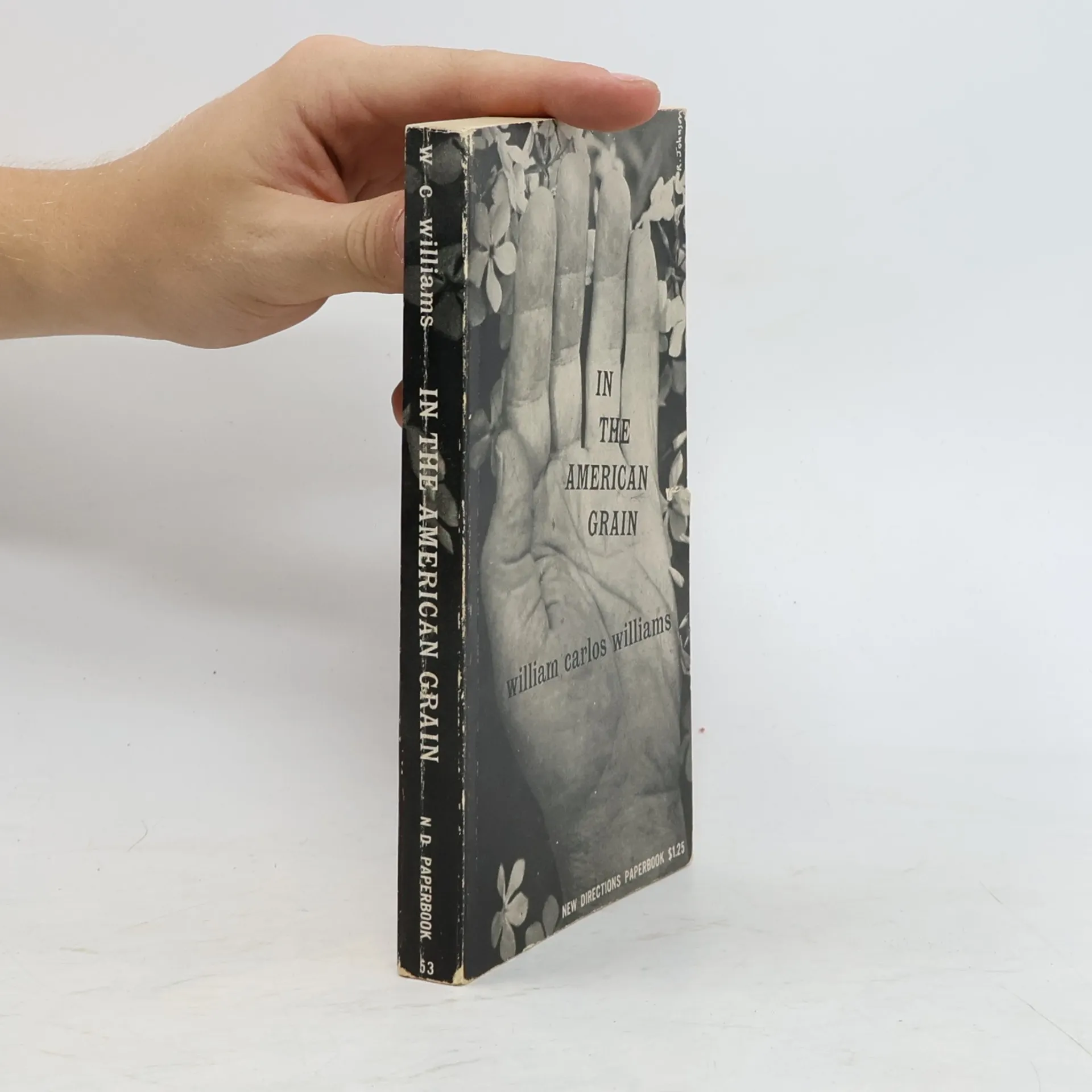
    • Prose essays ranging in theme from Erik the Red and Christopher Columbus to Abraham Lincoln about what it means to be an American.William Carlos Williams was not a historian, but he was fascinated by the texture of American history. He found in the fabric of familiar episodes new shades of meaning, new configurations of character and intent. He brought a poetic imagination to the task of reconstructing a live tradition for Americans, and the result is a genuinely consistent and integrated expression of the American inheritance. Williams did not invent the native conscience, but he rediscovered it, often in the more remote gestures of history, and has here given it enduring stature in prose."In the American Grain is a fundamental book, essential if one proposes to come to terms with American literature." -- Times Literary Supplement

      In the American grain
      4,0
    • The Autobiography is an unpretentious book; it reads much as Williams talked―spontaneously and often with a special kind of salty humor. But it is a very human story, glowing with warmth and sensitivity. It brings us close to a rare man and lets us share his affectionate concern for the people to whom he ministered, body and soul, through a long rich life as physician and writer. William Carlos Williams’s medical practice and his literary career formed an undivided life. For forty years he was a busy doctor in the town of Rutherford, New Jersey, and yet he was able to write more than thirty books. One of the finest chapters in the Autobiography tells how each of his two roles stimulated and supported the other.

      The Autobiography of William Carlos Williams
      4,0
    • Al Que Quiere!

      • 128pages
      • 5 heures de lecture

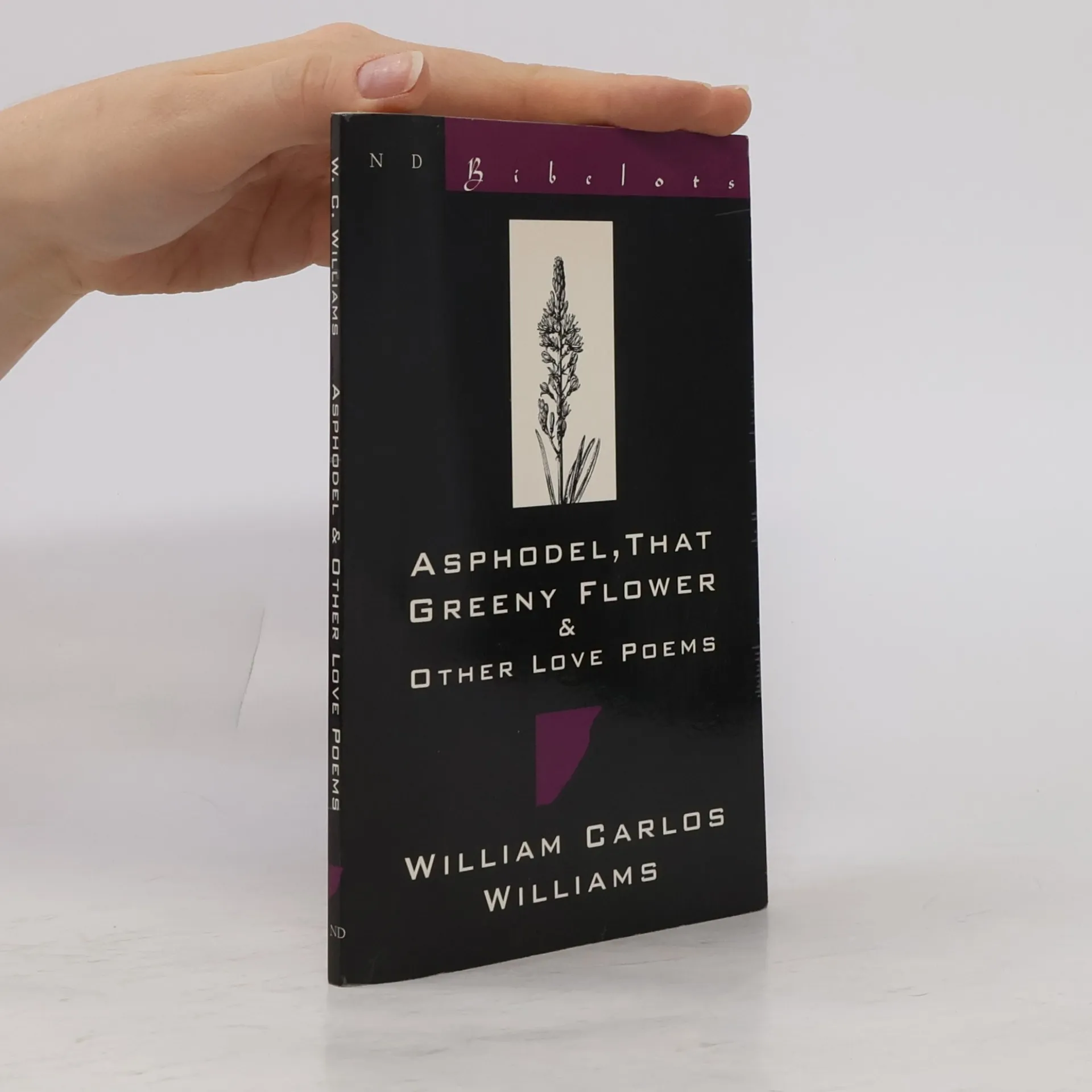
      The centennial edition of William Carlos Williams's early ground-breaking volume, containing some of his best-loved poems

      Al Que Quiere!
      3,8
    • The Tempers

      • 32pages
      • 2 heures de lecture

      This is a book of poems by renowned poet William Carlos Williams. The collection includes works on a variety of themes, including love, nature, war, and politics. Williams' distinctive style and unique perspective make this a compelling read for poetry enthusiasts.

      The Tempers
    • A multifaceted figure, William Carlos Williams was both a celebrated poet and a dedicated physician, serving as chief of pediatrics at Passaic General Hospital. His poetry, rooted in Modernism and Imagism, evolved through his unique perspective on the environment around him. Despite facing health challenges later in life, including heart issues and strokes, he remained influential, mentoring younger poets and shaping movements like the Beat Generation. His collaborations, particularly with Allen Ginsberg, marked significant contributions to American literature. Williams passed away in 1963, leaving a lasting legacy.

      The Poetry of William Carlos Williams: "It is difficult to get the news from poems yet men die miserably every day for lack of what is found there."
    • Kora in Hell

      Improvisations

      • 72pages
      • 3 heures de lecture

      The book is a modern republication of a significant historical work, ensuring its preservation for future generations. It has been meticulously reformatted and retyped, offering clear and readable text rather than scanned copies of the original. This effort highlights the importance of the work in human history and aims to keep its legacy alive.

      Kora in Hell
    • Al Que Quiere!

      A Book Of Poems

      • 86pages
      • 4 heures de lecture

      This collection of poems explores the vibrant tapestry of human emotions and experiences, blending cultural influences and personal reflections. The verses capture the essence of longing, love, and the search for identity, showcasing the author's unique voice and perspective. Through vivid imagery and rhythmic language, the poems invite readers to connect deeply with their own feelings and the world around them, making it a poignant journey of self-discovery and expression.

      Al Que Quiere!
    • Pocahontas Show Trial

      • 306pages
      • 11 heures de lecture

      How corrupt is the justice system in the state of West Virginia? Artist, activist, builder, Vietnam veteran, former Green Beret captain -- and leader of the pro-white National Alliance (NA) -- William White Williams found out the answer to this question when he became the victim of a corporate coup attempt aided and abetted by that system. He found himself locked out of his own business, falsely arrested and accused of violent crimes, abandoned without food or money or proper clothing 279 miles from home, and forbidden to set foot on the headquarters where the coup plotters were busy hauling off valuable property and records. He was denied justice in the courts -- and ultimately discovered that even his own counsel was working against him. He decided to fight back, but this book is not only about his WV court battle; it tells about the author's long history with the NA, and about fighting other legal harassments of the NA by the Southern Poverty Law Center hate group and other powerful enemies of the American White majority.

      Pocahontas Show Trial
    • The Great American Novel

      • 72pages
      • 3 heures de lecture

      First published in 1923 in Paris in an edition of three hundred copies, this satiric novel by the great American poet is "a satire on the novel form in which a little -(female) Ford car falls more or less in love with a Mack truck." For the most part, however, this work is a serious attempt to write a novel with the recognition that such a work is impossible to write within established conventions. Although long available from New Directions, this edition, by presenting it alone, puts the work into new focus, and reveals its importance in Williams’ career.

      The Great American Novel
    • Collected Poems

      • 576pages
      • 21 heures de lecture

      William Carlos Williams' Collected Poems Volume II reissued as a Carcanet Classic.

      Collected Poems
    • The Dog and the Fever

      • 61pages
      • 3 heures de lecture

      First full publication of translation and commentary by famed American modernist

      The Dog and the Fever
    • An important chapter in the story of Anglo-American literary relationships in the twentieth century is the friendship of the American poet William Carlos Williams (1883-1963) and the English poet Charles Tomlinson (1927- ). The two men assisted and encouraged each other in a variety of ways, and their transatlantic dialogue continues to interest readers and critics of modern and contemporary poetry. This edition includes the correspondence of Williams and Tomlinson, a selection of their critical writings, observations on their relationship by Hugh Kenner, Paul Mariani, and Donald Davie, and a selection of poems by Tomlinson that show the influence of Williams. William Carlos Williams spent most of his life in northern New Jersey, where he was a full-time doctor as well as a prolific writer. His poetry and prose present local American experience in a distinctively American idiom. He also traveled and published abroad, and became a pioneer of the international modernist movement. Williams was awarded the Pulitzer Prize for poetry in 1963. Charles Tomlinson was born and raised in Staffordshire and now lives in Gloucestershire. His work shows him to be not only an astute observer of English places and occasions but also a keen student of other cultures, languages, and sensibilities. Today he is widely recognized as one of Britain's most distinguished poets and translators. He is also an accomplished graphic artist.

      William Carlos Williams & Charles Tomlinson
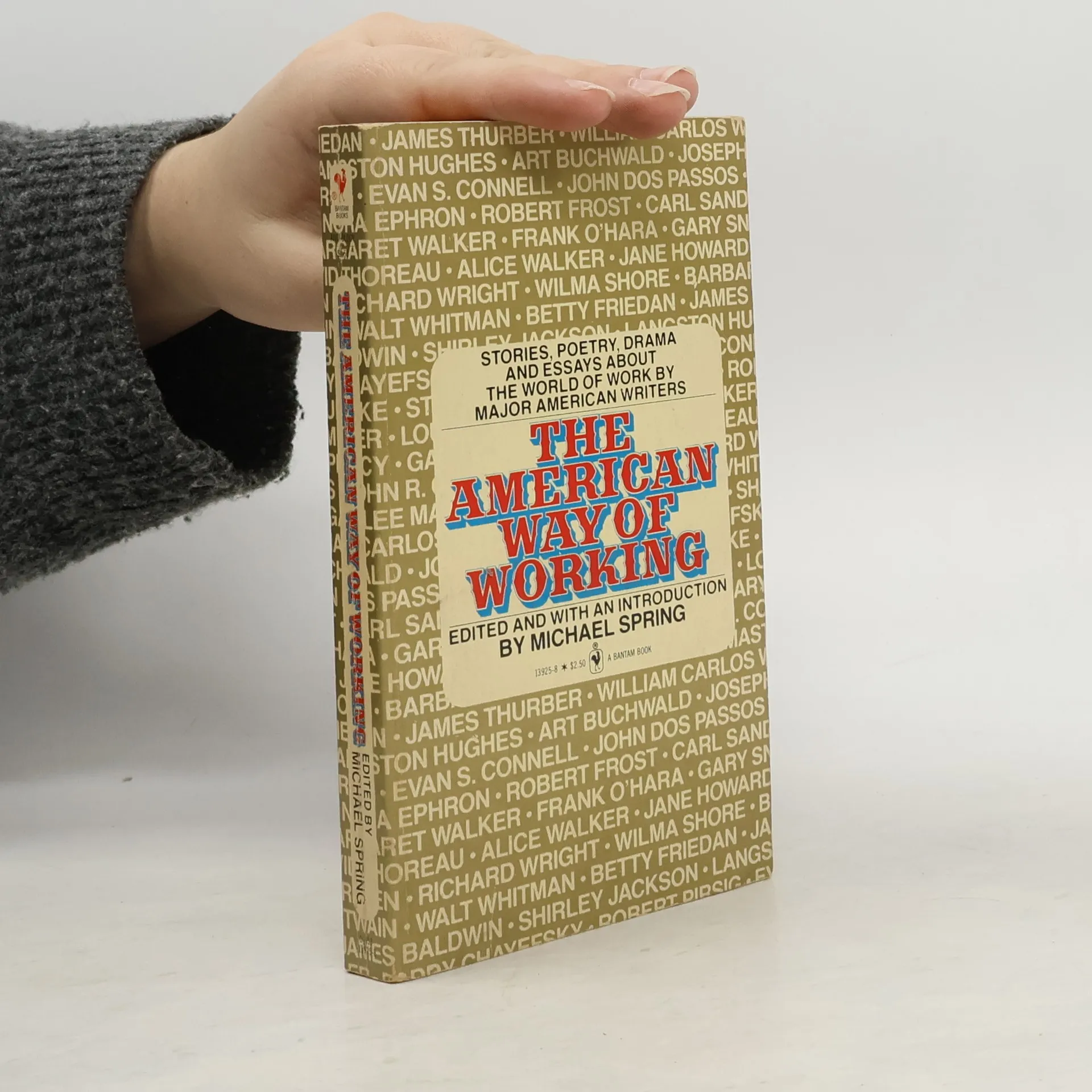
    • American Way of Working

      A Collection of Writings from Henry David Thoreau to Joseph Heller

      • 272pages
      • 10 heures de lecture
      American Way of Working
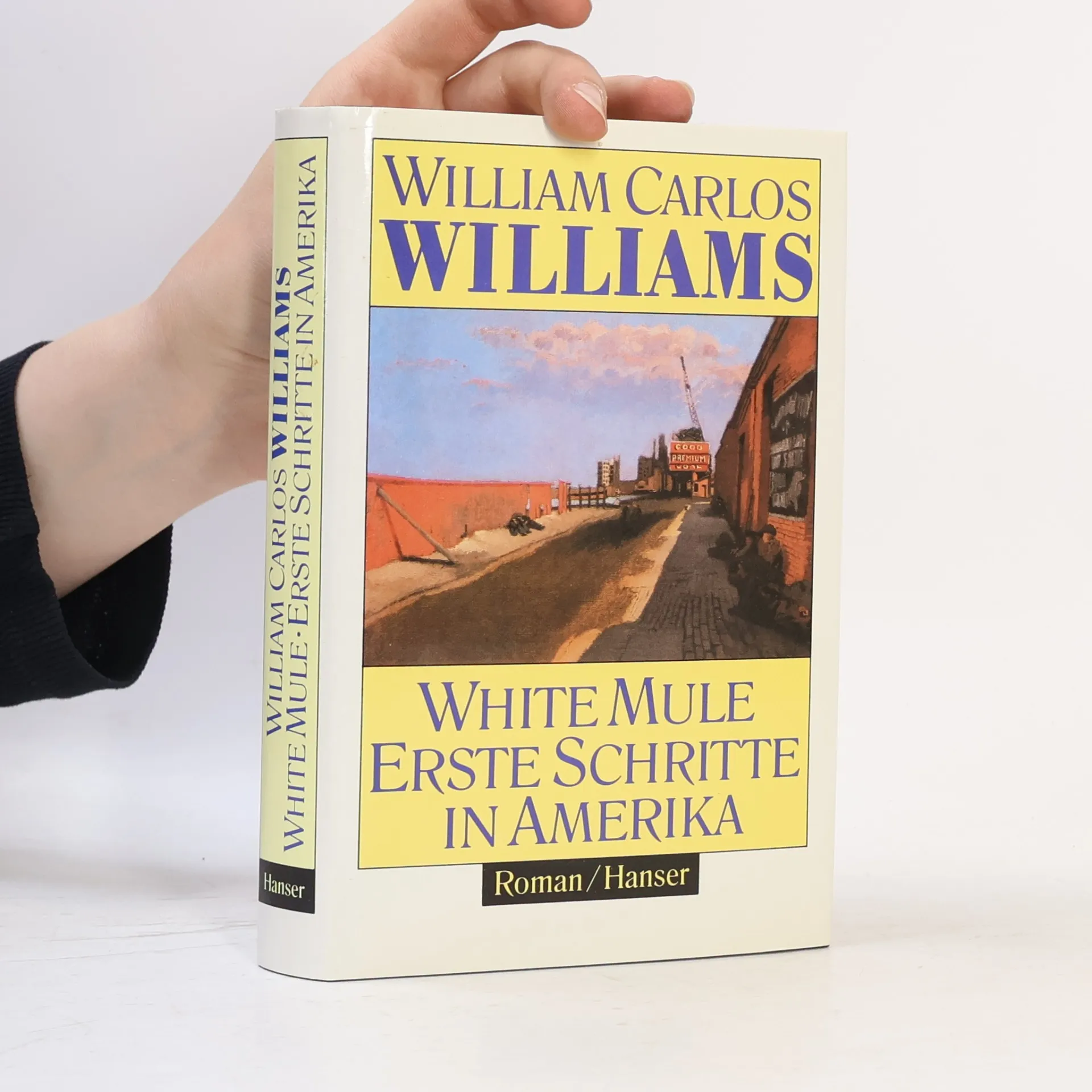
    • "White Mule" ist der erste von drei Romanen über New York von der Jahrhundertwende bis zum Zweiten Weltkrieg. Das Buch thematisiert das Amerika der Goldenen Zwanziger und die damit verbundene bittere Armut und präsentiert den großen amerikanischen Schriftsteller erstmals als Prosaautor.

      White Mule. Erste Schritte in Amerika. Roman
      4,5
    • Spóźniony śpiewak

      • 96pages
      • 4 heures de lecture

      Ukazujące się po 10 latach od premiery wznowienie książki jednego z największych nowatorów poezji anglosaskiej XX wieku w tłumaczeniu Julii Hartwig. Williams jako jeden z pierwszych usankcjonował estetykę brzydoty i poetykę konkretu, które później odegrały tak ważną rolę we współczesnej sztuce. Dzięki awangardowemu podejściu, zbliżającemu wiersze do malarstwa abstrakcyjnego, poeta wprowadza detale dnia codziennego w stan rozedrganej niezwykłości. Zgodnie z własną ideą: Składaj/ nie idee, ale rzecz do rzeczy Williams urzeka rzeczowością, poruszającą się jak nazwała to Marjorie Perloff w ciągłym tańcu intelektu. Kultowa poezja autora poematu Paterson stała się m.in. inspiracją filmu Jima Jarmuscha pod tym samym tytułem.

      Spóźniony śpiewak
      4,5
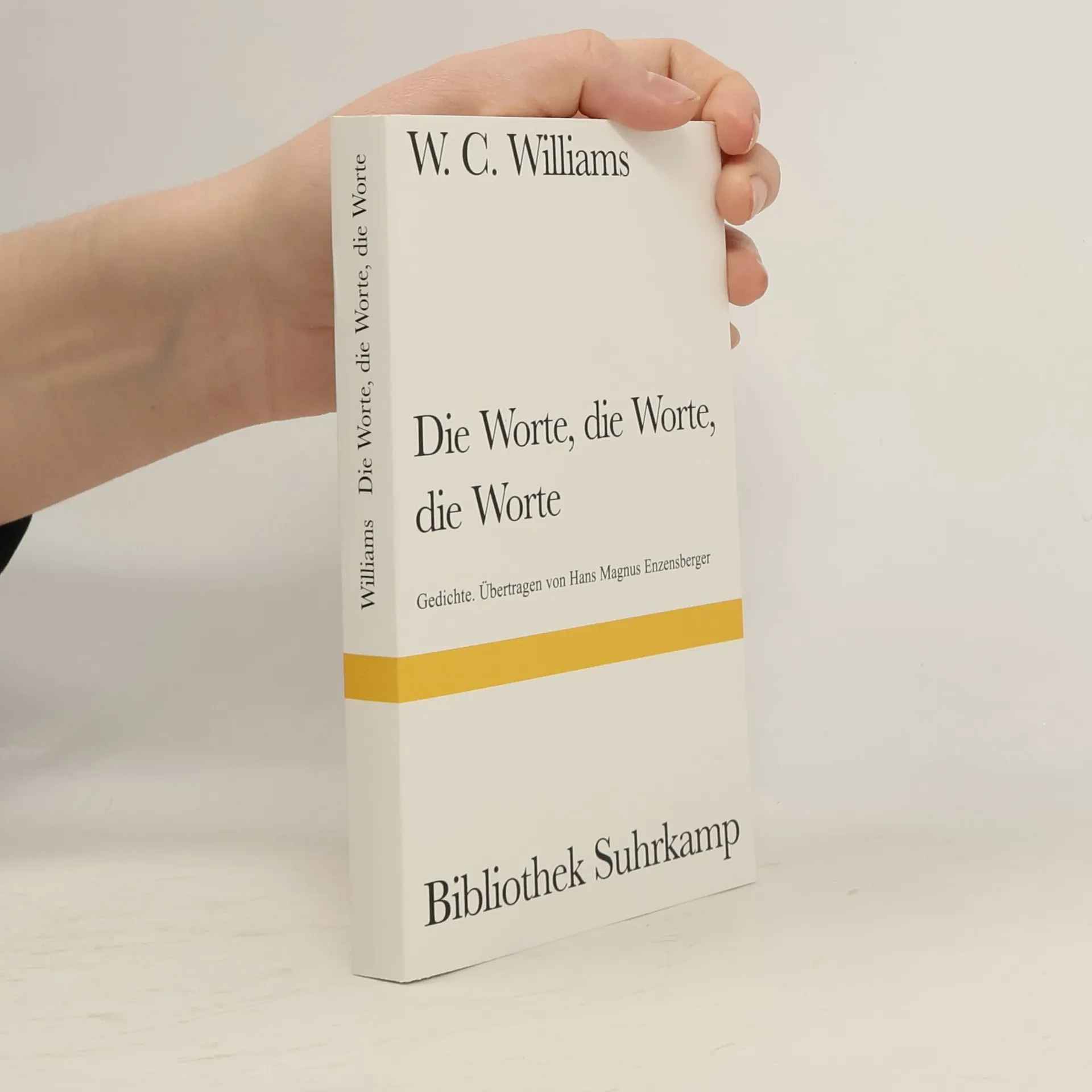
    • Die Worte, die Worte, die Worte

      Gedichte. Amerikanisch und deutsch

      • 212pages
      • 8 heures de lecture

      William Carlos Williams war der Doyen der modernen amerikanischen Poesie. Er residierte nicht in New York, er lebte als Armenarzt in seinem Geburtsort, einem kleinen Ort im Staate New Jersey. In diese Welt gehören seine Gedichte; sie sind ganz und gar amerikanisch: hart, genau, ohne Rhetorik, geprägt vom Pragmatismus. Ihre Sprache ist scheinbar direkt, nur im Anschein des Mühelosen verrät sich die Kunst des Dichters. Kein anderer Dichter des Landes ist so wenig gealtert und hat so tief auf die Jungen und Jüngsten gewirkt.

      Die Worte, die Worte, die Worte
      4,3
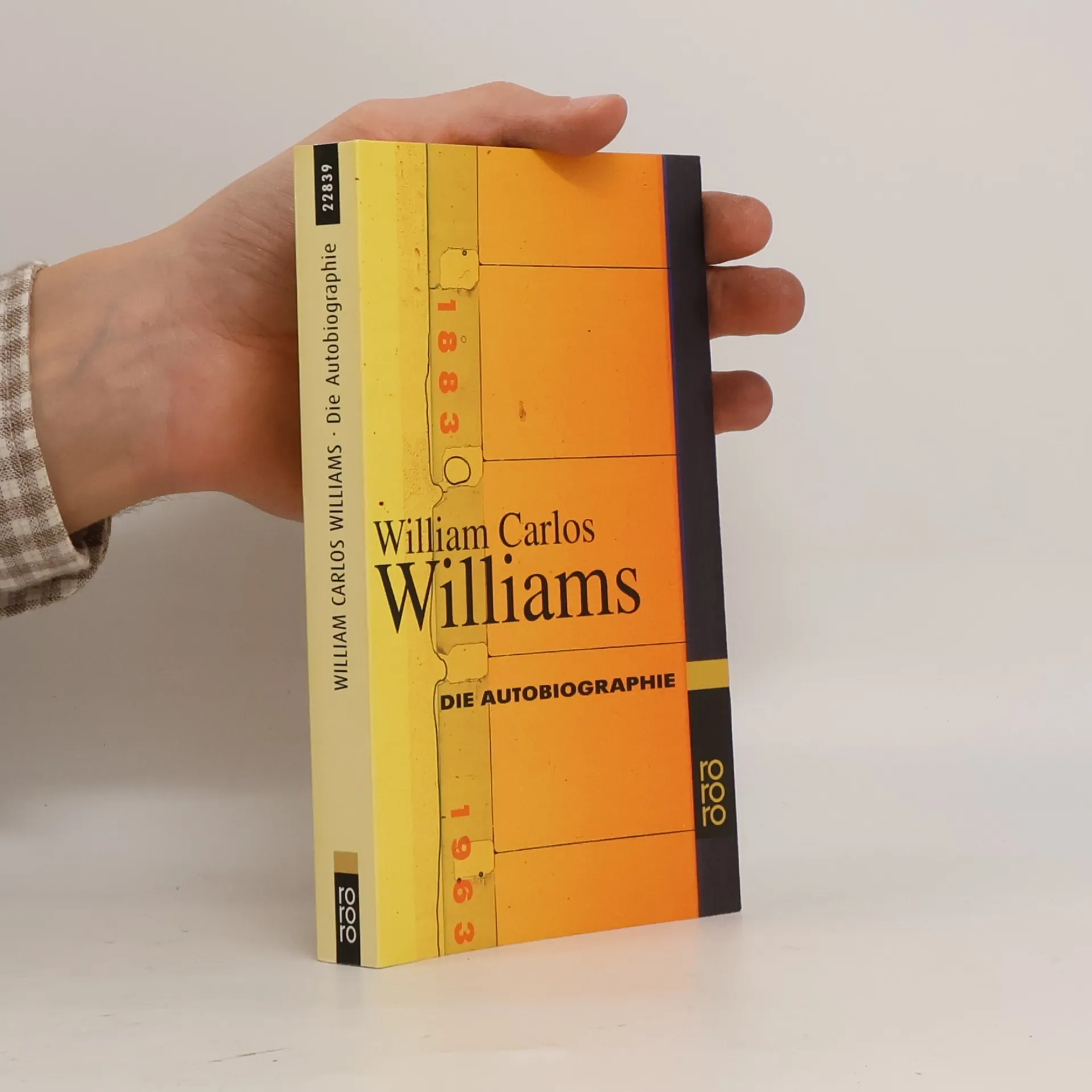
    • William Carlos Williams blickt mit 68 Jahren auf die Anfänge der Kunst in den USA zurück. Seine Autobiographie bietet ein Selbstporträt und ein Porträt der amerikanischen Moderne, mit zahlreichen Weggefährten wie Gertrude Stein und Hemingway. Eine wertvolle Quelle für die Kulturgeschichte.

      Die Autobiographie
    • Kore in der Hölle

      Frühe Schriften

      • 288pages
      • 11 heures de lecture

      Diese frühen Texte von Williams gelten als der Beginn eines eigenständigen »amerikanischen« Stils in der Literatur. Die Ablehnung aller Konventionen, das Nebeneinander von verstörter, improvisierter Prosa und kühlen, lyrischen Momentaufnahmen bezeichnet den Aufbruch der künstlerischen Avantgarde.

      Kore in der Hölle