Bookbot

Thomas Jefferson

    13 avril 1743 – 4 juillet 1826

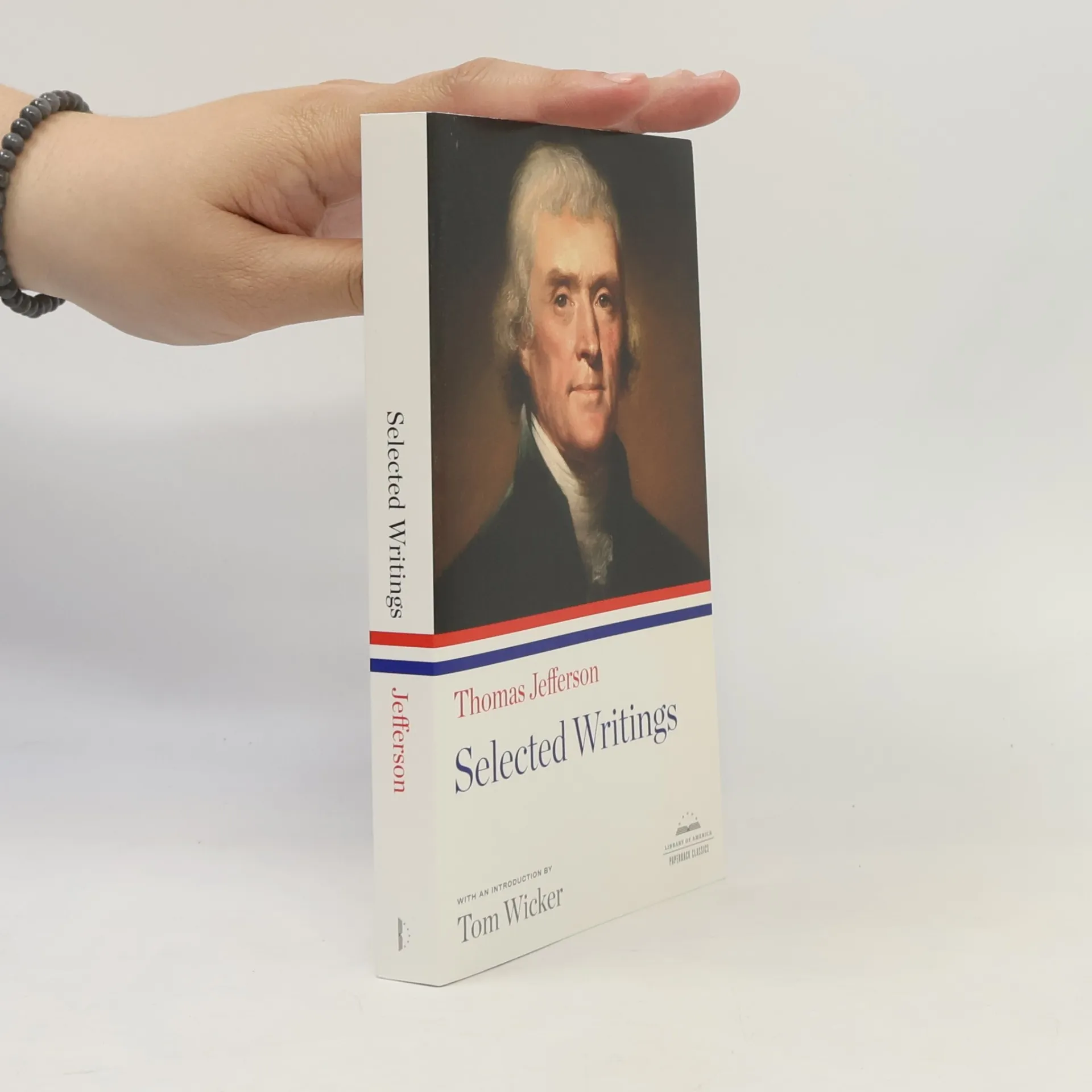
    Thomas Jefferson incarna l'idéal des Lumières, excellant dans des domaines variés allant du droit à la science, de la musique à l'architecture. Sa vaste correspondance et son engagement profond avec le monde en font une figure centrale de l'histoire américaine. Jefferson possédait une remarquable capacité à analyser avec acuité et à distiller l'information complexe jusqu'à son essence, ce qui en faisait un membre inestimable de tout organe délibératif. Ses théories sur l'autogouvernance et les droits des peuples s'établissant dans de nouvelles terres ont façonné la pensée américaine naissante.


    Thomas Jefferson
    The Jefferson Bible
    The Declaration of Independence and the Constitution of the United States
    The Declaration of Independence and the Constitution of the United States of America
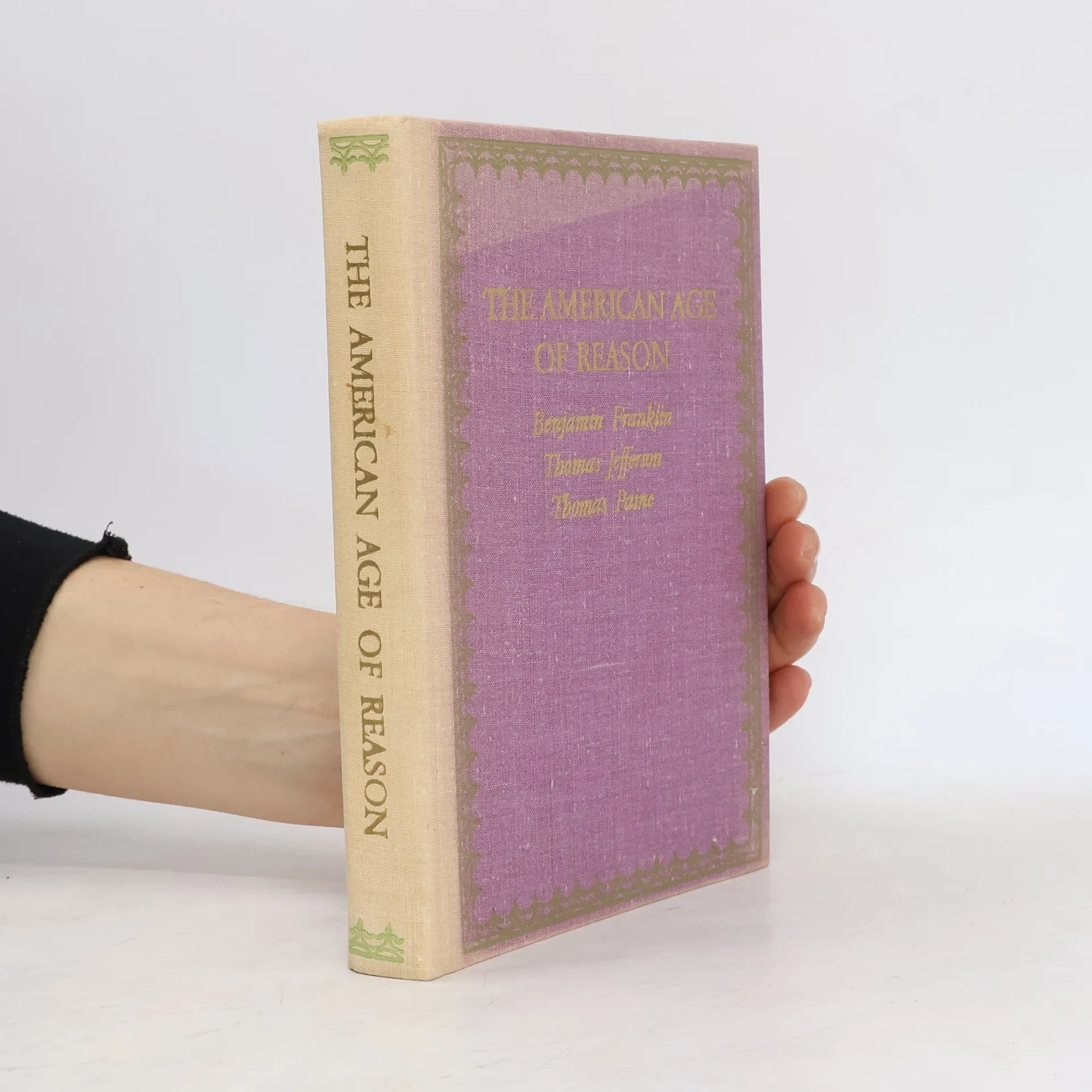
    Thomas Jefferson on Democracy
    The Declaration of Independence
    The Constitution of the United States of America, with the Bill of Rights and All of the Amendments; The Declaration of Independ
    • The Autobiography of Thomas Jefferson (U.S. Heritage)

      with The Declaration of Independence, The Louisiana Purchase, Notes on Virginia, And Other Writings from the 3rd President of the United States

      • 424pages
      • 15 heures de lecture

      Key writings from Thomas Jefferson, including the Declaration of Independence and his inaugural addresses, highlight the revolutionary ideas that shaped the United States. This collection serves as an essential resource for understanding American history and the principles of democracy, liberty, and freedom. Aimed at students and anyone interested in politics, it showcases Jefferson's influential role in the founding of the nation, making it a vital addition to the U.S. Heritage series.

      The Autobiography of Thomas Jefferson (U.S. Heritage)2025
    • The Papers of Thomas Jefferson, Volume 48

      20 November 1805 to 1 March 1806

      • 888pages
      • 32 heures de lecture

      The correspondence and papers of Thomas Jefferson reveal a pivotal period in American history, showcasing his diplomatic efforts and legislative challenges. Jefferson navigates complex issues such as the peace treaty with Tripoli, tensions with Spain, and trade restrictions imposed by Great Britain. The narrative also highlights interactions with Native American representatives and South American revolutionary Francisco de Miranda. Personal touches include family visits, emphasizing Jefferson's role as both a leader and a patriarch during a transformative era in the United States.

      The Papers of Thomas Jefferson, Volume 482025
    • The Papers of Thomas Jefferson, Retirement Series, Volume 21

      1 April to 31 October 1824

      • 784pages
      • 28 heures de lecture

      The retirement papers reveal Thomas Jefferson's struggles with health, including a prolonged liquid diet due to a jaw abscess, while he remains active with horseback riding. His primary focus is establishing the University of Virginia, with efforts to hire top-tier faculty and procure necessary resources. Jefferson expresses skepticism about plans to resettle freed African Americans in Africa, reflecting on societal progress. He also discusses the adaptability of his principles in response to changing circumstances, emphasizing a pragmatic approach to governance and personal beliefs.

      The Papers of Thomas Jefferson, Retirement Series, Volume 212025
    • The Constitution of the United States (U.S. Heritage)

      with The Declaration of Independence, The Bill of Rights and other Founding Documents

      • 308pages
      • 11 heures de lecture

      Key founding documents and influential writings that shaped the United States are compiled in this volume. It includes the Constitution, the Declaration of Independence, the Bill of Rights, and notable works like The Federalist Papers and Common Sense. Aimed at a wide audience, from students to engaged citizens, this collection offers insights into America's revolutionary ideas and historical context. It serves as a vital resource for understanding the principles of democracy, liberty, and freedom that define American identity.

      The Constitution of the United States (U.S. Heritage)2024
    • The Papers of Thomas Jefferson, Retirement Series, Volume 20

      1 July 1823 to 31 March 1824

      • 784pages
      • 28 heures de lecture

      This volume features 575 documents from Thomas Jefferson's retirement, showcasing his political insights and personal reflections. He advises President Monroe on the "Monroe Doctrine" and supports Greek independence. Jefferson critiques a constitutional provision regarding electoral votes and successfully transforms loans for the University of Virginia into grants, enhancing its resources. His correspondence reveals his views on education, civic duty, and personal virtues, encapsulating his philosophy with a heartfelt message to a namesake child about faith, family, and patriotism.

      The Papers of Thomas Jefferson, Retirement Series, Volume 202024
    • Thomas Jefferson on Democracy

      • 194pages
      • 7 heures de lecture

      The biography explores the life of Thomas Jefferson, highlighting his role as the third President of the United States and principal author of the Declaration of Independence. It delves into his significant contributions as a Founding Father, emphasizing his advocacy for republicanism and democracy, which shaped the nation's ideals. Through his political philosophy and actions, Jefferson's influence on American history and governance is thoroughly examined.

      Thomas Jefferson on Democracy2024
      4,6
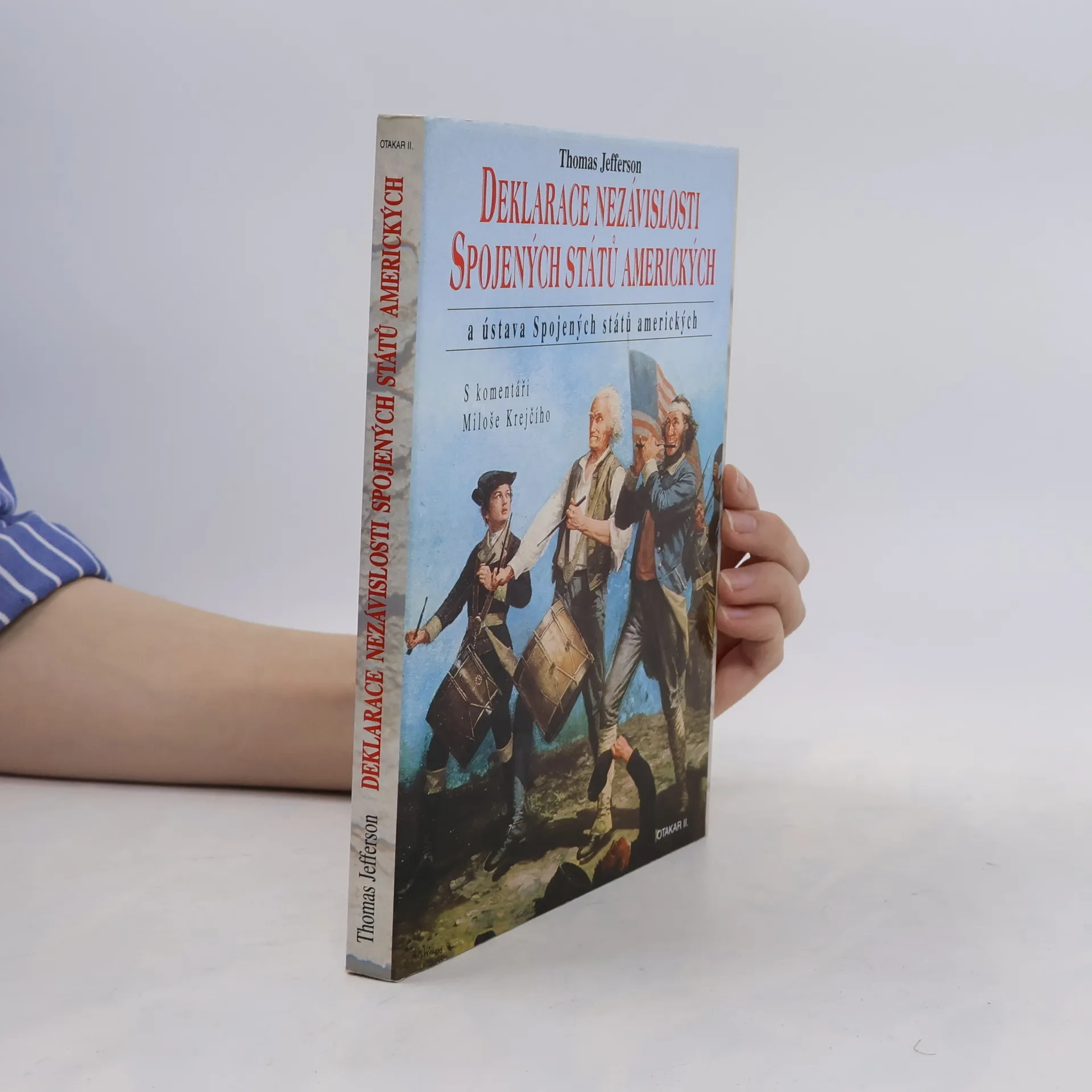
    • The Declaration of Independence was the promise of a representative government; the Constitution was the fulfillment of that promise. On July 4, 1776, the Second Continental Congress issued a unanimous declaration: the thirteen North American colonies would be the thirteen United States of America, free and independent of Great Britain. Drafted by Thomas Jefferson, the Declaration set forth the terms of a new form of government with the following words: "We hold these Truths to be self-evident, that all men are created equal, that they are endowed with certain unalienable Rights, that among these are Life, Liberty, and the Pursuit of Happiness." Framed in 1787 and in effect since March 1789, the Constitution of the United States of America fulfilled the promise of the Declaration by establishing a republican form of government with separate executive, legislative, and judicial branches. The first ten amendments, known as the Bill of Rights, became part of the Constitution on December 15, 1791. Among the rights guaranteed by these amendments are freedom of speech, freedom of the press, freedom of religion, and the right to trial by jury. Written so that it could be adapted to endure for years to come, the Constitution has been amended only seventeen times since 1791 and has lasted longer than any other written form of government.

      The Declaration of Independence and the Constitution of the United States of America2024
      4,4
    • The Papers of Thomas Jefferson, Retirement Series, Volume 19

      16 September 1822 to 30 June 1823

      • 872pages
      • 31 heures de lecture

      The retirement papers of Thomas Jefferson reveal his personal and financial struggles during his later years. Injured and facing health challenges, he manages debts and secures loans for the University of Virginia's construction projects. Engaging in correspondence with notable figures like John Adams and Justice William Johnson, he discusses religion and the Supreme Court. Jefferson also reflects on international events and contributes to local library initiatives. The volume captures poignant moments, including family milestones and his contemplation of mortality.

      The Papers of Thomas Jefferson, Retirement Series, Volume 192023
    • State of the Union Addresses of Thomas Jefferson

      in large print

      • 96pages
      • 4 heures de lecture

      Focusing on accessibility, this publication by Megali reproduces historical works in large print, catering specifically to individuals with impaired vision. The initiative aims to enhance readability, ensuring that important historical texts are available to a wider audience.

      State of the Union Addresses of Thomas Jefferson2023
    • A definitive scholarly edition of the correspondence and papers of Thomas JeffersonJefferson continues his pattern of returning home to Monticello for the summer months. He makes a brief visit to Poplar Forest in Bedford County to plan the development of that property. James Hubbard, a young enslaved worker at Monticello, escapes but is captured in Fairfax County. Another slave who has fled, James Hemings, rejects efforts to persuade him to return and disappears. Receiving news of the end of the conflict with Tripoli, Jefferson states that although it is “a small war in fact, it is big in principle.” He devotes much of his attention to relations with Spain. He considers alliance with Great Britain to force a resolution with Spain, then chooses instead to negotiate with France for the purchase of Florida and settlement of matters in dispute with Spain. He drafts bills to organize the militia by age and create a naval militia. Specimens sent by Lewis and Clark arrive. Jefferson calculates that the United States has recently acquired cessions of well over 9 million acres of land from Native Americans. He meets with visiting Creek leaders. Answering a query, Jefferson states that Patrick Henry was “the greatest orator that ever lived” but “avaritious & rotten hearted.”

      The Papers of Thomas Jefferson, Volume 472023
    • The Papers of Thomas Jefferson, Volume 46

      • 832pages
      • 30 heures de lecture

      A definitive scholarly edition of the correspondence and papers of Thomas JeffersonCongress adjourns early in March, and Jefferson goes home to Monticello for a month. After his return to Washington, he corresponds with territorial governors concerning appointments to legislative councils. He peruses information about Native American tribes, Spanish and French colonial settlements, and the geography of the Louisiana Territory. He seeks the consent of Spanish authorities to a U.S. exploration along the Red River while asserting privately that Spain “has met our advances with jealousy, secret malice, and ill faith.” A new law extends civil authority over foreign warships in U.S. harbors, and he considers using it also to constrain privateers. Federalist opponents bring up “antient slanders” to question his past private and official actions. His personal finances are increasingly reliant on bank loans. He starts a search for a new farm manager at Monticello. Meriwether Lewis and William Clark write from Fort Mandan in April before setting out up the Missouri River. Jefferson will not receive their reports until mid-July. In the Mediterranean, William Eaton coordinates the capture of the port of Derna and Tobias Lear negotiates terms of peace with Pasha Yusuf Qaramanli to end the conflict with Tripoli. News of those events will not reach the United States until September.

      The Papers of Thomas Jefferson, Volume 462022
    • The Autobiography of Thomas Jefferson

      • 82pages
      • 3 heures de lecture

      Focusing on his political career and pivotal role in American history, the autobiography reveals insights into Thomas Jefferson's early life, family, and significant contributions, particularly regarding the Declaration of Independence. Written at 77, Jefferson reflects on his experiences and values, emphasizing his Enlightenment ideals and influence on democracy. While not deeply personal, the narrative offers a compelling perspective on the challenges of founding a new nation and Jefferson's enduring legacy in shaping the republic. This edition features premium acid-free paper.

      The Autobiography of Thomas Jefferson2021
      3,6
    • The Declaration of Independence

      including Brief Biographies of Its Signers

      • 56pages
      • 2 heures de lecture

      The book explores the foundational principles of equality and unalienable rights as articulated in the Declaration of Independence. It delves into the philosophical and historical context of these ideals, examining their implications for individual freedoms and societal structures. Through analysis, it highlights the ongoing relevance of these concepts in contemporary discussions about human rights and governance, encouraging readers to reflect on the pursuit of liberty and happiness in their own lives.

      The Declaration of Independence2020
    • The explosive manifesto for the American Revolution, introduced by the co- author of Empire

      The Declaration of Independence2007
      4,5
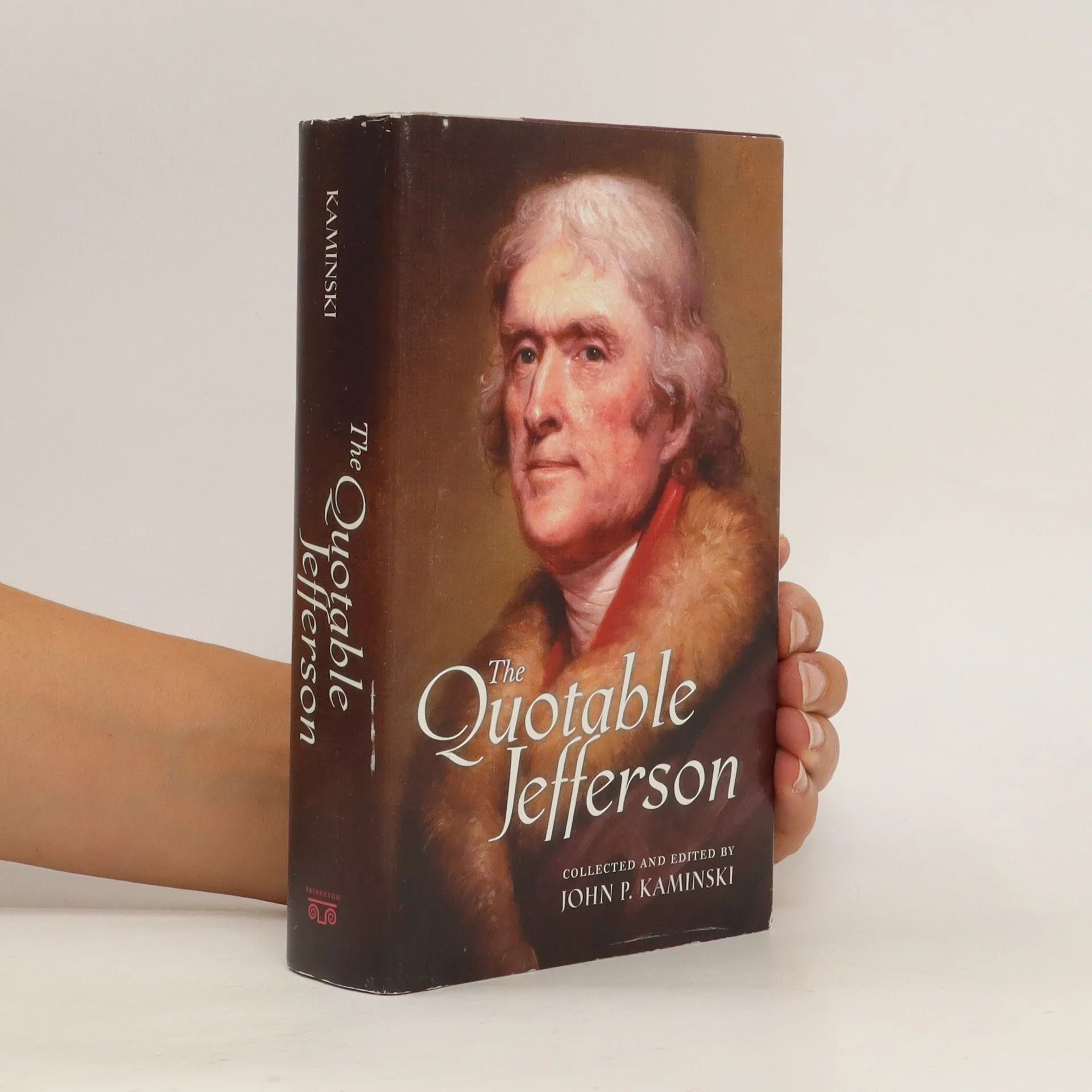
    • The Quotable Jefferson

      • 557pages
      • 20 heures de lecture

      More than any other Founding Father, Thomas Jefferson made his reputation on the brilliance of his writing, and few writers have said so much on so many subjects. This comprehensive book demonstrates that thoroughly.

      The Quotable Jefferson2006
      4,2
    • The Jefferson Bible

      • 171pages
      • 6 heures de lecture

      We must reduce our volume to the simple evangelists, select, even from them, the very words only of Jesus. There will be remaining the most sublime and benevolent code of morals which has ever been offered to man.—Thomas Jefferson Featuring an introduction by Forrest Church, this reissue of The Jefferson Bible offers extraordinary insight into the logic of Thomas Jefferson and the Gospel of Jesus. Working in the White House in 1804, Jefferson set out to edit the Gospels in order to uncover the essence of true religion in the simple story of the life of Jesus. Jefferson was convinced that the authentic message of Jesus could be found only by extracting from the Gospels Jesus's message of absolute love and service, rather than the miracle of the Annunciation, Virgin Birth, or even the Resurrection. Completed in 1819, this little book is the remarkable result of Jefferson's efforts.

      The Jefferson Bible2001
      4,3
    • The Declaration of Independence was the promise of a representative government; the Constitution was the fulfillment of that promise. On July 4, 1776, the Second Continental Congress issued a unanimous declaration: the thirteen North American colonies would be the thirteen United States of America, free and independent of Great Britain. Drafted by Thomas Jefferson, the Declaration set forth the terms of a new form of government with the following words: "We hold these Truths to be self-evident, that all men are created equal, that they are endowed with certain unalienable Rights, that among these are Life, Liberty, and the Pursuit of Happiness." Framed in 1787 and in effect since March 1789, the Constitution of the United States of America fulfilled the promise of the Declaration by establishing a republican form of government with separate executive, legislative, and judicial branches. The first ten amendments, known as the Bill of Rights, became part of the Constitution on December 15, 1791. Among the rights guaranteed by these amendments are freedom of speech, freedom of the press, freedom of religion, and the right to trial by jury. Written so that it could be adapted to endure for years to come, the Constitution has been amended only seventeen times since 1791 and has lasted longer than any other written form of government.

      The Declaration of Independence and the Constitution of the United States1995
      4,3
    • Public and Private Papers

      • 415pages
      • 15 heures de lecture

      Author of the Declaration of Independence, statesman, architect, scholar, farmer, Thomas Jefferson had an extraordinary range of interests. His writings are an invaluable and incisive record of the life and landscape of America at the time of its birth.

      Public and Private Papers1990
      3,8
    • Notes on the State of Virginia

      • 344pages
      • 13 heures de lecture

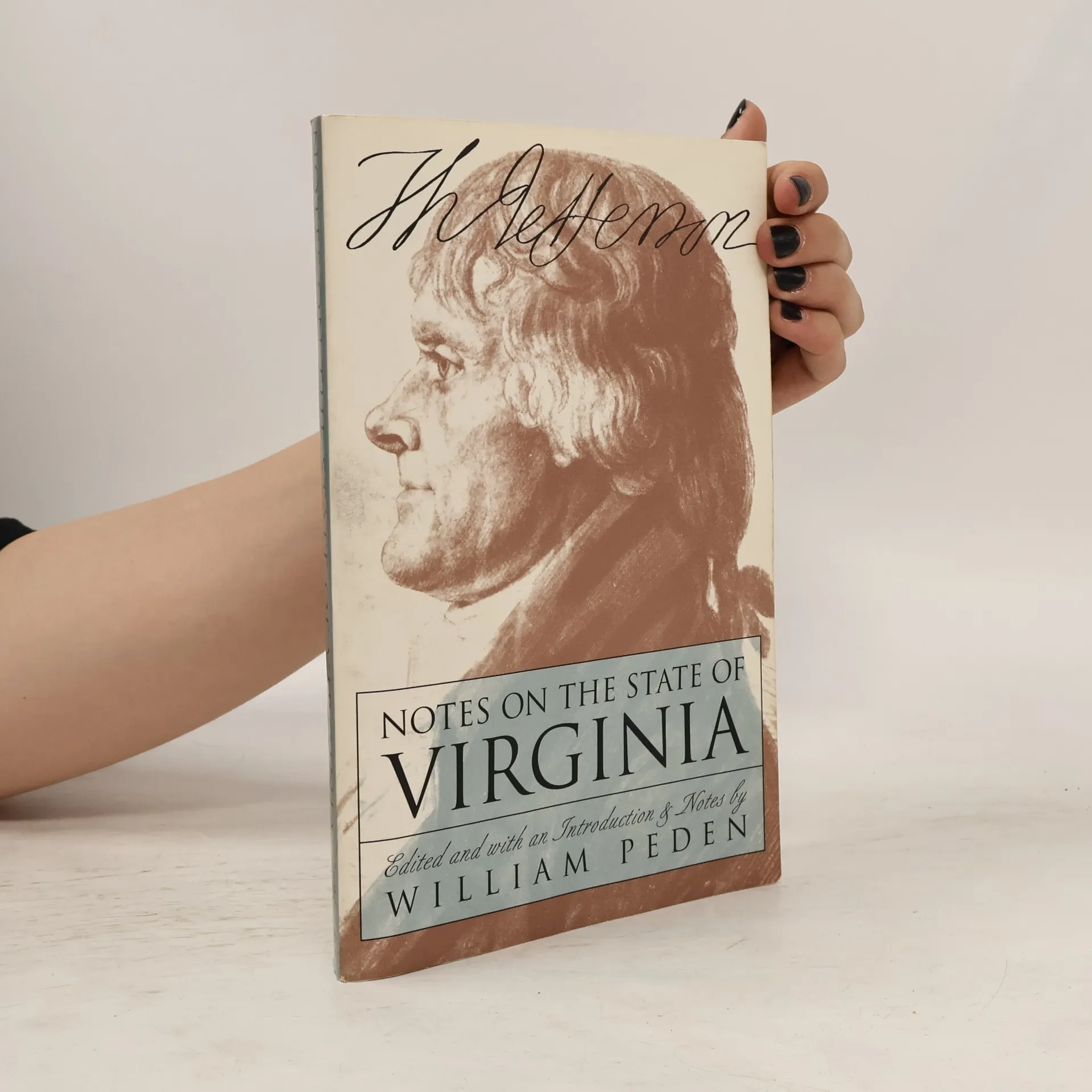
      Focusing on the resources and institutions of Virginia, the work reveals Thomas Jefferson's profound philosophical, political, and ethical beliefs. It addresses significant topics such as slavery, education, religious freedom, and the separation of church and state, making it a crucial reflection of his principles. Additionally, it includes insights into North American flora and fauna, showcasing Jefferson's diverse interests and intellect. This meticulously edited edition by William Peden preserves the significance of Jefferson's only full-length book published during his lifetime.

      Notes on the State of Virginia1982
      3,5
    • Includes A Summary View of the Rights of British America and Notes on the State of Virginia complete; seventy-nine letters; "Response to the Citizens of Albemarle," 1790; "Opinion on the Constitutionality of a National Bank," 1791; and many other writings.

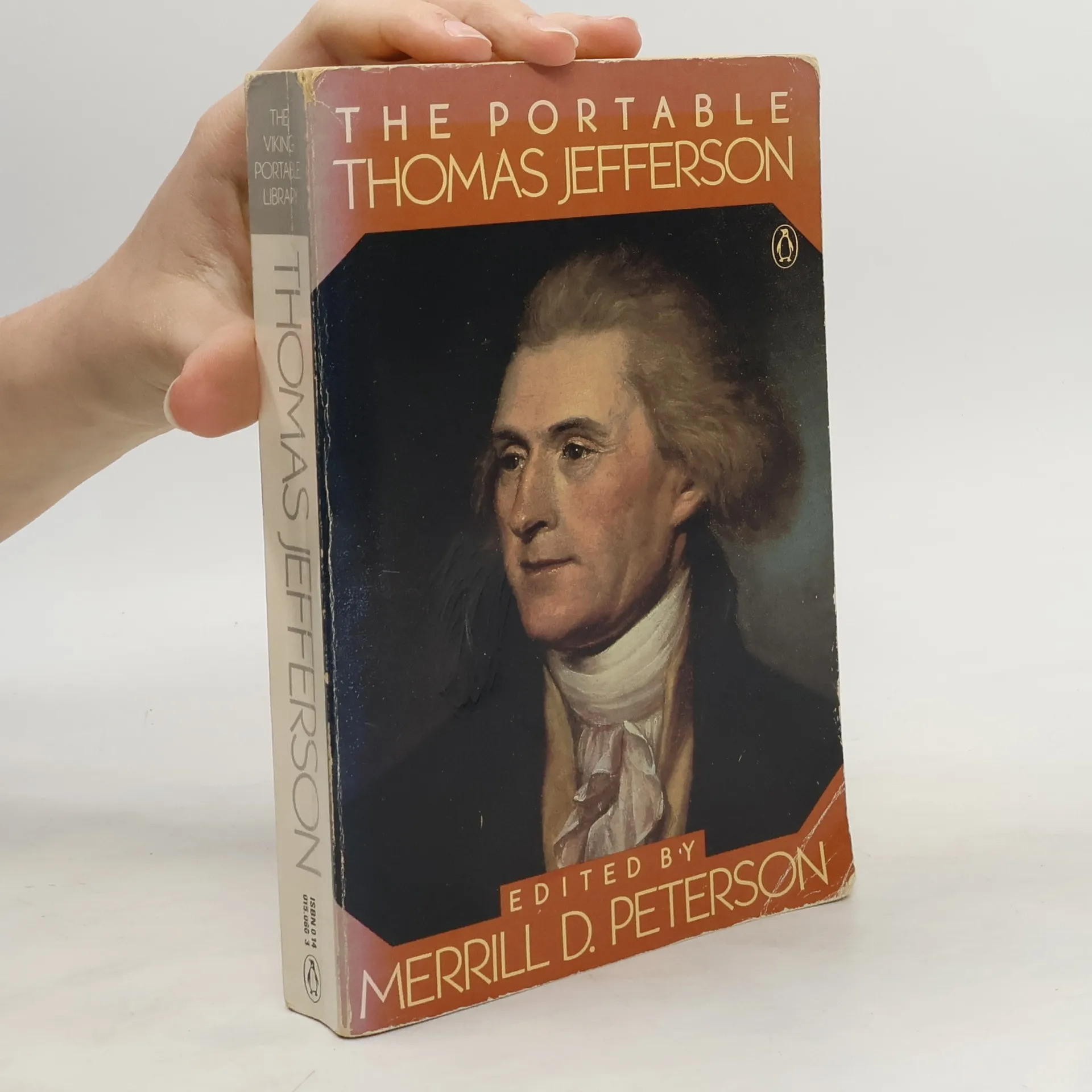
      Portable Thomas Jefferson1977
      4,1