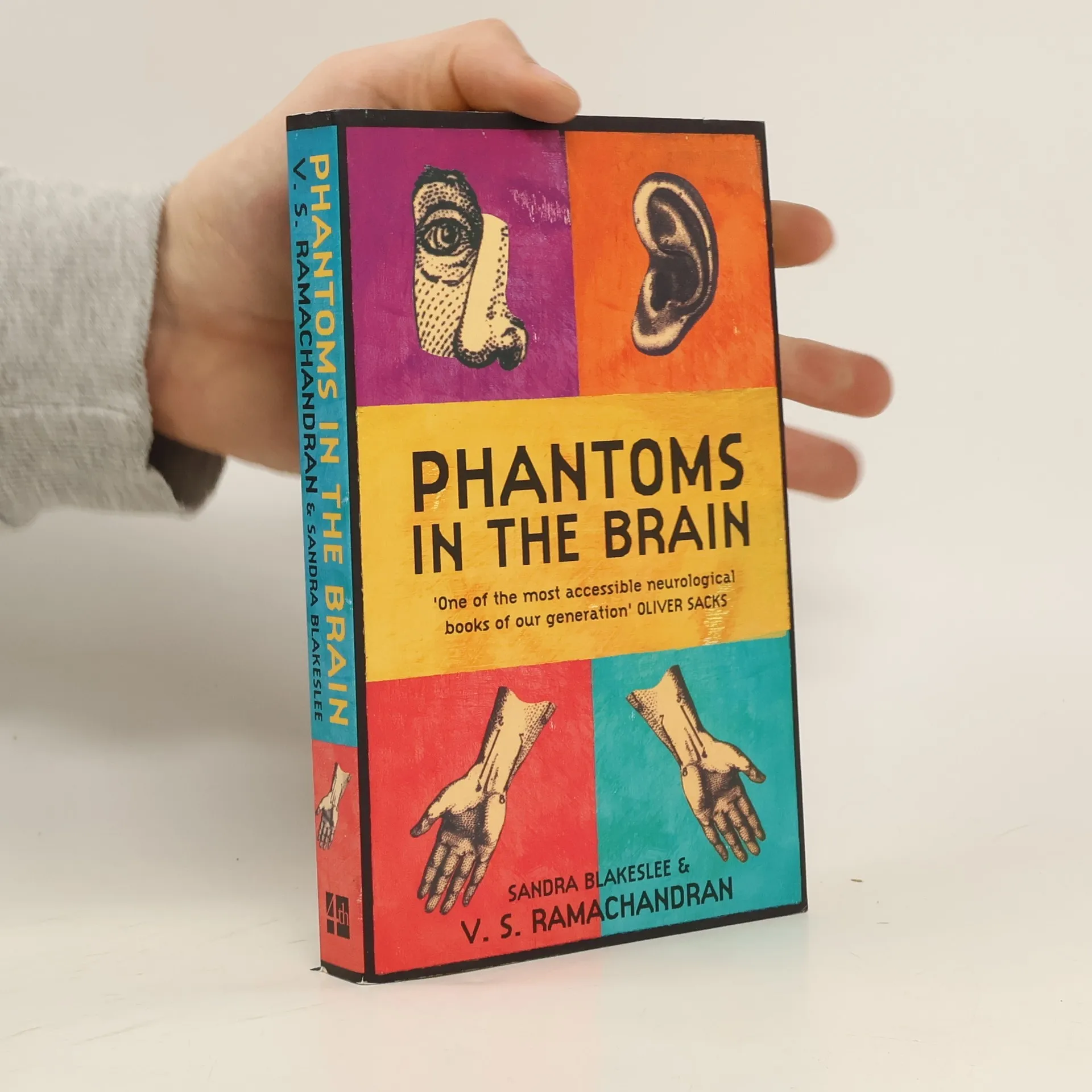
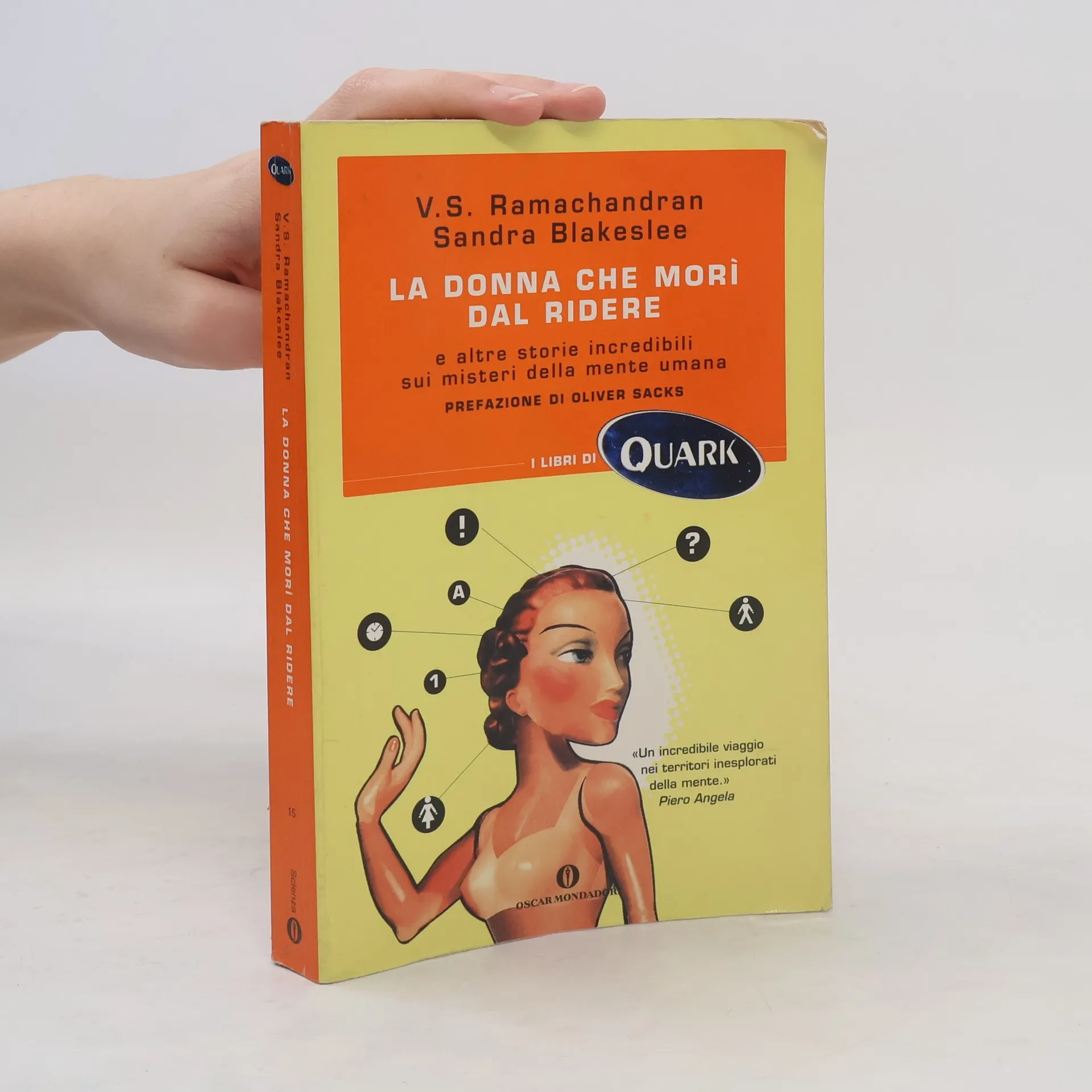
"Human Nature and the Architecture of the Mind." Combining gripping stories and cutting-edge science, V.S. Ramachandran, one of the world's leading neuroscientists, pushes back medicine's last great frontier-the human mind-to address some of the big questions: What is the Self? How do we perceive the world outside us? Why do we laugh?
A landmark study of the long-term impact of divorce explores its effects on children into adulthood, marriage, and their own parenthood, revealing how they cope with their own fear of failure in relationships.
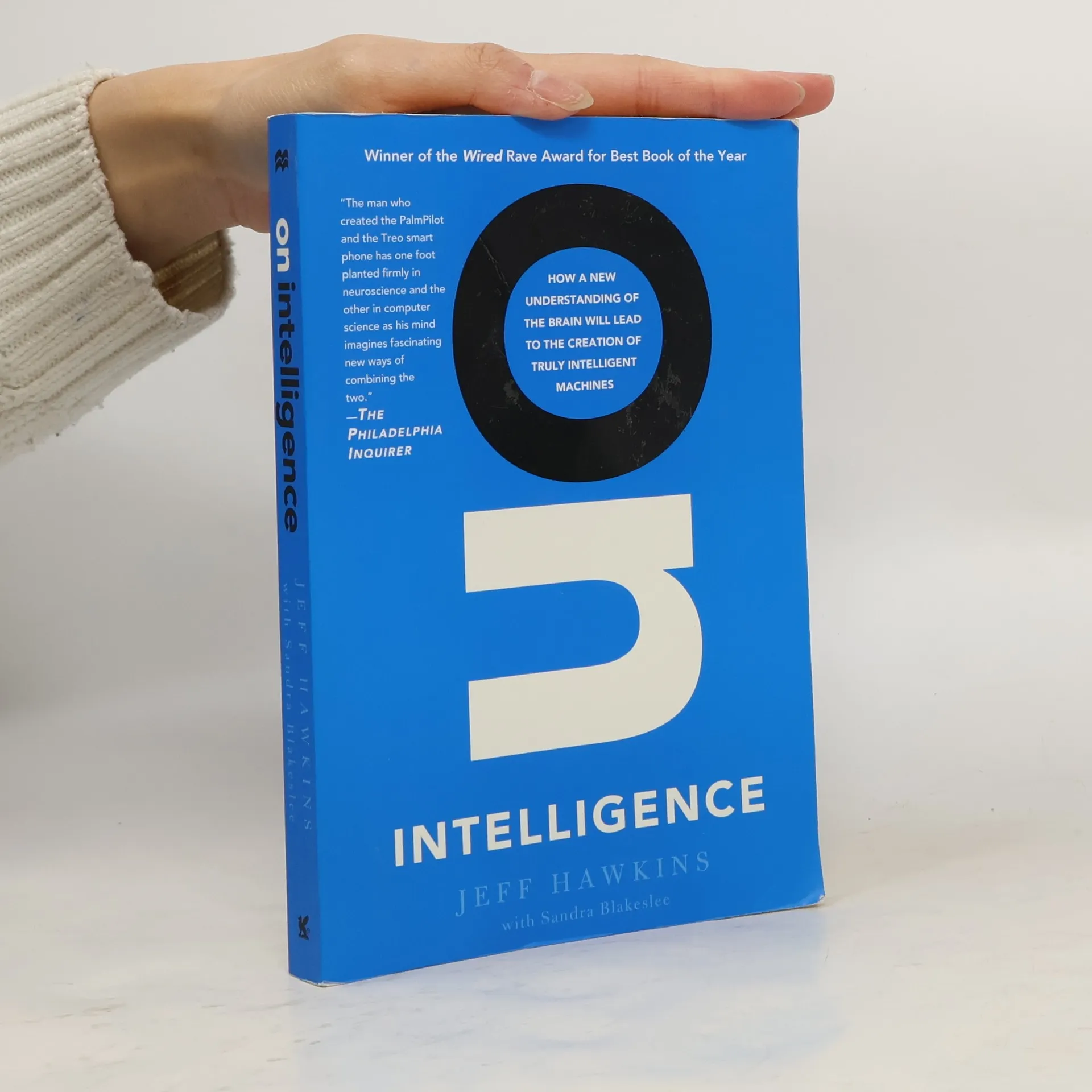
From the inventor of the PalmPilot comes a groundbreaking theory of intelligence, brain function, and the future of intelligent machines. Jeff Hawkins, creator of the PalmPilot and Treo smartphone, aims to transform our understanding of both neuroscience and computing. He presents a compelling theory of how the human brain operates, arguing that computers lack true intelligence. Instead, Hawkins posits that the brain functions as a memory system, storing experiences in a manner that mirrors the world's structure. This system remembers sequences of events and their relationships, allowing for predictions based on past experiences. It is this memory-prediction mechanism that underpins intelligence, perception, creativity, and consciousness. In an engaging manner, Hawkins appeals to a wide audience, from the curious layperson to professional scientists, illustrating how a deeper understanding of brain function can lead to the creation of intelligent machines that may surpass human capabilities. Co-authored with acclaimed science writer Sandra Blakeslee, this work promises to reshape the possibilities of the technology age, offering a landmark perspective on intelligence and its implications for the future.
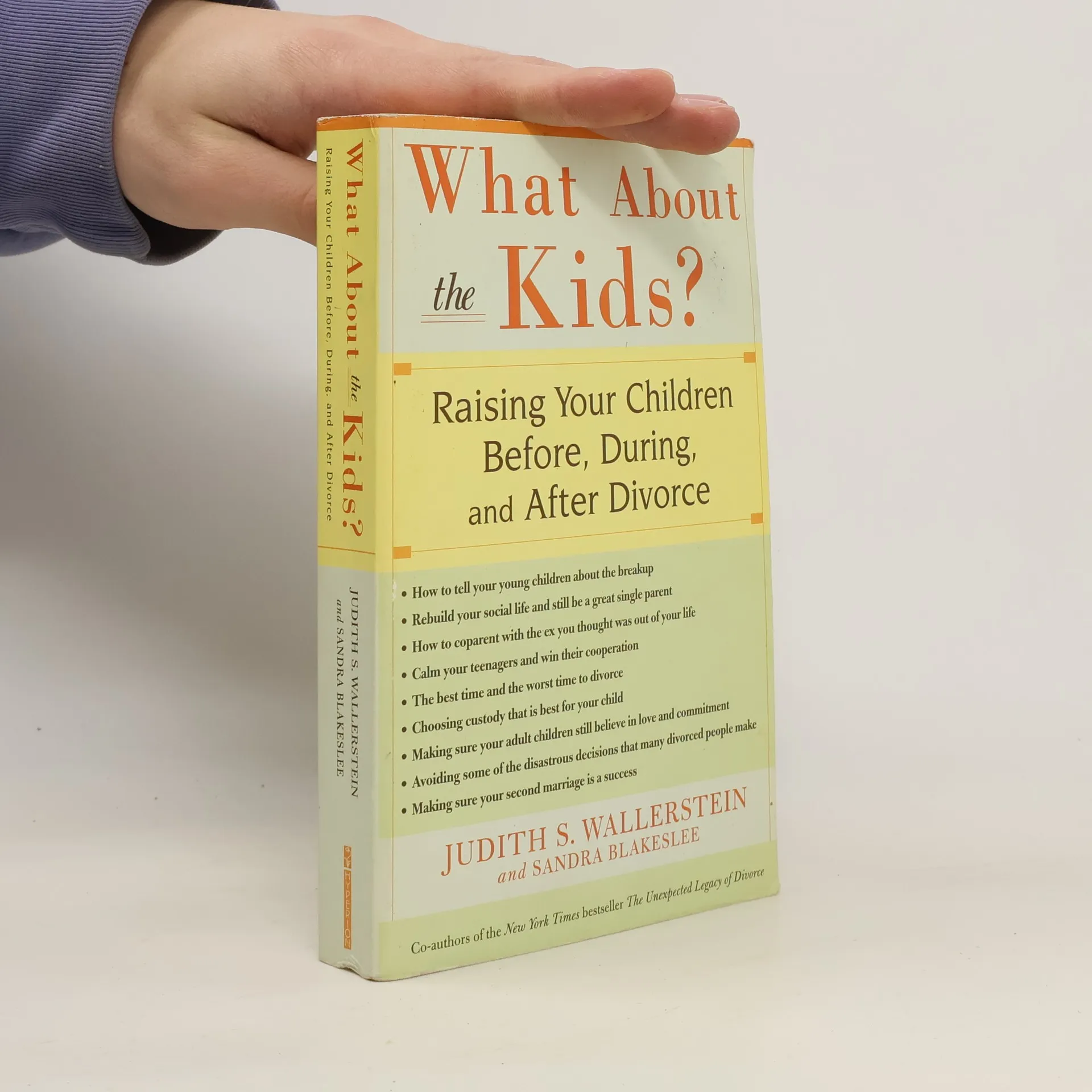
The ten chapters in WHAT ABOUT THE KIDS? give detailed scenarios and their alternatives, likely outcomes and surprises. They include: 1) The Break Up: This chapter focuses on the adult in crisis. 2) What To Tell the Children: These words will be remembered for a lifetime—how to get them right. 3) The First Year: Maximum turmoil. Setting new routines and maintaining a connection with each child. 4) The Dust Settles: The issues that come up in the first decade after divorce. 5) Co-Parenting: How to be good parents while living separate lives. 6) Teens in the Post-Divorce Family: Troublesome behavior, morality on trial, your child's future relationships and much more. 7) The Young Adult of Divorce: Spouses and negotiations for college and living expenses, abandonment issues. 8) Long Term Changes in Parent/Child Relationships: The members of divorced and remarried families can be both closer and more conflicted than in intact families—what the issues are and how to address them. 9) Second Marriages: Preparing a child for new relationships—what are the children most afraid of? How to be a step parent; why second marriages succeed or fail. 10) Bridging the Generations: Adult children of divorce and how they relate to their parents—the two way street.
Based on intensive interviews with 50 couples who consider themselves happily married, this groundbreaking book by the authors of Second Chances offers an entirely fresh vision of this most complex of human relationships, explaining the psychological steps which couples must take to commit to a good marriage.
Una donna che sostiene di parlare con Dio, un atleta che ha perso il braccio ma non la sensazione di poterne disporre, un giovane coinvolto in un tragico incidente stradale convinto che i genitori siano stati sostituiti da replicanti, e ancora il caso del celebre umorista e vignettista James Thurber, colto da allucinazioni fantastiche e "sostitutive della realtà" in seguito alla progressiva perdita della vista. Ciascuno di questi disturbi patologici è il punto di partenza per indagare su quella macchina straordinaria e animata che è il cervello, nel tentativo di ricostruirne l'architettura e il funzionamento e di dare una spiegazione alle nostre predisposizioni intellettuali o pratiche, ai nostri comportamenti e stati d'animo.
In diesem faszinierenden Buch erkunden die Wissenschaftspublizisten Sandra und Matthew Blakeslee das Forschungsfeld der „Körperkarten“ – detaillierte Repräsentationen der Innen- und Außenwelt im Gehirn. Sie untersuchen, wie die Verbindung von Körper und Geist unser Leben beeinflusst. Warum empfinden viele Menschen, die abgenommen haben, sich weiterhin dick? Was macht Computerspiele süchtig? Wie kann man sich in einem Sport verbessern, nur durch mentale Übungen? Die Antworten auf solche Fragen liegen in unseren Körperkarten. Ähnlich wie Straßenkarten repräsentieren sie alle Aspekte unseres körperlichen Selbst – sowohl innerlich als auch äußerlich. Diese Karten formen unser physisches und mentales Bewusstsein sowie unser Identitätsgefühl in einer größeren sozialen Welt. Zudem sind unsere Körperkarten bemerkenswert elastisch. Unser Selbst reicht über den physischen Körper hinaus und erstreckt sich in den umgebenden Raum, der sich verändert, wenn wir Kleidung an- oder ausziehen, Fahrrad fahren oder Werkzeuge benutzen. Beim Autofahren erweitert sich dieser „peripersonale Raum“ bis zur Fahrzeuggrenze. In Computerspielen spüren wir die Aktionen unserer Spielfigur, während Horrorfilme unsere Körperkarten aktivieren und körperliche Reaktionen hervorrufen. Wenn Körperkarten aus dem Gleichgewicht geraten, können Menschen außerkörperliche Erfahrungen machen oder Auren um andere wahrnehmen.