Why Have Democracies Failed According to Madison? Why Democracies Die
- 142pages
- 5 heures de lecture





This book invites readers on a transformative journey that explores the concept of inner beauty. Through personal anecdotes and reflective insights, it encourages individuals to look beyond external appearances and societal expectations. The narrative emphasizes self-discovery, acceptance, and the importance of nurturing one's inner self. Readers will find inspiration in the author's experiences and wisdom, fostering a deeper understanding of what it means to embrace and celebrate one's true essence.
A punk with a sampler, a nurse on a mission, a skinhead with a thirst - these three big-hearted locals just want to be left alone to live their lives to the scorching sounds of the Herbert Hi-Fi, but events are clouding their moods. When two friends look sure to clash in deadly fashion, a monster steps out of the shadows and romance looms in the shape of someone who may or may not have been abducted by aliens, some tough decisions are needed. And these decisions will have consequences. London Country is an upbeat tale from the margins. Out here, different rules apply. Anything is possible.
Eine Einführung
John E. King erläutert die besonderen Merkmale der postkeynesianischen Wirtschaft slehre, einer Schule, die in der Nachfolge des britischen Ökonomen John Maynard Keynes für eine sozial gerechtere Wirtschaft sordnung eintritt. Er beginnt mit einem Überblick über die Kernelemente der Theorie und erklärt, wie sie sich von anderen Schulen unterscheidet. Im Weiteren befasst er sich mit wichtigen methodischen Fragen, die die Postkeynesianer von den Mainstream-Ökonomen trennen, mit ihrer Behandlung von Unternehmen, ArbeiterInnen und Haushalten und ihrer Analyse von Wirtschaftswachstum und Entwicklung. Den postkeynesianischen Ansatz erläutert King insbesondere in Bezug auf Geld- und Steuerpolitik, Einkommen und Umwelt, wobei er den Kontroversen über Sparmaßnahmen und Austeritätspolitik und der Reform des Finanzsektors und des internationalen Währungssystems große Aufmerksamkeit widmet. Diese Einführung ist für ein breites Publikum geschrieben, das nach Alternativen zu sogenannten „Strukturreformen“ und zur makroökonomischen Idealisierung des Konzepts der „schwäbischen Hausfrau“ sucht.
The Seal Club is a three-novella collection by the authors Alan Warner, Irvine Welsh and John King, three stories that capture their ongoing interests and concerns, stories that reflect bodies of work that started with Morvern Callar, Trainspotting and The Football Factory - all best-sellers, all turned into high-profile films.
Jak z úspěšných skupin vznikají skvělé organizace. Ptáci tvoří hejna, vlci smečky a lidé kmeny, skupiny o dvaceti až sto padesáti lidech. Kmeny jsou základním stavebním prvkem jakéhokoli rozsáhlejšího lidského úsilí. Mají větší vliv a význam než týmy, celé podniky či sebeschopnější generální ředitelé. Jsou to právě kmeny, kdo v podniku rozhoduje o tom, zda se novému šéfovi bude dařit nebo zda ho brzy nahradí někdo jiný. Některé kmeny vyžadují od všech svých členů maximální výkony a neustále se rozvíjejí. Jiné dělají jen to, co je nezbytně nutné. Co je příčinou tohoto rozdílu ve výkonnosti? Jejich kmenoví vůdci. Kmenoví vůdci se soustředí na posilování kmenu, přesněji řečeno na rozvíjení kmenové kultury. Pokud se jim to daří, jde kmen od úspěchu k úspěchu. Pro řadu lidí to představuje velkou hádanku: jak to dělají? Když se jich zeptáte, mnozí kmenoví vůdci nedokážou objasnit, co přesně dělají jinak. Po přečtení této knihy vám bude jasné, v čem spočívá jejich úspěch, a navíc je dokážete napodobit.
A Study of the Argentine Literary Journal and Its Role in the Development of a Culture, 1931 1970
Exploring the significance of Sur, this book delves into the influential literary and cultural journal that shaped Argentina's intellectual landscape in the twentieth century. It highlights the journal's role in promoting notable writers and artists, while also examining its impact on national and international discourse. Through detailed analysis, the narrative uncovers the journal's contributions to literature, politics, and society, making it a vital piece of Argentina's cultural history.
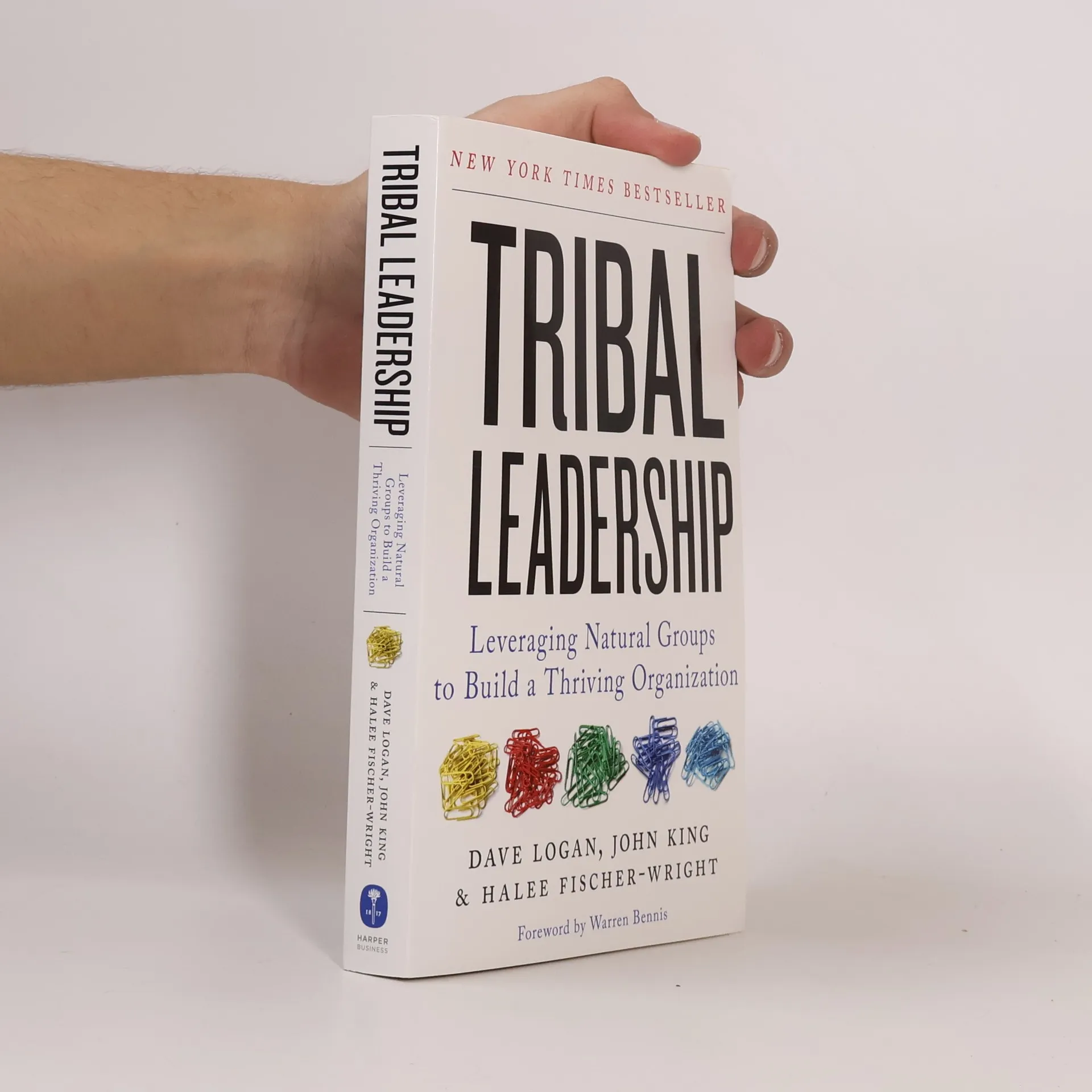
Leveraging Natural Groups to Build a Thriving Organization
Every organization is composed of tribes—naturally occurring groups of between 20 and 150 people. Until now, only a few leaders could identify and develop their tribes, and those rare individuals were rewarded with loyalty, productivity, and industry-changing innovation. Tribal Leadership shows leaders how to assess, identify, and upgrade their tribes' cultures, one stage at a time. The result is an organization that can thrive in any economy.
In Skinheads, John King takes us inside skinhead culture today and explains how it never really went away.Skinheads is the story of a way of life, told through three generations of a family: Terry English, original ska-loving skinhead and boss of a mini-cab firm; Nutty Ray, street-punk skin and active football hooligan; and Lol, son of Terry, nephew of Ray, a fifteen-year-old kid just starting out. Terry is sick and not sure he’s going to make his fiftieth birthday, but is kept going by his music, his lovely mod-girl assistant Angie, and his discovery of the abandoned Union Jack Club, which he decides to clean up and re-open. Ray, meanwhile, is out driving mini-cabs and struggling to control his anger; his only release — days out with Chelsea’s finest. But when he takes the law into his own hands in an explosion of righteous violence, his future starts to darken. John King’s seventh novel draws on nearly forty years of evolving British culture. The skinheads didn’t die off: the look went mainstream and their music was accepted and reinvented, while the boys themselves keep misbehaving in the traditional ways. Challenging society’s fears and prejudices, Skinheads shows us a group of truly humane characters driven by passion and honour and the culture they love. This is their story.
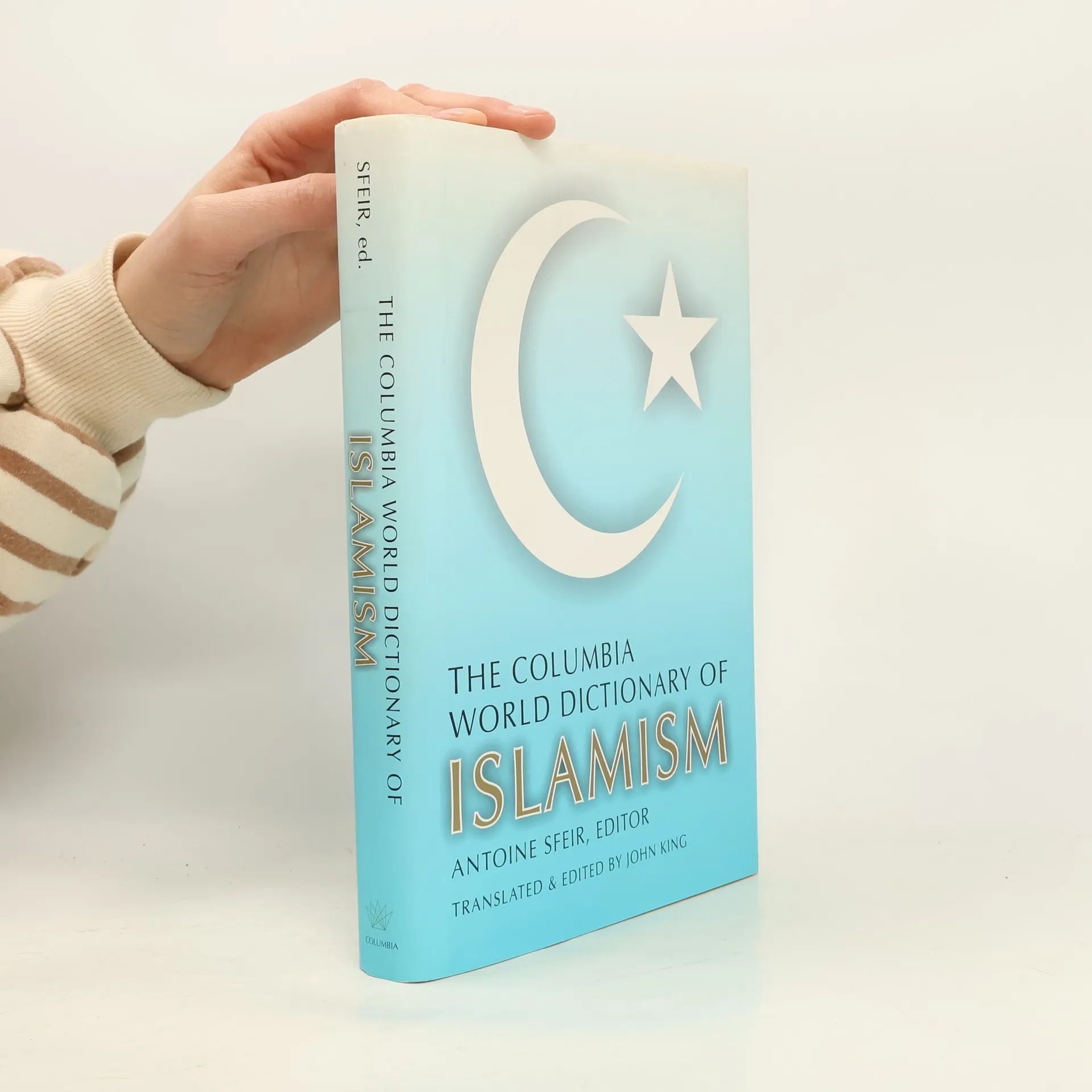
Antoine Sfeir's Columbia World Dictionary of Islamism is a significant resource, now available in English for the first time. This comprehensive volume contains over two thousand entries detailing the history of Islamism and Islamic countries, offering a balanced perspective on events, organizations, and key figures, thereby illuminating a movement that has profoundly impacted both Muslim and Western societies. The dictionary covers the origins of Islamism and jihad across various regions, including Africa, Afghanistan, Egypt, Iran, and the United States. It profiles influential individuals such as Louis Farrakhan, Tariq Ramadan, and Hassan Al-Banna, alongside critical historical events like the U.S.S. Cole bombing and Syria's Hama massacre. It also discusses major organizations and movements, including the Taliban, Hezbollah, and the Muslim Brotherhood, as well as groups like Tablighi Jamaat and Al-Ahbash. A distinctive feature of this work is its exploration of Islam's antimodern aspects and its attempts to reclaim Muslim identity in various contexts. The volume raises pertinent questions about the nature of activist Islam, its potential for coexistence with Western societies, and the justification of terrorism in relation to the Quran. Sfeir, an expert in the field, navigates the complexities of Islam and Islamism through geopolitical, sociological, and historical lenses.
Jimmy has reached a crossroads in life. After many months of drifting and drinking his way around Europe he finds himself incarcerated in Seven Towers, a notorious hilltop prison, peering into the abyss. Jimmy is now a fully-fledged alien, unable to understand the language and customs of the inmates - shoplifters, drug addicts, murderers and rapists. But what exactly is the nature of Jimmy's offence? And what is the dark secret that haunts his every move?
Lonely Planet je světově proslulá edice průvodců. Patří mezi nejlepší a nejoblíbenější pro svoji kompletnost, přehlednost a aktuálnost. Již po tři desetiletí se těší obrovskému zájmu všech, kteří nechtějí sedět doma, všech, které lákají dálky a nekonečný obzor a pro které je cestování tou správnou životní filozofií. Průvodci této cestovatelské bible pokrývají téměř celý svět. Jsou psány profesionálními cestovateli-specialisty pro jednotlivé oblasti a každé dva až tři roky jsou pravidelně aktualizovány. Jsou plné praktických a užitečných informací, kvalitních map a plánků, objektivních doporučení. To vše z nich dělá nenahraditelného pomocníka na cesty, který sníží cestovní náklady na minimum a pomůže překonat přirozený ostych z jazykové bariéry. Všem českým cestovatelům jsou nyní dostupné některé tituly v rodném jazyce.
Drink in the culture, history and – of course – the world-famous wines of the region, famed as much for its high-adrenaline activities as its possibilities for sheer indulgence. From prehistoric art to upbeat city bars, explore it all with this in-depth guide.
A riveting story of class-hatred and murder from the bestselling author of Human Punk and The Football Factory.A classic tale of good against evil pits nurse against consultant; working-class woman against upper-middle-class man. Ruby is a nurse who enjoys life and finds the best in everyone. For her, the hospital is a chaotic, exciting landscape of work and play where everyone has a story to tell. For Mr. Jeffries, the consultant, however, the patients and staff alike are an ignorant, lazy, drunken, violent, drug-crazed rabble. White trash. Arrogant and elitist, Jeffries hankers after a class system that has gone - but that he wants re-established. When Ruby becomes suspicious about the death of a patient, a clash between the two becomes inevitable.
Des châteaux médiévaux au charme enchanteur, de longues étendues de sable à la beauté sauvage, une cuisine gourmande et des festivités hautes en couleur raviront les voyageurs en quête d'authenticité.
Wales is a land of drama - from evocative mountains and valleys and colorful tales of dragons and druids to passionate sports and cutting-edge culture. This brand-new guide will lead you to its proud heart. over 40 detailed maps including coverage of the national parks practical information on outdoor activities, from catching the surf to scaling Snowdon comprehensive information on local eisteddfodau and other festivals essential information on where to eat and sleep, including the finest Welsh cuisine and the coziest B&Bs easy-to-use language and pronunciation guide
For fifteen-year-old Martin, growing up in Slough, the summer of 1977 means punk rock, reggae music, disco girls, stolen cars, social-club lager, cut- throat Teds and a job picking cherries with the gypsies. schovat popis
Mit ebenso drastischer wie authentischer Sprachgewalt schildert John King das Leben des Chelsea-Fans Tom Johnson, der zu den Parias der 90er Jahre gehört: zu jenen radikalen Fußballfans, die ihre Frustrationen und ihre Wut auf den neuen Schlachtfeldern einer aus den Fugen geratenen Gesellschaft abreagieren - in den Stadien, in den billigen Bars und Pubs und in den Straßenzügen verwahrloster Industriestädte. Eine authentische und schockierende Innenansicht nicht nur der englischen Jugendszene.
Following on from his bestselling study of violence, The Football Factory , John King considers Britain's other obsession - sex. Formed in the chemical mists of New Year's Eve, The Sex Division sees the once sacred act of procreation at its most material, as five men devise a system based on the sexual act. In this lager-soaked league, the most that women can offer a man is 4 points - unless, that is, she leaves her handbag unattended...From its base in the asset-stripped, emotionally castrated 90s, Headhunters shows the dreams of The Sex Division members breaking through the heavy media cloud of anorexic pin-ups and paedophile fashion. A missing brother, prophetic visions, a love affair, and tit-for-tat confrontation draw the characters out into the open - revealing the men behind the machismo, their need for mutual respect, and their recognition of the hidden or suppressed affinities.
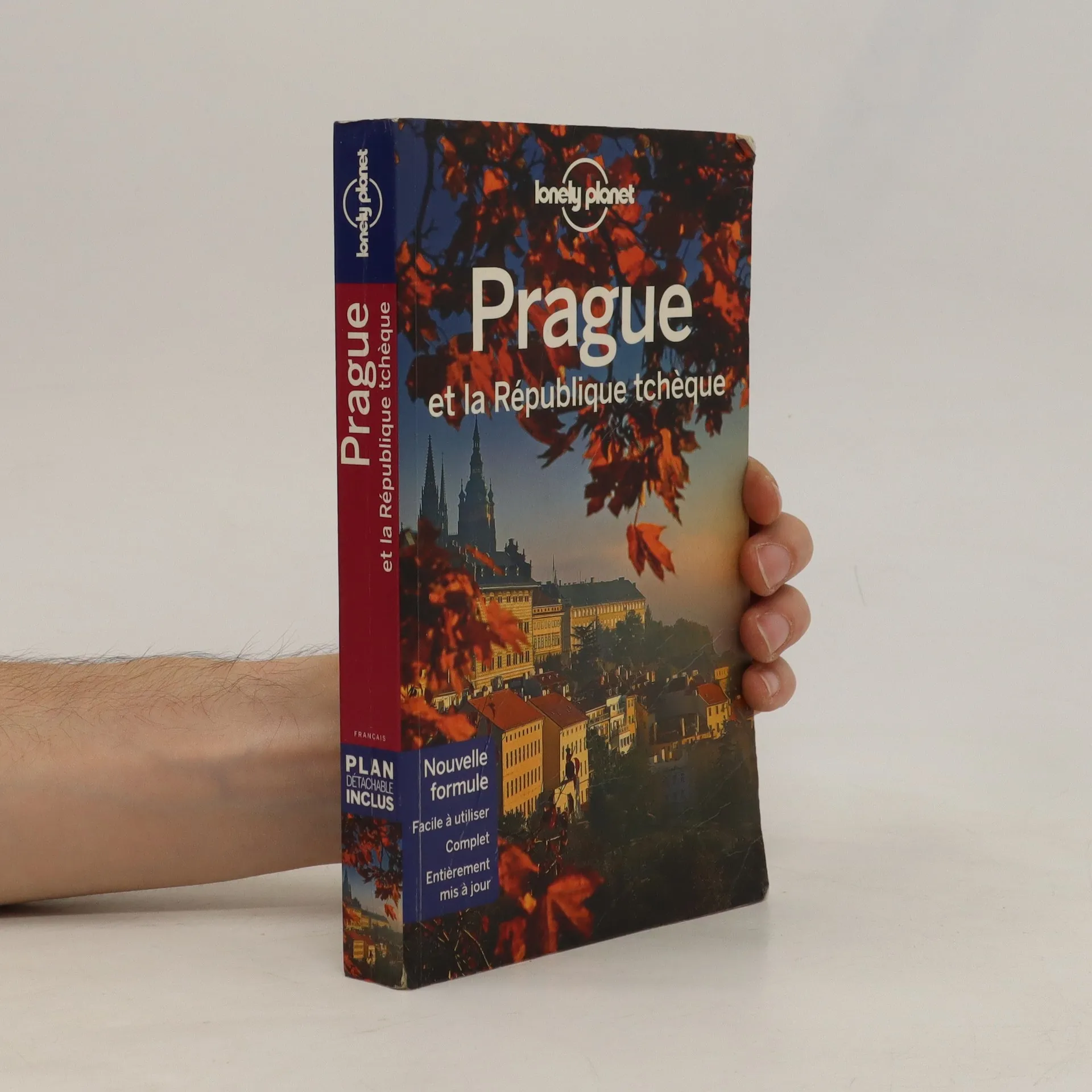
Ensorcelante capitale imprégnée d'histoire, de musique et de littérature, Prague est une ode au gothique et au baroque, au propre comme au figuré. Et une porte de rêve vers les châteaux et les thermes de Bohême ou les collines et les vignobles de Moravie.
Having Examined England'S Twin Obsessions - Violence And Sex - In The Football Factory And Headhunters, John King Completes His Trilogy With England Away: Sex And Violence Abroad, Under The Union Jack. The Novel Works On Three Levels - Past, Present And Future - As Pensioner Bill Farrell Remembers His War Experiences In A London Pub, Tommy Johnson Fights His Way Through Holland And Germany For An England Football Match In Berlin, And Harry Considers The Future Fuelled By Doses Of Dutch Skunk And German Speed. John King'S Powerful New Novel Looks At Notions Of What It Means To Be English. Exploring Stereotypes Of Language And Nationalism, The Primal Pulls Of Lust And Aggression, England Away Culminates In A Unity Of The Tribes And A Blitzkreig In The Streets Of Berlin.
This collection of linked stories centres on Vince, a seasoned Chelsea hooligan, whose life is characterized by unemployment, excessive drink, bad sex and casual violence. He is one of many, who frustrated by social degredation and years of Tory rule, find violent release on the terraces.
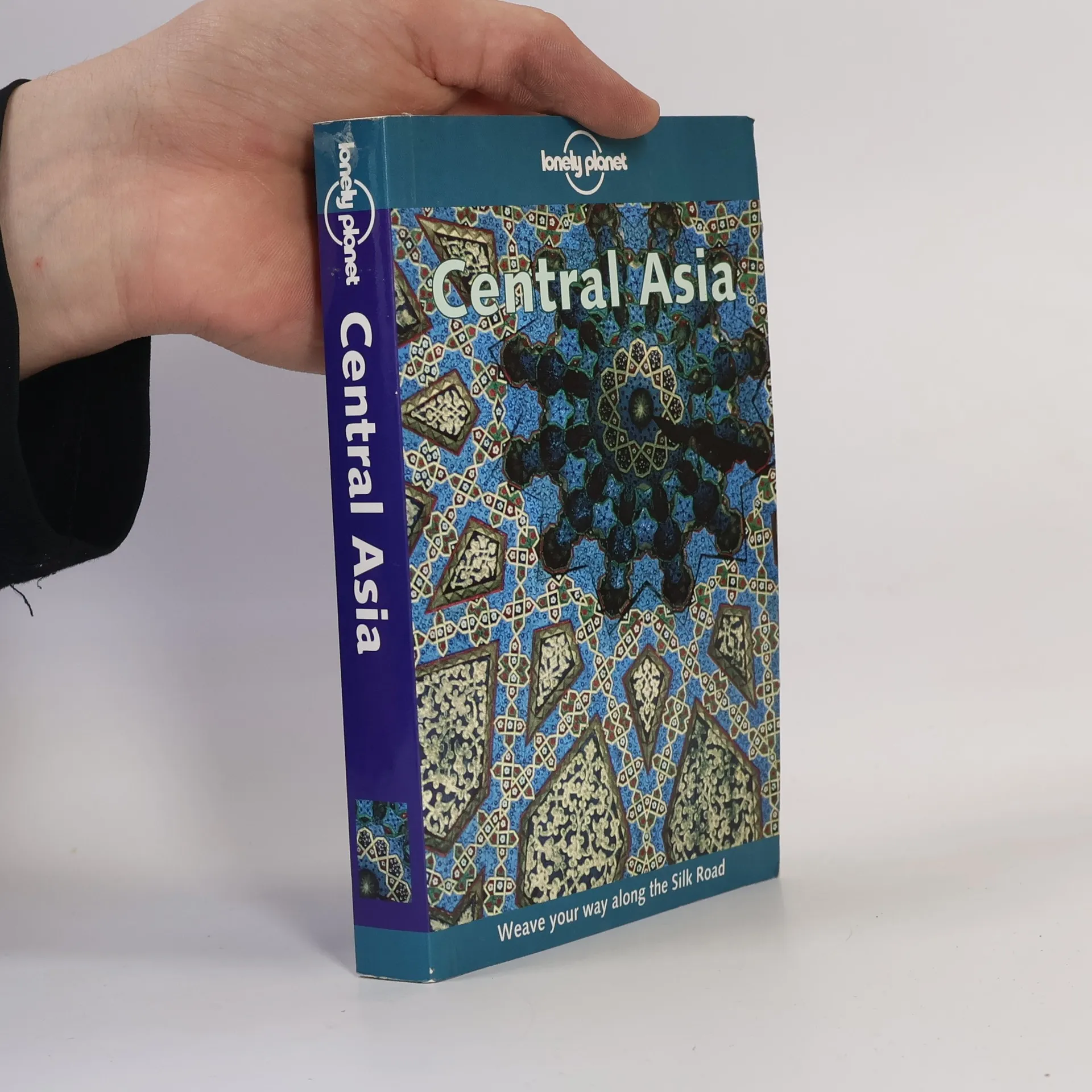
Ancient civilisations, awe-inspiring landscapes and intricate architecture Central Asia is a challenging and fascinating destination. This guide helps you explore glittering mosques, honour local customs and negotiate the infamous bureaucracy. - 55 detailed maps - special sections on the Silk Road, architecture & peoples - details on how to organise home-stay accommodation - advice on getting visas, changing travellers cheques & exporting carpets
Avec ce guide, découvrez Prague la romantique, l'une des plus belles capitales européennes, à travers promenades en bateau sur la Vltava et balades dans son centre médiéval parfaitement préservé puis goûtez la diversité de sa vie nocturne. 4 itinéraires pour découvrir la ville : la Voie royale, de la place Wenceslas à la place de la Vieille Ville, Josefov - le quartier juif -, la Vltava et la colline de Petrin. Un cahier spécial sur les différents styles architecturaux. Tous les types d'hébergement ainsi qu'une large sélection de restaurants, salons de thé et cafés, de bars classiques ou branchés, de clubs et lieux alternatifs. Des excursions d'un ou deux jours dans la campagne, en Bohême centrale. 22 planches de cartes en couleur.
Travel Survival Kit - 2nd Edition
The Karakoram Highway links China and Pakistan. Travellers can follow the Old Silk Road in the footsteps of Alexander the Great and Marco Polo, passing through stunning scenery. This travel guide describes treks and places of interest in the region, both along the Highway and off it.
Includes listings of all the best places to stay, from campsites to restore mansions, and tips on how to get to Pakistan from China, Iran, or India. of color photos. 88 maps.
Despite changes brought about by perestroika and glastnost, the Soviet Union remains a country in a difficult and uncertain state of transition. Still, the USSR is at once safe enough for the most cautious tourist and exotic enough for the most adventurous traveler. This detailed guide covers all accessible parts of the Soviet Union.