



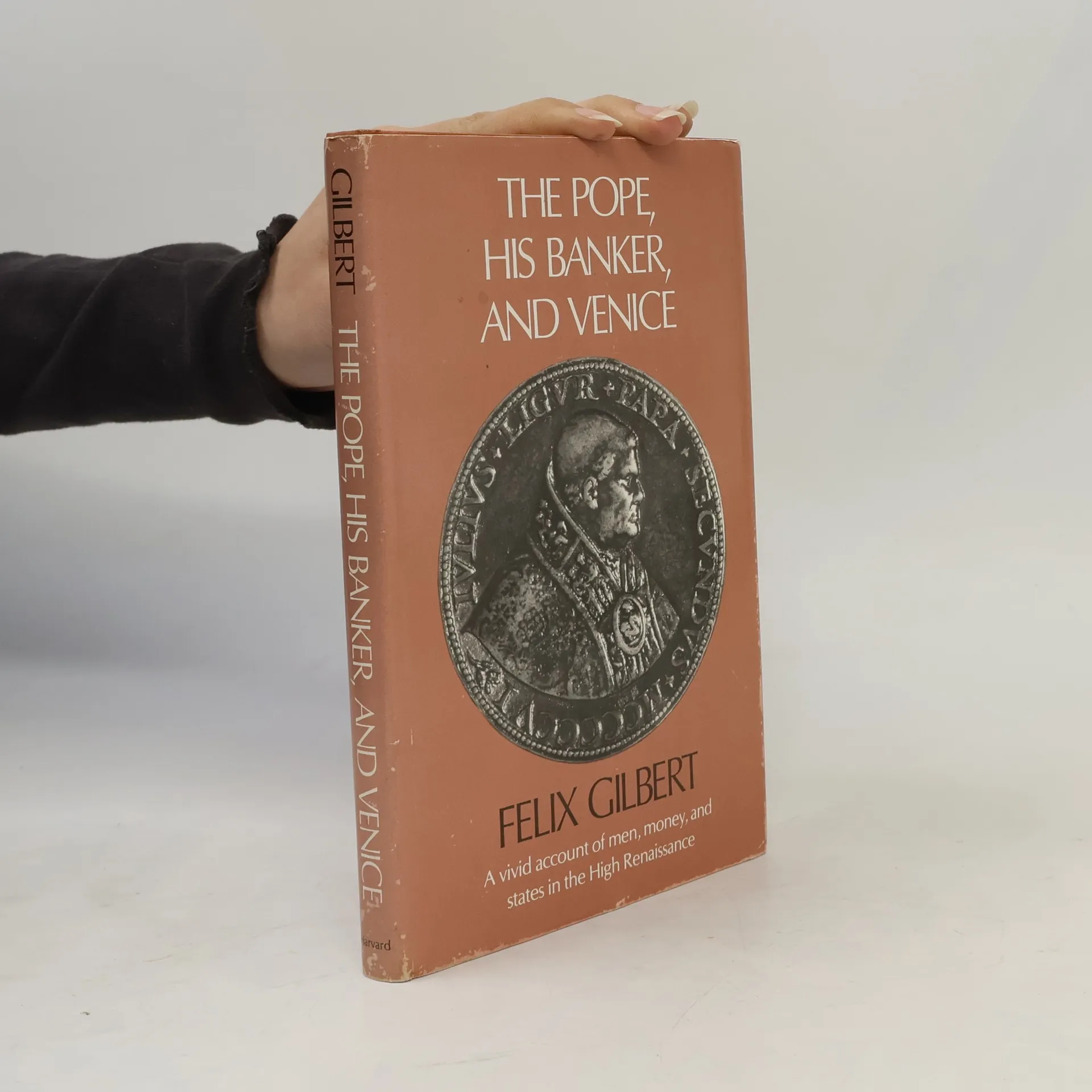
The Pope, His Banker, and Venice
- 176pages
- 7 heures de lecture
This study of Renaissance adventures and struggles against fate brings to life a brilliant age and its exemplars. It is a story of how several men, including Julius II, worked, intrigued, and made business deals against the backdrop of an Italy invaded by continental countries and England. The future of the once great Republic of Venice was at stake as it was besieged and in desperate need of allies. The Papacy switched sides, breaking the seemingly invincible and mostly foreign League of Cambrai, and saw that Venice was offered a loan by Agostino Chigi, the richest man of his time. The Pope's banker, as daring as Julius II, negotiated with the formidable communal rulers of Venice and Italy was kept from further dismemberment. As a dramatic account that brings together diplomacy, war, business, and politics, viewed through one long entrepreneurial venture, this book is unique. It juxtaposes differing institutional structures and the various political ways among Italy's city states; it also brings into sharp focus the new men of the Renaissance. Their dealings and lifestyles were original and bold. They were successful against great odds and flaunted their new wealth and position in society in building great palaces and estates and becoming patrons of art. Felix Gilbert is a master teacher of history, and his new work is as luminous as the men and events he tells about.