Bookbot

Mary Roach

    20 mars 1959

    Mary Roach est une auteure qui explore les coins moins connus de la science avec une perspective fascinante. Avec une touche unique d'humour et d'accessibilité, elle donne vie à des sujets complexes, de l'anatomie aux voyages spatiaux. Son écriture se caractérise par sa curiosité et sa capacité à trouver des histoires surprenantes et captivantes dans des domaines que d'autres pourraient considérer comme tabous. Les lecteurs peuvent s'attendre à découvrir des liens inattendus et à acquérir une compréhension plus profonde du monde qui les entoure.

    Mary Roach
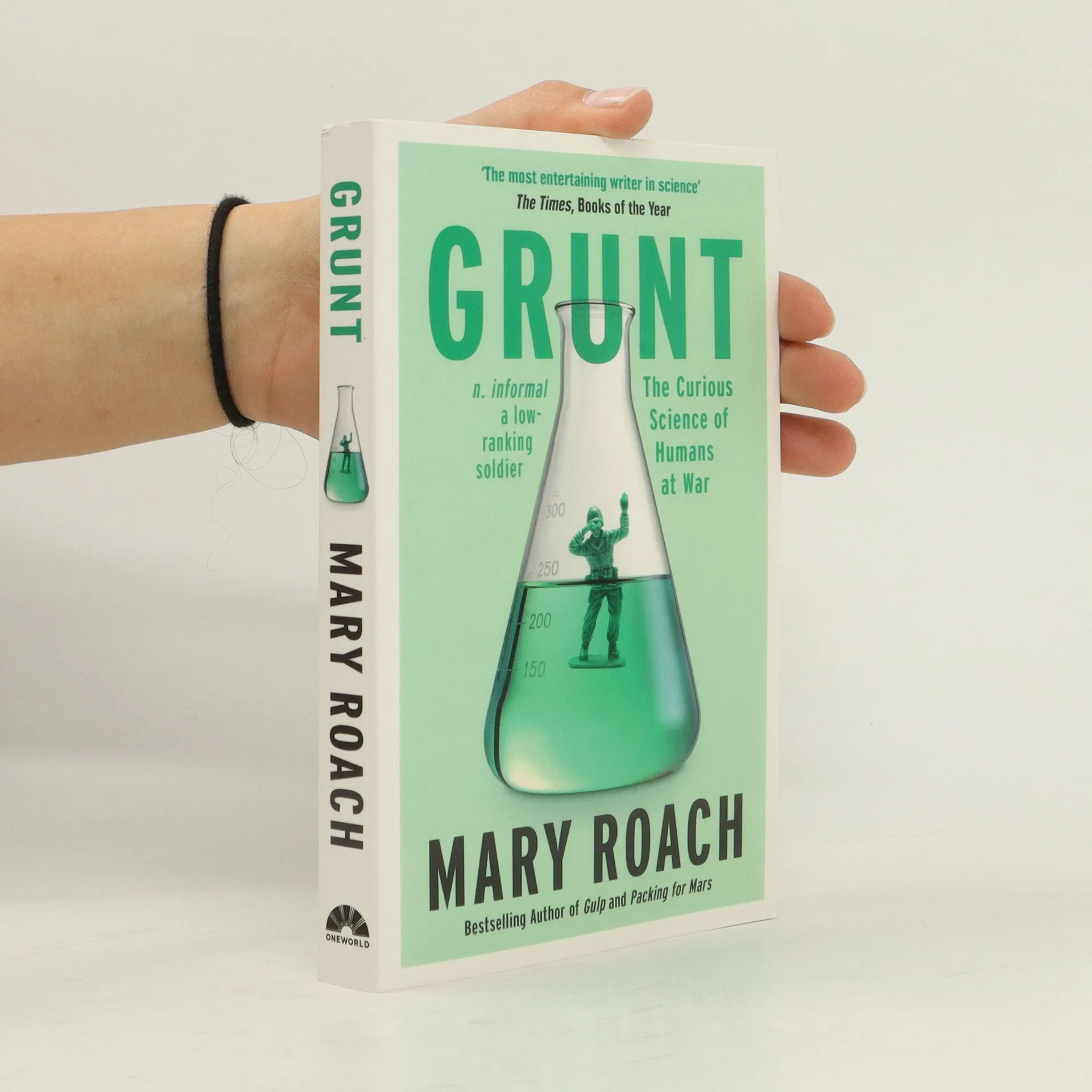
    Grunt
    Grunt - The Curious Science of Humans at War
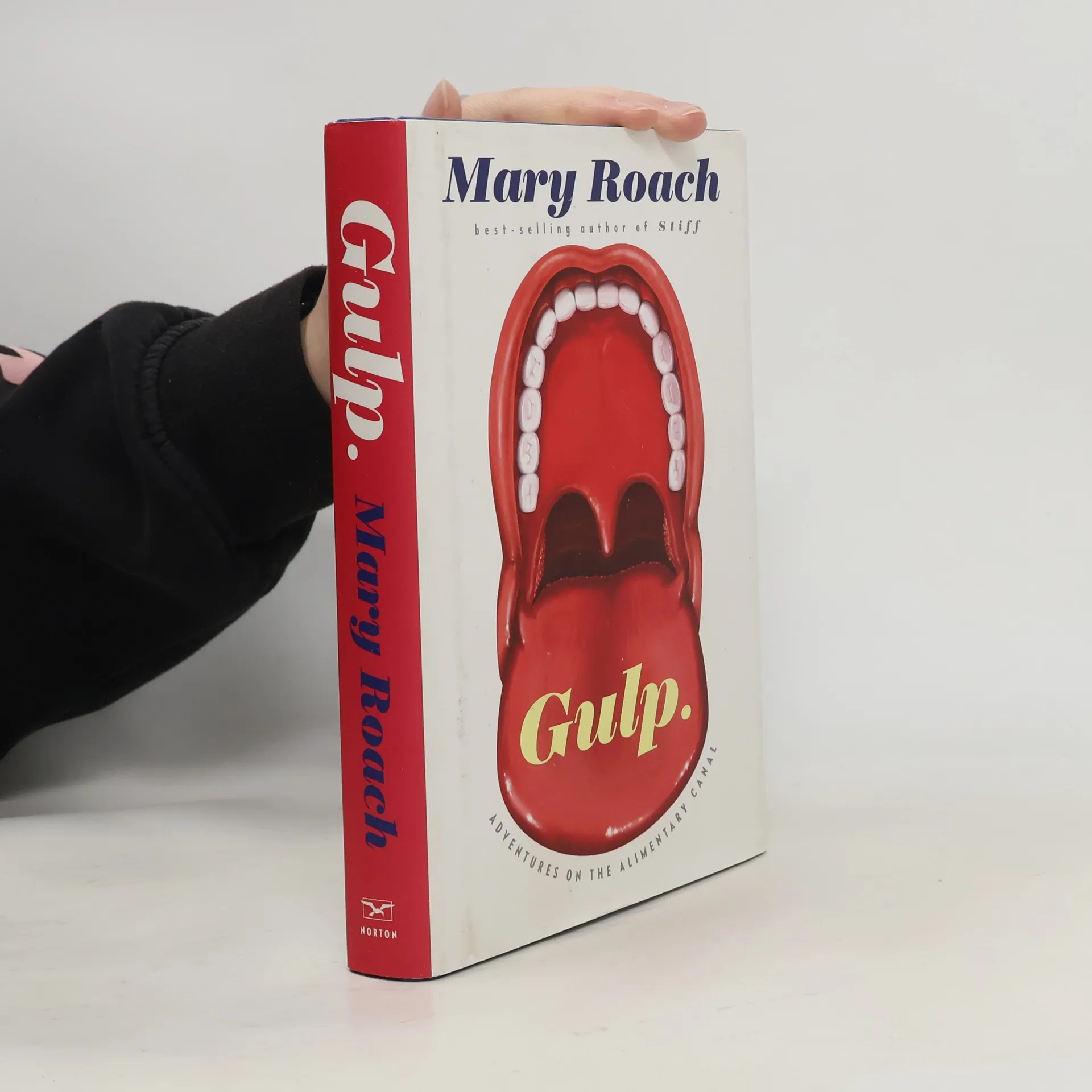
    Gulp
    Packing for Mars
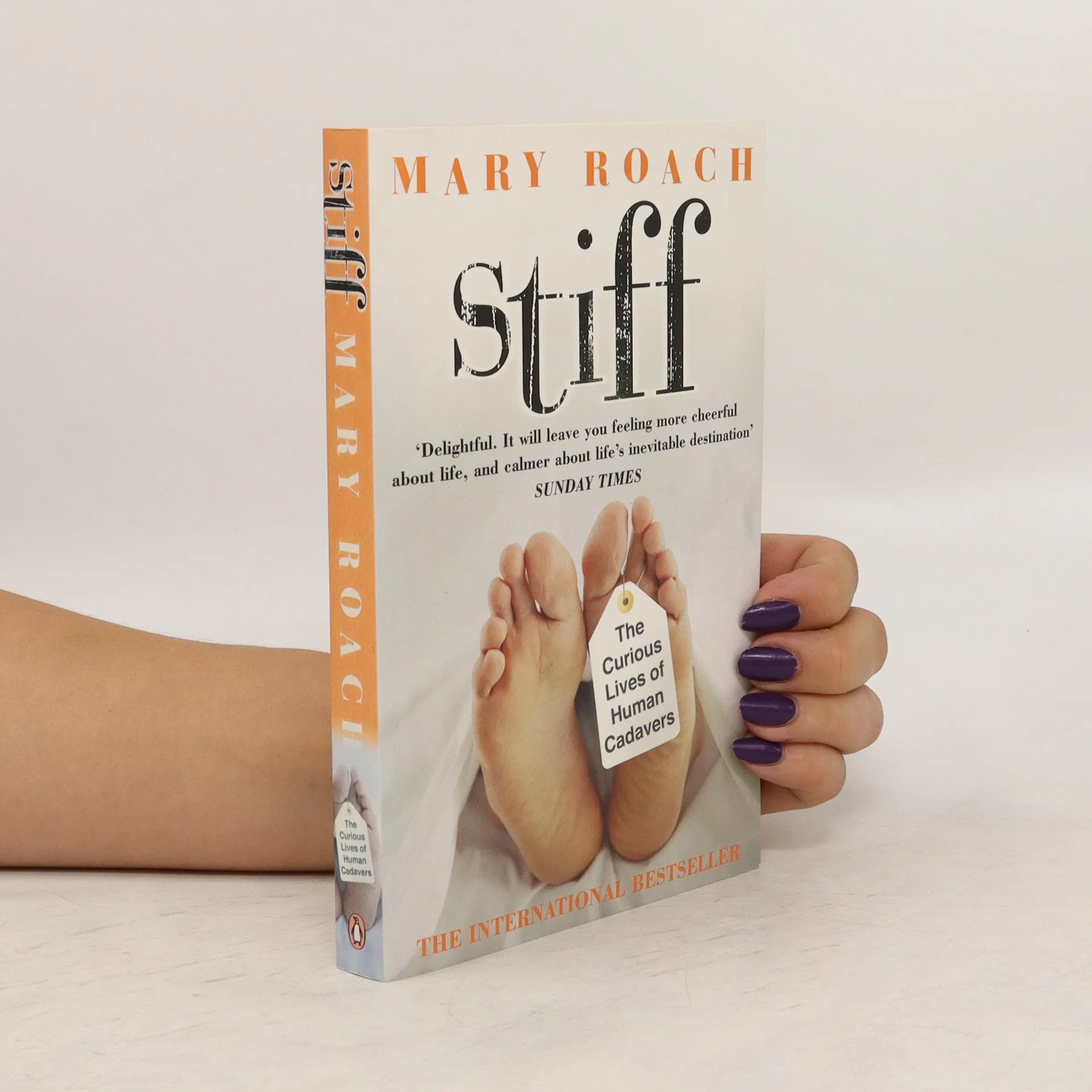
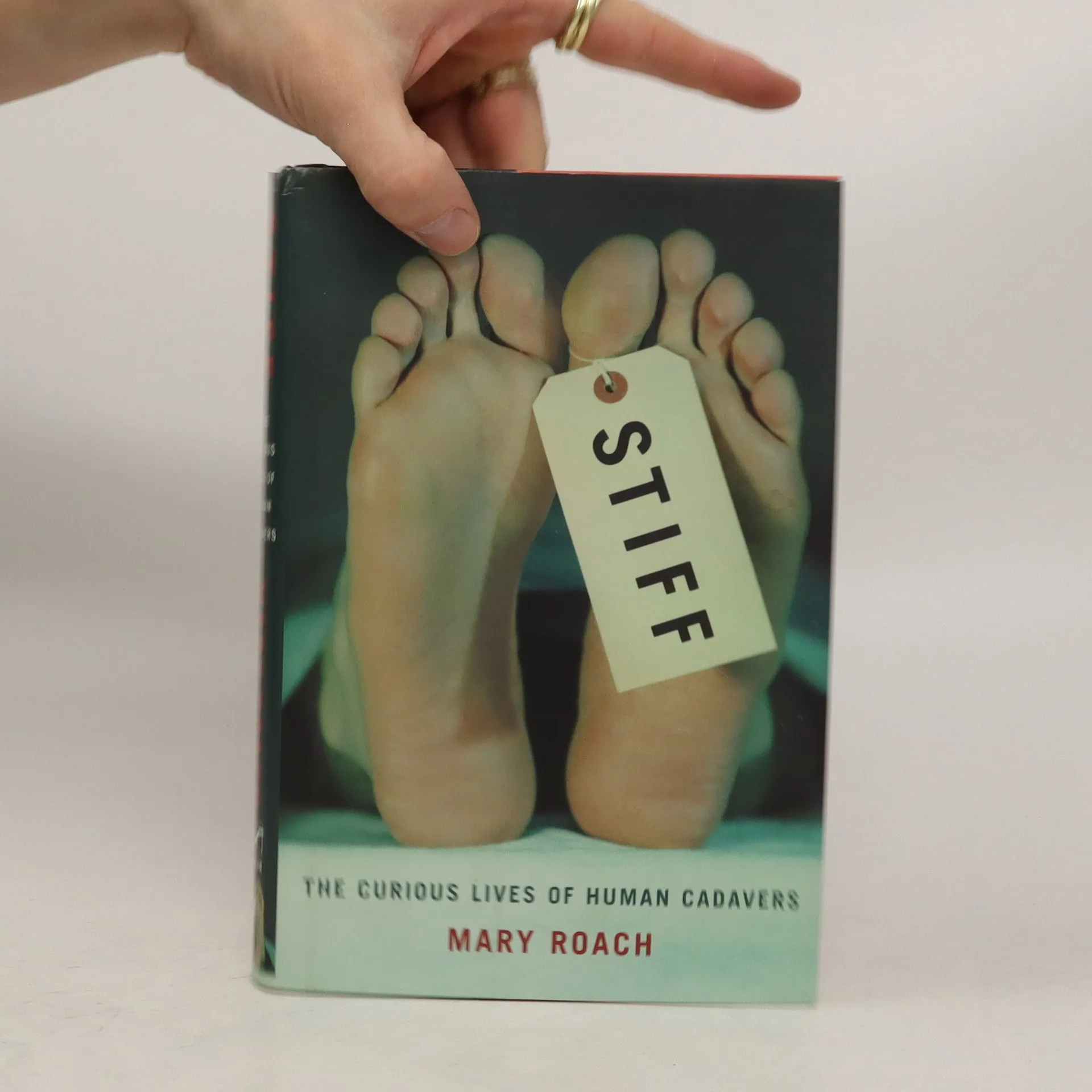
    Stiff
    Stiff : the curious lives of human cadavers
    • Stiff

      • 304pages
      • 11 heures de lecture

      What happens to your body after you have died? Fertilizer? Crash Test Dummy? Human Dumpling? Ballistics Practise?Life after death is not as simple as it looks. Mary Roach's Stiff lifts the lid off what happens to our bodies once we have died. Bold, original and with a delightful eye for detail, Roach tells us everything we wanted to know about this new frontier in medical science. Interweaving present-day explorations with a history of past attempts to study what it means to be human Stiff is a deliciously dark investigations for readers of popular science as well as fans of the macabre

      Stiff
      4,1
    • Packing for Mars

      • 293pages
      • 11 heures de lecture

      Space is devoid of the stuff humans need to live: air, gravity, hot showers, fresh veg, privacy, beer. How much can a person give up? What happens when you can't walk for a year? Is sex any fun in zero gravity? As Mary Roach discovers, it's possible to explore space without ever leaving Earth. From the space shuttle training toilet to a 17,000-mile-per-hour crash test of NASA's space capsule, she takes us on a surreally entertaining trip into the science of living in space.

      Packing for Mars
      4,0
    • Gulp

      Adventures on the Alimentary Canal

      • 348pages
      • 13 heures de lecture

      “America’s funniest science writer” (Washington Post) takes us down the hatch on an unforgettable tour. The alimentary canal is classic Mary Roach terrain: the questions explored in Gulp are as taboo, in their way, as the cadavers in Stiff and every bit as surreal as the universe of zero gravity explored in Packing for Mars. Why is crunchy food so appealing? Why is it so hard to find words for flavors and smells? Why doesn’t the stomach digest itself? How much can you eat before your stomach bursts? Can constipation kill you? Did it kill Elvis? In Gulp we meet scientists who tackle the questions no one else thinks of—or has the courage to ask. We go on location to a pet-food taste-test lab, a fecal transplant, and into a live stomach to observe the fate of a meal. With Roach at our side, we travel the world, meeting murderers and mad scientists, Eskimos and exorcists (who have occasionally administered holy water rectally), rabbis and terrorists—who, it turns out, for practical reasons do not conceal bombs in their digestive tracts. Like all of Roach’s books, Gulp is as much about human beings as it is about human bodies.

      Gulp
      3,9
    • A New York Times / National Bestseller "America's funniest science writer" (Washington Post) Mary Roach explores the science of keeping human beings intact, awake, sane, uninfected, and uninfested in the bizarre and extreme circumstances of war. Grunt tackles the science behind some of a soldier's most challenging adversaries—panic, exhaustion, heat, noise—and introduces us to the scientists who seek to conquer them. Mary Roach dodges hostile fire with the U.S. Marine Corps Paintball Team as part of a study on hearing loss and survivability in combat. She visits the fashion design studio of U.S. Army Natick Labs and learns why a zipper is a problem for a sniper. She visits a repurposed movie studio where amputee actors help prepare Marine Corps medics for the shock and gore of combat wounds. At Camp Lemmonier, Djibouti, in east Africa, we learn how diarrhea can be a threat to national security. Roach samples caffeinated meat, sniffs an archival sample of a World War II stink bomb, and stays up all night with the crew tending the missiles on the nuclear submarine USS Tennessee. She answers questions not found in any other book on the military: Why is DARPA interested in ducks? How is a wedding gown like a bomb suit? Why are shrimp more dangerous to sailors than sharks? Take a tour of duty with Roach, and you’ll never see our nation’s defenders in the same way again.

      Grunt - The Curious Science of Humans at War
      3,9
    • Grunt

      • 288pages
      • 11 heures de lecture

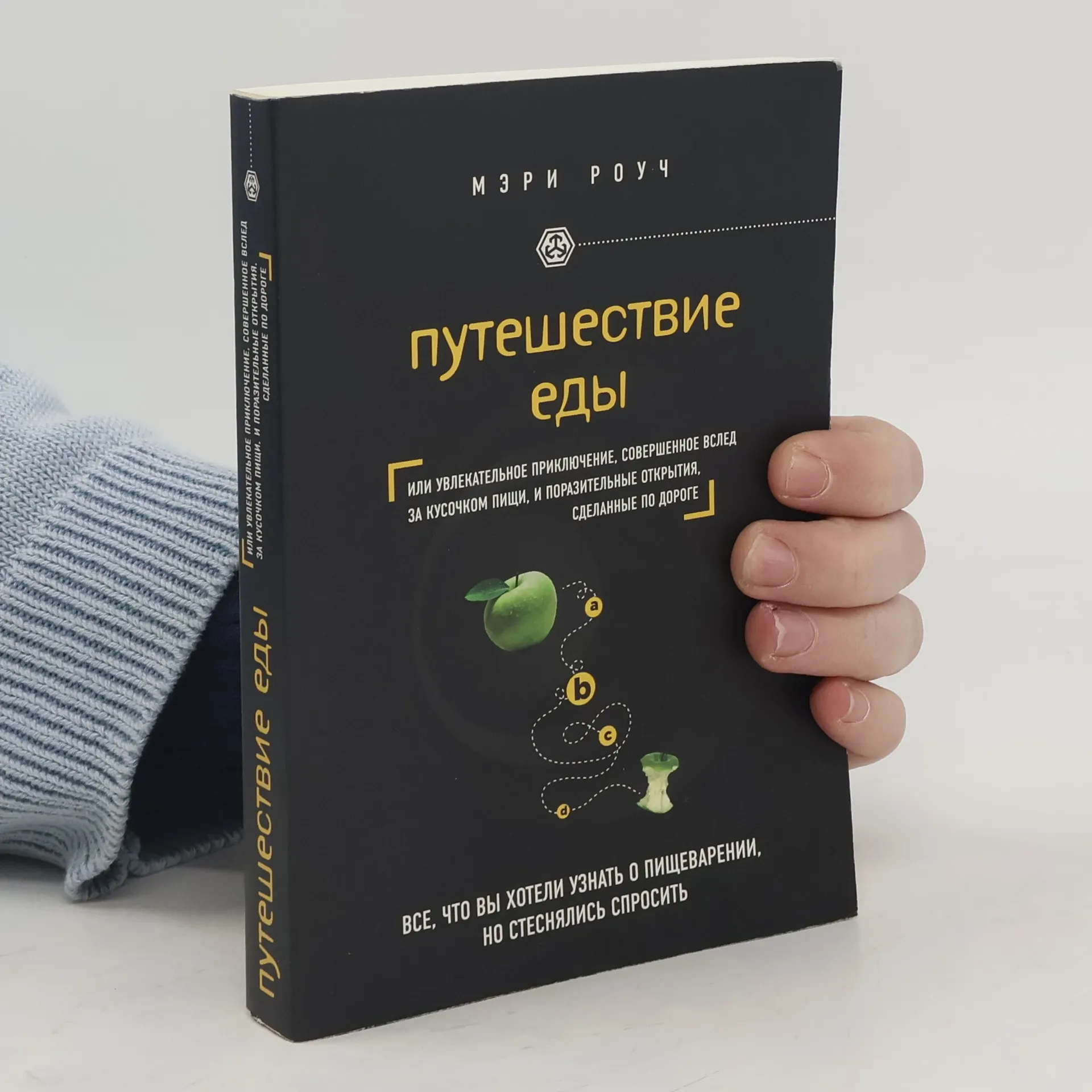
      Mention it and most of us think of history, of conflicts on foreign soil, of heroism and compromise, of strategy and weapons. But there's a whole other side to the gruesome business of the battlefield. In Grunt, the inimitable Mary Roach explores the science of keeping human beings intact, awake, sane, uninfected and uninfested in the bizarre and extreme circumstances of war.Setting about her task with infectious enthusiasm, she sniffs World War II stink bombs, tests earplugs in a simulated war zone and burns the midnight oil with the crew of a nuclear submarine. Speaking to the scientists and the soldiers, she learns about everything from life-changing medical procedures to innovations as esoteric as firing dead chickens at fighter jets. Engrossing, insightful and laugh-out-loud funny, this is an irresistible ride to the wilder shores of modern military life.

      Grunt
      3,9
    • Fuzz. When Nature Breaks the Law

      • 320pages
      • 12 heures de lecture

      What’s to be done about a jaywalking moose? A bear caught breaking and entering? A murderous tree? Three hundred years ago, animals that broke the law would be assigned legal representation and put on trial. These days, as New York Times best-selling author Mary Roach discovers, the answers are best found not in jurisprudence but in science: the curious science of human-wildlife conflict, a discipline at the crossroads of human behavior and wildlife biology. Roach tags along with animal-attack forensics investigators, human-elephant conflict specialists, bear managers, and "danger tree" faller blasters. Intrepid as ever, she travels from leopard-terrorized hamlets in the Indian Himalaya to St. Peter’s Square in the early hours before the pope arrives for Easter Mass, when vandal gulls swoop in to destroy the elaborate floral display. She taste-tests rat bait, learns how to install a vulture effigy, and gets mugged by a macaque. Combining little-known forensic science and conservation genetics with a motley cast of laser scarecrows, langur impersonators, and trespassing squirrels, Roach reveals as much about humanity as about nature’s lawbreakers. When it comes to "problem" wildlife, she finds, humans are more often the problem—and the solution. Fascinating, witty, and humane, Fuzz offers hope for compassionate coexistence in our ever-expanding human habitat.

      Fuzz. When Nature Breaks the Law
      3,9
    • Bonk

      • 320pages
      • 12 heures de lecture

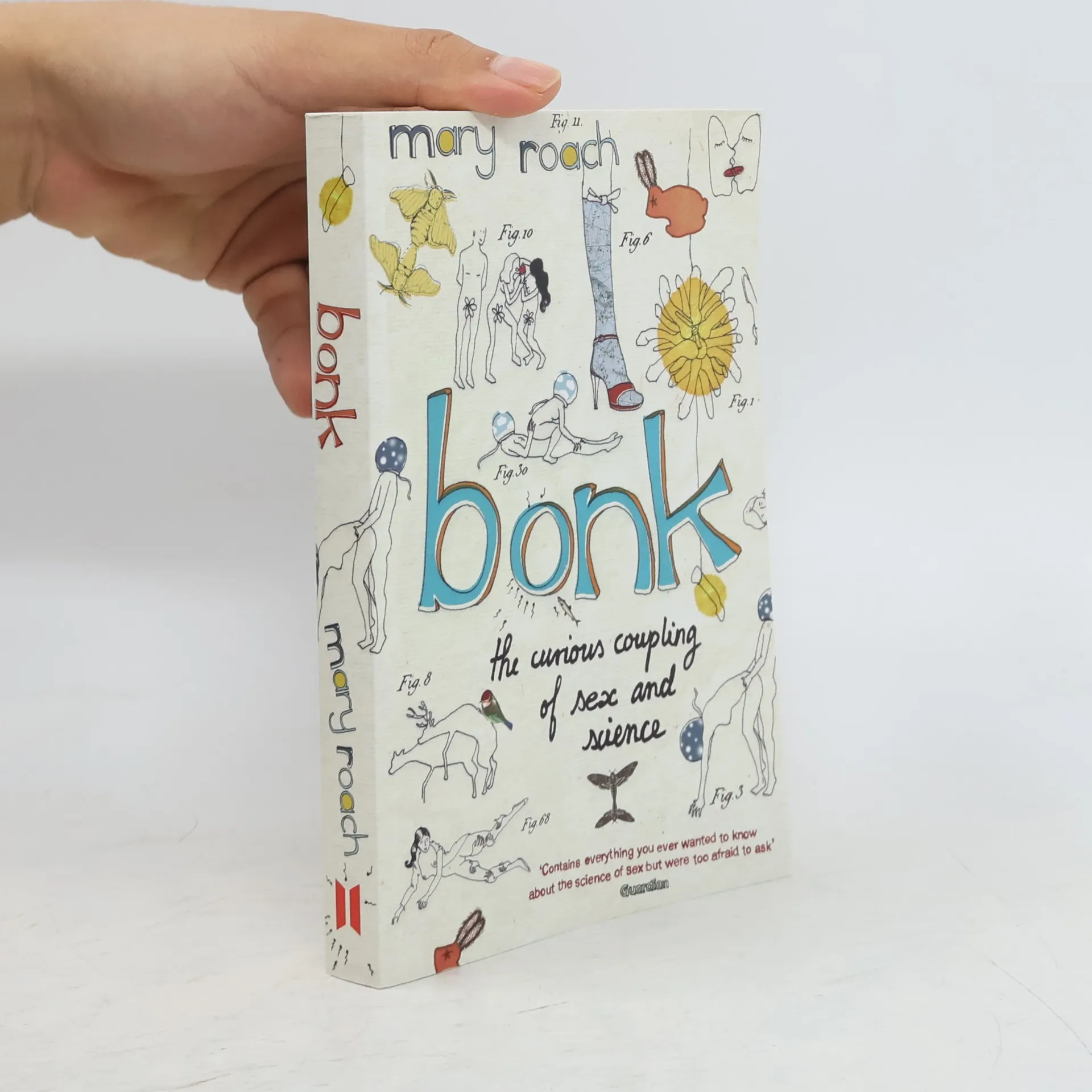
      Few things are as fundamental to human happiness as sex, and few writers are as entertaining about the subject as Mary Roach.Can a woman think herself to orgasm?Is your penis three inches longer than you think?Why doesn't Viagra help women - or, for that matter, pandas?Does orgasm boost fertility? Or cure hiccups?The study of sexual physiology - what happens, and why, and how to make it happen better - has been taking place behind closed doors for hundreds of years. In this fascinating and funny book, Mary Roach steps inside laboratories, brothels, pig farms, sex-toy R&D labs - even Alfred Kinsey's attic - to tell us everything we wanted to know about sex, and a lot we'd never even thought to ask.

      Bonk
      3,9
    • Fuzz

      • 336pages
      • 12 heures de lecture

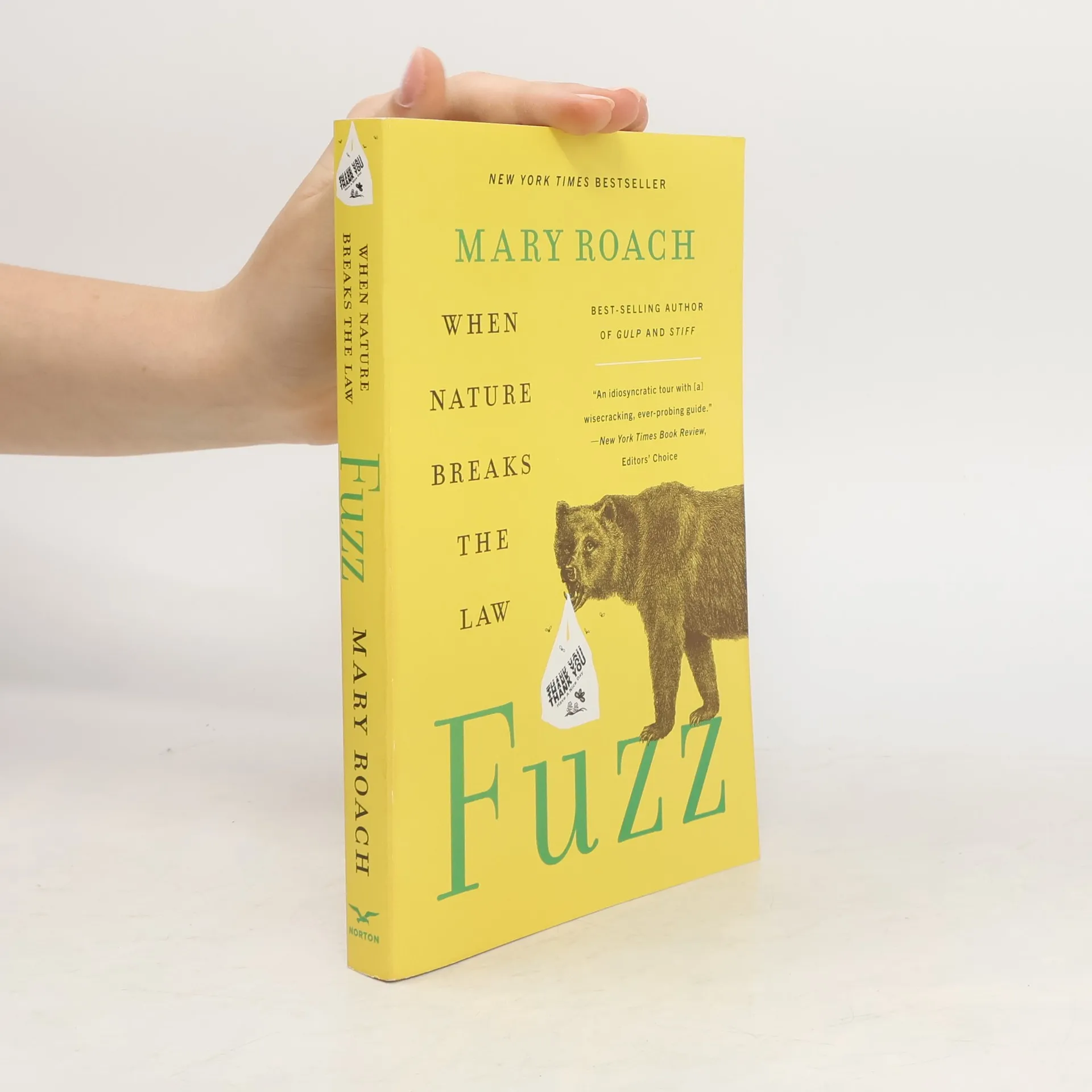
      What’s to be done about a jaywalking moose? A bear caught breaking and entering? A murderous tree? Three hundred years ago, animals that broke the law would be assigned legal representation and put on trial. These days, as New York Times best-selling author Mary Roach discovers, the answers are best found not in jurisprudence but in science: the curious science of human-wildlife conflict, a discipline at the crossroads of human behavior and wildlife biology. Roach tags along with animal-attack forensics investigators, human-elephant conflict specialists, bear managers, and "danger tree" faller blasters. Intrepid as ever, she travels from leopard-terrorized hamlets in the Indian Himalaya to St. Peter’s Square in the early hours before the pope arrives for Easter Mass, when vandal gulls swoop in to destroy the elaborate floral display. She taste-tests rat bait, learns how to install a vulture effigy, and gets mugged by a macaque. Combining little-known forensic science and conservation genetics with a motley cast of laser scarecrows, langur impersonators, and trespassing squirrels, Roach reveals as much about humanity as about nature’s lawbreakers. When it comes to "problem" wildlife, she finds, humans are more often the problem—and the solution. Fascinating, witty, and humane, Fuzz offers hope for compassionate coexistence in our ever-expanding human habitat.

      Fuzz
      3,8
    • Animal Vegetable Criminal

      • 308pages
      • 11 heures de lecture

      AN AMAZON BEST BOOK OF 2021 'Delightful' Ed Yong What's to be done about a drunken elephant? A monkey caught mugging passers-by? A trespassing squirrel? Follow Mary Roach as she investigates laser scarecrows, robo-hawks, human-elephant conflict specialists and monkey impersonators. Travel to the bear-busy back alleys of Aspen, the gull-vandalized floral displays at the Vatican and leopard-terrorized hamlets in the Himalayas. In this fresh, funny and thoroughly researched book, dive into the weird and wonderful moments when humanity and wildlife bump up against one another.

      Animal Vegetable Criminal
      3,8
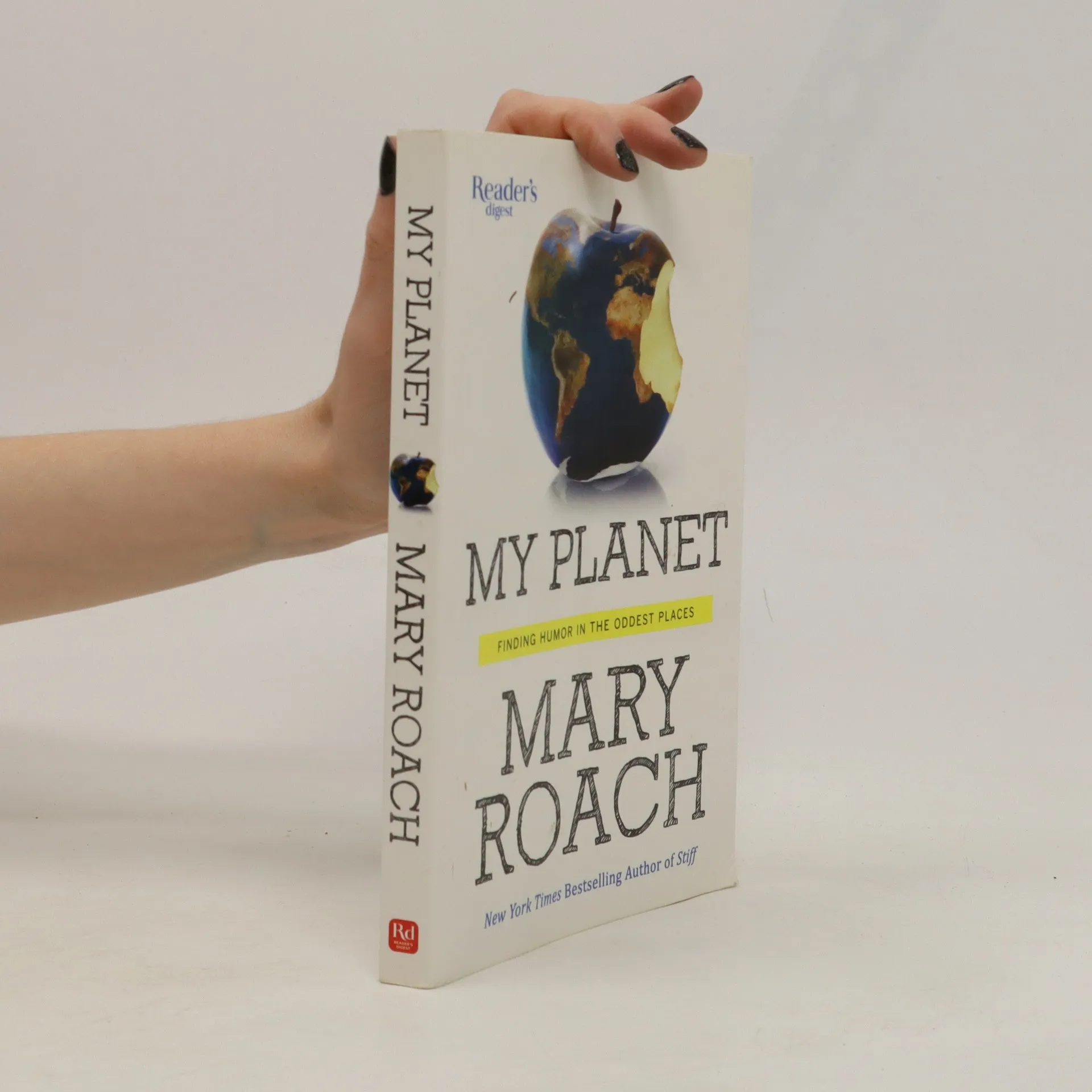
    • Roach takes a magnifying glass to everyday life, exposing moments of hilarity in the mundane and revealing amusing musings about marriage, automated customer service, and mazelike bargain stories

      My Planet
      3,6
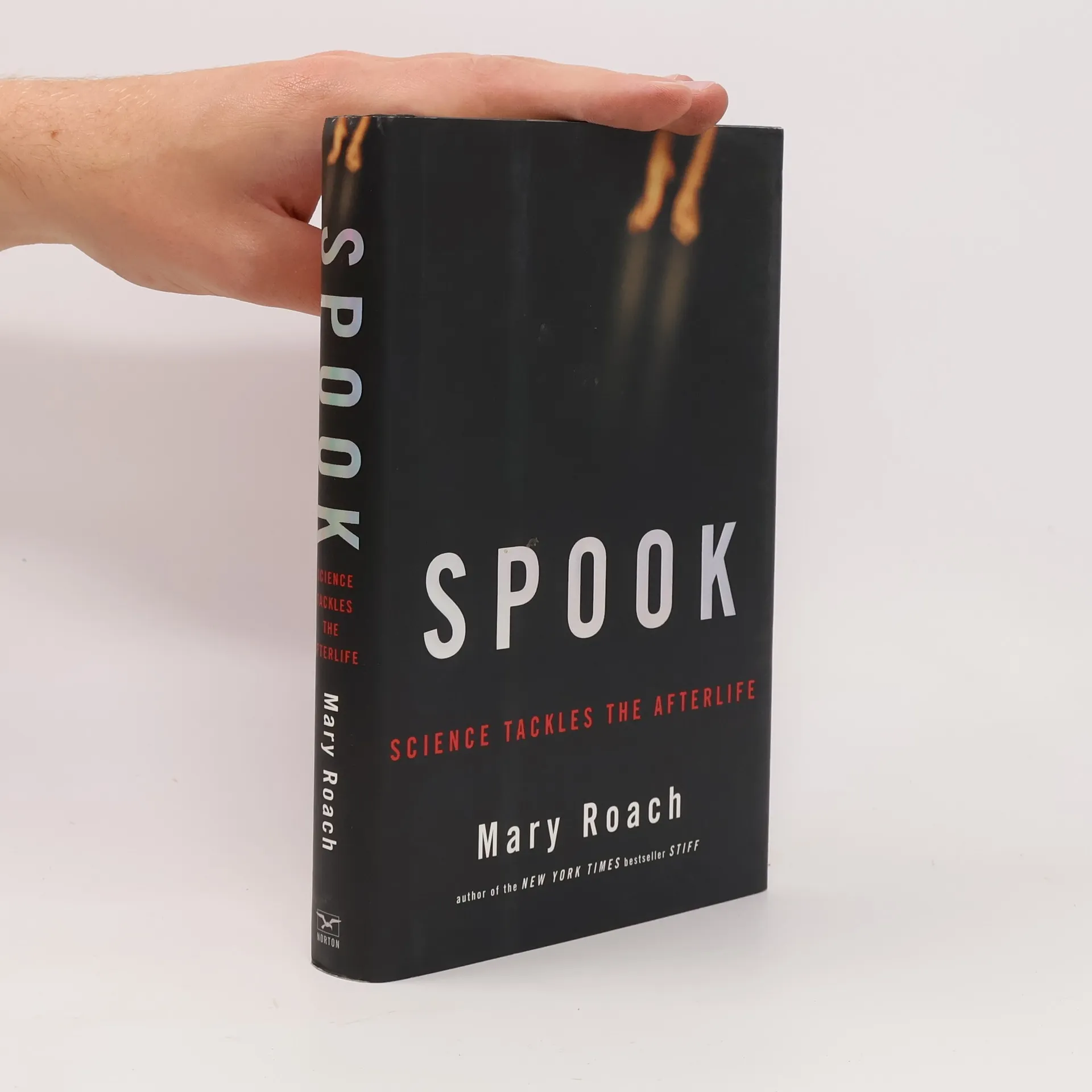
    • Spook : science tackles the afterlife

      • 288pages
      • 11 heures de lecture

      Draws on the achievements of scientists, engineers, and mediums to consider the feasibility of life after death, from a reincarnation researcher's experimentation with out-of-body experiences to laboratory investigations into ghosts.

      Spook : science tackles the afterlife
      3,5
    • Zločin a srsť

      • 312pages
      • 11 heures de lecture

      Majú medvede vražedné úmysly? Čo spraví čajka, keď ju vyplašíte? Ako si poradiť s premnoženými potkanmi? Asi dvesto druhov živočíchov naprieč dvesto krajinami sveta pravidelne komplikuje ľuďom život. Zabitie a usmrtenie, masová vražda, nebezpečné napadnutie. Vlámanie a krádež. Únosy tiel. Veľká lúpež slnečnicových semienok. Srny a losy neopatrne vstupujú na vozovku. Supy a čajky z neznámych príčin vandalizujú majetok. Husi znečisťujú verejné priestranstvá a hlodavce nedovolene vstupujú do súkromných obydlí. Každý z týchto sporov vyžaduje špecifické lokálne riešenie šité na mieru dotknutým druhom a dotknutým stranám. Pred sebou máte to najlepšie z dvoch rokov výskumnej práce a putovania po svete. Americká spisovateľka Mary Roach prináša ďalšiu pozoruhodnú knihu, tentoraz o konfliktoch medzi ľuďmi a voľne žijúcimi zvieratami. Cestuje a učí sa, ako si poradiť s hladným medveďom, ochutnáva návnadu na potkany, nechá sa prepadnúť makakom. Spolu s forenznými vyšetrovateľmi útokov zvierat, odborníkmi na kolízie medzi ľuďmi a slonmi, expertom na riadenú demoláciu obrích stromov či génovými inžiniermi odhaľuje, že najväčším problémom divočiny, a zároveň jeho riešením, je človek. Fascinujúca a vtipná kniha Zločin a srsť ponúka nádej na harmonické spolužitie so zvieratami v neustále sa rozširujúcom ľudskom prostredí.

      Zločin a srsť
      4,7
    • Neues von der Meisterin der komischen NaturwissenschaftenWir riechen und schlürfen, schmecken, kauen, schlucken. Und dann? Was passiert mit Müsli, Steak, Salat und Cola, wenn sie im Schlund verschwunden sind? Mary Roach, die Spezialistin für das ungewöhnliche in den Naturwissenschaften, nimmt uns mit auf eine höchst unterhaltsame Reise durch den Verdauungsapparat – vom Mund bis zum After –, die keine Frage auslässt: Warum mögen wir so gern Knuspriges? Warum verdaut der Magen sich nicht selbst? Wie viel kann man essen, bevor der Magen platzt? Kann uns eine Verstopfung umbringen? (Und ist Elvis Presley vielleicht daran gestorben?) Mary Roach trifft Wissenschaftler, die sich furchtlos mit eher anrüchigen Themen befassen, besucht ein Tierfuttertestlabor, schaut dem Magen bei der Arbeit zu und untersucht den Darm als potentielles Versteck. Urkomisch und informativ.

      Schluck
      5,0
    • Rozdáme si to? Keď sa pária sex a veda

      • 296pages
      • 11 heures de lecture

      Všetko, čo chcete a potrebujete vedieť o sexe.Americká spisovateľka Mary Roach sa vo svojich knihách venuje tak trochu bizarným témam súvisiacim s ľudskou fyziognómiou a knihu Rozdáme si to? venovala najpríťažlivejšej vedeckej oblasti – sexu. Prináša zábavné rozprávanie o ľudskej sexualite, v ktorom mapuje jej históriu od čias Aristotela až po najnovšie výskumy týkajúce sa záhad ženského orgazmu. Ako, prečo, prečo nie a ako inak či lepšie? Debata o sexe odnepamäti prebiehala za zatvorenými dverami laboratórií, verejných domov či v podkroví slávneho sexuológa Alfreda Kinseyho, no v súčasnosti sa presunula na pracoviská s rozličnými zobrazovacími metódami vrátane magnetickej rezonancie alebo do výskumných stredísk na vývoj sexuálnych pomôcok. Autorka v nich strávila dva roky a pokúsila sa zodpovedať všetky otázky, ktoré ste sa báli položiť. Je váš penis o sedem centimetrov dlhší, ako si myslíte? Je vaginálny orgazmus mýtus? Môže mŕtvy muž dosiahnuť erekciu? Prečo Viagra nepomáha ženám – alebo dokonca pandám? Prečo môže byť také ťažké dosiahnuť sexuálne vzrušenie a orgazmus – dva z najkomplexnejších, najpríjemnejších a najúžasnejších vedeckých fenoménov na svete – a čo robí veda pre to, aby sa spálňa stala uspokojivejším miestom?Mary Roach vás odvážne a s humorom prevedie zákutiami ľudskej sexuality. Dozviete sa všetko, čo chcete a potrebujete vedieť o sexe.

      Rozdáme si to? Keď sa pária sex a veda
      4,5
    • Viața secretă a cadavrelor

      • 296pages
      • 11 heures de lecture

      Incinerate, înmormântate, îmbălsămate, disecate, furate, fetișizate, cadavrele umane au exercitat mereu o imensă fascinație asupra muritorilor. Cărora dintre întrebările și temerile noastre le pot da ele răspuns? Cum ne pot ajuta concret la rezolvarea problemelor din această viață, căreia nu-i mai aparțin? Mary Roach a adunat materialul acestei cărți memorabile din istoria preocupărilor macabre ale celor vii. Acribia științifică și apetitul autoarei pentru anecdotică fac din Viața secretă a cadavrelor una dintre cele mai serioase, surprinzătoare și... vesele cercetări asupra destinului trupurilor noastre după ce le-am părăsit.

      Viața secretă a cadavrelor
      4,3
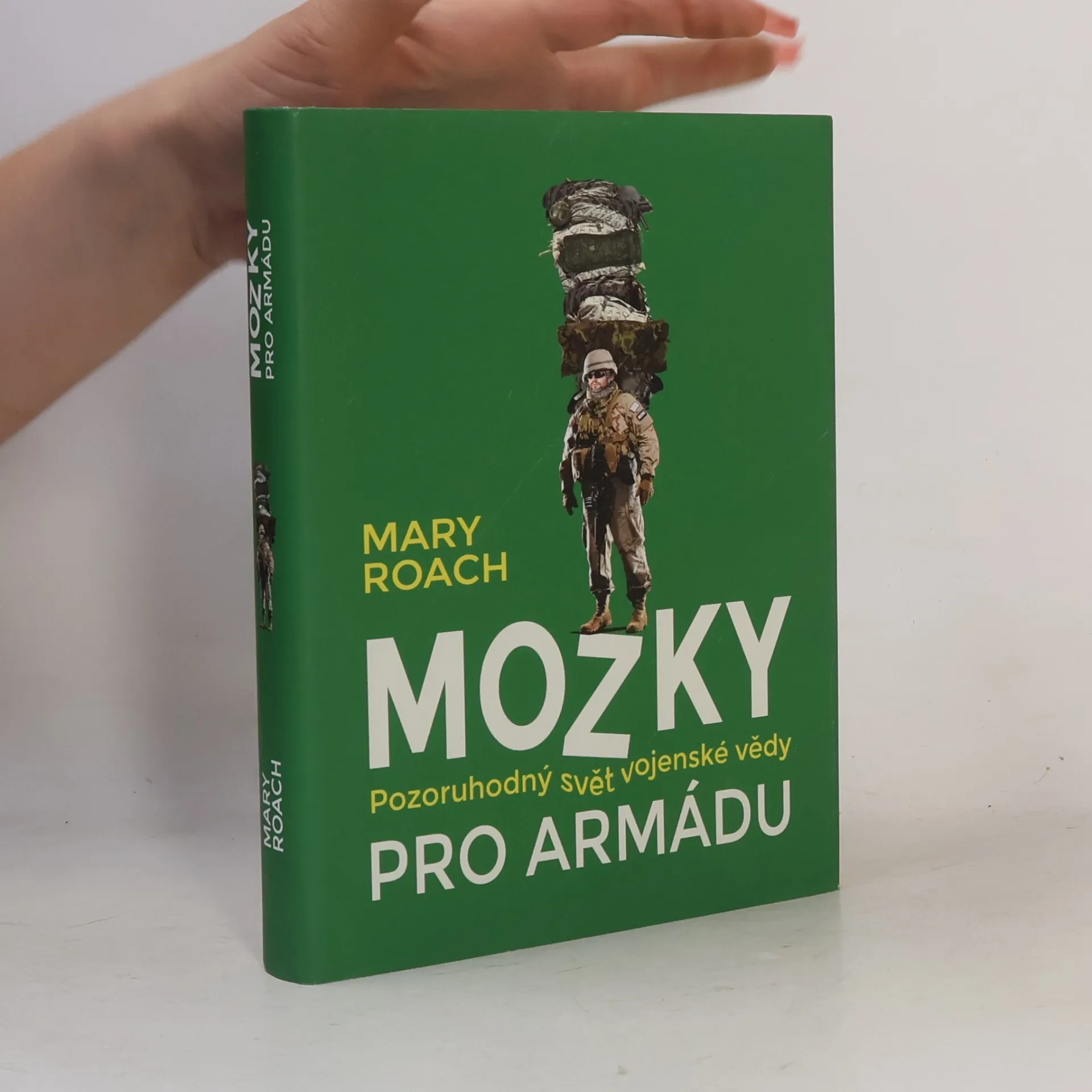
    • Jak to udělat, aby lidské bytosti i v extrémních podmínkách války zůstaly živé, bdělé, příčetné, zdravé a neprolezlé parazity? Tato pozoruhodná kniha seznamuje čtenáře se světem vojenské vědy a s vědci, kteří bojují proti jedněm z nejúkladnějších nepřátel dnešních vojáků – panice, vyčerpání, vedru nebo třeba hluku. V rámci zkoumání poškození sluchu a jeho vlivu na bojové schopnosti uskakuje autorka nepřátelské palbě po boku paintballového týmu amerických mariňáků. Vypravuje se do módního návrhářského studia armádní výzkumné základny v Naticku, aby se dozvěděla, proč zipy představují pro odstřelovače problém. Navštíví někdejší filmové studio, kde si budoucí medici cvičí ošetřování bojových ranění na hercích s amputovanými končetinami. Odpovídá na otázky, které v žádné jiné knize věnované vojenství nenajdete: Proč se výzkumná agentura DARPA zajímá o kachny? V čem svatební šaty připomínají pyrotechnický oblek? Proč jsou pro námořníky nebezpečnější krevety než žraloci?

      Mozky pro armádu – Pozoruhodný svět vojenské vědy
      4,0
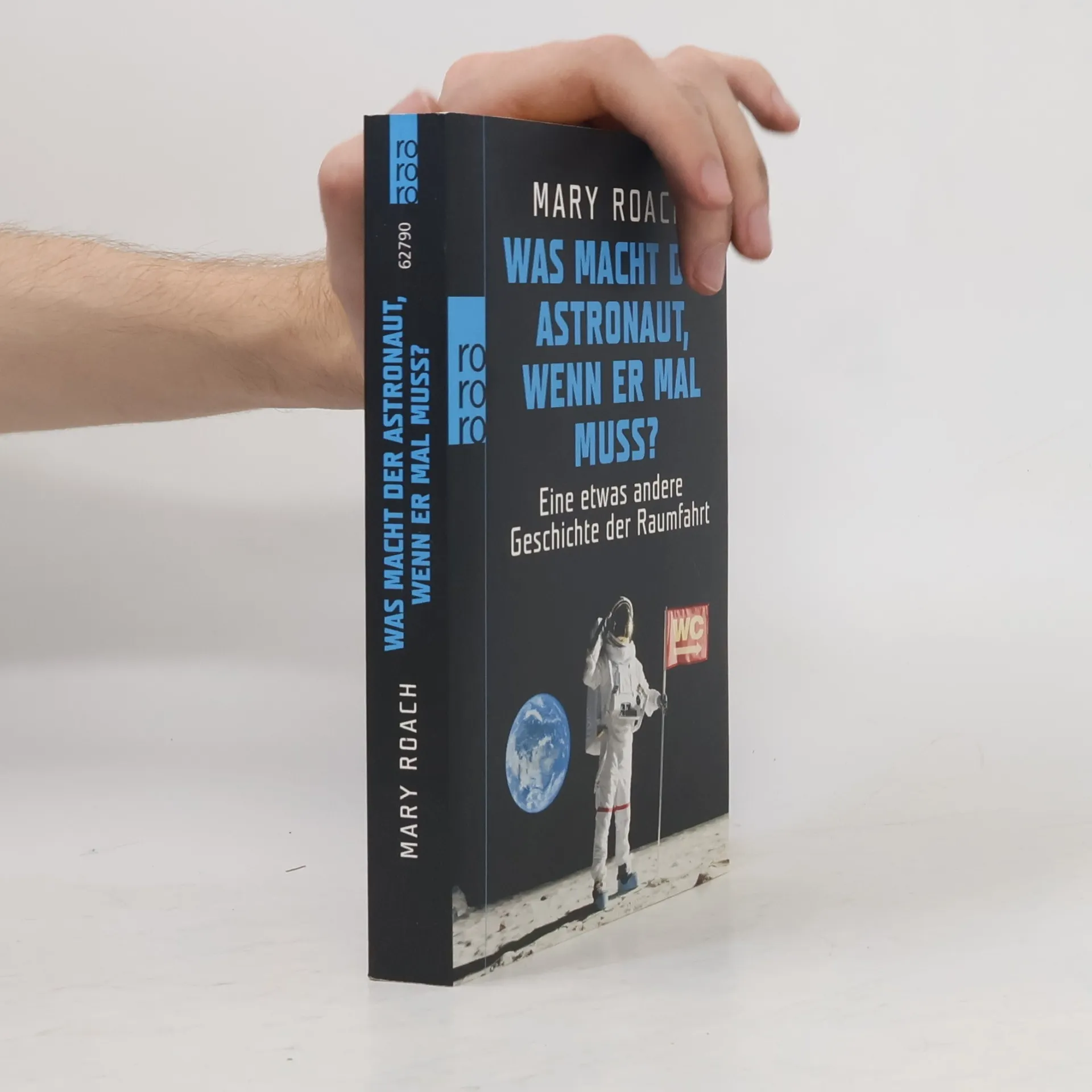
    • Mary Roach beleuchtet in „Houston, wir haben einen Pilz!“ das Leben von Astronauten in der Schwerelosigkeit. Sie behandelt Themen wie Enge, Ernährung, Hygiene und Privatsphäre im All und wirft einen humorvollen Blick auf die menschlichen Erfahrungen in der Raumfahrt. Ein faszinierendes und menschliches Porträt.

      Was macht der Astronaut, wenn er mal muss?. Eine etwas andere Geschichte der Raumfahrt
      4,0
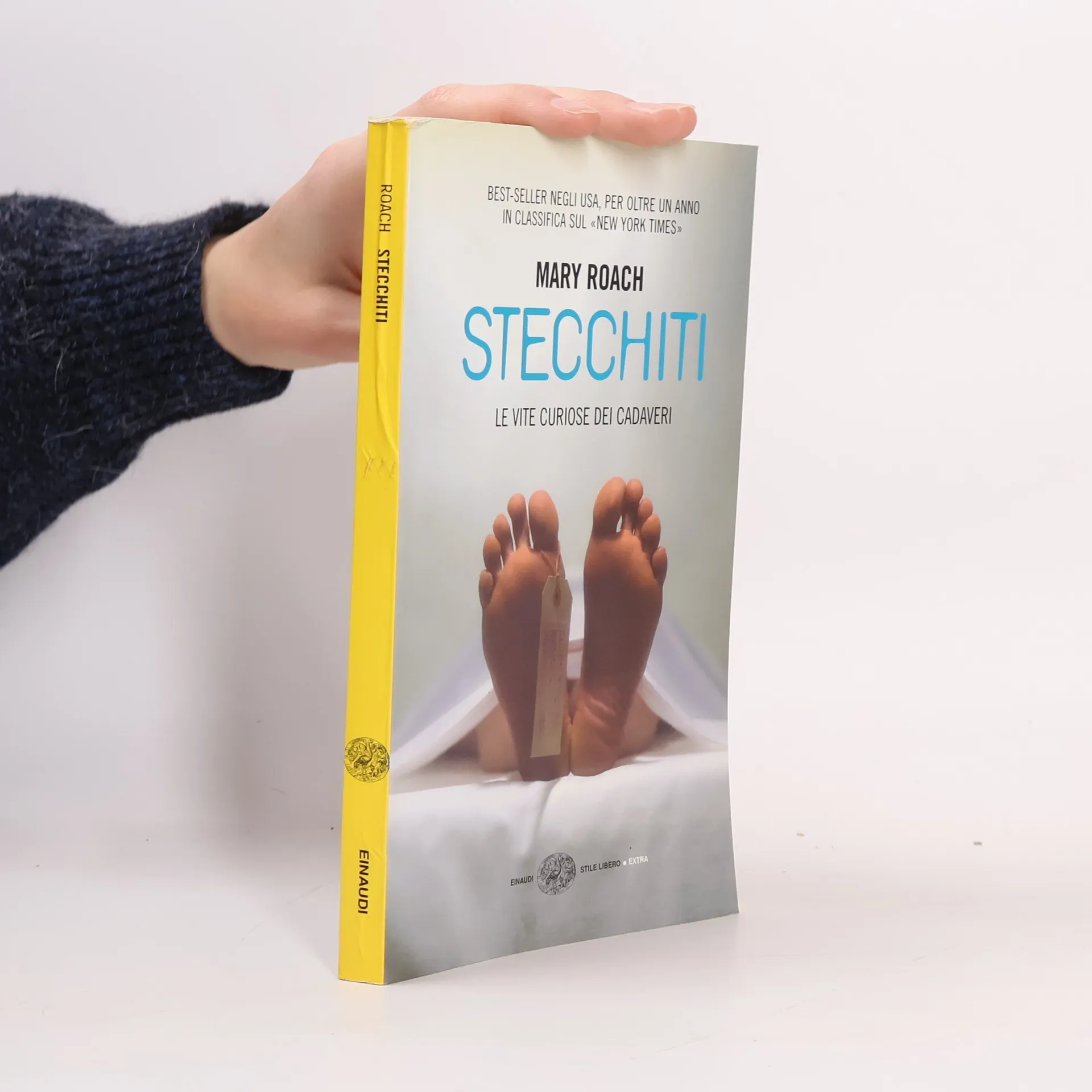
    • Stile Libero Extra: Stecchiti

      Le vite curiose dei cadaveri

      • 249pages
      • 9 heures de lecture

      Mai una materia in apparenza così macabra aveva dato origine a un libro così rigoroso, e al tempo stesso divertito, irriverente, perfino comico. Un libro che trasforma uno dei tabù della nostra epoca in un'occasione di riflessione storica e di grande attualità.
      Stile Libero Extra: Stecchiti
      4,0
    • Co wspólnego mają suknia ślubna i kombinezon sapera? Dlaczego dla marynarzy bardziej niebezpieczne od rekinów są krewetki? Kiedy kurczak najlepiej sprawdza się jako broń artyleryjska? Mary Roach, najzabawniejsza autorka książek popularnonaukowych, przygląda się naukowym aspektom dbania o to, by w skrajnych okolicznościach wojny ludzie pozostawali w jednym kawałku, nie przysypiali, zachowywali zmysły i nie łapali infekcji. W najnowszej książce osobiście sprawdza, jak naukowcy mierzą się z wszelkimi przeciwnościami na polu walki: paniką, wyczerpaniem, upałem, hałasem. Jedzie do byłego studio filmowego, gdzie aktorzy po amputacjach pomagają oswajać sanitariuszy piechoty morskiej z szokiem i okropieństwami ran odniesionych w boju. W szeregach U.S. Marine Corps Paintball Team stara się unikać wrogiego ostrzału. Dzięki wizycie w Camp Lemmonier w Dżibuti dowiadujemy się, że biegunka może być zagrożenie dla bezpieczeństwa narodowego. W międzyczasie Roach próbuje mięsa z kofeiną, niucha archiwalną próbkę śmierdzącej bomby, a także zarywa noc wraz z załogą atomowego okrętu podwodnego. Innymi słowy, opowiada historie i odpowiada na pytania, których na próżno szukać w innych książkach o wojsku.

      Do boju! Jak w skrajnych sytuacjach pozostać...
      3,7
    • Czy wiesz, że twoje życie jest warte 2,7 miliona dolarów? I to wciąż za mało, by opłacało się budować bezpieczniejsze samoloty. Dowiedz się, jak wystrzeliwane z katapulty świnki morskie pomogły zbadać przyczyny katastrof lotniczych, a spadające zwłoki – zaprojektować bezpieczne przednie szyby samochodowe. I dlaczego pacjenci po przeszczepach mają większą ochotę na seks.Mary Roach w swojej fascynującej książce pokazuje, jak nauka wykorzystuje ludzkie ciała po śmierci. Naukowcy rozczłonkowują je, otwierają, przerabiają, zrzucają z ogromnych wysokości i skazują na czołowe zderzenia ze ścianą. Wszystko po to, żeby rozwijać medycynę sądową, zapewnić bezpieczeństwo podróżujących samochodami i samolotami oraz tworzyć nowe możliwości w dziedzinie chirurgii. Niesamowita odporność zwłok czyni je superbohaterami, którym zawdzięczamy bezpieczeństwo i zdrowie. Dociekliwa reporterka Mary Roach wścibia nos tam, gdzie inni się boją, wstydzą lub brzydzą. Dzięki temu mogła napisać Sztywniaka, który jest nie tylko jedną z najbardziej niezwykłych, ale i najzabawniejszą książką popularnonaukową ostatnich lat.

      Sztywniak. Osobliwe życie nieboszczyków wyd. kieszonkowe