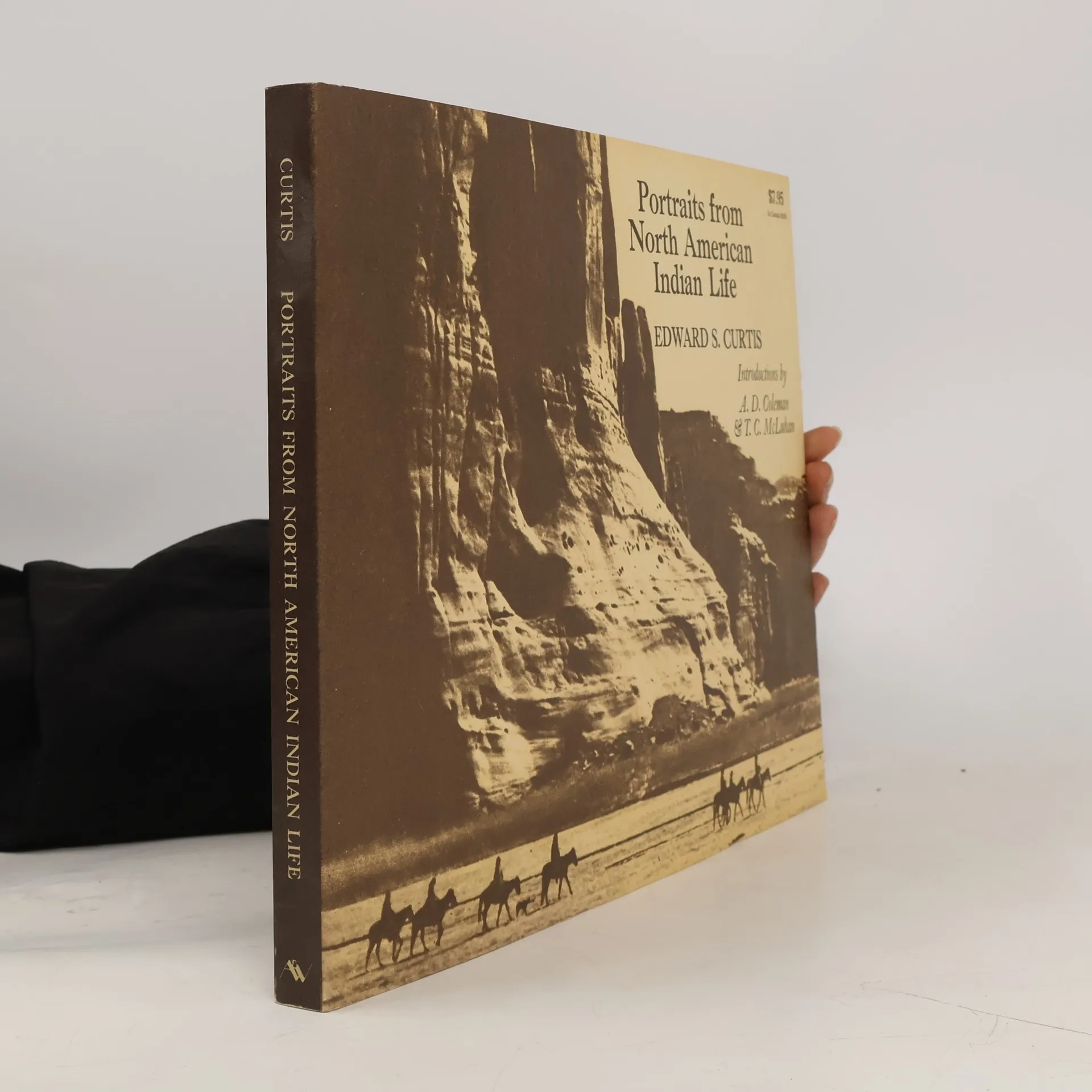
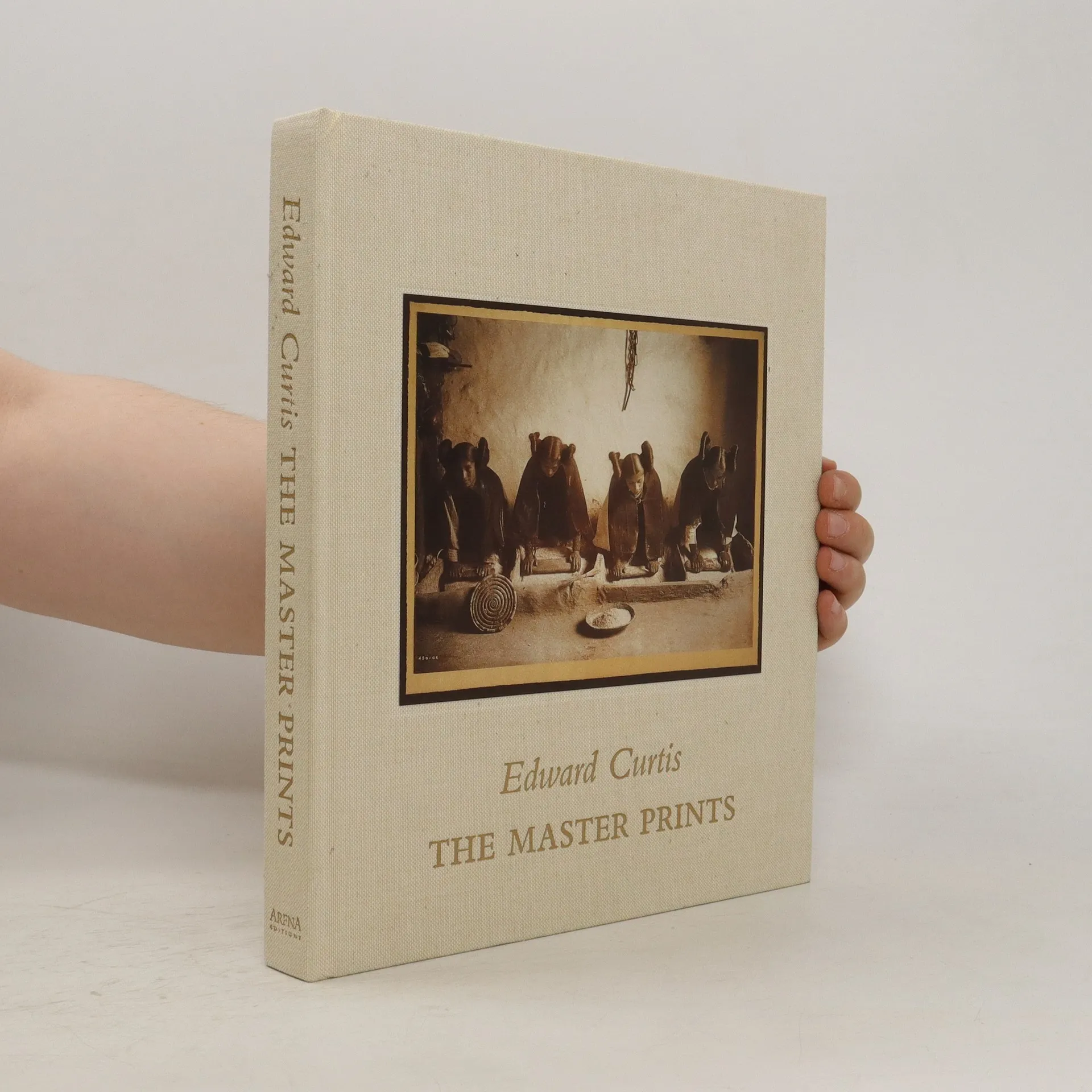
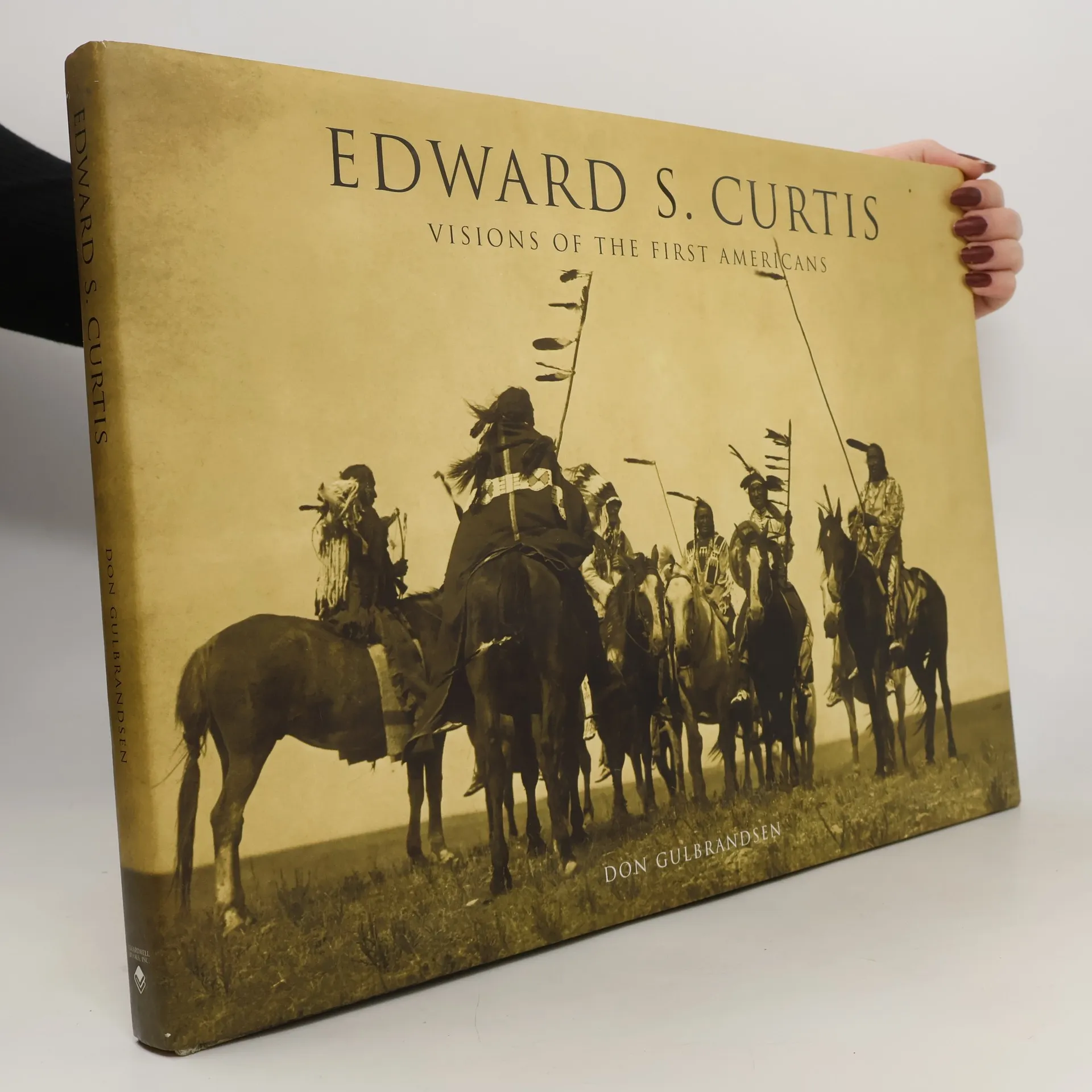
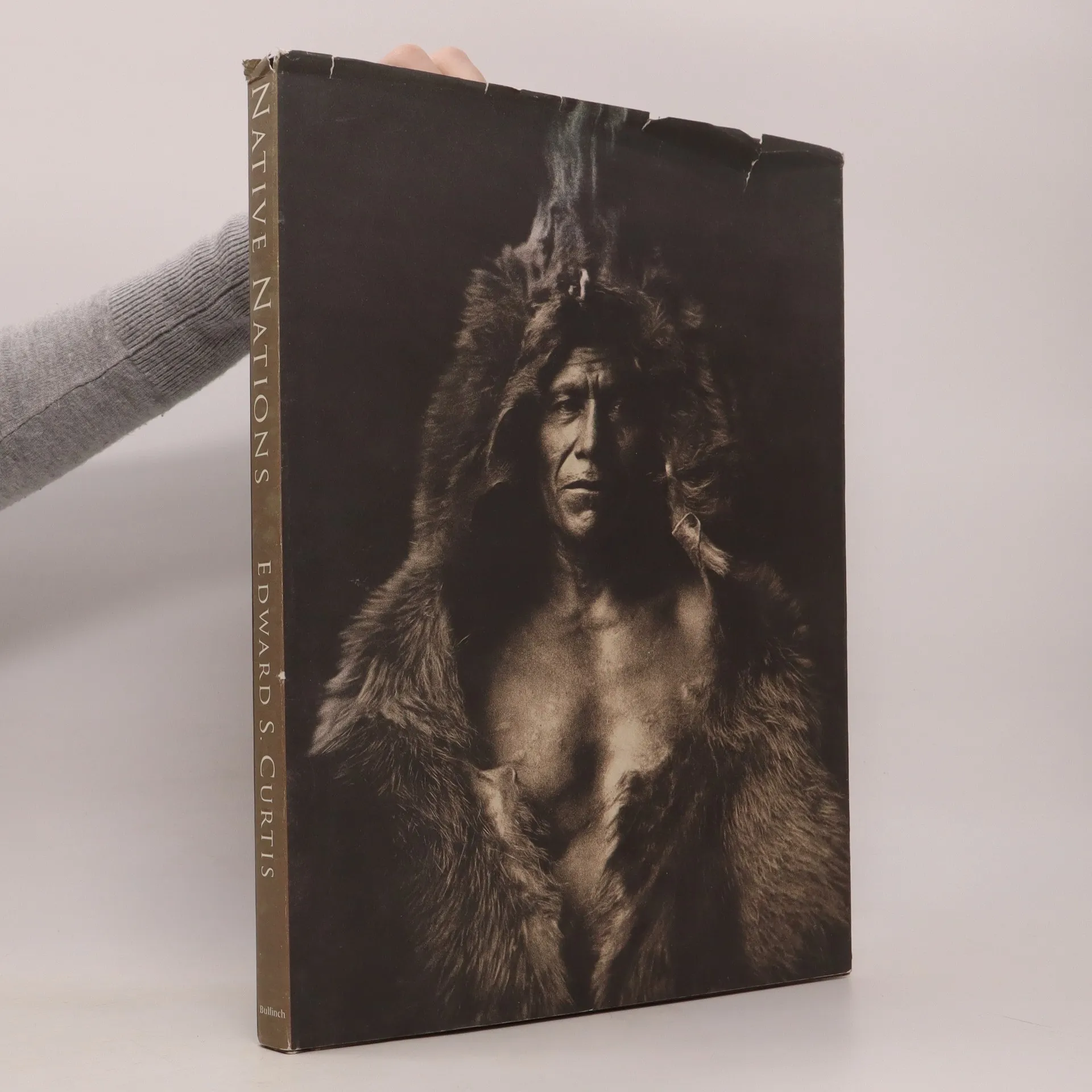
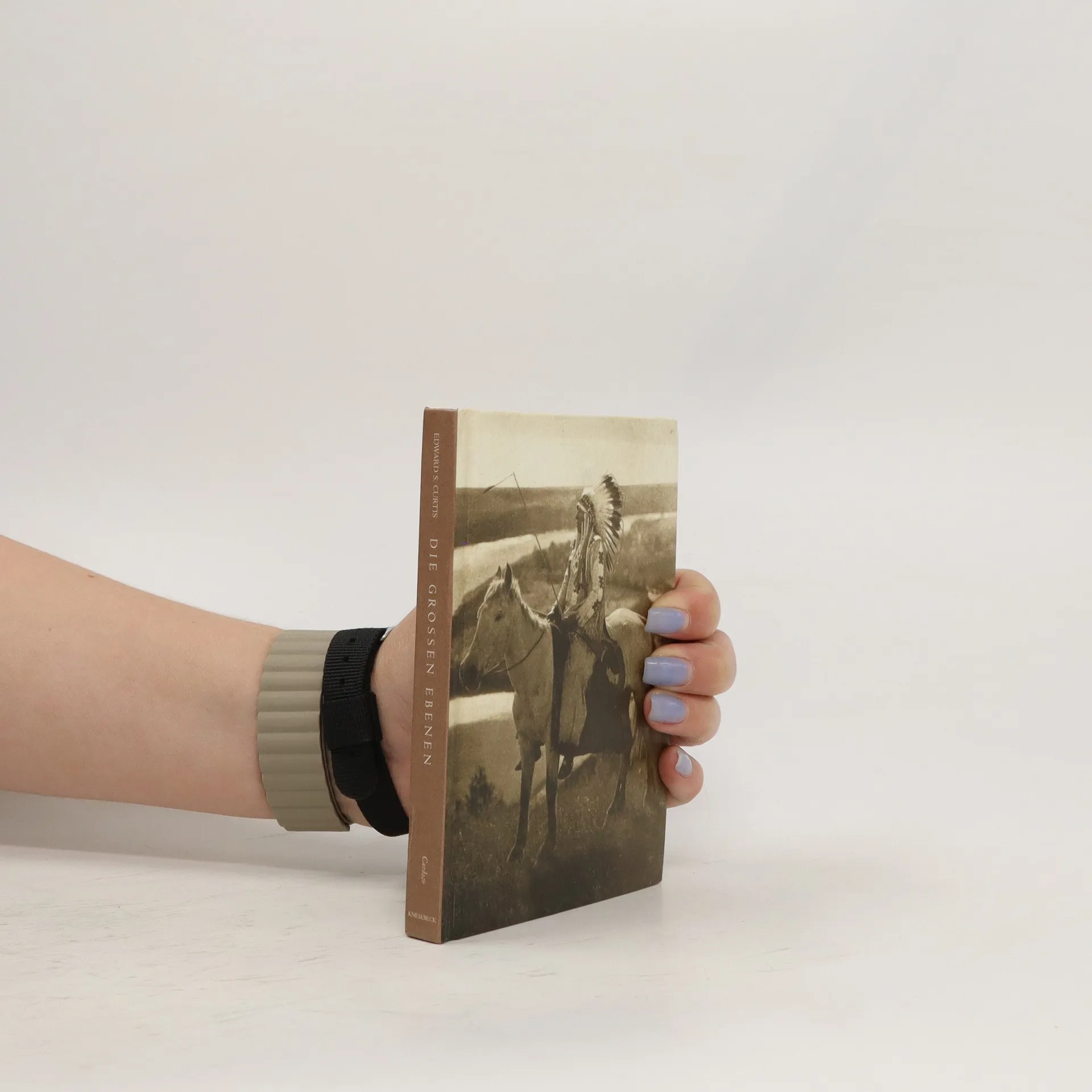
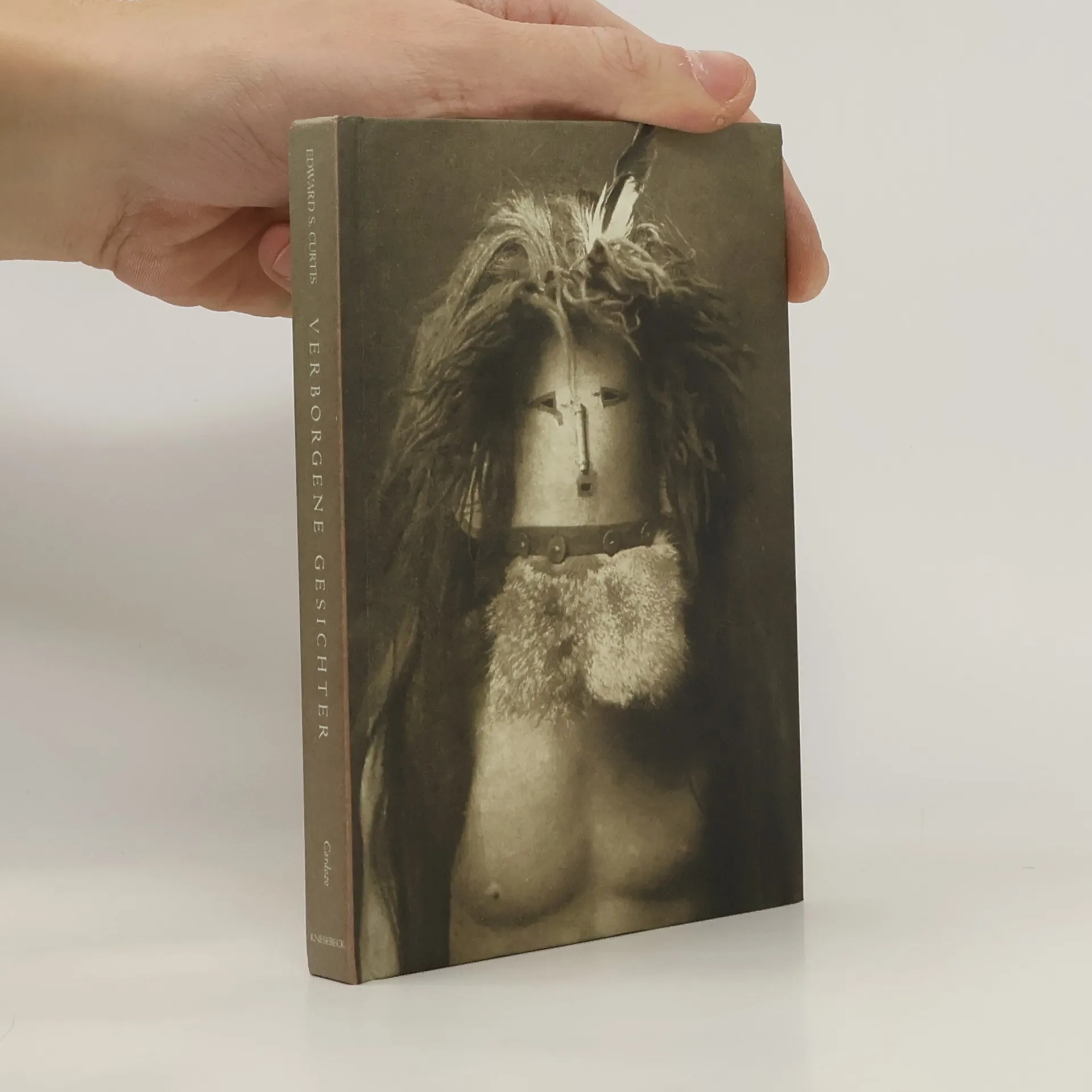
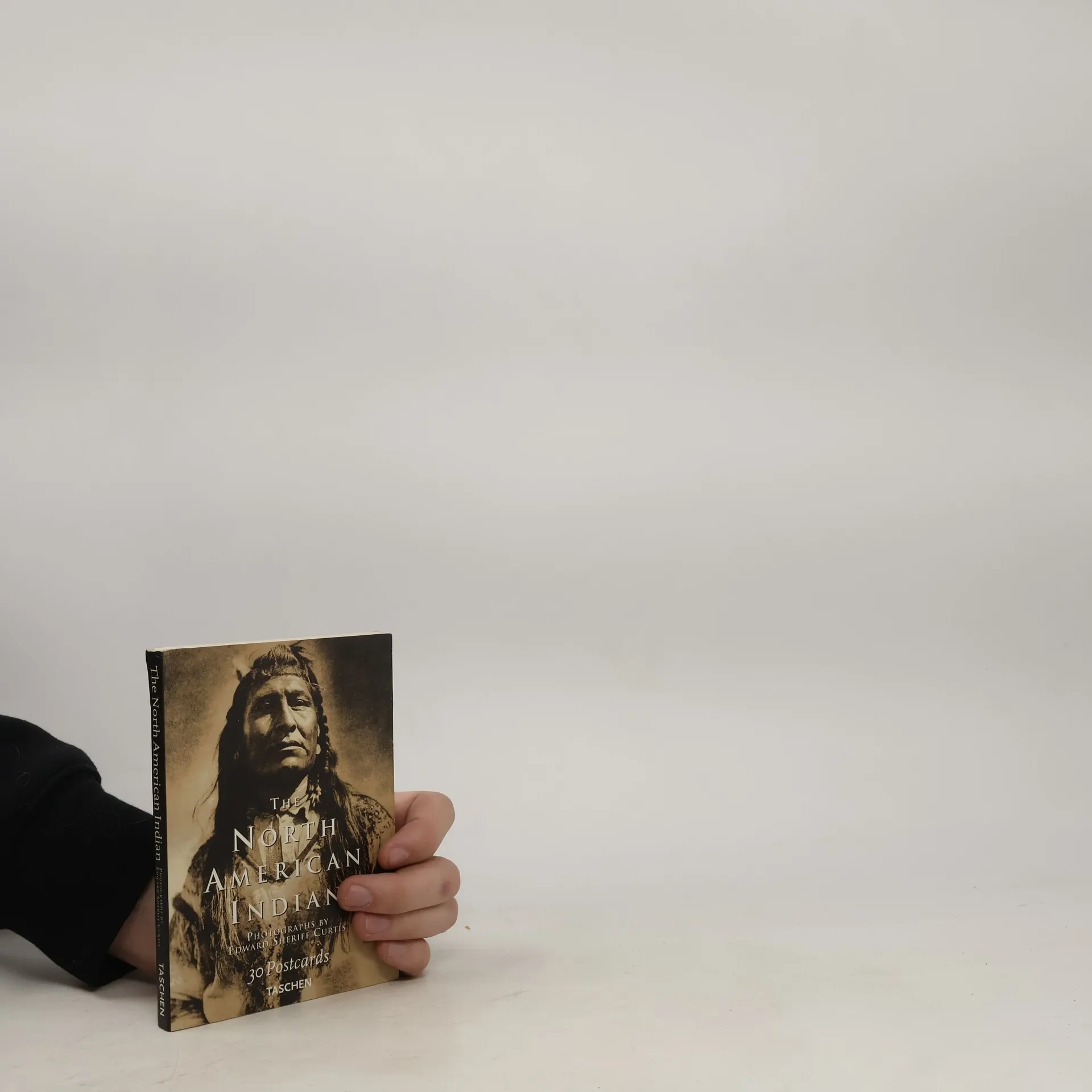
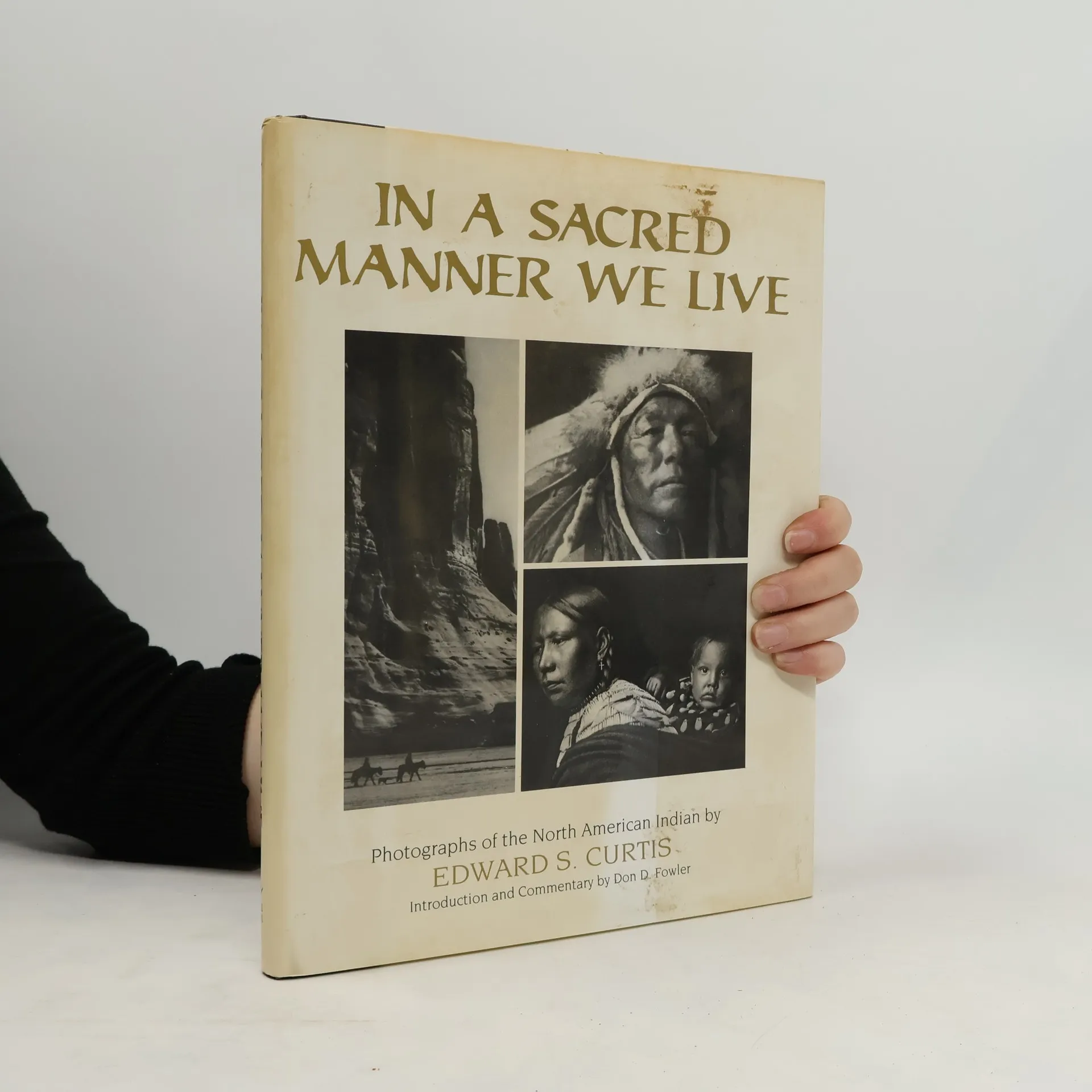
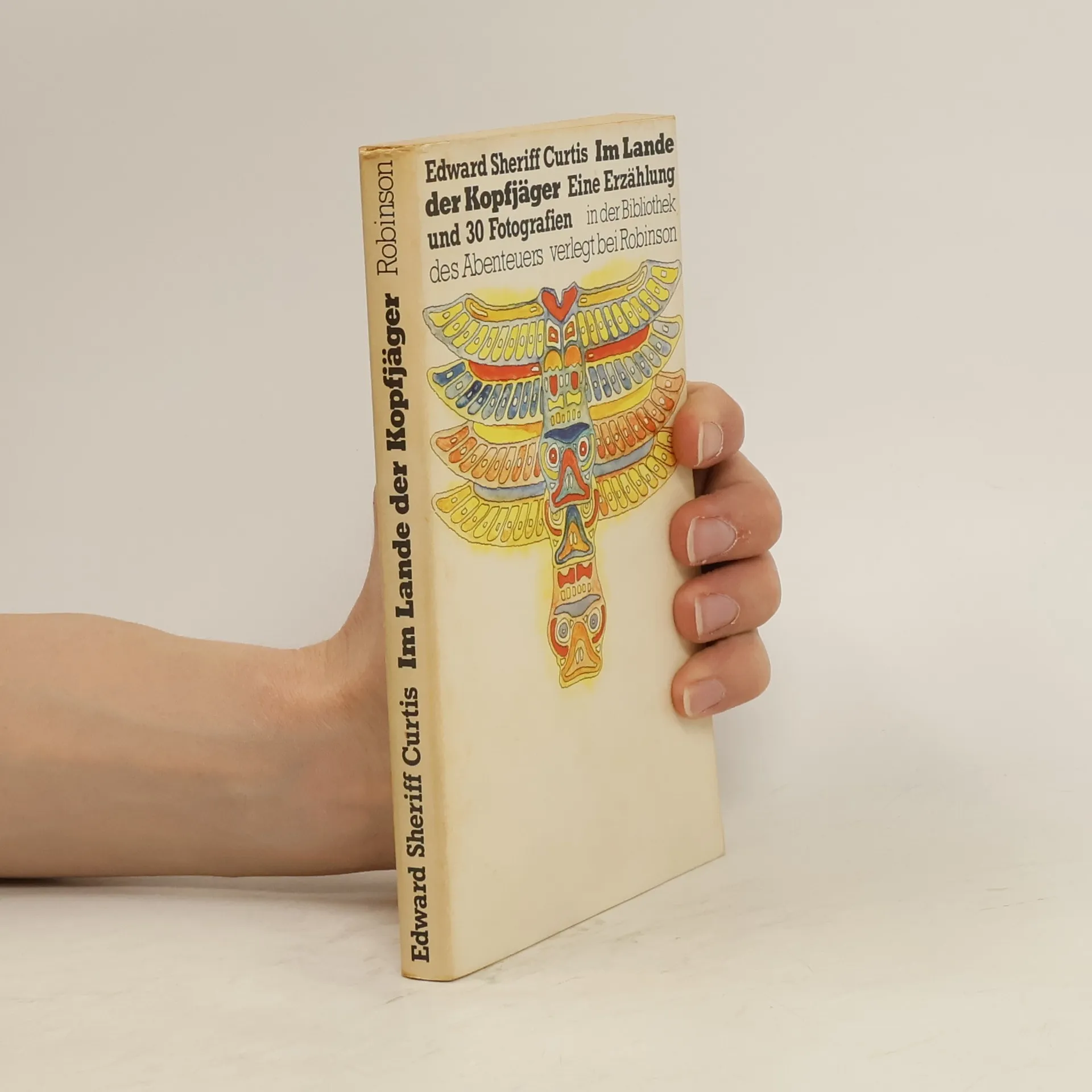
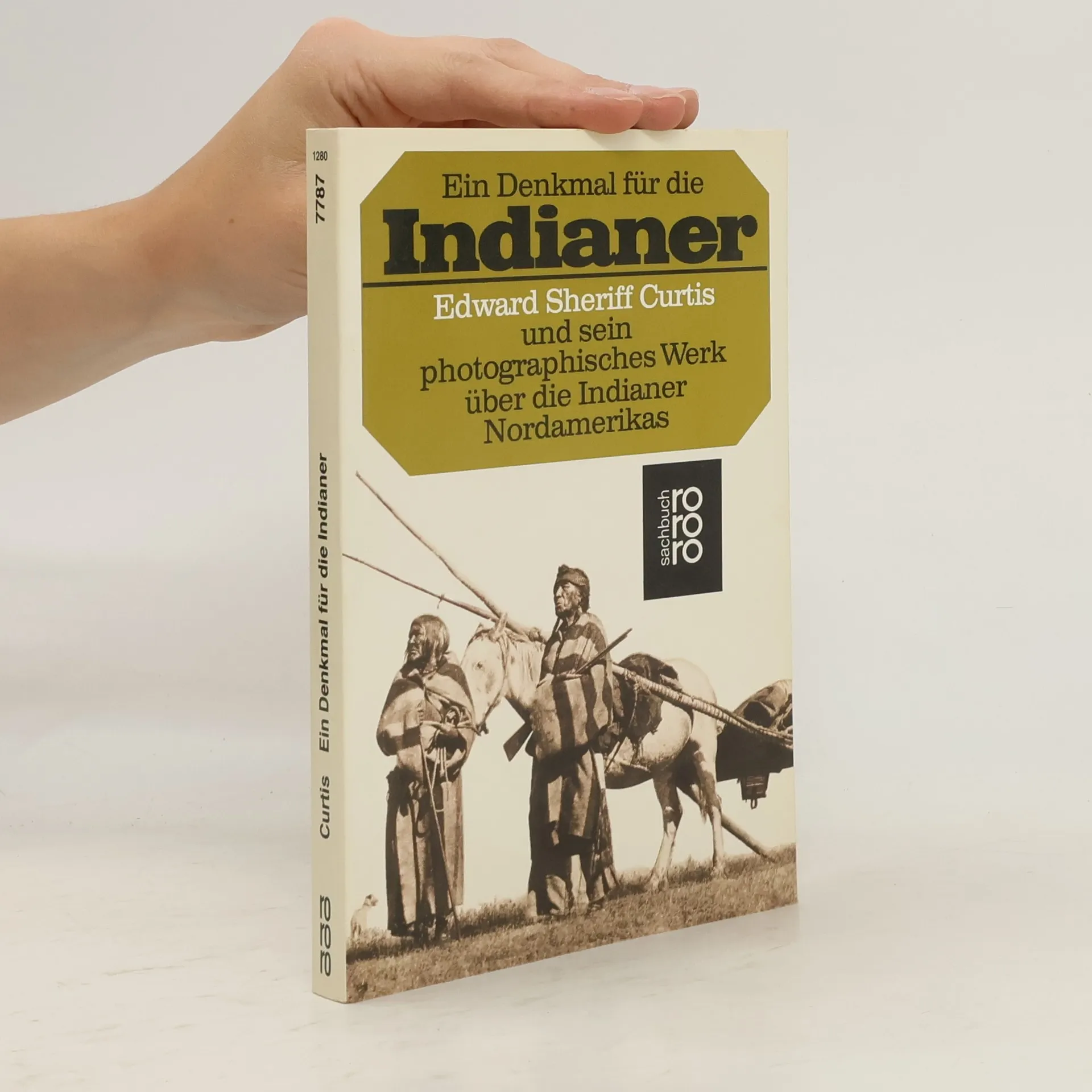
Edward Sheriff Curtis, surnommé le « Chasseur d'Ombres », a consacré plus de trente ans de sa vie à documenter les tribus amérindiennes au tournant du XXe siècle. Son œuvre considérable comprend des dizaines de milliers de photographies et d'enregistrements ethnographiques, capturant non seulement les traits de personnages tribaux importants, mais surtout les modes de vie traditionnels, les langues et la musique de nombreux peuples. L'approche de Curtis était profondément respectueuse ; il cherchait à enregistrer l'authenticité et l'essence spirituelle de ses sujets, employant souvent des reconstitutions et une étude diligente du passé. Son œuvre monumentale, publiée en vingt volumes, constitue un héritage historique et artistique inestimable.
Focusing on the Apache, Jicarillas, and Navajo tribes, this volume offers an in-depth exploration of their histories, customs, ceremonies, and mythologies. It also includes comparative vocabularies, providing a comprehensive understanding of these Native American cultures. This work is part of a larger series dedicated to documenting the rich heritage of North American Indian tribes.
The book includes many regions, tribes and ages of people, and in some ways even some of the more negative aspects of his photographs are invaluable because they informed much of the mainstream American (worldwide, really) mythology that surrounds First Nations peoples of North America. The photos are somewhere between documentary and romanticism. Where he could have taken straight documentary photos of poverty and tattered Western/white clothing, he instead staged warrior meetings on horseback and the like.
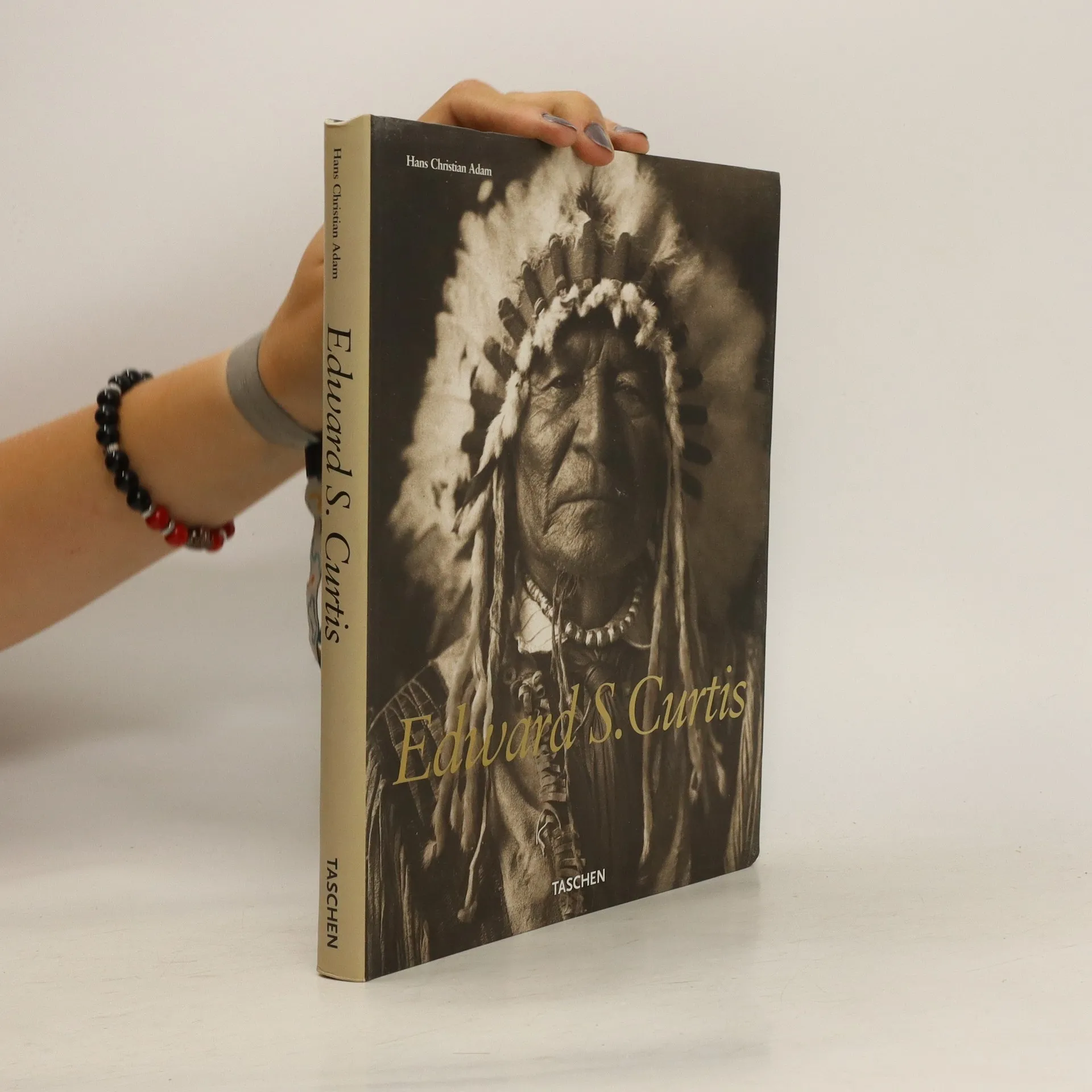
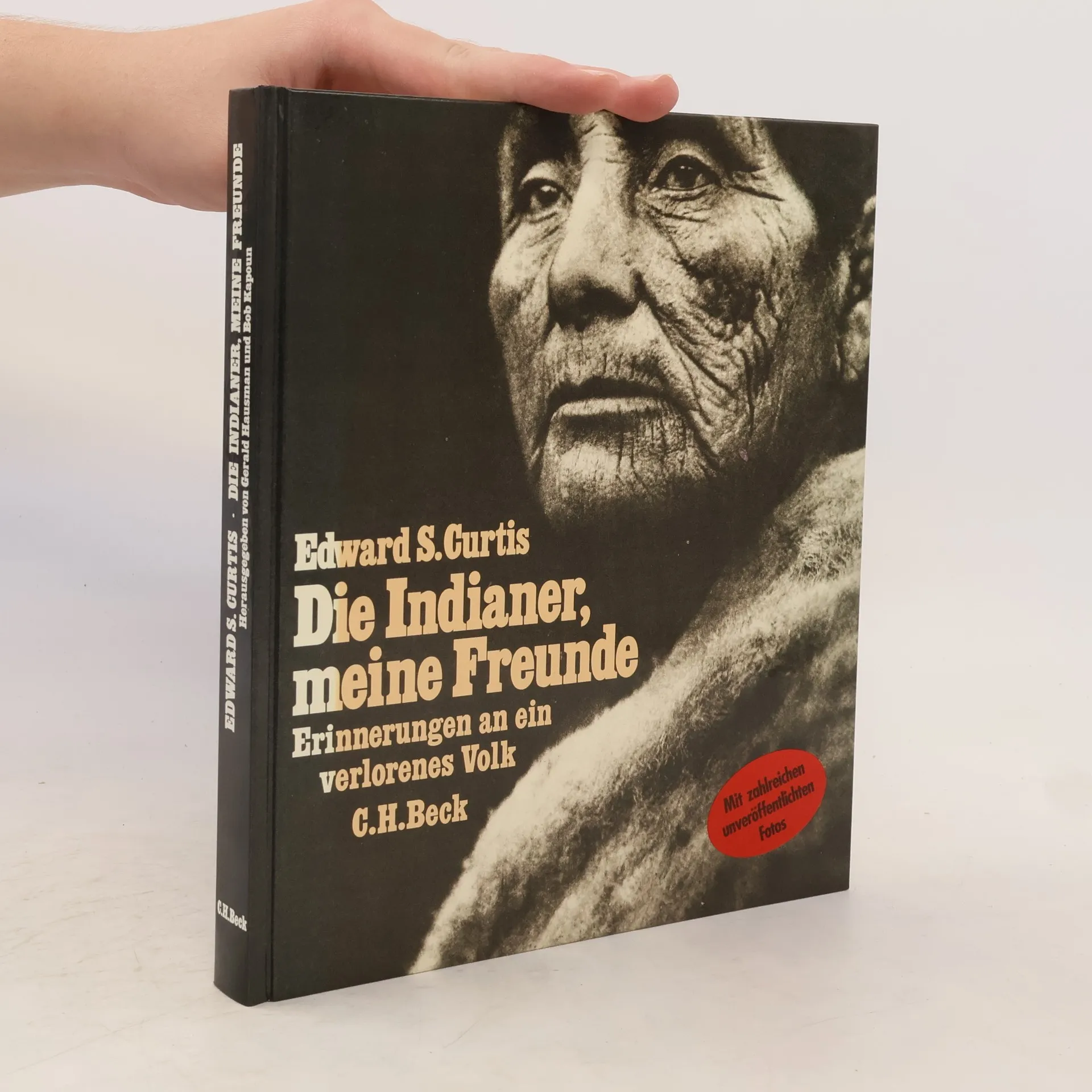
One hundred years ago, Edward Sheriff Curtis began a thirty-year odyssey to photograph and document the lives and traditions of the Native peoples of North America. In this landmark volume, almost 200 of the finest examples of Curtis's photographs are reproduced with startling fidelity to his original prints.
In Sheila Metzner's photographs, beauty transcends mere appearance. Renowned for her rich and refined images in the fashion and television industries since the 1970s, her work has attracted diverse clients like Fendi, Ralph Lauren, and Chanel. Metzner skillfully blends the pictorialist aesthetics of Alfred Stieglitz and Edward Steichen with the modernist flair of Man Ray and Charles Sheeler, resulting in a unique style that has significantly impacted photography's history. Many of her photographs achieve a transcendent quality through a printing process developed by the Fresson family in 1895, which she employs to create painterly images with ethereal tonal ranges and color saturation. As one of only ten American photographers collaborating with Atelier Fresson, Metzner's work exemplifies this creative partnership. The collection showcases her fashion photography alongside sensual nudes and formalist still lifes from 1980 to 2000, presenting a retrospective that balances romanticism with precision and detail. This presentation highlights Metzner's distinctive creative vision, offering images that resonate with elegance and distinction.
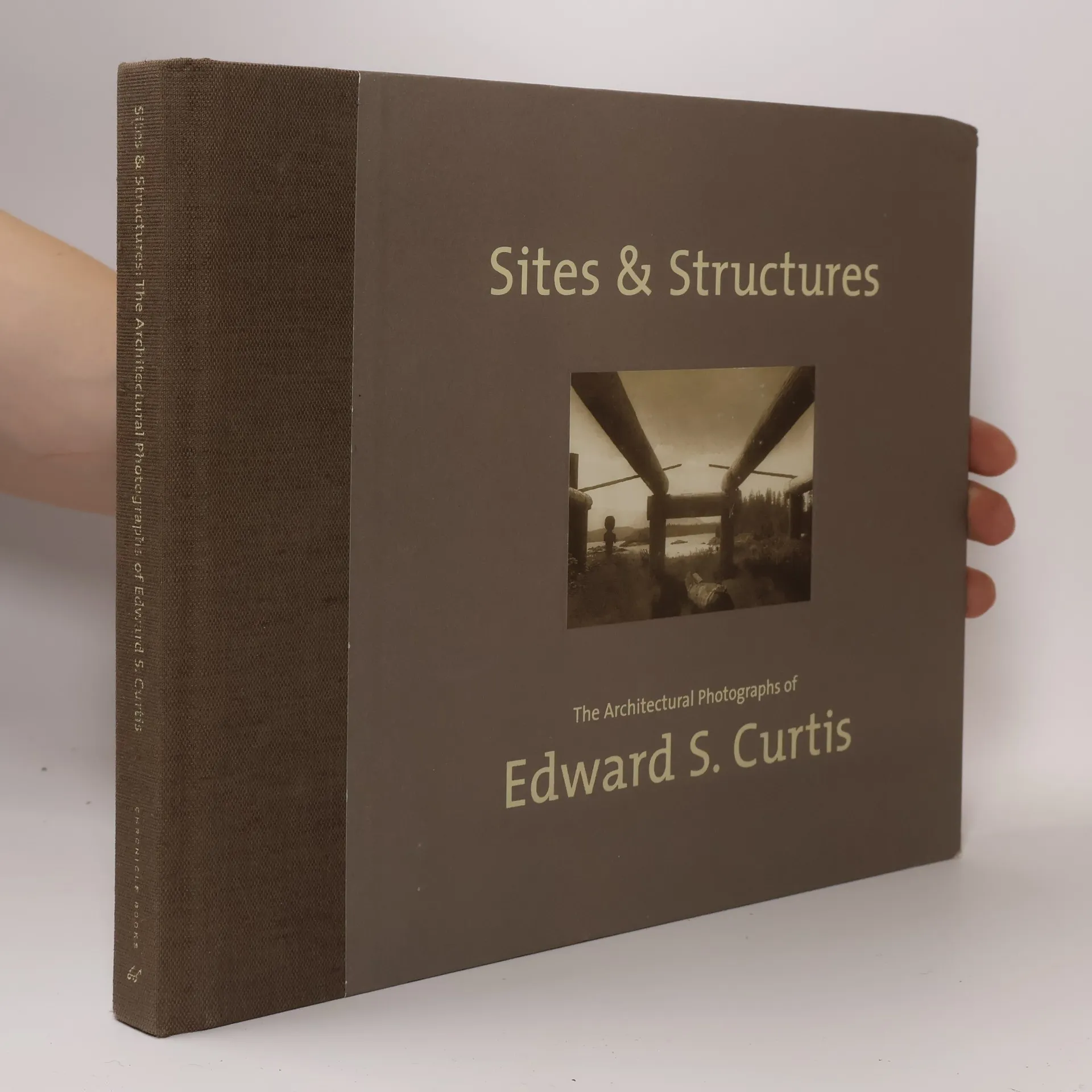
Legendary for his massive photographic undertaking The North American Indian, Edward Sheriff Curtis (1868-1952) recorded much more than portraits of Native American tribespeople. Among his huge body of work are numerous images of all manner of native tipis, hogans, huts, cliff houses, adobes, and many more that are far less familiar to the public eye. Though people are largely absent from these photographs, each image speaks volumes about the lives and lifestyles of the tribes to which they belonged. Other structures such as tombs, religious buildings, granaries, and totem poles are also featured prominently, further glimpses into ways of life that were in the process of disappearing. Taken from the Dan and Mary Solomon collection, Sites & The Architectural Photographs of Edward S. Curtis is the first book of Curtis photographs to explore these dwellings and structures, faithfully reproduced from the original prints and gravures. Curator and photography historian Rod Slemmons puts these photographs in context among Curtis's more familiar portraits and considers their anthropological and artistic importance. Reproduced in large, splendid tritones, Sites & Structures is one of the finest monographs of this American photographic master.
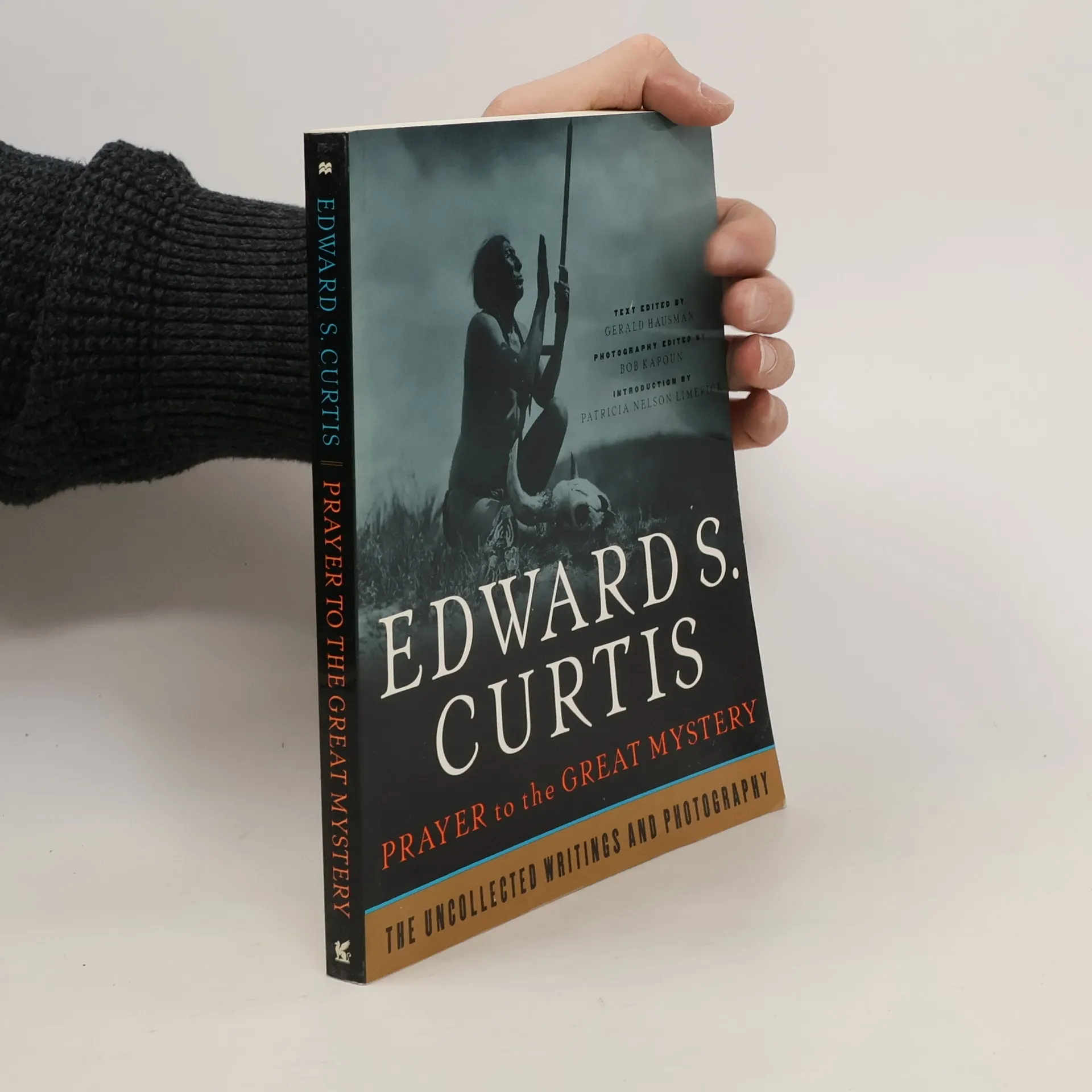
Prayer to the Great Mystery is a historic publishing event, a remarkable coup that presents 93 newly discovered photographs--along with 150 others--taken by Edward S. Curtis. Deeply human and symphathetic, these images embody Curtis's attempt to preserve the character is Native American Cultural life before its erosion by the nineteenth-century flood of American expansion. Accompanying the photographs is a poignant series of myths, abridged from Curtis's ethnographic writings. Prayers to the Great Mystery is a stunning account of a vanished era, and a seminal book for understanding our rich Native American legacy.
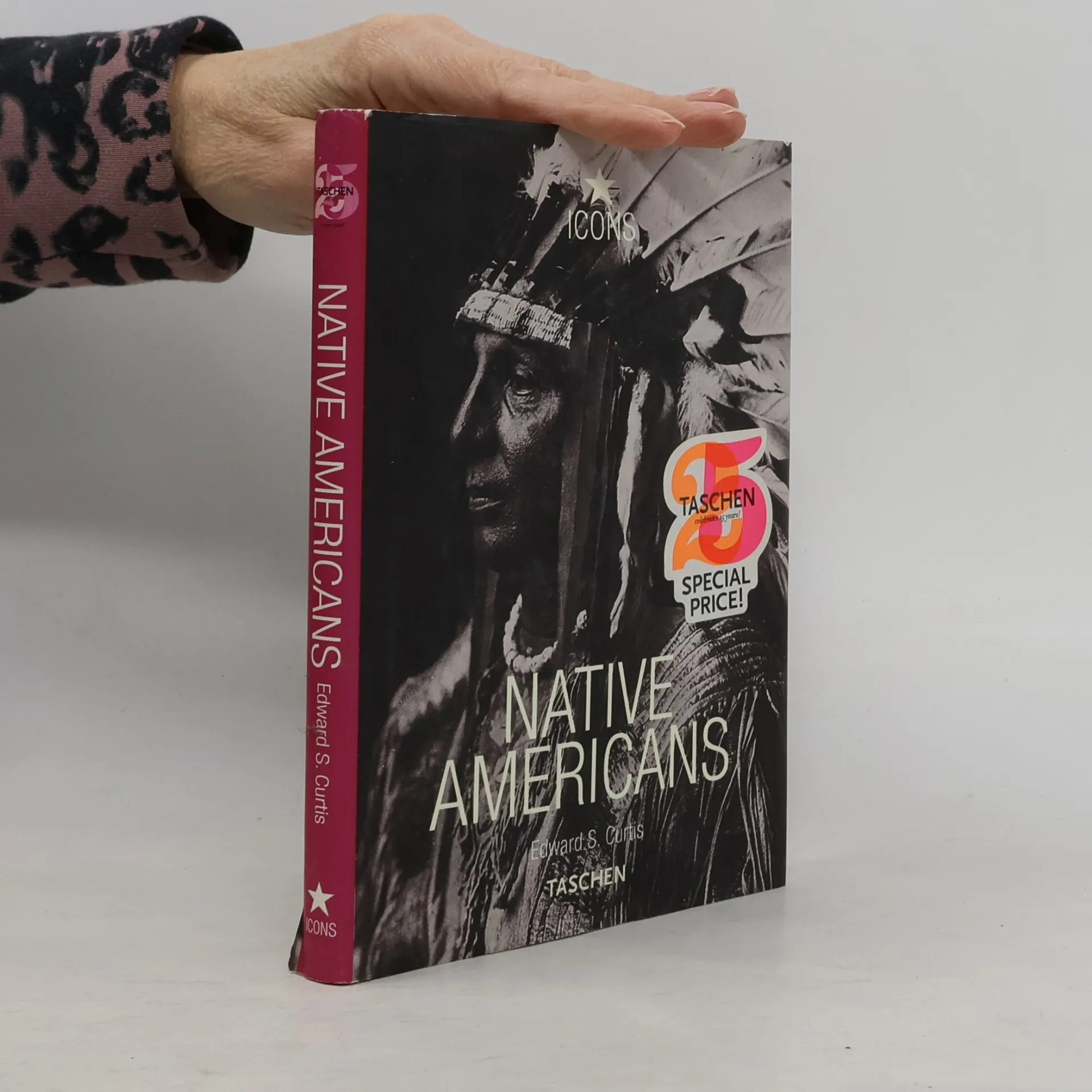
Photographs by the great nineteenth-century photographer depict the beauty of the North American Indian and his way of life and are accompanied by an insightful commentary.
Wiederauflage eines TASCHEN-Klassikers im Flexicover. Es ist eine umfassende Zusammenstellung von Edward Sheriff Curtis´ Reisebericht, der eine Zeitspanne von über 30 Jahren abdeckt, in vielen Bildern von den Ureinwohnern Nordamerikas.
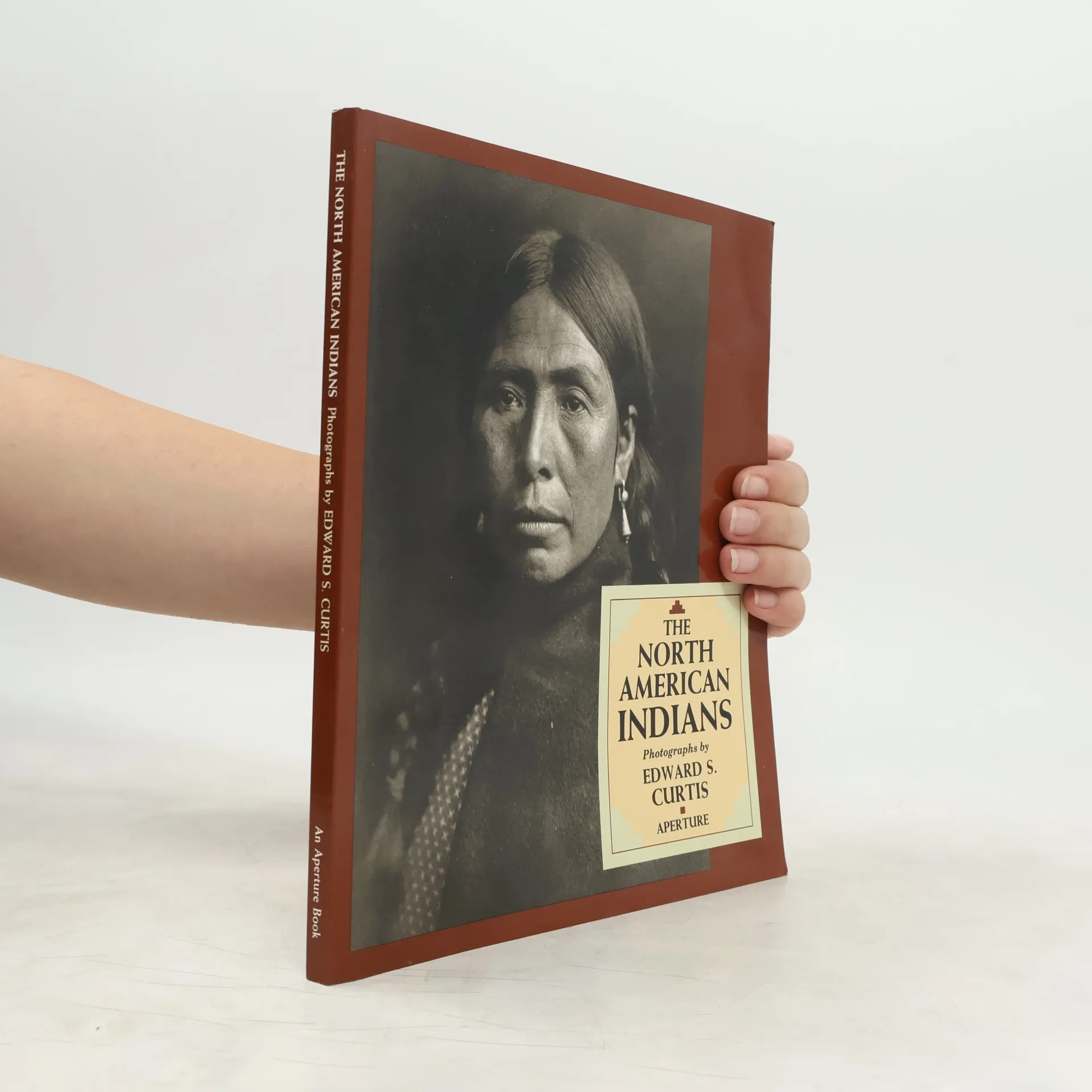
It is thus near to Nature that much of the life of the Indian still is; hence its story, rather than being replete with statistics of commercial conquests, is a record of the Indian's relations with and his dependence on the phenomena of the universe--the trees and shrubs, the sun and stars, the lightning and rain--for these to him are animate creatures. Even more than that, they are deified, therefore are revered and propitiated, since upon them man must depend for his well being. --Edward S. Curtis, "The North American Indians" Between 1896 and 1930, Edward S. Curtis documented Native Americans and their way of life in the western United States and British Columbia. His efforts resulted in a 20-volume visual record accompanied by text--a document unequaled in the history of photography. 68 photographs from the original collection have been selected for this Aperture book; the result is a compilation of Curtis' best-known images documenting the Native American way of life. Joseph Epes Brown, author of "The Sacred Pipe" and "The Spiritual Legacy of the American Indian," has written an insightful introduction, and has also selected texts to accompany the photographs to suggest the quality of mood and message that Curtis wanted to convey.
A photographic record of the spirit of the North American Indian tribes and nations portrays all aspects of Indian life from crafts and dress, to customs and rituals